• Category Archives Uncategorized
  • Aboard the Nemo II

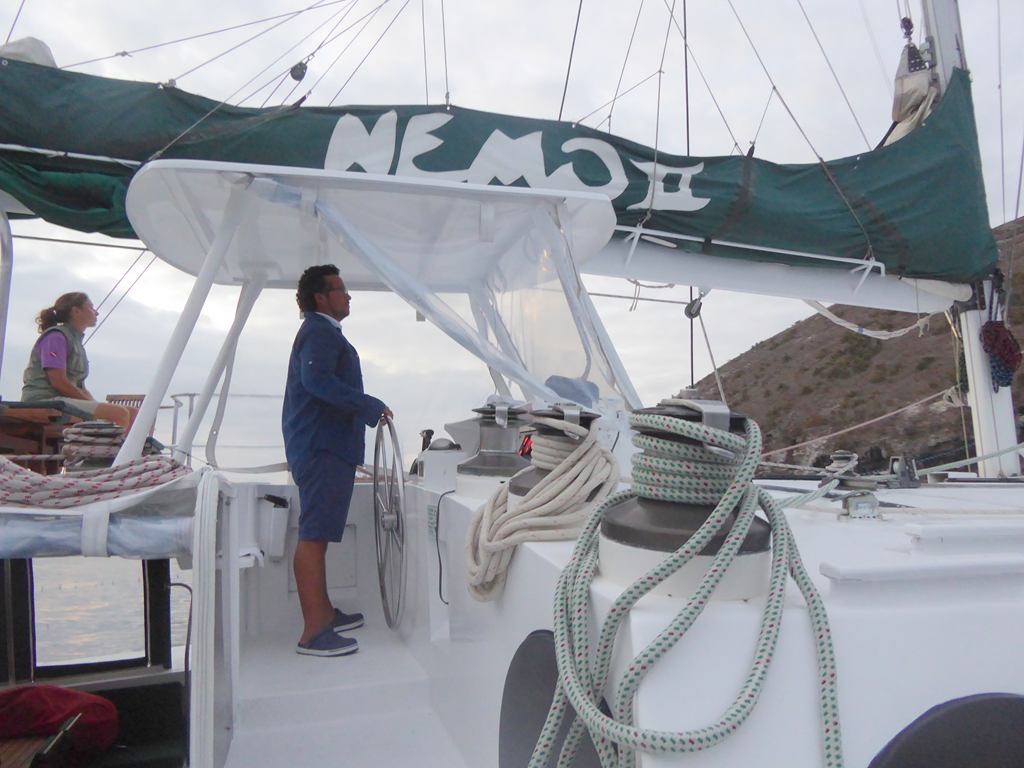
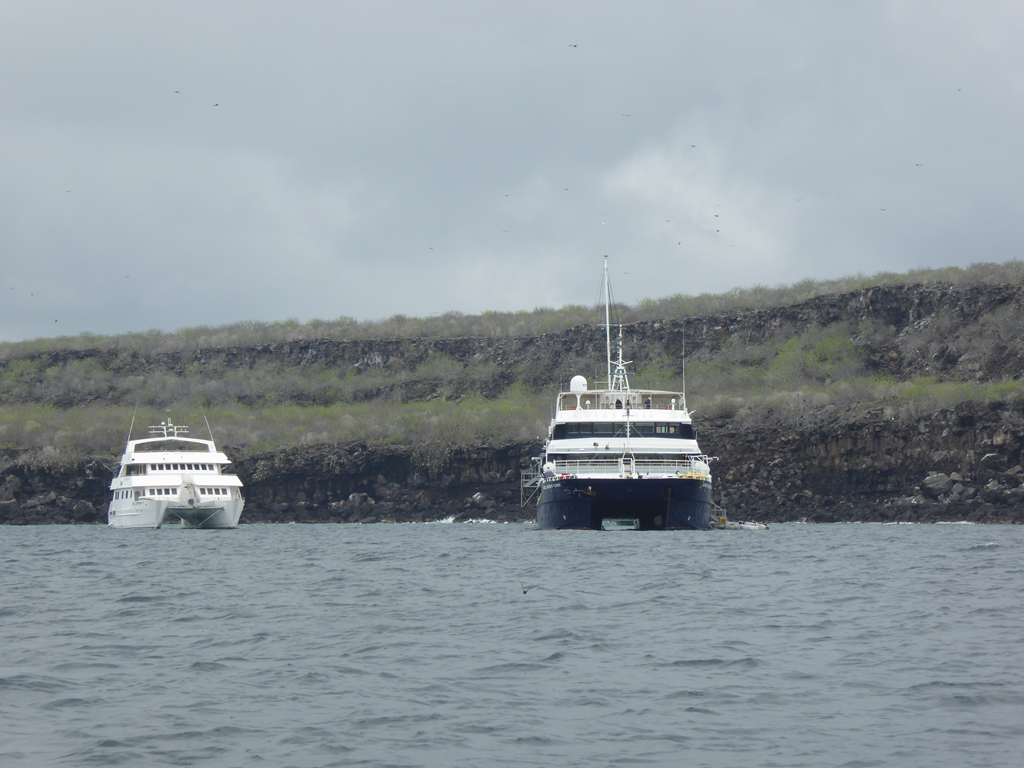
    This was our home for the week.
    image

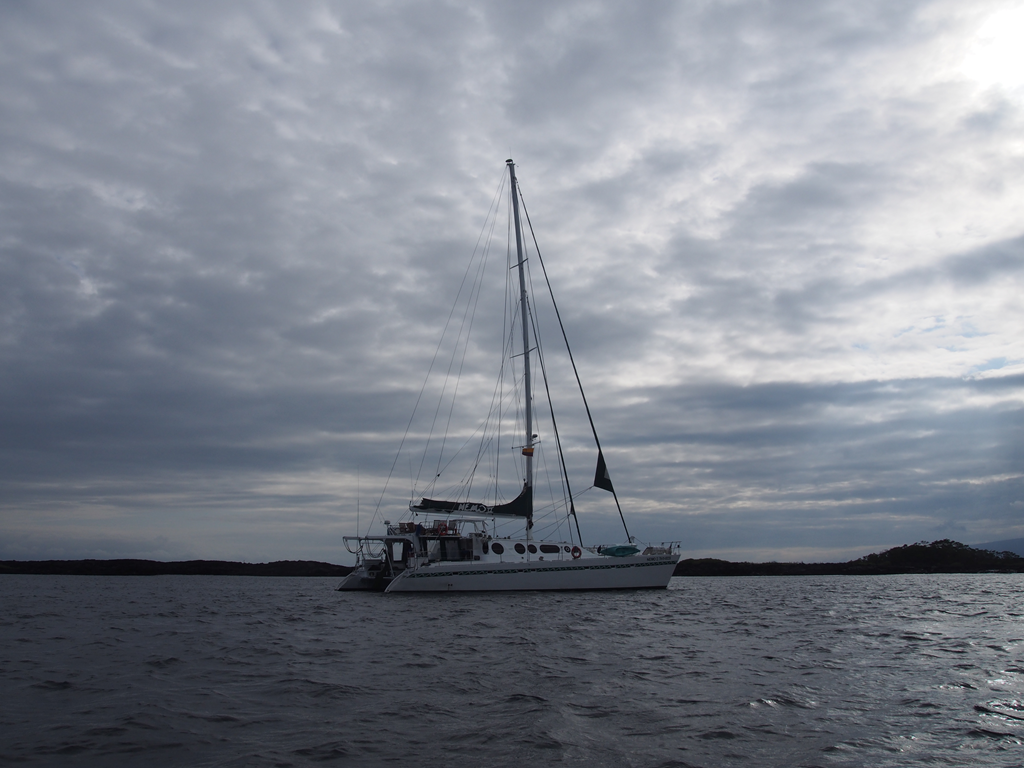
    Sorry, it’s actually completely hidden behind the big blue boat there except for the top of its mast. This is it.
    image

    It may actually be the smallest ship for week long trips in the Galapagos, carrying only 12 passengers. It is a motorized sail catamaran.
    image

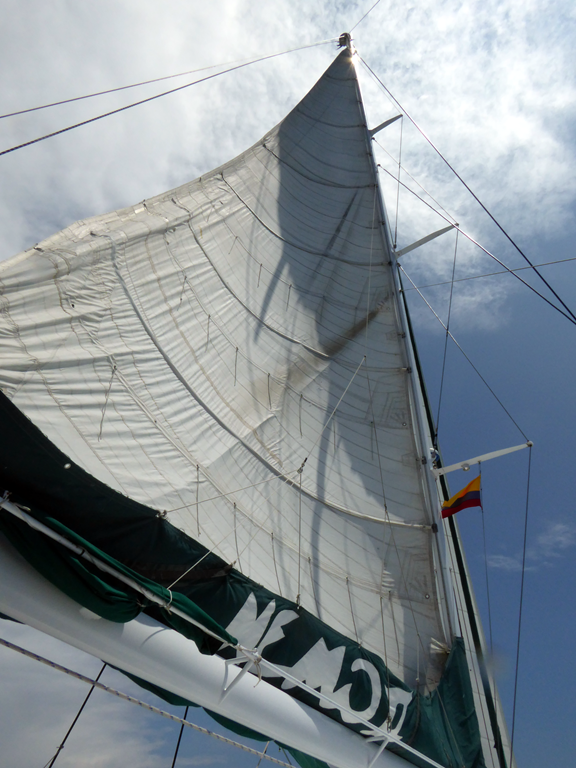
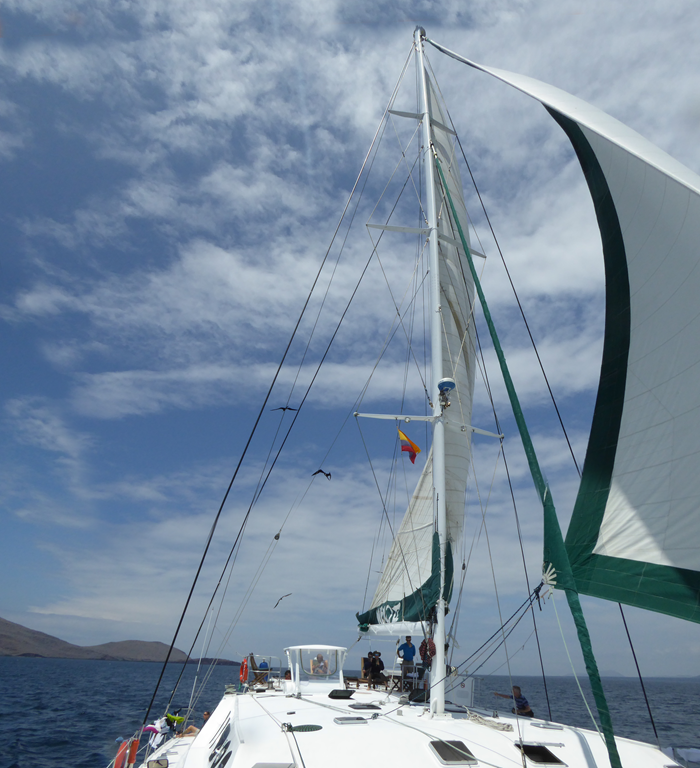
    On occasion we would actually sail between locations. This was usually when we were doing a short navigation in the afternoon or evening and had both the wind and current in our favour. 
    image

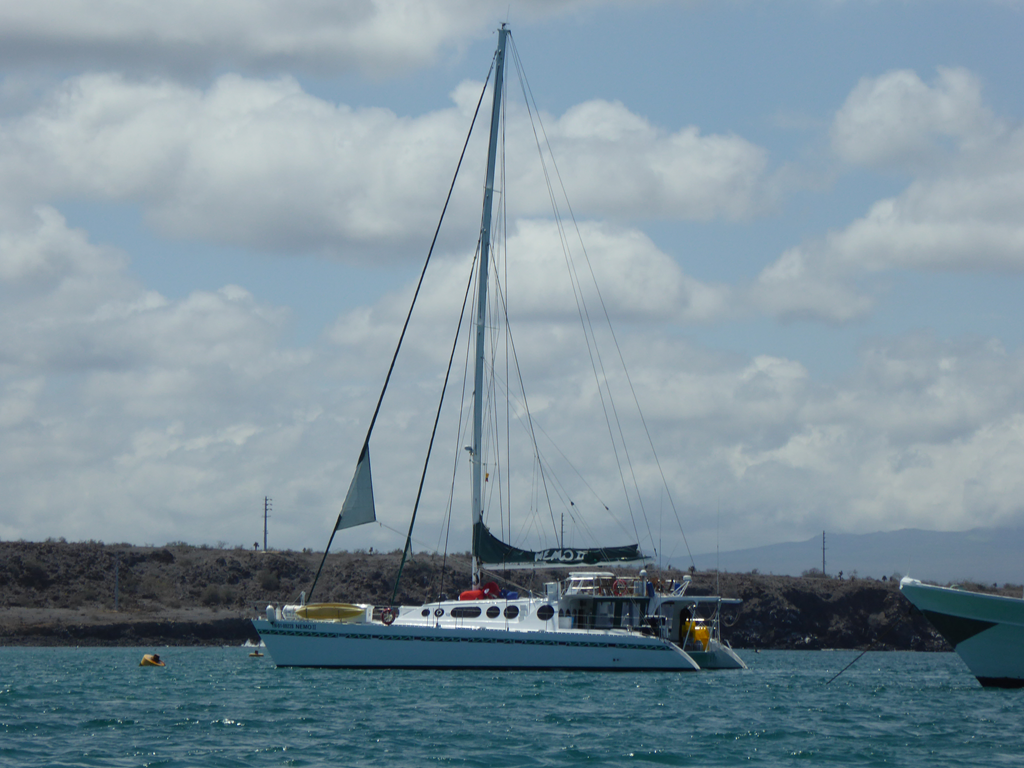
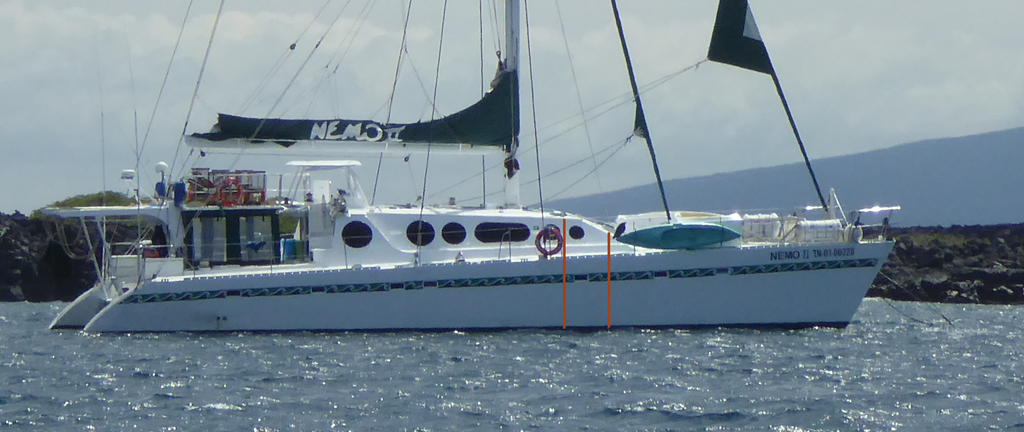
    The boat was 10 meters wide by 21 meters long.
    image

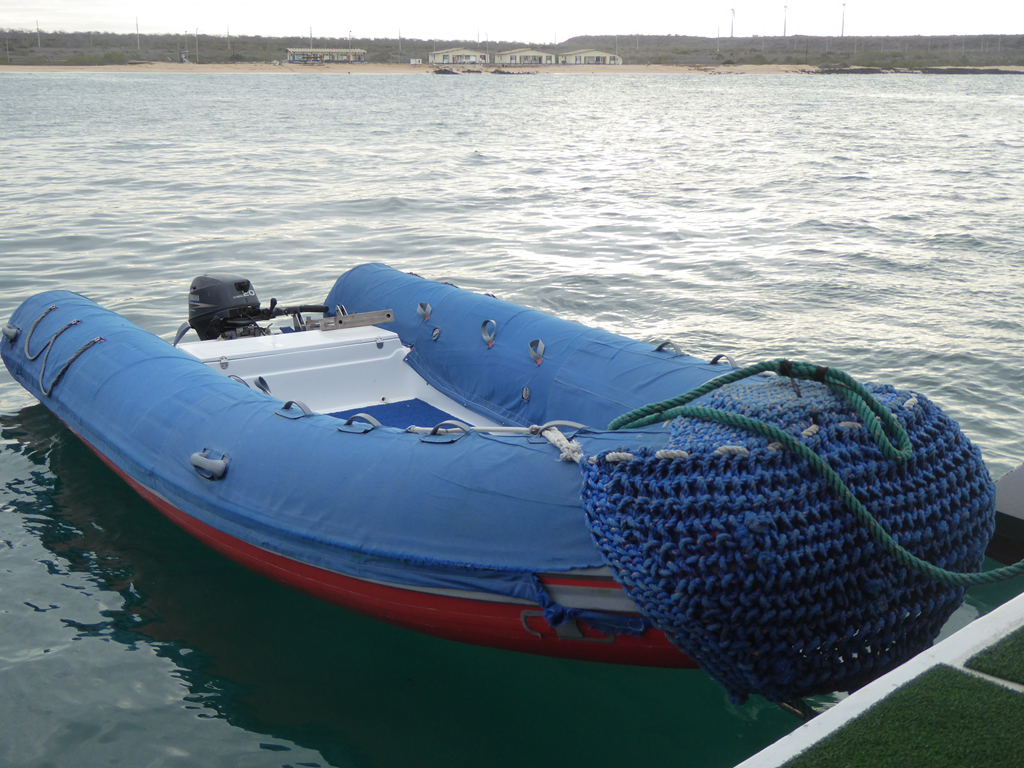
    It towed along a small dinghy used for tendering to shore and boat rides along the coast.
    image

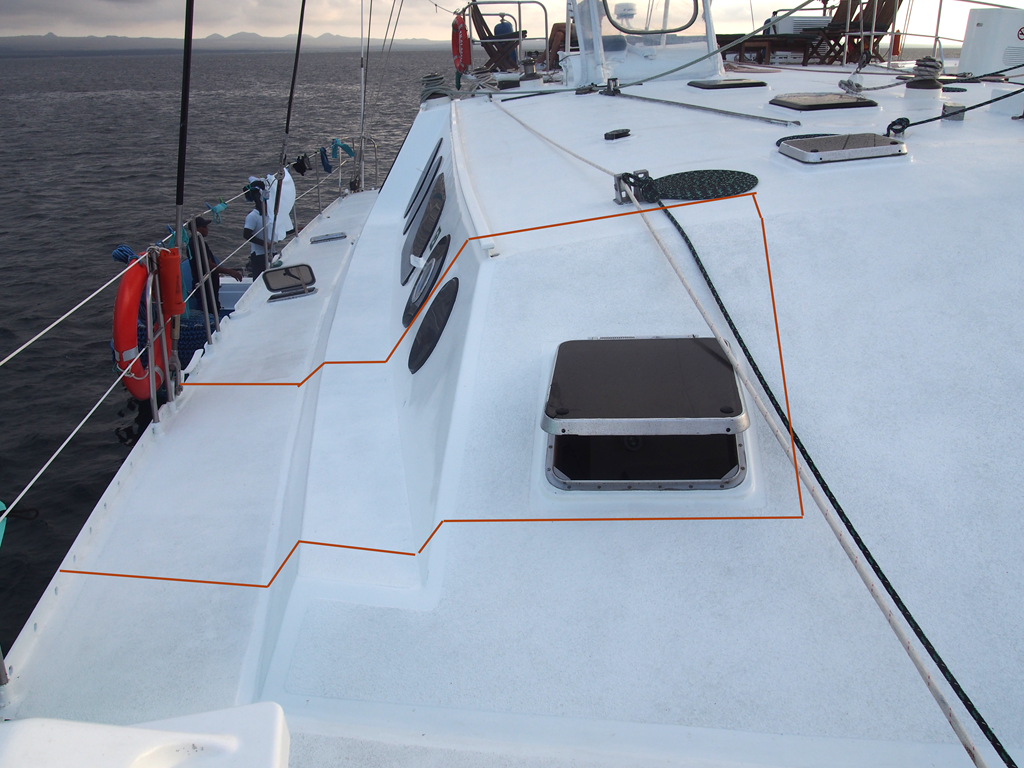
    Our room is about 2.5m x 2.5m x 3m, including the bathroom, and is located here, near the front of the boat.
    image

    image

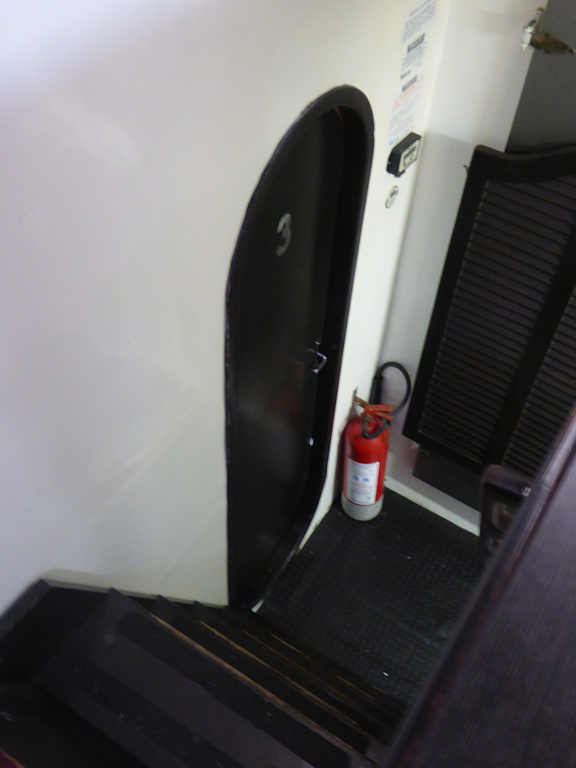
    This is the little staircase that goes down to our room. The kitchen is on the right.
    image

    It has a double bed up top and a single bed on the bottom.
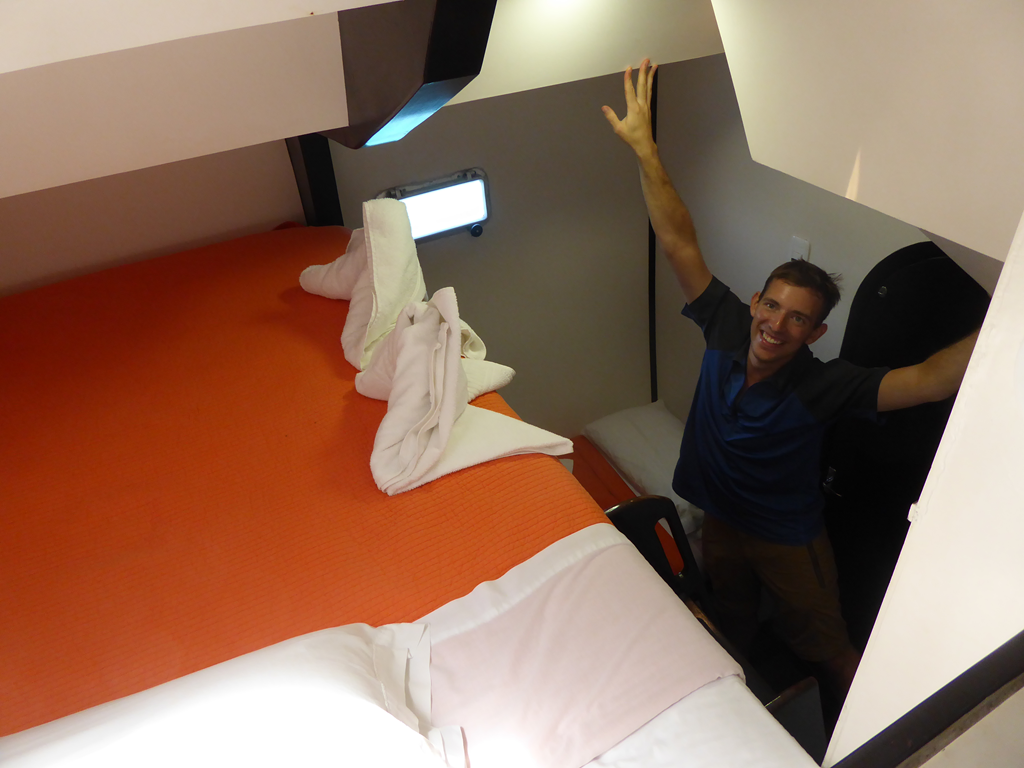
    image

    You can almost stand up straight on the bottom.
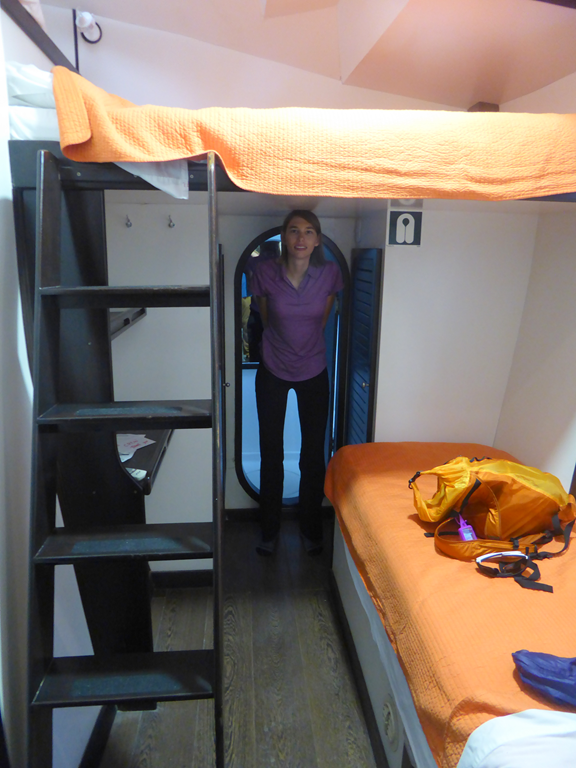
    image

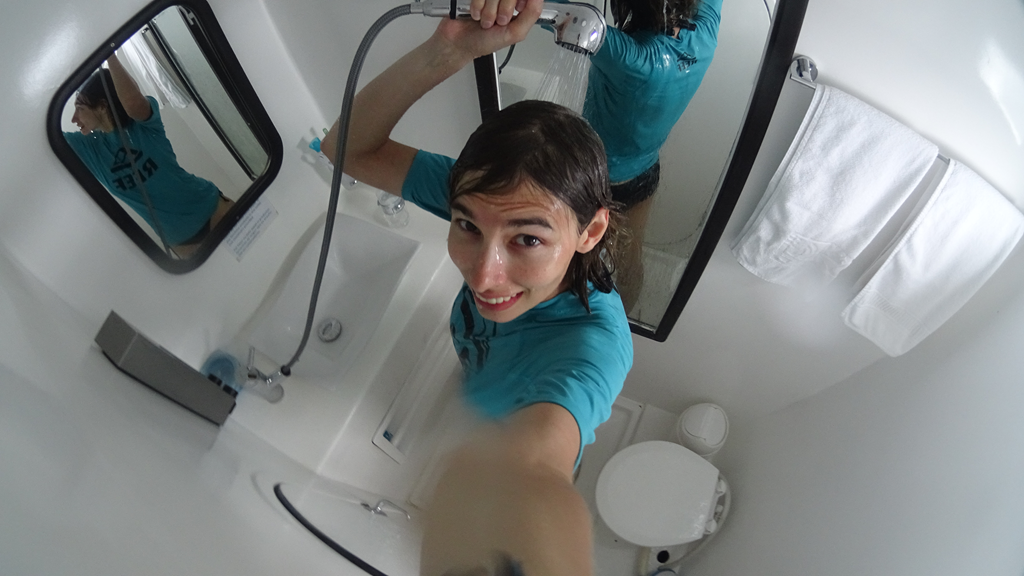
    The bathroom has a drain on the floor between the sink and the toilet. The sink converts into a hand held shower head.
    imageThere was a nice sundeck up top where we spent a lot of time, especially Kerri. Matt didn’t like it when the boat was rocking too much.
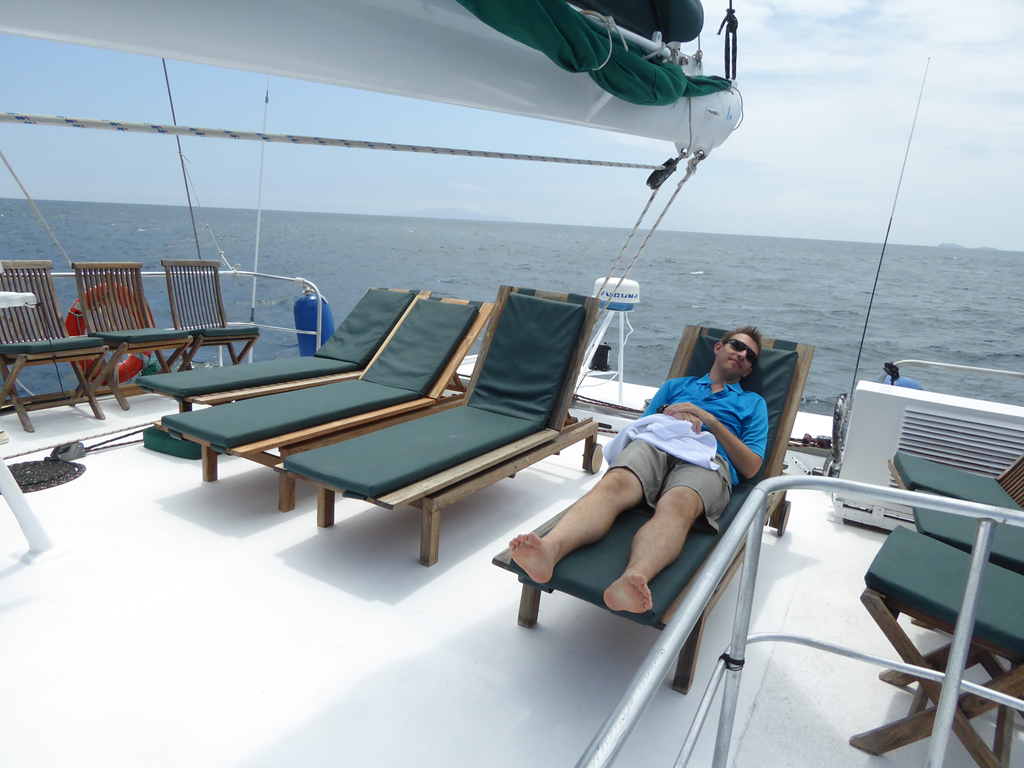
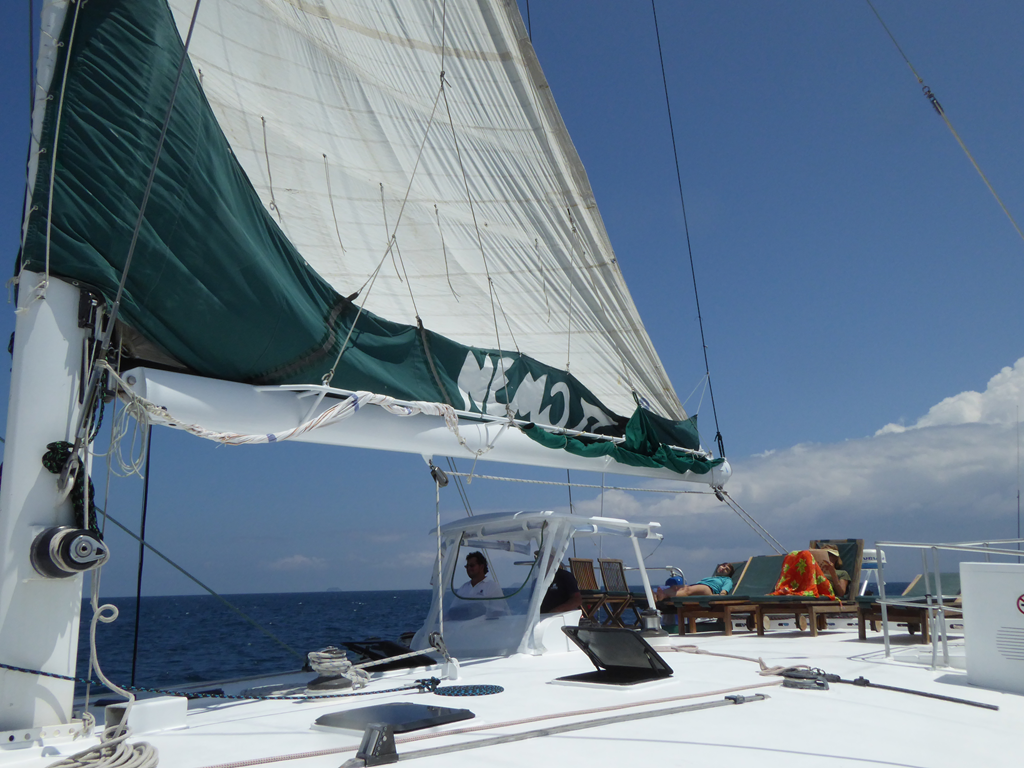
    image They actually had extra canvas to extend to create  some shade. Although these pictures don’t show it because we were sailing. image

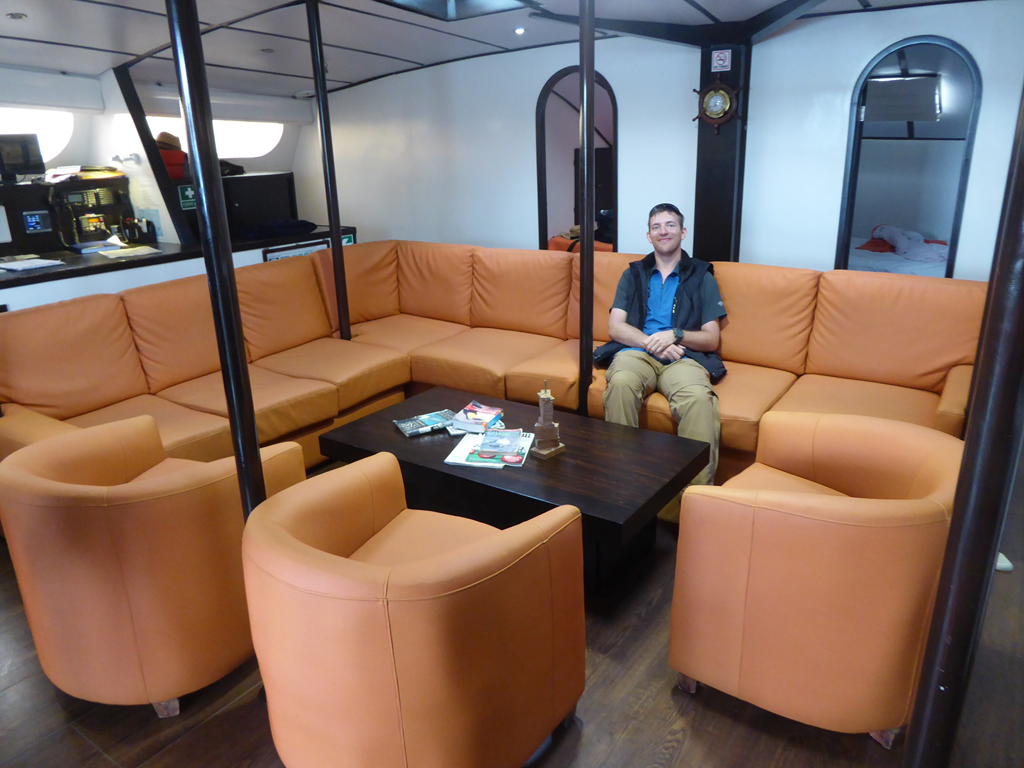
    This is the indoor sitting area where we had our nightly briefings so we’d know what the plan was for the next day.
    image

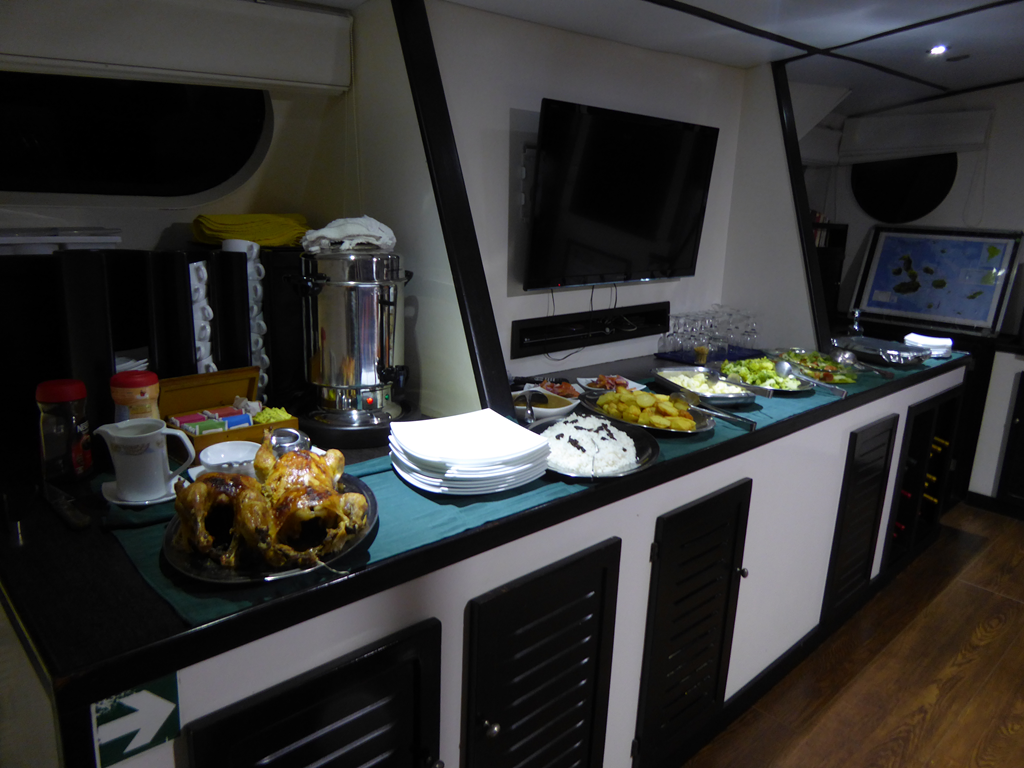
    The food was plentiful and delicious. Everyday we had a full breakfast, a snack between the morning hike and snorkel, then soup followed by lunch, a second afternoon snack between the afternoon snorkel and hike and finally dinner. There was also a dessert following both lunch and dinner. We miss the food already.
    image

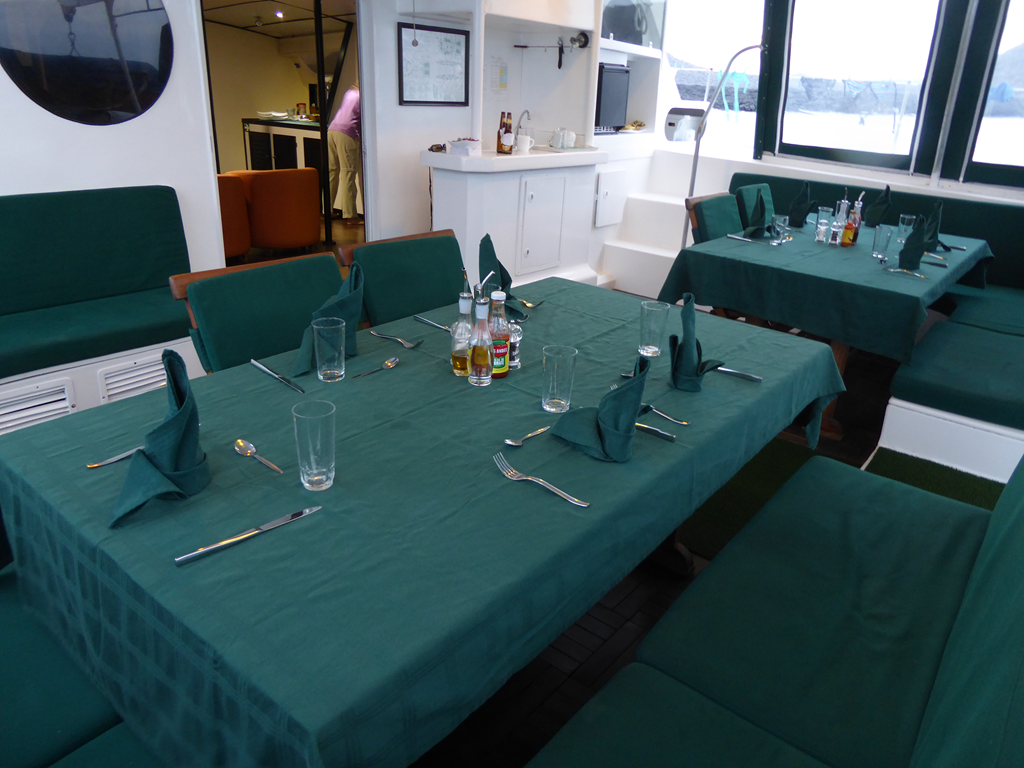
    The eating area is an open air section at the back of the boat. We would usually be anchored while eating so not too much rocking. Although right after dinner we would set off for our next destination and it would rock pretty good when against the current.
    image

    This is Capitan Henry.

    image

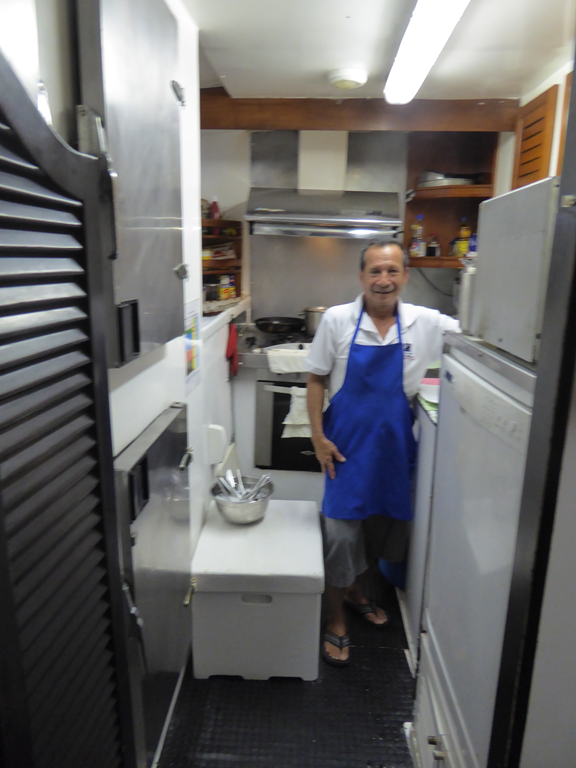
    This is Pececito, the chef, in the kitchen.
    image

    This is our guide, Patricia.

    image

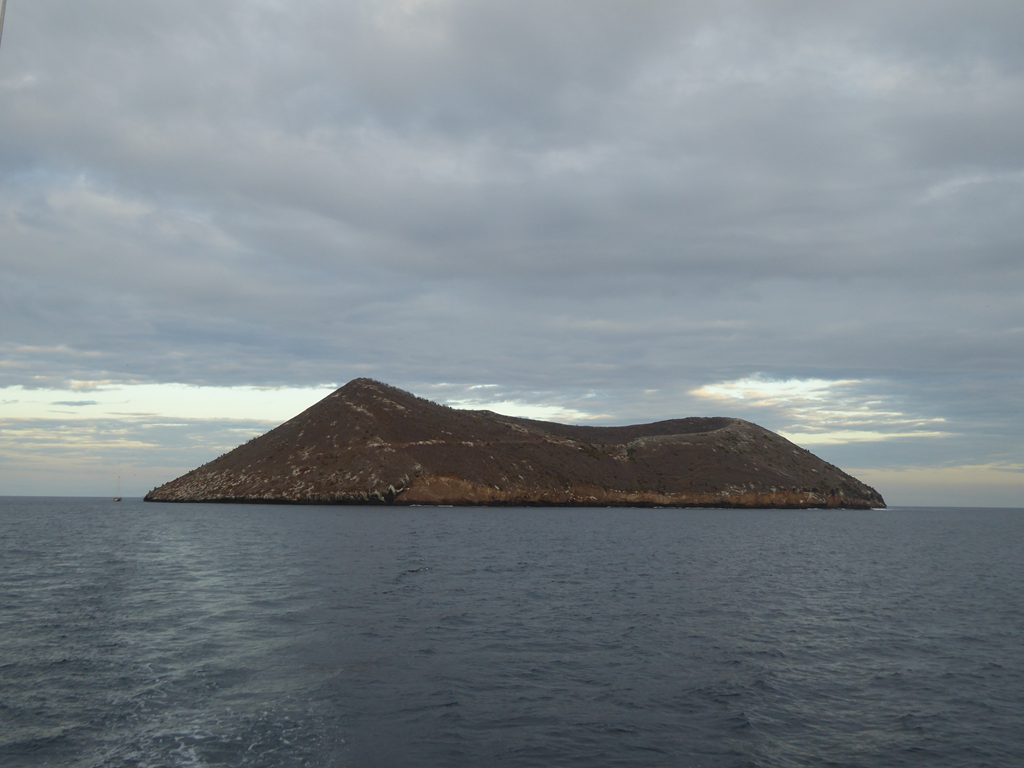
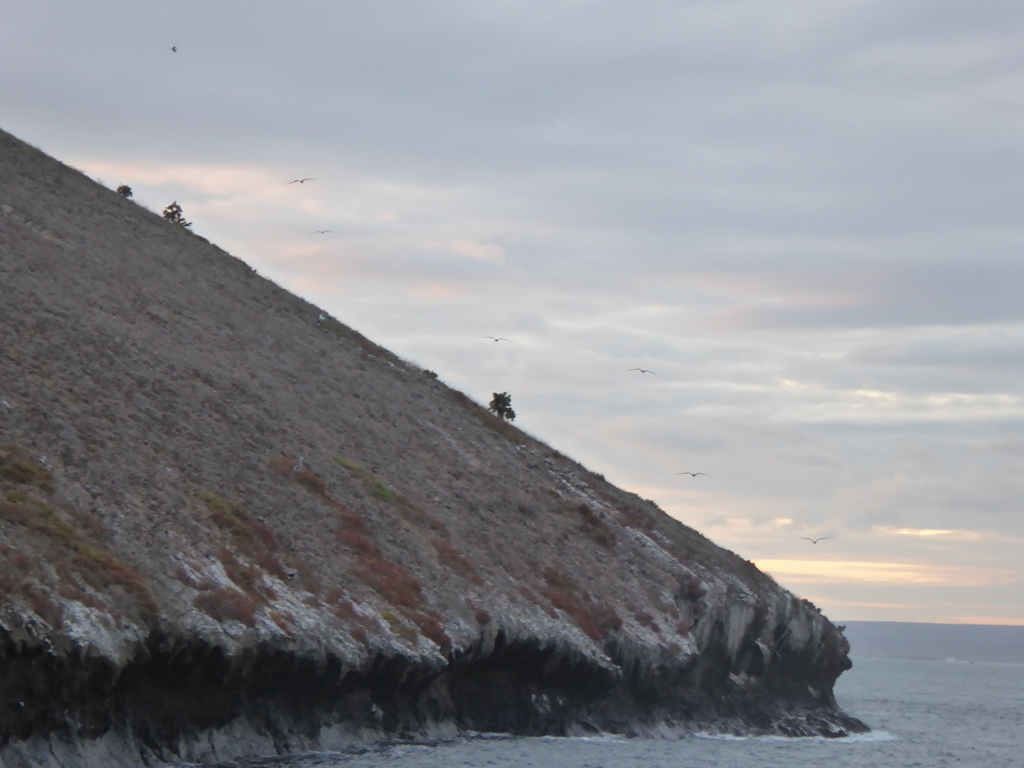
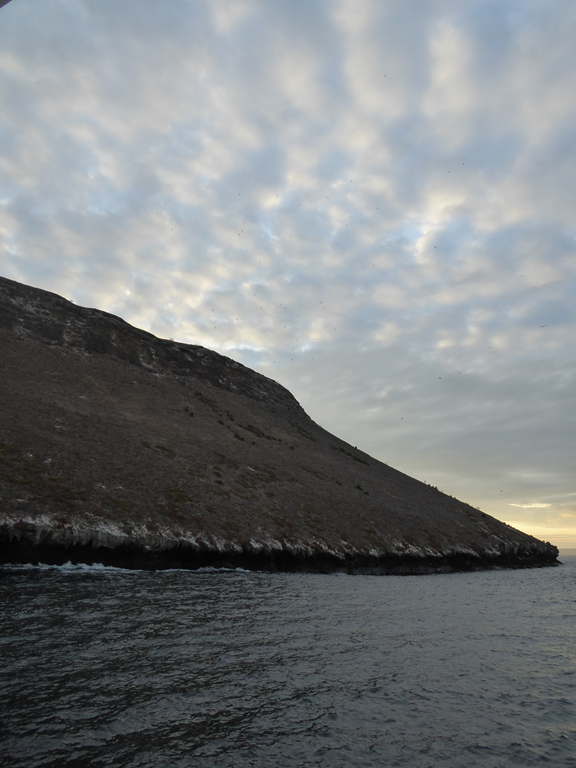
    We had a great time on the boat, even with all the rocking. At night we would lay down and get rocked gently (or less gently) to sleep. On the last night you got a moment of weightlessness on the top of each wave! On the bad nights we both would take gravol (Matt needed that in addition to the scopolomine). It was an amazing time and we were lucky to see so many different things. But as Patricia mentioned to us, anytime you go to the Galapagos you have to go with a blank slate as it changes so quickly that even an hour may pass and you may see something completely different.
  • Darwin Bay

    The last stop of the cruise was in Darwin Bay on Genovesa. Part of the walk was inaccessible due to the high tide so we had time to sit and watch the wildlife as you will see based on the length of the post.
    image

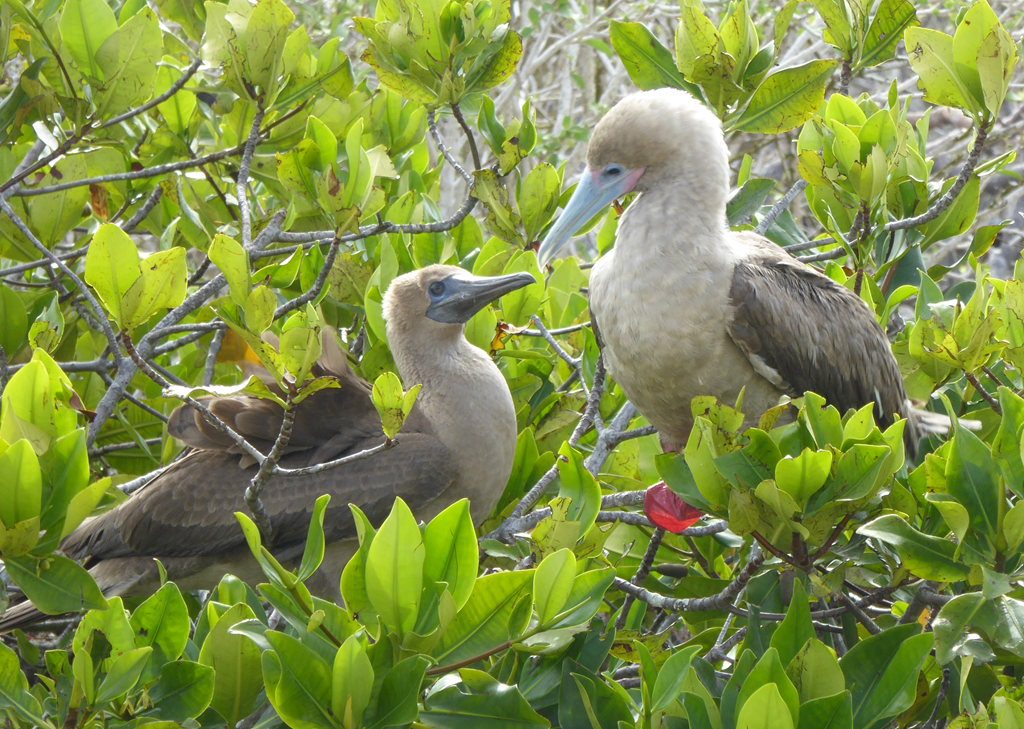
    There were more red footed boobies here.
    image

    Boobies!

    image

    Boobies!

    image

    BOOBIES!!!!!

    image

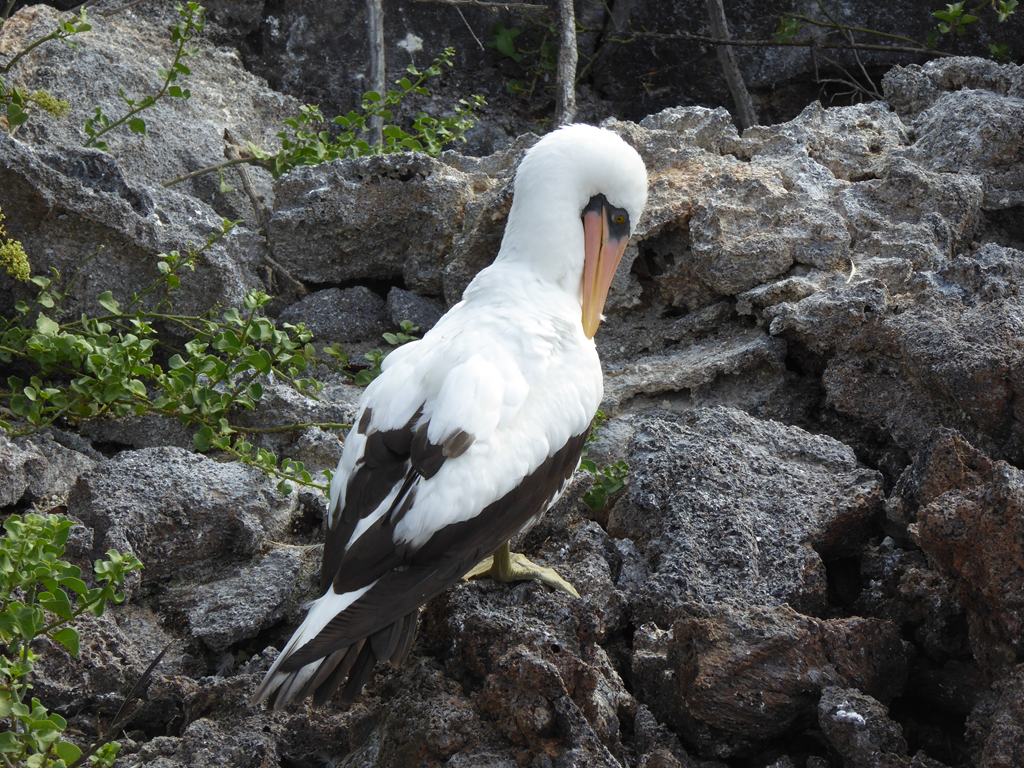
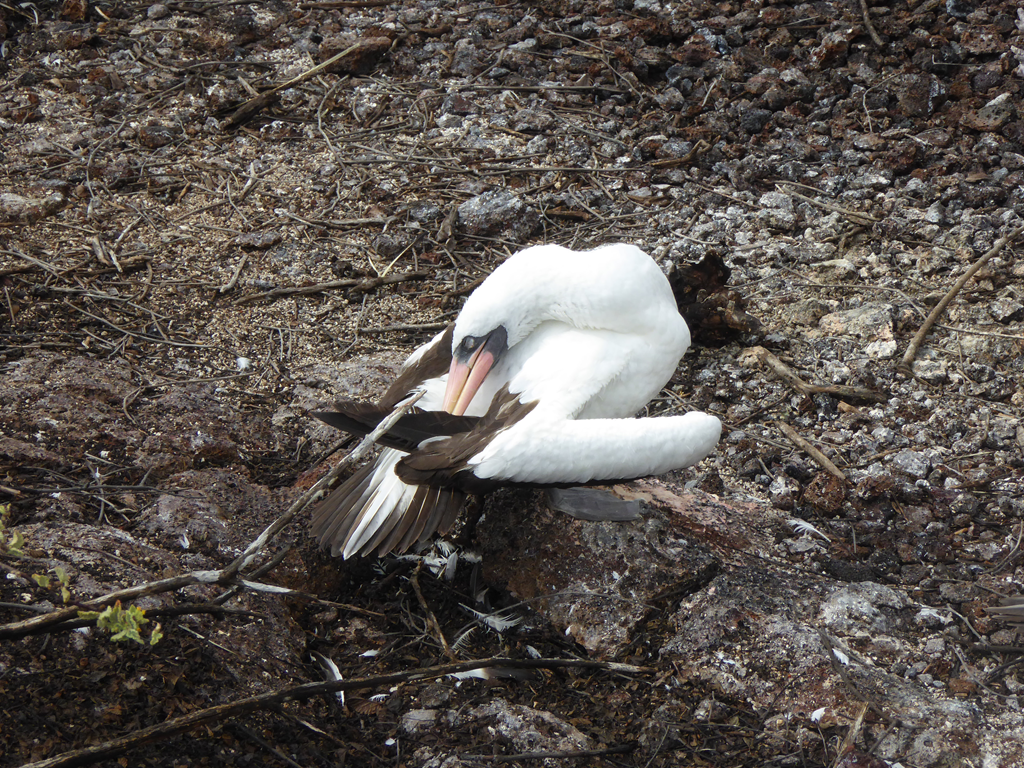
    There were also more Nazca boobies.

    image

    And something even better!

    image

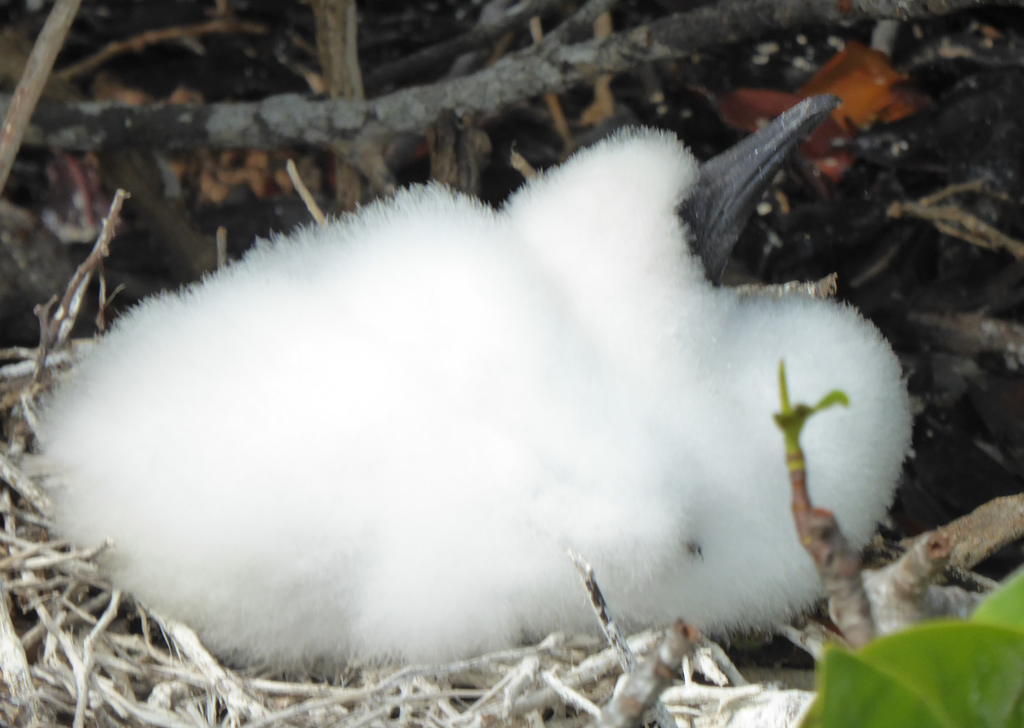
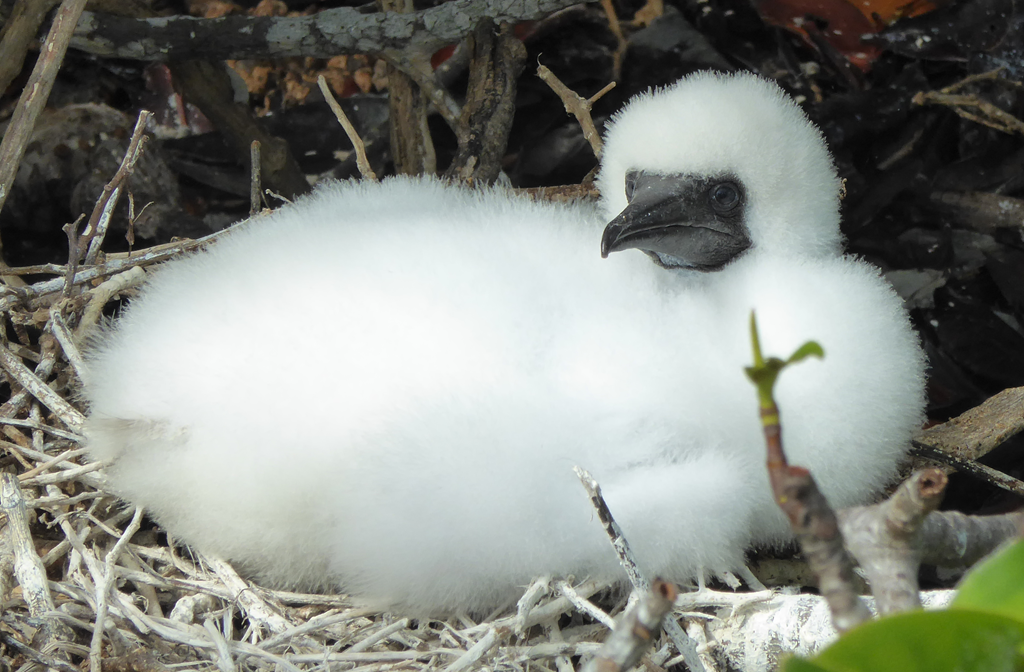
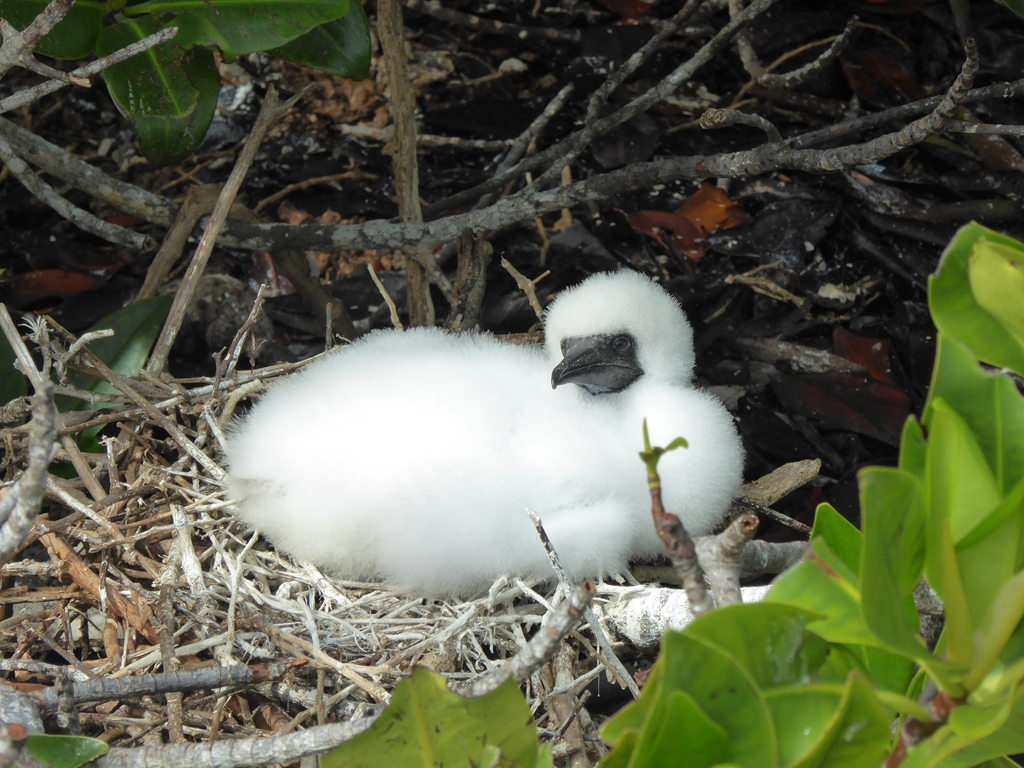
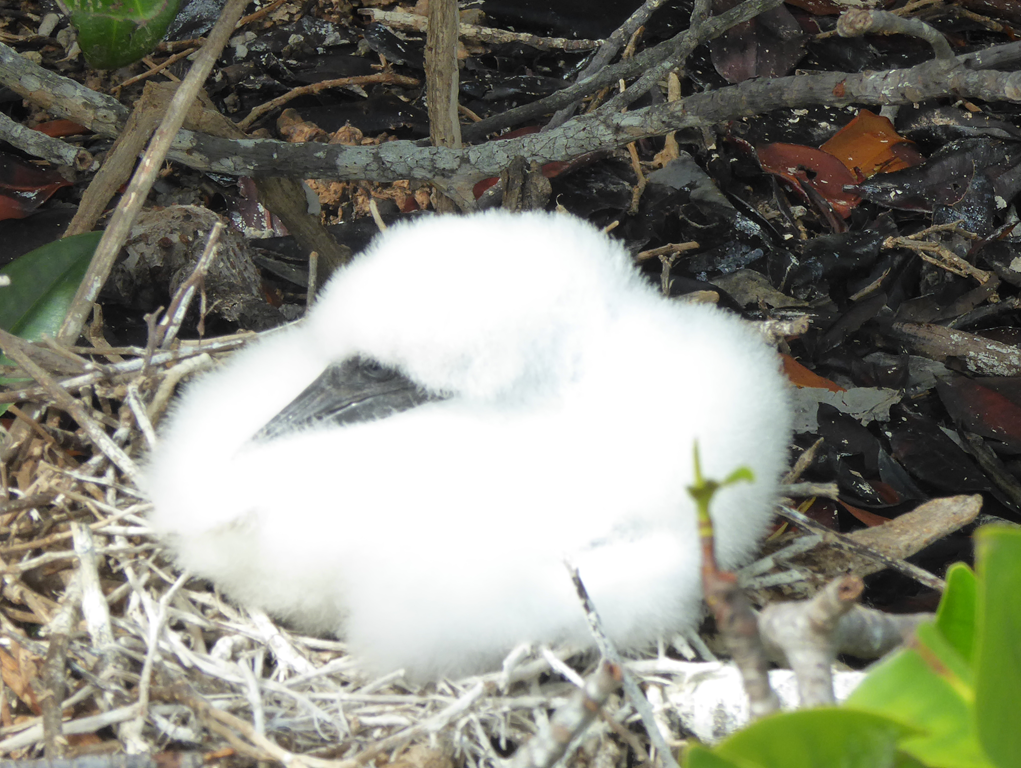
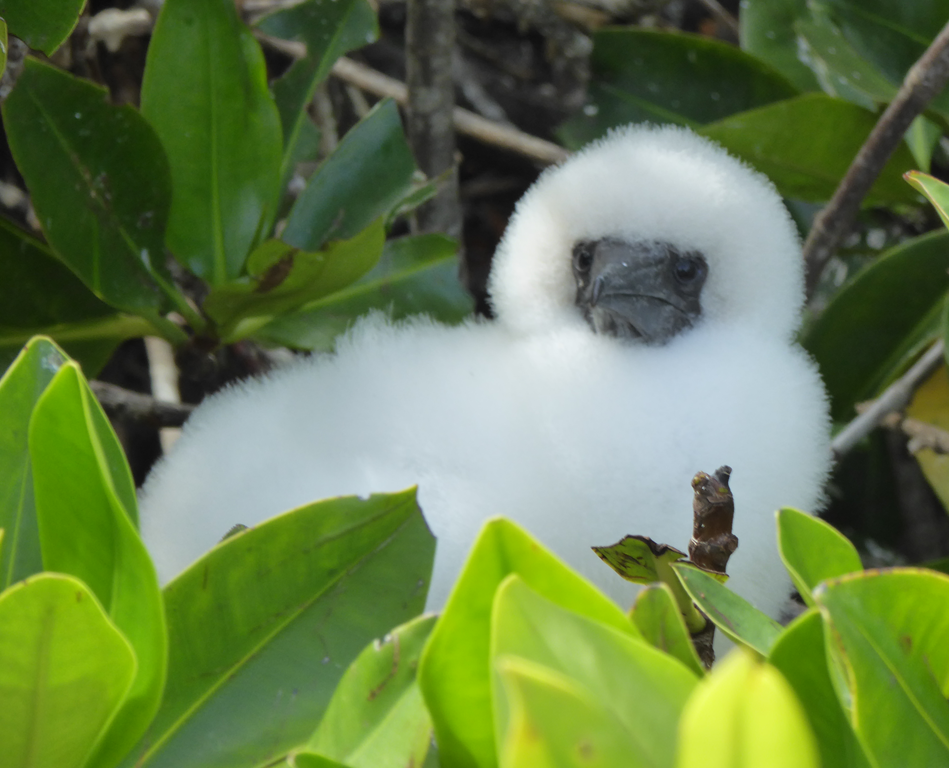
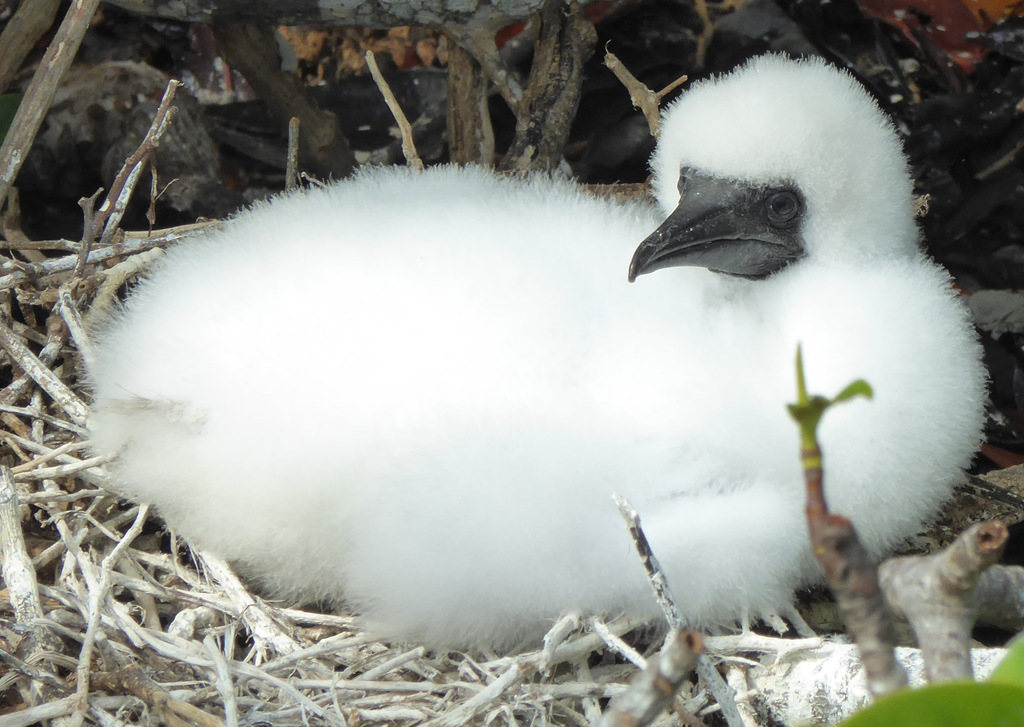
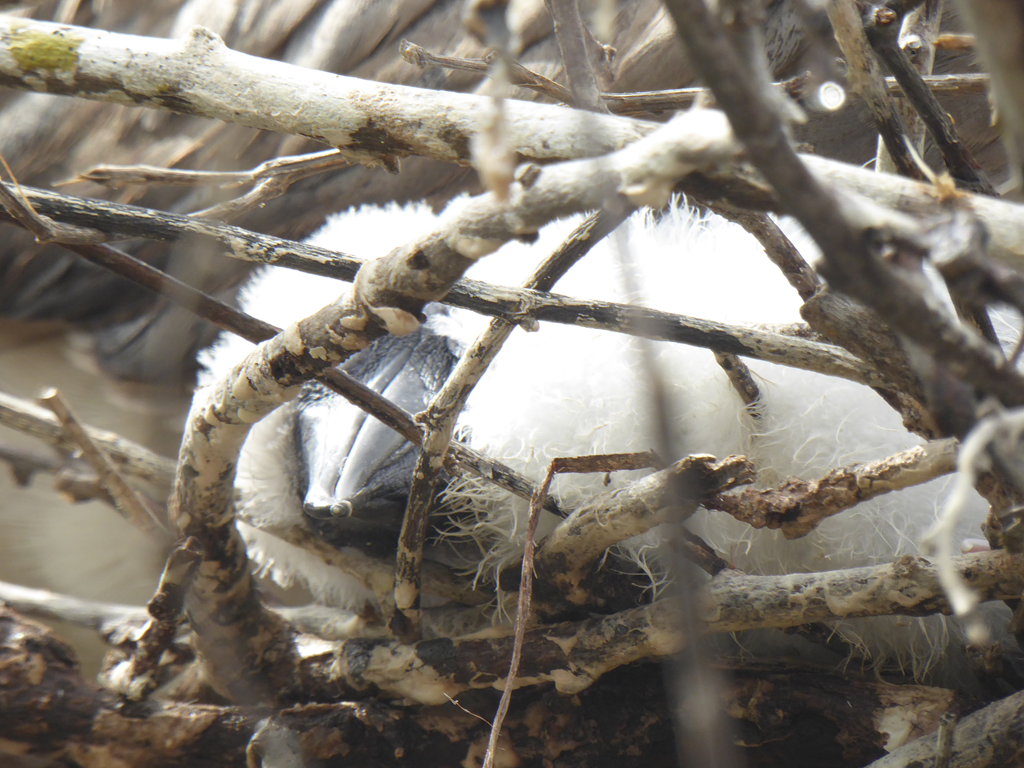
    Fluffy baby boobies!

    image

    Matt thinks that because baby boobies don’t do much

    image

    Like move.

    image

    You should only need one or two pictures of baby boobies.

    image

    Boys are dumb

    image

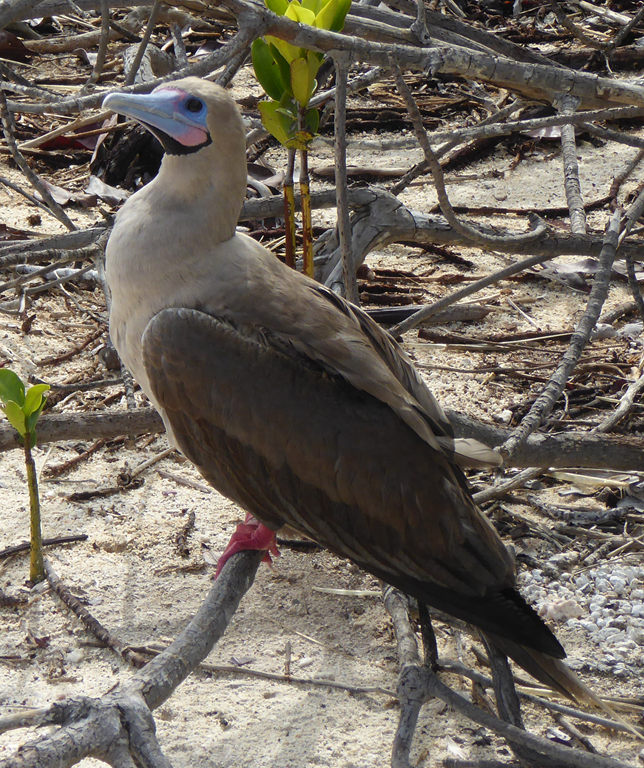
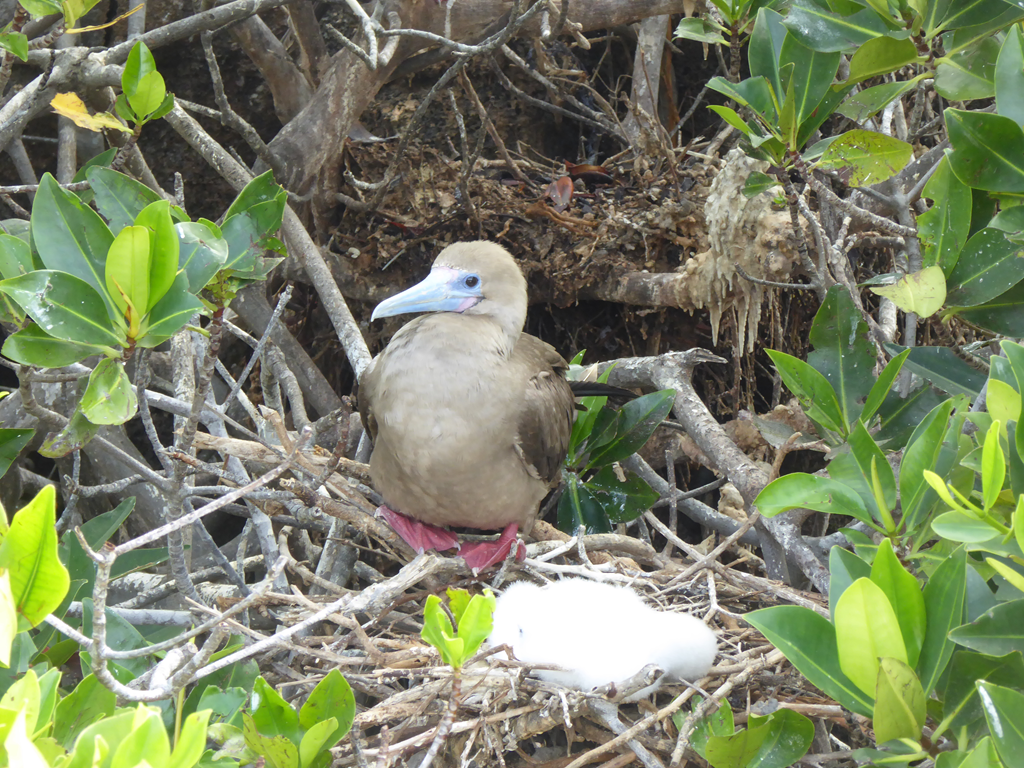
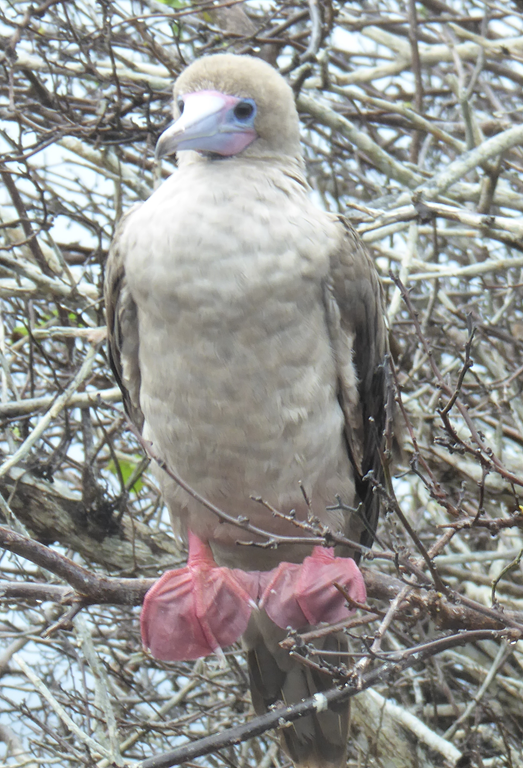
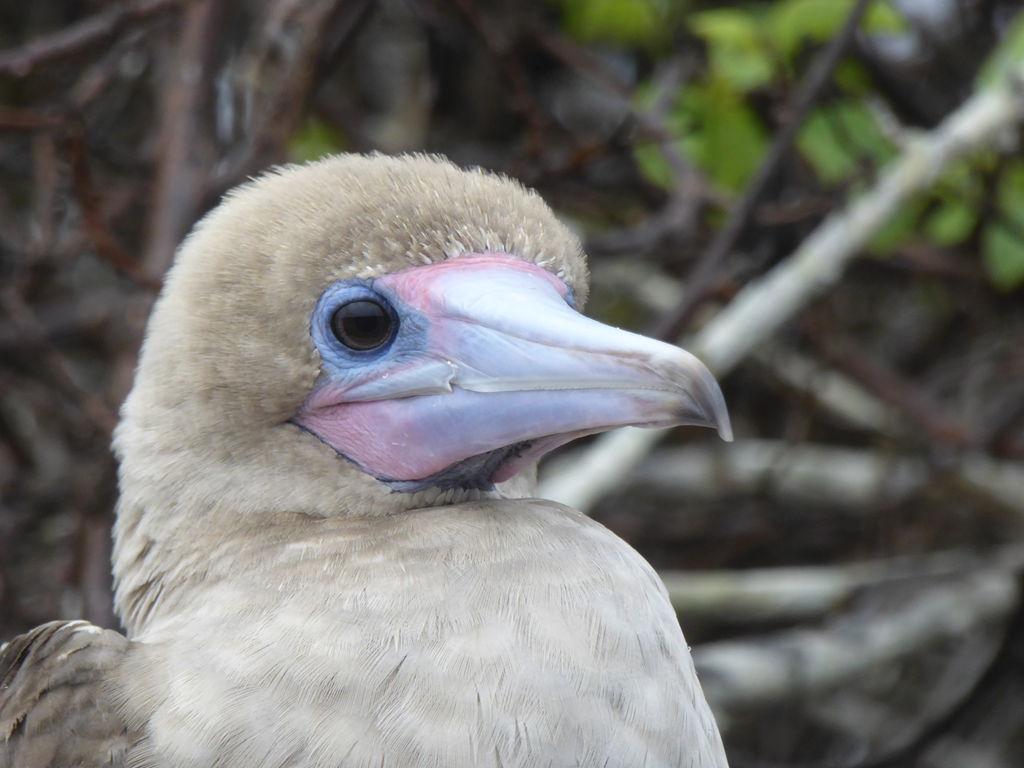
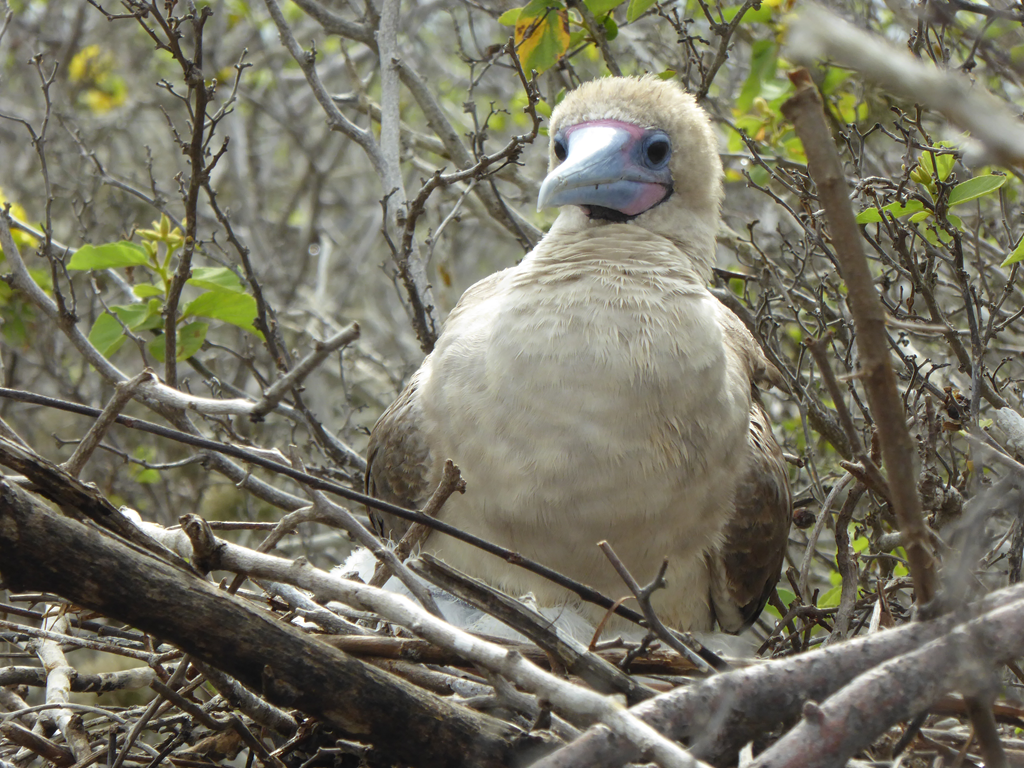
    Unlike baby boobies, teenage red footed boobies are really ugly brown, with no colour.

    image

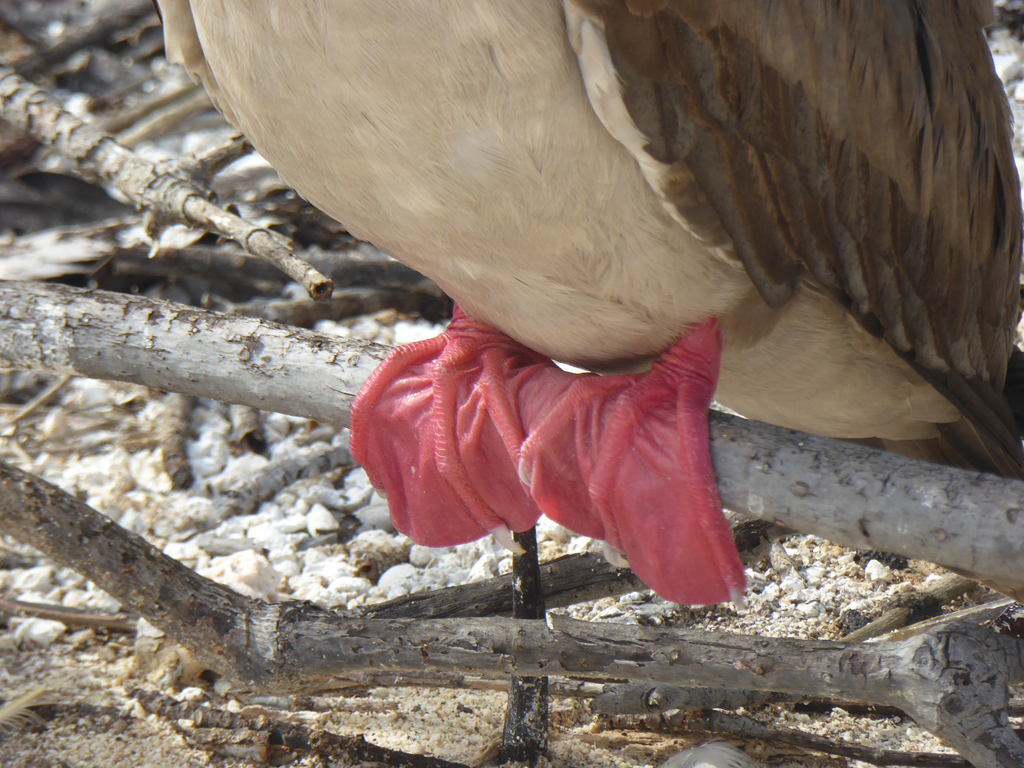
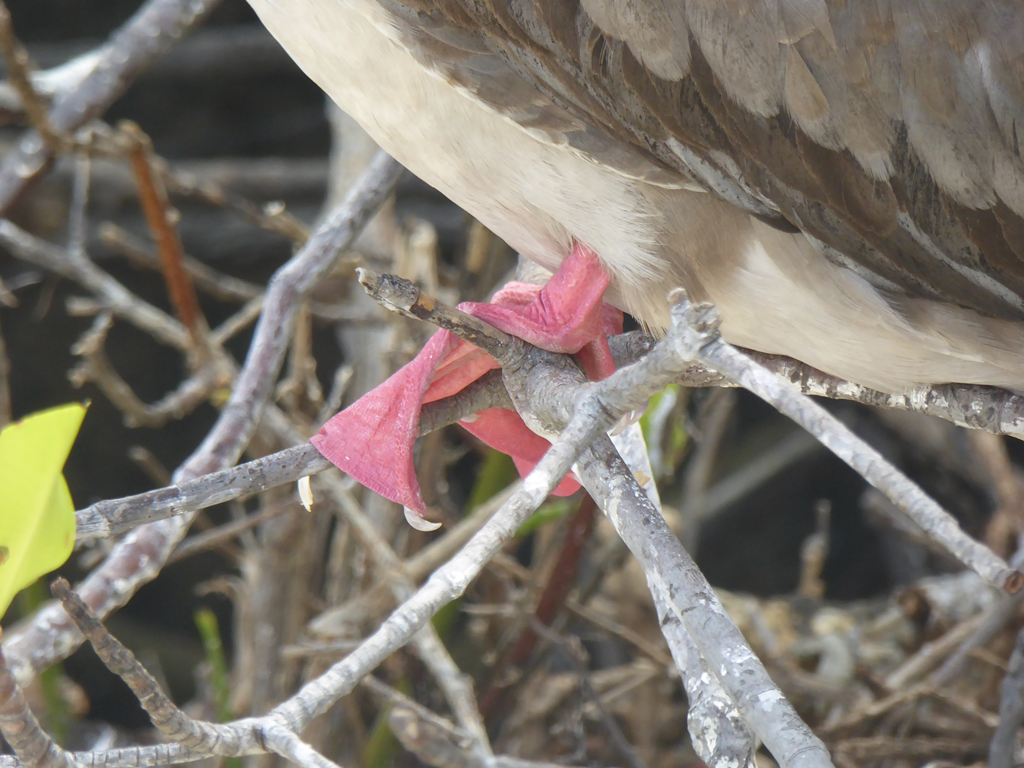
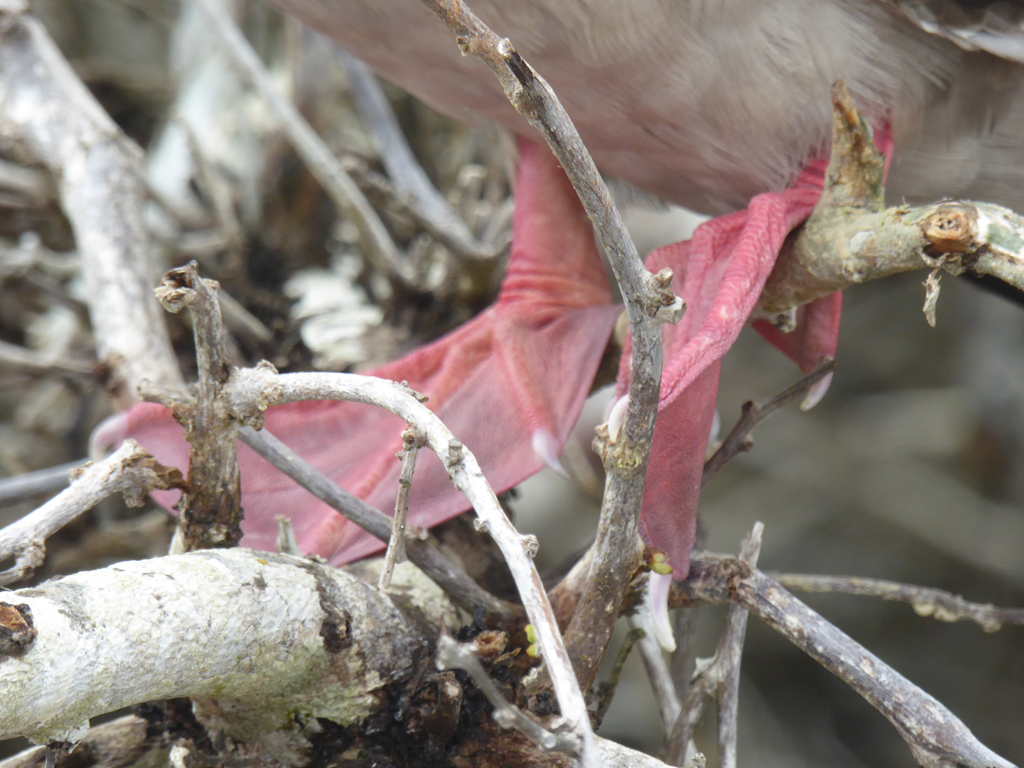
    They don’t have pretty pink feet like their parents either.

    image

    That look so awkward for gripping branches.

    image

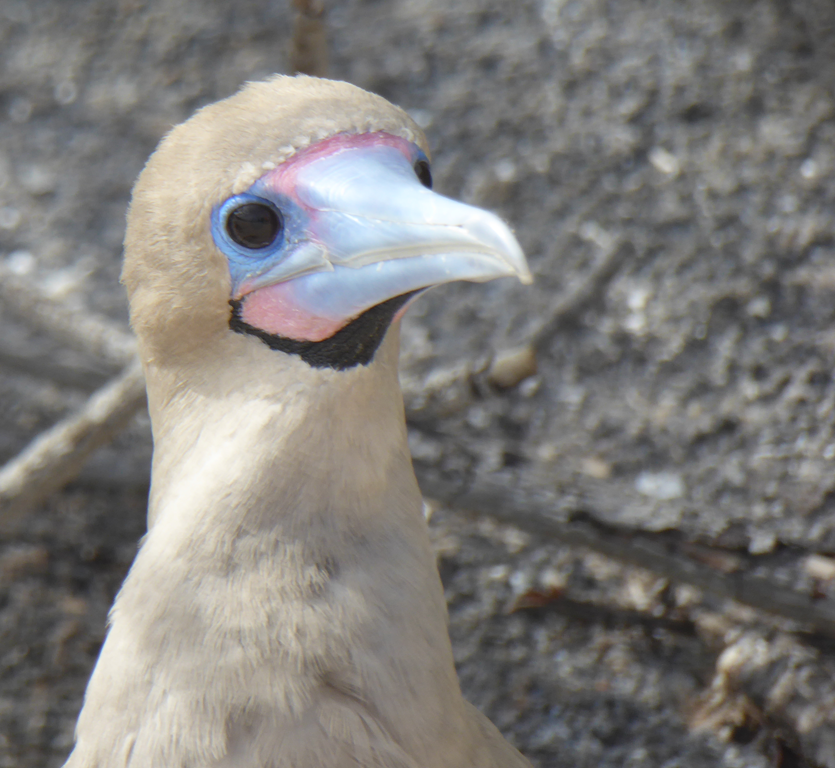
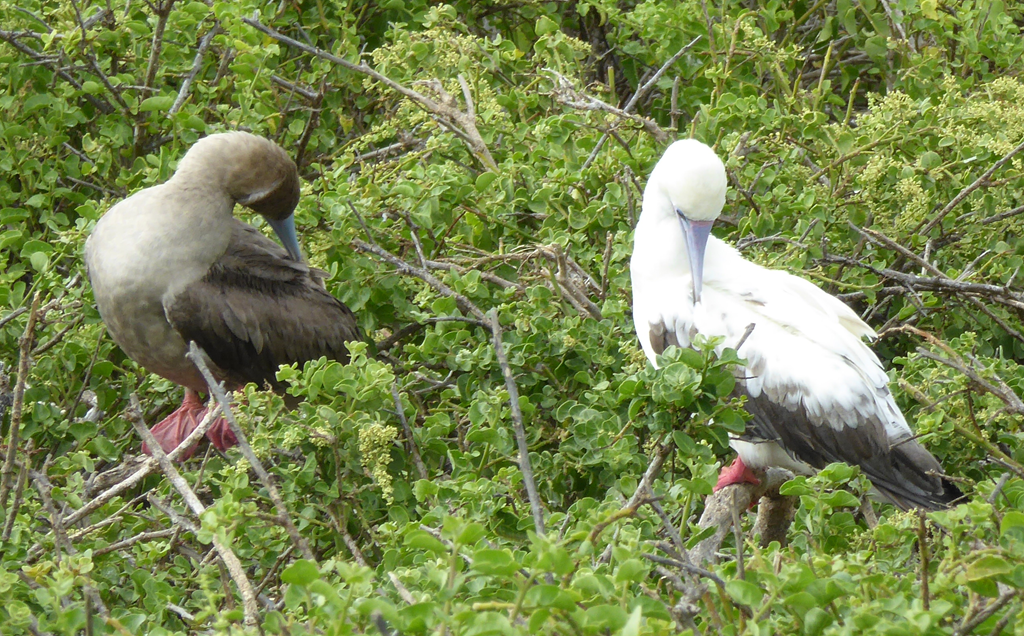
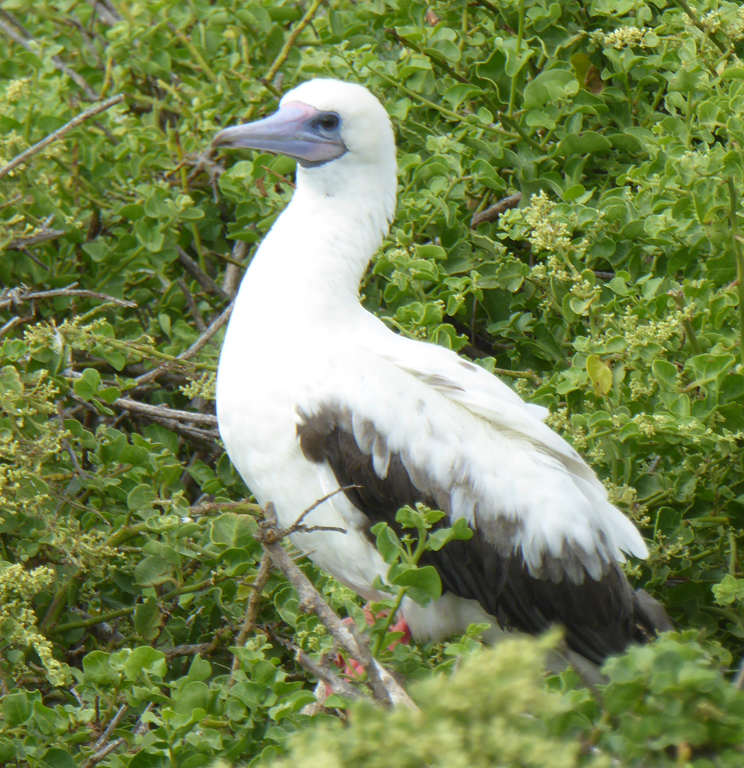
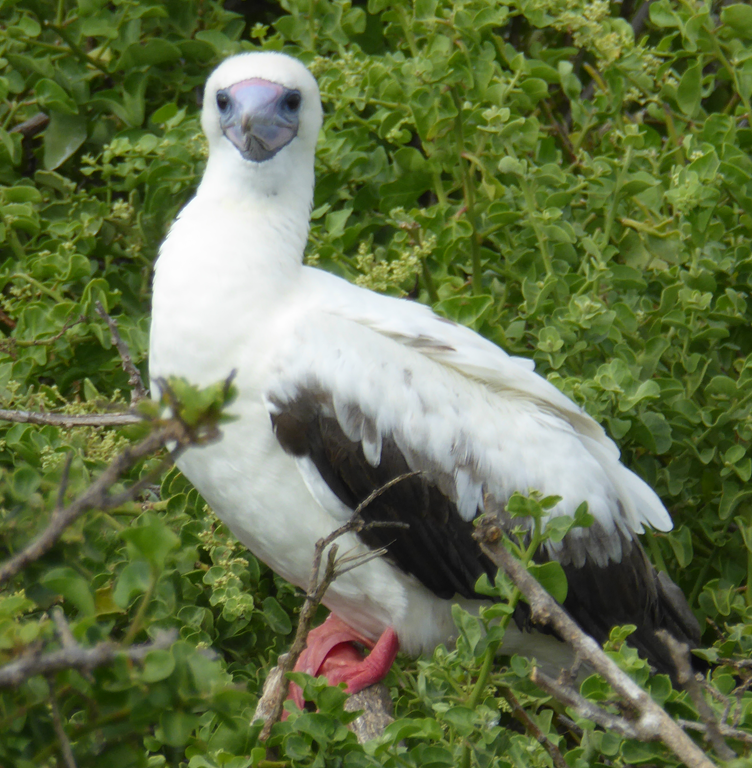
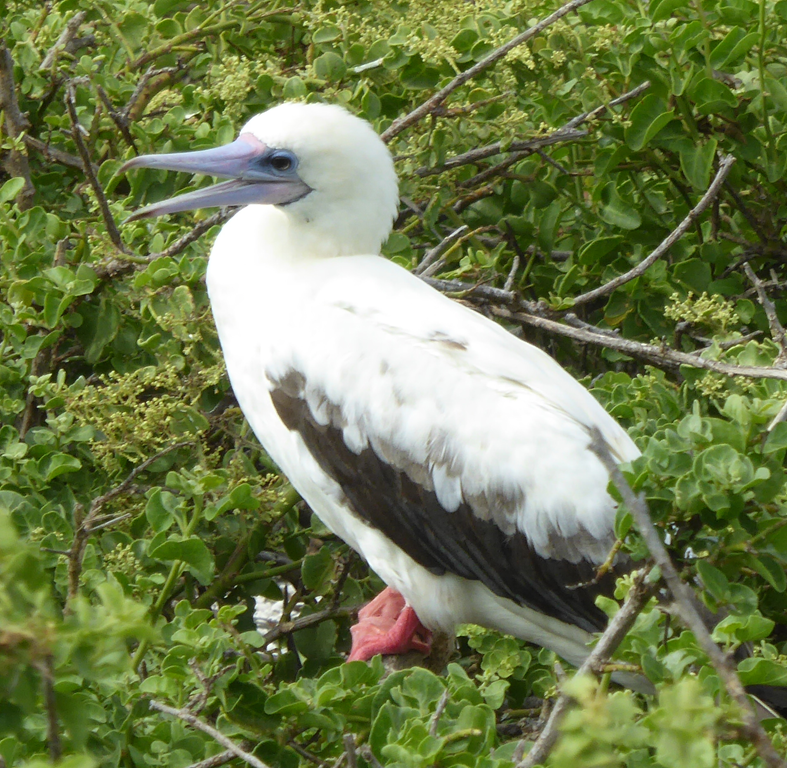
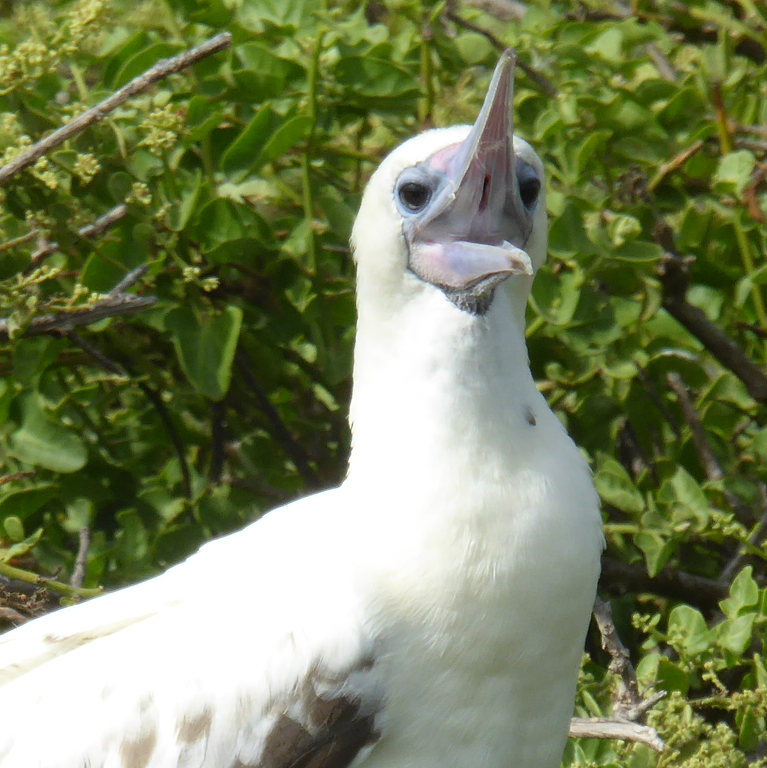
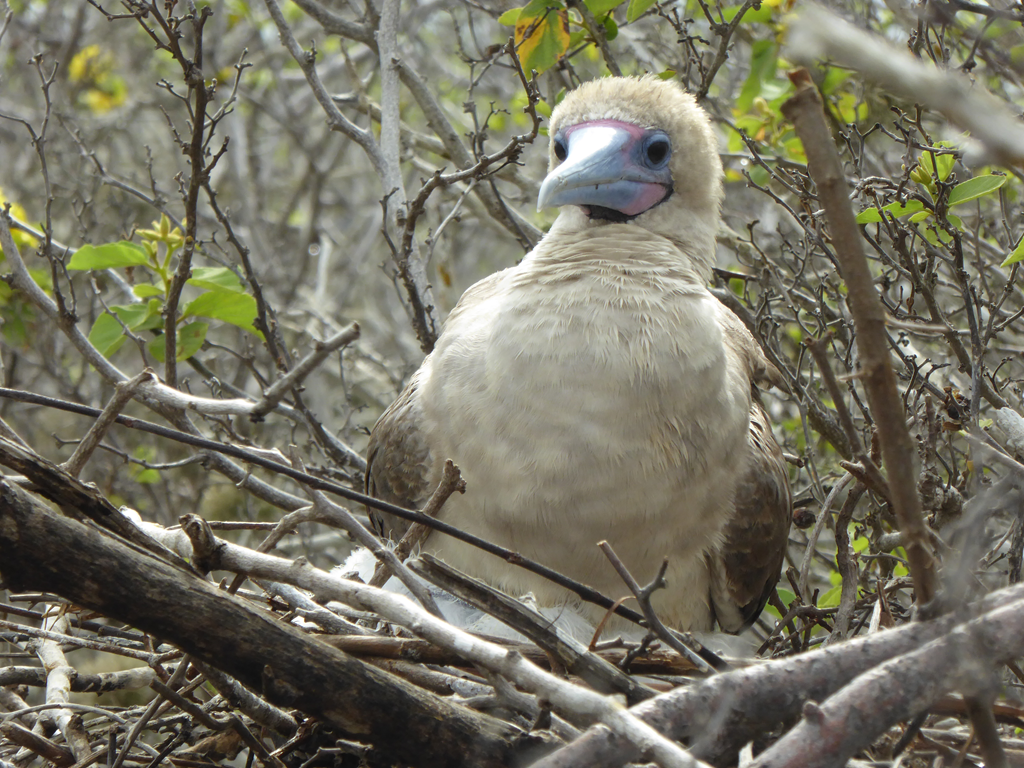
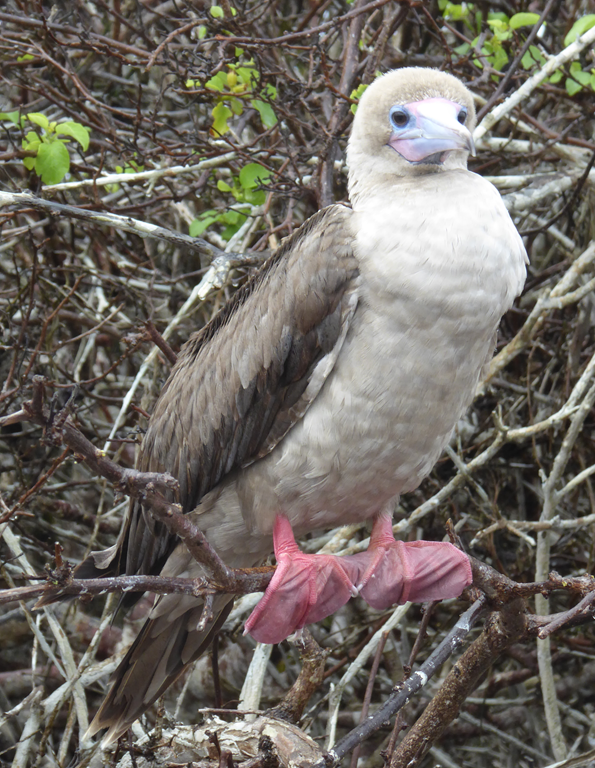
    While most red-footed boobies are brownish,1 in 20 has a pearly white coat like the nazca boobies.

    image

    While still having the pretty blue and pink face and feet.
    image

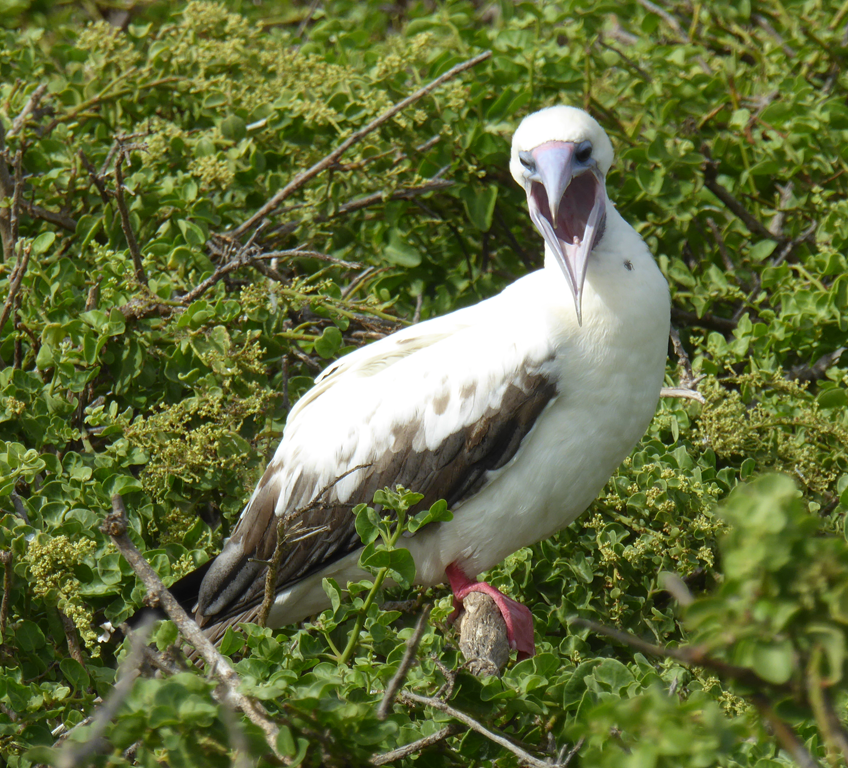
    And ridiculous look.
    image

    Especially when squawking.

    image

    And squawking.

    image

    And squawking.

    image

    There were other birds too.

    image

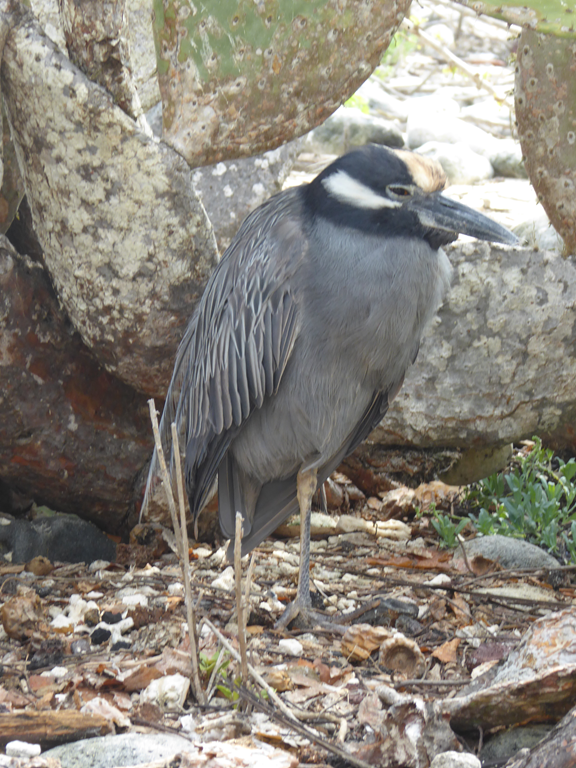
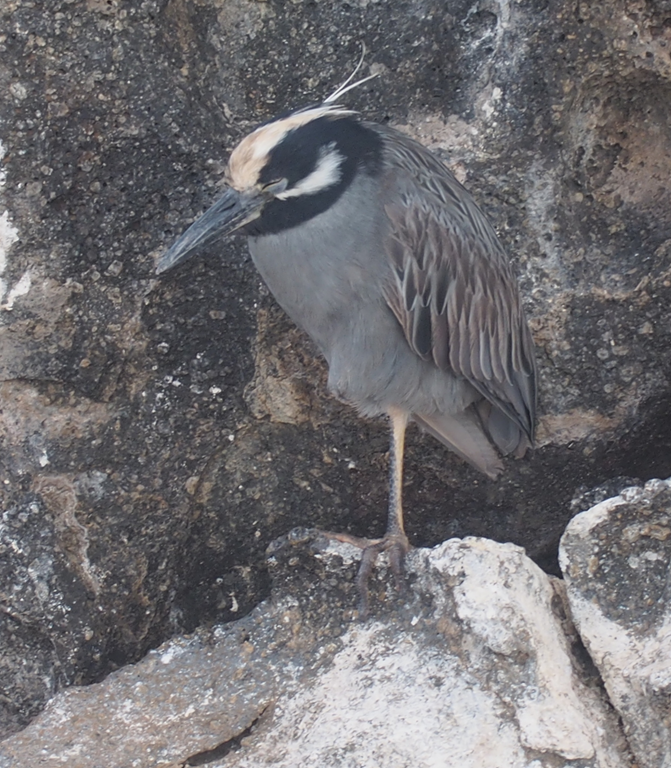
    Like this lava heron.

    image

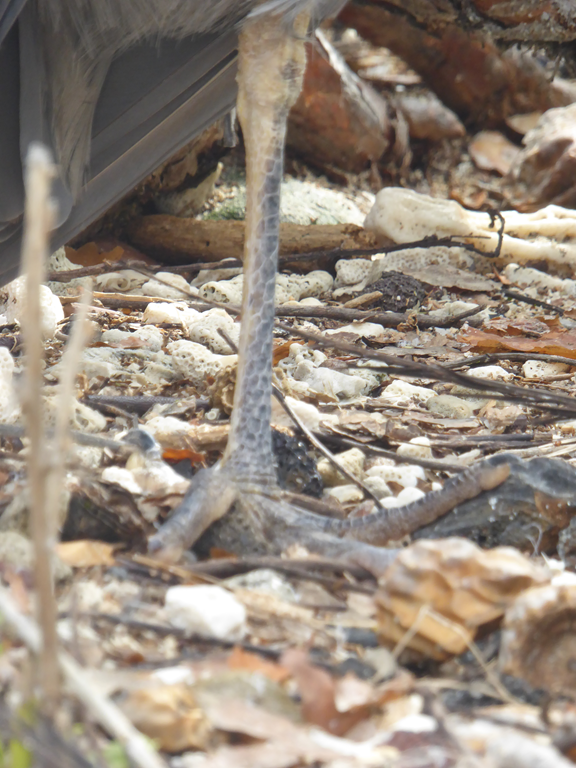
    He had scaly feet.

    image

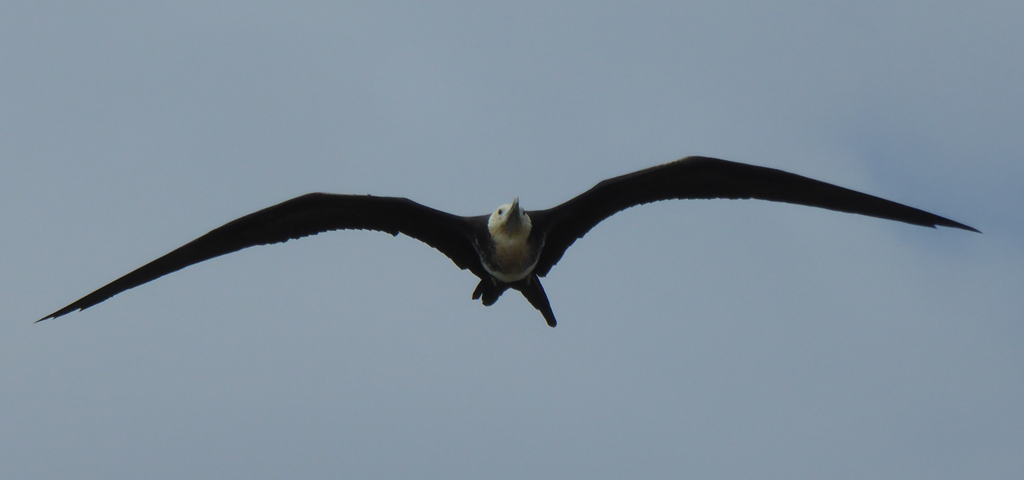
    And more frigate birds, but you’ve seen lots of those already.

    image

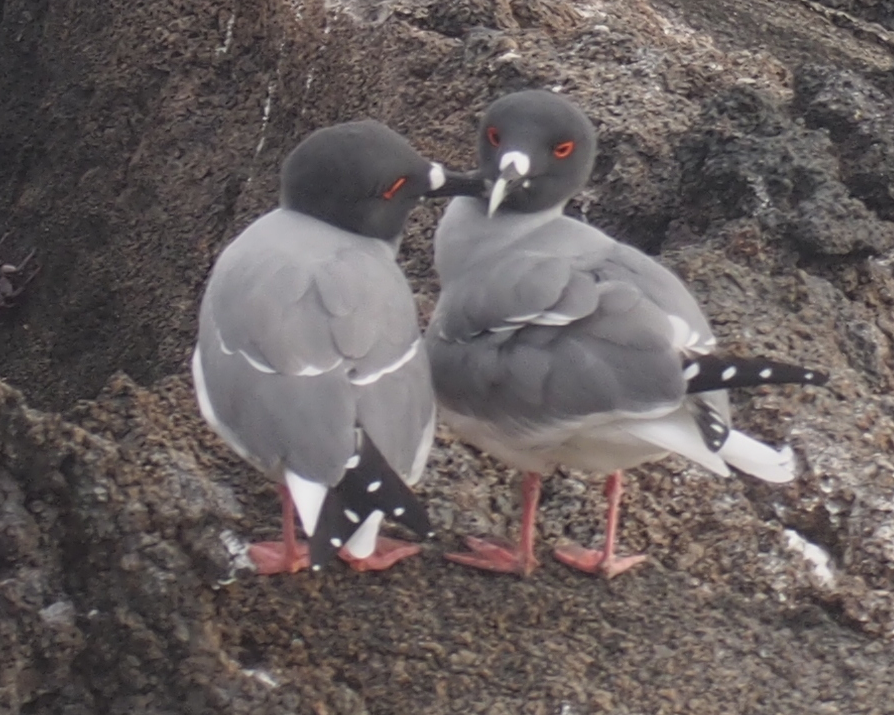
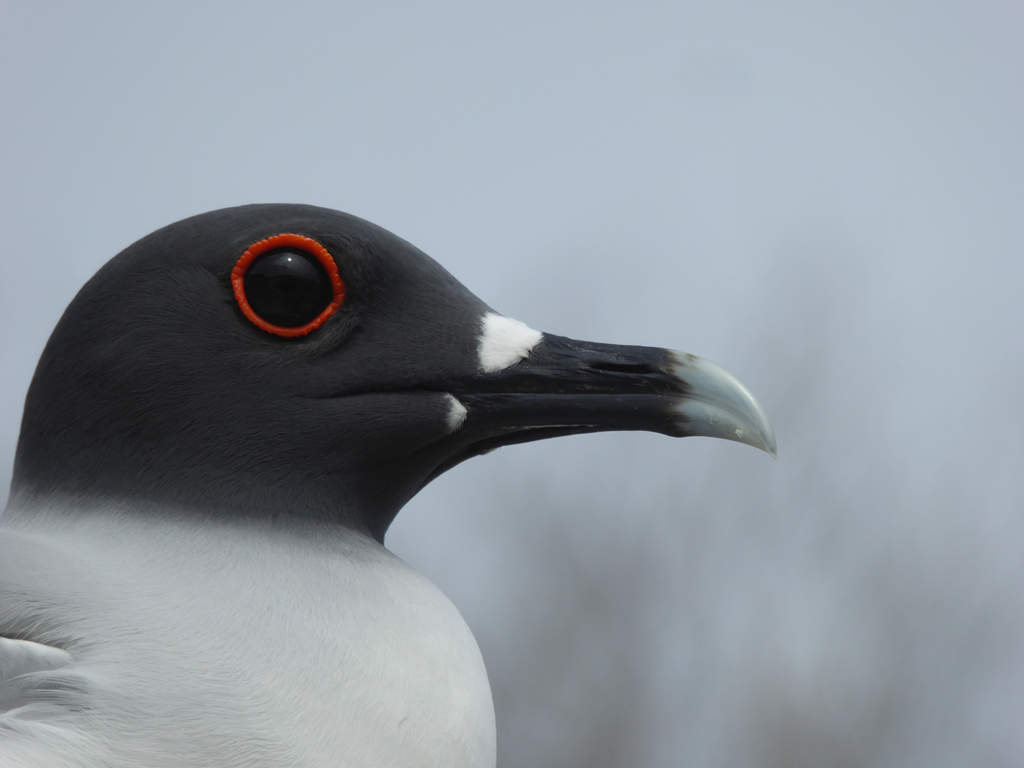
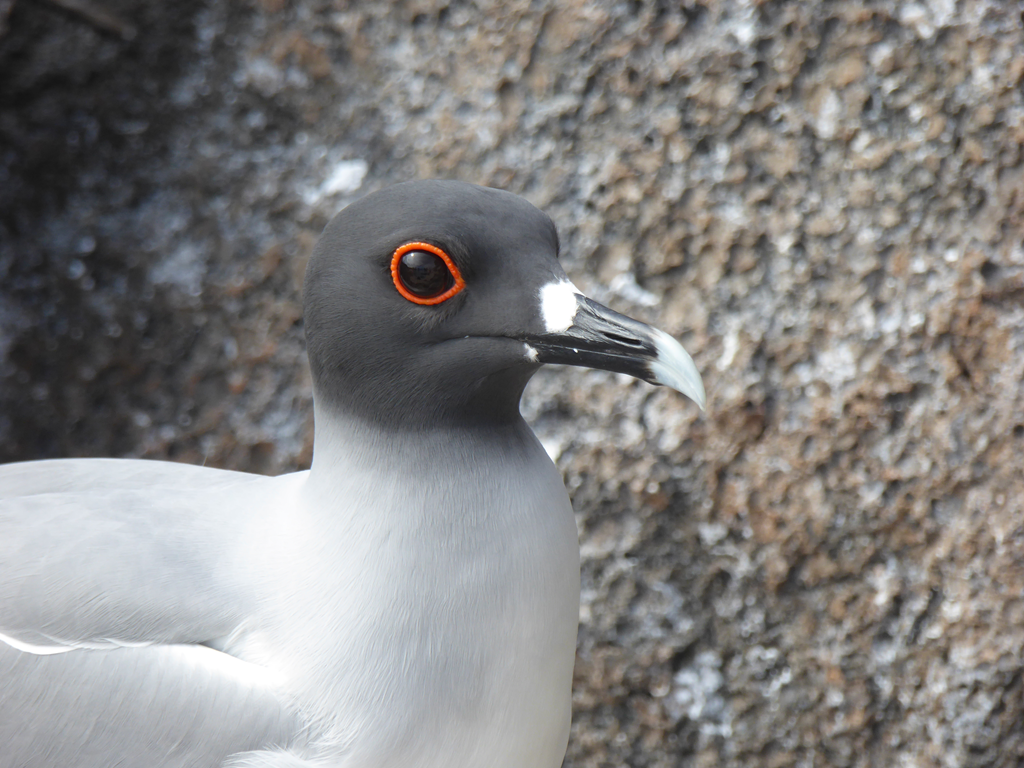
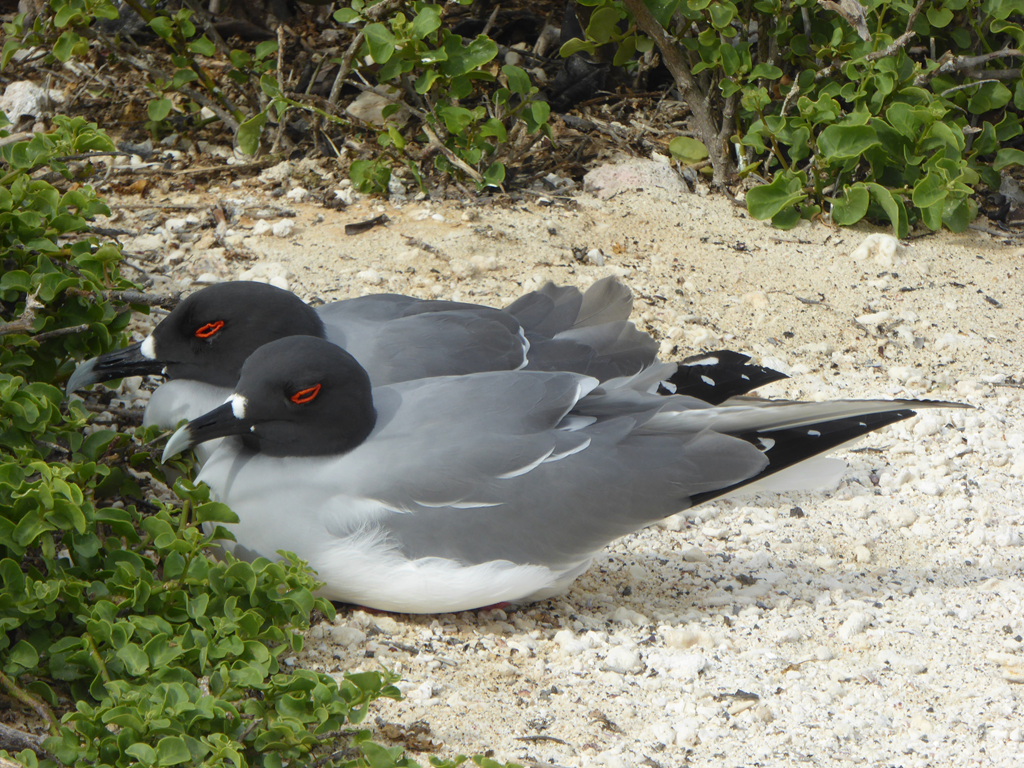
    These are swallow tailed gulls.

    image

    They have very big eyes because they are nocturnal.

    image

    They follow the boat at night making screeching and clicking noises.

    image

    And mostly sleep during the day.

    image

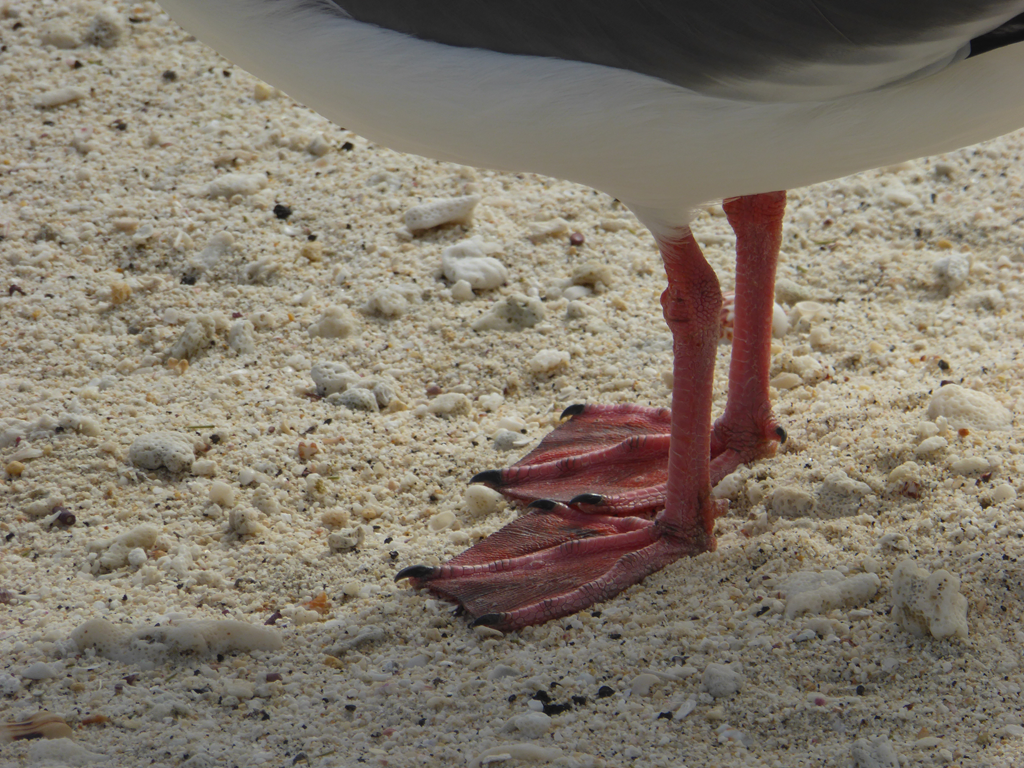
    They have pink webbed feet.

    image

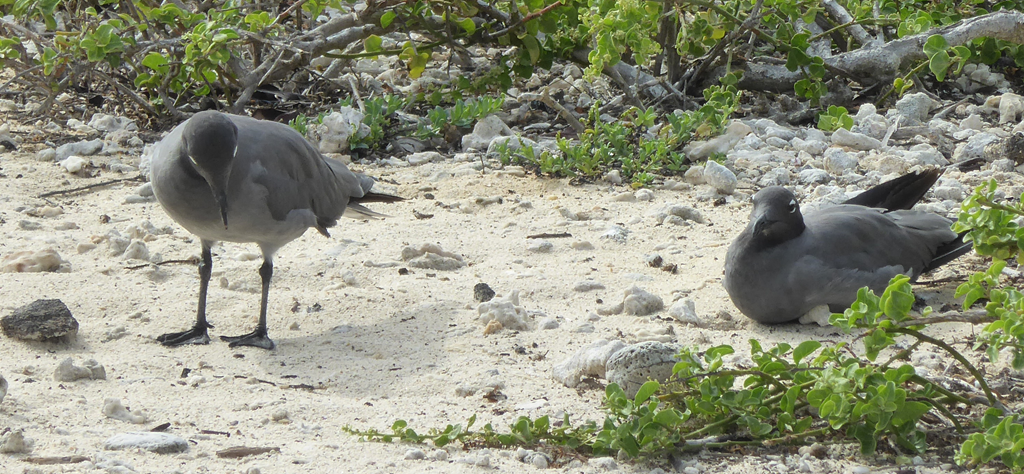
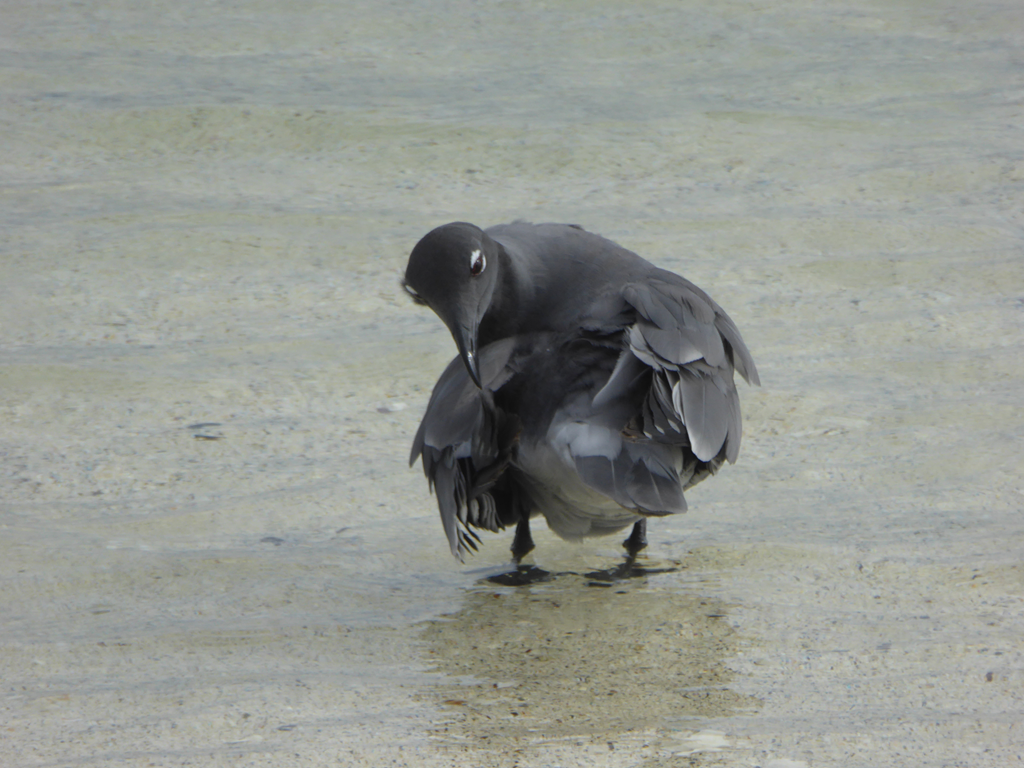
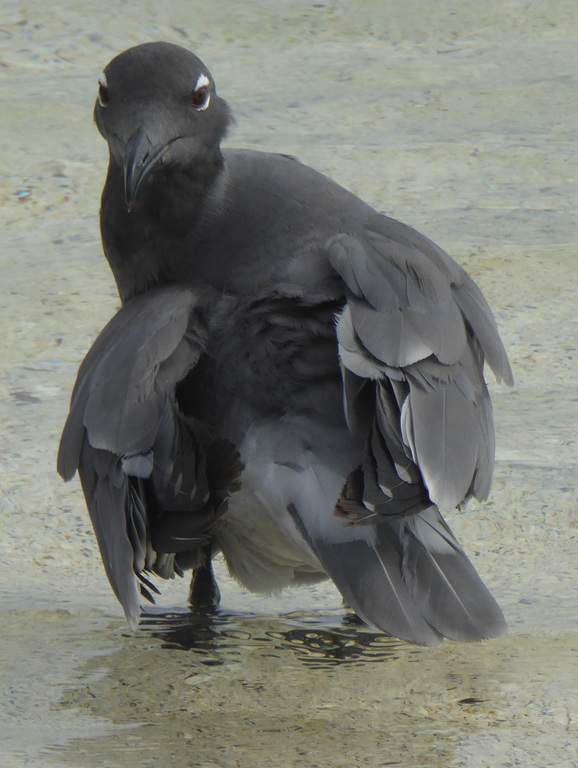
    These are lava gulls.

    image

    They are as flexible as the owls.

    image

    But look even funnier stretching.

    image

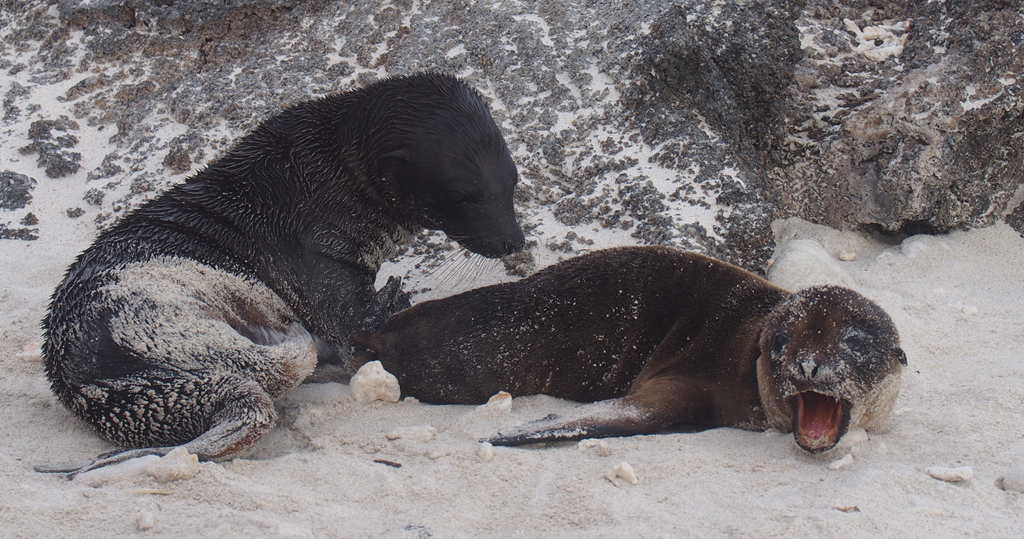
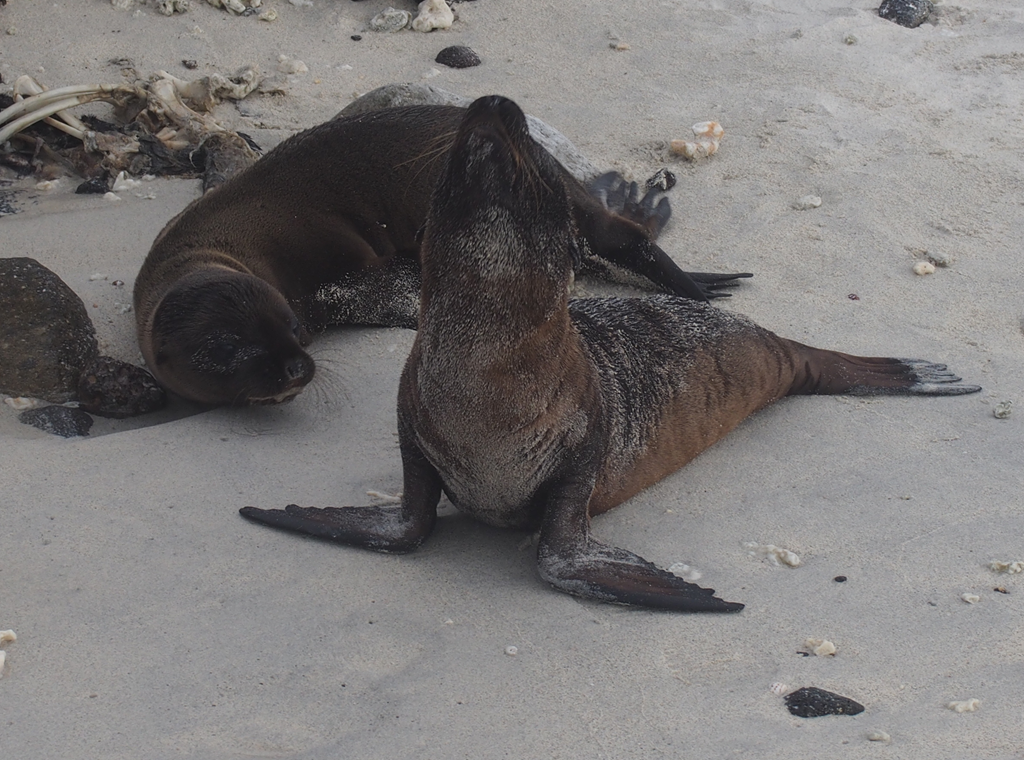
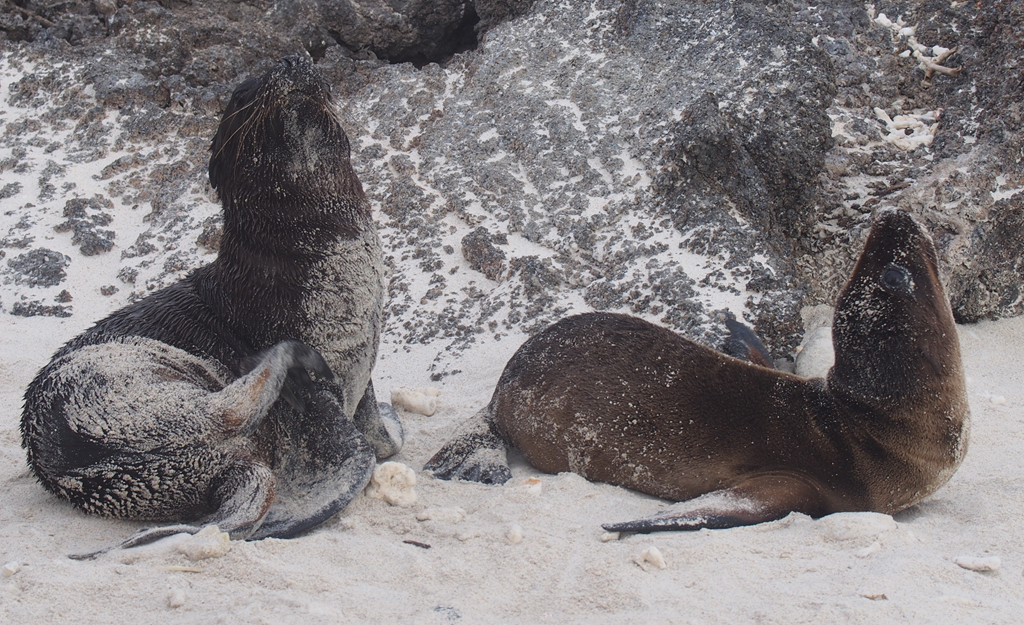
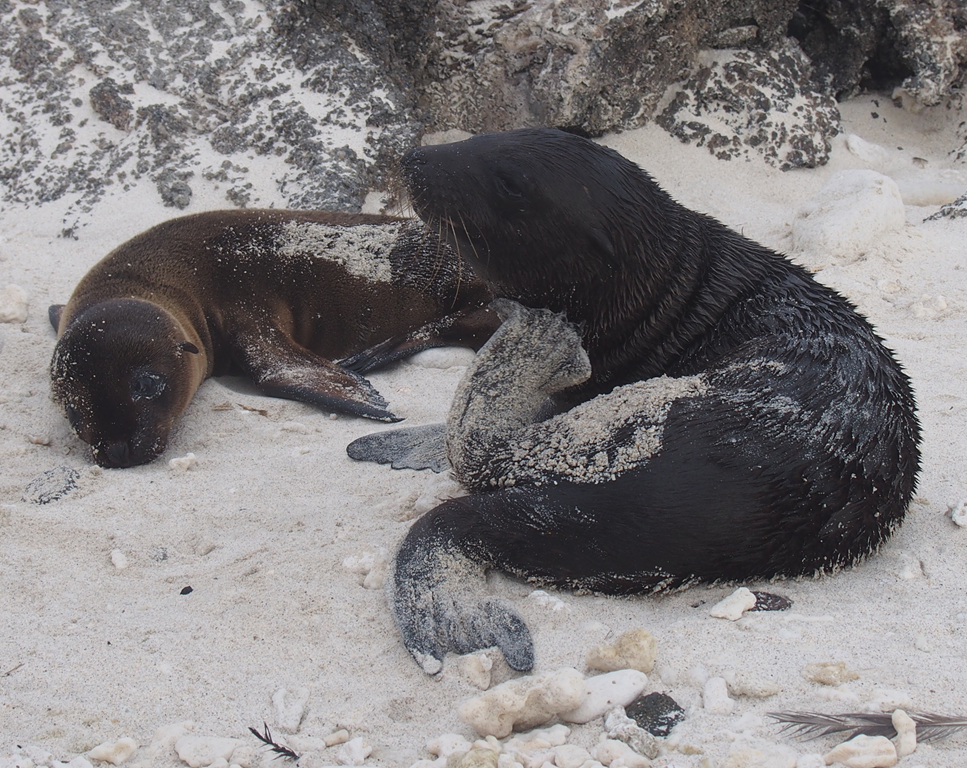
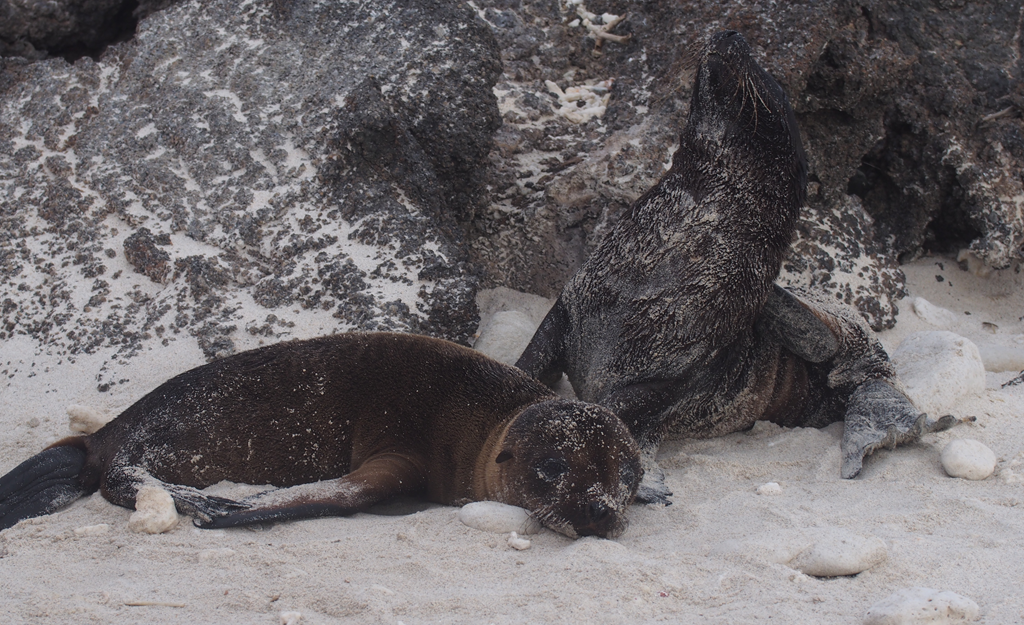
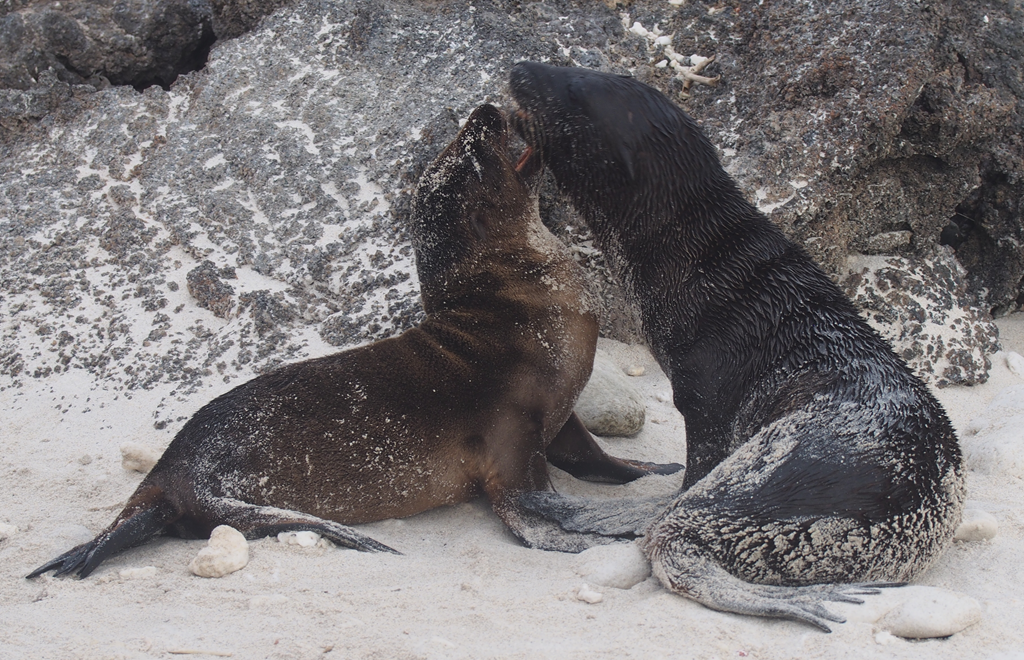
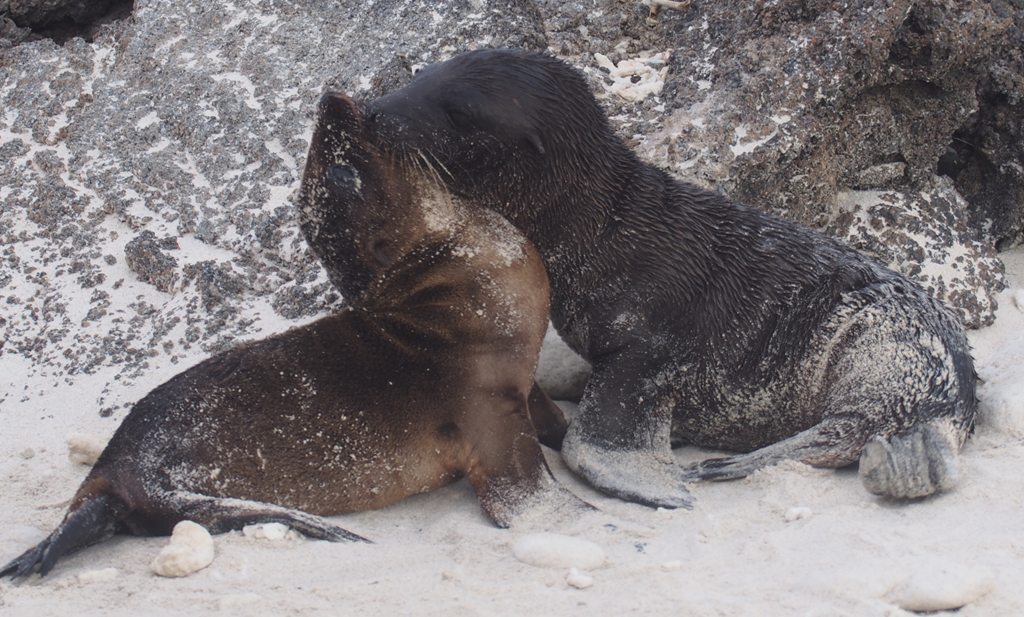
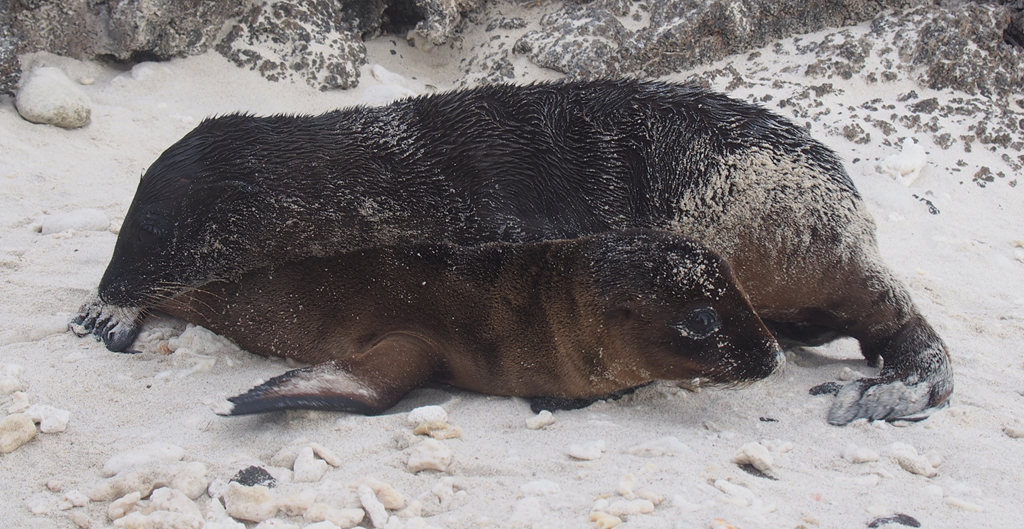
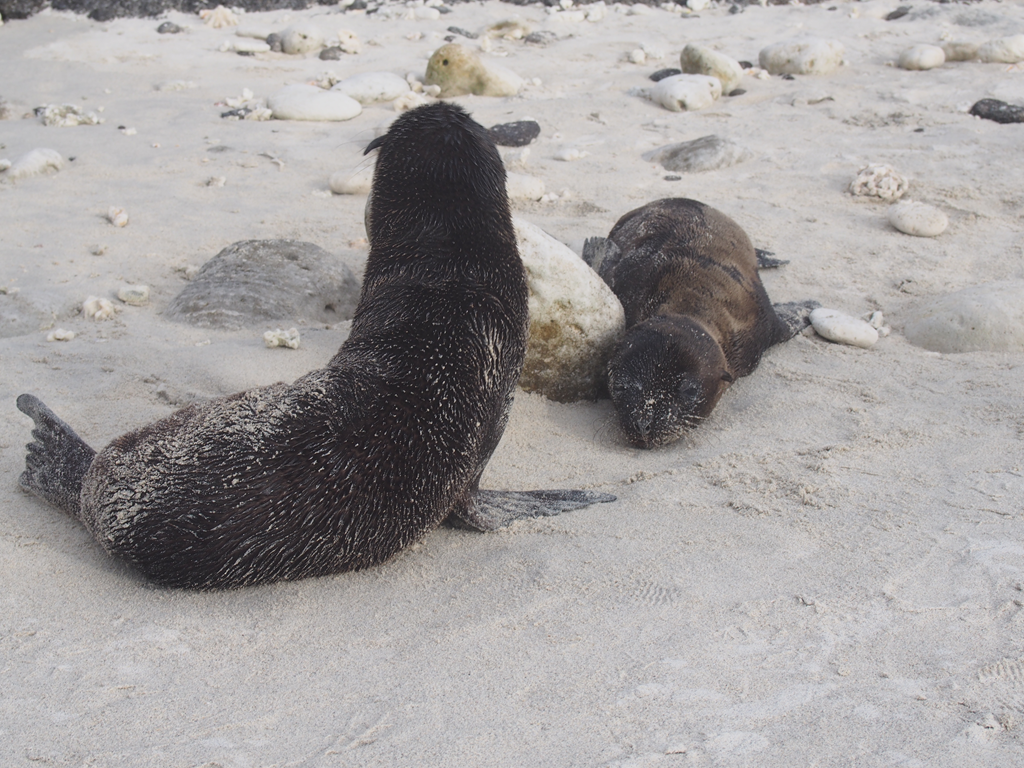
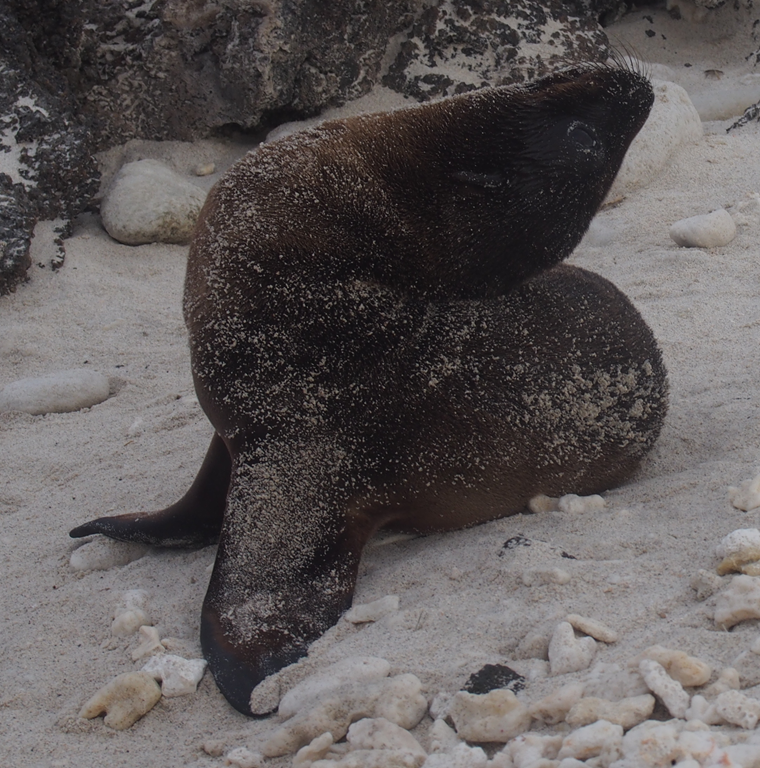
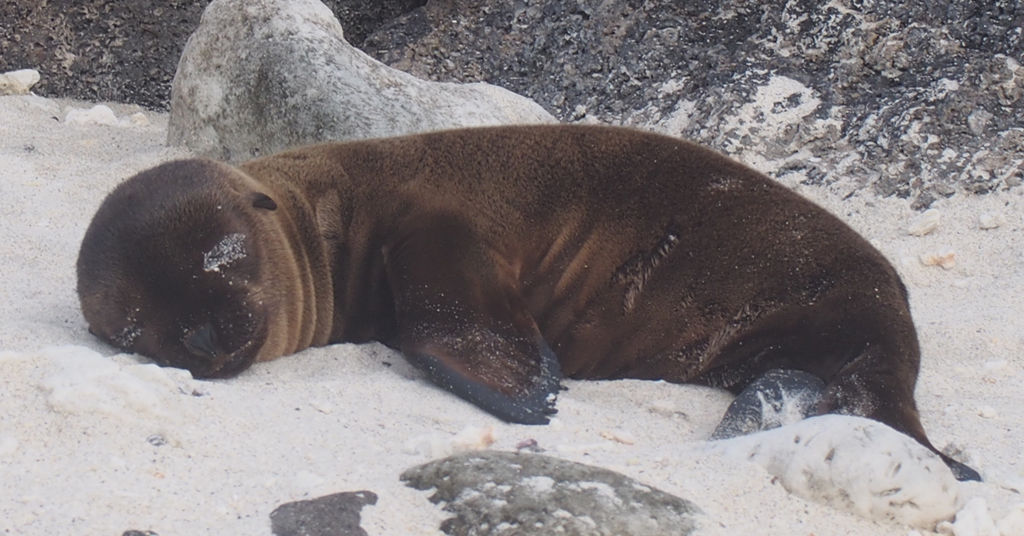
    Then there were the sea lions. This guy was sleeping peacefully on the beach.

    image

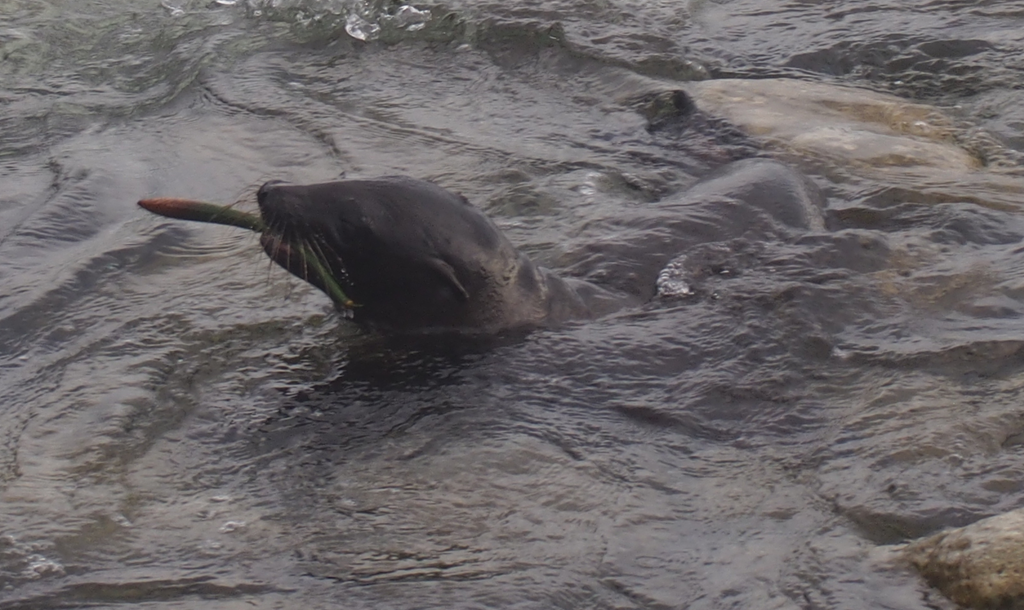
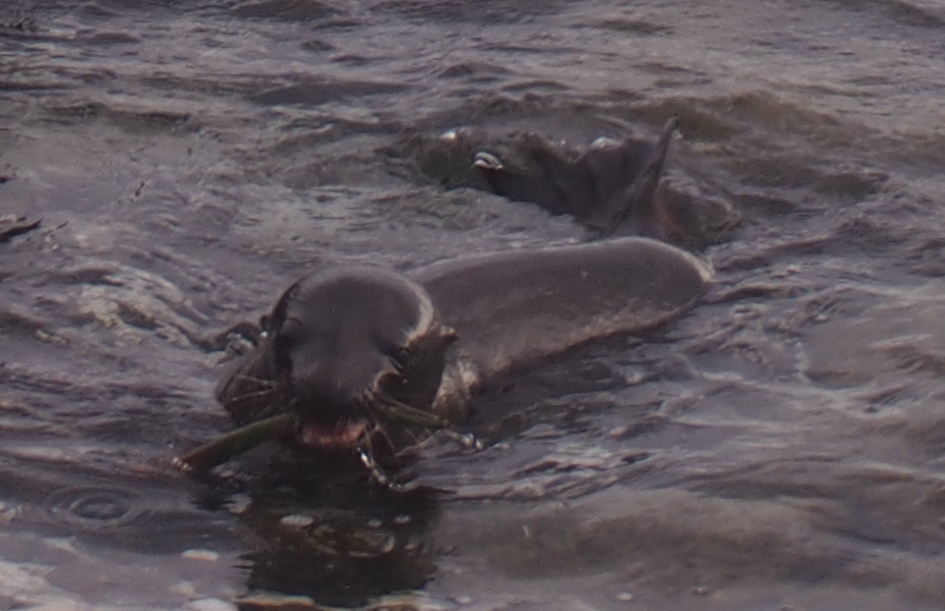
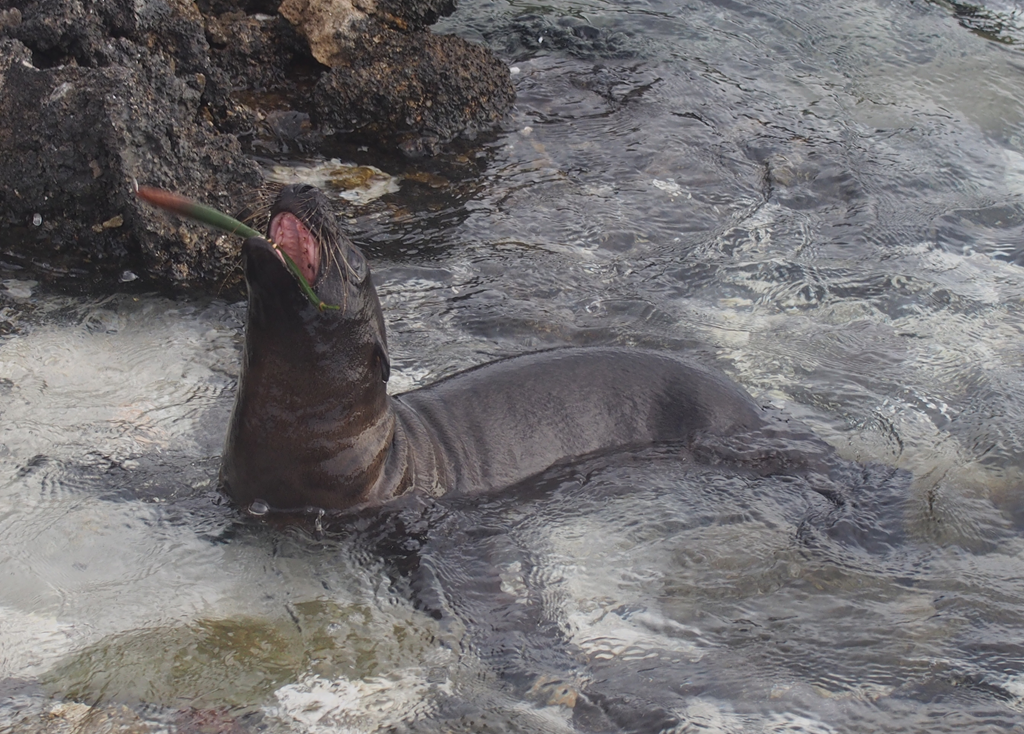
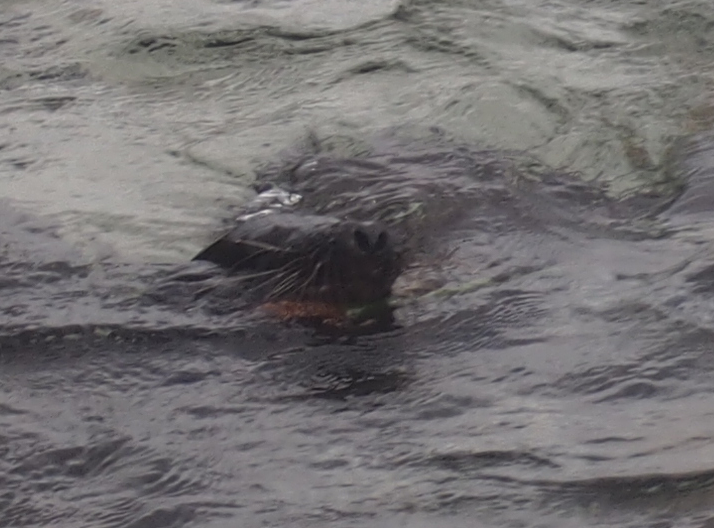
    While his brother played in the bay with a mangrove shoot.

    image

    Basically playing fetch with himself.

    image

    Tossing it into the air

    image

    And then swimming out and carrying it back to shore.

    image

    It often involved rolling and flipping.

    image

    Then he lost his stick.

    image

    So he needed to find something else to play with.

    image

    So he galloped out of the water.

    image

    To find his poor brother.

    image

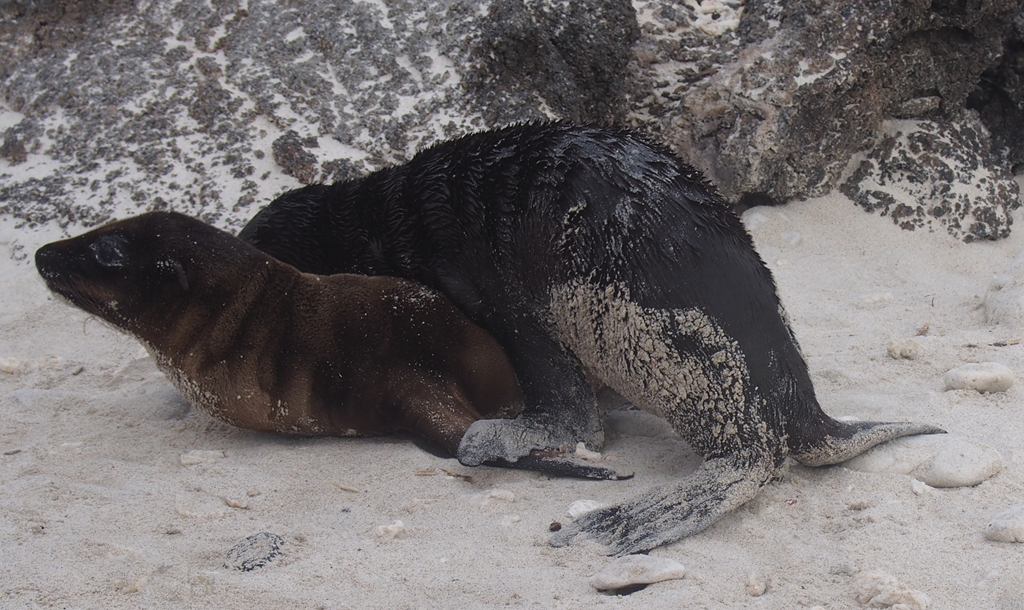
    Stop howling! I’m trying to sleep!

    image

    What’s he doing over there?

    image

    Oh good, he’s taking a break to scratch.

    image

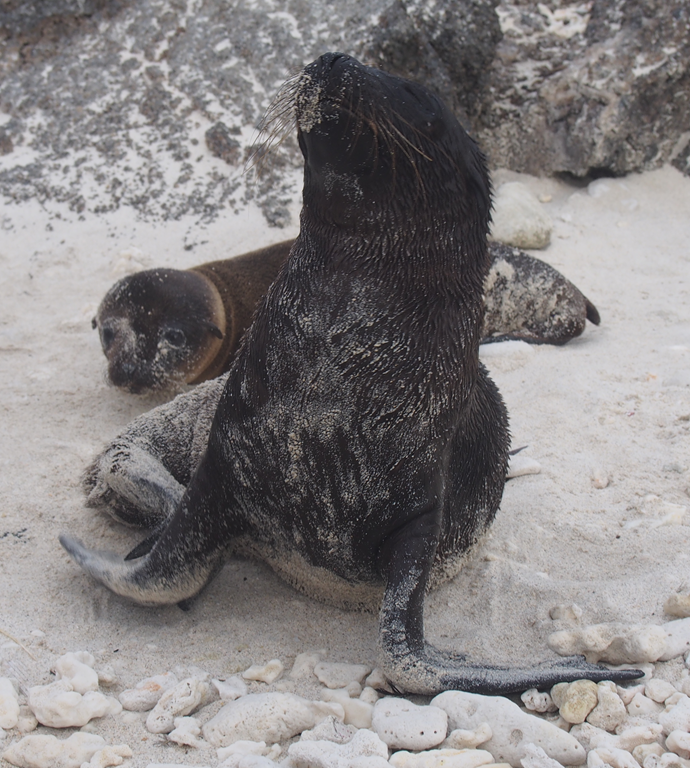
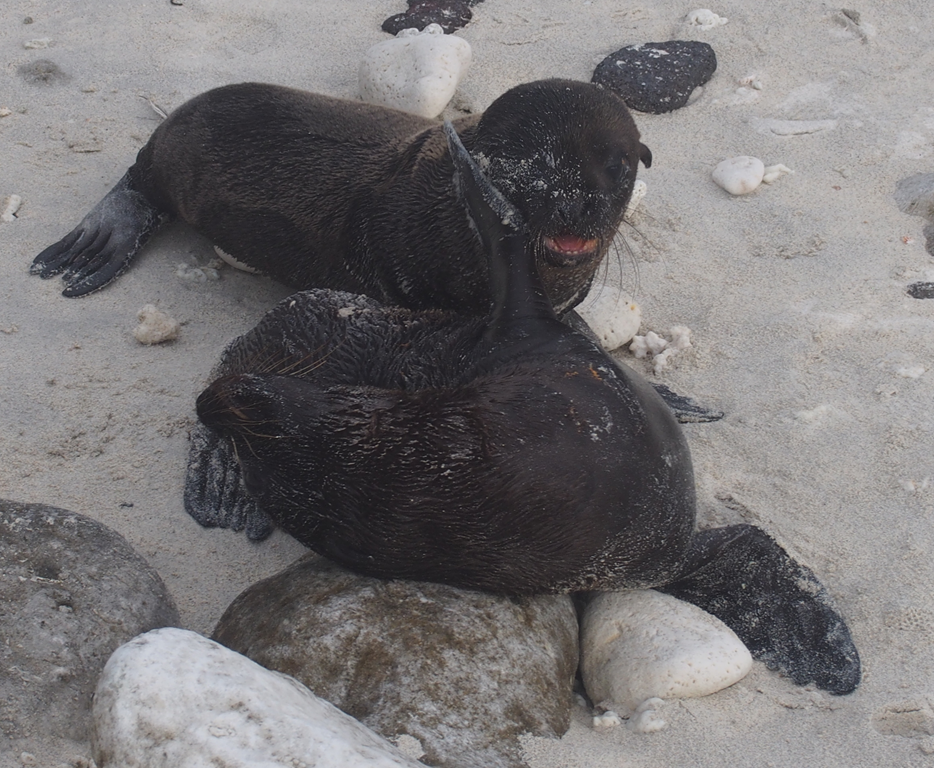
    Get off me!

    image

    I said get off of me!

    image

    OK, you win.

    image

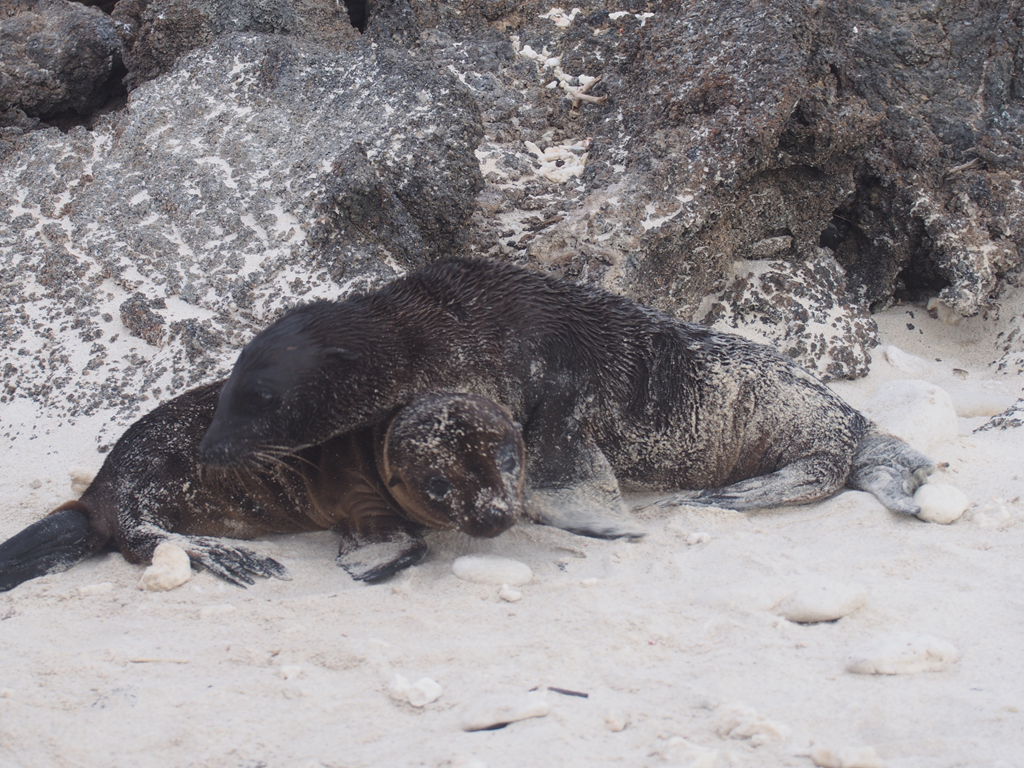
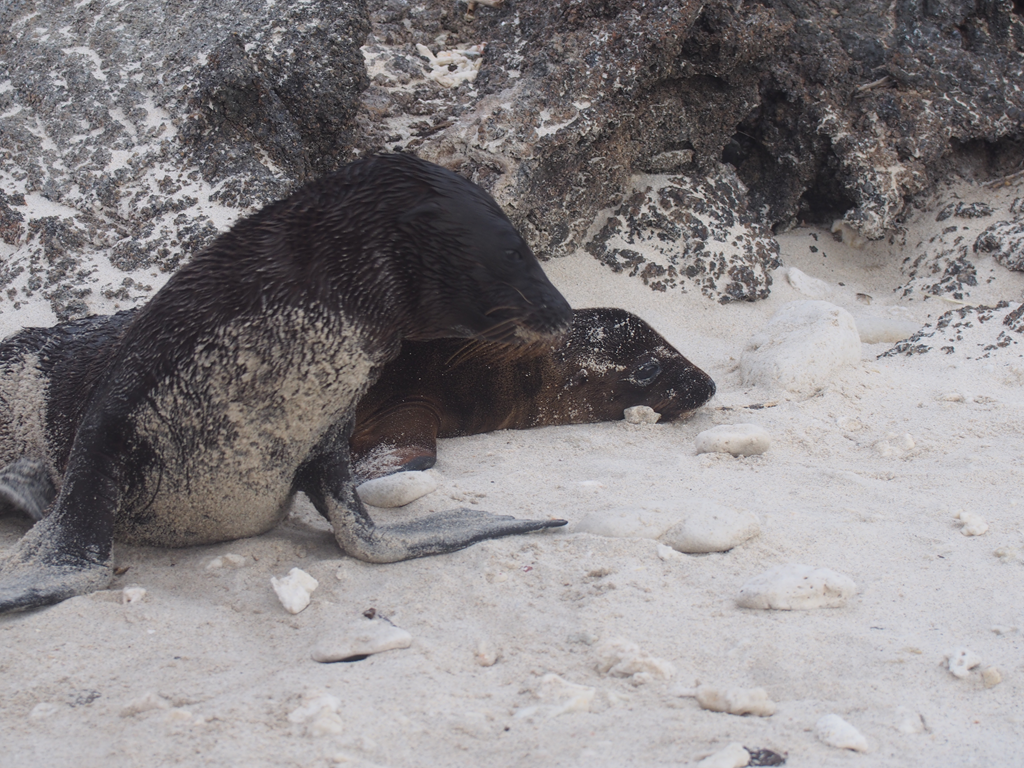
    Get off of my head!

    image

    Please go away.

    image

    Thanks.

    image

    Don’t scratch in my face!

    image

    Dude, you got sand all over me!

    image

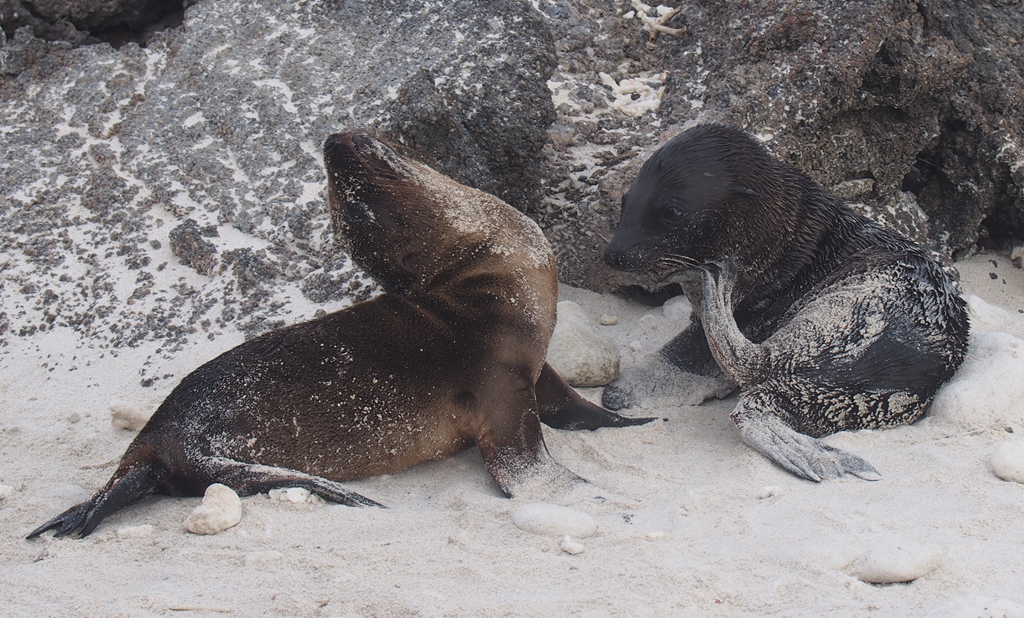
    I’m going to get you for that!

    image

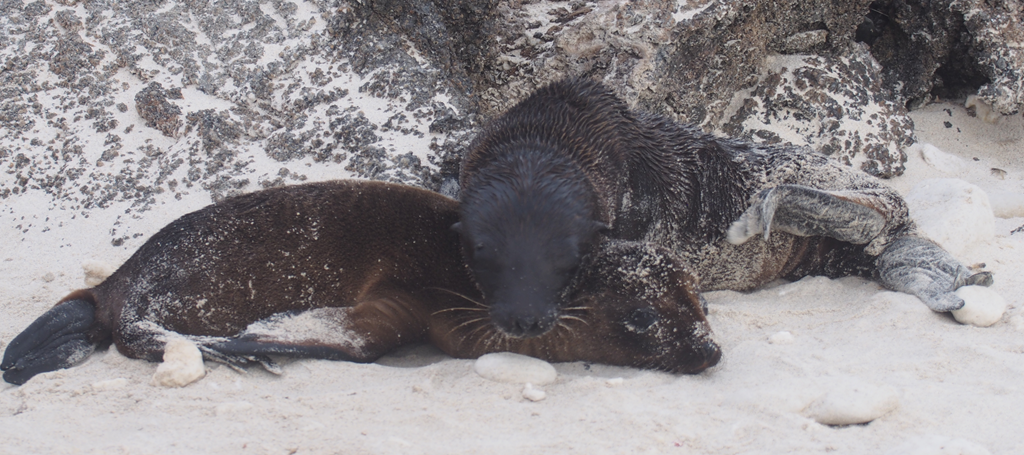
    This is not a fair fight.

    image

    Why won’t you leave me alone?

    image

    I’m telling Dad!

    image

    Sigh.

    image

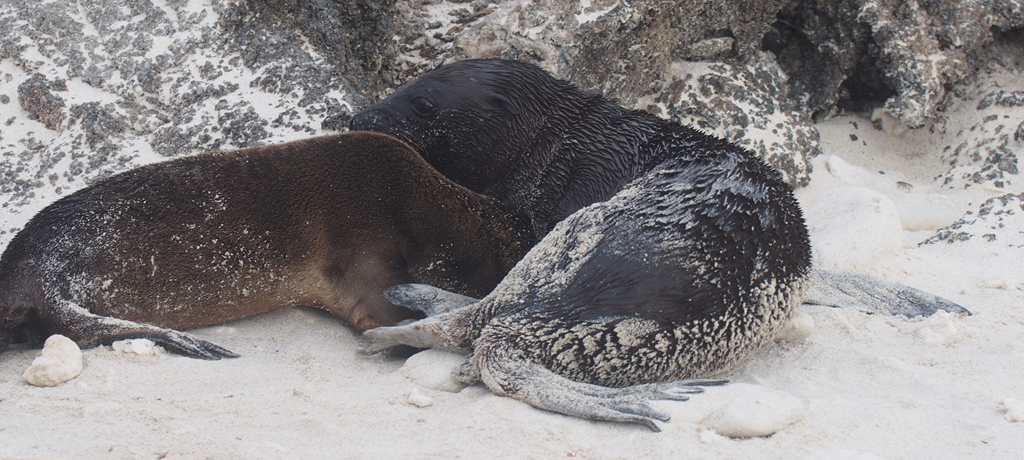
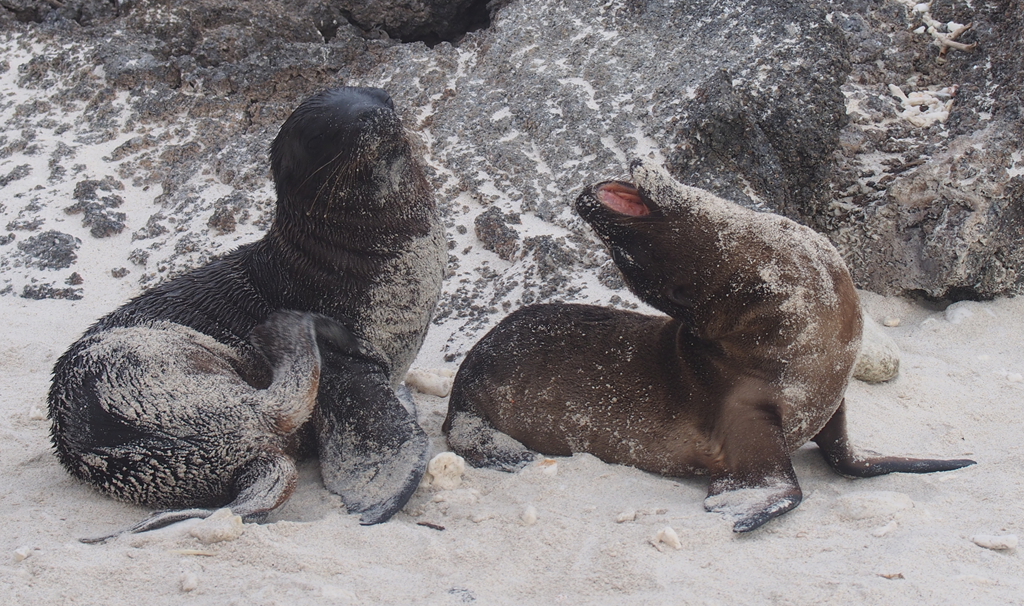
    No slapping!

    image

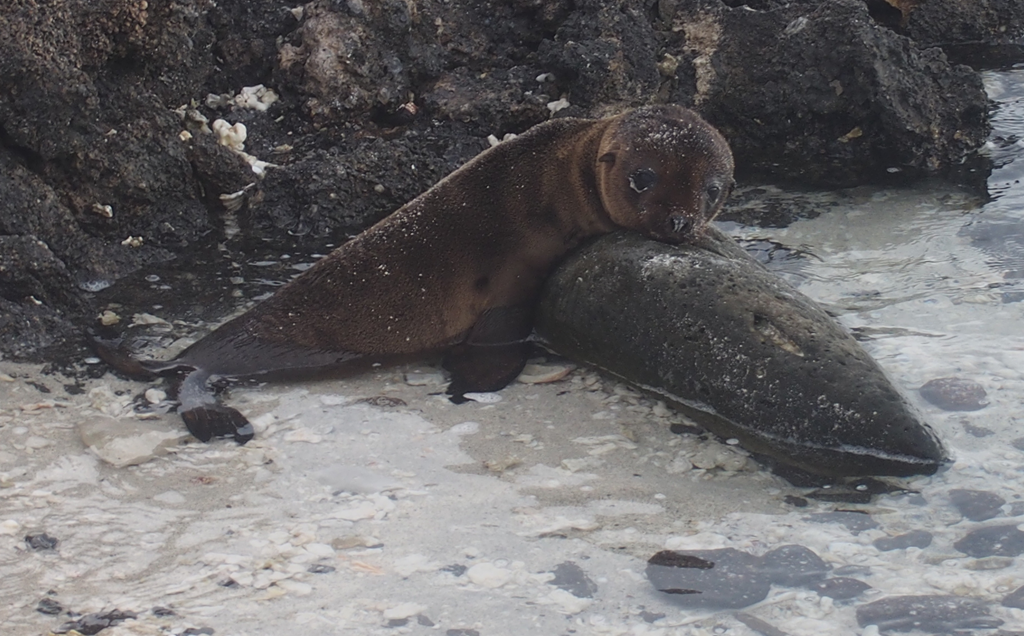
    Maybe if I hide behind this rock he won’t see me!

    image

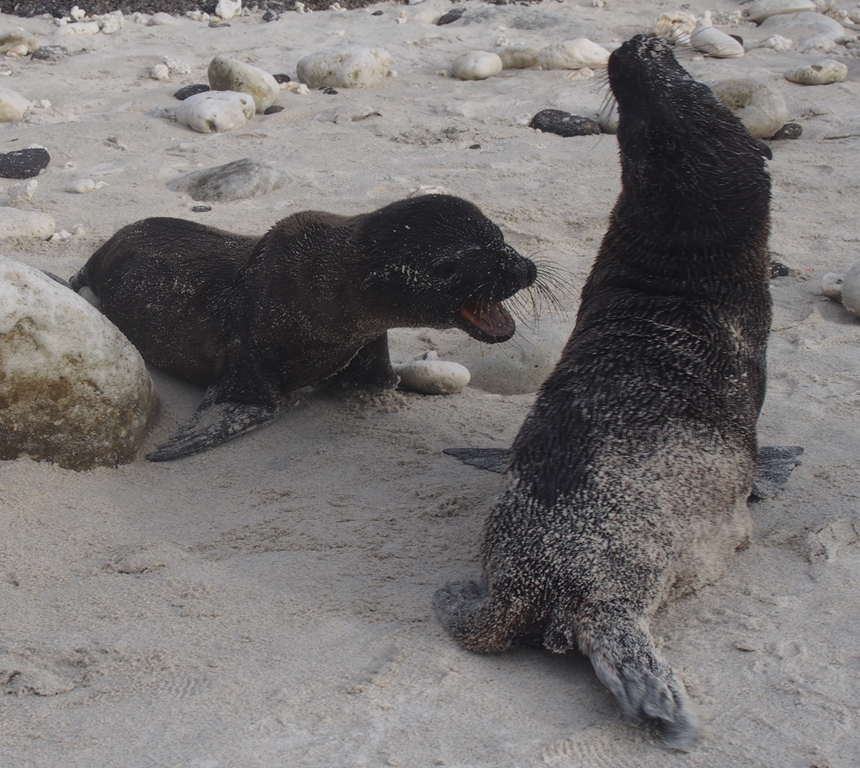
    Or maybe I can scare him off looking ferocious.

    image

    Please?

    image

    OK.

    image

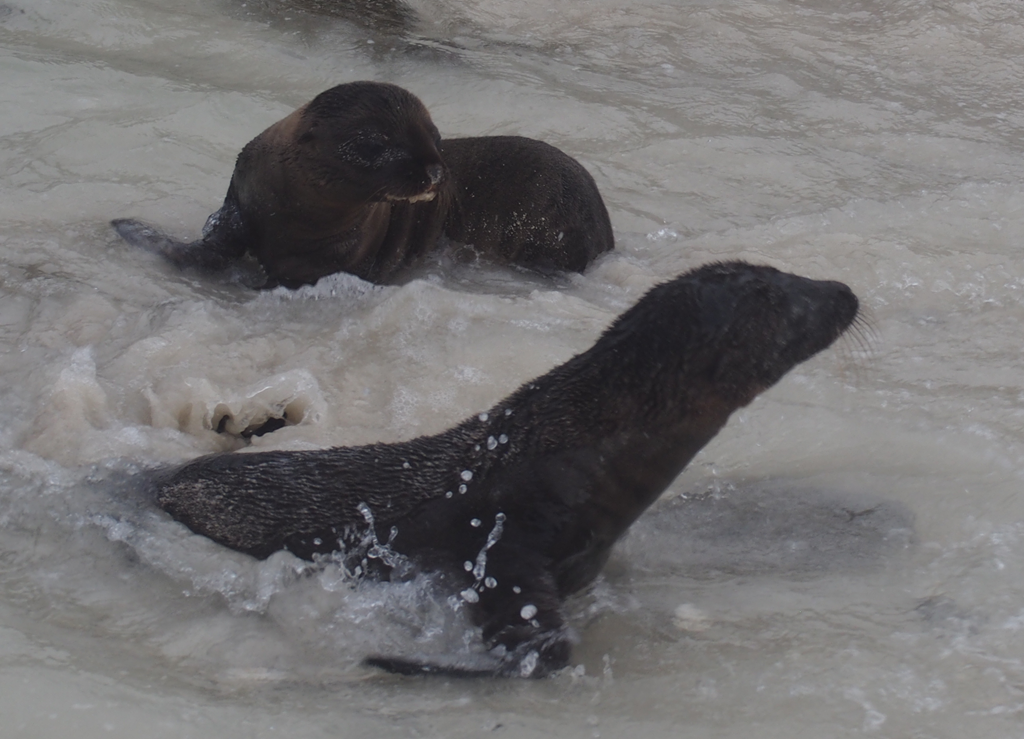
    OK, fine! I’ll go in the water with you!

    image

    Maybe I can sleep in the water?

    image

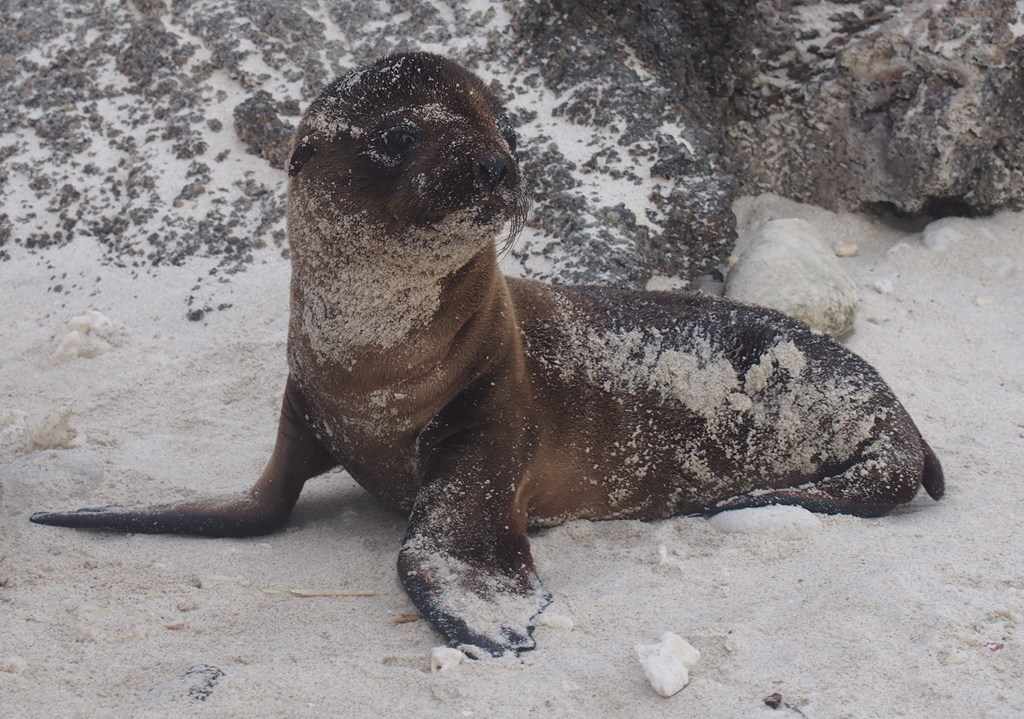
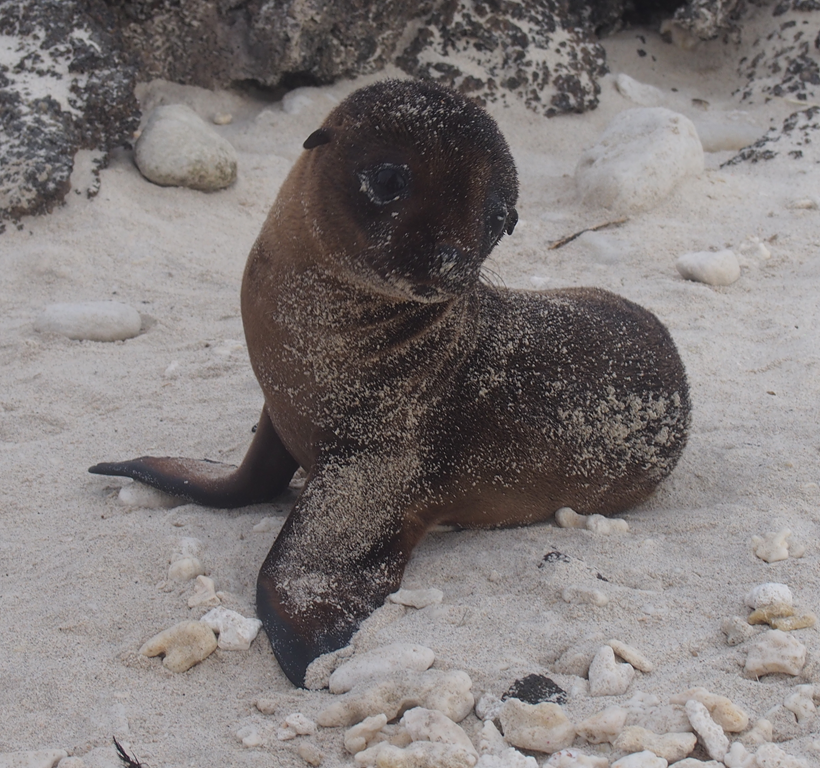
    Bye bye baby booby.

    image


  • Genovesa Snorkelling

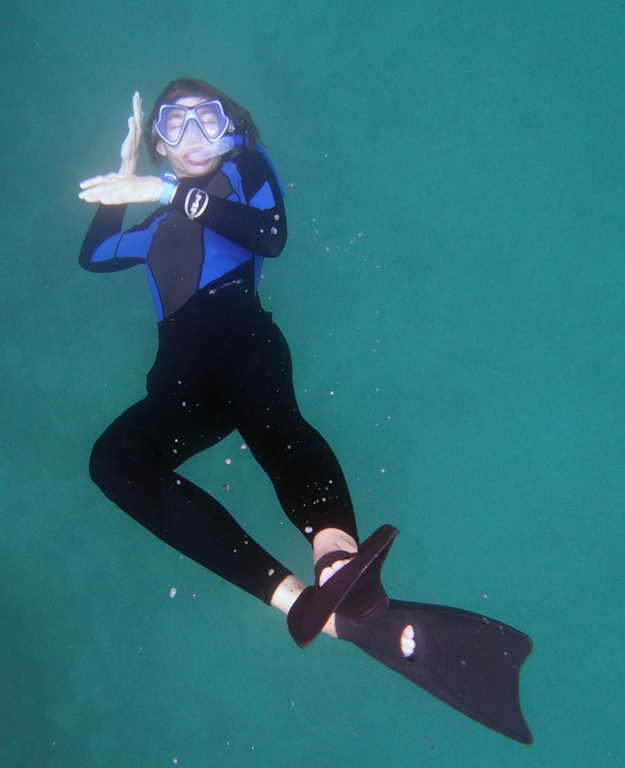
    We also snorkelled in the caldera of Genovesa island and saw several new things. Including some big things further down in the post. Now that the water was warmer (26C) Kerri would free dive down more often.

    A0000030

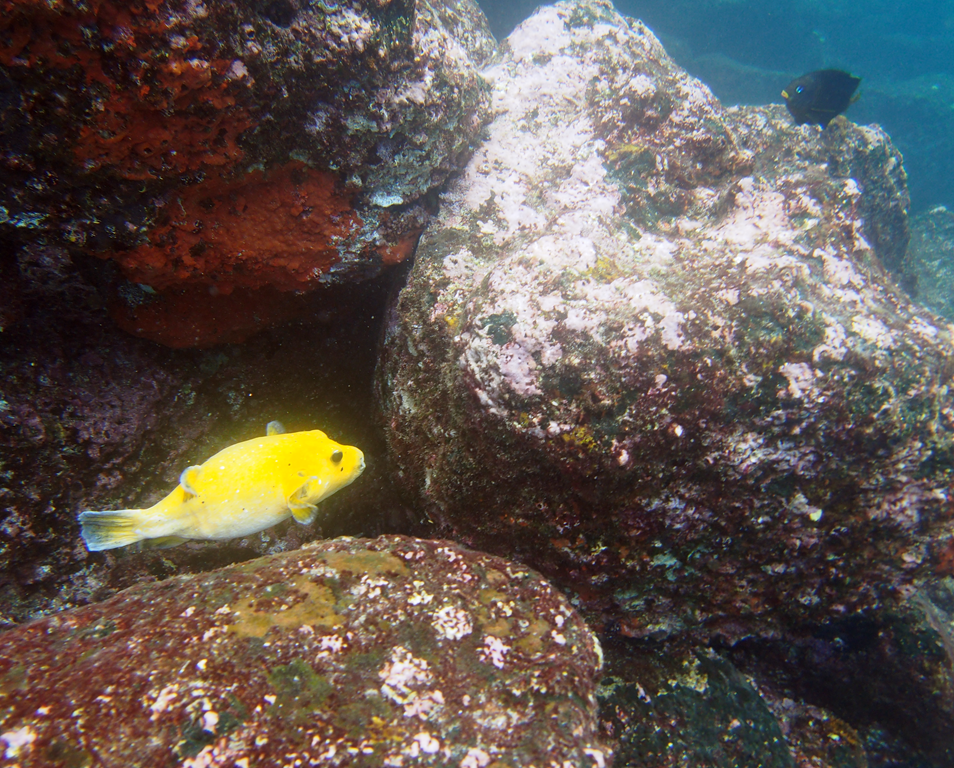
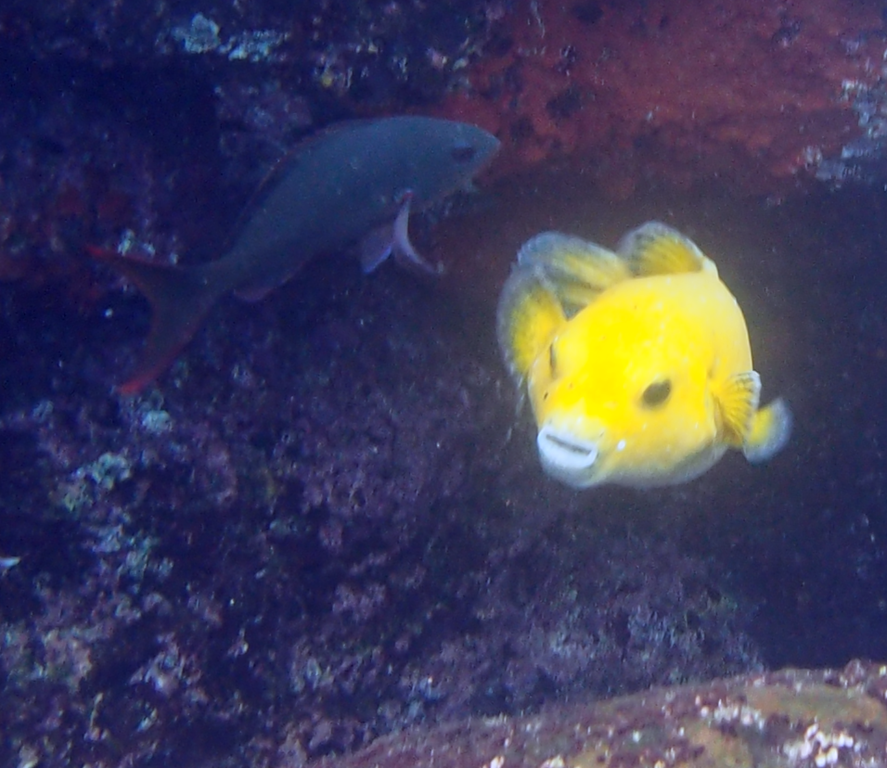
    We saw a golden guiniafowl pufferfish.

    A0000055

    He looked funny.

    A0000051

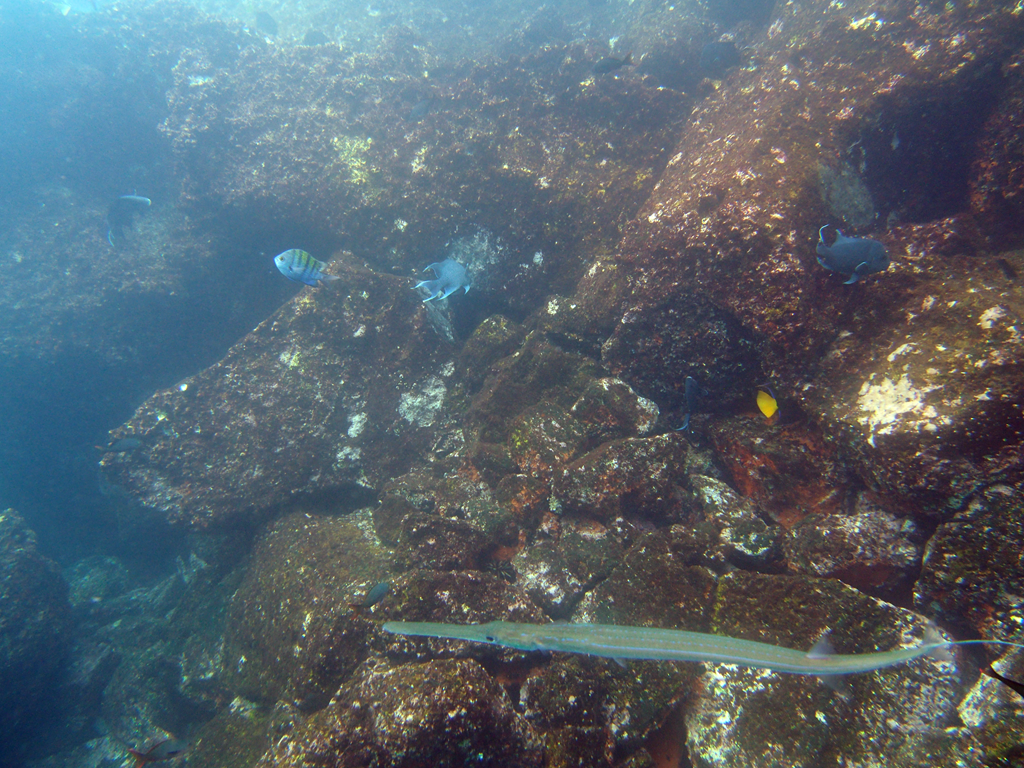
    The long fish may be a trumpetfish.

    A0000017

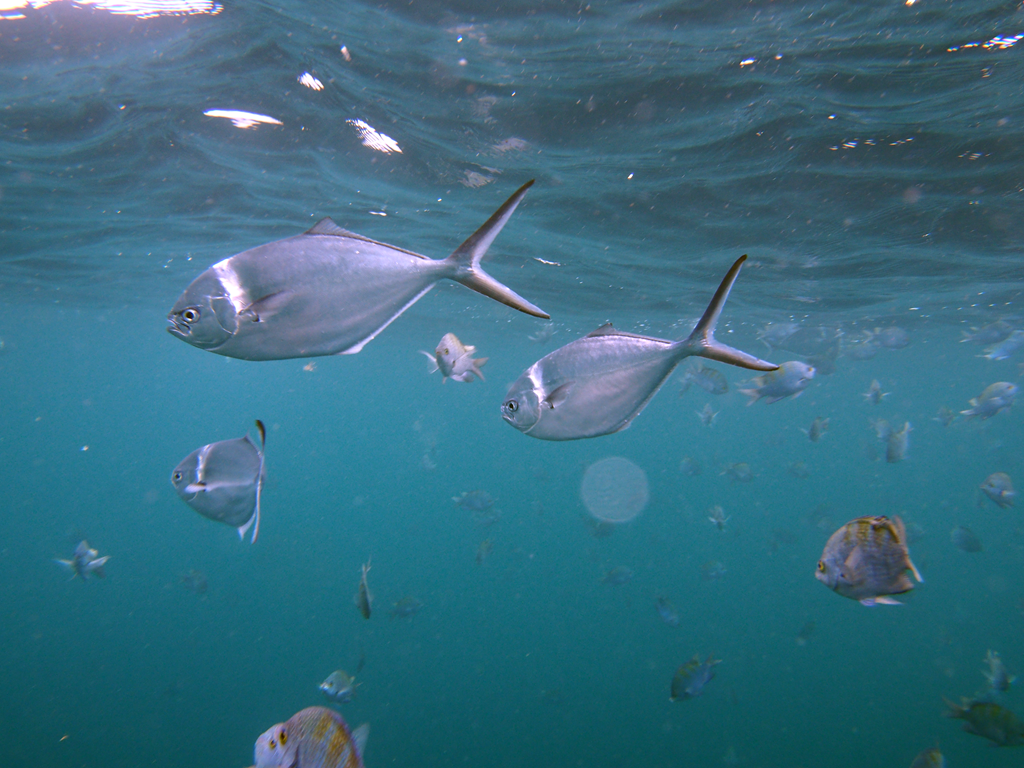
    There were several types of fish we hadn’t see before. I think this is a school of fish that are actually caught for food.

    A0000025

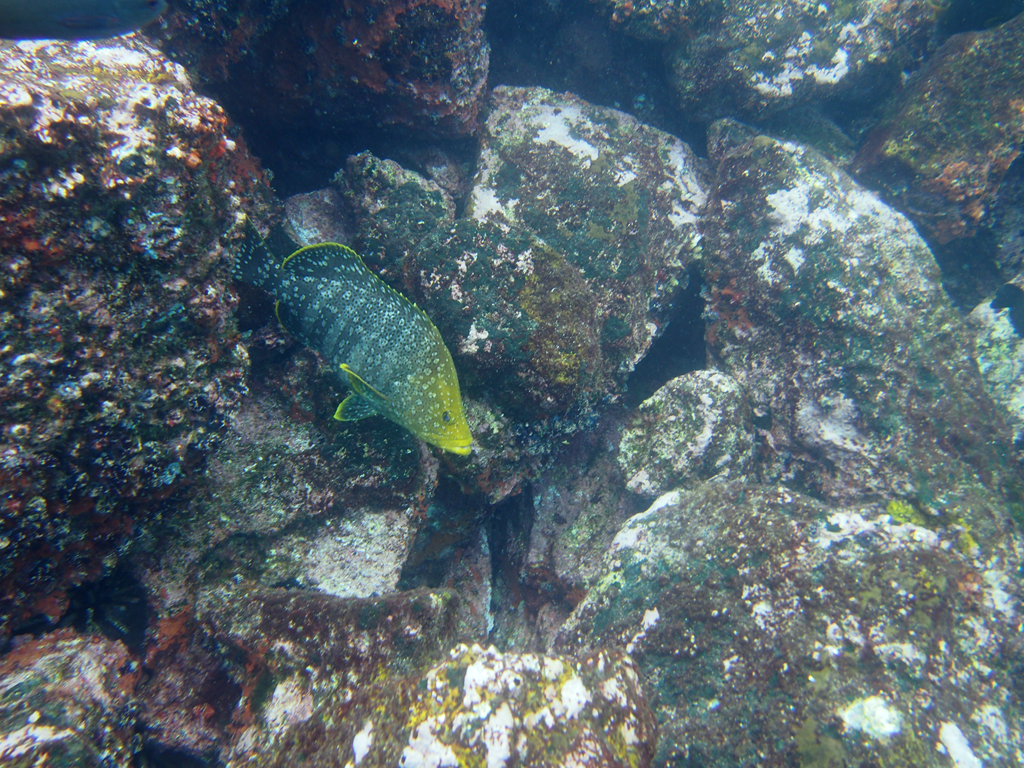
    This was another fish we hadn’t seen previously.

    A0000037

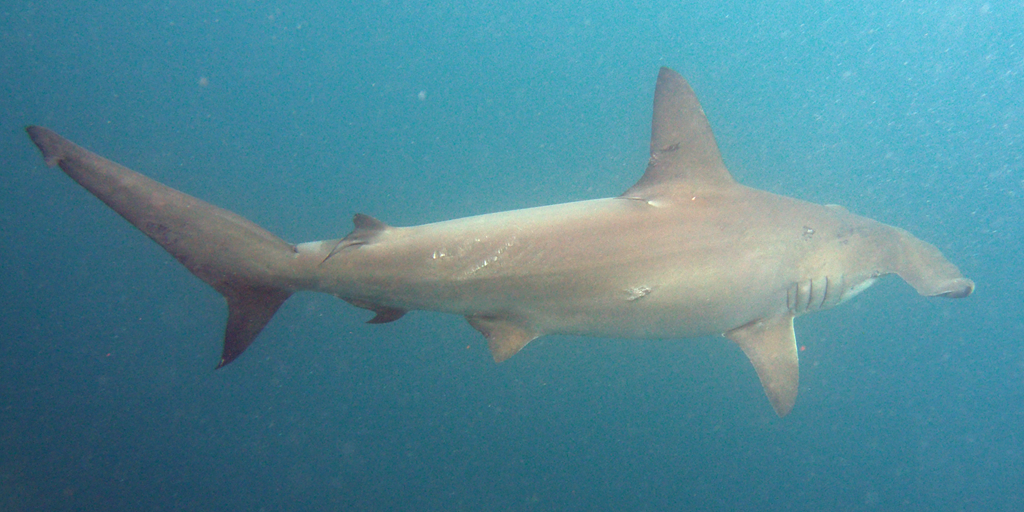
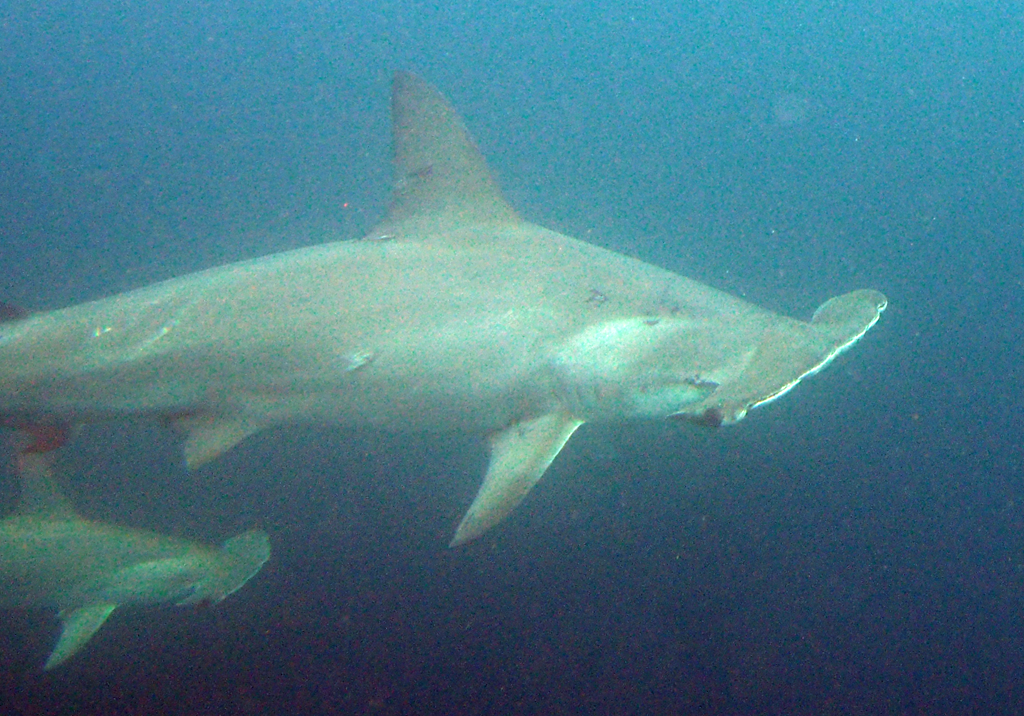
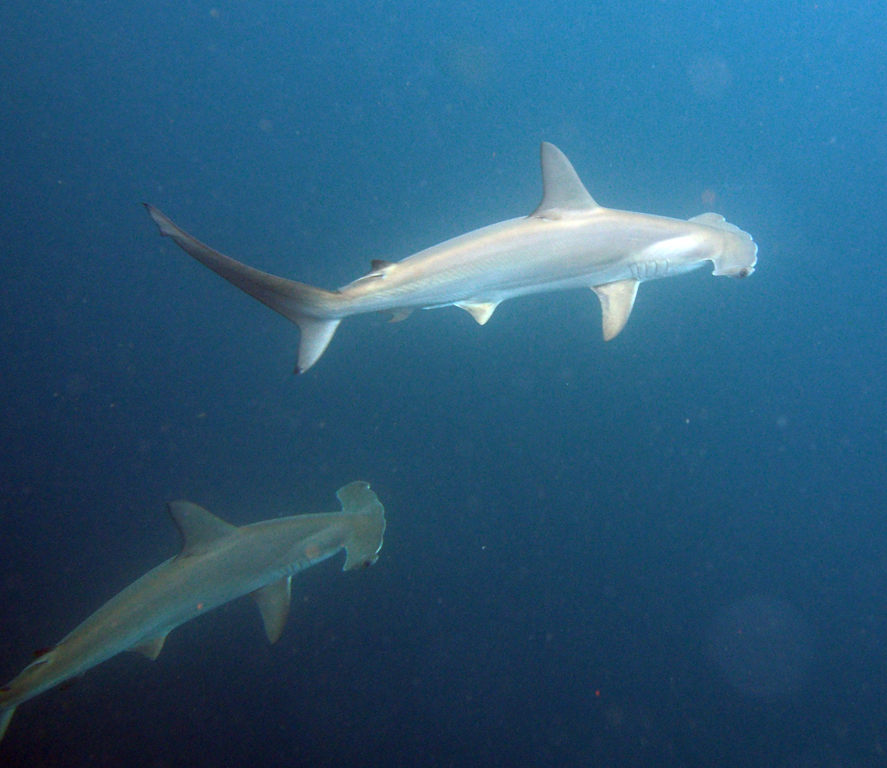
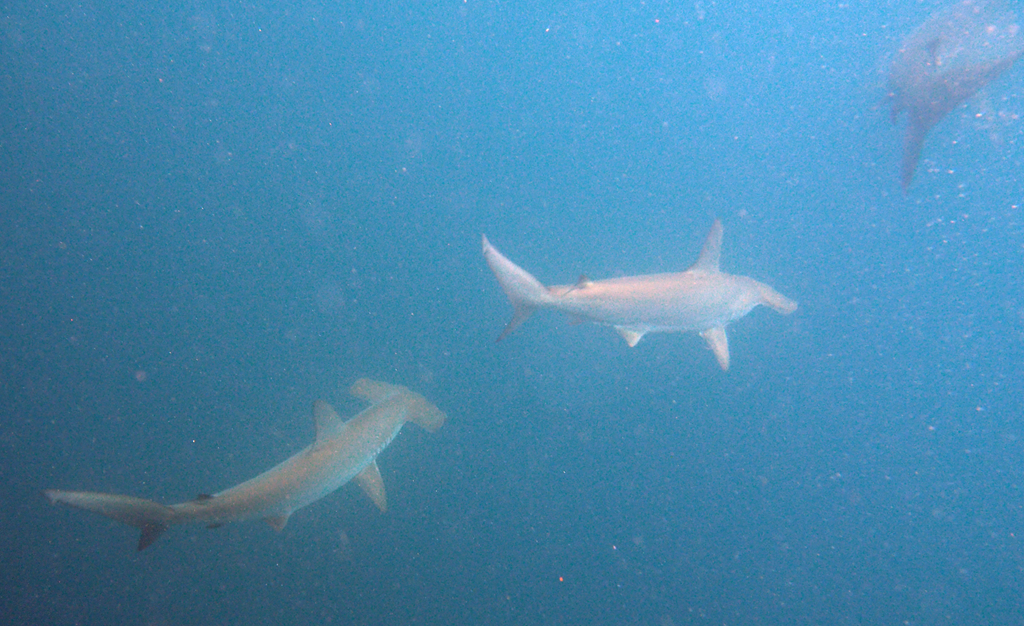
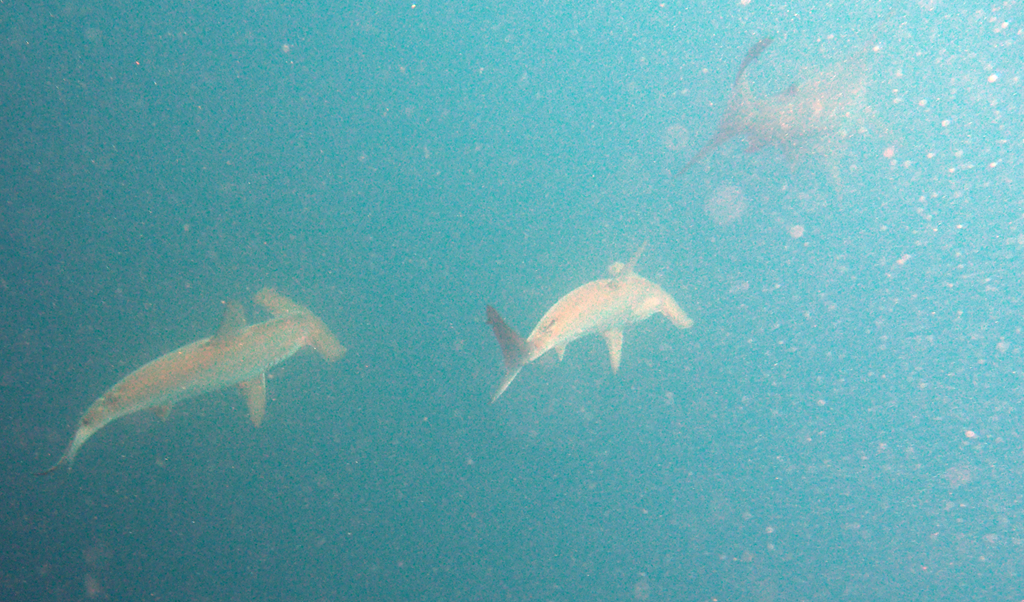
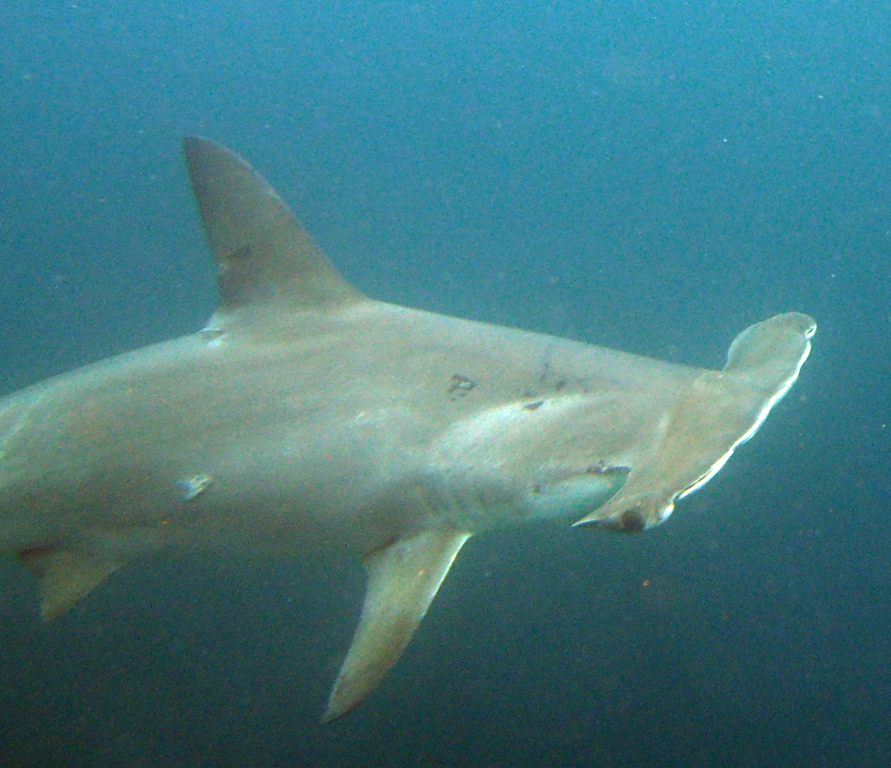
    But more importantly, we also saw some hammerhead sharks.

    A0000012

    There was a big one and two smaller ones.

    A0000007

    They swam past us a couple times sometimes shallower and sometimes deeper.

    A0000013

    They were really cool to watch, even though they weren’t around for very long.

    A0000014

    The guide mentioned that they sometimes are found in this area as they get cleaned here.

    A0000015

    They are far more common to see on the North islands (Wolf and Darwin) but you only go up there to dive. It was really cool to see another type of shark on this trip and on the very last day too.

    A0000010


  • Prince Philip’s Steps

    It was a wet morning on Genovesa, the bird island.

    image

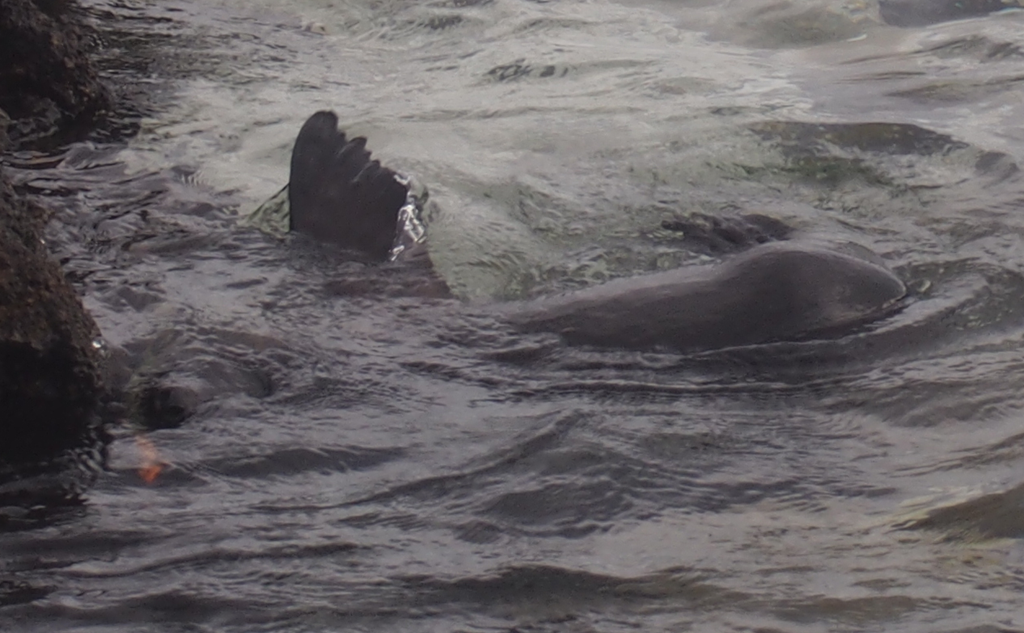
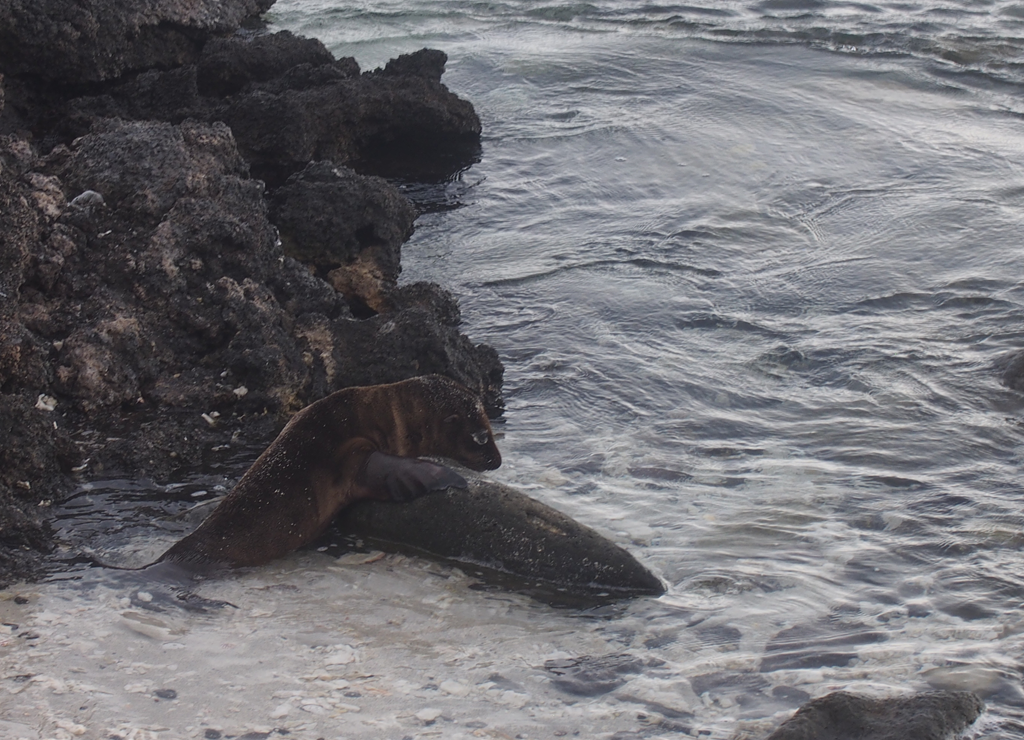
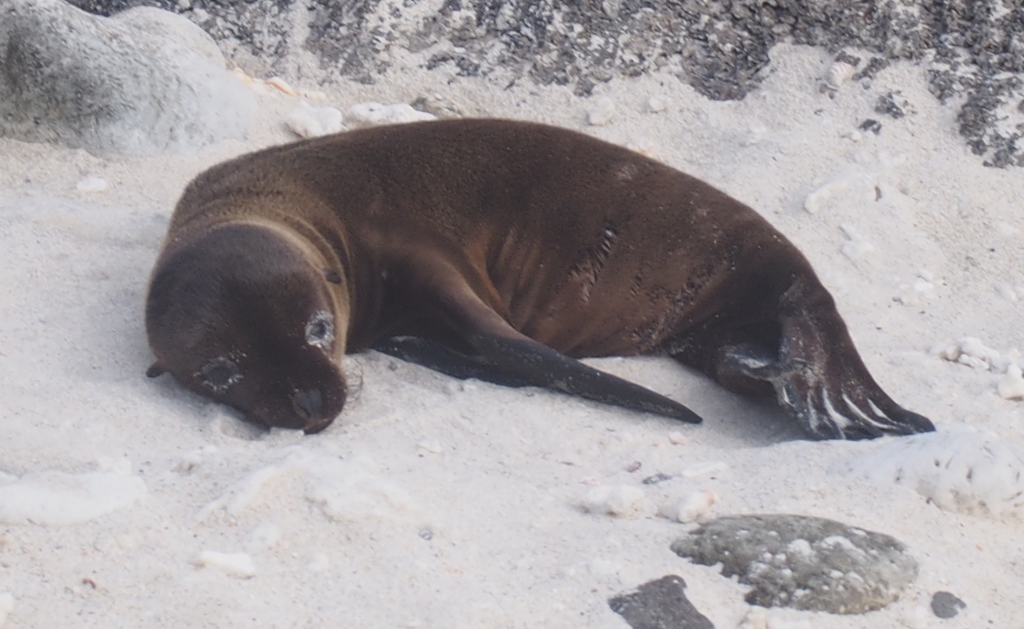
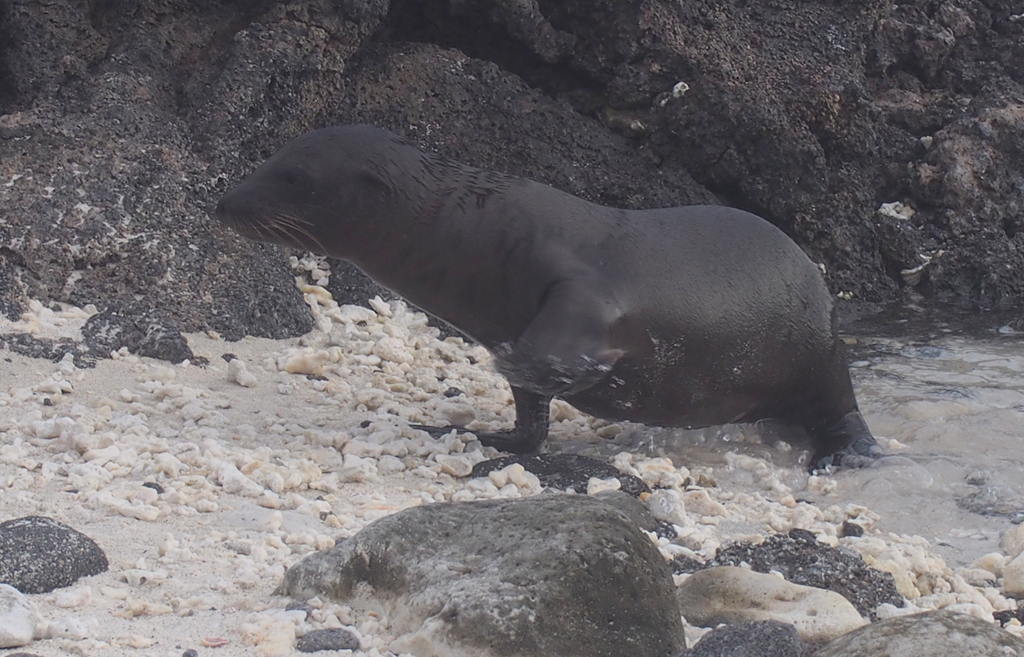
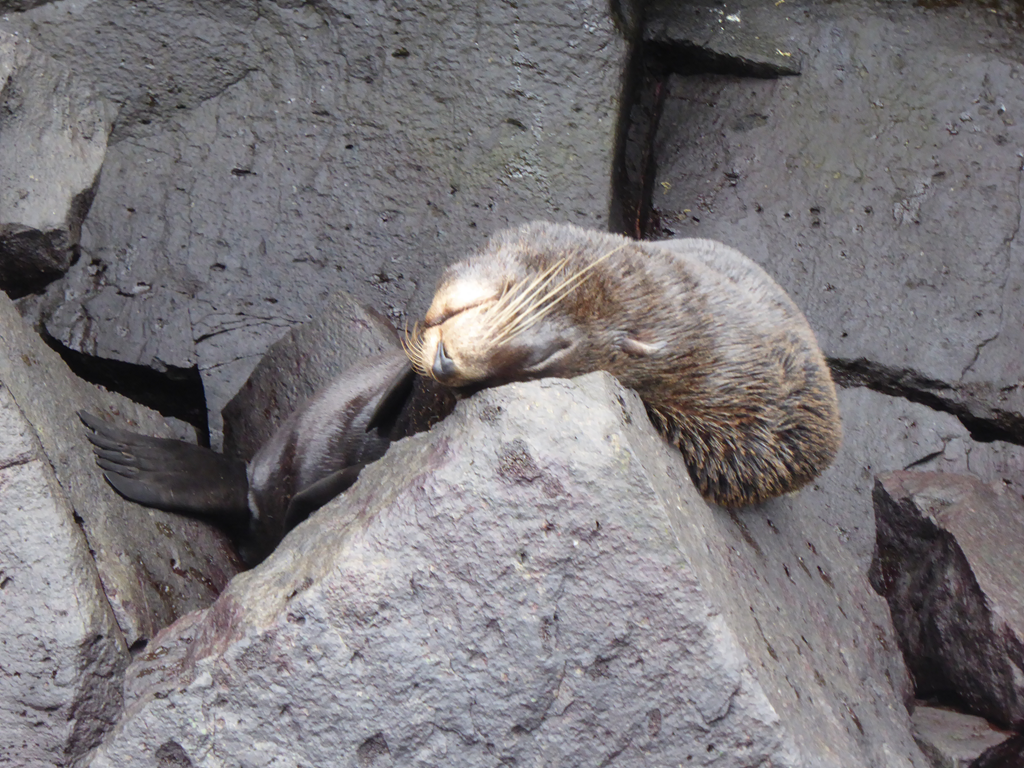
    The fur seals were sleeping upside down.

    image

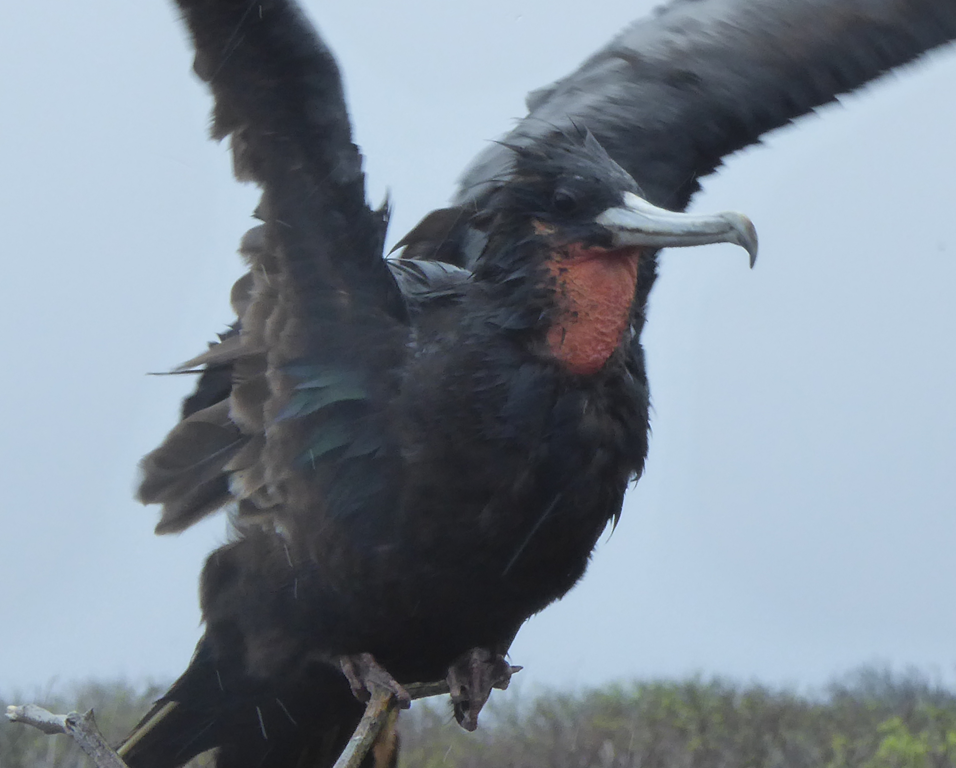
    Most of the birds did not seem impressed by the rain.

    image

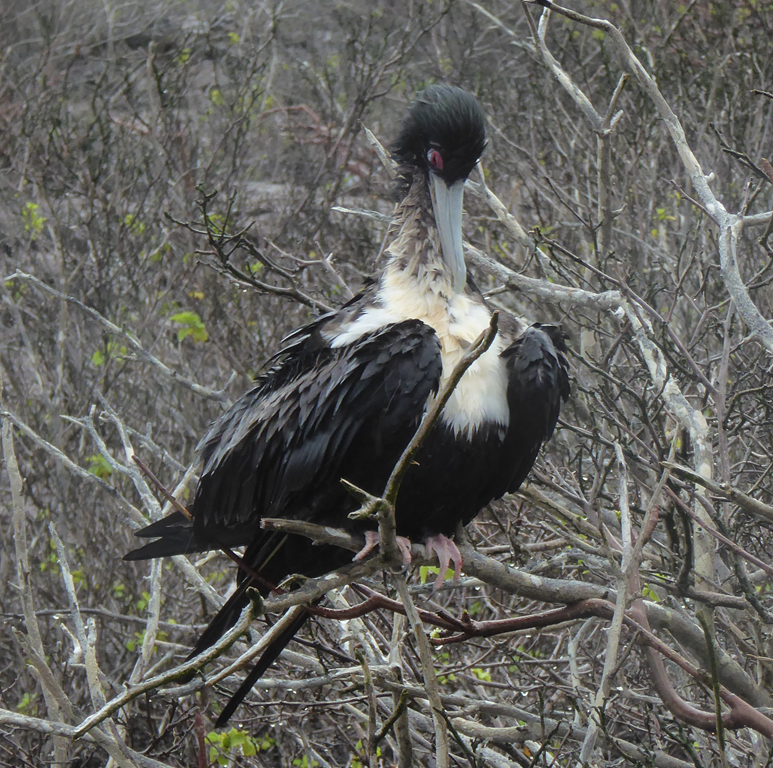
    Particularly the frigatebirds.

    image

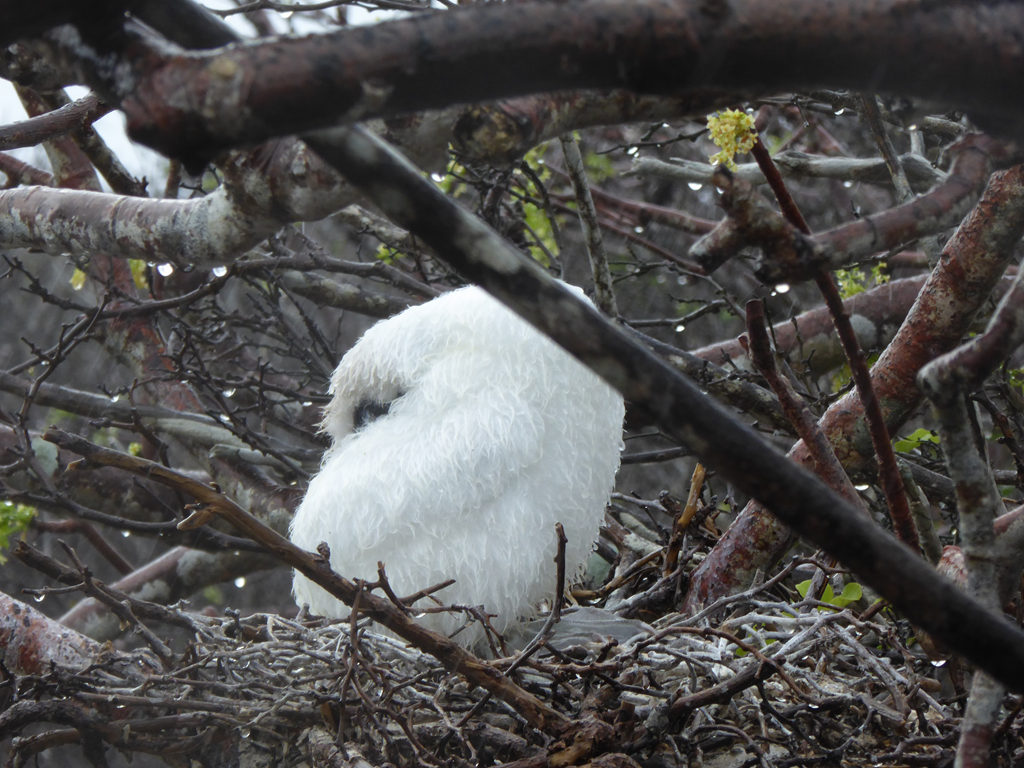
    The baby booby was hiding his head.

    image

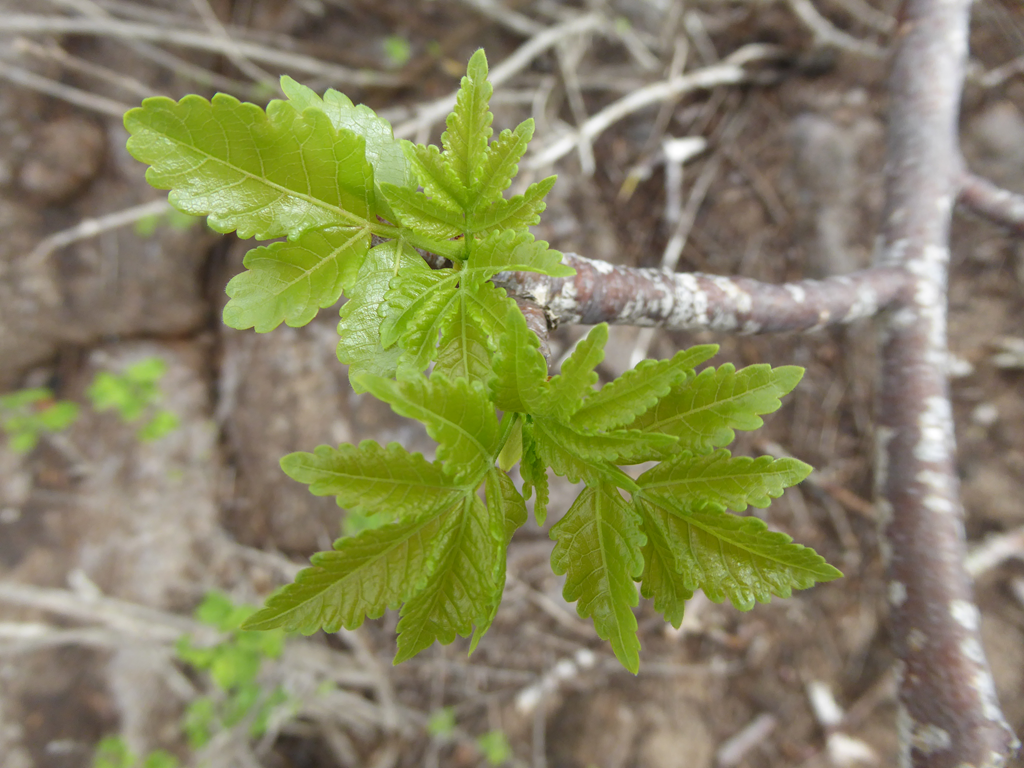
    But it is good for the incense trees.

    image

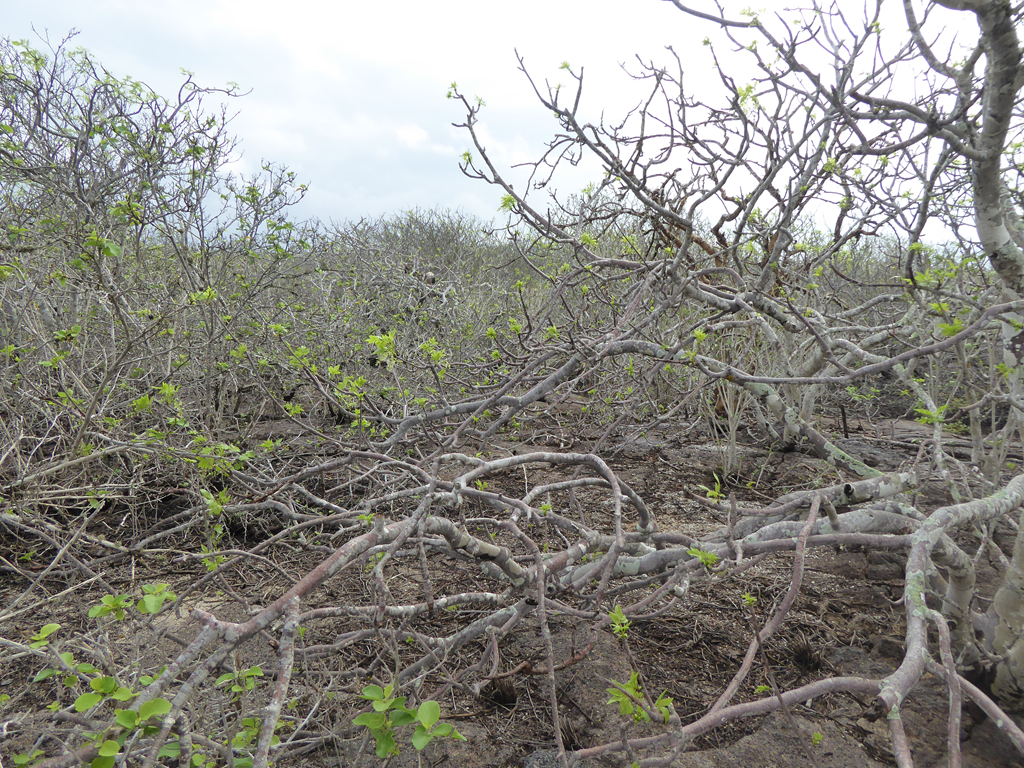
    This island was actually looking a bit green!

    image

    Fortunately it dried out later in the morning and the frigatebirds looked much happier.

    image

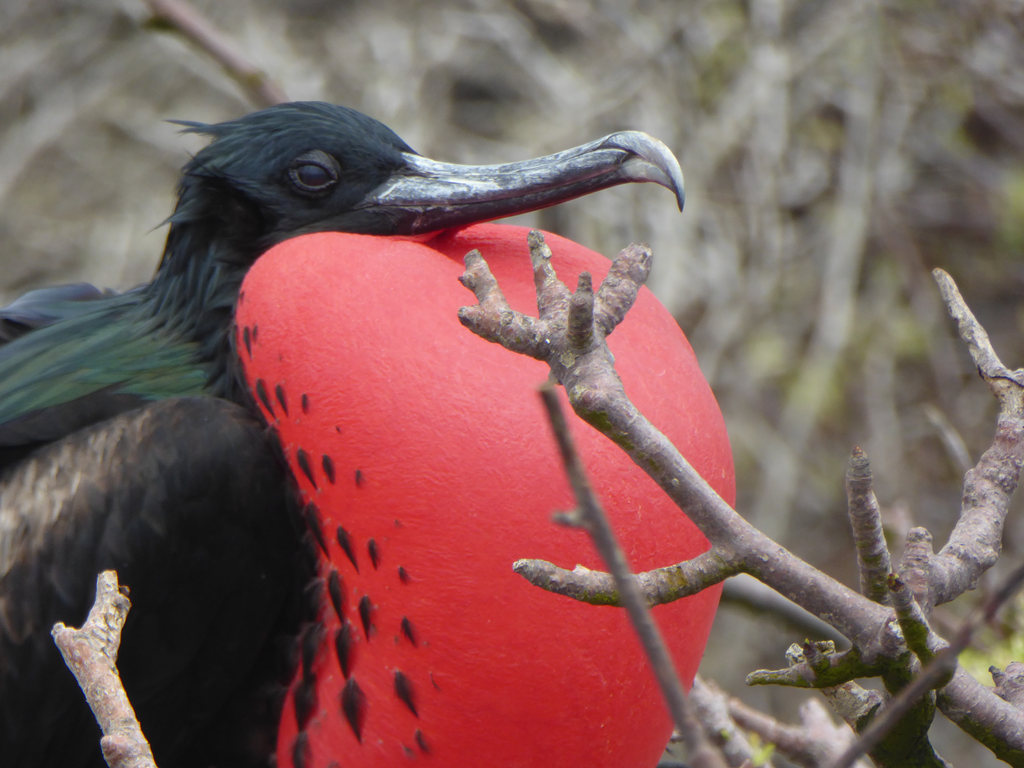
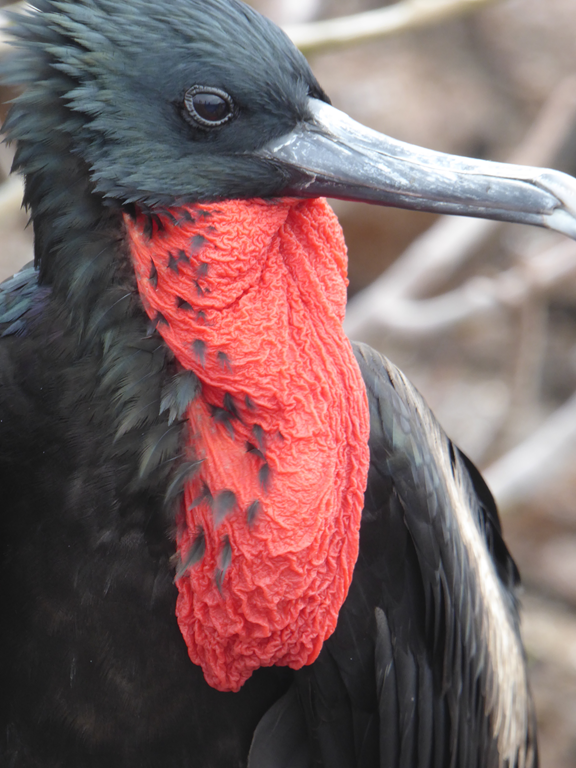
    Most of them had not yet inflated their pouches though.

    image

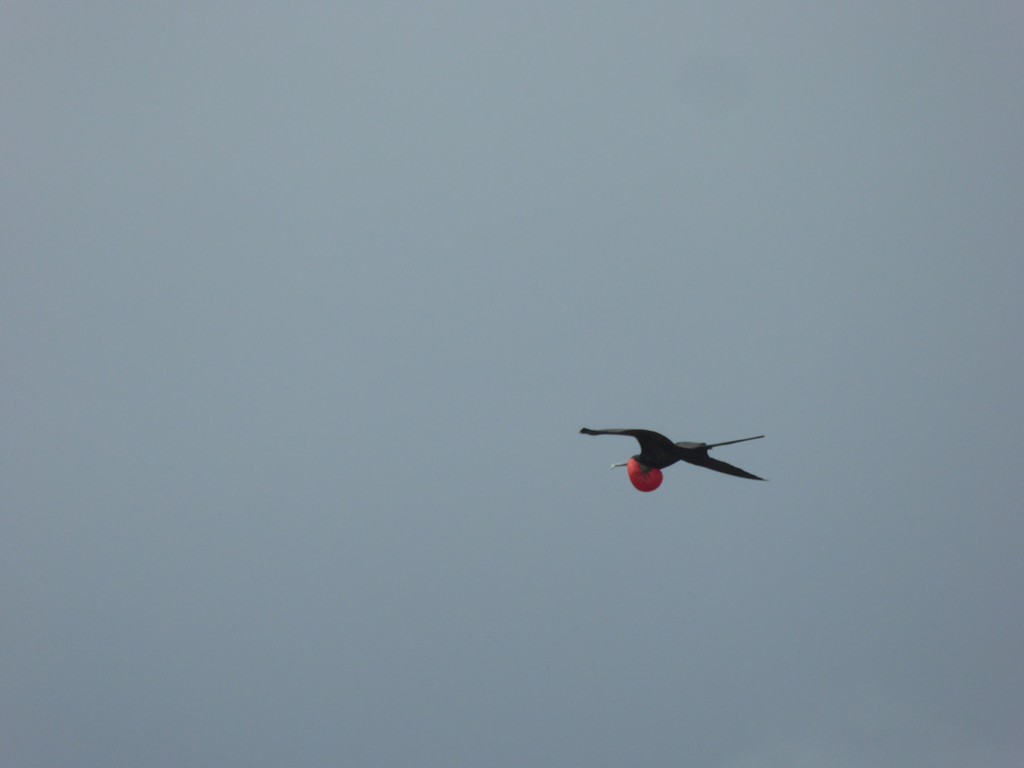
    But one was flying with a full pouch, which looked really funny.

    image

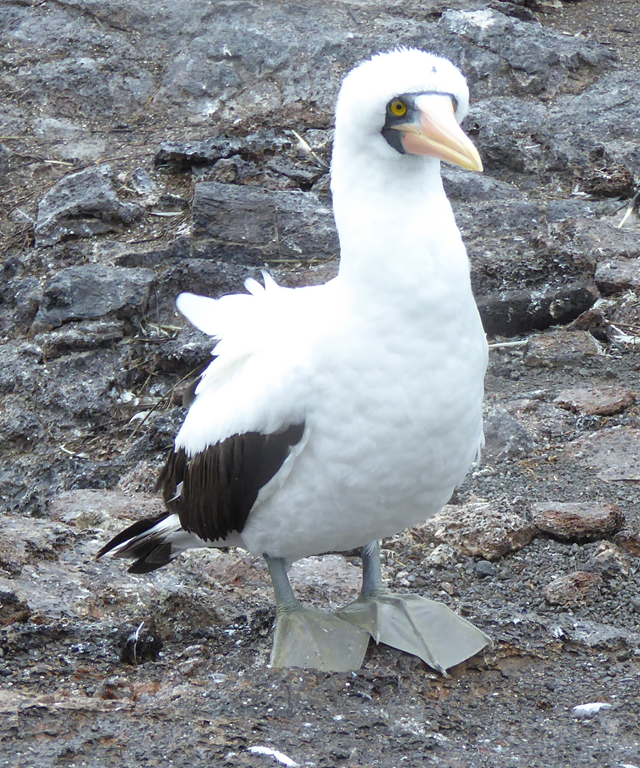
    These are nazca boobies. We saw one yesterday but not from close up.

    image

    They are a beautiful white colour.

    image

    And we finally got to see red footed boobies!

    image

    Kerri’s favourite boobies!

    image

    She wants to rename them pink footed boobies though.

    image

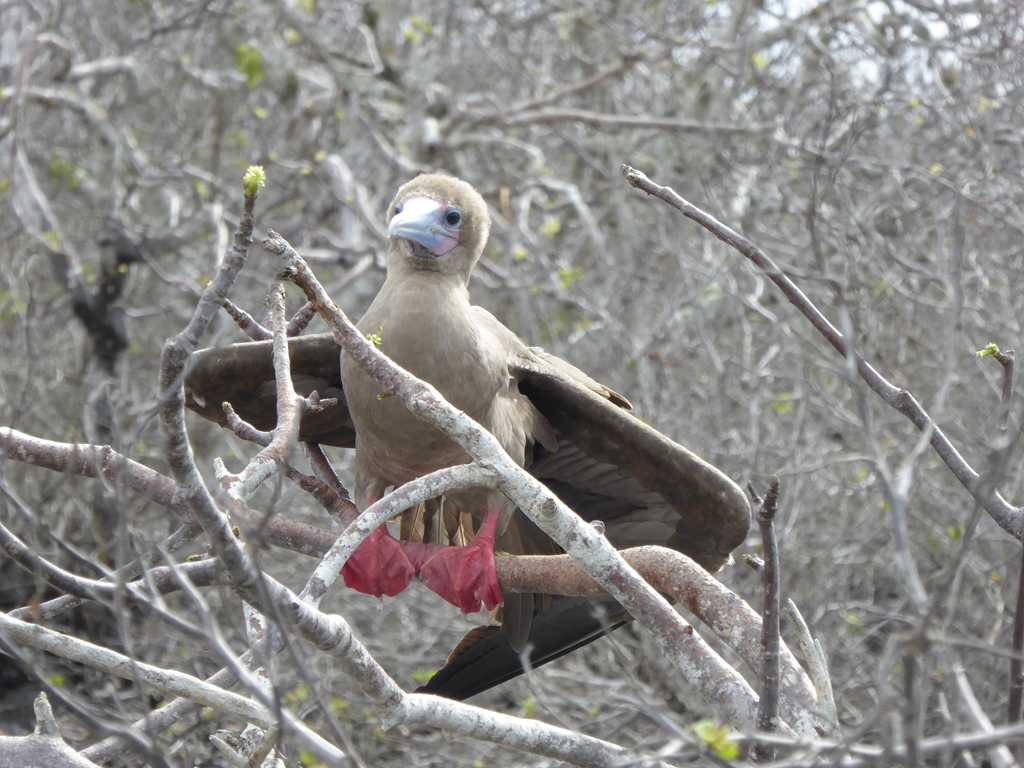
    They live in trees and grip the branches with their pink feet.

    image

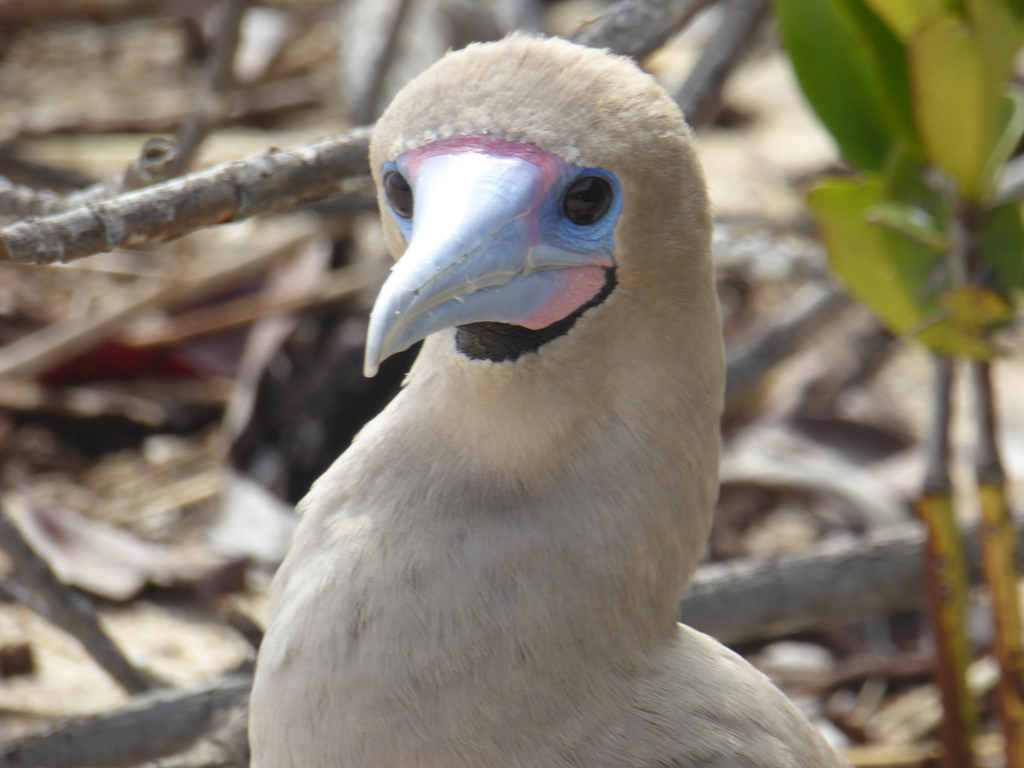
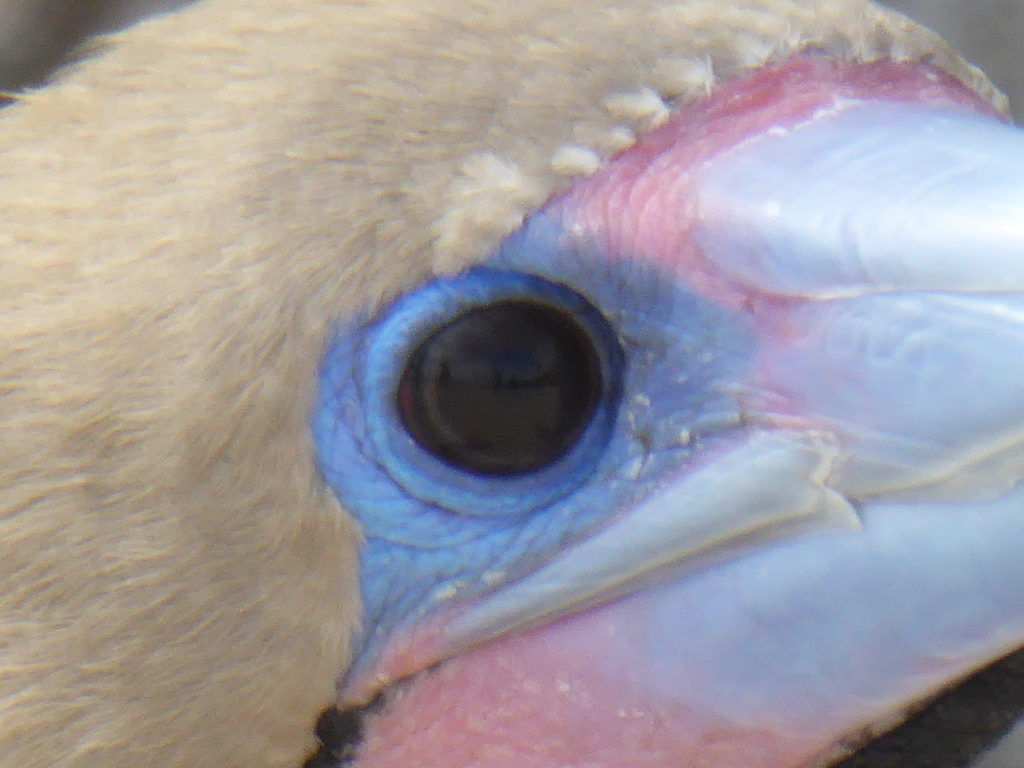
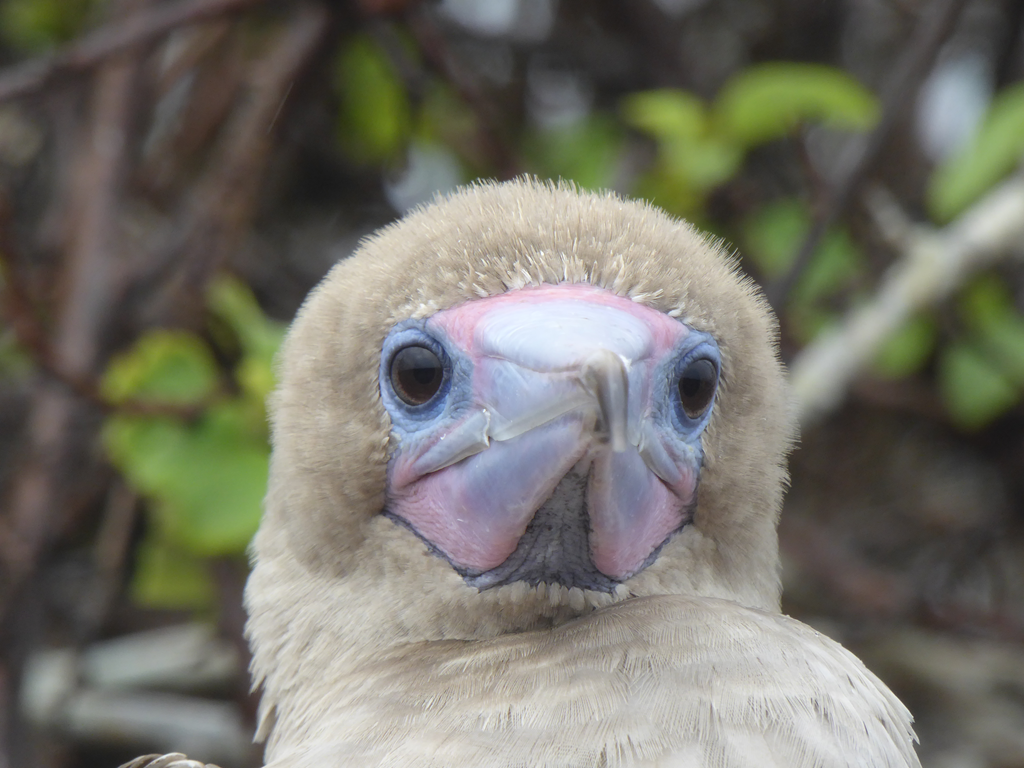
    They are really pretty with blue eyes and pink beaks.

    image

    But still really funny looking because they are boobies.

    image

    Here is one showing off her wings.

    image

    And even better, a baby booby!

    image

    He is so fluffy!

    image

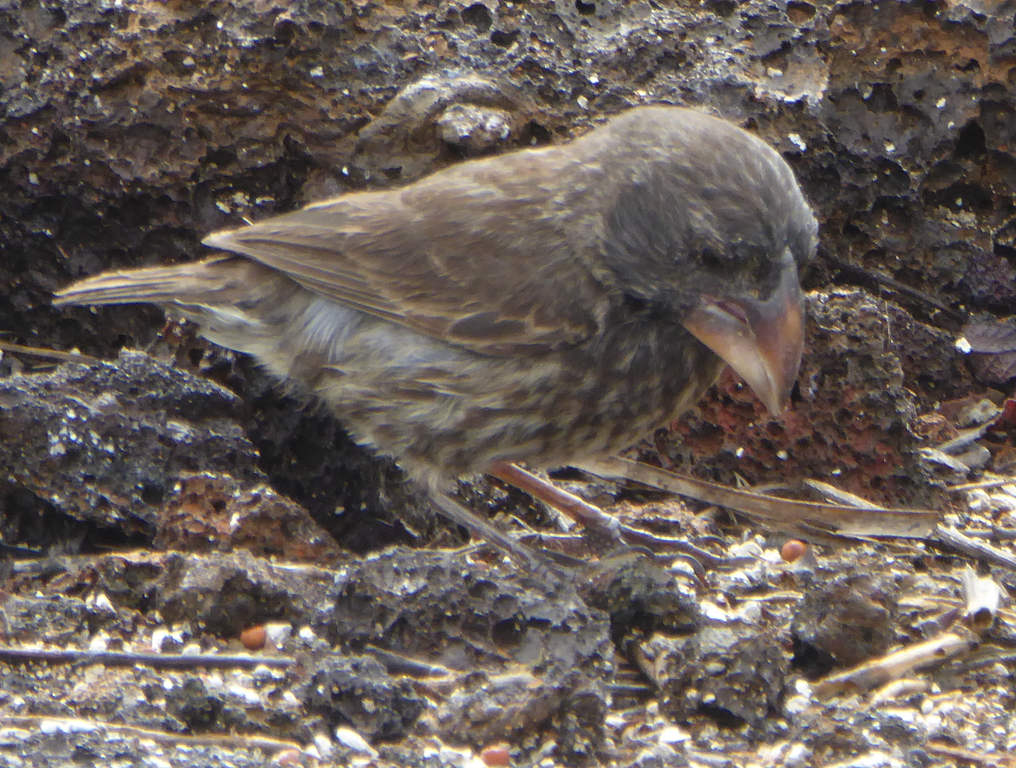
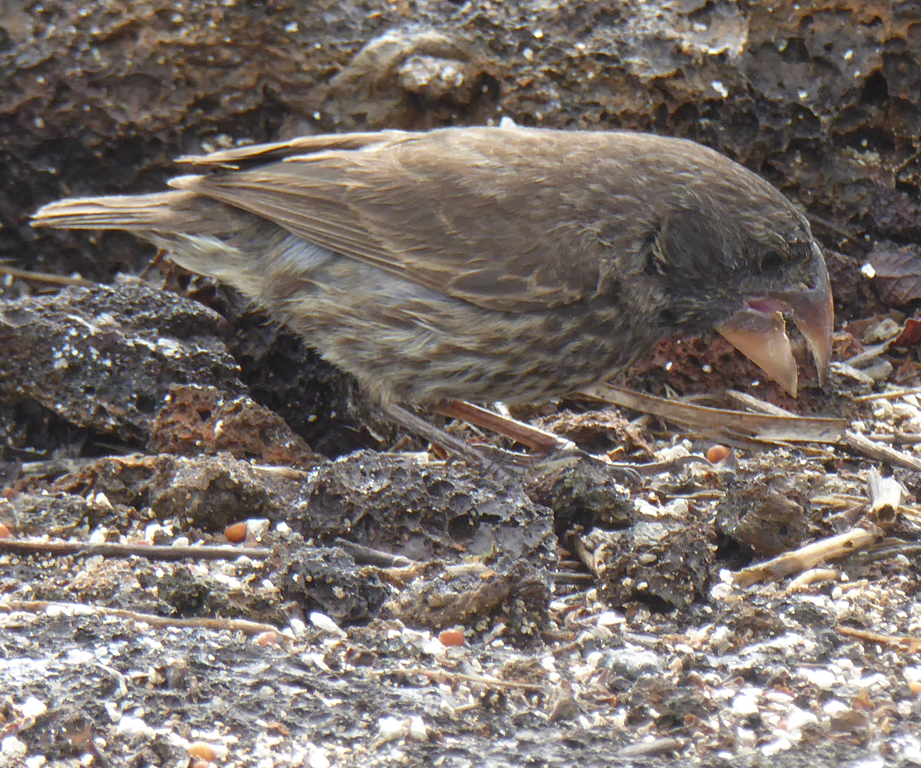
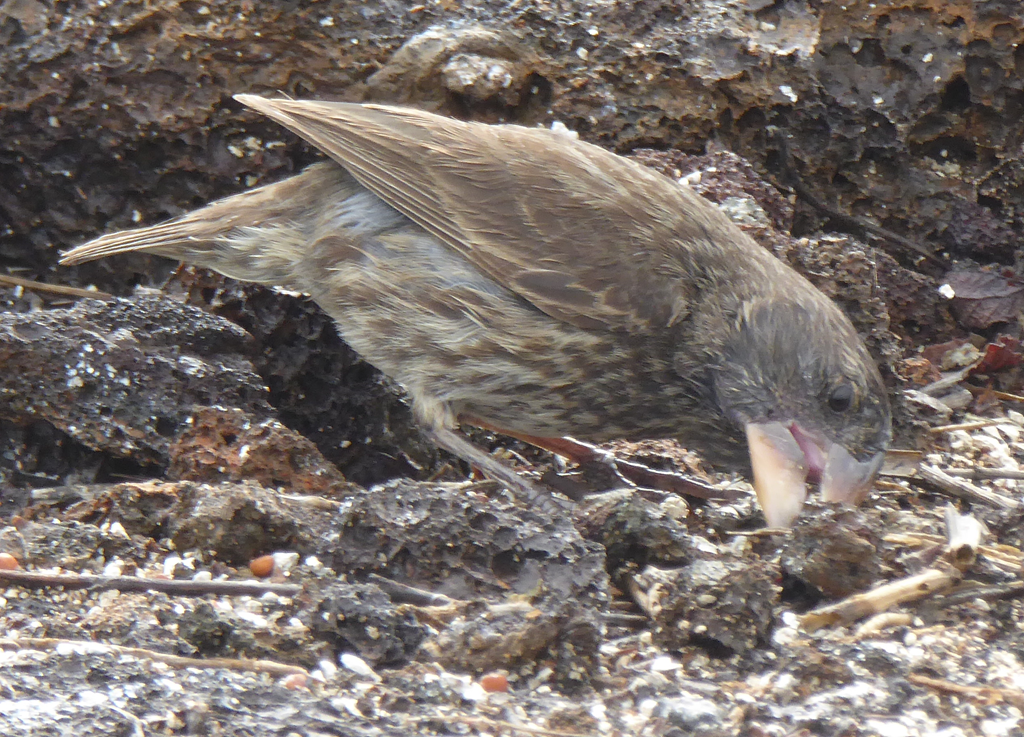
    We saw two new types of finch. This is the large ground finch.

    image

    His beak is as big as his head, making him look like a parrot!

    image

    He eats really big seeds.

    image

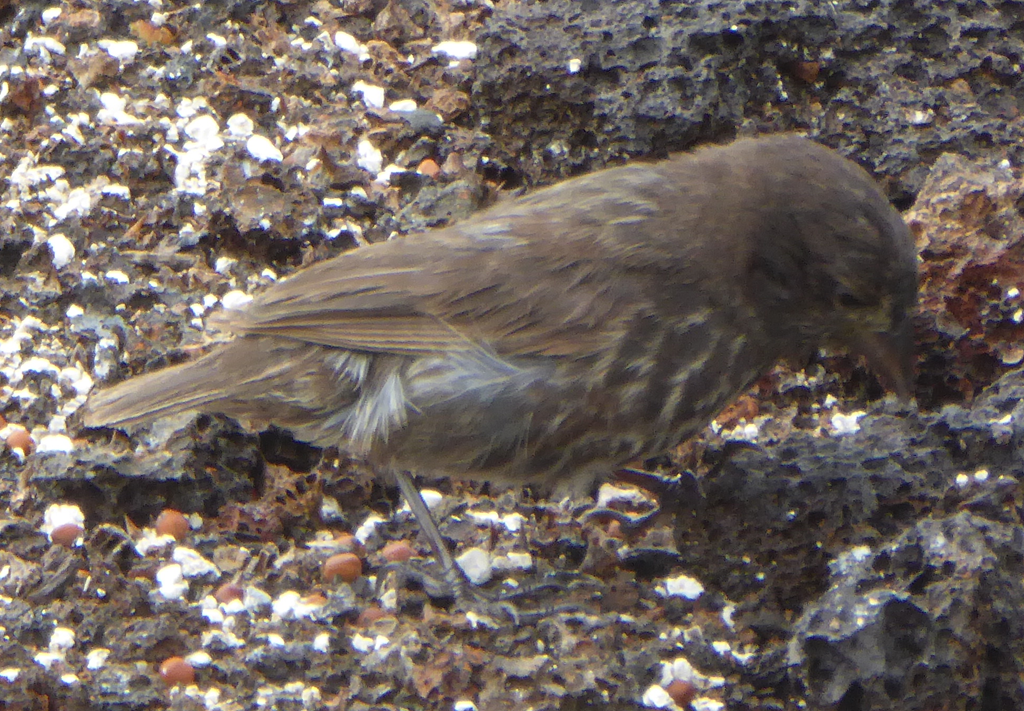
    This guy refused to stand still for a picture, but he is a sharp-beaked ground finch. He eats insects. But his relatives on Wolf and Darwin islands (where humans aren’t allowed, and water is really scarce) drink blood from other birds, earning them the nickname “vampire finch”. They think that they originally picked parasites off of other birds, but with their sharp beaks they accidentally drew blood, and discovered that this is a good source of water.

    image

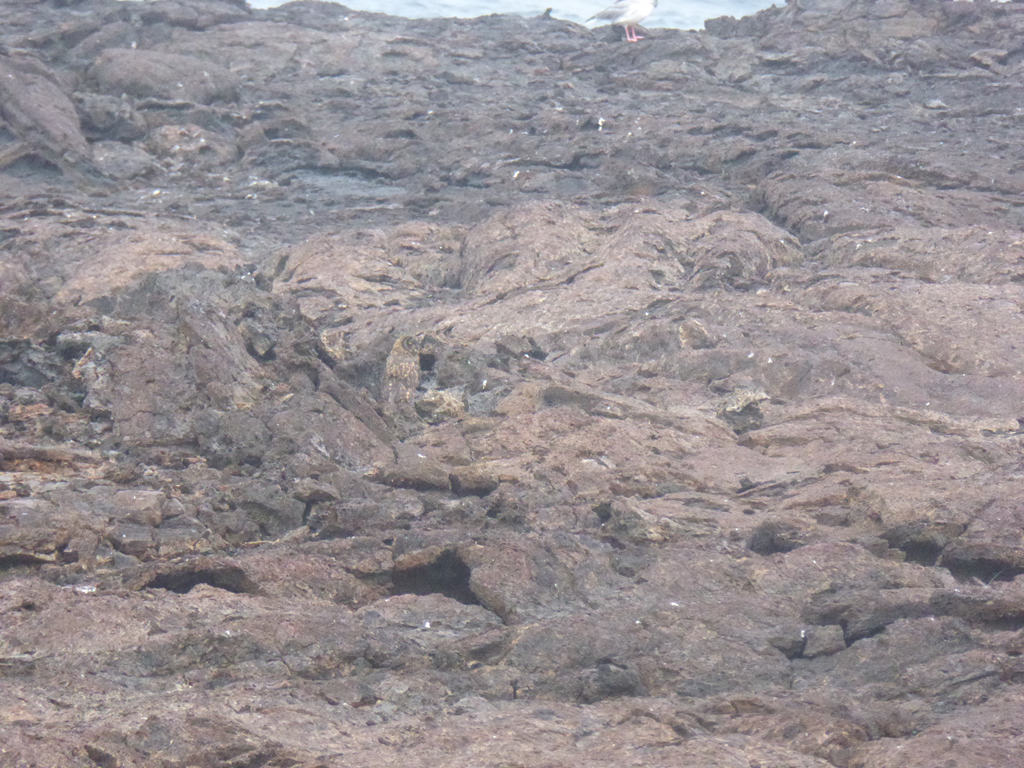
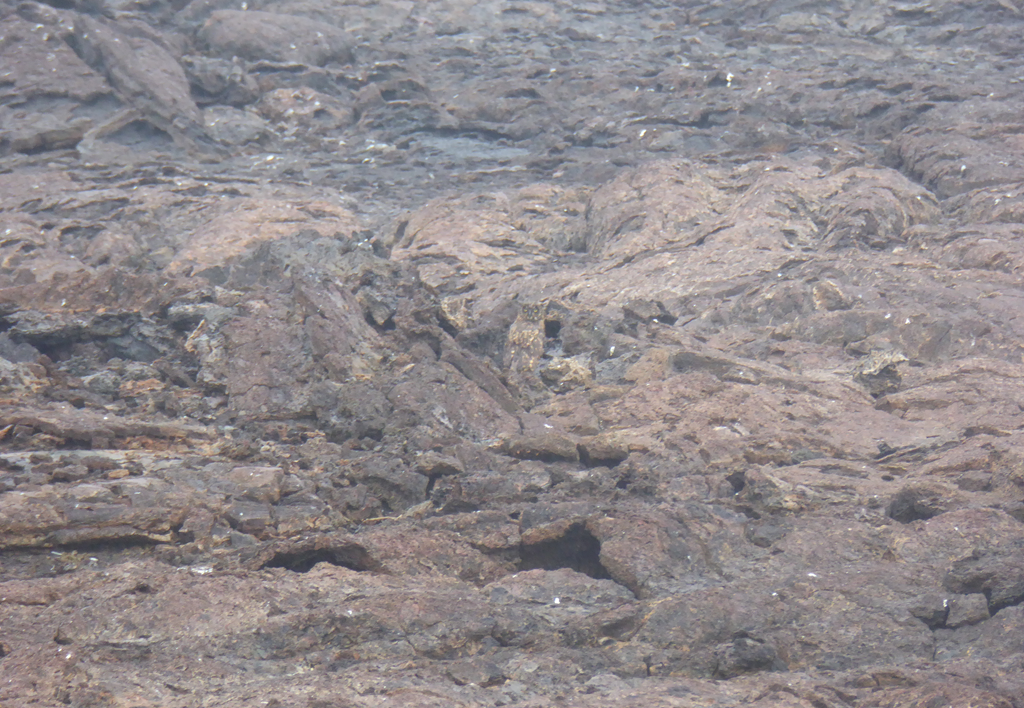
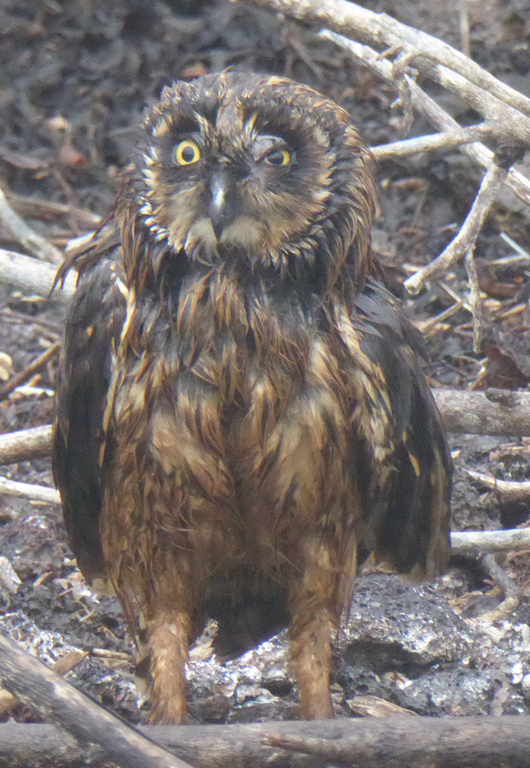
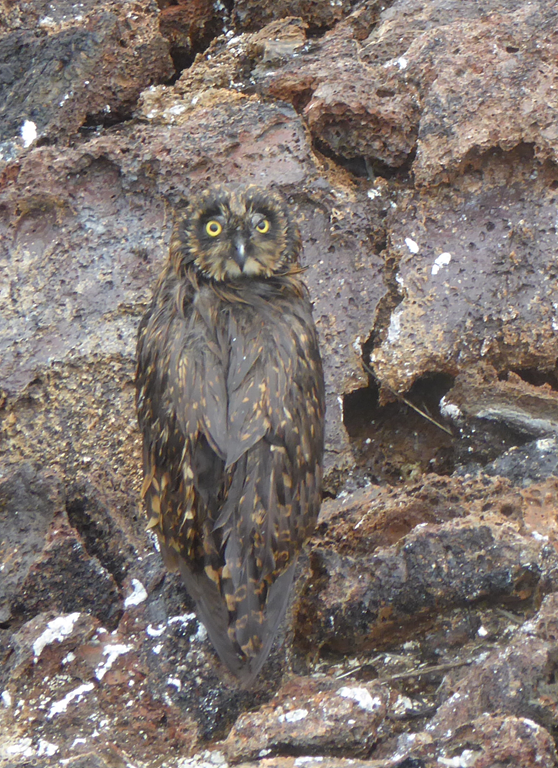
    Then we went owl spotting. Can you spot the owl in this picture?

    image

    Now he is looking right at you.

    image

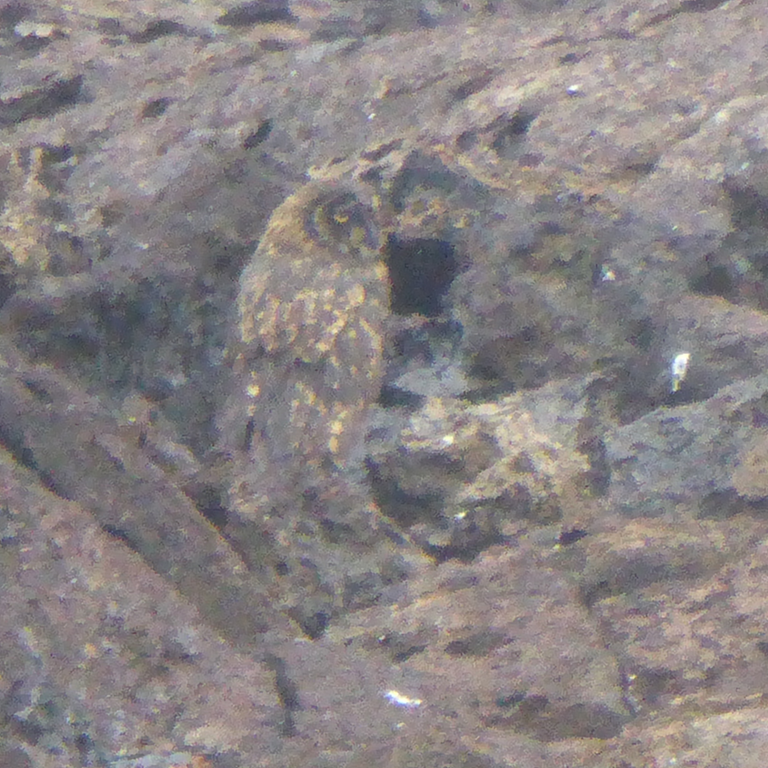
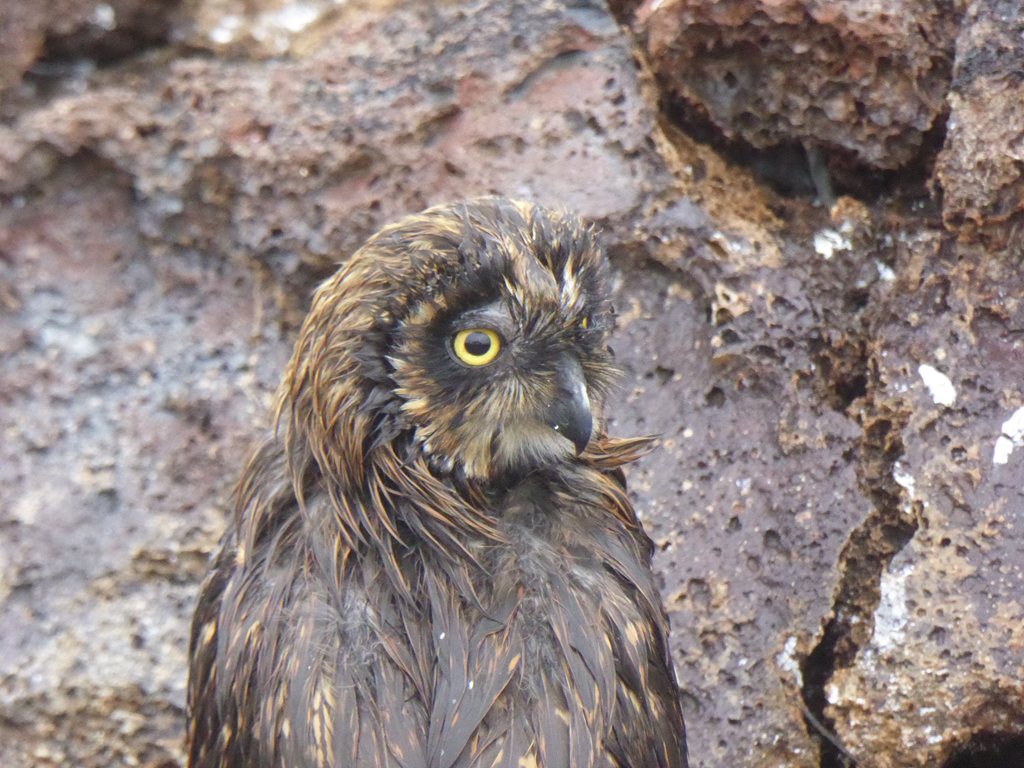
    Here is a closeup.

    image

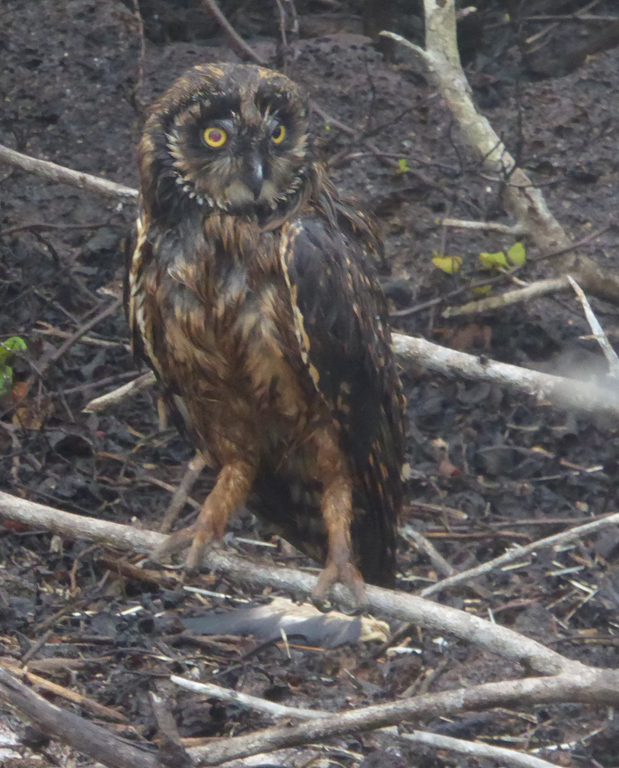
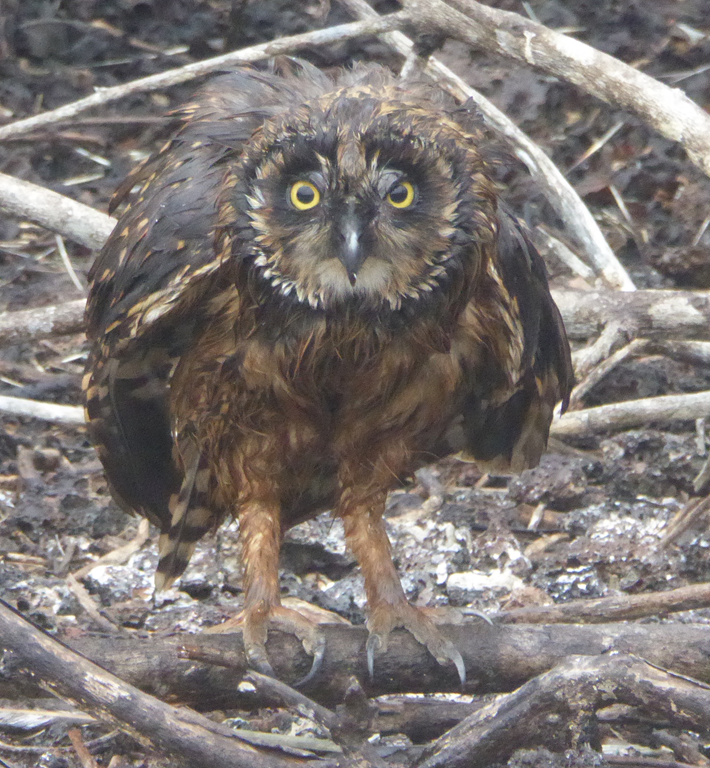
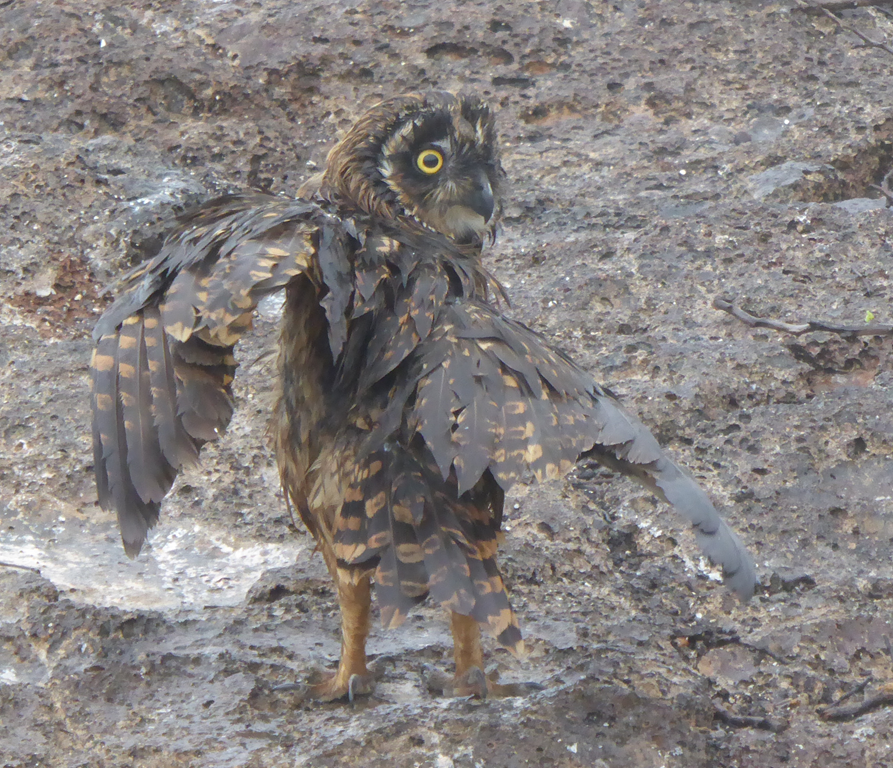
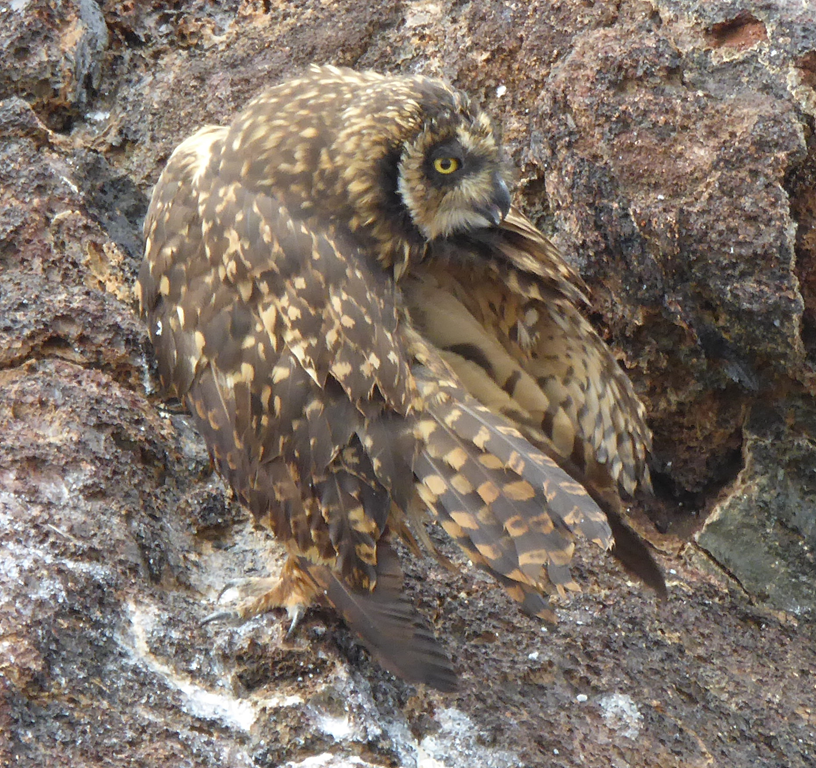
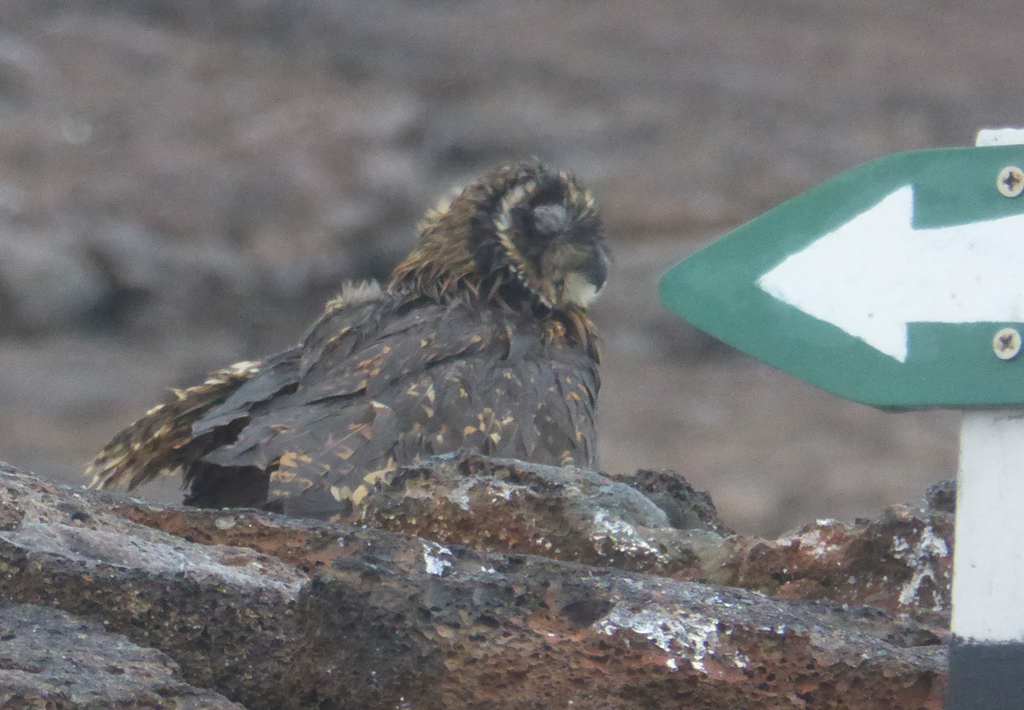
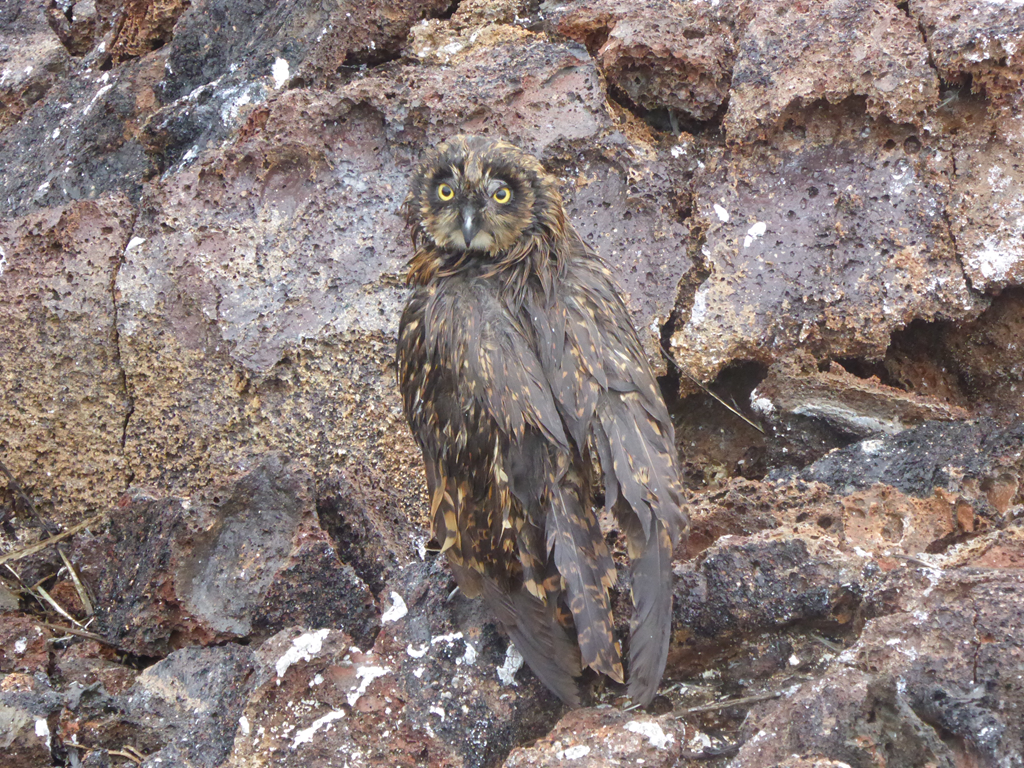
    Fortunately one came closer and posed for us.

    image

    He didn’t seem too impressed by us.

    image

    But he leaned in to get a closer look.

    image

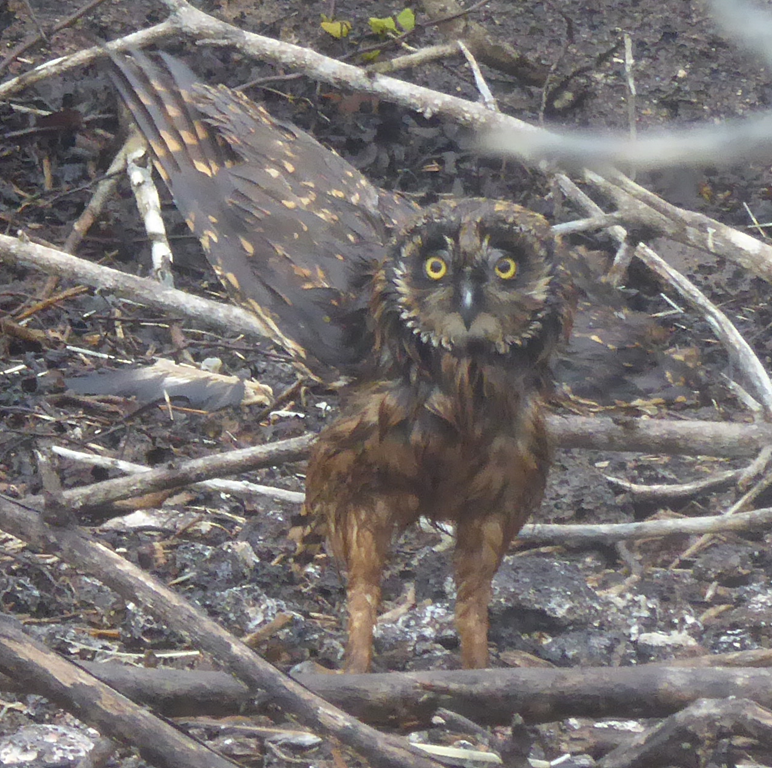
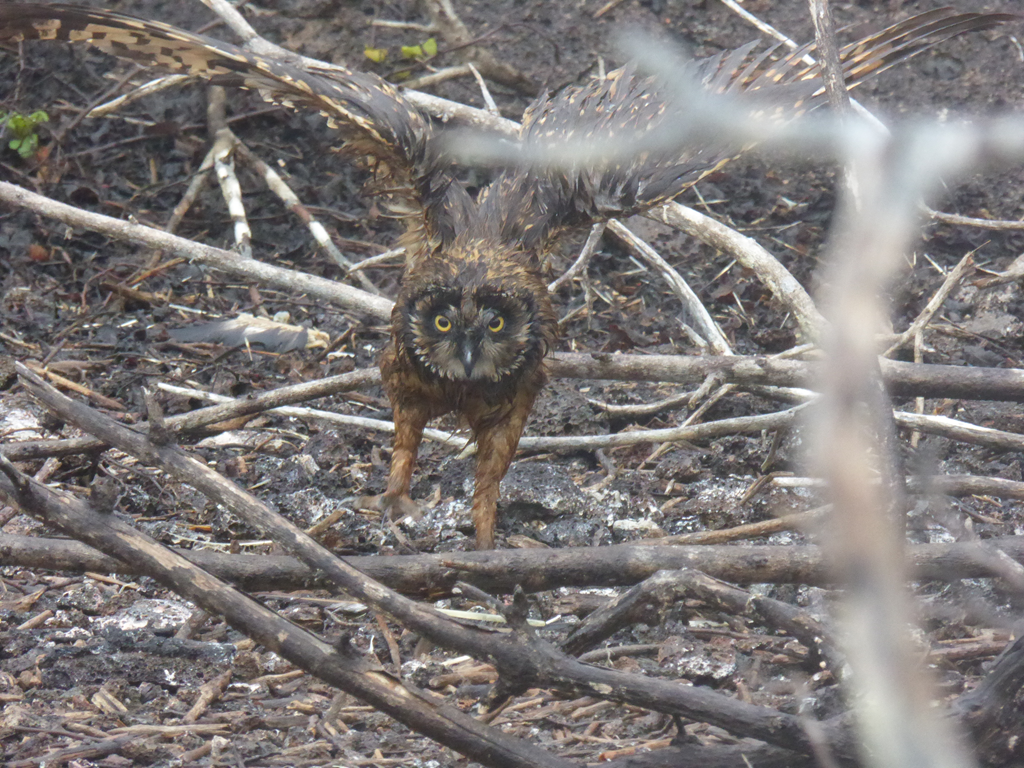
    He stretched his wings a bit.

    image

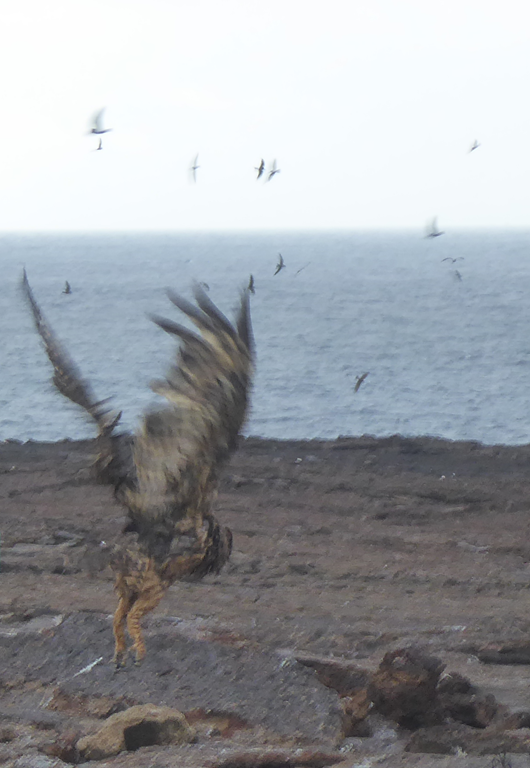
    Then he flew off.

    image

    And looked back at us over his shoulder.

    image

    Owls are extremely flexible.

    image

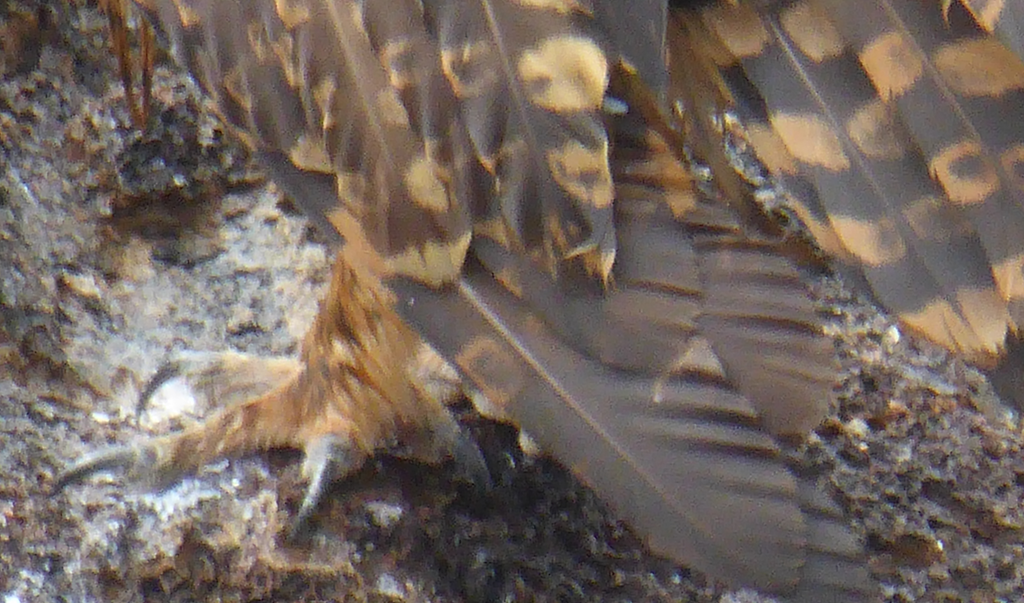
    And have feathers on their feet for some reason.

    image

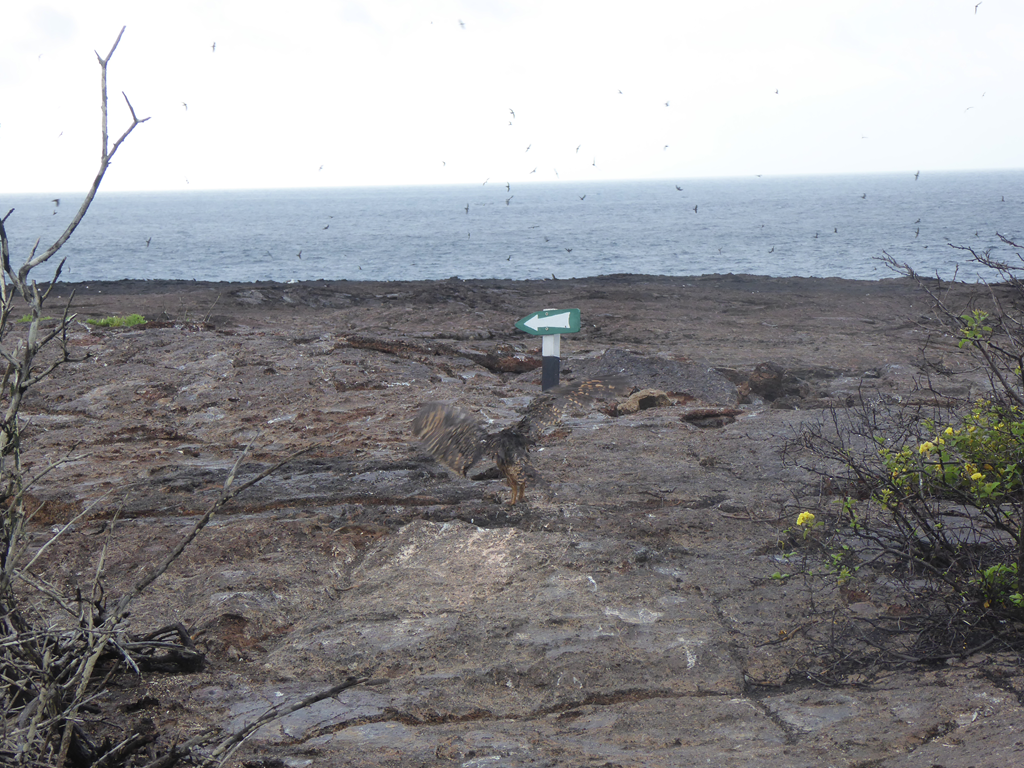
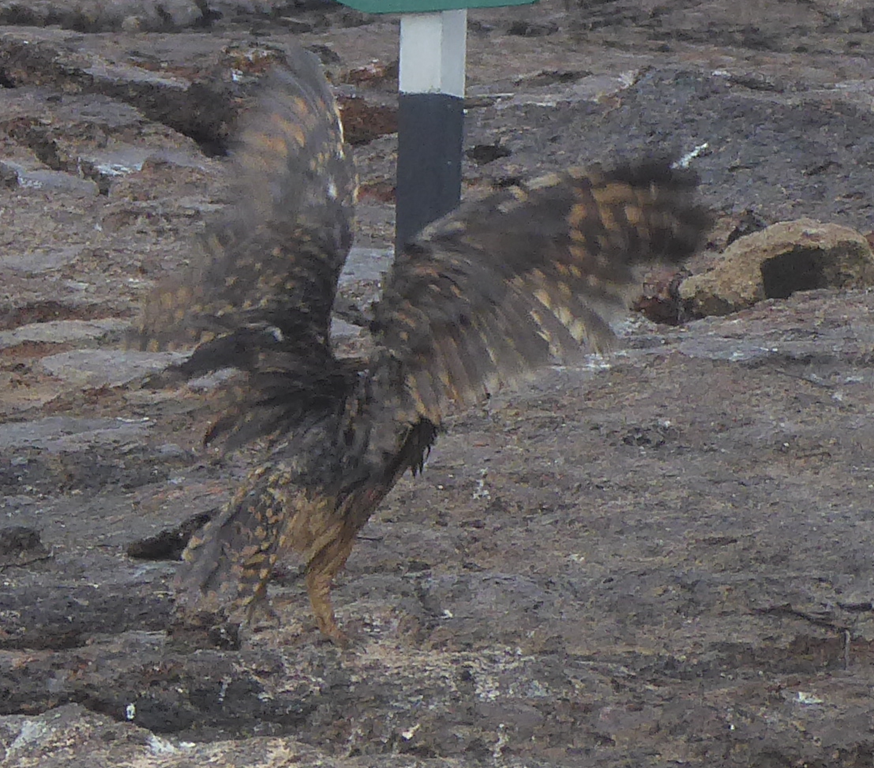
    Can you spot him now? His wings are extended.

    image

    He’s right here in front of the sign.

    image

    There. He made it easy for you.

    image

    It’s a good thing we brought binoculars.

    image

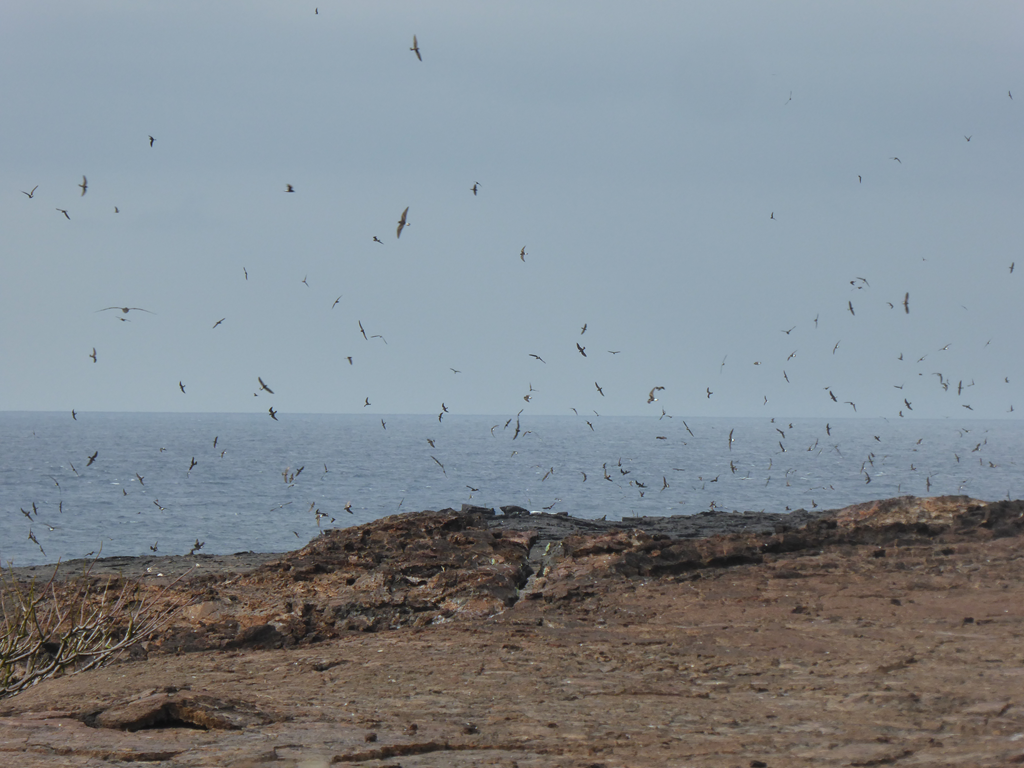
    He hunts those little birds in the background.

    image

    There are tons of them to choose from.

    image

    That’s why he is awake during the day.

    image

    Most owls are nocturnal, but most owls eat rodents. There are no rodents to eat on Genovesa.

    image