• Jerash

    Jerash was described to us as one of the most beautiful roman cities you can visit.
    image

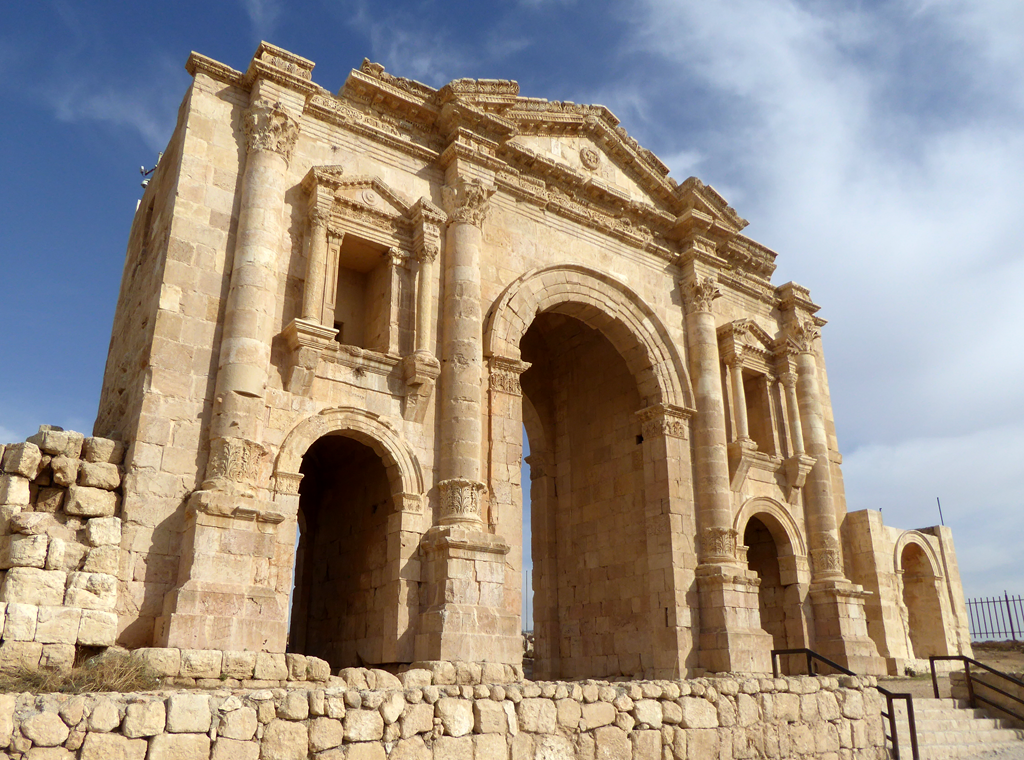
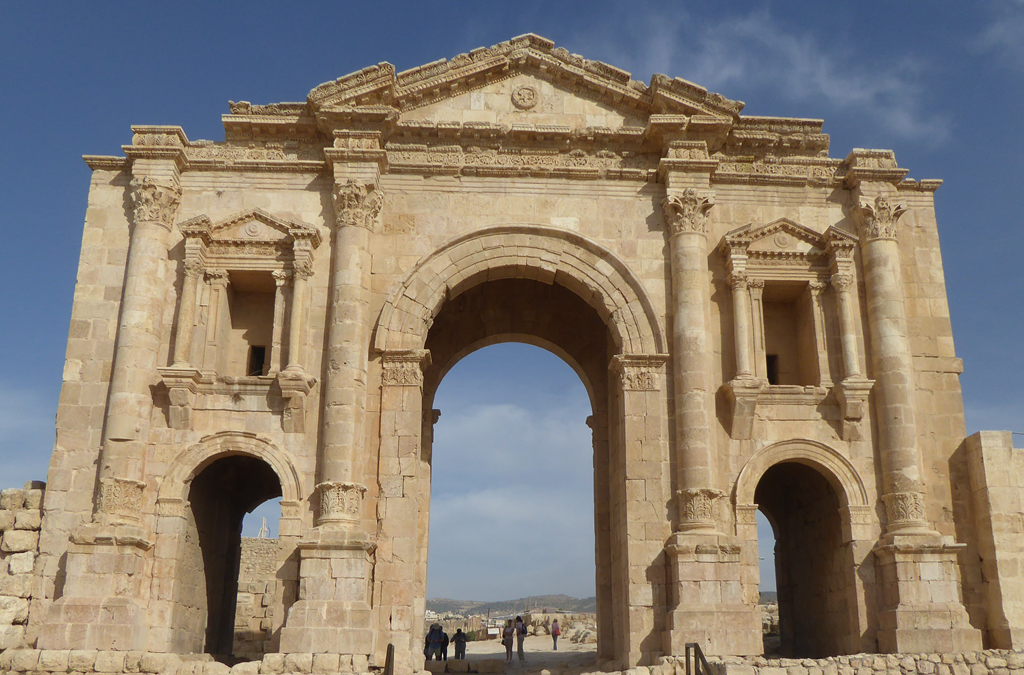
    Every Roman city has a gate at its entrance. This is the gate to lead you to the gate of the city.
    image

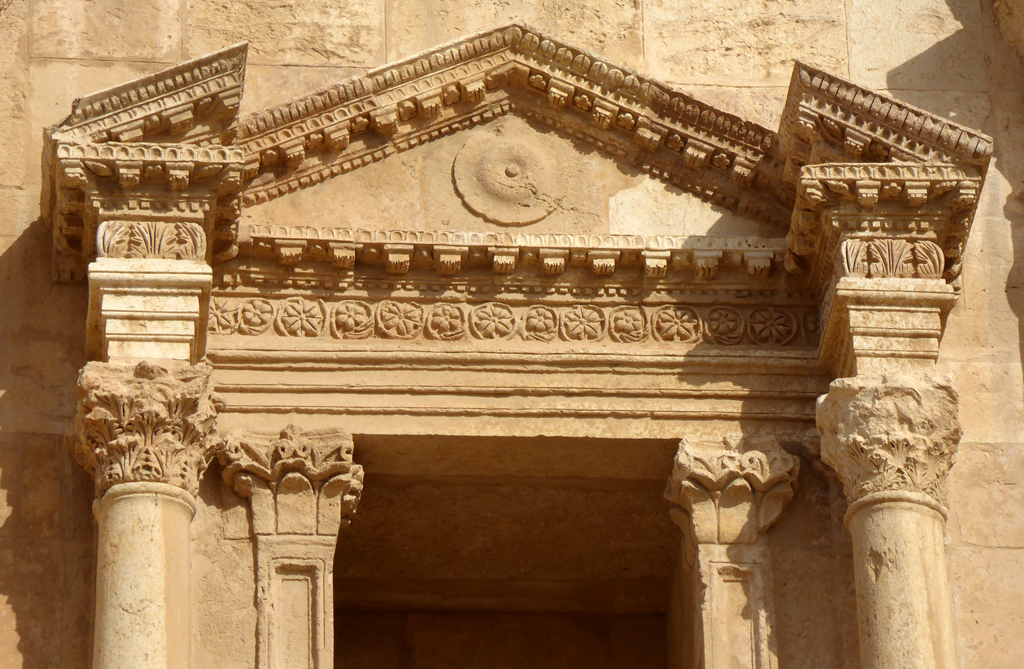
    It has some pretty elaborate designs in the columns.
    image

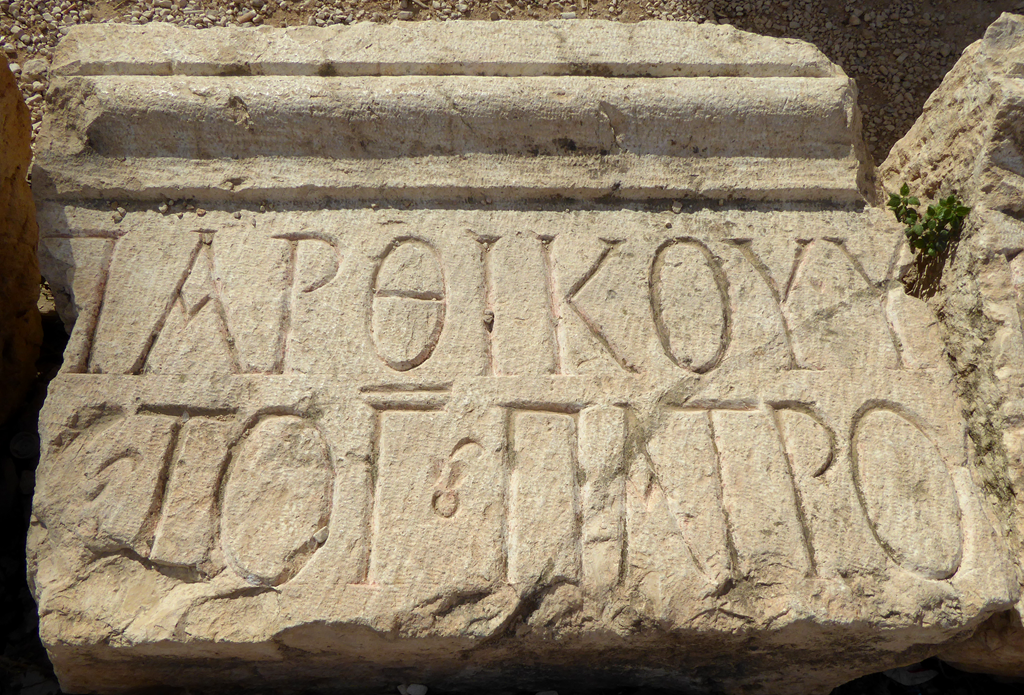
    It had some Greek influence as well as that was the language of the area.
    image

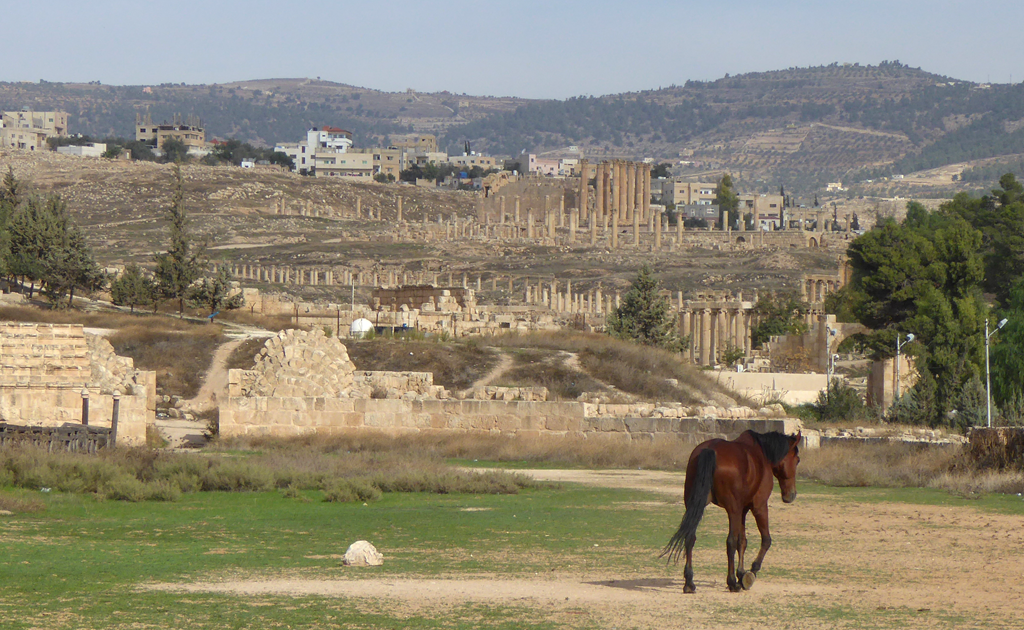
    Here’s the hiippodrome with one lonely horse walking the track.
    image

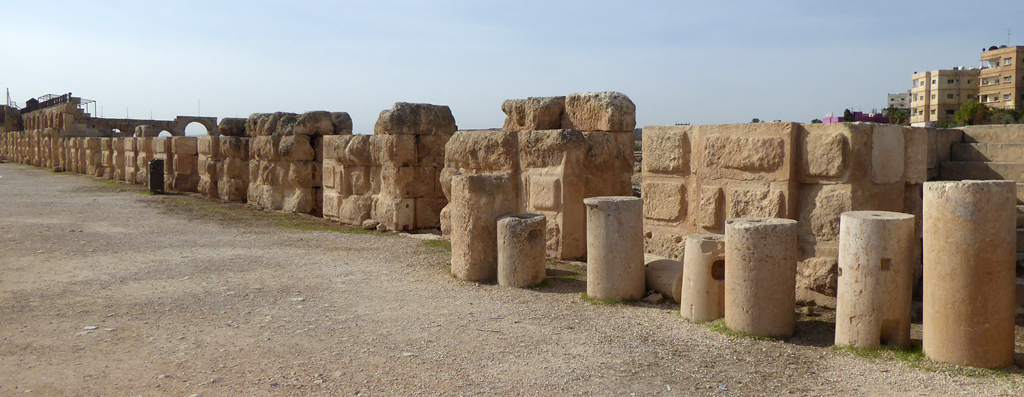
    Here’s the way to the city and between all those blocks are small gaps where shops would be.
    image

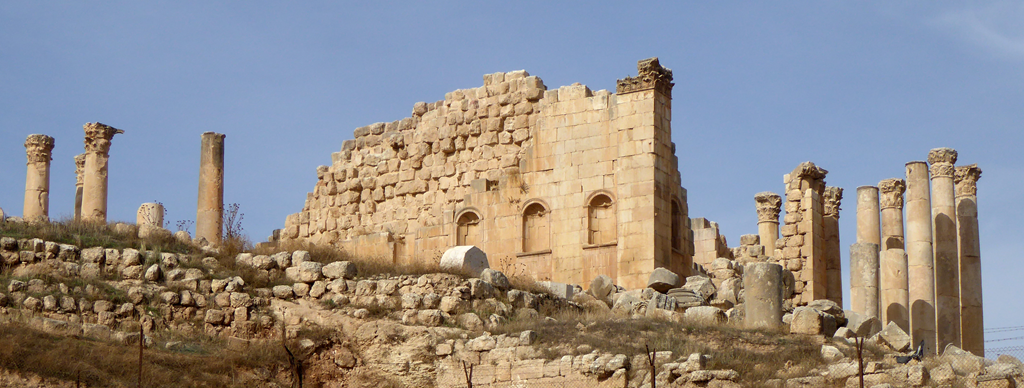
    Here’s the big temple. Well what’s left of it. There were several earthquakes in this area which is the major cause of the damage.
    image

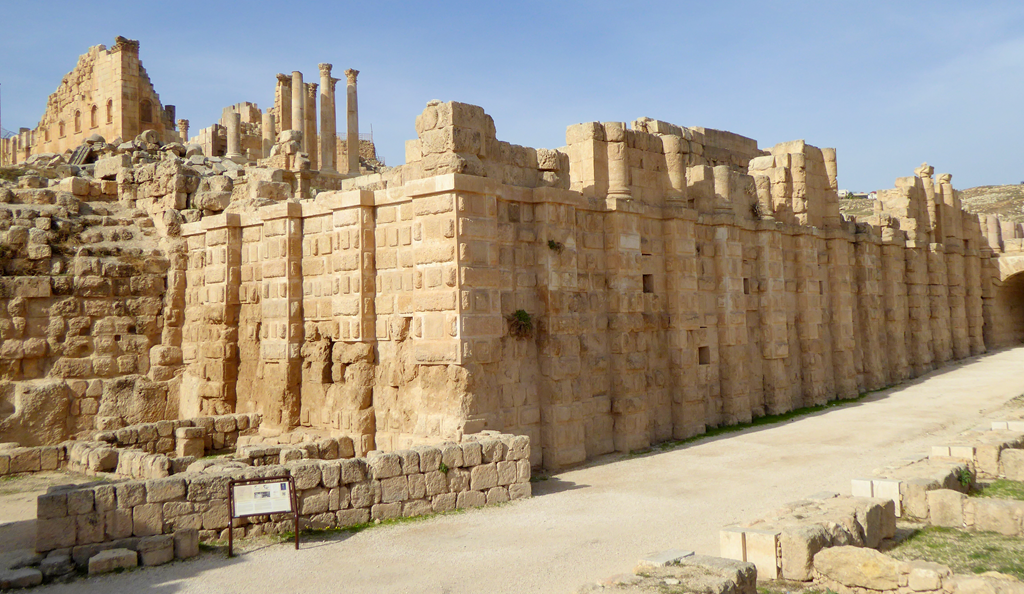
    Down here was the terminus where people could go to make their sacrifices. Only the priests were allowed in the temple proper.
    image

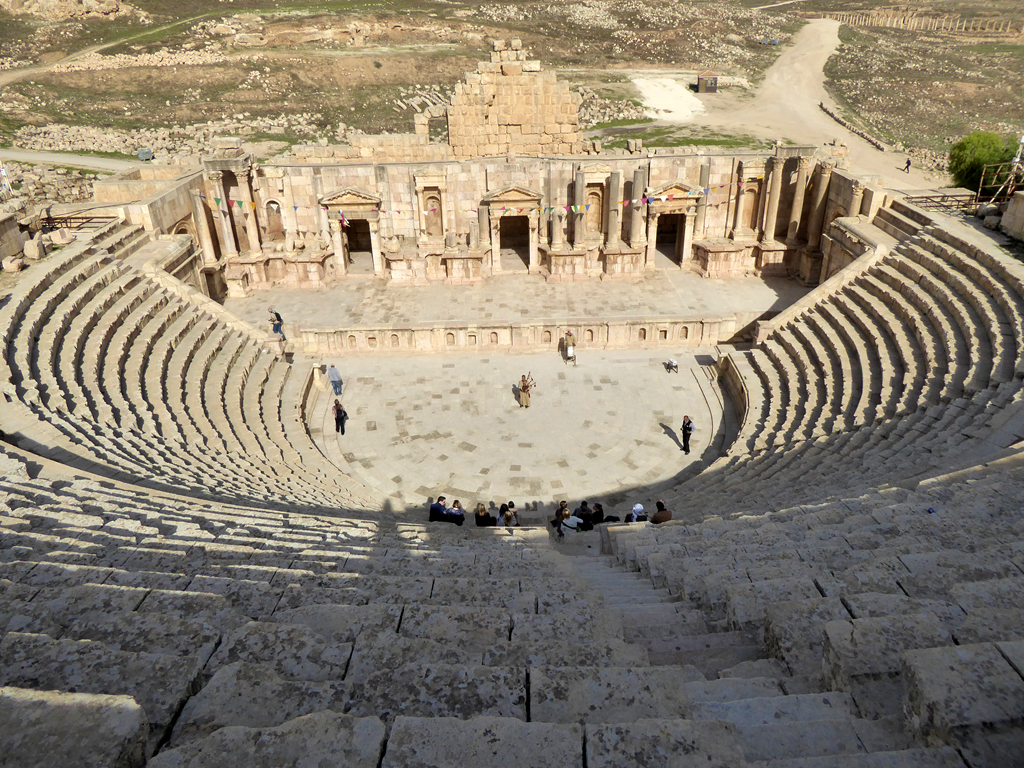
    Here’s amphitheater number one.

    image

    See you  can hear it in the front row.

    And in the back row.

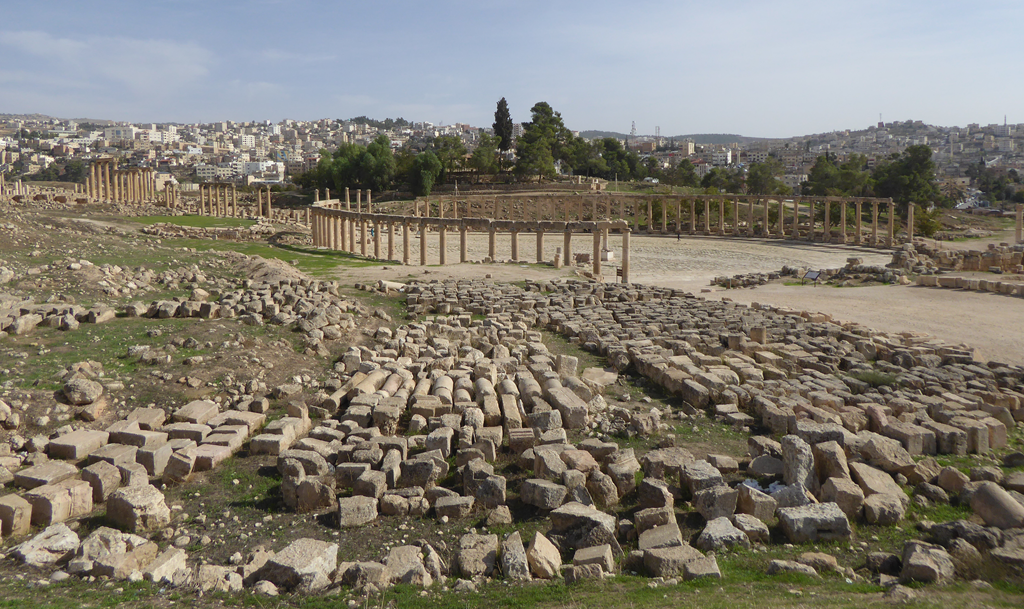
    Here’s the big forum where business was done between the pillars.
    image

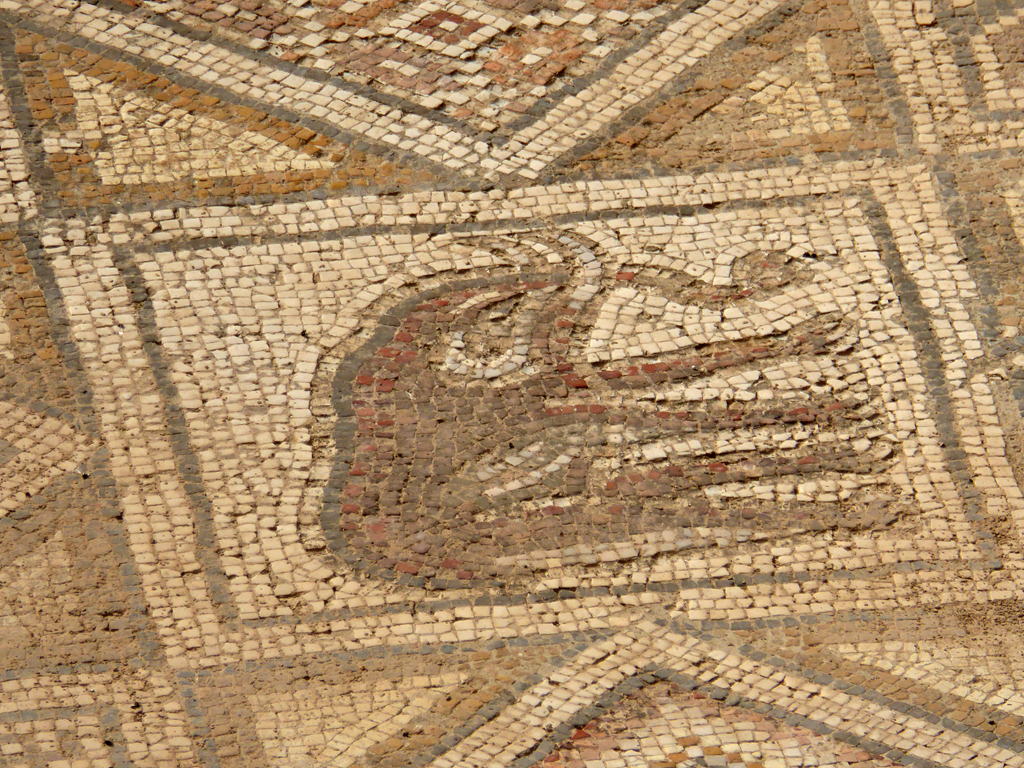
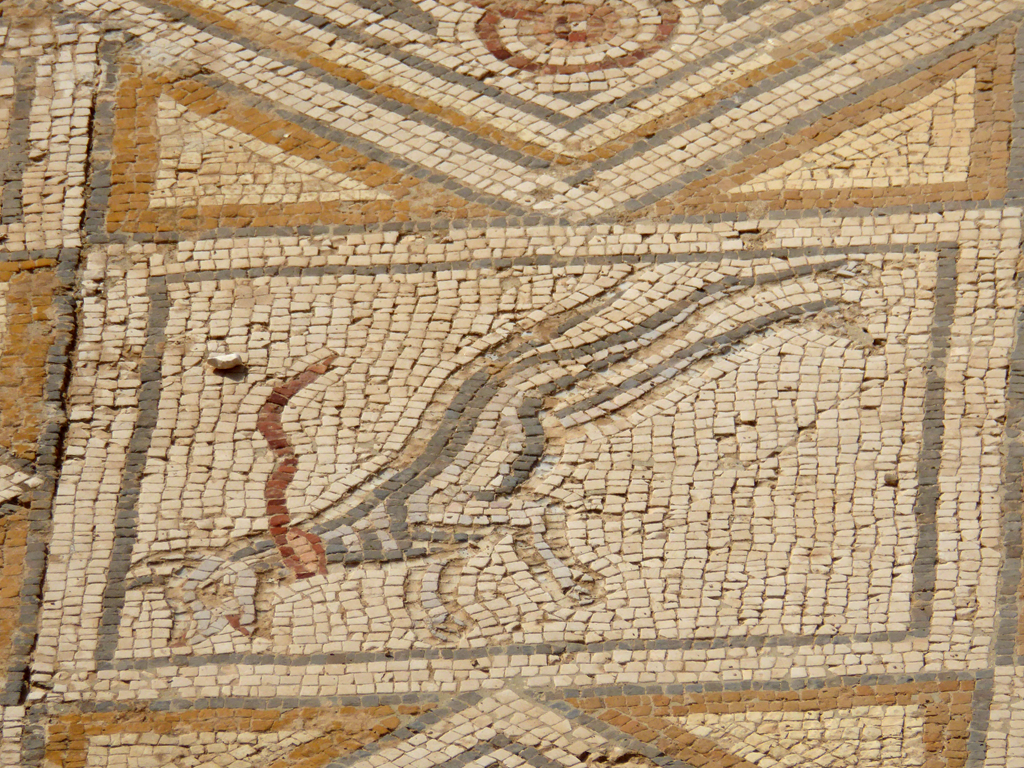
    There are a couple Byzantine churches that have mosaic floors. Here’s a dog with a scarf.
    image

    And an elephant.

    image

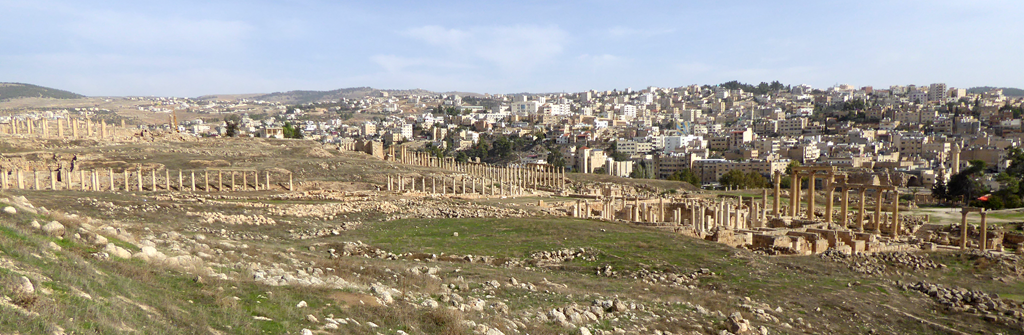
    The city is huge.

    image

    It is so large in fact that everything they have uncovered is only a quarter. Most of the city is still buried in the hill or where the current city resides.

    image

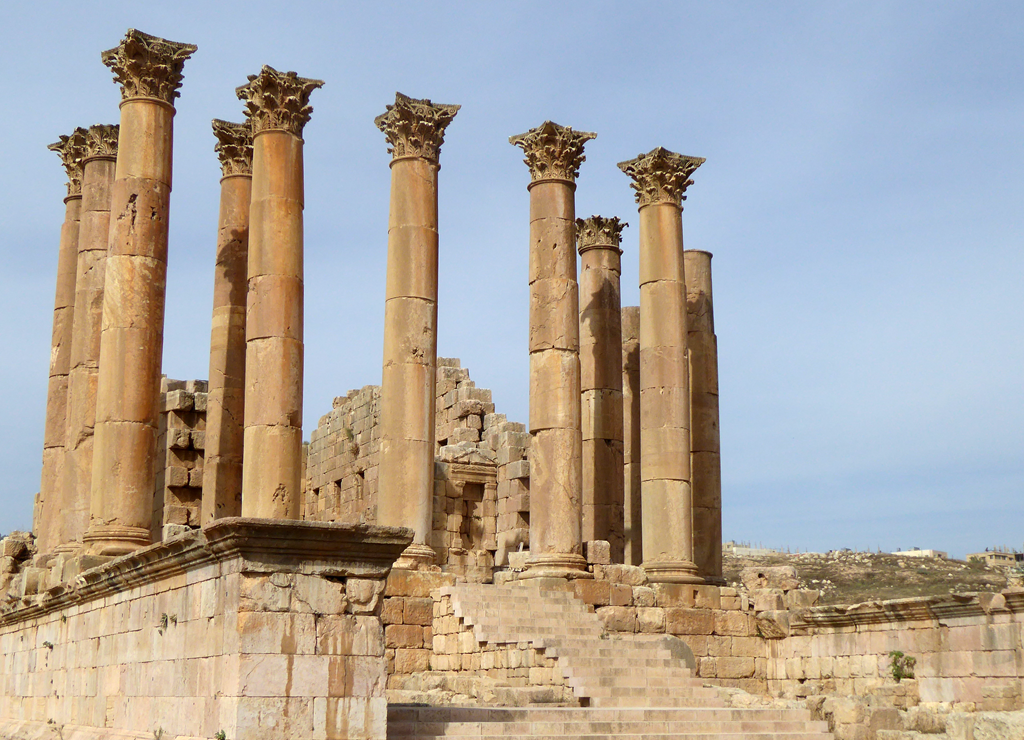
    Here’s another temple. The columns were put back up but that’s all.
    image

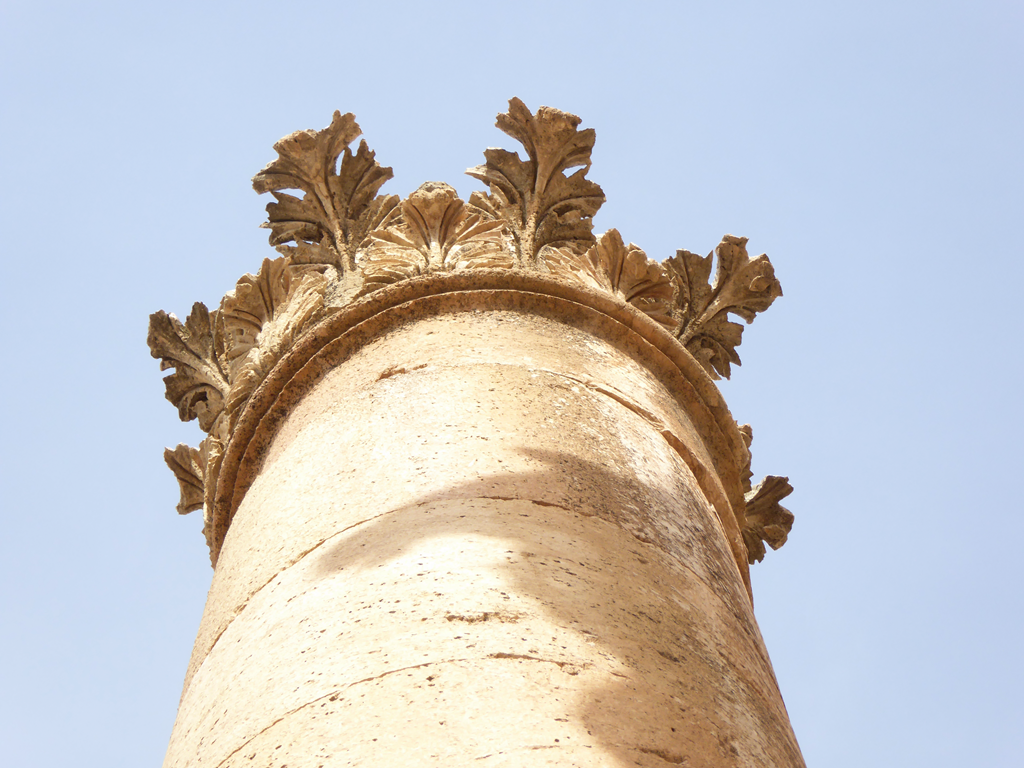
    Despite the earthquakes the column tops have survived.
    image

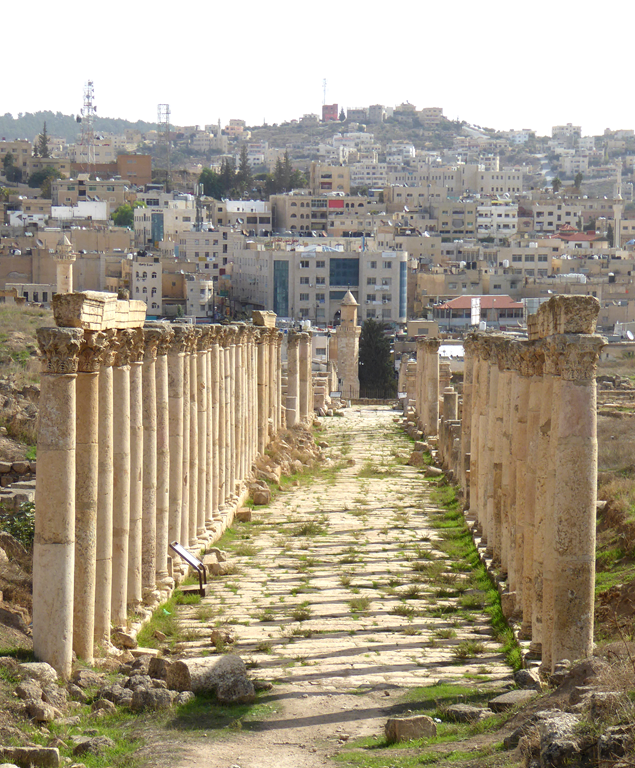
    Here’s the decumanus (eat-west) road that runs into the present day city.
    image

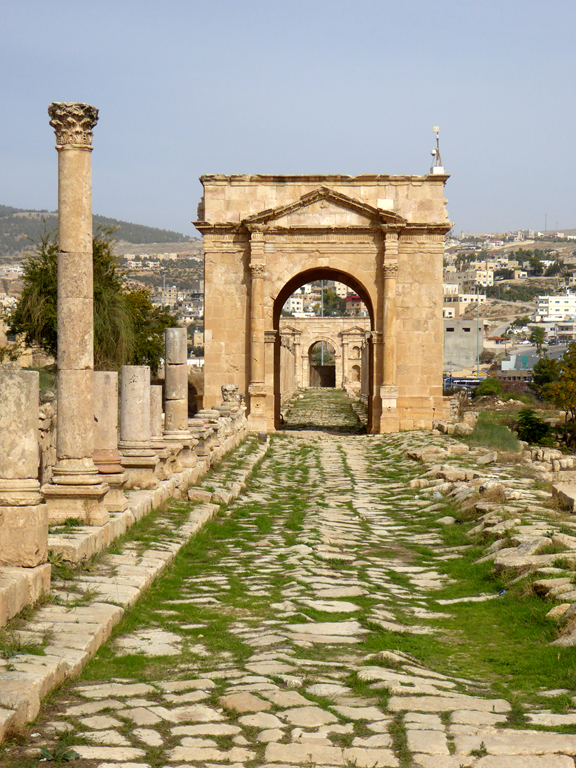
    Here’s the cardo maximus, the main road that runs north south.
    image

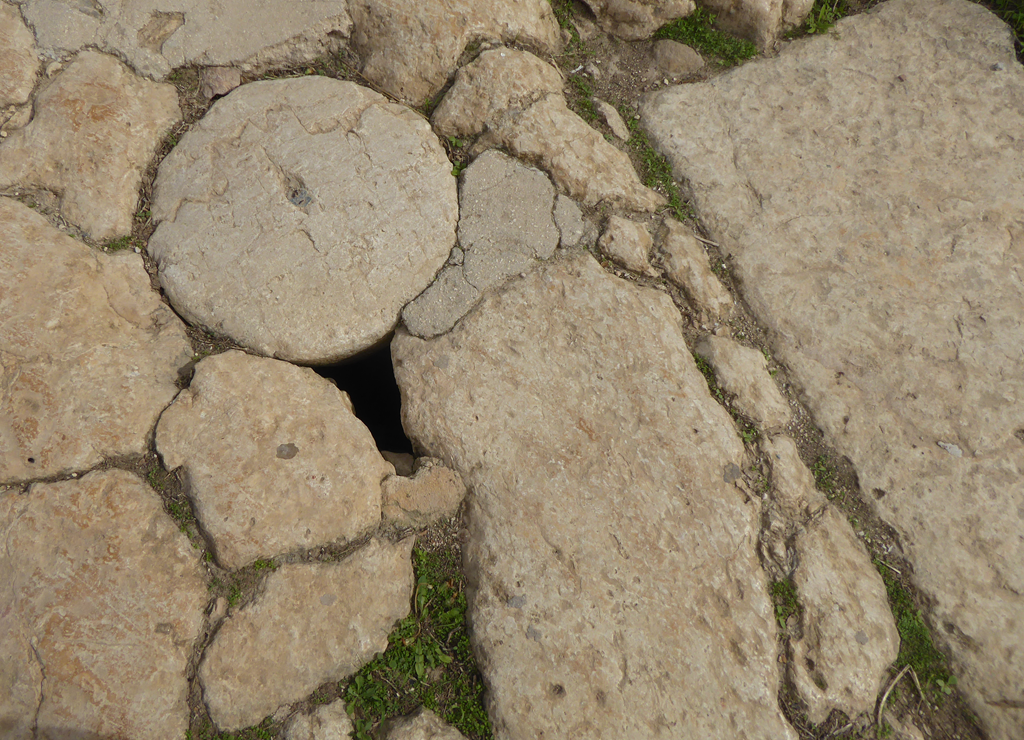
    Underneath the road ran the sewer system.
    image

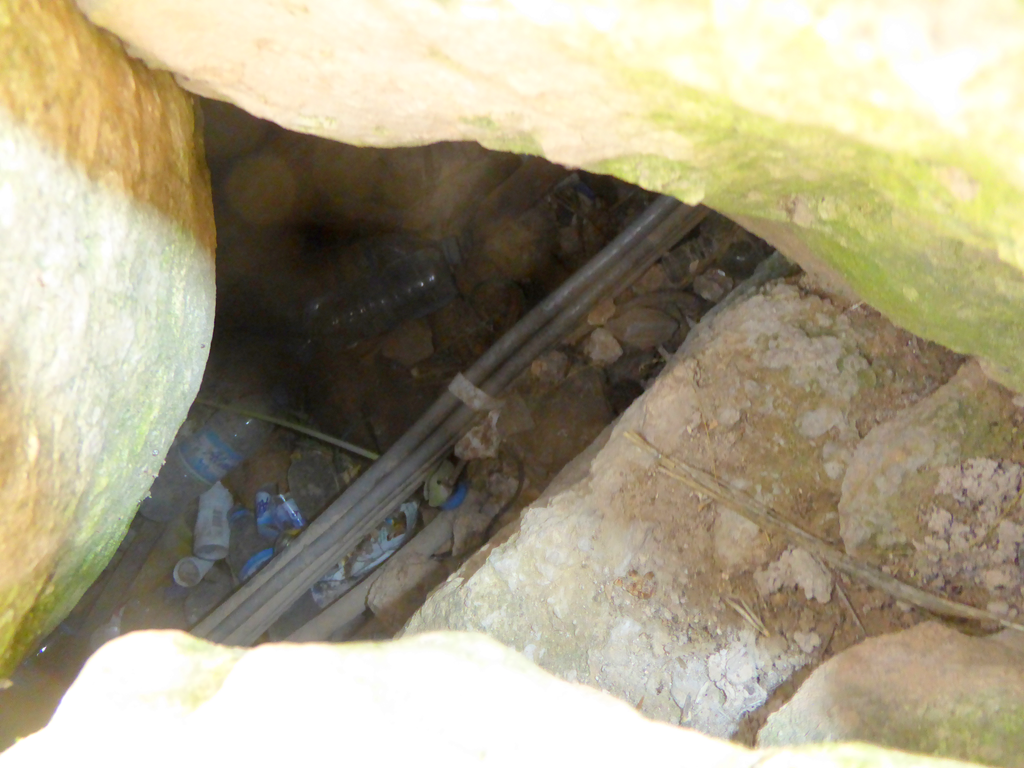
    Not collecting garbage and a place for power cables.
    image

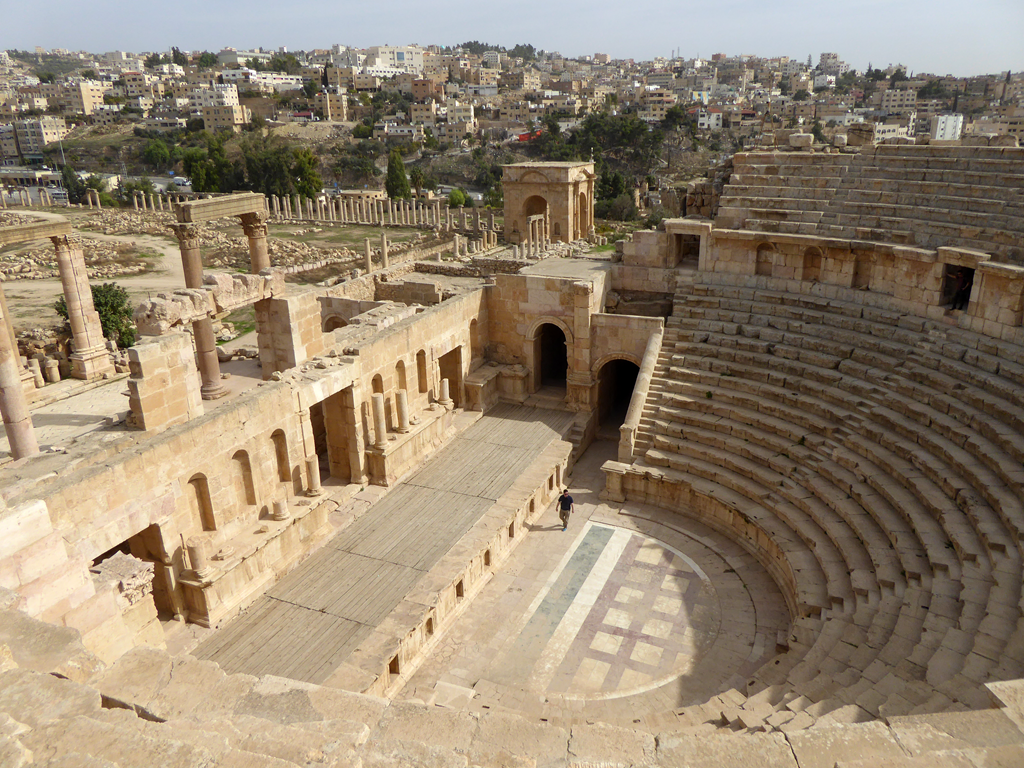
    Here’s the second amphitheatre. It isn’t as big.
    image

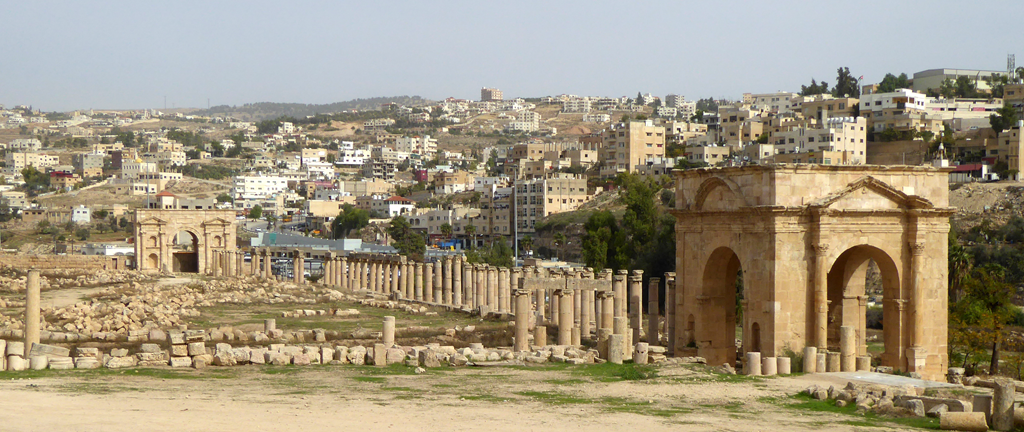
    Definitely number 3 on the best Roman cities outside of Rome. (Can you guess number 1 and 2?) We’ve been to both on our cruise.
    image


  • Dead Sea

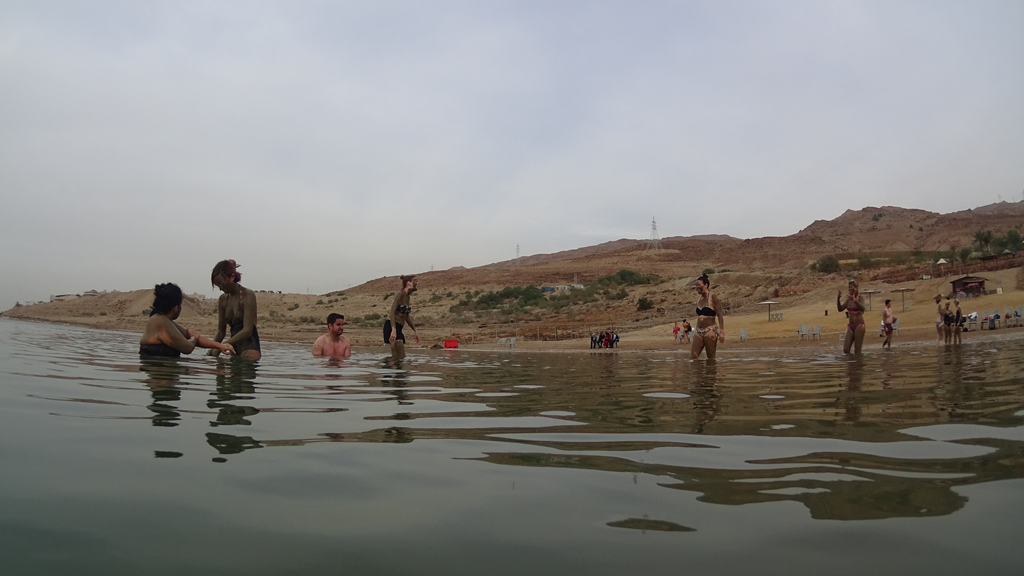
    The Dead Sea does not have much living in it. They say it’s because of the salt, but I think it’s because it’s freezy freezy cold.

    image

    Then again the salt might have something to do with it too. It is very unpleasant when you get it in your eyes.

    image

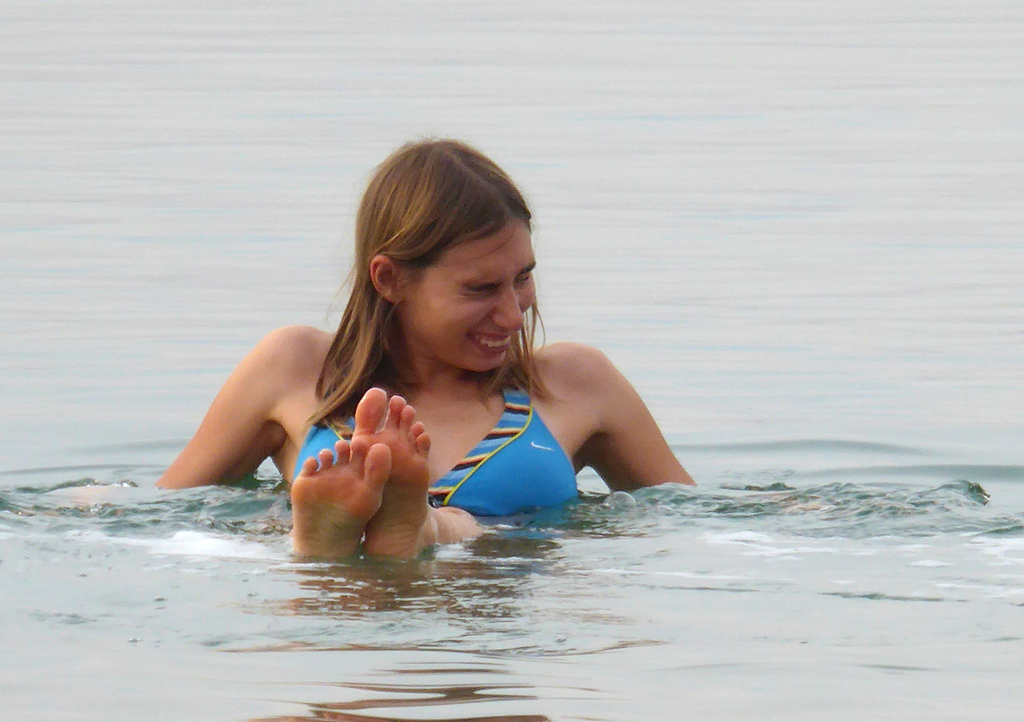
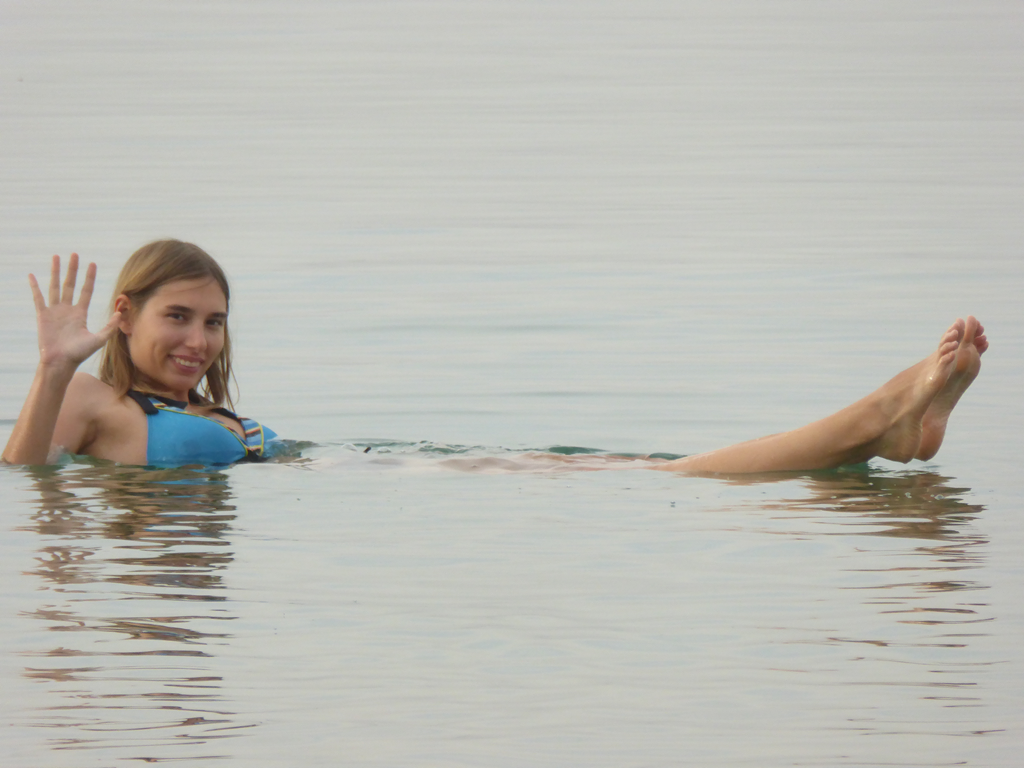
    But you float really well in it. It was like sitting on a waterpolo ball without the risk of falling off.

    image

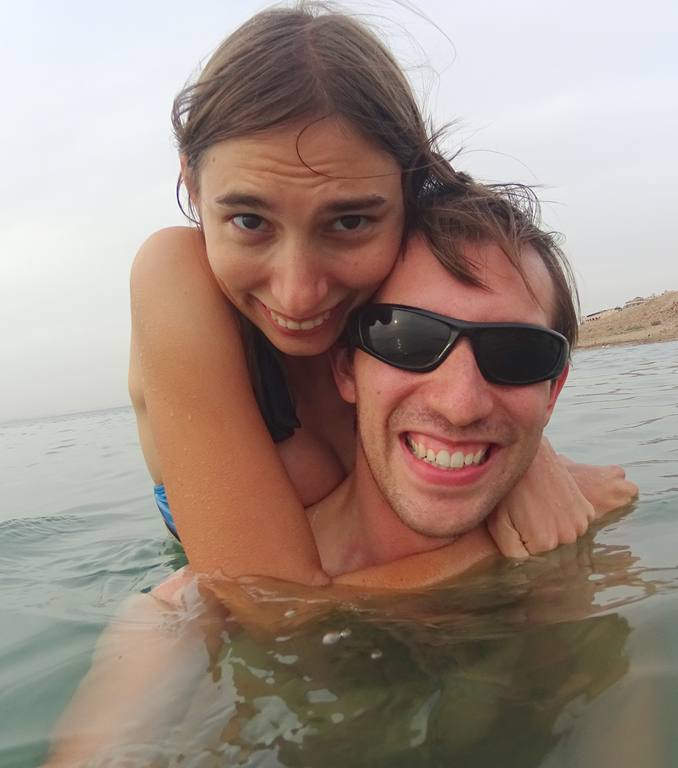
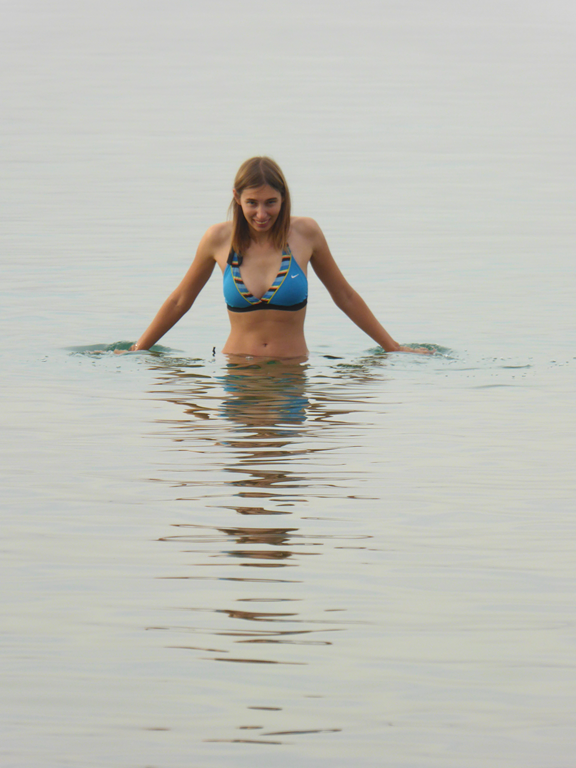
    This meant that Matt was floating about at the level he normally would, but most of Kerri was out of the water.

    image

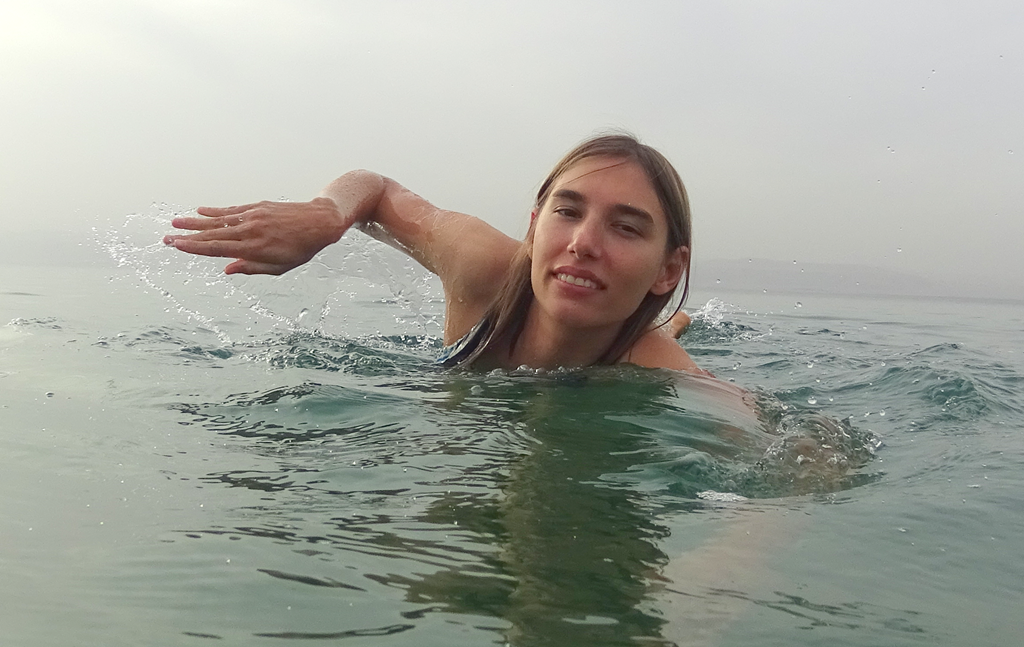
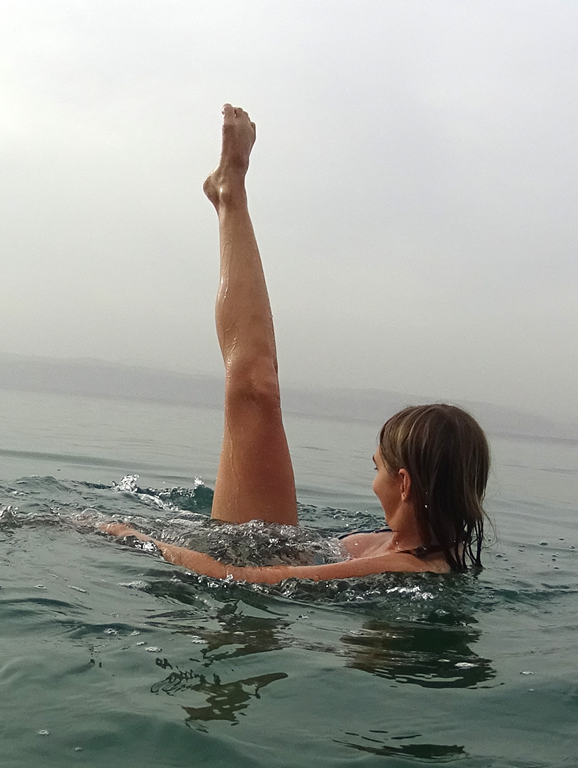
    Our guide said that if you tried to swim you would wind up doing summersaults, but Kerri didn’t have any trouble as long as she kept her head up.

    image

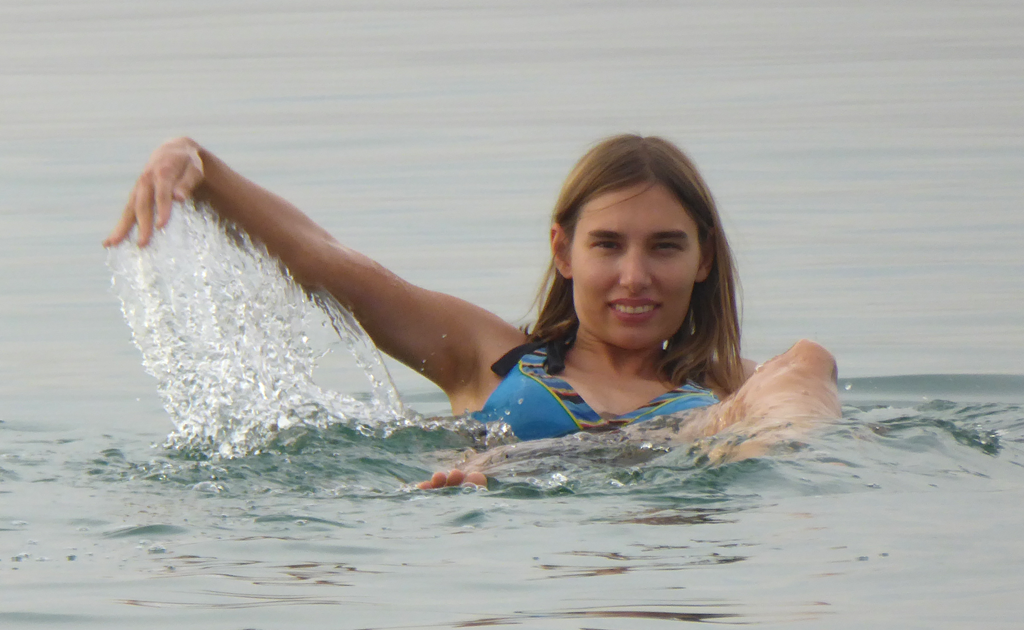
    Which is easy when you are so floaty.

    image

    You could also attempt head up synchro moves.

    image

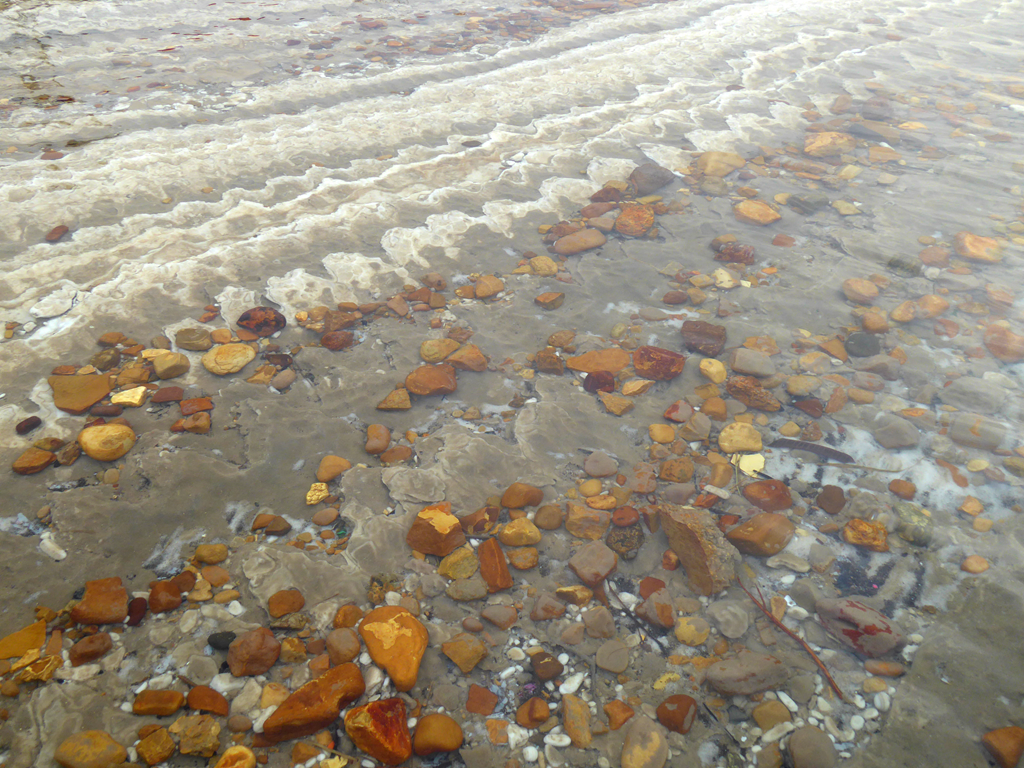
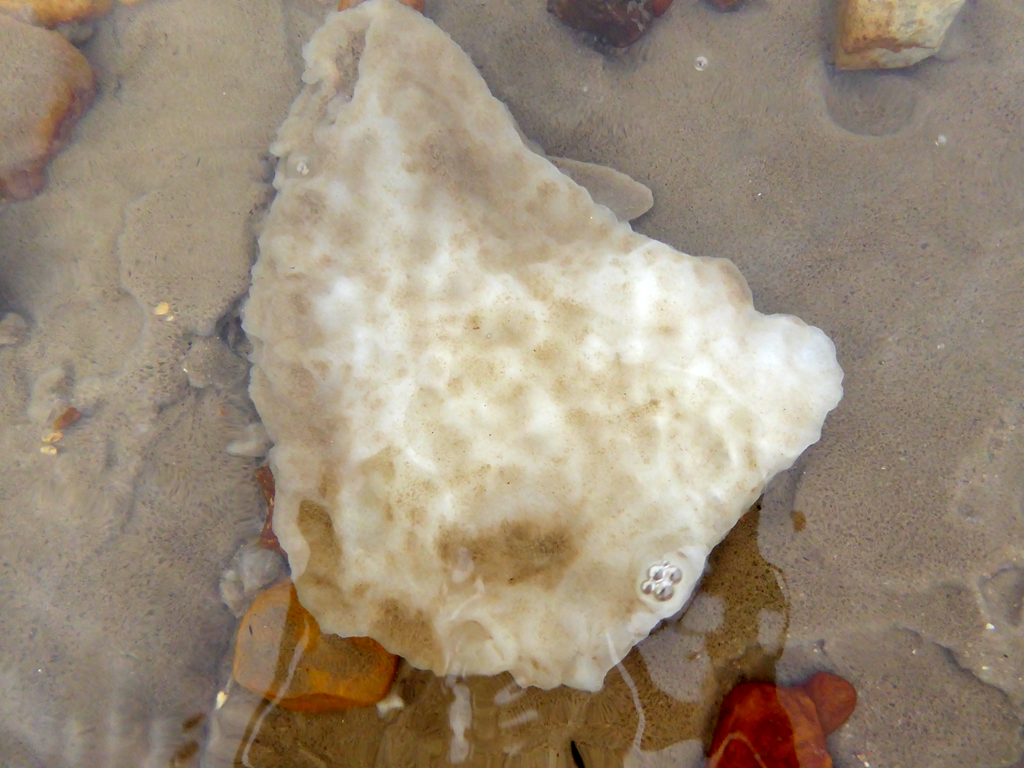
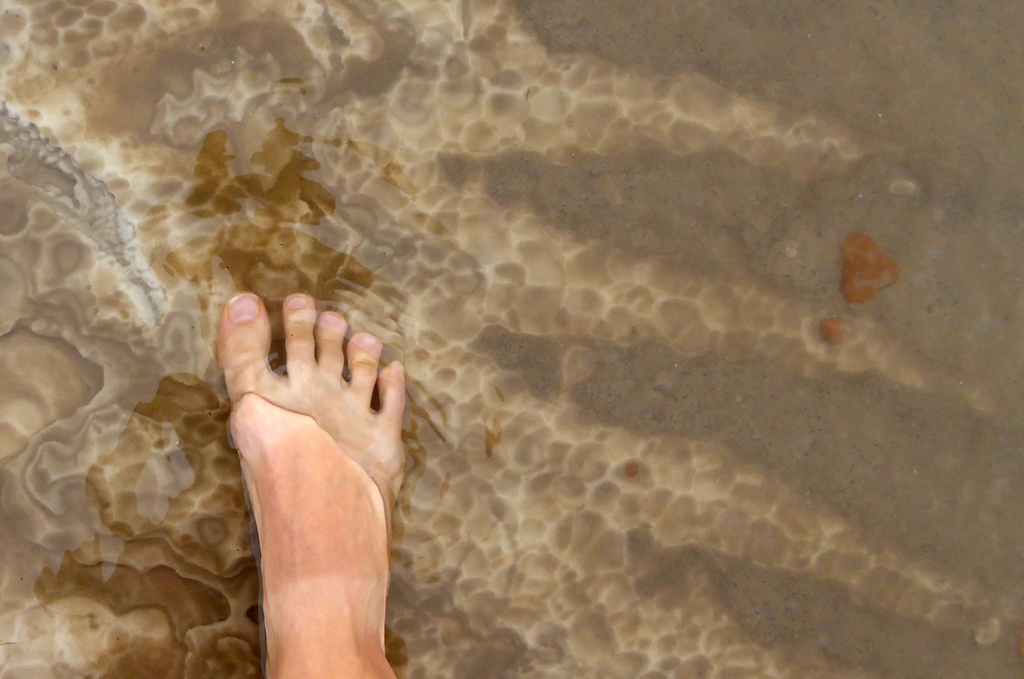
    The sea is supersaturated with salt, so it all precipitates out on the bottom.

    image

    And then breaks off into big chunks.

    image

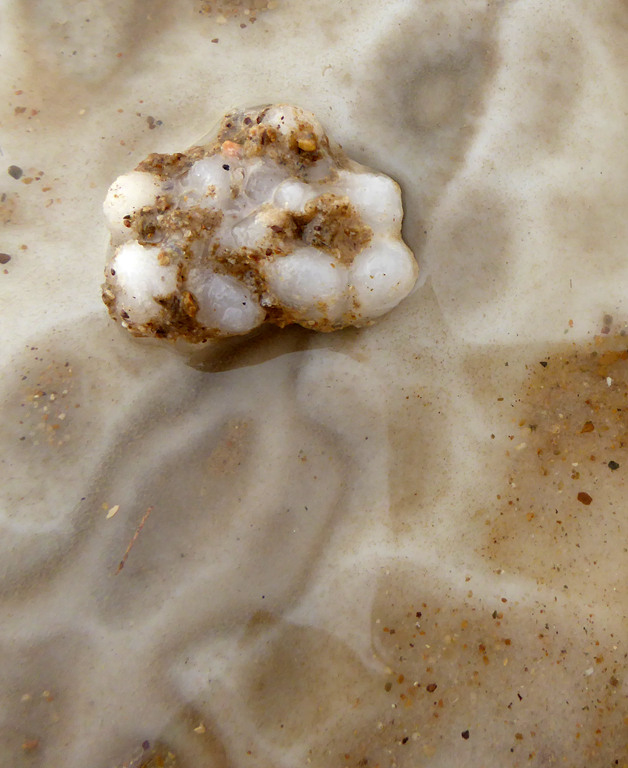
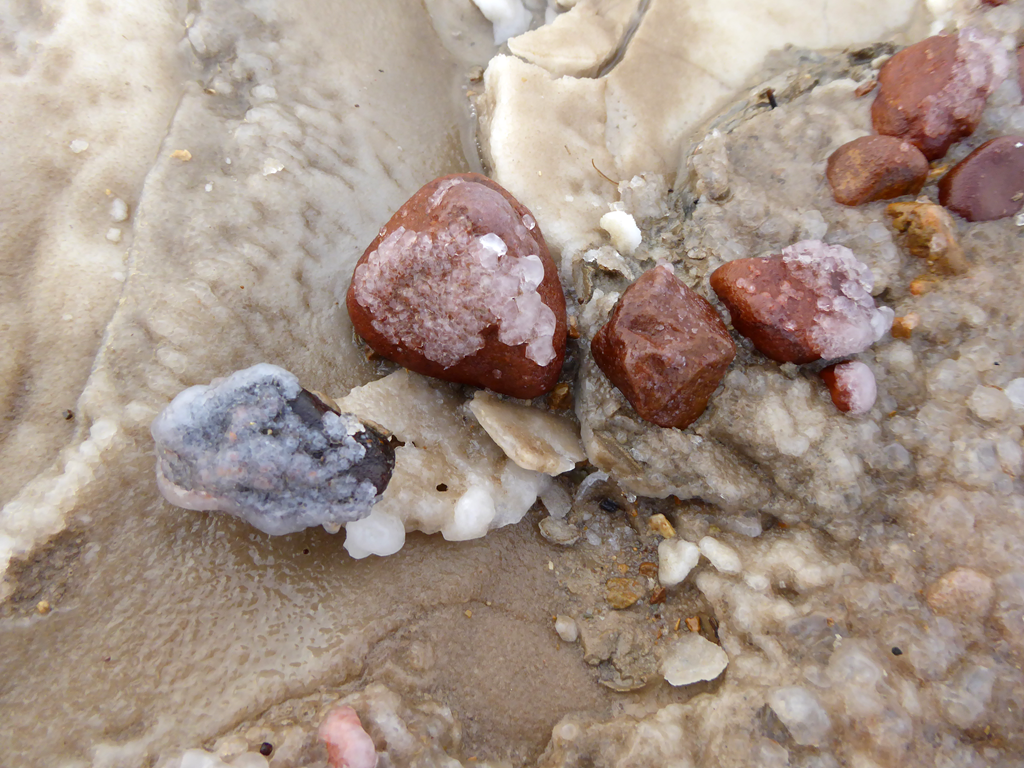
    If there is a bump where it is shallow little chunky crystals grow on it and cover it.

    image

    They also form on the rocks that get splashed.

    image

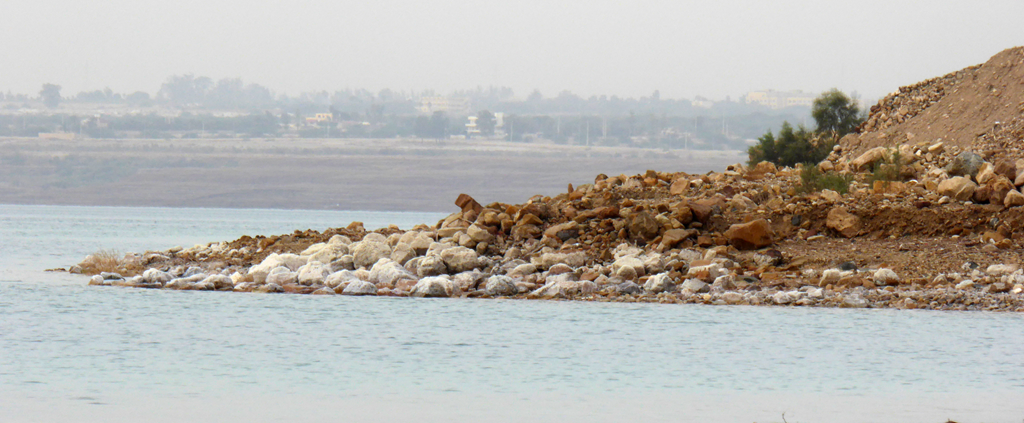
    The shore that isn’t constantly disturbed by tourists is very white.

    image

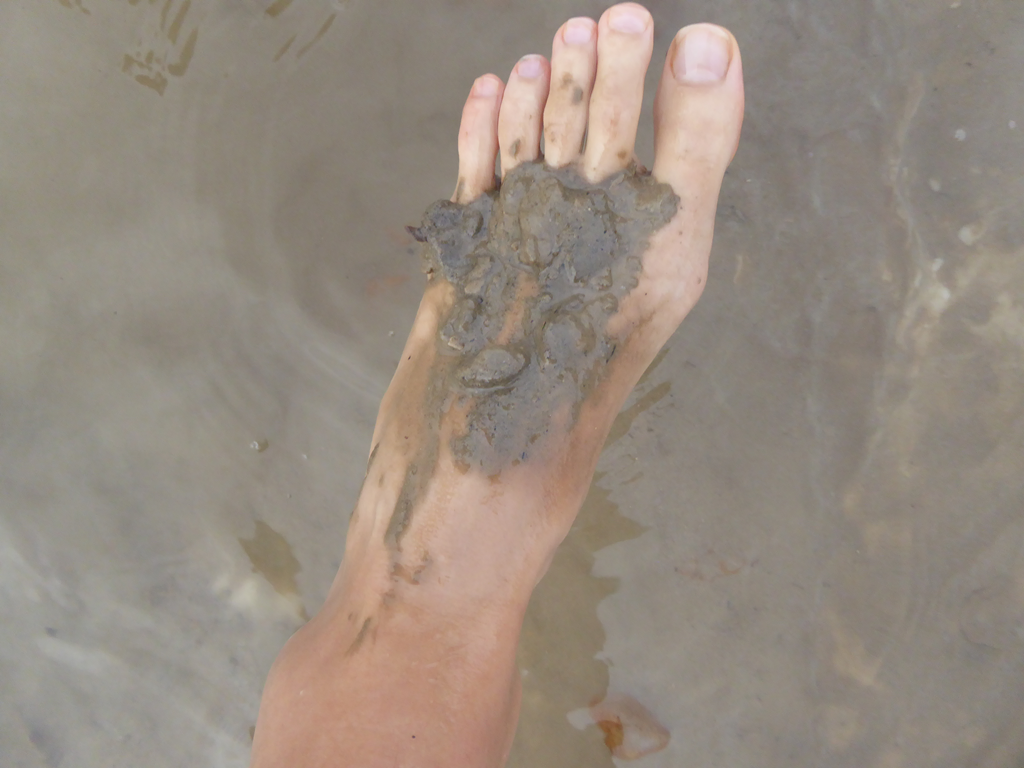
    But the shore where the tourists are has lots of mud.

    image

    Lots of people cover themselves in this mud and wash it off in the sea for healing or something or other.

    image

    I am pretty sure that this came about when people noticed that after you’ve been walking on rock salt for a while your feet feel much better when you find a patch of mud.

    image

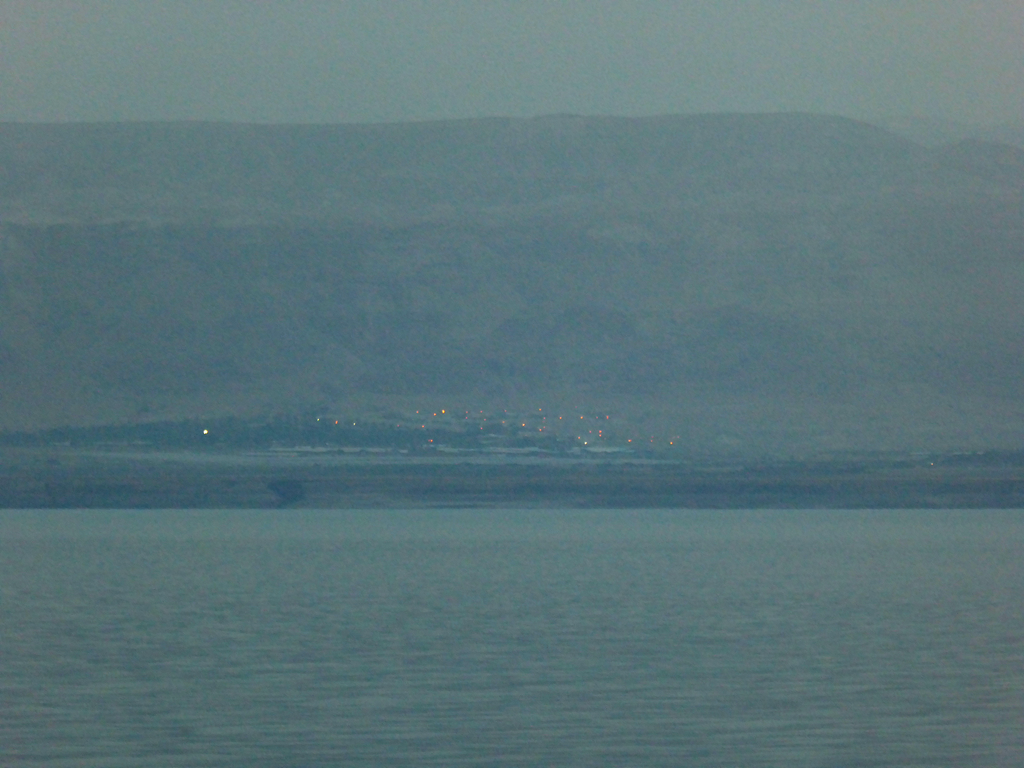
    Israel is on the other side of the sea, but it was really hazy so you couldn’t really see anything until the sun set and the lights came on.

    image


  • Amman Citadel

    The Amman Citadel is a big archaeological site at the top of a hill in the middle of the city. It was reused in a bunch of different periods.

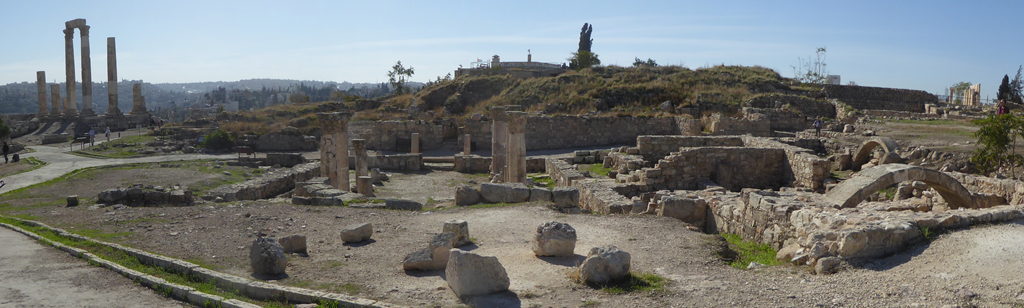
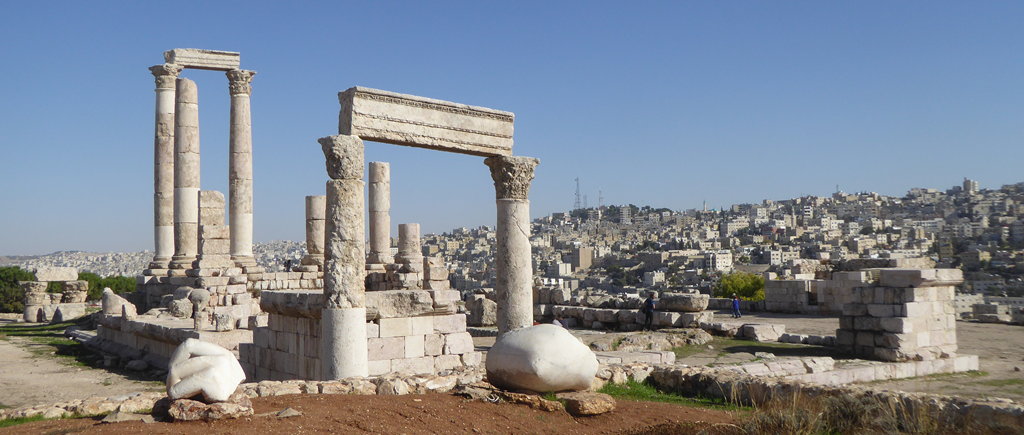
    In the middle is the remains of a church from the 5th century. It was built out of stones taken from the 2nd century Temple of Hercules to the left.

    image

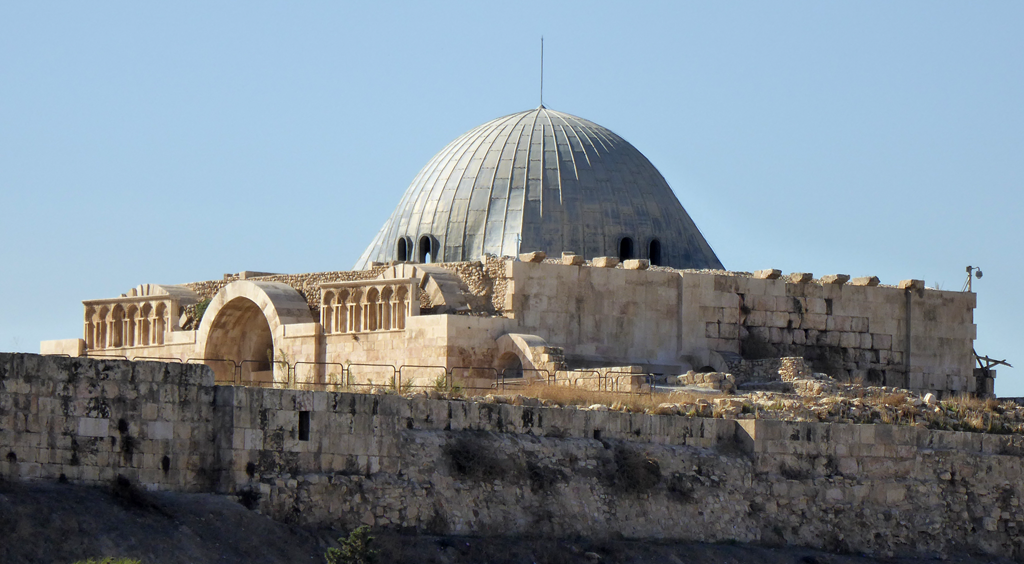
    But then the stones from the church were taken to build this mosque in the 8th century.

    image

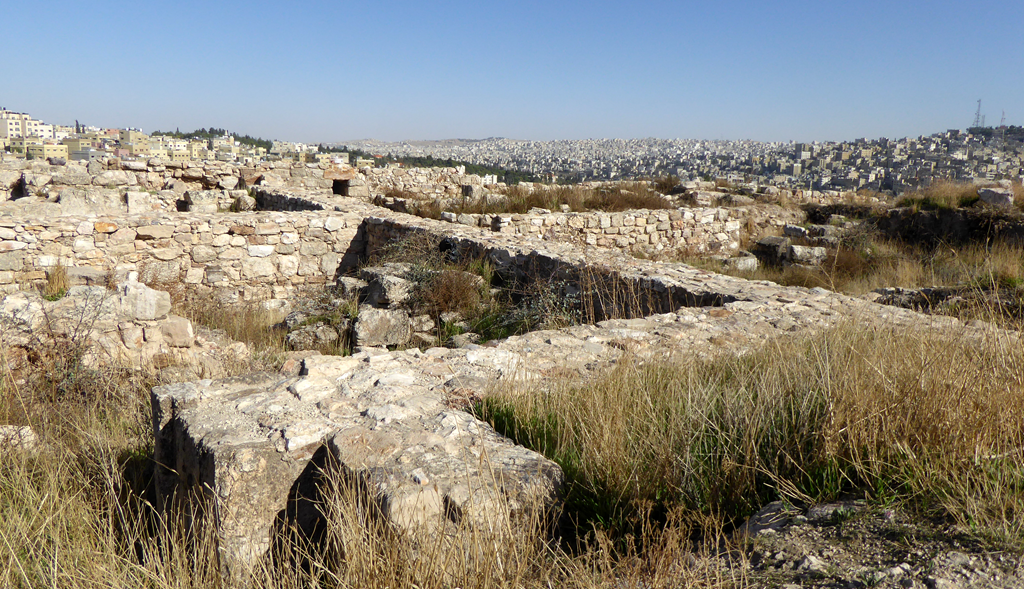
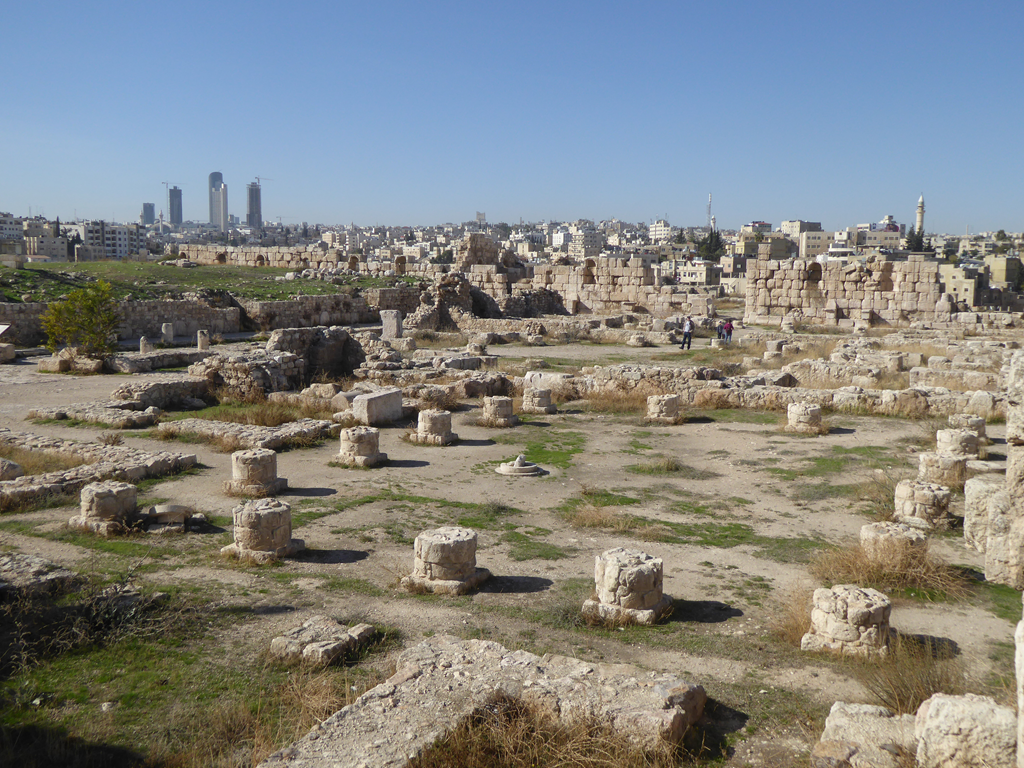
    There are a lot of other old stones from a lot of other old buildings, but they are not as fancy.

    image

    There was a huge palace here in the 8th century.

    image

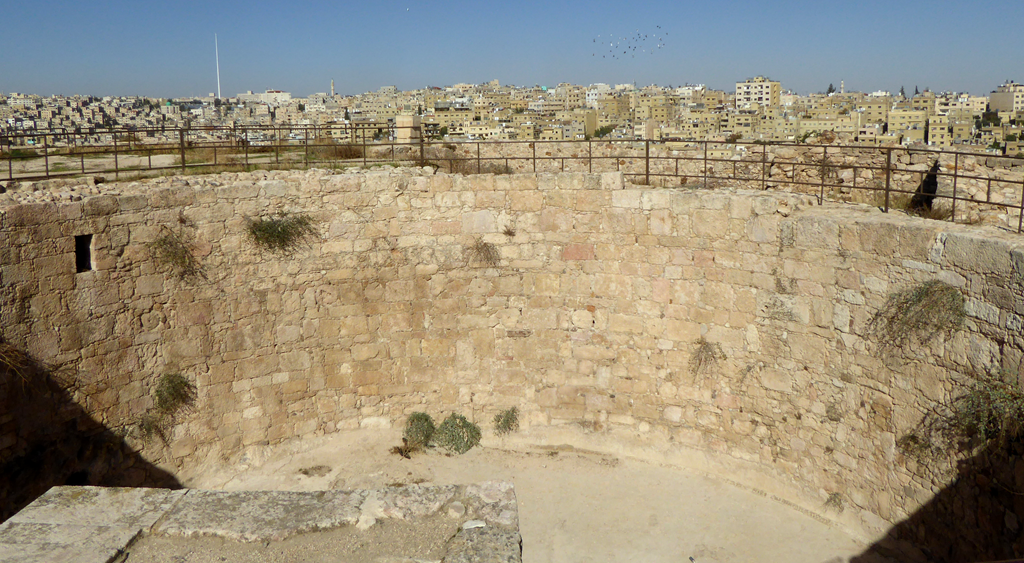
    And a huge cistern for drinking water.

    image

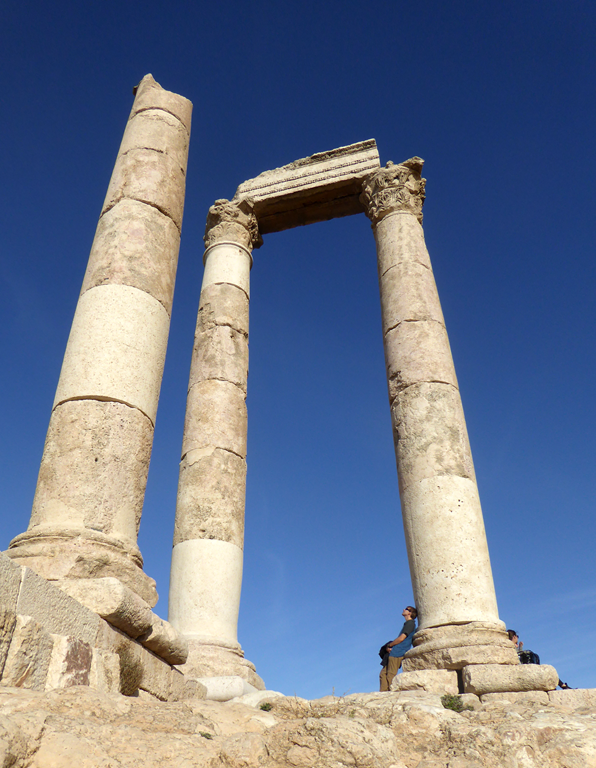
    The standing columns from the temple of Hercules are huge. That is Matt at the bottom.

    image

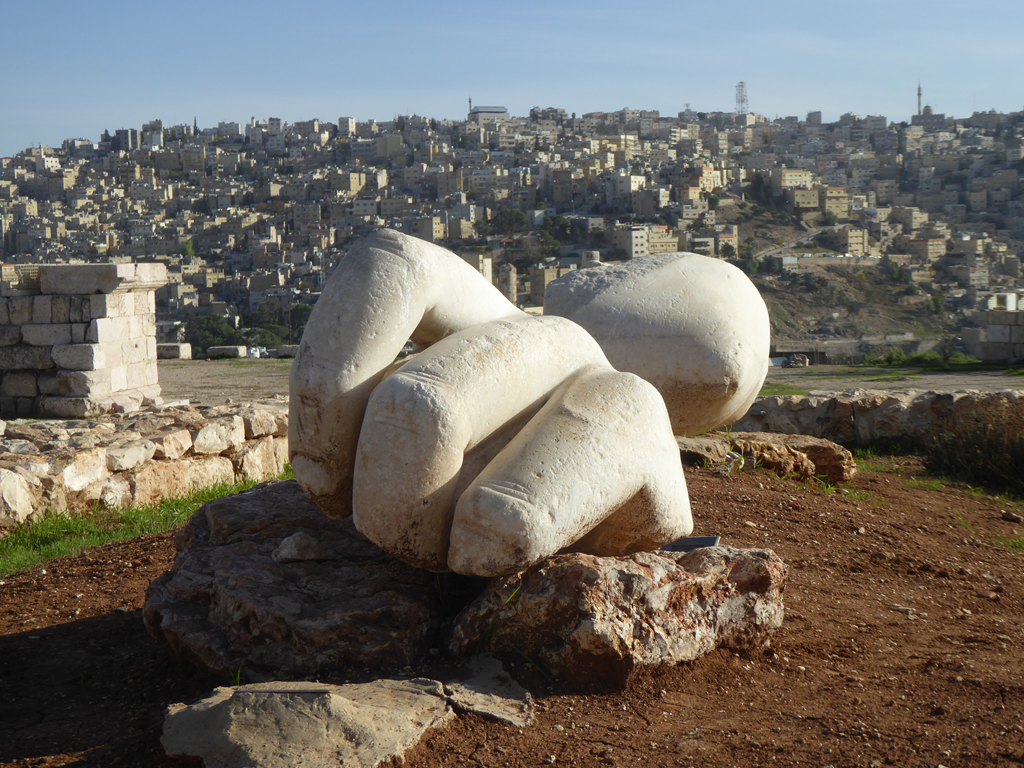
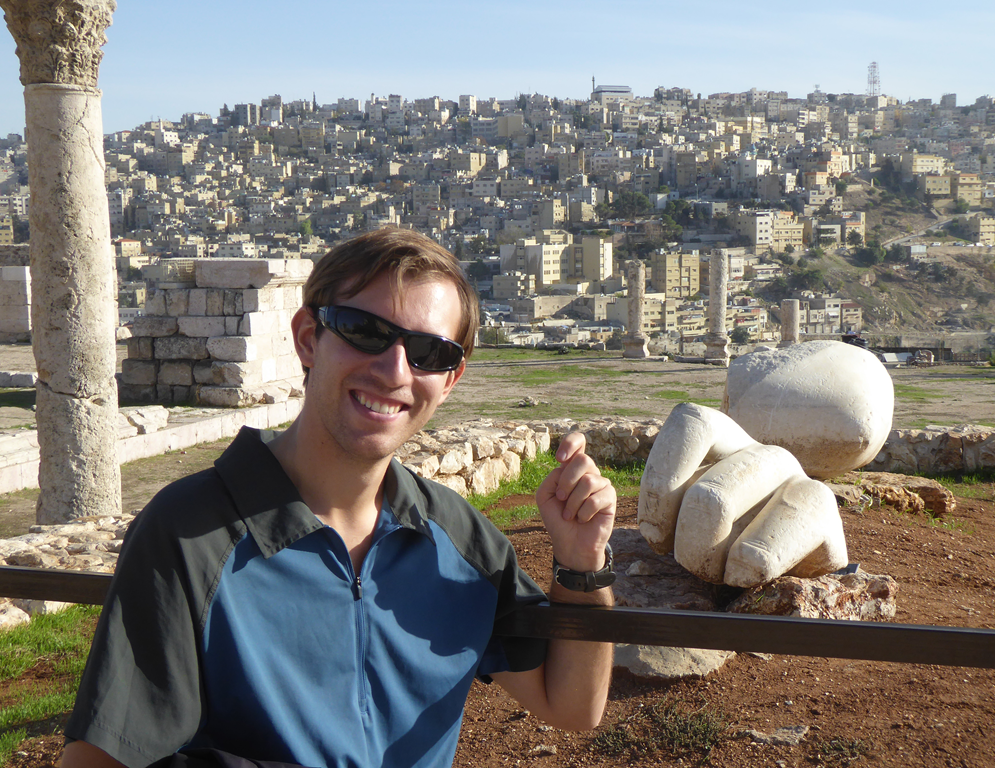
    It is best known for this giant hand from a statue of Hercules.

    image

    Which really isn’t that big, it just looks impressive from that angle because you don’t realise how far away the buildings are.

    image

    I mean it’s bigger than Matt’s hand, but it’s just not that impressive.

    image