• Santiago Museum


    image

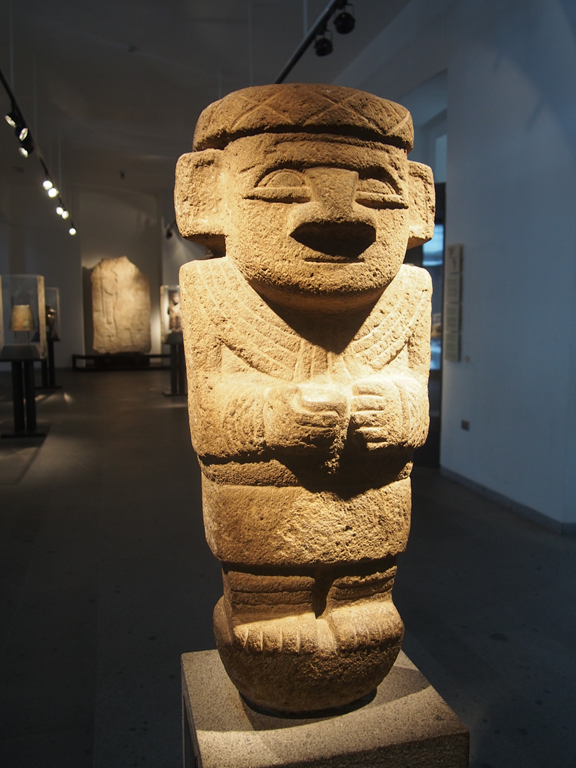
    This statue is from Southern Columbia between 1-500CE. It is “imbued with a solemn peace, impressive for their ability to irradiate the mystery of the sacred.” The sign says so.
    image

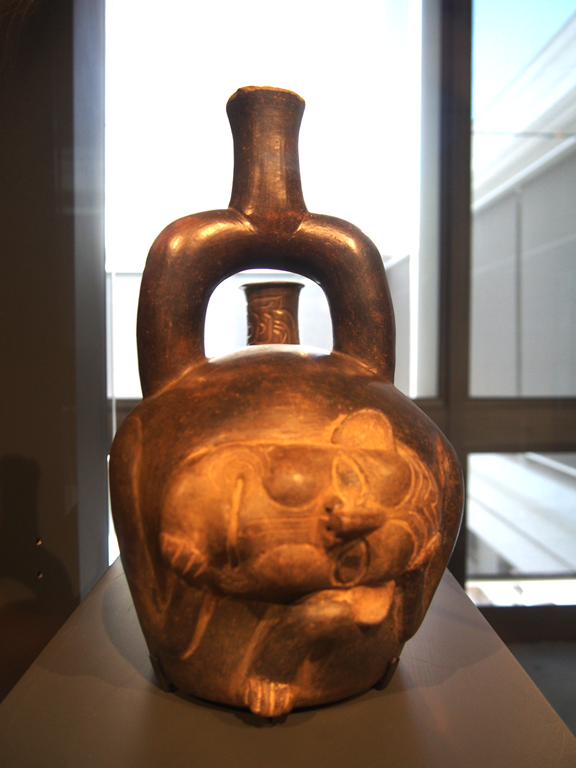
    This funny monkey was sculpted by a Chavin sculpture between 1000 and 400 BCE.
    image

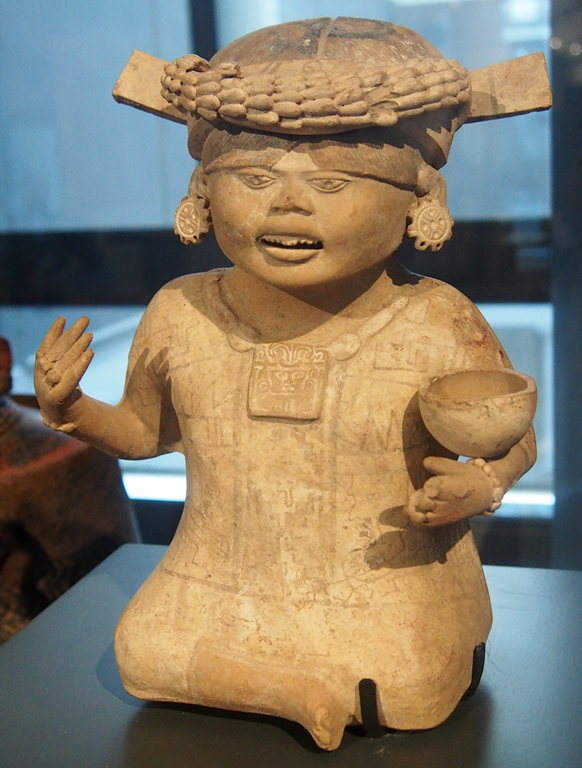
    This is a sculpture of a young noble women from the Veracruz culture (300-900 CE).
    image

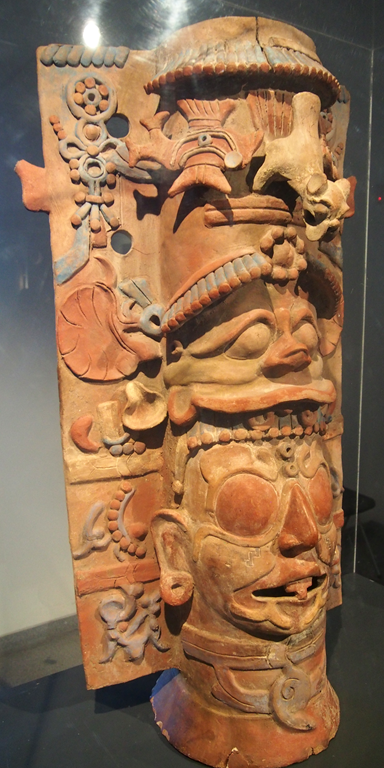
    This funky pedestal is Mayan from between 300 and 900 CE.
    image

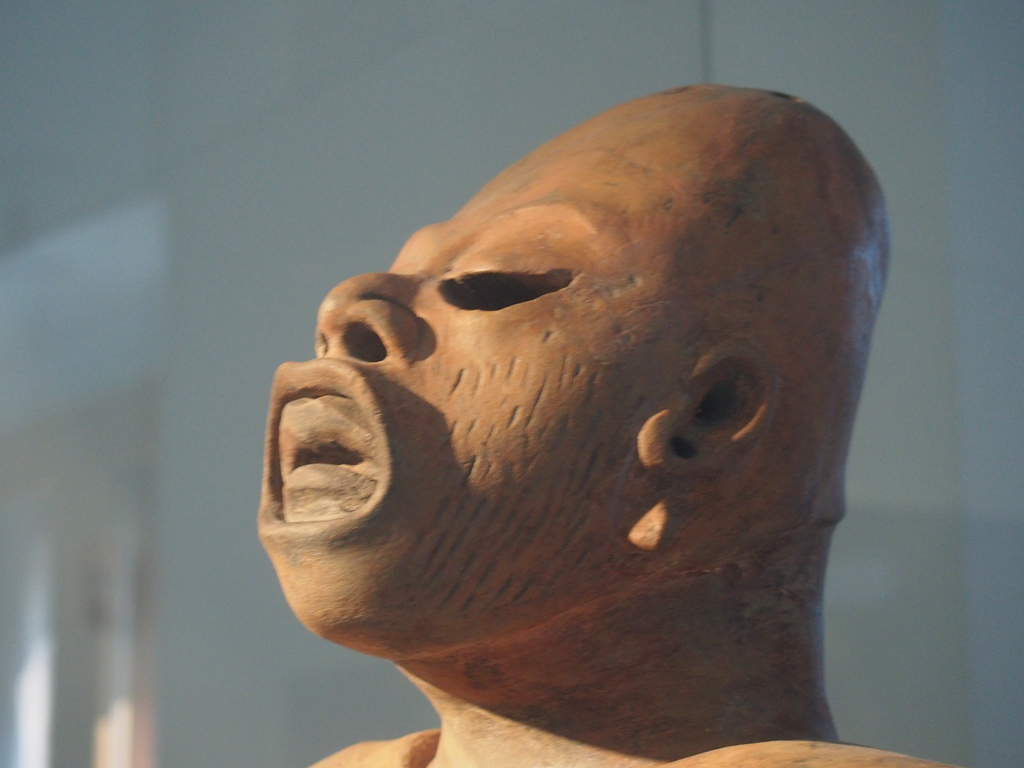
    There was also a sculpture of a man wearing a monkey skin from about 300-900 CE. You can see that it is a skin at the edges around the mouth and eyes.
    image

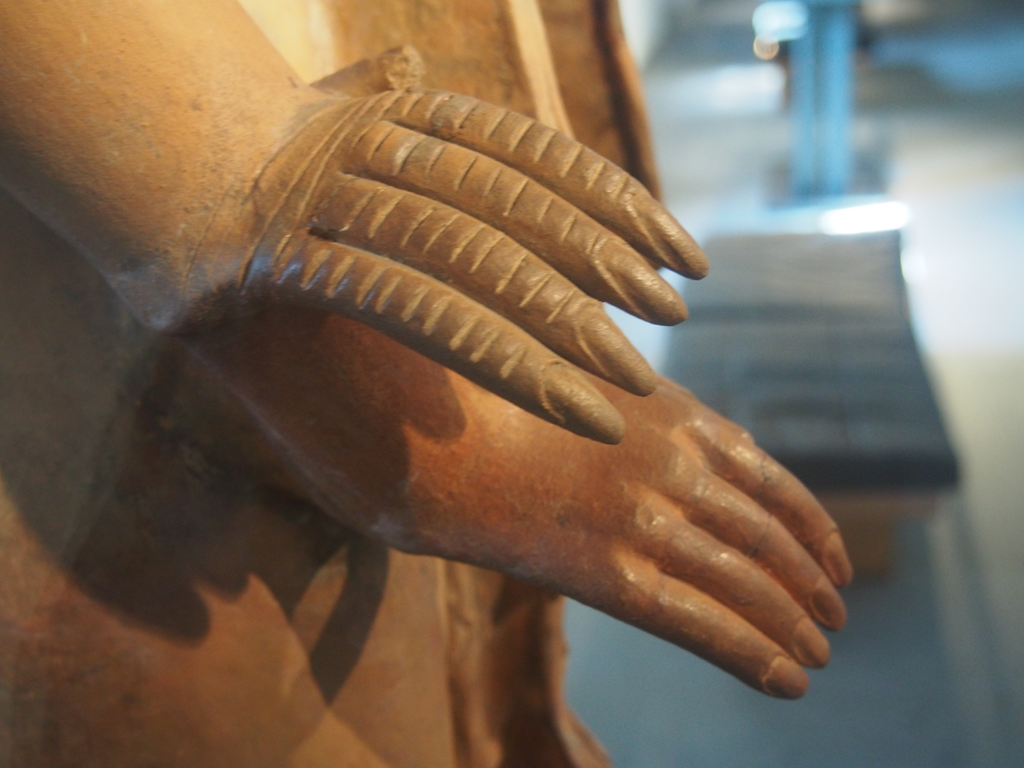
    You can also see the monkey’s hands with his poking out underneath.
    image

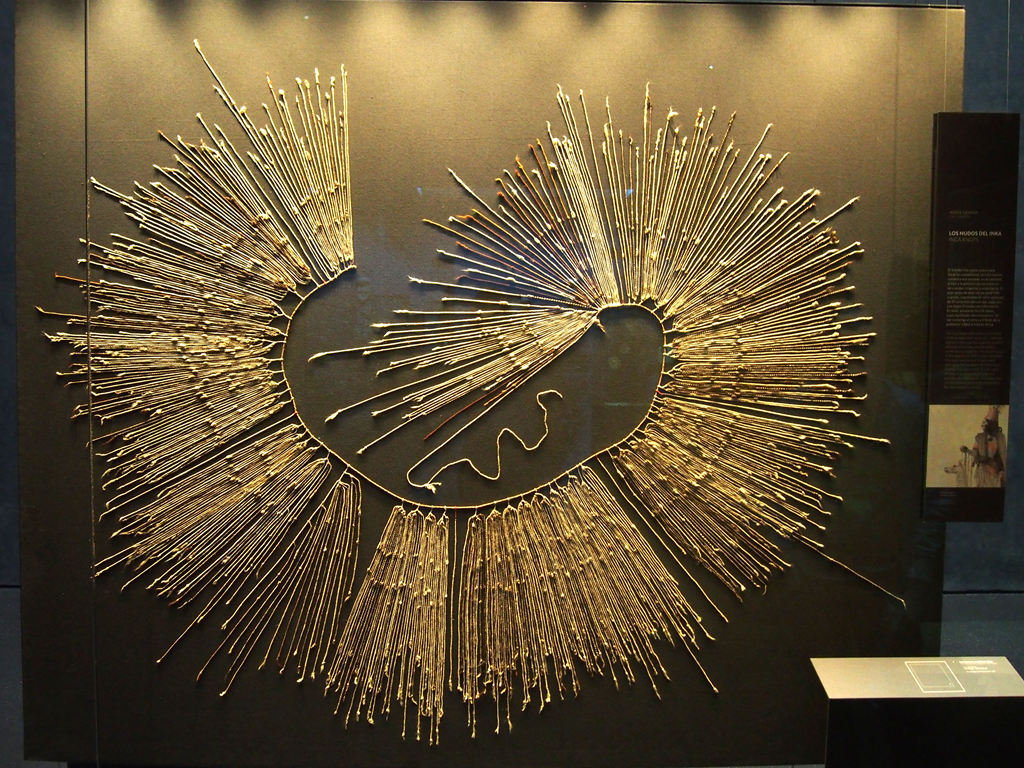
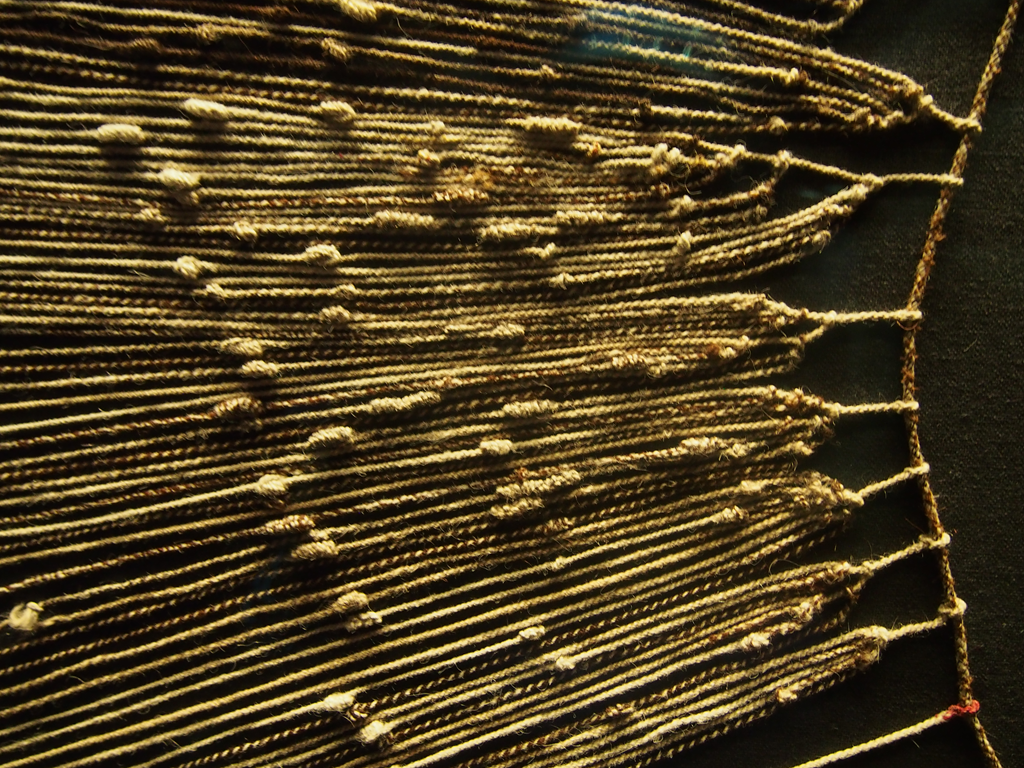
    This is a quipu, the Inca’s only form of written language. This one has 586 cords organized into 8 sections of 10 sets, and is probably some kind of census data.
    image

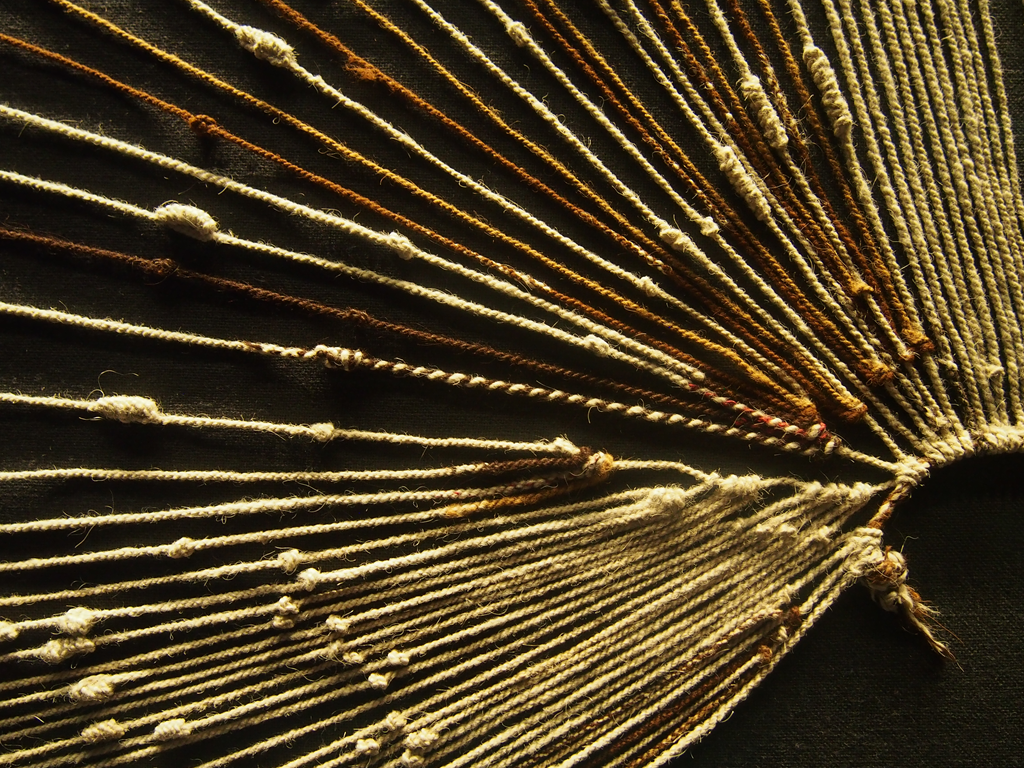
    The pattern of knots and twisting had meaning to the author and recipient. Very few people in the empire were literate, probably only top officials.
    image

    We still don’t know how to translate it.
    image

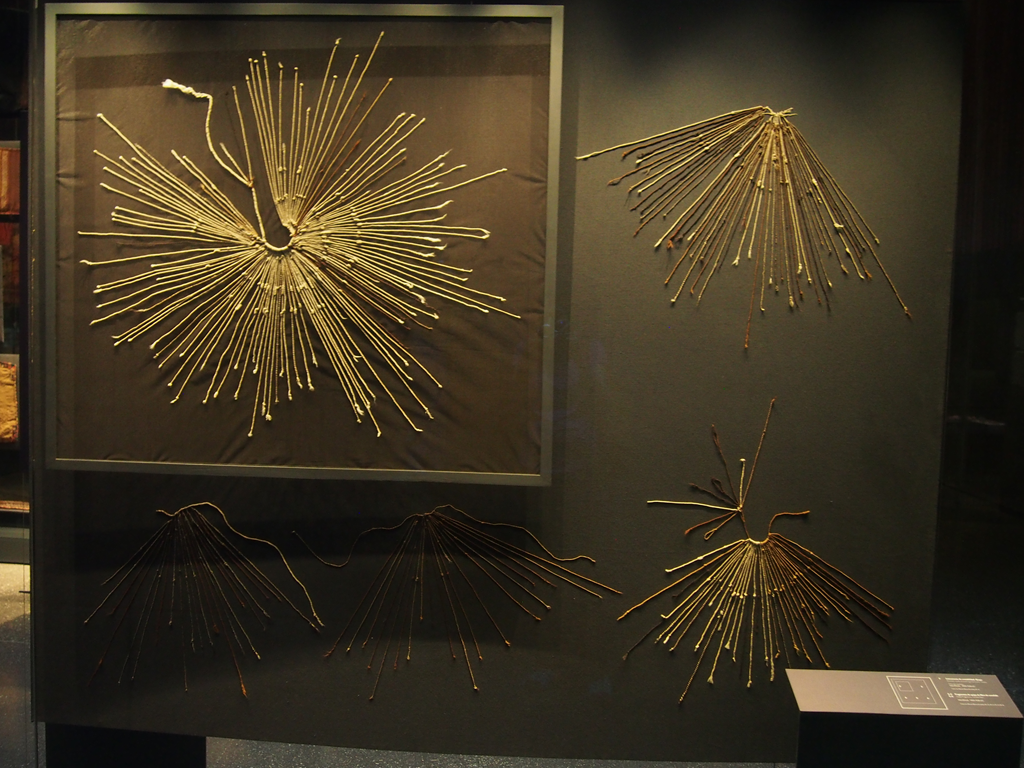
    The museum also had some smaller ones.
    image

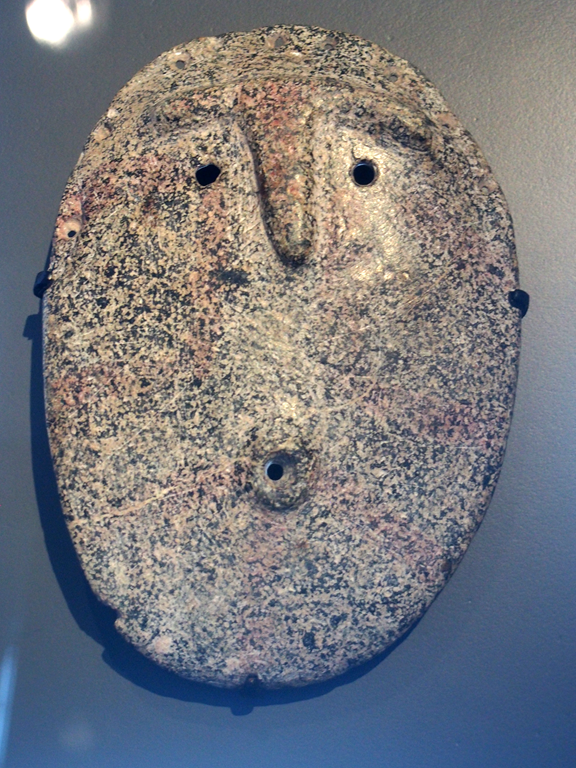
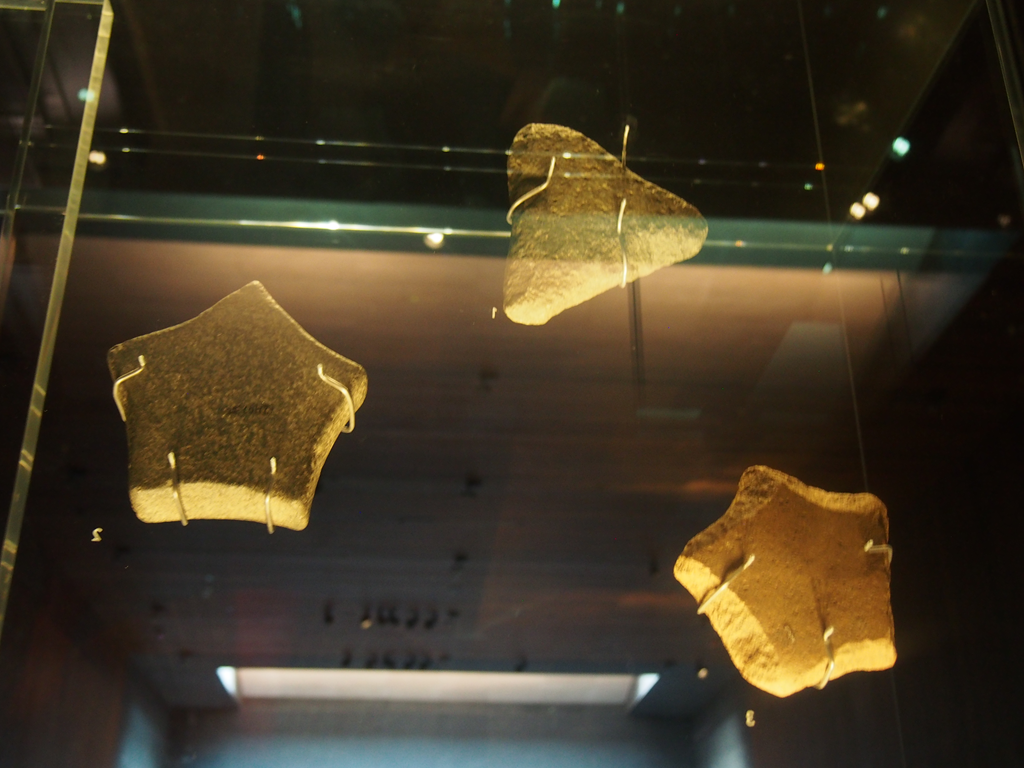
    These strange carved stone geometric shapes date back to 11000 to 6500 BCE, just after people arrived in America. No one knows what they were used for.
    image

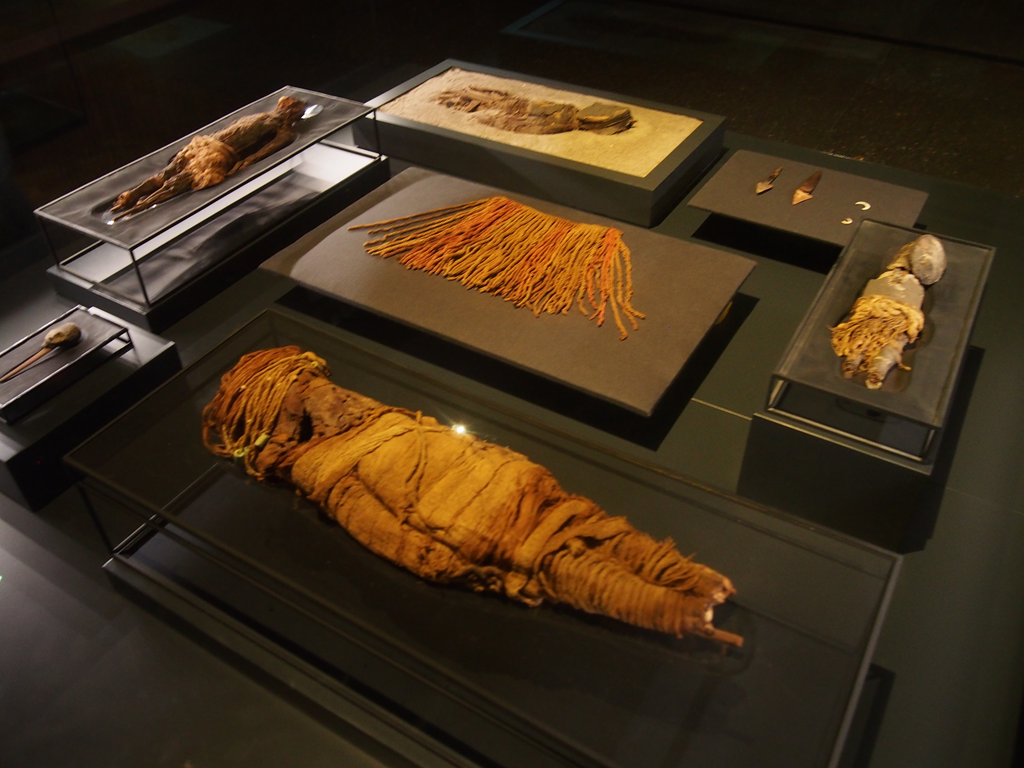
    These mummies were people from the Chinchorro people. They started mummifying people in 6000 BCE, 2000 years before the Egyptians.
    image


  • Busing in Argentina

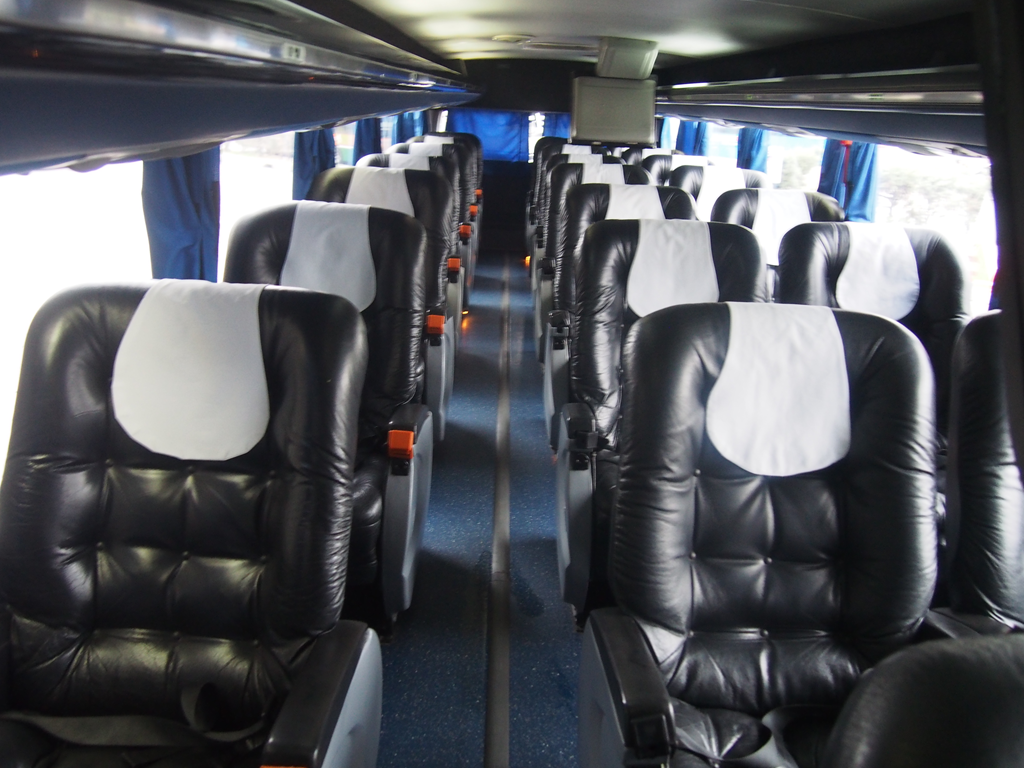
    The buses in Argentina were quite nice, which was good because we spent 18 hours on one.

    image

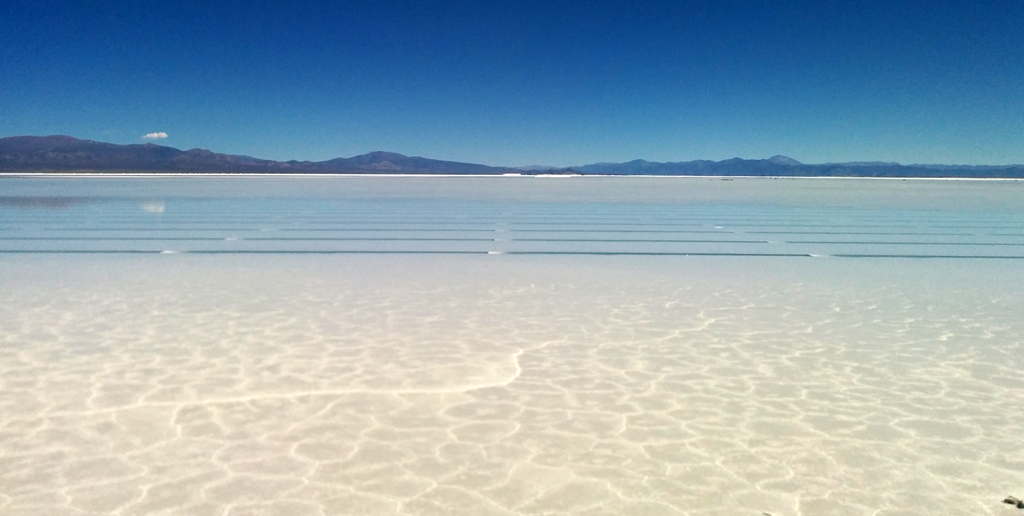
    There were more salt flats in Argentina, these ones were being actively mined.

    image

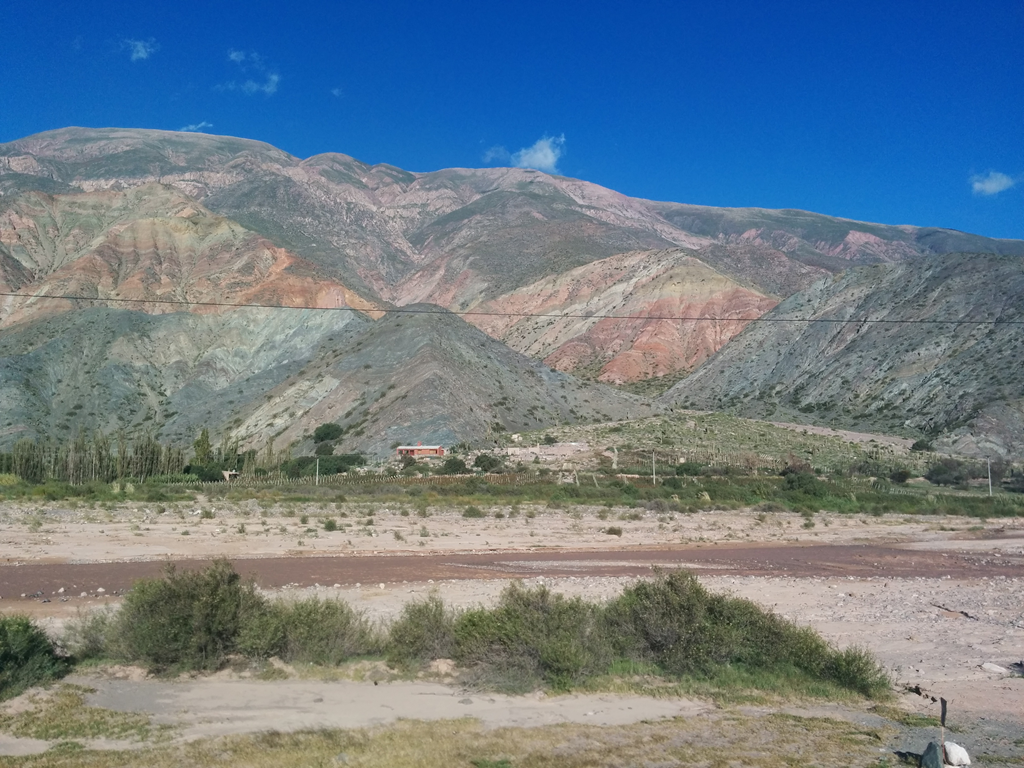
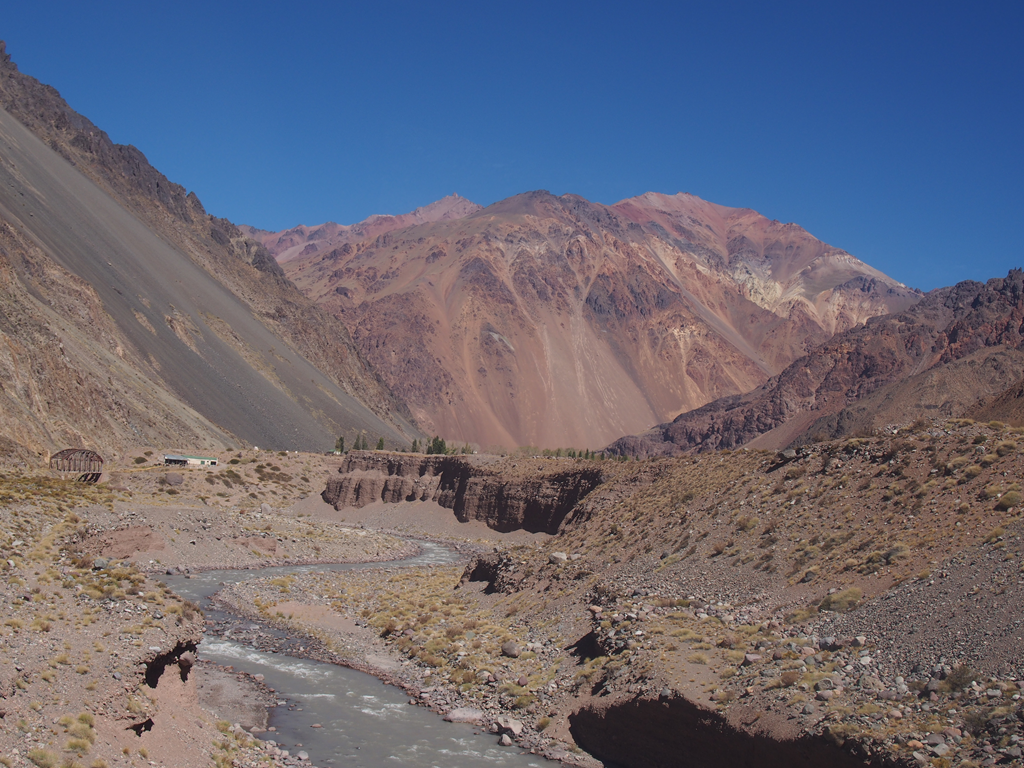
    The mountains were very colourful.

    image

    It was a very scenic ride.

    image


  • Wine Tour

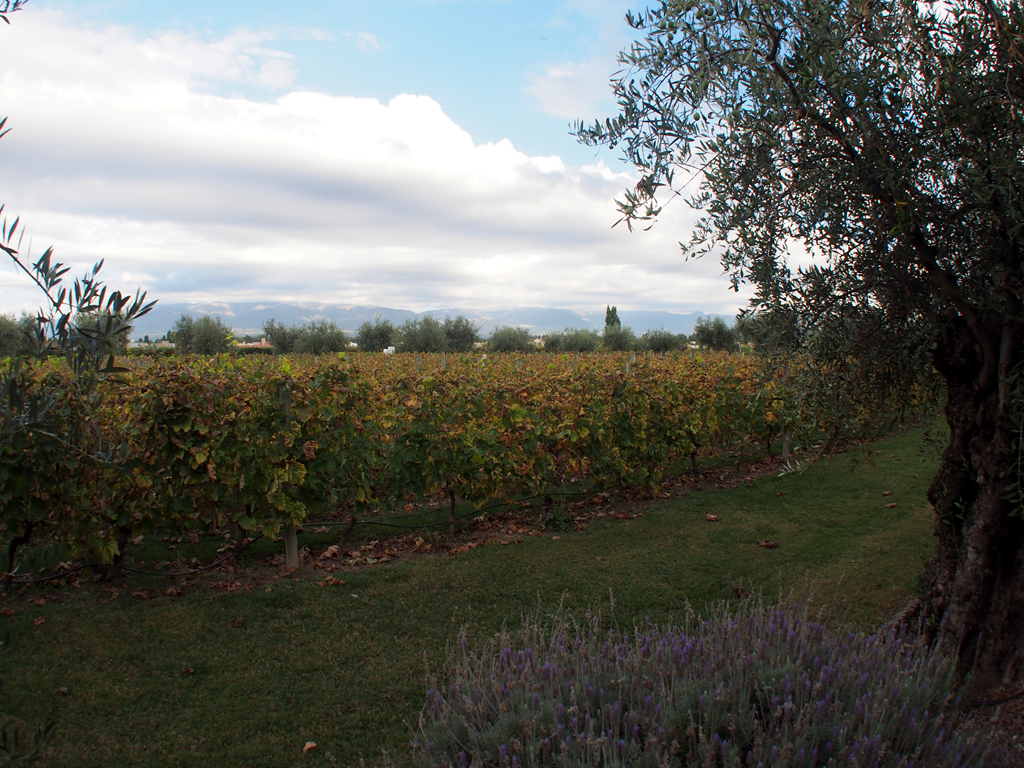
    Bright and early in the morning we went out to some wineries of Mendoza on bike.

    image

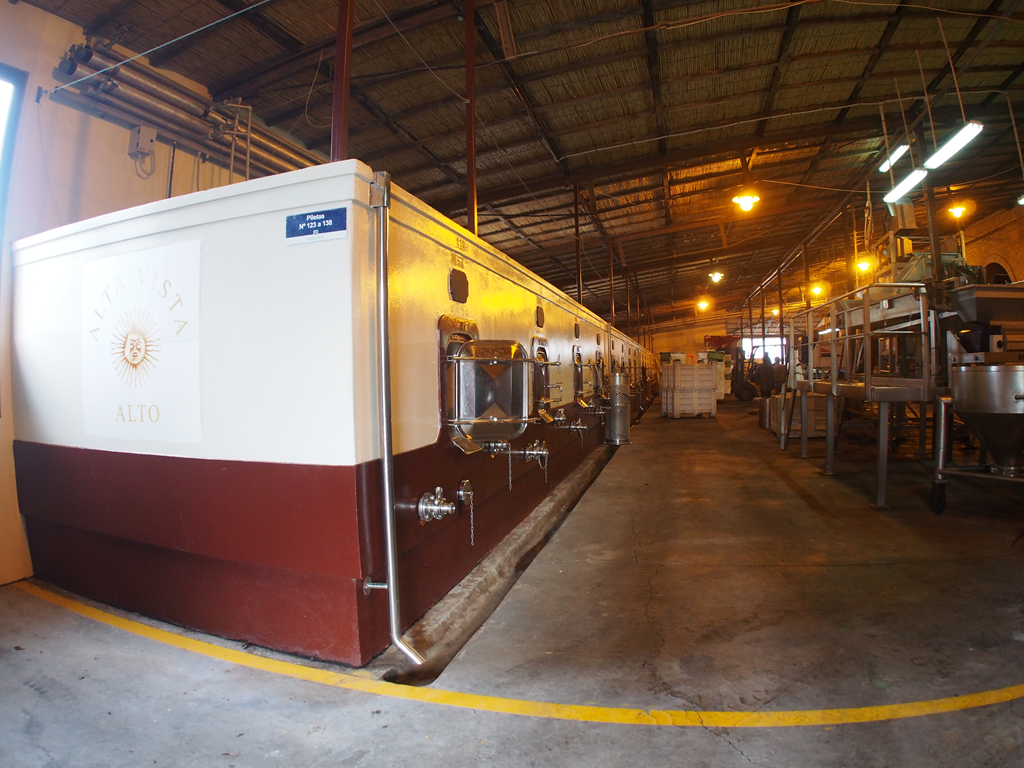
    The first had a French influence. Many of the buildings in this area are all original from when the vineyards were first established. These are concrete fermenters where their highest quality wines are produced.

    image

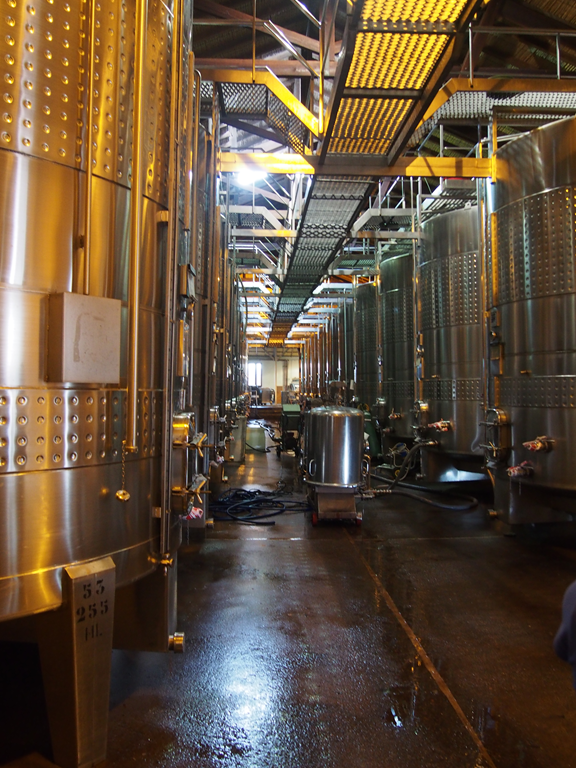
    From there they also have steel fermenters for their more commercial and international exports.

    image

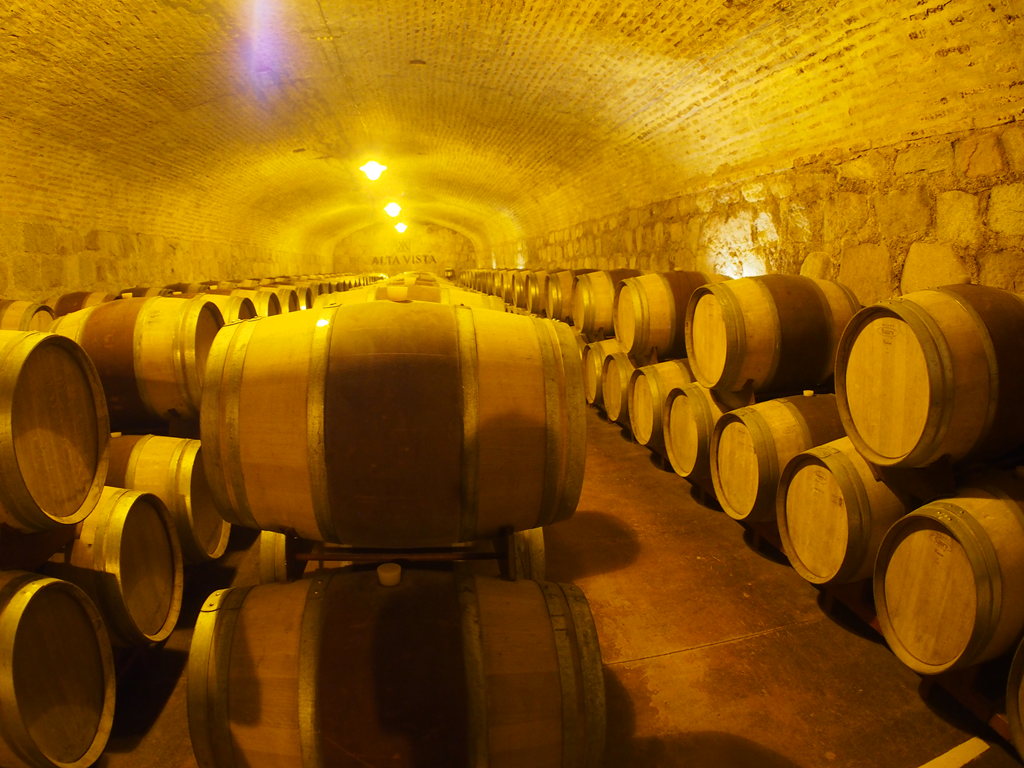
    They age in oak barrels underground and only get three uses out of each barrel. In Argentina there isn’t much in the way of spirits so the barrels don’t get used again so they have little value at the end.

    image

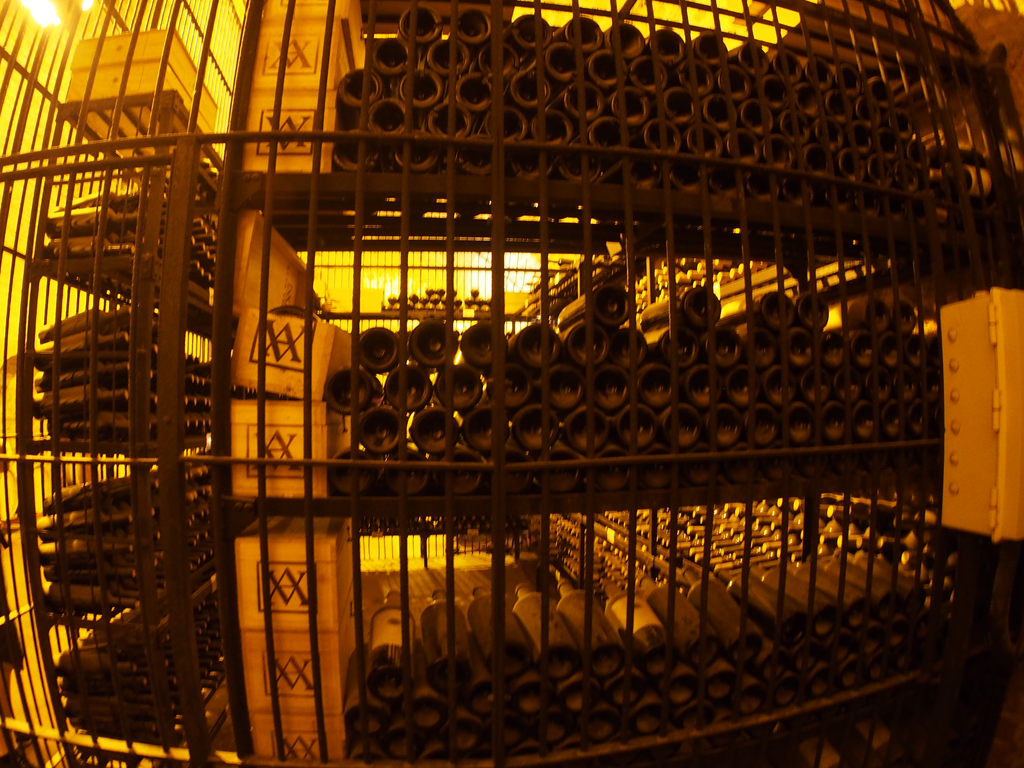
    They keep a cage containing a portion of every vintage of wine so they can go back and test it as it bottle ages.

    image

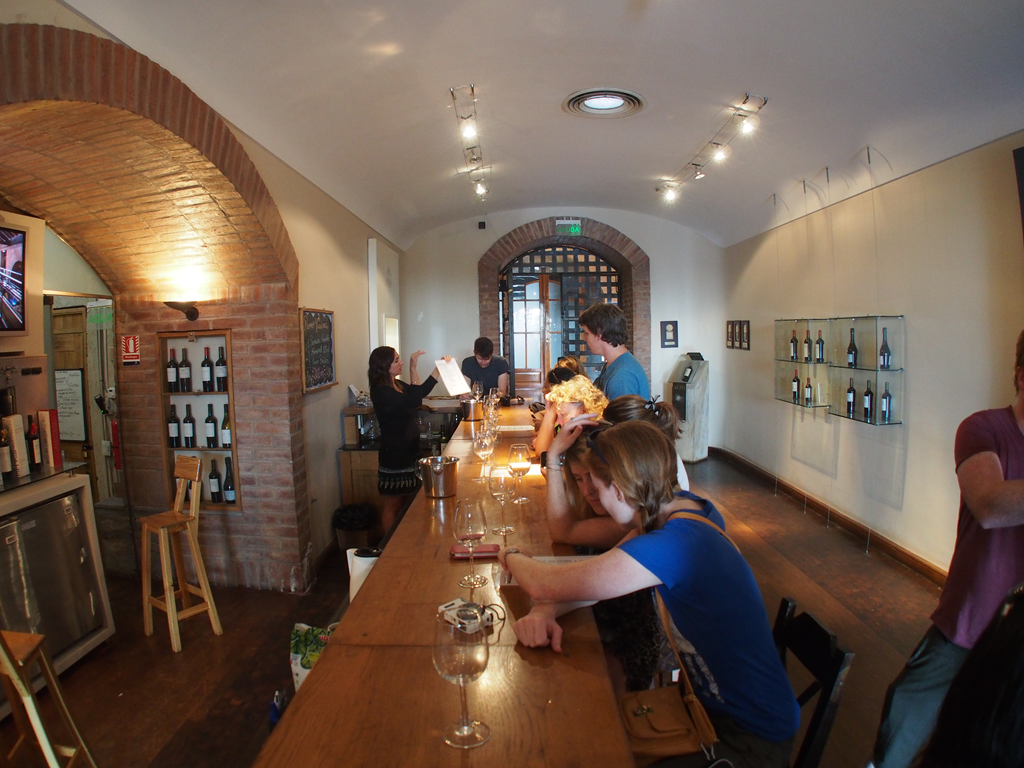
    Finally after all that we got our first tasting bright and early at 10:30 am. We started with a white before moving to reds. Personally in the heat and without food pairings the white was the best.

    image

    After this first tasting we head out to another one before a lunch break then a third tasting. Thankfully the last one wasn’t too far away as small tastes of wine do add up over time. No crashes though so it was all good.