• Taquile Island

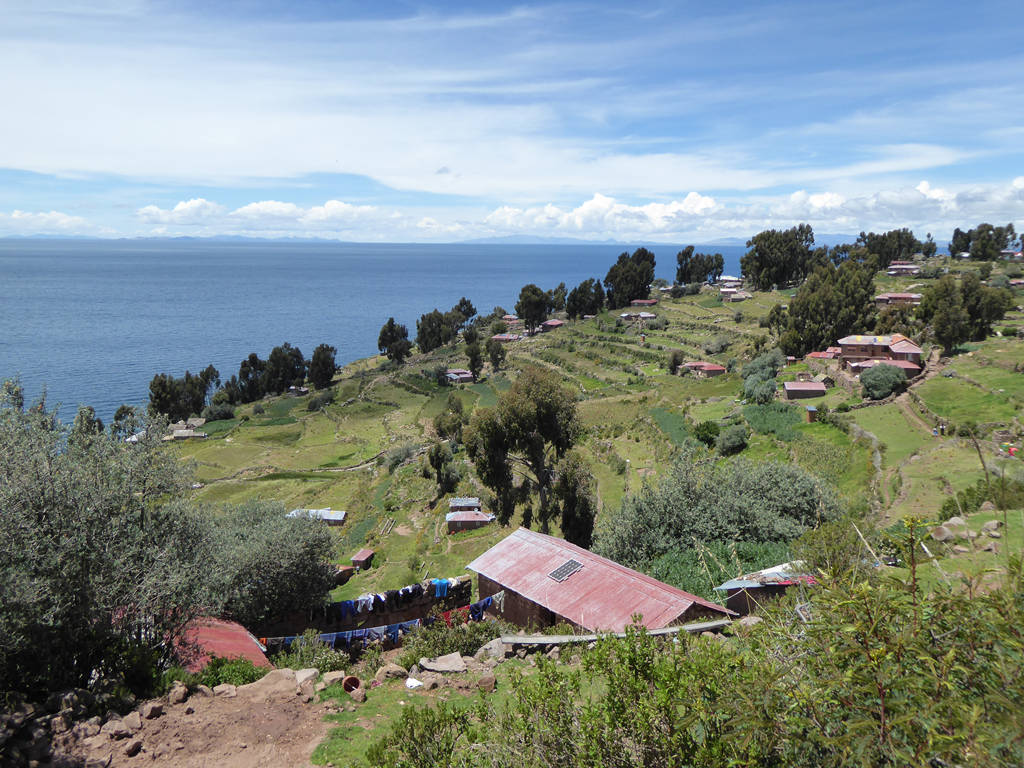
    We stopped at Taquile Island, a relatively large island in Lake Titikaka.

    image

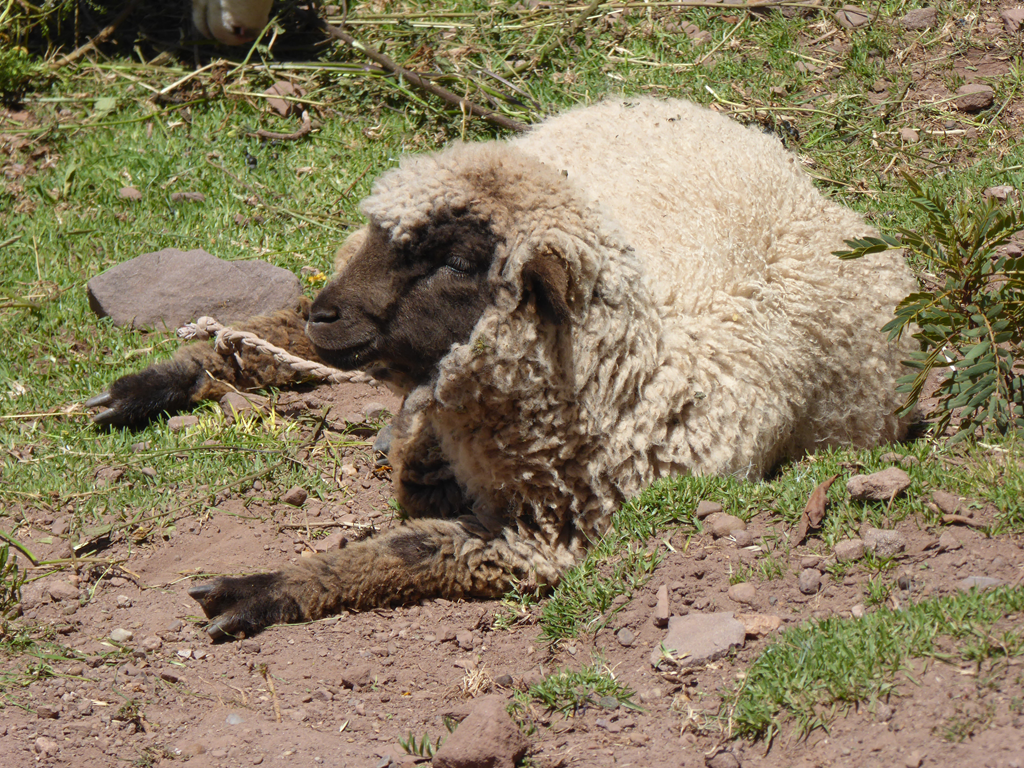
    The islanders do a lot of sheep farming.

    image

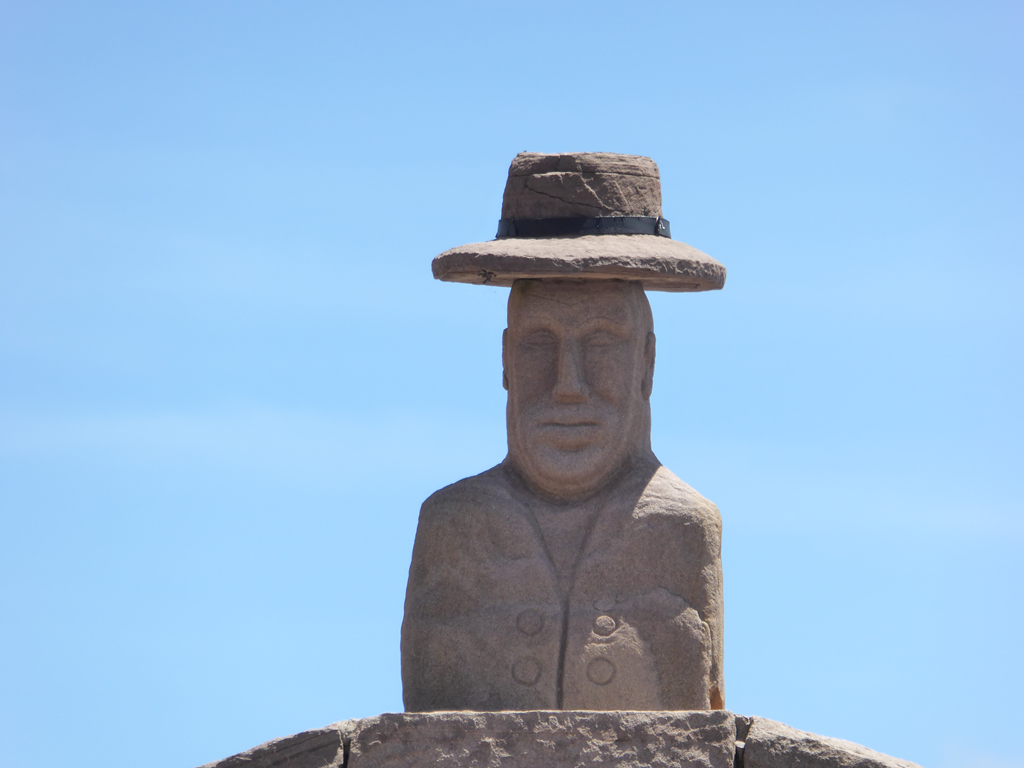
    Each section of the island is led by three men that wear tophats. There are statues of them on archways between the sections.

    image

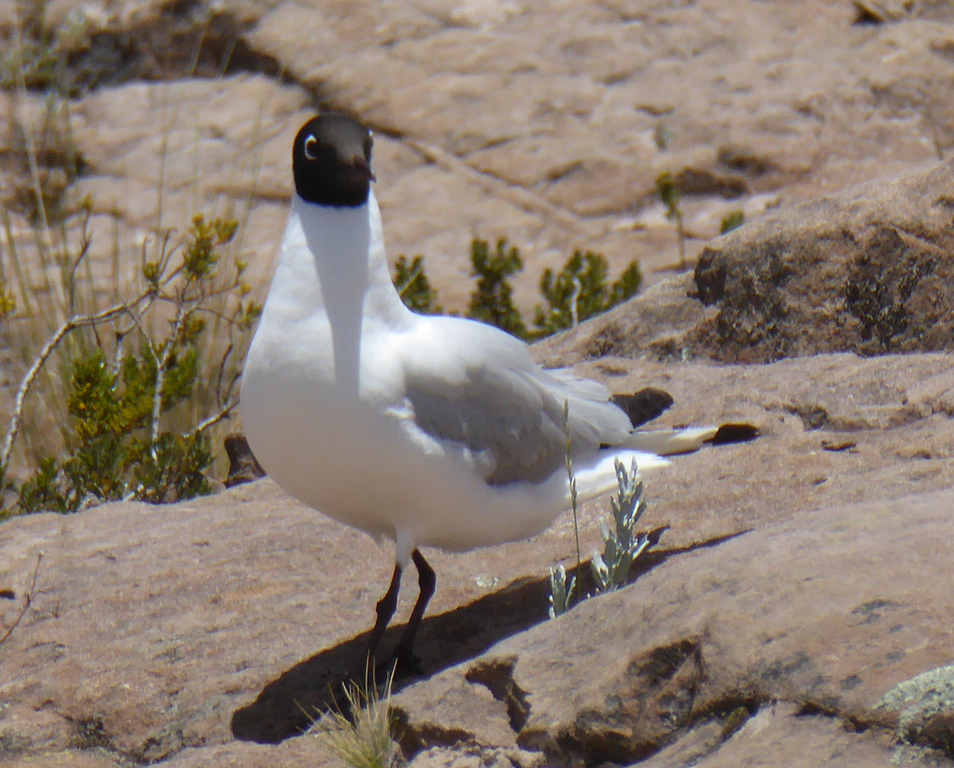
    The island had gulls.

    image

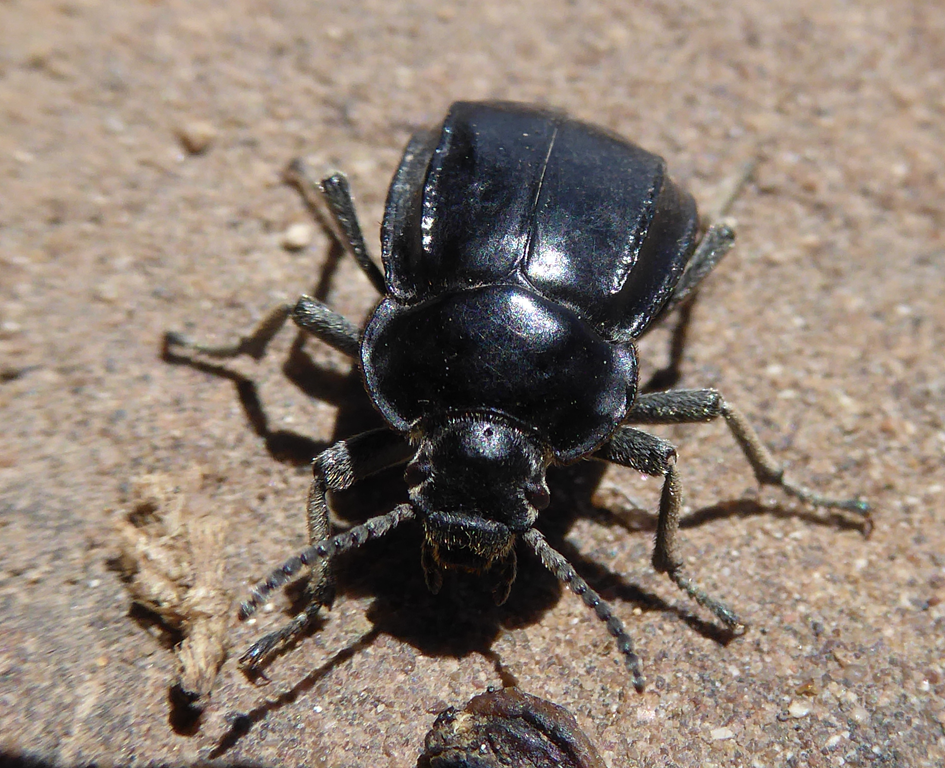
    And big beetles.

    image

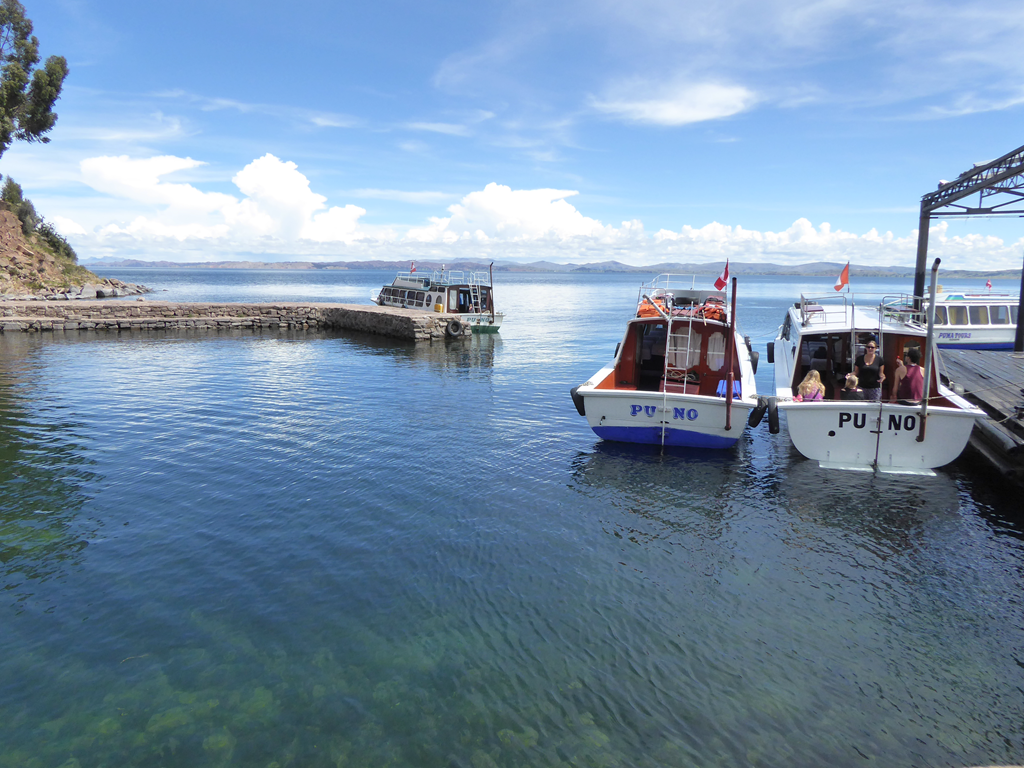
    Our boat is on the right.

    image

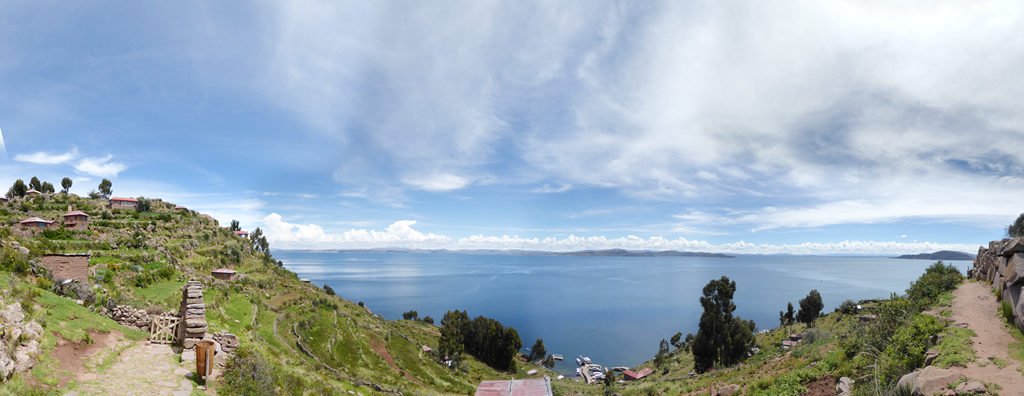
    This is the view of the lake from the island.

    image


  • Taquile Island Clothing

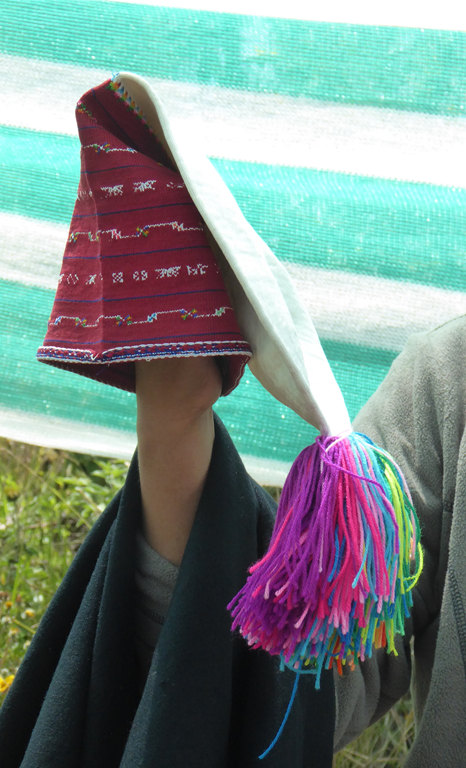
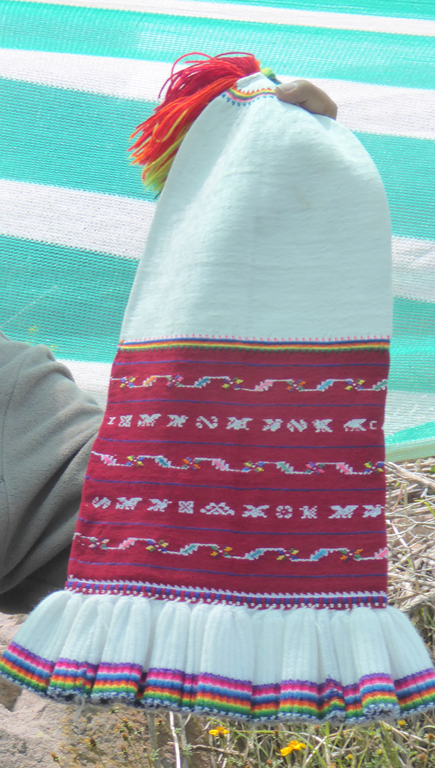
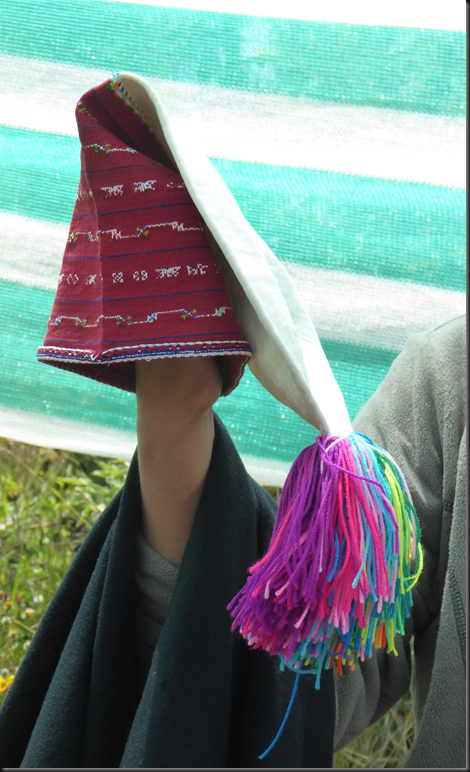
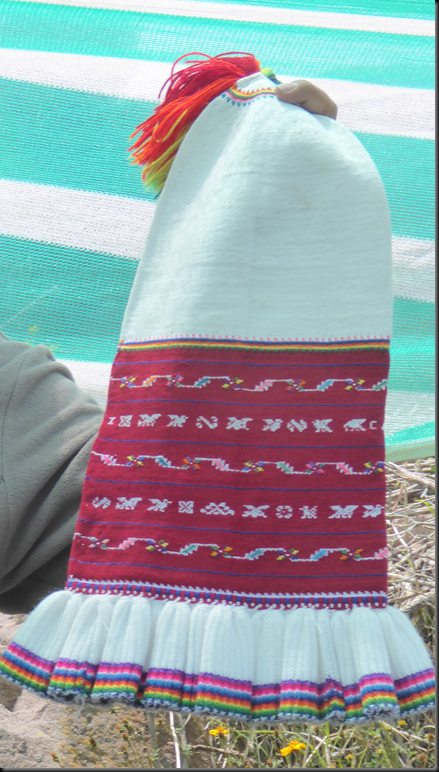
    On Taquile island clothing helps show if you are single or married. It is also is used for indicating if you want to date or not. This is a boys hat and the top part is still white because he is single and it is for the wife to complete him. He can show whether or not he is interested by moving the peak to the left or right. We can’t remember which side is which anymore.
    image

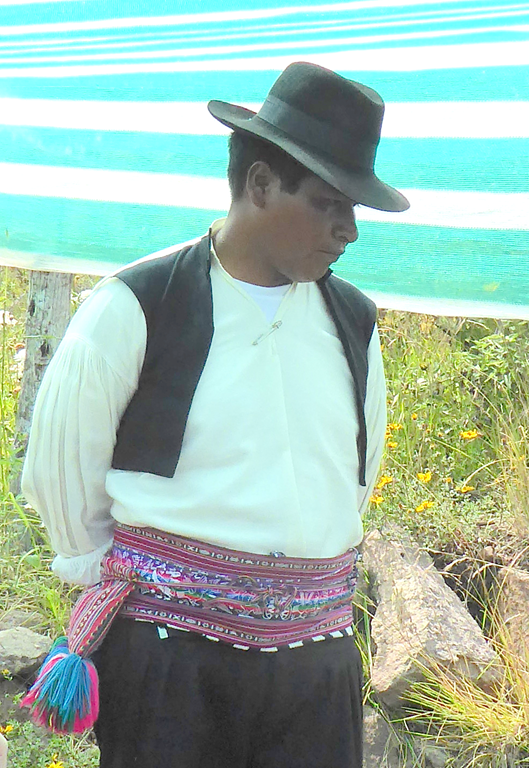
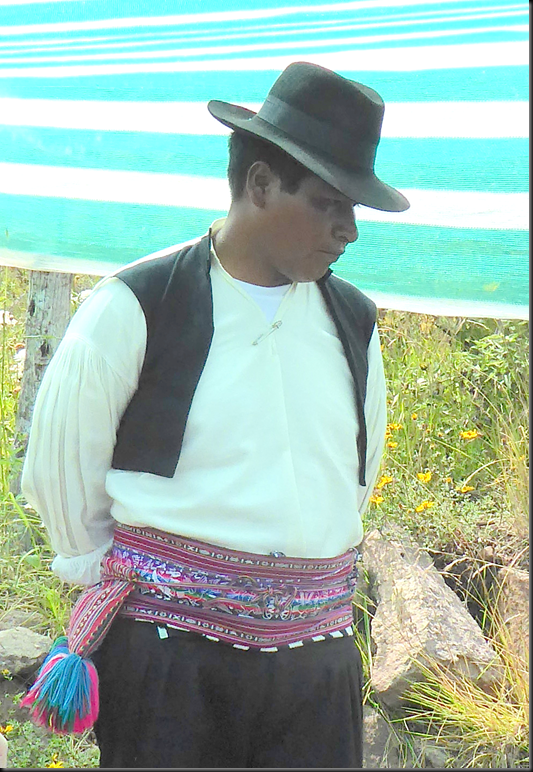
    This is the primary outfit of a married man. The belt is used to help support weight and includes the wife’s hair in the making of the textile.
    image

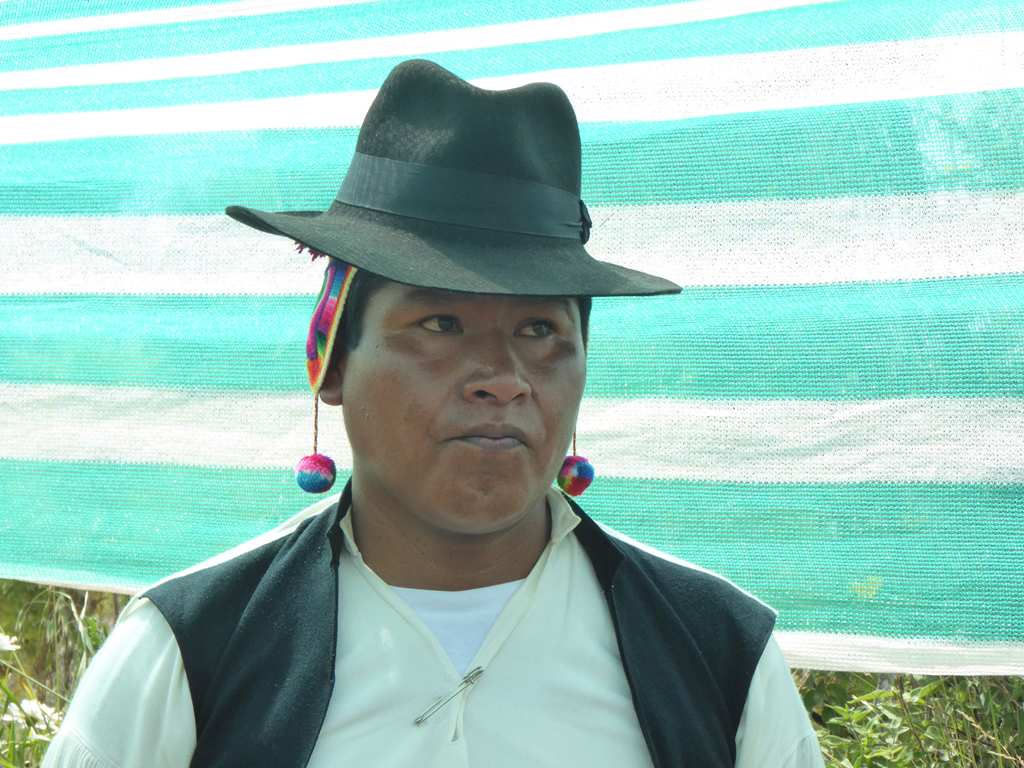
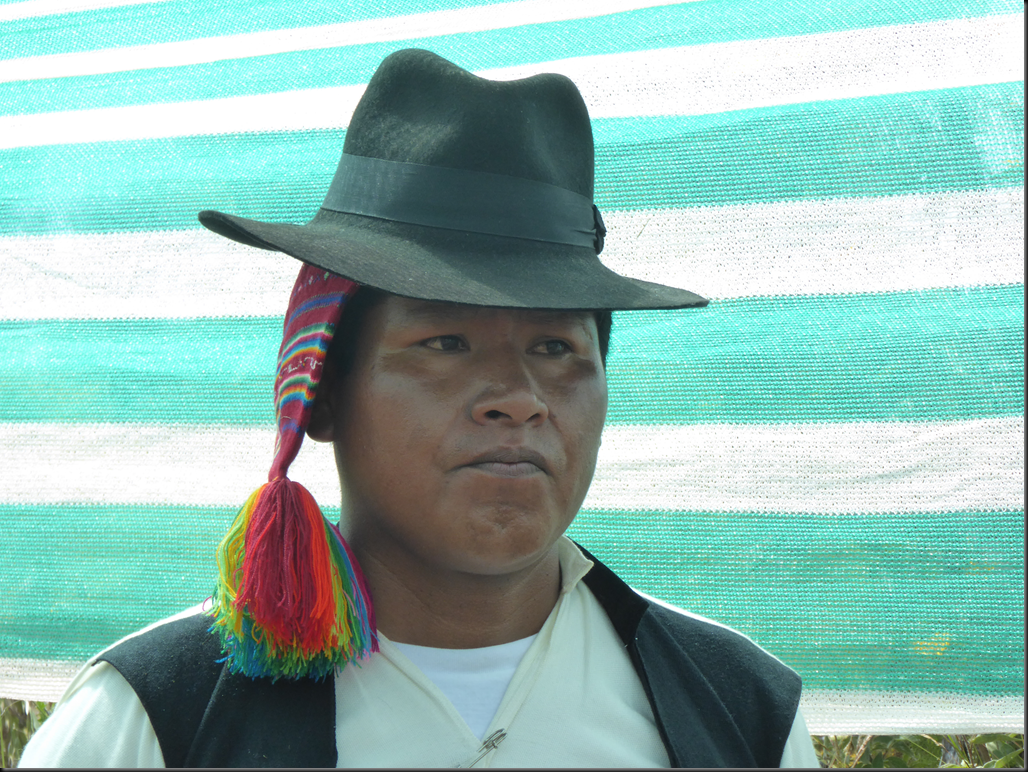
    The important people of the village also wear another hat underneath the leather cap.
    image

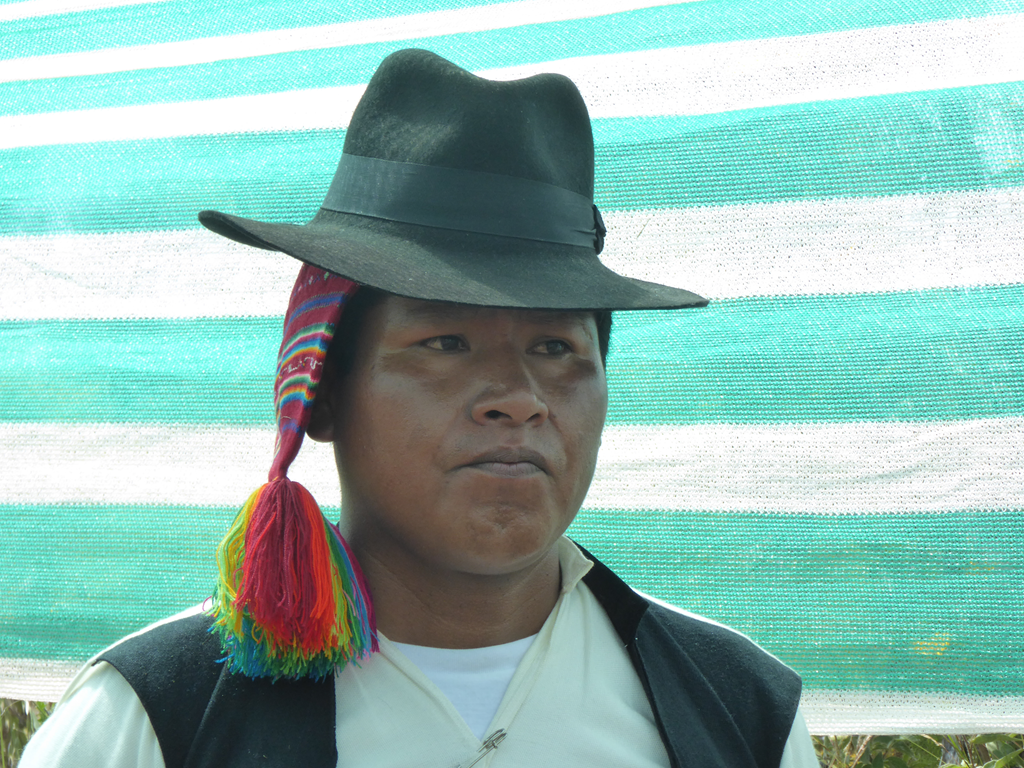
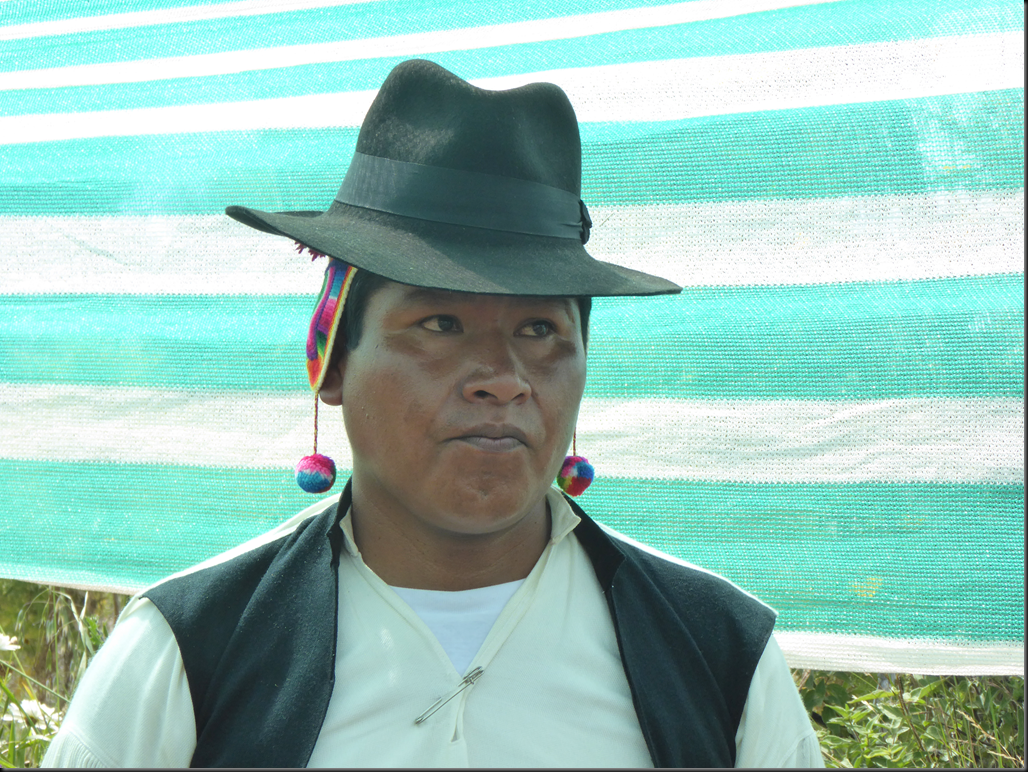
    The president of the community has a different style hat that resembles the incan and pre-incan crowns that have long ear coverings. These were long because incans wore gauges in their ears to stretch the lobes and the covers were to keep the stretched ears warm.
    image

    Here is a better display of the boys hat with the white top unfinished.
    image

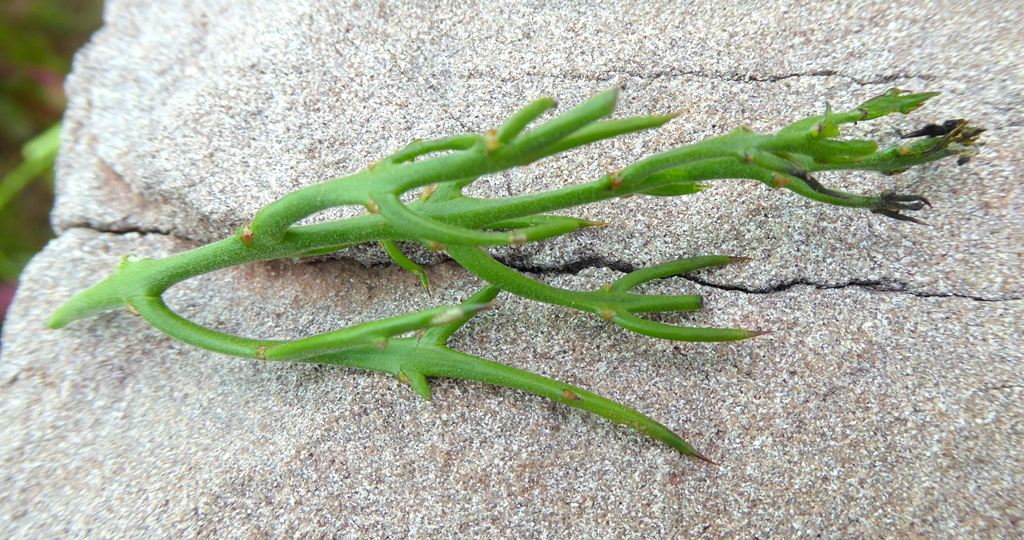
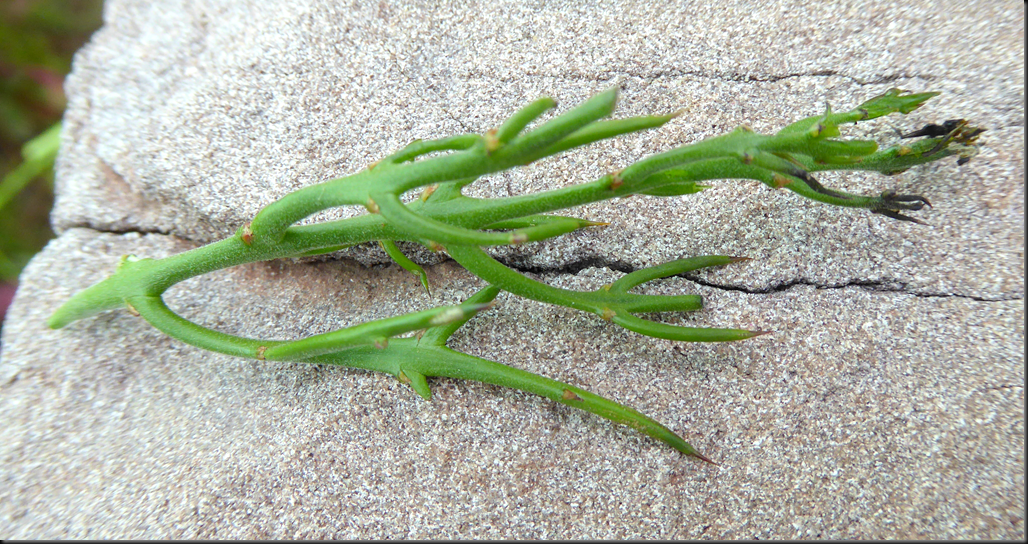
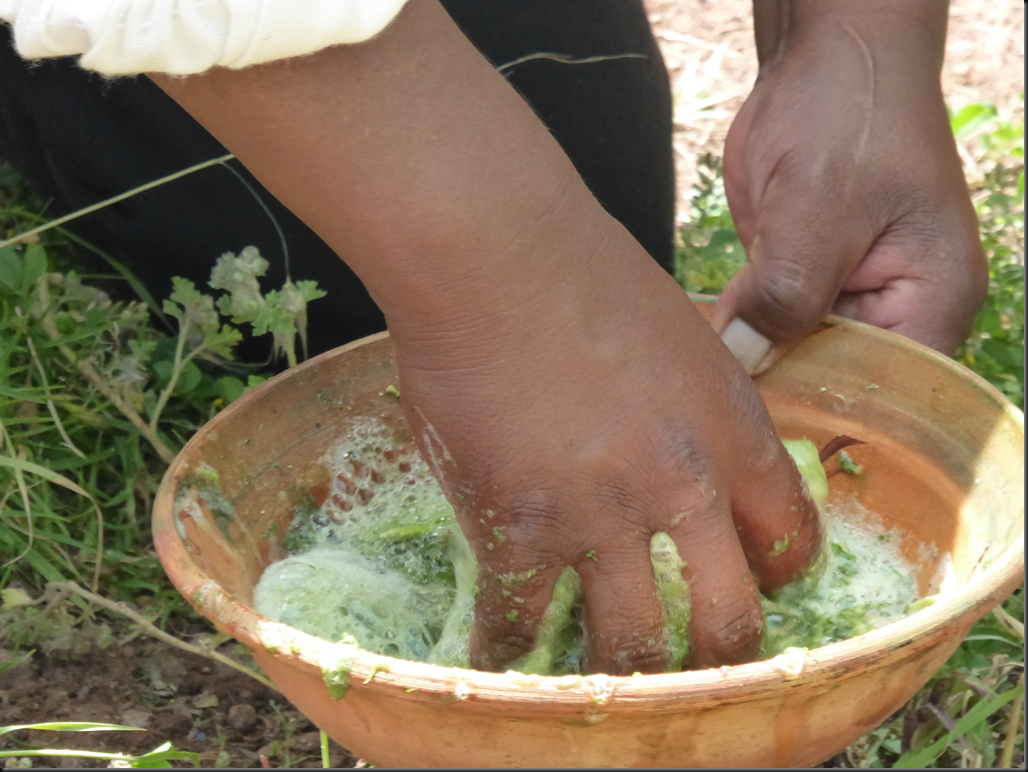
    Then he showed us how to wash them. First you take this plant, which is called something like “chooshoo”. It contains a natural detergent.
    image

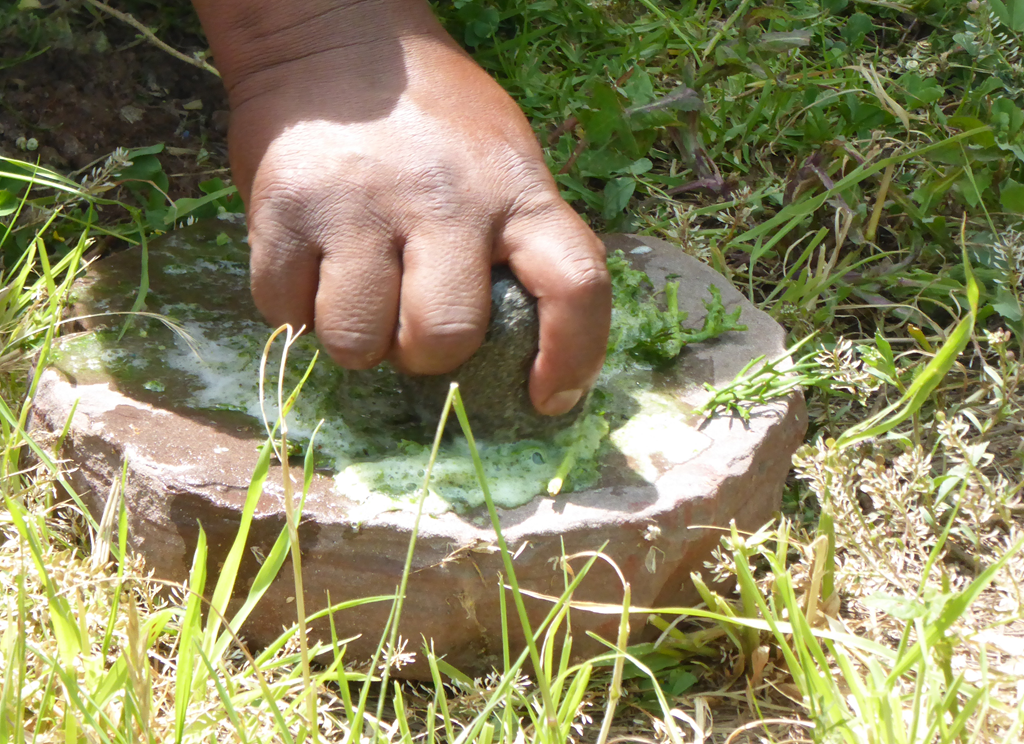
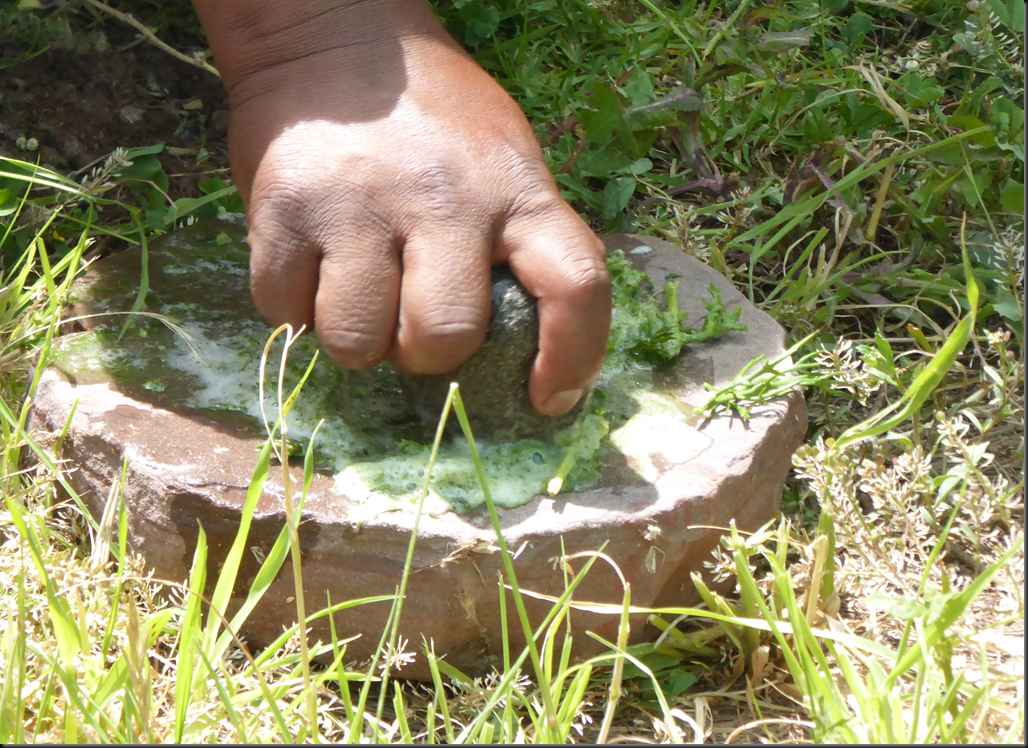
    To get it you crush it with a rock against another rock to make a foamy mess.
    image

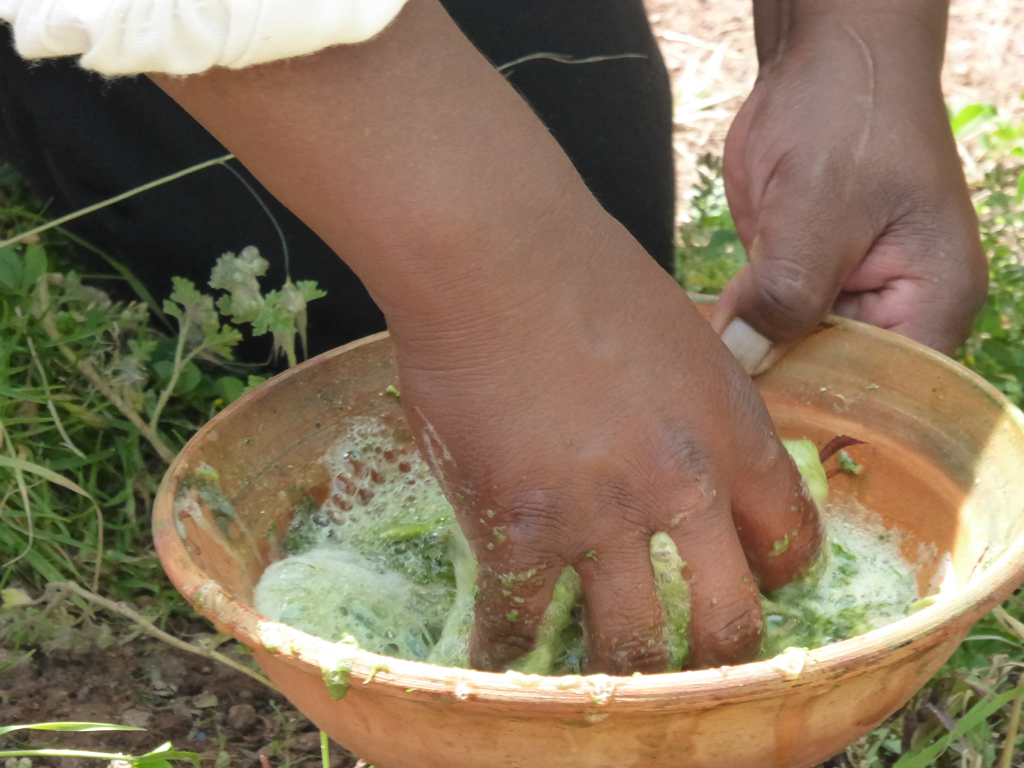
    Then you mix it with some water and put in the clothes.
    image

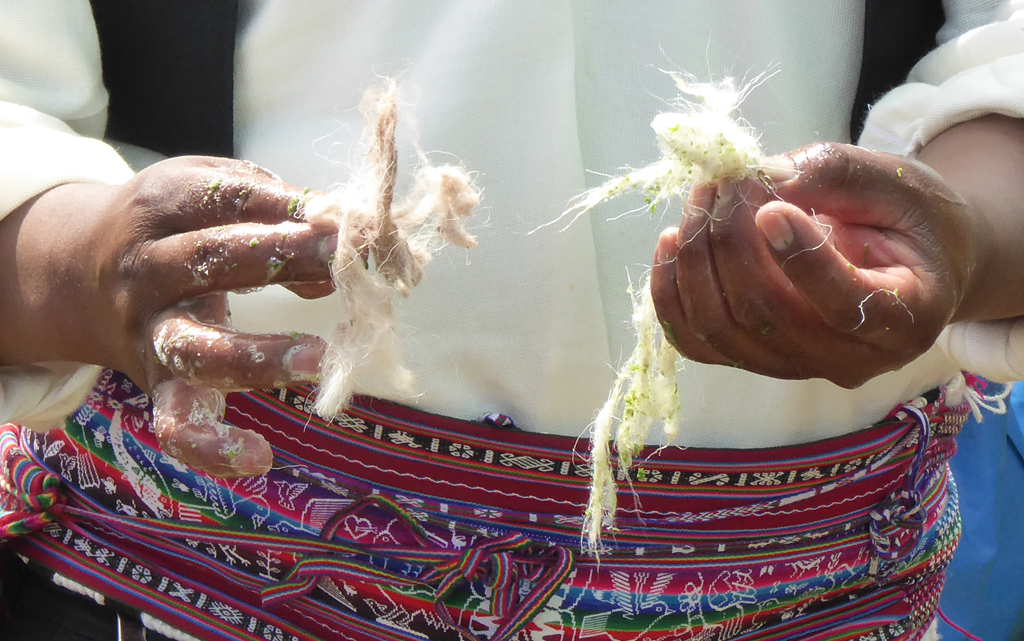
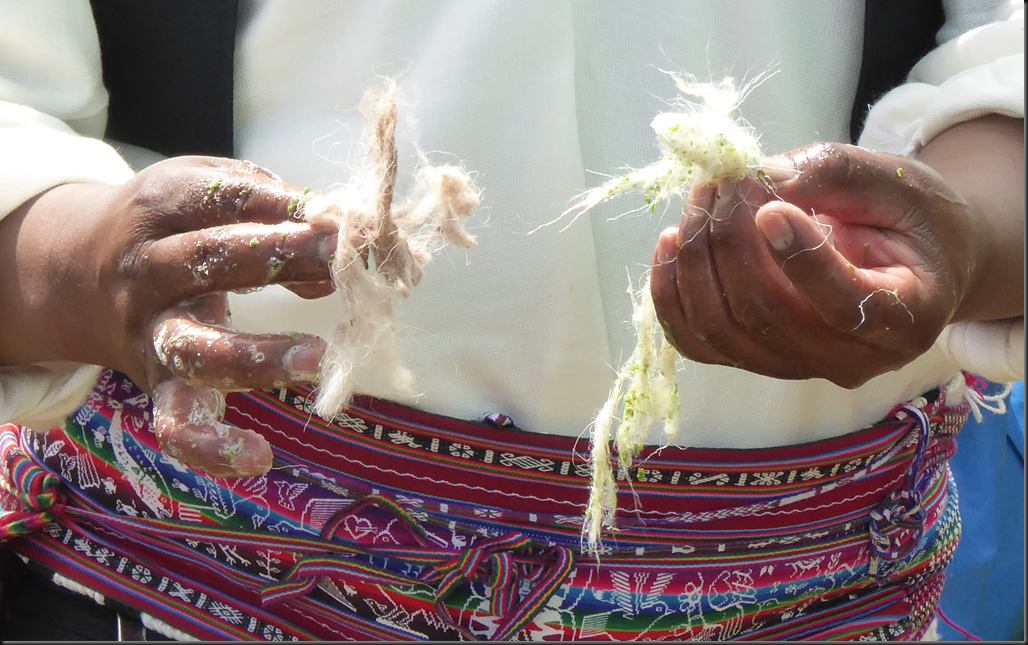
    Before is on the left, and after is on the right. As you can see the brown dirt has been completely removed, and replaced with bits of green plant. Usually it is crushed much finer so you don’t get as many plant remains caught in what you are washing. image

  • Lake Titikaka

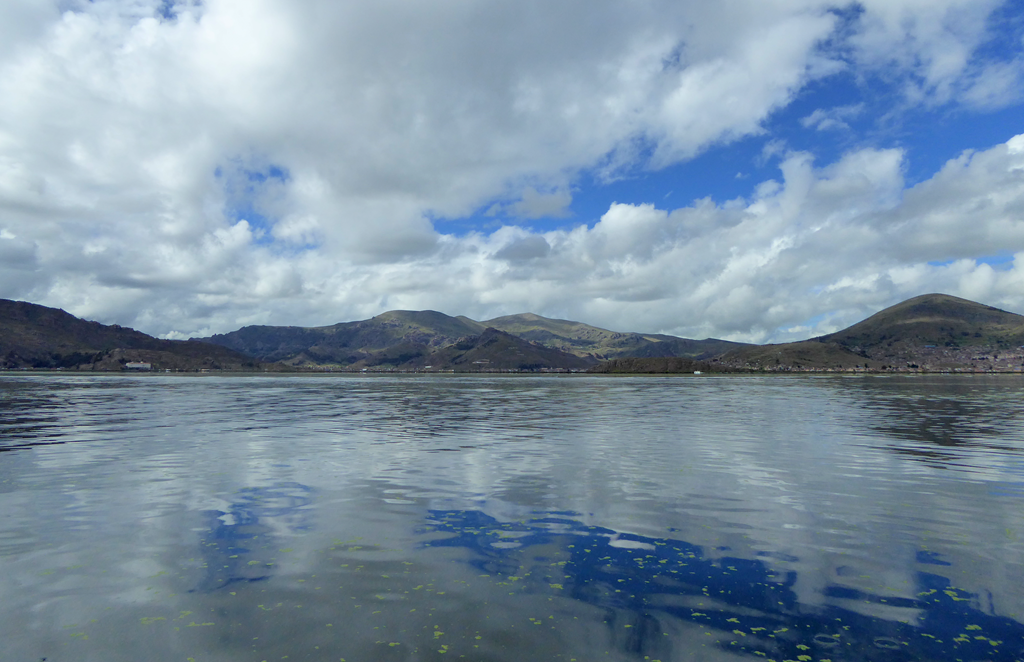
    The reason to head to Puno is really to head out on the lake. It is shared by Peru and Bolivia and it is split either 60-40 (in Peru’s favour) if you are in Peru or 30-70 (in Bolivia’s favour) if you are in Bolivia. There is a patrol but no real border. You can’t land on a dock in the other country though which leads to complicated boat transfers just off shore.  It is 280m deep at its deepest point and the depth can fluctuate by over a metre due to the rainy season.

    image

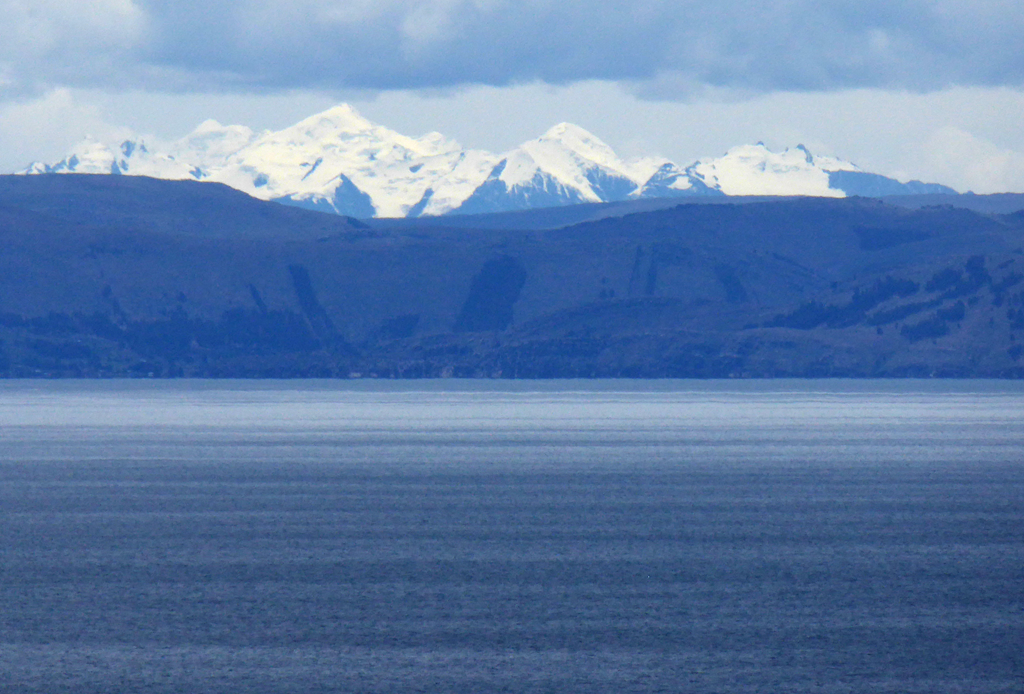
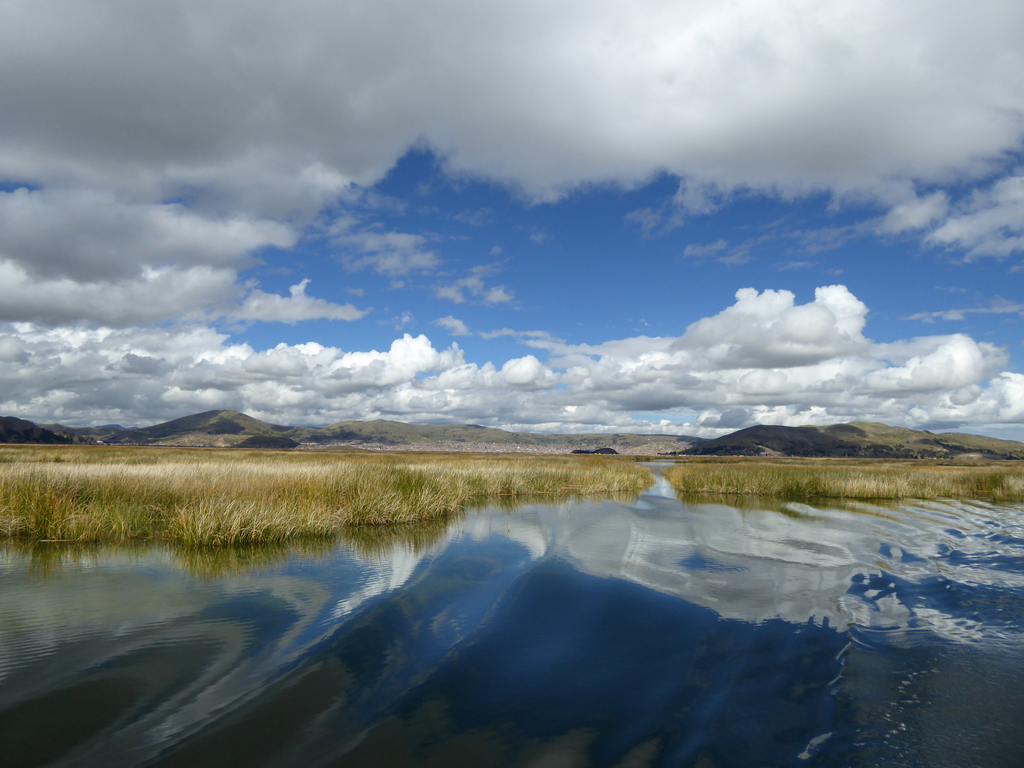
    Titikaka means grey puma and is the highest navigable body of water at 3809m above sea level. The snow topped mountains barely seem to be higher than the lake.

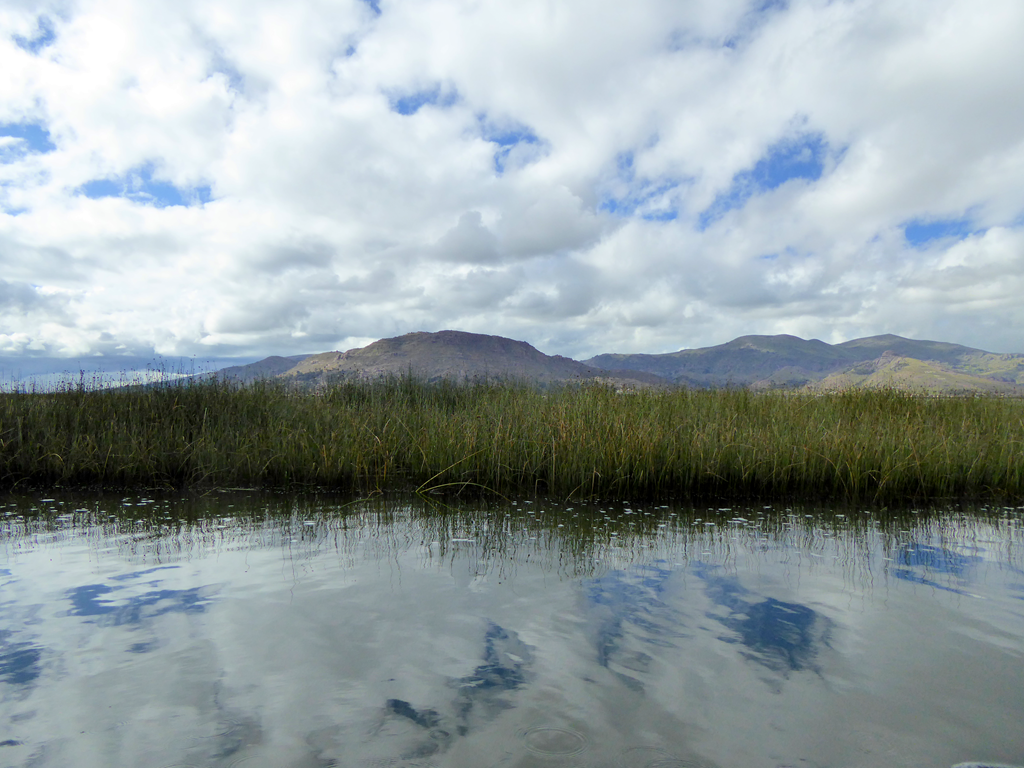
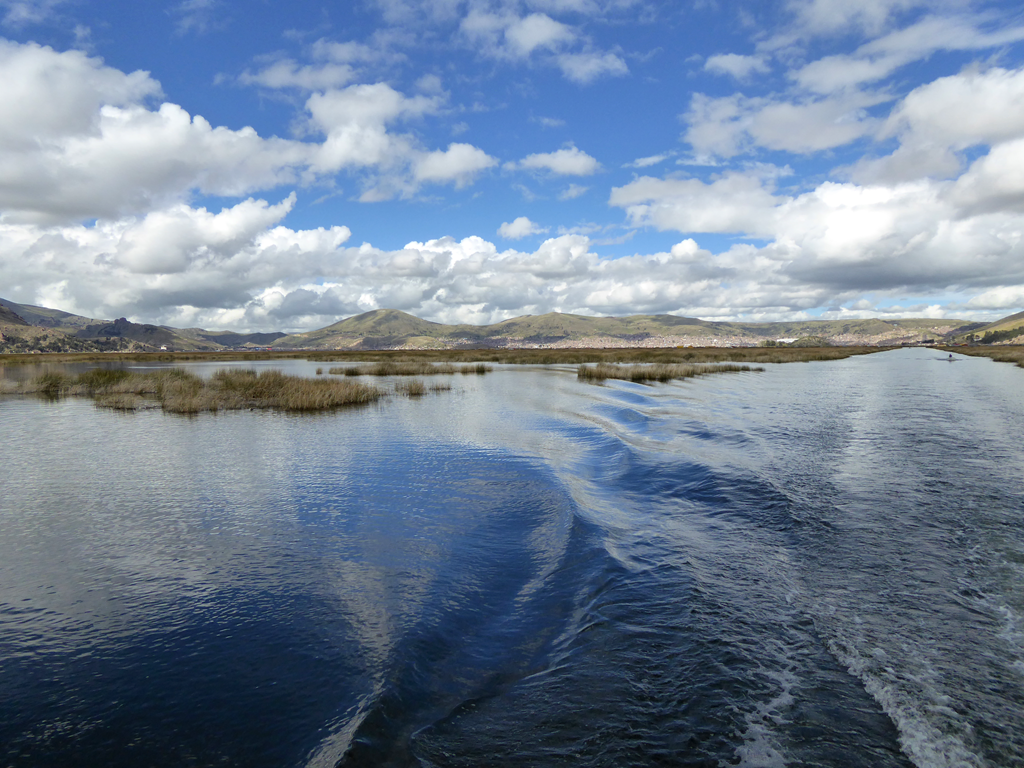
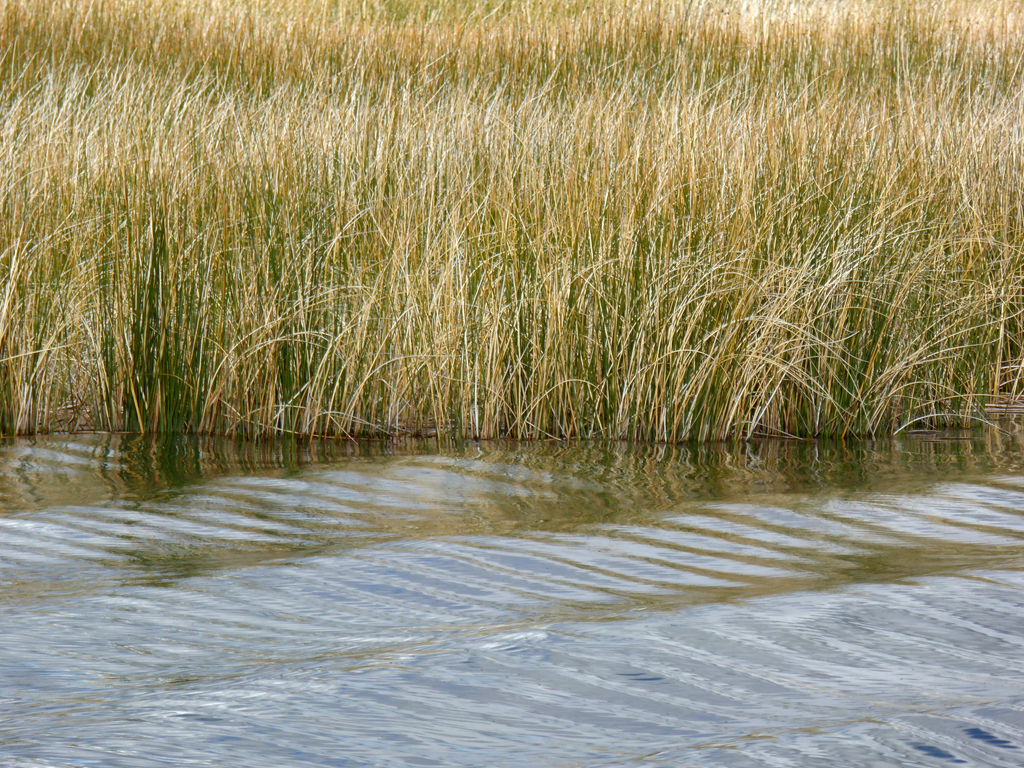
    imageReeds grow along the banks of the river and quite a ways out. They have to clear a path for boats to actually get out to the main body and move around due to the growth.

    image

    After we finally got out of the reeds you could see the lake better. Here is looking back at Puno off in the distance.

    image

    The reeds grow really close together and you’ll see what they are used for in another post.

    image

    Even though it was bright out the altitude keeps it pretty cool and the water stays a cool 9C all year round.

    image

    The lake is considered fresh water because it only has 1 ppm salt, but they can’t use it for irrigation because the salt accumulation eventually kills everything.


  • Puno

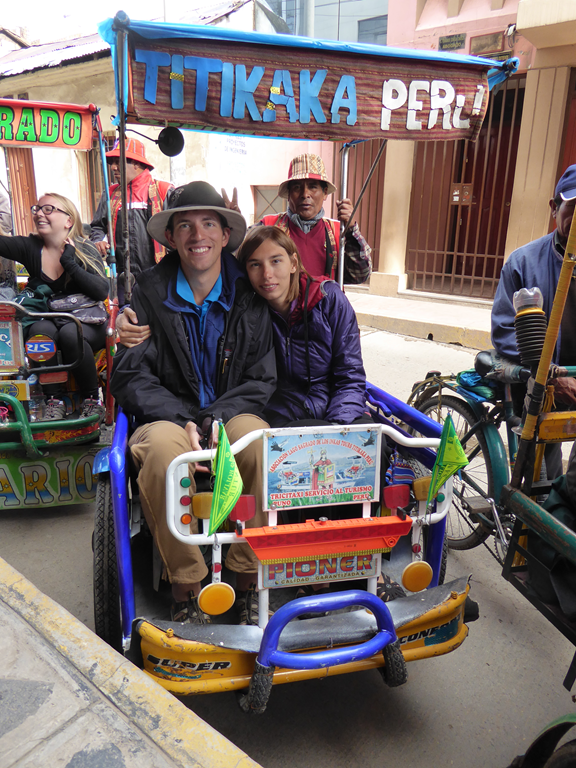
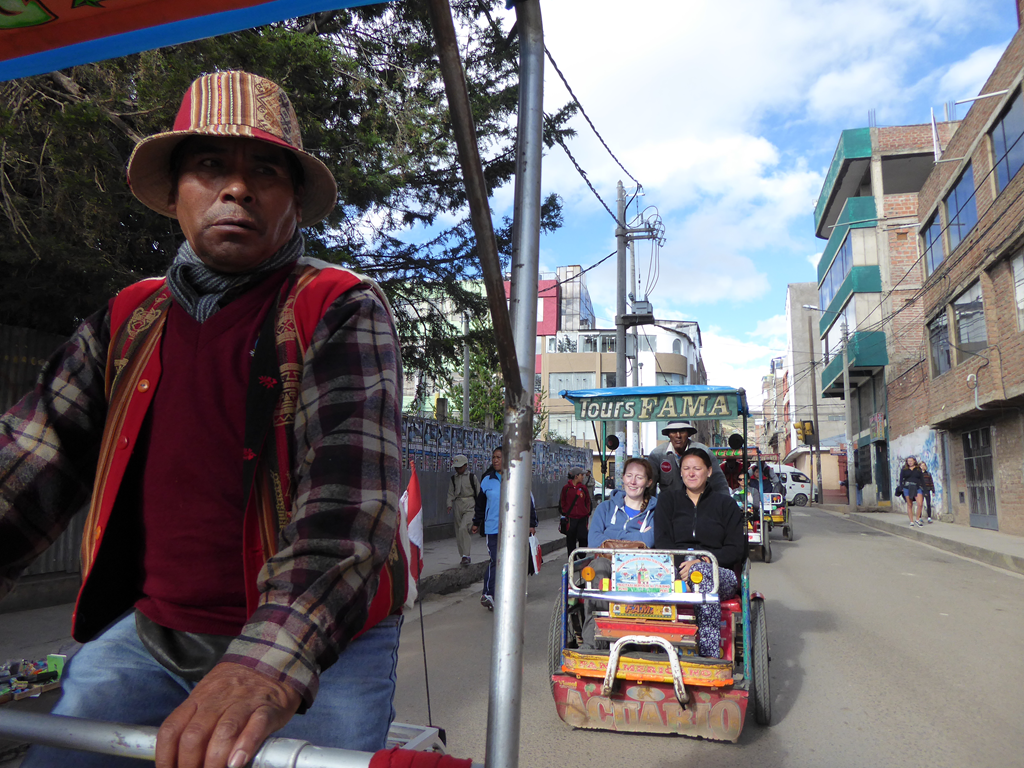
    Puno is a city on Lake Titicaca.

    image

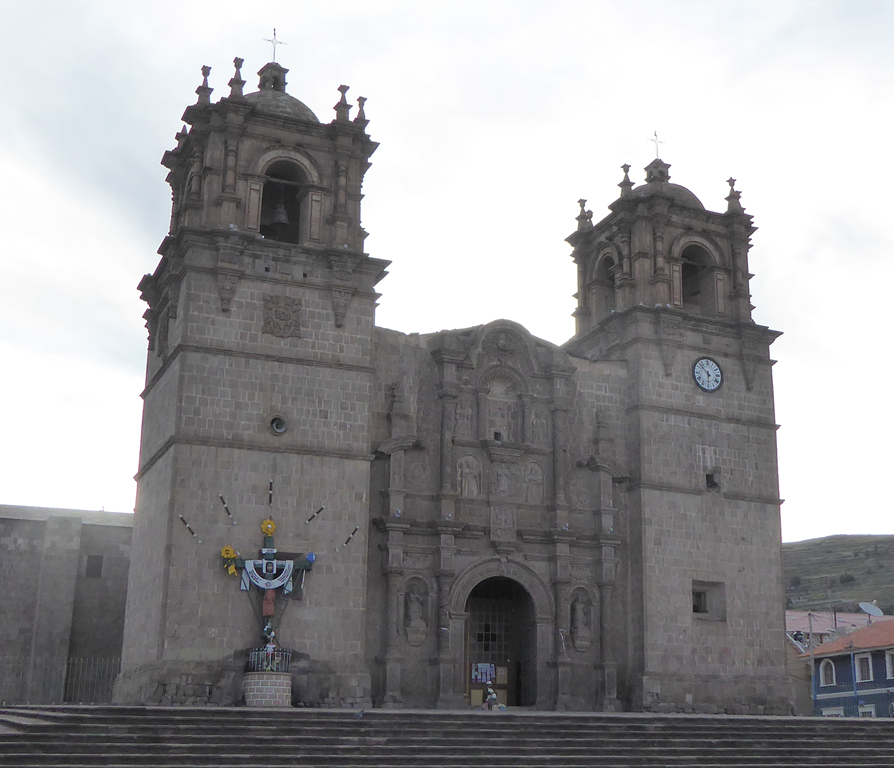
    It has a church.

    image

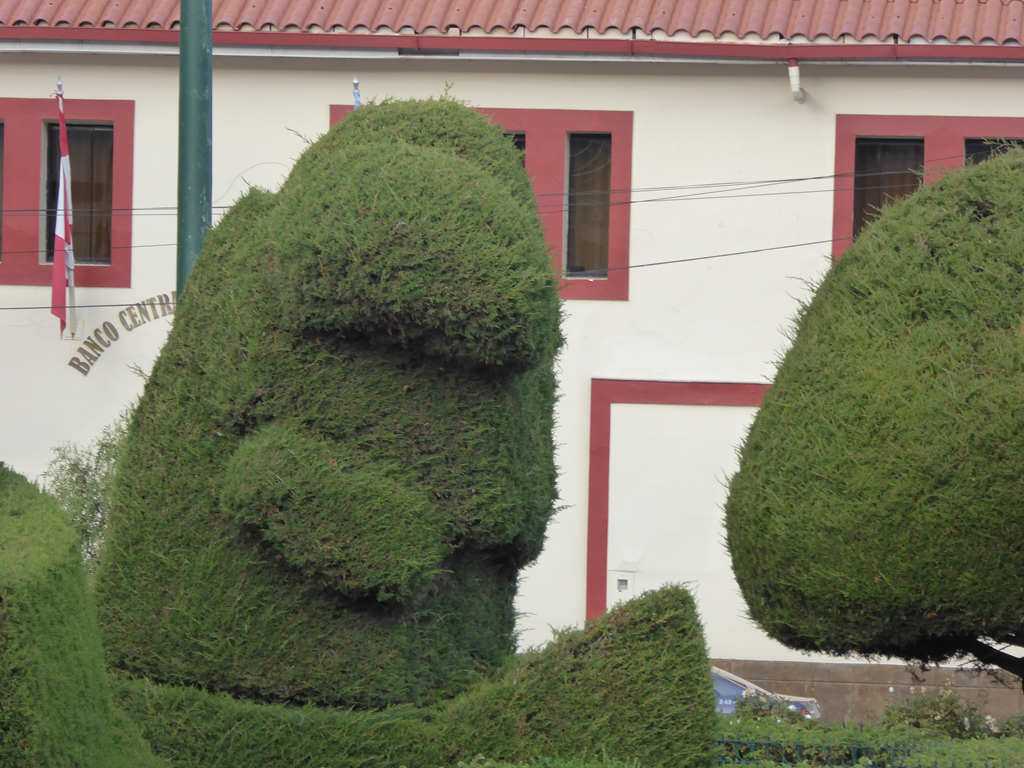
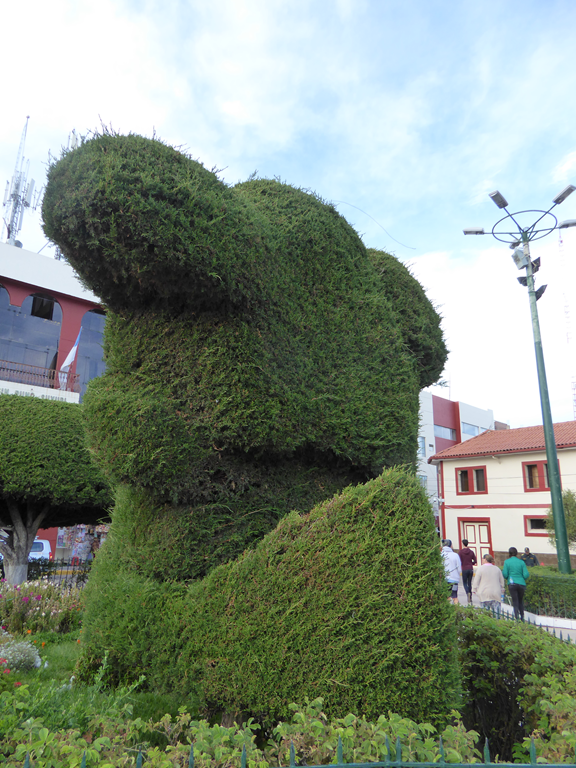
    And shrub heads.

    image

    With big noses.

    image

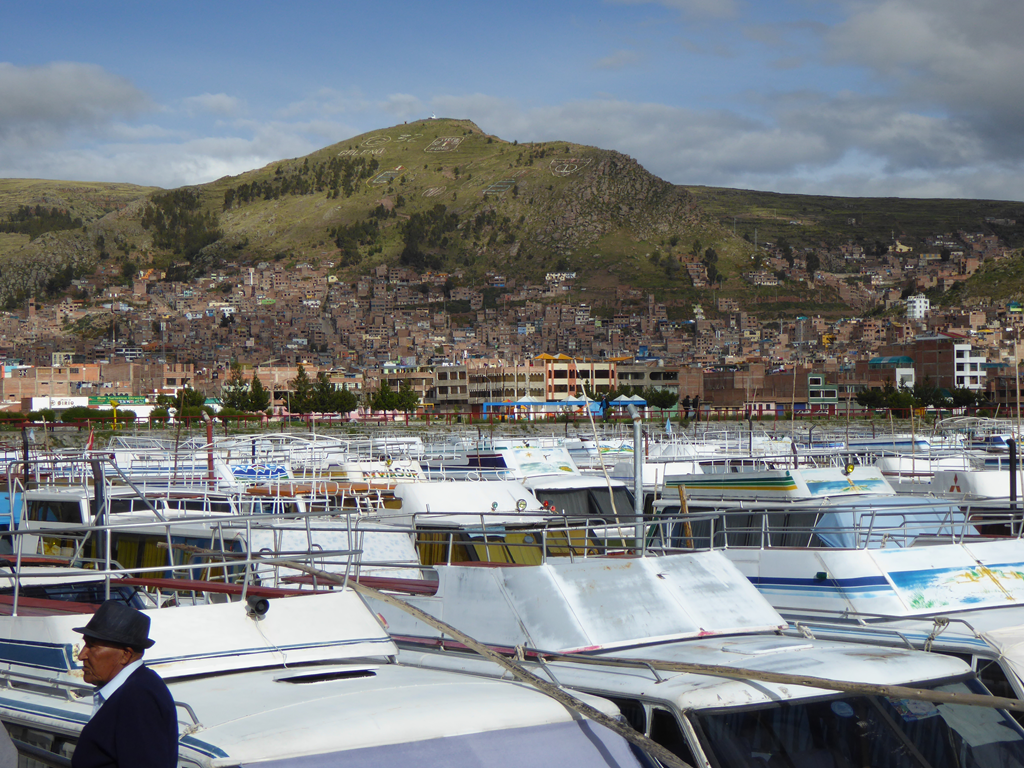
    There isn’t really that much in Puno other than the docks to go out onto the lake, but that is another adventure.