• Tagus Cove

    We started the day with another hike on Isabella.

    image

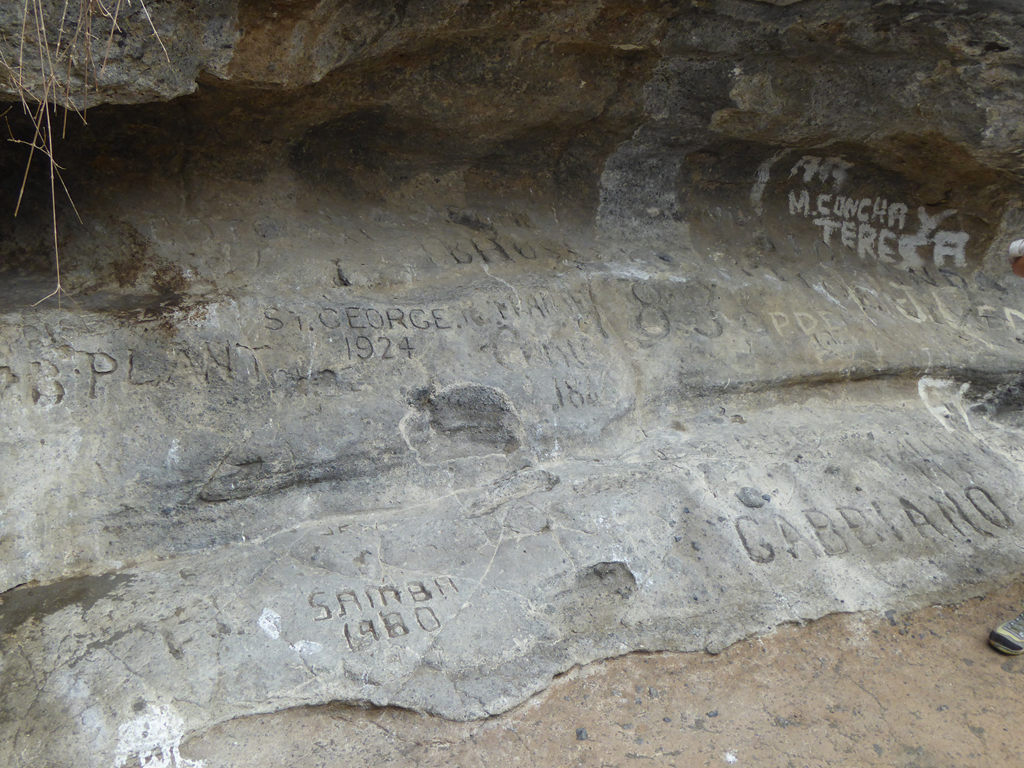
    We had anchored in a protected cove that was used by pirates over 300 years ago because the island is tall enough to hide sails from almost all directions. There was graffiti all around us, some dating back to 1836.

    image

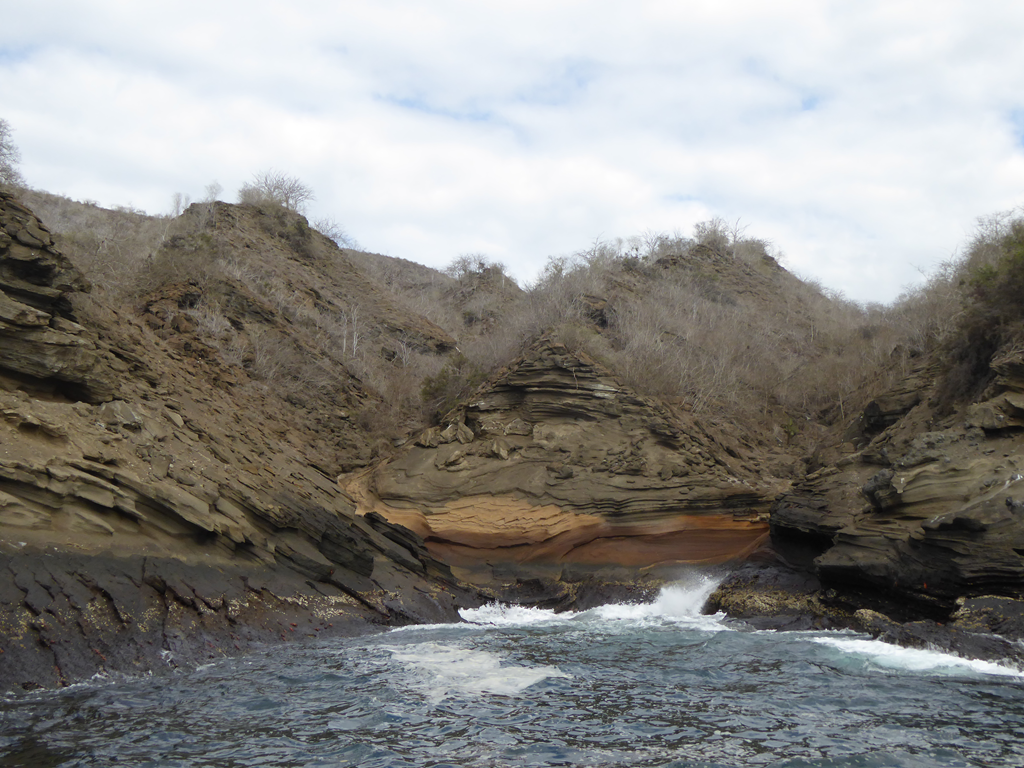
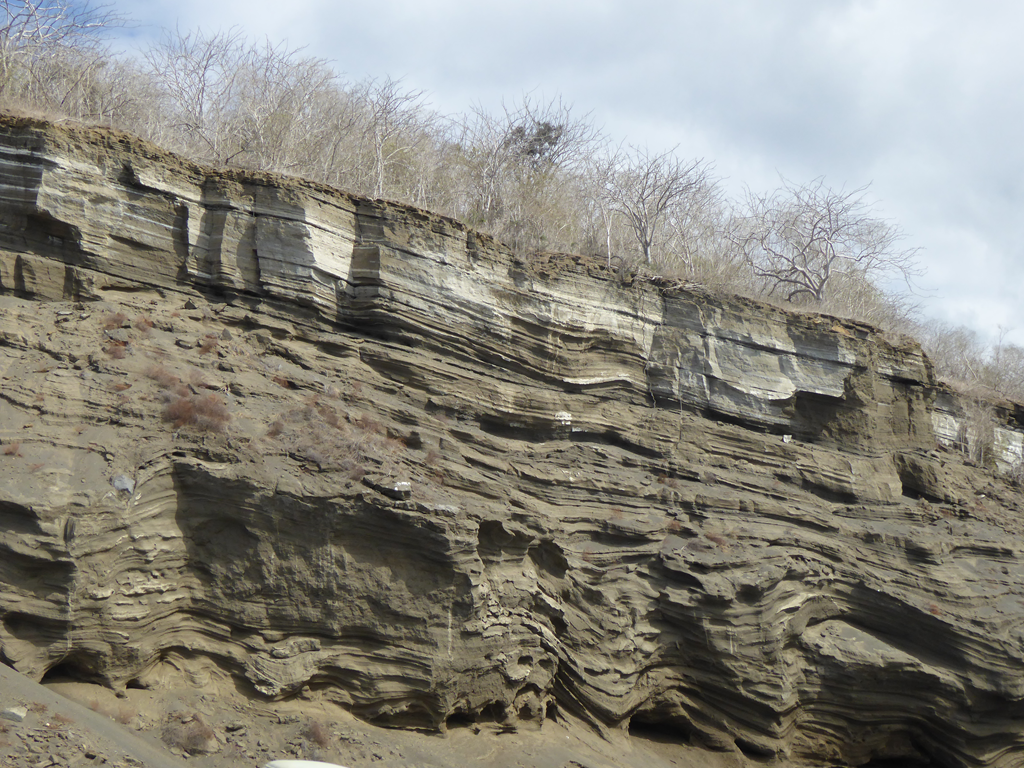
    The walls are made up of thin layers of volcanic ash.

    image

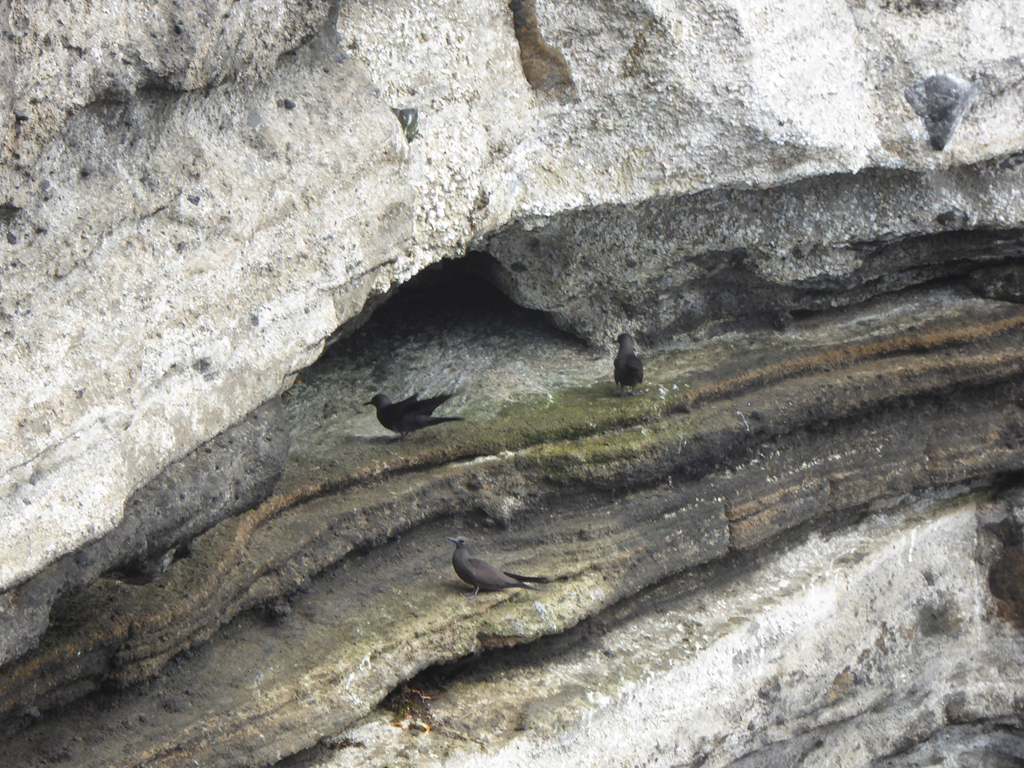
    Noddy terns were nesting under the overhangs.

    image

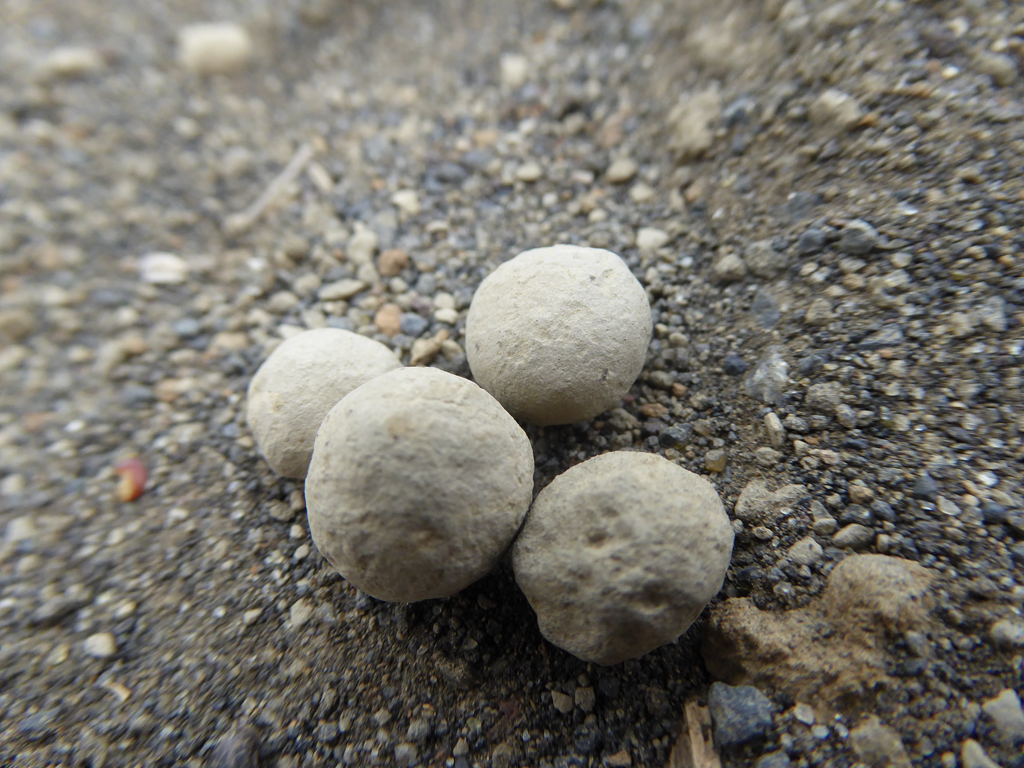
    Along the way there were these hard balls of ash, that Matt insists are called “”not the pumice stones those other things”. They form kind of like hail, high in the atmosphere, but from volcanic ash.

    image

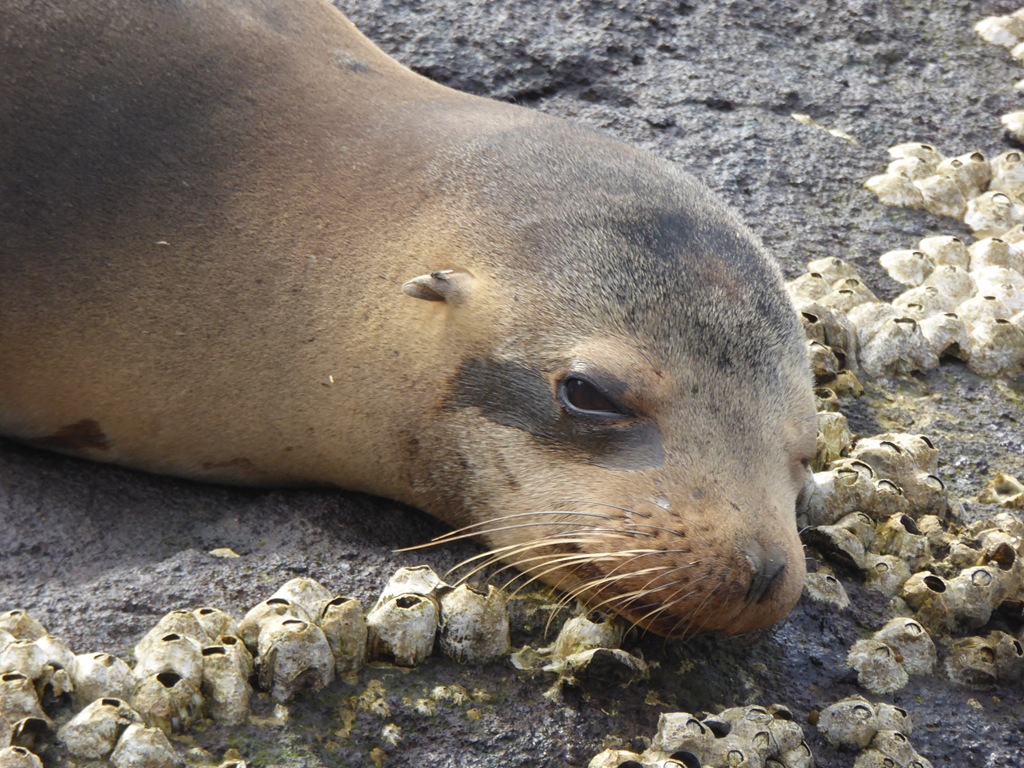
    It is also a hangout place for bachelor sea lions.

    image

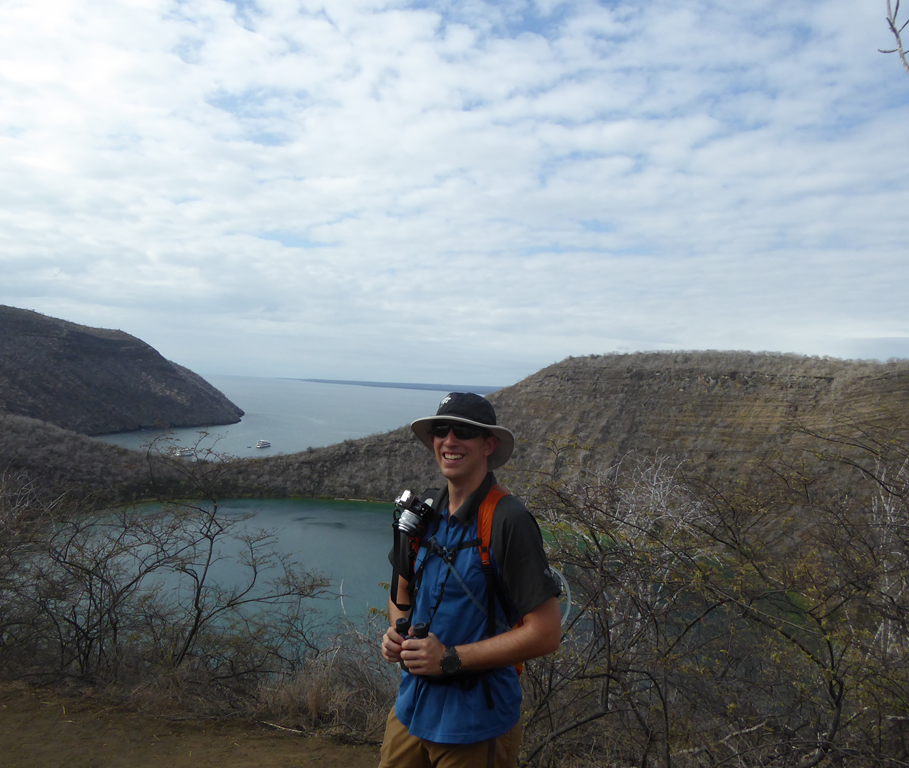
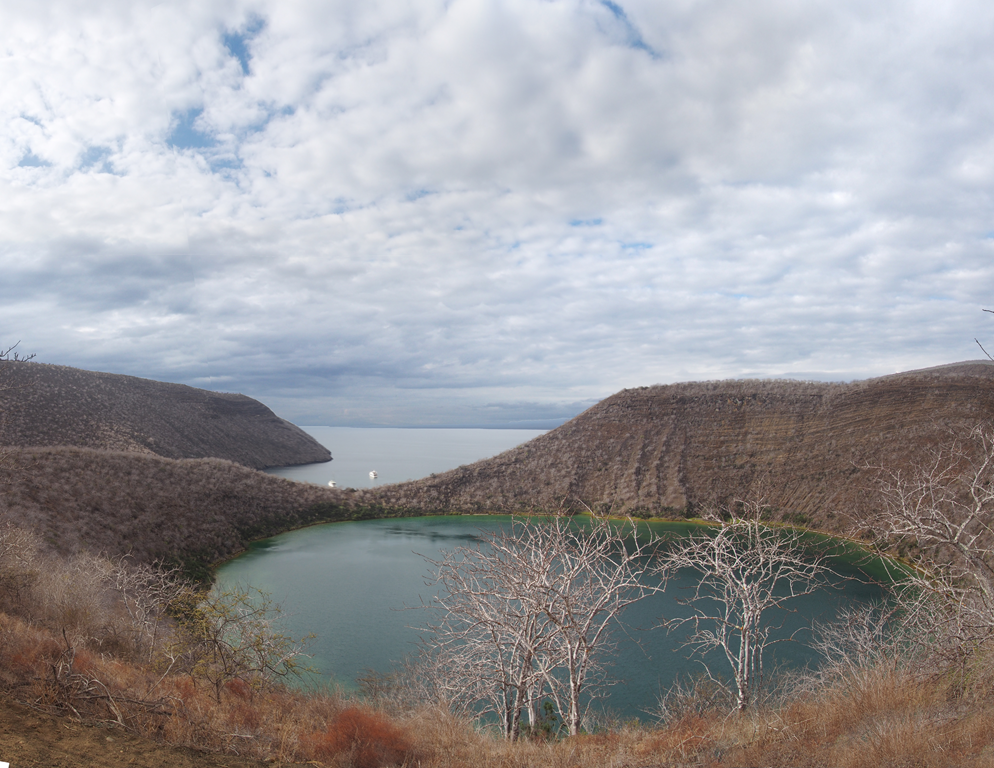
    We came across Darwin Lake, a hypersaline lake that Darwin found during the Voyage of the Beagle.

    image

    The water flows up from the ocean due to salt concentration, but can’t go back. It evaporates in the lake, further concentrating the lake.

    image

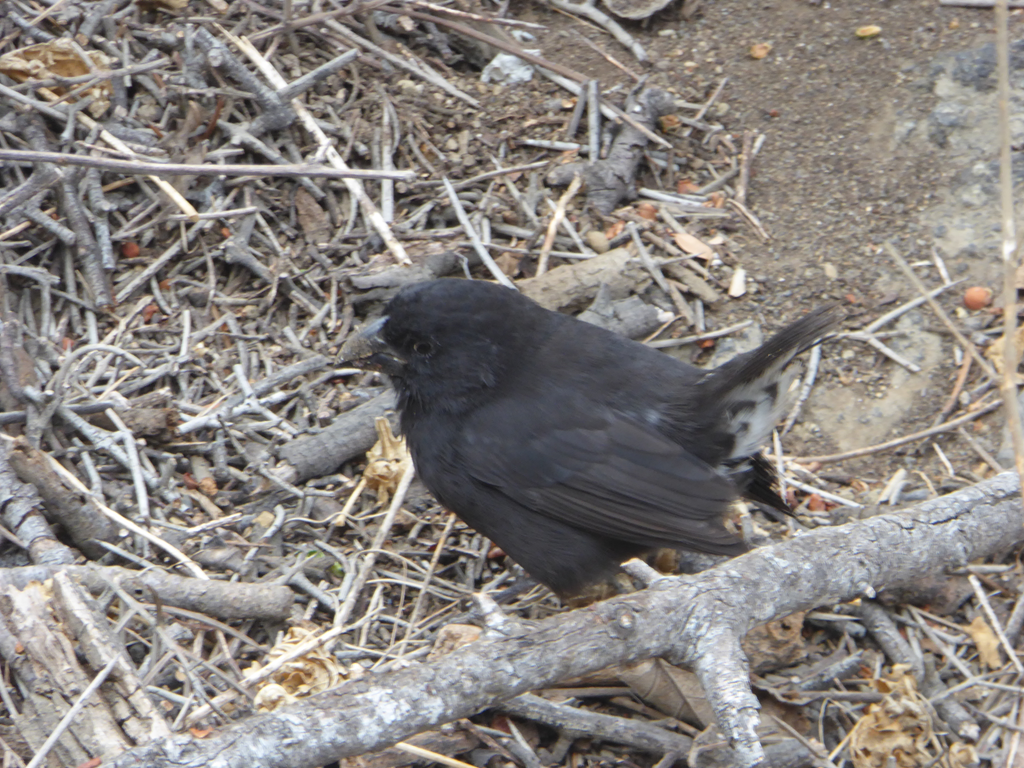
    There was a medium ground finch.

    image

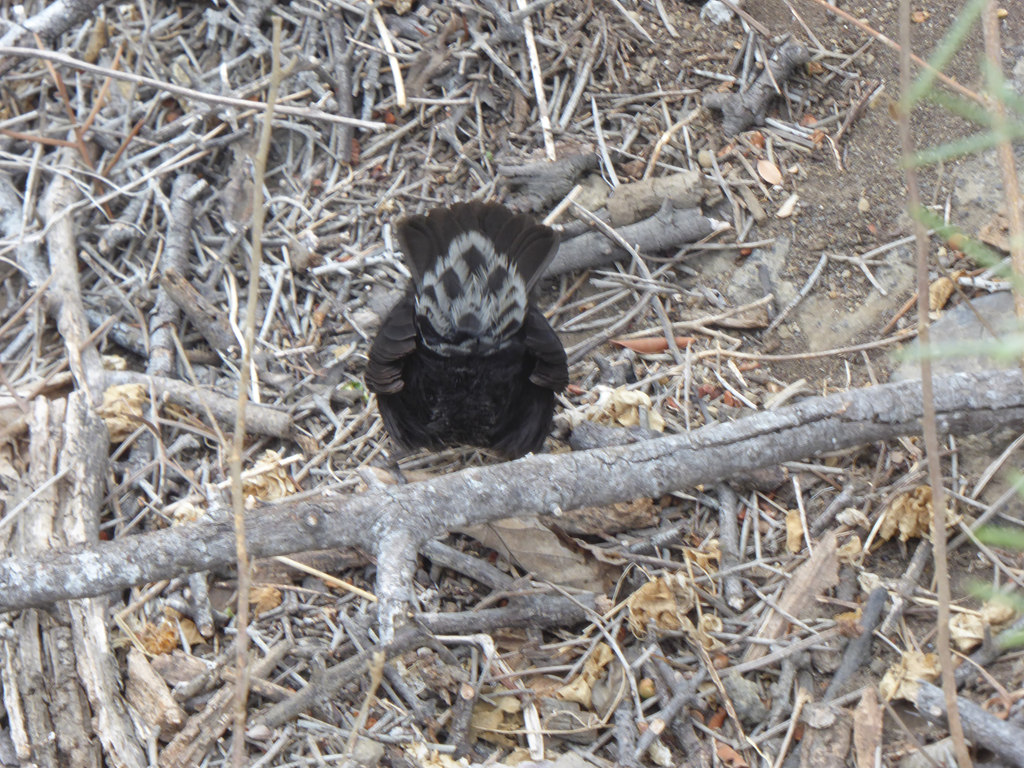
    He had funny tail feathers.

    image

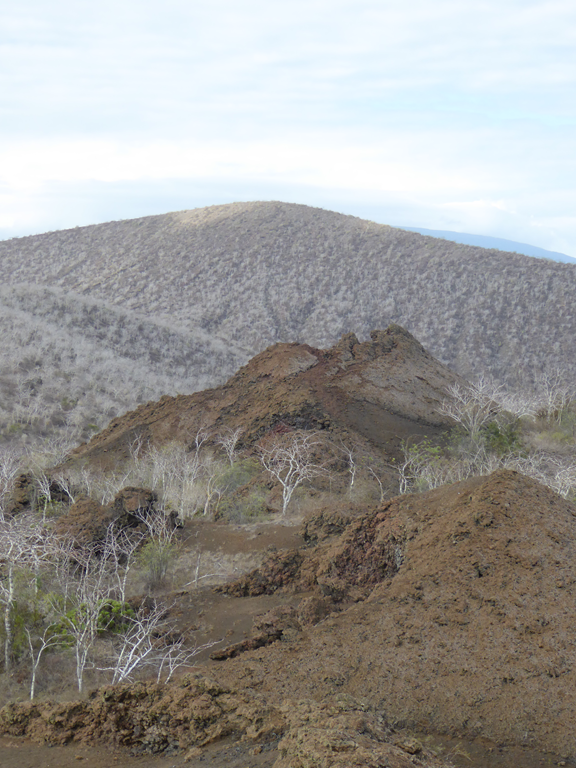
    We walked up to one of the volcano peaks that was formed by sputtering lava and lava bombs.

    image

    It was pretty barren desert, but it is supposed to green up after they have had some rain.

    top_Panorama_2

    The cactus waved goodbye!

    image


  • Snorkelling in Isabella

    The water was very cold here (18C) and a 3 mm wetsuit was still not enough to keep warm. The current that brought the penguins up from Antarctica brings the cold water with it. Although with the cold water you see different species than in the warmer water of the east.

    P2030146

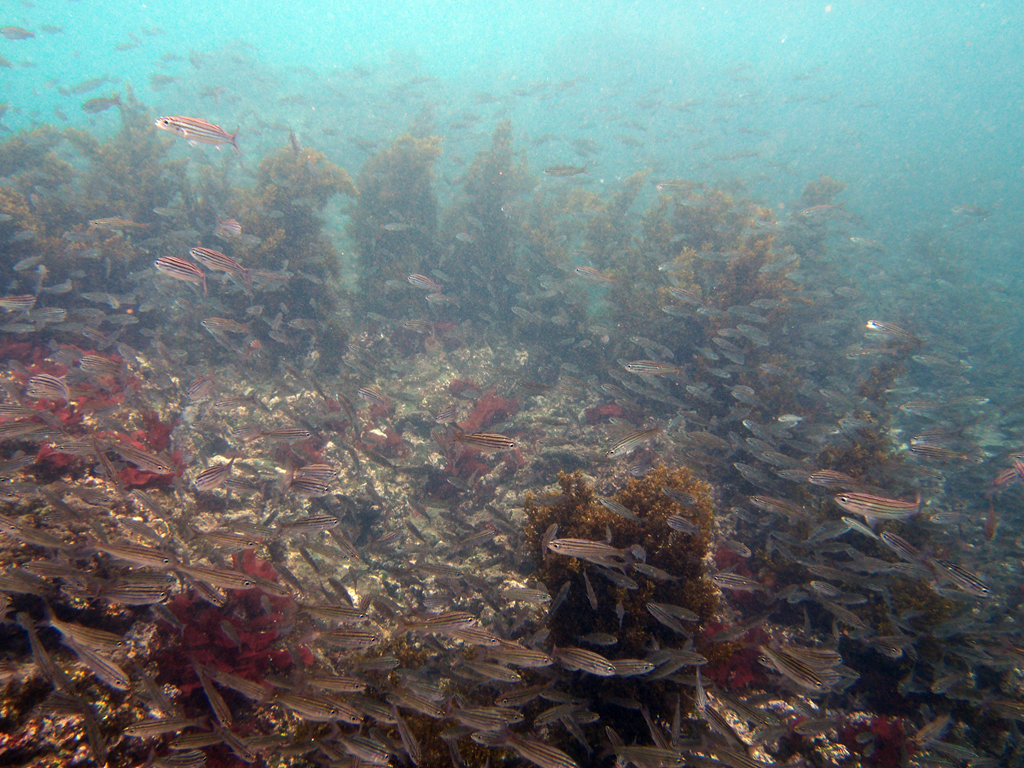
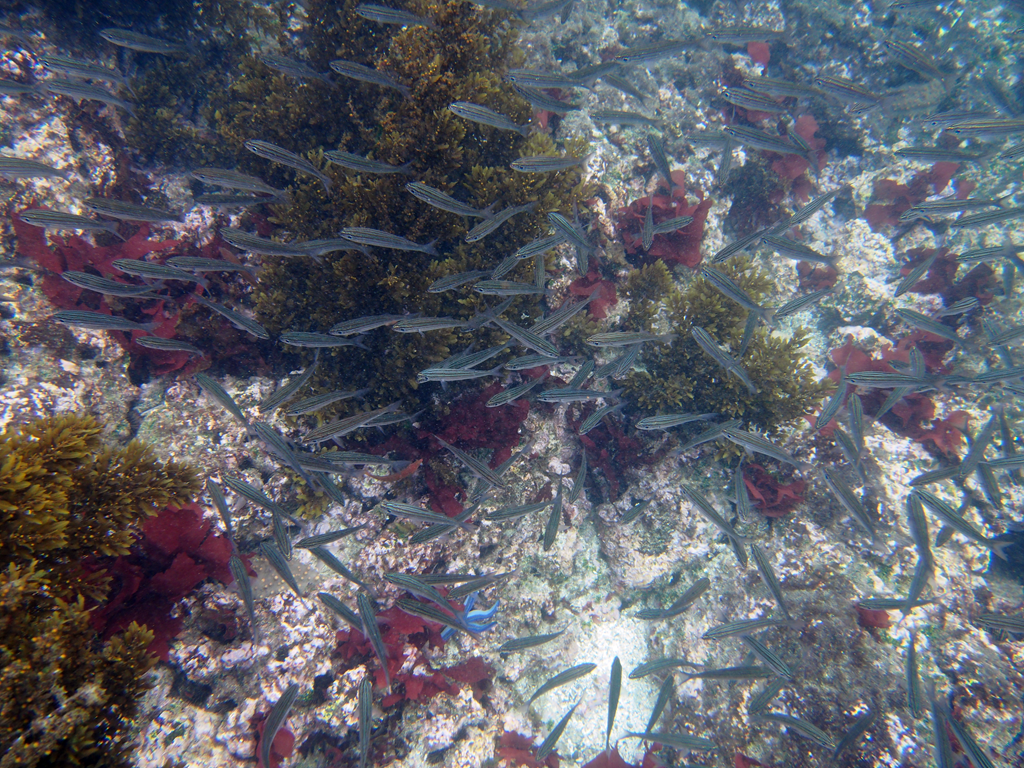
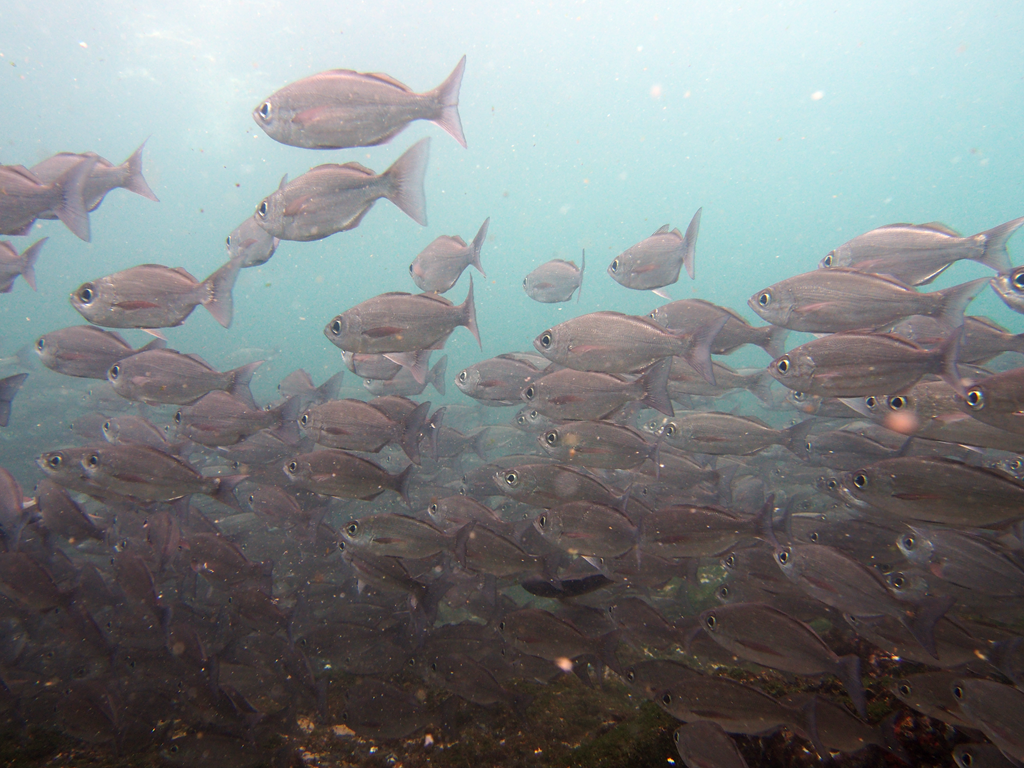
    Again there were large schools of fish. P2030147There were a few bright blue starfish as well but it was rather cold to dive down to them. P2030150

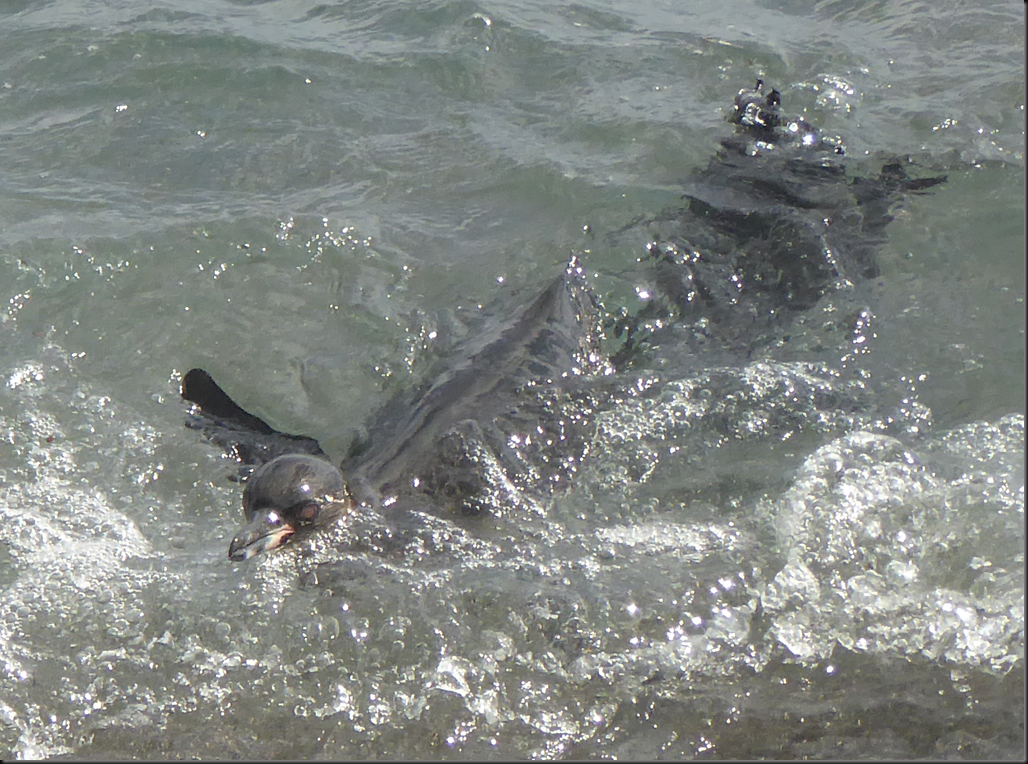
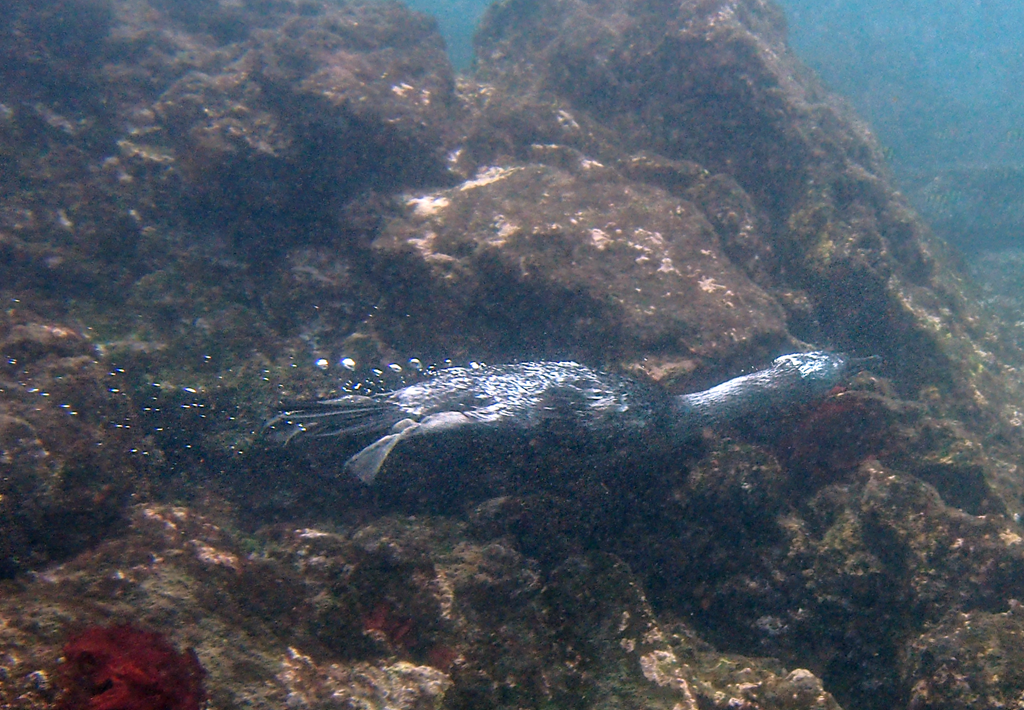
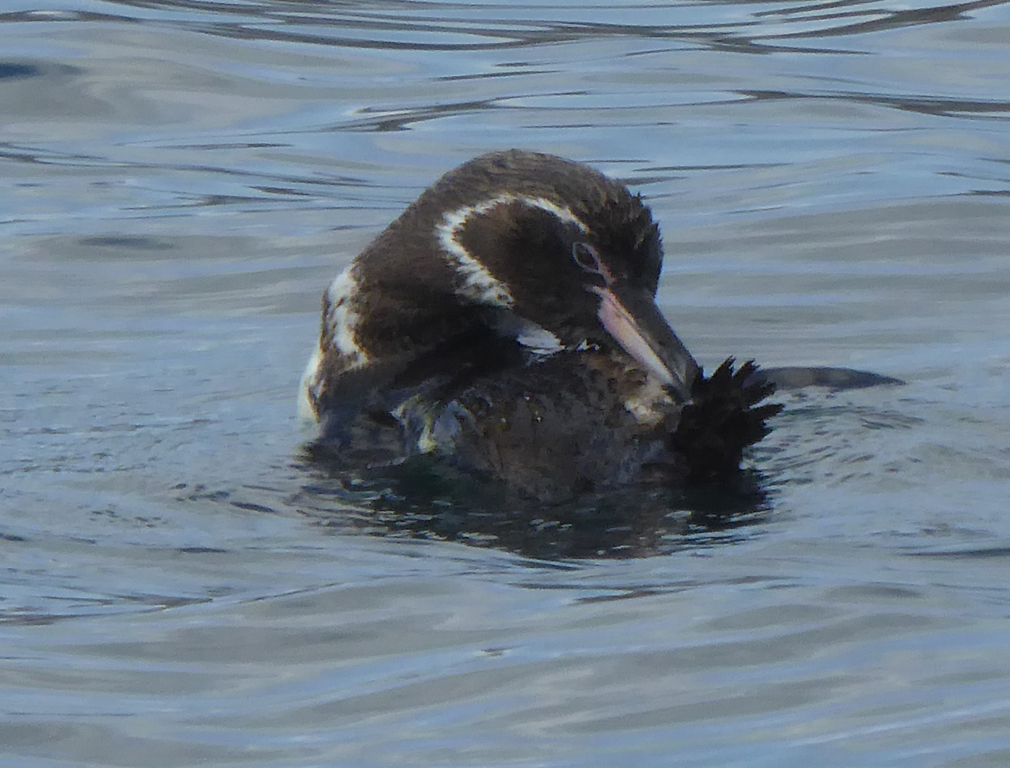
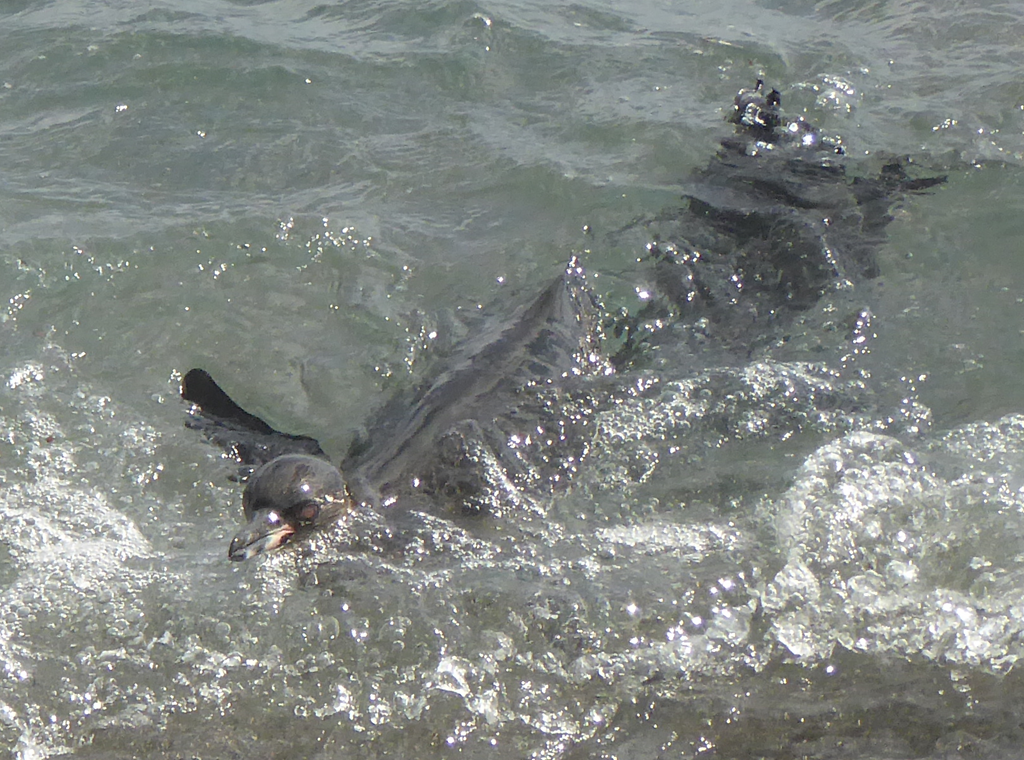
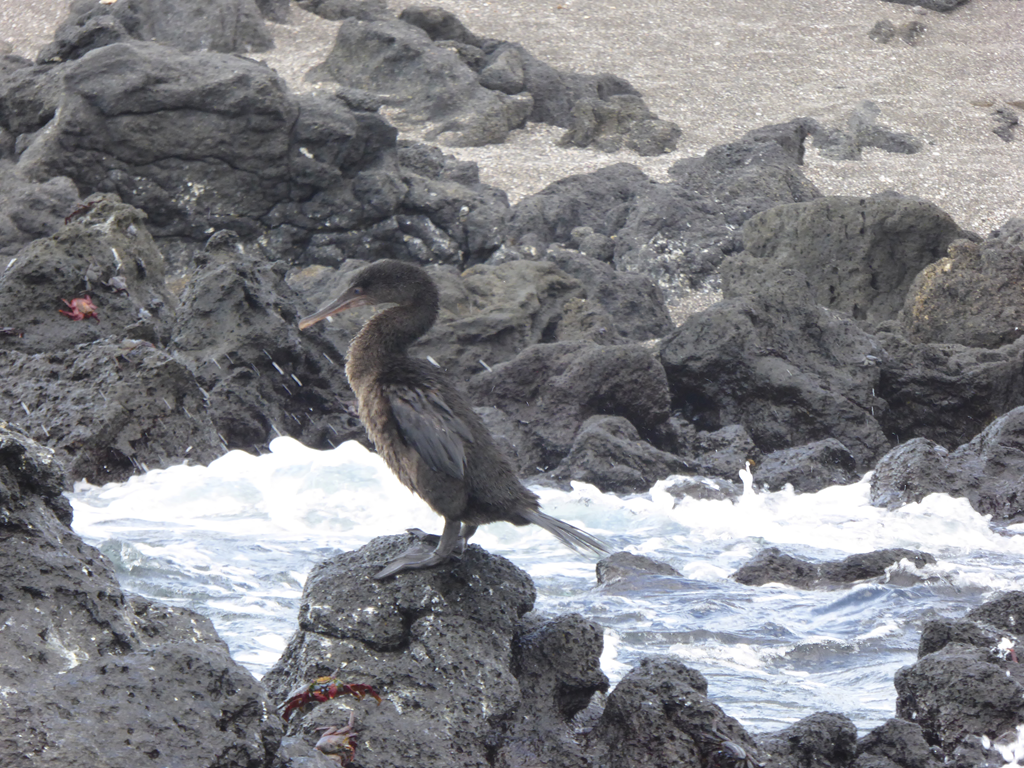
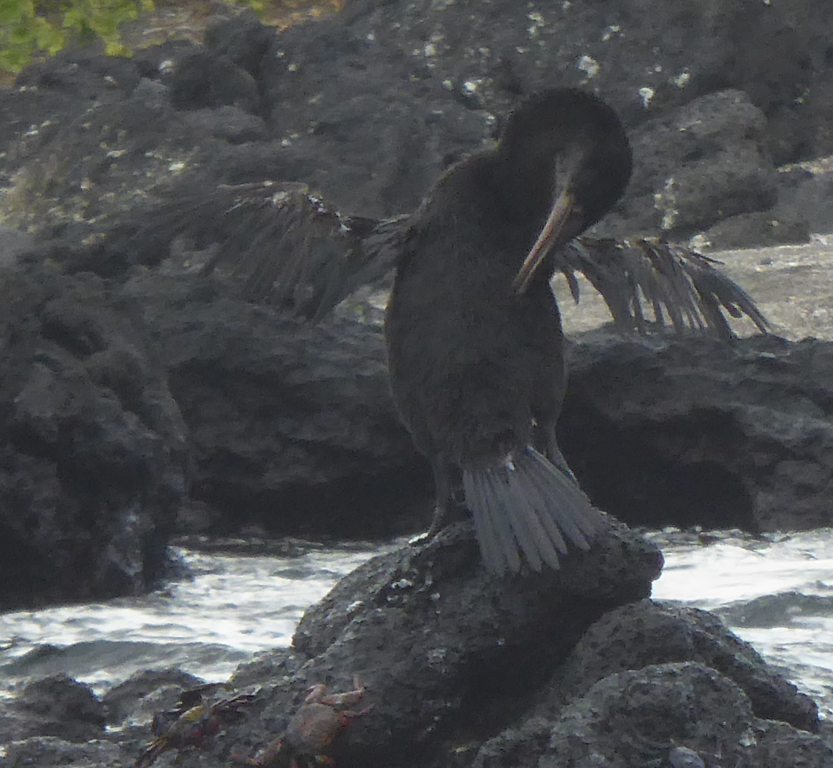
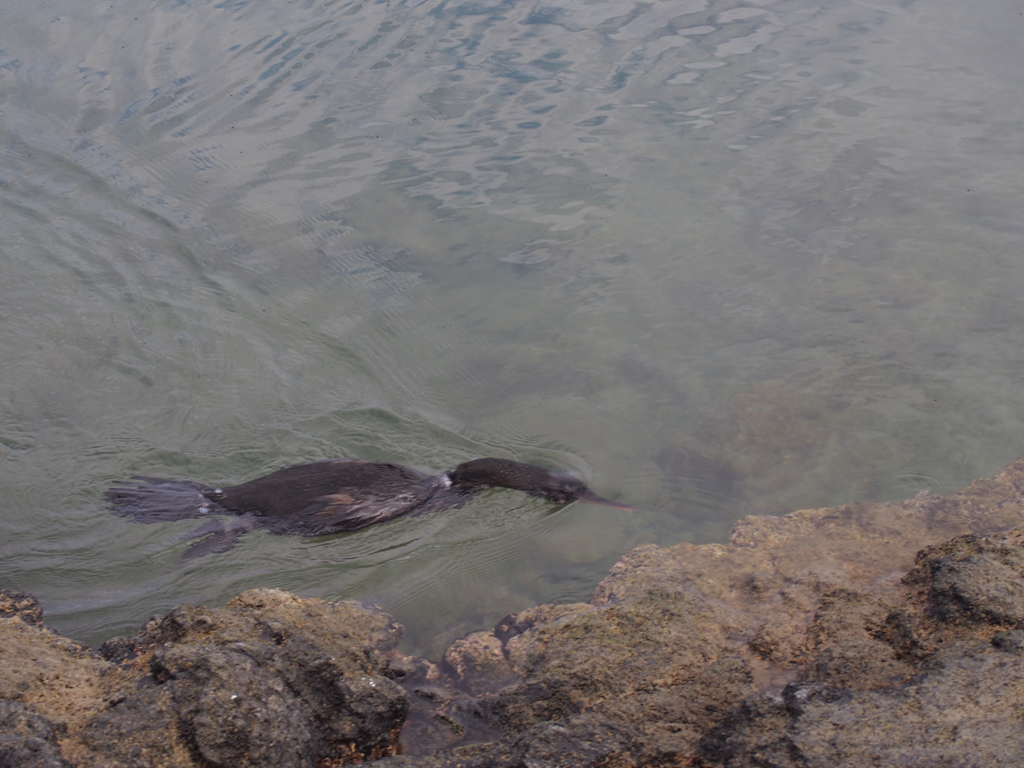
    As you’ve seen before there were flightless comerants hunting for fish. Here we actually saw one under the water. It moved so quick we only got a couple pictures as it passed right by us.

    P2030154

    You can see its large legs are what is propelling it through the water.

    P2030155


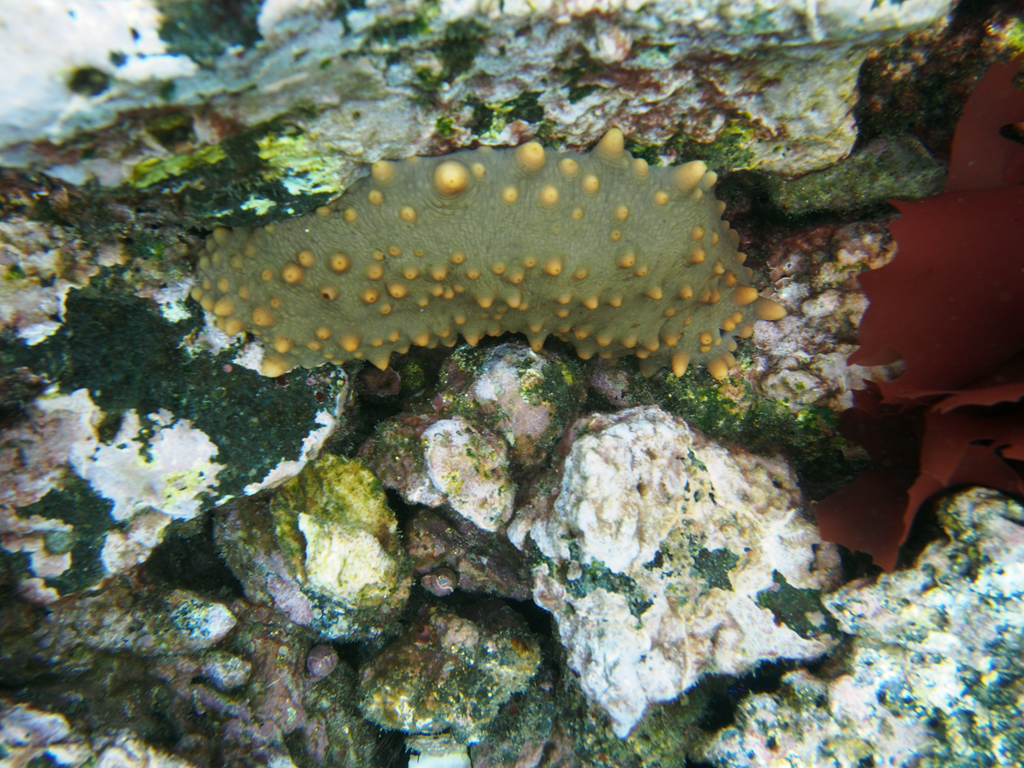
    There were a number of sea cucumbers, these happen to be the easiest to spot with their bright coloured spots.

    P2030163

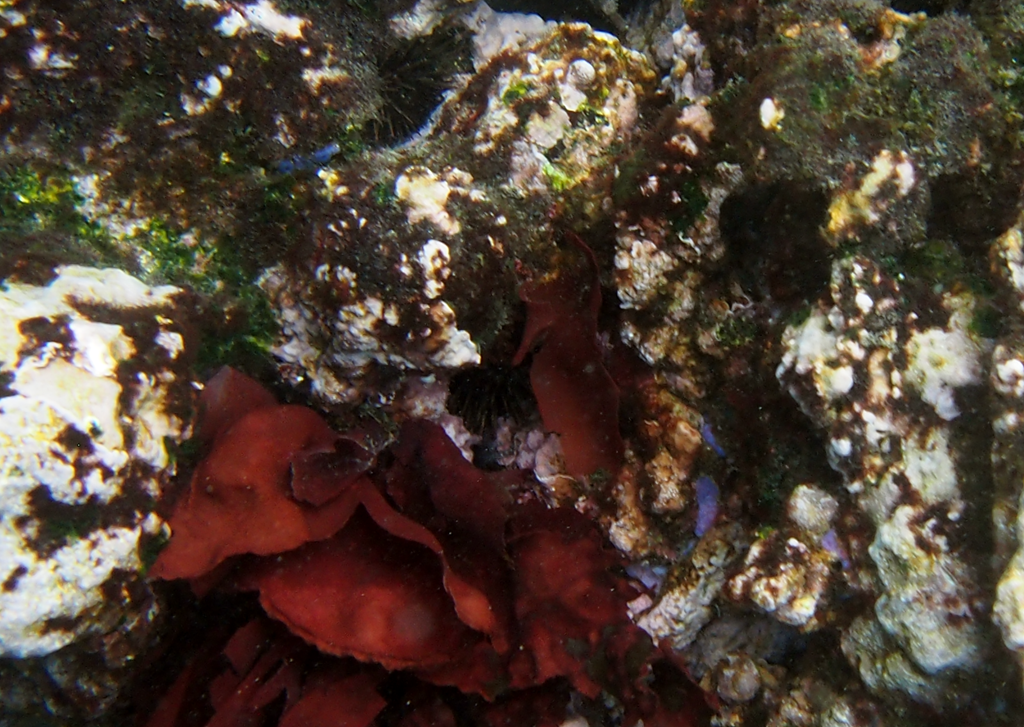
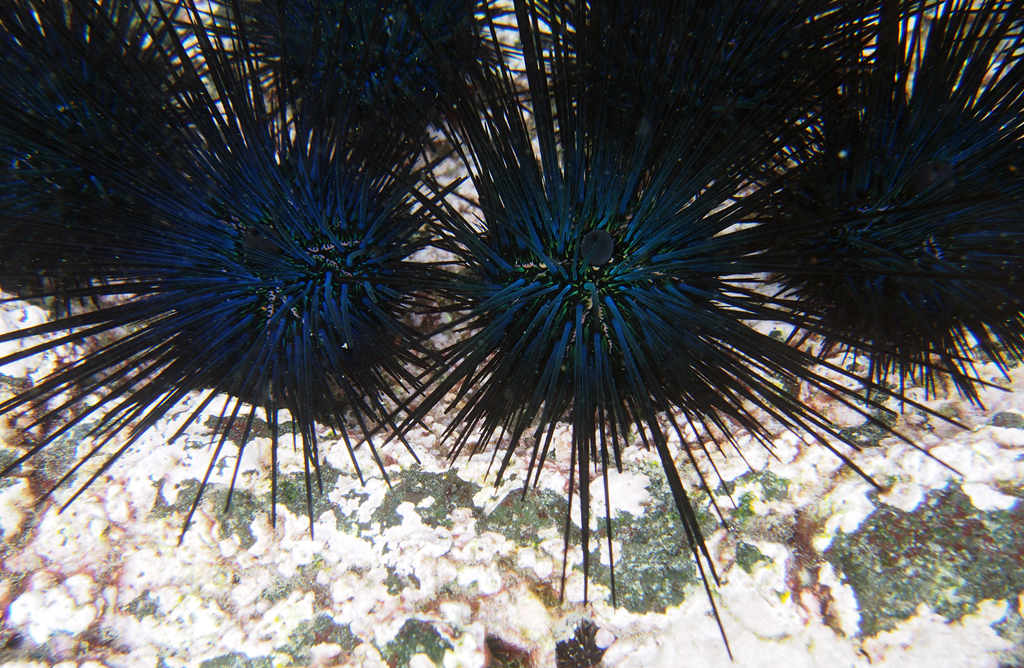
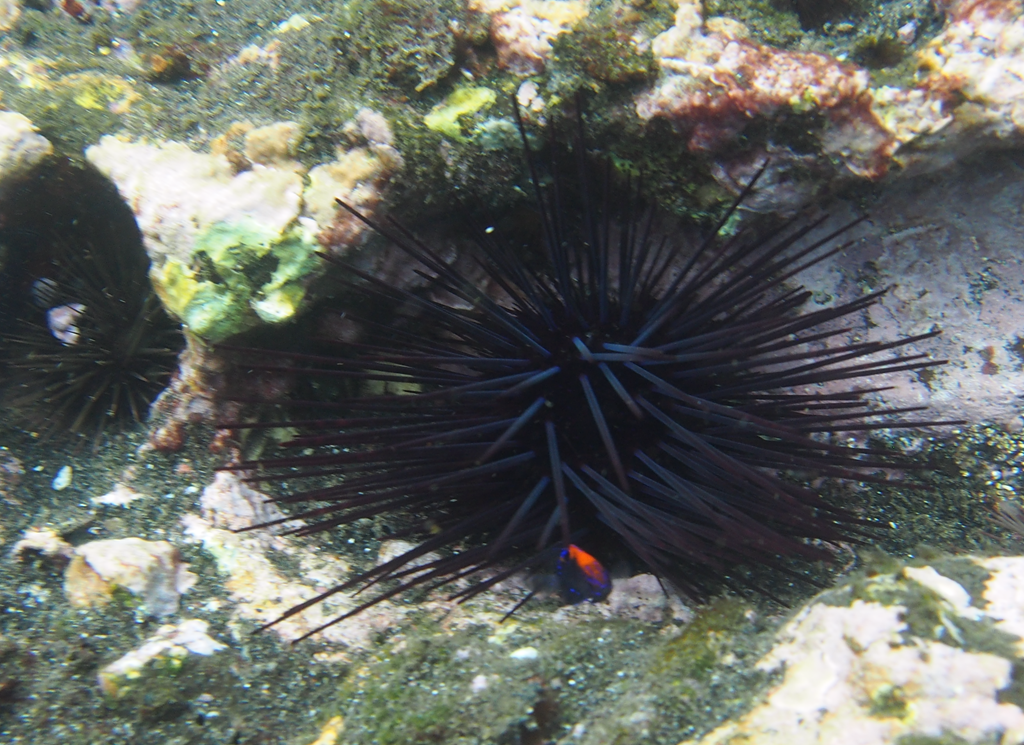
    These urchins looked really neat as you looked close they had bright blues and greens close to the bodies.

    P2030165

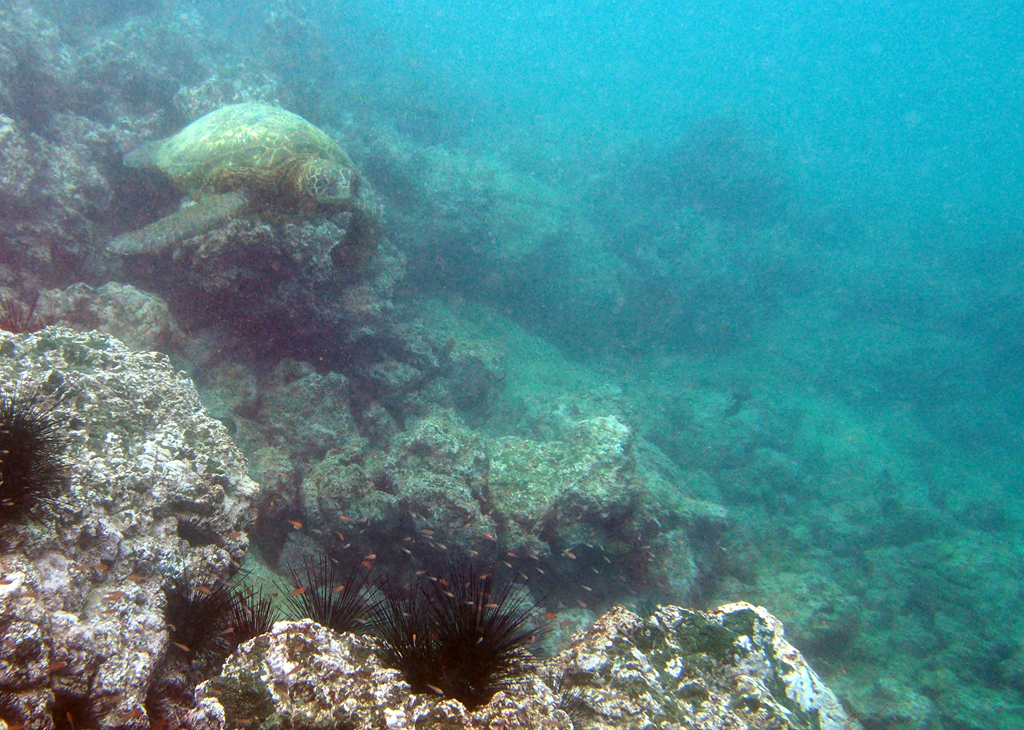
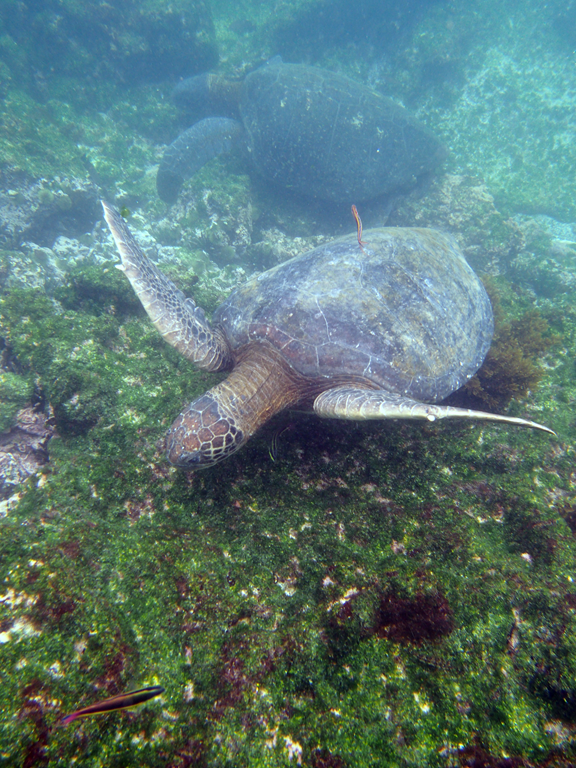
    A sea turtle came in for a visit.

    P2030169

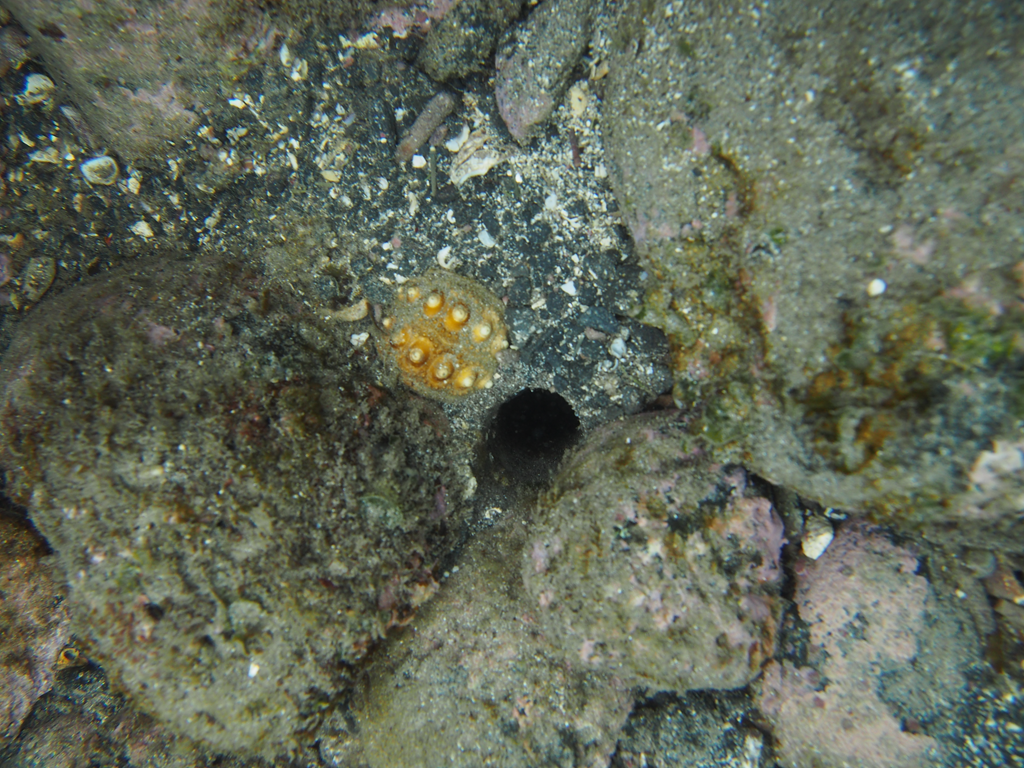
    Not sure what lives in this hole but I wasn’t about to go poking about.

    P2030178


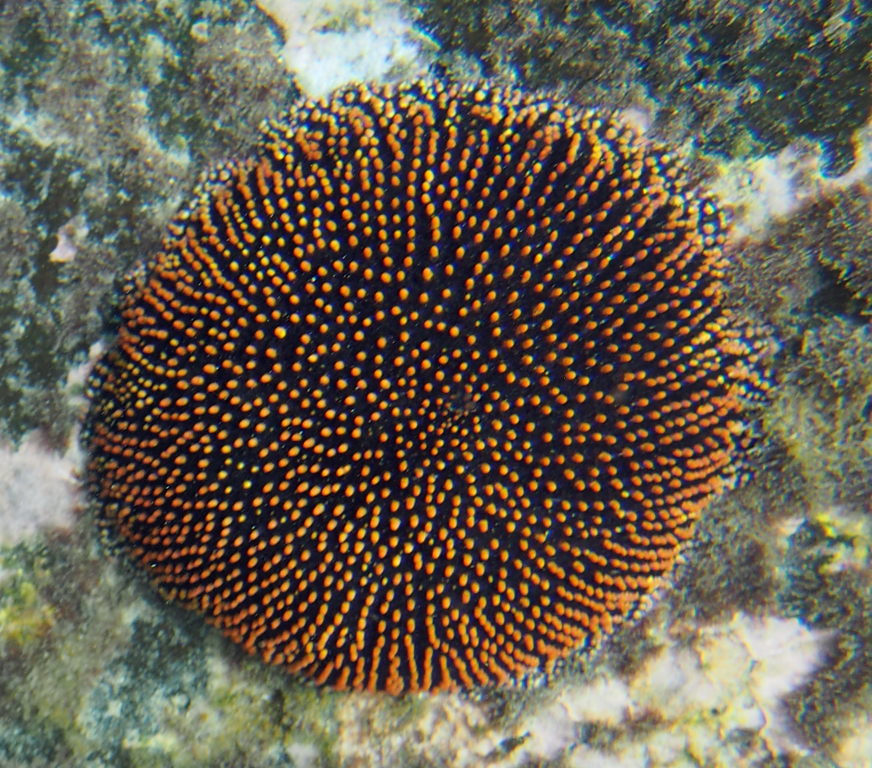
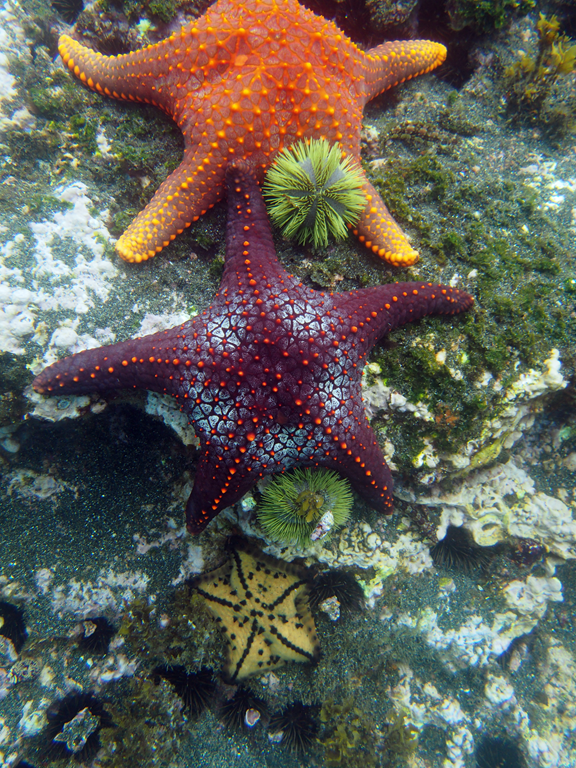
    This is actually a sea star, but instead of 5 legs it has more than 30.

    P2030188

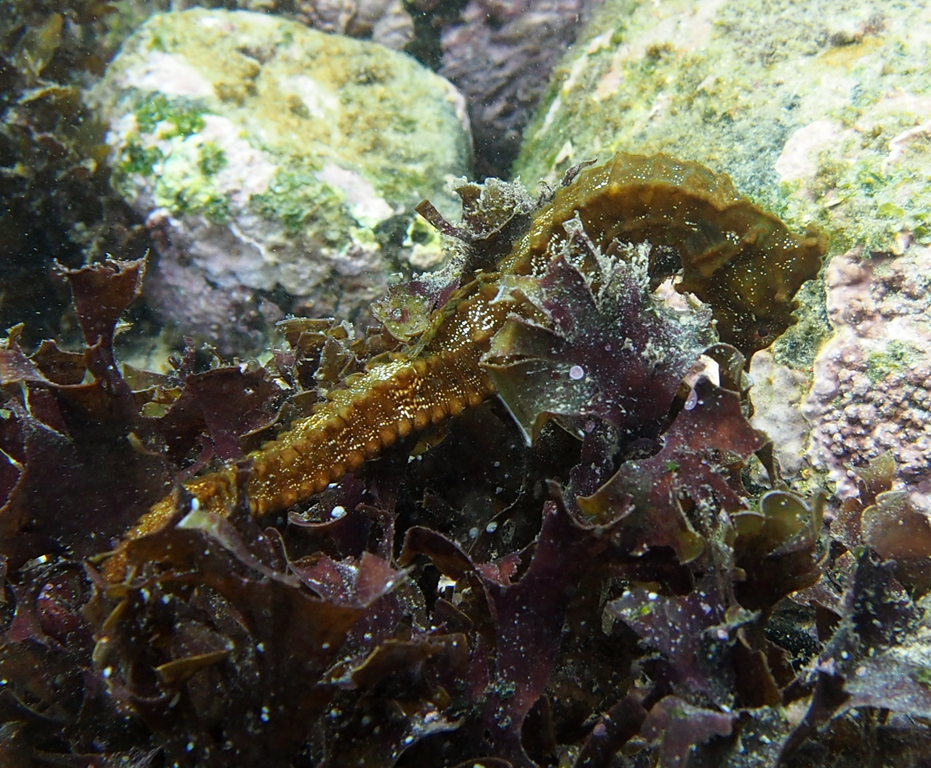
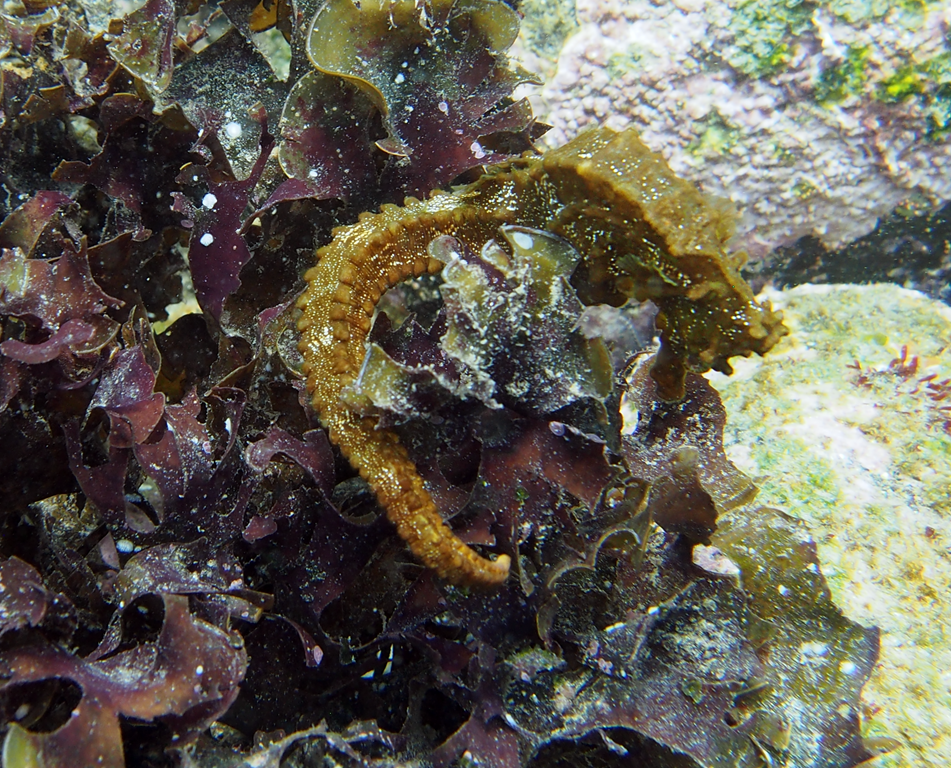
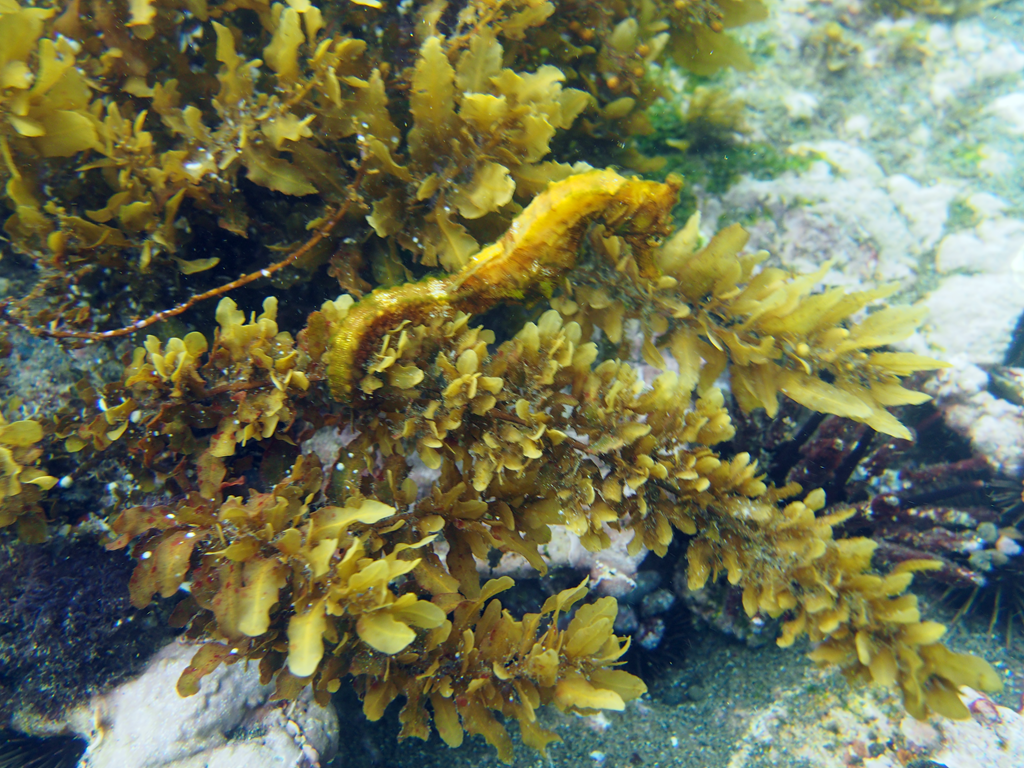
    Matt’s second highlight of snorkelling that day was finding a seahorse. It was hiding amongst the sea grasses and was spotted as the currents rocked everything back and forth.

    P2030200P2030202

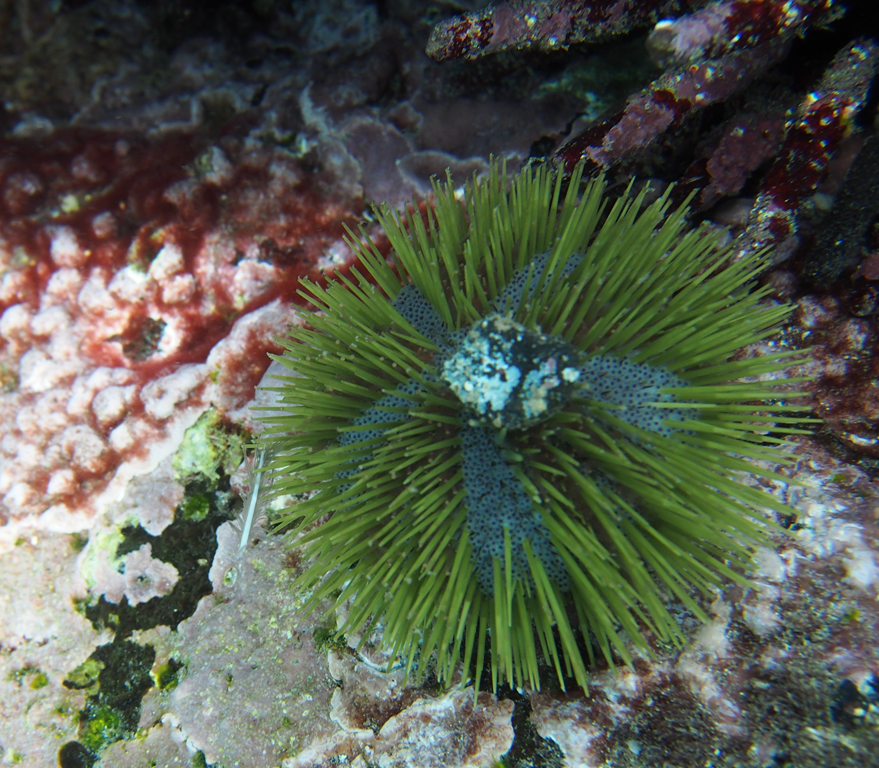
    We also saw a few green urchins, although this one seemed to be missing a few spines.

    P2030209

    P2040089

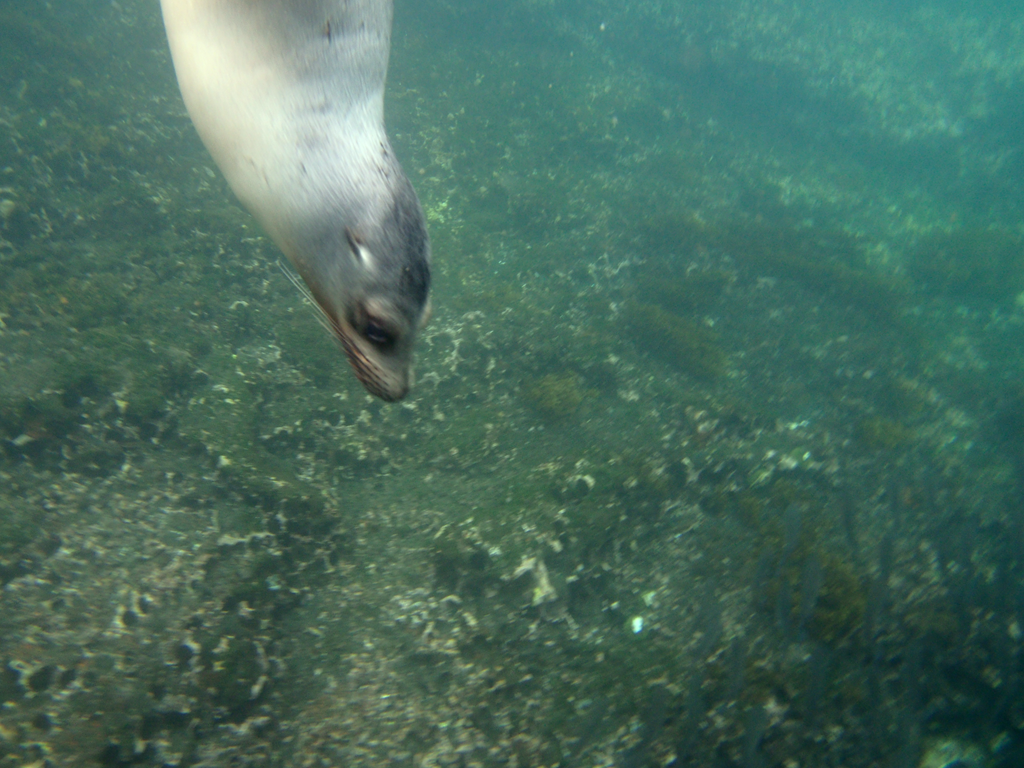
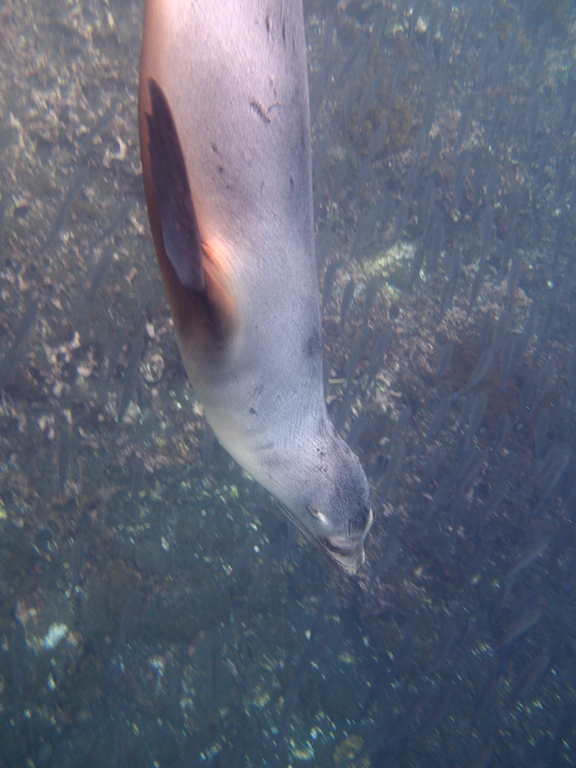
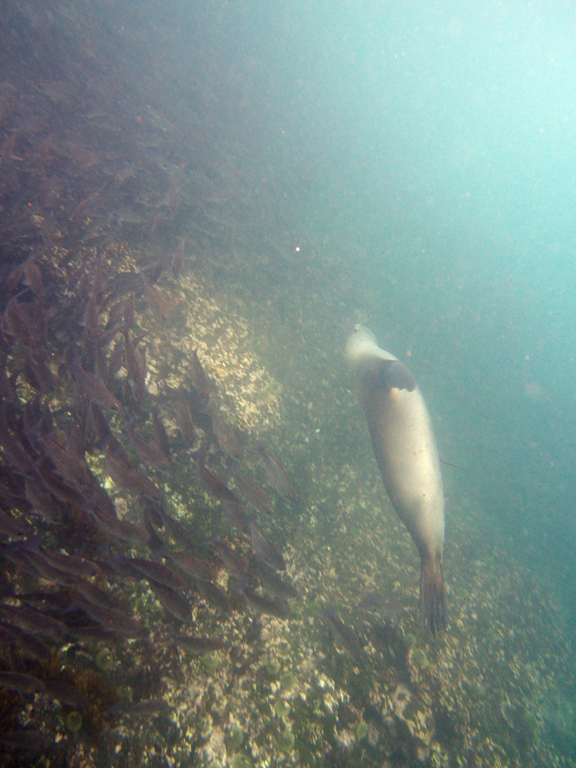
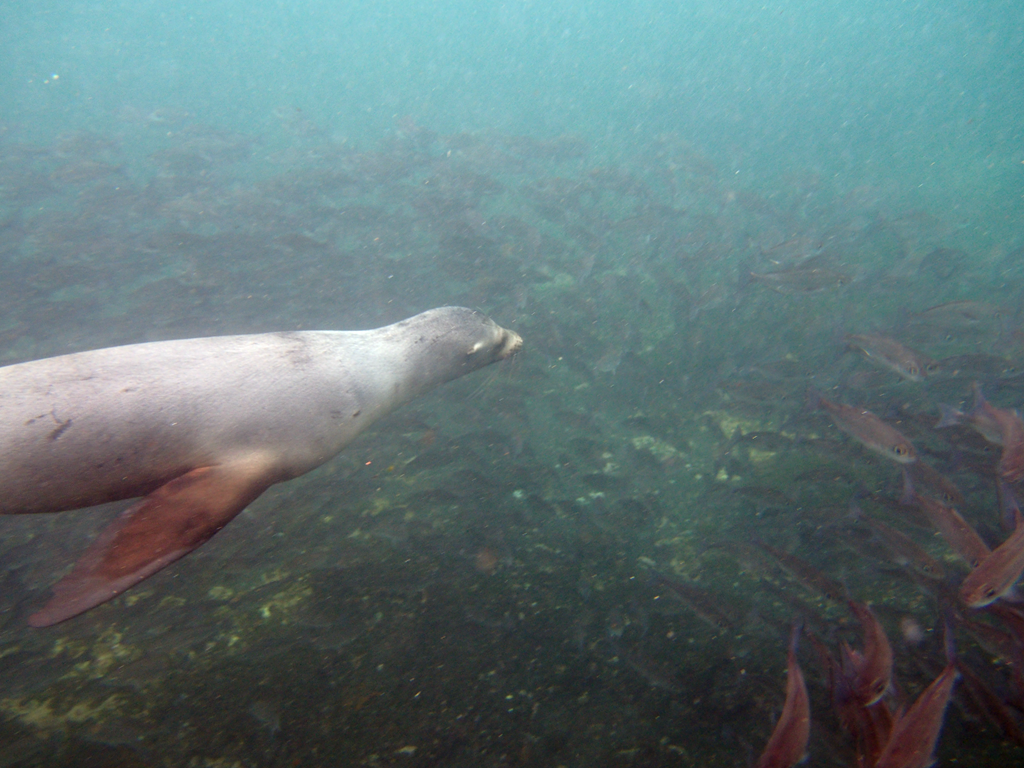
    In addition to all the previous visitors we had a sea lion join us in the cold water.

    P2040095P2040097P2040099

    It never did grab a fish, just chased the school around a bit.

    P2040101P2040102

    There are several different colours of starfish and here you can see the main ones that we saw the most of.

    P2040118

    Another seahorse holding on against the current. Maybe I just got lucky but no one else in the group found one.

    P2040123

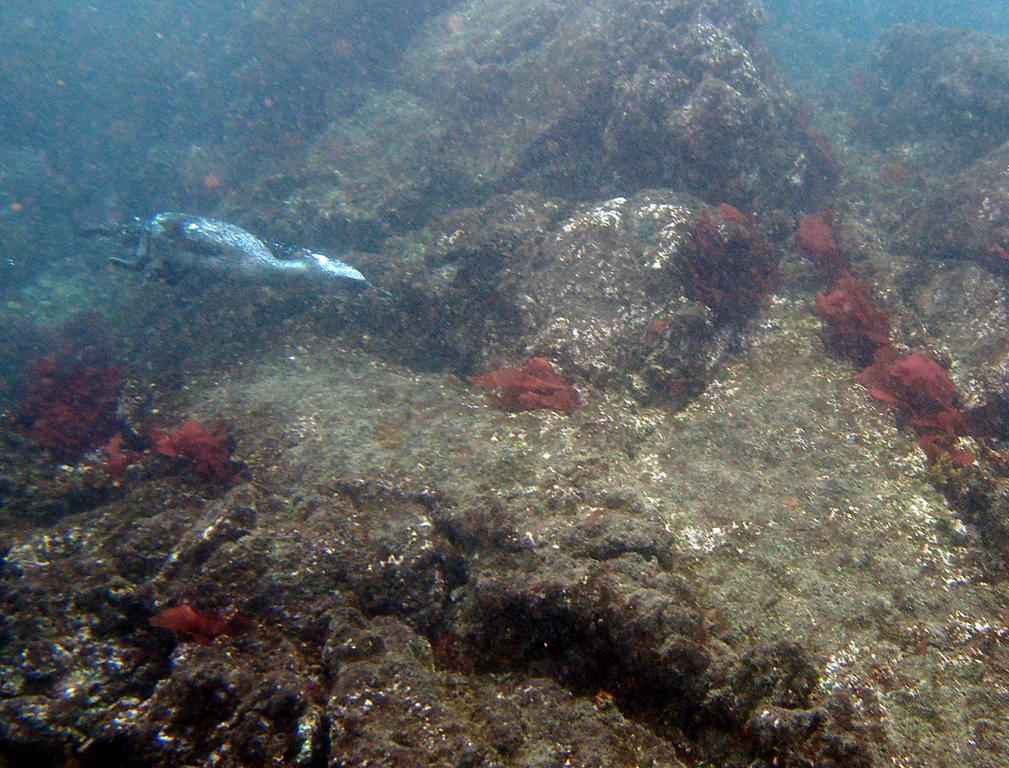
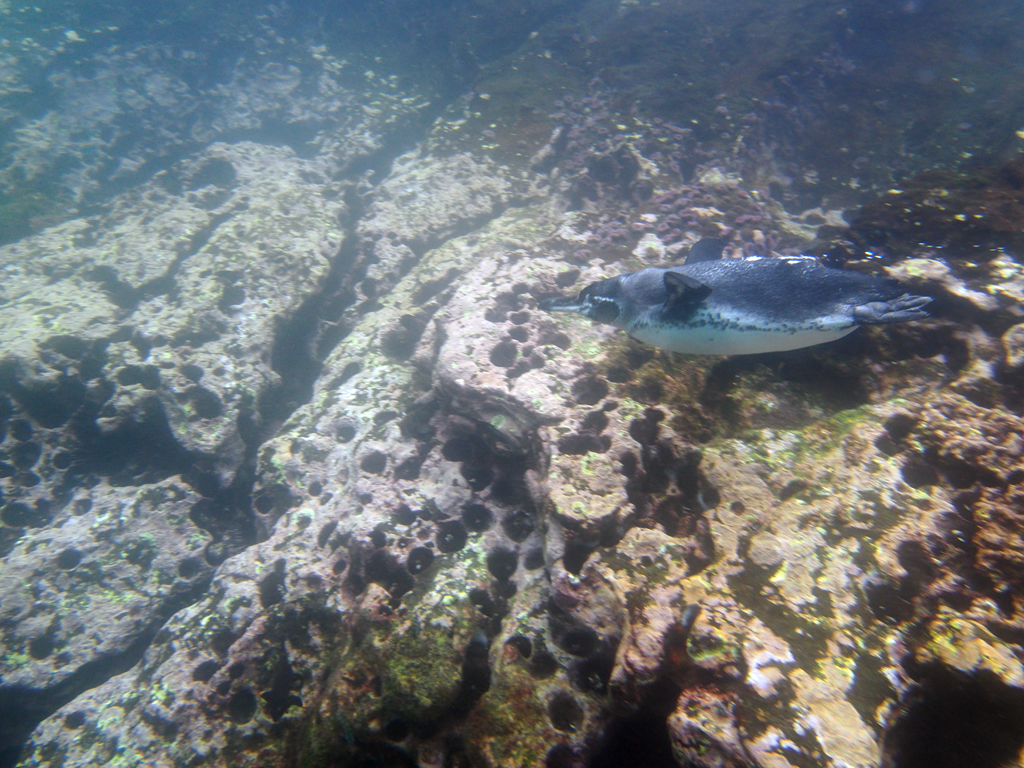
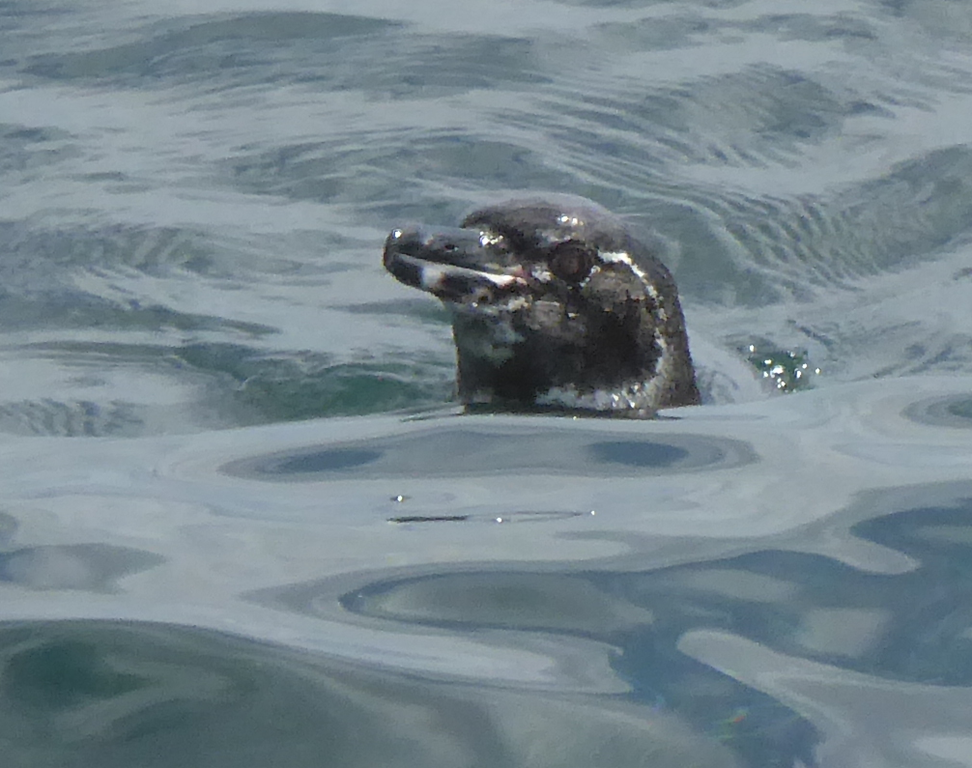
    Very briefly one penguin came down for a swim but was just passing by. They too move quite quick, although with their wings not their feet.

    P2040125P2040126P2040127

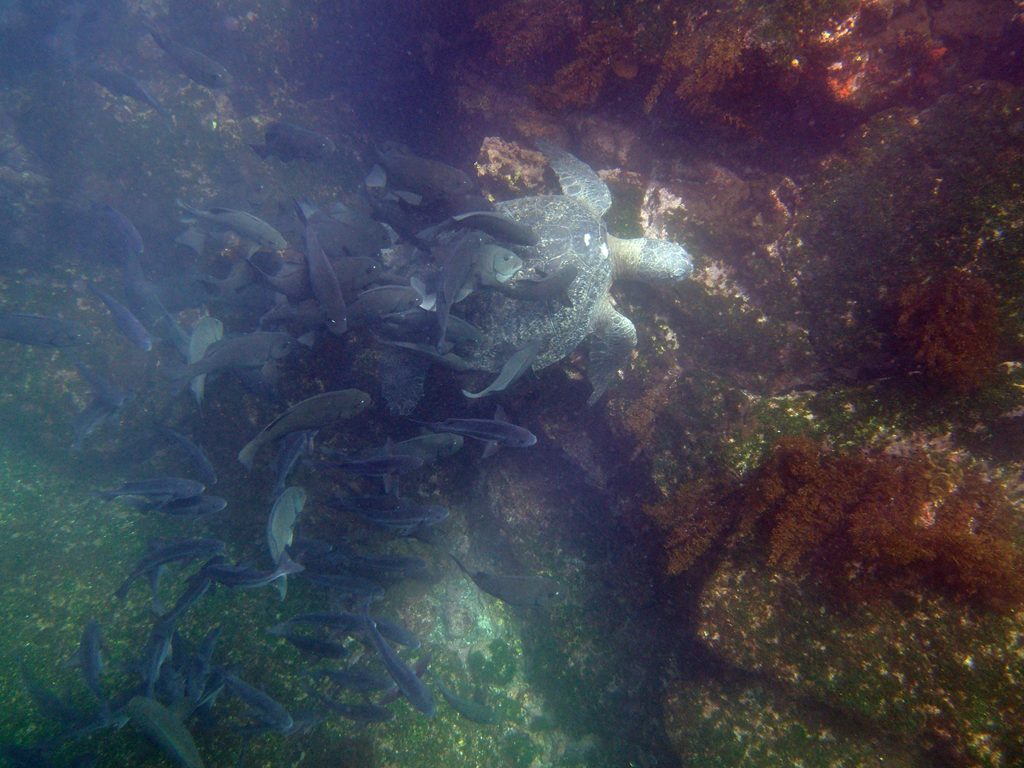
    This turtle seemed to be the most popular one around as it was being followed by so many fish cleaning its shell off.

    P2040129

    These two were left alone and could much on all the sea grass they wanted.

    P2040141

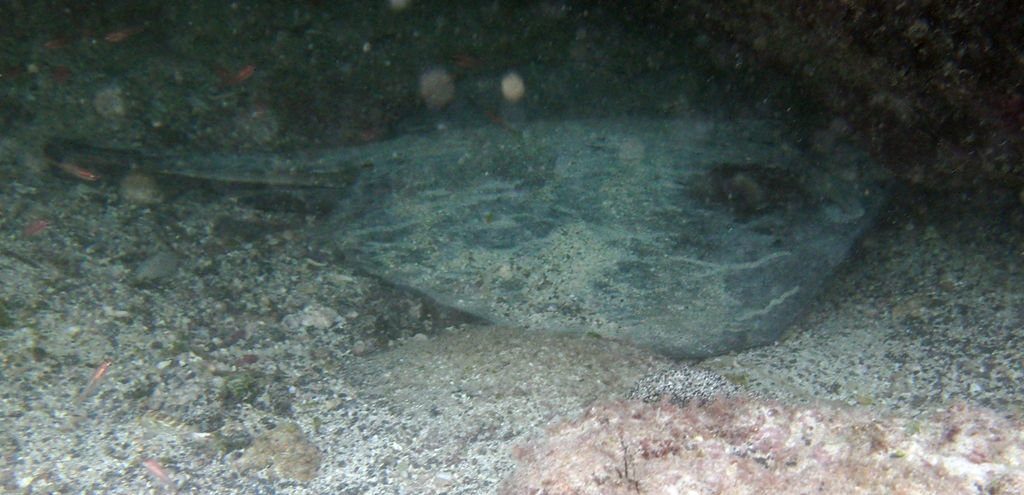
    Occasionally I would dive down to check out under the rocks and one time this little sting ray was hanging out. Our next snorkelling adventures were thankfully in warmer water as 18-22C is quite chilly. 

    P2040149


  • Urbina Bay

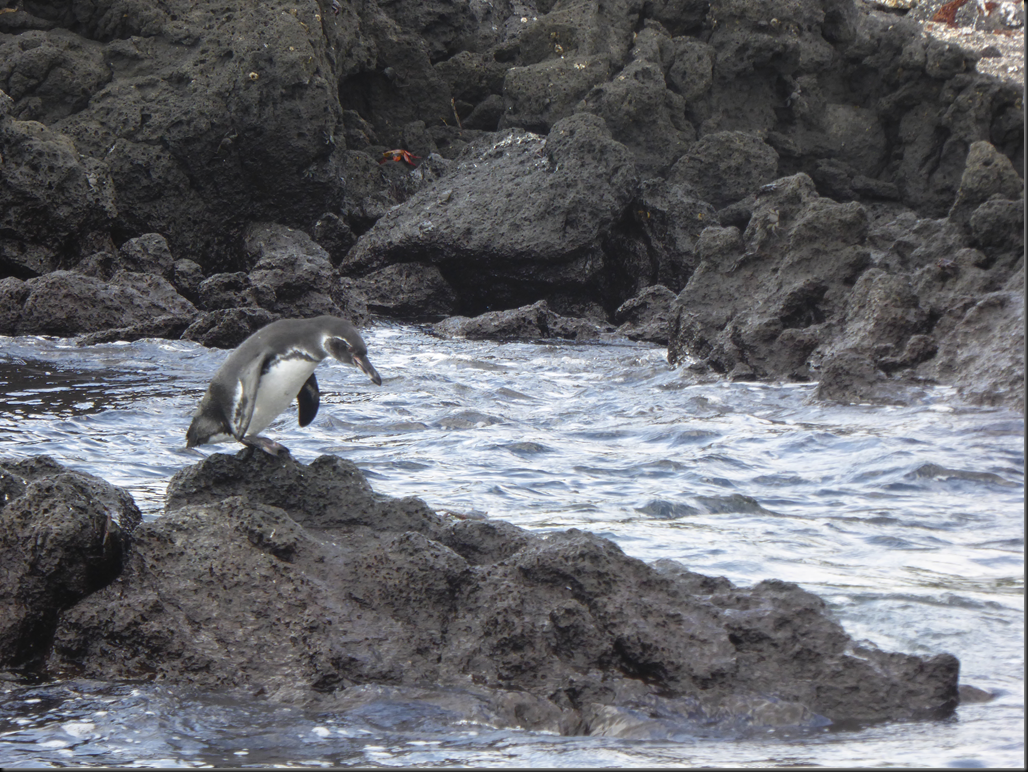
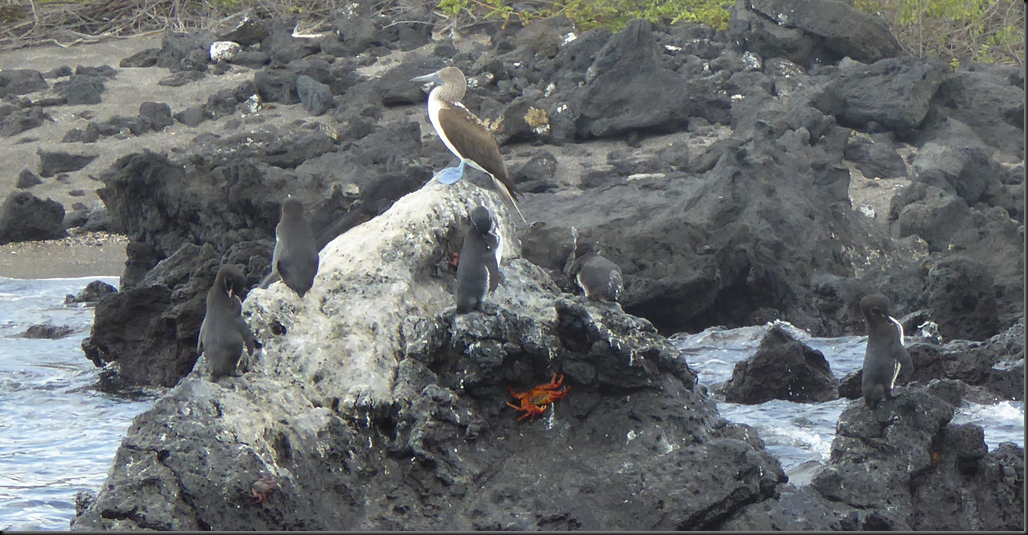
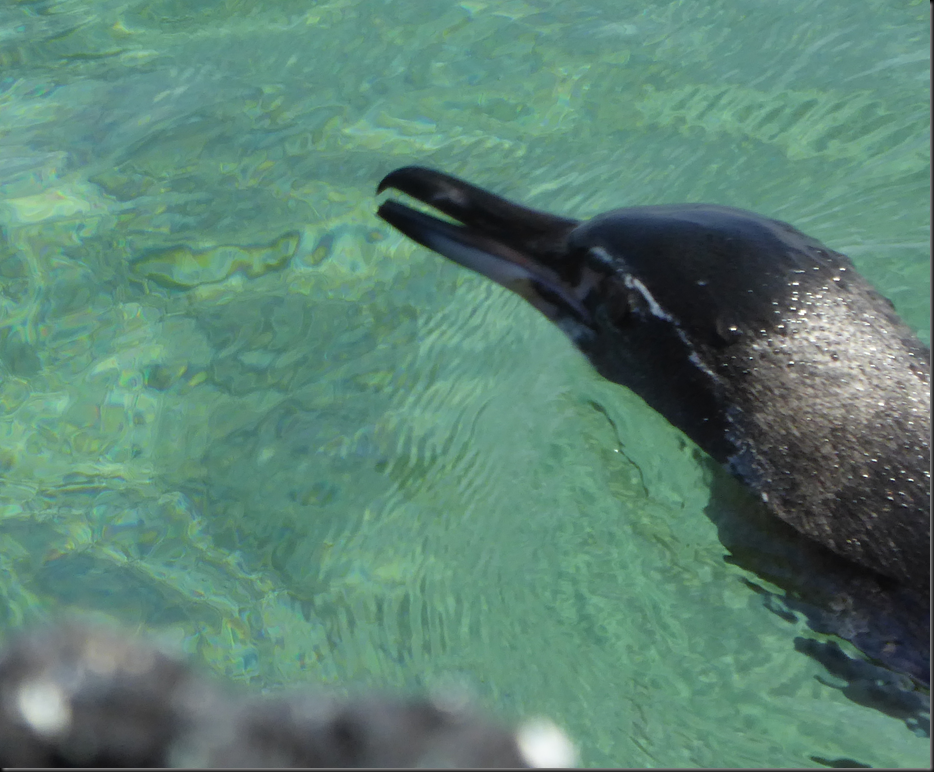
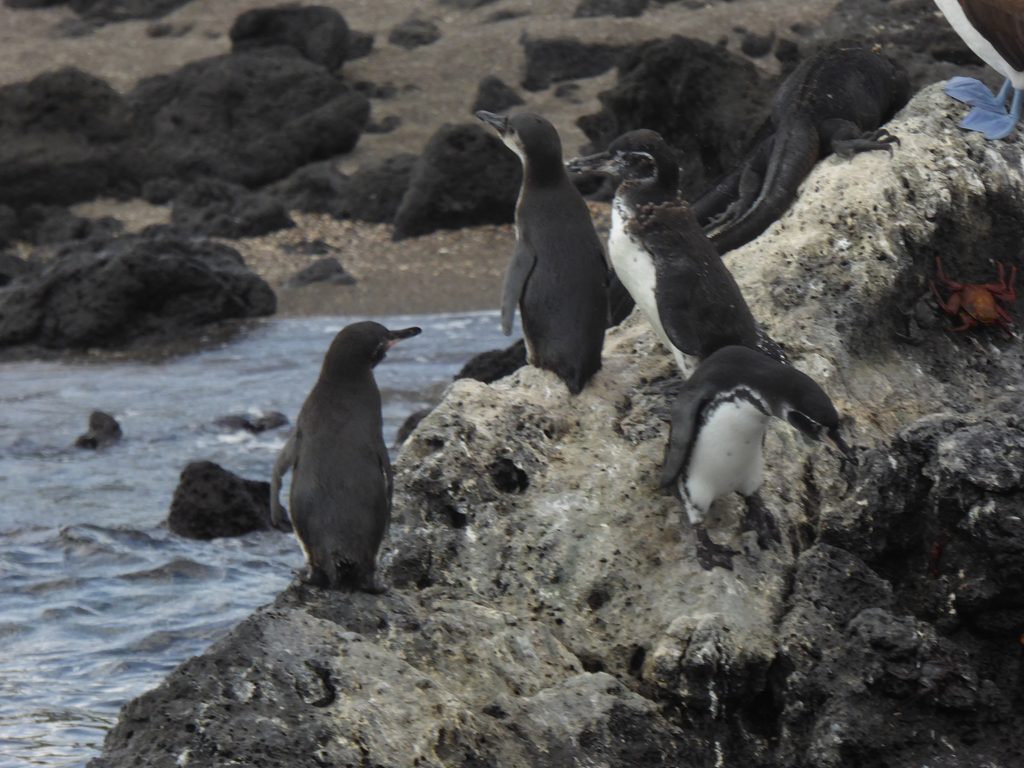
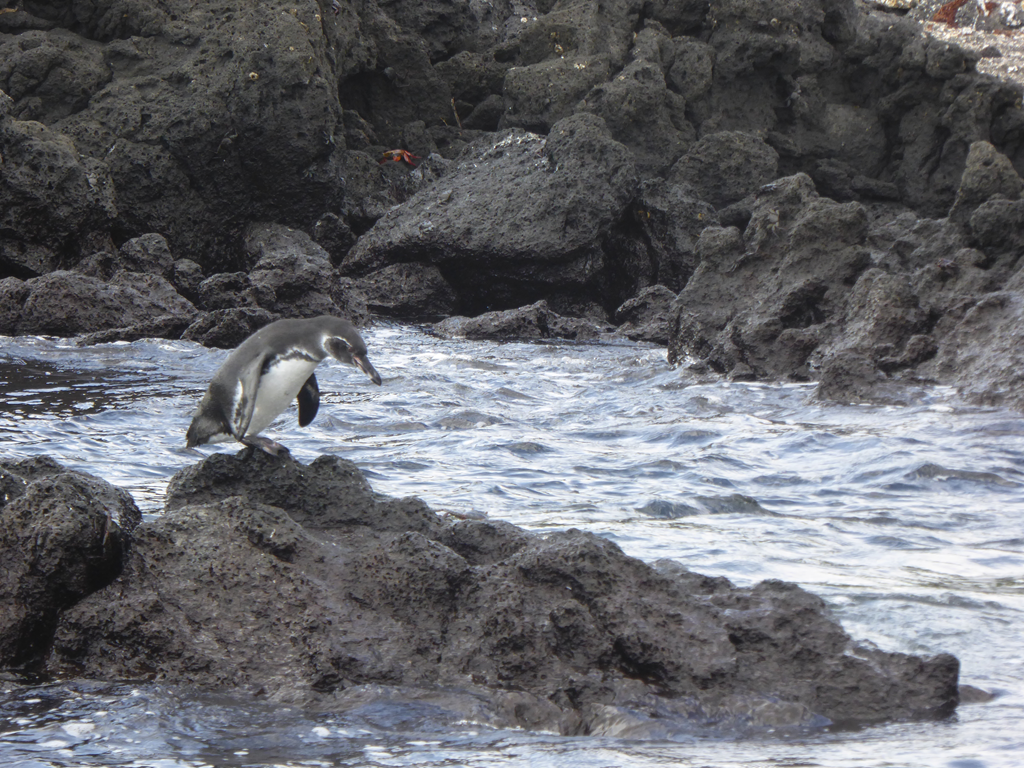
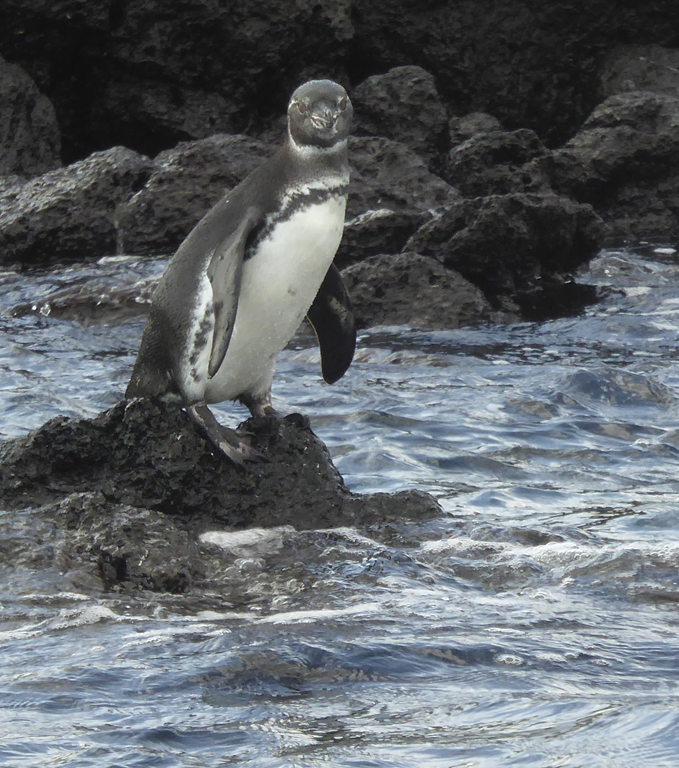
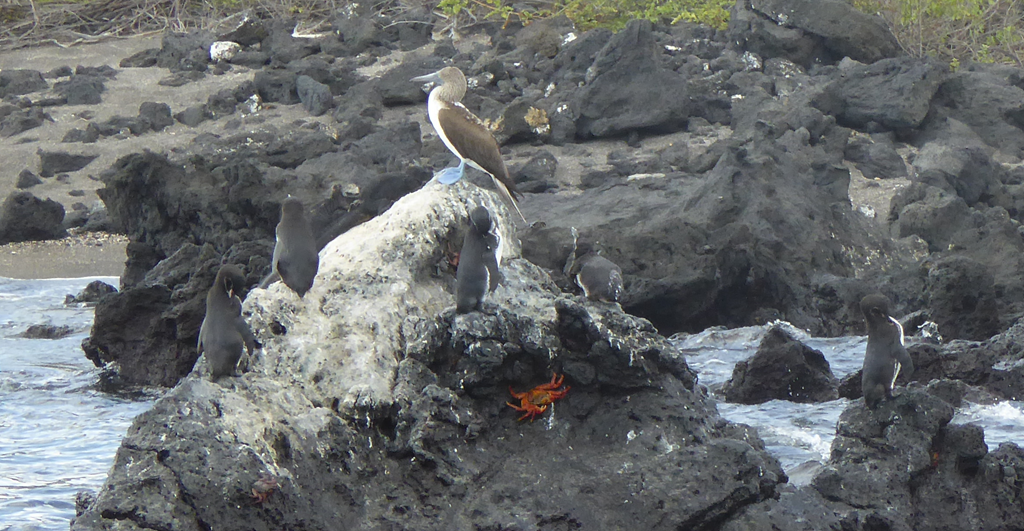
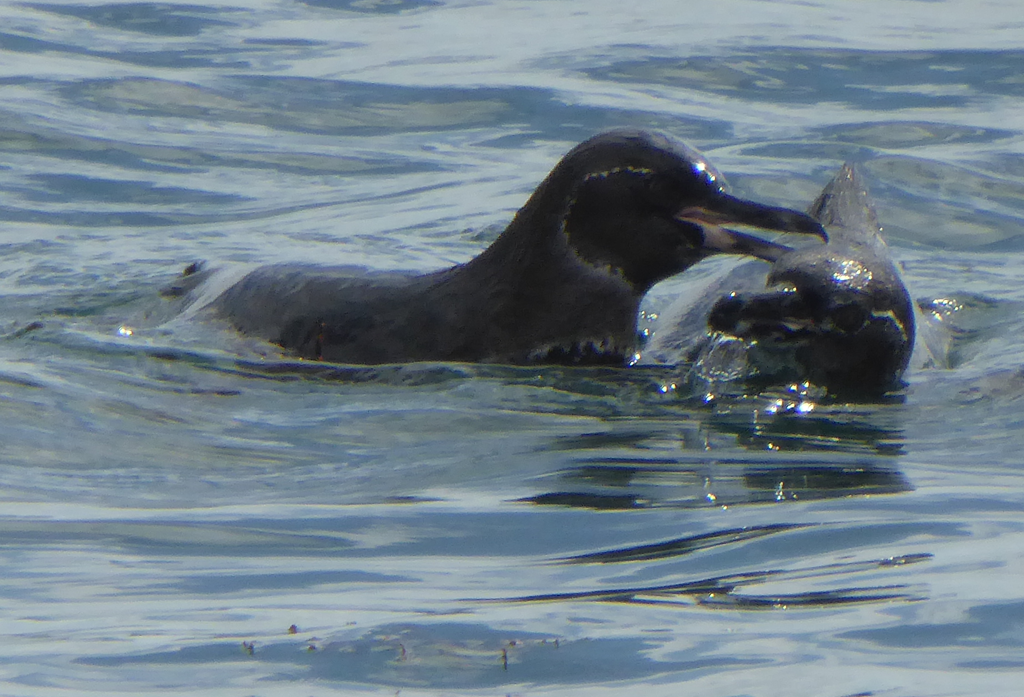
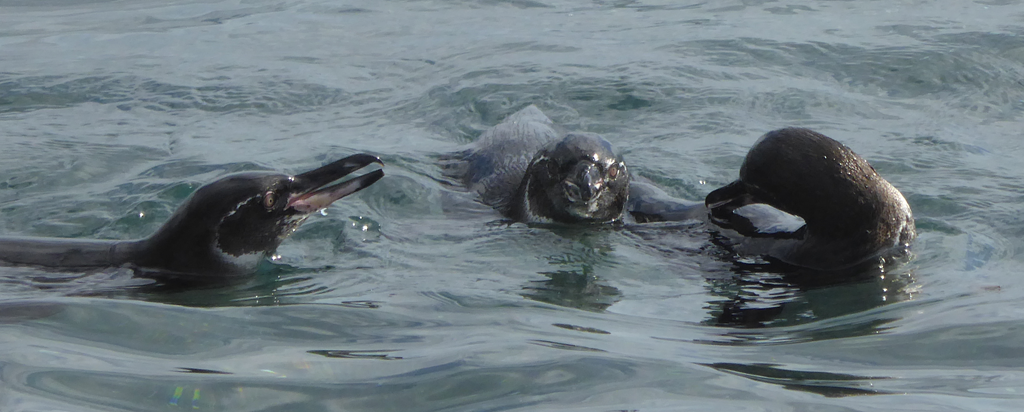
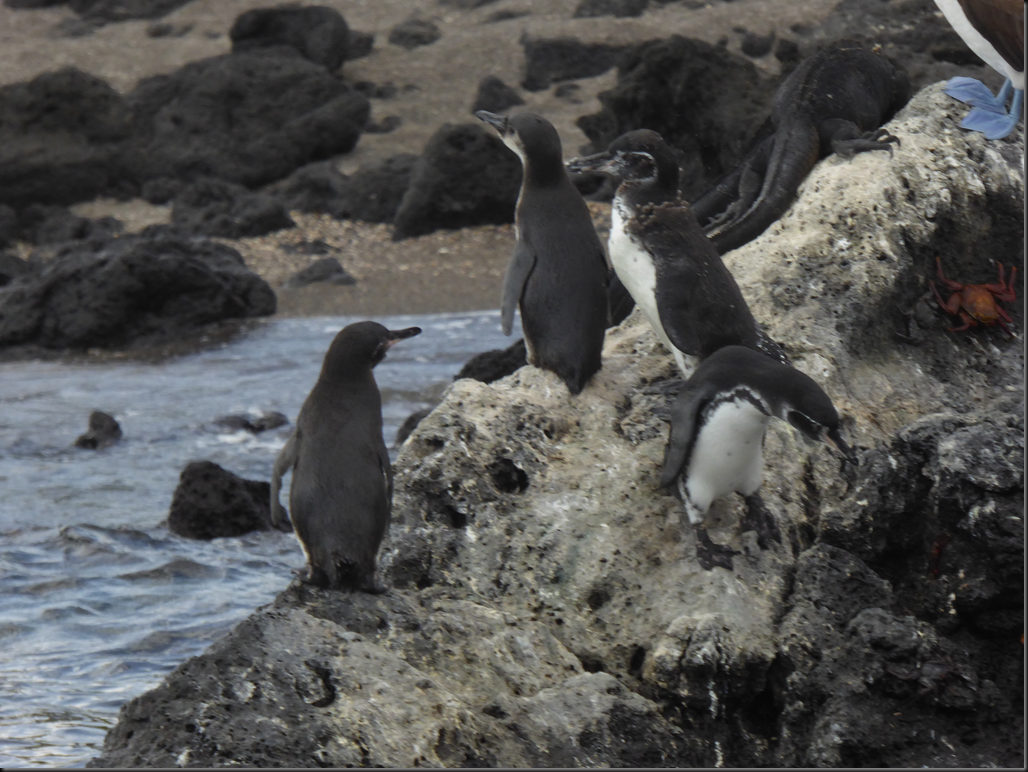
    There were lots of penguins in the bay.
    image

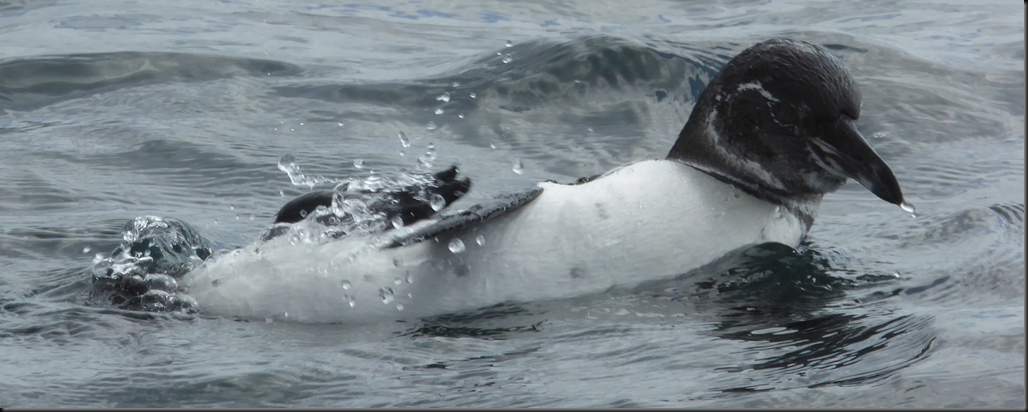
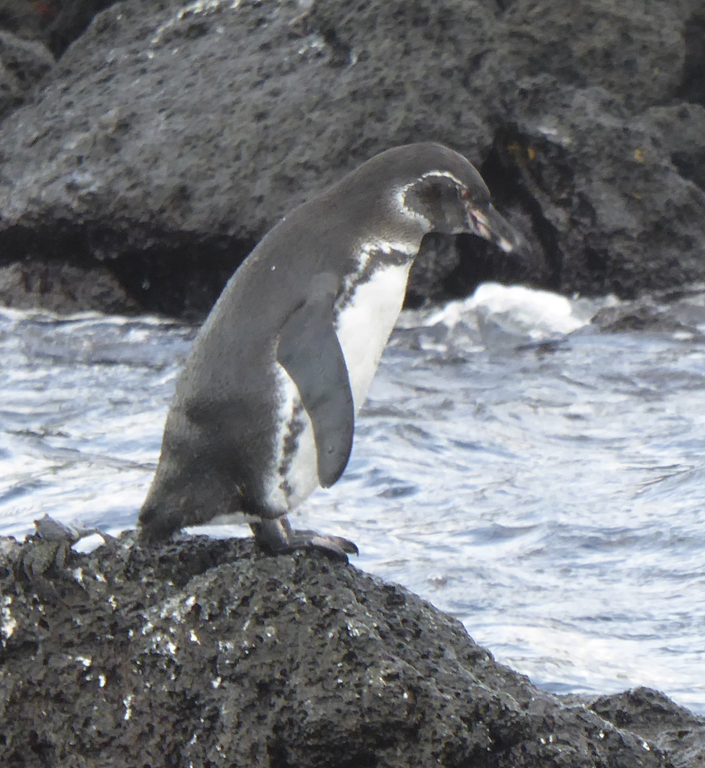
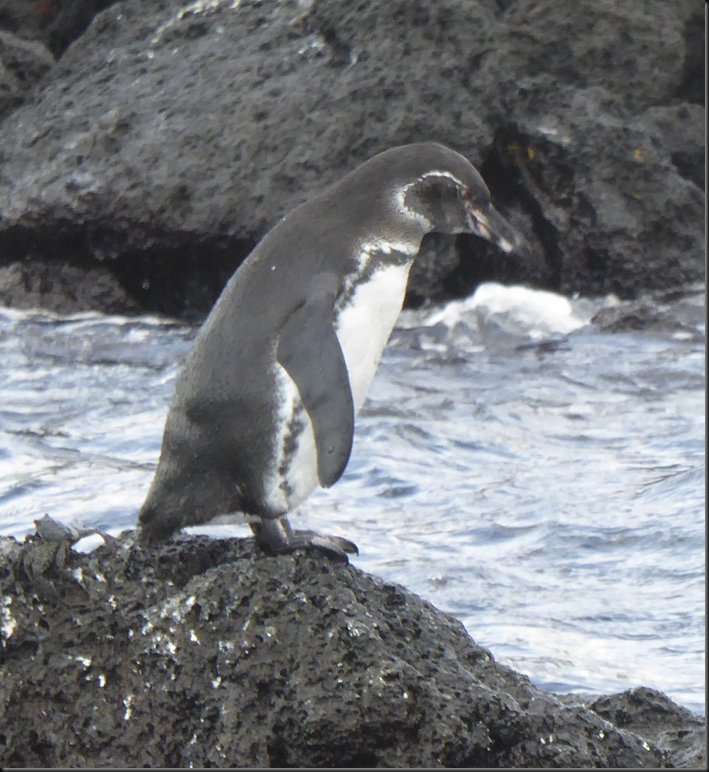
    Some seemed to be questioning whether the water was too cold for swimming.
    image

    It was very cold.

    image

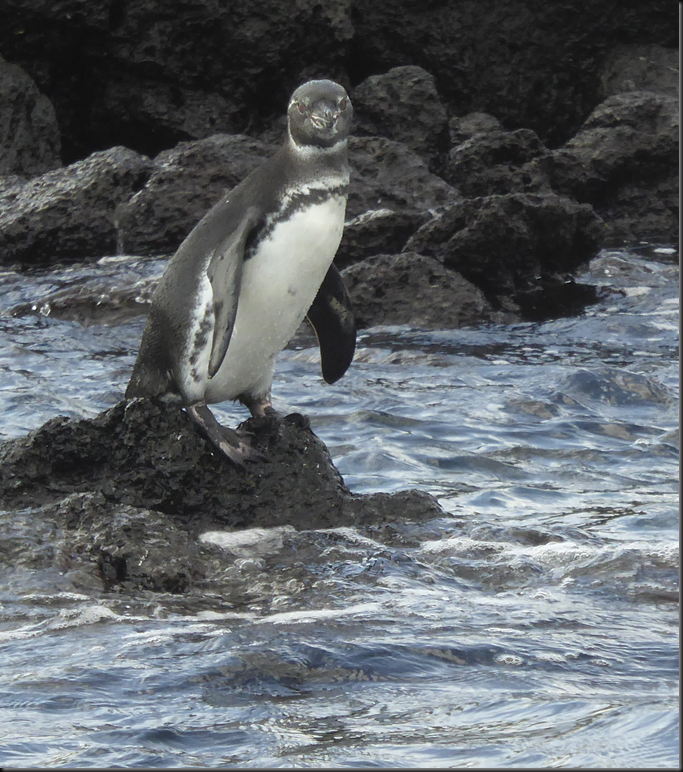
    Even a penguin would have to be pretty hungry to fish in that water.
    image

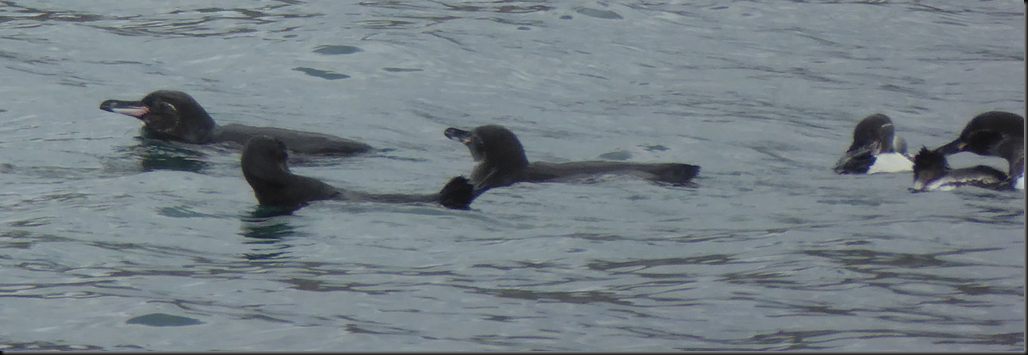
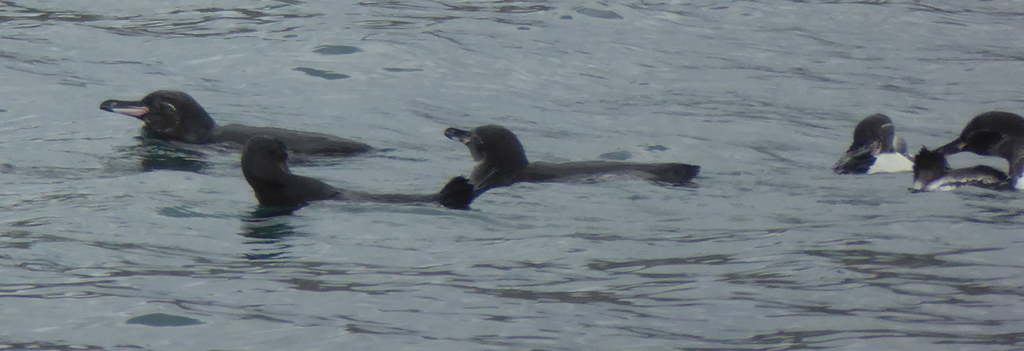
    But some went swimming anyway.

    image

    Some were preening on the edge.

    image

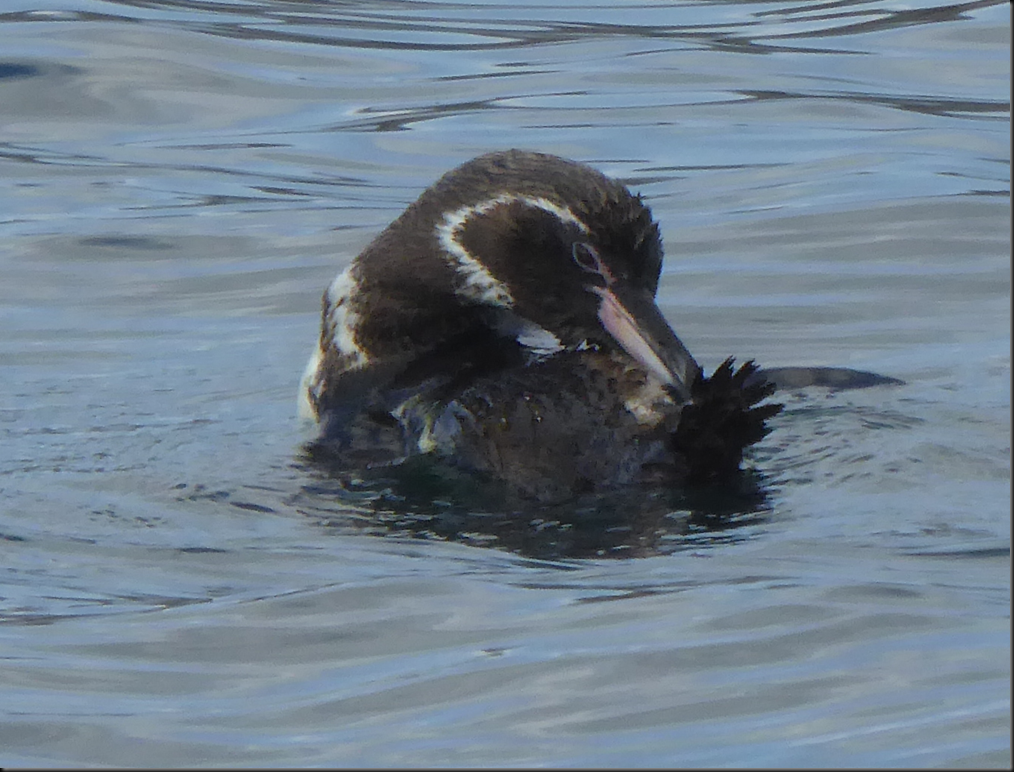
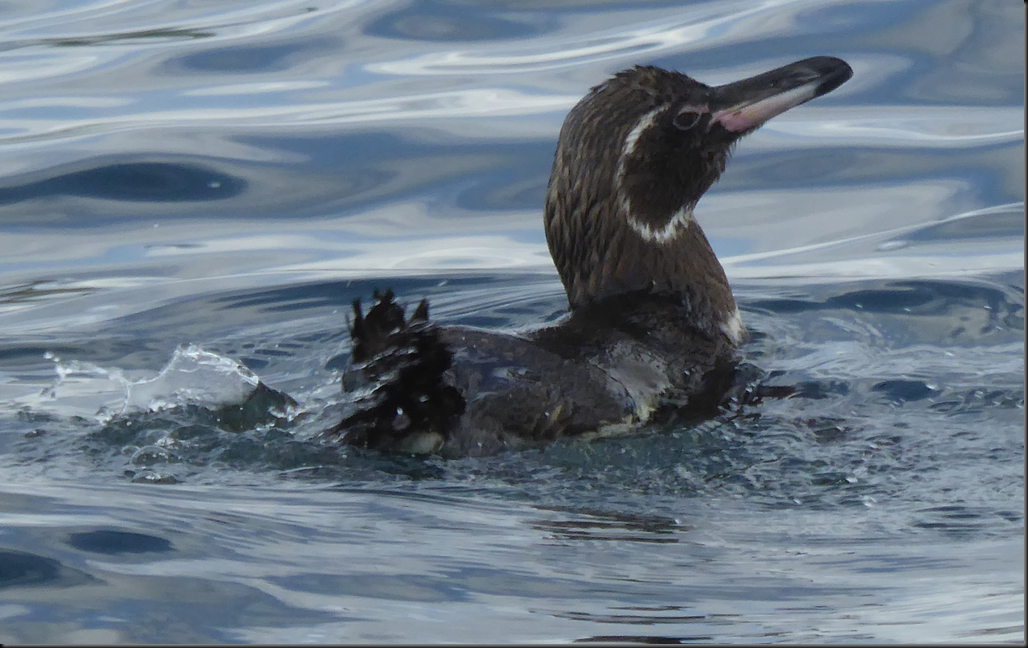
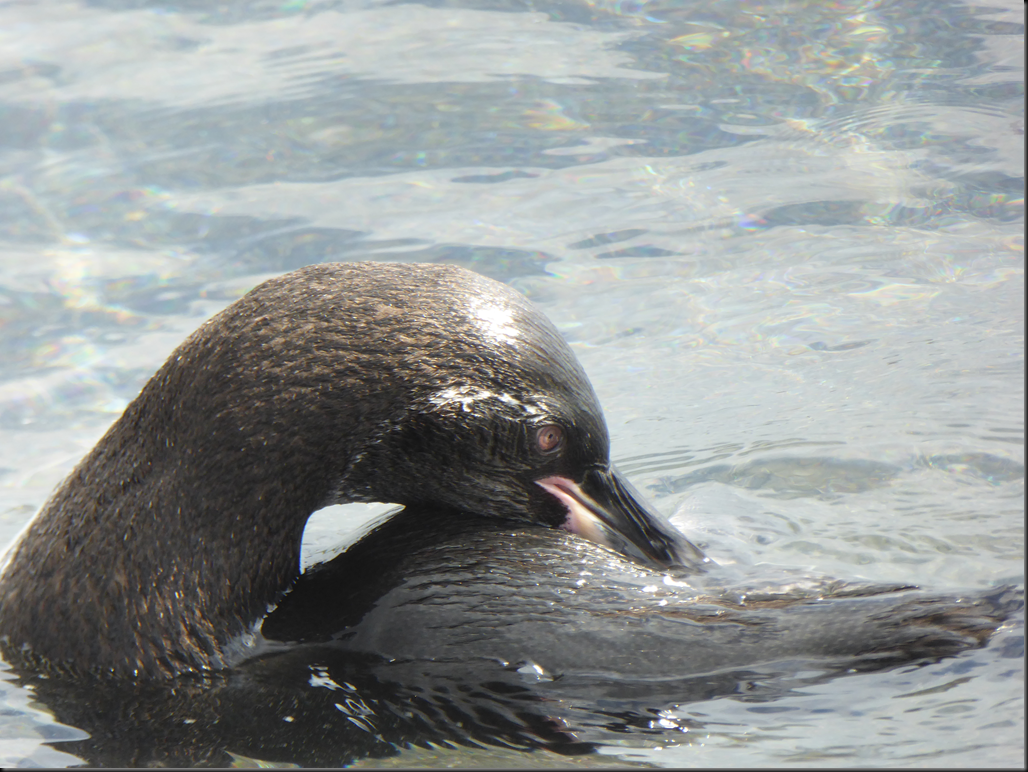
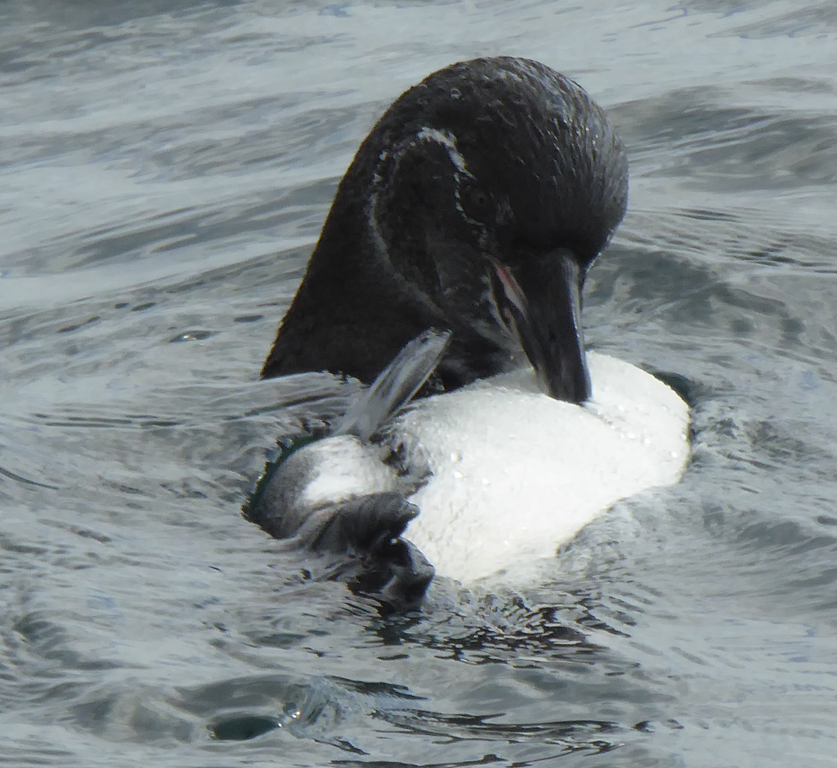
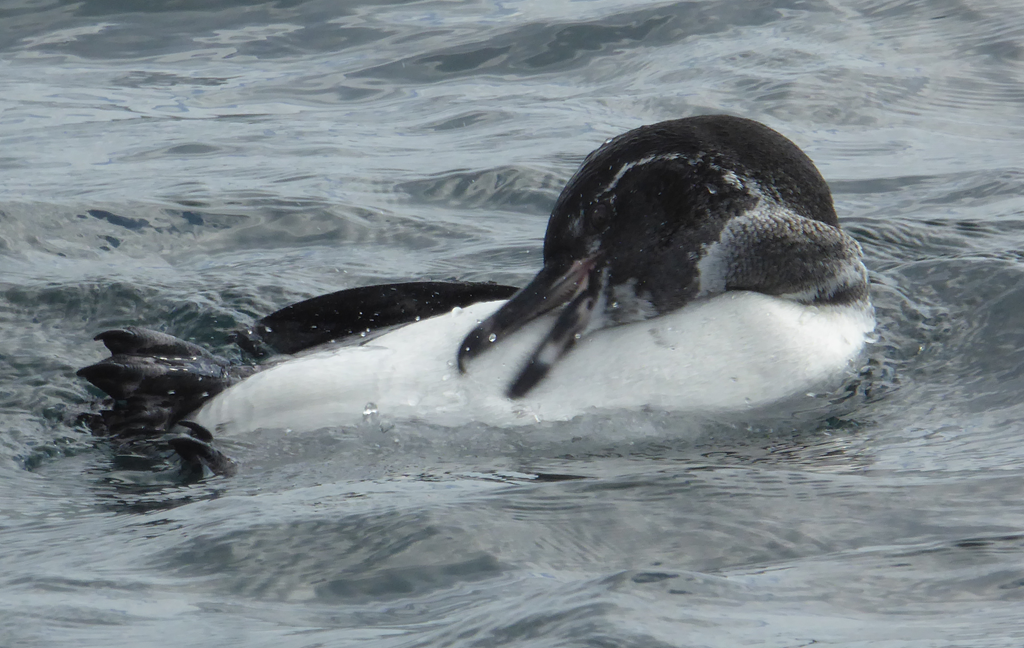
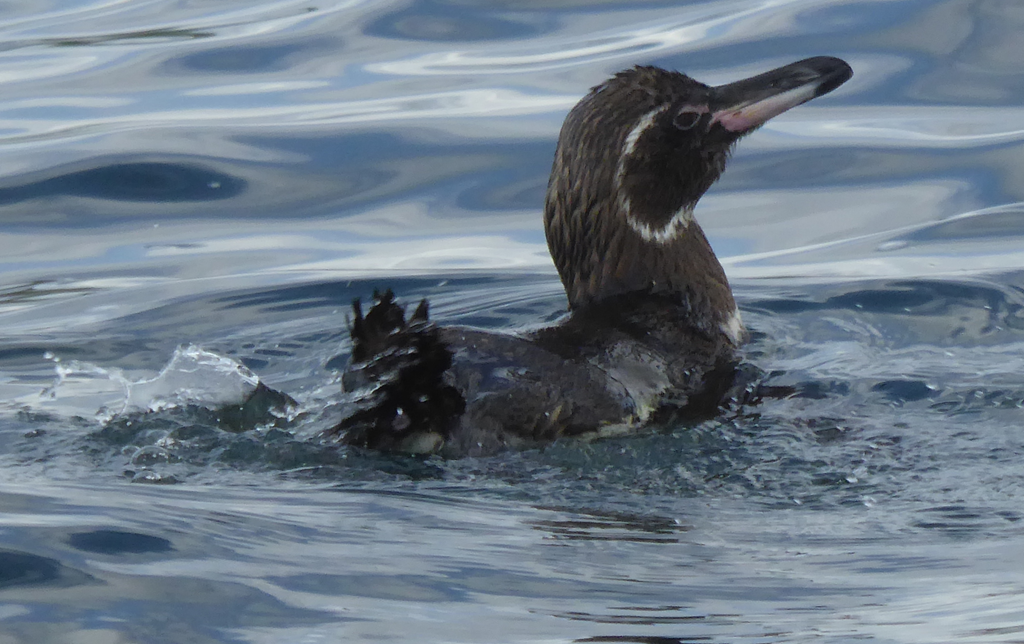
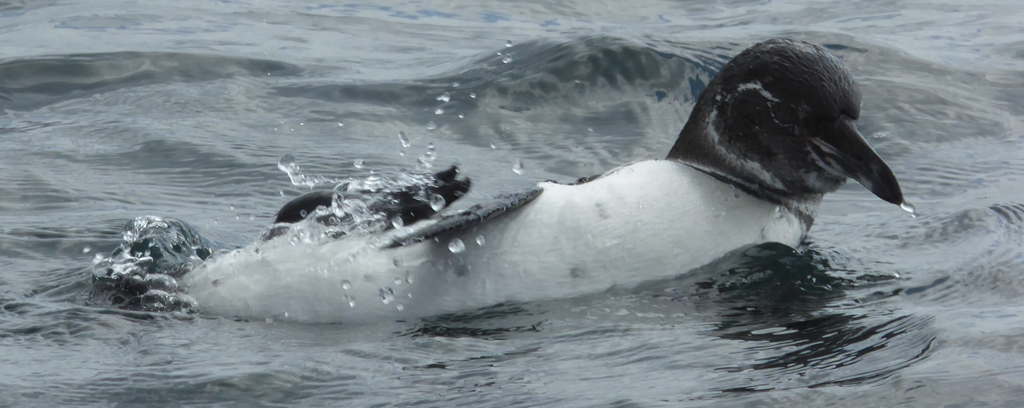
    Some were preening in the water.

    image

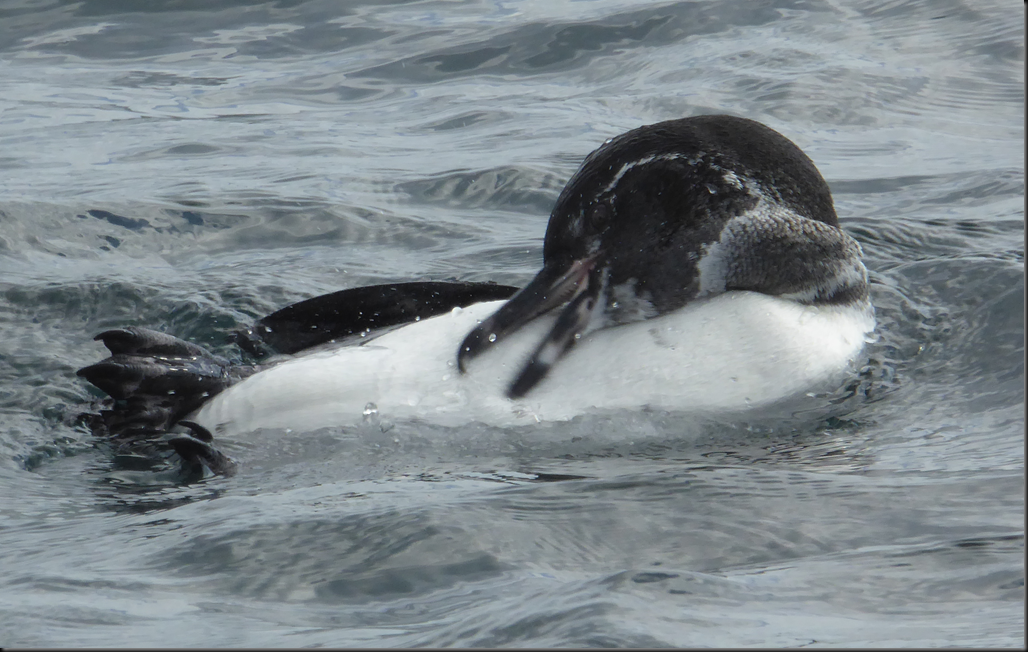
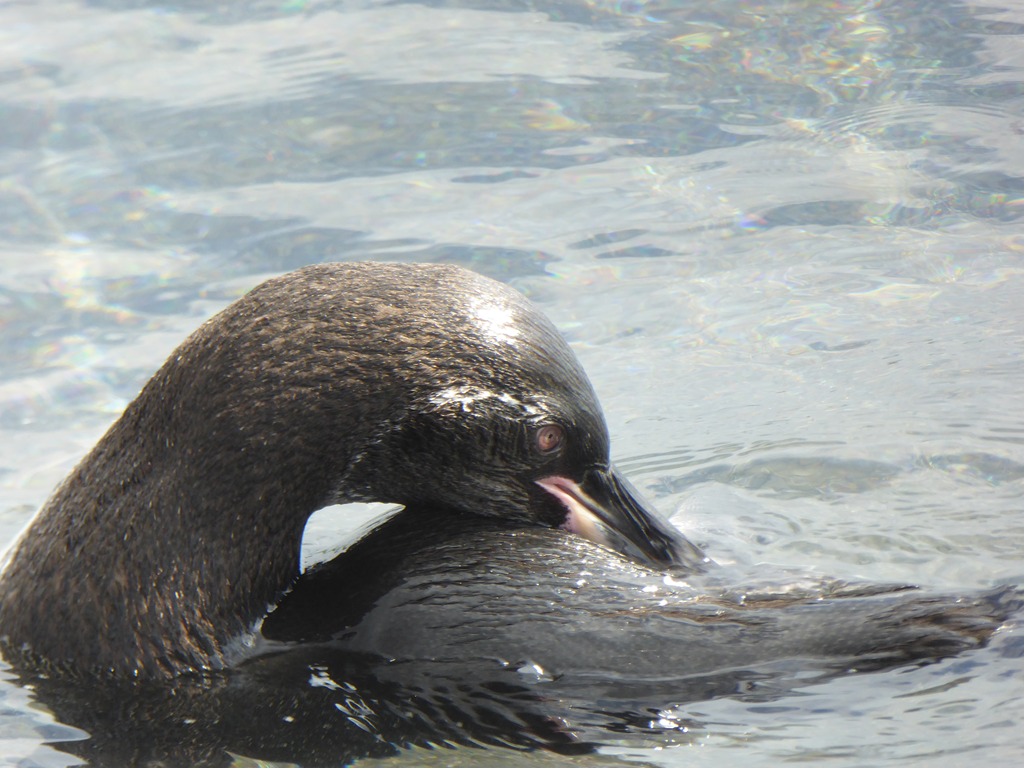
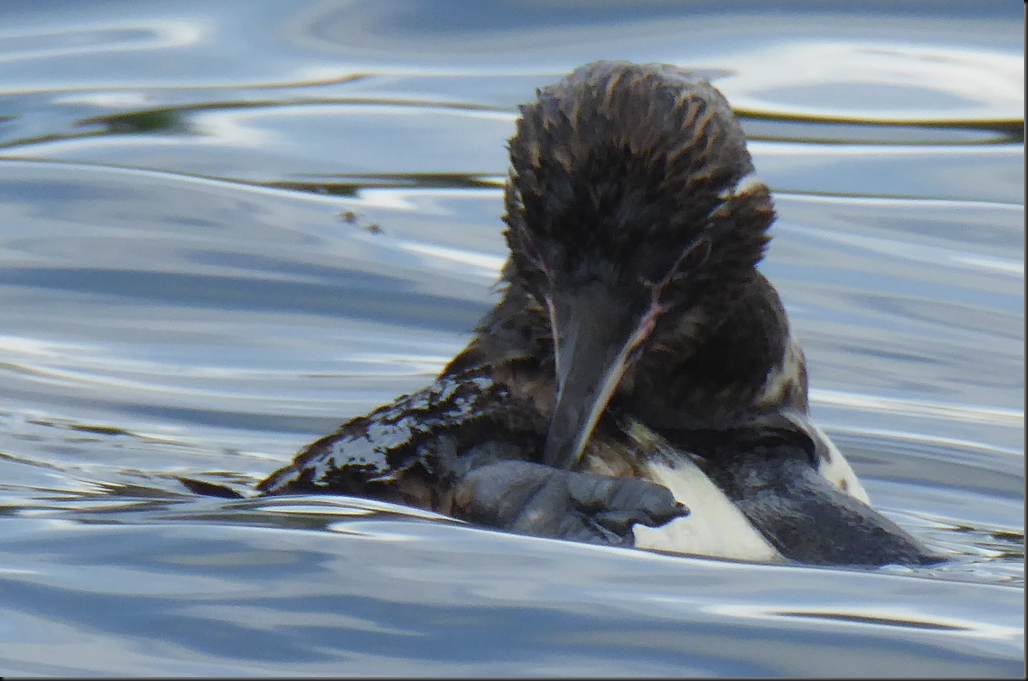
    It is hard to get all of your feathers.
    image

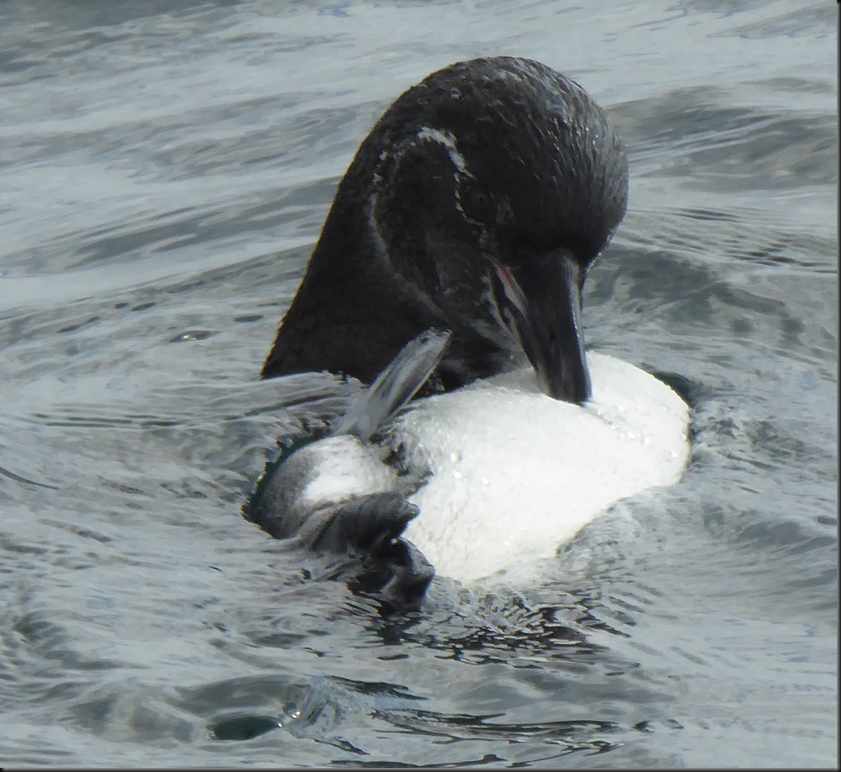
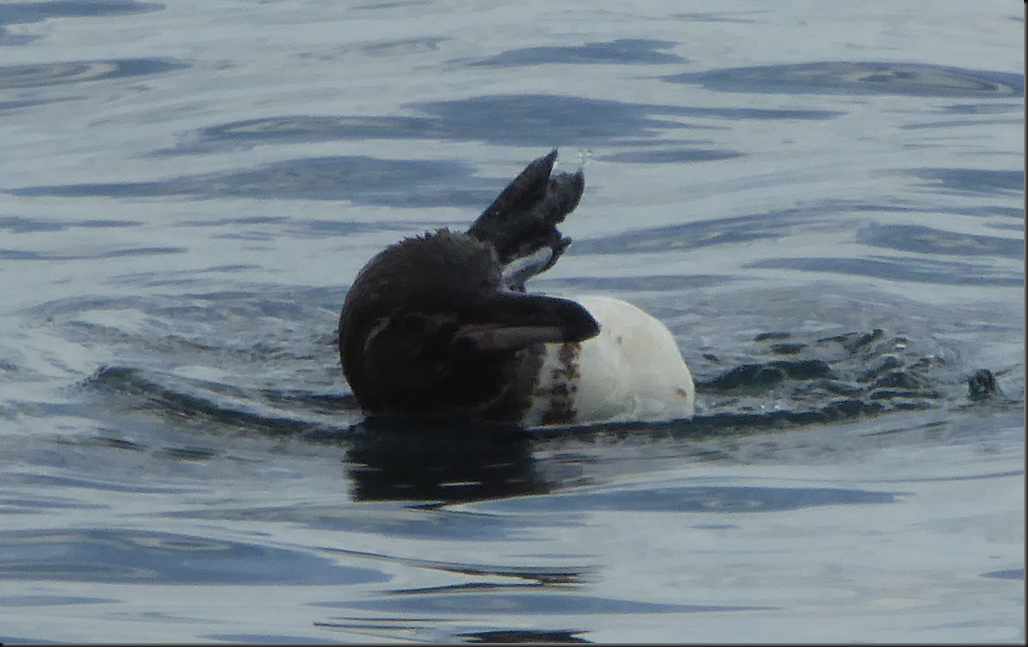
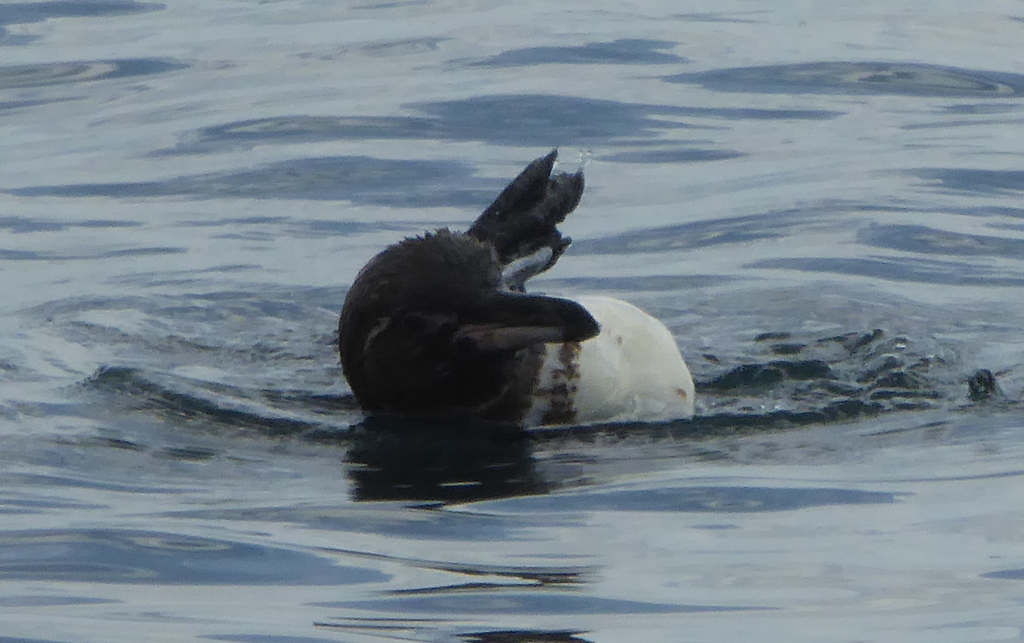
    Especially the white belly.

    image

    Bellies are really difficult.

    image

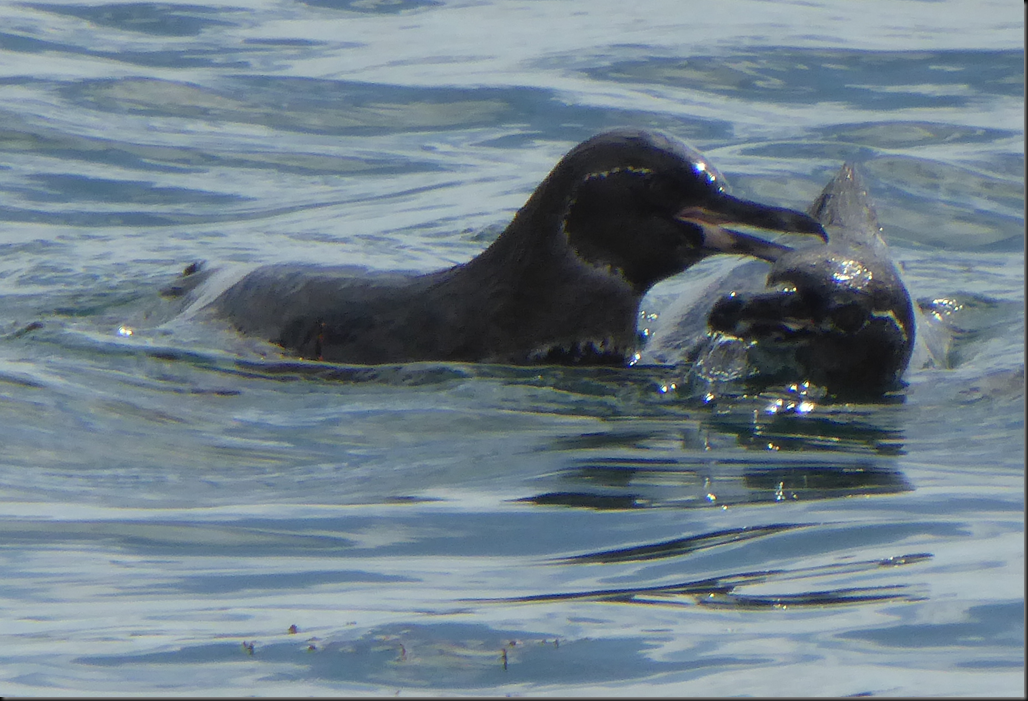
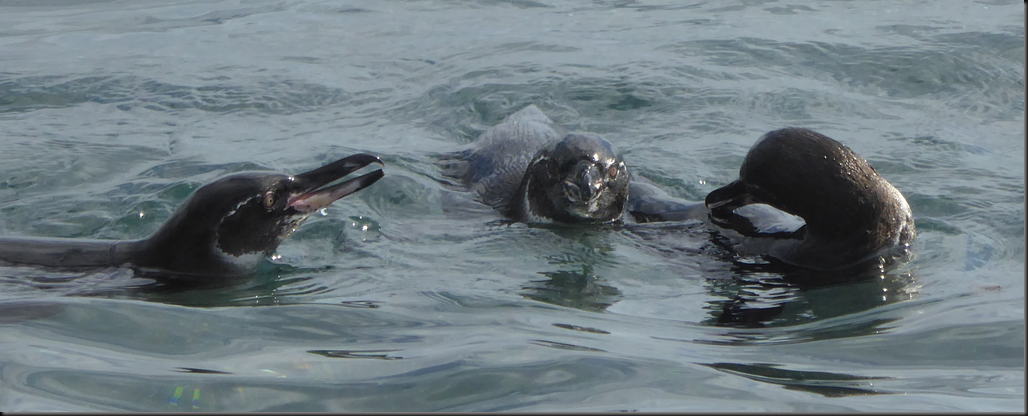
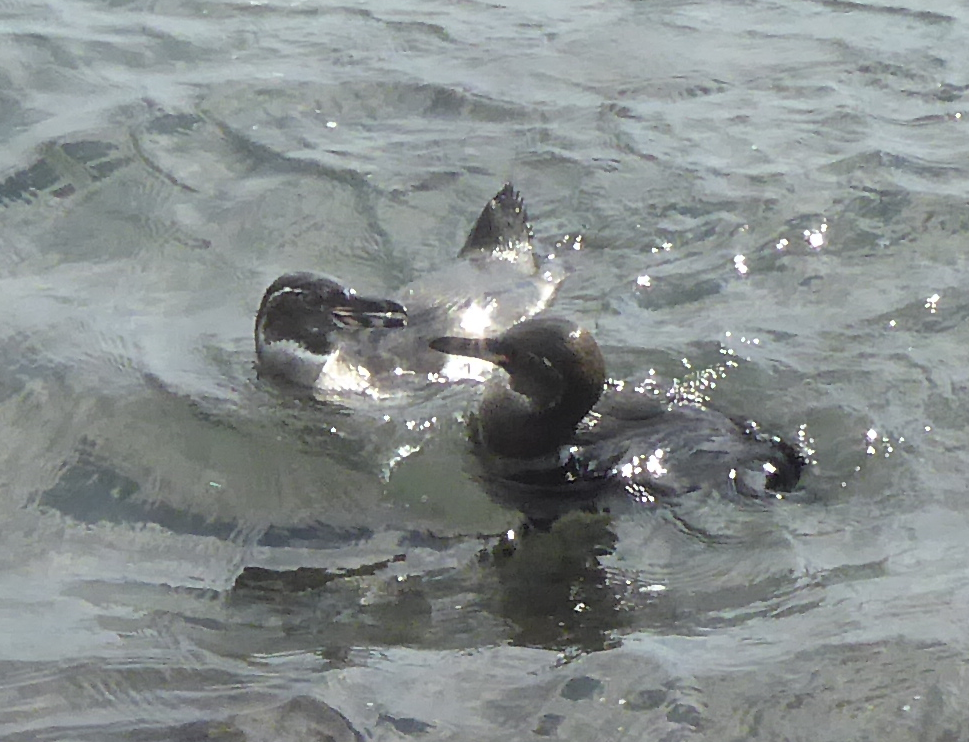
    Sometimes they help each other out.

    image

    Some were just floating.

    image

    Some were rolling.

    image

    Some were swimming.

    image

    They are very tiny and cute.

    image

    With funny red and yellow eyes.

    image

    Some were fishing.

    image

    Some were couples in love.

    image

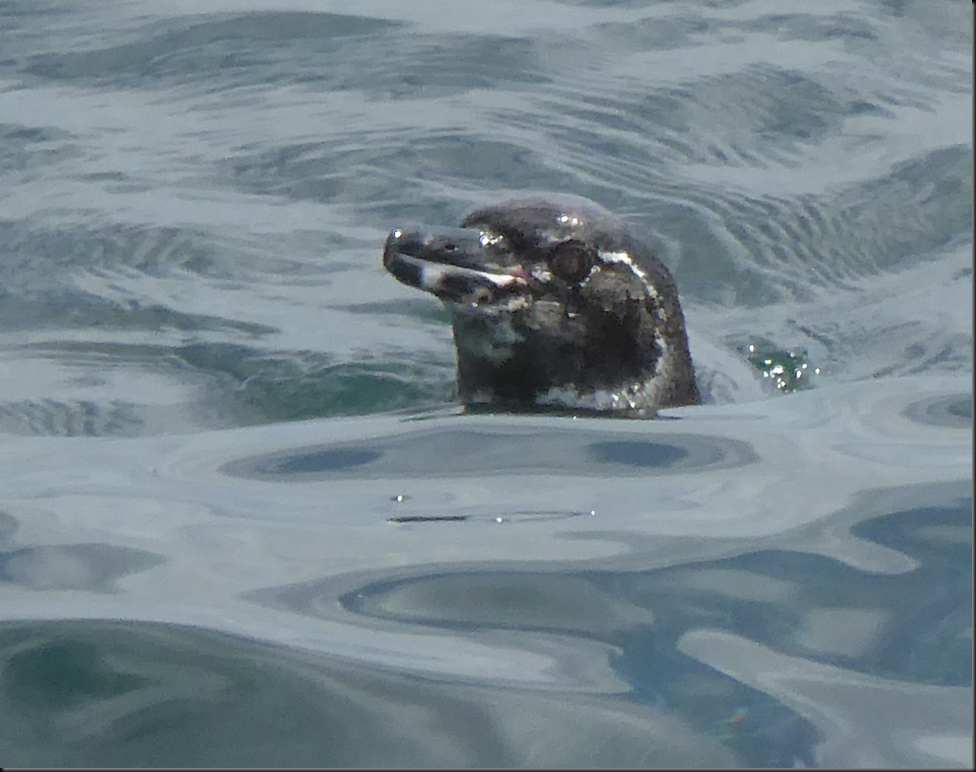
    In case you haven’t guessed, Kerri really liked the penguins.
    image

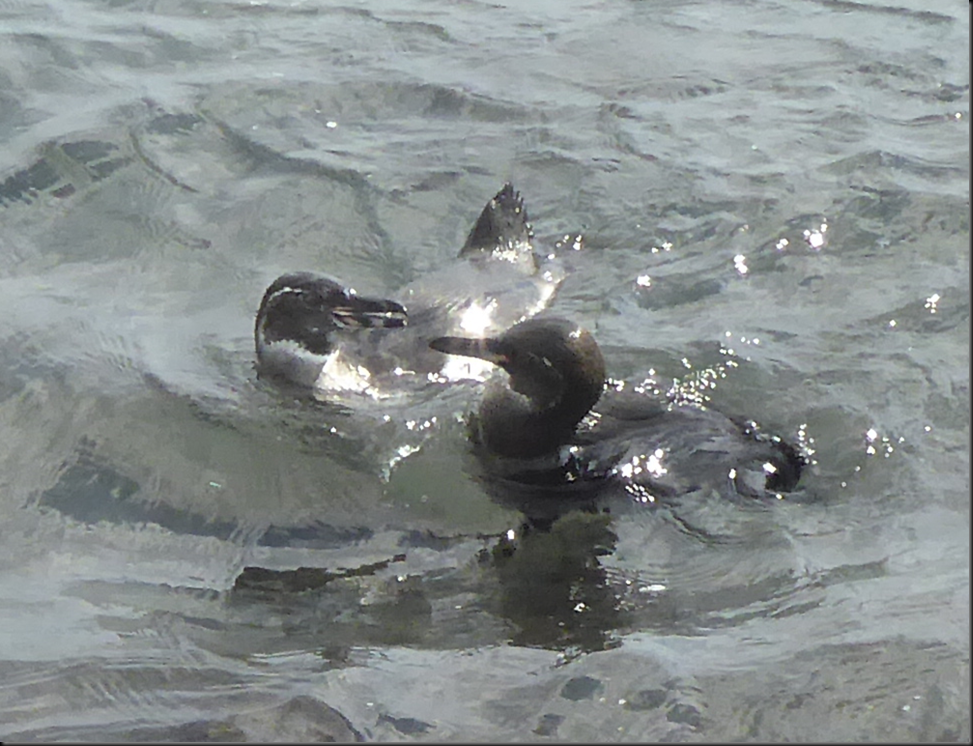
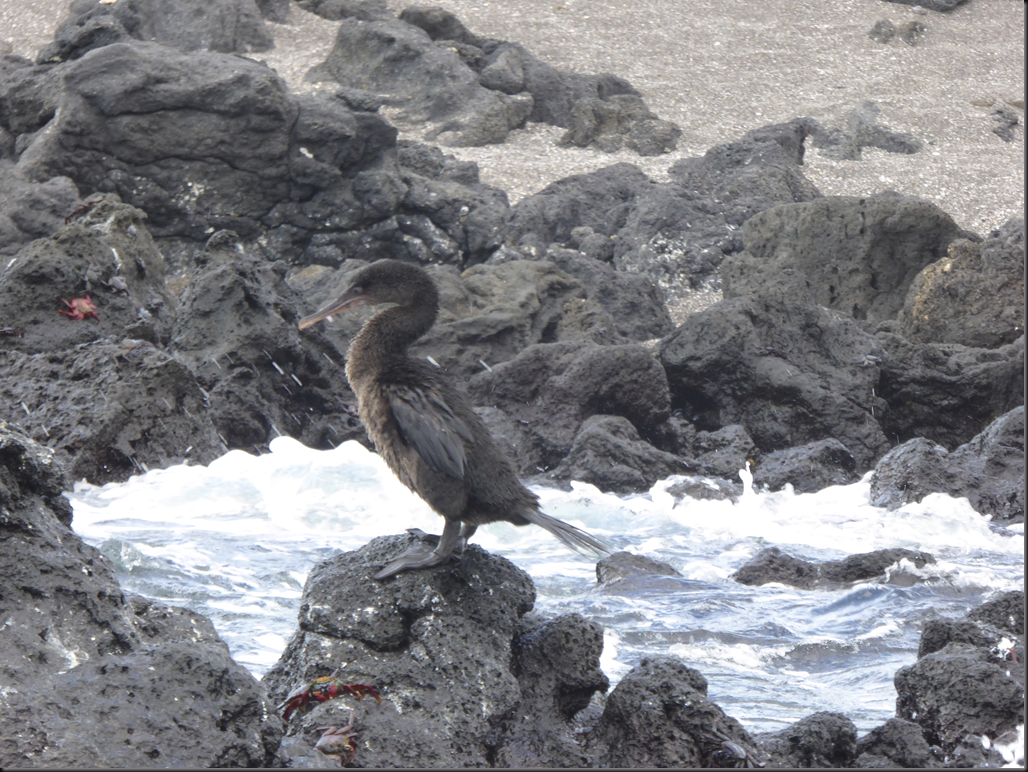
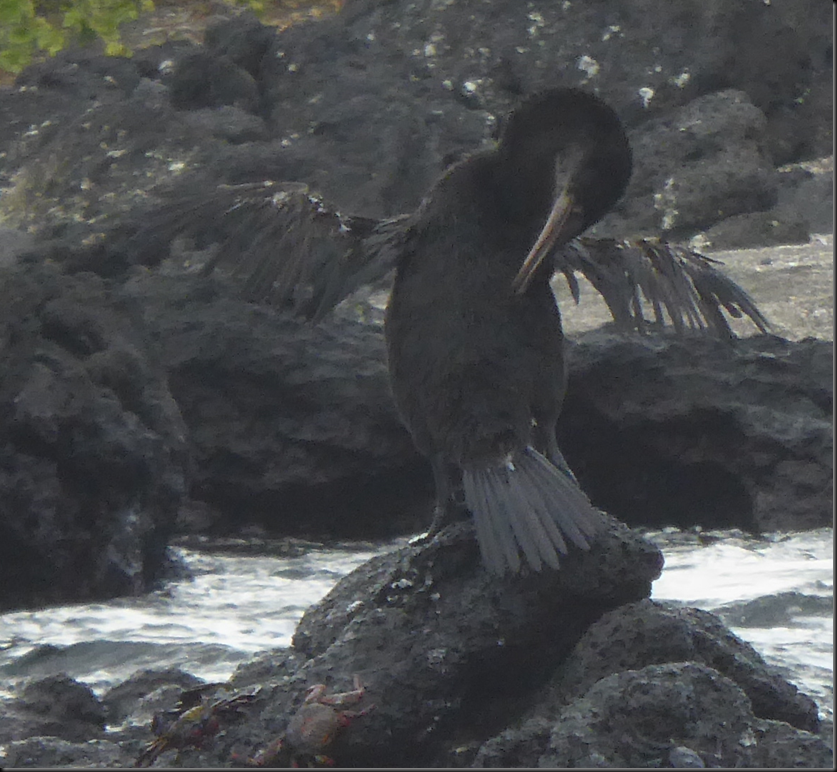
    There were also flightless cormorants.
    image

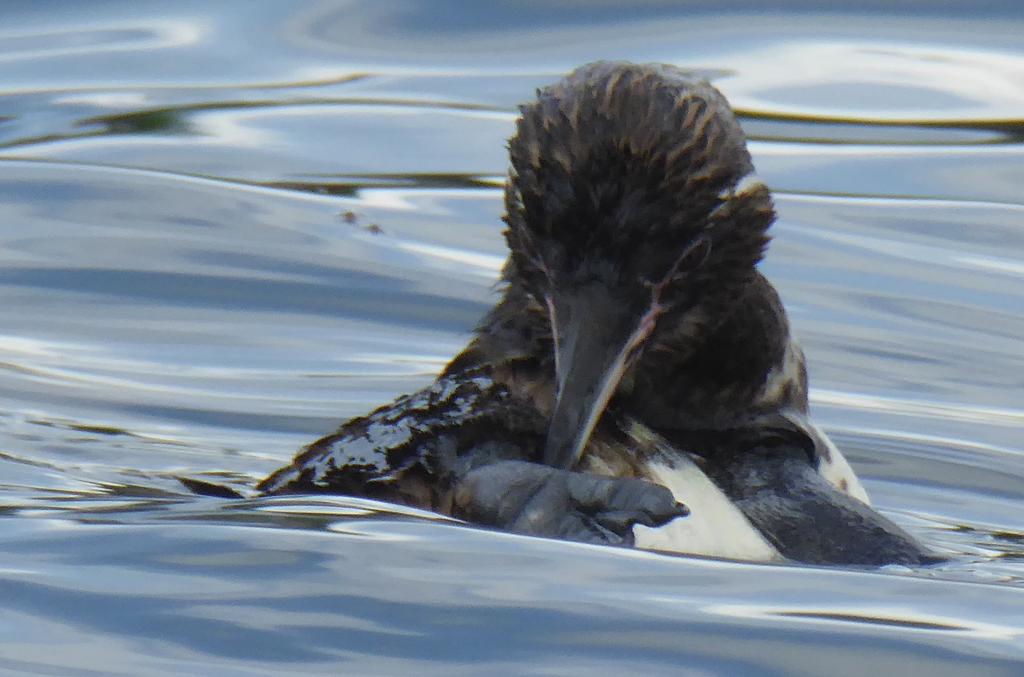
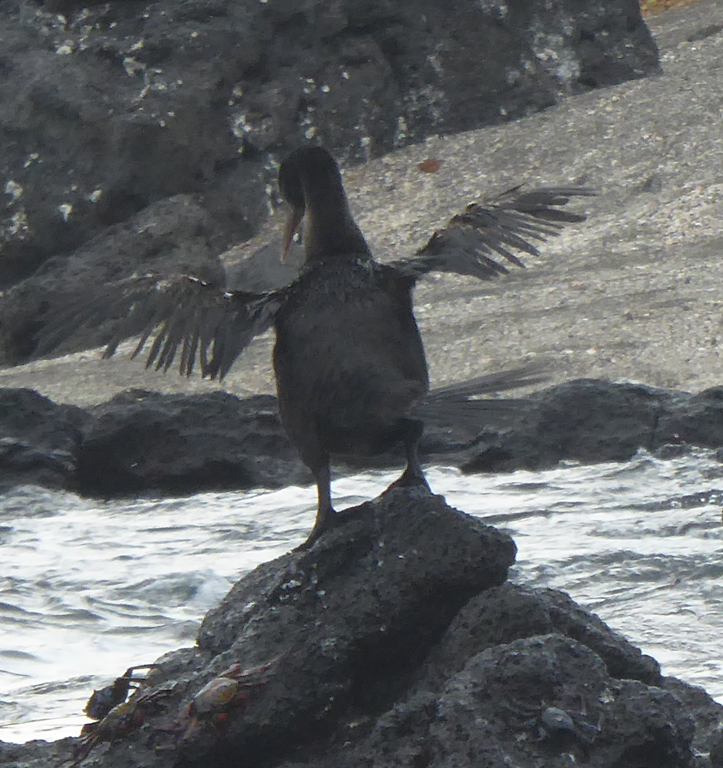
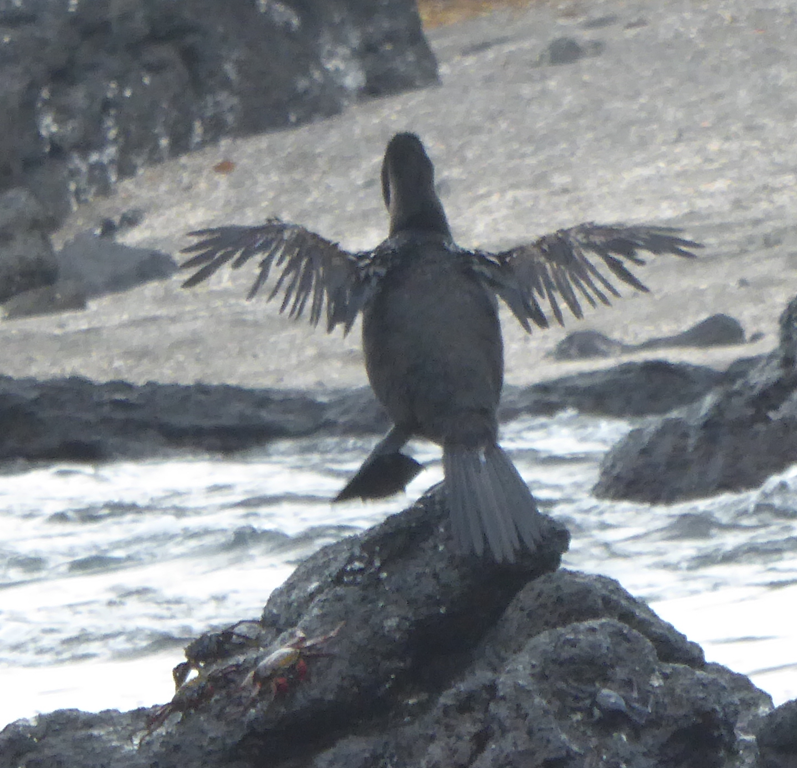
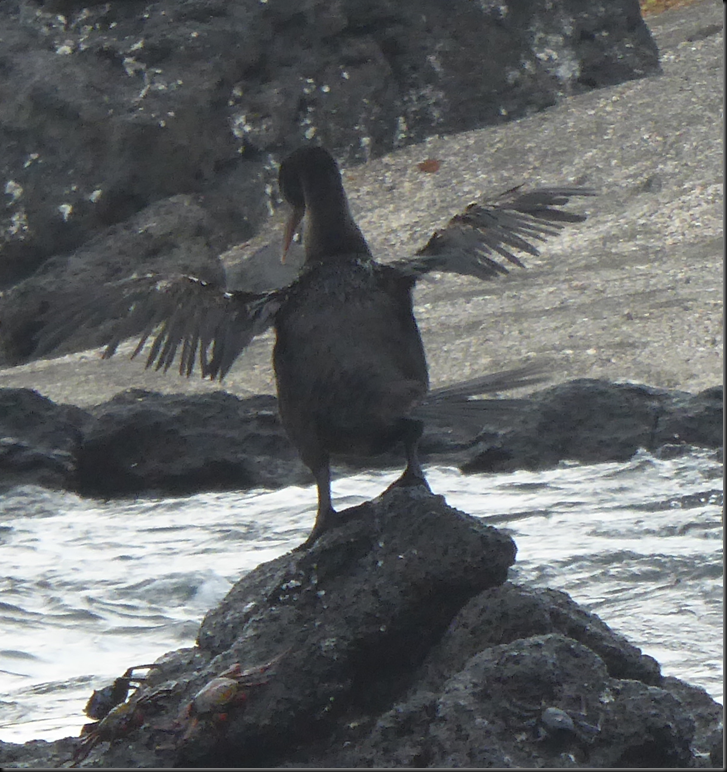
    They have useless little wings that don’t work for flying. Or even for hopping. They have to dry them out after swimming so they hold them out funny.
    image

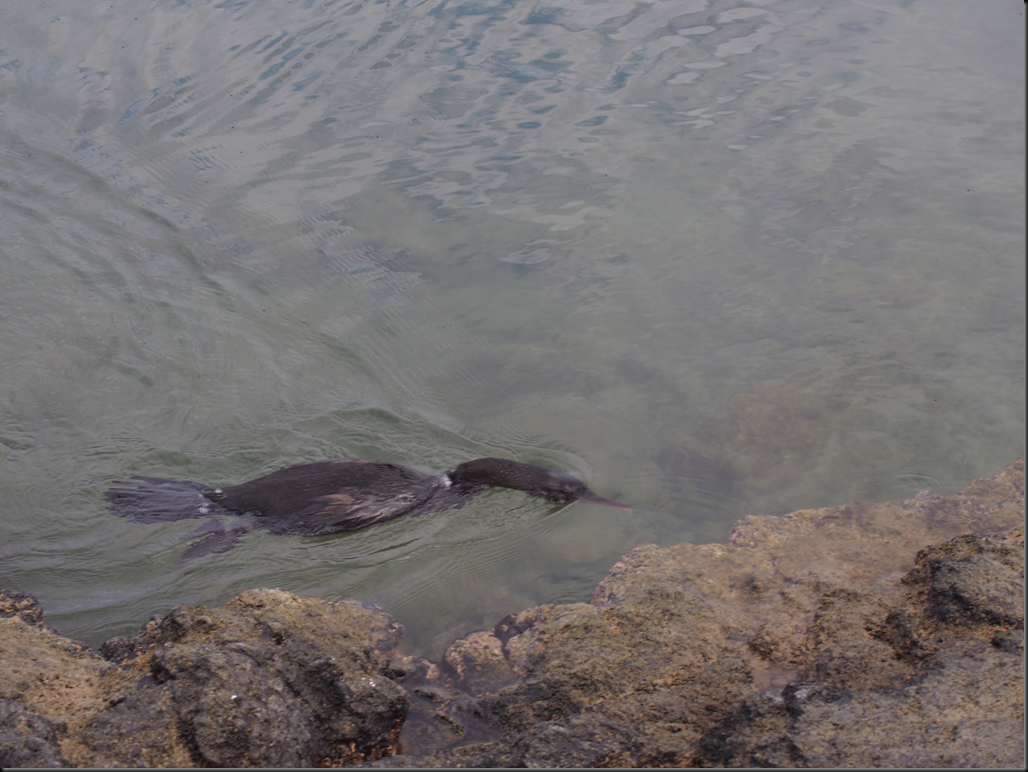
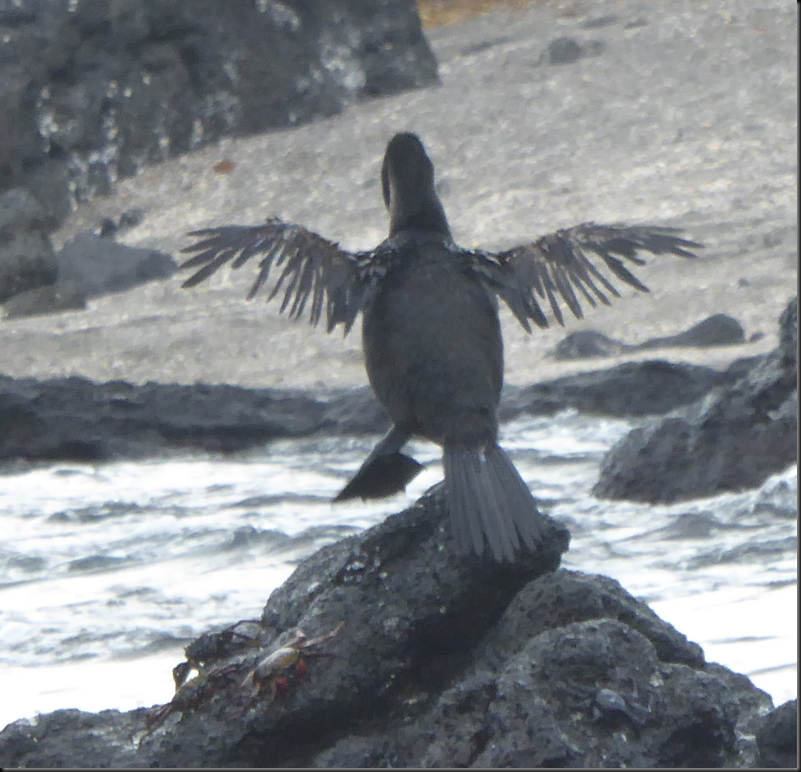
    They don’t use them for swimming either, like the penguins do. They have to kick with their big webbed feet.
    image

    They also spend a lot of time preening and waterproofing.
    image

    Then they go fishing.

    image

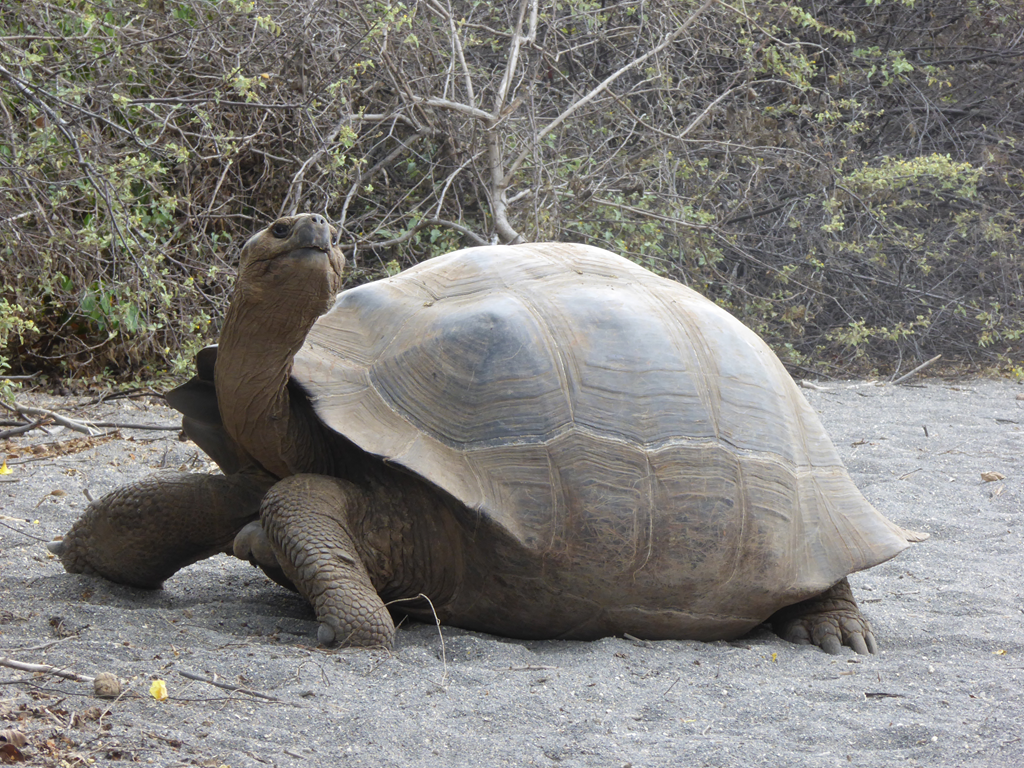
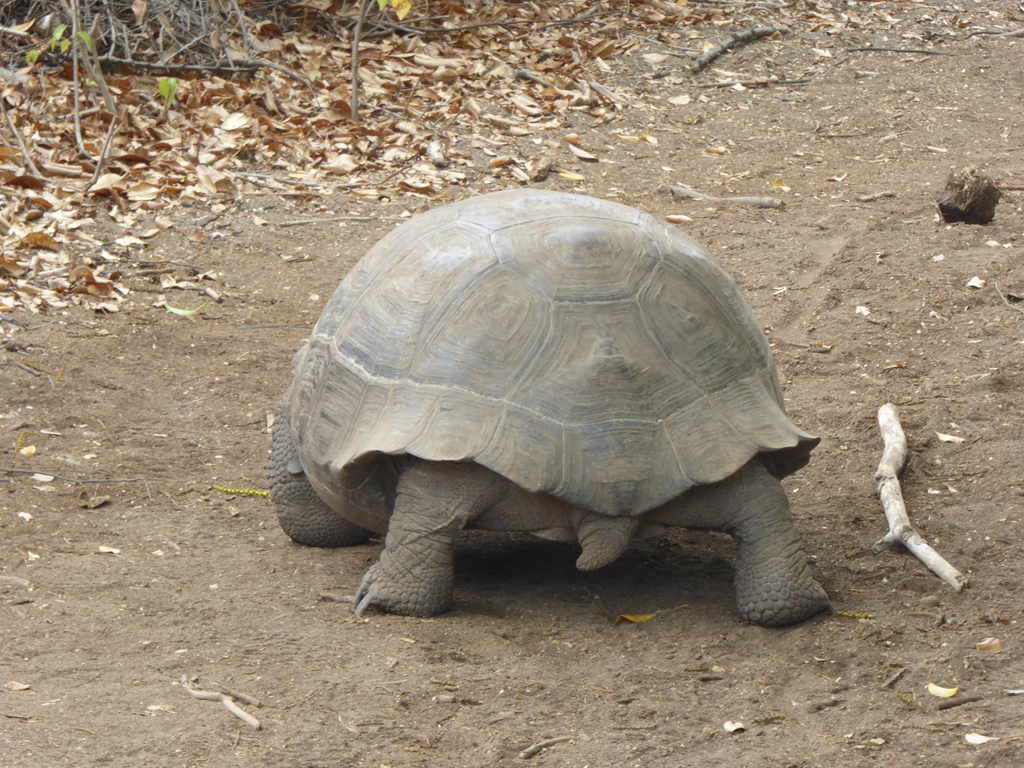
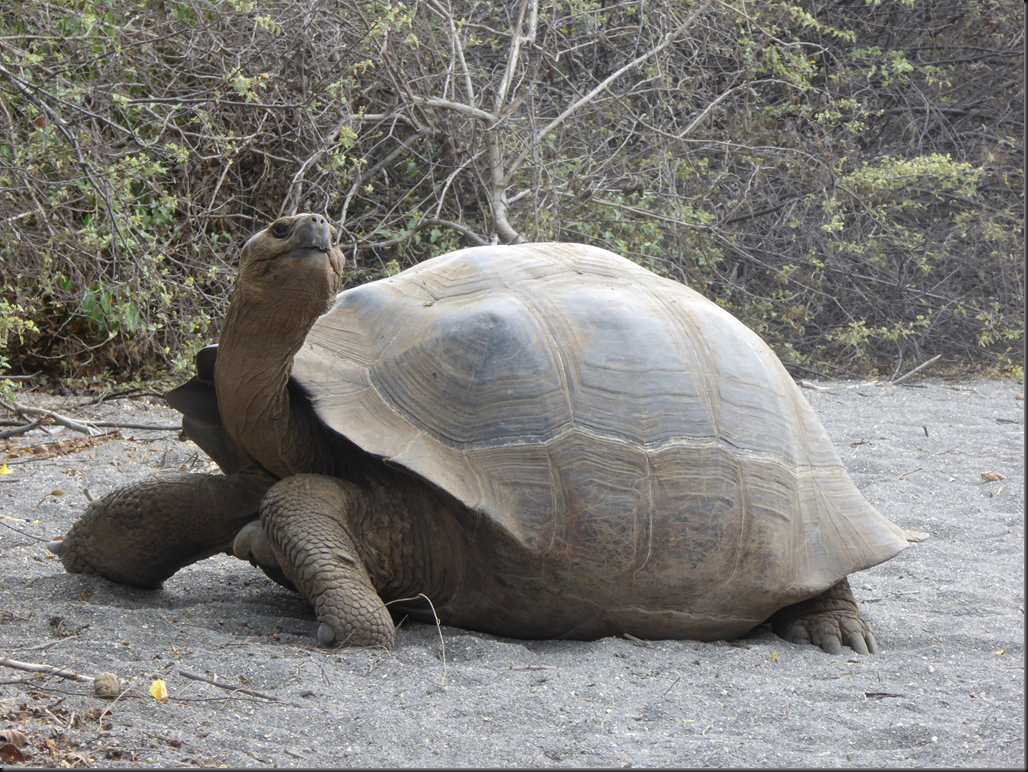
    Eventually the guide pulled Kerri away from the penguins and to see the giant tortoises. The ones on Isabella are saddleback type, so their shell goes up in front to let them reach tall cacti.
    image

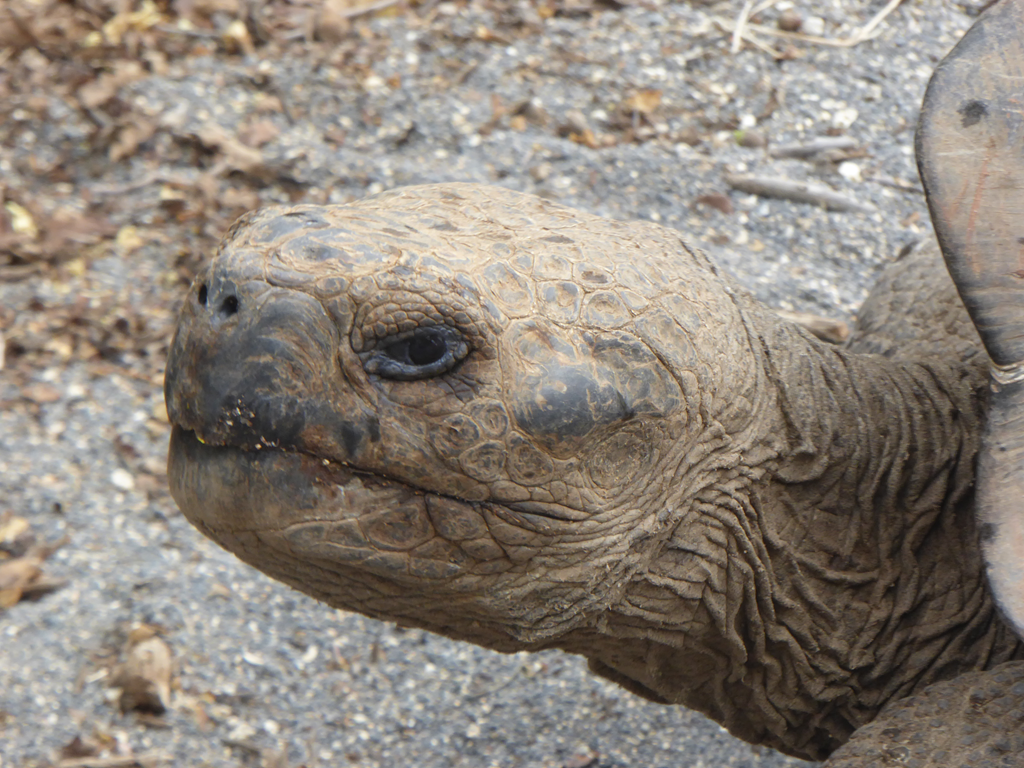
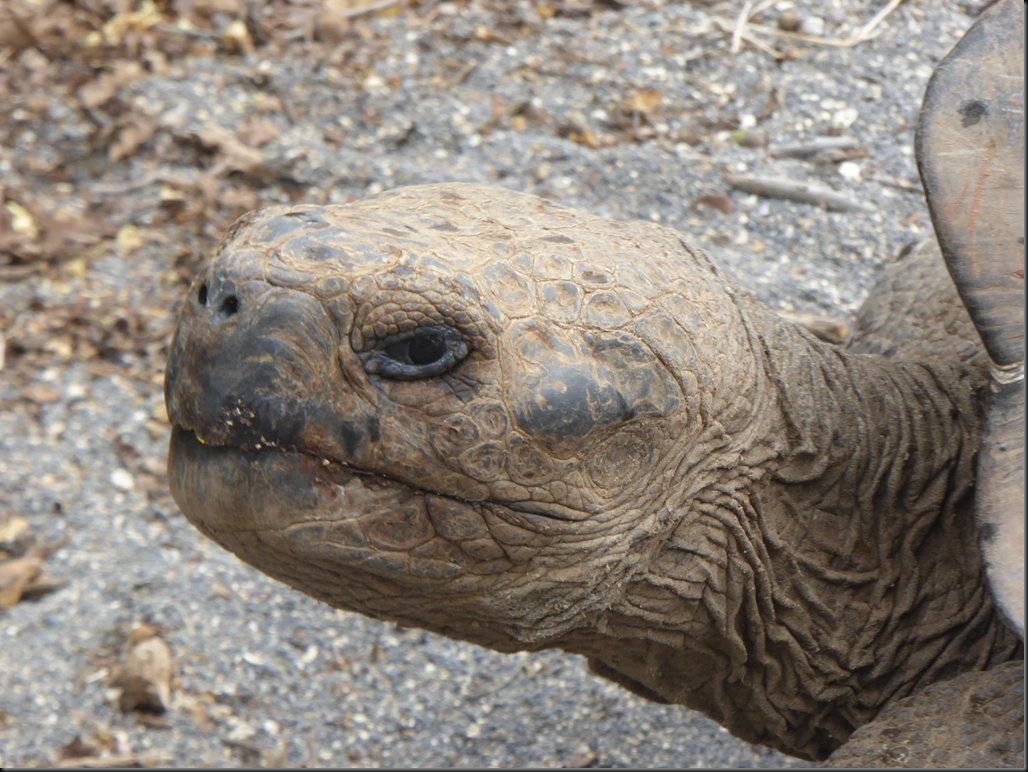
    They are not as cute as the penguins.
    image

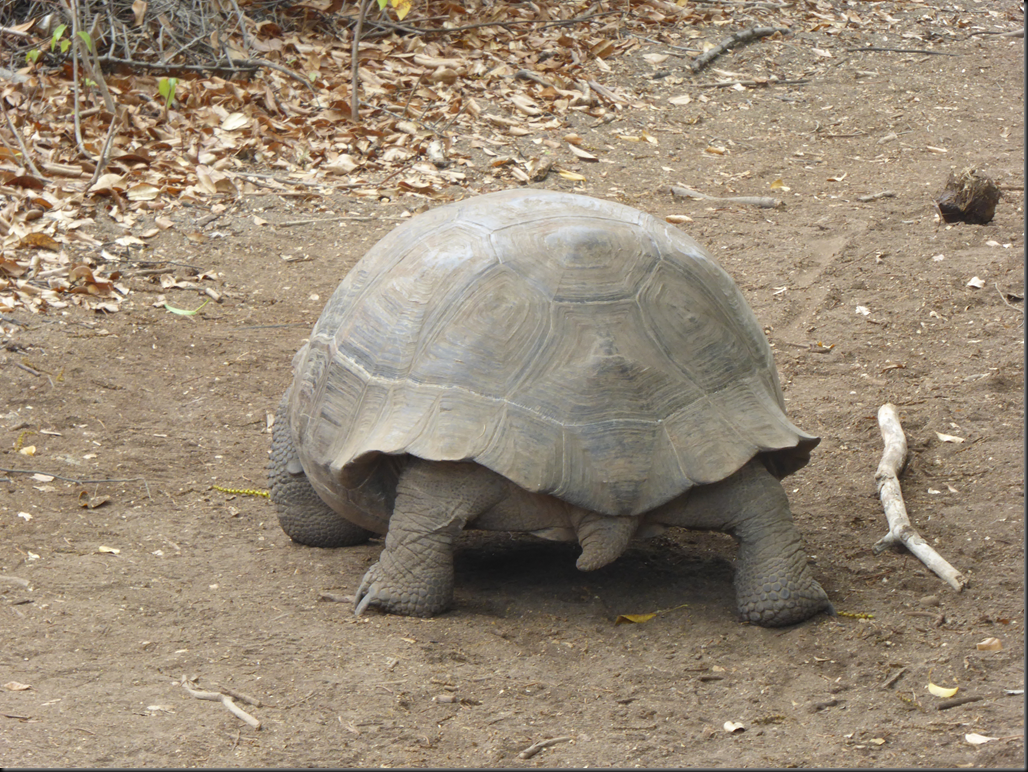
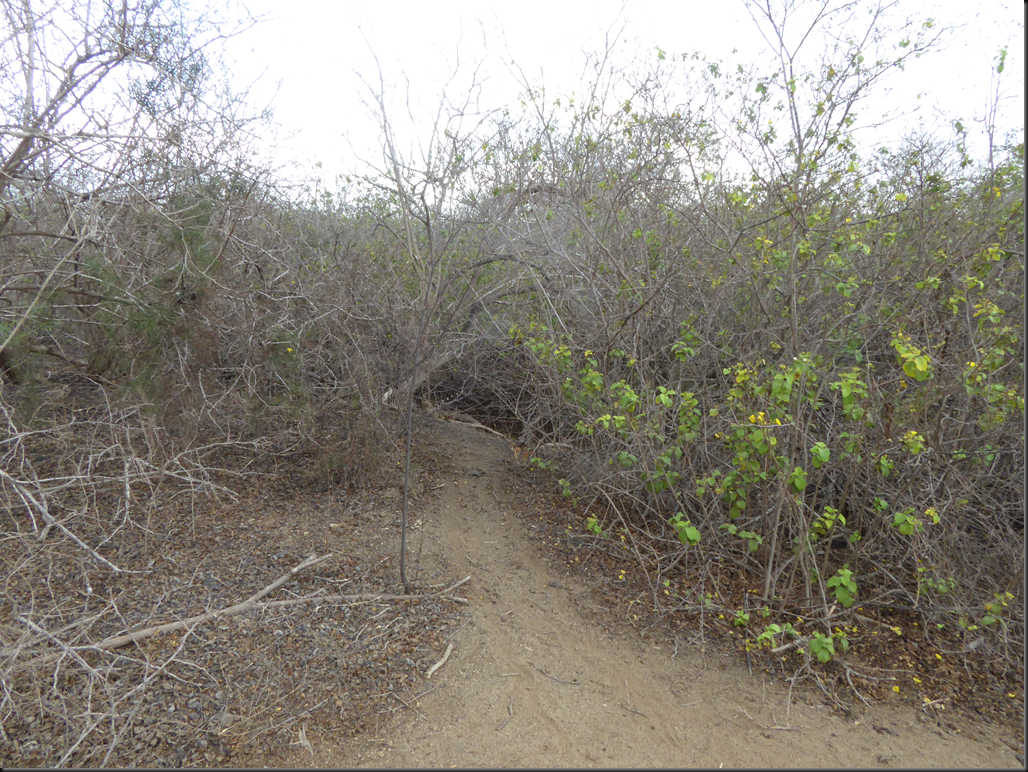
    The males have big tails, which serve multiple purposes.
    image

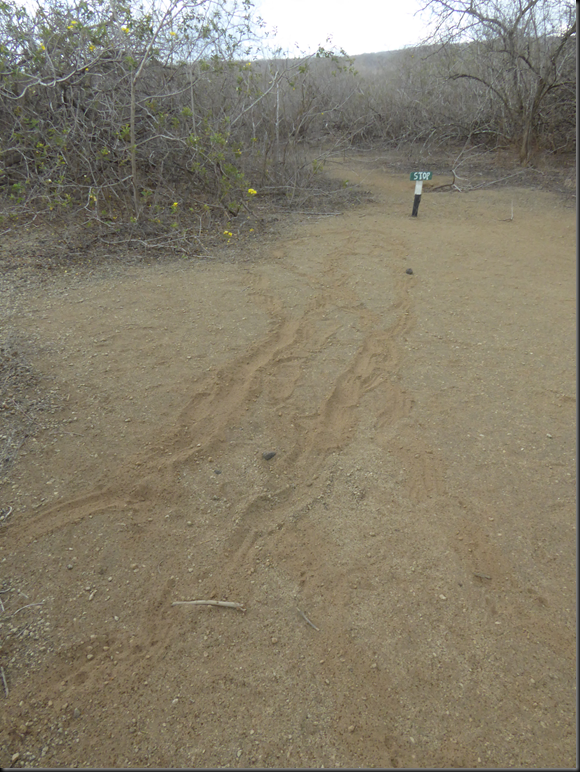
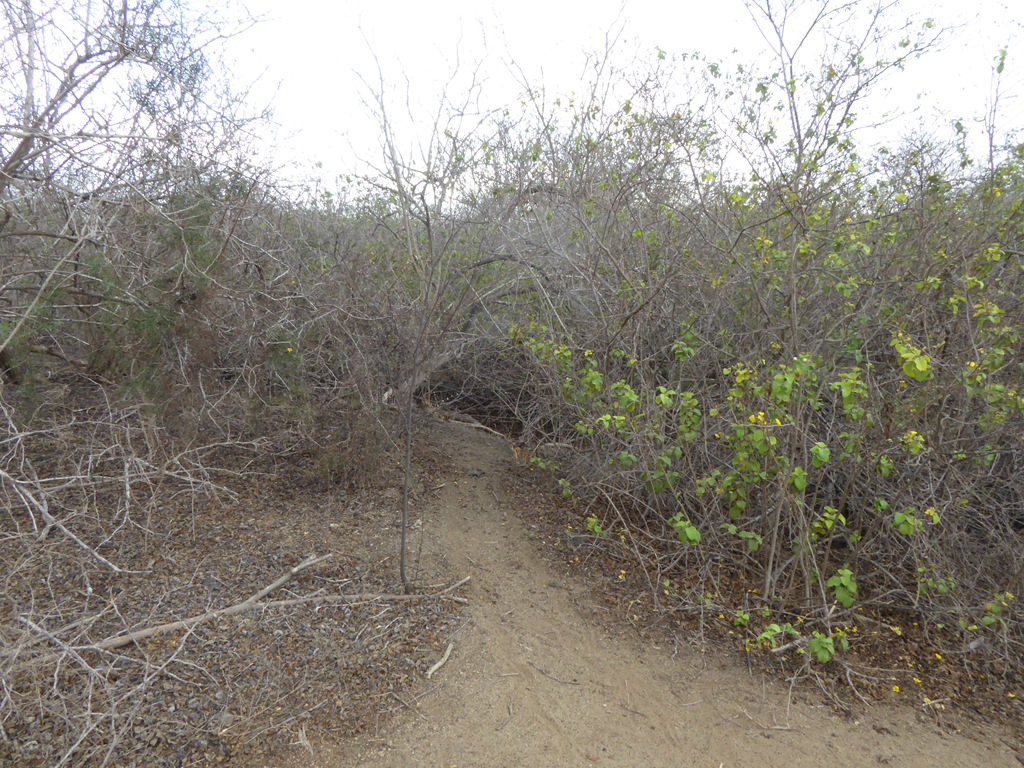
    They make big paths through the forest.
    image

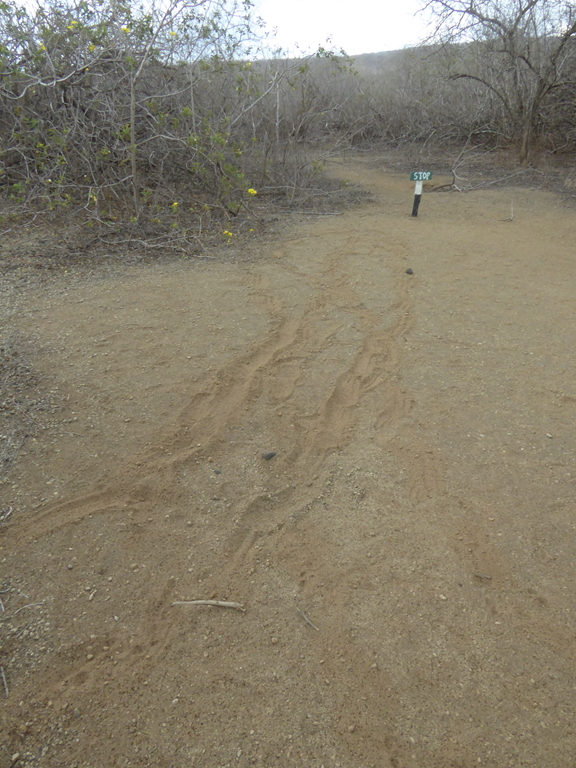
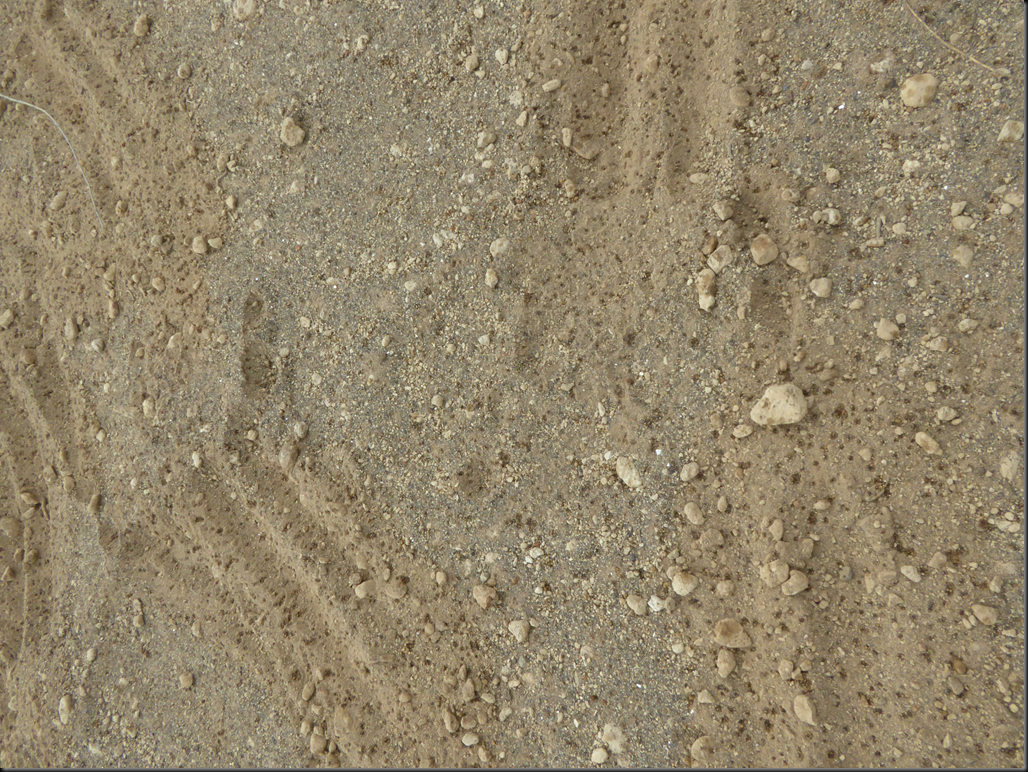
    And leave funny tracks in the sand.

    image

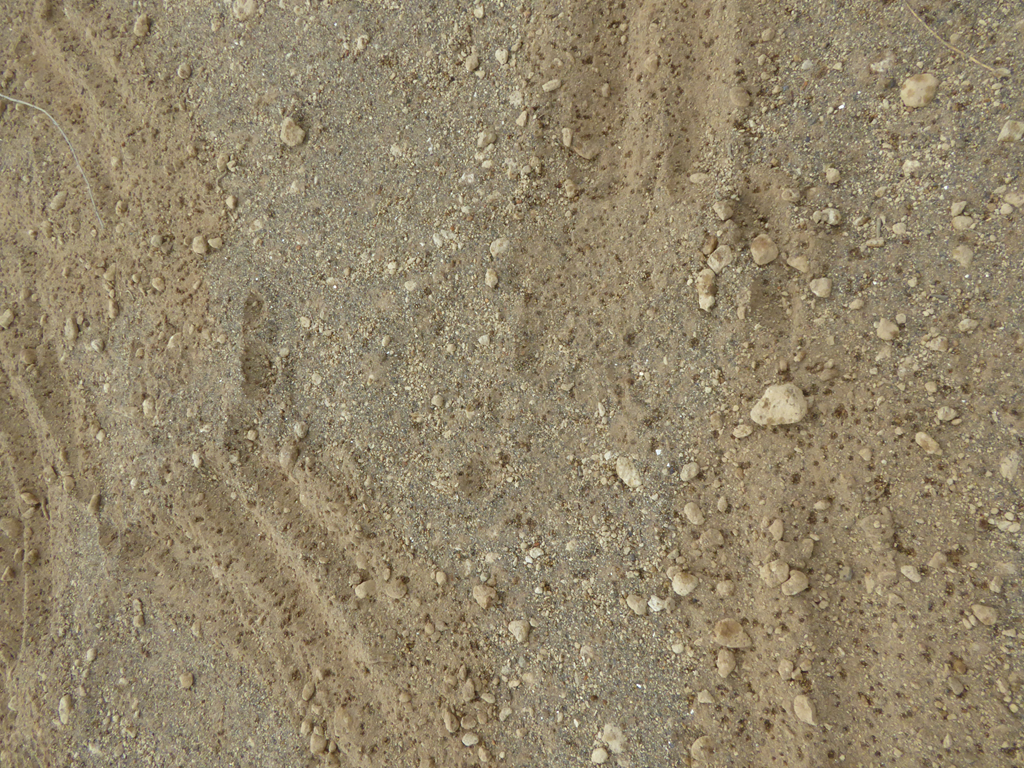
    Their footprints are as big as Kerri’s hand.
    image

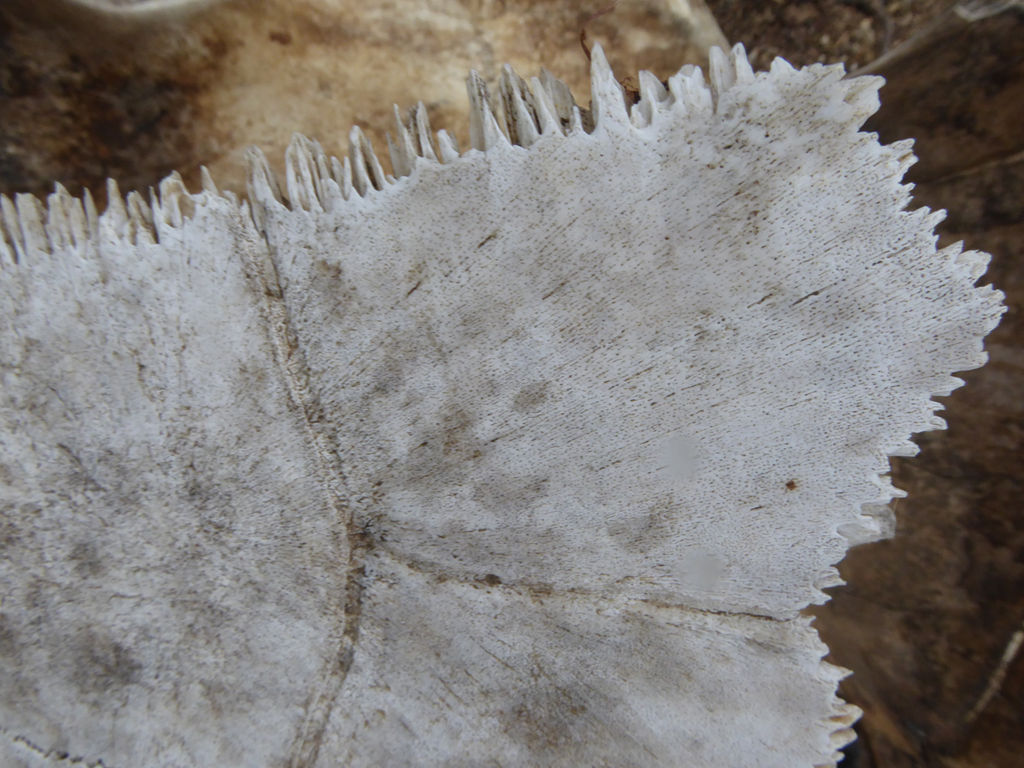
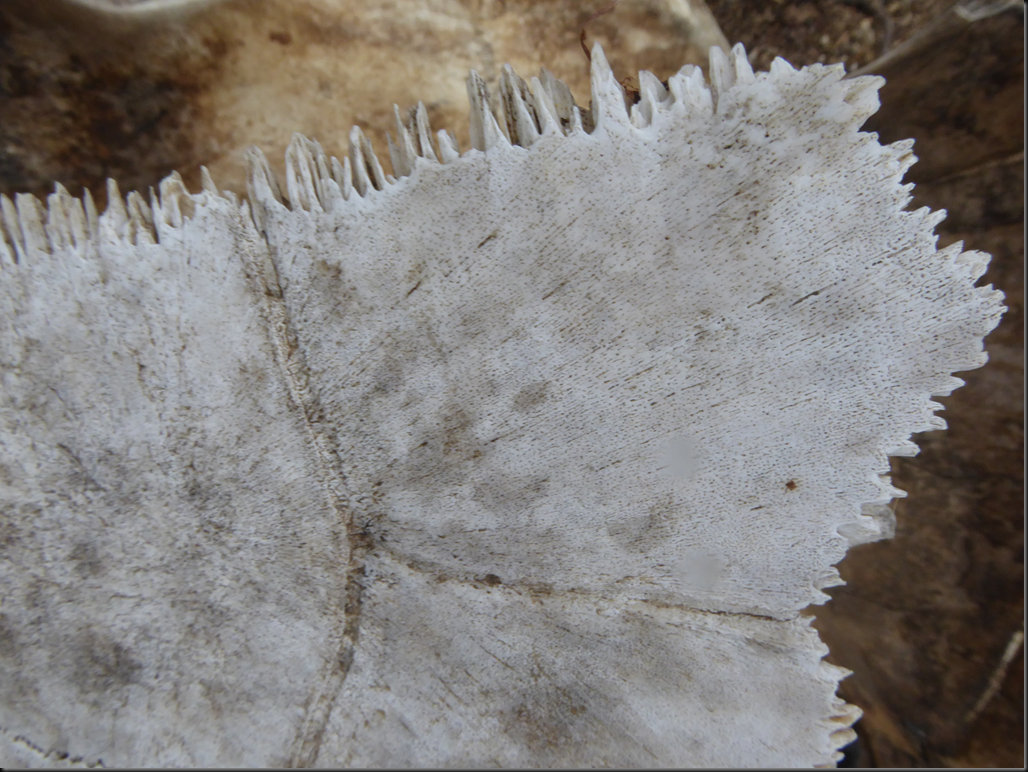
    The old tortoise shells break into shards when they break apart.
    image

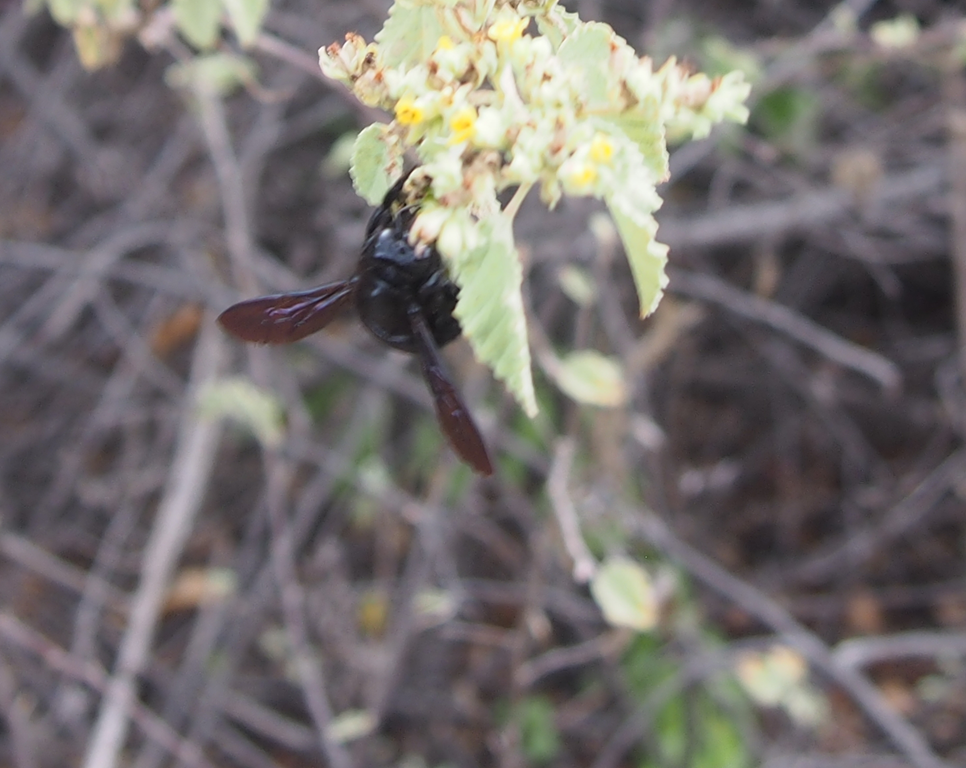
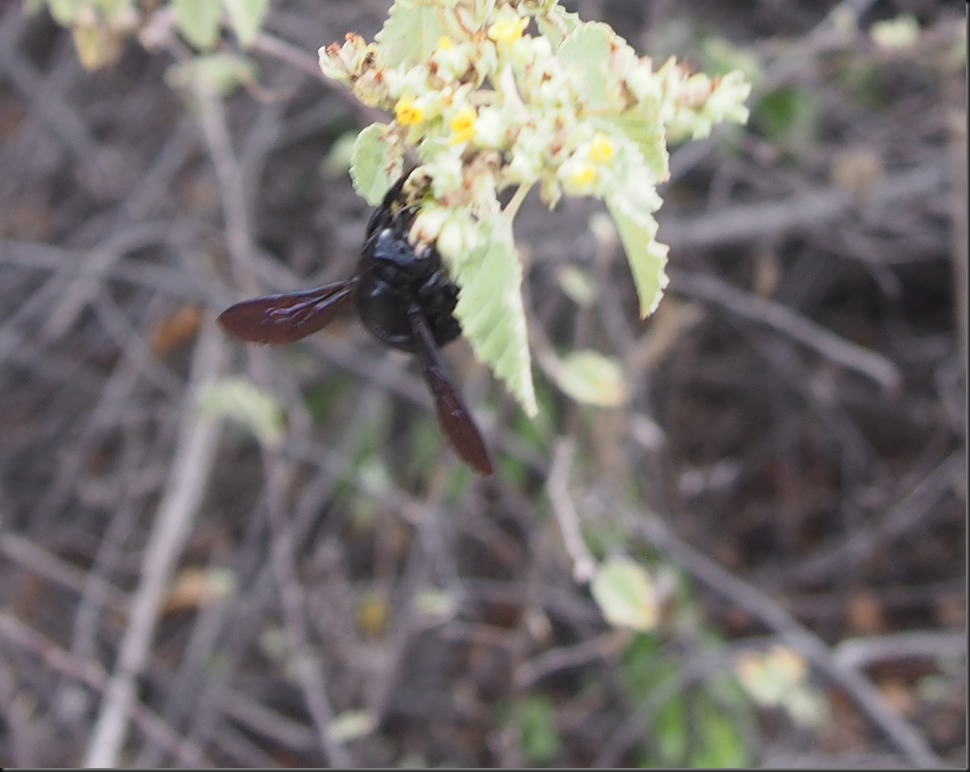
    This is a carpenter bee. They are very large and loud. They are found on the mainland too. Kerri does not like them.
    image

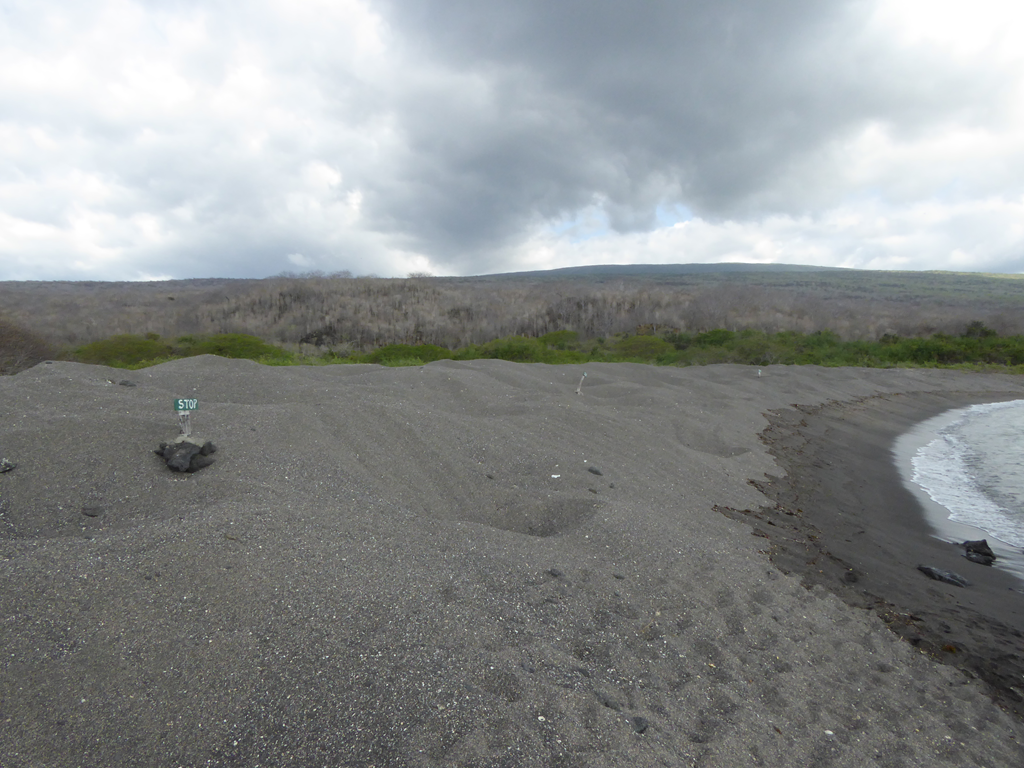
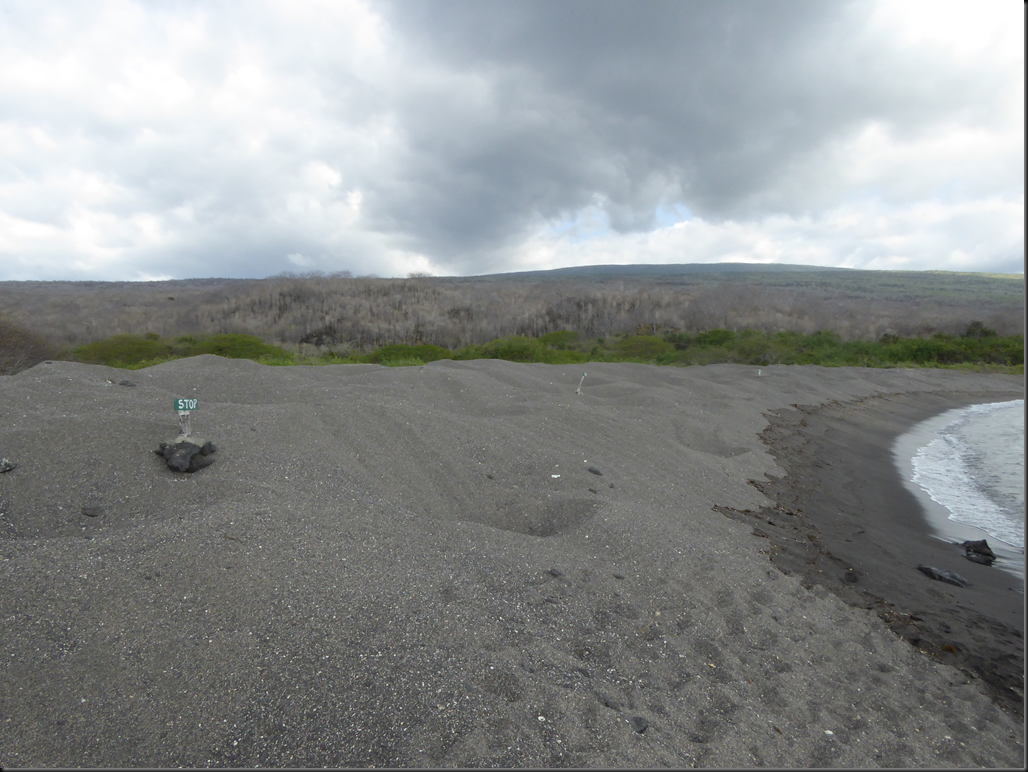
    All of these pits on the beach are sea turtle nests. In a few months there will be tons of itty bitty cute sea turtles on this beach. It’s probably good that that didn’t happen now, because there are already too many pictures of penguins in this post.
    image

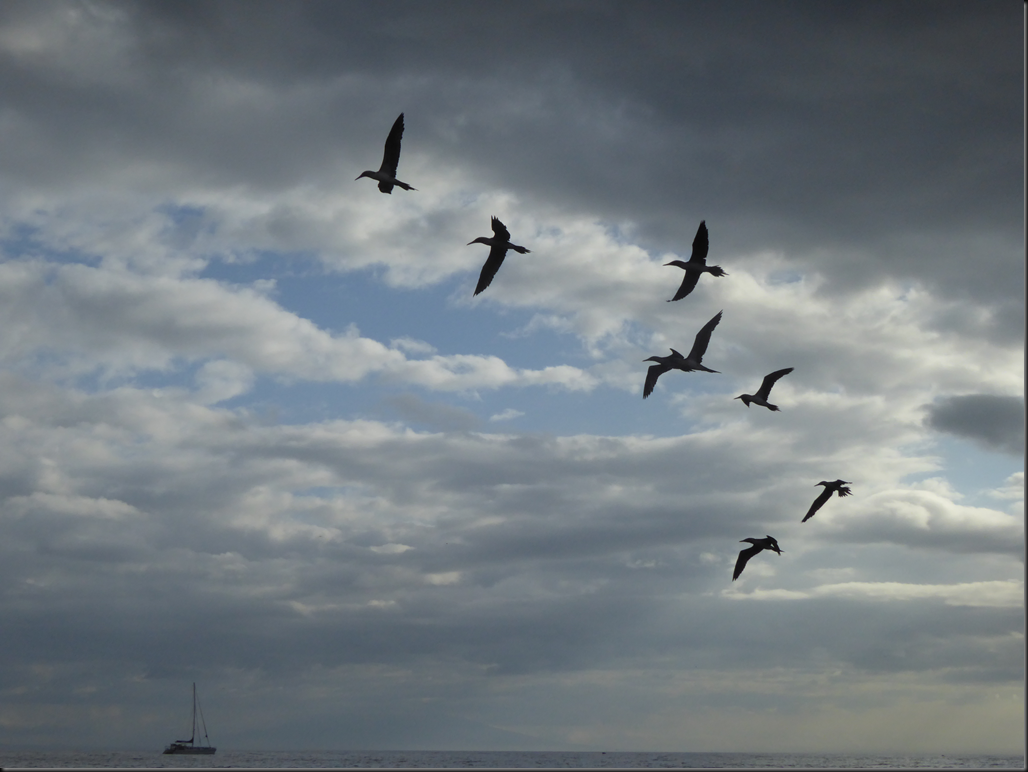
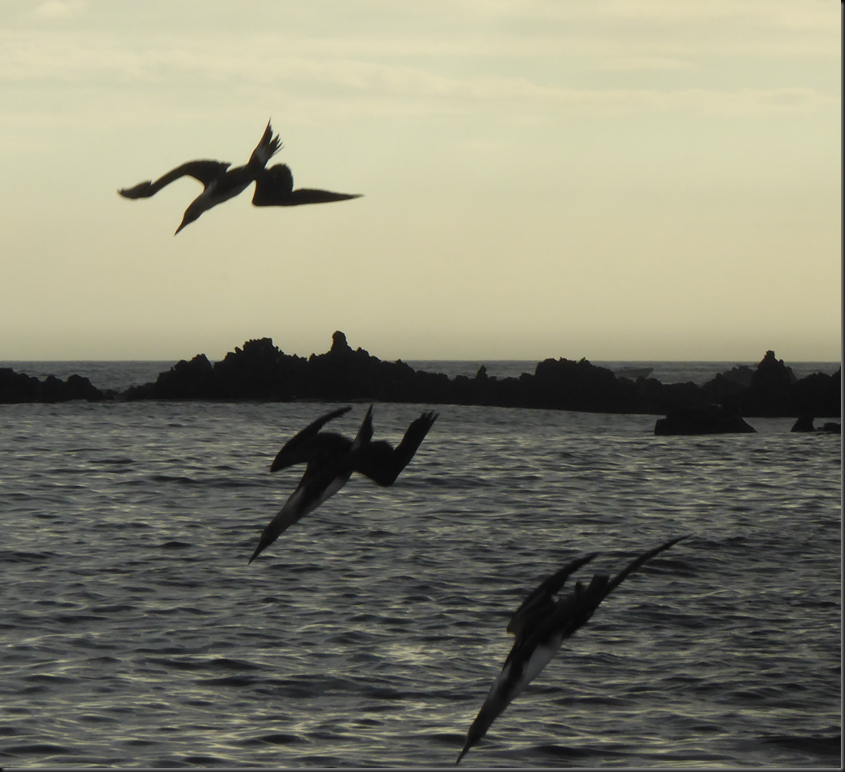
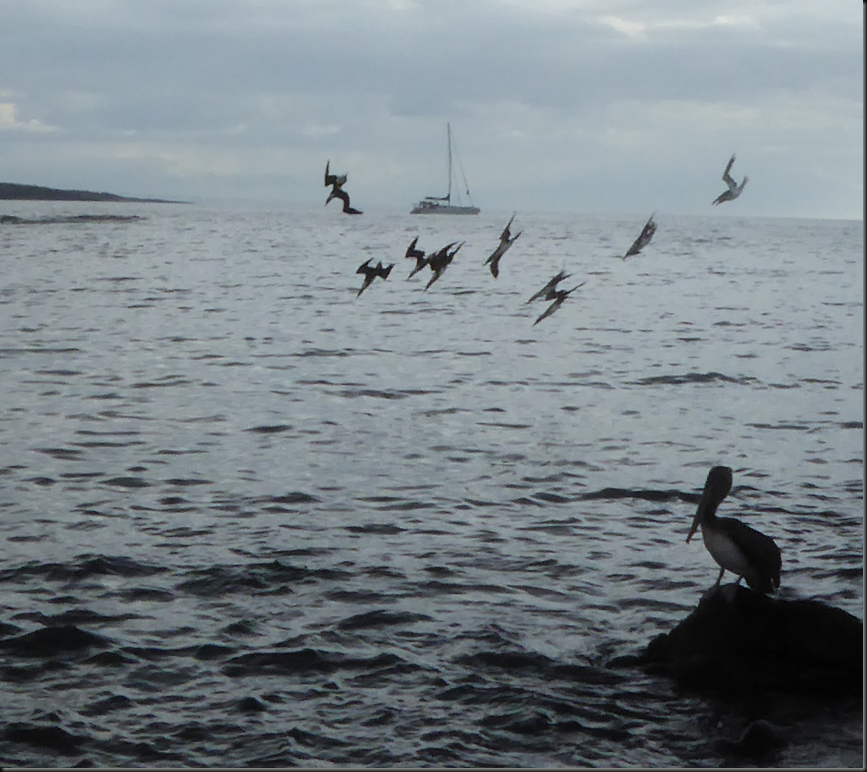
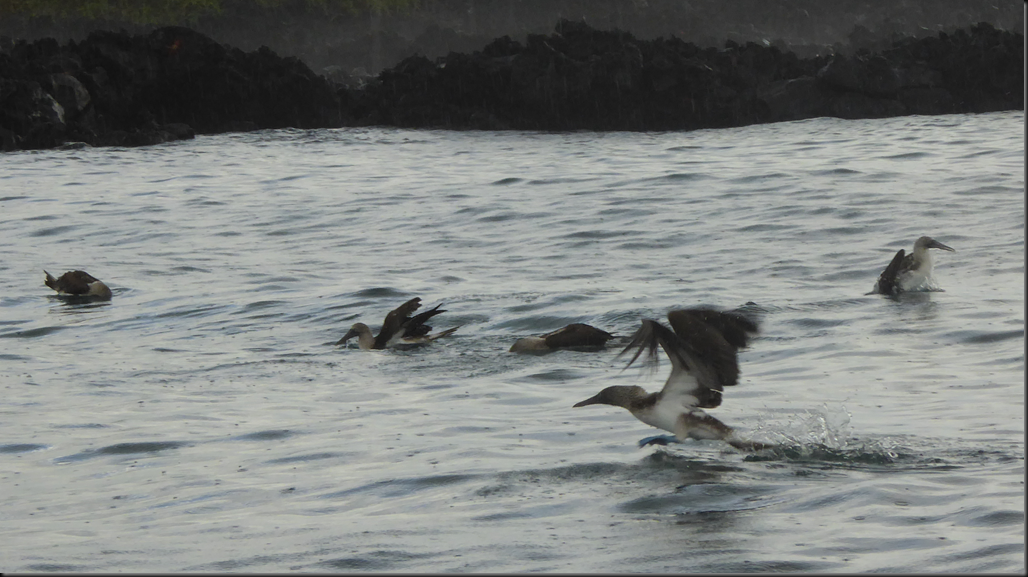
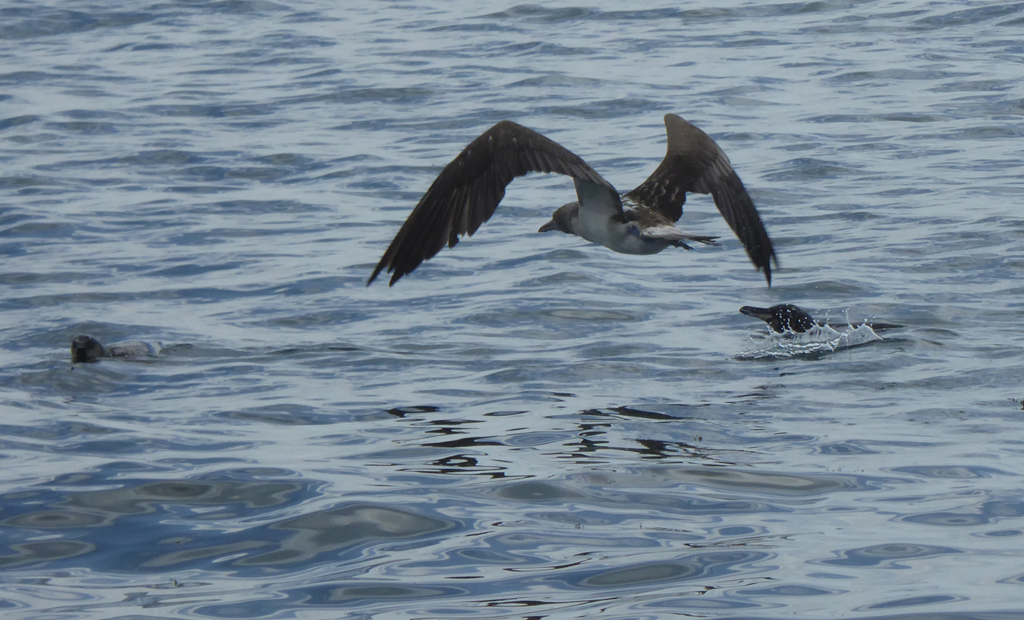
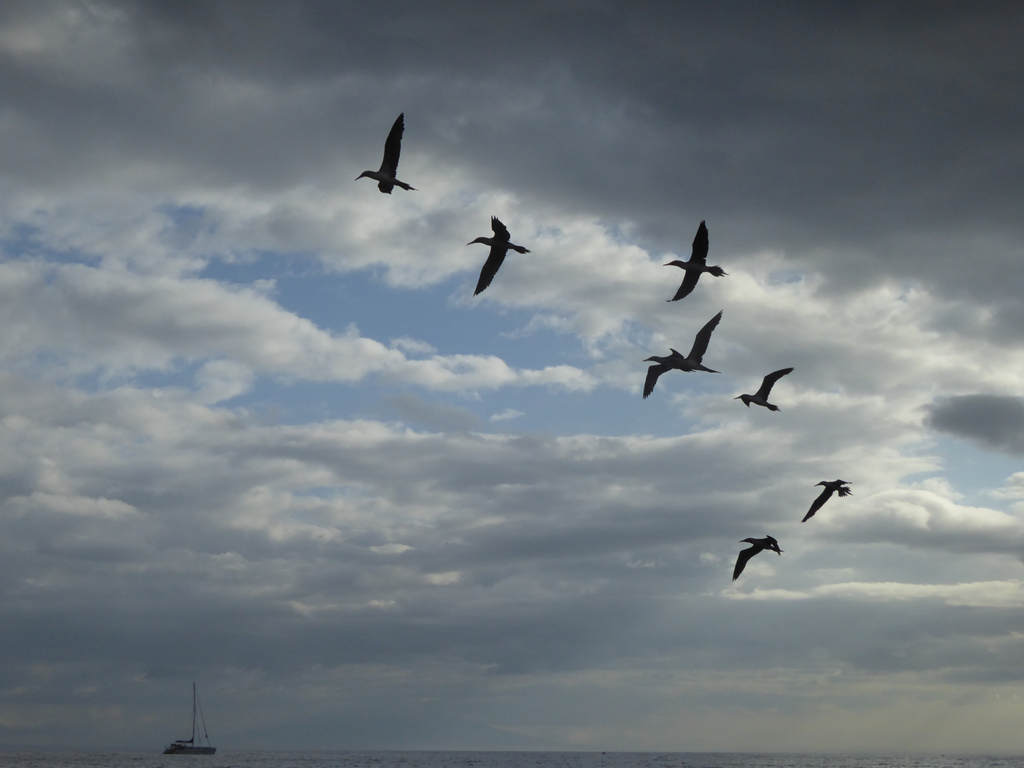
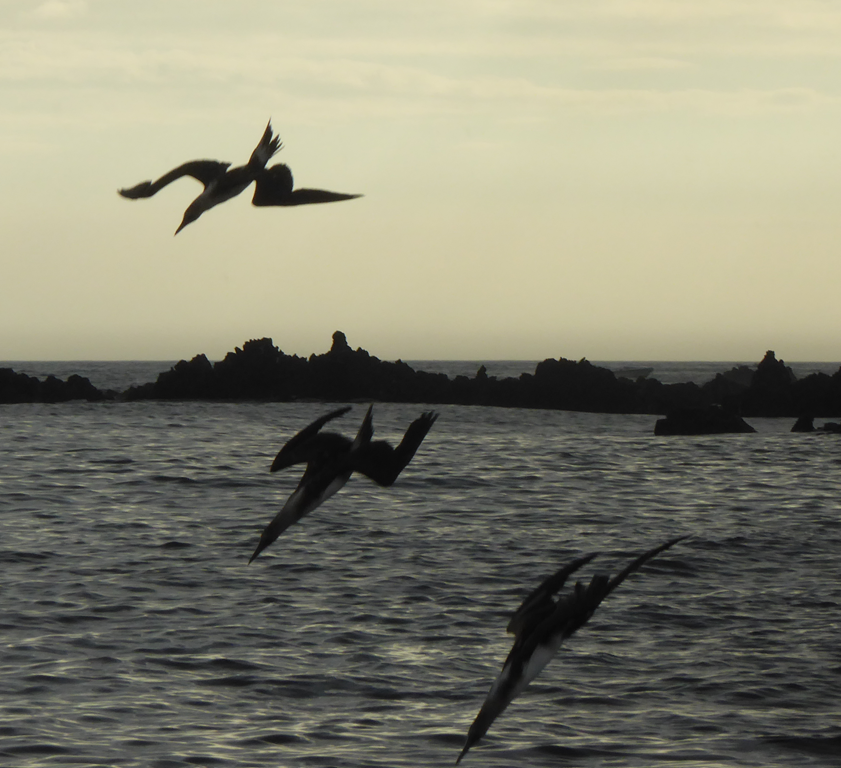
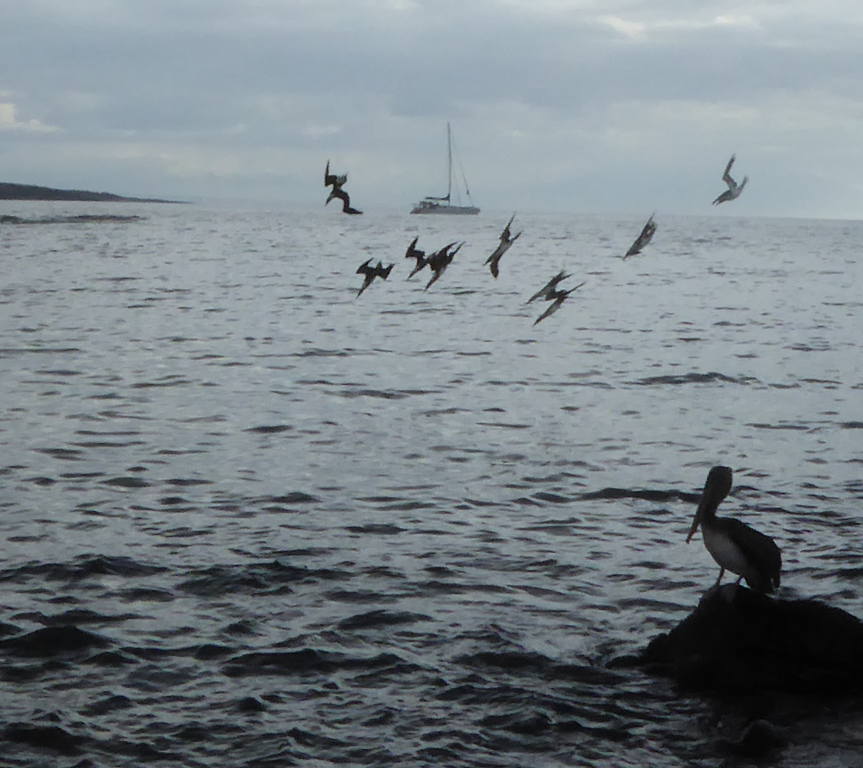
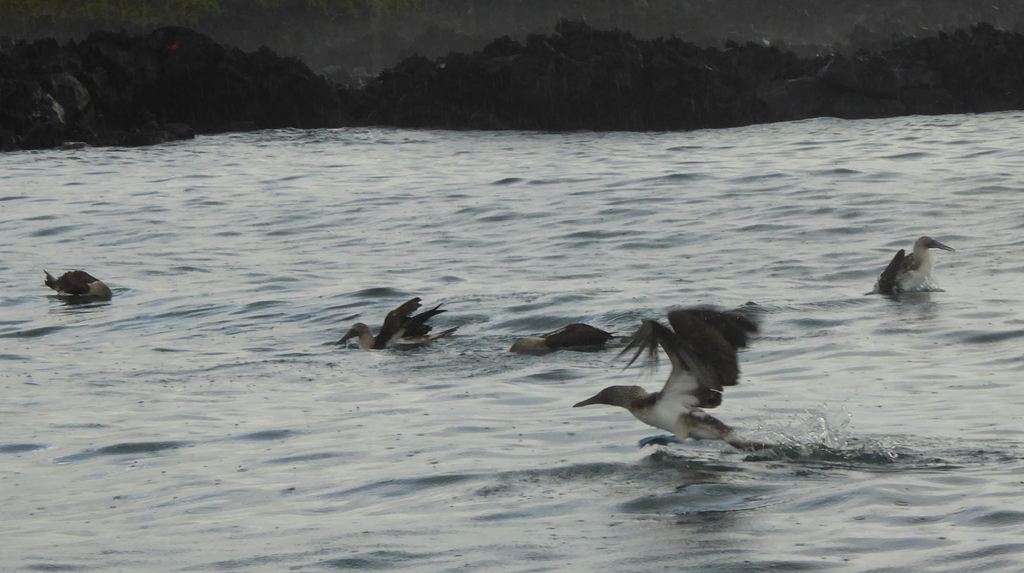
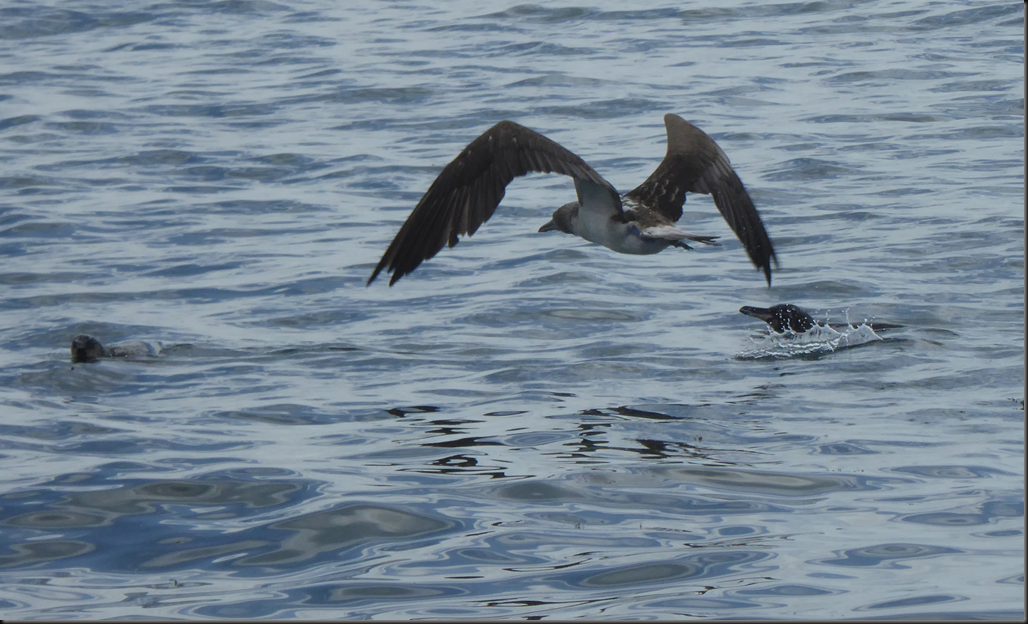
    The boobies were fishing in the bay as we finished.
    image

    They circle around in big groups.

    image

    Then they take a deep breath,

    image

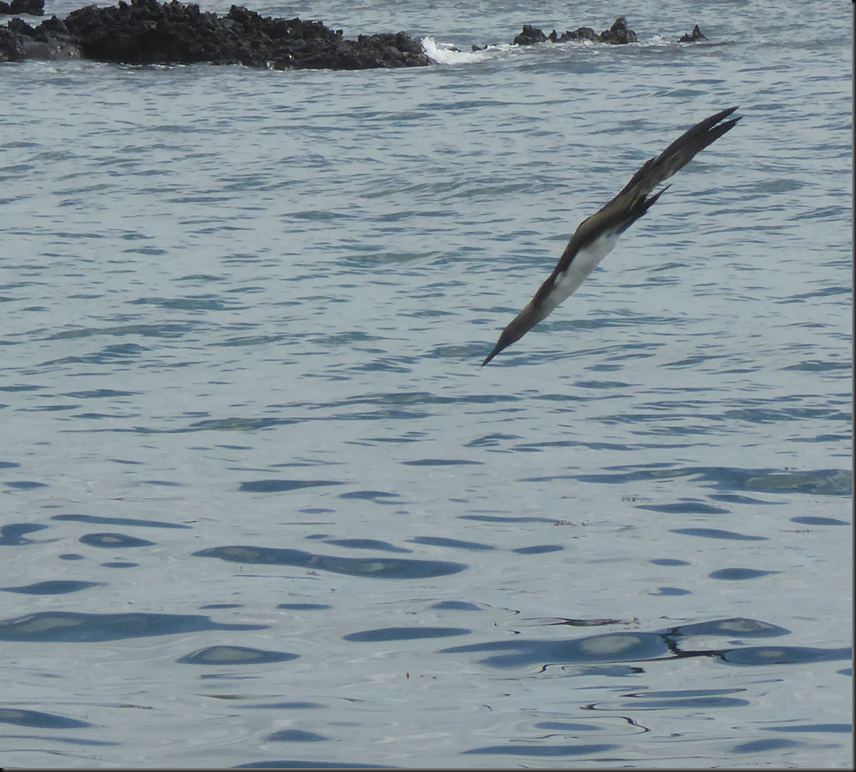
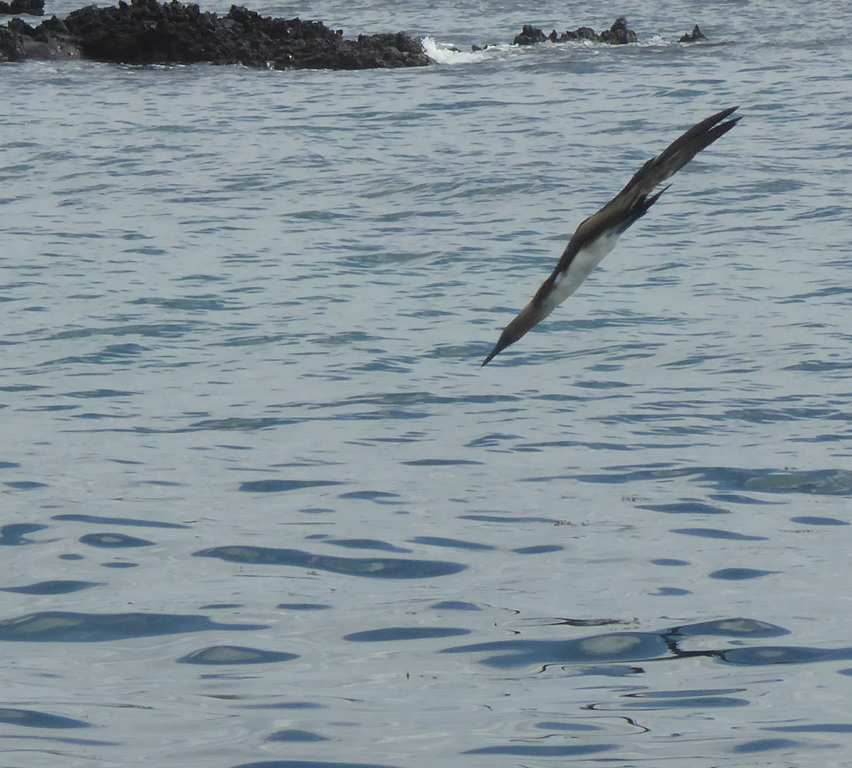
    Make themselves really streamlined,

    image

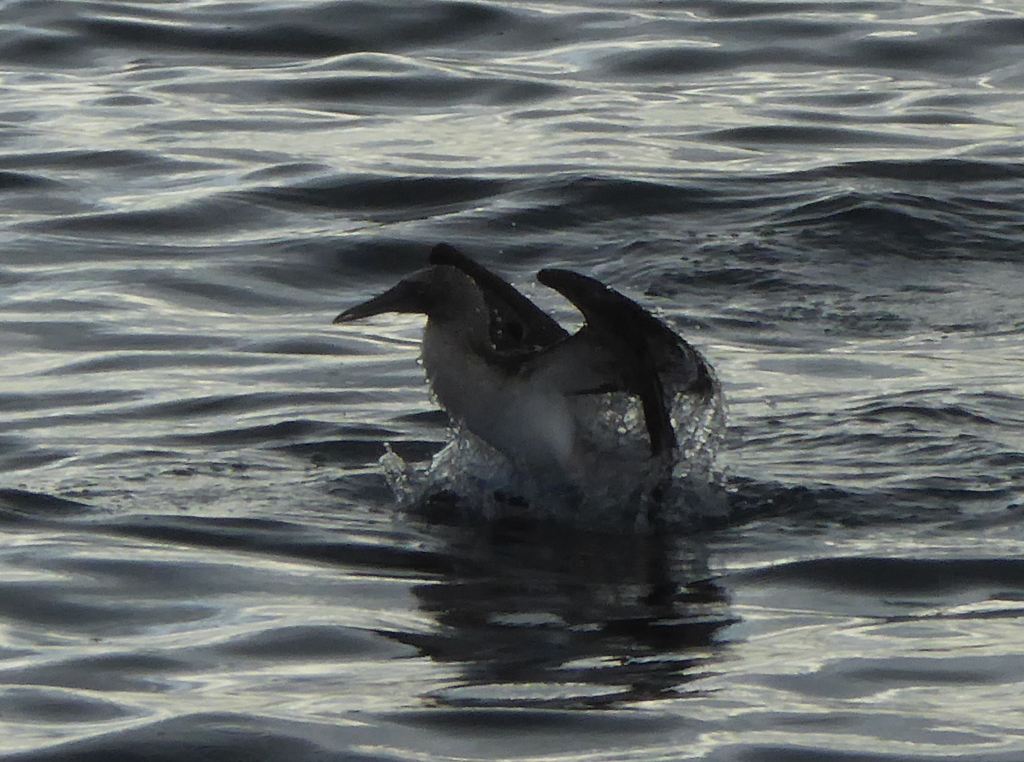
    And dive really fast into the water.

    image

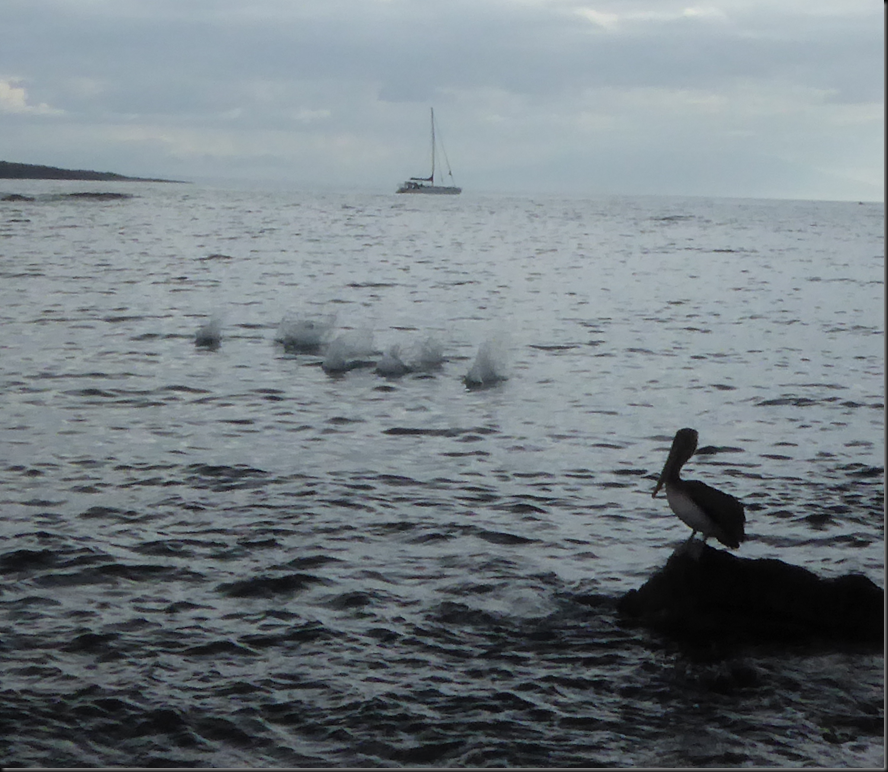
    They shoot straight down and hopefully catch a fish.
    image

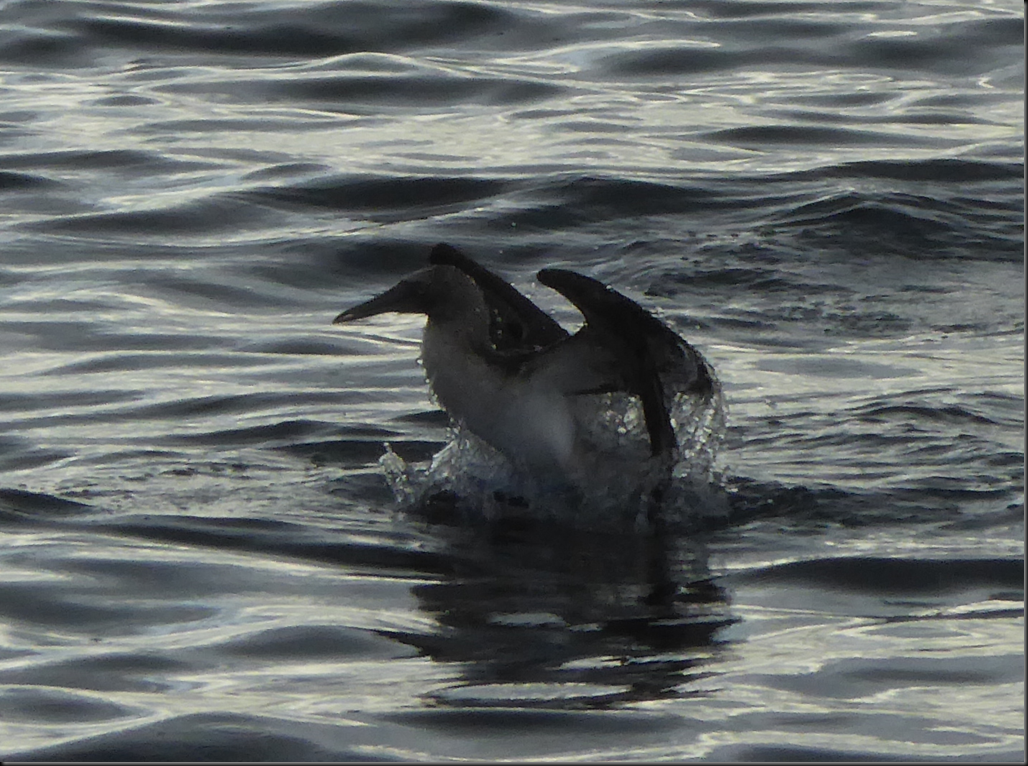
    Boobies float with their lungs full of air, so after a couple seconds they float back up to the surface and pop up out of the water.
    image

    Then they start all over again.

    image

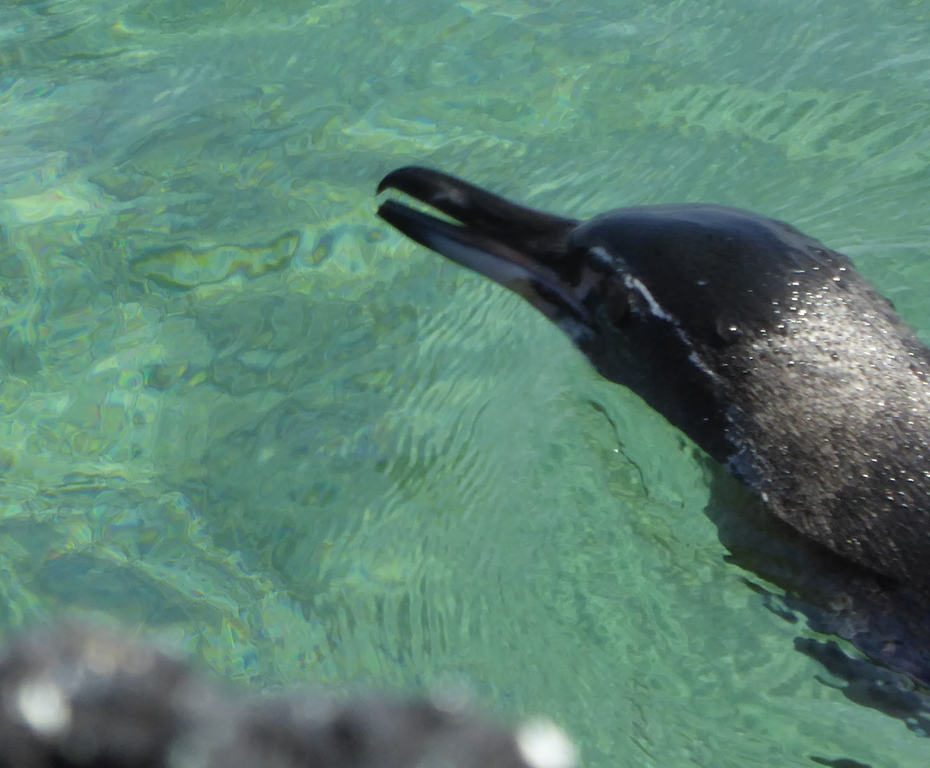
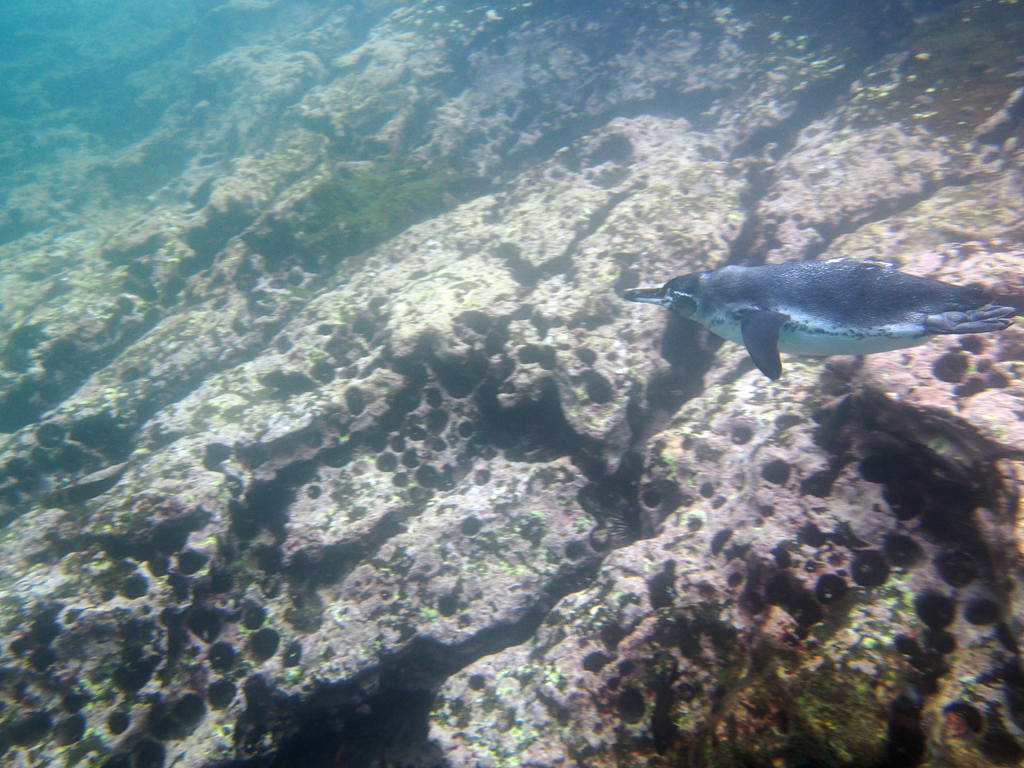
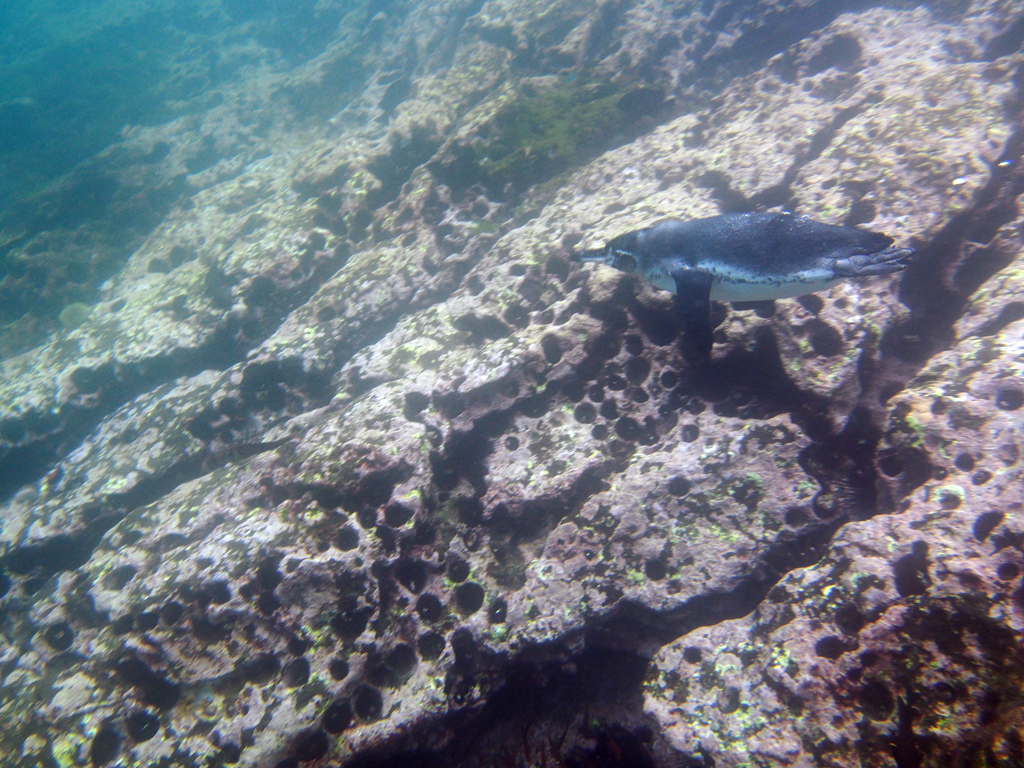
    Here is a penguin saying goodbye.
    image


  • Punta Marino

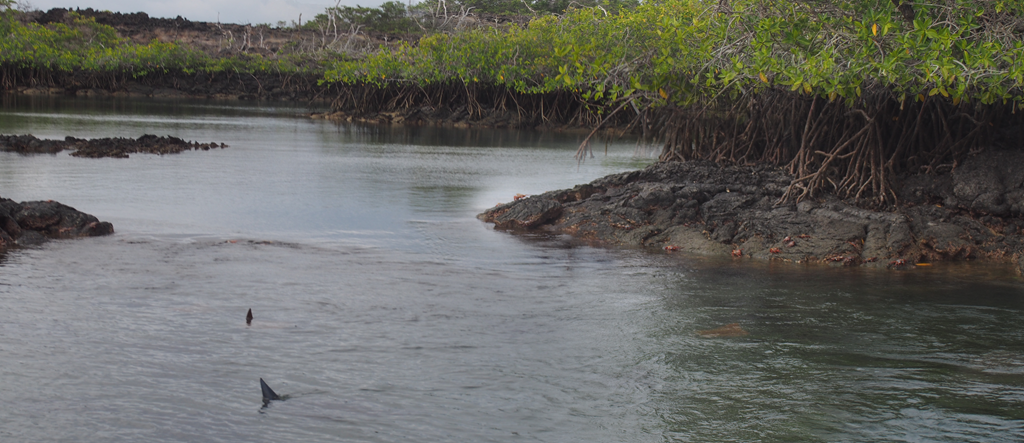
    On our way to land through the mangroves, we saw a school of rays.

    image

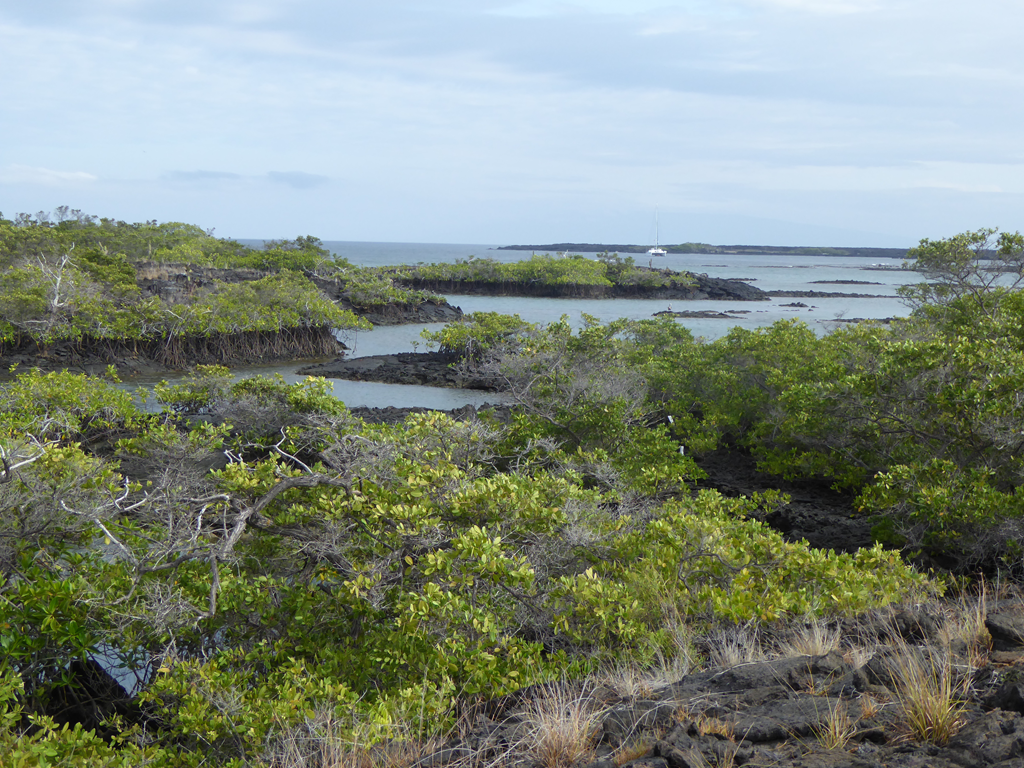
    The mangroves, looking back at our boat.

    image

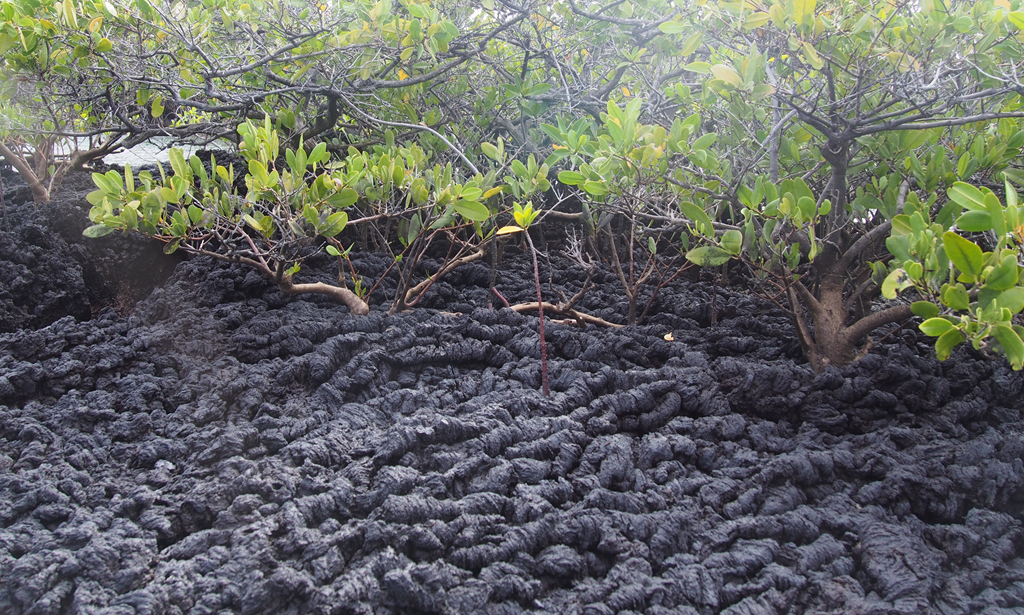
    The mangroves were growing straight out of the lava.

    image

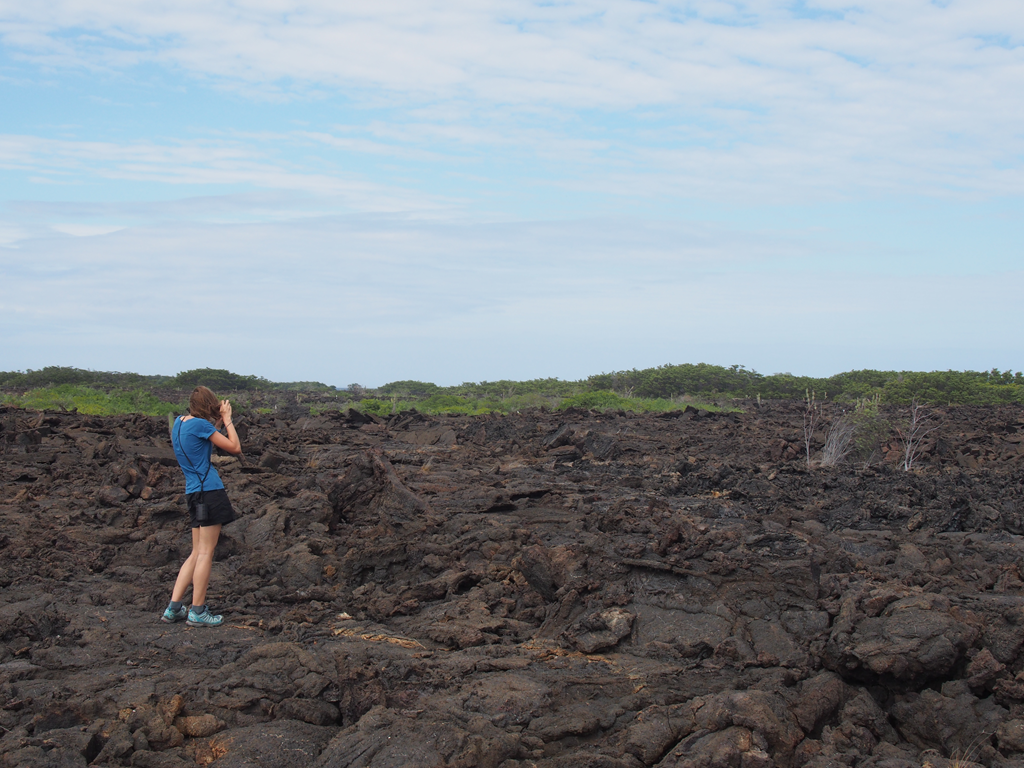
    The newest lava does not have much growing out of it.

    image

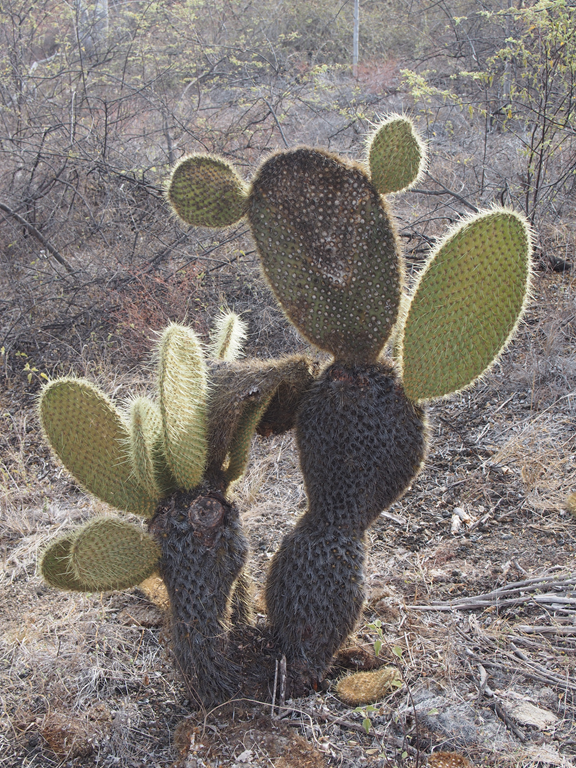
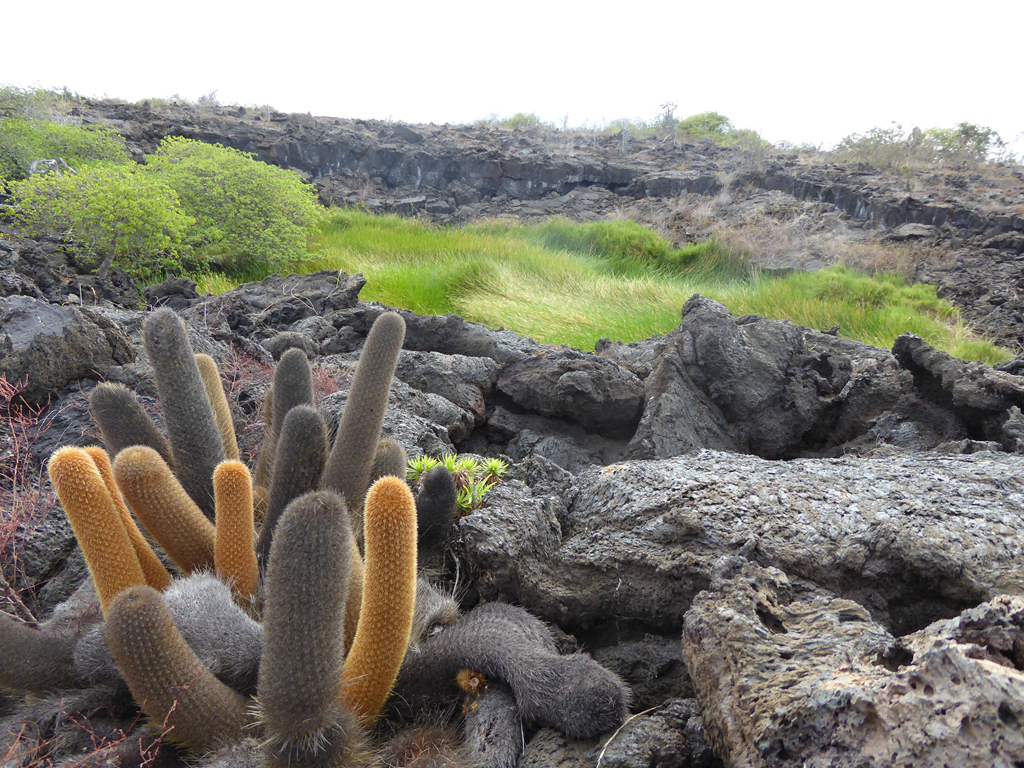
    This is a lava cactus, one of the first pioneer species to live on the lava.

    image

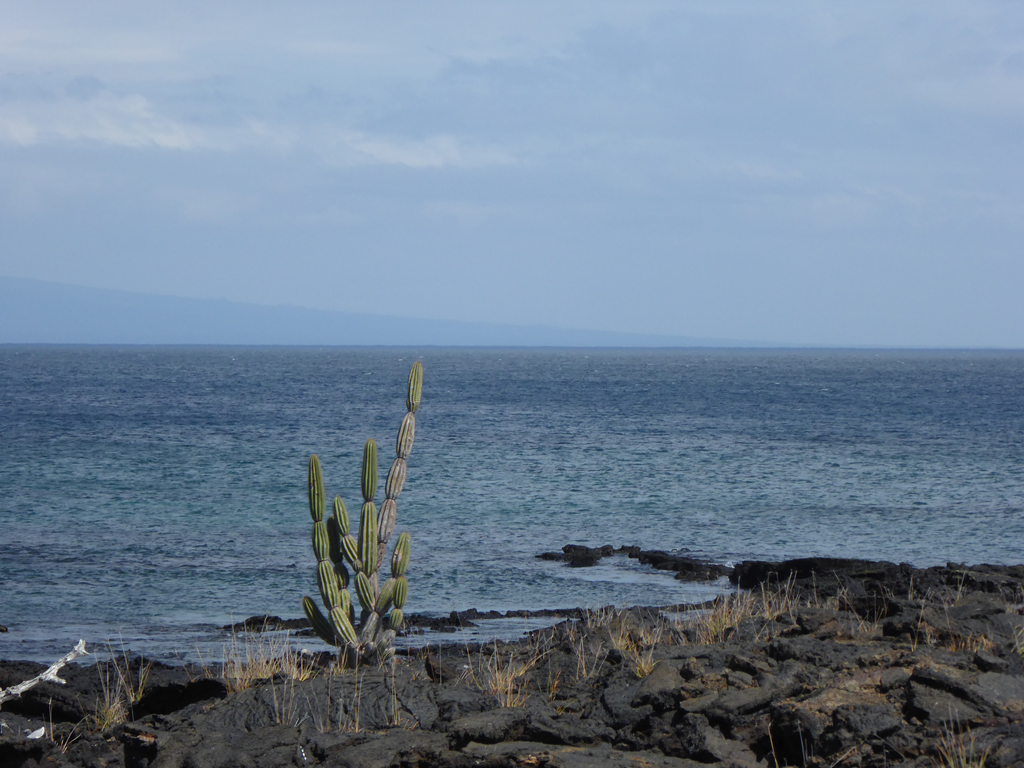
    This is a candelabra cactus. They come a bit later.

    image

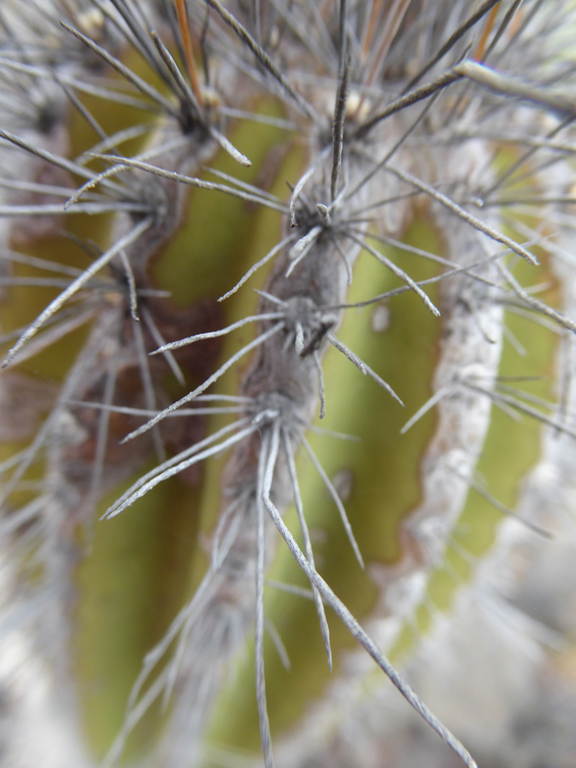
    This is a closeup of the candelabra cactus.

    image

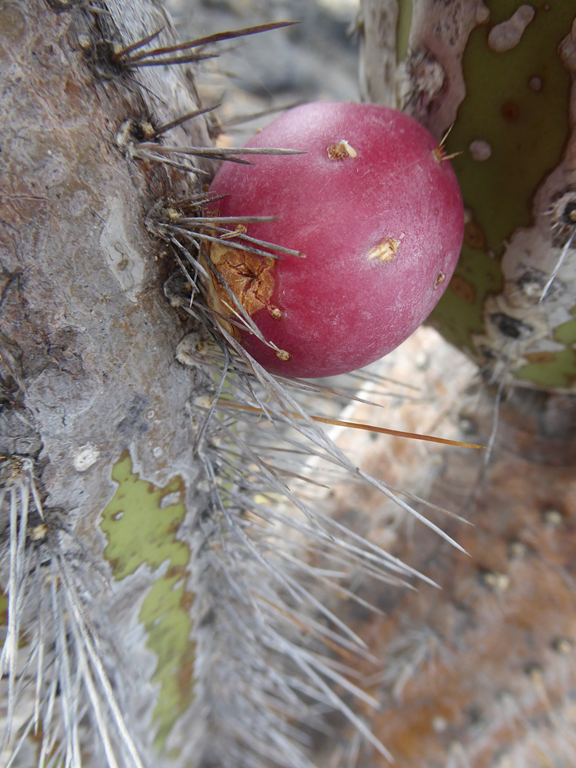
    They make these red fruit.

    image

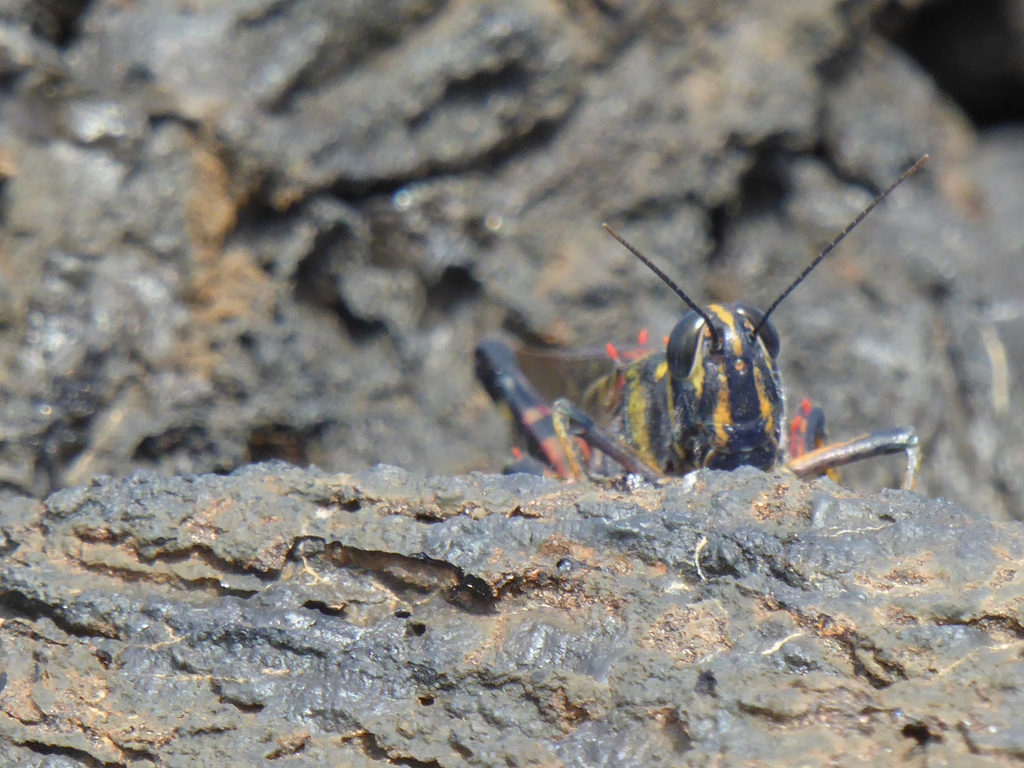
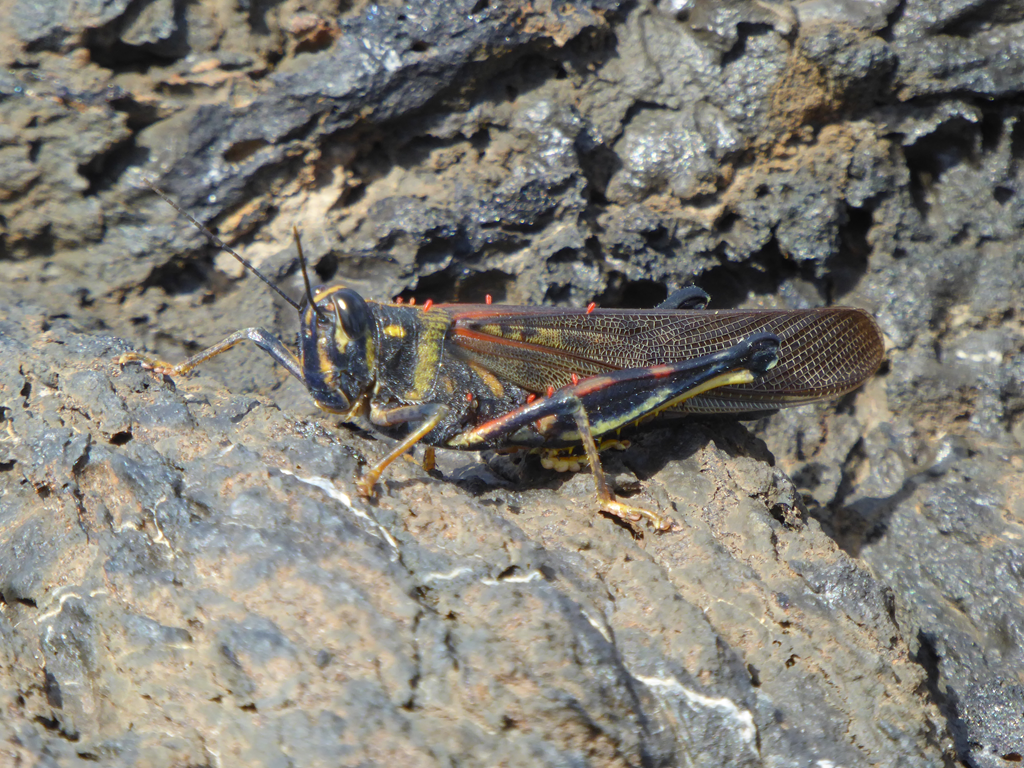
    There were also painted locusts, which the lava lizards eat.

    image

    Apparently we will be plagued by locusts wherever we go.

    image

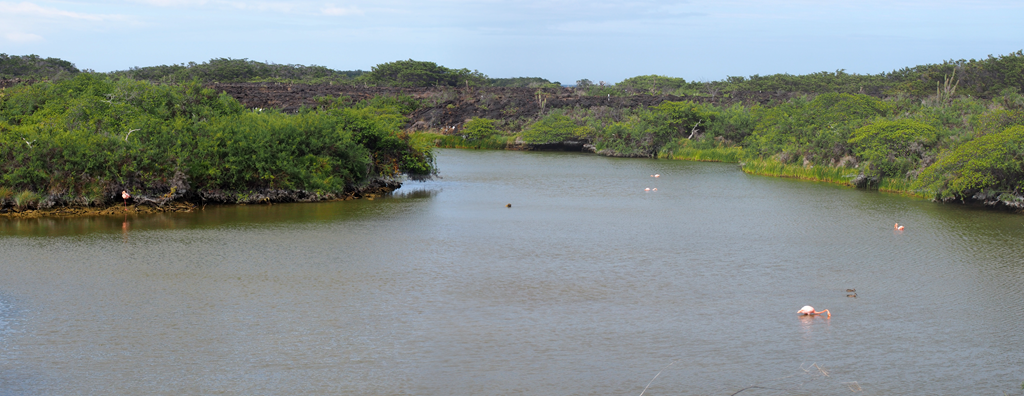
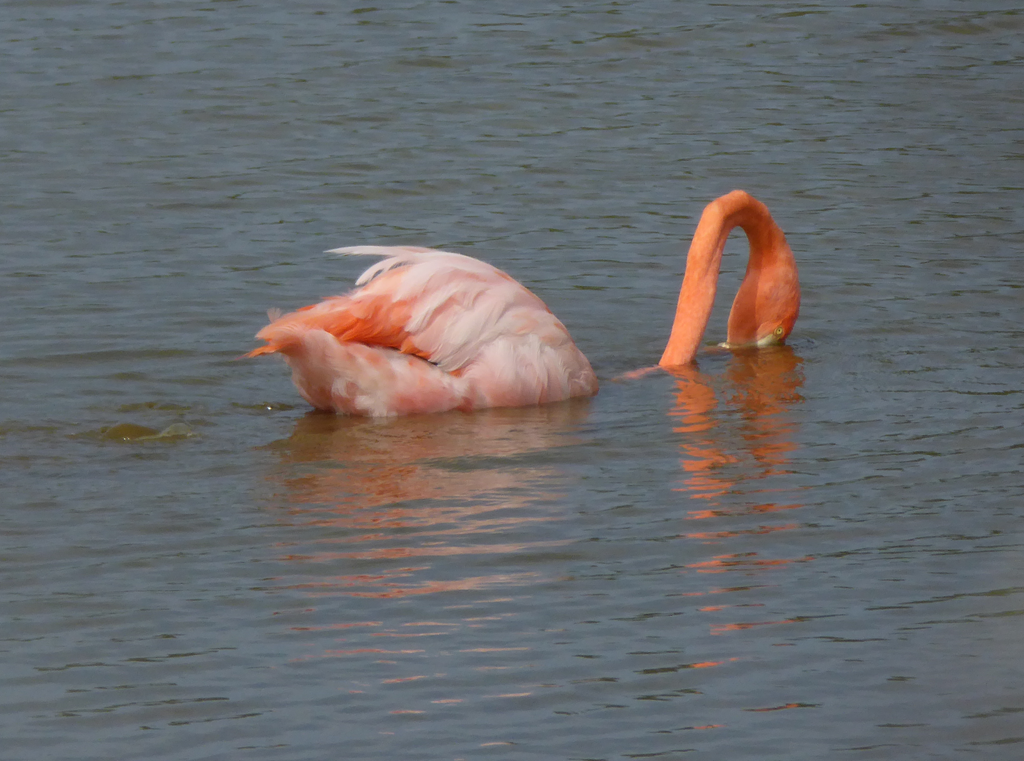
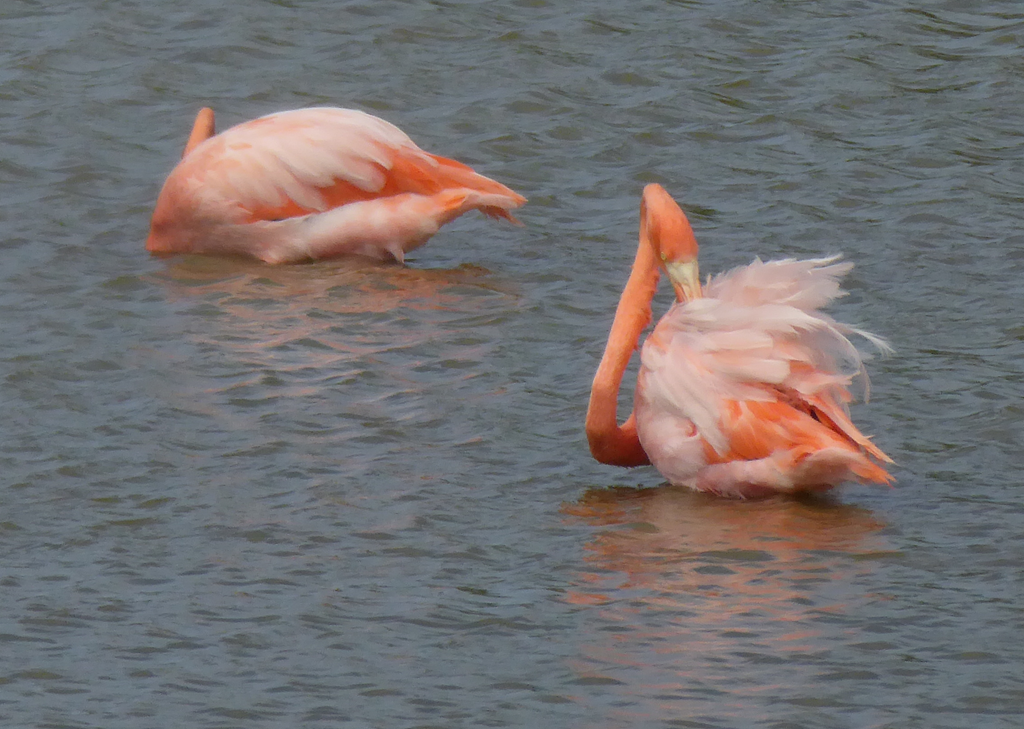
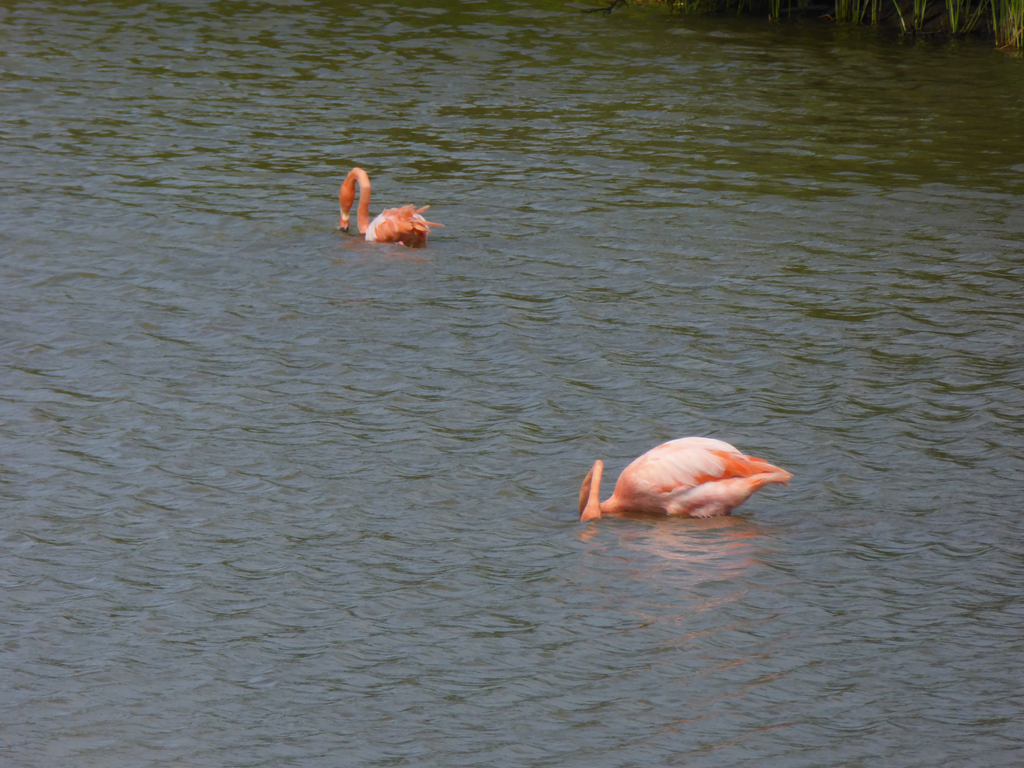
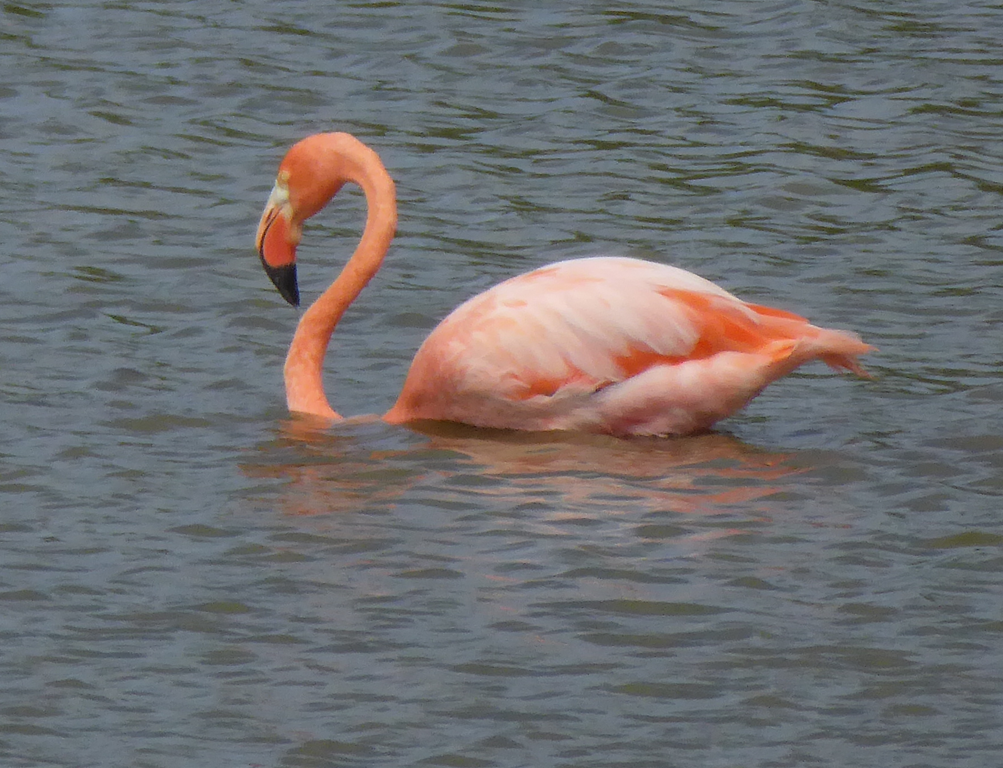
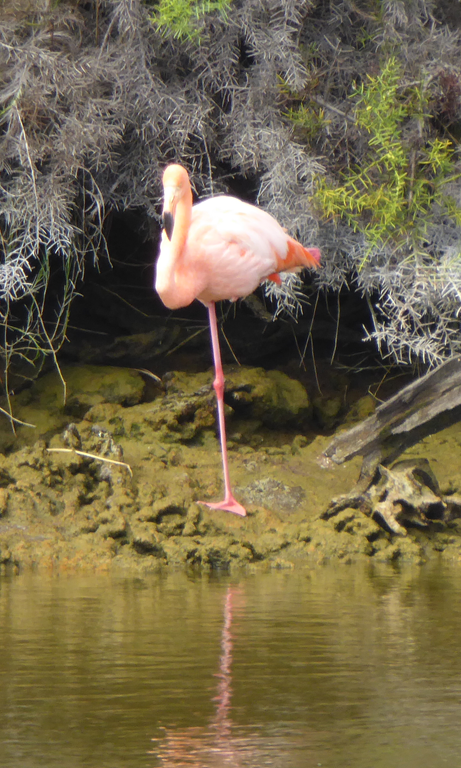
    We visited a lake with lots of flamingos.

    image

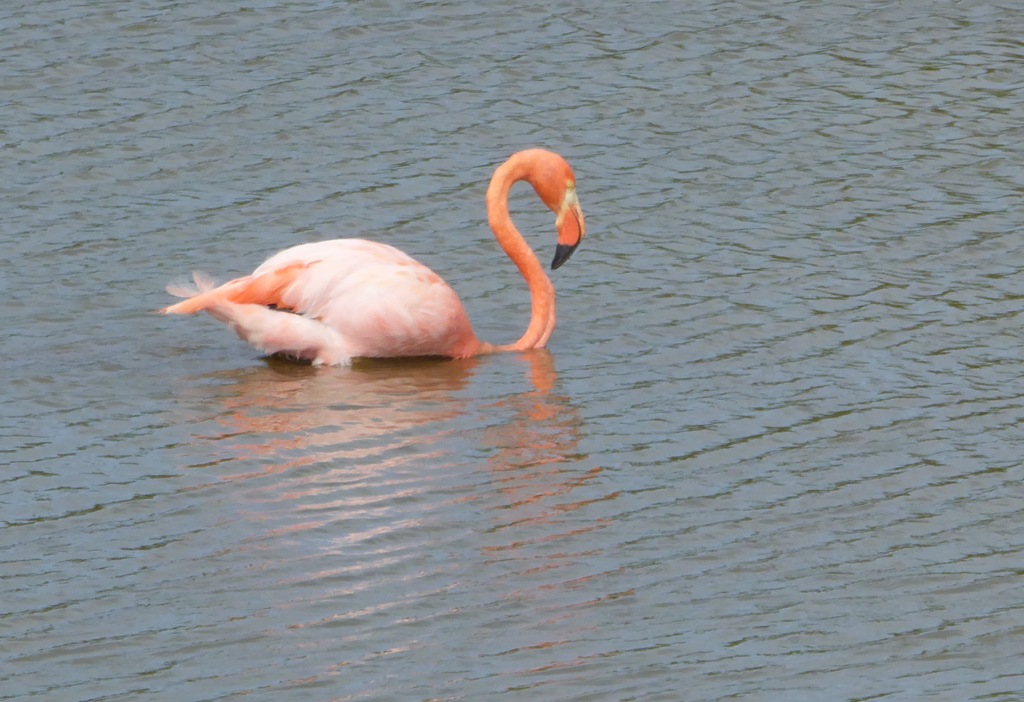
    They were very pink.

    image

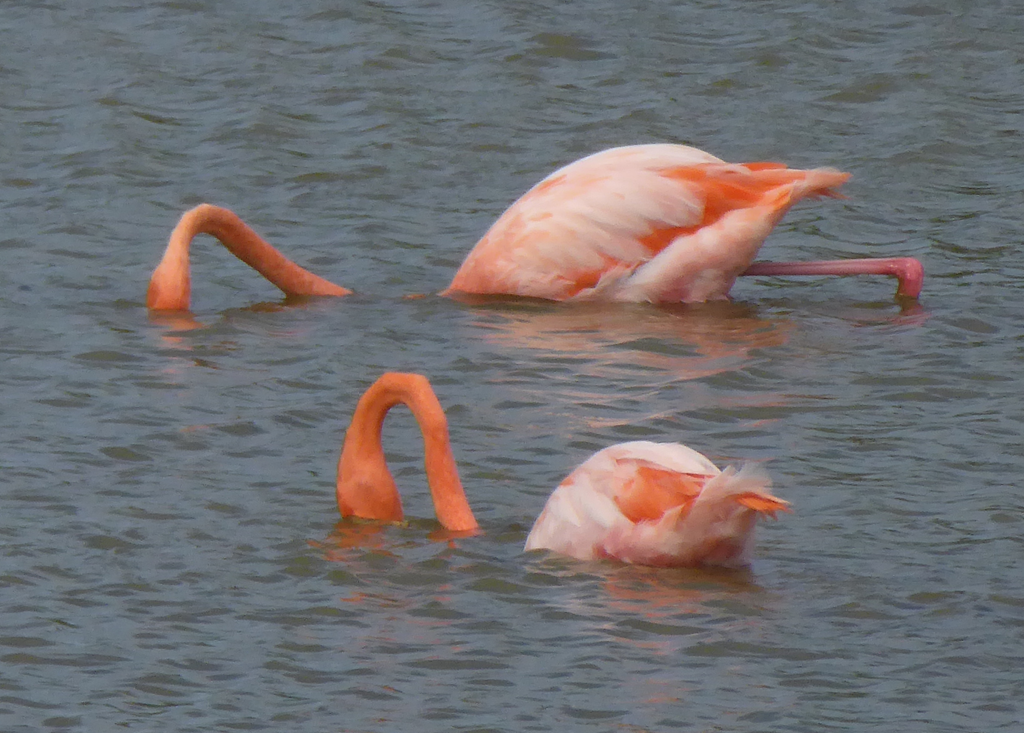
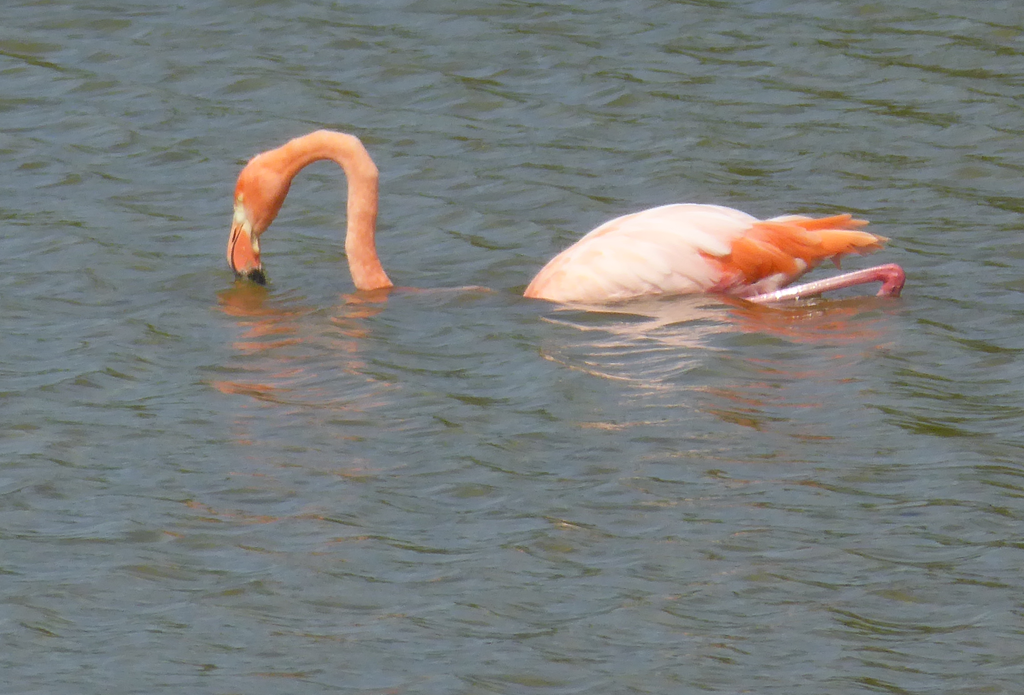
    They were fishing for shrimp.

    image

    And only poked their heads up occasionally to breathe.
    image

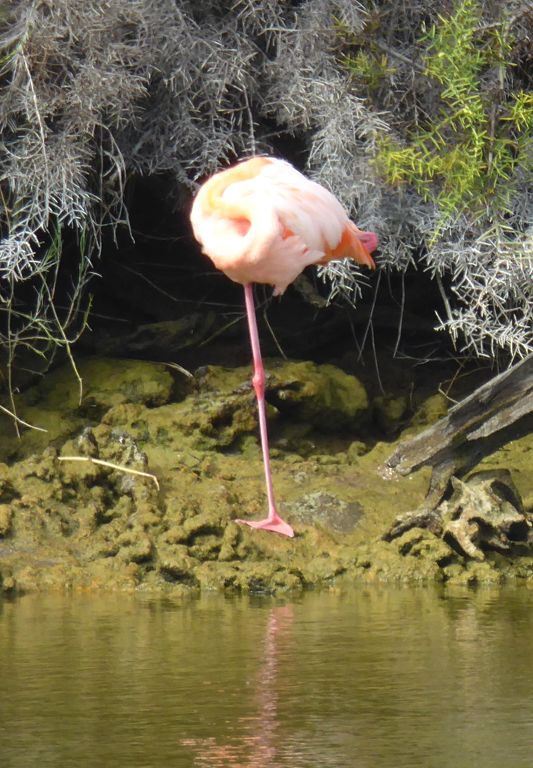
    They look funny sleeping.
    image

    And scratching.

    image

    Kerri is running out of things to say about flamingos.

    image

    But she likes flamingos.

    image

    They are pink and funny looking.

    image

    And she’s not allowed to put in pictures of flamingos if she has nothing to say about them.

    image

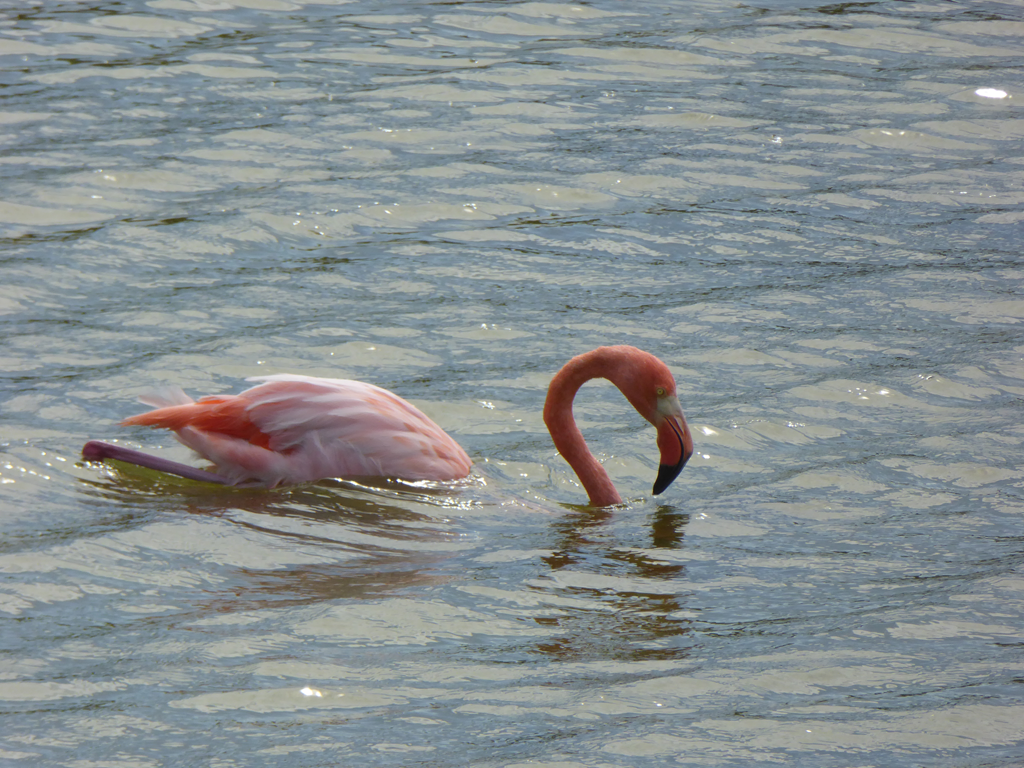
    This flamingo is totally different from the ones above.
    image

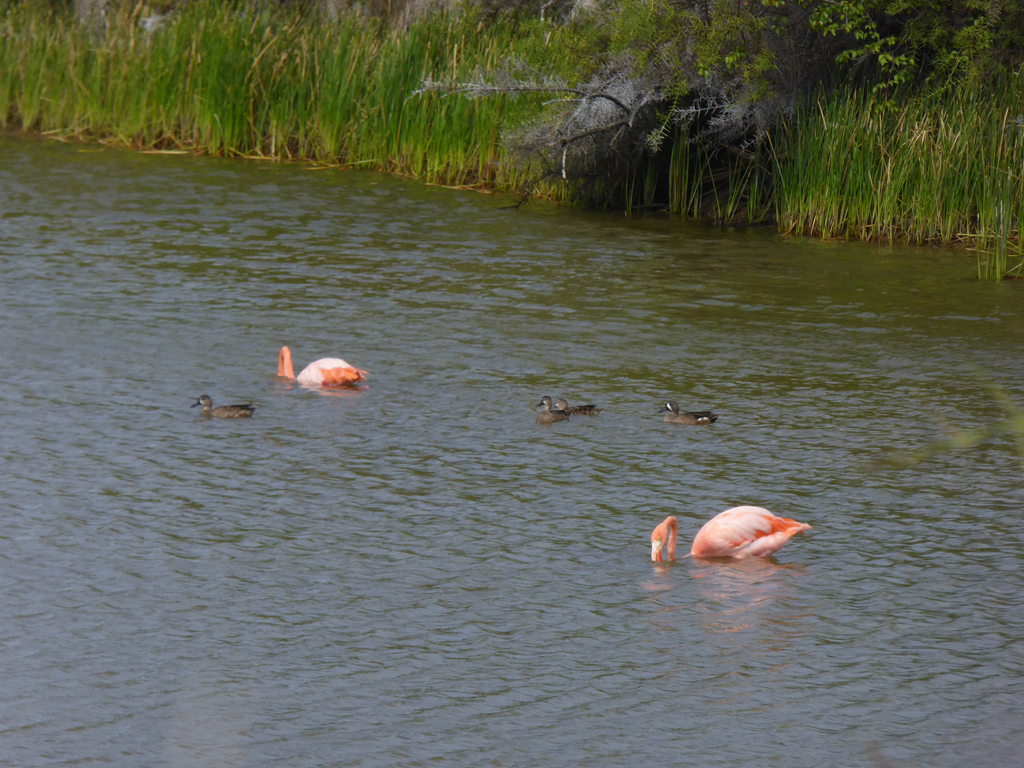
    Look, this picture also has ducks!

    image


  • Santa Cruz Lava Tunnel

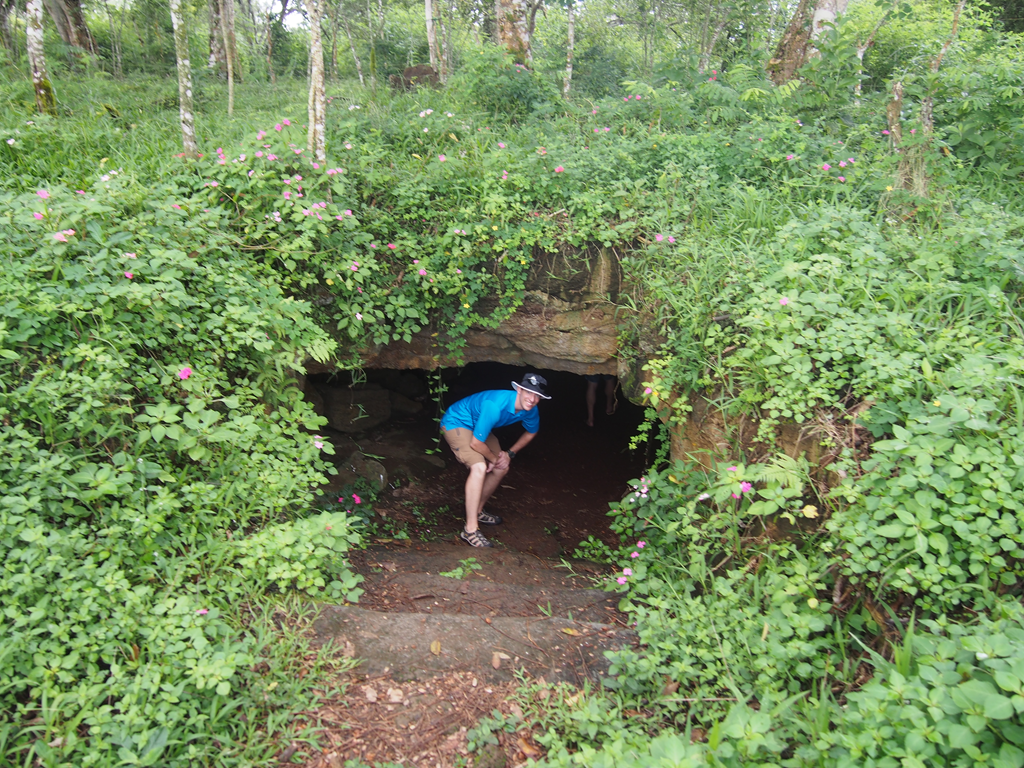
    This is a lava tunnel we went into in Santa Cruz. This one was quite short, while others on the island have been found to go for kilometres. On the way here there were some male tortoises fighting in the road, however as we approached the fight broke off and both hid until we were past.
    image

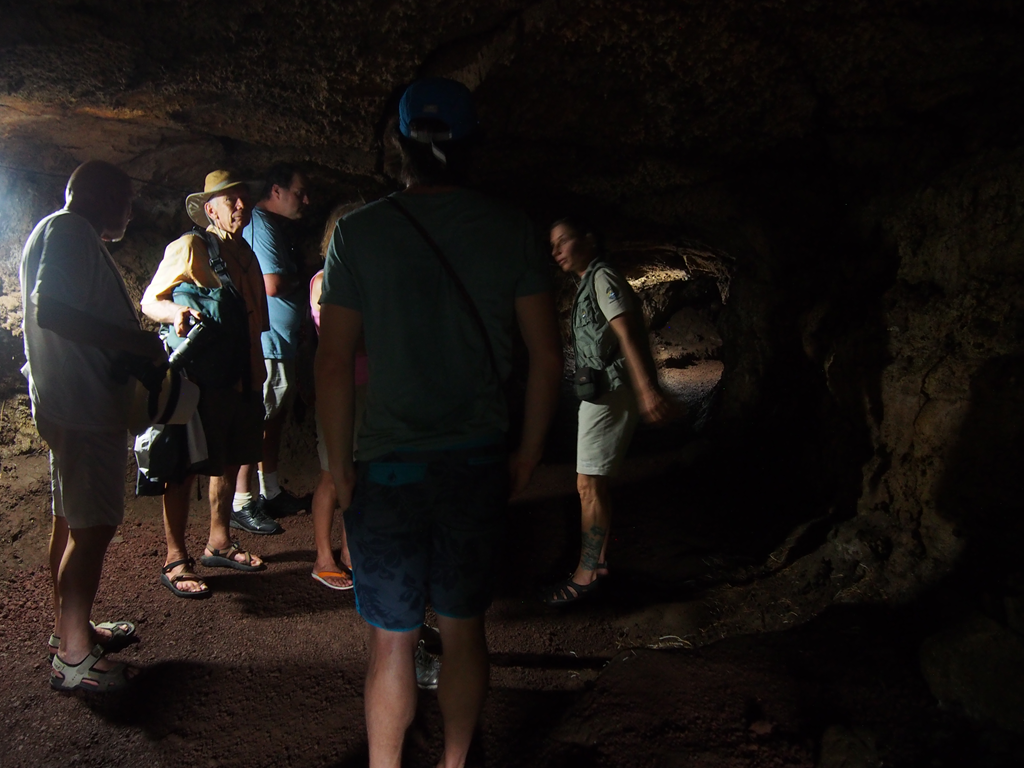
    There was not much headroom.

    image

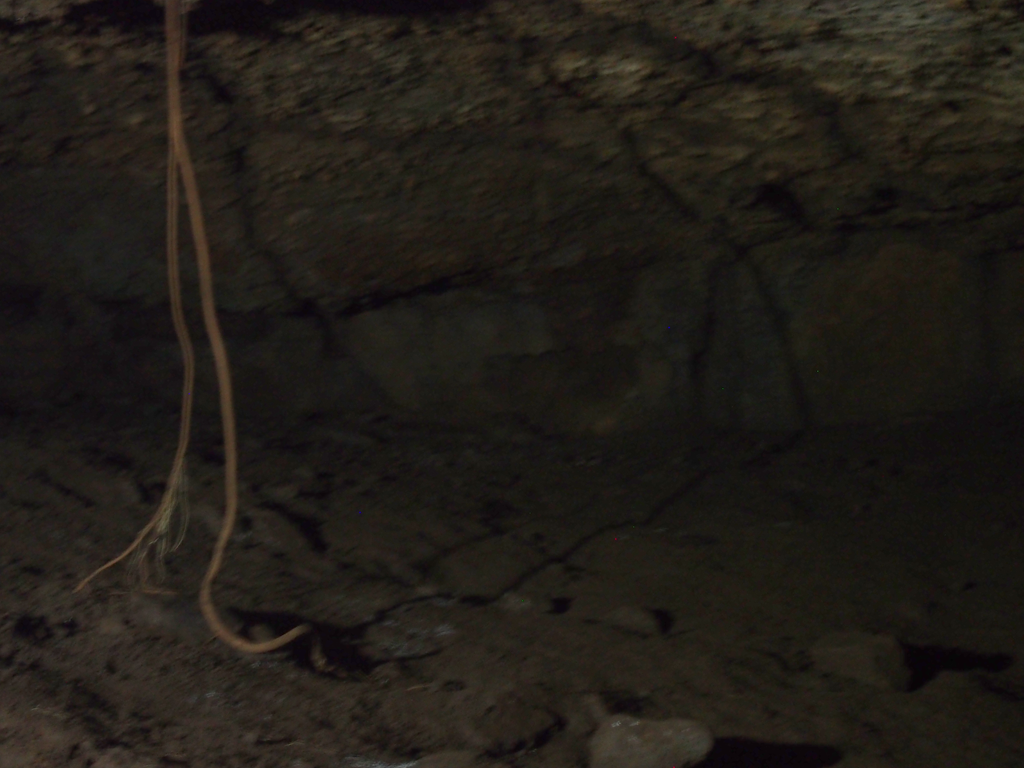
    Some roots from trees above had made it down into the tunnel.

    image

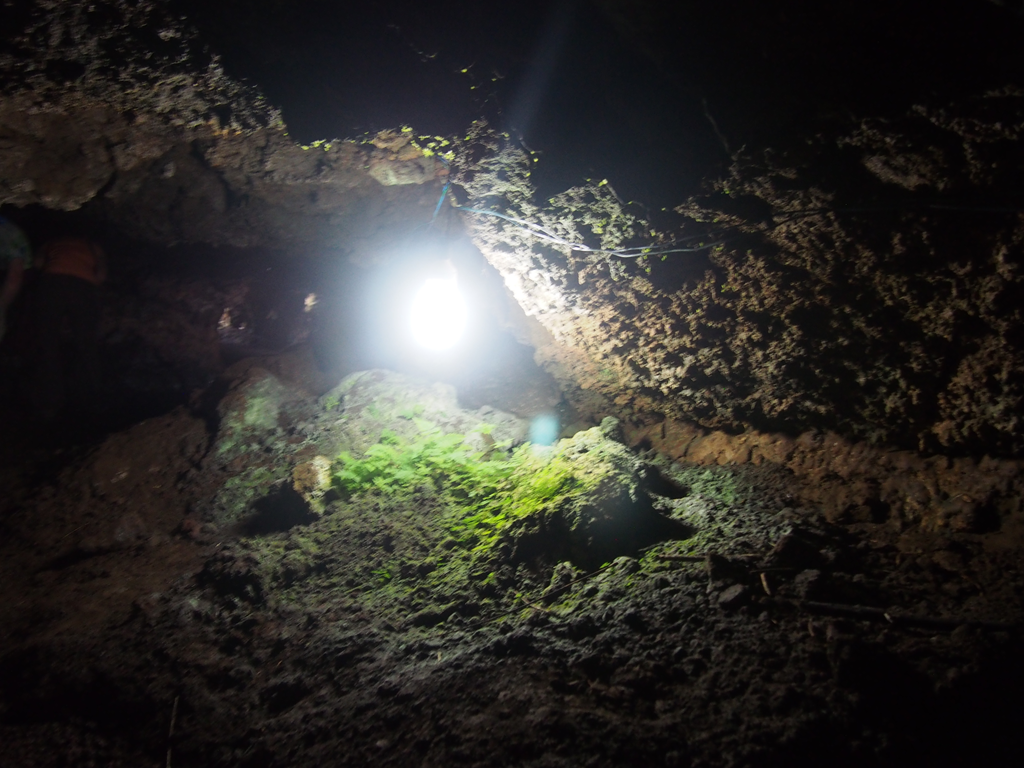
    There were artificial lights inside, which were causing ferns to grow.

    image