• Cambridge

    Thursday I took the train to meet Matt in Cambridge. I got there early so I decided to walk from the train station to the college. I attempted to take a shortcut through a garden but got lost.

    image

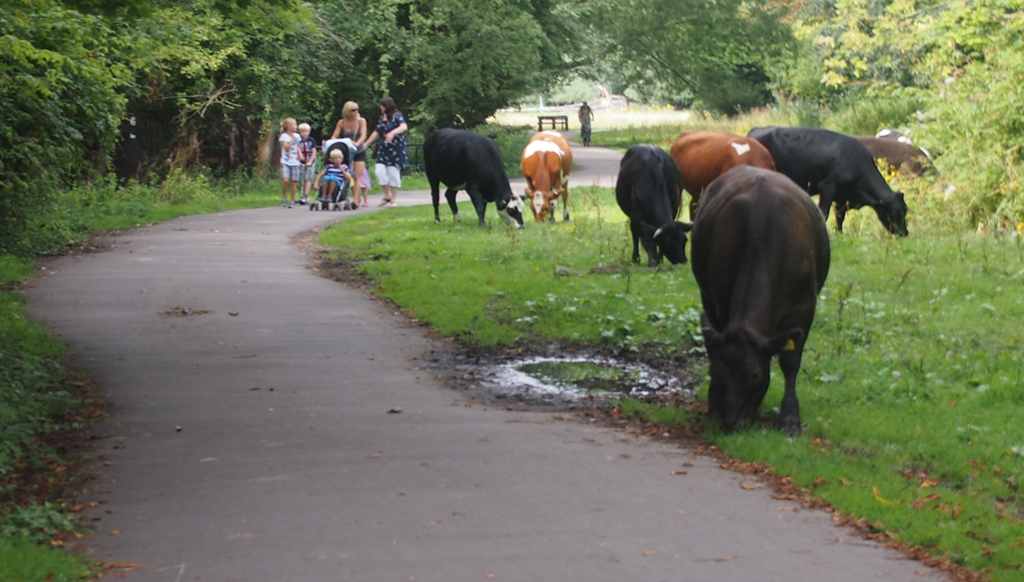
    The path went past several grazing cows.

    image

    After I met up with Matt we explored Cambridge for a while.

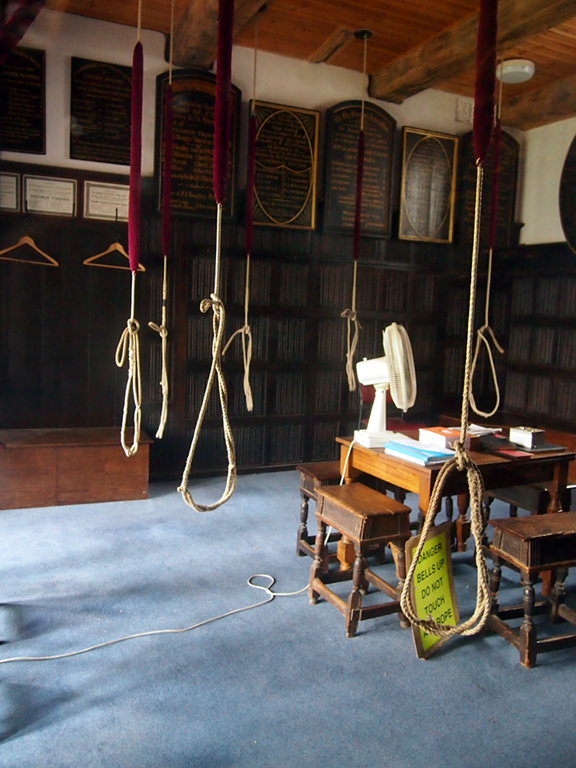
    We went up to the top of St. Mary’s Church. The tight winding staircase passed what looked like a room full of nooses.

    image

    It turned out to be the ringing room, located two stories below the bells, which range in weight from 242kg to 1234kg. Four of the bells had been installed by 1515. The remaining eight were installed in the seventeenth century.

    image


  • A Romantic Punt Down the Cam

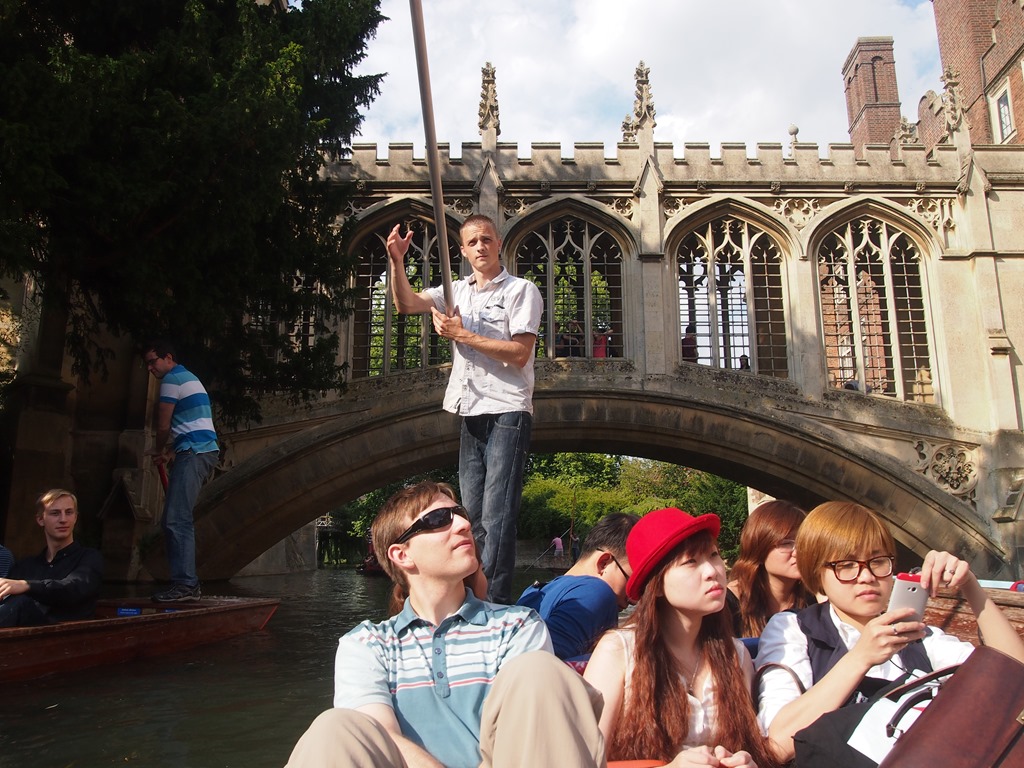
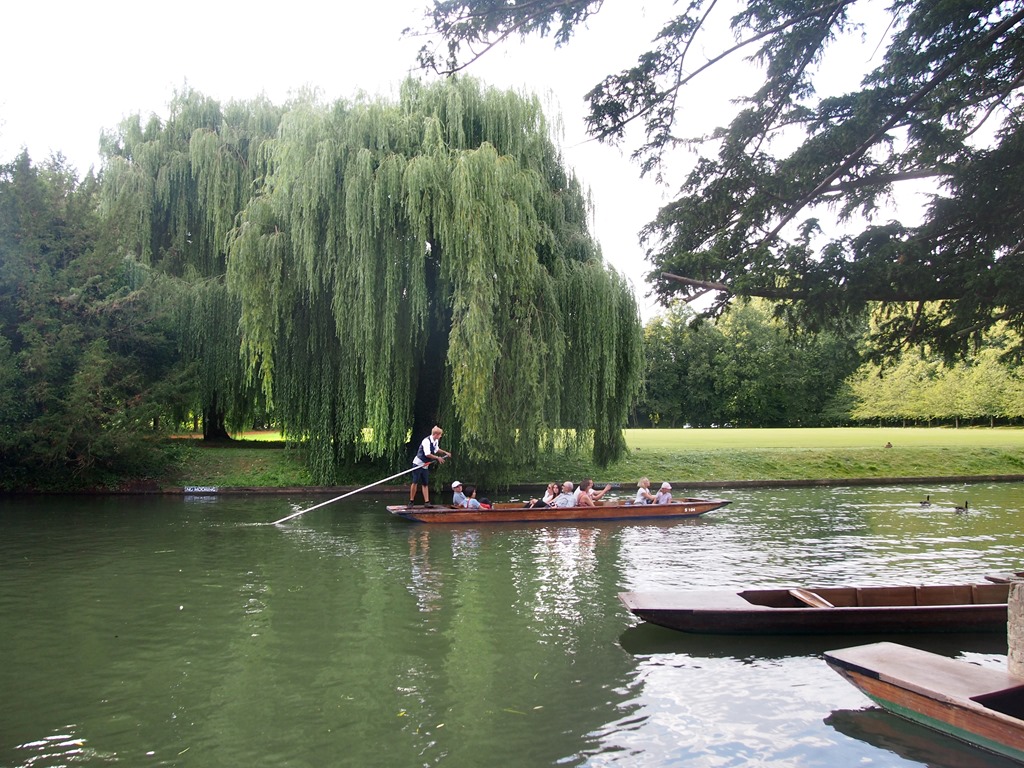
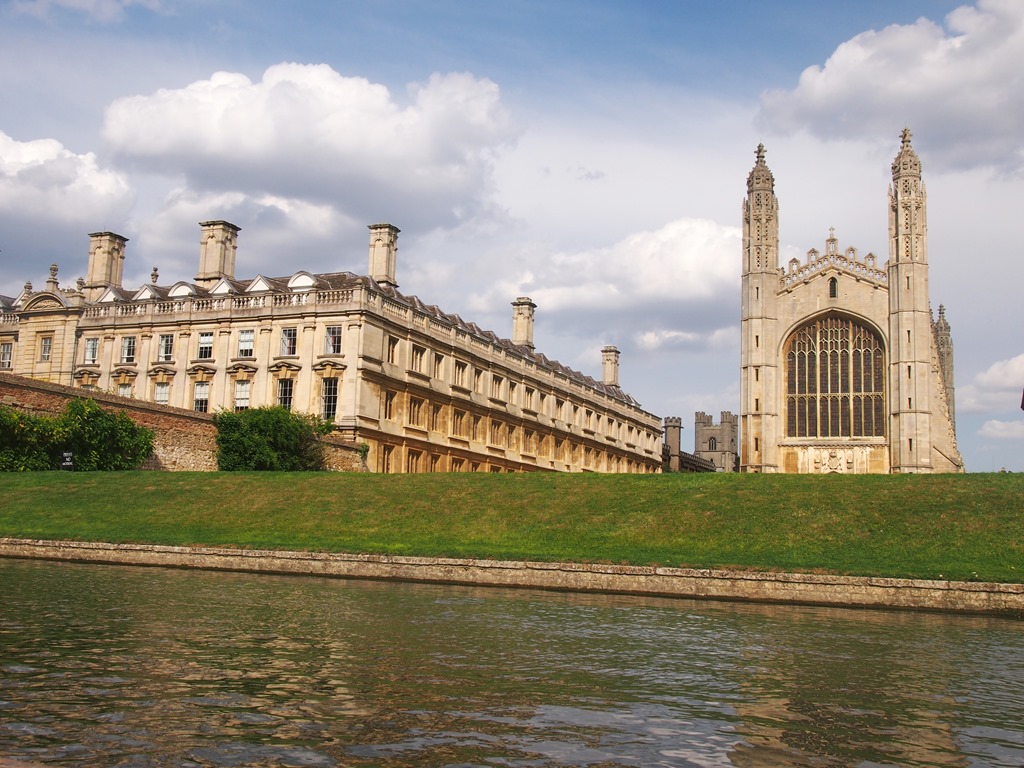
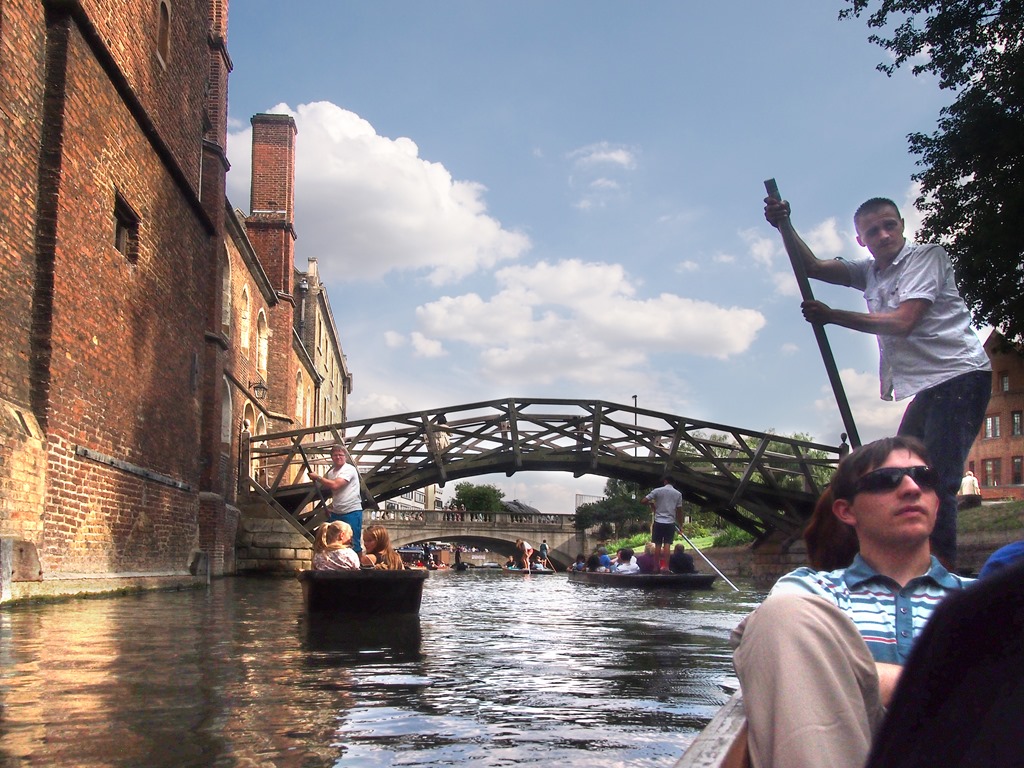
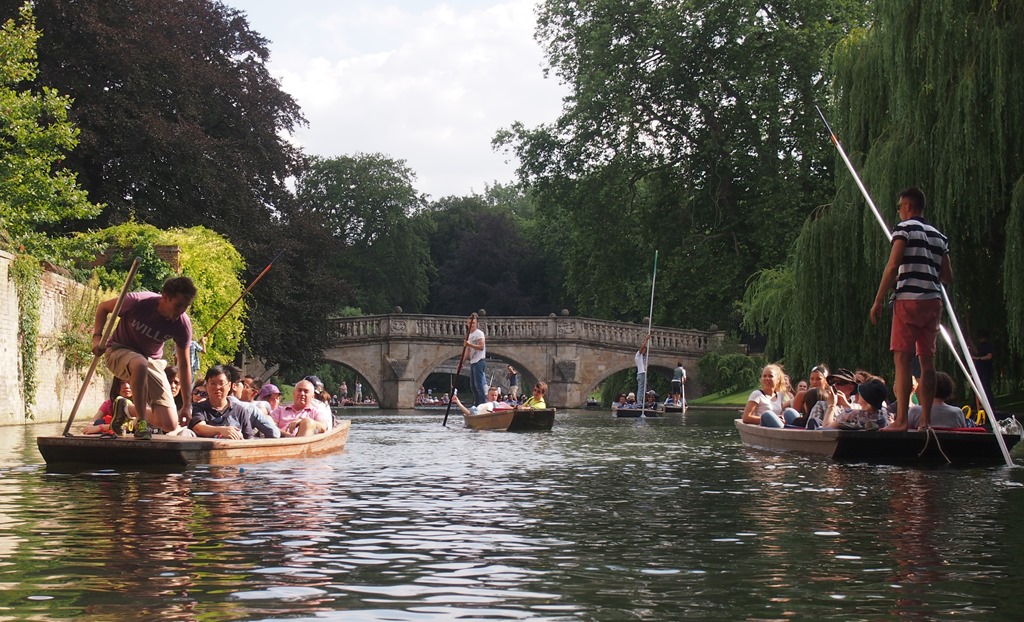
    In the evening we went for a punt down the Cam. Punting is where you stand in a boat and use a big stick that reaches to the bottom of the river to push the boat along instead of rowing. It is supposed to be very romantic, which seems odd given that you’re packed into the tiny boats like cattle.

    OLYMPUS DIGITAL CAMERA

    OLYMPUS DIGITAL CAMERA

    OLYMPUS DIGITAL CAMERA

    OLYMPUS DIGITAL CAMERA

    OLYMPUS DIGITAL CAMERA

    We wanted to try steering ourselves, but we wound up in a collision even with a professional punter, so we decided that was a bad idea.

    OLYMPUS DIGITAL CAMERA


  • Dahl Museum

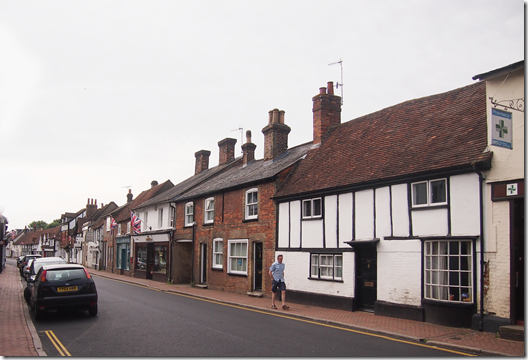
    Wednesday I took the train to Greater Missenden to visit the Dahl Museum.
    imageimage

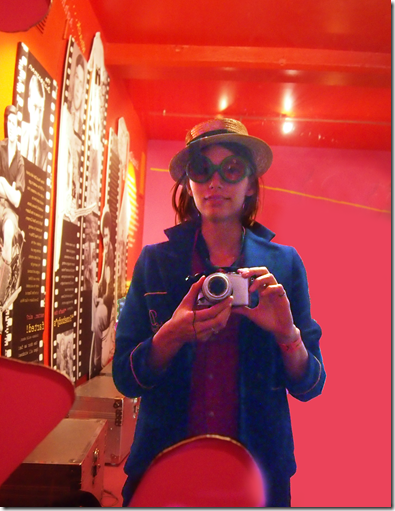
    It was a bit awkward as again I was the only childless adult in the place, but it was fun. And it didn’t stop me from dressing up in Roald’s old school clothes.
    image

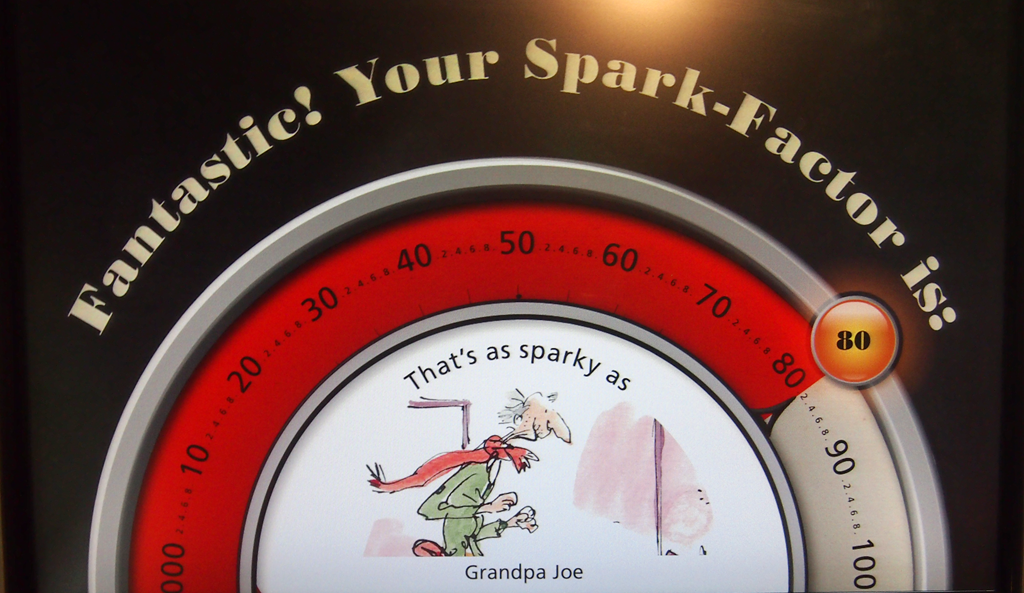
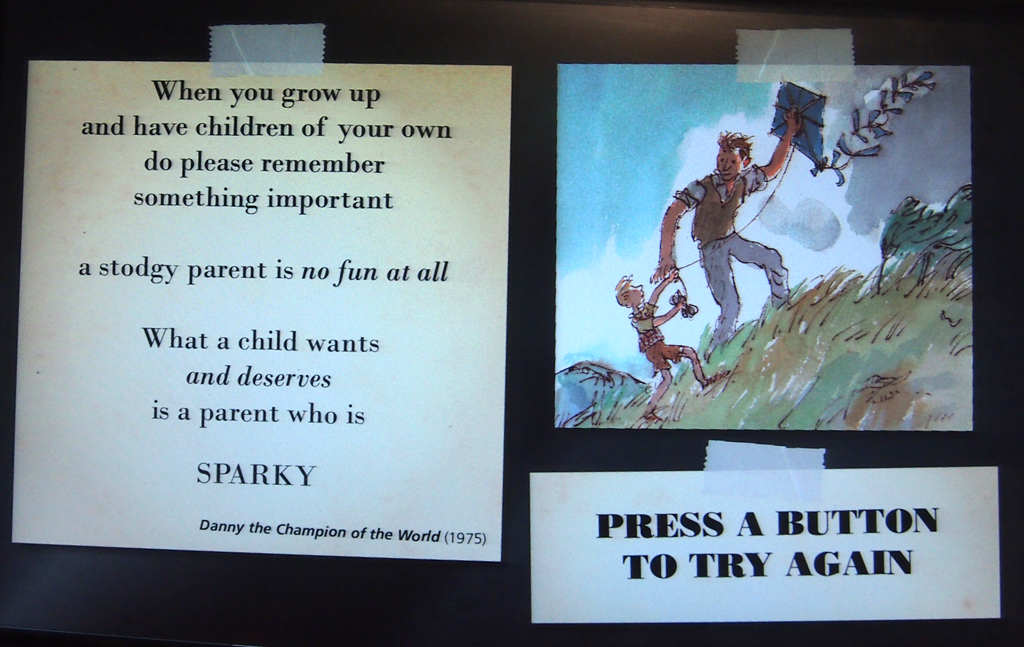
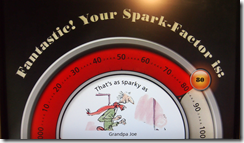
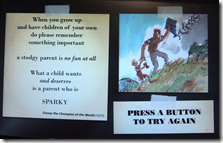
    I also got weird looks for sitting through a play of Revolting Rhymes and reciting the lines with more enthusiasm than the kids. But I did better on the sparkiness test than all the other grown ups! (Actually better than the kids too!)
    imageimage

    The museum had a lot of the original drafts on display, so you could see how the stories evolved.

    In one version, Willy Wonka developed a new candy called spotty powder, which looks and tastes like sugar so you can sprinkle it on your breakfast cereal. Then 5 minutes later you break out in spots like the chicken pox so that you can stay home from school. When a father complains, he says “In my factory I make things to please children. I don’t care about grown-ups.”

    Matilda was probably inspired by this child-friendly poem by Hilaire Belloc:

    Matilda Who told Lies, and was Burned to Death

    Matilda told such Dreadful Lies,
    It made one Gasp and Stretch one’s Eyes;
    Her Aunt, who, from her Earliest Youth,
    Had kept a Strict Regard for Truth,
    Attempted to Believe Matilda:
    The effort very nearly killed her,
    And would have done so, had not She
    Discovered this Infirmity.
    For once, towards the Close of Day,
    Matilda, growing tired of play,
    And finding she was left alone,
    Went tiptoe to the Telephone
    And summoned the Immediate Aid
    Of London’s Noble Fire-Brigade.
    Within an hour the Gallant Band
    Were pouring in on every hand,
    From Putney, Hackney Downs, and Bow.
    With Courage high and Hearts a-glow,
    They galloped, roaring through the Town,
    ‘Matilda’s House is Burning Down!’
    Inspired by British Cheers and Loud
    Proceeding from the Frenzied Crowd,
    They ran their ladders through a score
    Of windows on the Ball Room Floor;
    And took Peculiar Pains to Souse
    The Pictures up and down the House,
    Until Matilda’s Aunt succeeded
    In showing them they were not needed;
    And even then she had to pay
    To get the Men to go away,    
    It happened that a few Weeks later
    Her Aunt was off to the Theatre
    To see that Interesting Play
    The Second Mrs. Tanqueray.
    She had refused to take her Niece
    To hear this Entertaining Piece:
    A Deprivation Just and Wise
    To Punish her for Telling Lies.
    That Night a Fire did break out–
    You should have heard Matilda Shout!
    You should have heard her Scream and Bawl,
    And throw the window up and call
    To People passing in the Street–
    (The rapidly increasing Heat
    Encouraging her to obtain
    Their confidence) — but all in vain!
    For every time she shouted ‘Fire!’
    They only answered ‘Little Liar!’
    And therefore when her Aunt returned,
    Matilda, and the House, were Burned.

    The first page of the first draft reads:

    Some children are born to be angels. They are always loving and kind.

    Some are born mischievous, and although these are often a bit of a nuisance, they can also be rather fun.

    But what about the wicked ones, the ones who are born wicked? There aren’t too many of them around, thank goodness, but the few that there are can make life very unpleasant for the rest of us. Wicked children are happiest when they are making someone else miserable. To them, being wicked is a pleasure.

    There is not doubt Matilda was one of these. She was born wicked, and she stayed wicked no matter how hard her parents tried to make her good. She was just about the most wicked child in the world.

    As a baby she had driven her mother crazy with her screaming day and night. When she was old enough to toddle about and pick things up, she became a pest in the house. Every thing she could lay her hands on was smashed to pieces.

    By the time Matilda was seven years old, she had become so wicked that everybody, children and grown-ups alike, would go into a state of alert when they saw her coming. And when she was nowhere to be seen, her mother would rush around the house calling out frantically, “Matilda! Matilda, where are you? What are you up to now?”

    Matilda dies at the end of all of the early versions.

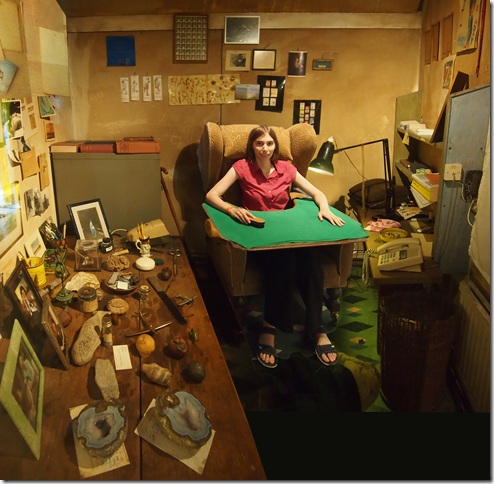
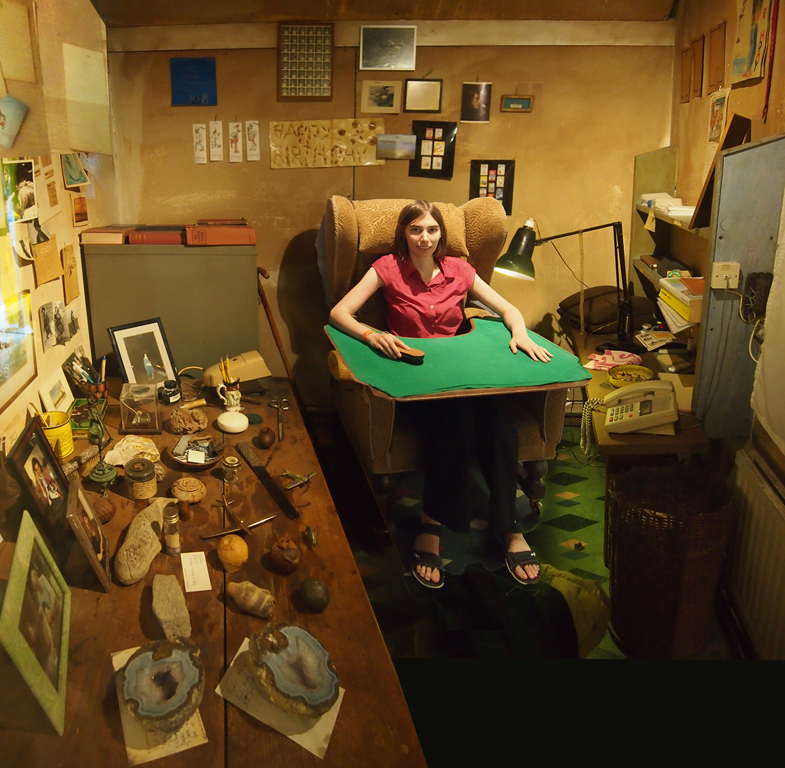
    This is Roald Dahl’s cramped little writing shed:
    image

    The mess on the desk includes:

    • A 310 gram ball of Cadbury Dairy Milk bars (one a day every day), roughly the size of a billiard ball but twice as heavy.
    • The top of his femur, removed during hip replacement surgery. He kept it because his doctor said it was the biggest he had ever seen.
    • A glass bottle full of shavings from his spine.

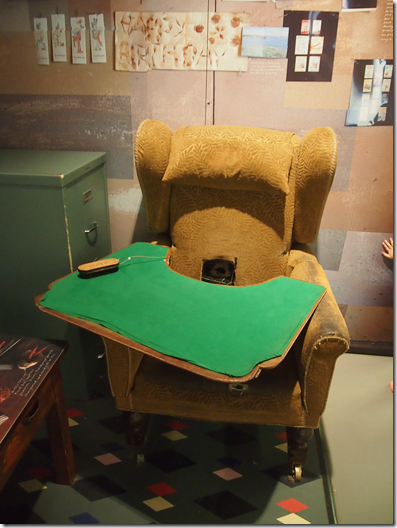
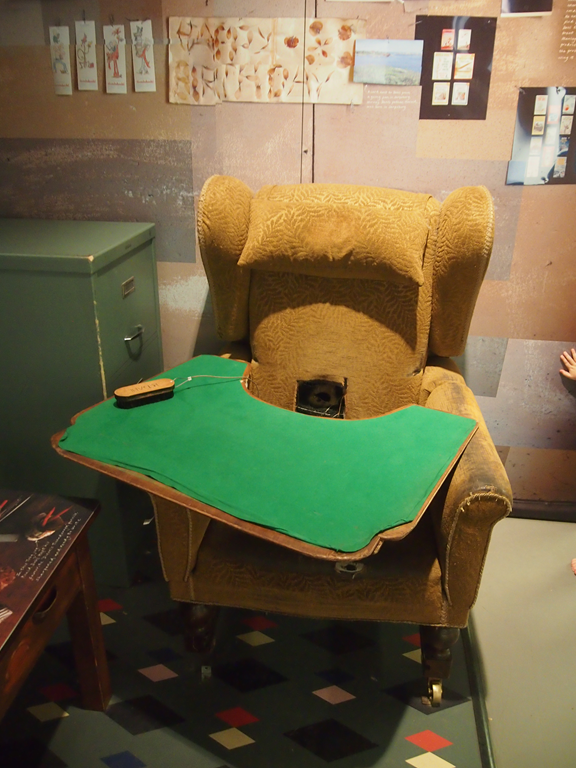
    The chair has a hole cut in the back to accommodate his war injury.
    image

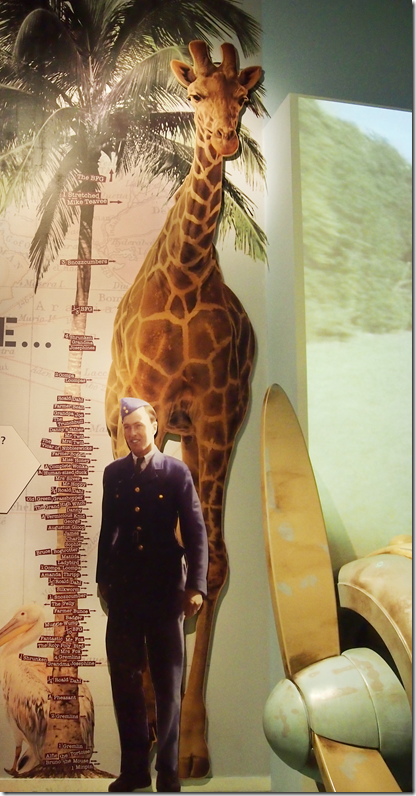
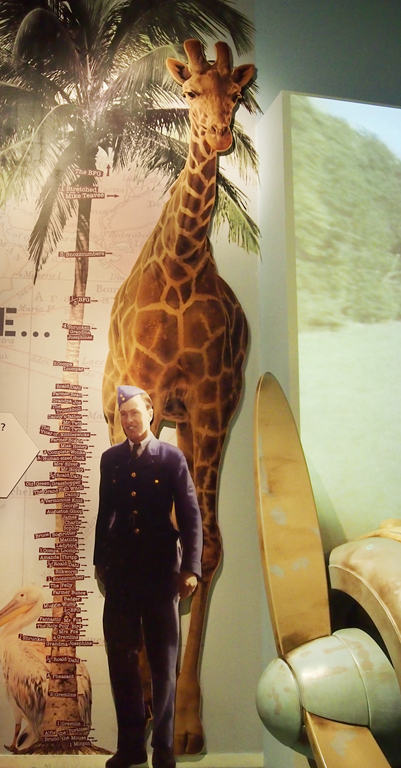
    Roald Dahl was very tall. I am as tall as Mr. Twit.
    image

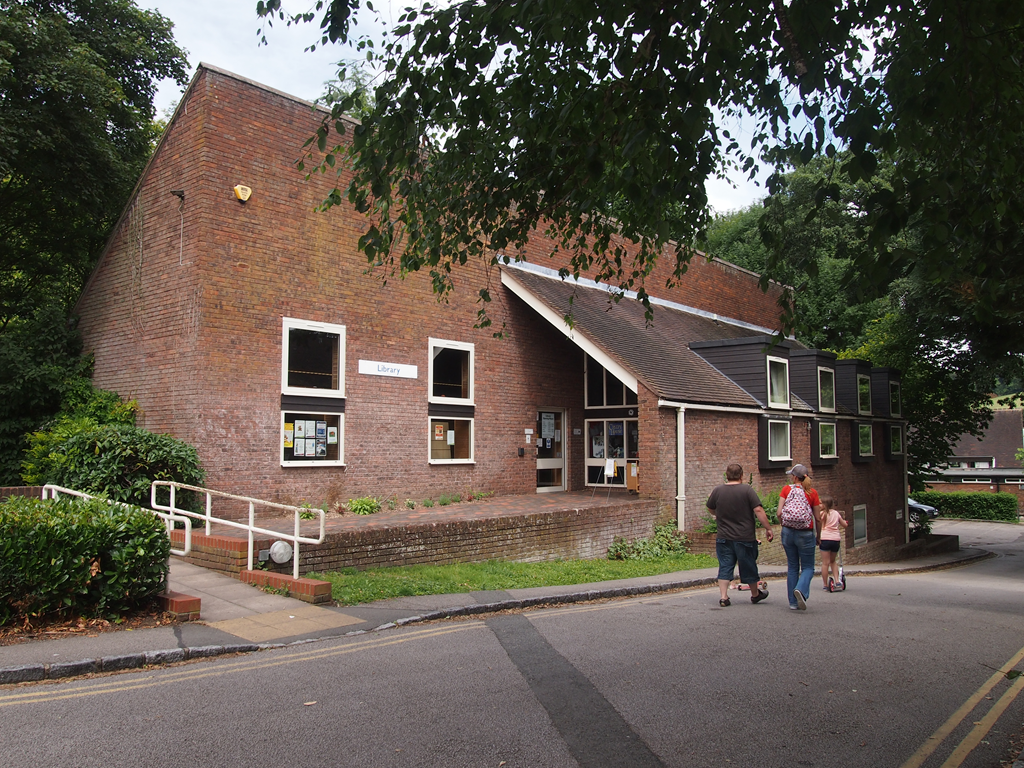
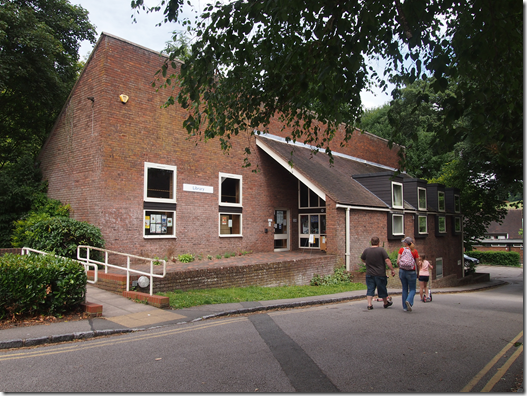
    This is the Greater Missendon library that probably inspired the library in Matilda. It is very small and almost entirely fiction. I always imagined that Matilda reading through all the books in the library meant a lot more books.
    image

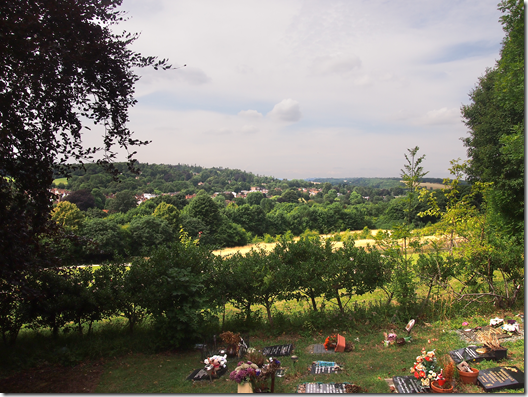
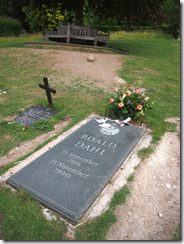
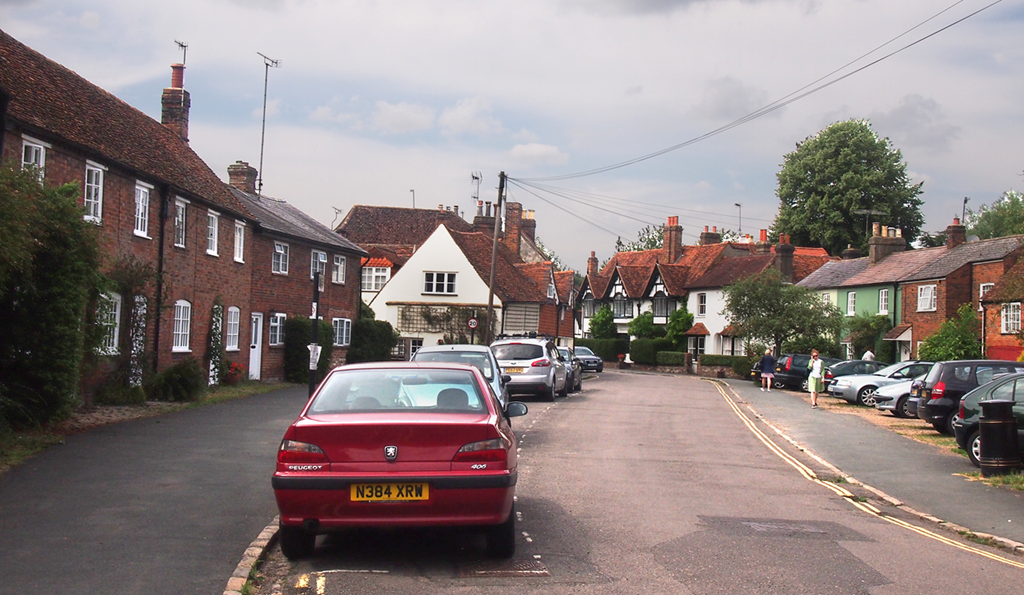
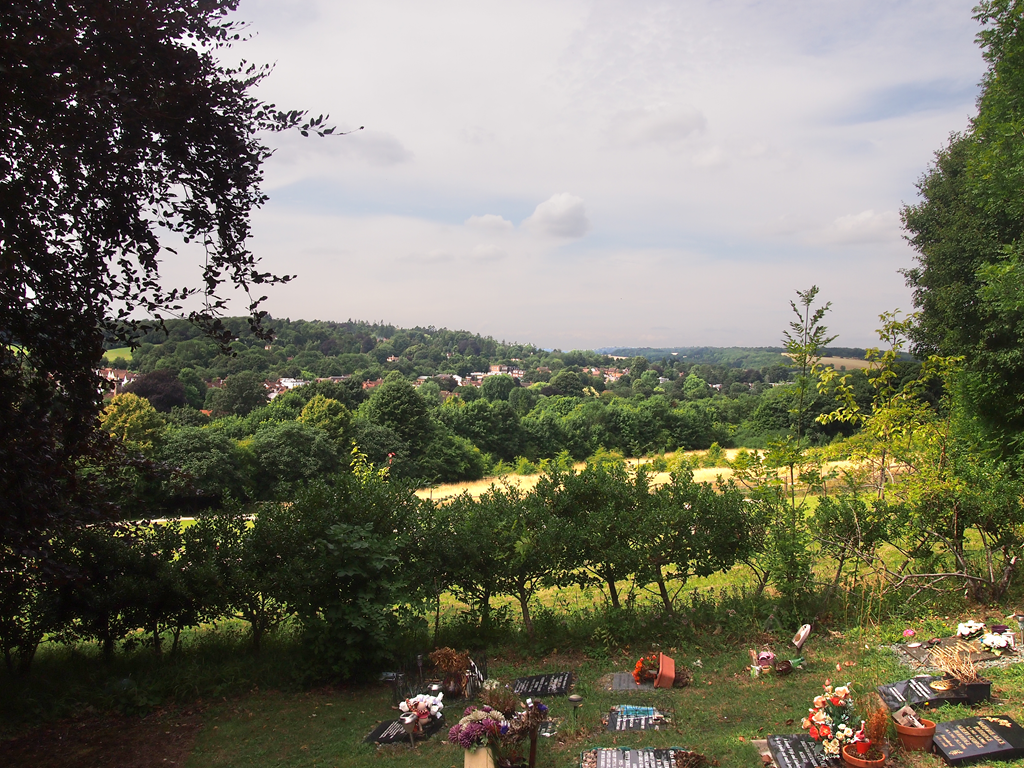
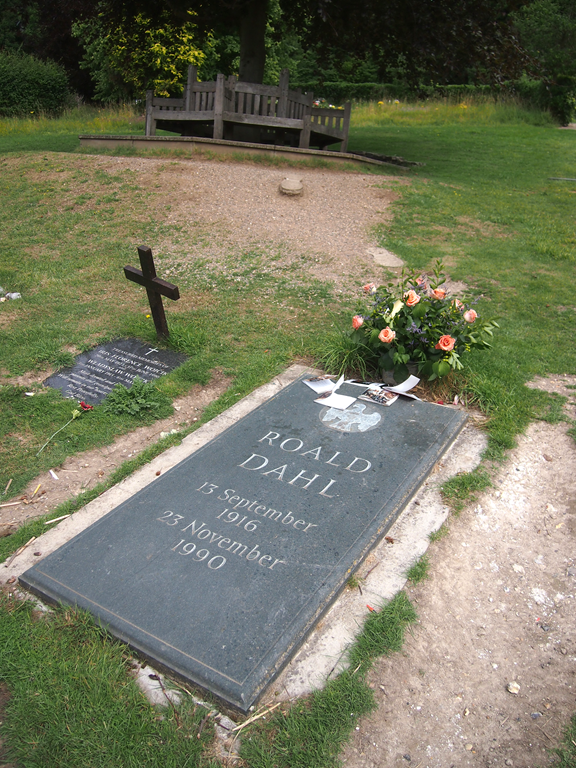
    I walked out to the cemetery where Dahl is buried. The area was really thick green forest, which the town of Greater Missendon barely peeks out of.


    imageimageimageimage

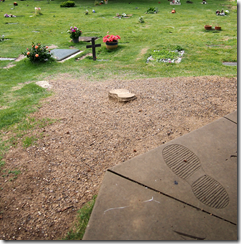
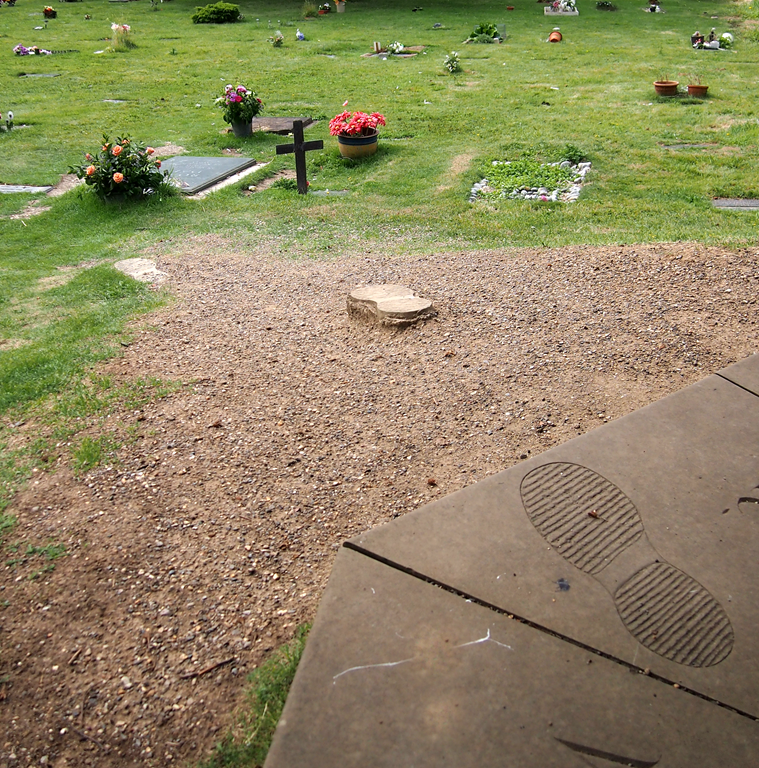
    At the cemetery the footprints of the BFG lead down to his grave.
    image

    imageimage


  • Guildford, After All

    I intended to spend the evening at the Hollycombe Steam Museum. It is a collection of old steam powered amusement park rides and according to their website was open on Thursday evenings so that you could see it illuminated in the dark. After an hour and a half train ride from London to Liphook, I stepped out of the train station. The two cab drivers playing cards looked shocked to see me. After a ten minute cab ride to the museum, I learned that the computer that keeps their website up to date must also be steam powered. The museum was closed.

    So I asked the cab driver:

    “Is there anything else to do in Liphook?”

    “Nope.”

    “Are there any restaurants where I could get something to eat?”

    “Nope.”

    “So when other people get off the train where are they usually going?”

    “Either the steam museum or to visit friends and relatives.”

    “OK, back to the train station then I guess.”

    So I got back on the train. I had no plan, no internet access, and very little idea where I was. But then the train stopped in Guildford. I knew only one thing about Guildford : Ford Prefect wasn’t from there after all. But unlike Liphook it had a tourist map in front of the train station, and if I went all the way back to London there wouldn’t be time to do anything before it got dark anyway.

    So I got off the train, examined the map, and headed off toward the castle.

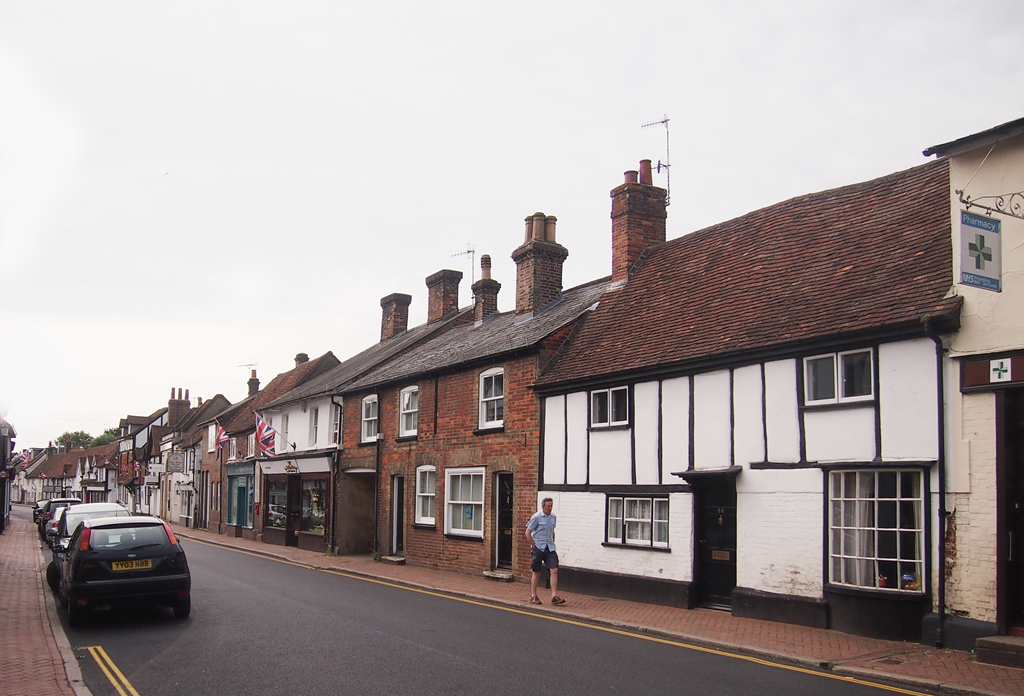
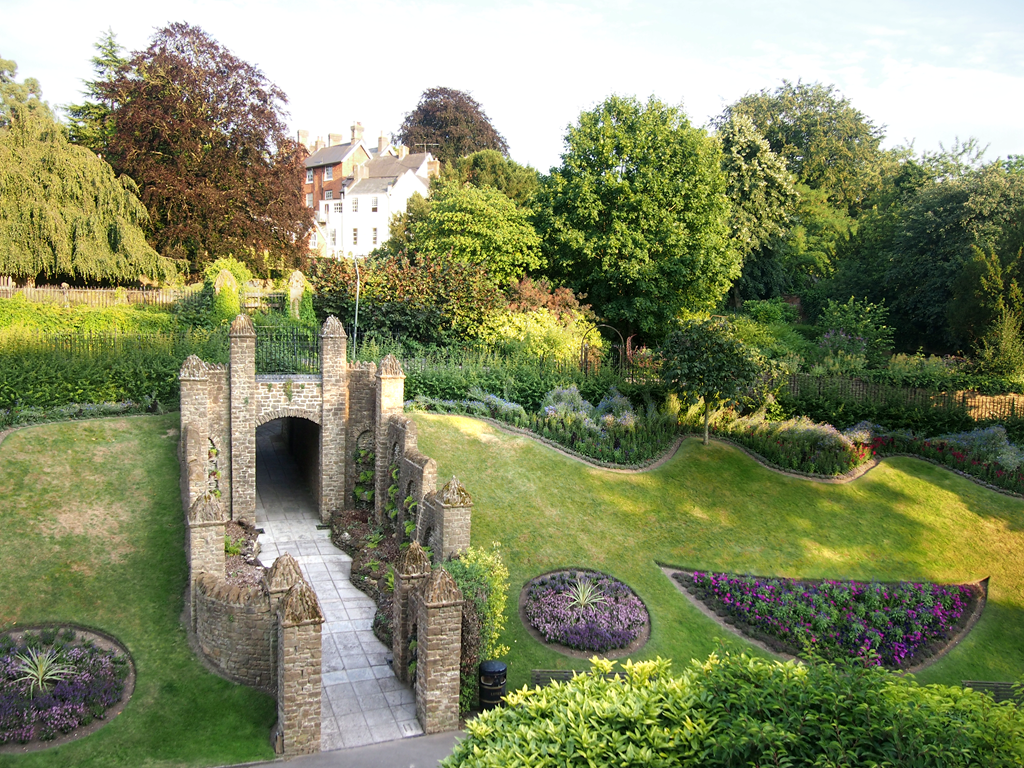
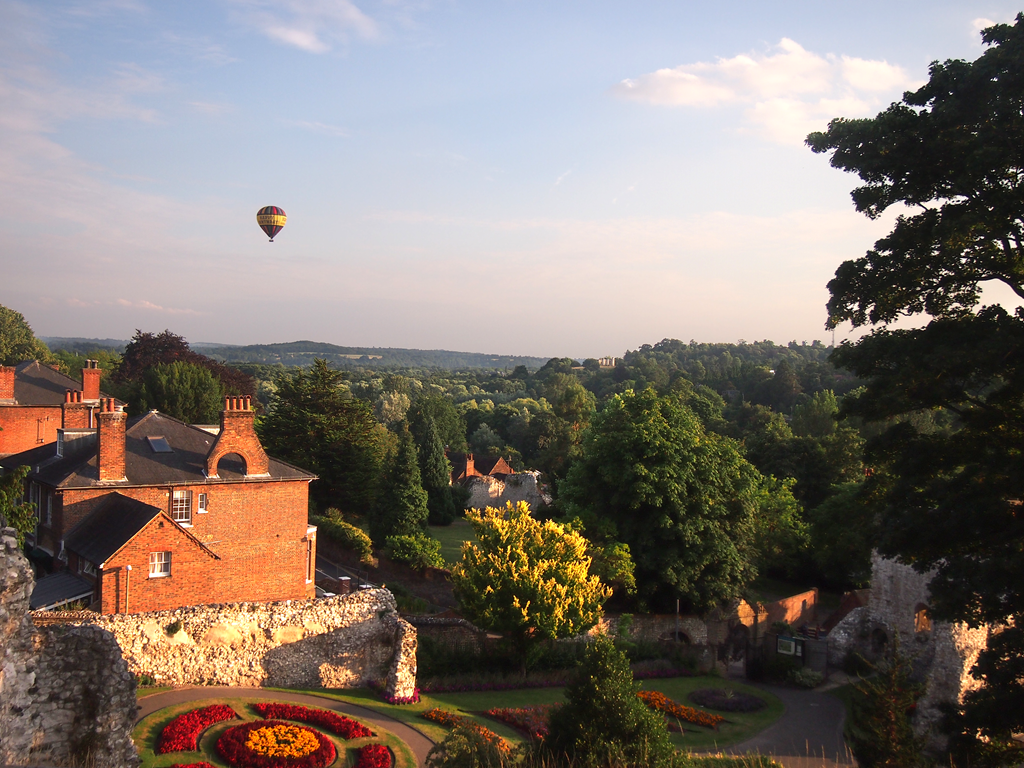
    The small town was quite pretty. The castle grounds were beautiful and covered in flowers.

    imageimageimage

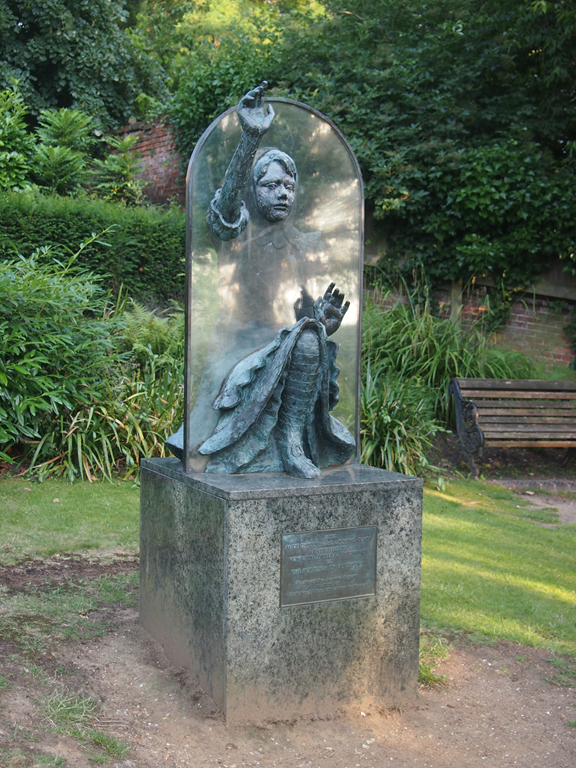
    Two older gentlemen were drinking in the park. They said that they were born in Guildford and had lived there their entire lives, which means they were probably actually from a small planet somewhere in the vicinity of Betelgeuse. They told me that Lewis Caroll wrote “Through the Looking Glass” in Guildford and gave me directions to this statue of Alice.

    image

    Then the park closed, so I headed to a small Italian restaurant for some delicious pizza and bruschetta.

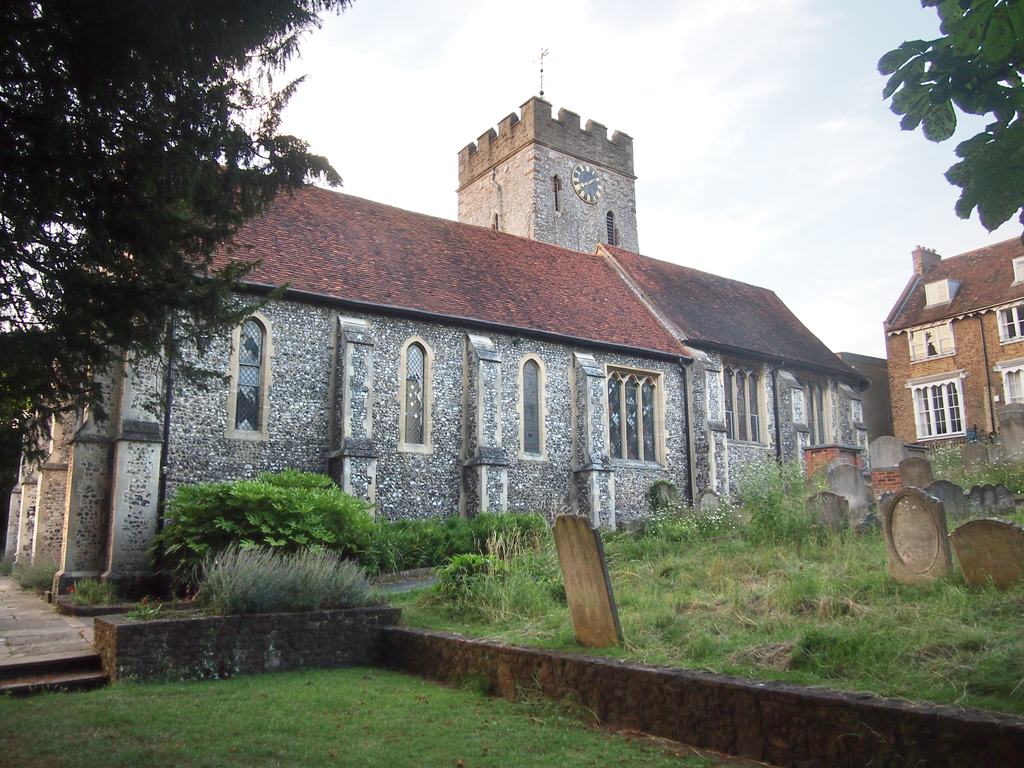
    On the way back to the train station I passed this church.image

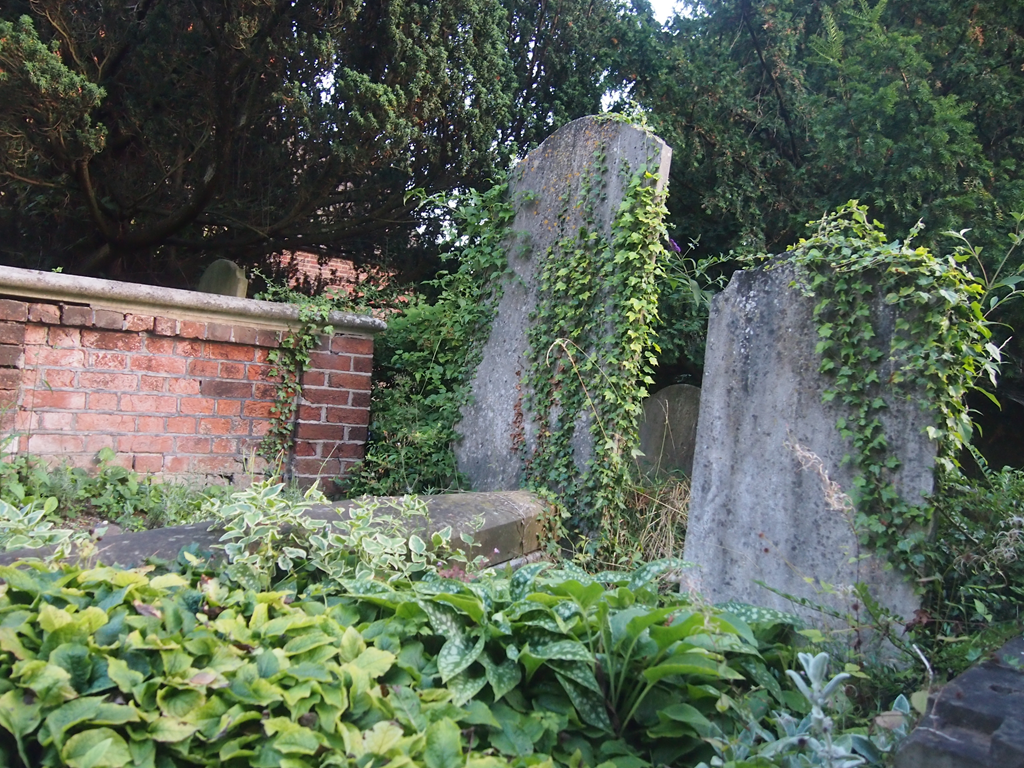
    The graveyard looked like it came from a movie, old and overgrown with vines.image

    After that I got onto the train and headed back to London.


  • Ghosts of the Old City

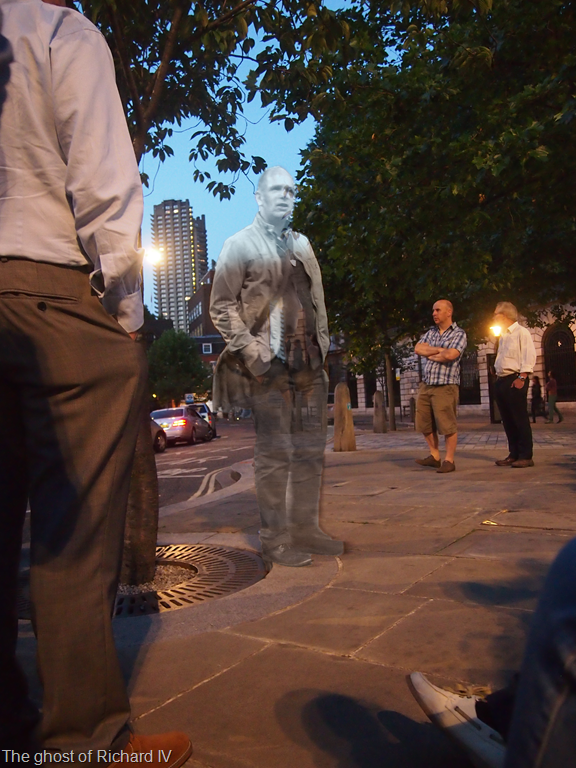
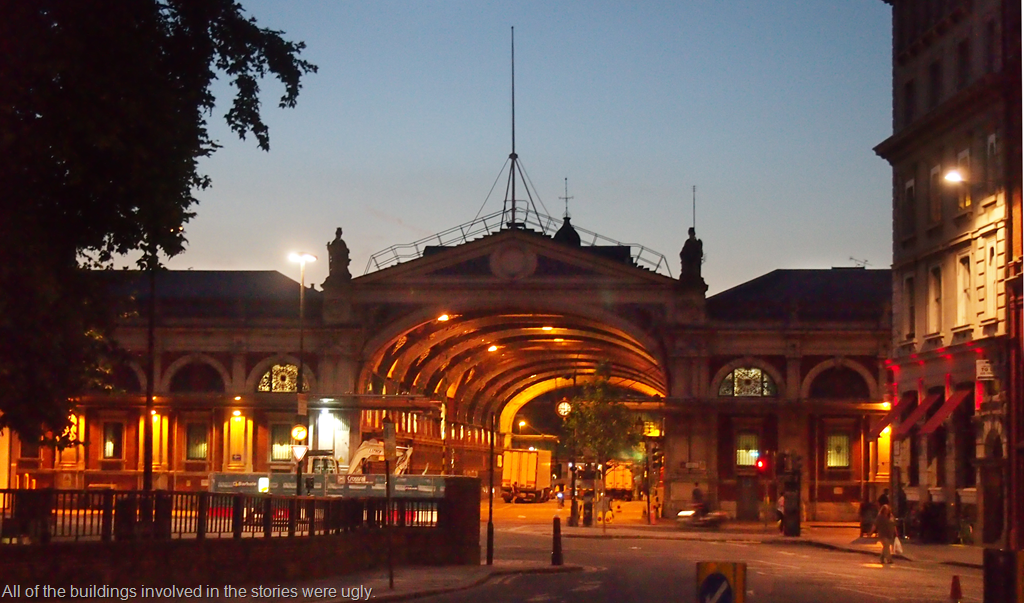
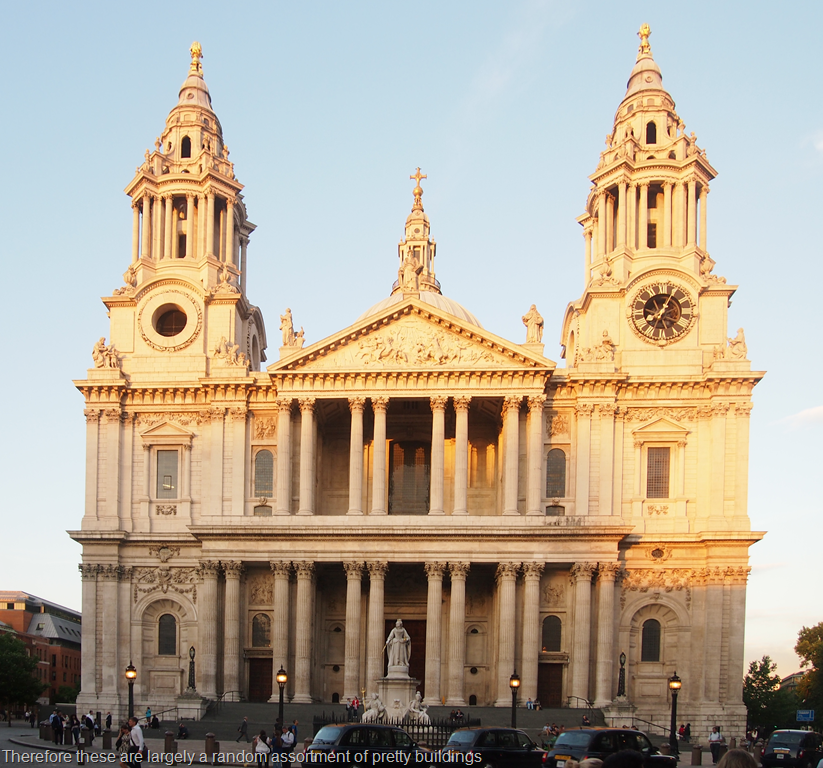
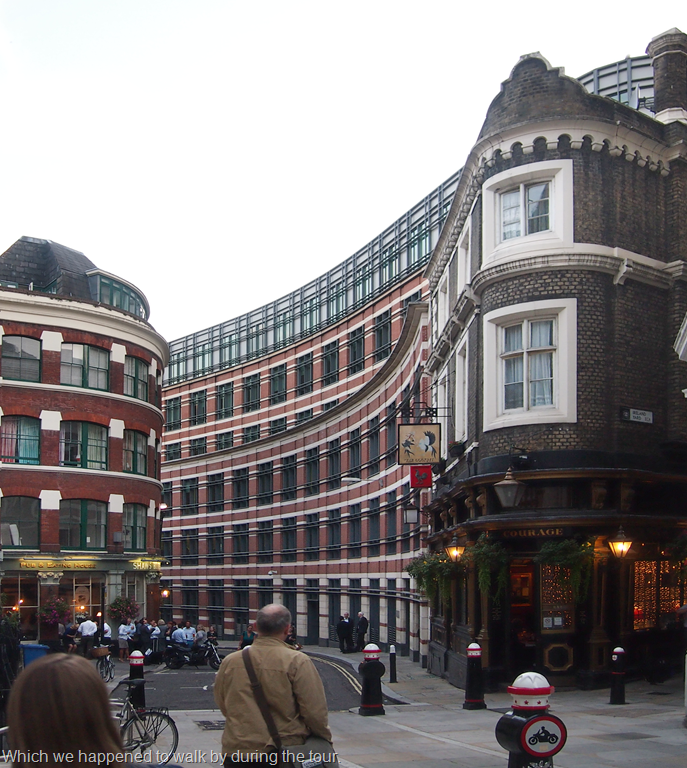
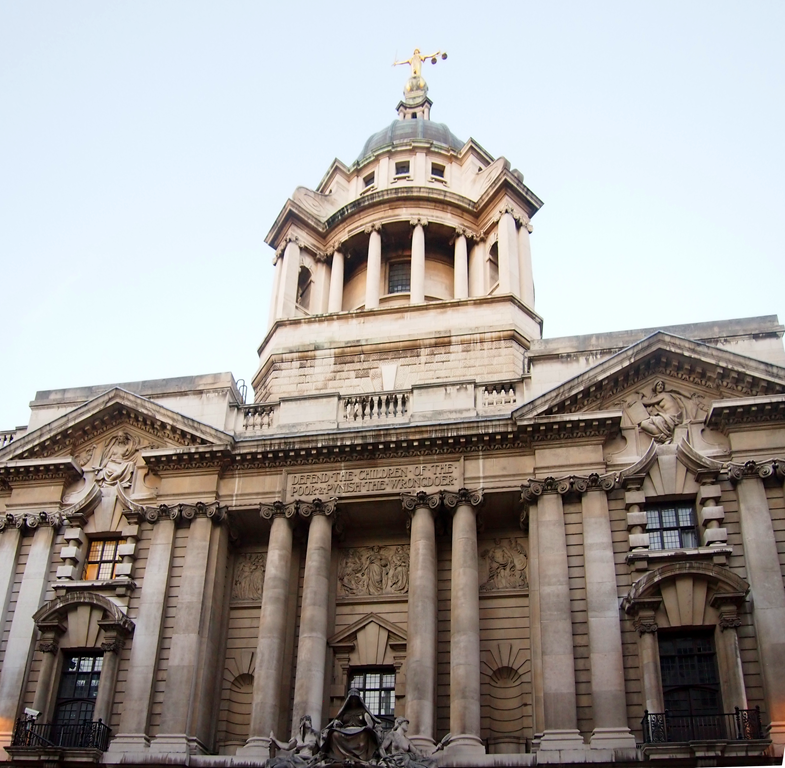
    My second ghost walk focused on the Old City. Our host introduced himself as the forth Richard employed by walks.com. He began by explaining that only about 5% of people can see ghosts. A slightly larger percentage can see things they do. A slightly larger percentage than that can hear ghosts. An even larger percentage can feel ghosts. And he was one of the unlucky few who could do none of the above.
    Once again I had a pile of questions I decided not to ask. If only 5% of people can see ghosts, does that mean that ghosts only reflect a particular wavelength of light that most of the population is insensitive to? If that were the case wouldn’t people tend to lose this ability as they get older? But how else could this work? You can’t have light selectively reflected toward some people and not others. Similarly with hearing ghosts, either the ghost produces sound waves or it does not.

    And what things are they doing that only some people can see? If we’re talking about flickering lights and hovering objects, does that mean that if Richard IV was sitting in a room with a psychic, she would see the lights flicker and he wouldn’t? Would a light meter register the change? If a ghost makes a light flicker in the middle of a crowded room where no one is able to see it, did it still flicker?

    And why are some people capable of seeing, hearing, and feeling ghosts while others are not? How can Richard IV possibly know that he can’t? Maybe he’s just never come across a ghost. Maybe the reason that he’s one of the unlucky few is that he is a ghost!

    image

    I got the impression that Richard was trying very hard to get to see a ghost, because next he said:

    “Now we will attempt to cross this busy street. Be careful because there are no lights. We shall reconvene on the other side.”

    Watching him dart through the traffic I wondered whether he meant the other side of the street or THE OTHER SIDE. But we made it.

    image

    Richard IV then explained that ghosts are creatures of habit. They repeat in death what they did well in life. For example, there was a criminal who repeatedly broke out of prison, but kept getting caught and thrown back in. Finally he was executed. Now his ghost keeps being seen breaking out of the prison!
    image

    Next was the ghost of Amelia Dyer. She took in orphaned babies for money, and then murdered them and kept the money. She was eventually caught and sentenced to death. On the way to be hanged, she passed a guard in the prison, stopped, and said “I’ll meet you again sir”. Years later while he was walking through the prison he heard a ringing bell, and turned to see her face outside a door. He rushed toward her and opened the door, but she vanished. He looked down and noticed a women’s handkerchief, fluttering toward his feet.

    image

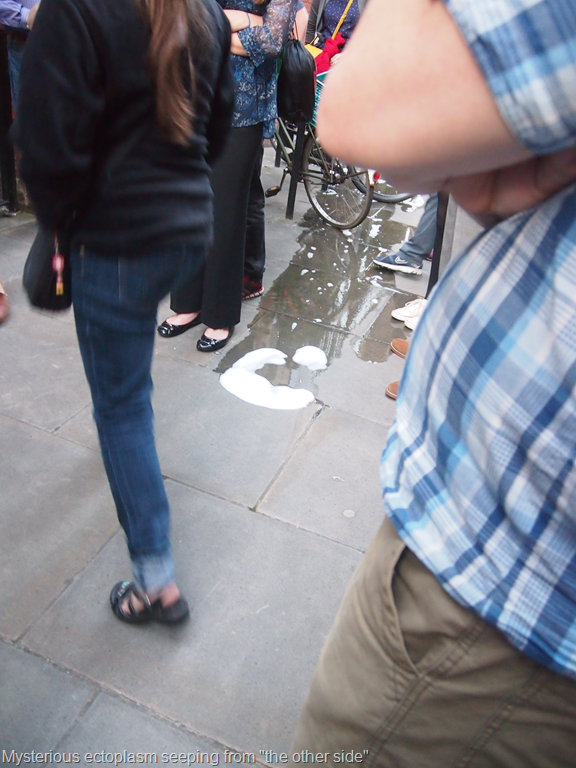
    The next story was of a man who ate at meat market and later died of food poisoning. Shortly afterward, a ghost started appearing in the market, pulling pranks, overturning stalls and causing mischief. Apparently this ghost hung around after death just to annoy his killers a bit? Assuming that his killers belonged to the small percentage of people that could see his mischief of course.

    image

    The next ghost was one that appears only to the ordained. Whether this was a select 5% of the ordained, or if all ordained people happen to  be in the lucky 5%, or if something about the ordination process makes you capable of seeing ghosts was unspecified.

    image

    The next ghost wasn’t even dead! A woman in France was so ill they called a priest to administer last rights. On that night some friends saw her ghost in London. But the woman survived, she was only near death. And for some reason didn’t remember going to visit her friends.

    image

    The next stop was St Bartholomew’s hospital, where the ghost of a deceased nurse regularly gives patients their medicines when the living nurses forget. I think this hospital badly needs to tighten their security. Perhaps ghosts can pass through walls, but as far as I know they can’t take pills with them. If someone barely capable of manipulating the physical world can get into their pharmacy, remove medications and distribute them to patients I hate to think what a serial killer could do.

    image

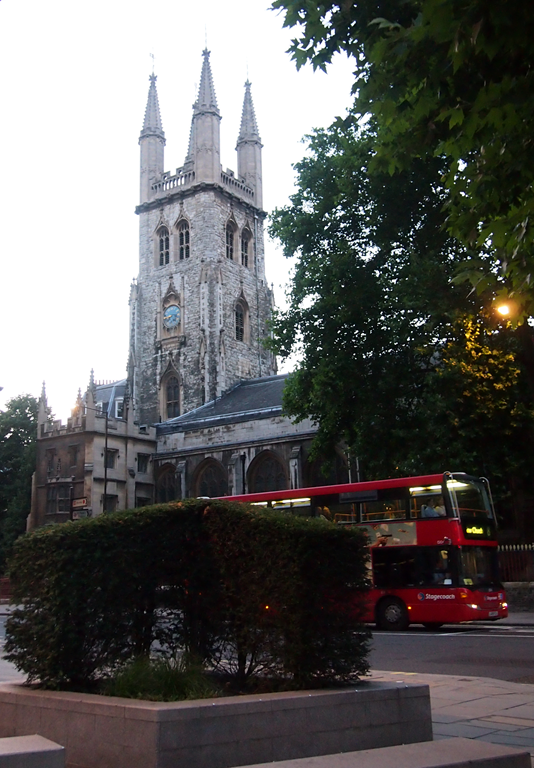
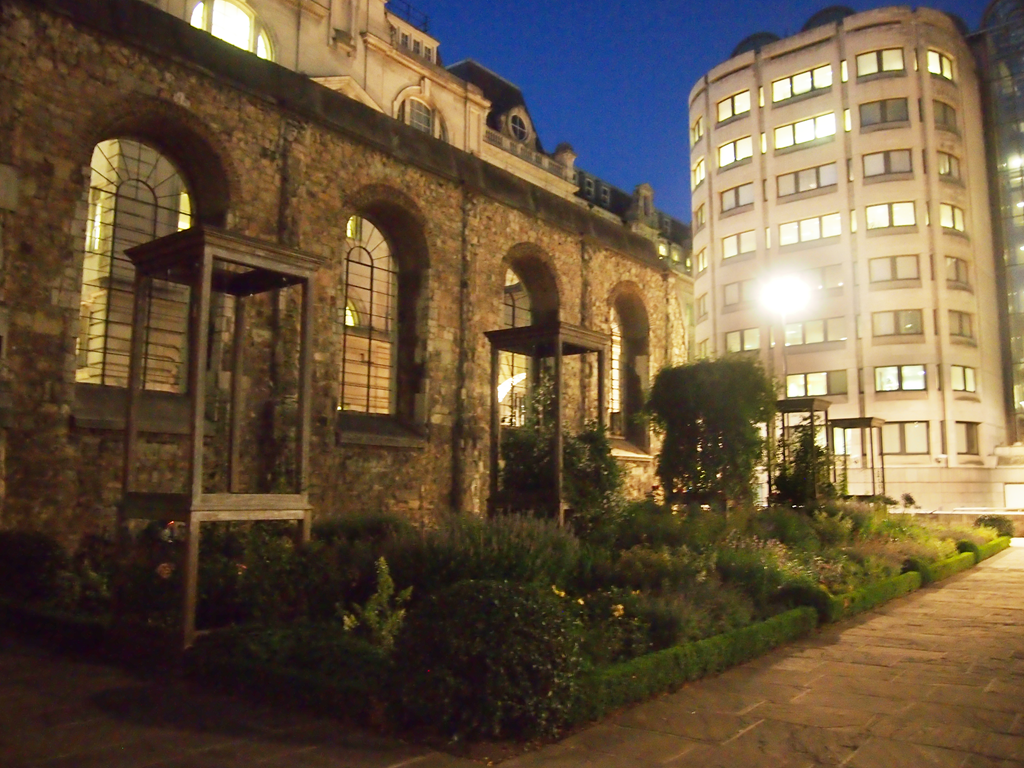
    The final story was at Greyfriars church, which is said to be haunted by Queen Isabella. She was the wife of King Edward II, but had an affair with some guy named Roger Mortimer, who was later accused of murdering her husband. She was buried at the church, in her wedding dress with her husband’s heart placed on her chest. And now her ghost has been spotted around the church. Some say that she is clutching her husband’s heart to her chest. Others say she is scratching at her chest, as though trying to get her husbands heart out!

    Given that Edward II died in 1327 and Isabella died in 1358 I’m not sure how much of his 31 year old heart she could really have been buried with.

    image

    Overall I have to say I ended this ghost tour even more confused about the properties of ghosts.