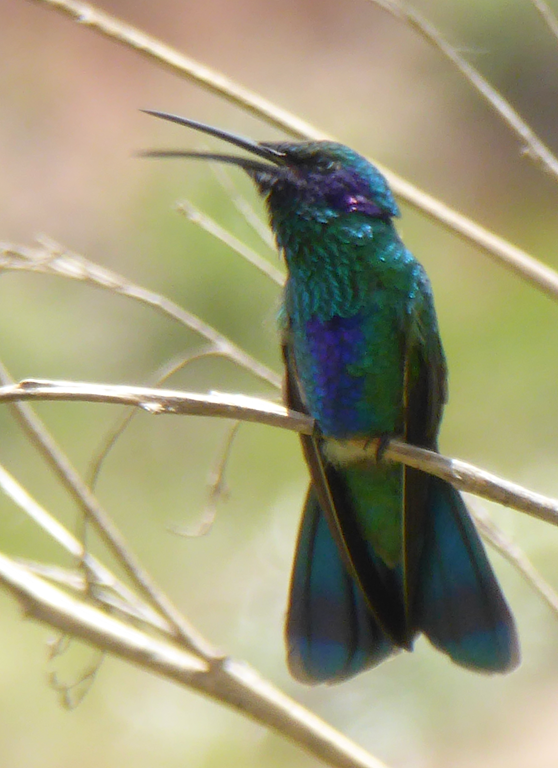
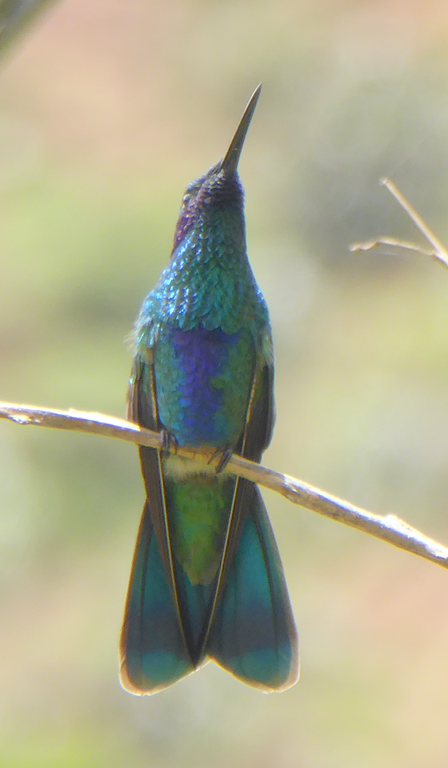
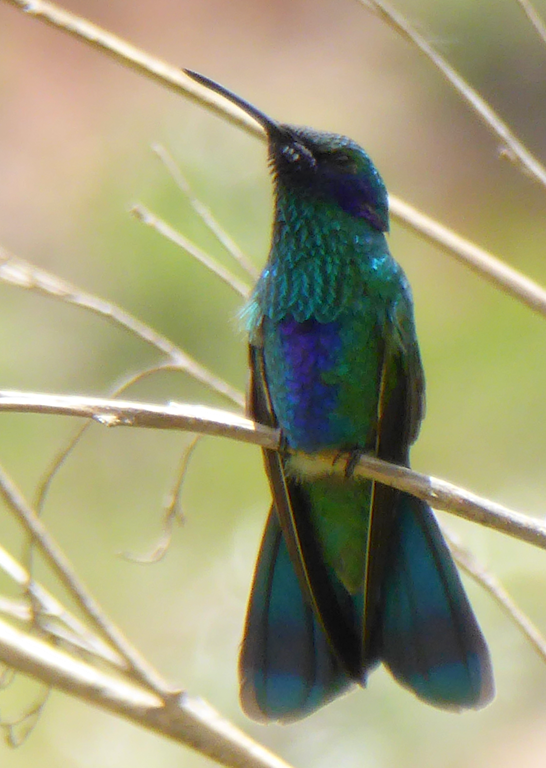
• Camelids

    Did anyone notice how we didn’t see and llamas in South America? Well guess what, we actually did. But Kerri had to look up the spelling of “vicuna” and this got lost.

    There are four surviving relatives of the camel in South America. They are all over the Andes.

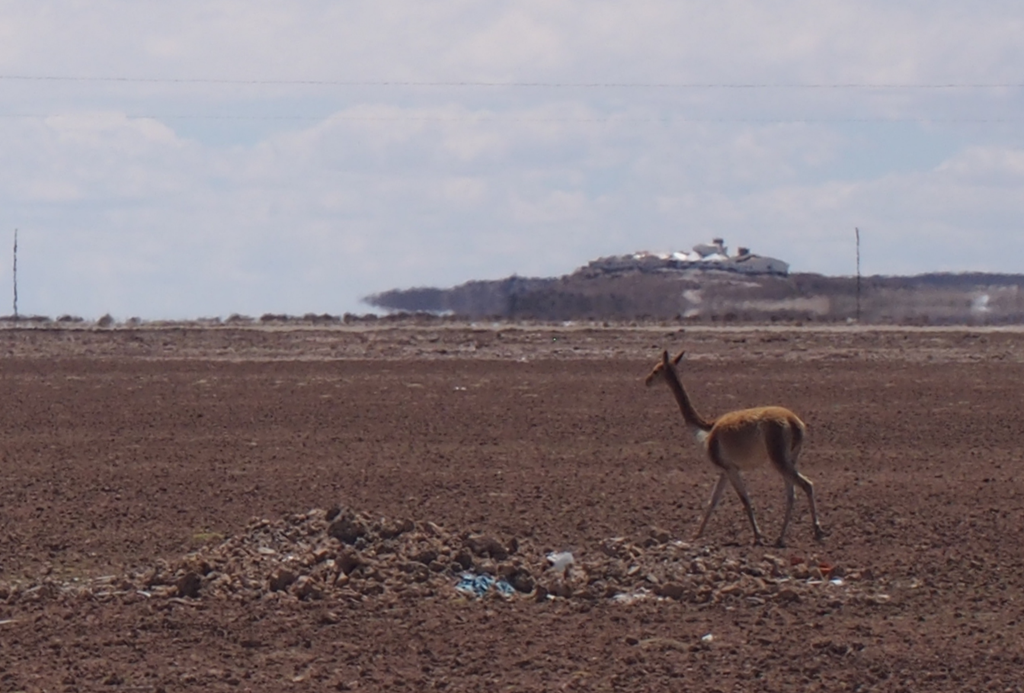
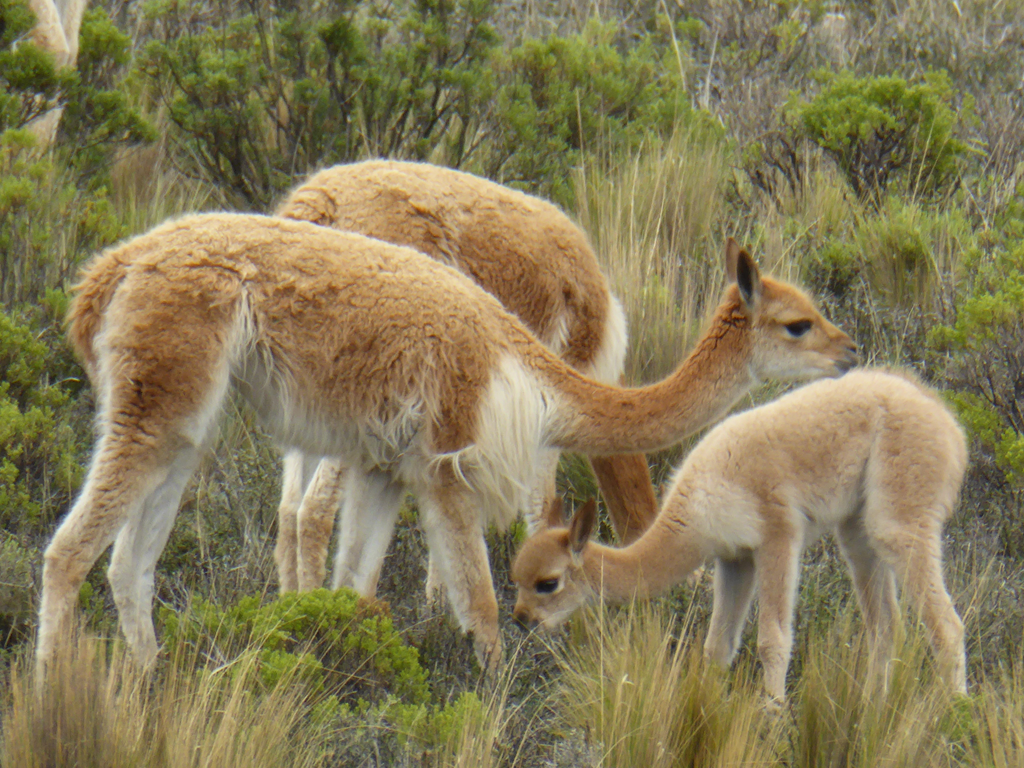
    The Vicuna is the smallest. It lives only at high altitude. It has the best wool in the world, with a fibre diameter between 11 and 14 micrometers. But they are wild and protected, and their wool is only 1-4cm long. Therefore a sweater of vicuna wool costs $6000. They can only be hunted by the native tribes who capture them by making human chains and cornering them, then sheering the wool and releasing them back into the wild.
    image

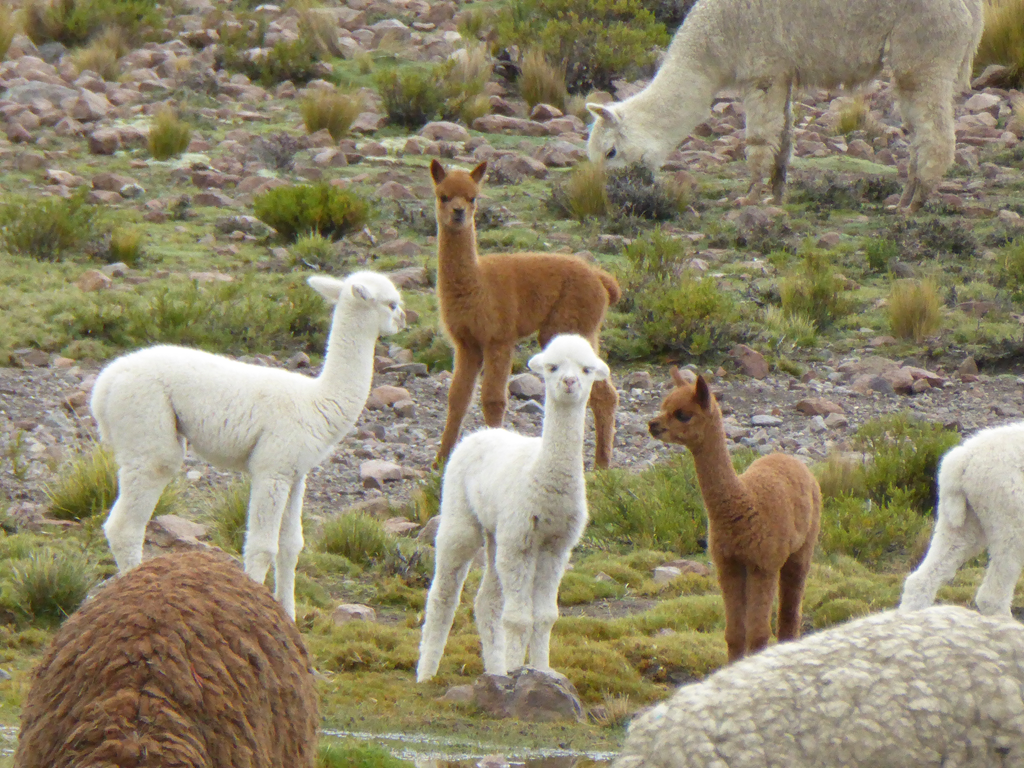
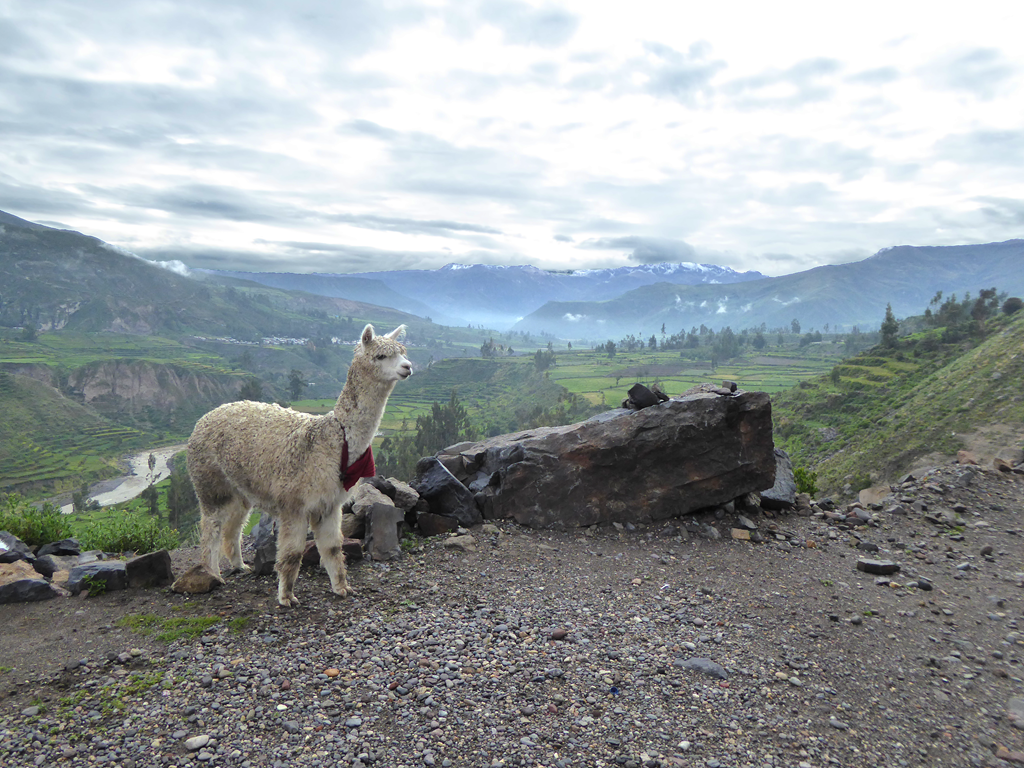
    The alpaca is the domesticated version of the vicuna. They are much larger and have much longer fur (20-40cm) which makes them much more efficient for meat and wool.
    image

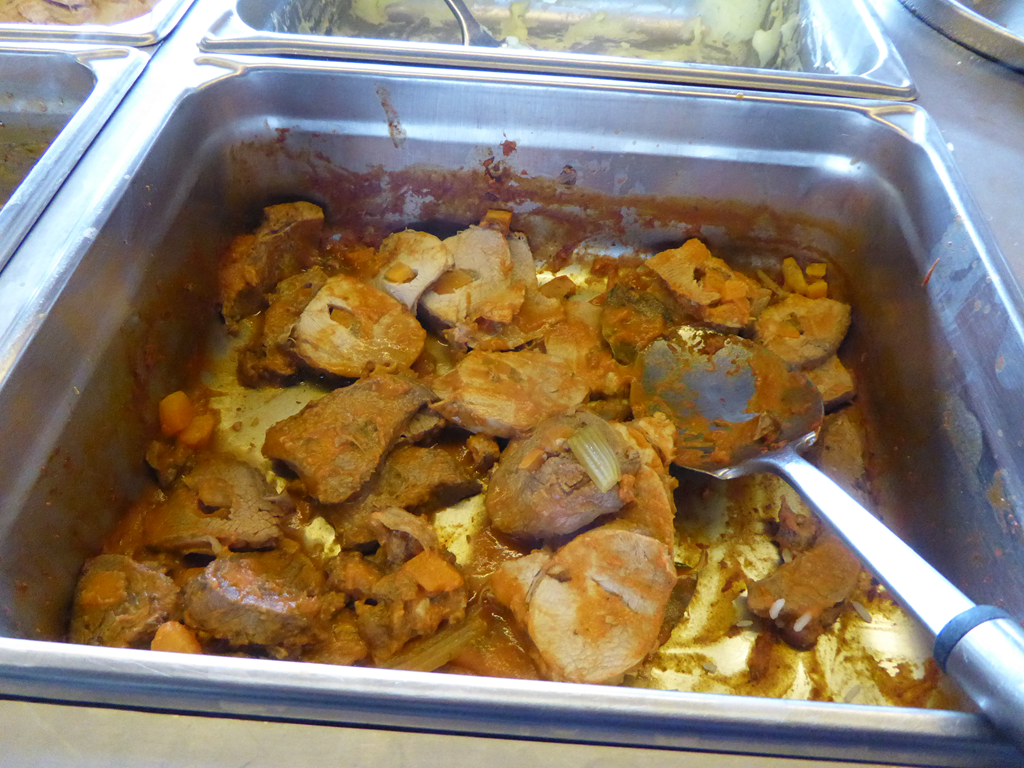
    Their meat is much less tough than llama meat.
    image

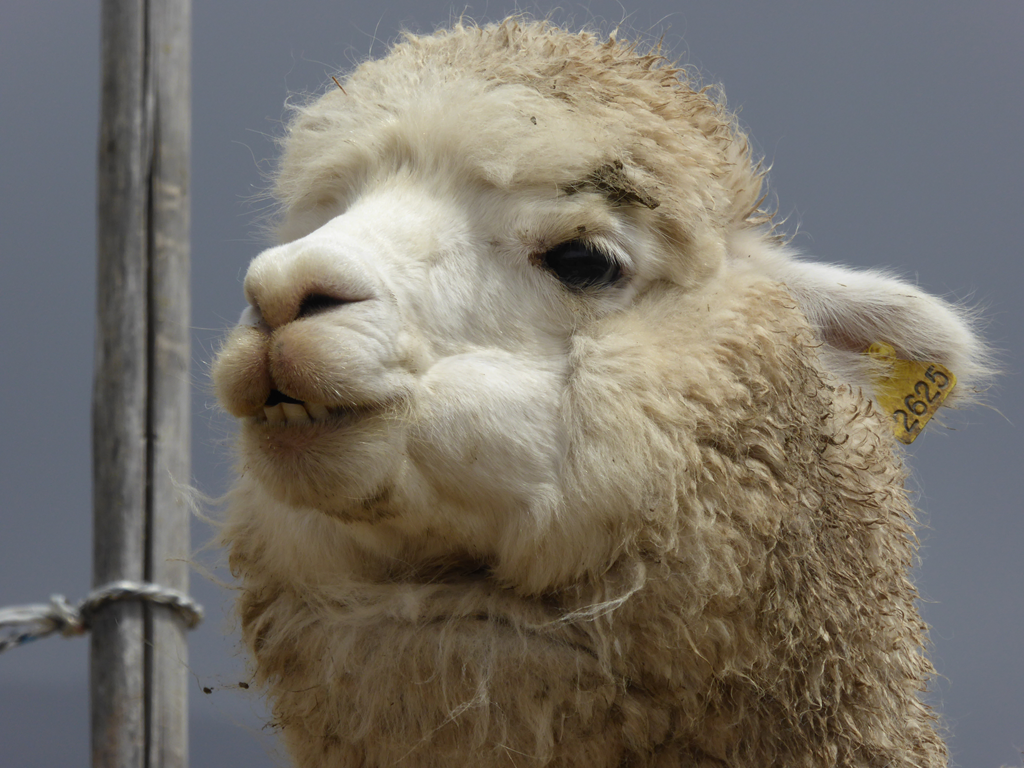
    There are two varieties of alpaca. The suri alpaca has shorter but more delicate wool, while the huaycaya alpaca produces tonnes of wool but it is not as delicate.
    image

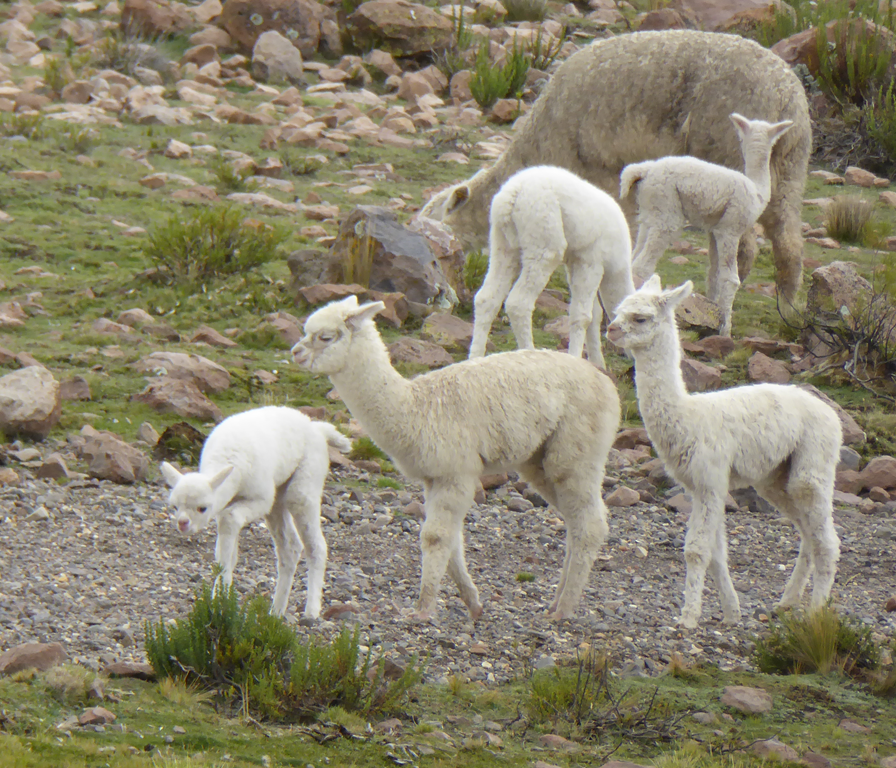
    The babies are really cute.

    image

    And kind of clumsy.

    image

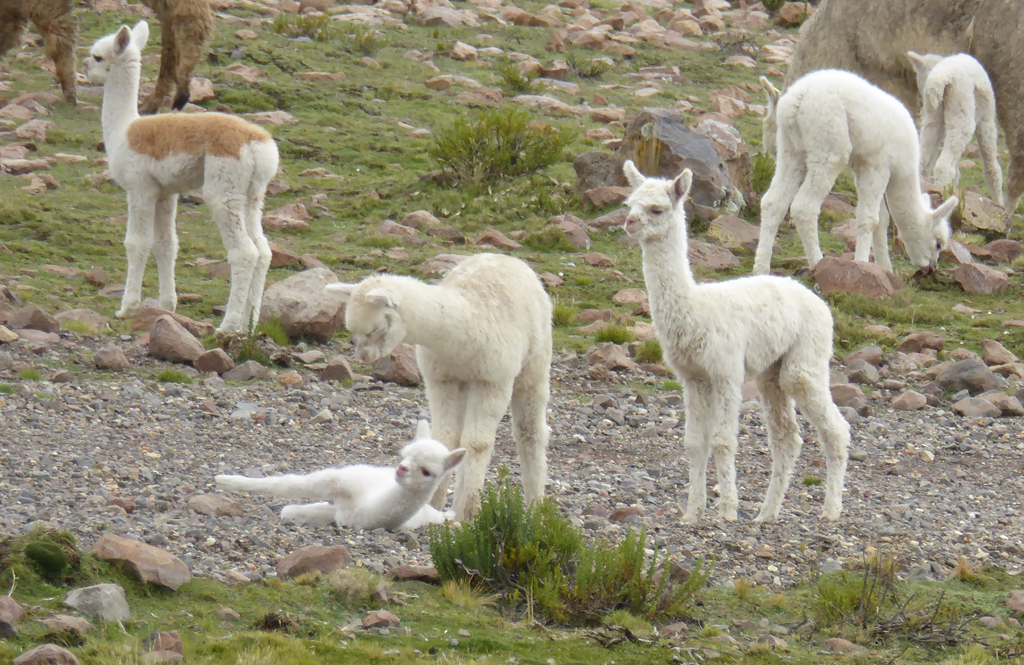
    Sometimes very clumsy.

    image

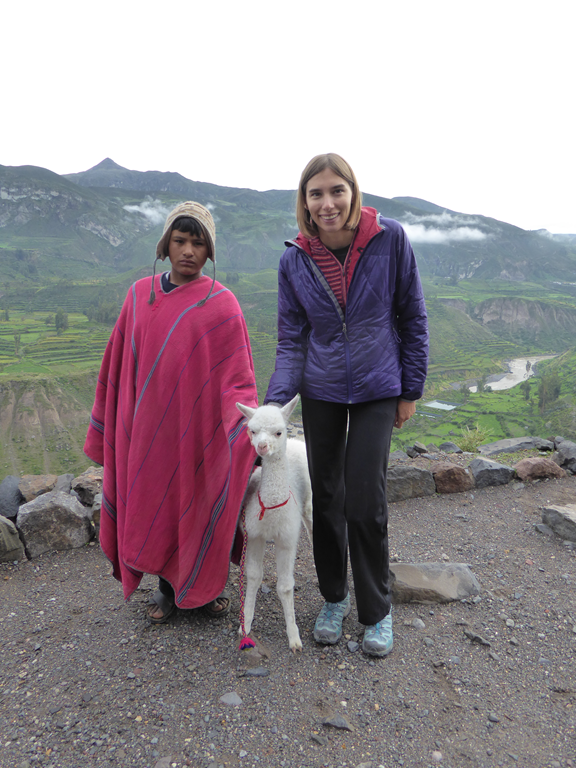
    This one is only 25 days old. He is very soft.
    image

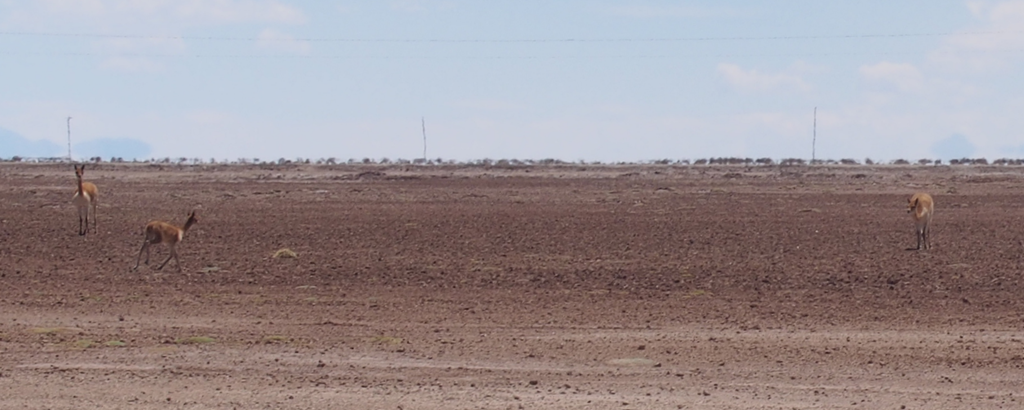
    The guanaco is endangered.

    image

    They live further south than the vicuna.
    image

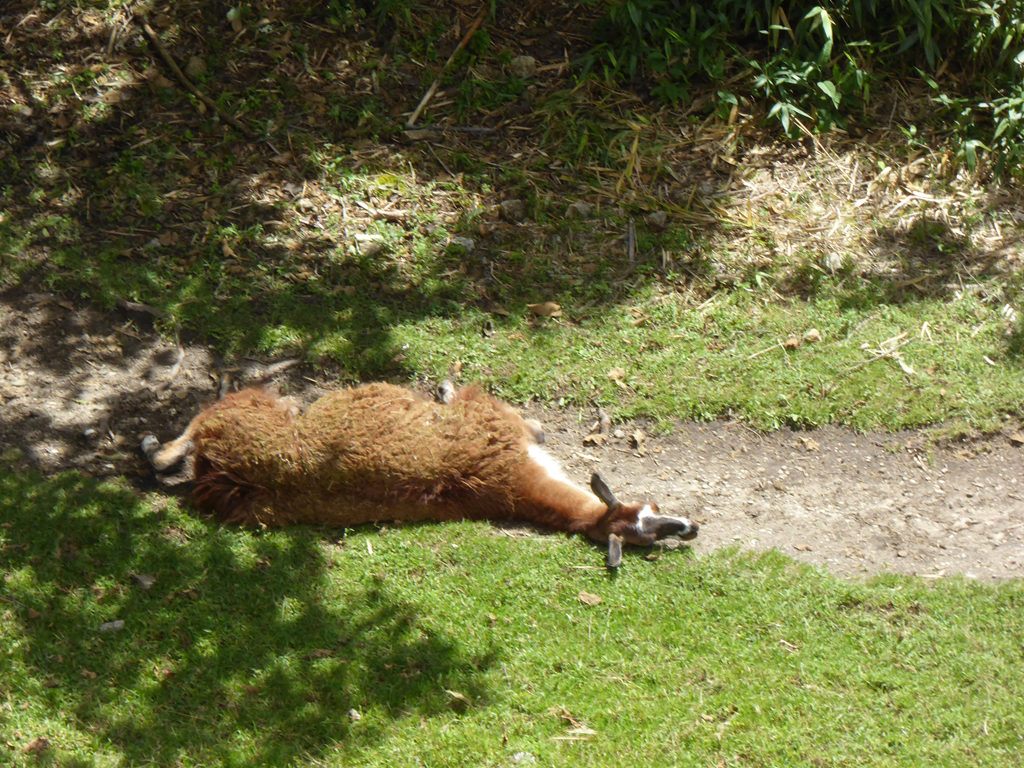
    The llama is the domesticated version of the guanaco.
    image

    They are funny looking.

    image

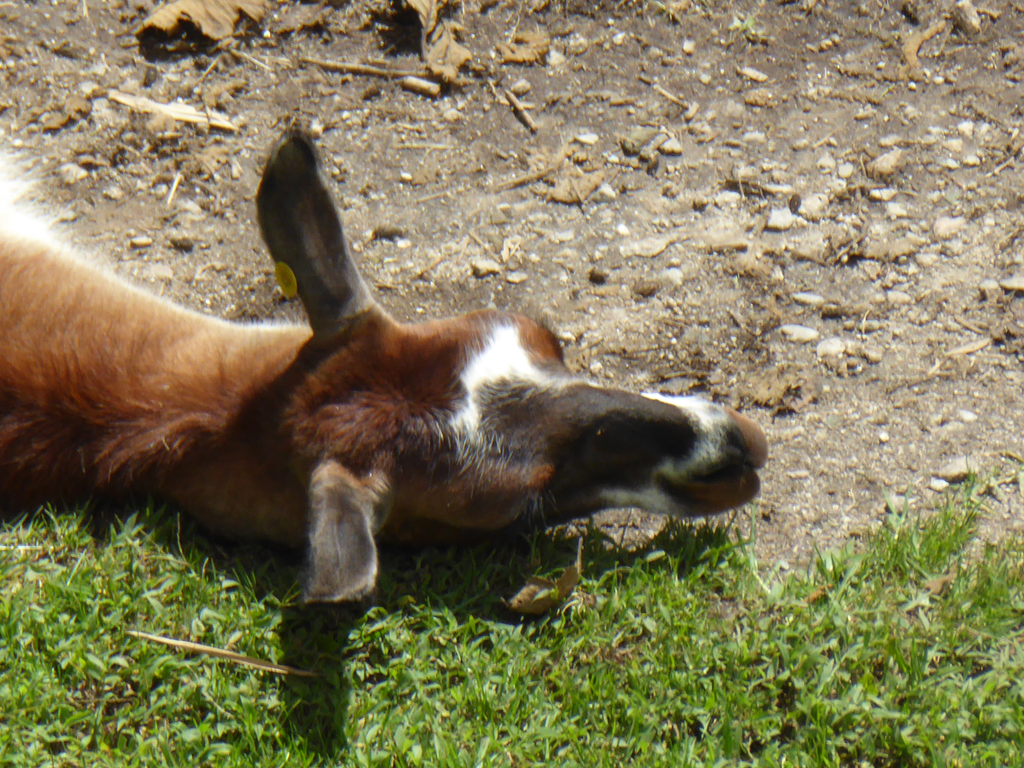
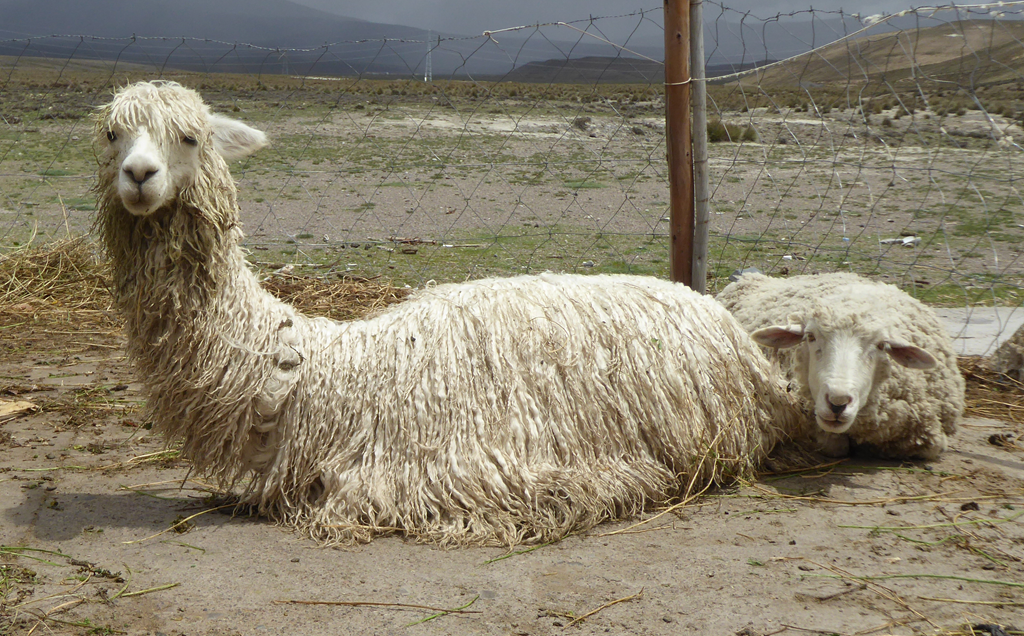
    They are the biggest in the group. Llamas can survive up to 5 days without water, but alpacas need water within 2 days or they will die.
    image

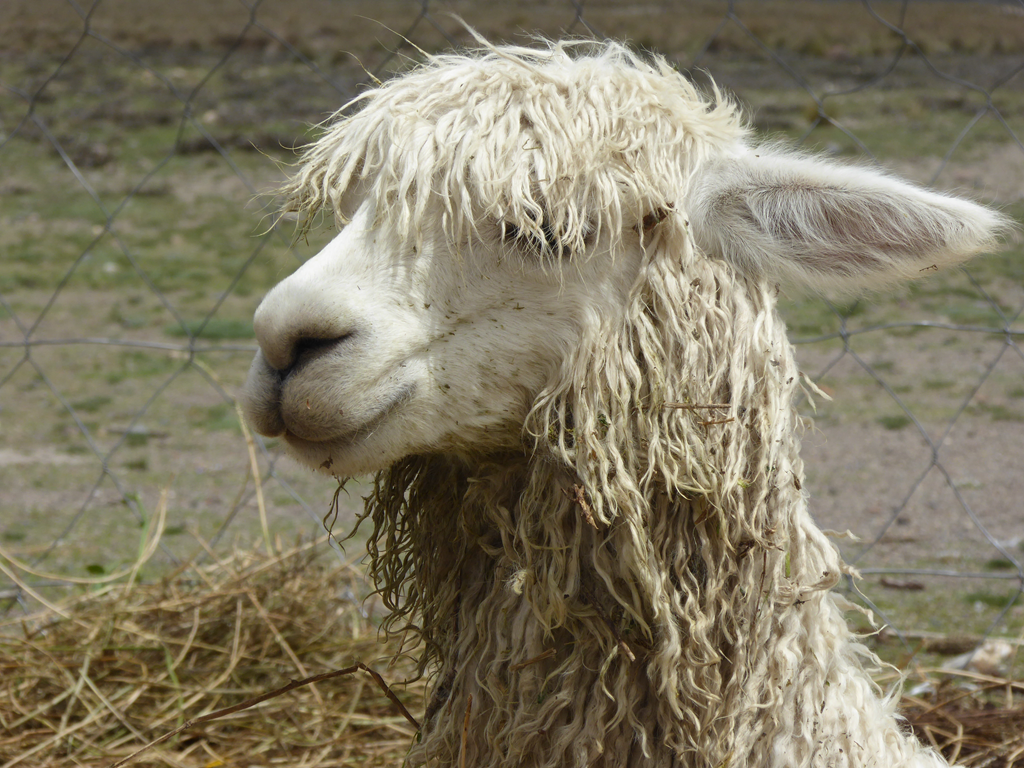
    They have bigger ears and a more pointed snout than alpaca.
    image


  • Weaving

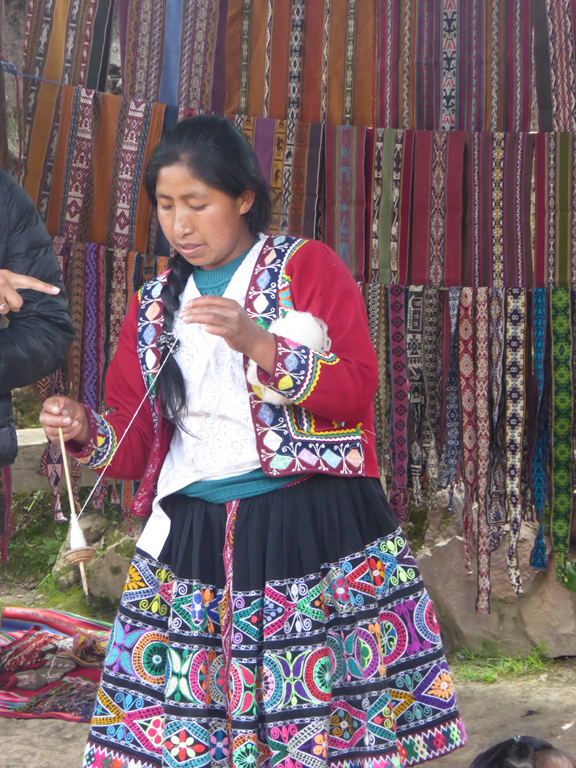
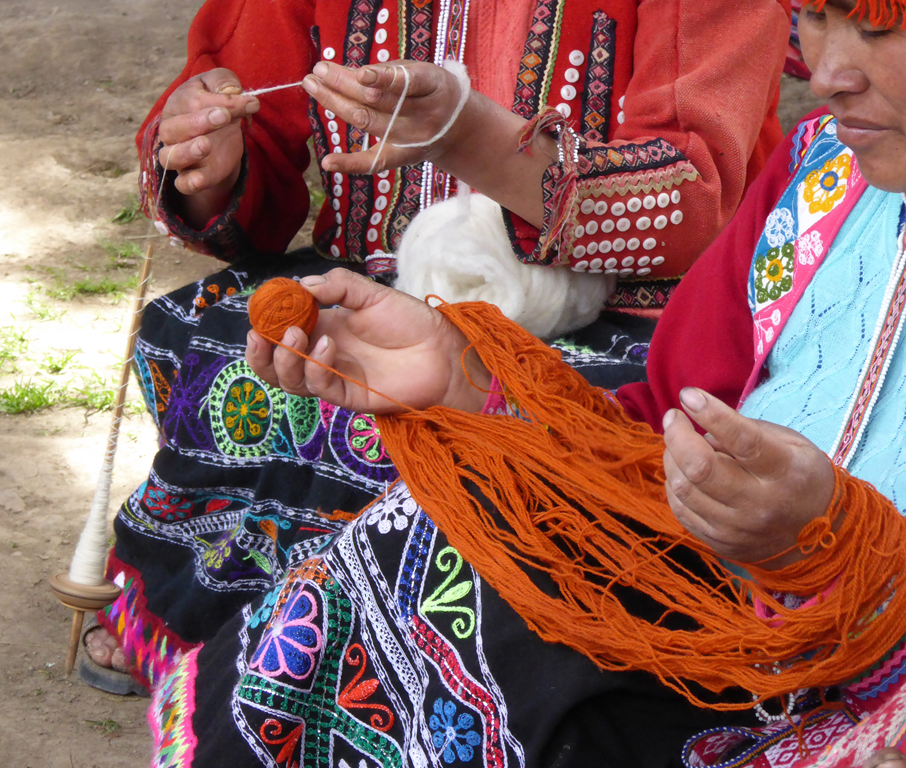
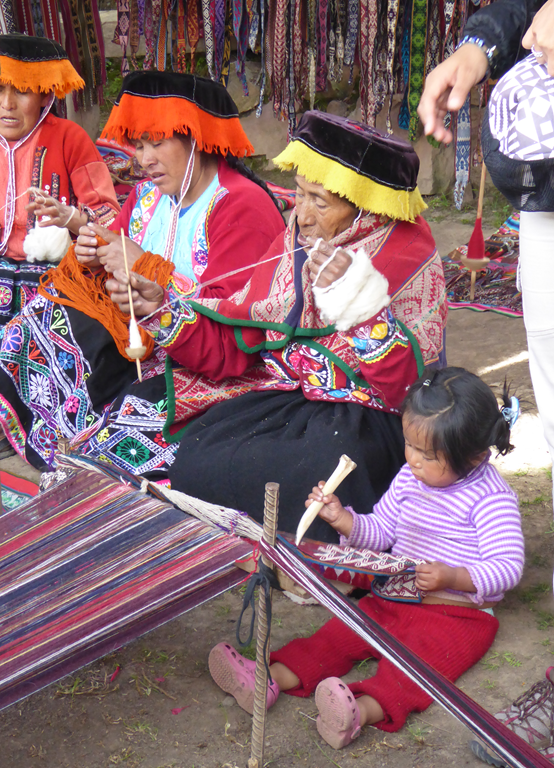
    First they wind the wool around a thing kind of like a top.

    image

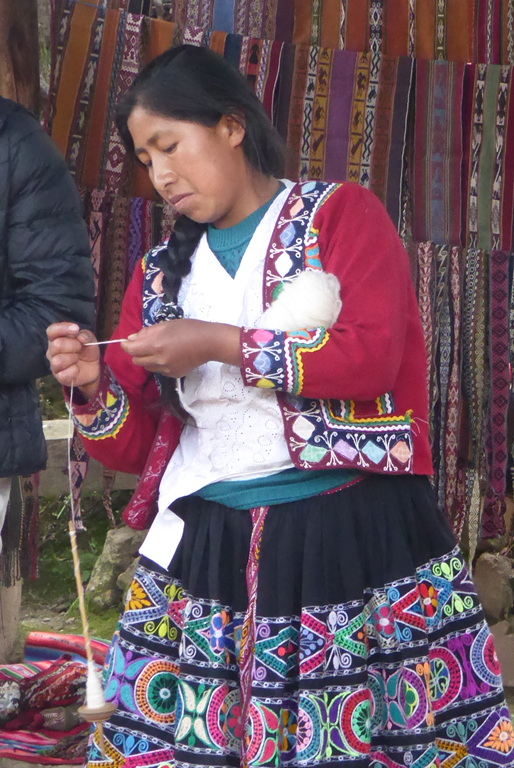
    Then they let it dangle and spin.

    image

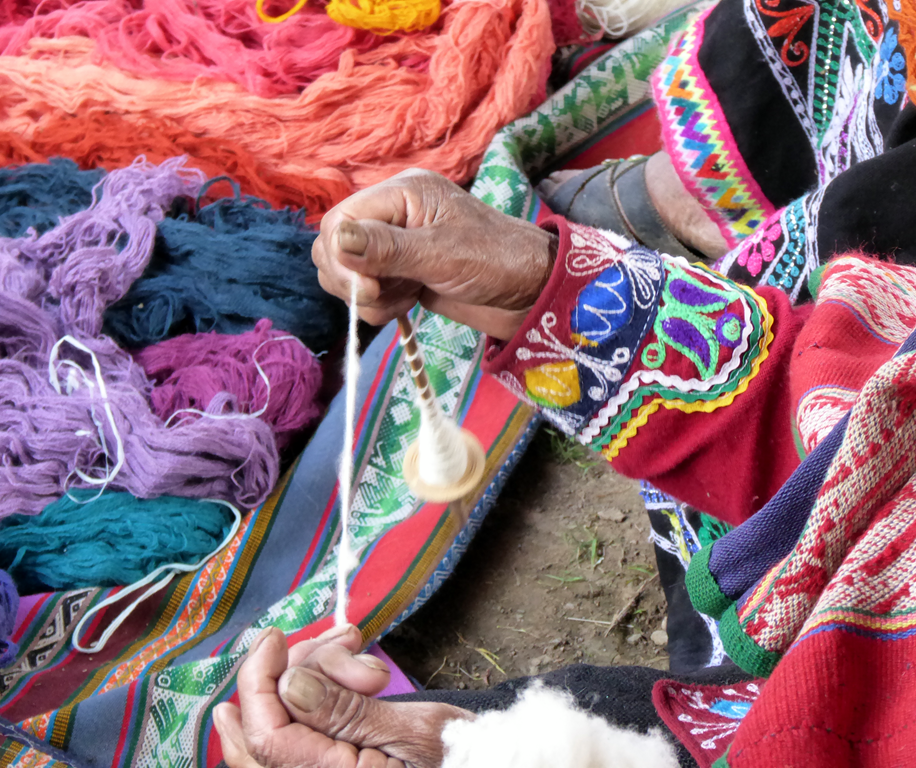
    The tension and spinning makes a yarn.

    image

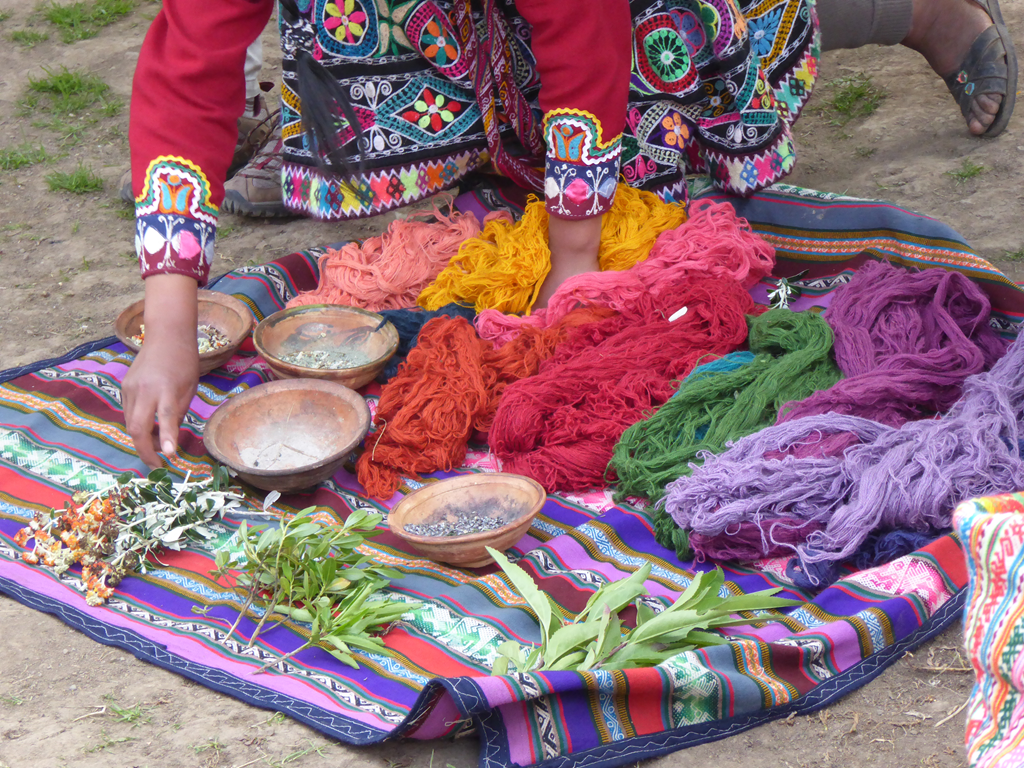
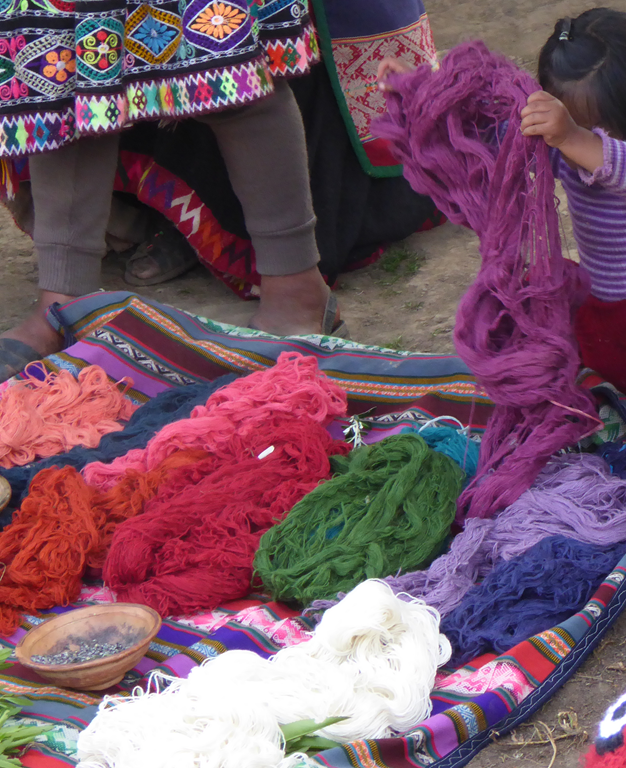
    Then they dye the yarn to get different colours.

    image

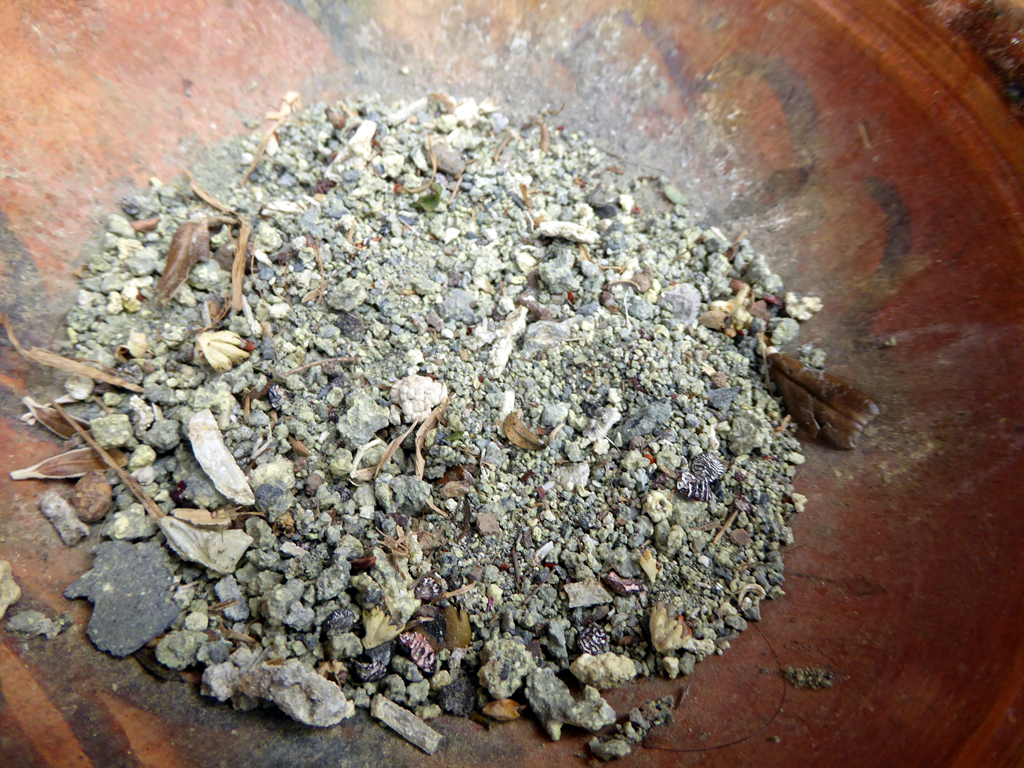
    This soil is used as a green dye.

    image

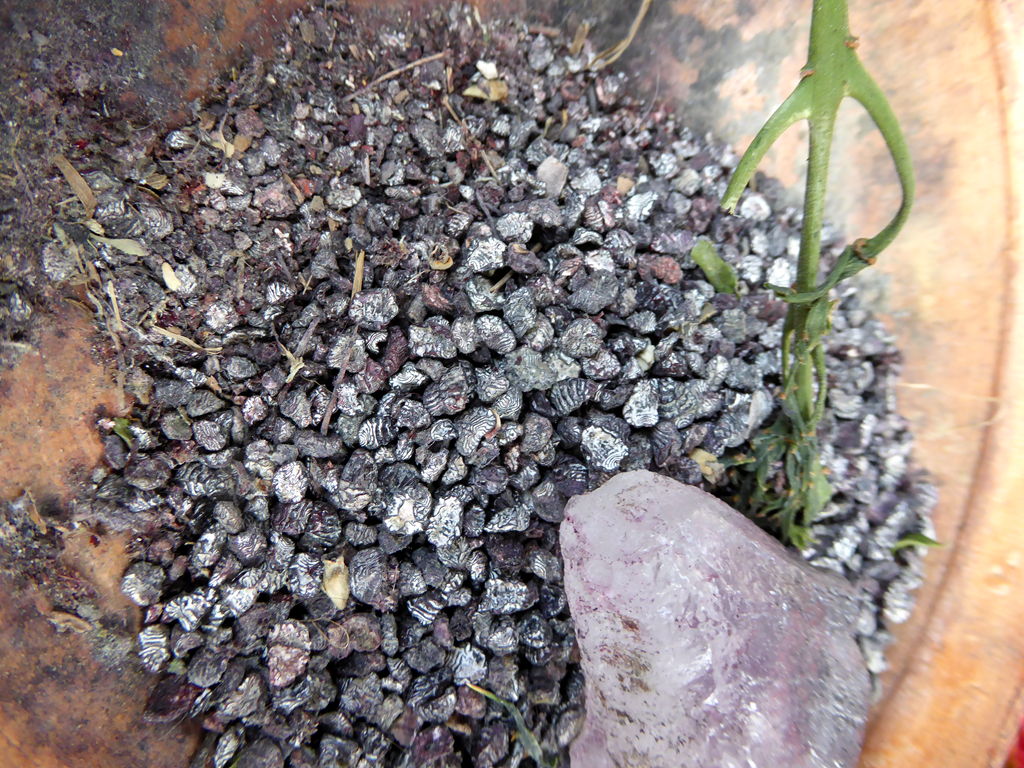
    The cochino bug that lives in the prickly pear cactus are dried and crushed for red dye.

    image

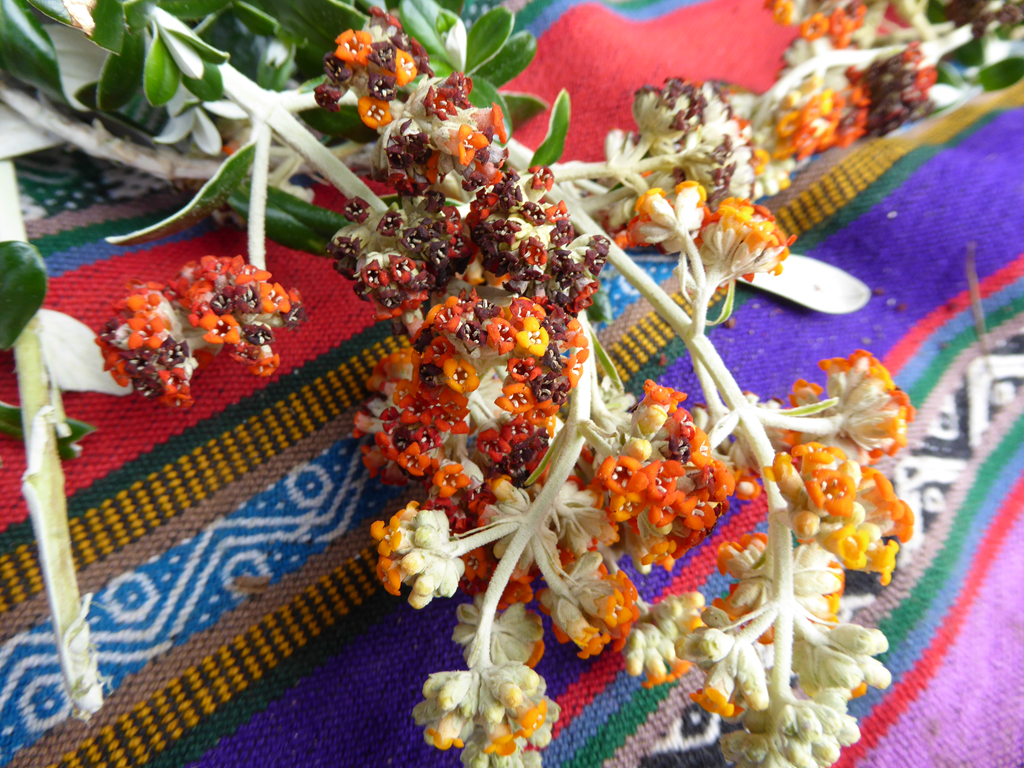
    Yellow and orange dyes come from flowers

    image

    After dying the yarn is spun again and then wound into balls.

    image

    Everyone helps.

    image

    Then the yarn is ready for weaving.

    image

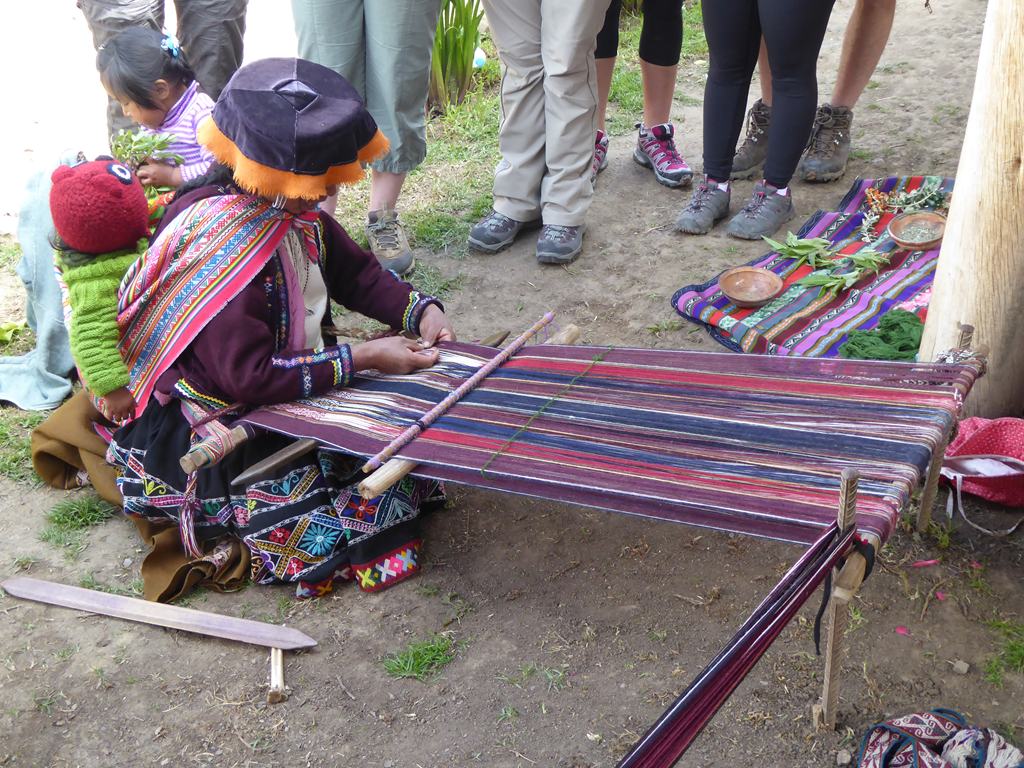
    One end is attached to the tree and the other to their waist to keep the yarn under tension.

    image

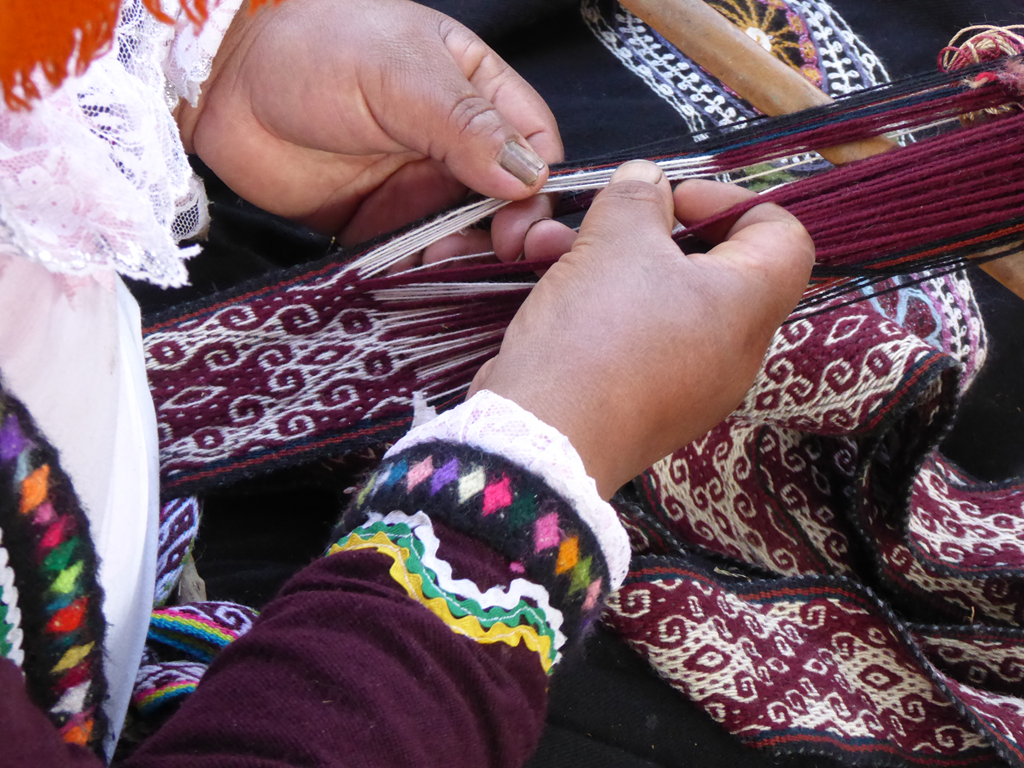
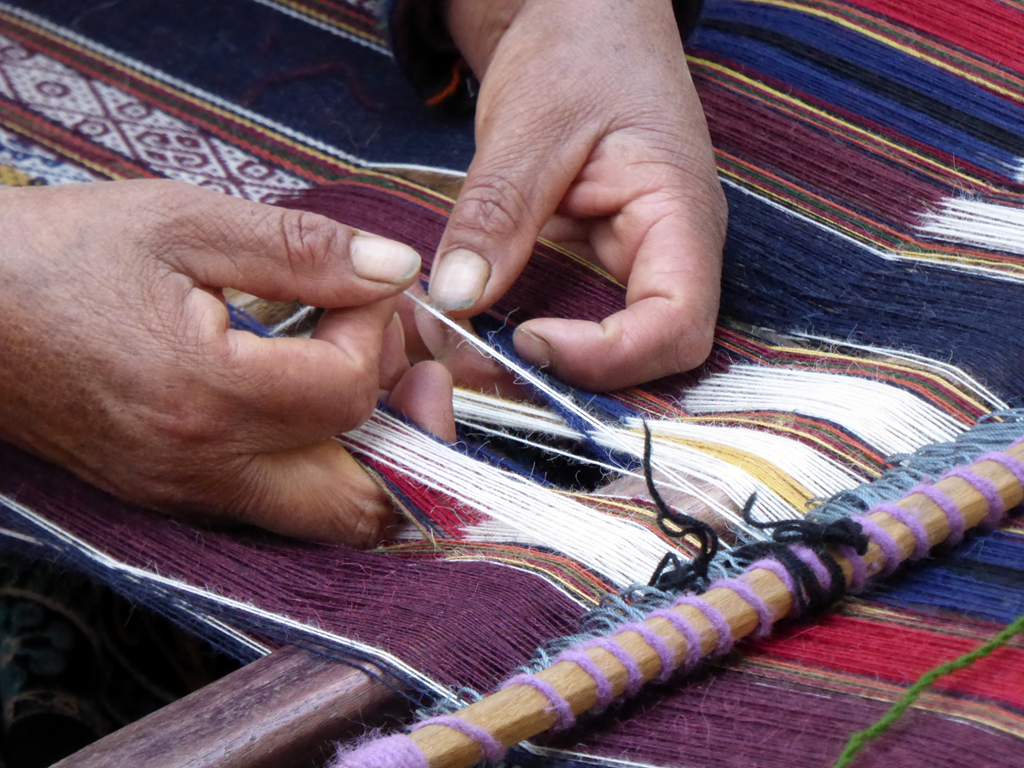
    They use llama bones to help them separate the different layers of yarn.

    image

    The patterns are made by alternating which colour winds up on top and which stay inside.

    image


  • Potato Farming

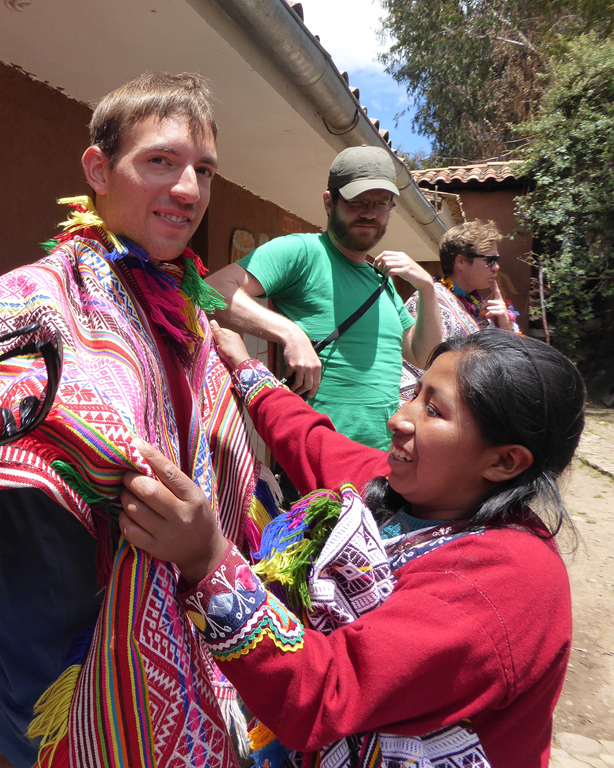
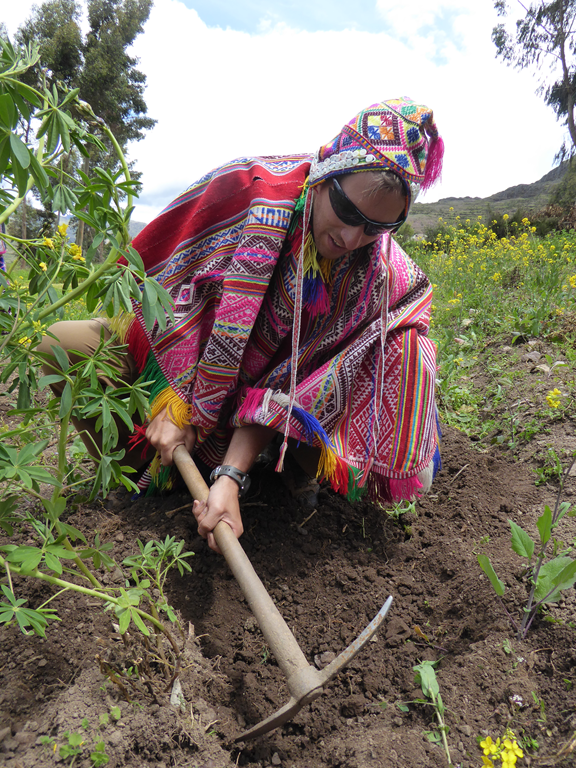
    Today we were put to work at a community village. Before work we had to get dressed.

    image

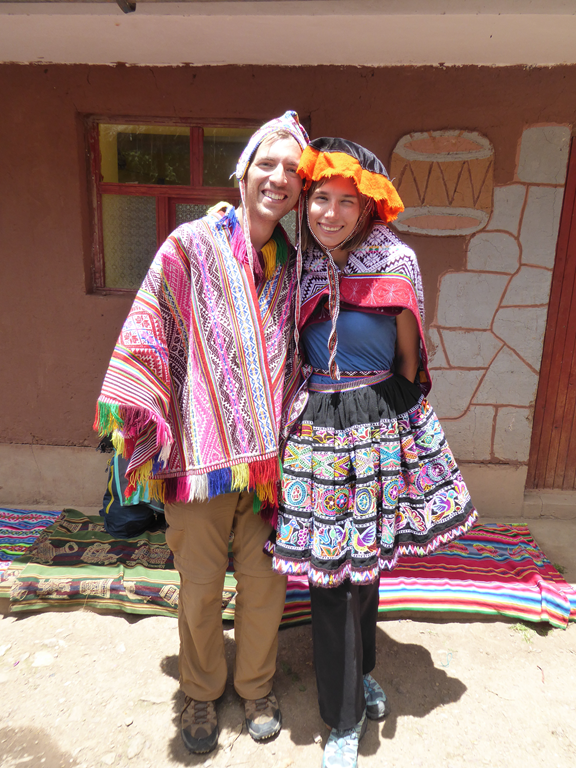
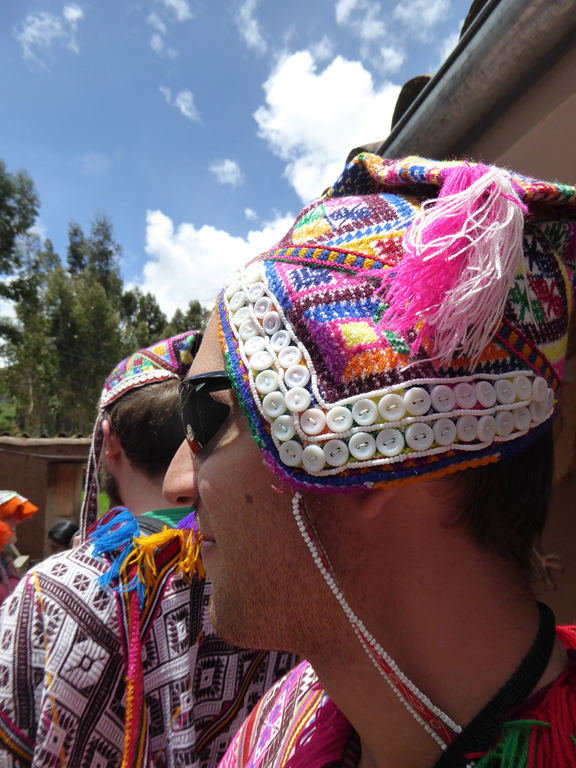
    They have very colourfull clothes in Peru.

    image

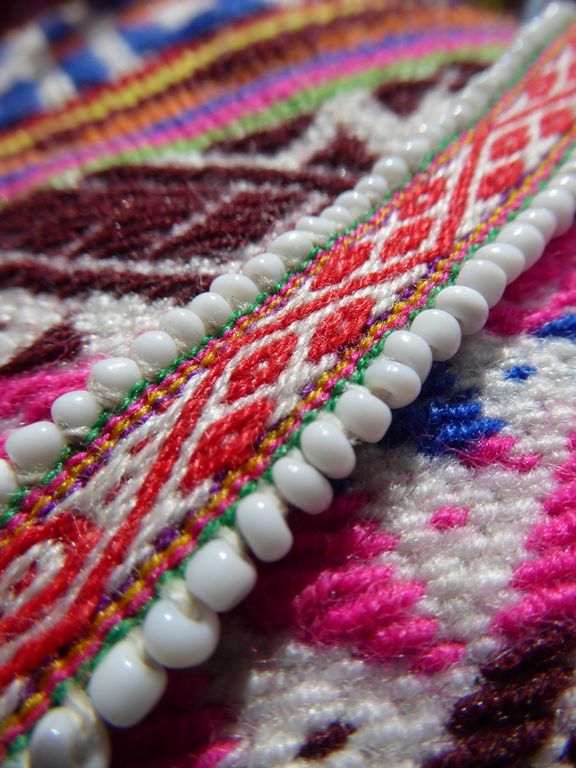
    Some hats were more intricate than others. Matt’s was lined with beads and buttons.

    image

    There were complex patterns in everything.

    image

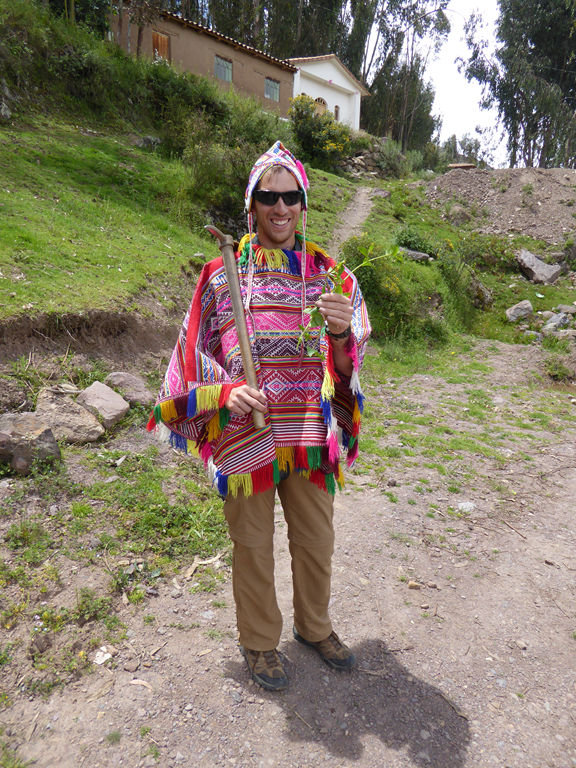
    The tools of the trade were a hoe and sunglasses. The plant was mint which Kerri used to clear sinuses.

    image

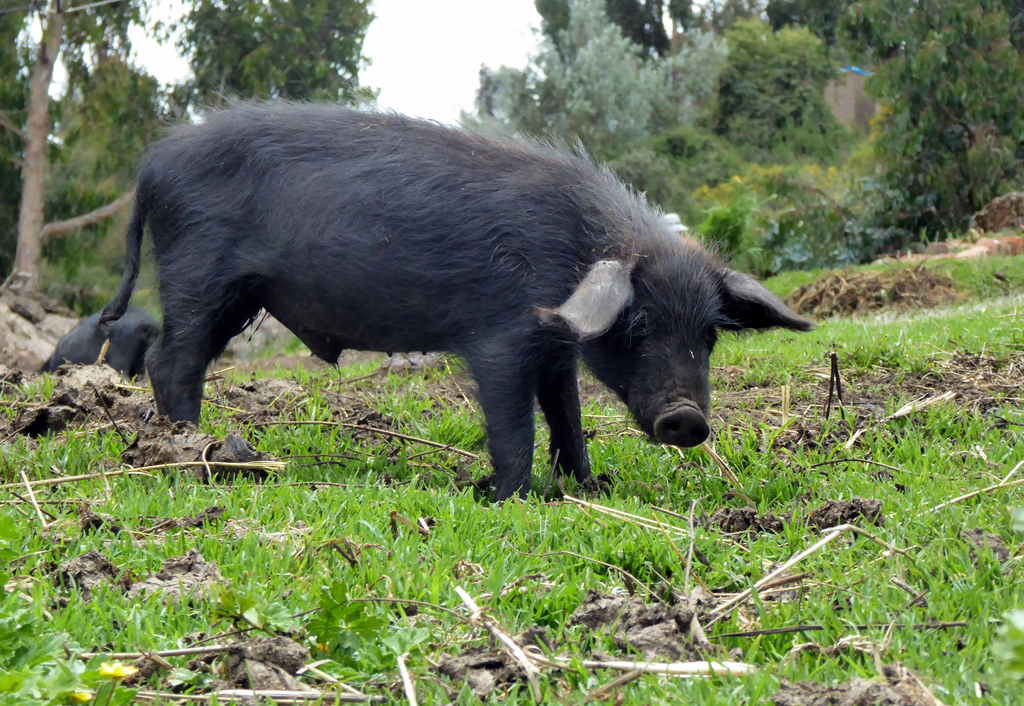
    They also raise pigs in the community.

    image

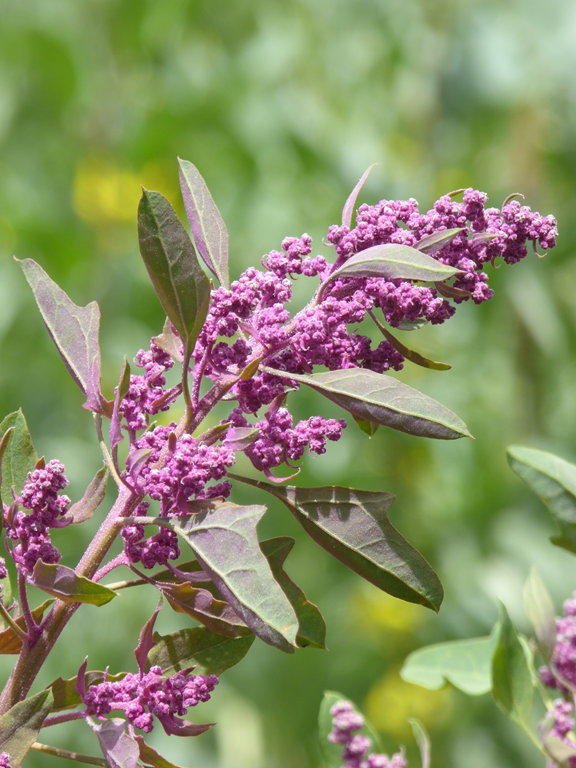
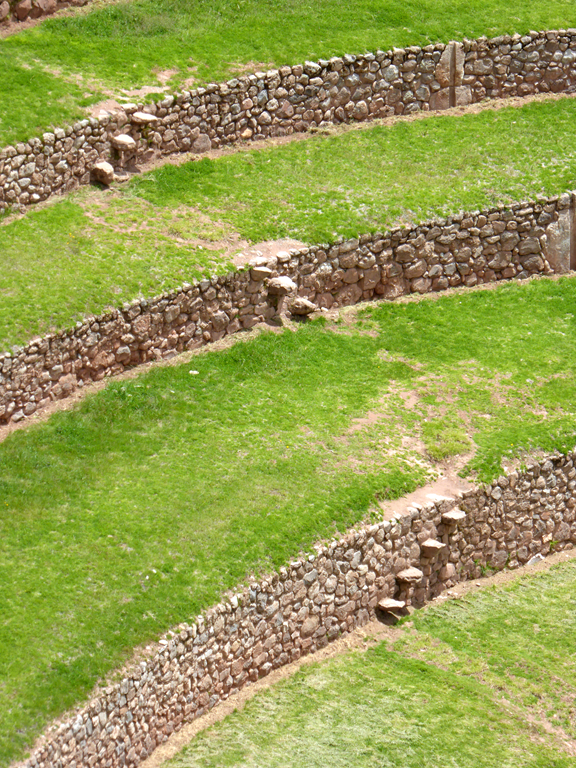
    We think this is quinoa.
    image

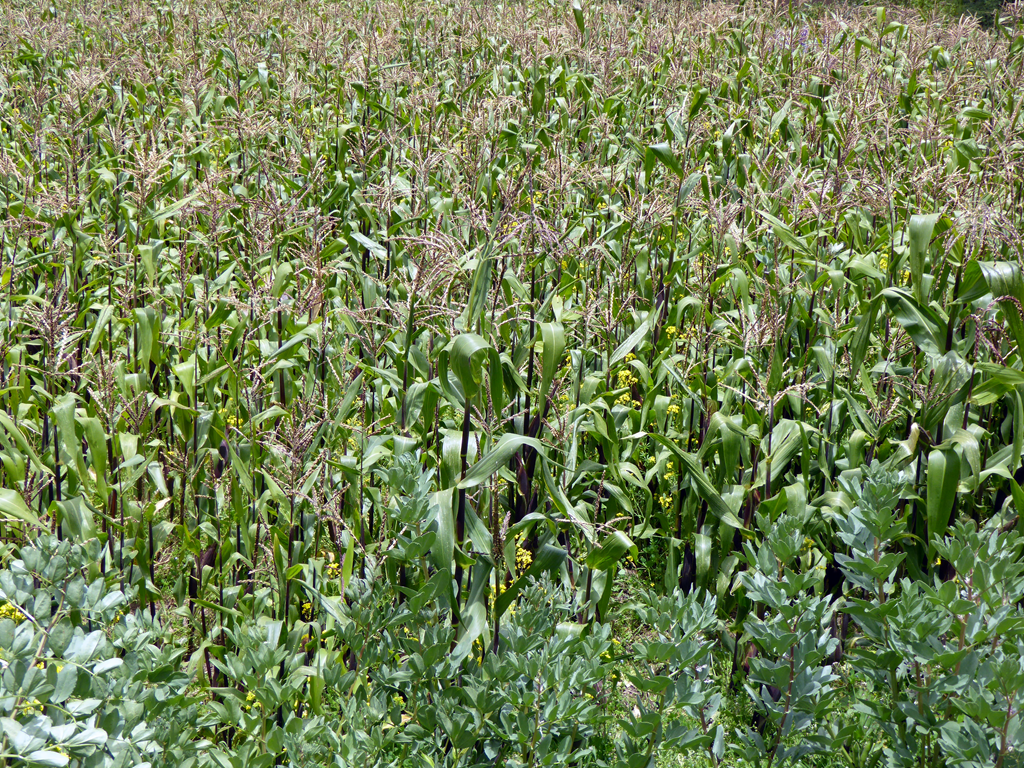
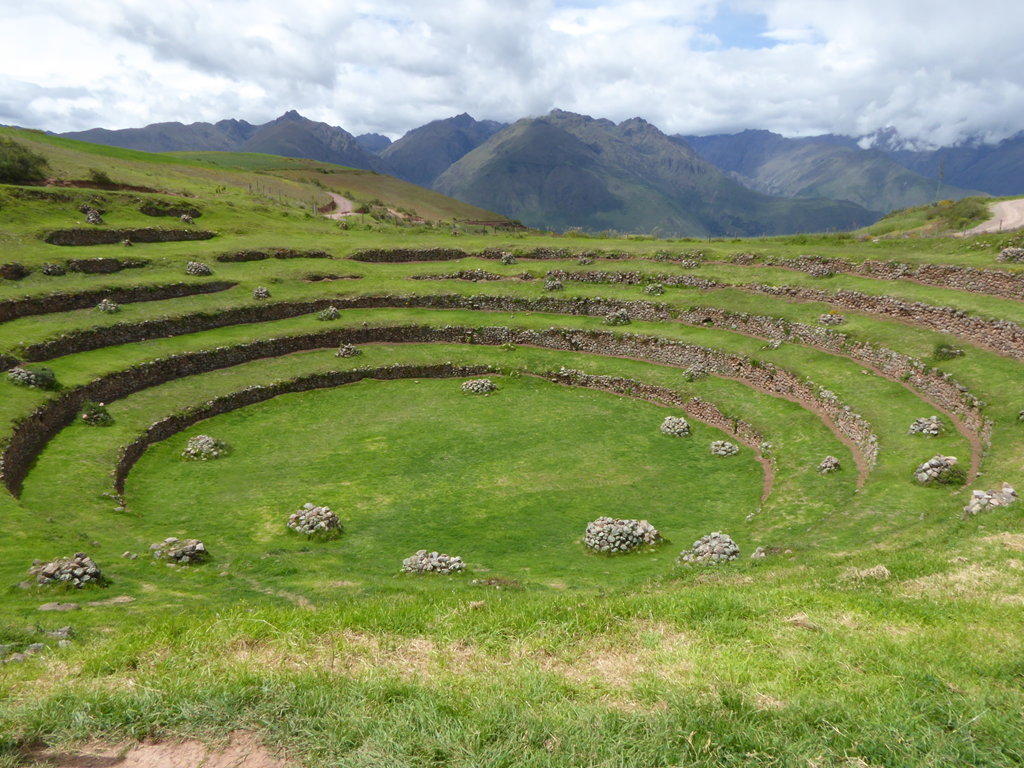
    This was one of the corn fields. Didn’t need help figuring this plant out.
    image

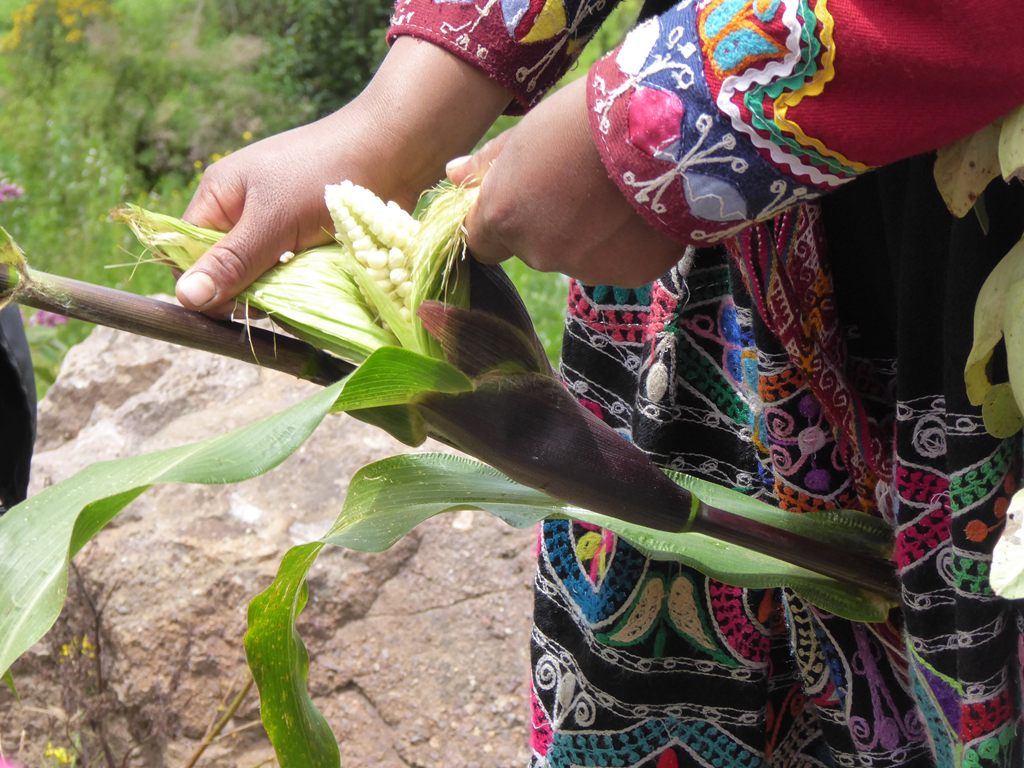
    It was close to harvest as the ears were pretty big.

    image

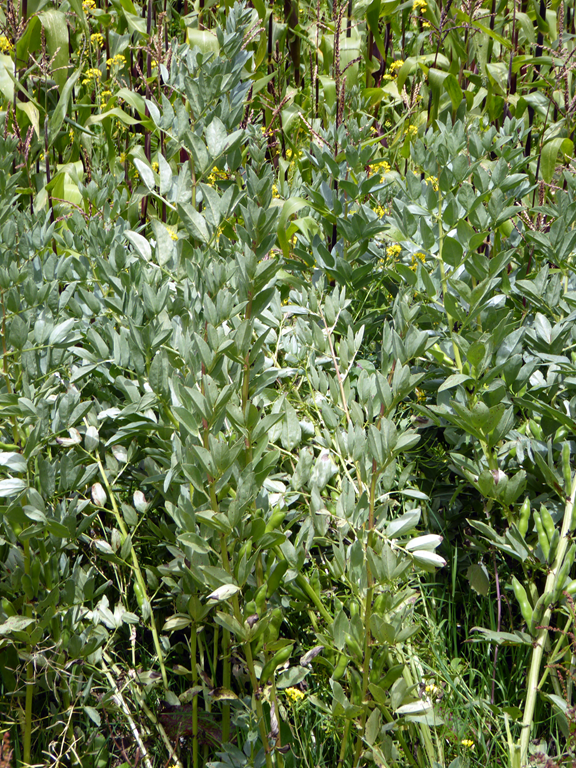
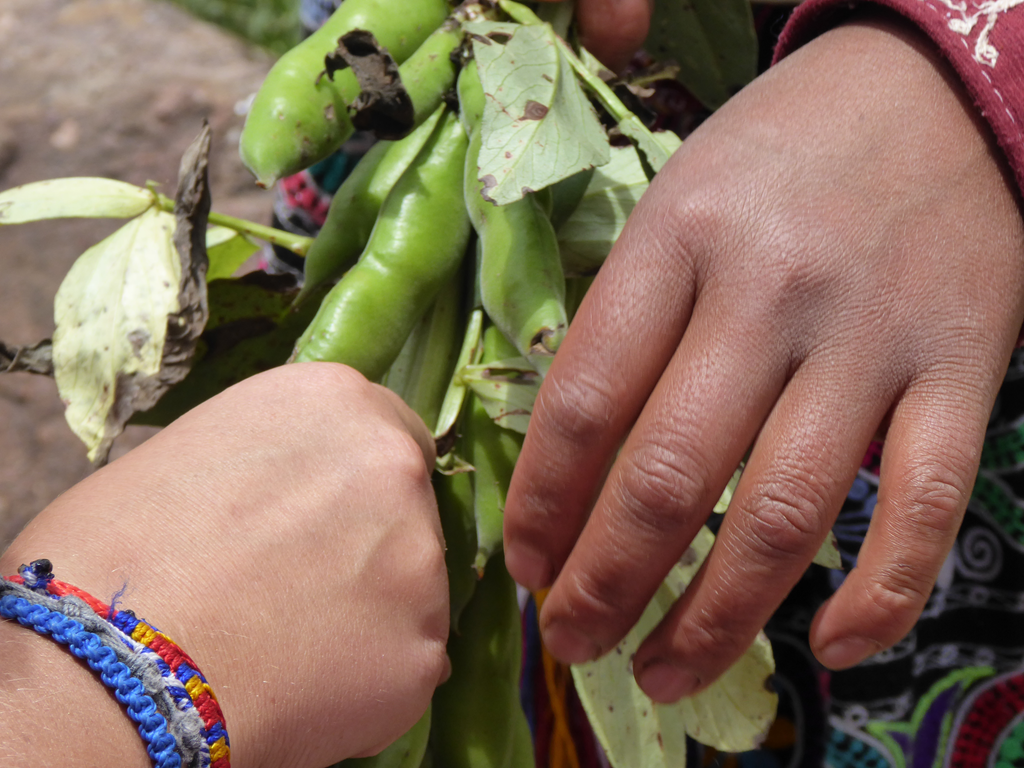
    These were broad beans. 

    image

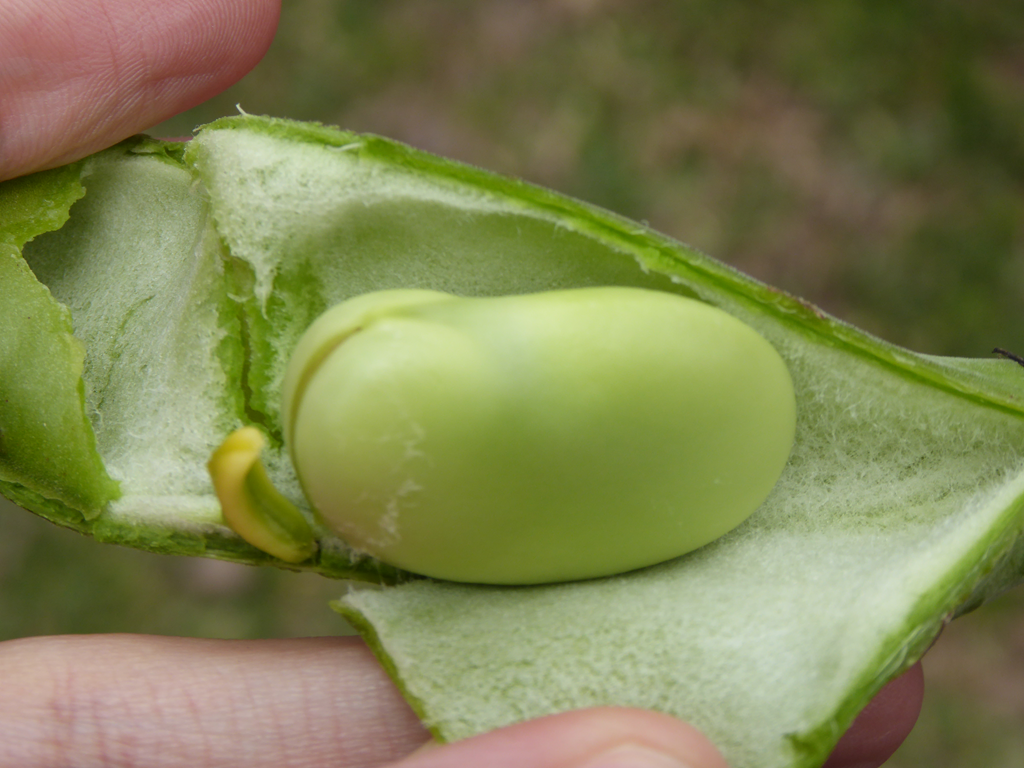
    The beans are huge and have to be peeled before eating (even after being shelled).

    image

    Here is the shelled bean before peeling.

    image

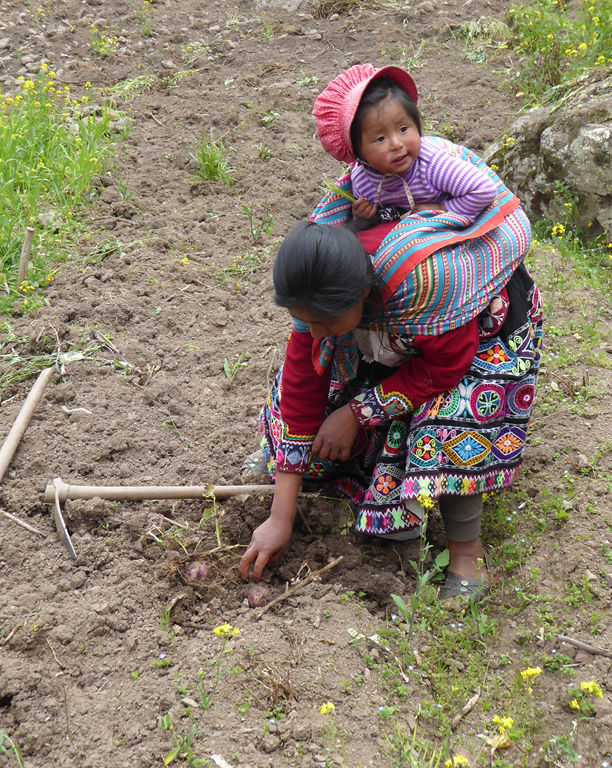
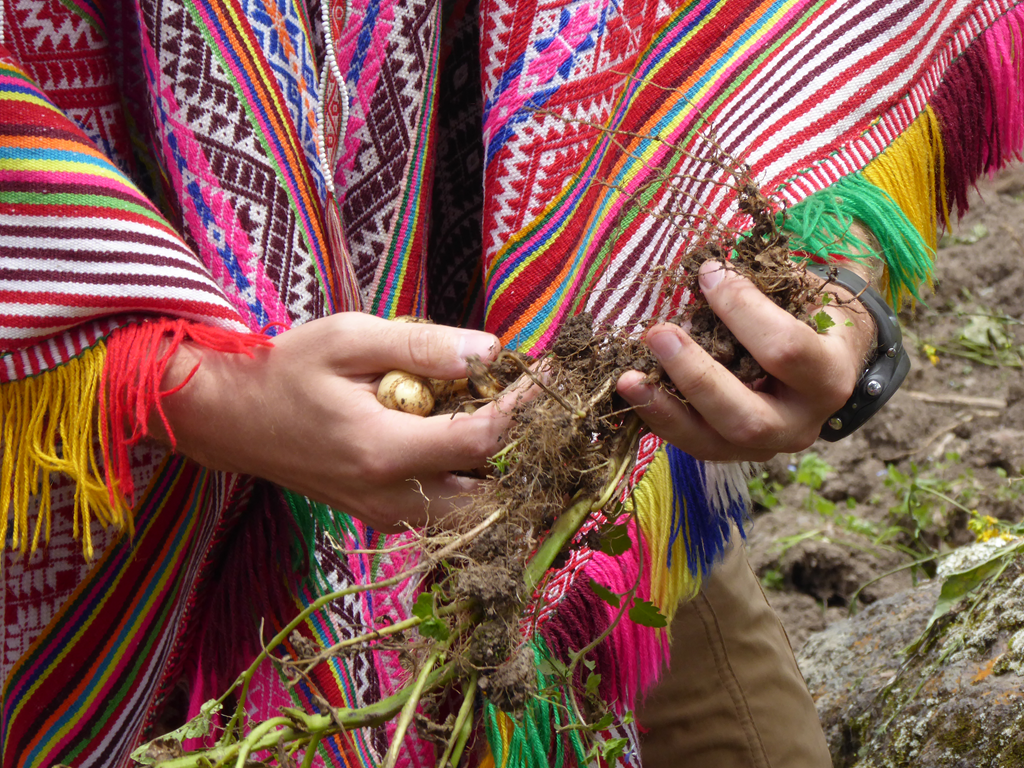
    Here we were shown how to find the potatoes. The women can do pretty much everything with a child strapped to them. And when not a child it is usually a larger amount of goods they are carrying.

    image

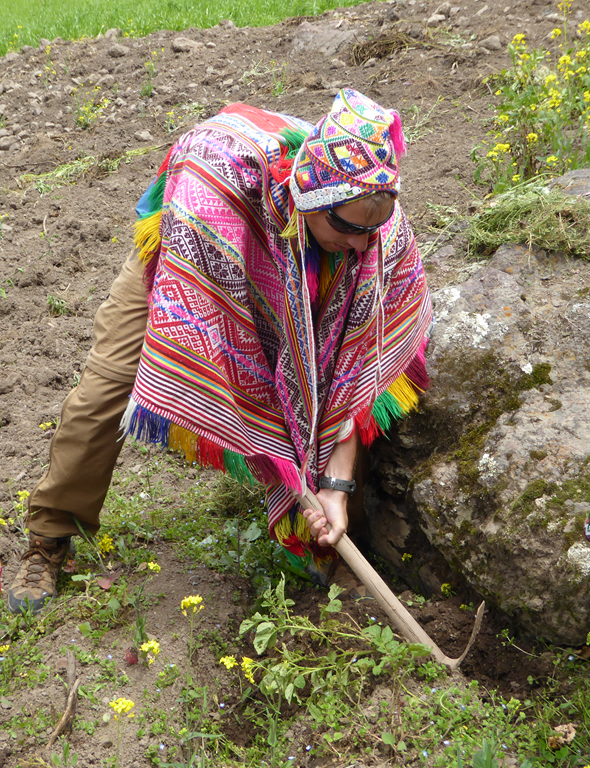
    This was Matt starting to help find the potatoes.

    image

    They grow them in raised patches to make weeding and pulling easier.

    image

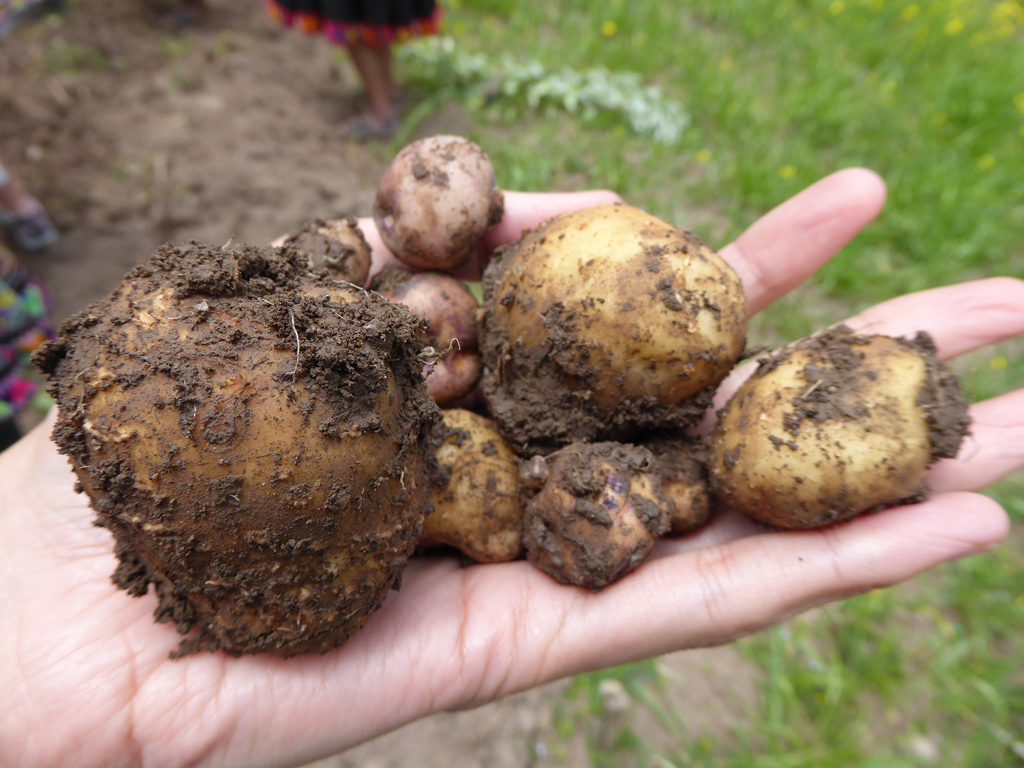
    Sometimes there were only a few small ones.

    image

    Other times we would get bigger ones.

    image

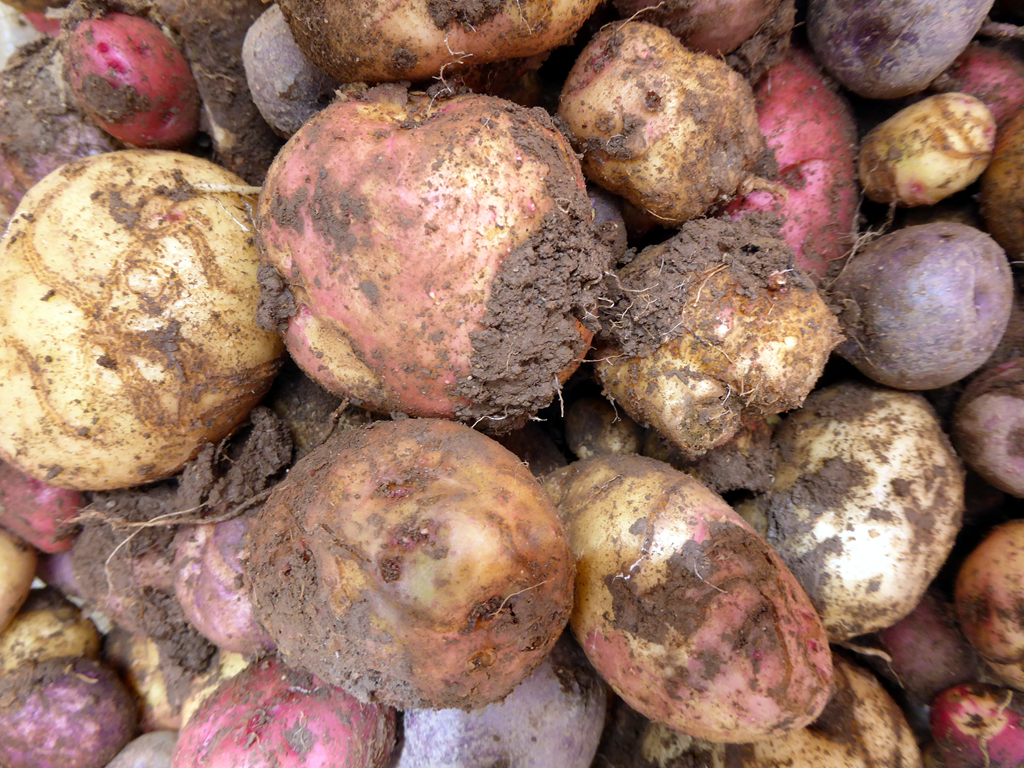
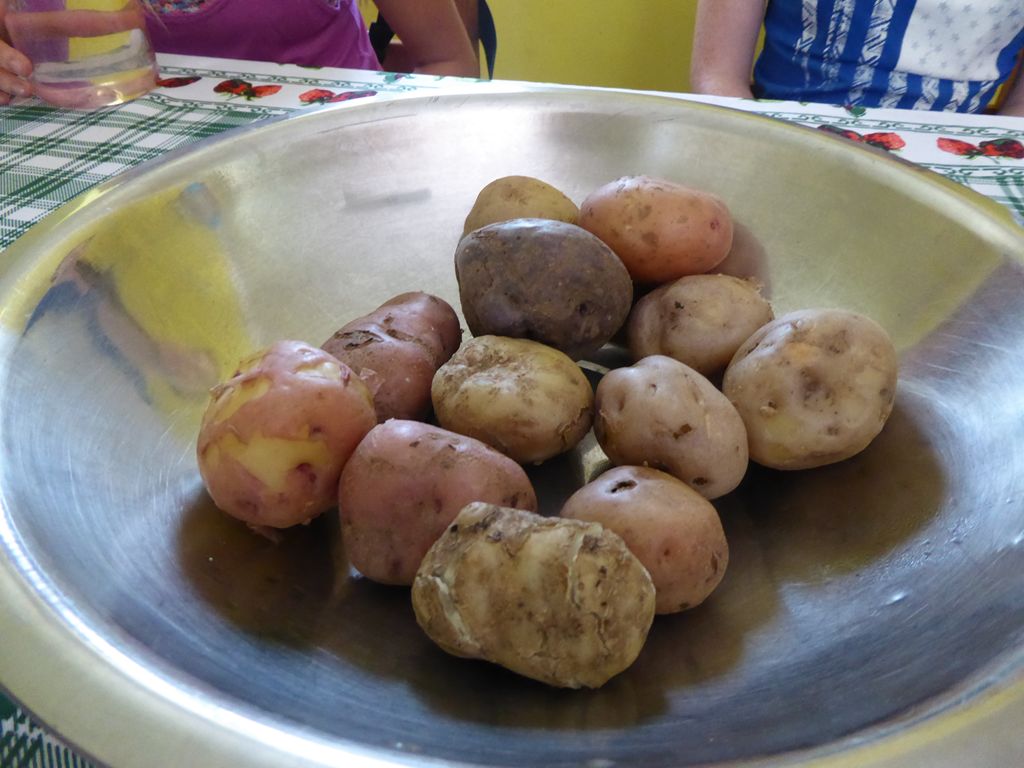
    Lots and lots of fresh potatoes.

    image

    The start of our lunch was really simple and just a peeled boiled potato. They were still delicious.

    image


  • Moray

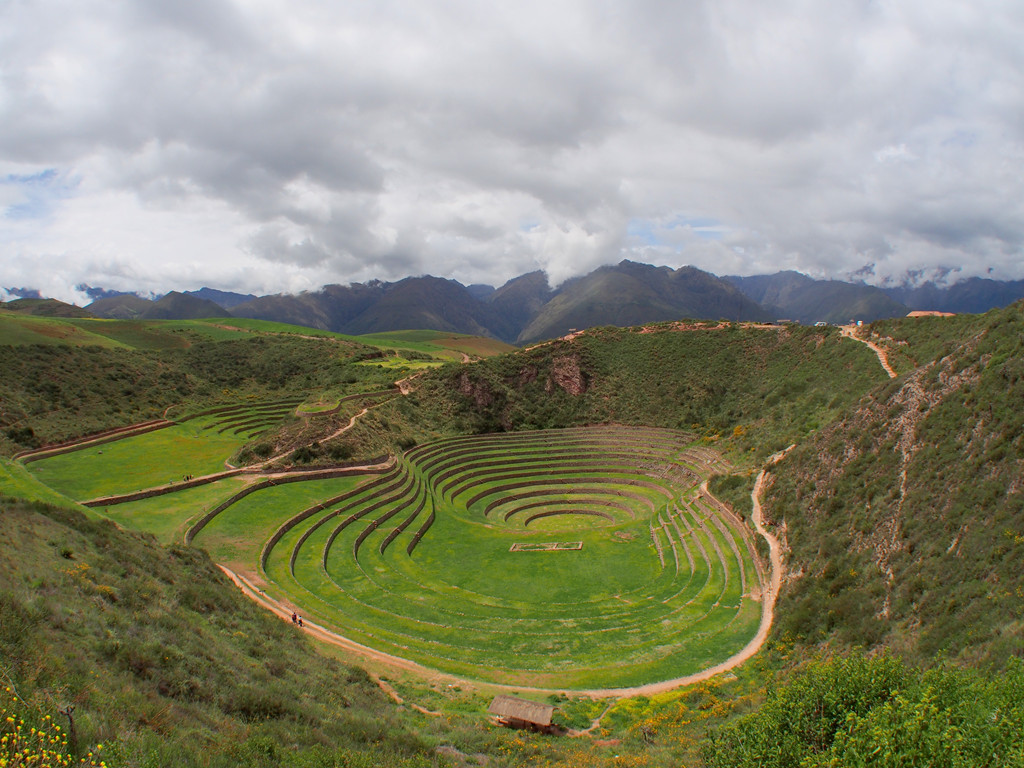
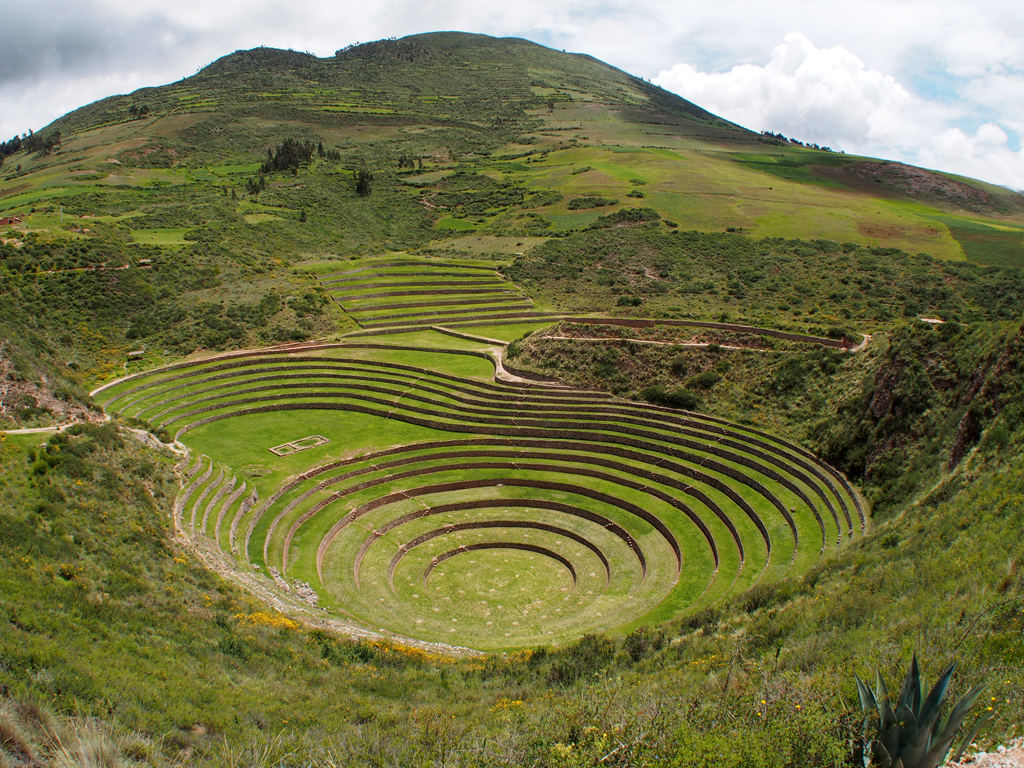
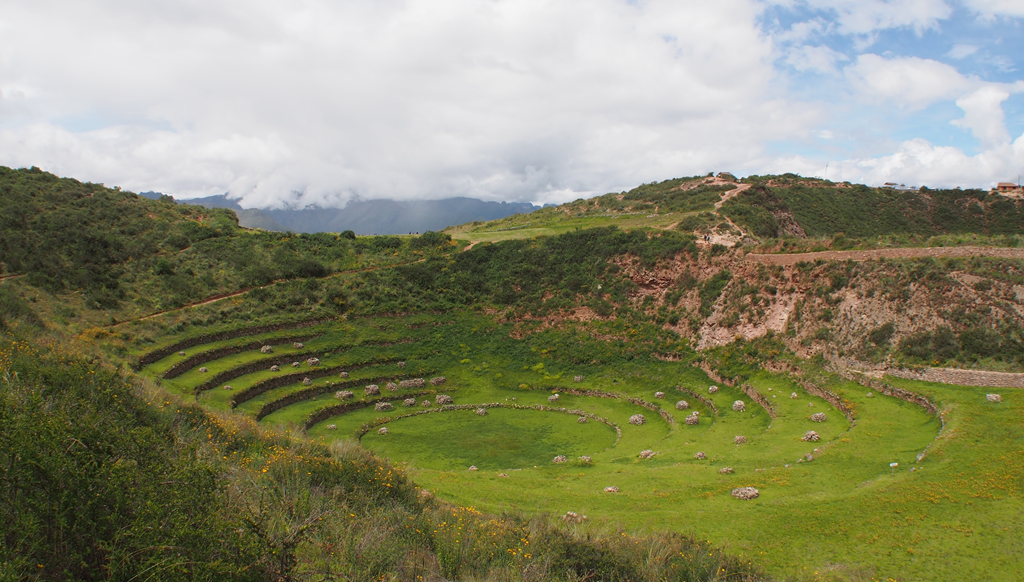
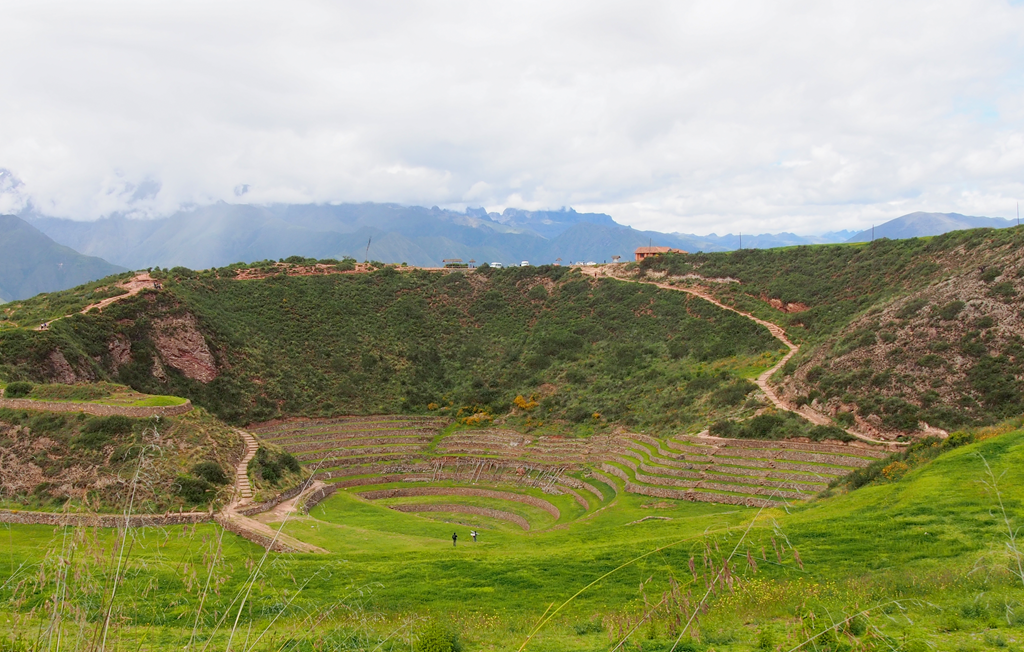
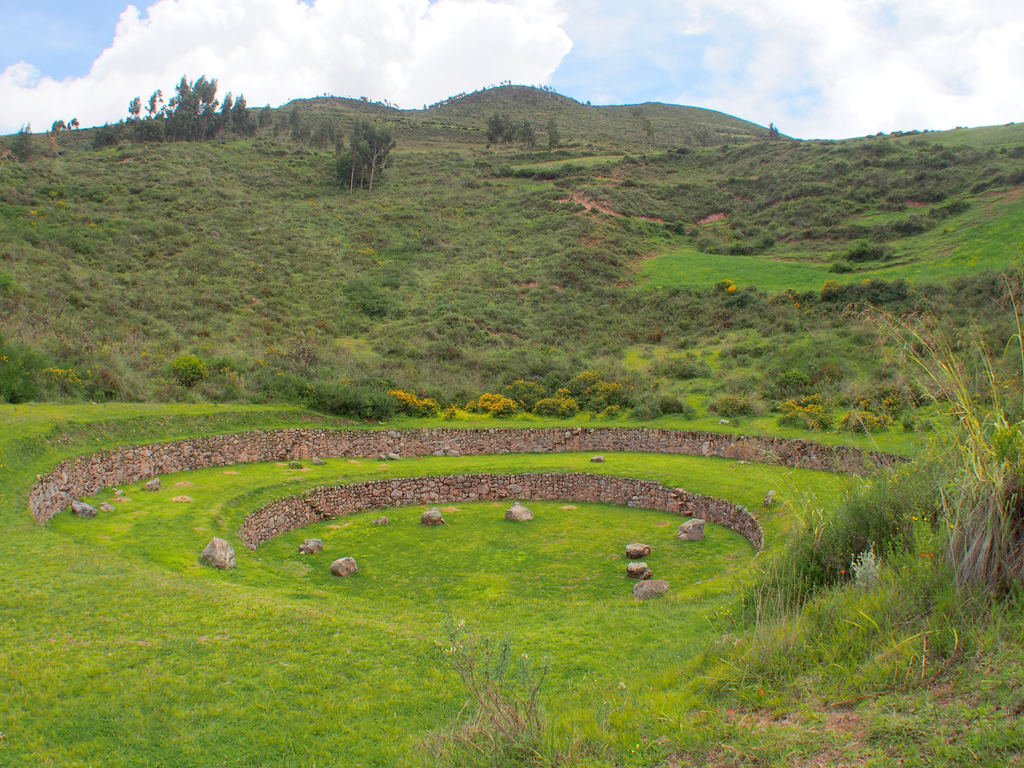
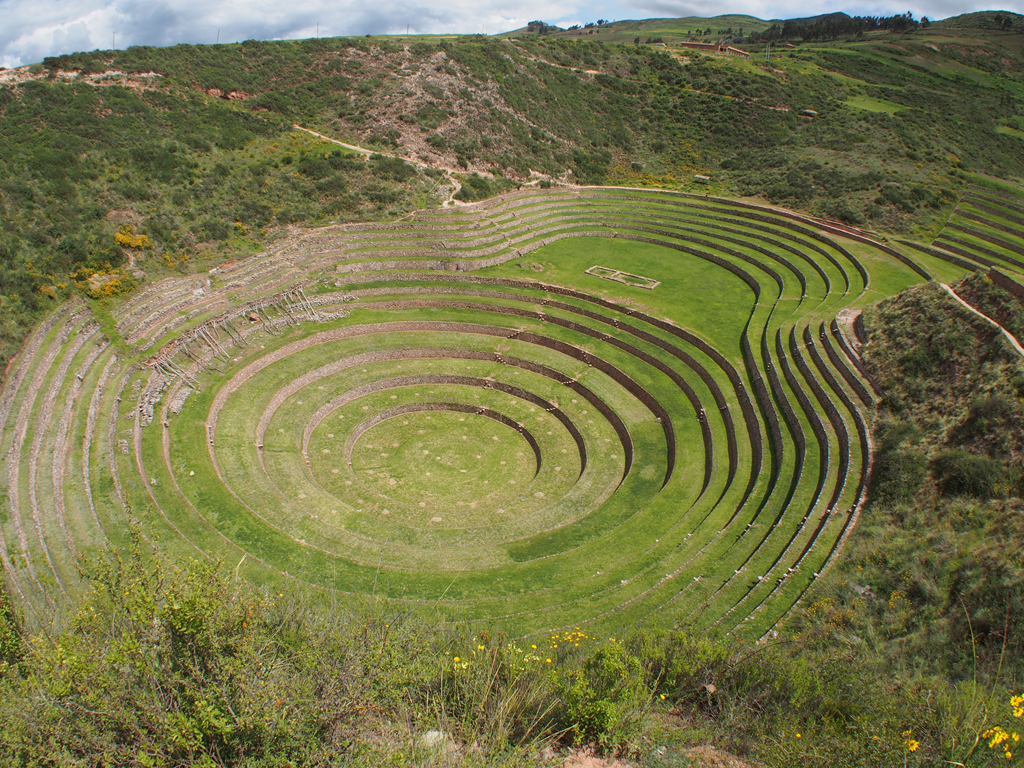
    Moray is an Incan site that consists of circular terraces built into natural sinkholes.

    image

    There are 4 different depressions at the site.

    image

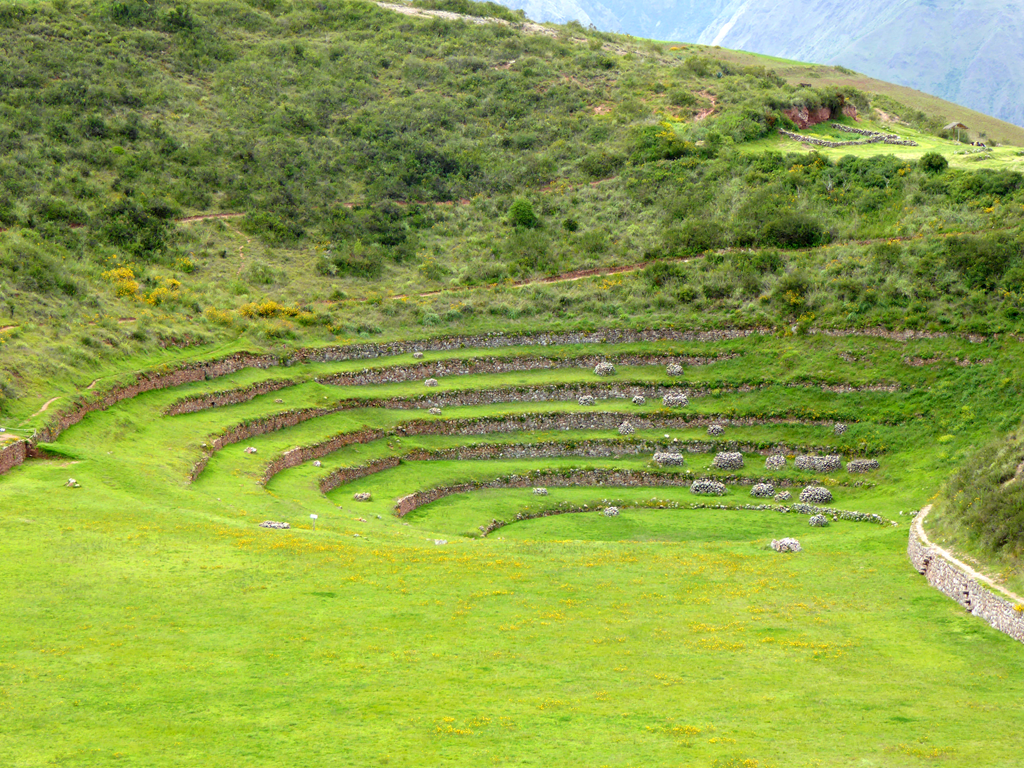
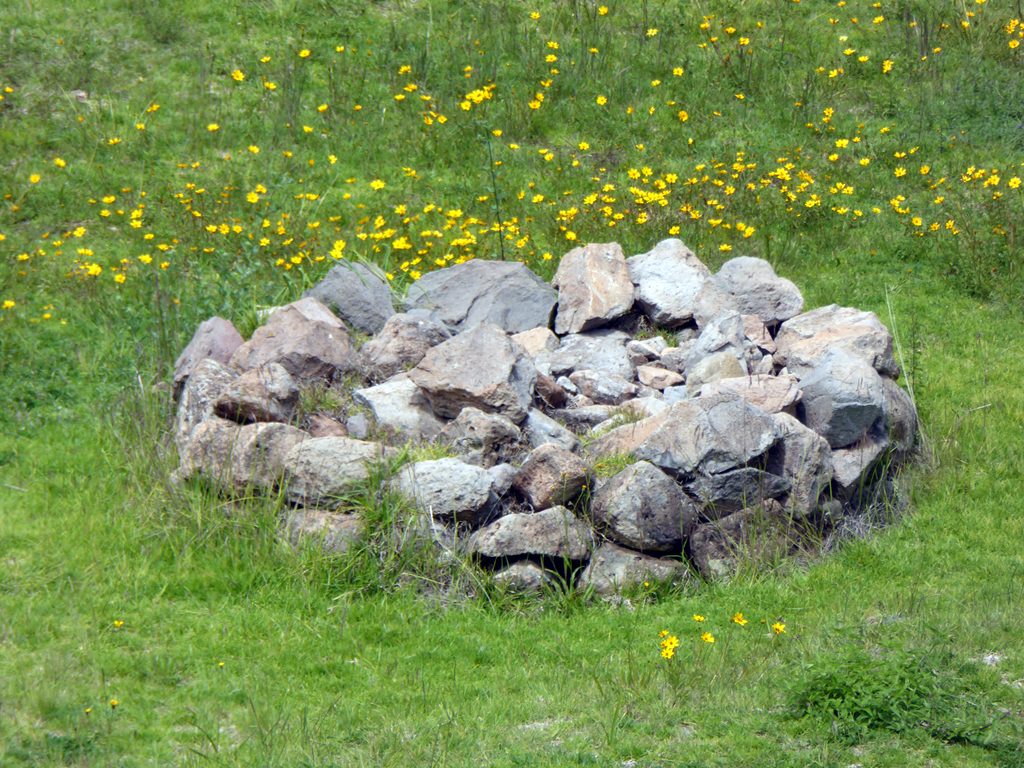
    But two of them were never finished.

    image

    Which is why they still have piles of rocks lying around.

    image

    The finished ones have floating stairs to get between the levels.

    image

    The terraces have a complex drainage system. They are built with stones, then rocks for drainage, with soil on top.

    image

    They are not sure what the circles were used for. Some scientists think that because the different levels have different sun and wind conditions, and a temperature difference of 15 degrees Celsius, they were an experimental site to determine which varieties of corn would grow best in which locations.

    image

    Other scientists argue that the temperature difference only exists because the irrigation system has been disrupted, and if water was flowing it would even out the temperature conditions.

    image

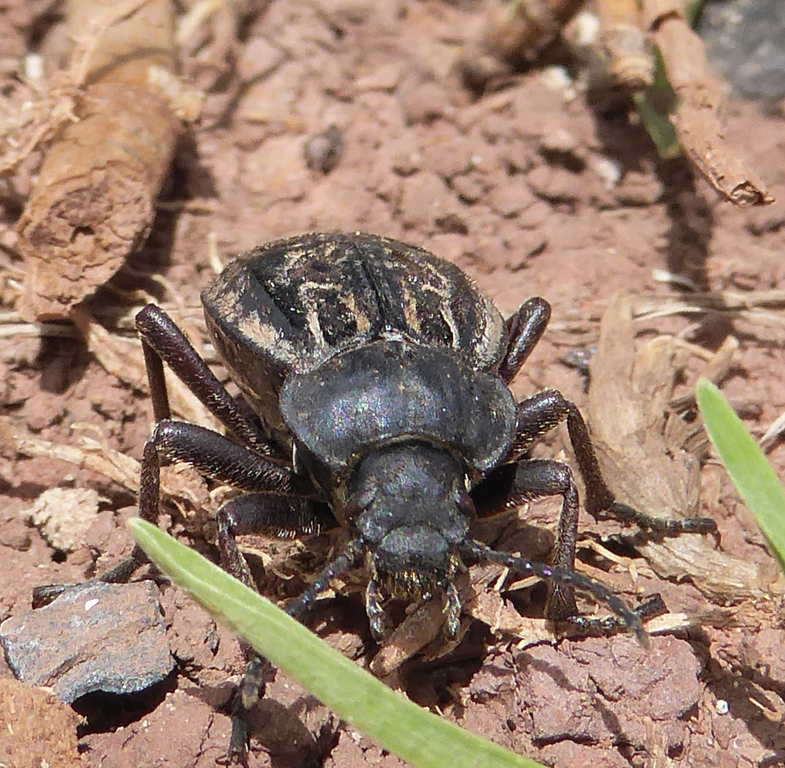
    There were lots of bugs on the site.

    image

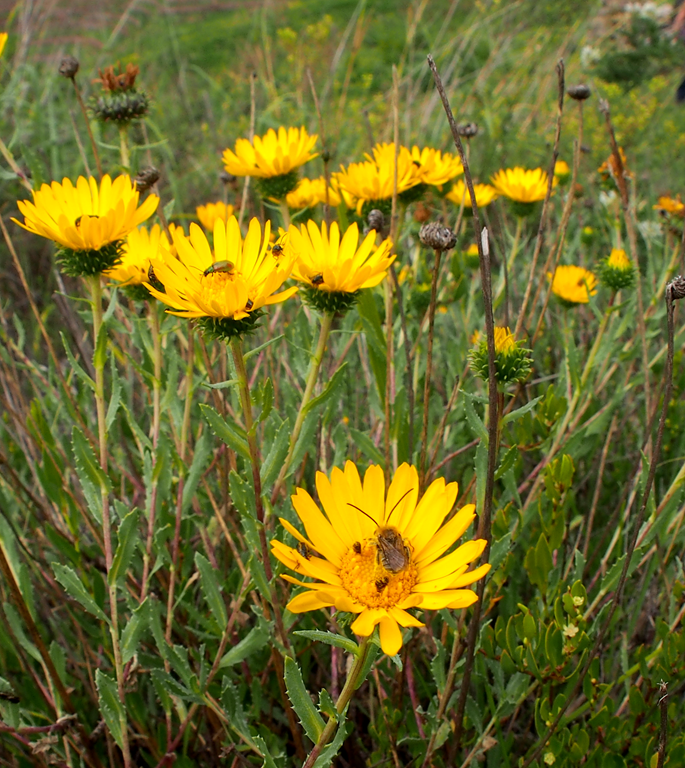
    And pretty flowers.

    image

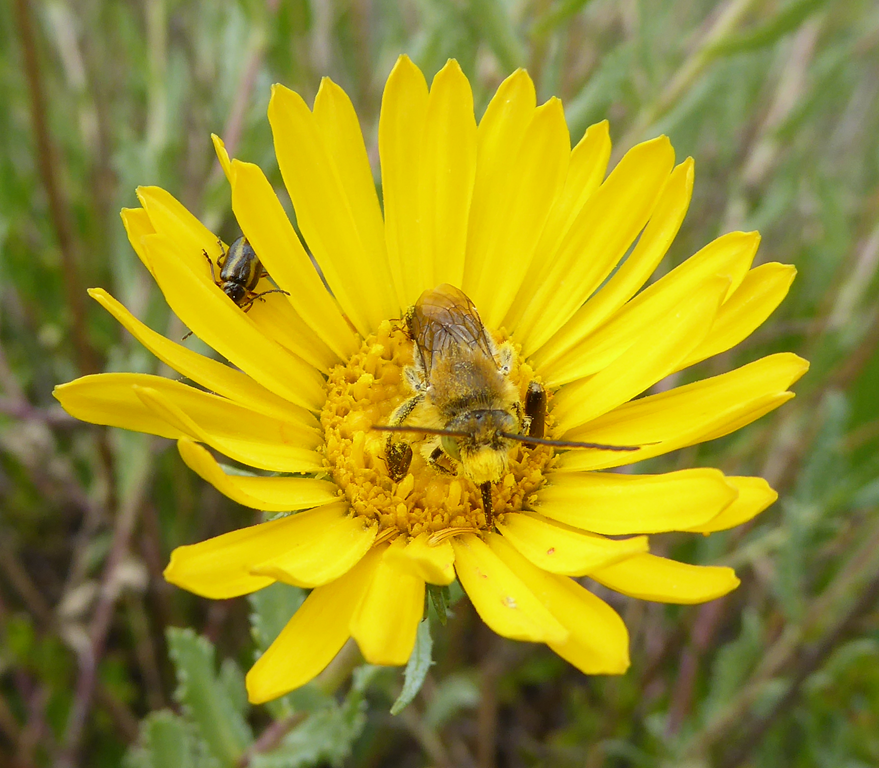
    And pretty flowers covered in bugs.

    image

    Lots of bugs.

    image

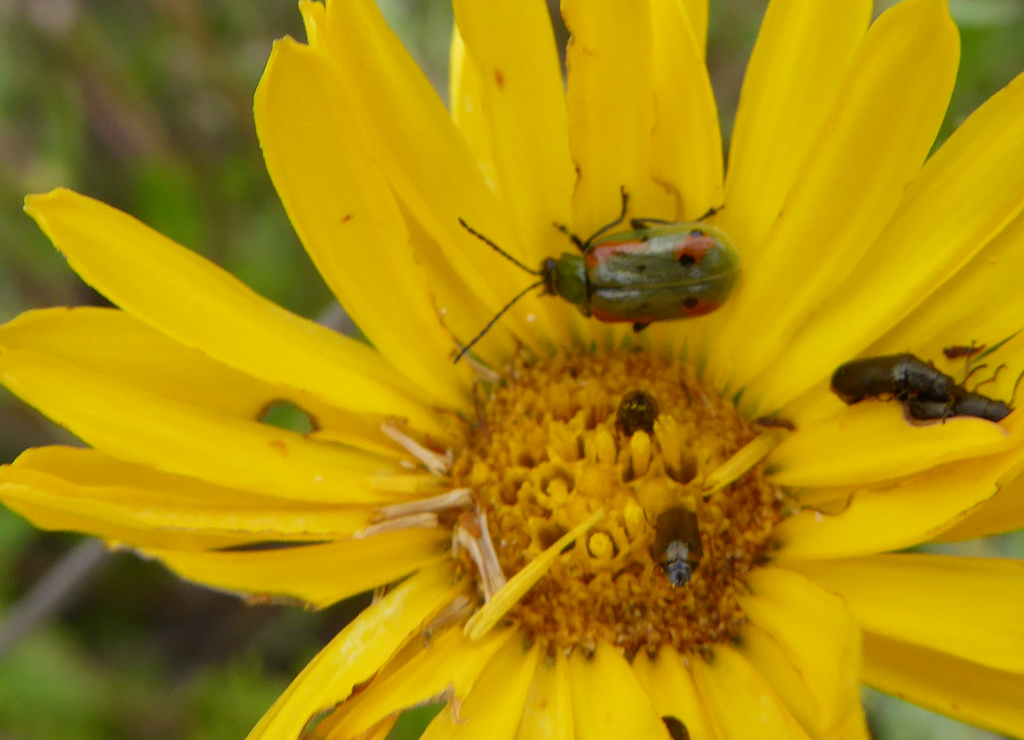
    Even colourful bugs.

    image

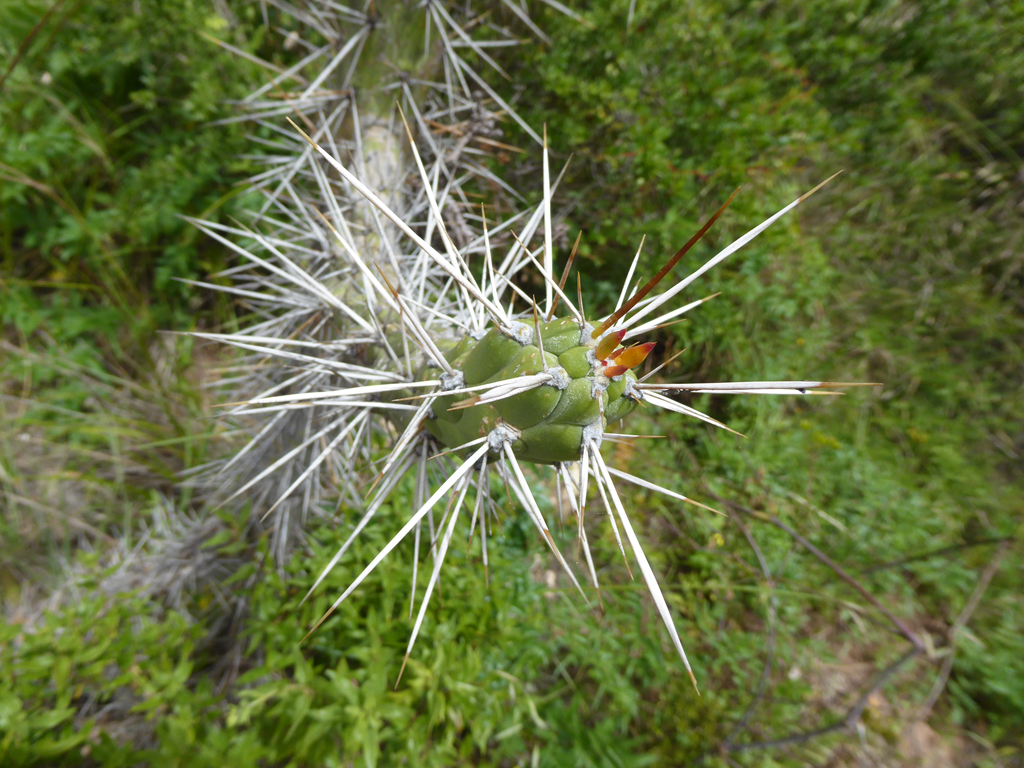
    It seemed to green and wet for cactus, but there were still some.

    image

    The smallest one has only two levels.

    image

    The largest one is 30m deep, 180m across and has 12 levels.

    image