• Nazca Lines

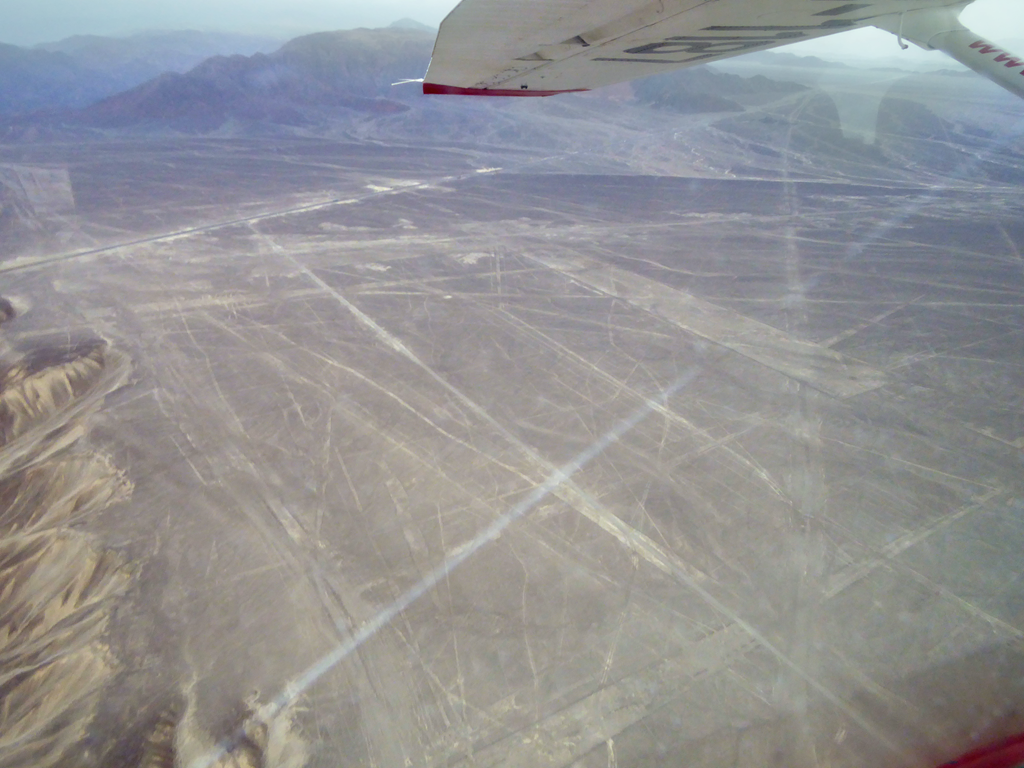
    The lines are found on a desert plateau that stretches more than 80km near the foothills of the Andes. They were made by the Nazca culture between 400 and 650 CE.
    image

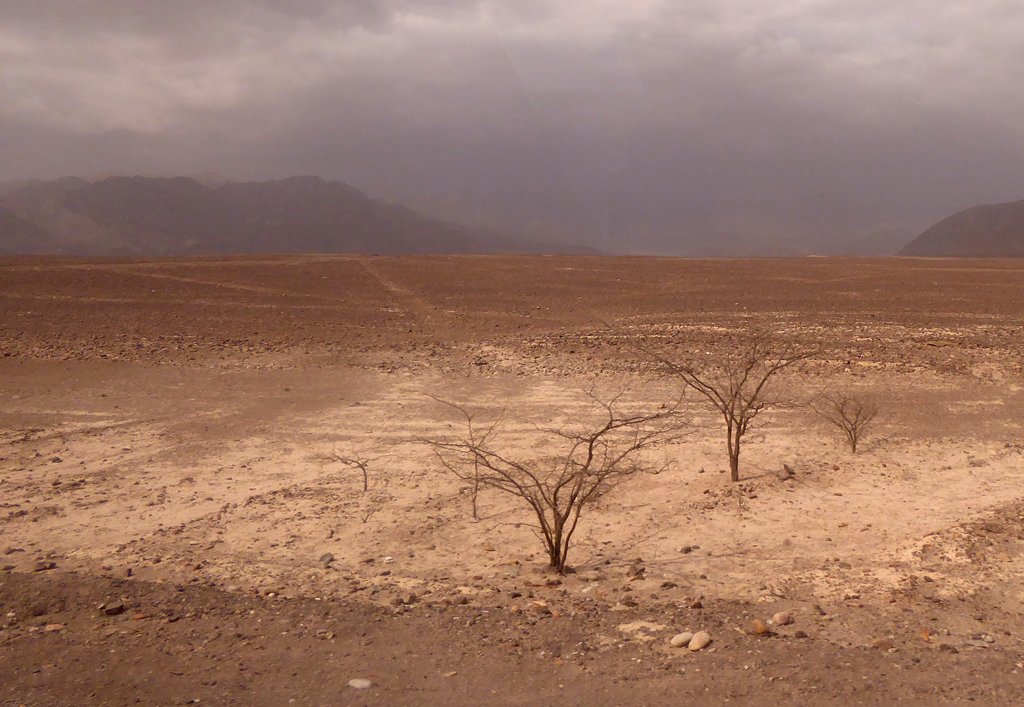
    Most of the lines are on the flat desert ground.
    image

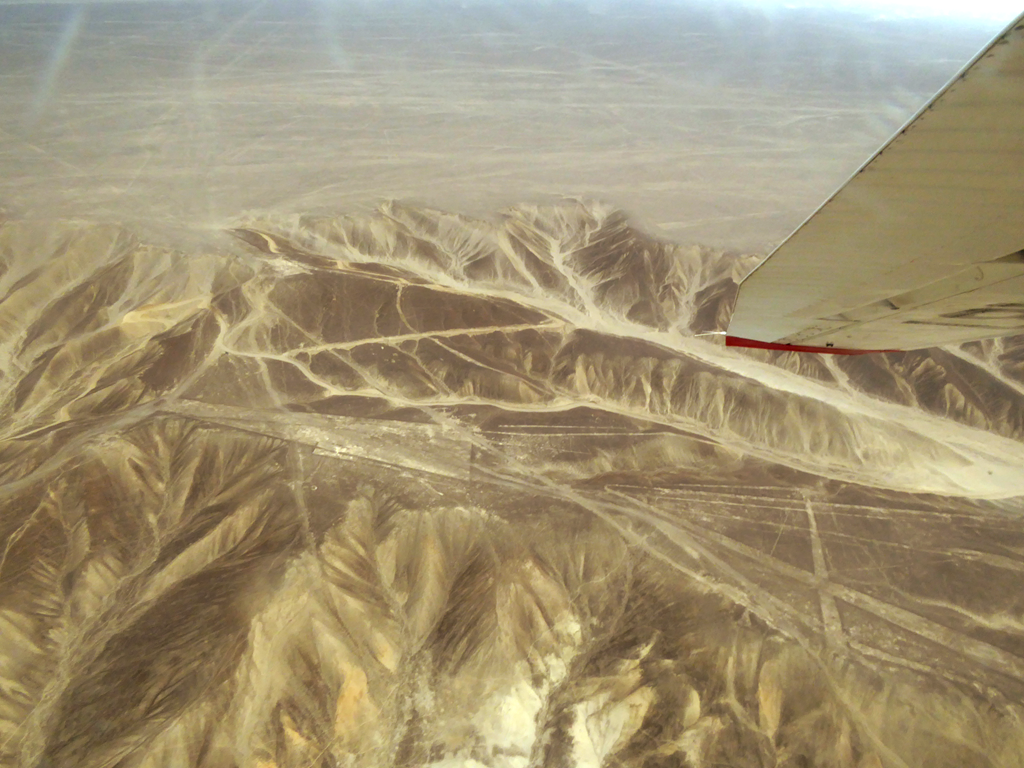
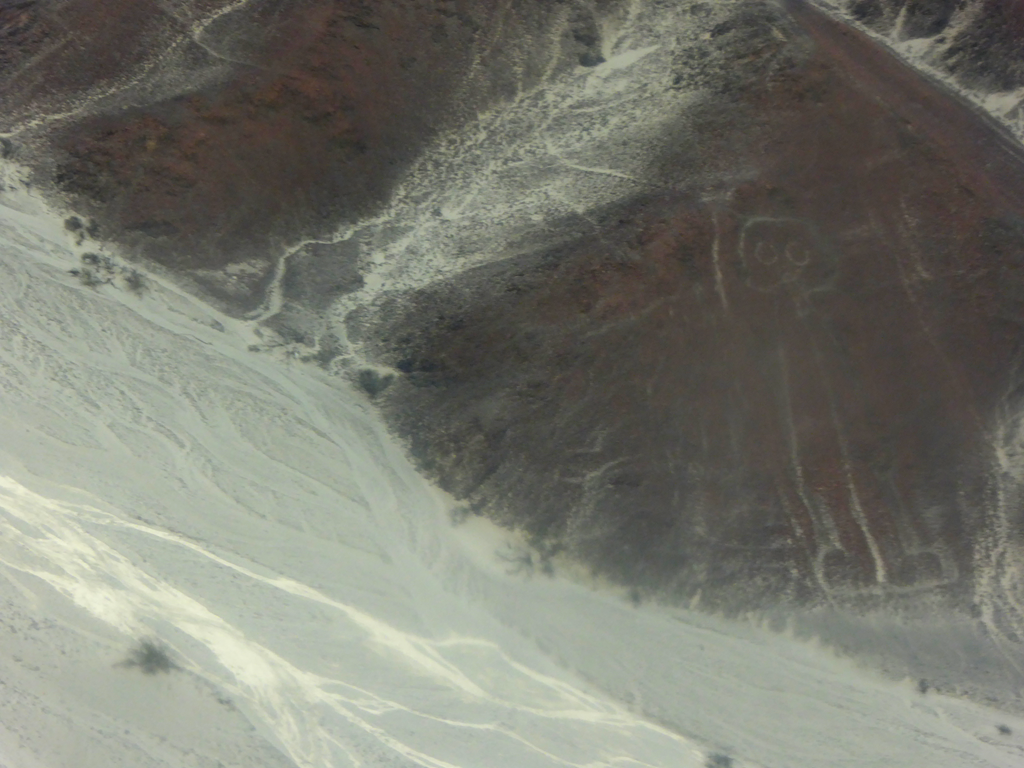
    But some are on the mountains.

    image

    And some are even half vertical so they could likely be seen from the ground.
    image

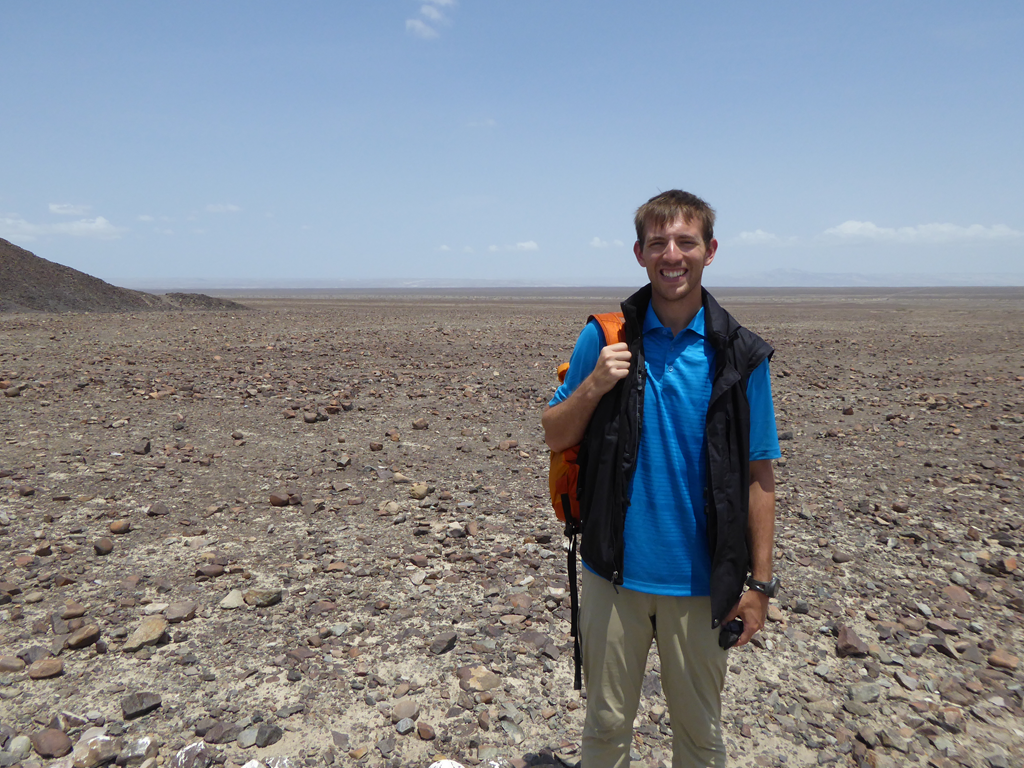
    The plateau  is covered with a thin layer of dark reddish iron rich stones and sand. The big stones are grapefruit sized.
    image

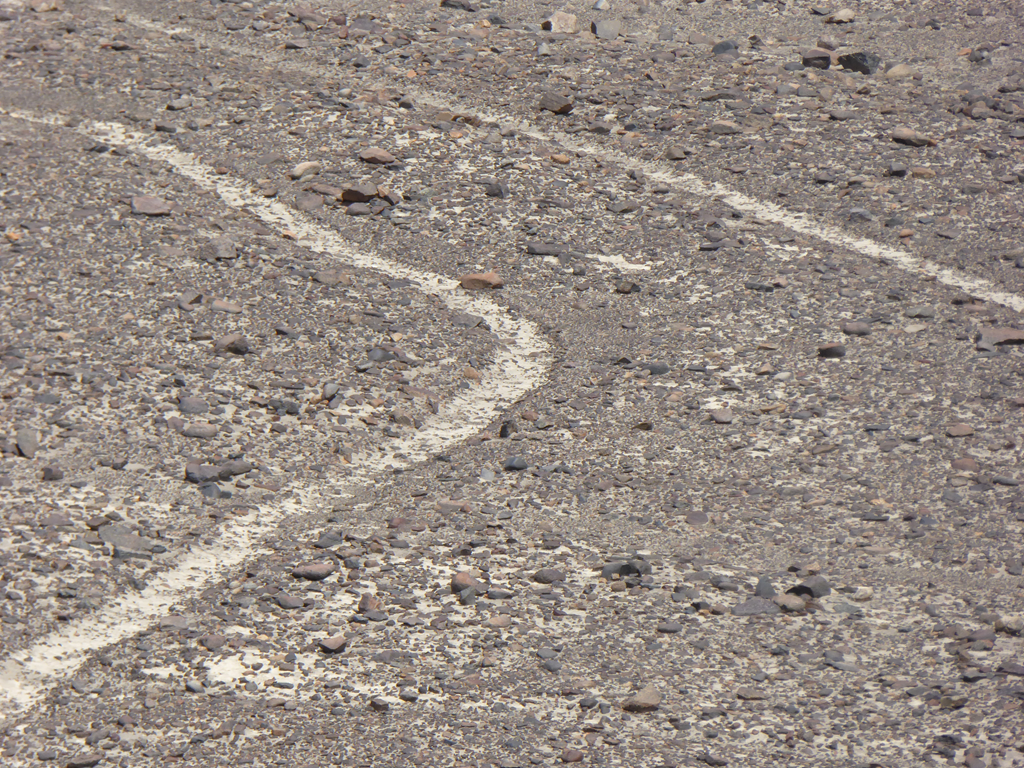
    Underneath is fine, pale sand. The lines were formed by disturbing the top reddish layer to expose the pale layer underneath. Most of the lines are between 10cm and 15cm deep.
    image

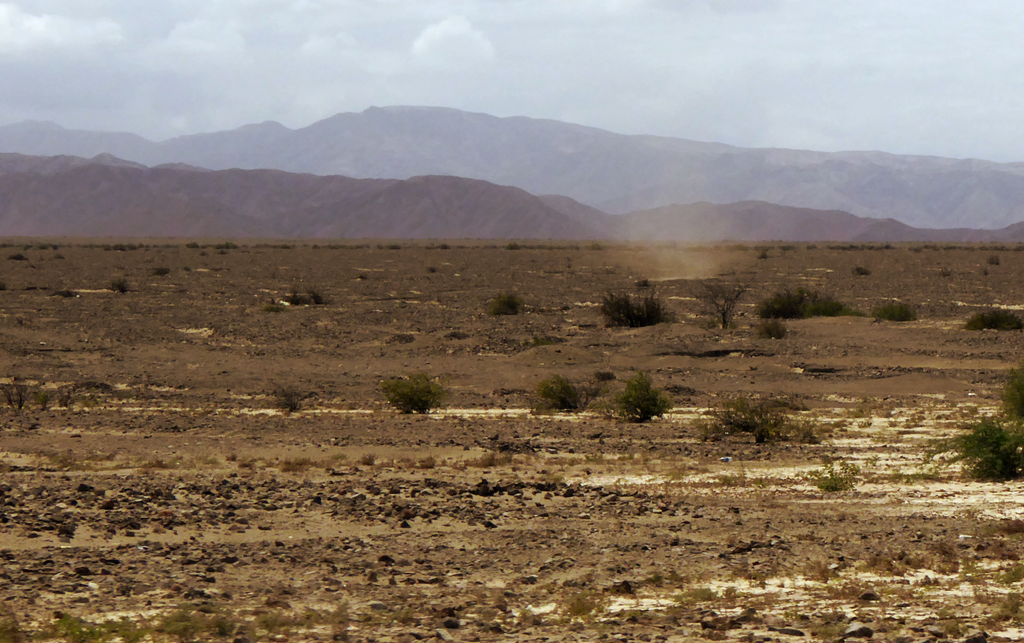
    The desert is one of the driest on earth, which has preserved the lines for 1500 years. There is wind, which often forms these little dust devils, but that mostly seems to clean the light dust off of the heavier dark stones.
    image

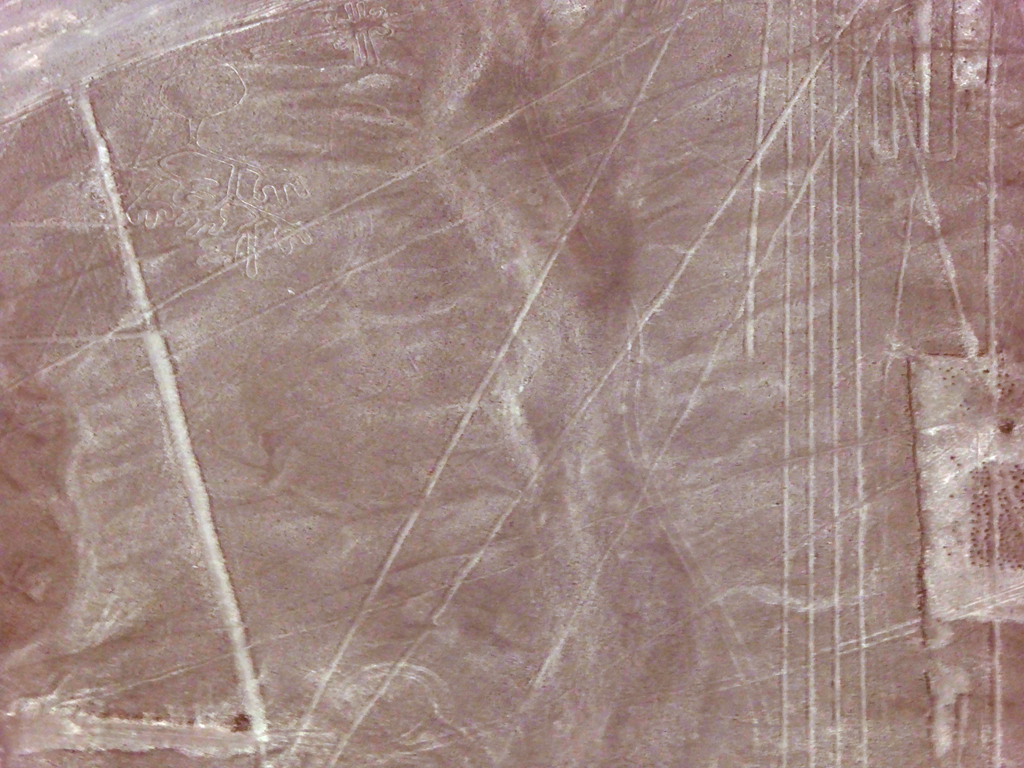
    They also had a bunch of help in the last century from a mathematician named Maria Reiche. She wrote “the wind has obscured them by filling them with small dark pebbles from the surrounding surface like grain, making them difficult to detect from the air. To make them more accessible for viewing I cleaned them with a broom, one broom after another throughout the years. I went through so many brooms rumours circulated that I might be a witch!”

    Some of the lines are 9km long, but the animal figures are much smaller. Some are only 4m across.
    image

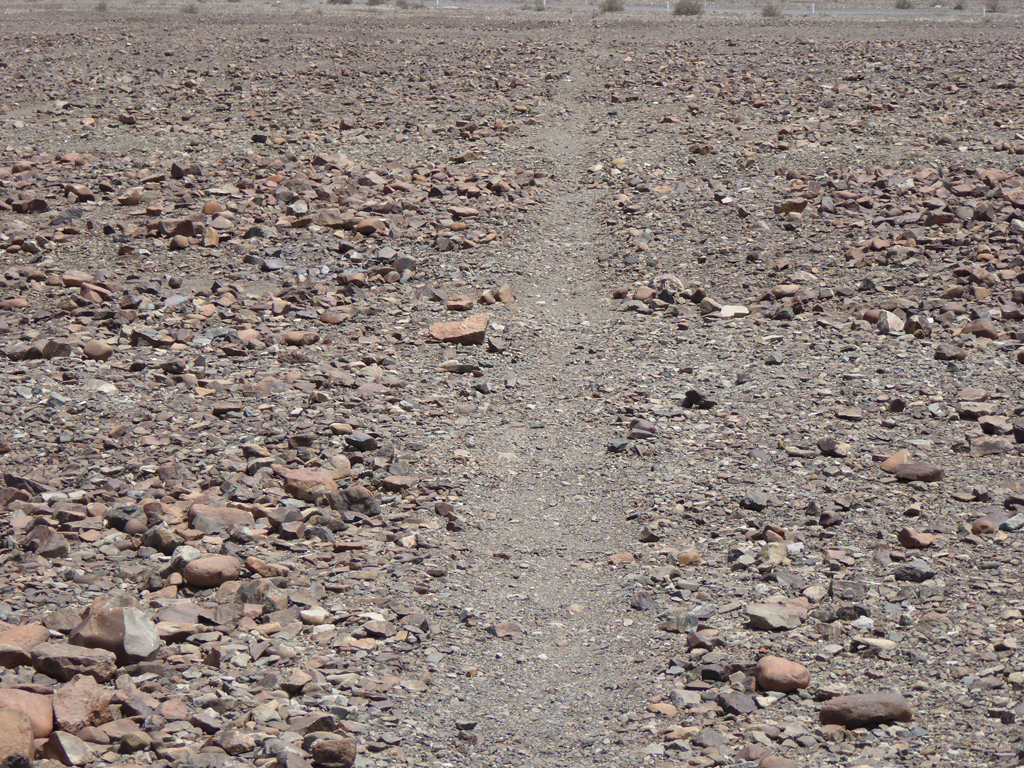
    The lines can barely be seen from the ground. If you are right in front of one, it looks like a path.
    image

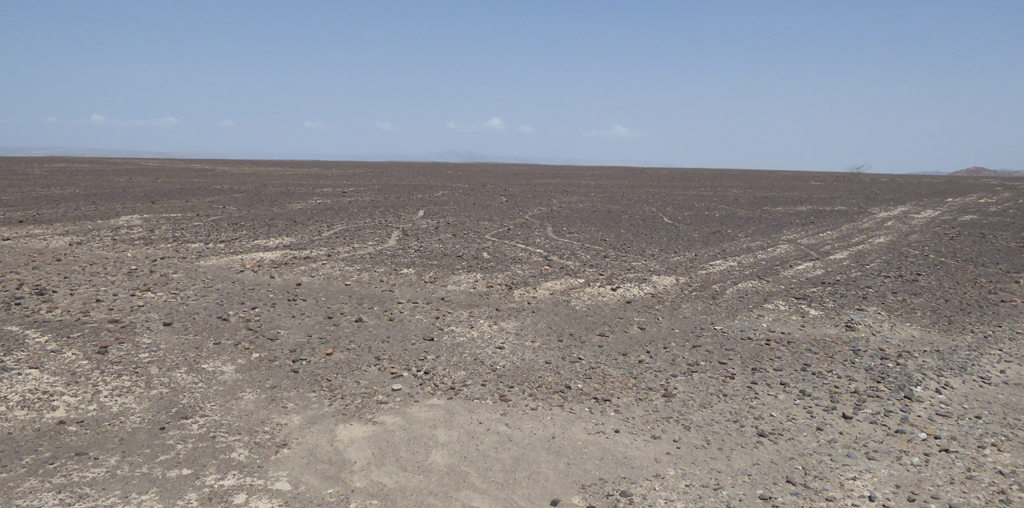
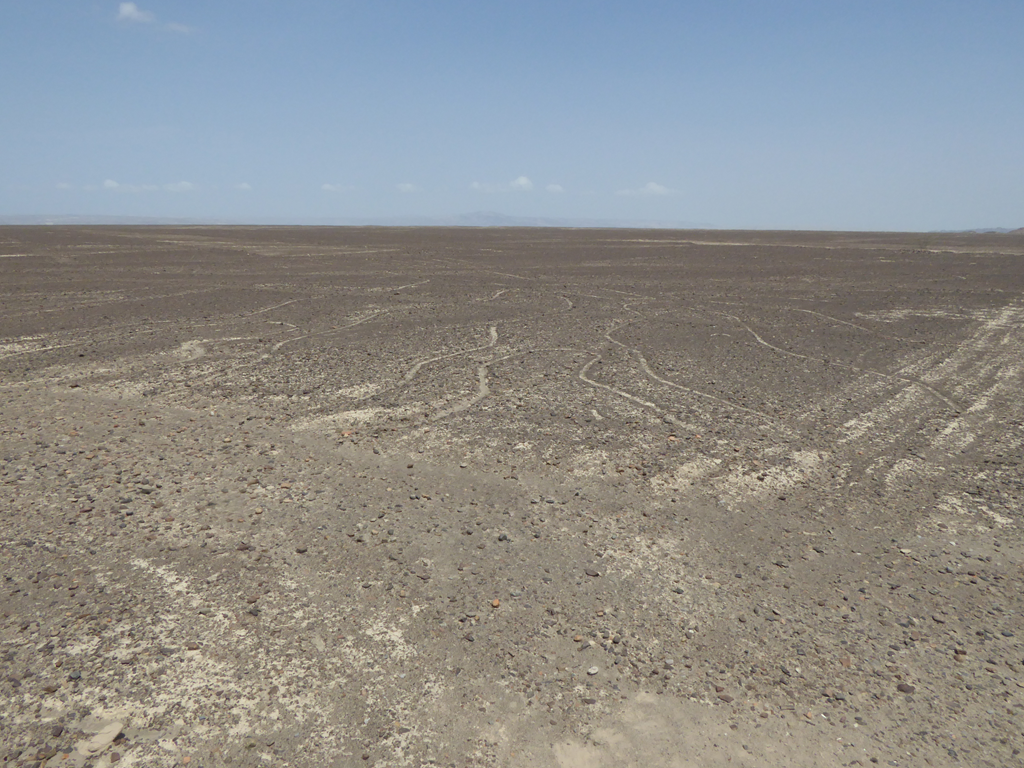
    But you don’t have to get very high up to see them. From about 6 feet in the air (11 feet including our height) you can tell they are there.
    image

    And by 16 feet in the air you can clearly make out the shape.
    image

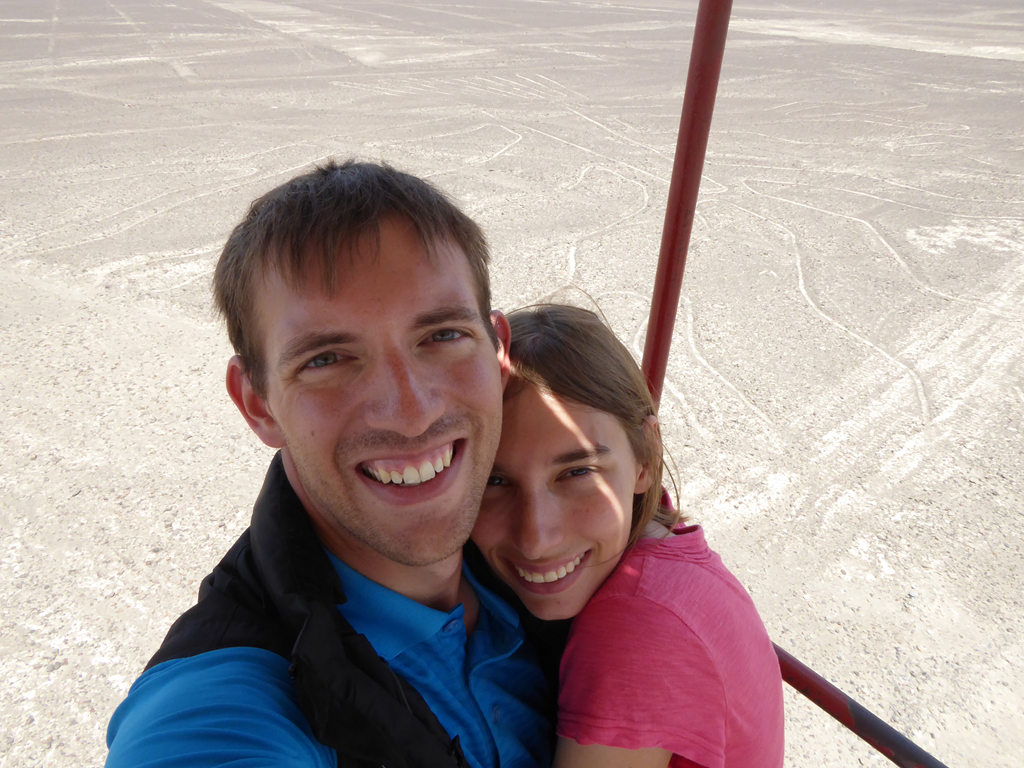
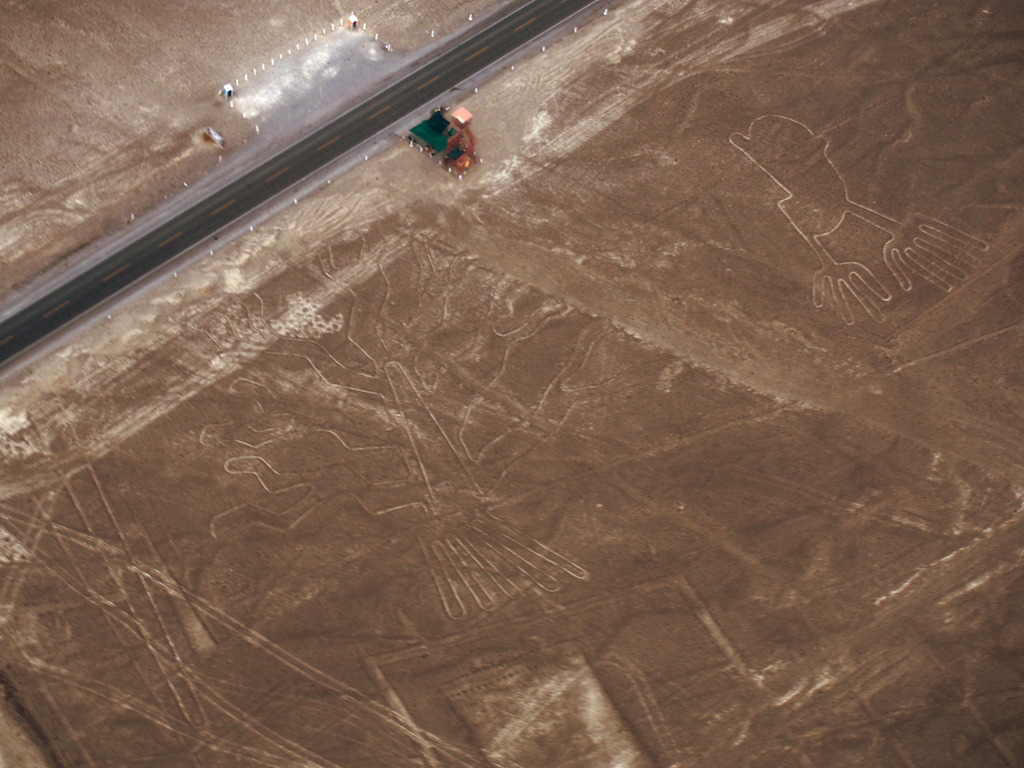
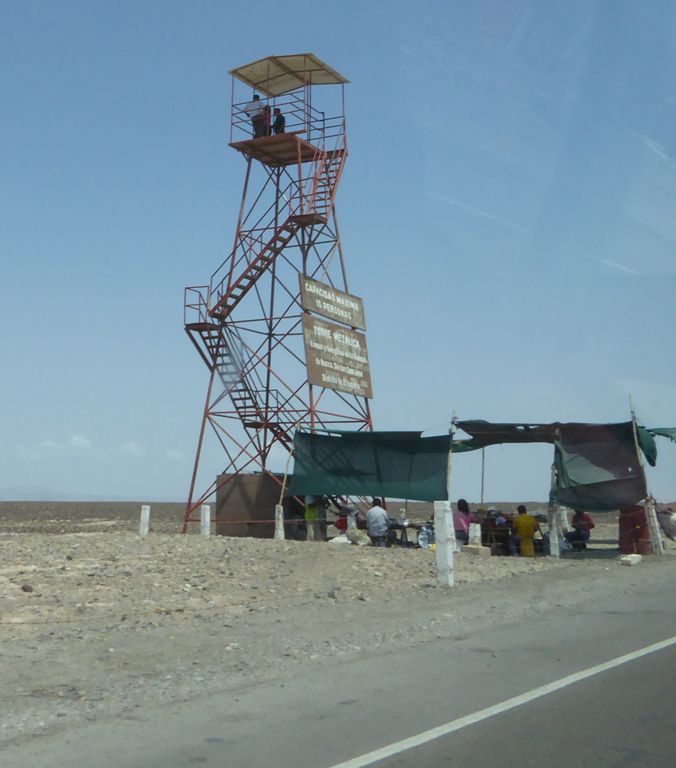
    From the top of this viewing platform you can see two of them.
    image

    image

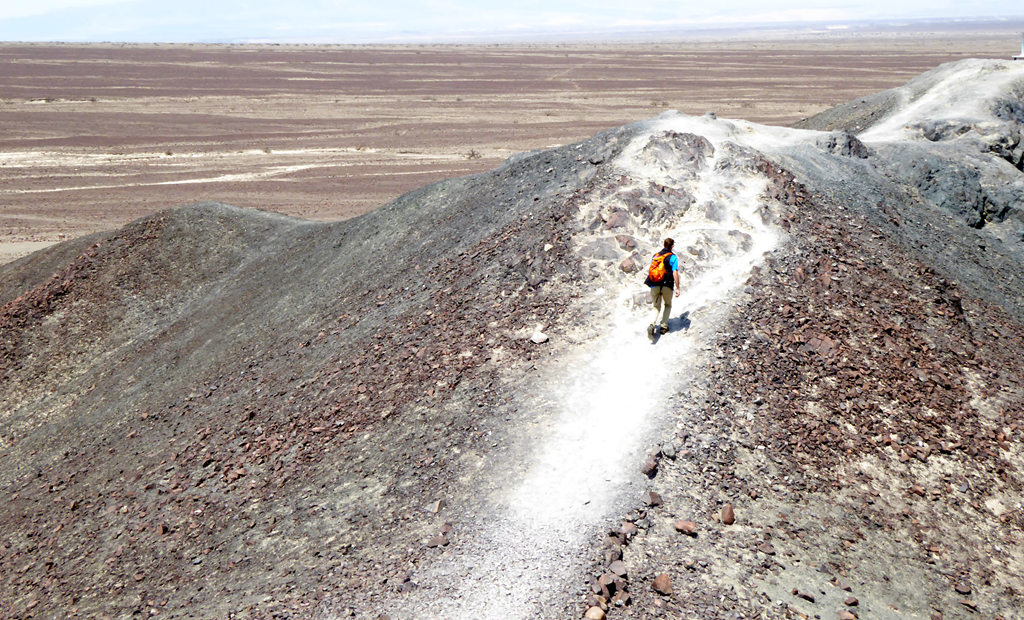
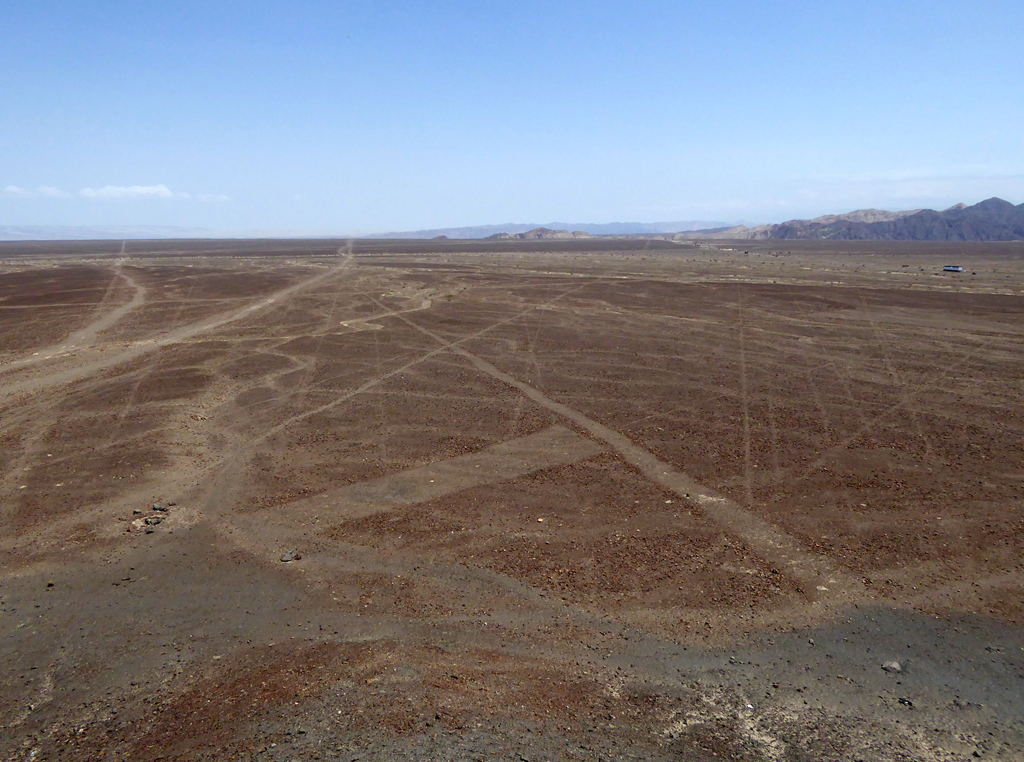
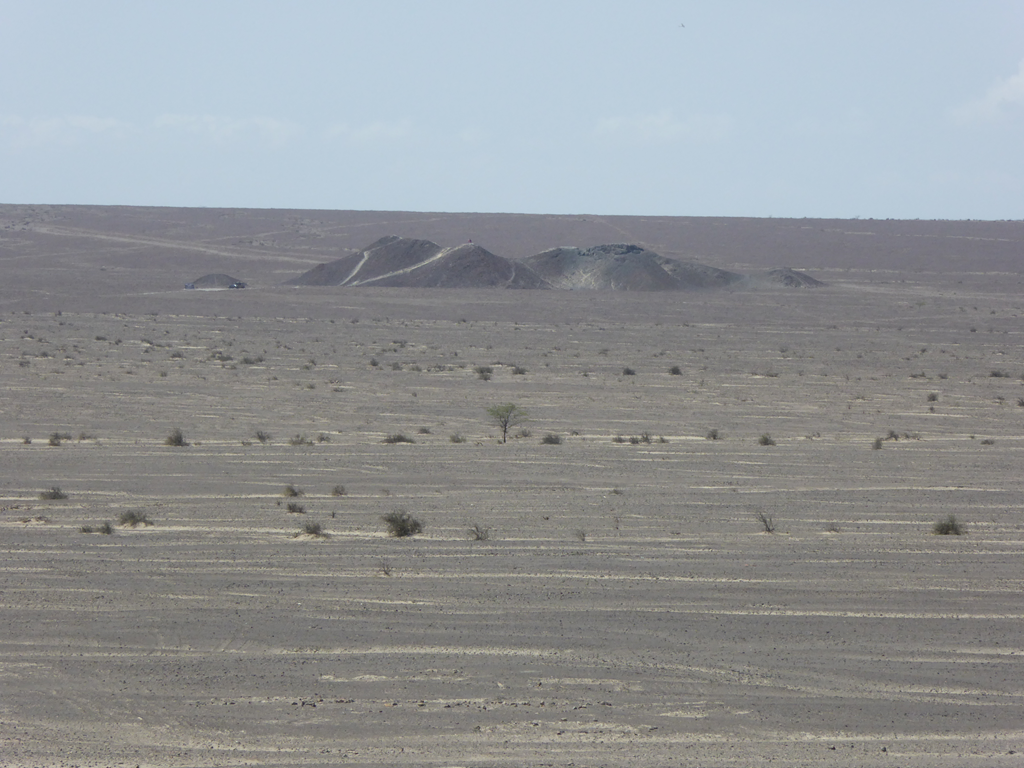
    You can also see several of the geometric shapes from this natural hill, but there are no animal shaped ones nearby.
    image

    It takes about 5 minutes to climb.

    image

    And this is the view:

    image

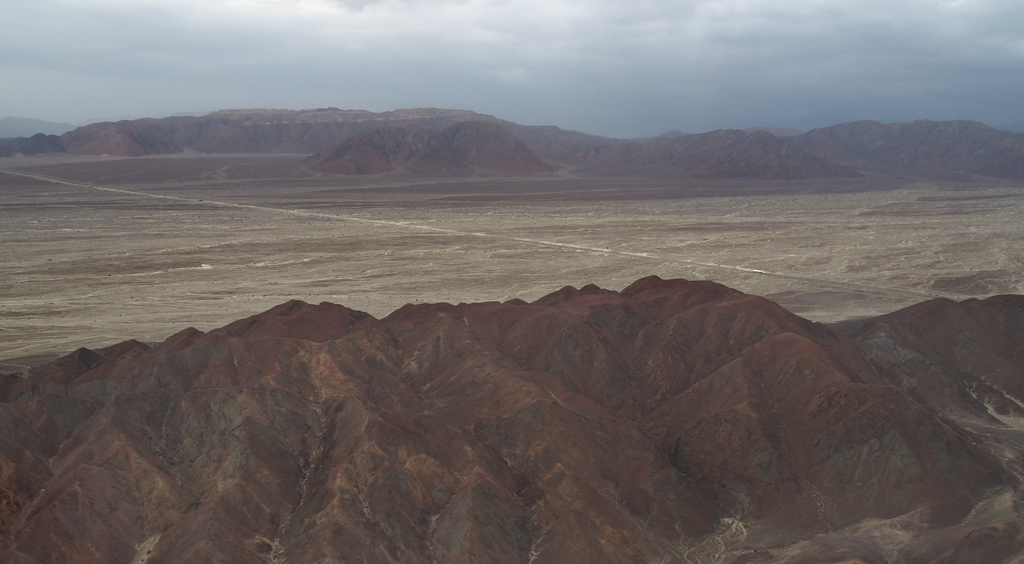
    You can see most of them from the foothills, but it seems because some of the glyphs are on the mountains you don’t seem to be able to climb them anymore.
    image

    But they are best seen from the air.

    image

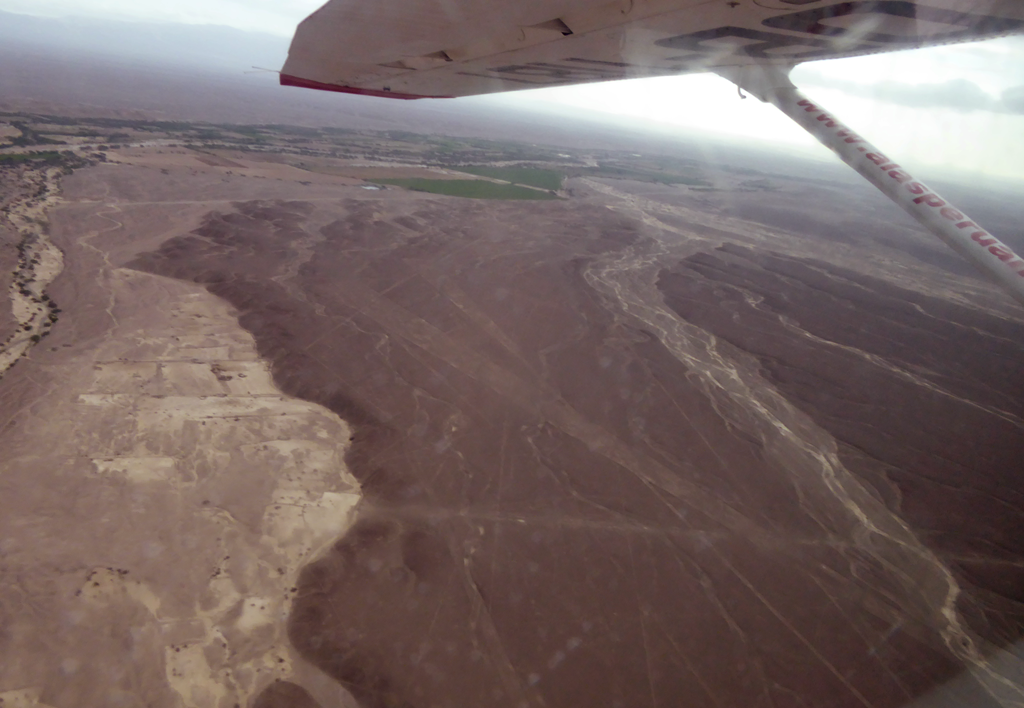
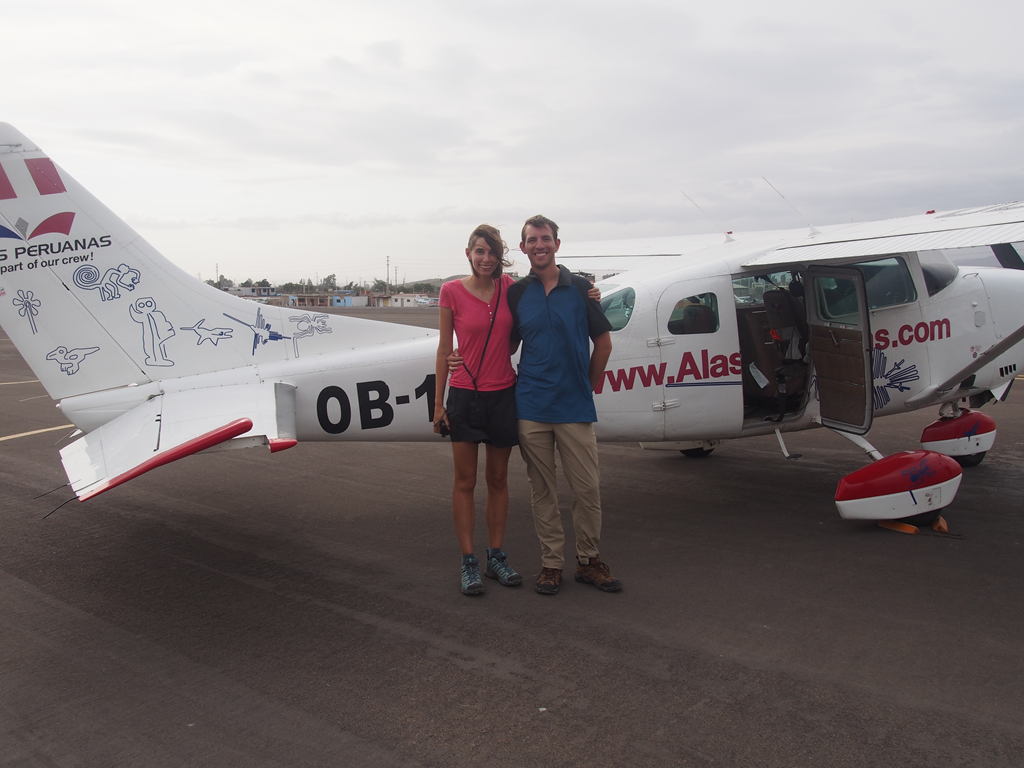
    So we took a flight in a small airplane over the desert.
    image

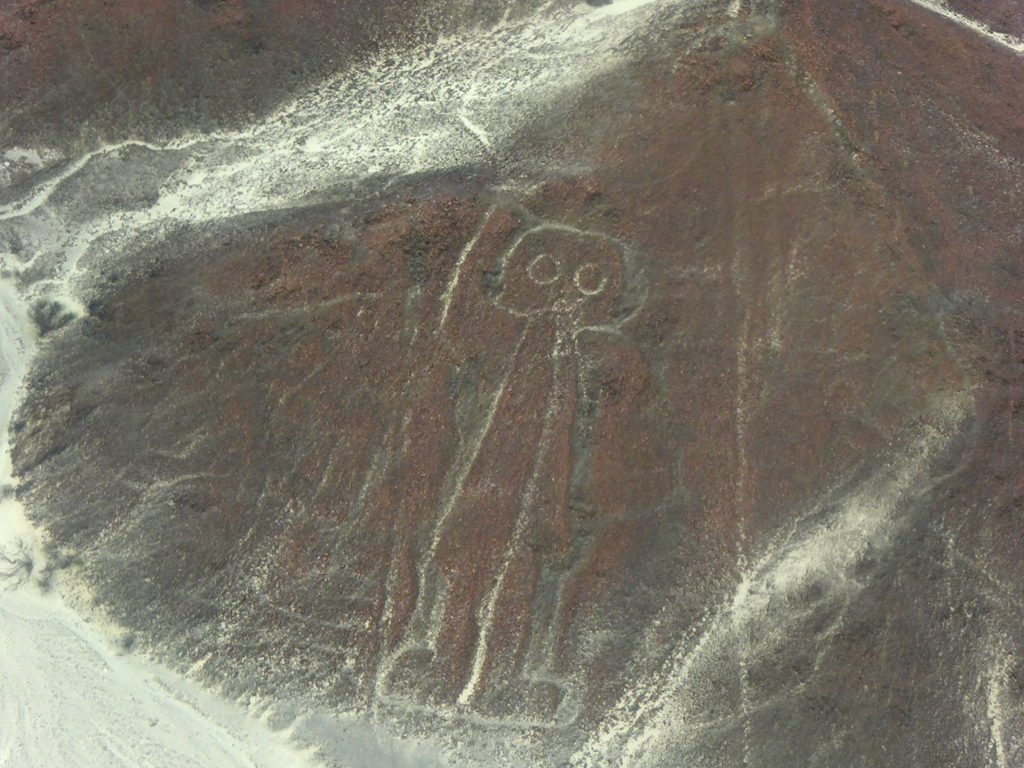
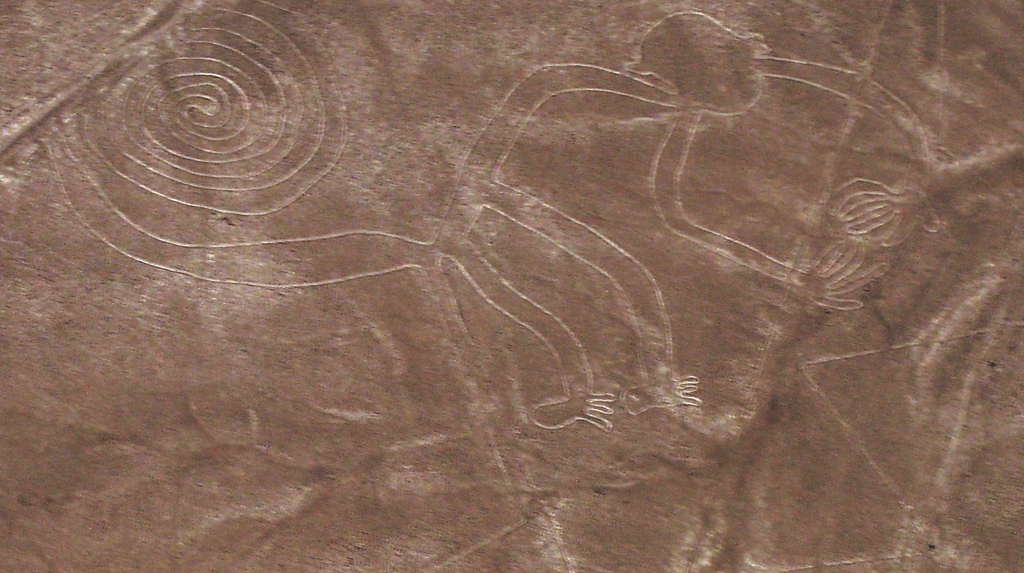
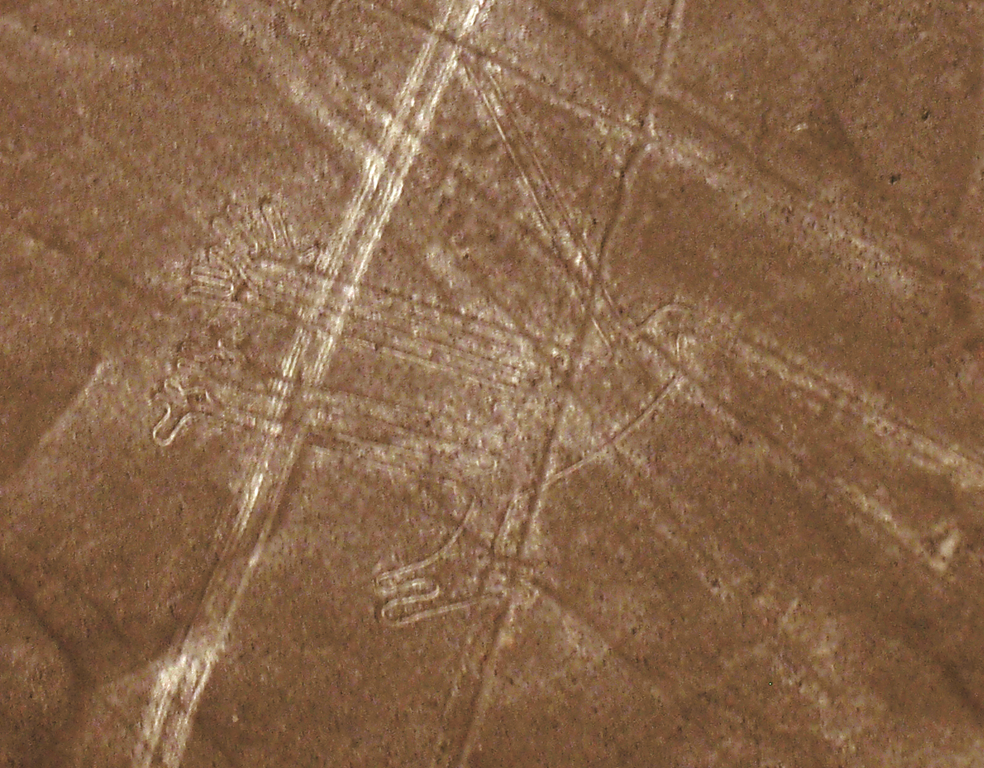
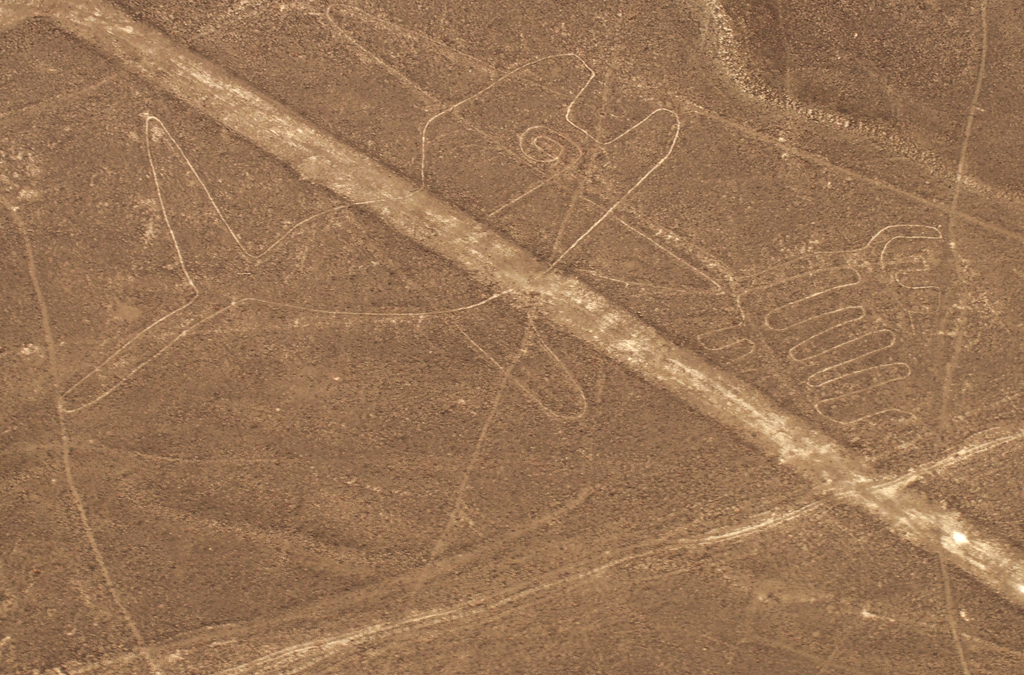
    The popular figures have names. The Nazca had no written language and we don’t know much about them, so they were named by people who saw them flying over. Many have multiple names because people can’t agree what they look like. This is the whale/orca (65m).
    image

    The owlman/astronaut (35m)

    image

    The monkey (93 m by 58 m)

    image

    The dog (53m)

    image

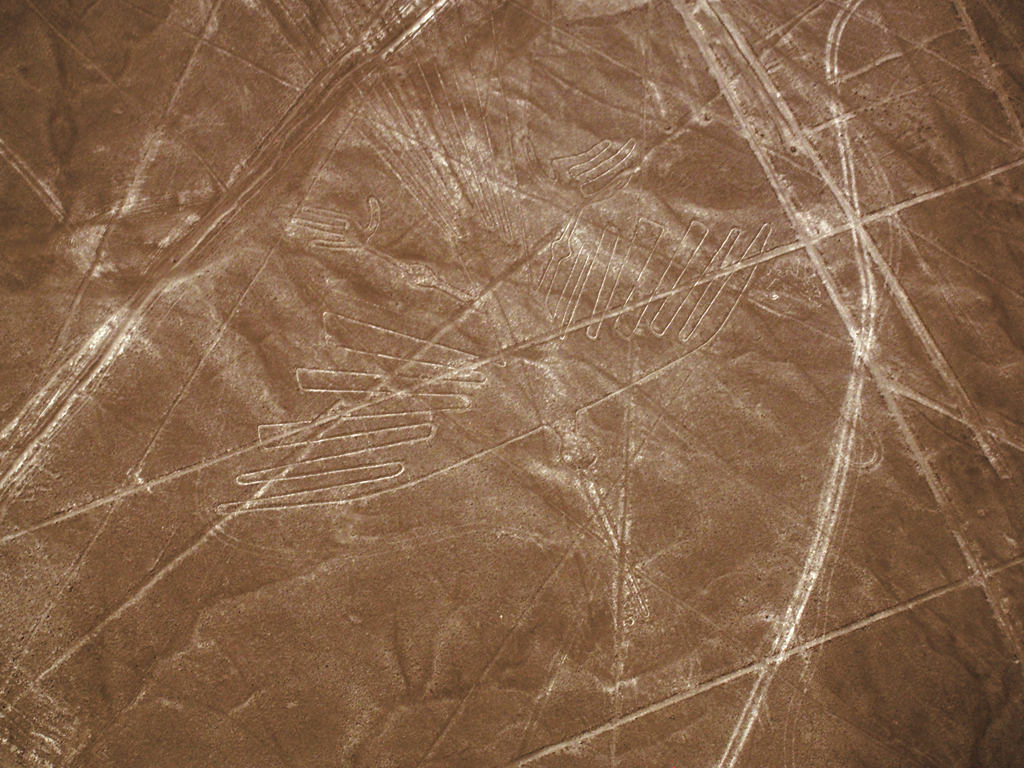
    The condor (134 m)

    image

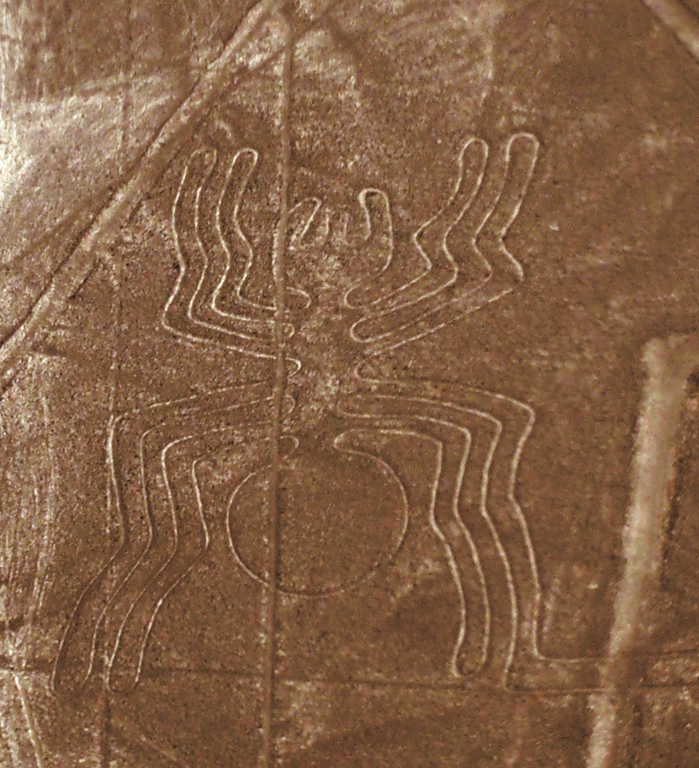
    The spider (46m)

    image

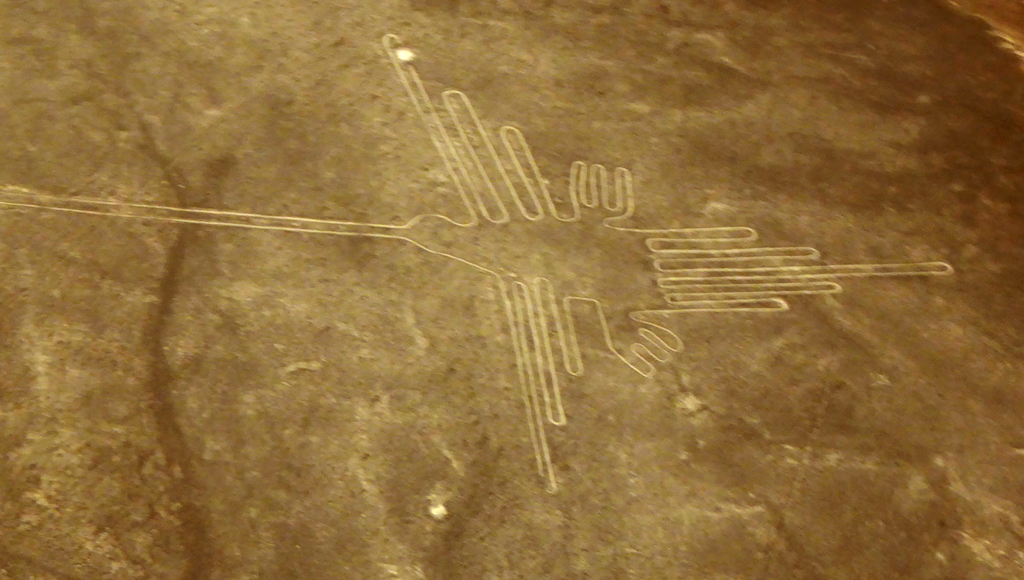
    The hummingbird (93 m long)

    image

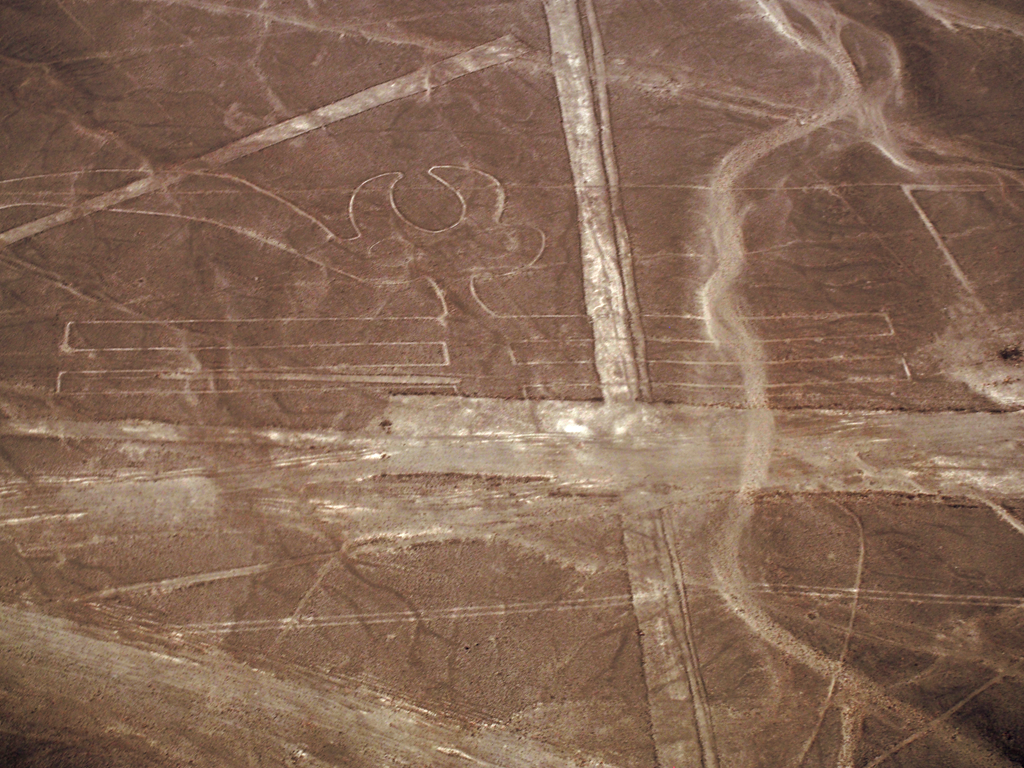
    The parrot (230m)

    image

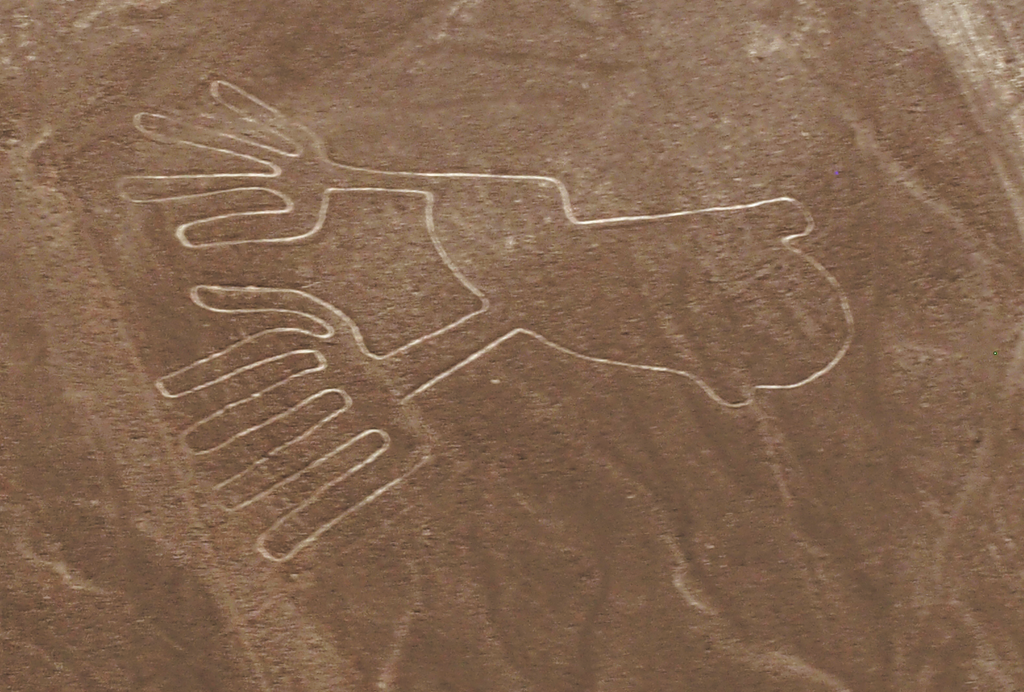
    The hands/the frog (50m)

    image

    and the tree (70m).

    image

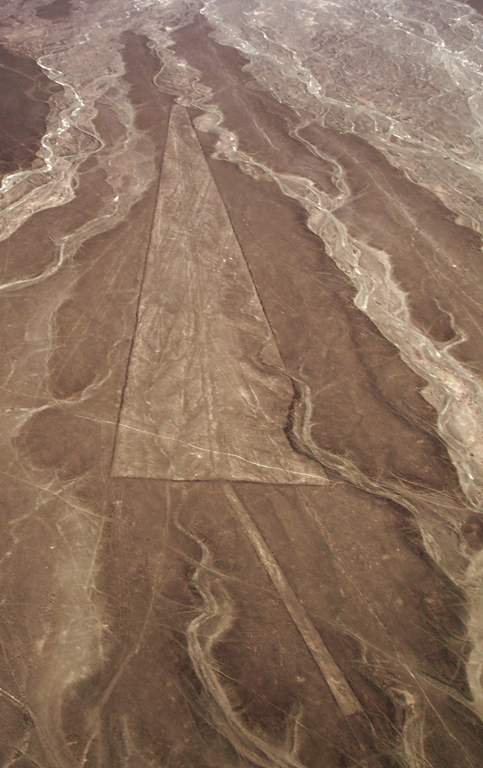
    A triangle. (There are many.)

    image

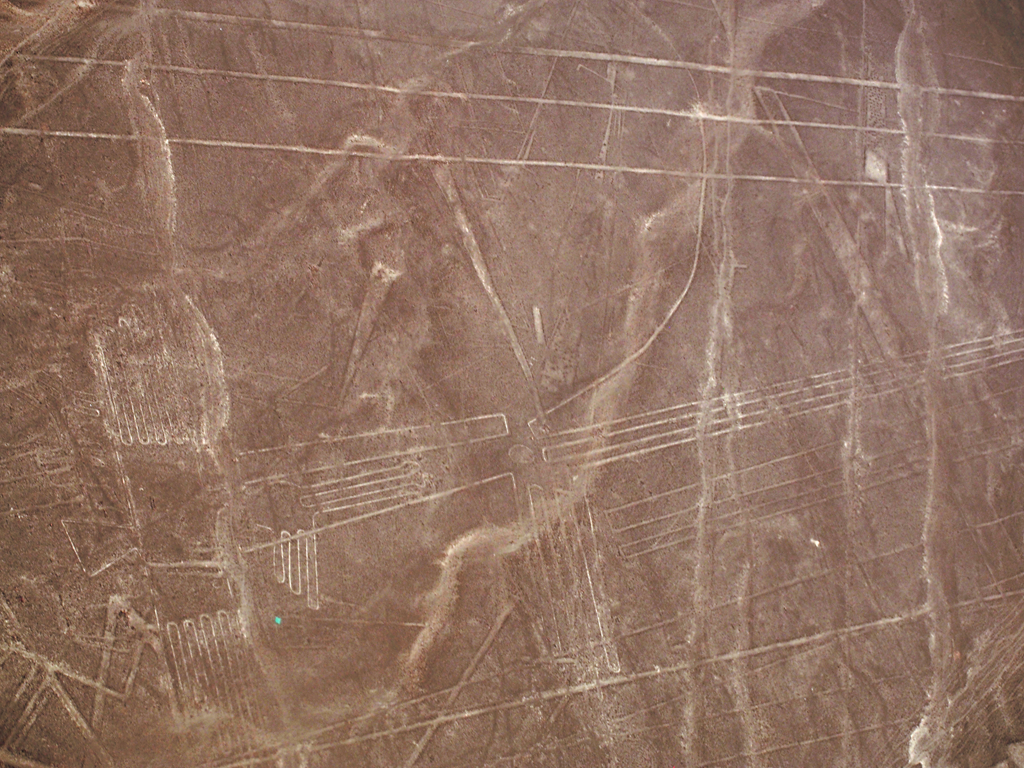
    There are also a lot of random ones that aren’t very popular so it’s hard to find names and sizes for them.
    image

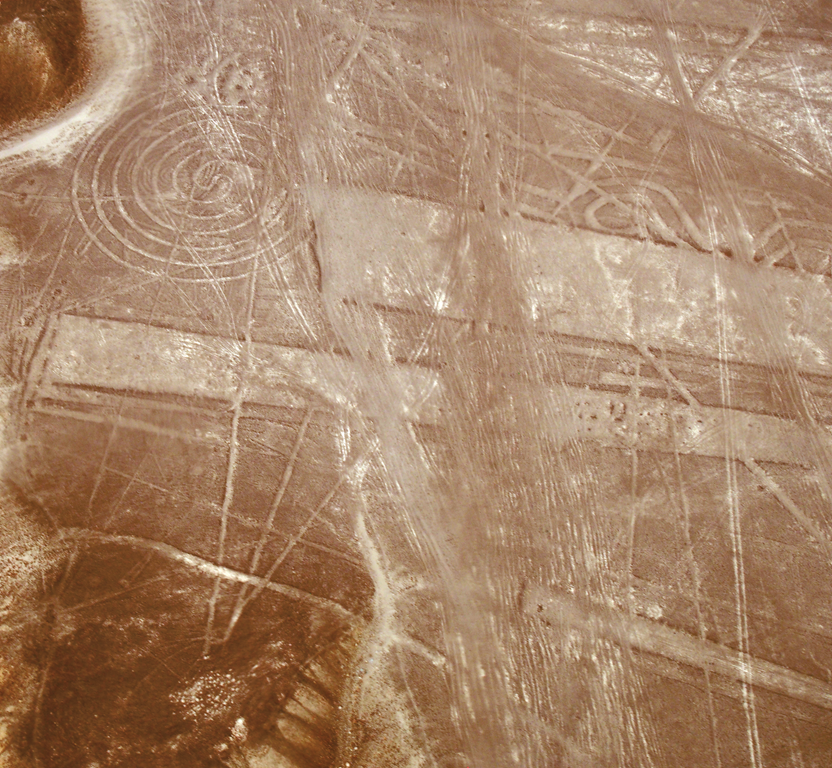
    And random patches of lines and spirals and trapezoids, some of which have been wrecked by vehicles.
    image


  • Islas Ballestas

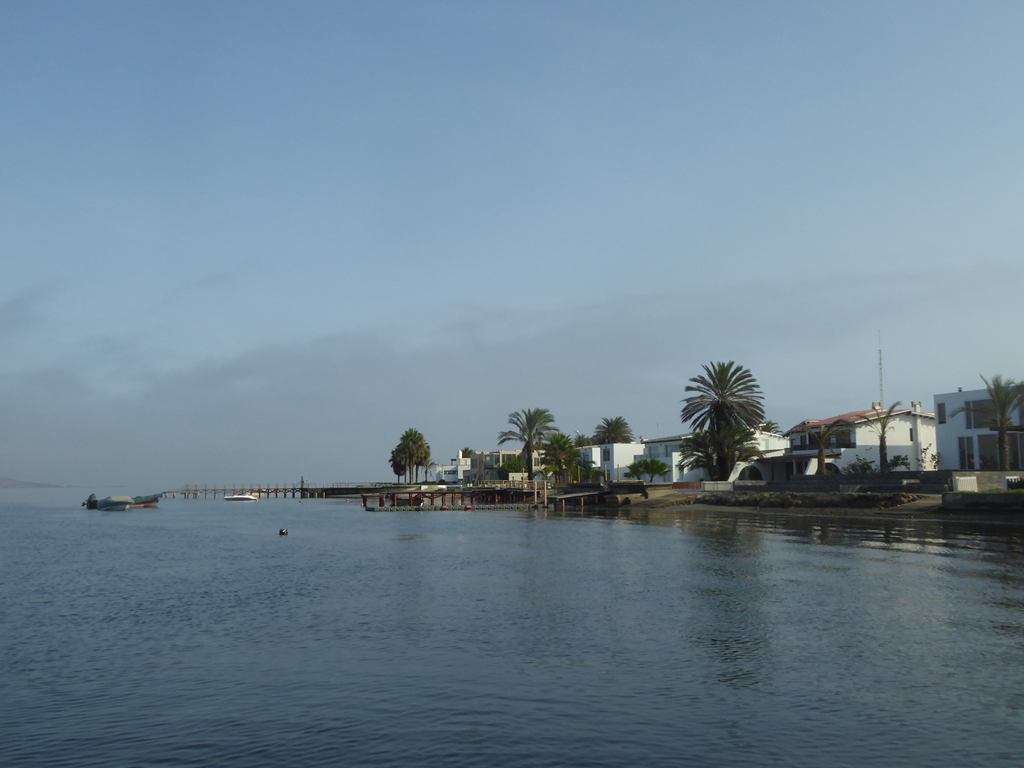
    This morning Kerri took a boat tour to Islas Ballestas.

    image

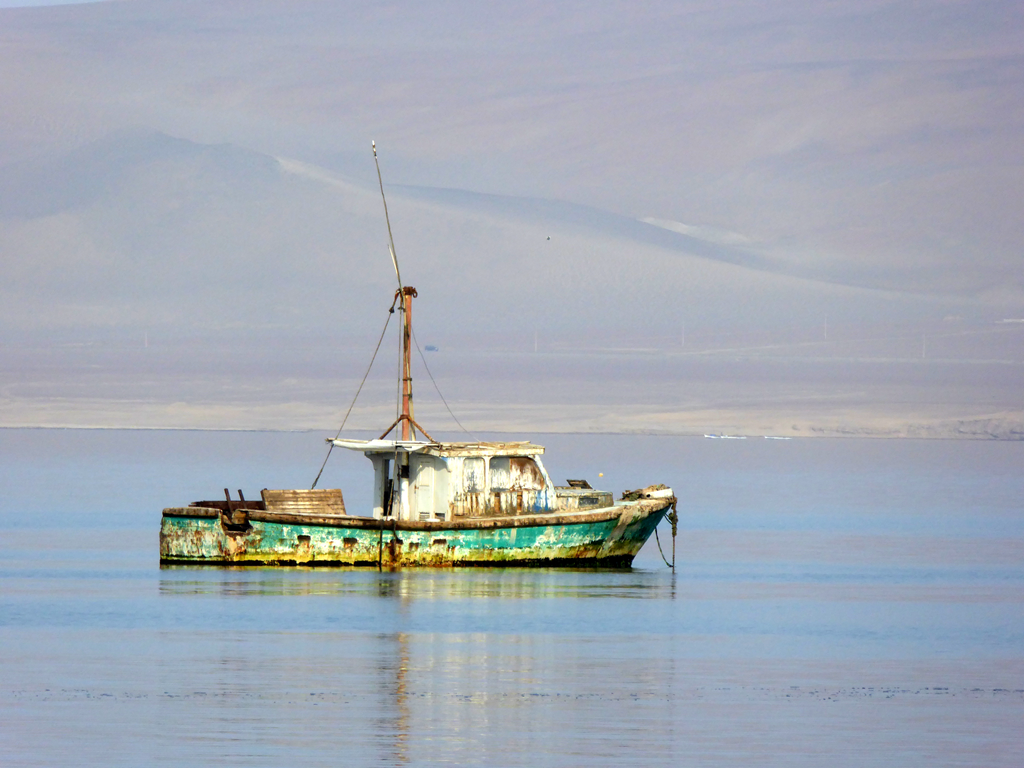
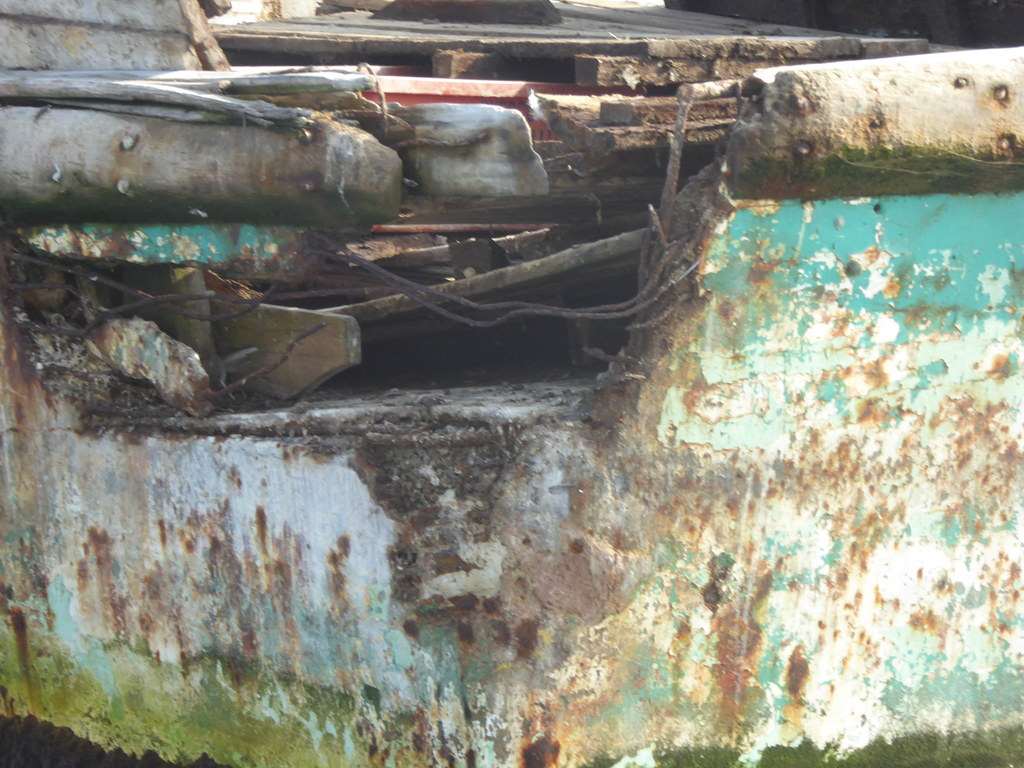
    In the harbour was a concrete boat.

    image

    It’s not very fuel efficient, so it has been left in the harbour with the rebar slowly rusting away.

    image

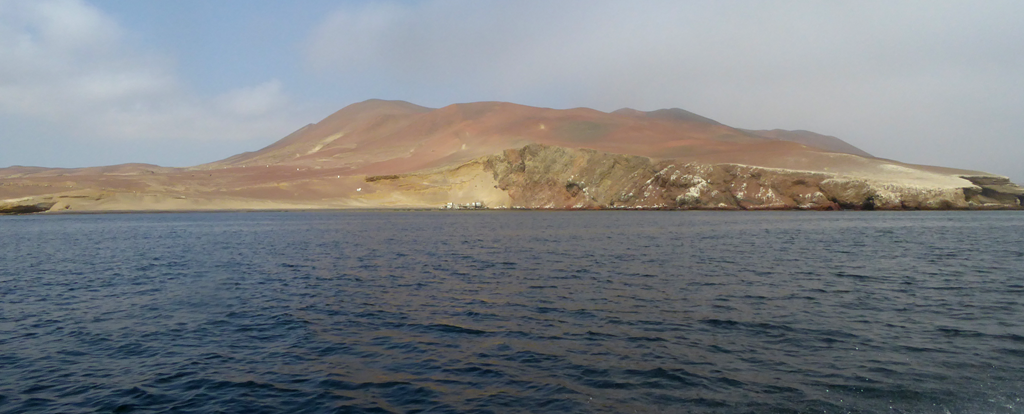
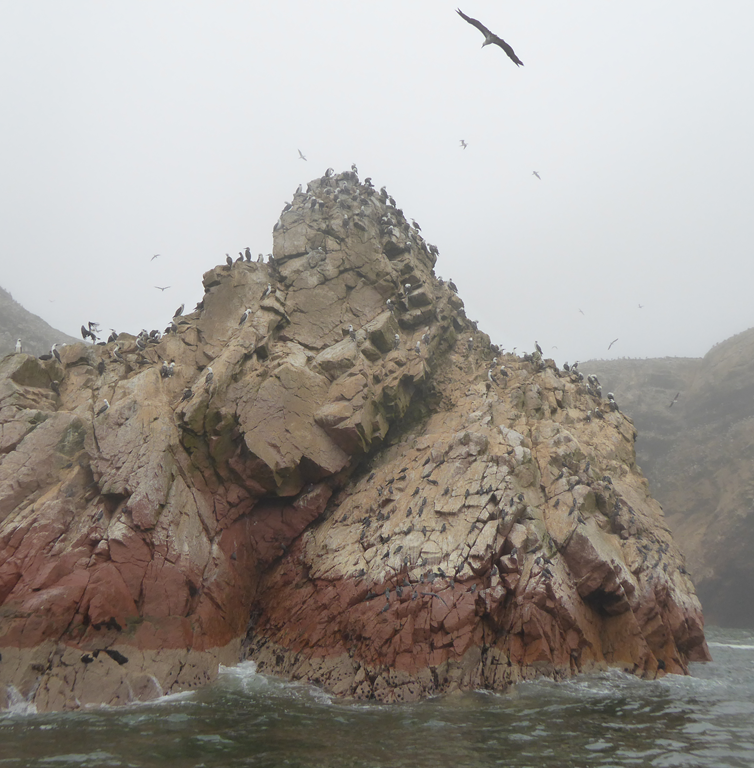
    The islands were pretty colours and had no vegetation

    image

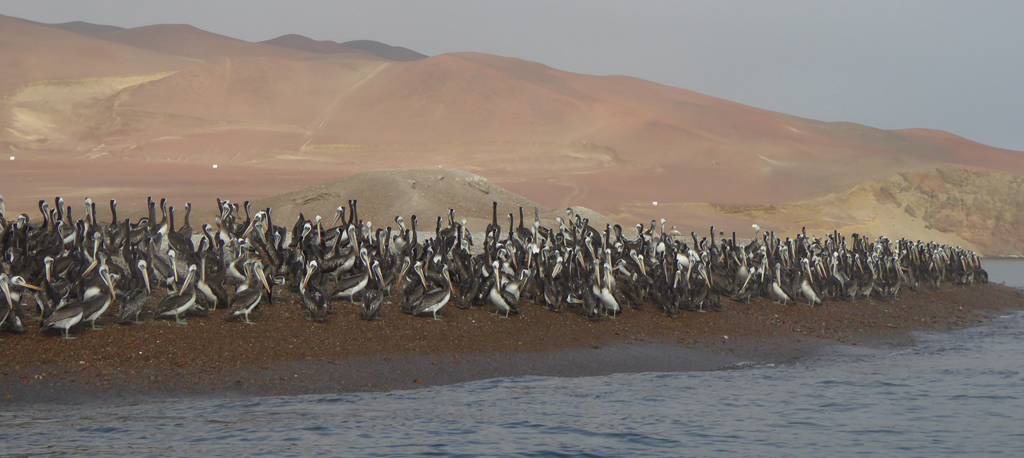
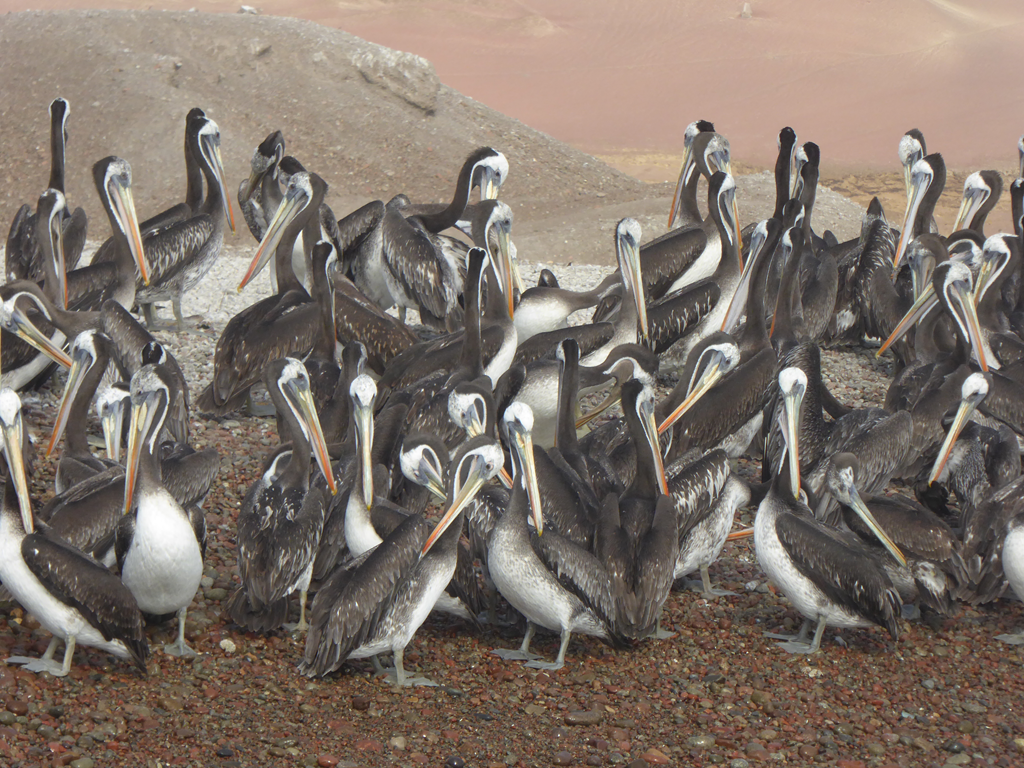
    This island was covered in hundreds of Peruvian Pelicans.

    image

    They seemed very crowded.

    image

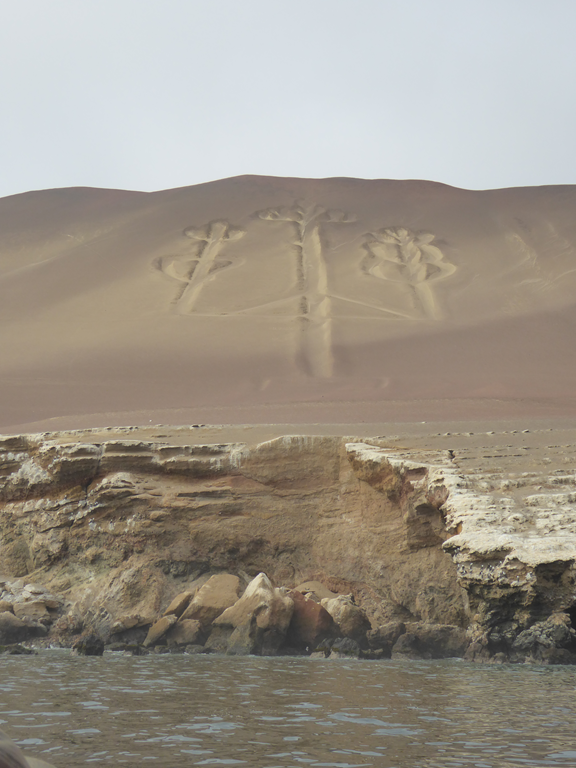
    There is a strange symbol carved into one of the mountains. It has been there for at least 100 years. Some people think it is a pirate’s treasure map. A lot of other people have made up other ideas, most of which seem highly improbable and are based on no evidence. Kerri thinks the pirates were sandboarding.

    image

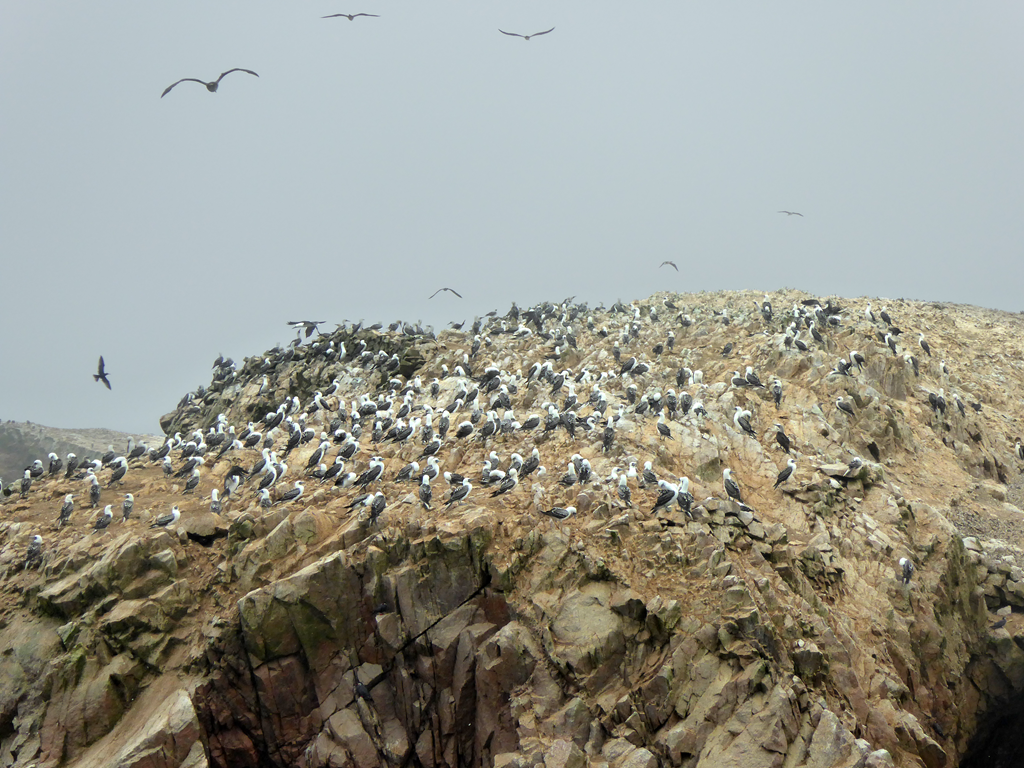
    There were tons of Peruvian boobies on the other islands.

    image

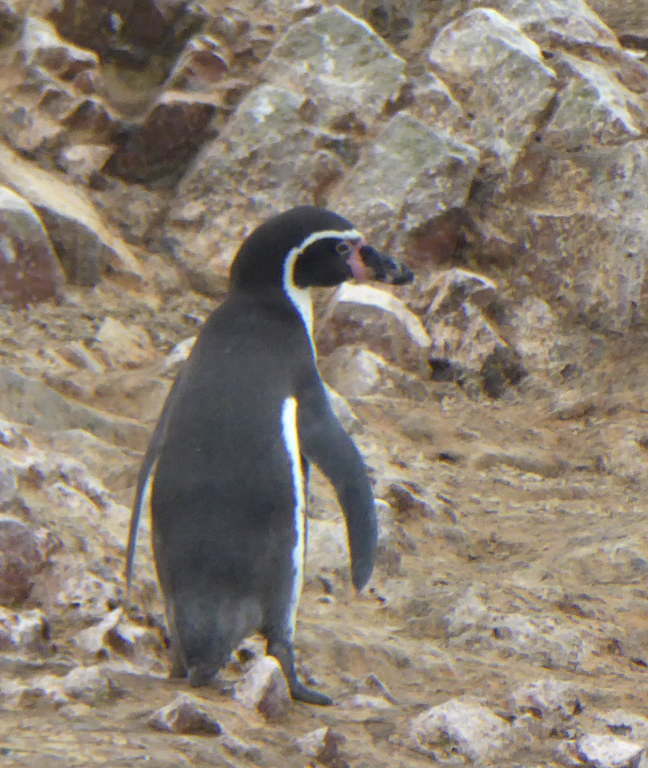
    There were also a couple of Humboldt penguins, a close relative of the galapagos penguins.

    image

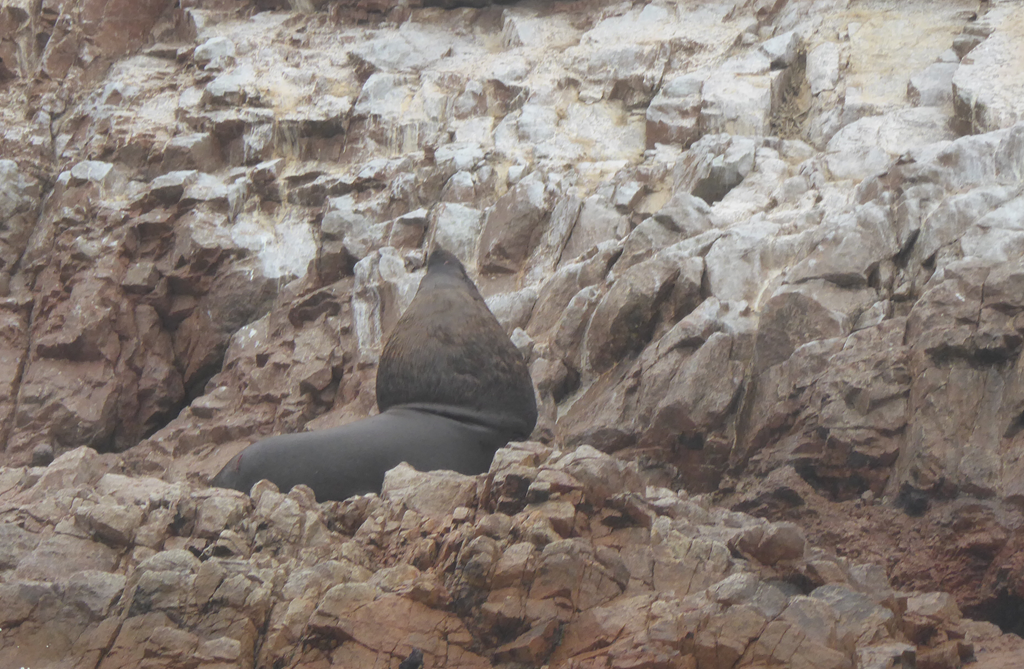
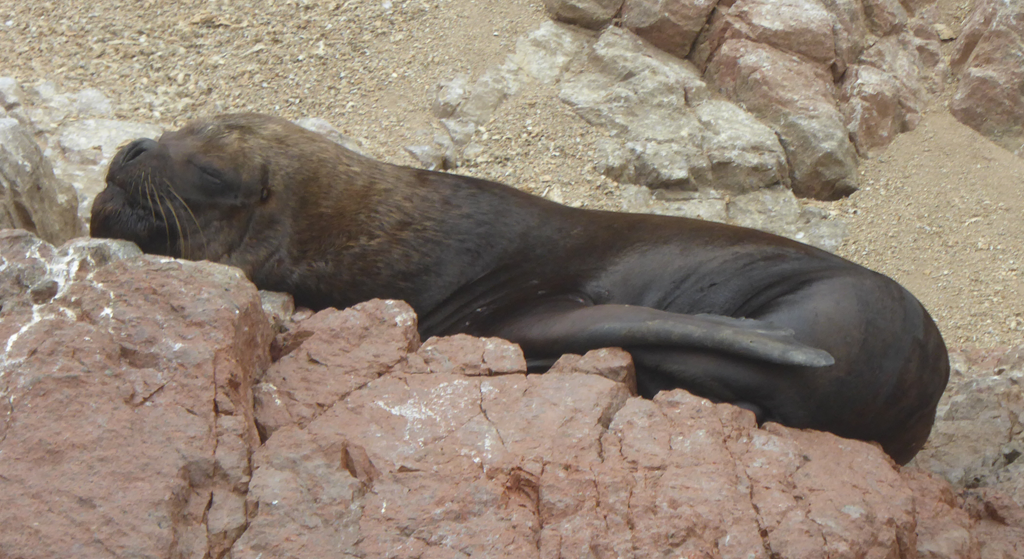
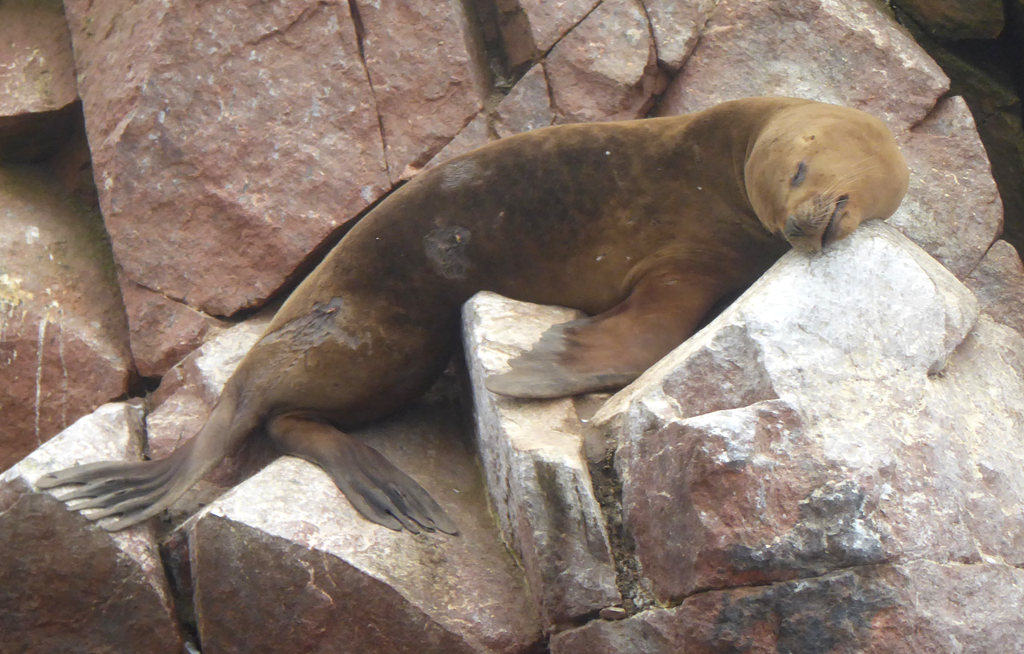
    The sea lions are much bigger than the ones in the Galapagos.

    image

    The males actually kind of look like lions.

    image

    The females look more like the galapagos sea lions.

    image

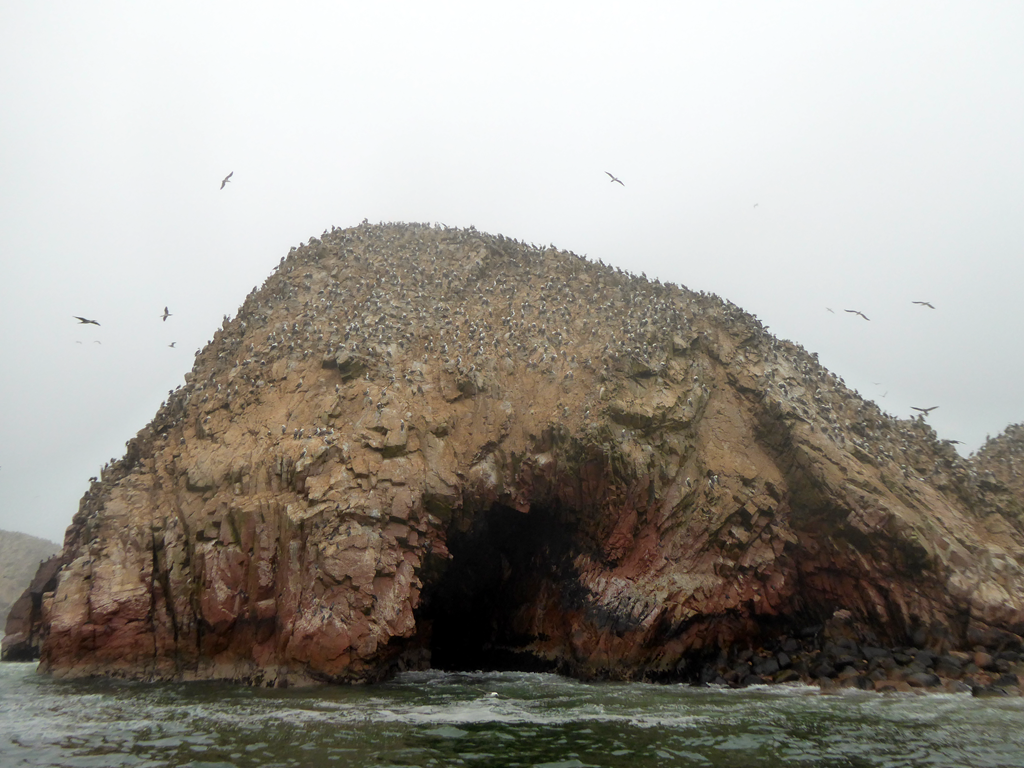
    The boobies covered almost every surface.

    image

    I don’t know where they even nest, there didn’t seem to be any room.

    image

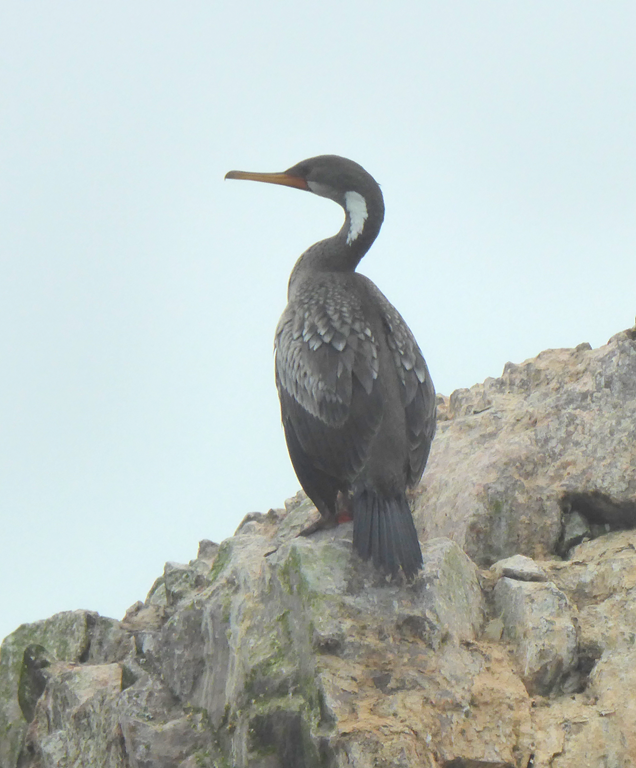
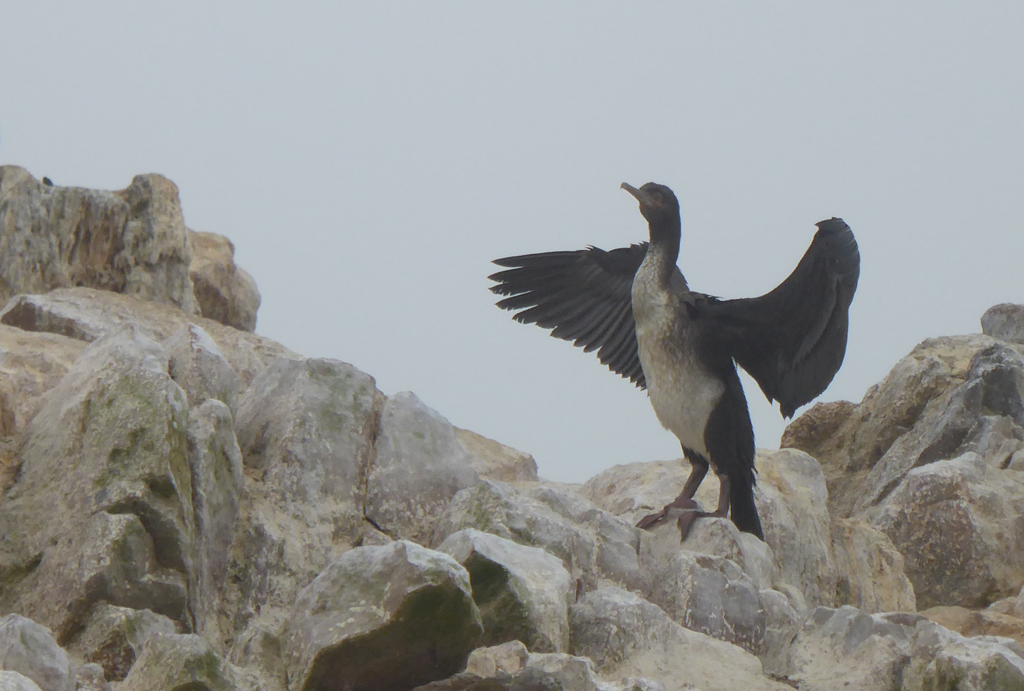
    There were also a few guanay cormorants.

    image

    They look a lot like the flightless cormorants until they spread their wings, and you see that they have real wings for flying.

    image

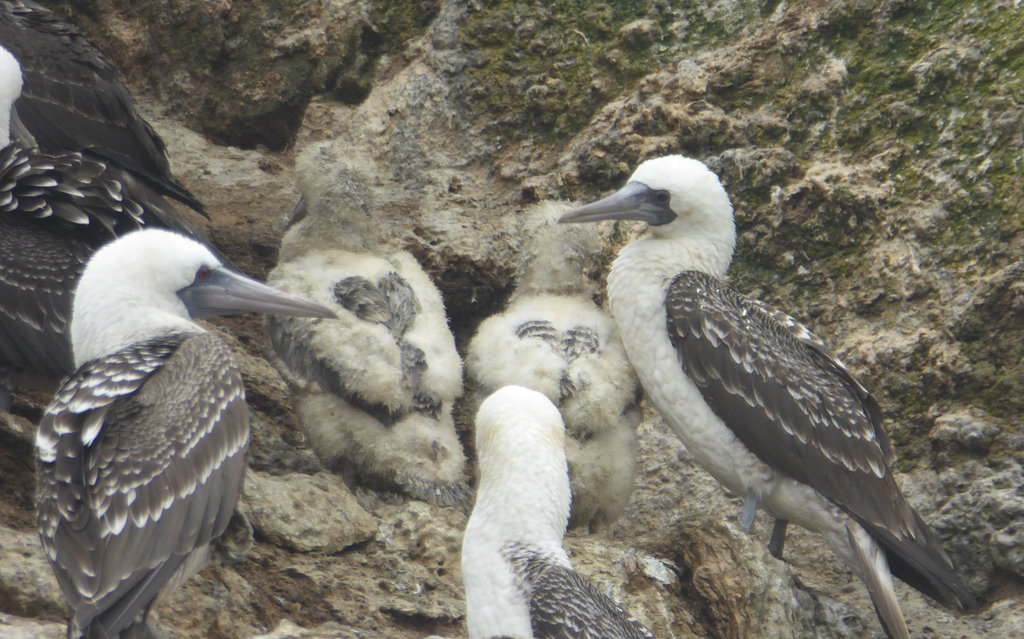
    There were only a couple of baby boobies, and they weren’t even that cute.

    image


  • Kennedy Park

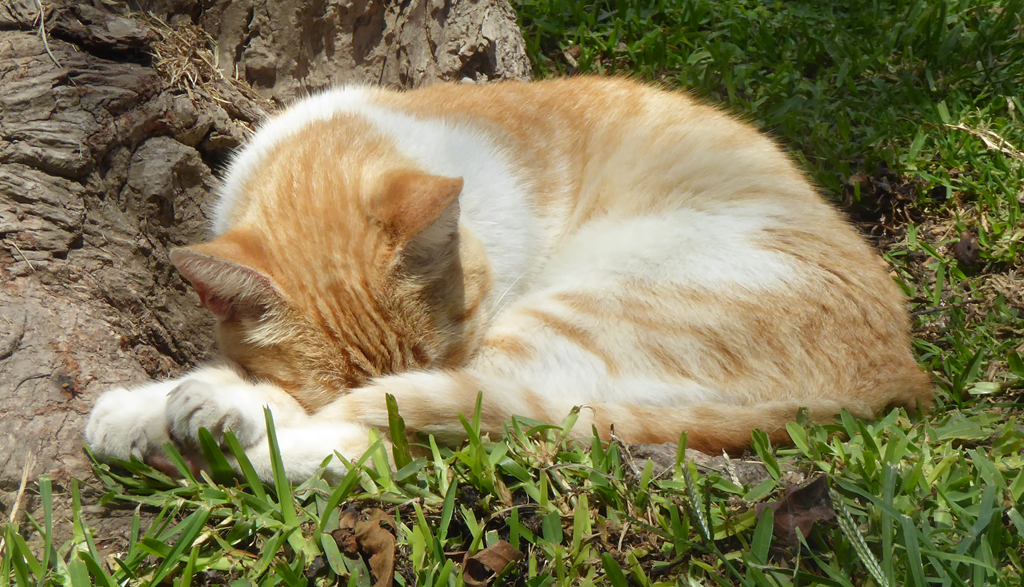
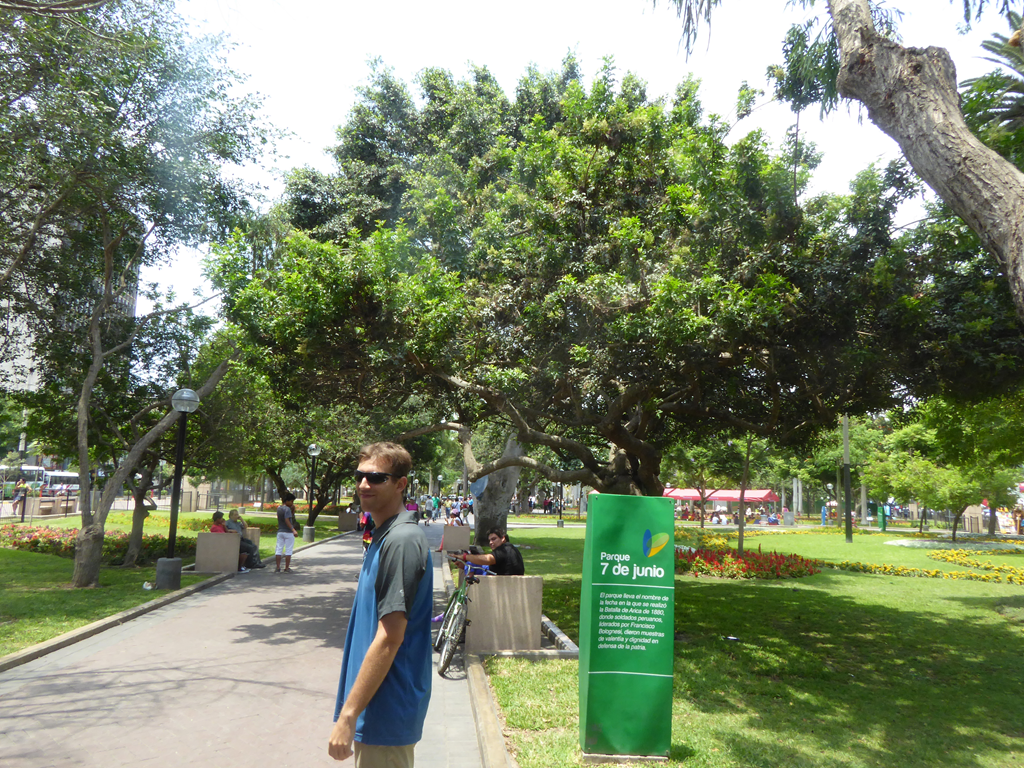
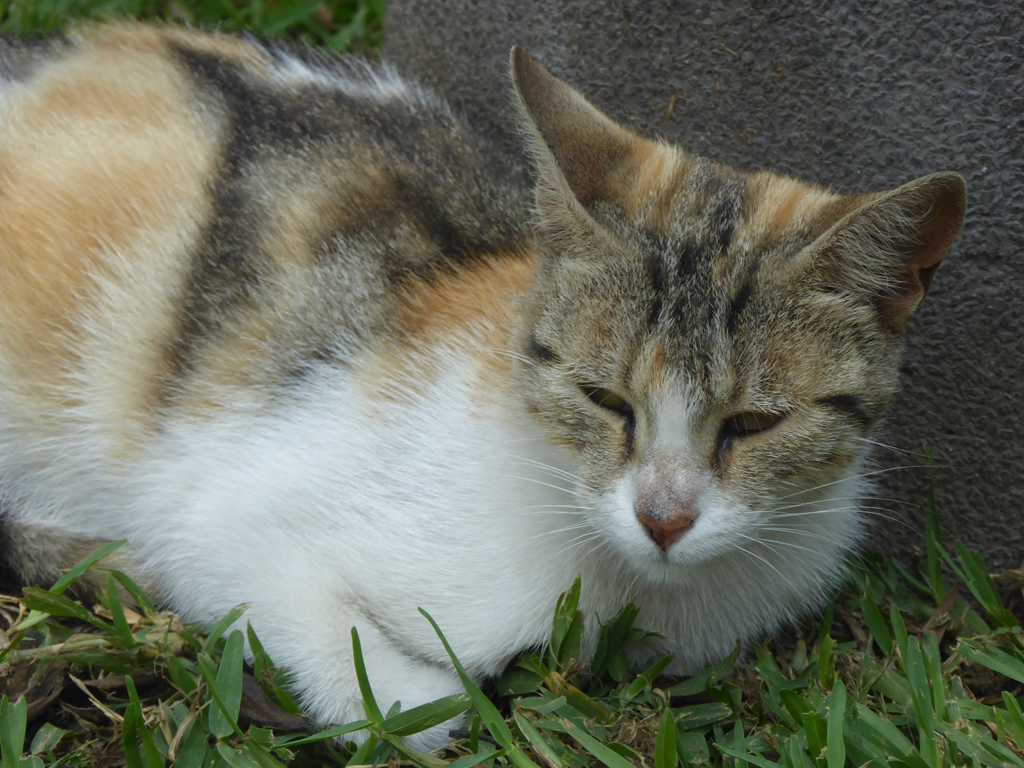
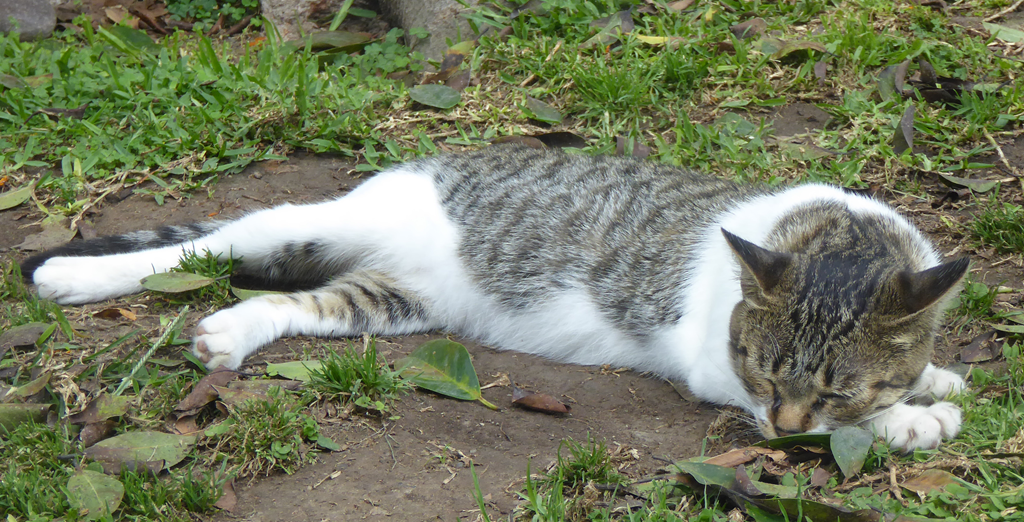
    We walked through a park with a lot of sleeping cats.

    image

    Matt was grumpy and did not want to spend any time looking at cats.

    image

    The park is full of cats because people who don’t want their housecats bring them to the park and abandon them.

    image

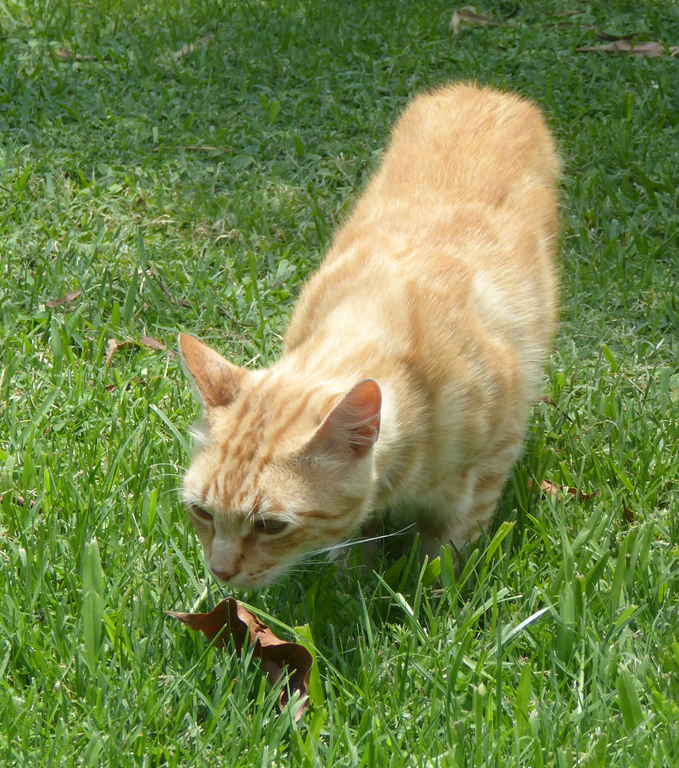
    A crazy cat lady feeds the cats in the park.

    image

    Which is good because they are not very good hunters.

    image


  • Hauca Pucllana

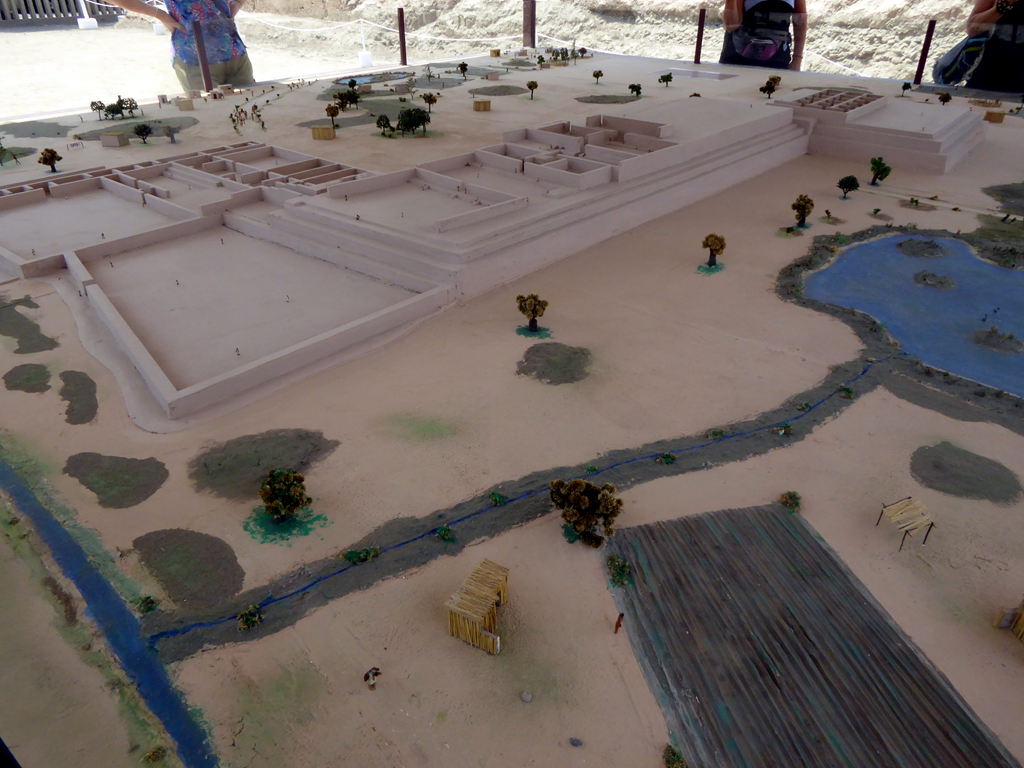
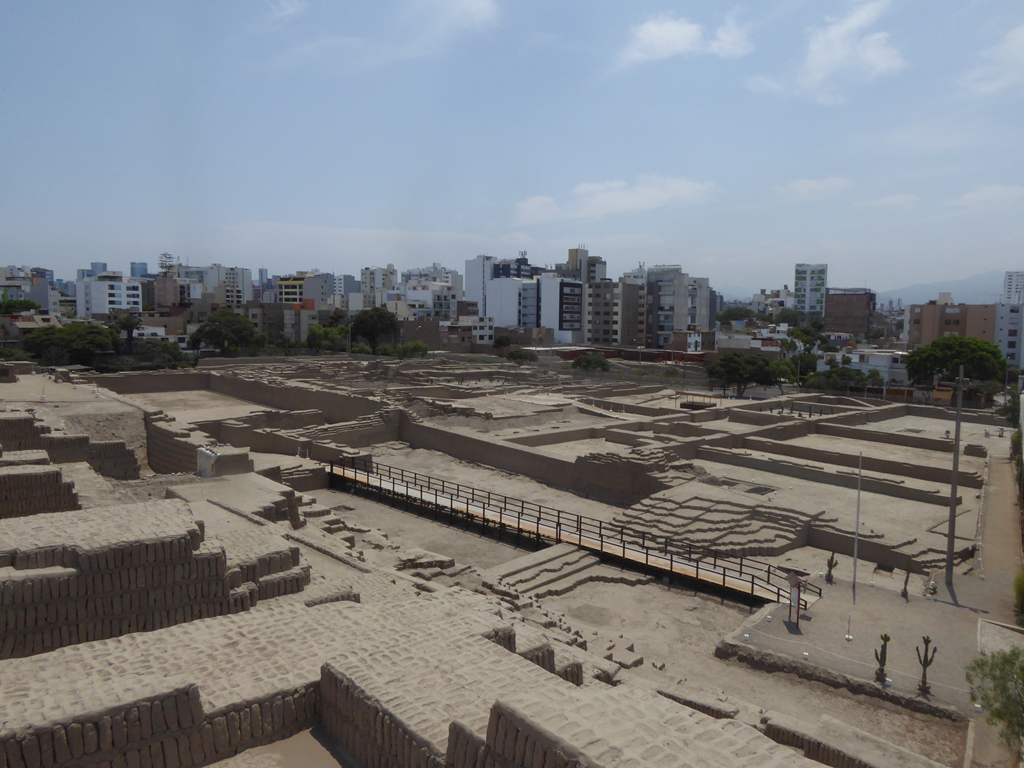
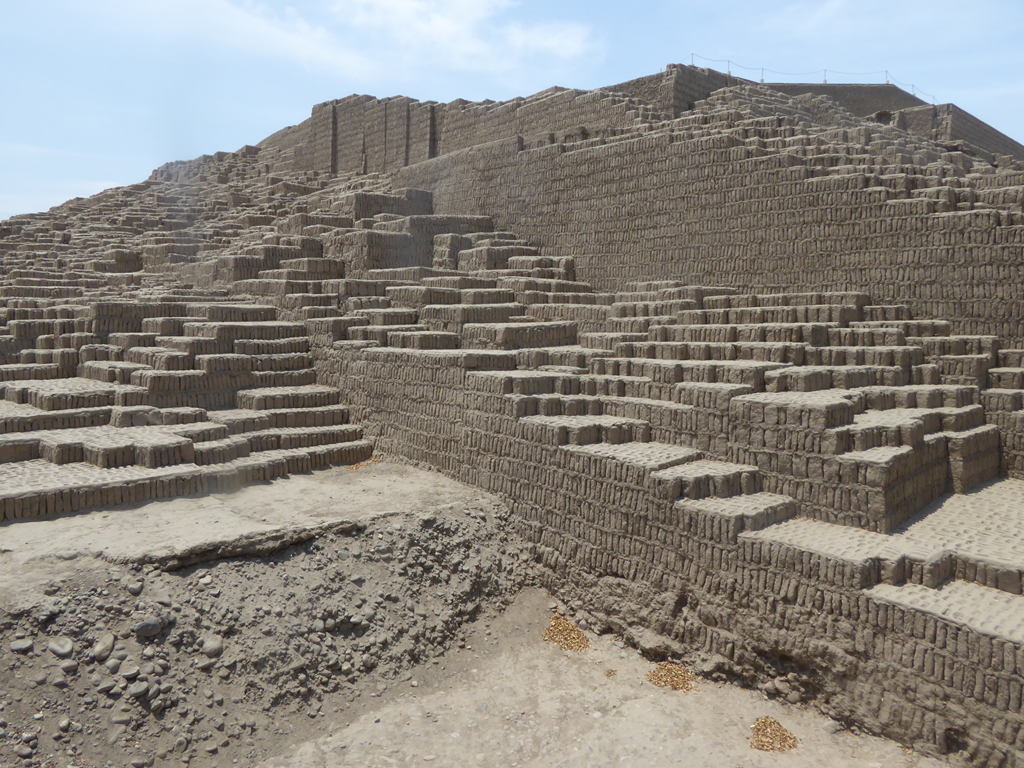
    This site consisted of another adobe pyramid, with seven levels, in a large square. It was built by the Lima culture between 400 and 700 CE.

    image

    The site is located in the middle of Lima.

    image

    Lima is the capital city of Peru and home to over 7 million people.

    image

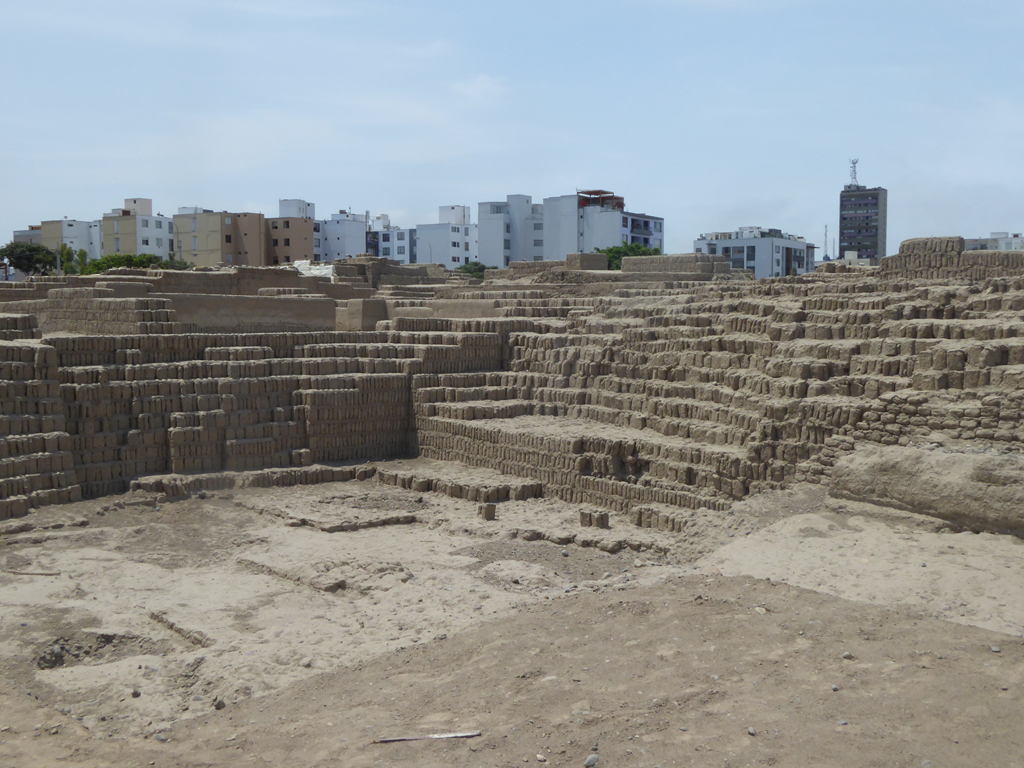
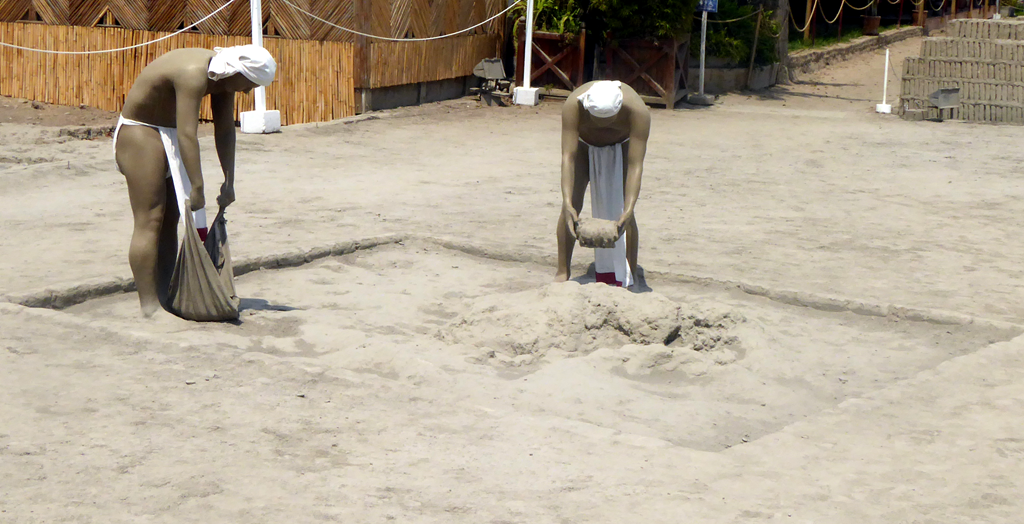
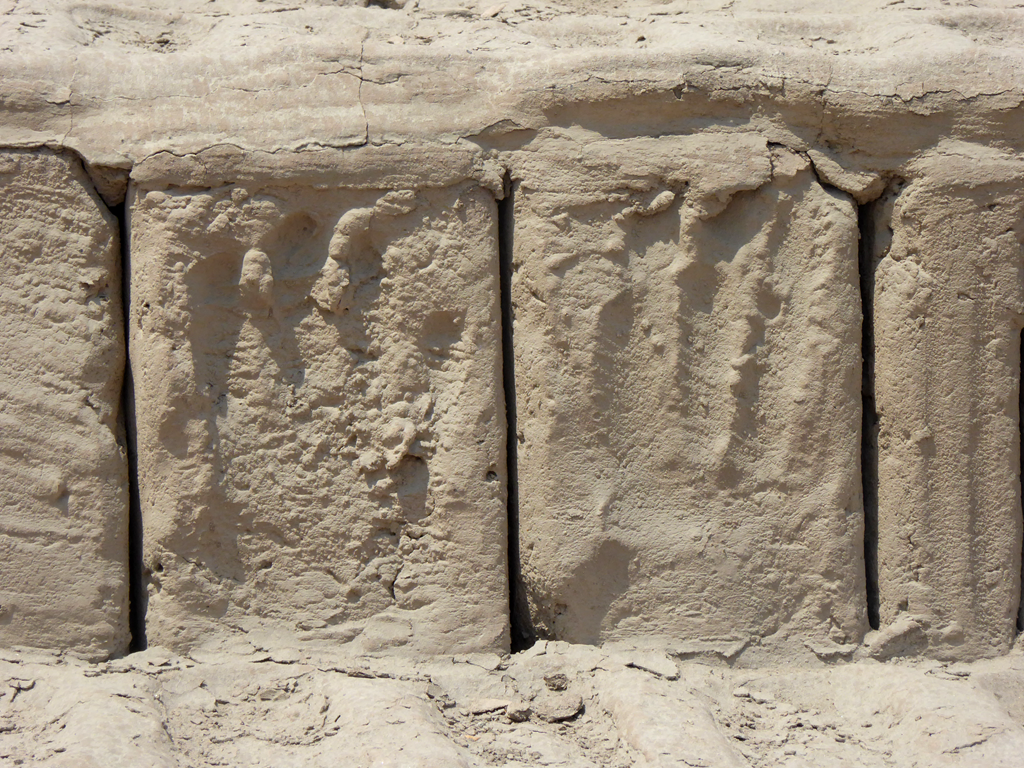
    The mud bricks were all formed by hand and dried in the sun.

    image

    Which means that these are the handprints of someone who lived 1500 years ago.

    image

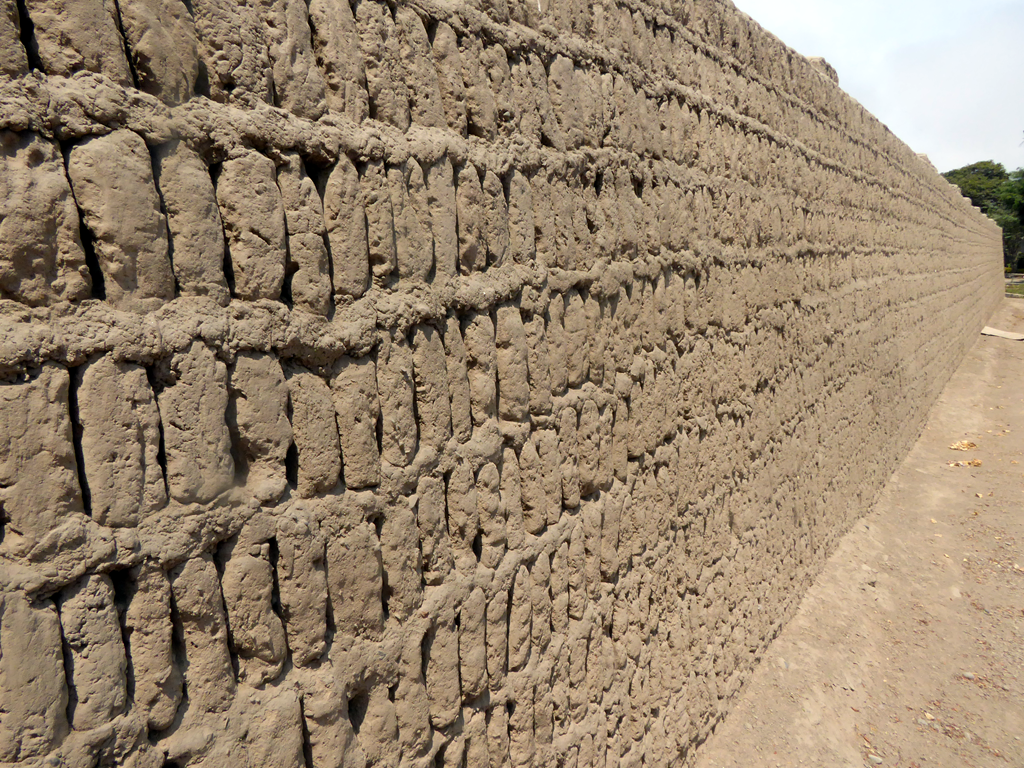
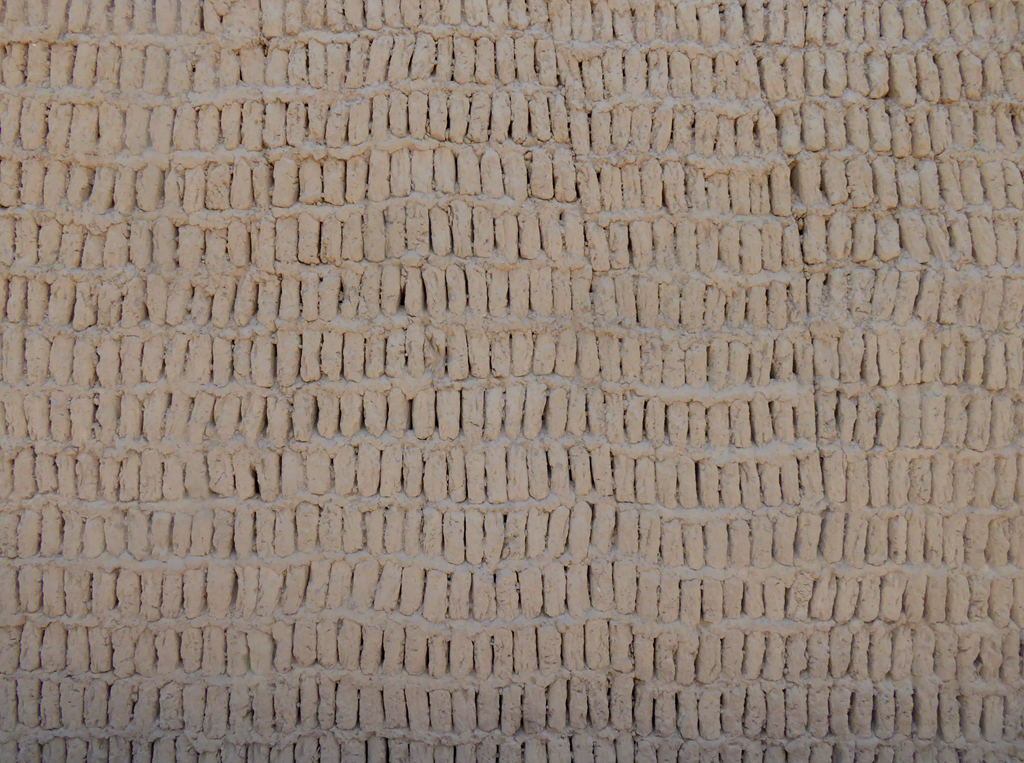
    This pyramid was constructed with the bricks positioned vertically, with mortar at the top and bottom and small spaces in between the brick. This made the pyramid more earthquake resistant.

    image

    The walls were built in small trapezoidal sections instead of square edges to make it more stable.

    image

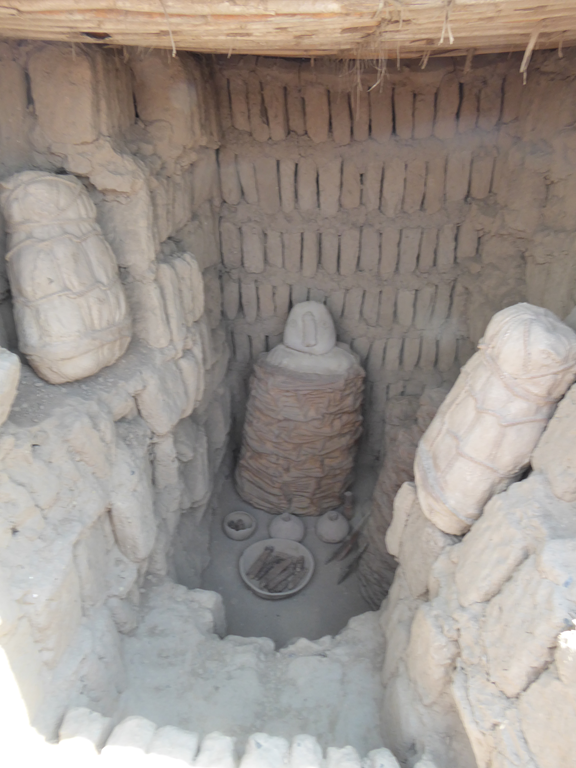
    The temple was reused by the later Wairani people to bury some important people. This is a recreation of one of their tombs in the top of the temple.

    image

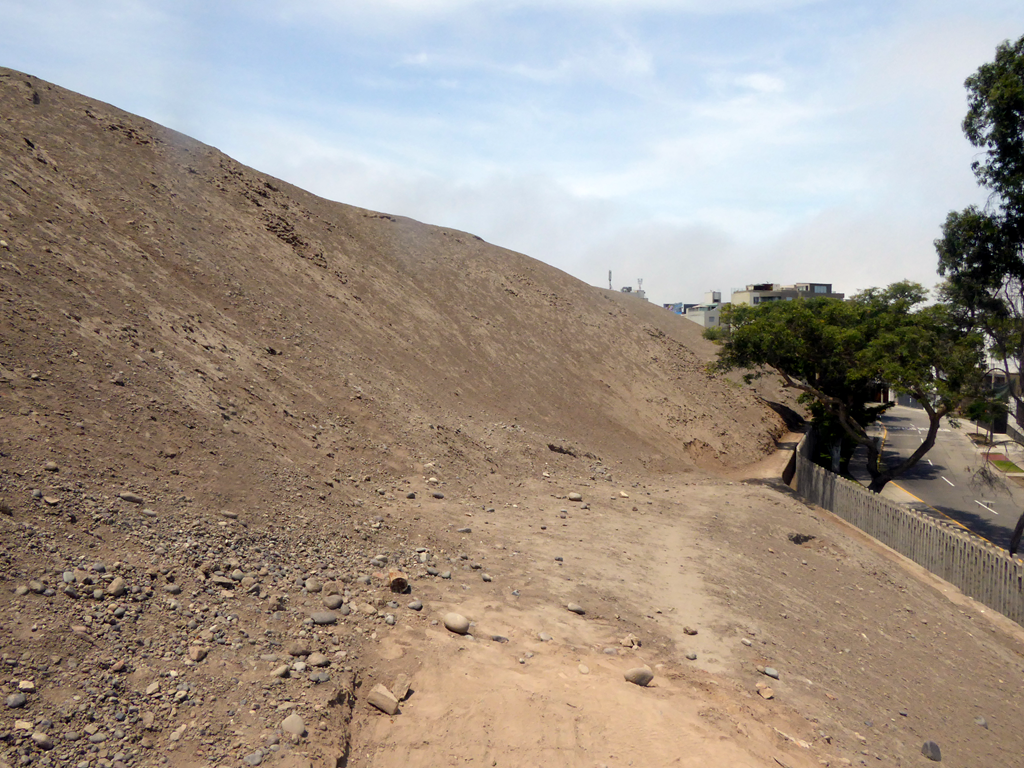
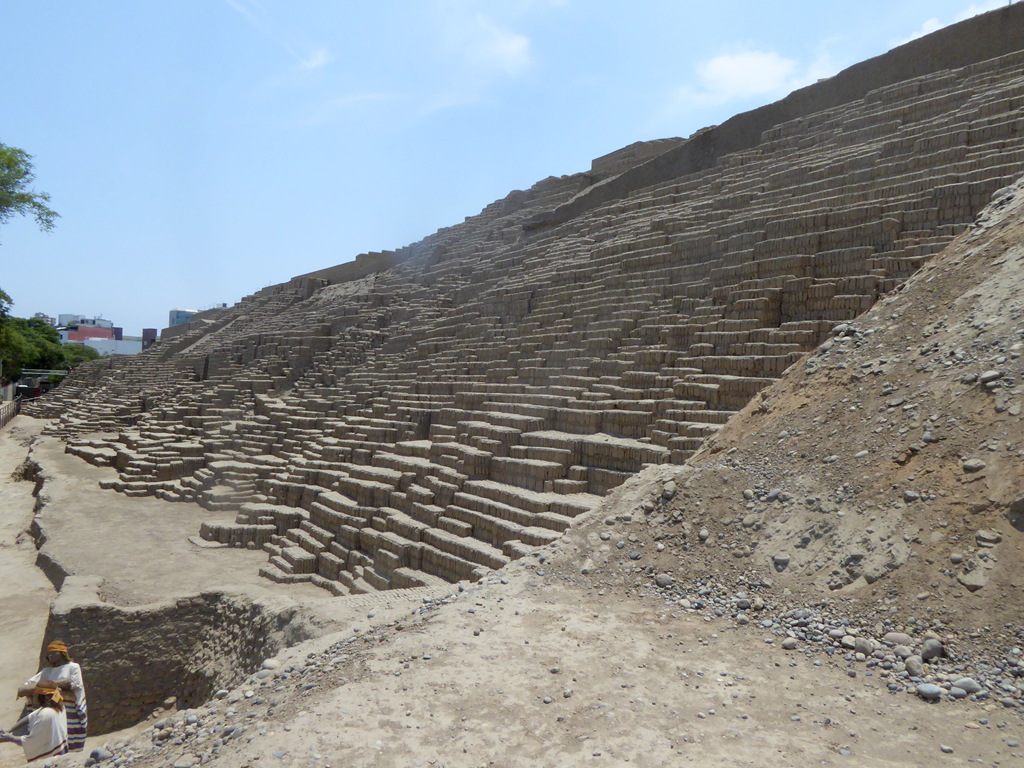
    A large part of the pyramid still has not been excavated, and just looks like a big dirt hill in the middle of the city.

    image

    The transition to the excavated bricks on the other side looks funny.

    image

    The pyramid had a lot of bricks.

    image


  • Monastery of San Francisco

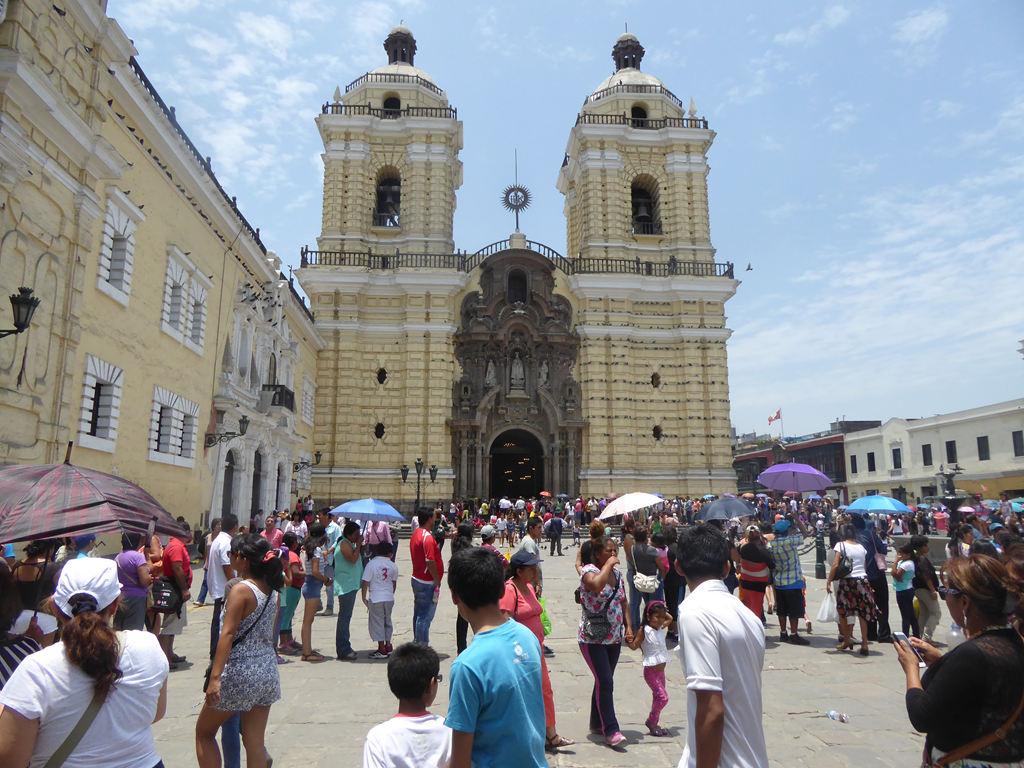
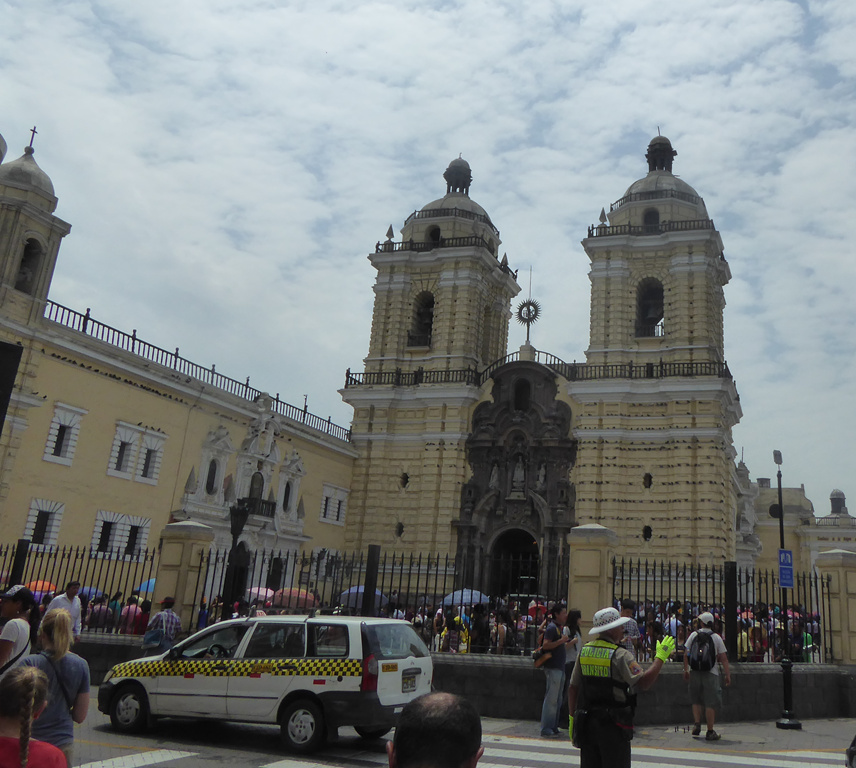
    The San Francisco church is very popular.

    image

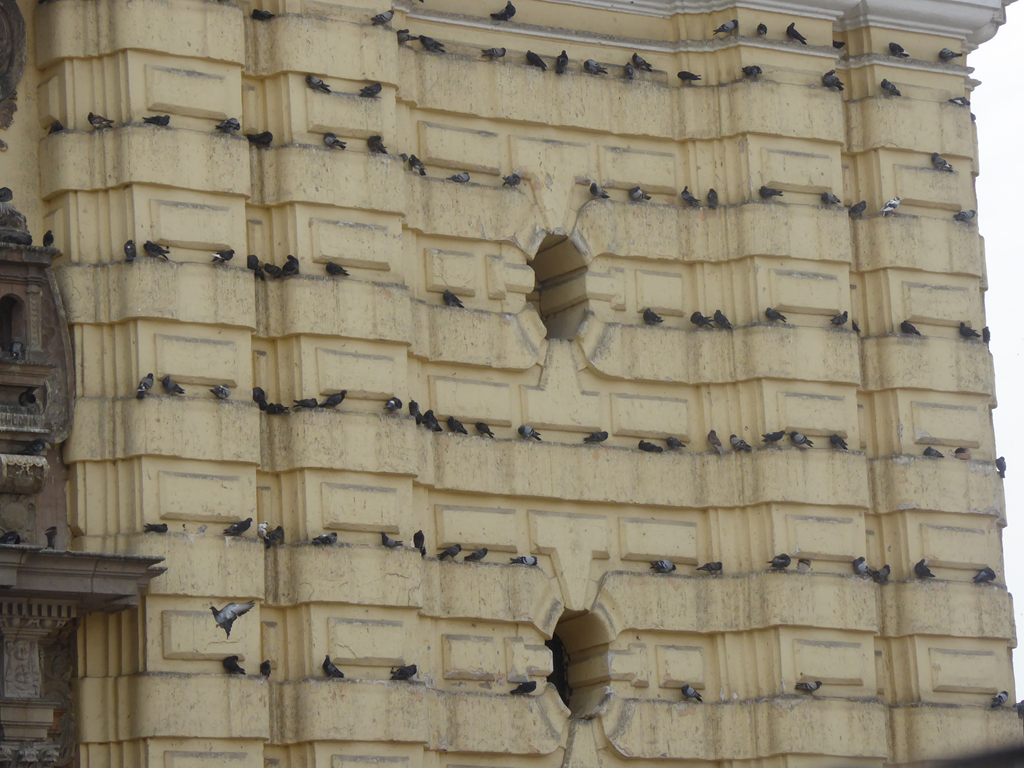
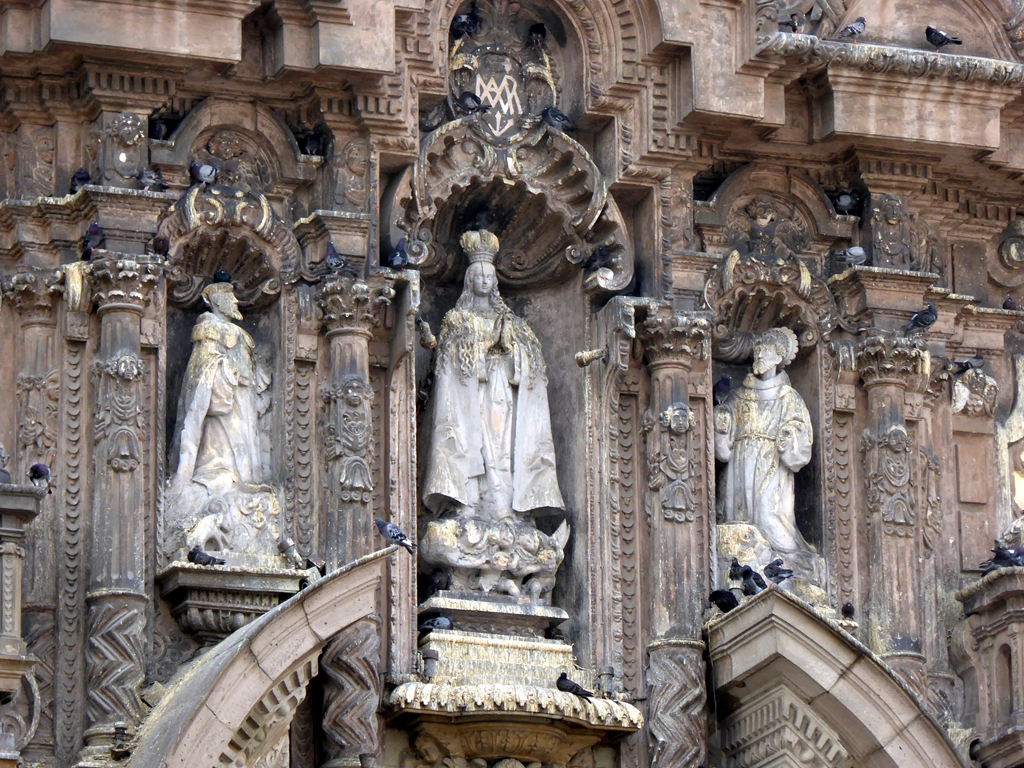
    And not just with pigeons, although that’s what all of the black lines are.

    image

    They covered every available surface.

    image

    The church and monastery were built between 1673 and 1774. The church honours St. Jude, who is very popular, and on the 28th of each month people line up to petition him for miracles. Because we were there on the 28th the line zigzagged across the entire courtyard, so we did not go inside the church.
    image

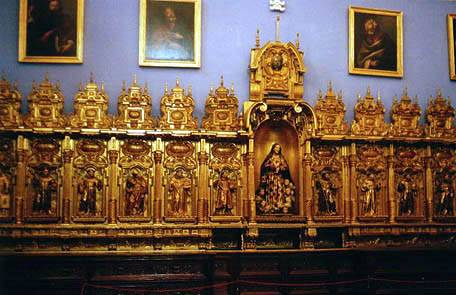
    However we did go inside the monastery, which has been converted into a museum. Pictures were not allowed inside, so these are taken from random rule breakers on the internet.

    This is the last supper painting. Instead of European food it features the apostles eating guinea pig, potatoes and chilis. And in Jesus’s hand that might be an empanada.

    image

    In the large spot below there used to be a statue of the Virgin Mary. But somewhere along the way they decided she shouldn’t have the central spot, so they replaced the head and hands of the statue. But only the head and hands. So it now features Jesus, wearing a flowered dress.

    image

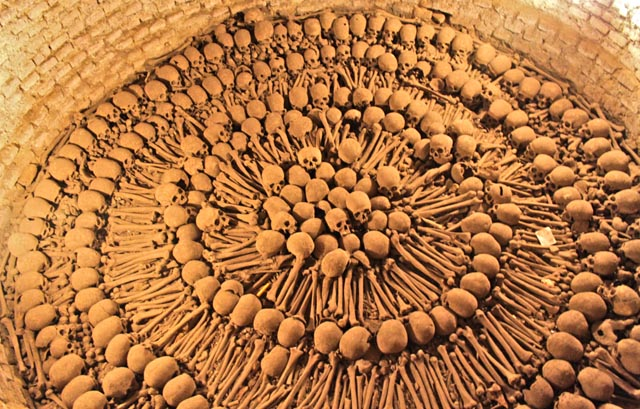
    We also visited the catacombs, which were used until 1943 and contain about 25,000 bodies. Many of the bones are artistically arranged.
    image