• Colca Canyon

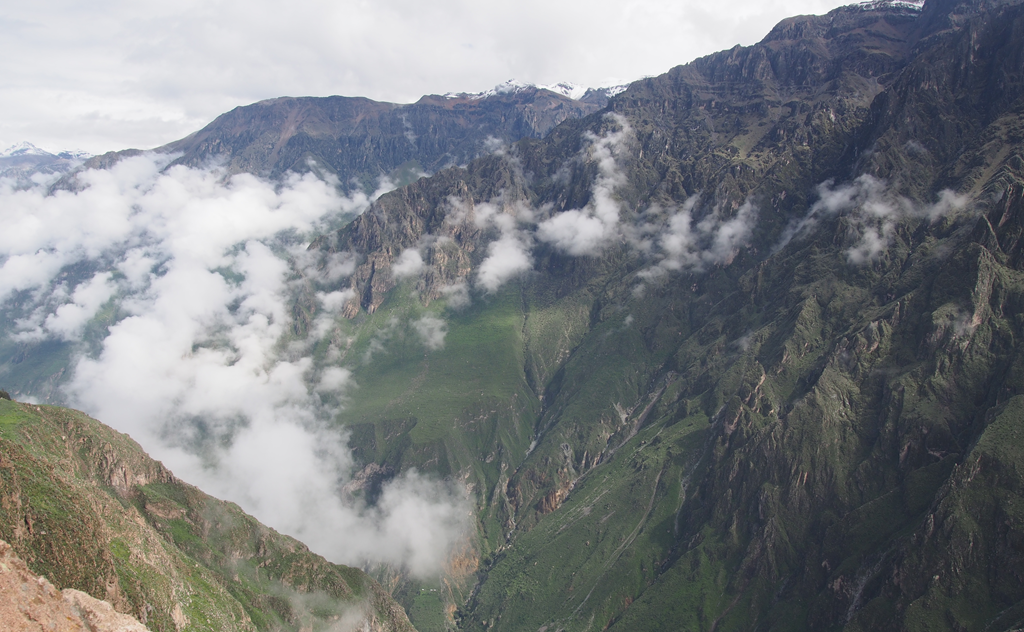
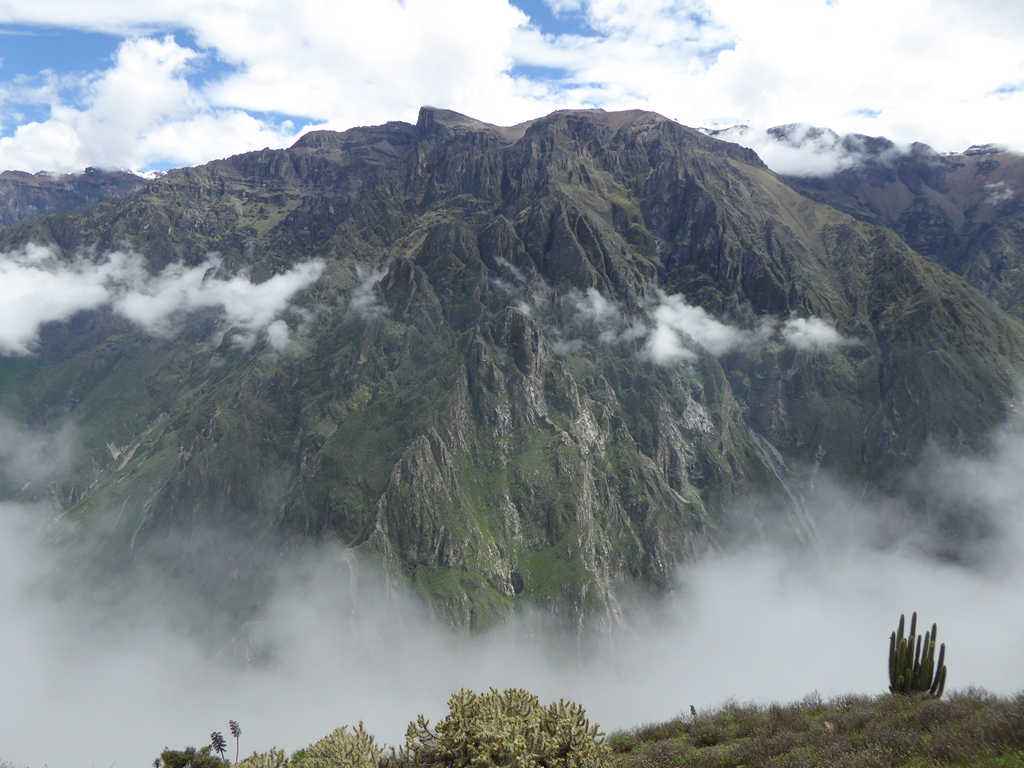
    This morning we went to Colca Canyon.
    image

    image

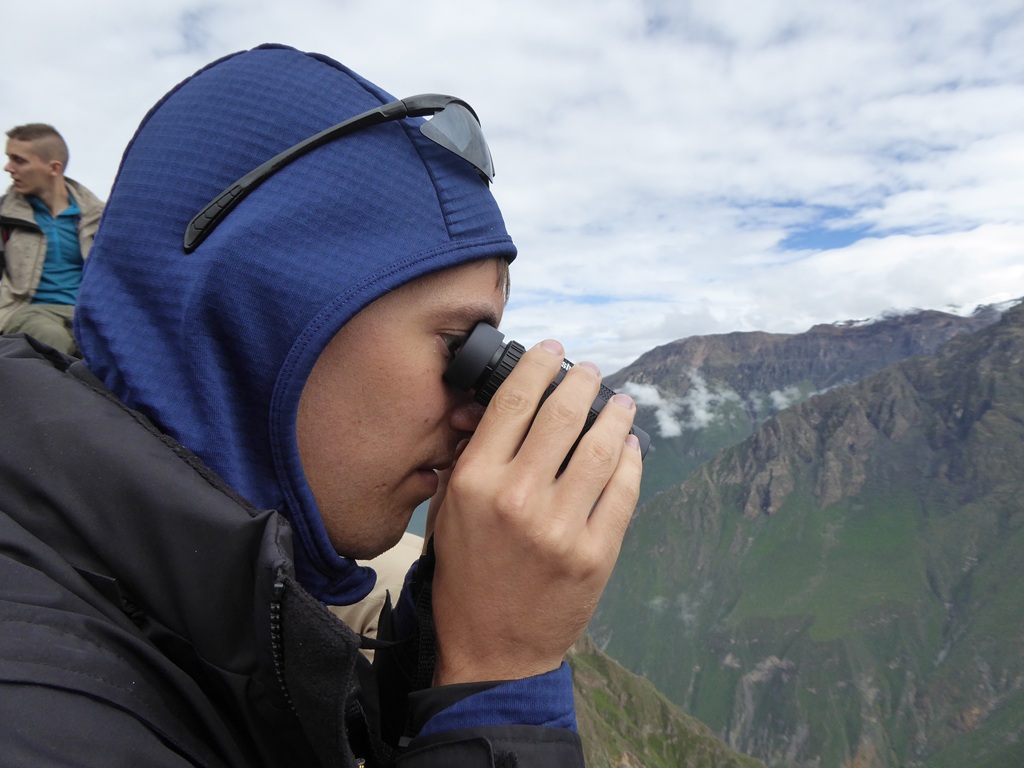
    To look for condors.

    image

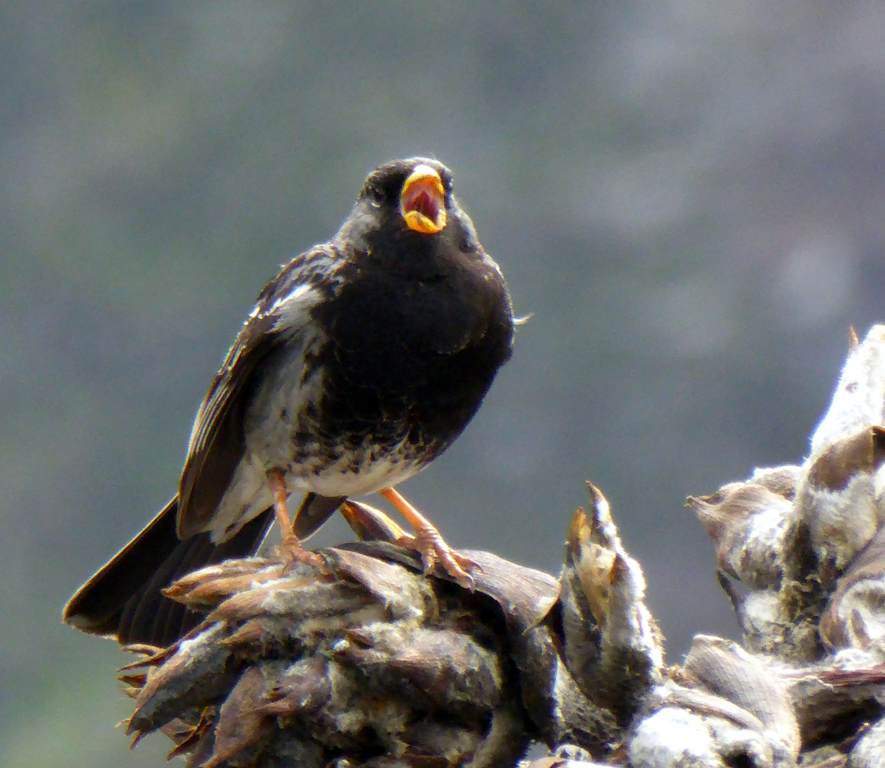
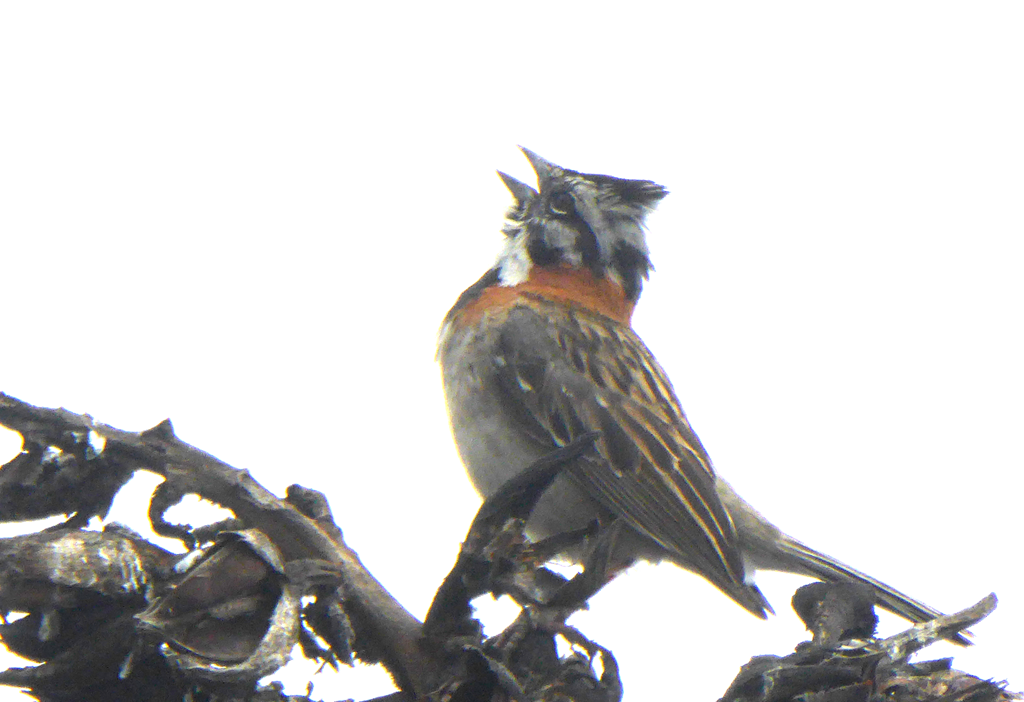
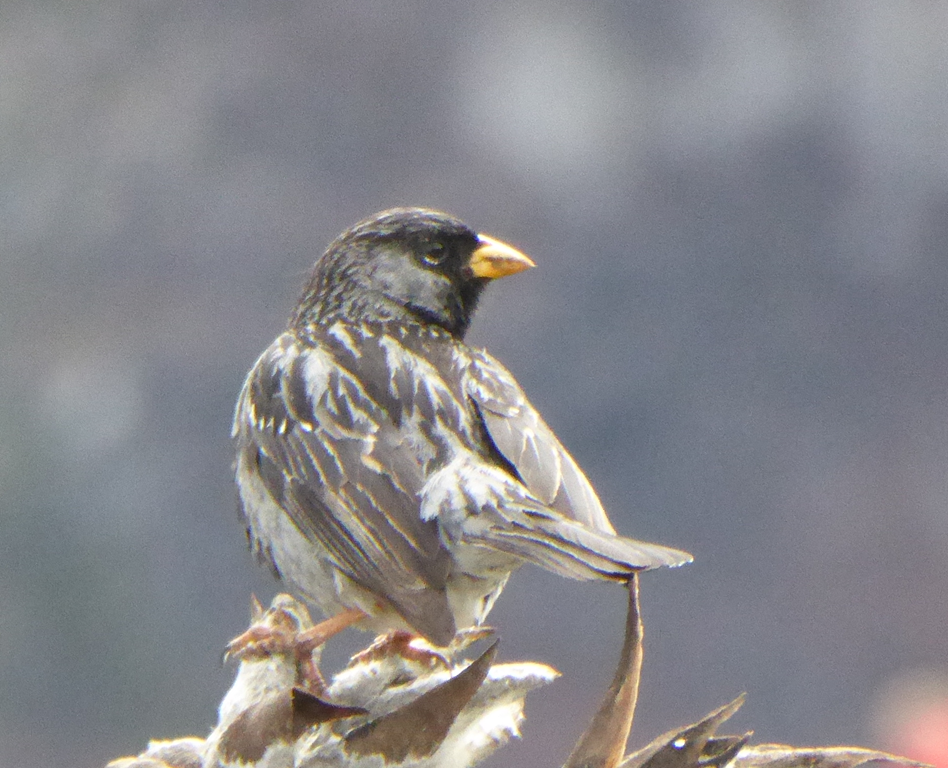
    We saw lots of other birds while waiting.
    image


    And heard even more.

    image

    image

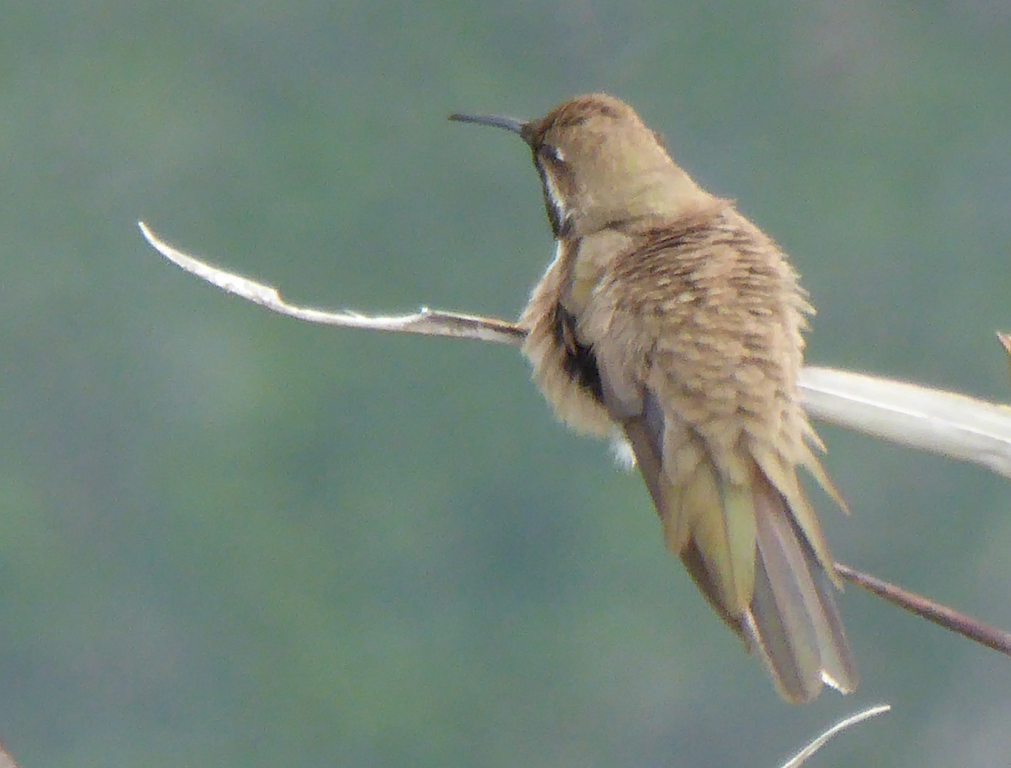
    There were big hummingbirds. Apparently they can grow up to 20cm here!
    image

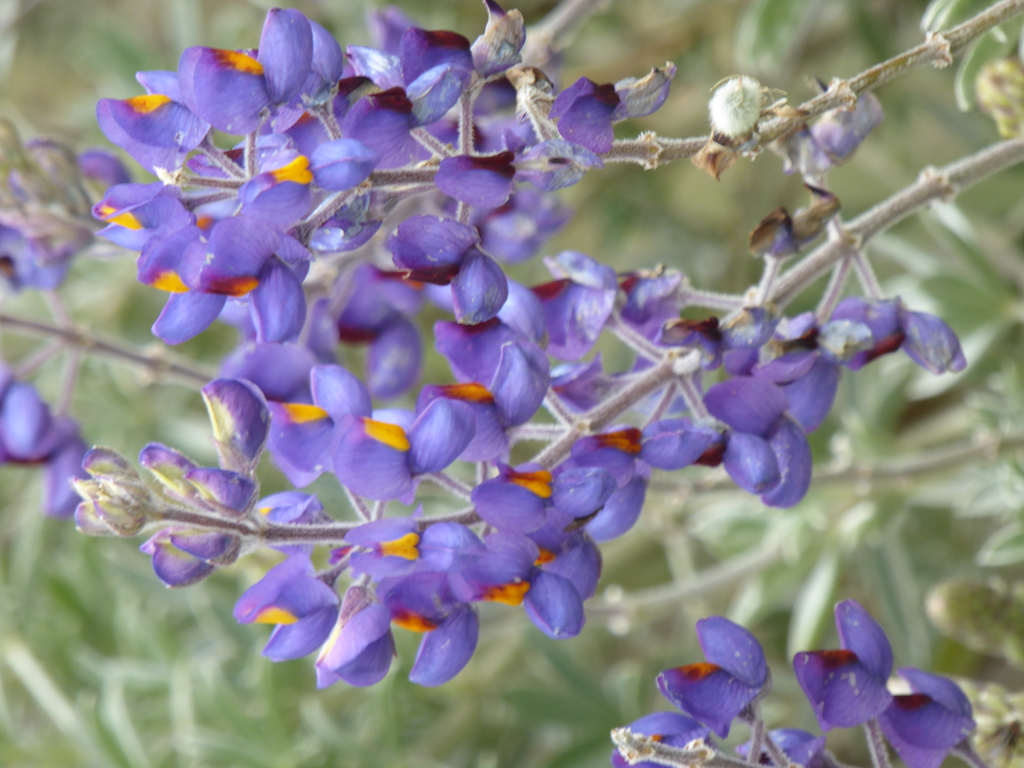
    They drink the nectar from these purple flowers.
    image

    These are their nests.

    image

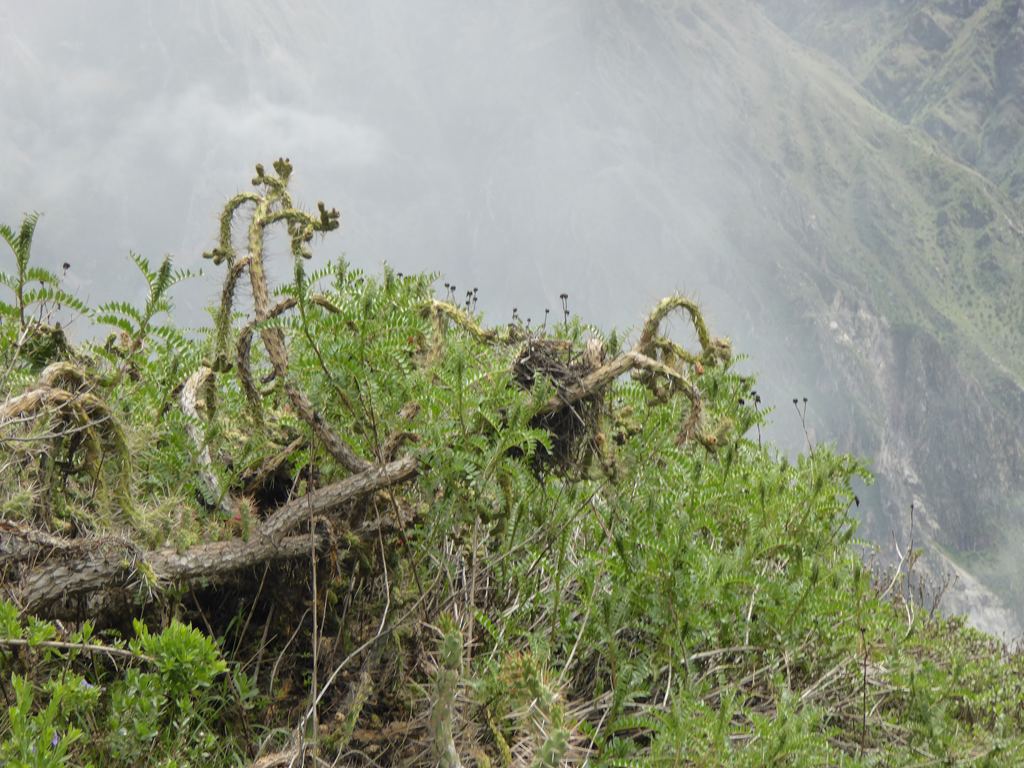
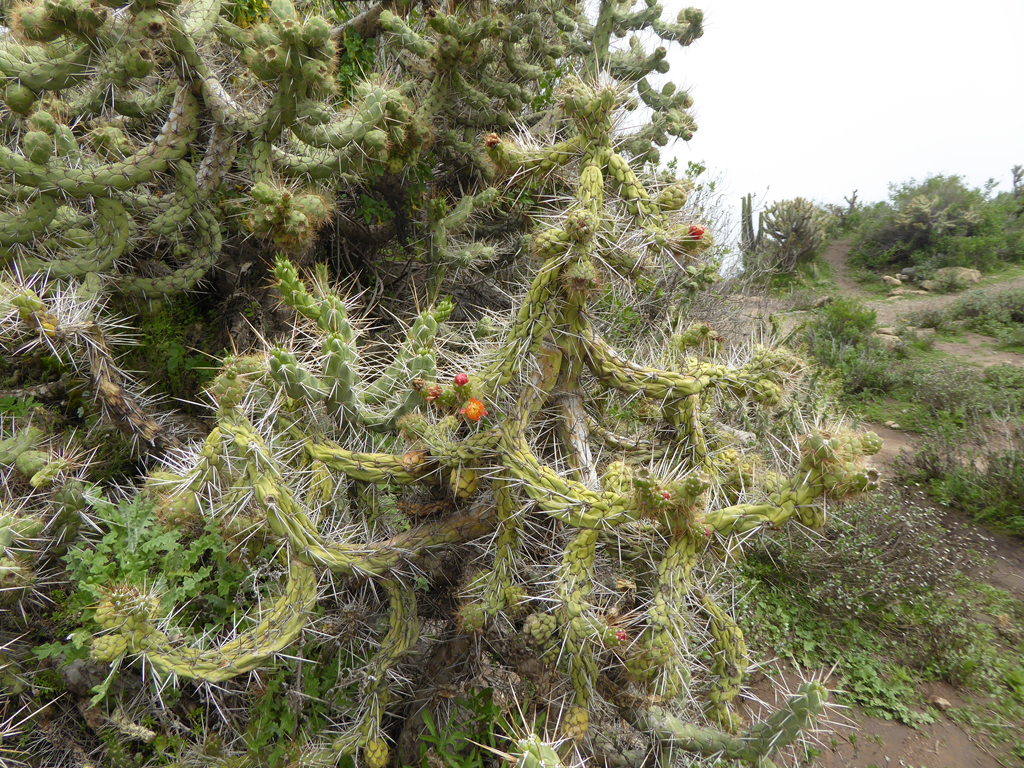
    The cactuses they nest in are think and brambled.
    image

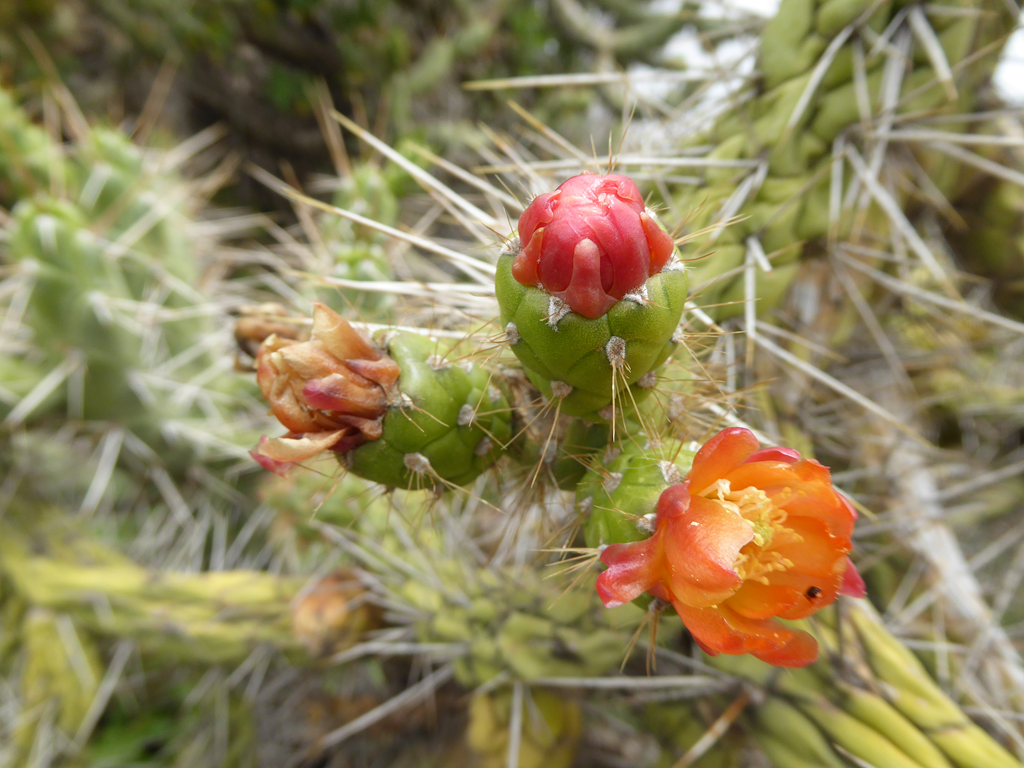
    But their flowers are very pretty.

    image

    There were also funky bugs.

    image_thumb3[1]

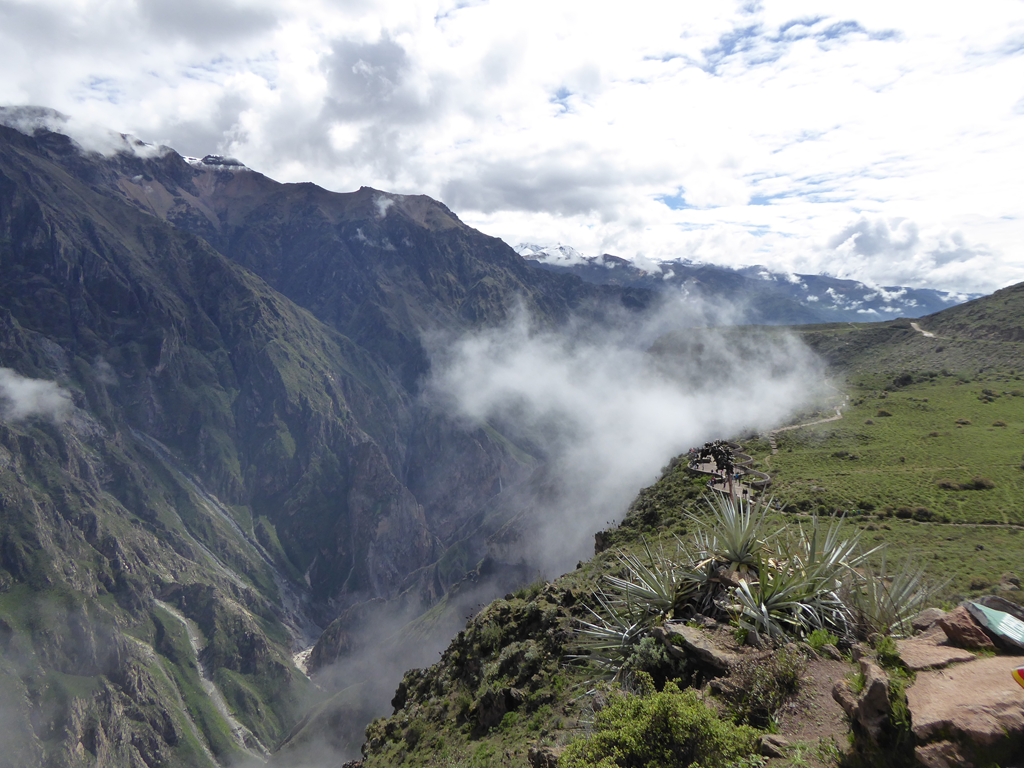
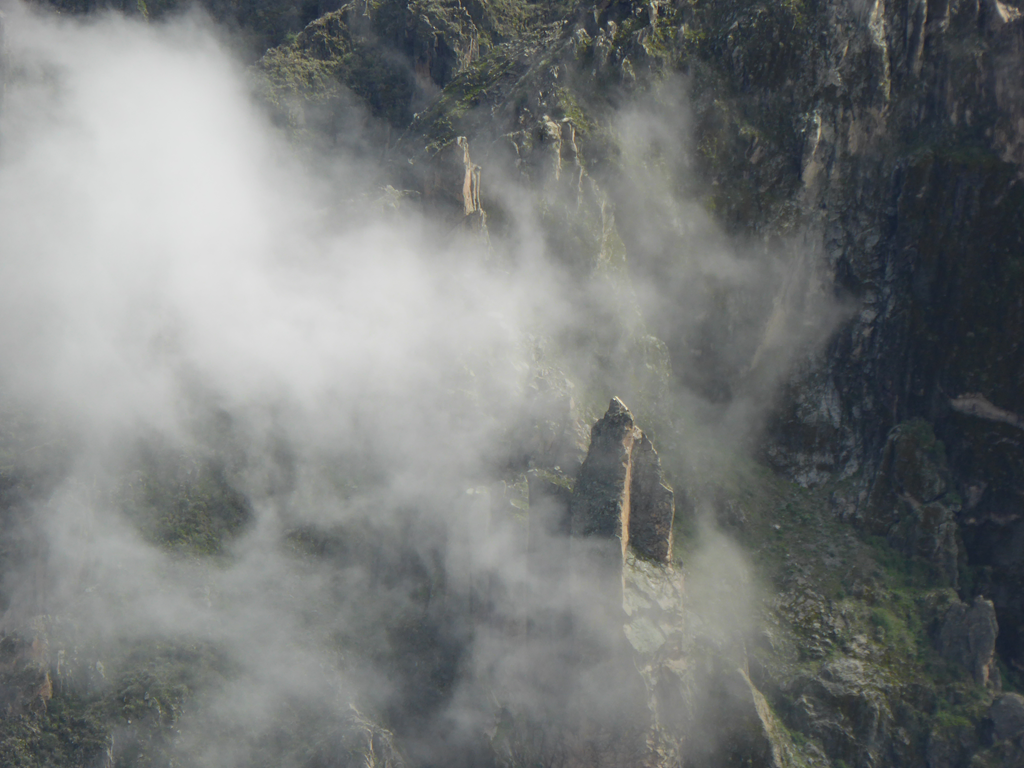
    About 9:15 AM clouds started to form in the canyon.
    image

    Then it started rising upward.

    image

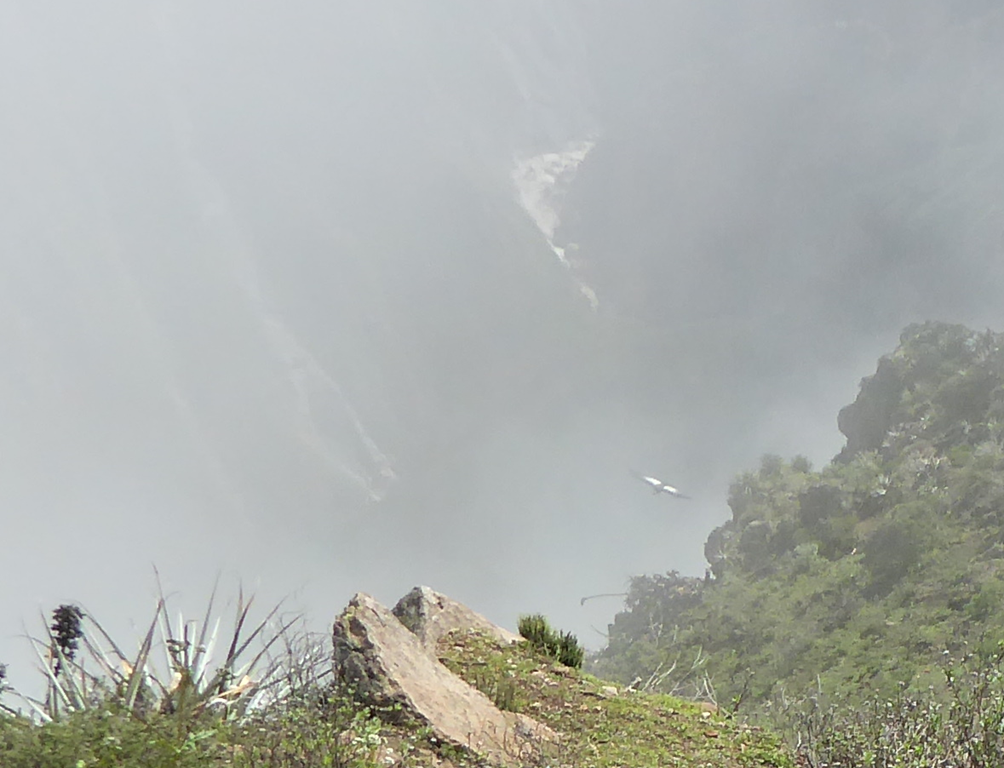
    It is these updrafts that the condors ride. They nest high in the cliffs, then glide slowly in circles as the drafts take them upward. This saves energy because they don’t have to flap their giant wings.
    image

    Condors are the world’s second largest bird by wingspan, averaging about 3m.
    image

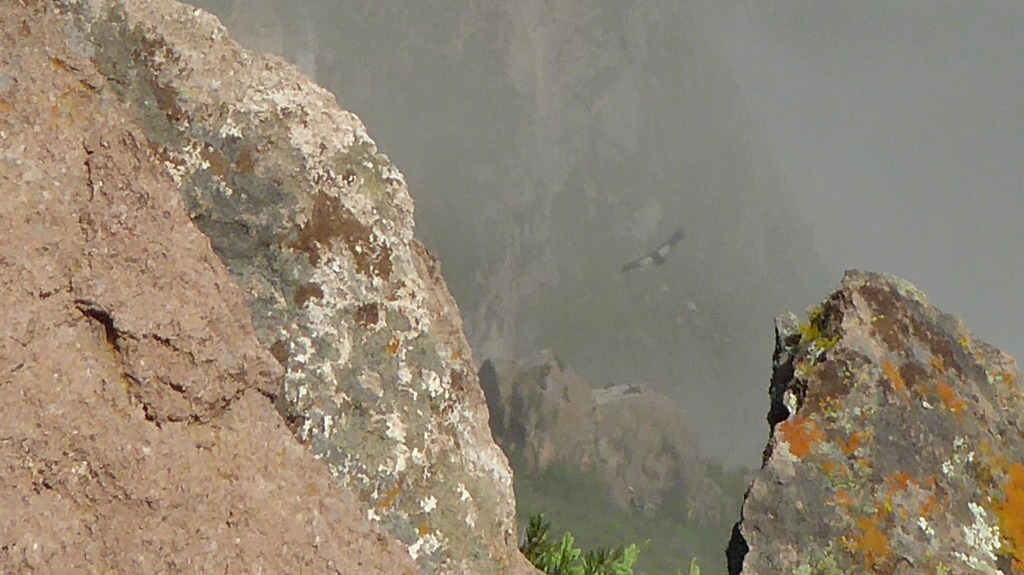
    At this viewpoint, you could barely see anything through the crowd. But then two large condors flew right past us. We did not have the camera out.
    image

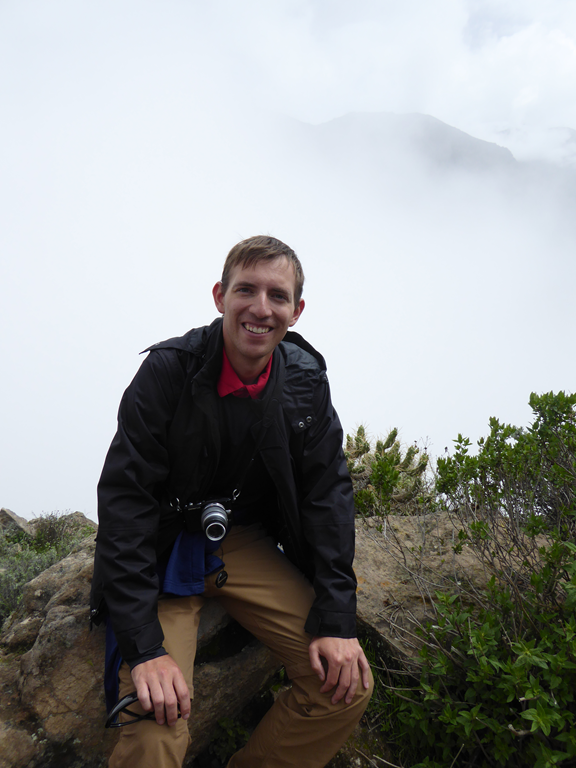
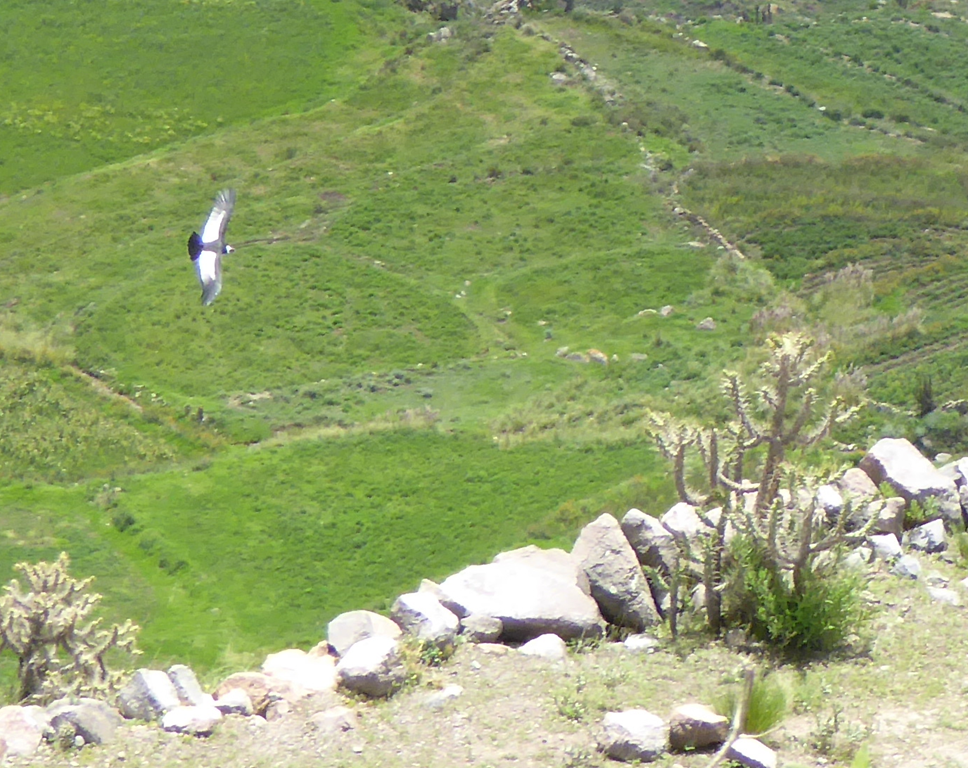
    The white patches on the wings don’t appear until they are adults. This one is probably a male because they are very prominent.
    image

    You can also tell he is a male because he has a comb on the back of his head.
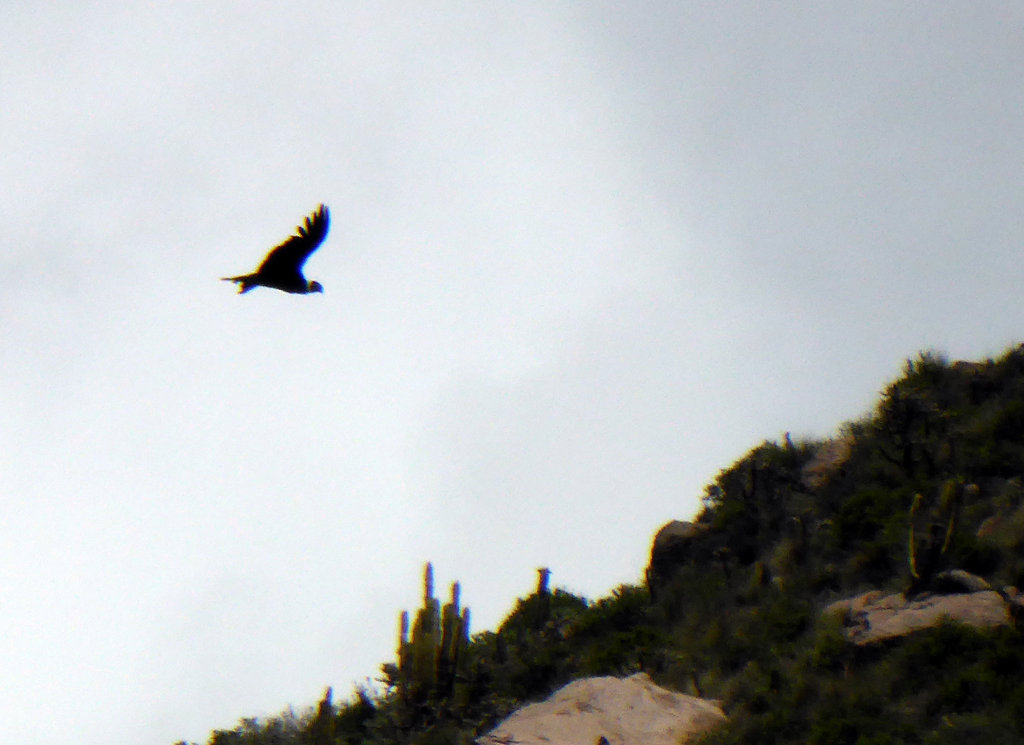
    image

    The heads are bald and quite ugly looking, so it’s OK we didn’t get a picture up close.
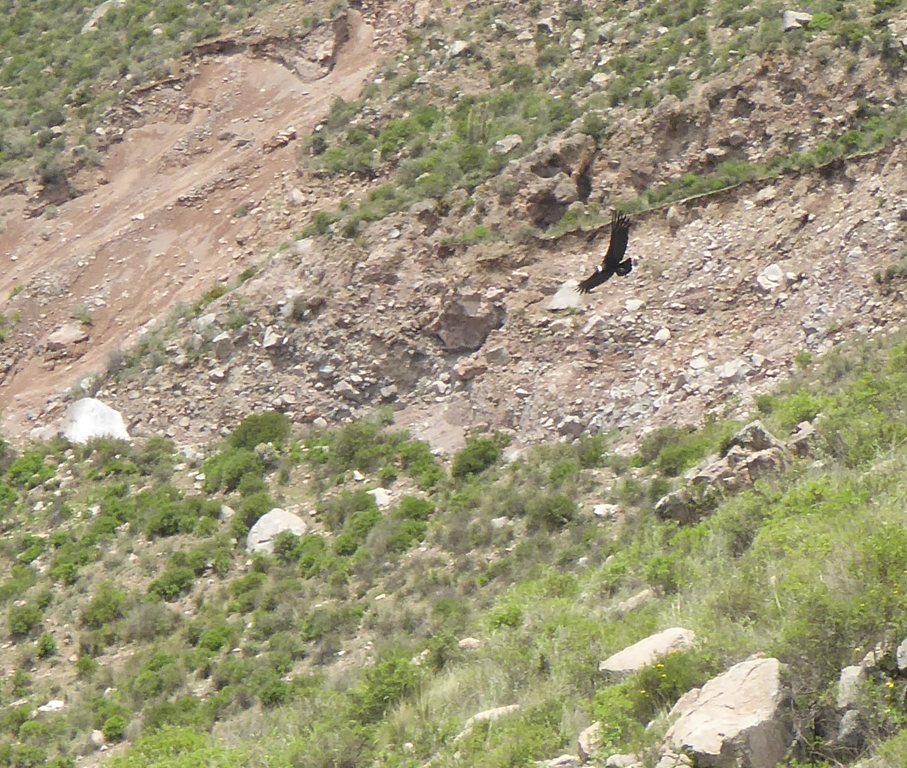
    image

    They are very popular as a symbol, and are on the coat of arms of Ecuador, Chile, Columbia, Bolivia and Peru.
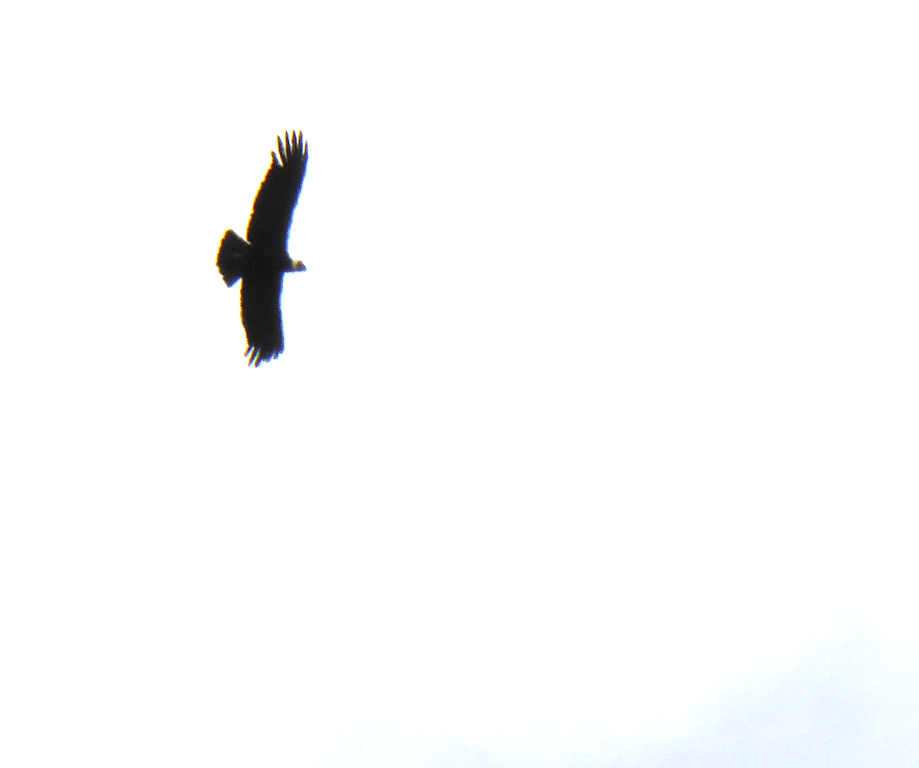
    image

    This is because they look very majestic flying (and not flapping) and because they mate for life.
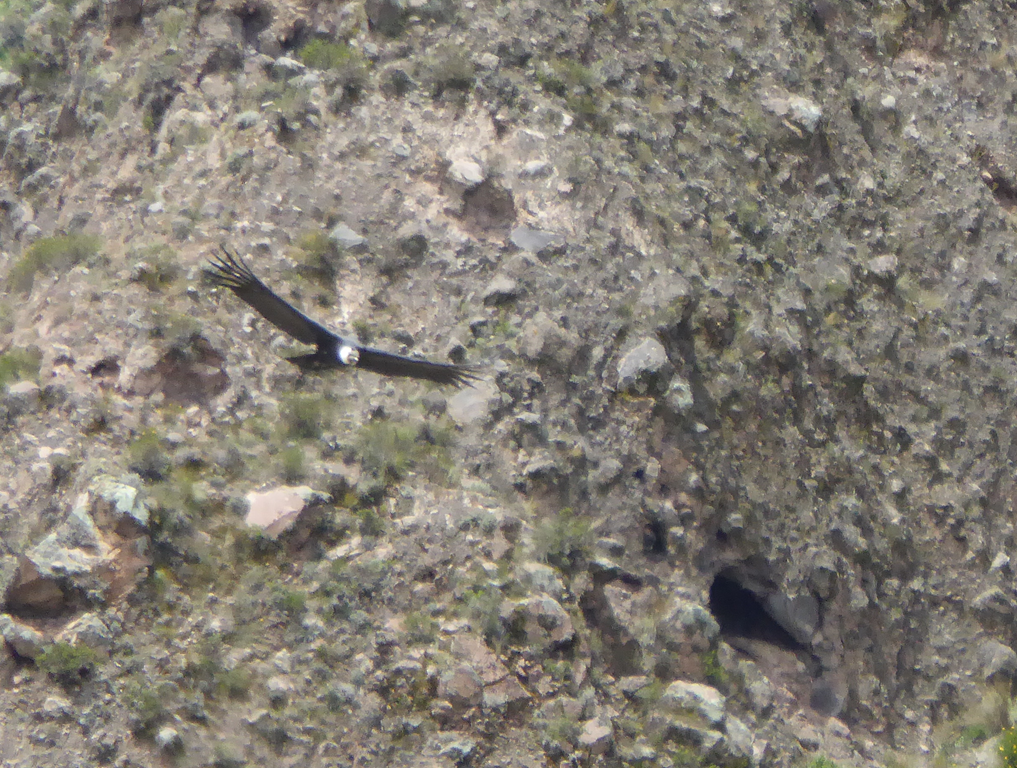
    image


  • The Route to the Colca Canyon

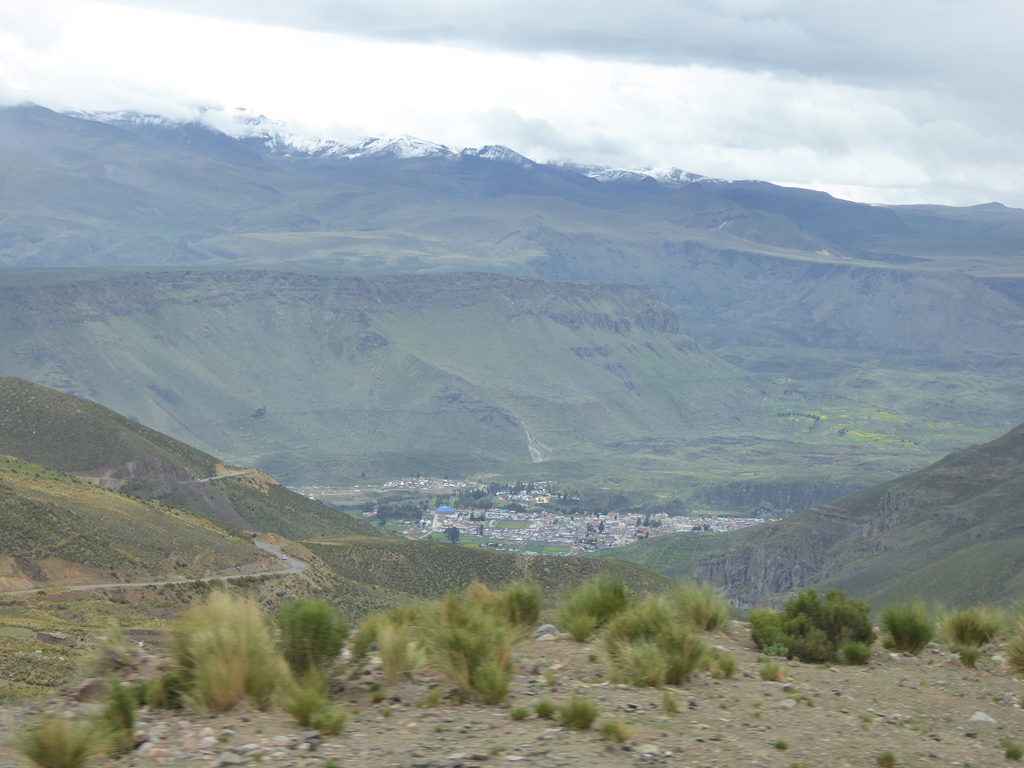
    This is the town of Chivay in the mountains and where we stayed for a night.

    image

    It has 8000 people, all farmers. (Though there is a growing tourism industry for the Colca canyon).

    image

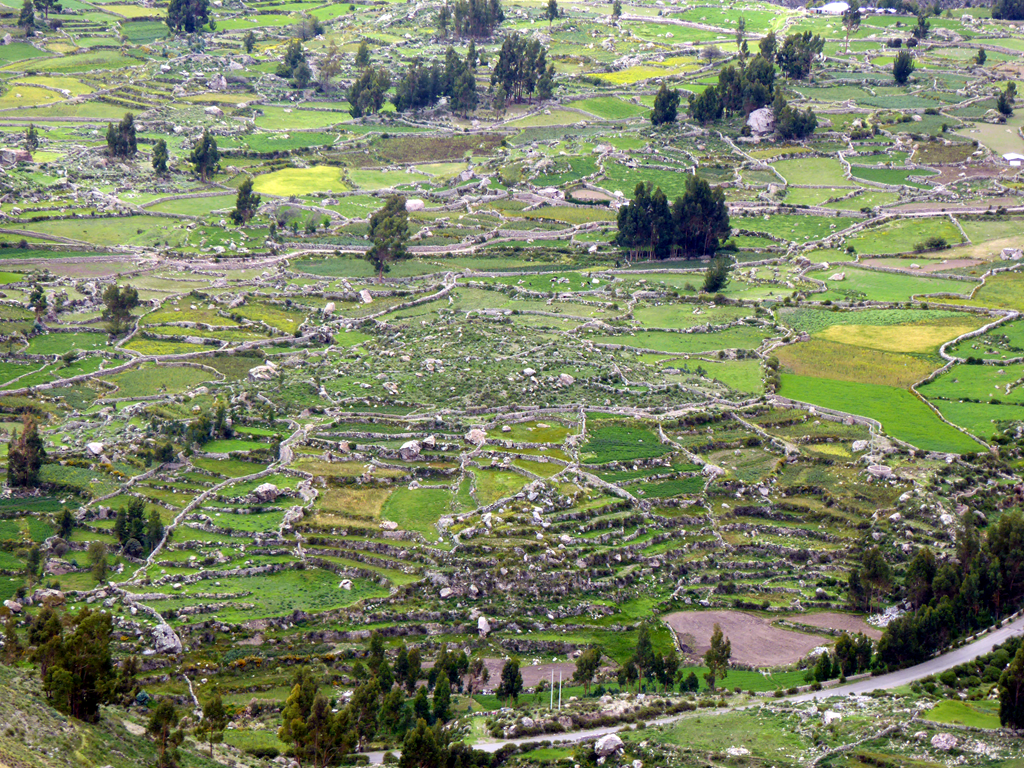
    The farms (and walls) are over 600 years old.

    image

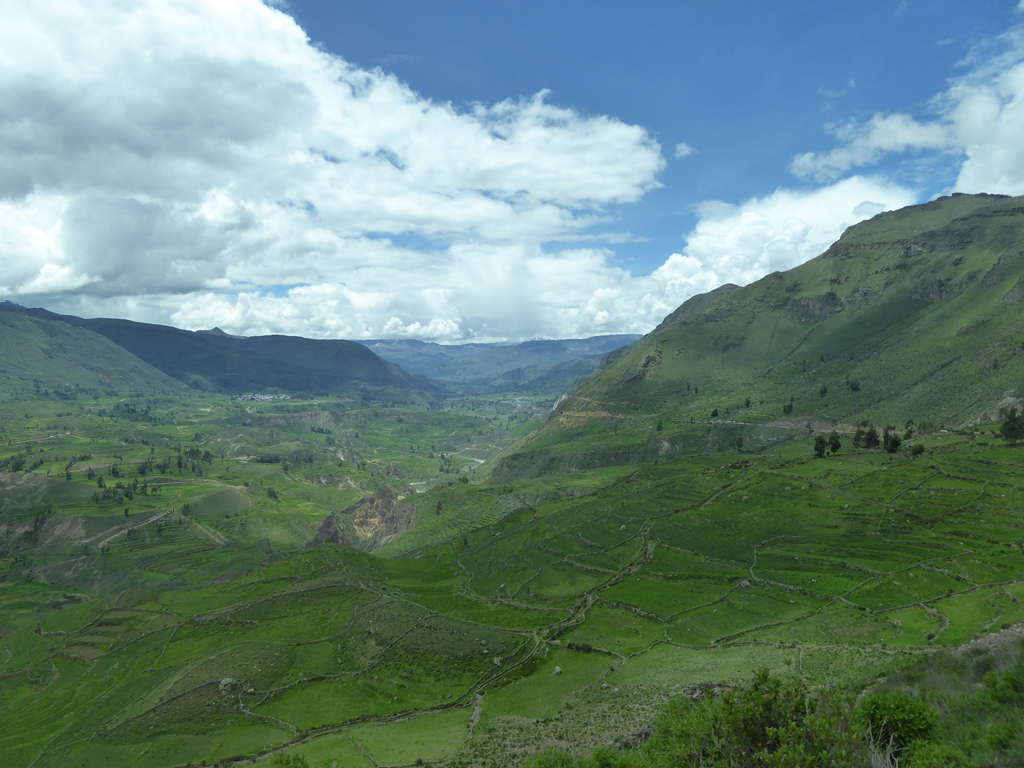
    Everywhere you looked there were terraces.

    image

    Since we were here in the rainy season everything was still green and growing.

    image

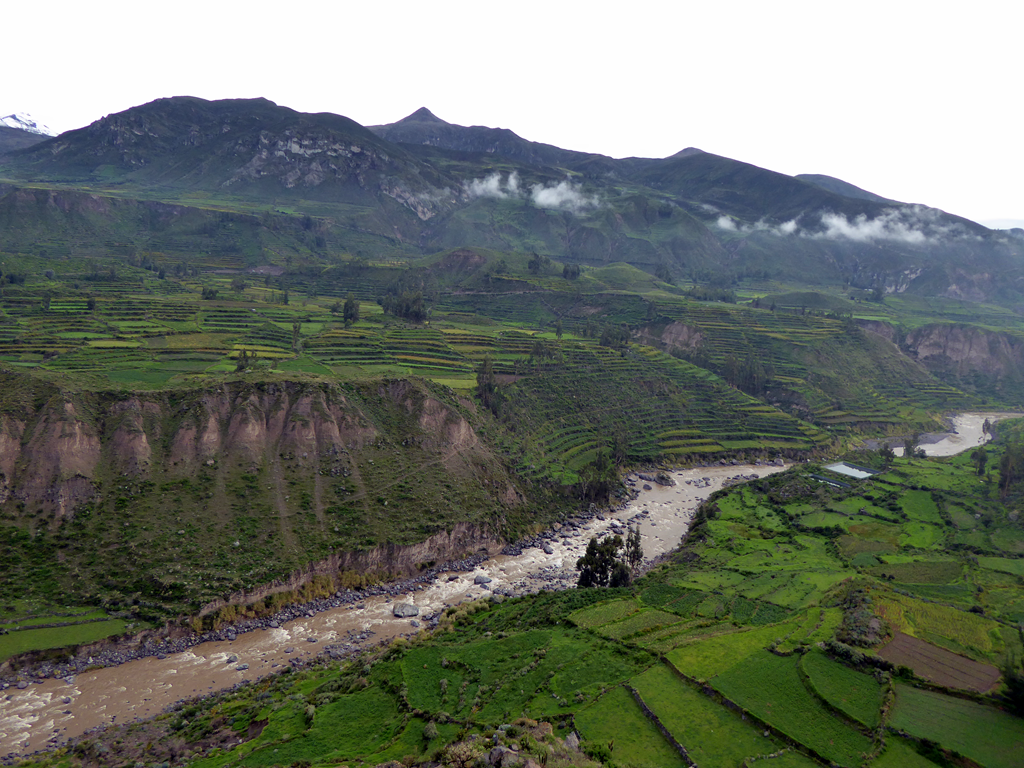
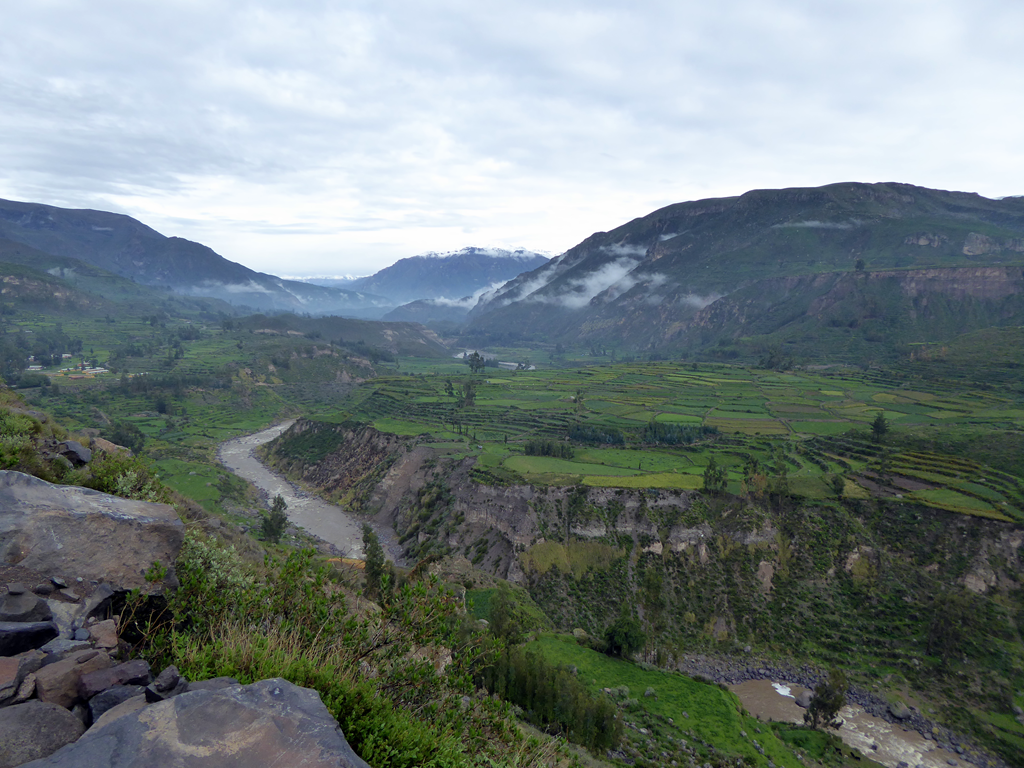
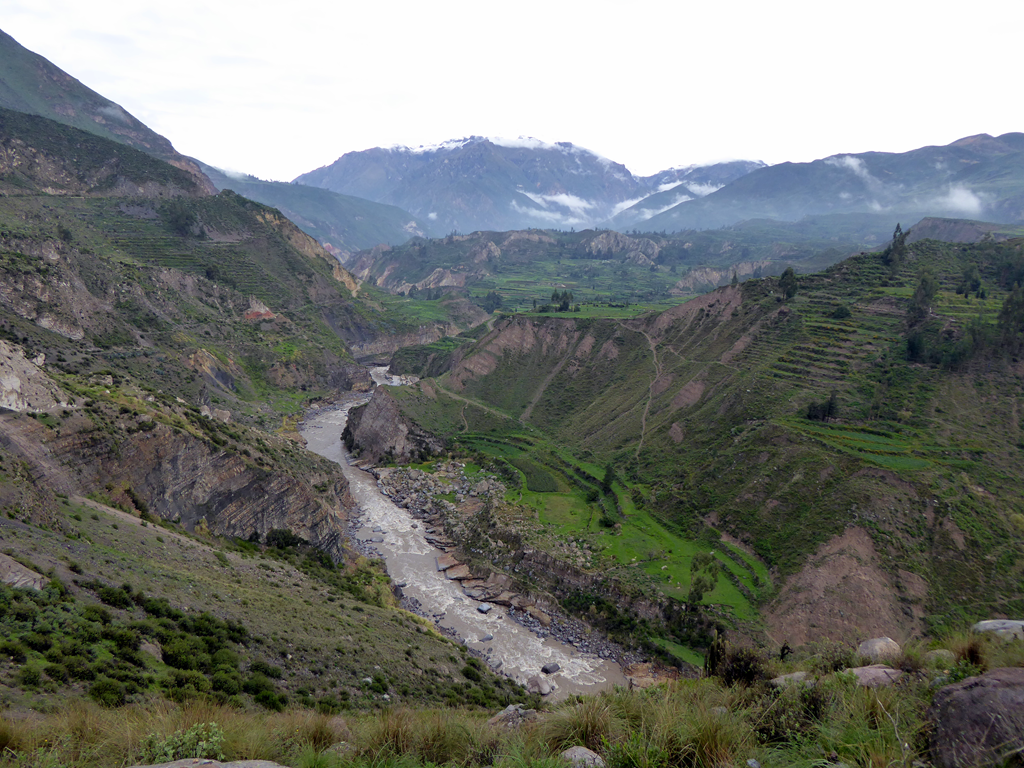
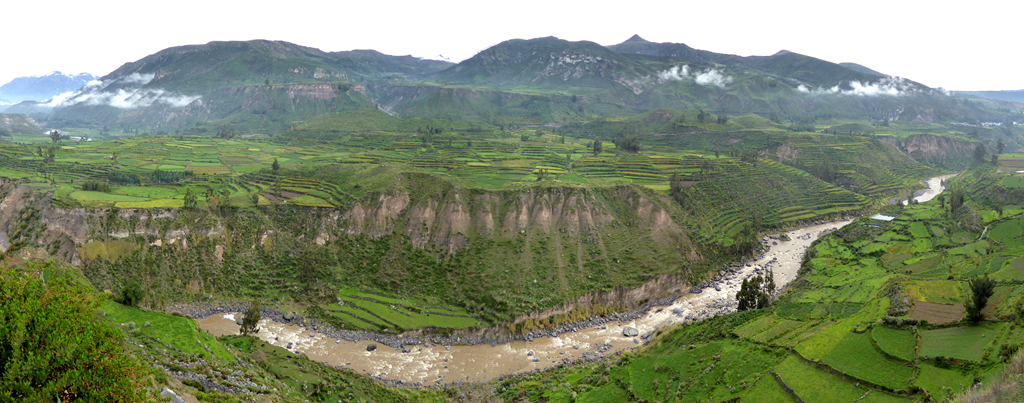
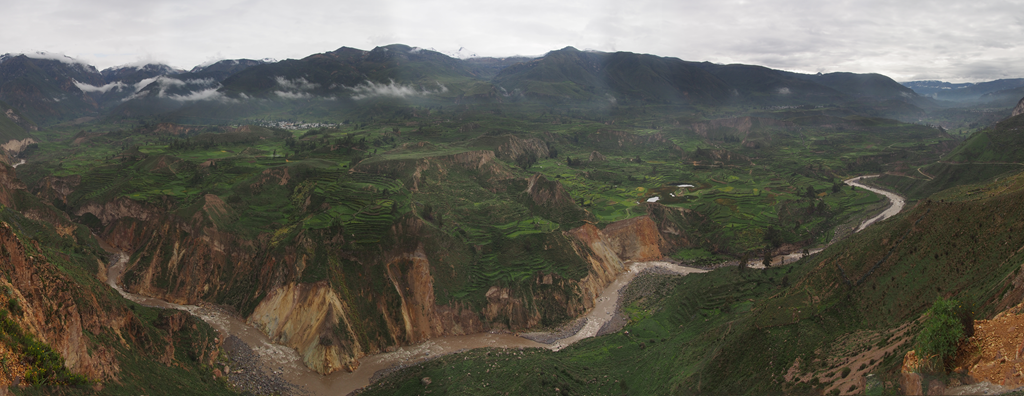
    We had many stops along the way to check out the canyon as the river wound through area.

    image

    The whole valley is quite deep so the views were spectacular.

    image

    The Colca canyon is one of the deepest canyons but the sides are much more gradually slopped as opposed to the grand canyon which have very vertical sides. This is partially due to the seismic activity in the area which regularly causes rockslides and workers were clearing the road from some debris that had fallen recently.

    image


  • Highest Point

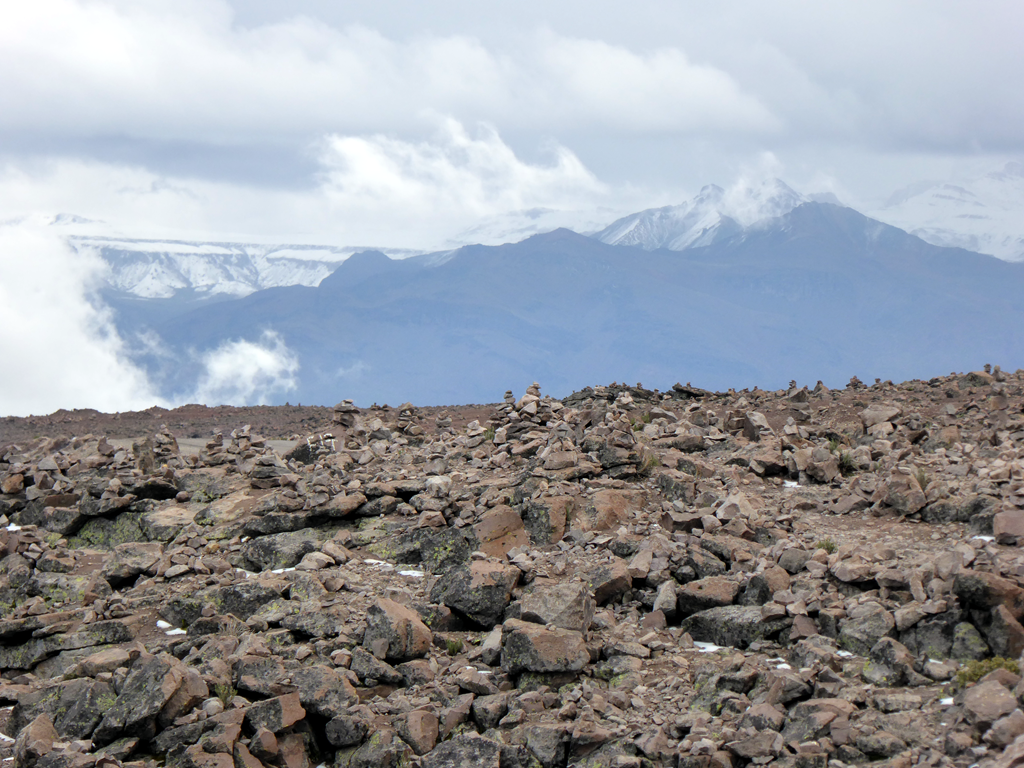
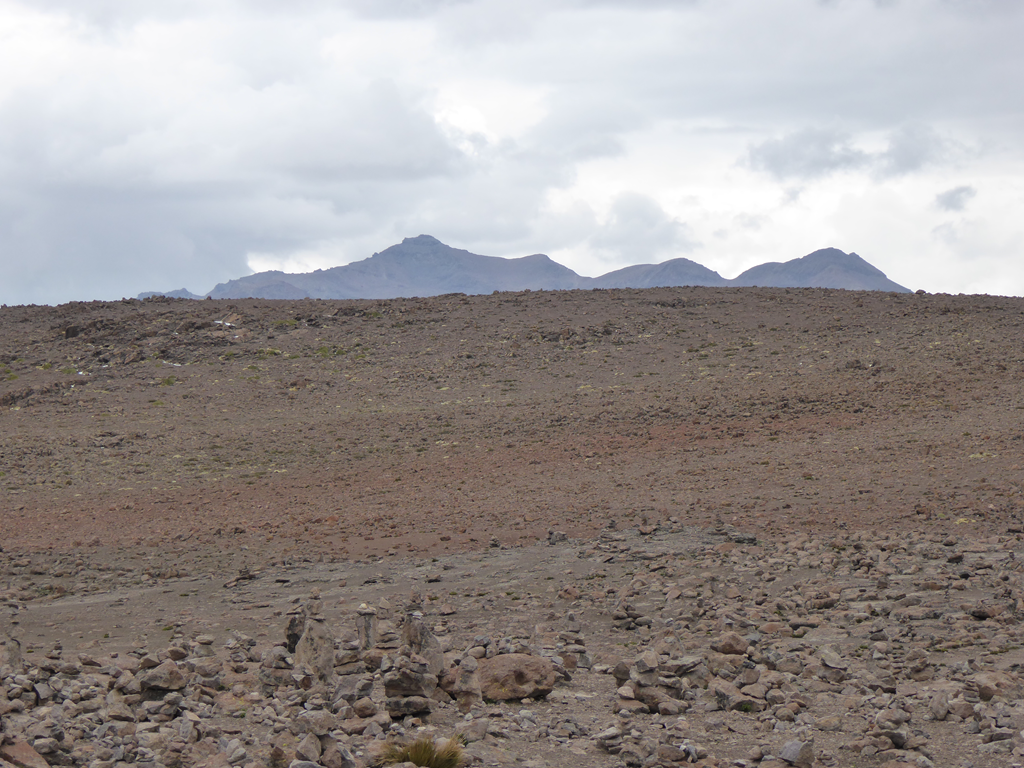
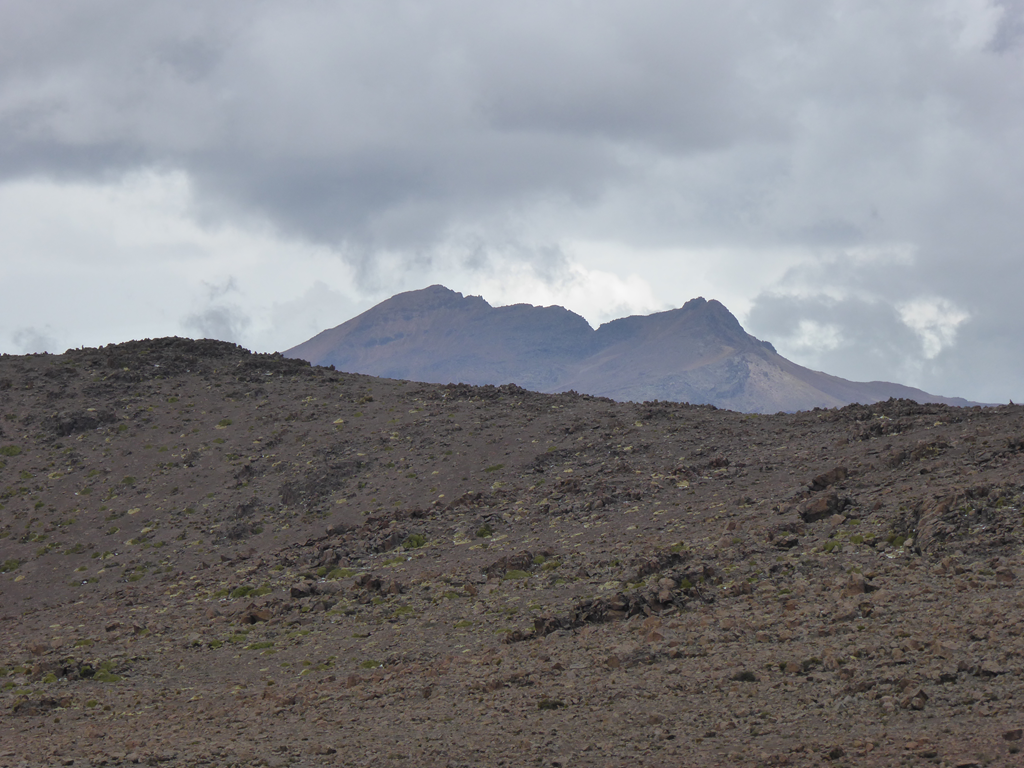
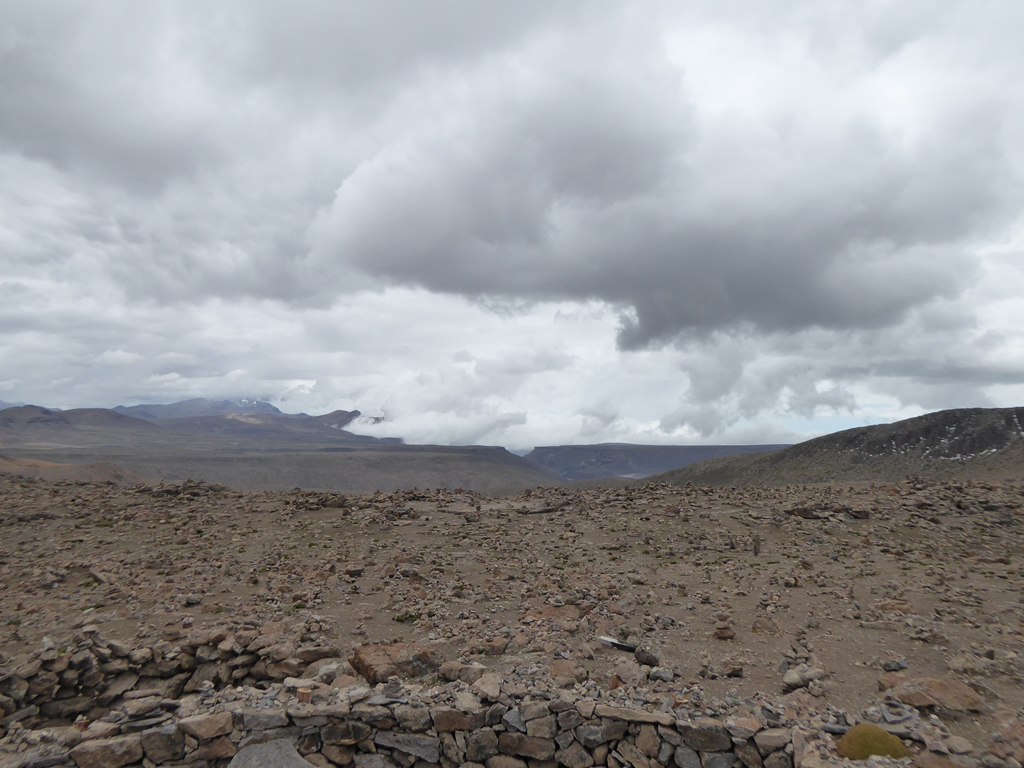
    This is the highest point we are likely to reach on our trip, at 4910m above sea level. It is over 500m higher than the highest point in the rockies, and 741m higher than Mauna Loa, our previous highest point. From here you can see several even higher points.

    This is Vulcan Hualca Hualca, which is 6025m.

    image

    This is Vulcan Sabancayo, at 5976m.

    image

    This is Volcan Ampato, at 6288m.

    image

    This would be Volcan Chachani, at 6075m.

    image

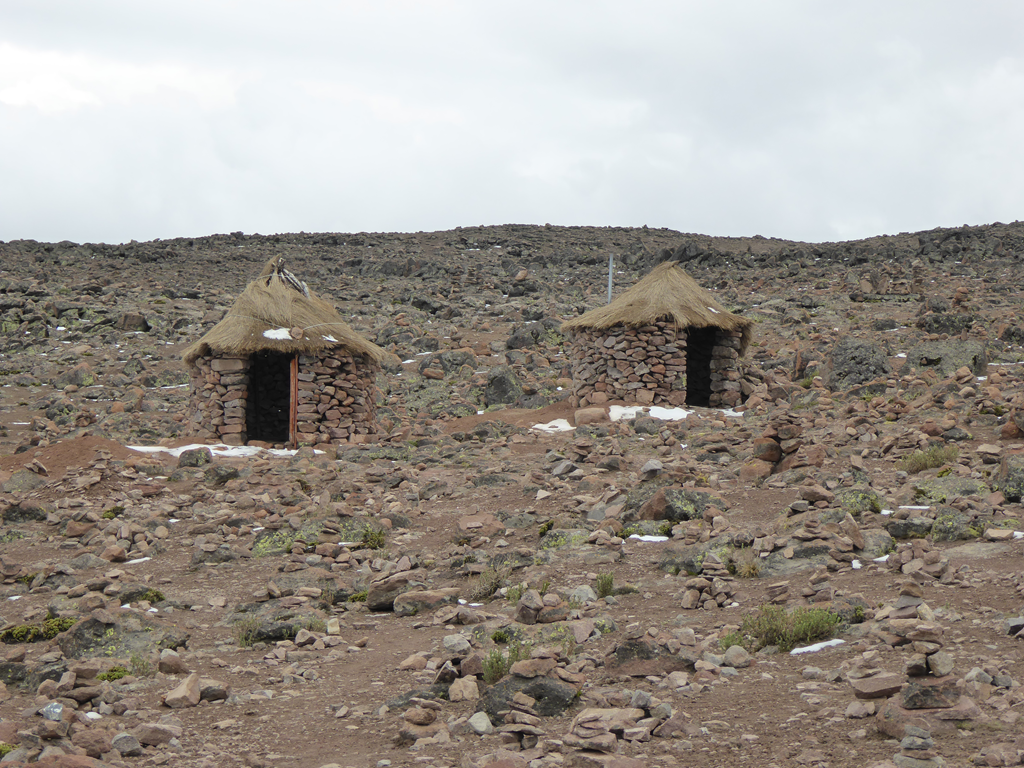
    These are the highest washrooms in Peru, at 4915m. They have no doors, and the toilet is just a hole in the ground.

    image

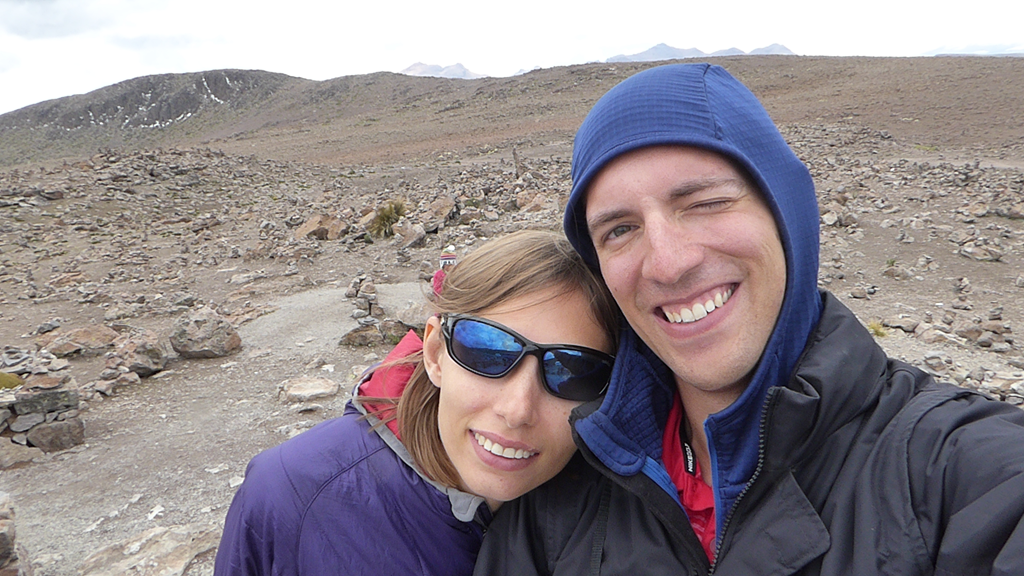
    This is Kerri and Matt, at 4912m.

    image


  • Pisco Sours

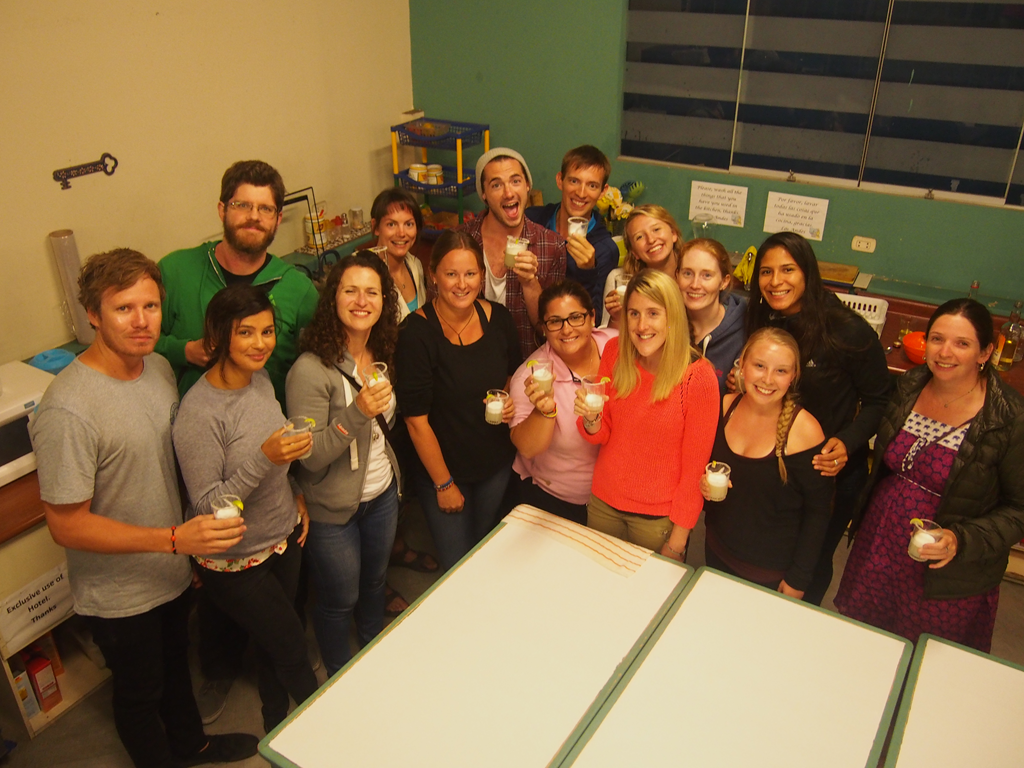
    This evening our group leader Carol taught us to make Pisco Sours.

    image

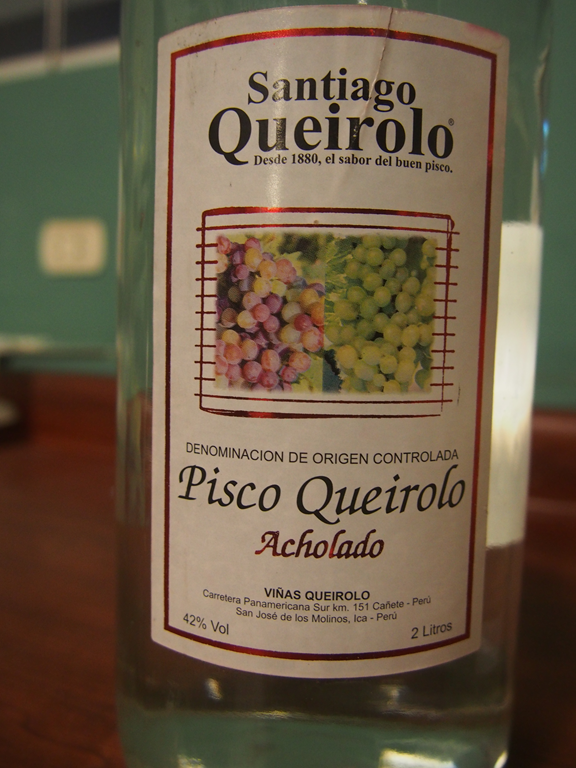
    Pisco is a type of white brandy. Grape wine is distilled to 42% alcohol. Pisco acholado is the best type to use for Pisco Sours, it is made from a blend of different types of grape. We used a 2L bottle but had 500mL left over.
    image

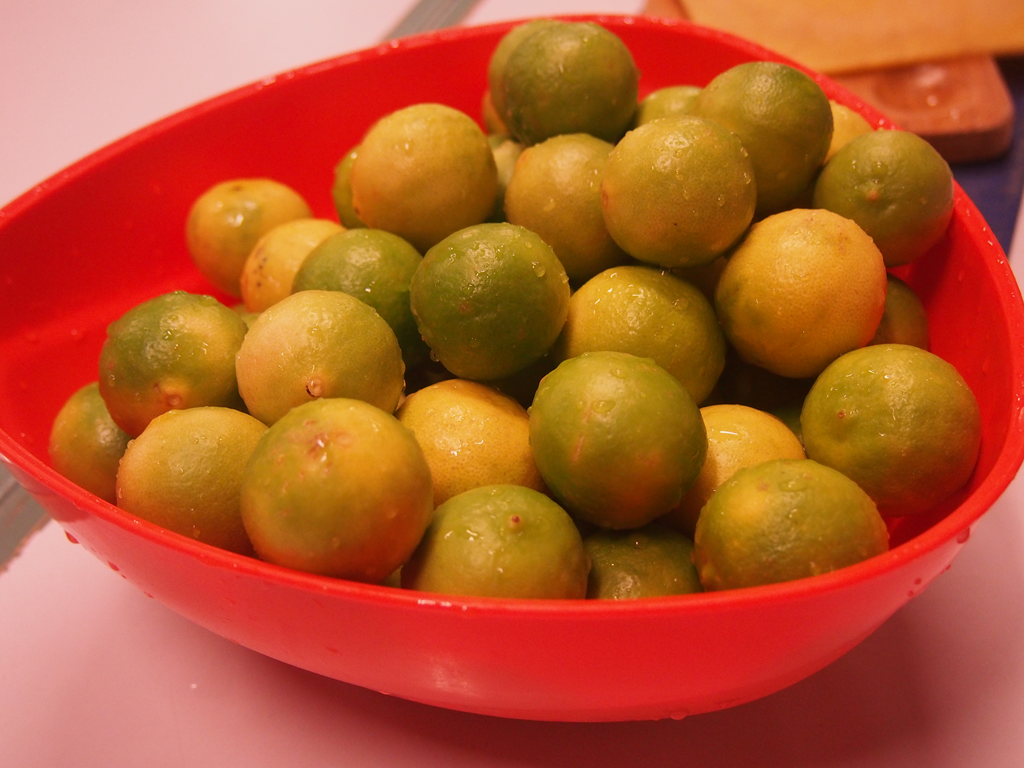
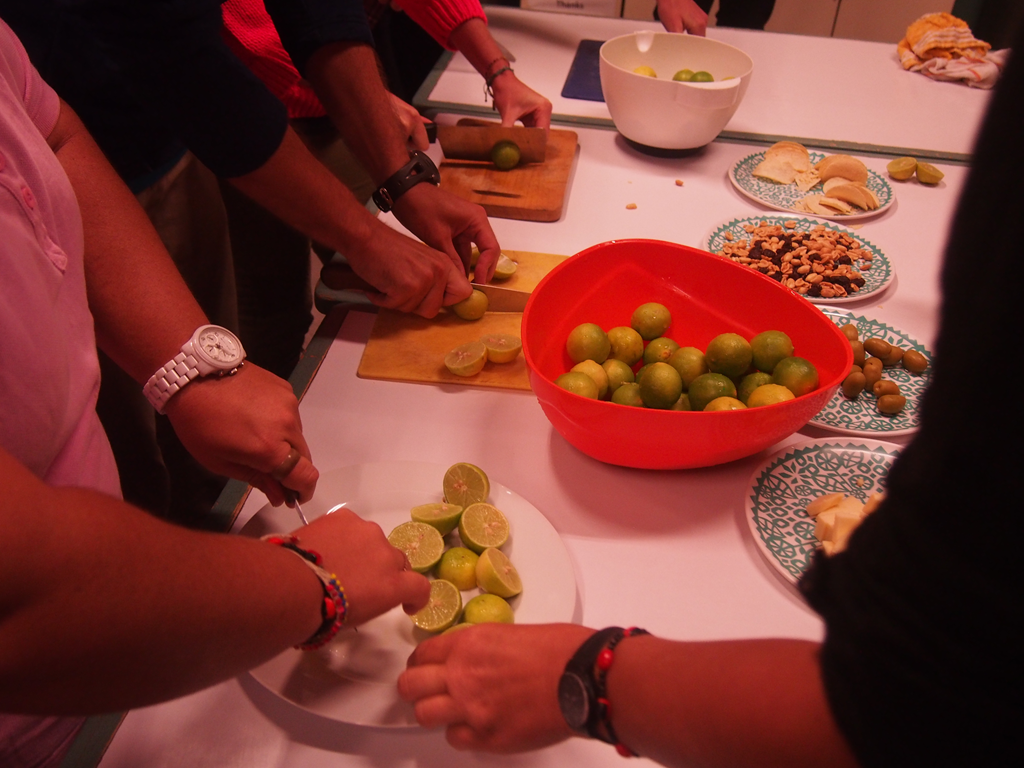
    We bought 3kg of limes for $4.80 at the local market.

    image

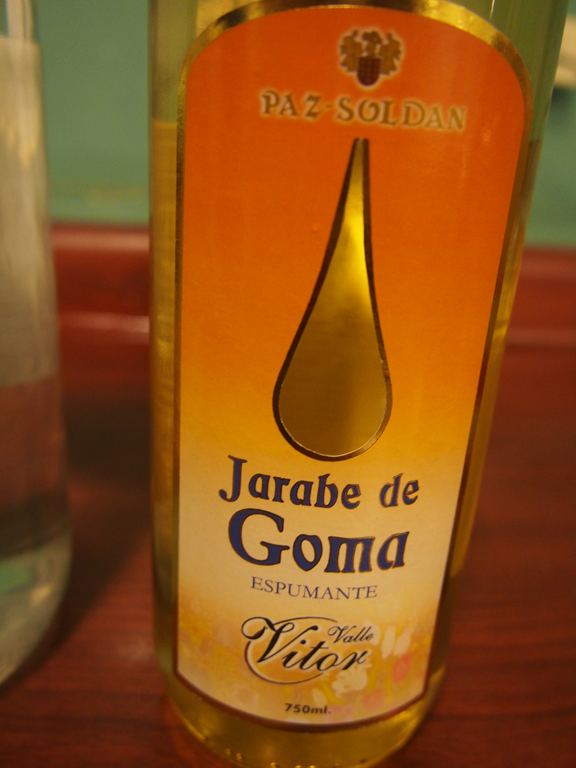
    750mL Jarabe de Goma (sugar syrup)

    image

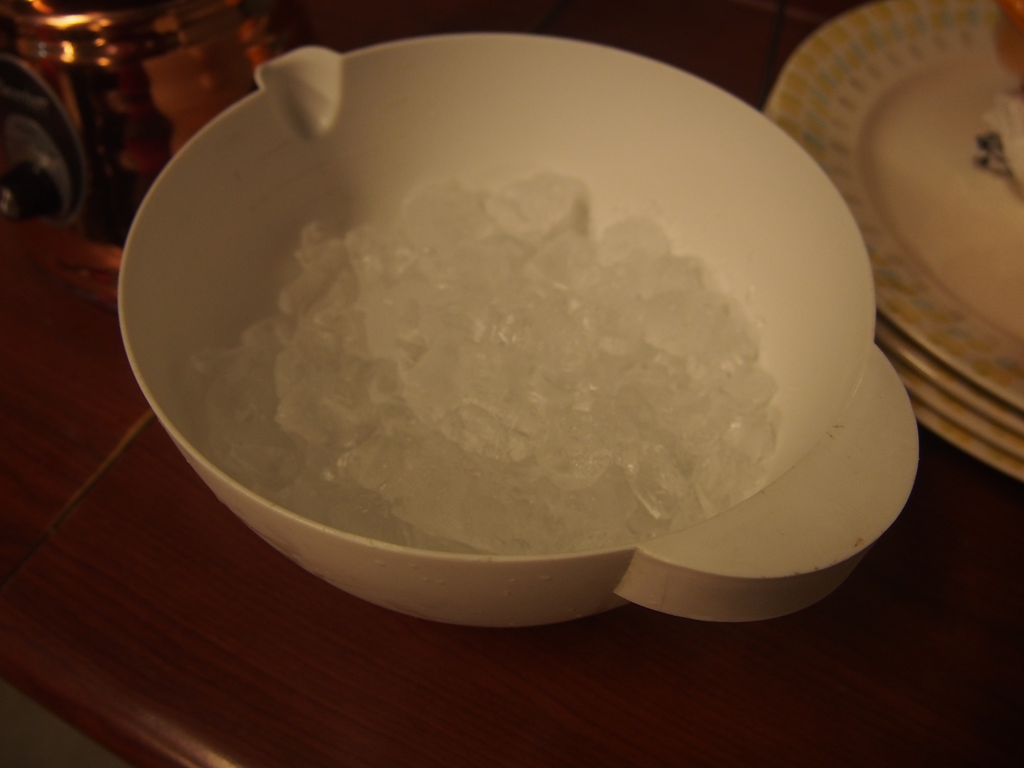
    1.5L of ice cubes

    image

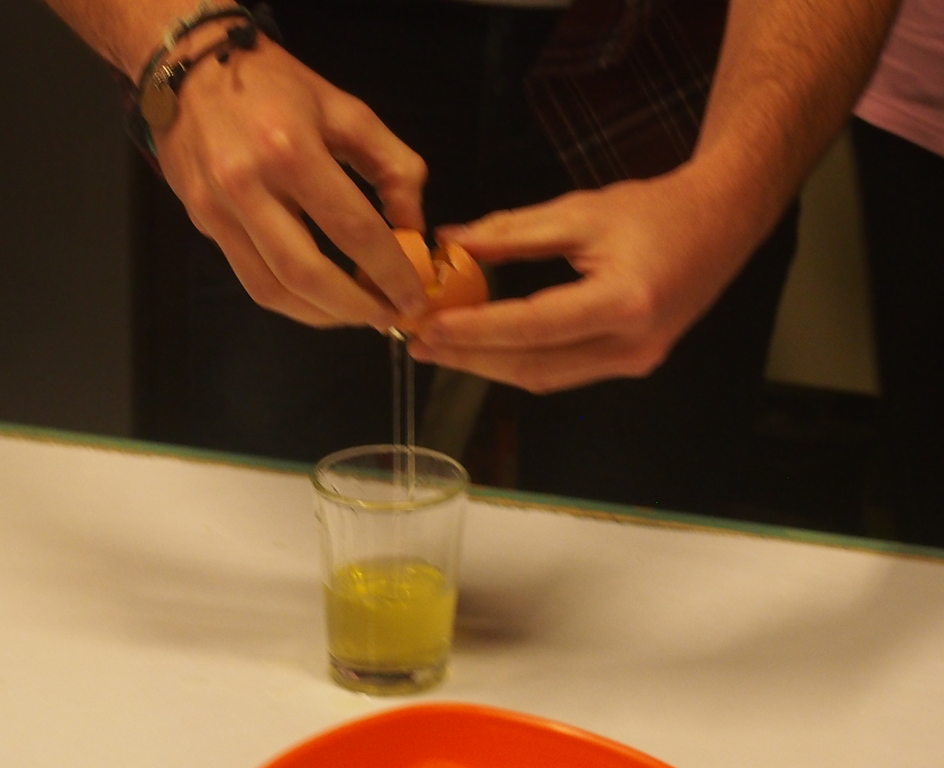
    2 egg whites.

    image

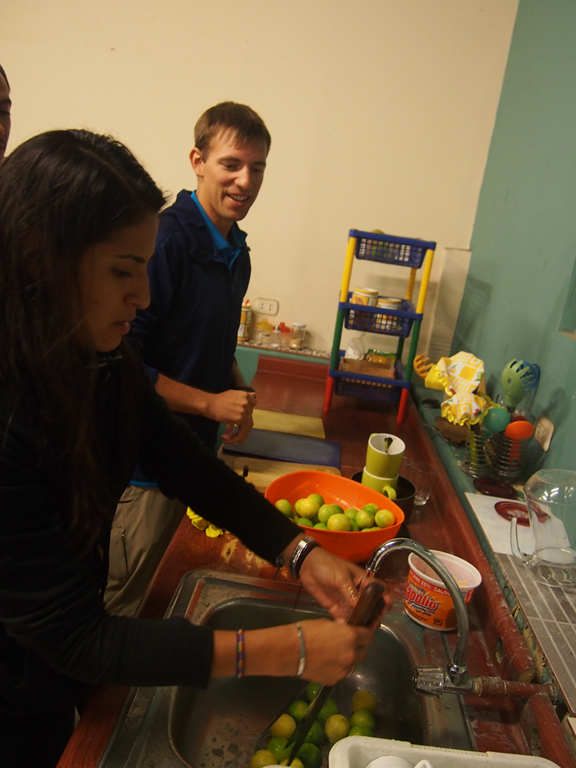
    Wash the limes.

    image

    Slice them in half.

    image

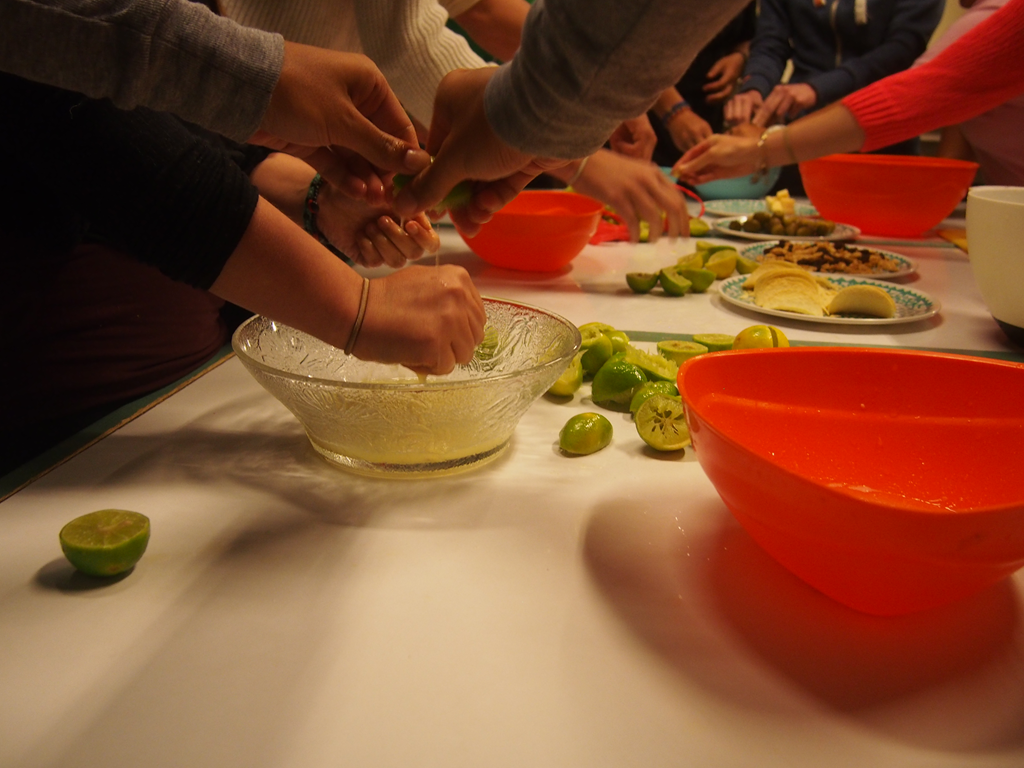
    Squeeze the juice into a bowl.

    image

    Do not squeeze too aggressively because you don’t want the bitterness from the peel.

    image

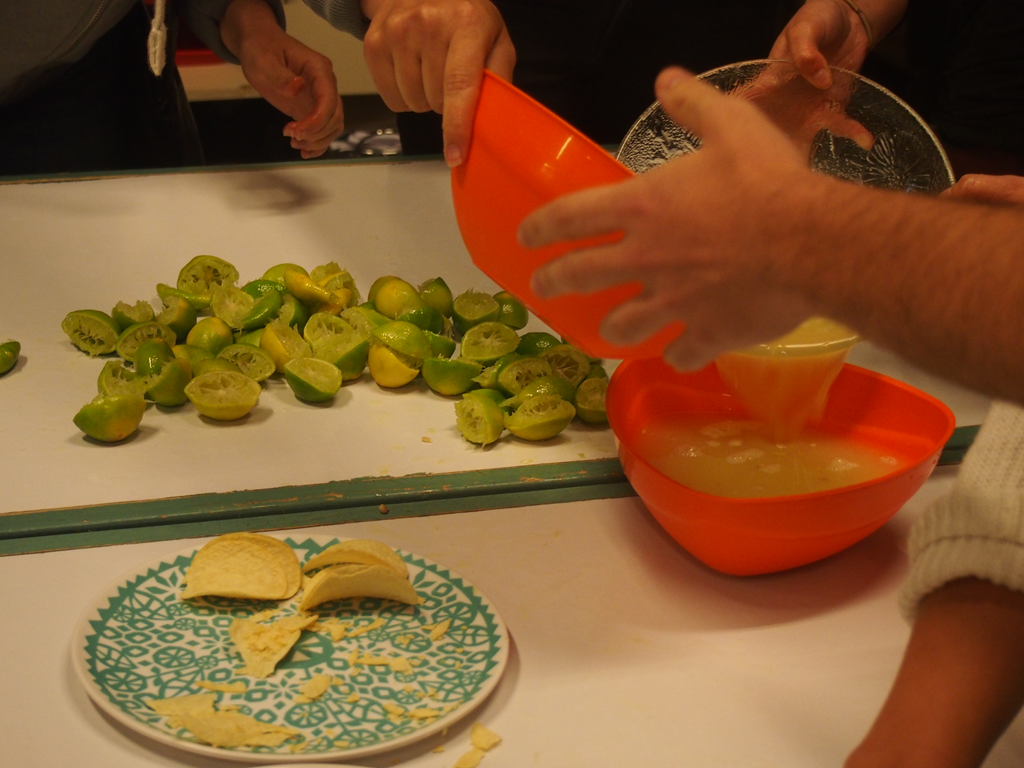
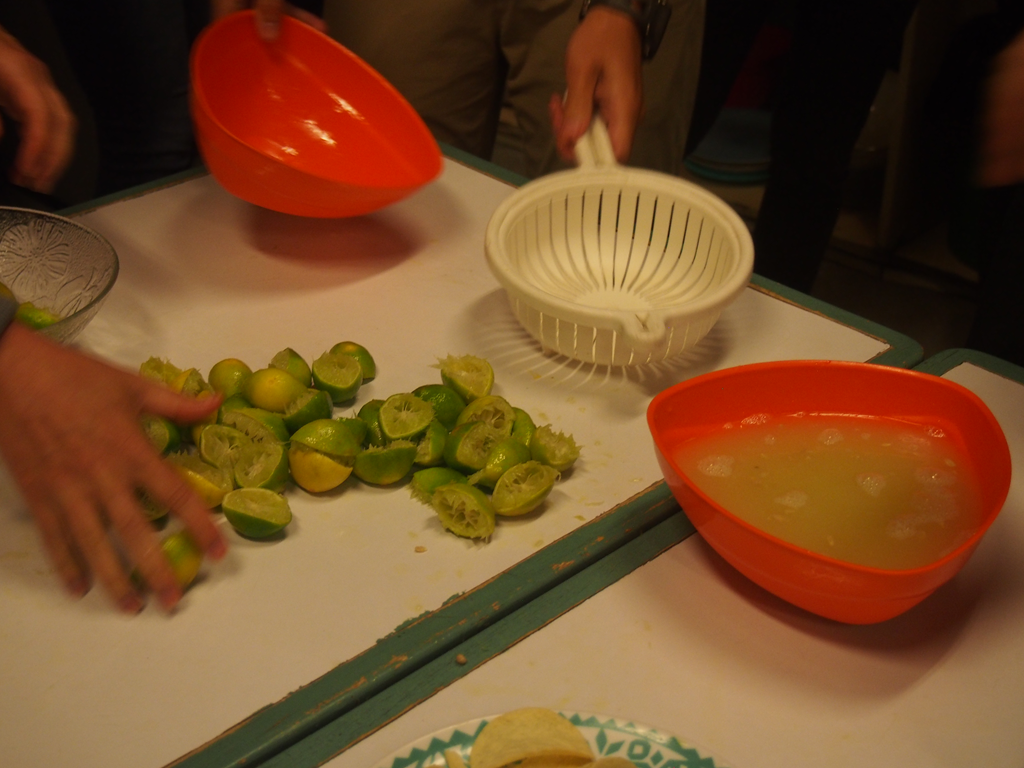
    Strain the lime juice.

    image

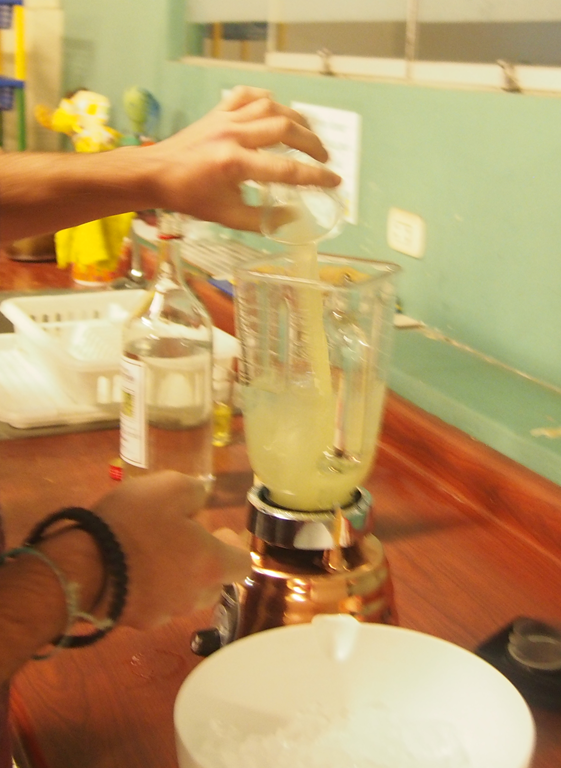
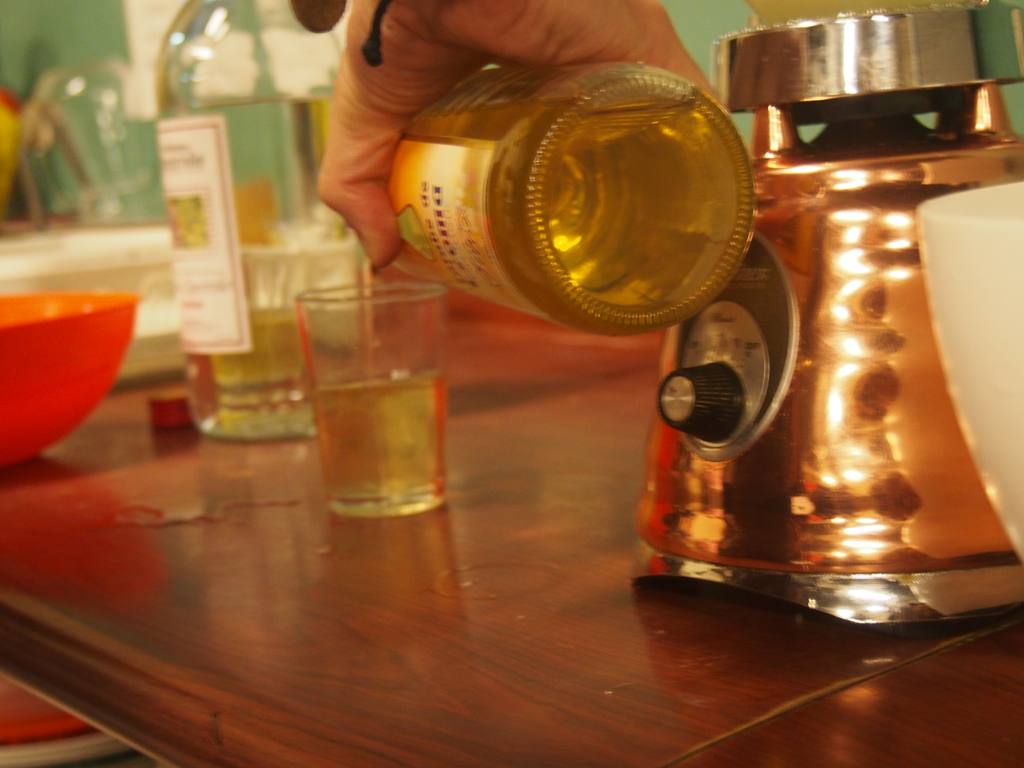
    Into a blender pour 3 parts pisco, 2 parts lime juice, 1 part syrup.

    image

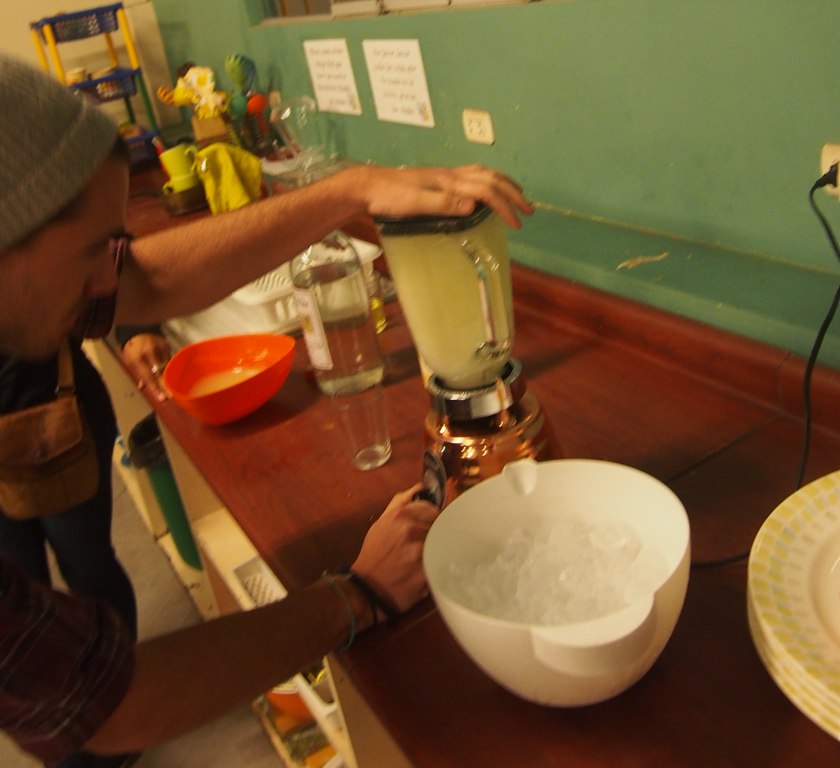
    Blend for 10 seconds.

    image

    Taste. Add more syrup if necessary .

    image

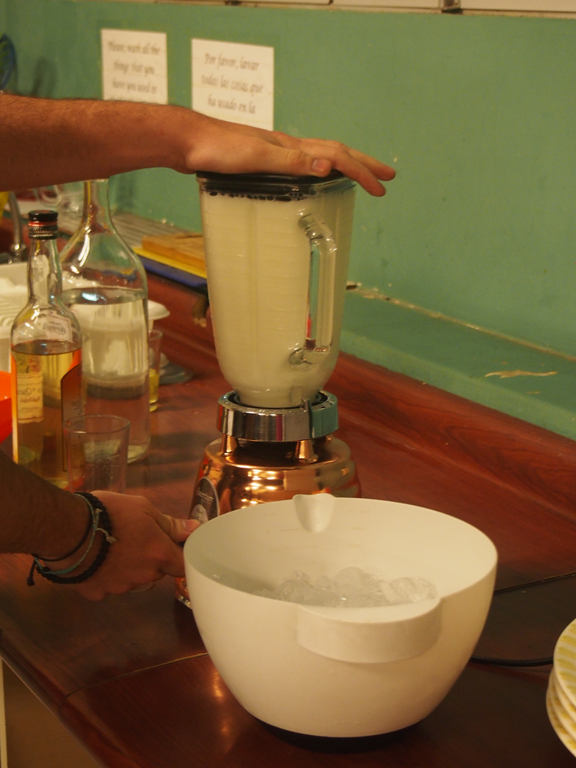
    Add ice and a small amount of egg white and blend.

    image

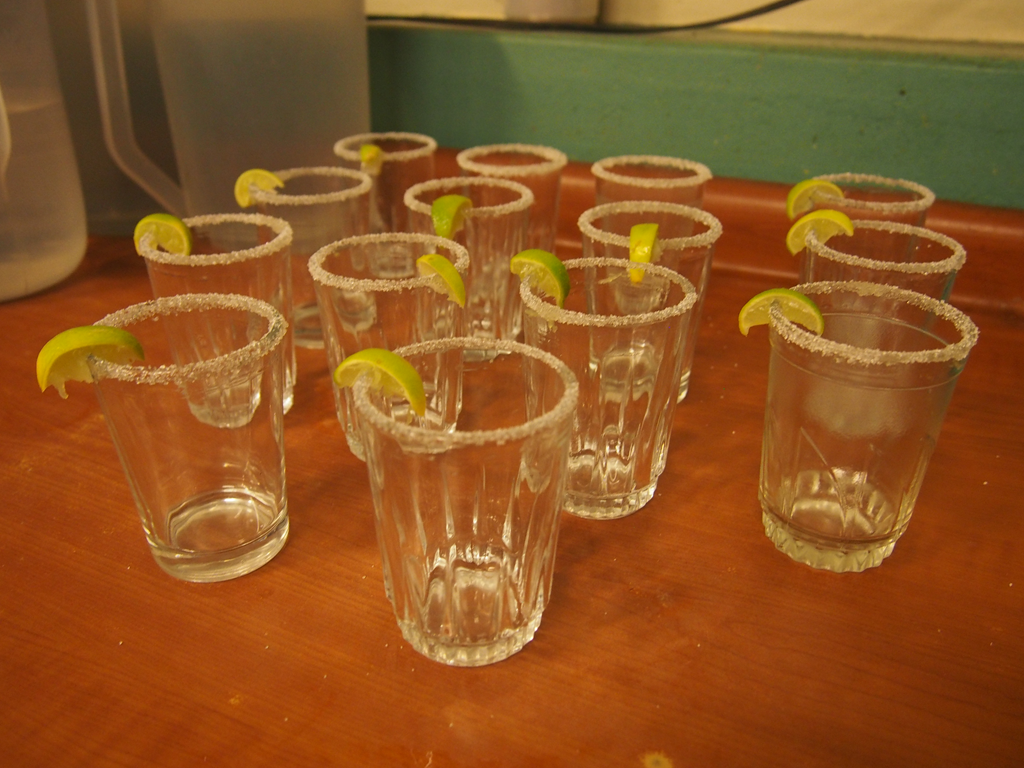
    Pour into glasses. We garnished the glasses with sugar and lime slices.

    image

    Before drinking you have to do the traditional toast.

    Hold glass up high: Arriba!

    Hold glass low: A bajo!

    Hold glass in the middle: A centro!

    Drink: Al dentro!


  • Arequipa Market

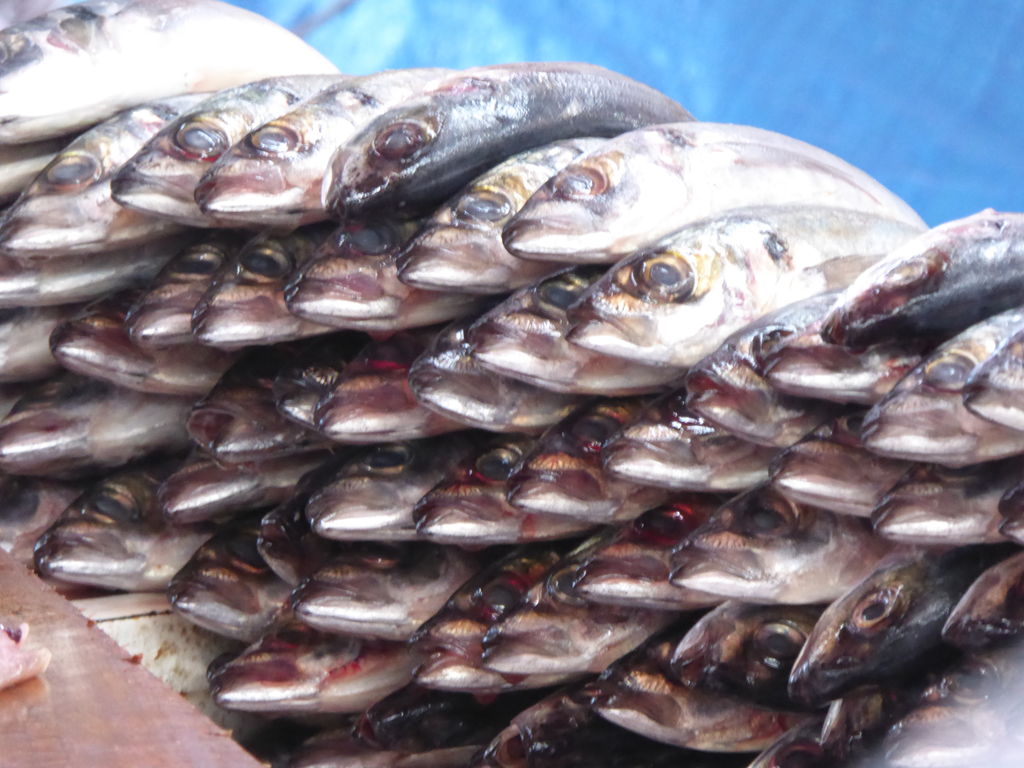
    As a part of our orientation and walking tour we went to the market. It was very organized into different areas. Those for fish.

    image

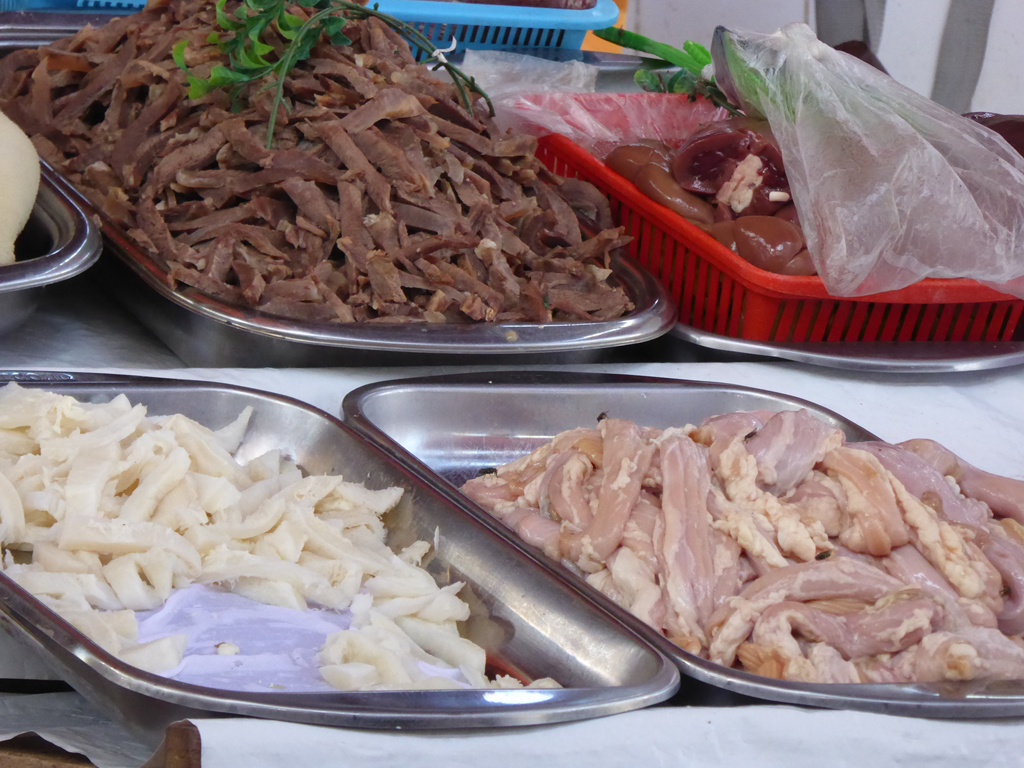
    The area for organ meats.

    image

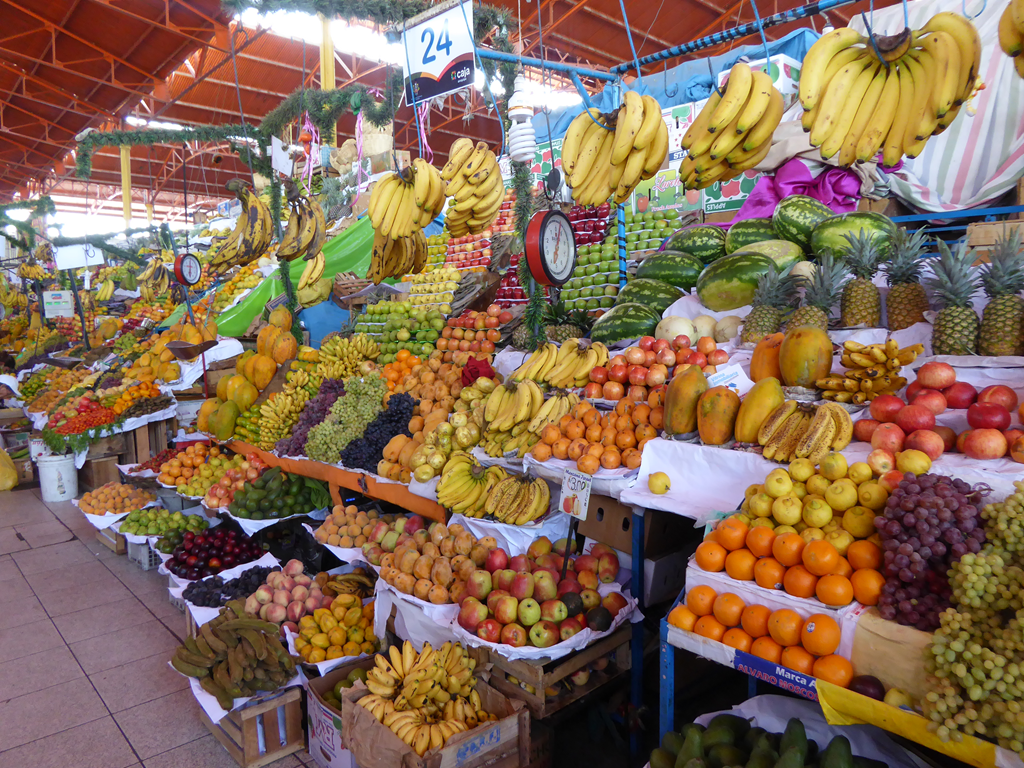
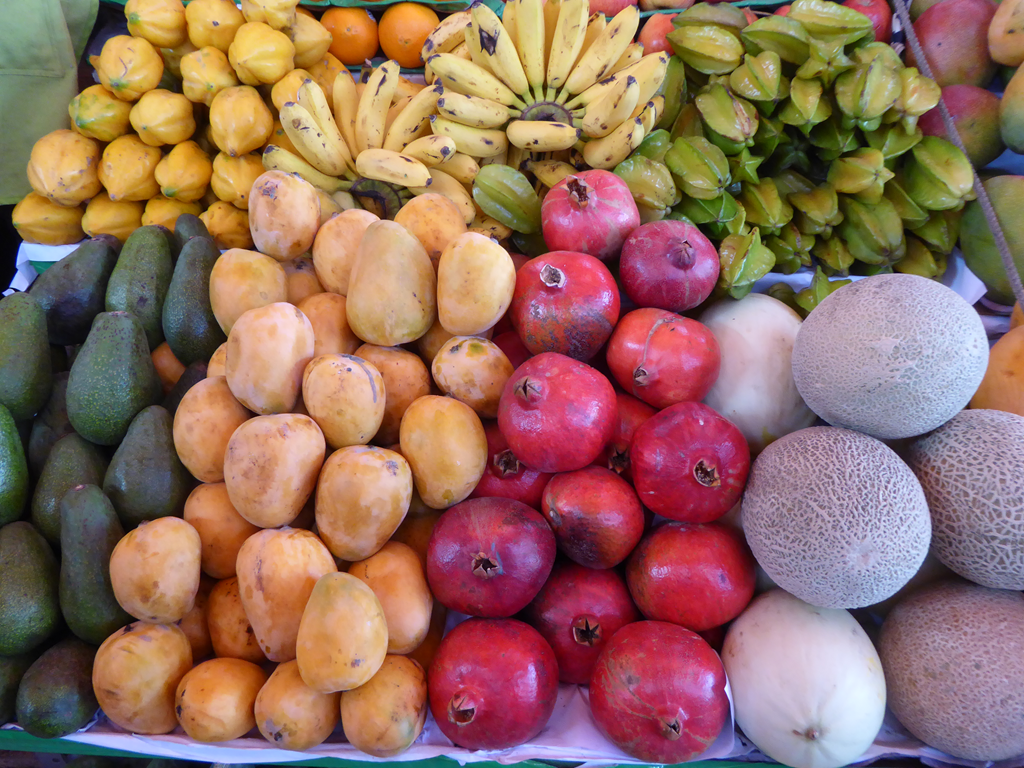
    The beautiful area for fruits. They also were the nicest looking fruits we had seen so far. The pomegranates needed to be eaten but we kept it to just buying one to eat that night.

    image

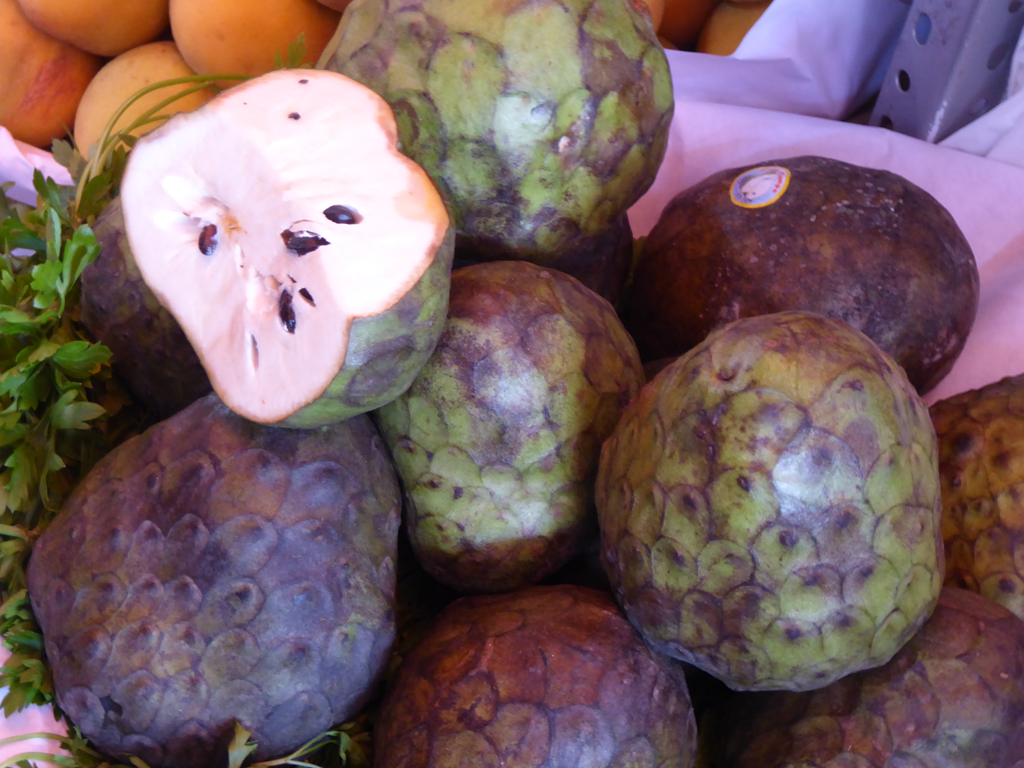
    This was a fruit from the coast valley called chirimoya, but didn’t have any so no idea what it tastes like.

    image

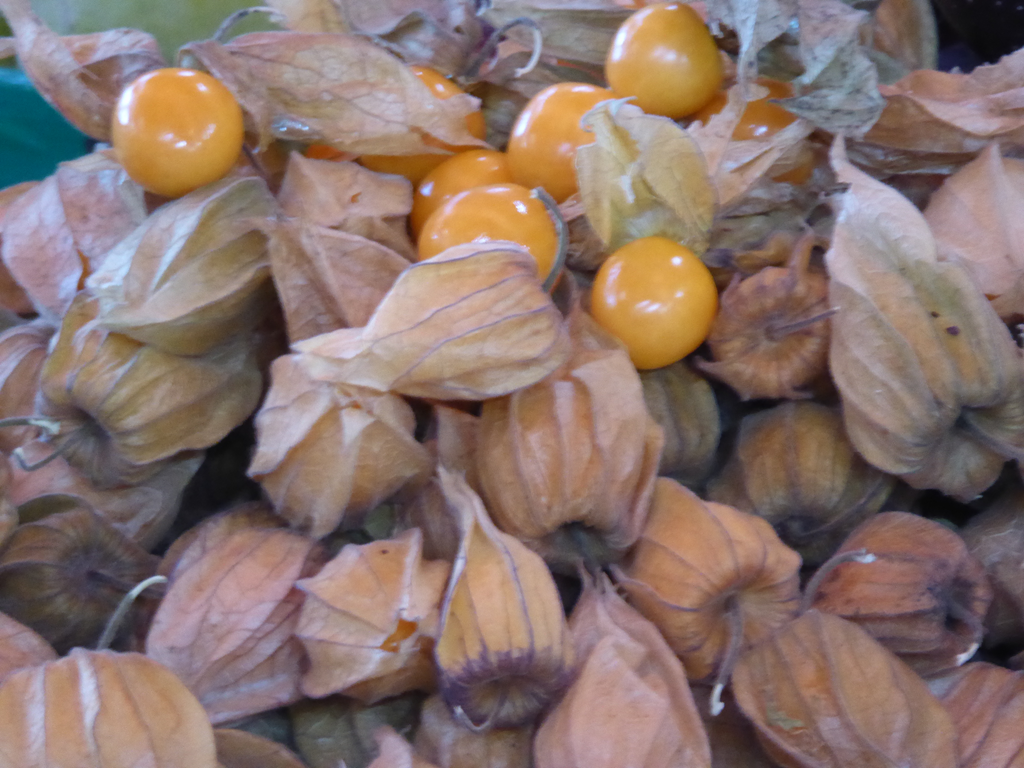
    They had lots of aguaymanto.

    image

    And the rest but these ones are much easier to identify as most of these are at home.

    image

    In Peru they have a few types of potatoes. The Inkas actually cultivated over 100 varieties, there were quite a few available here.

    image

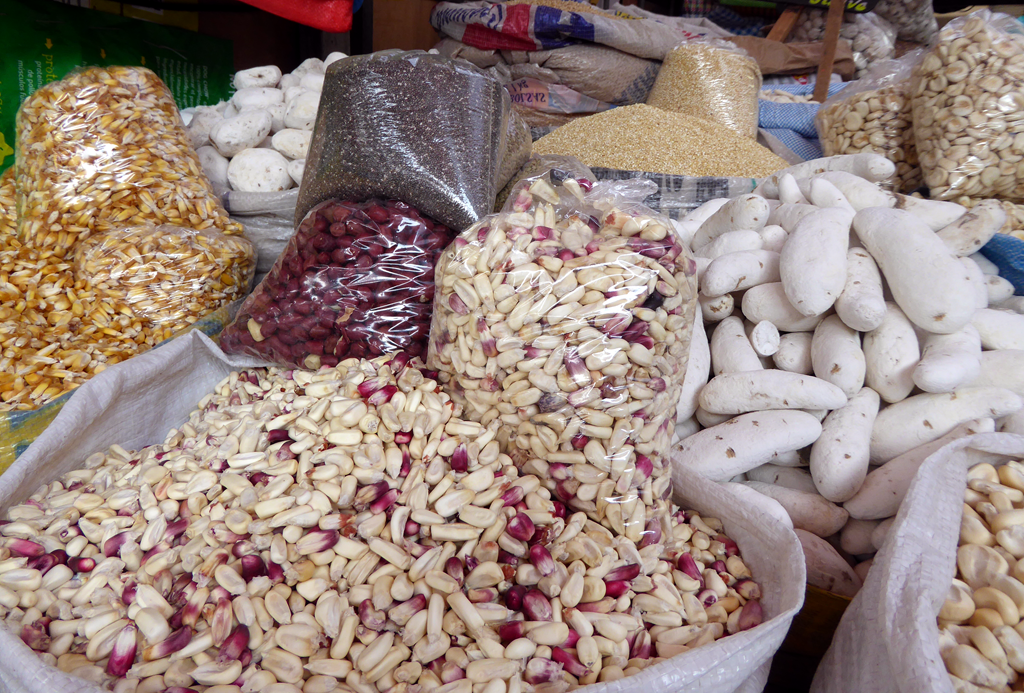
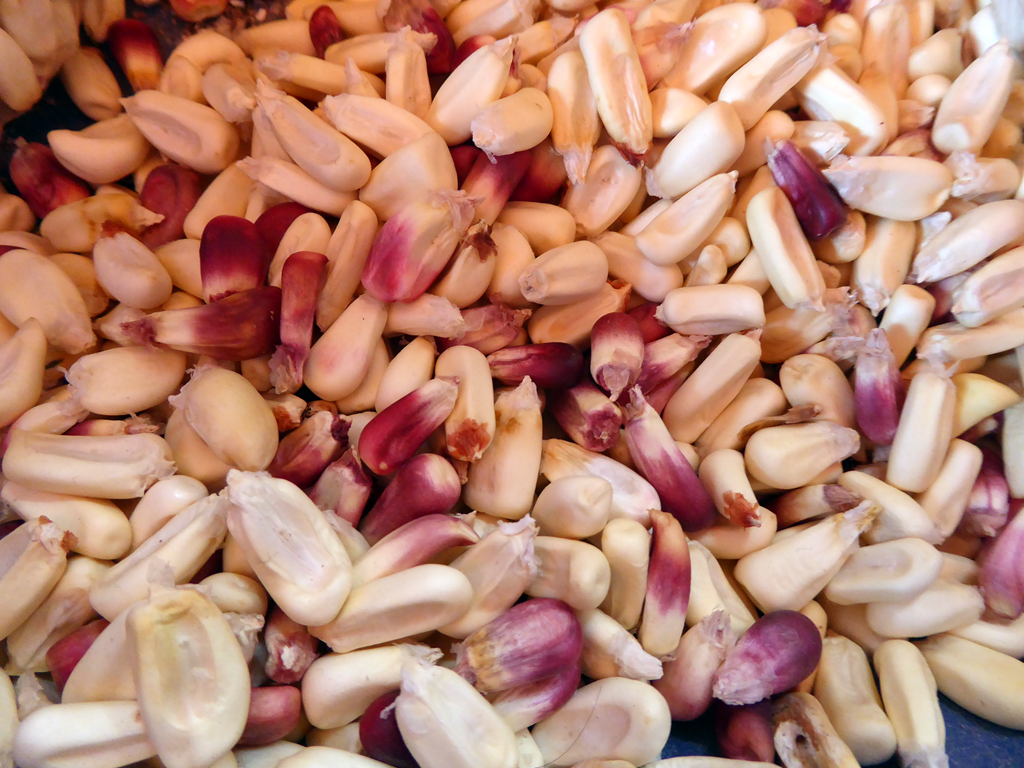
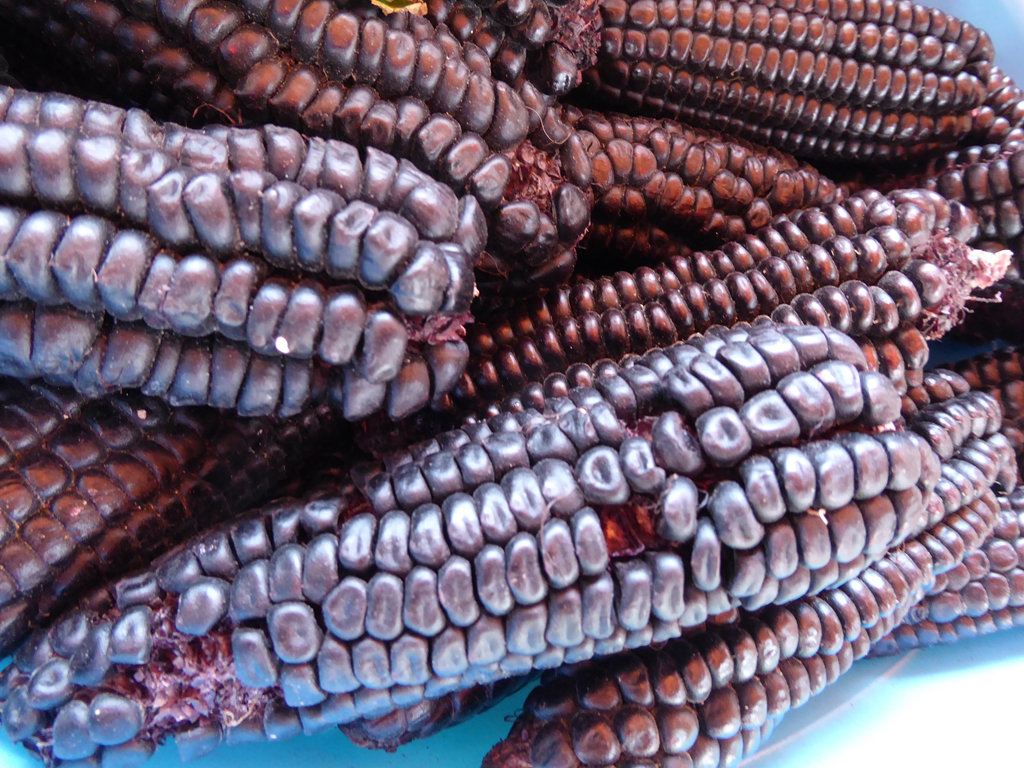
    They also have lots of types of corn, including the purple corn which is used for juice.

    image

    There were other types of corn and grains available.

    image

    Some kernels were more purple than others.

    image

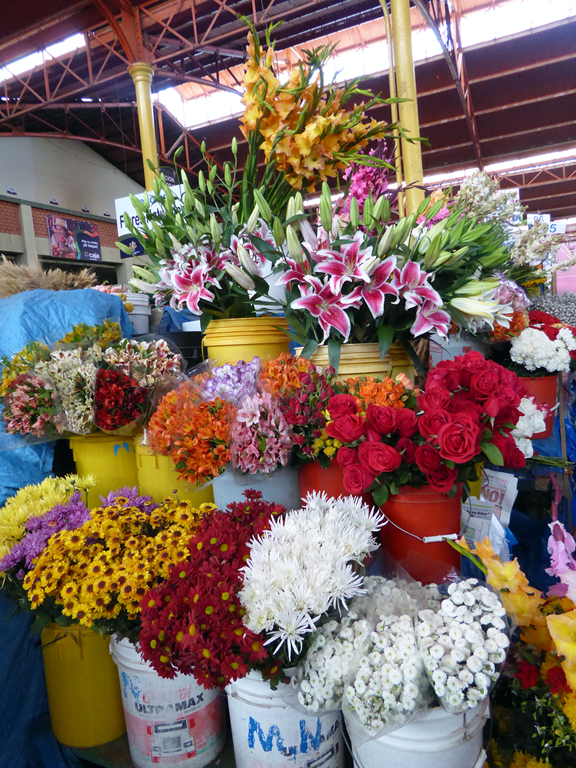
    There was also a section where flowers were sold.

    image

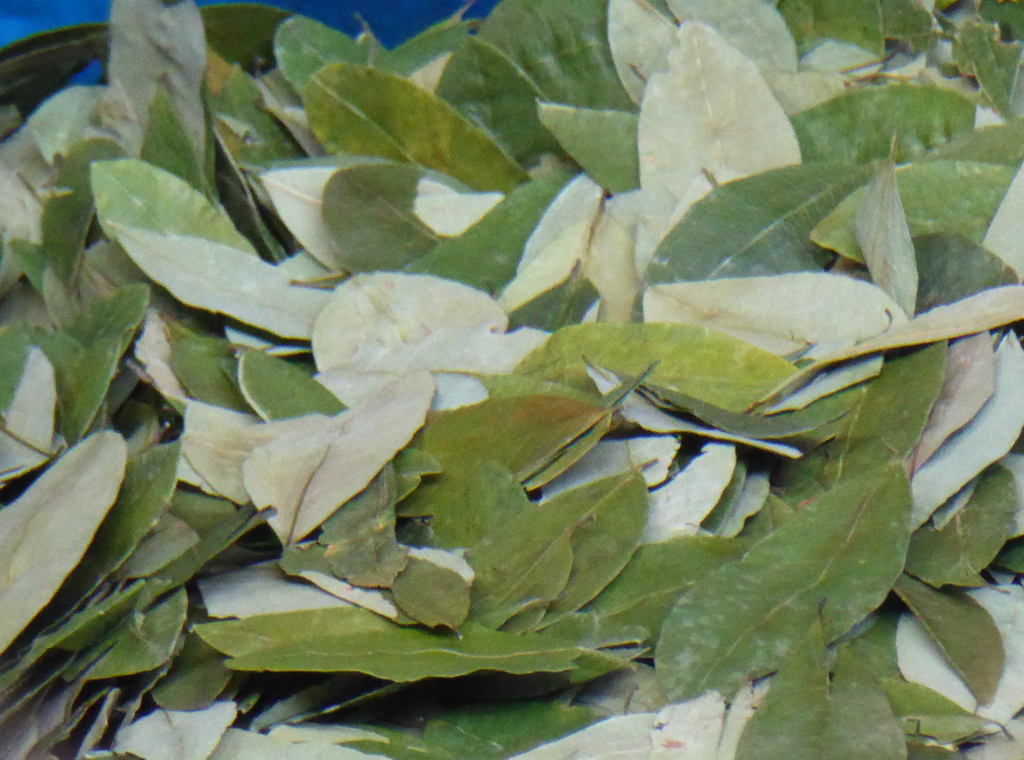
    These are coca leaves. Locally they are chewed with a bit of an alkaline substance to release a small dose of cocaine, which acts as a stimulant and is supposed to relieve altitude sickness. They are also sometimes used to make tea. Internationally they are illegal, because they are used to make cocaine.

    image

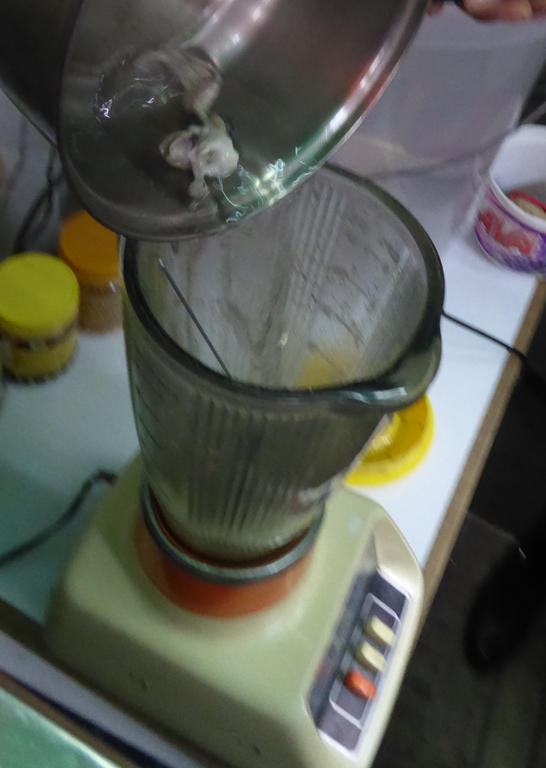
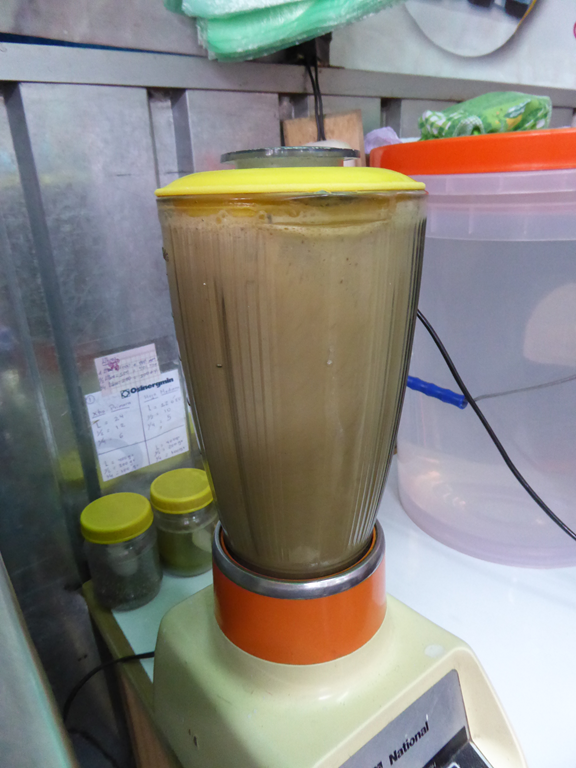
    Some members of our group tried frog juice. It involves putting a boiled frog in a blender.

    image

    With soy milk, chia, and miscellaneous powders purported to cure things.

    image

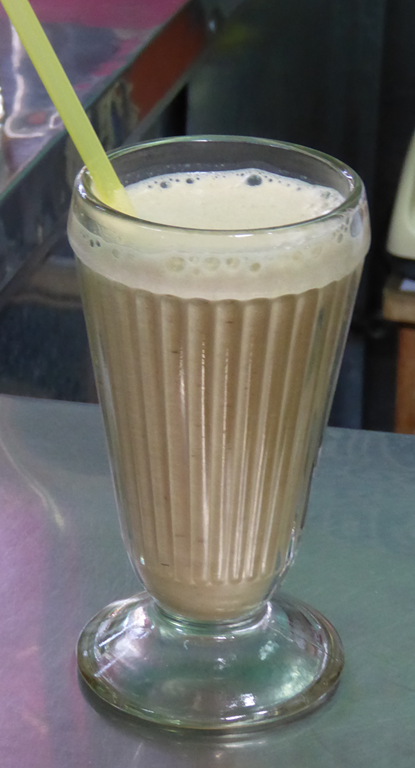
    To make a disgusting looking drink.

    image

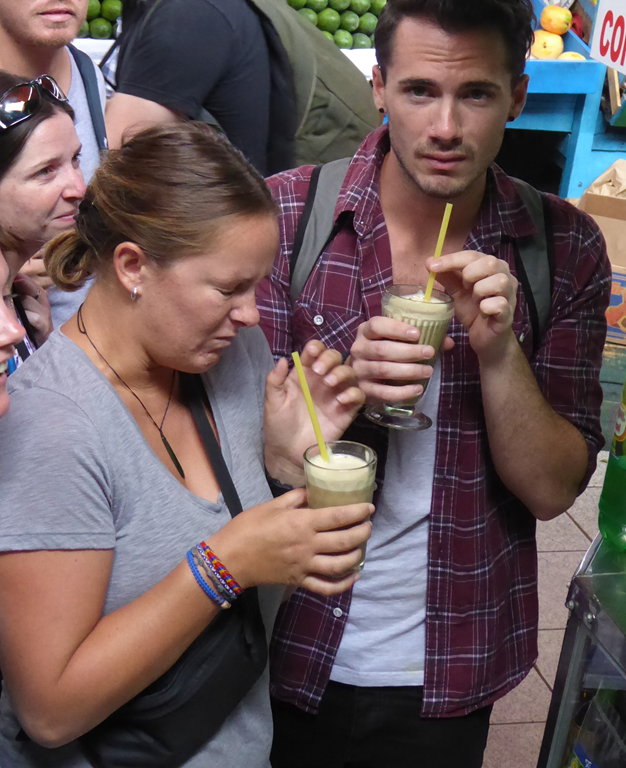
    Those that did try it did not seem thrilled. They described it as tasting like a warm milkshake, or a protein shake. Possibly due to the graininess of the seeds, or perhaps the ground bones of the frog.

    image

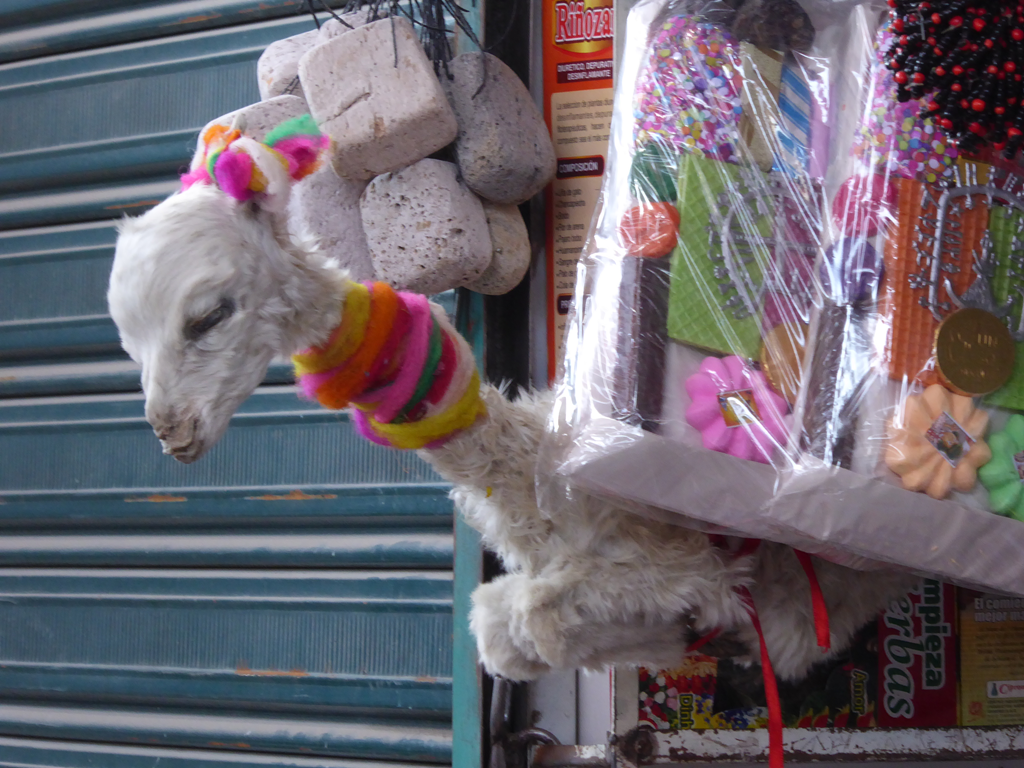
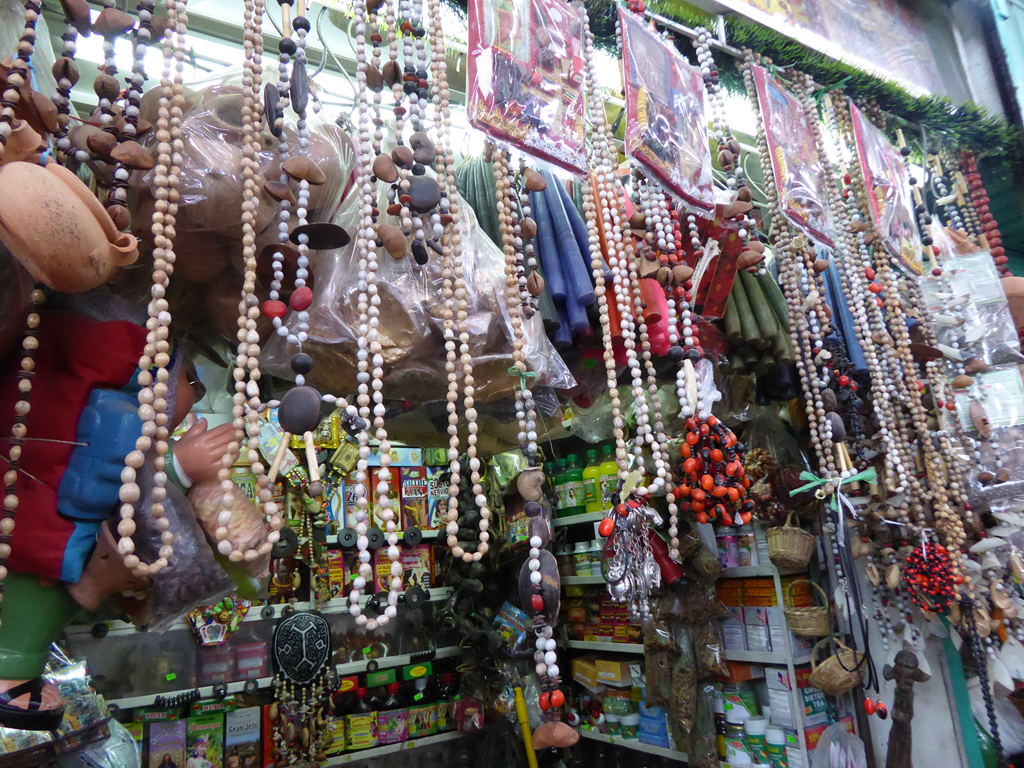
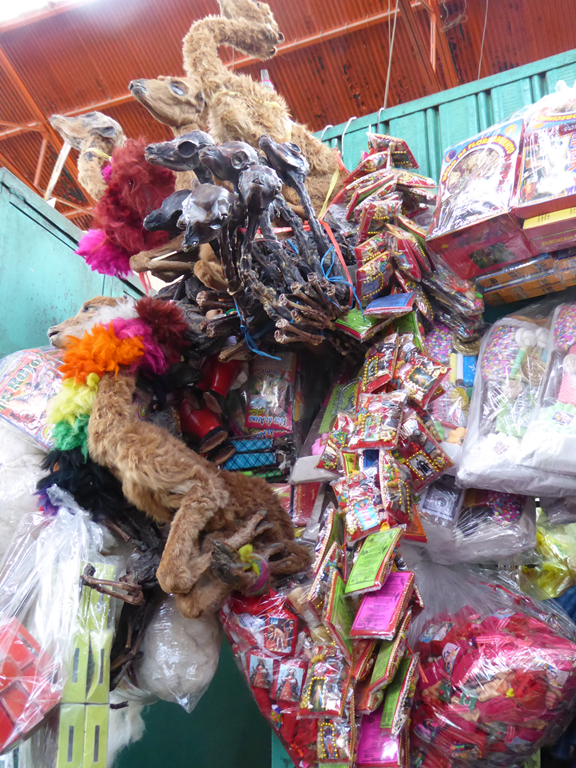
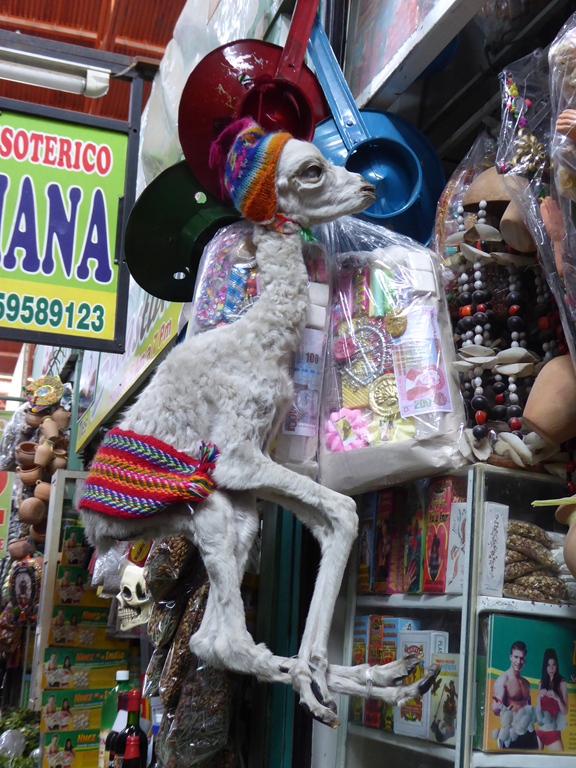
    The last section of the market was the witches market, which contained a collection of decorated llama fetuses.

    image

    Necklaces and bracelets.

    image

    Llama fetus skeletons.

    image

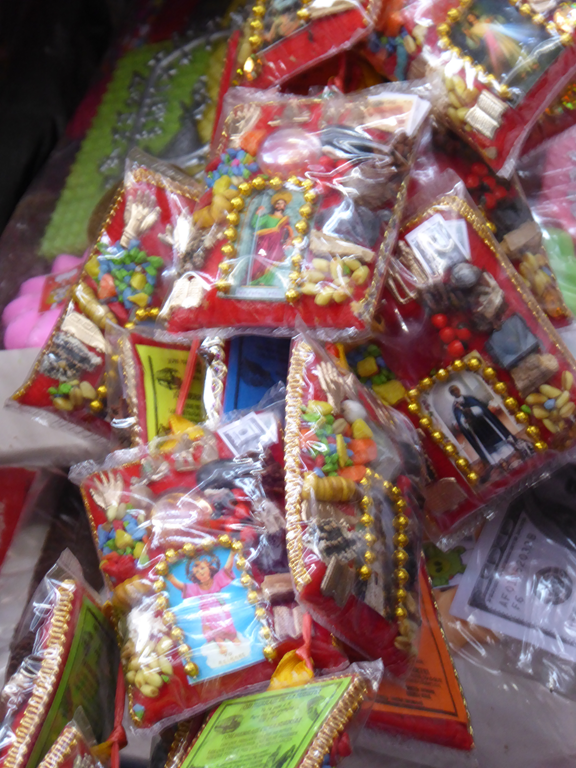
    Little bags of random Catholic paraphernalia.

    image

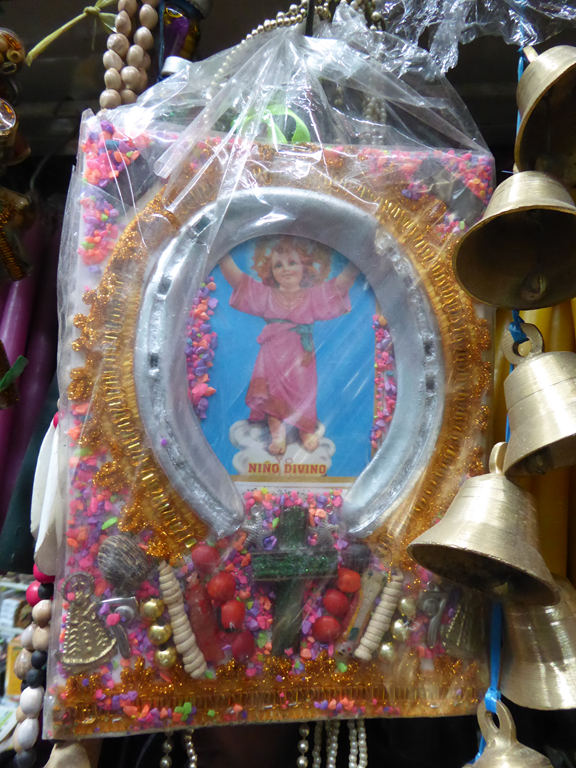
    Big bags of random Catholic paraphernalia.

    image

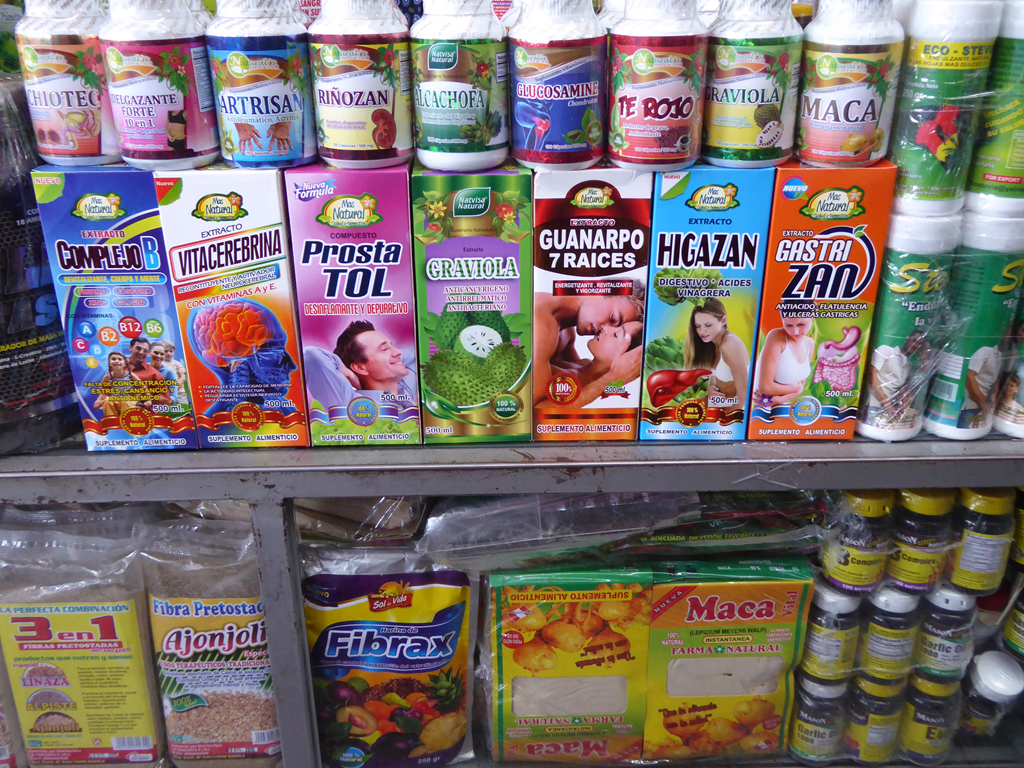
    And herbal supplements. Yes, all at the same tiny little booth.

    image

    This llama fetus got a diaper for some reason.

    image