• Category Archives Uncategorized
  • Camelids

    Did anyone notice how we didn’t see and llamas in South America? Well guess what, we actually did. But Kerri had to look up the spelling of “vicuna” and this got lost.

    There are four surviving relatives of the camel in South America. They are all over the Andes.

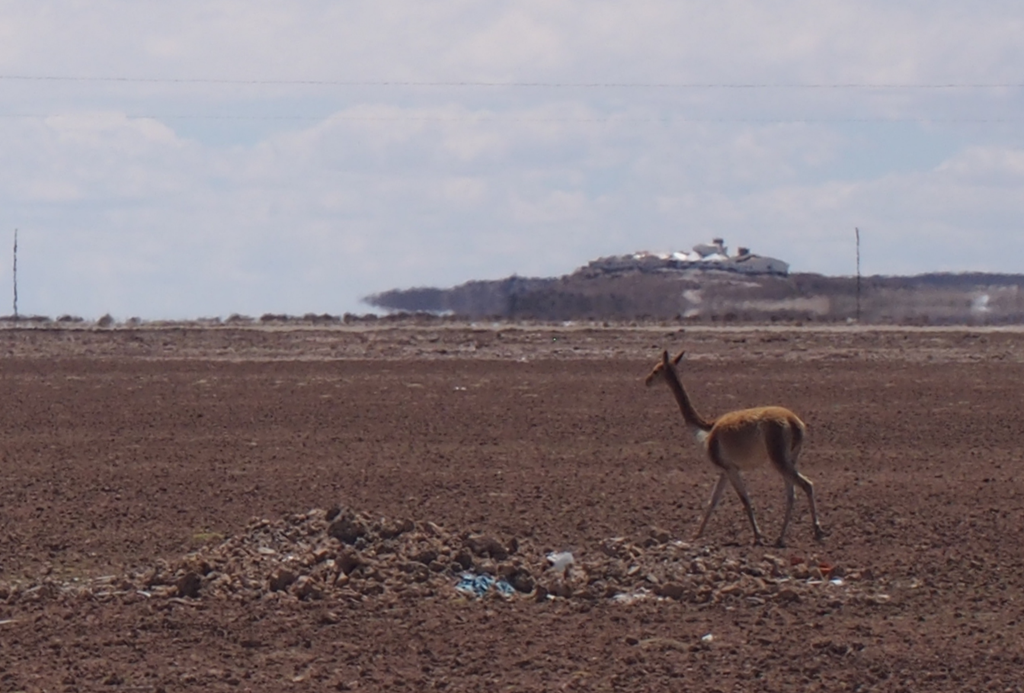
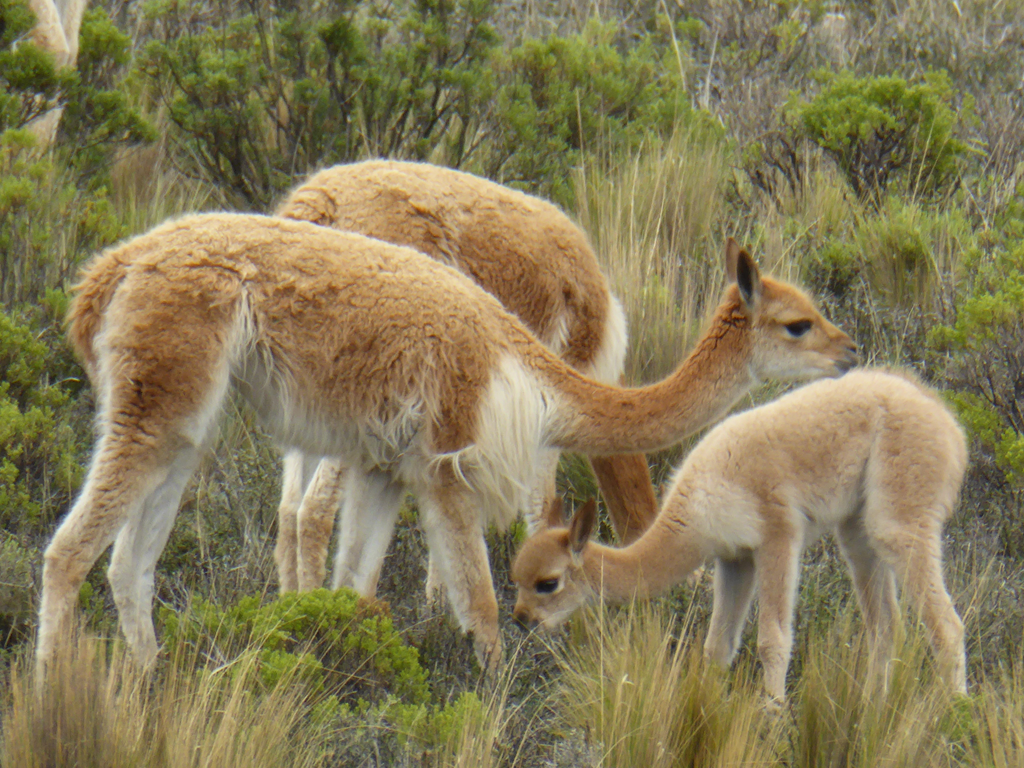
    The Vicuna is the smallest. It lives only at high altitude. It has the best wool in the world, with a fibre diameter between 11 and 14 micrometers. But they are wild and protected, and their wool is only 1-4cm long. Therefore a sweater of vicuna wool costs $6000. They can only be hunted by the native tribes who capture them by making human chains and cornering them, then sheering the wool and releasing them back into the wild.
    image

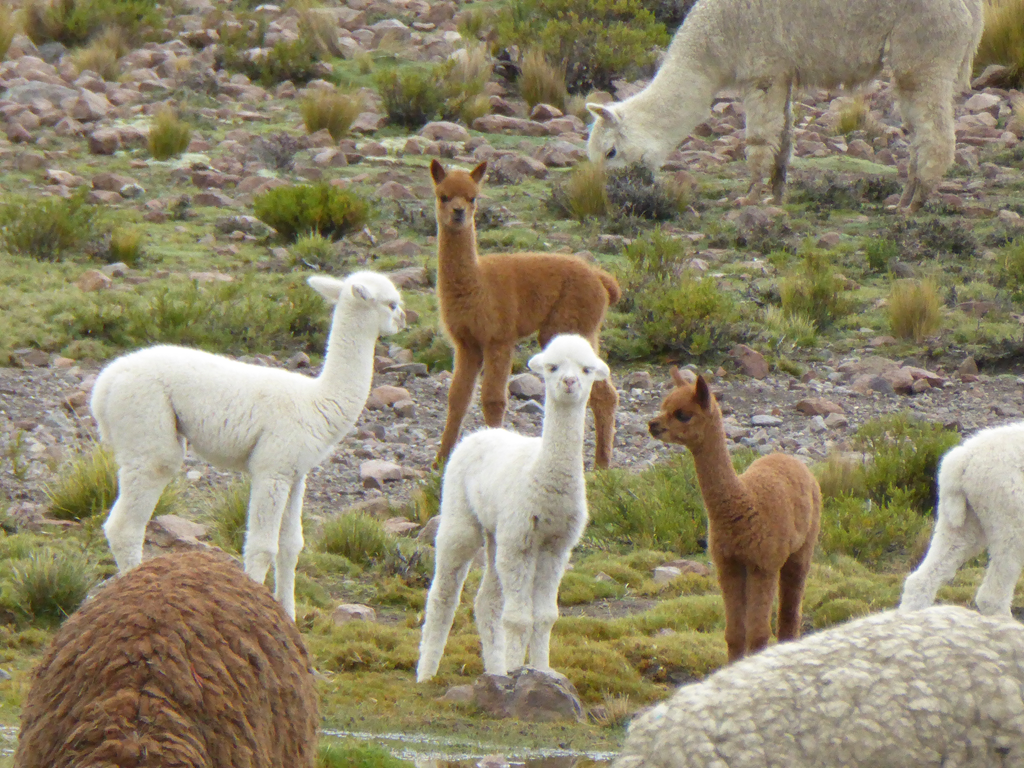
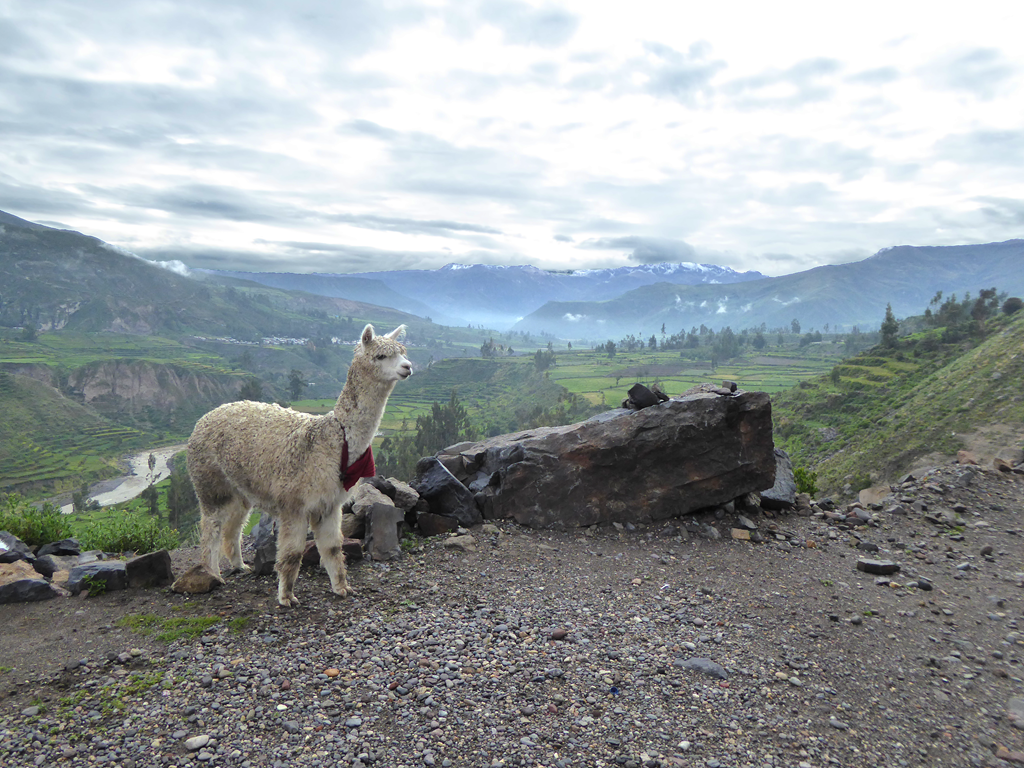
    The alpaca is the domesticated version of the vicuna. They are much larger and have much longer fur (20-40cm) which makes them much more efficient for meat and wool.
    image

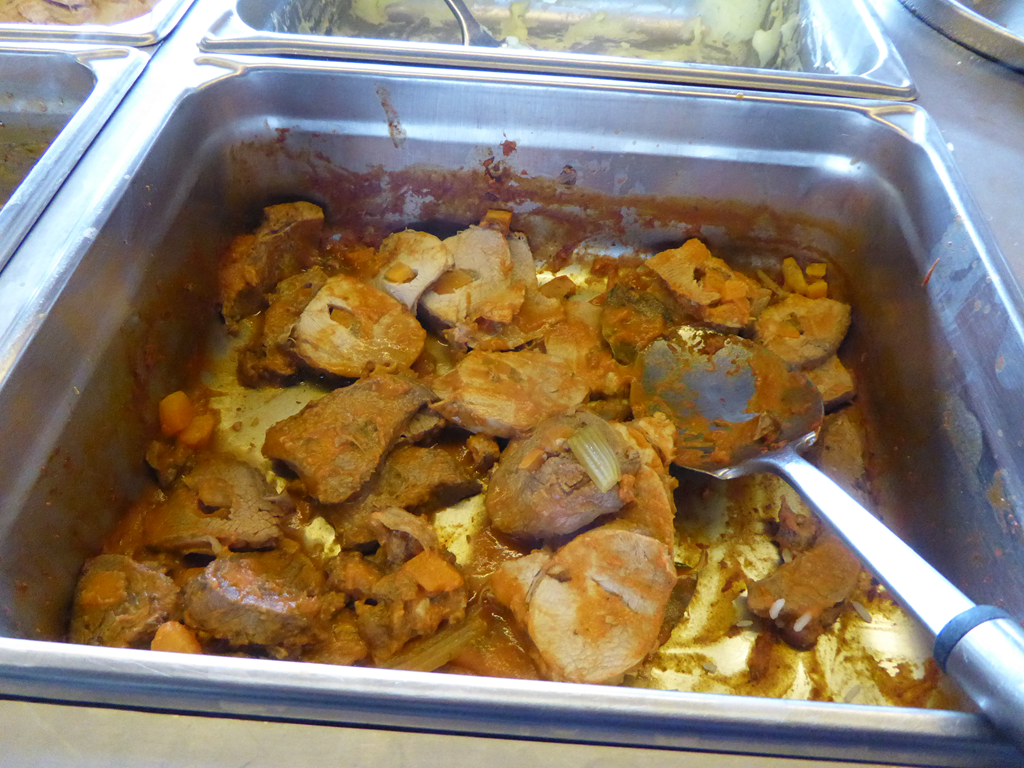
    Their meat is much less tough than llama meat.
    image

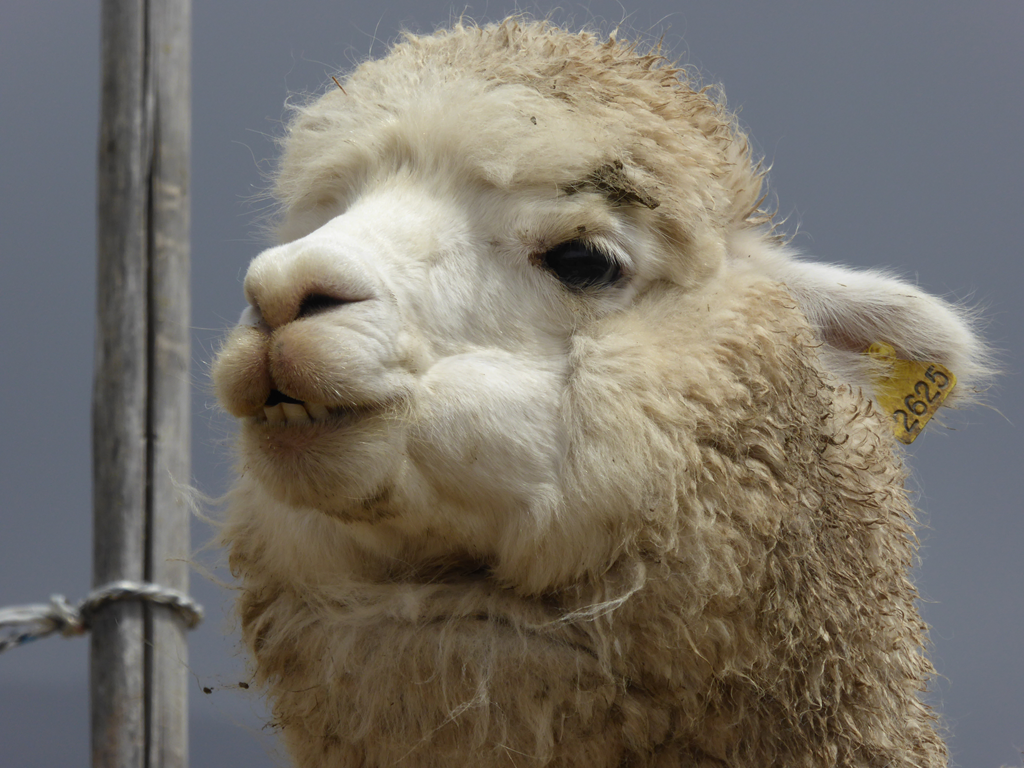
    There are two varieties of alpaca. The suri alpaca has shorter but more delicate wool, while the huaycaya alpaca produces tonnes of wool but it is not as delicate.
    image

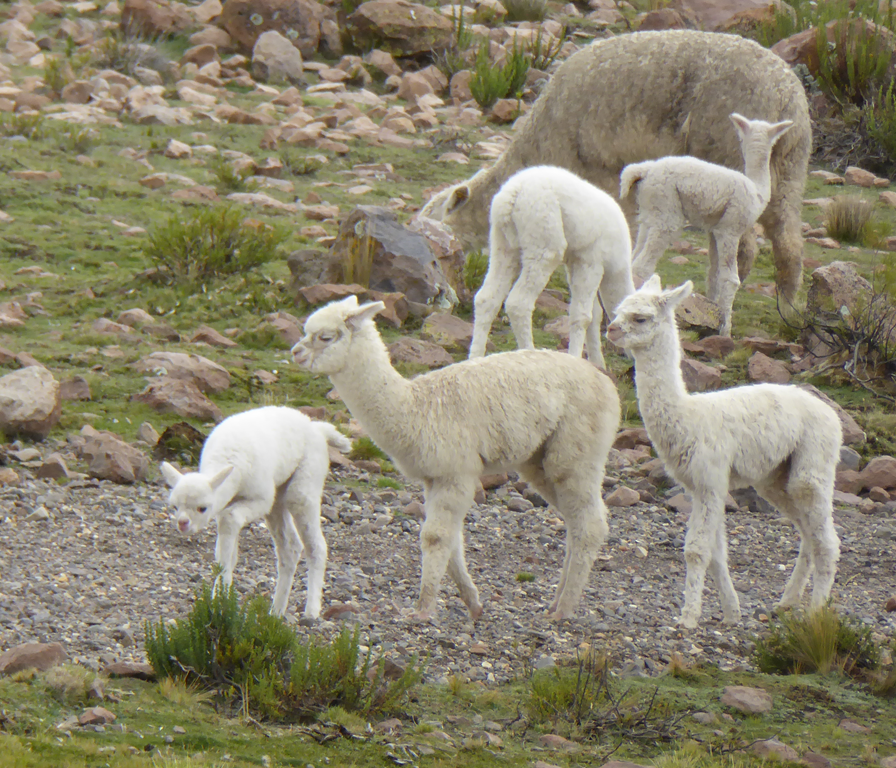
    The babies are really cute.

    image

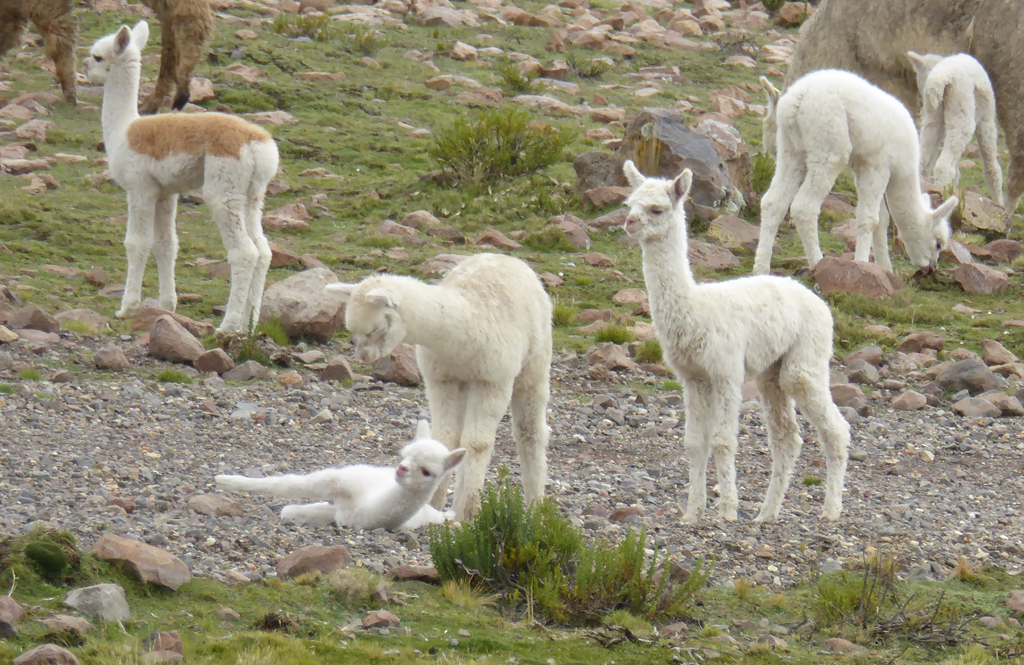
    And kind of clumsy.

    image

    Sometimes very clumsy.

    image

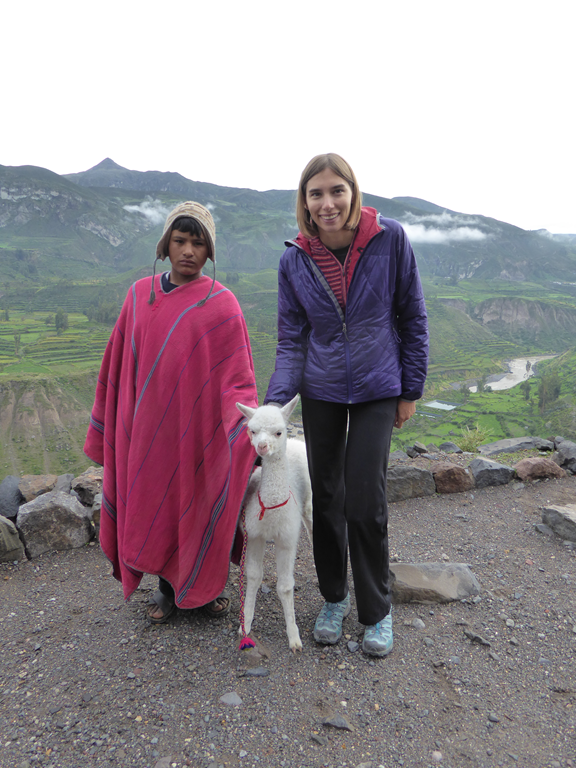
    This one is only 25 days old. He is very soft.
    image

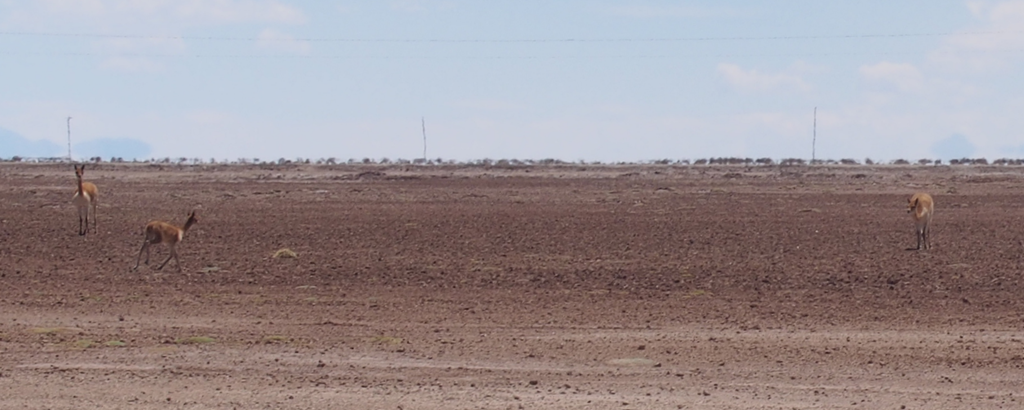
    The guanaco is endangered.

    image

    They live further south than the vicuna.
    image

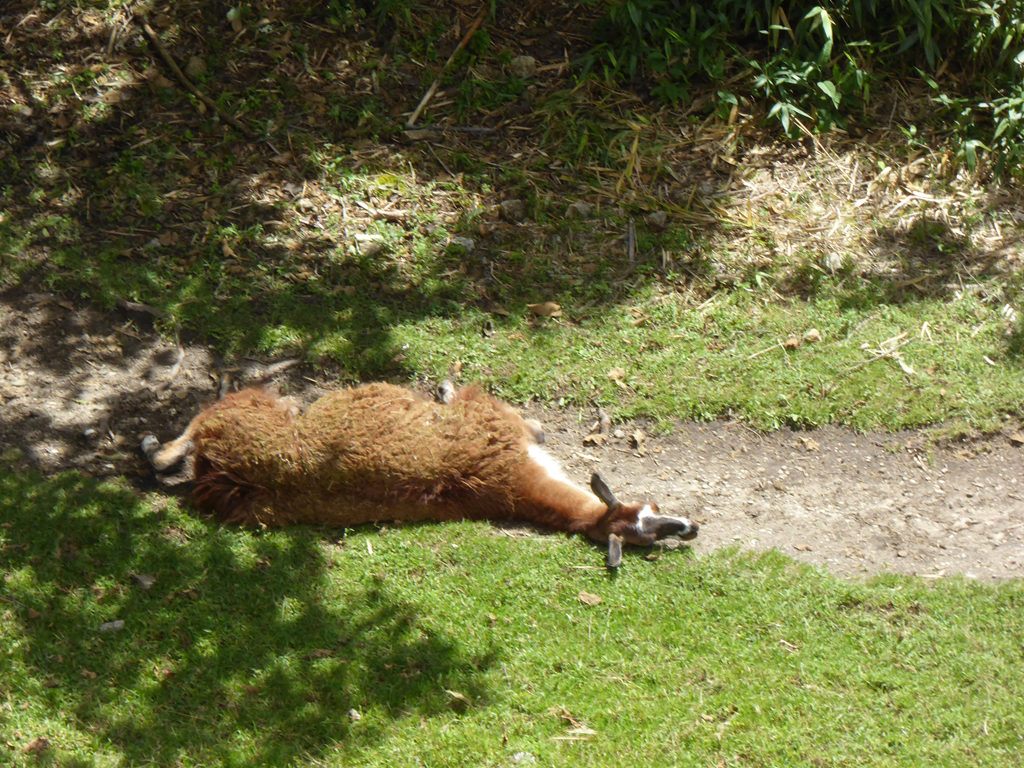
    The llama is the domesticated version of the guanaco.
    image

    They are funny looking.

    image

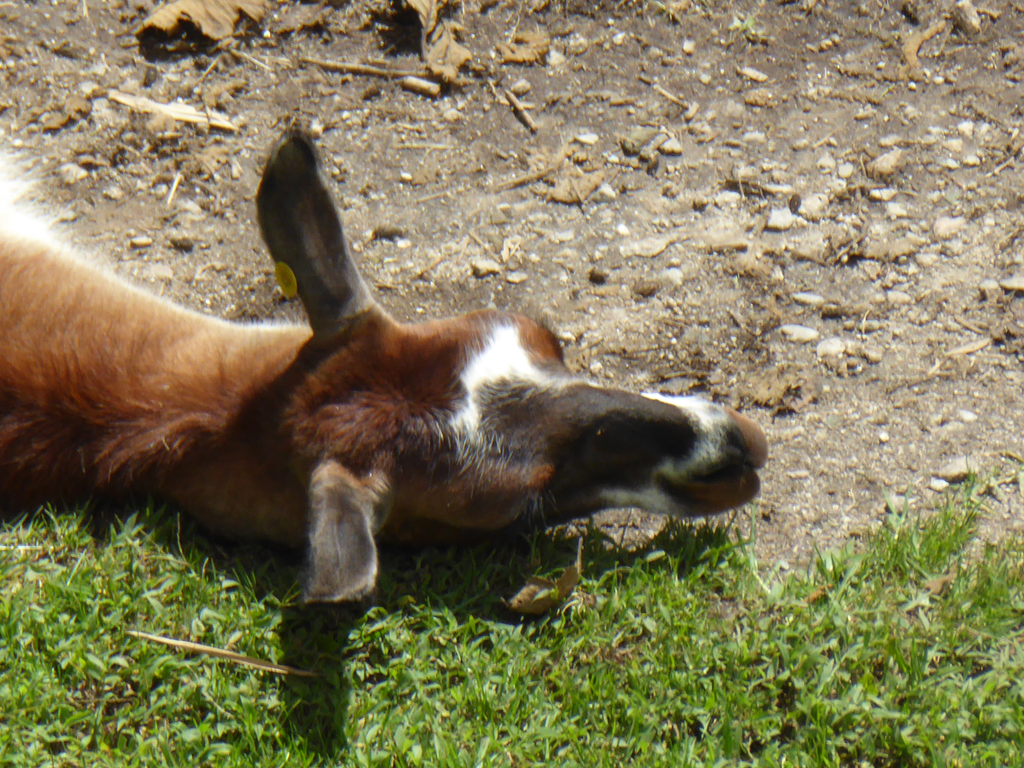
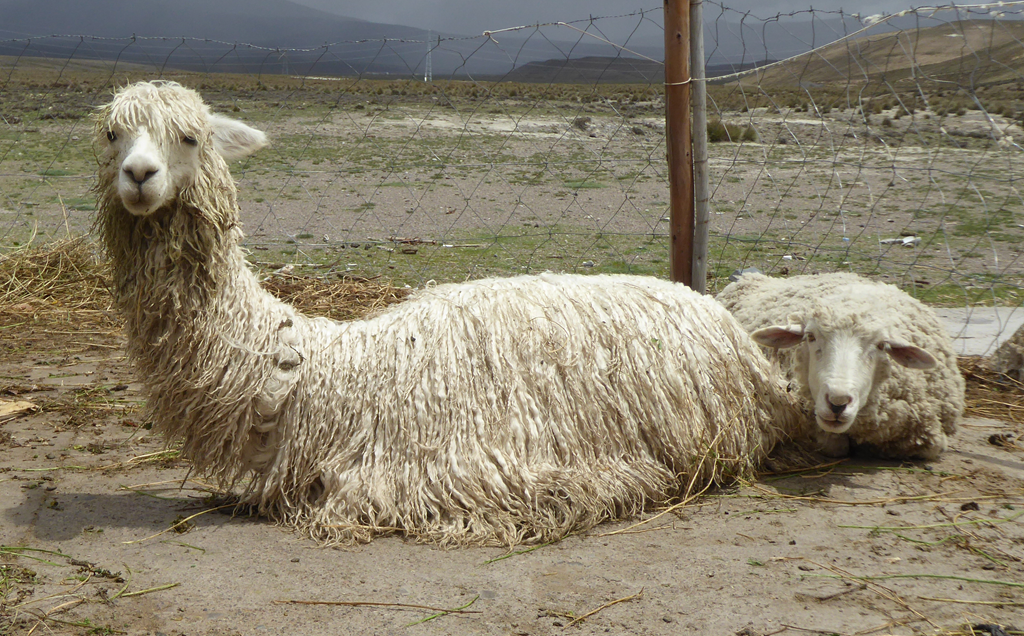
    They are the biggest in the group. Llamas can survive up to 5 days without water, but alpacas need water within 2 days or they will die.
    image

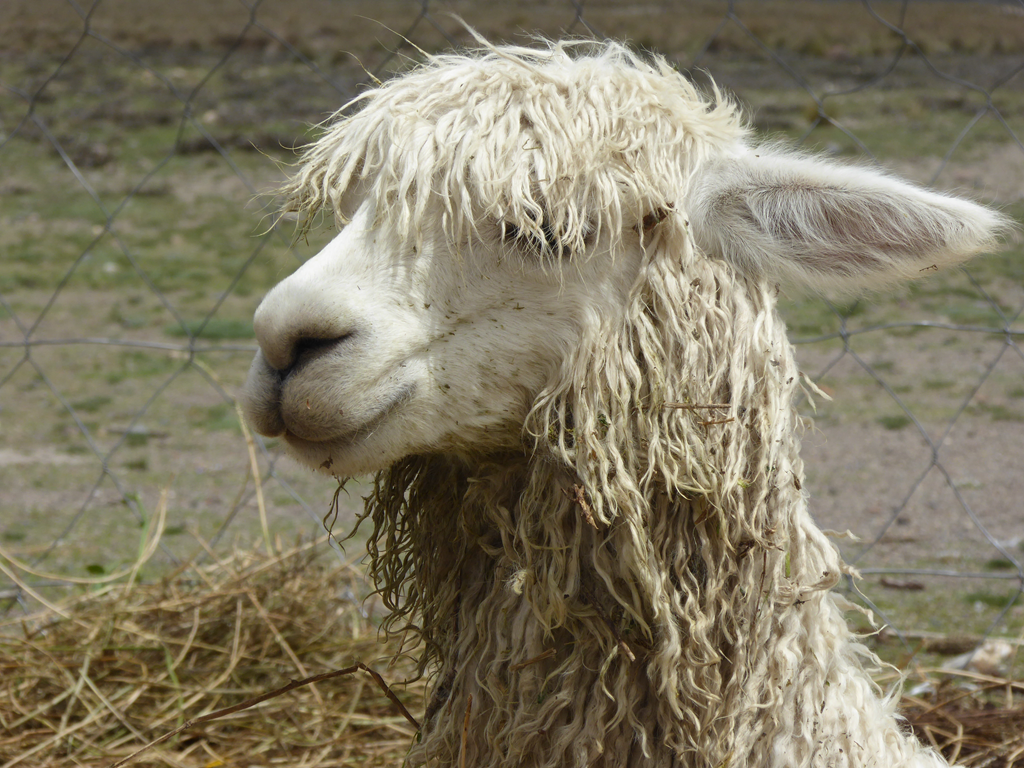
    They have bigger ears and a more pointed snout than alpaca.
    image


  • Weaving

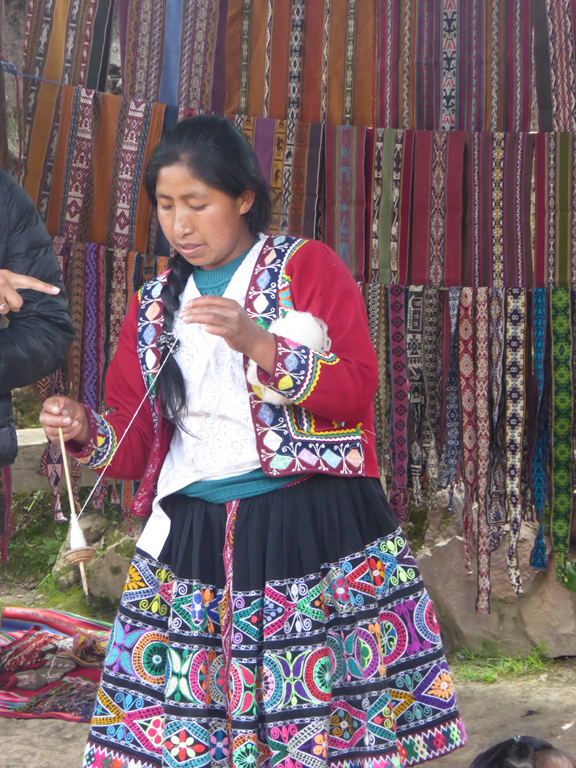
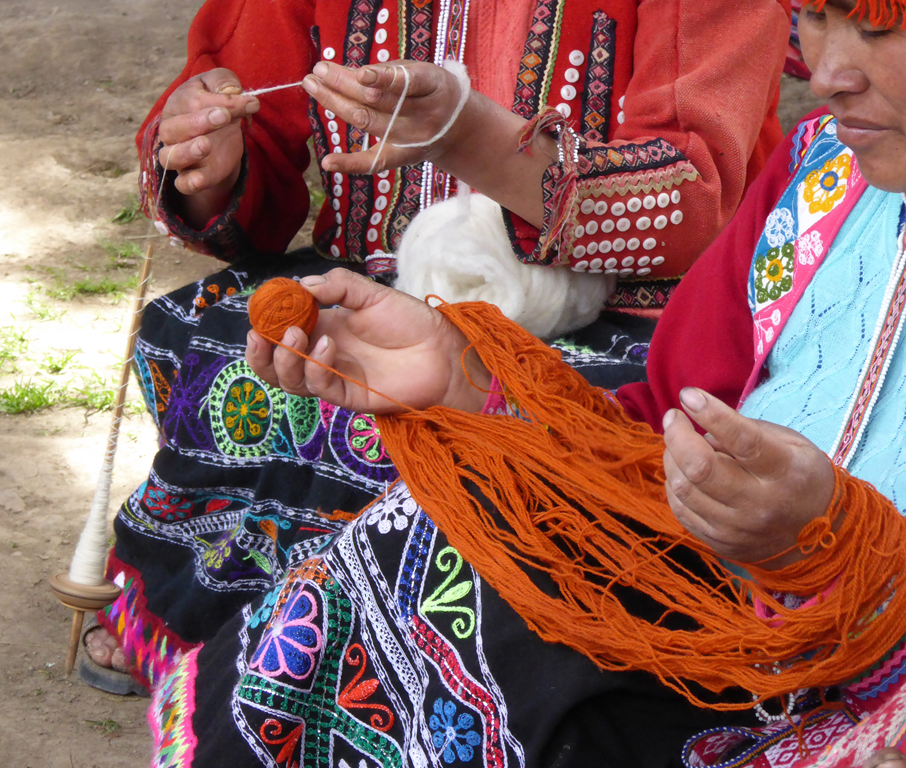
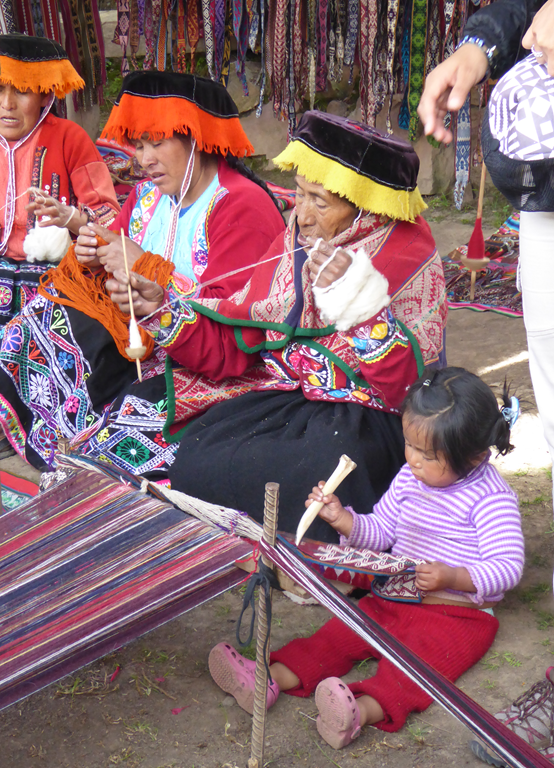
    First they wind the wool around a thing kind of like a top.
    image

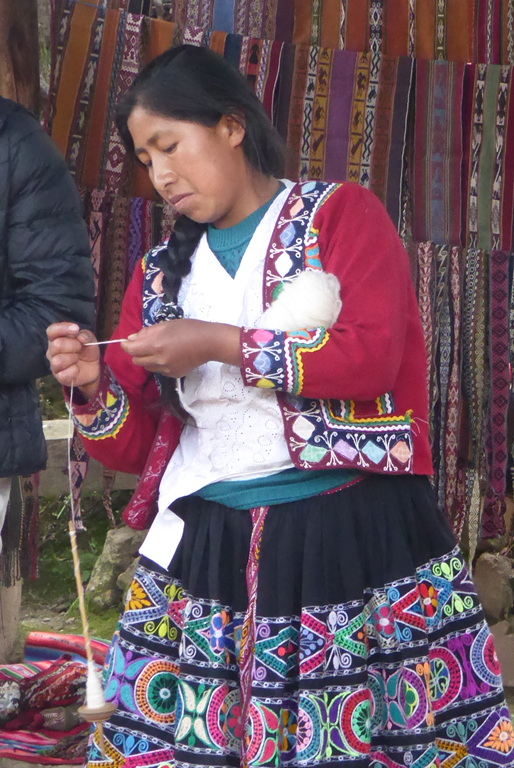
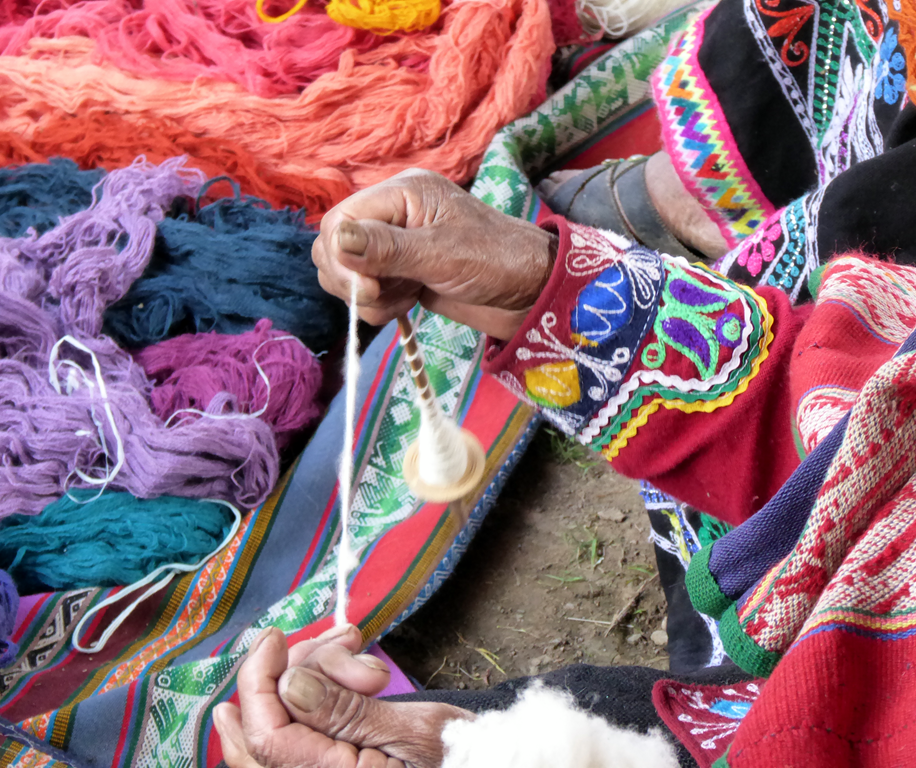
    Then they let it dangle and spin.

    image

    The tension and spinning makes a yarn.

    image

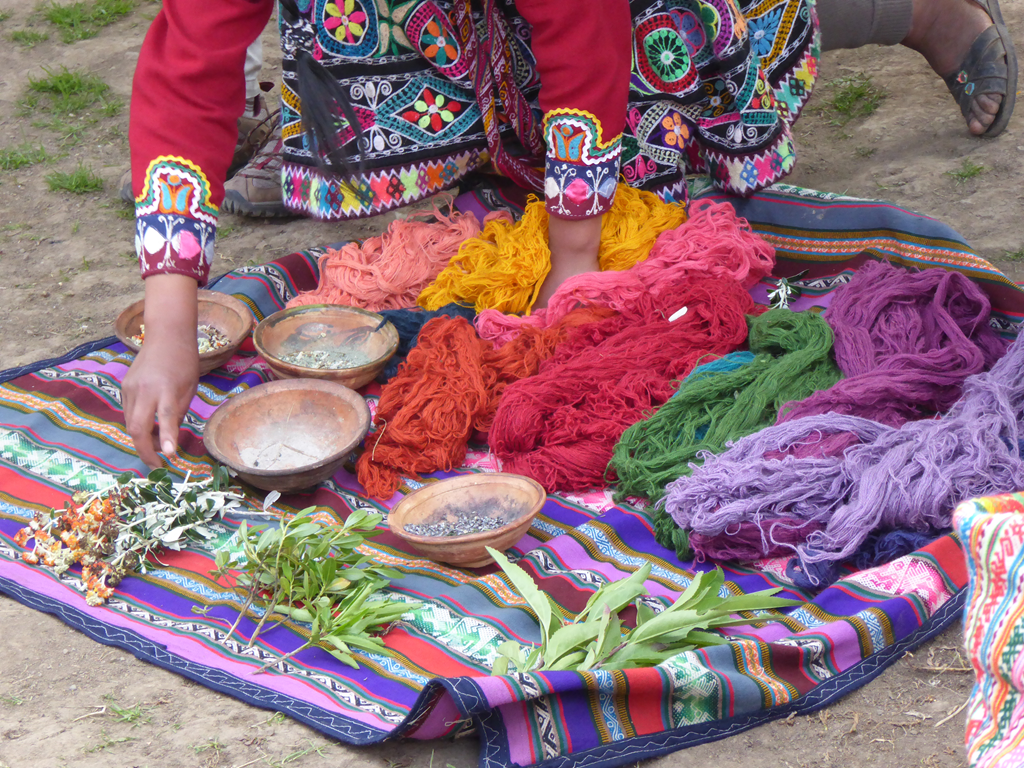
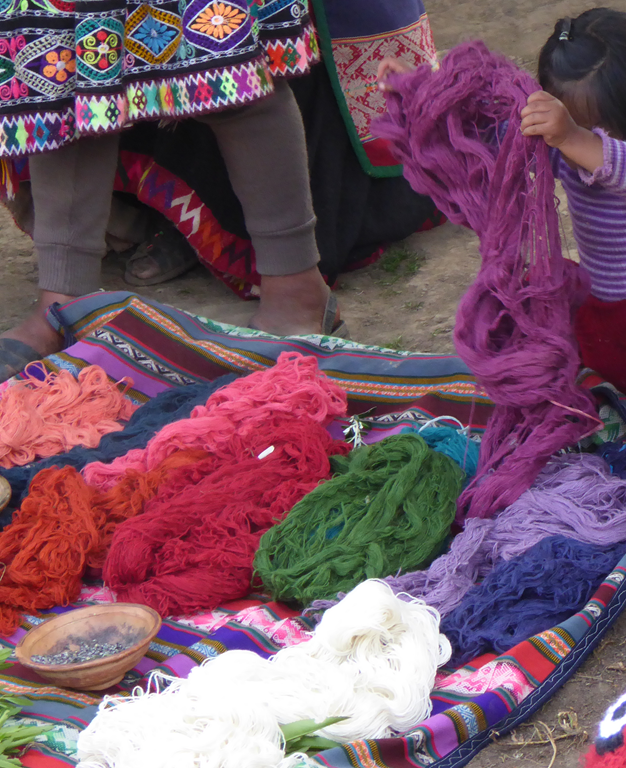
    Then they dye the yarn to get different colours.

    image

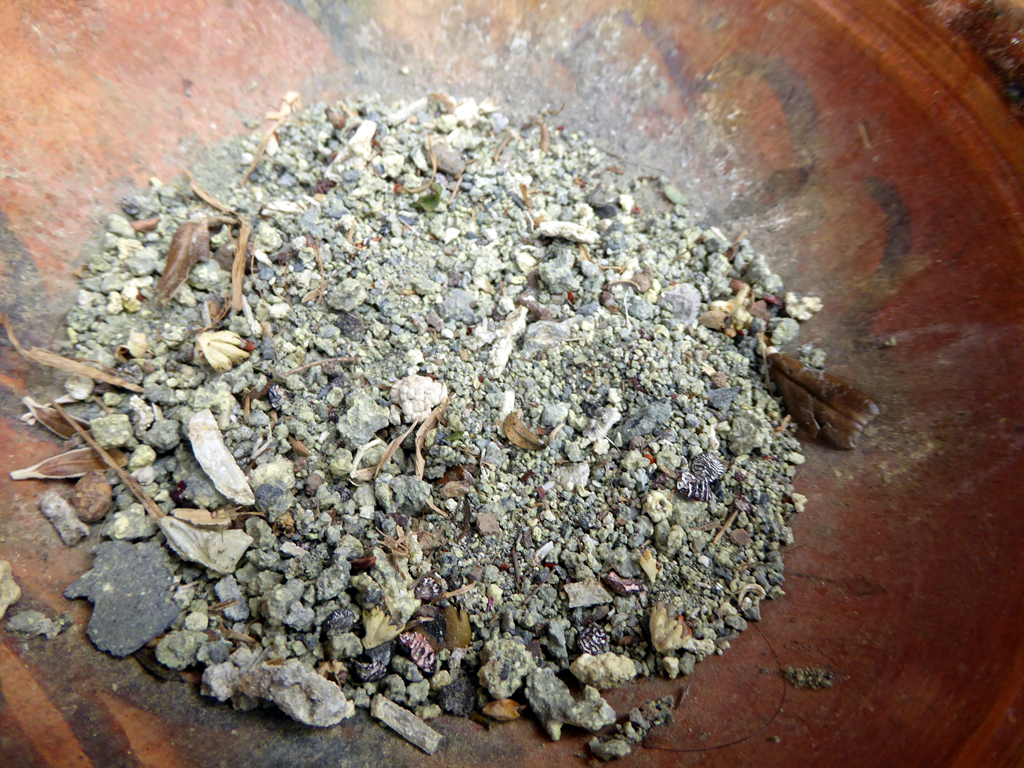
    This soil is used as a green dye.

    image

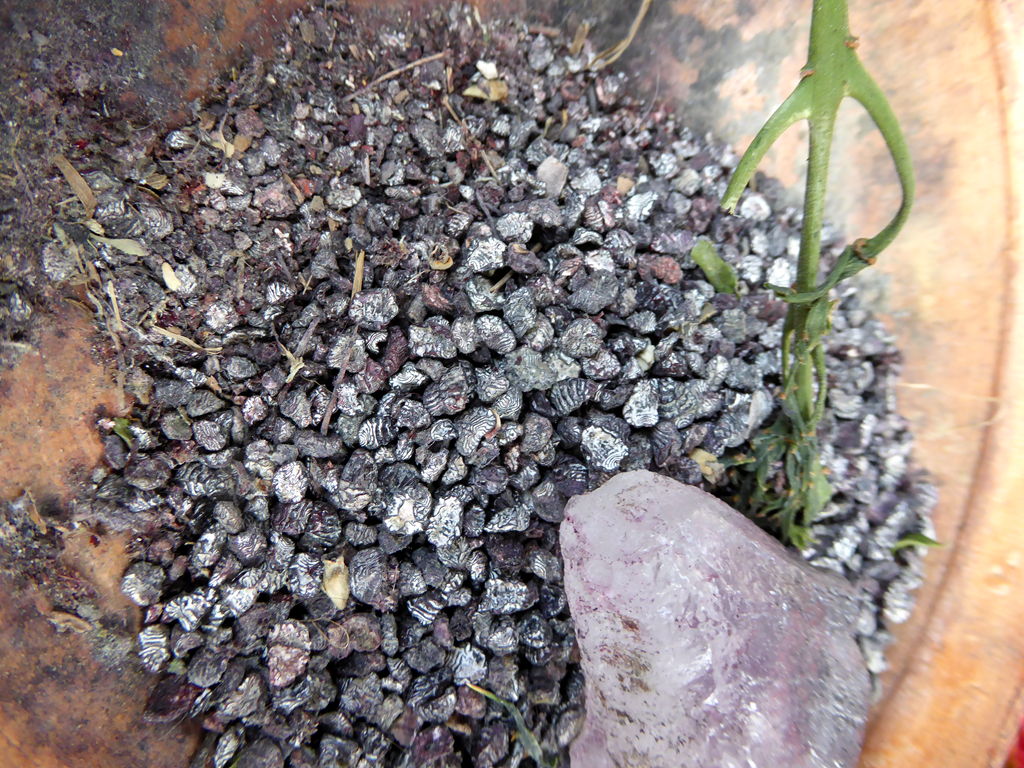
    The cochino bug that lives in the prickly pear cactus are dried and crushed for red dye.

    image

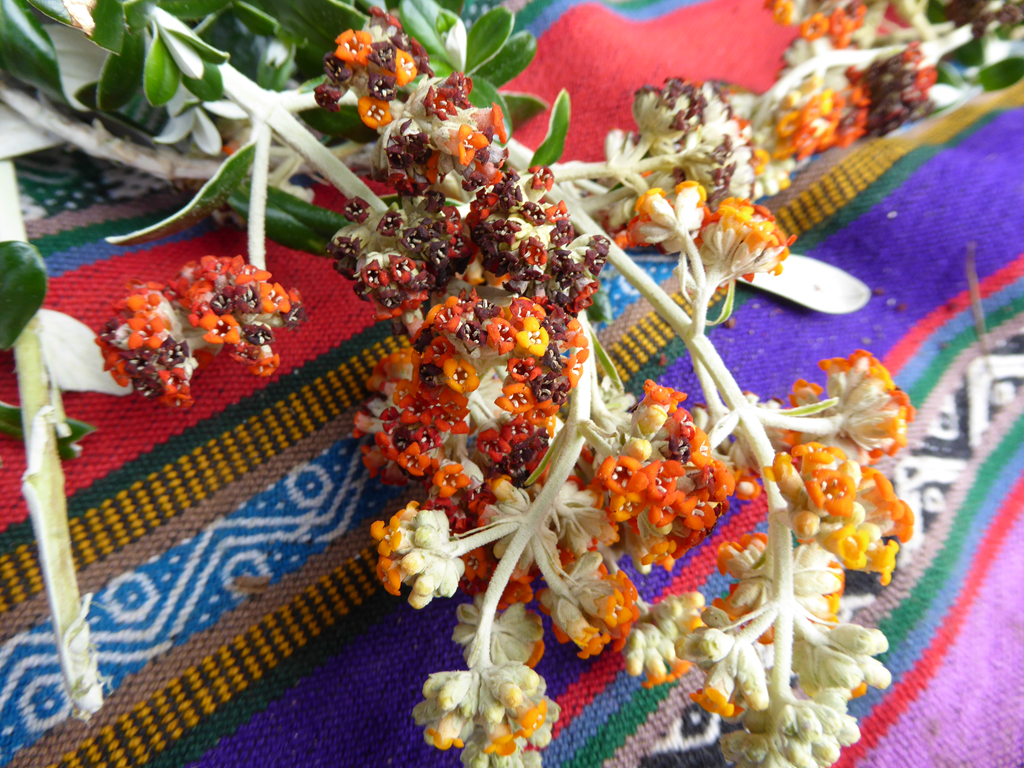
    Yellow and orange dyes come from flowers

    image

    After dying the yarn is spun again and then wound into balls.

    image

    Everyone helps.

    image

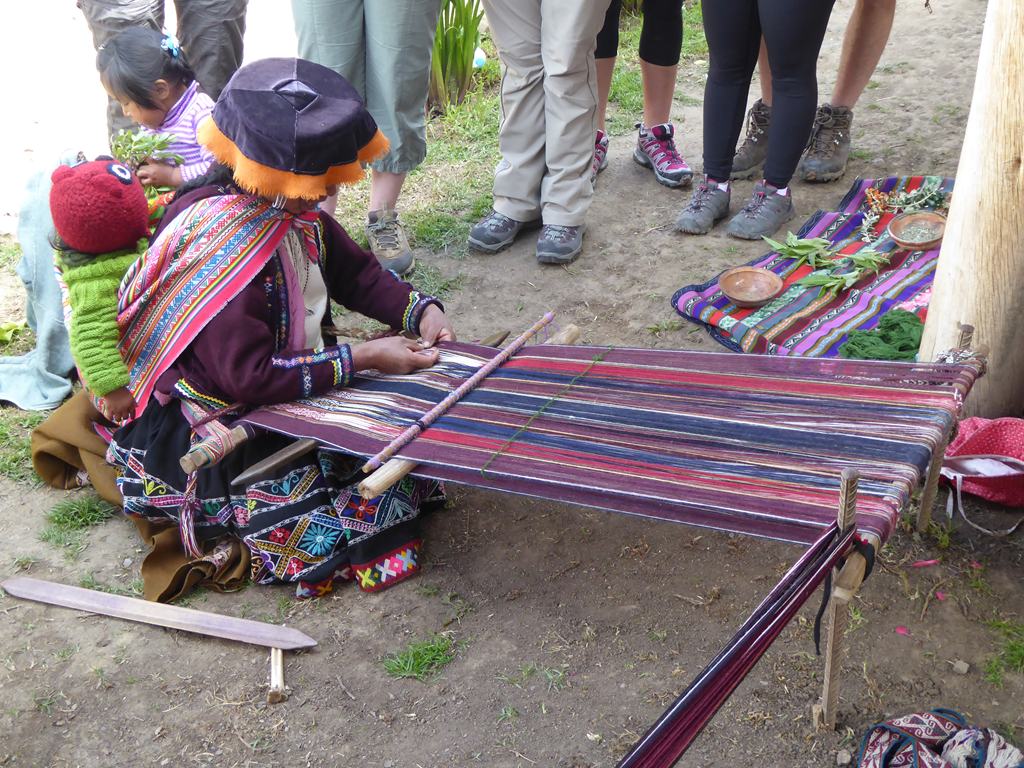
    Then the yarn is ready for weaving.

    image

    One end is attached to the tree and the other to their waist to keep the yarn under tension.

    image

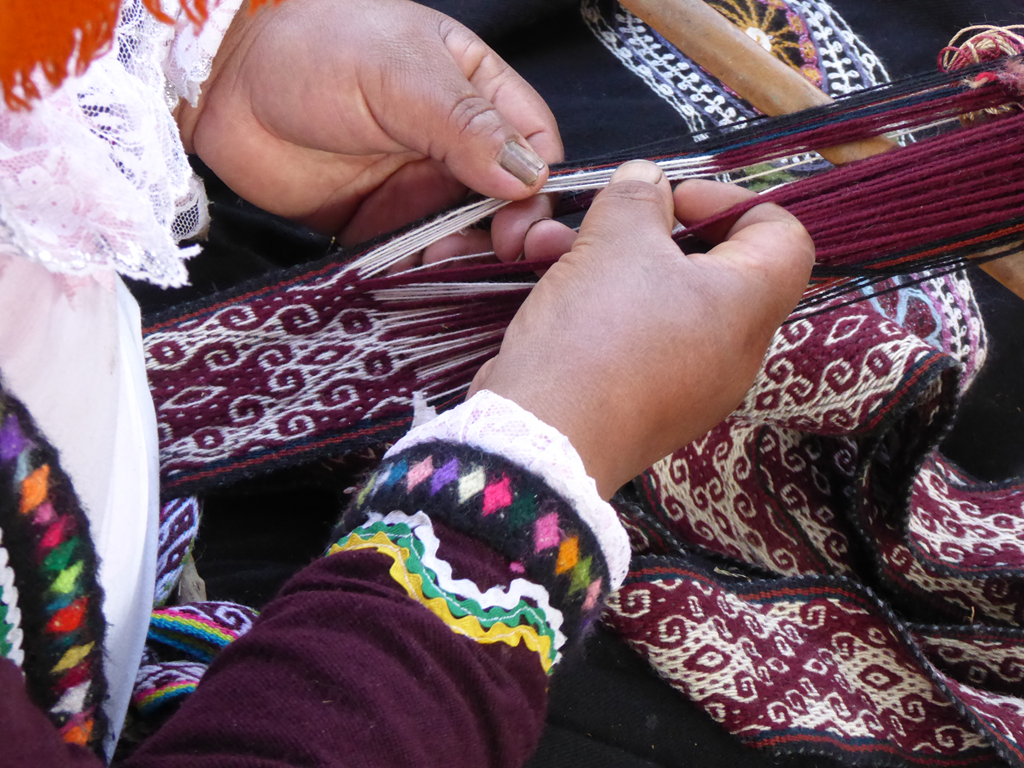
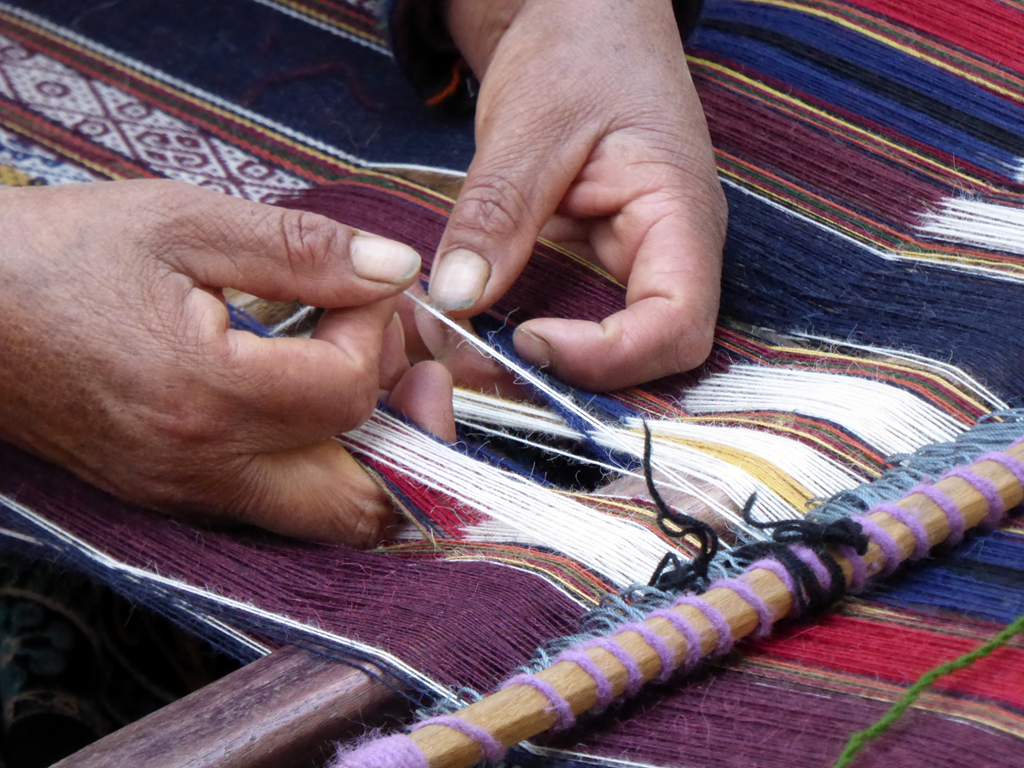
    They use llama bones to help them separate the different layers of yarn.

    image

    The patterns are made by alternating which colour winds up on top and which stay inside.

    image


  • Moray

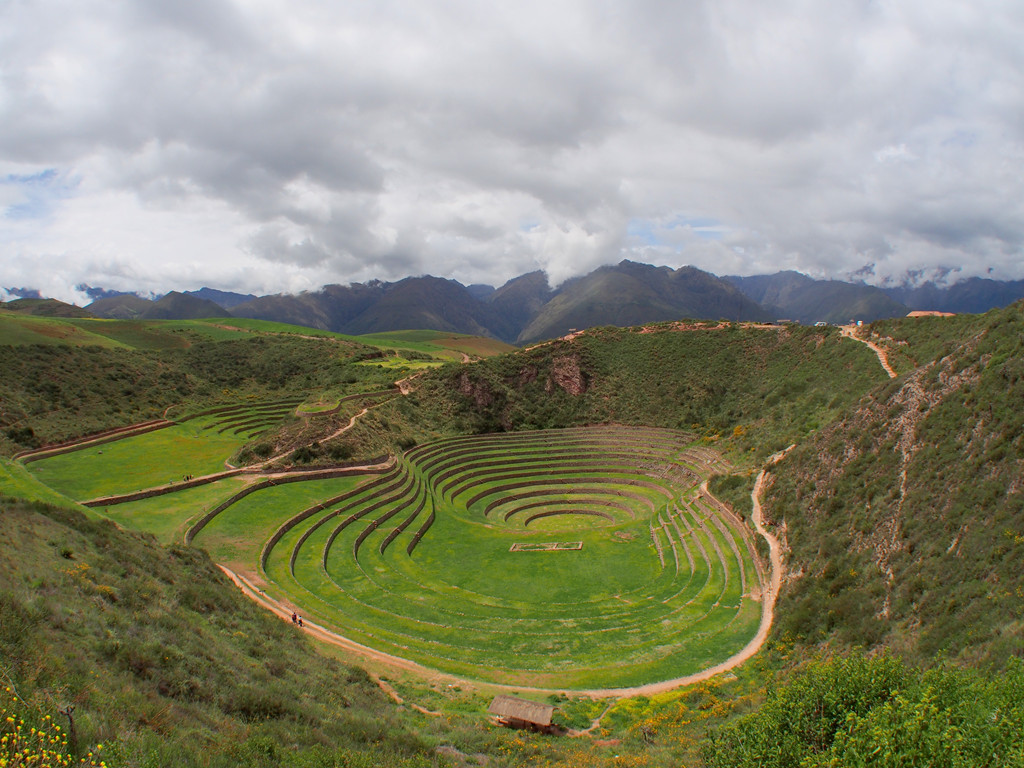
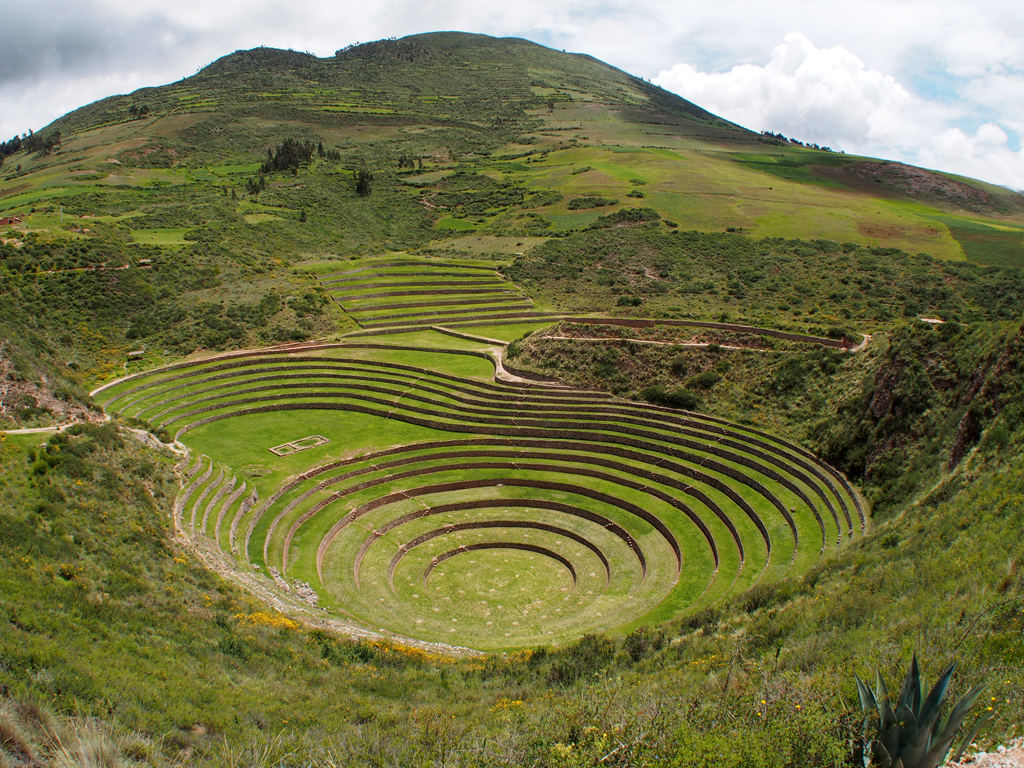
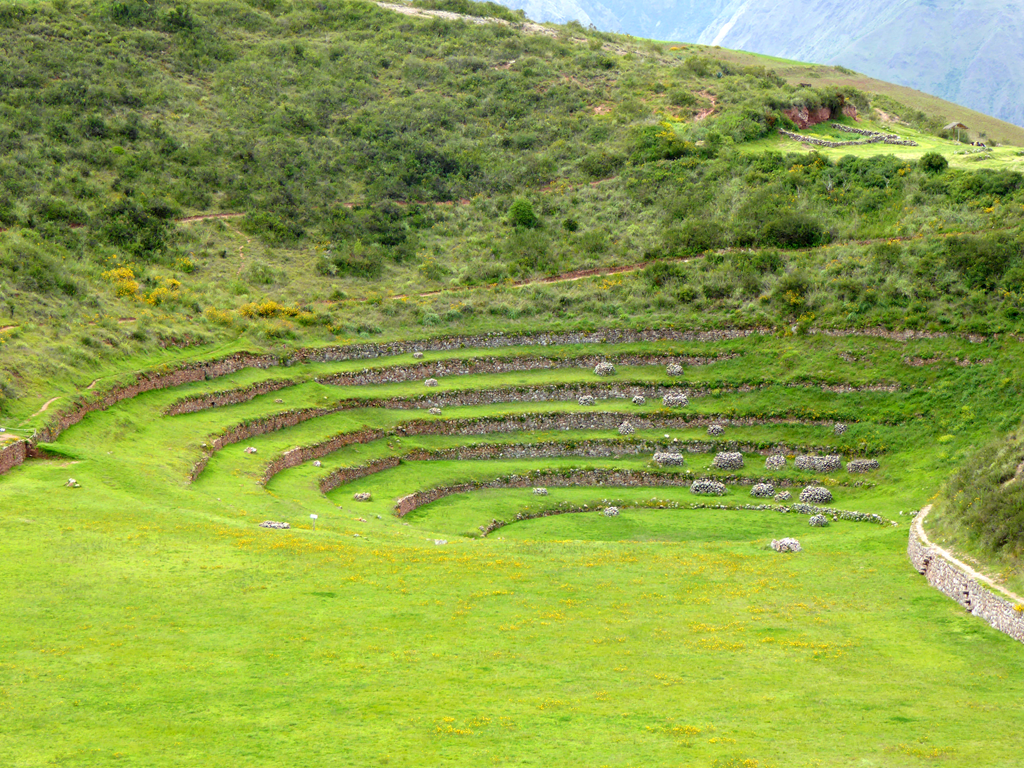
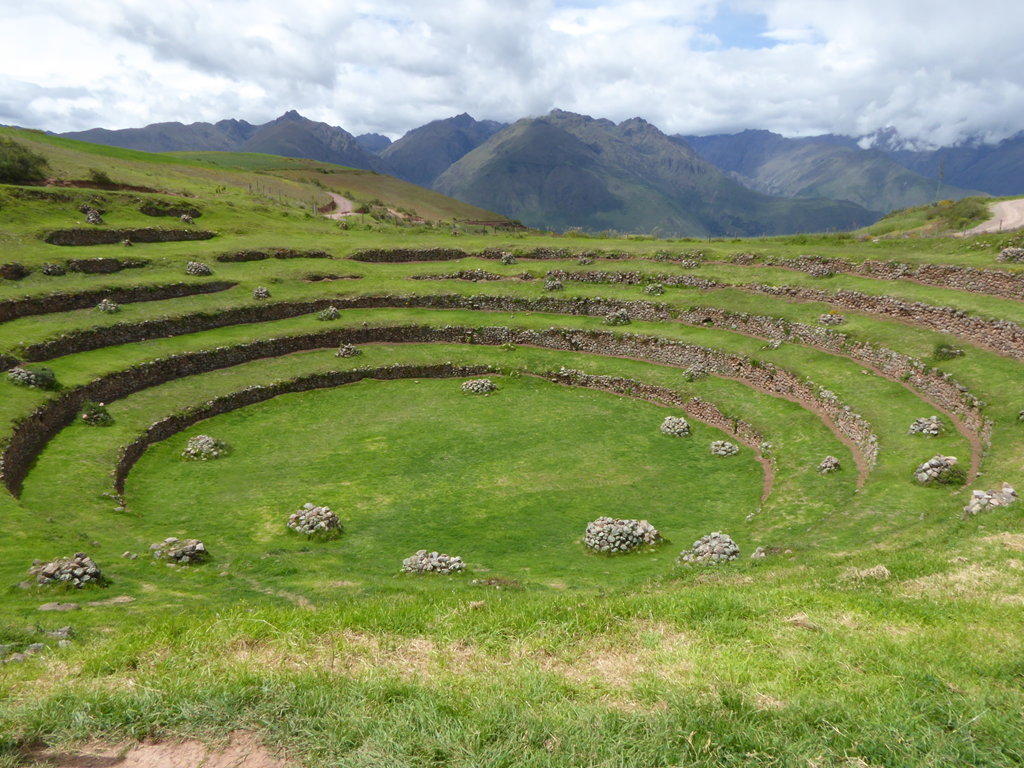
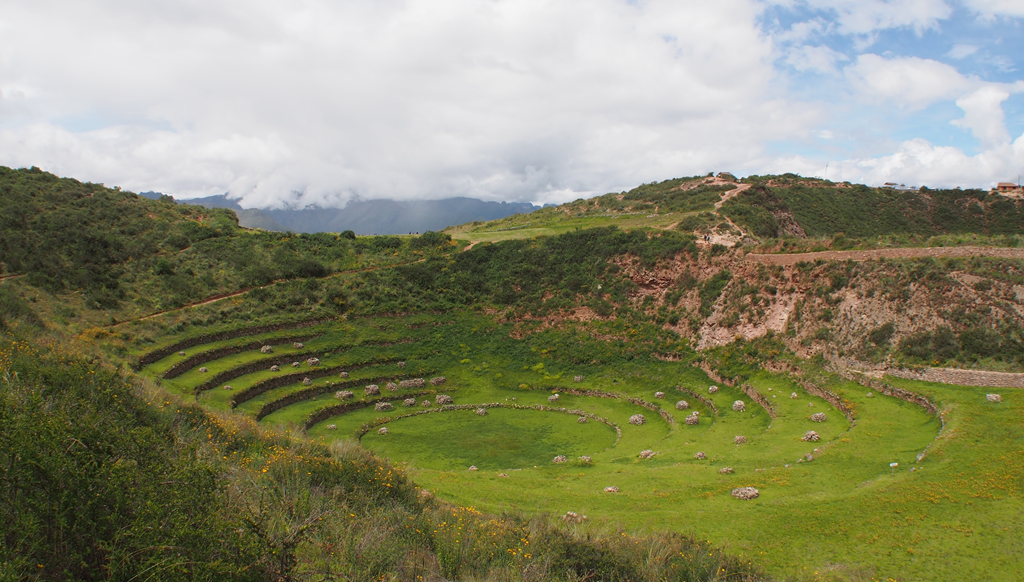
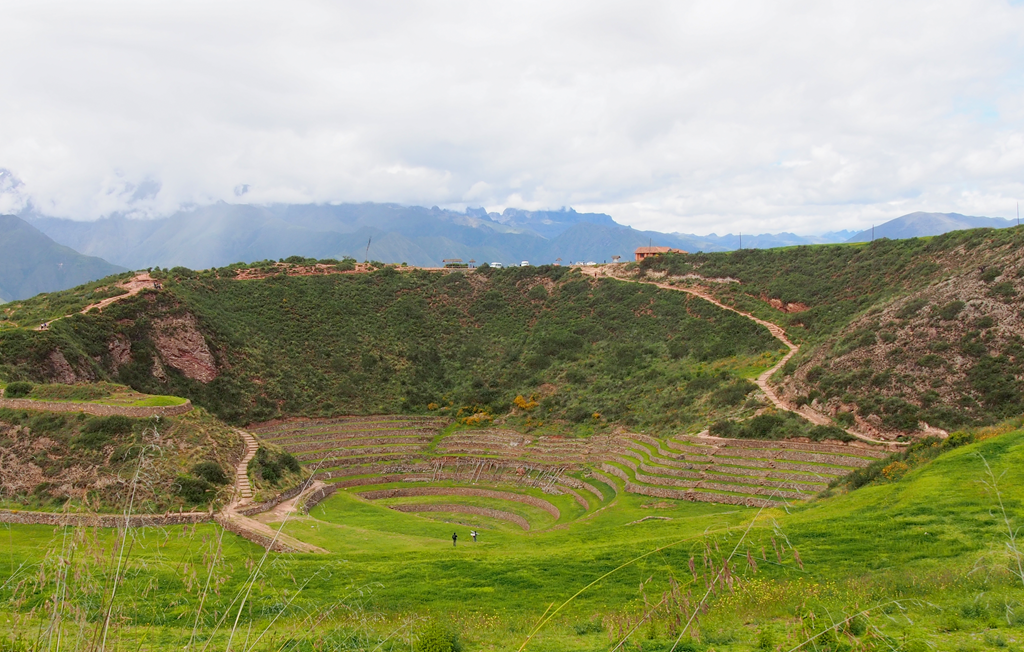
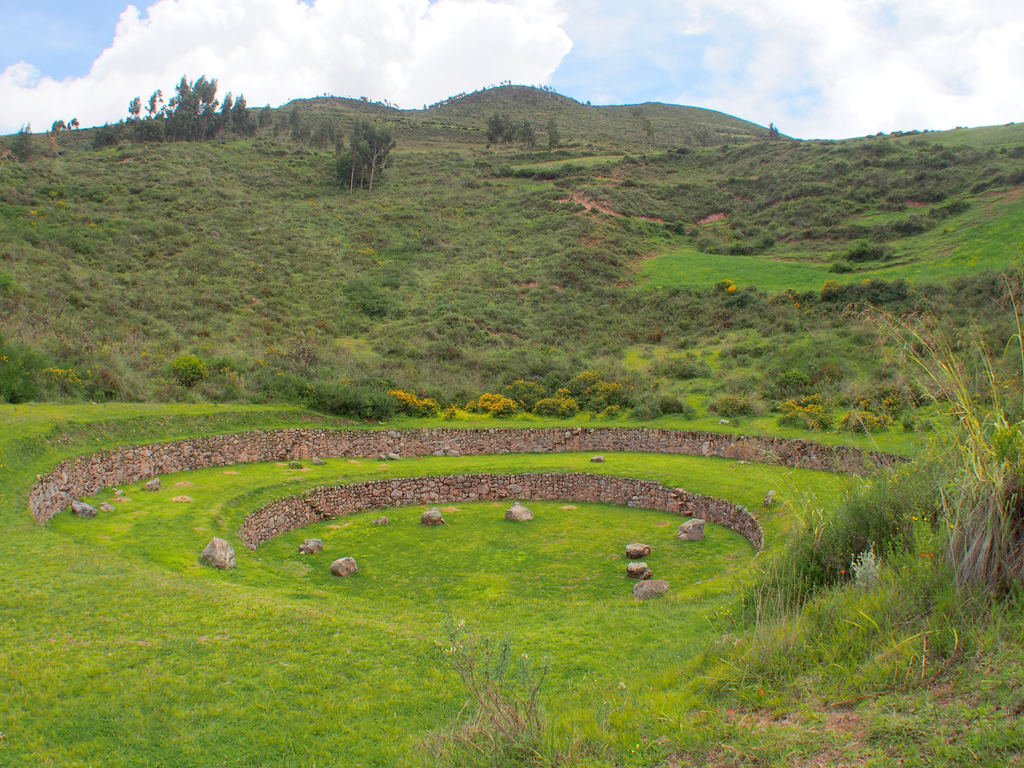
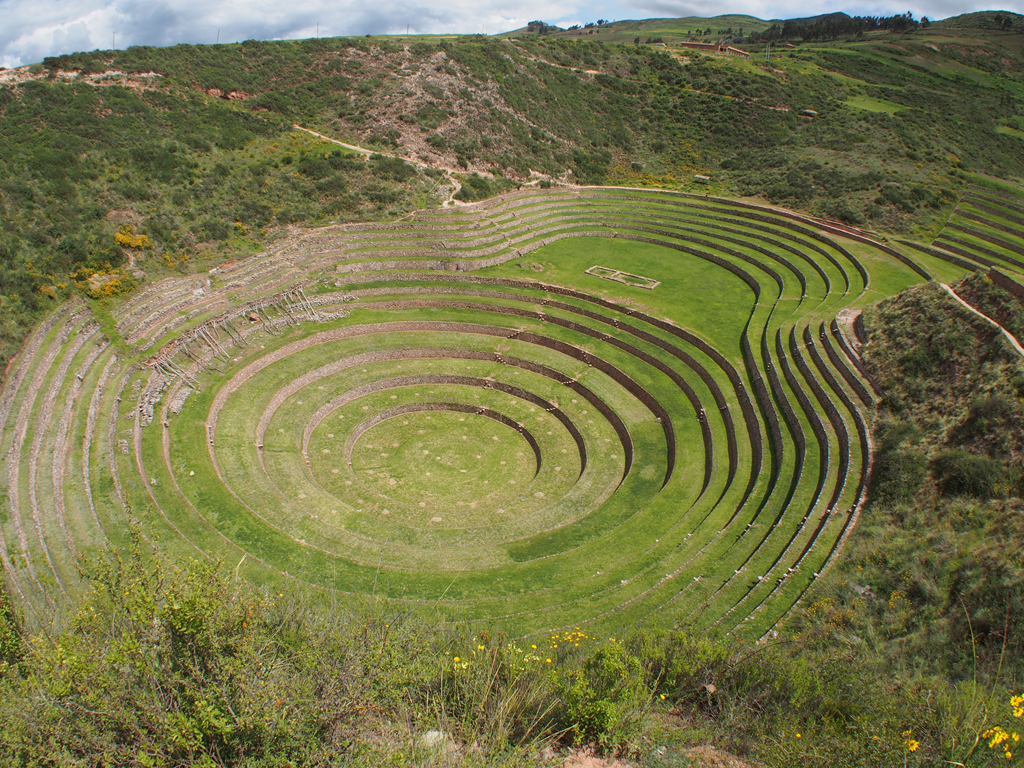
    Moray is an Incan site that consists of circular terraces built into natural sinkholes.

    image

    There are 4 different depressions at the site.

    image

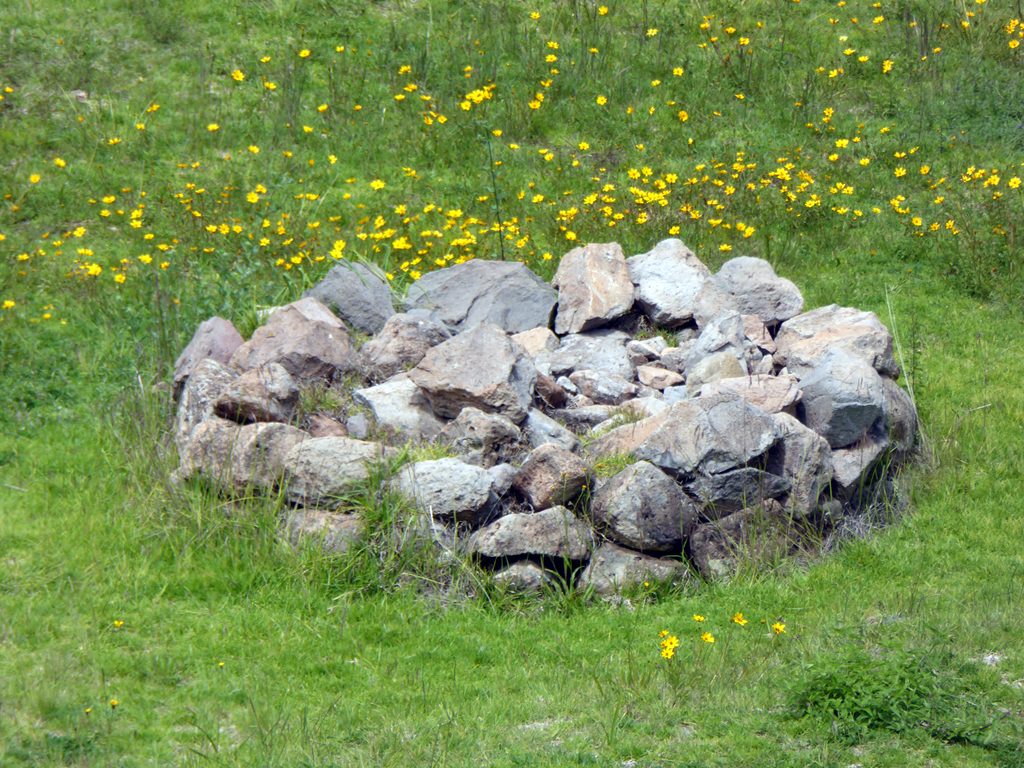
    But two of them were never finished.

    image

    Which is why they still have piles of rocks lying around.

    image

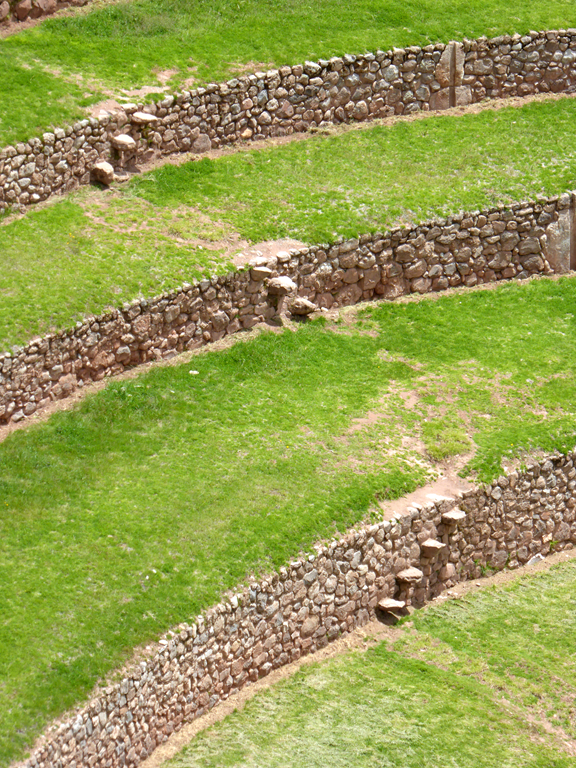
    The finished ones have floating stairs to get between the levels.

    image

    The terraces have a complex drainage system. They are built with stones, then rocks for drainage, with soil on top.

    image

    They are not sure what the circles were used for. Some scientists think that because the different levels have different sun and wind conditions, and a temperature difference of 15 degrees Celsius, they were an experimental site to determine which varieties of corn would grow best in which locations.

    image

    Other scientists argue that the temperature difference only exists because the irrigation system has been disrupted, and if water was flowing it would even out the temperature conditions.

    image

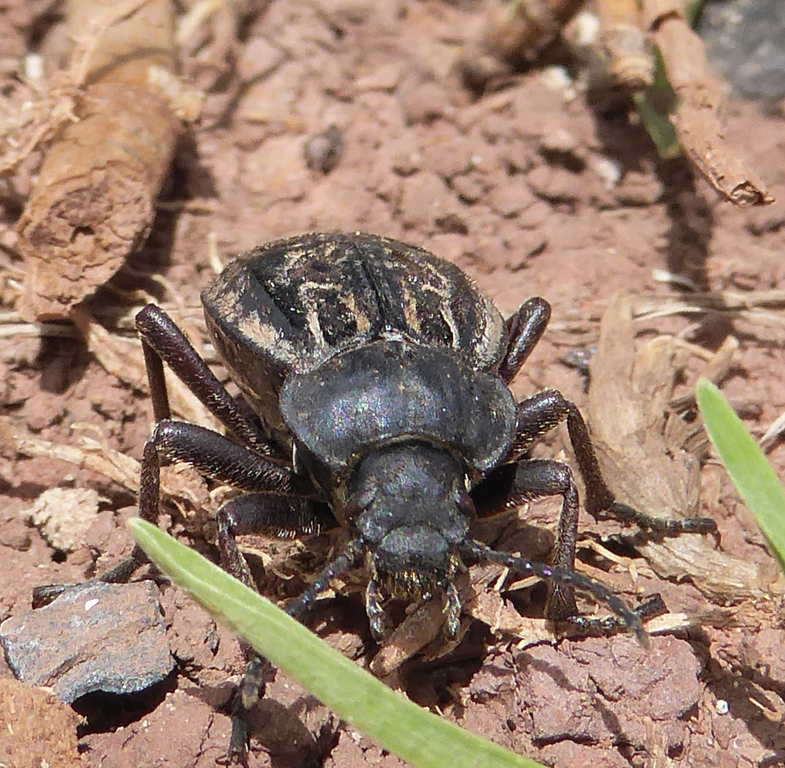
    There were lots of bugs on the site.

    image

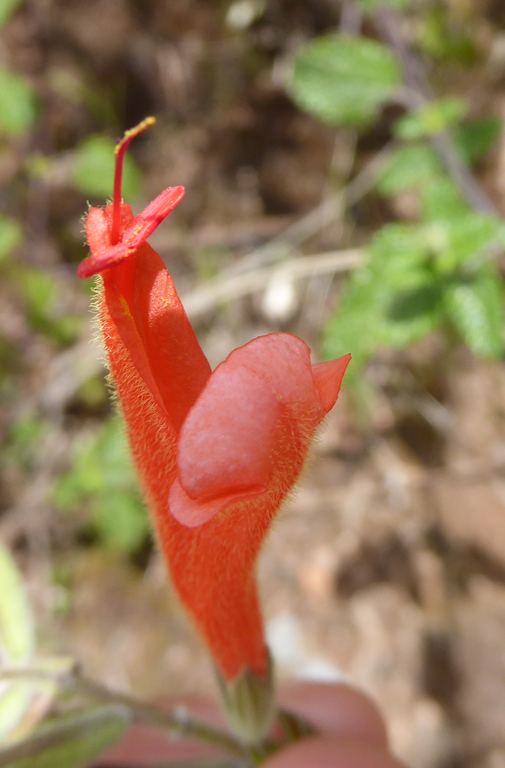
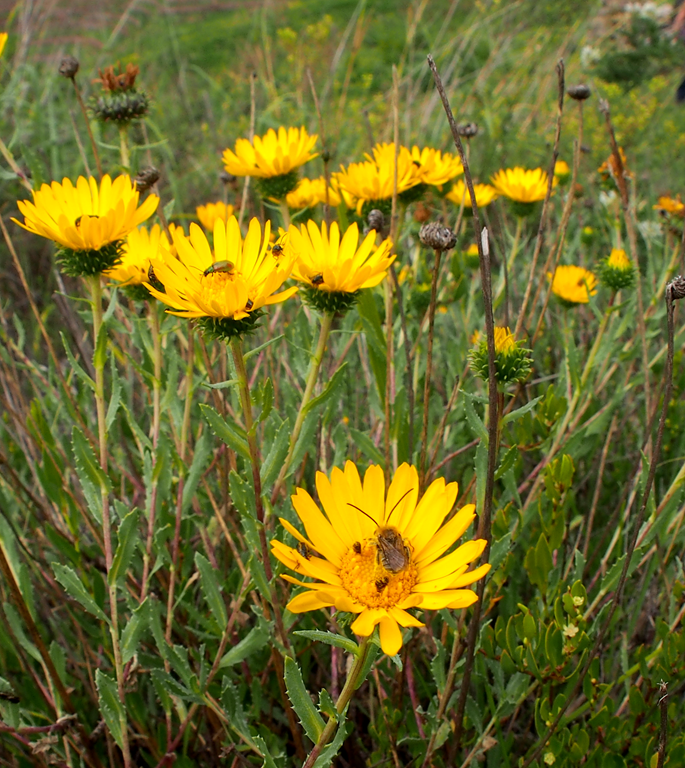
    And pretty flowers.

    image

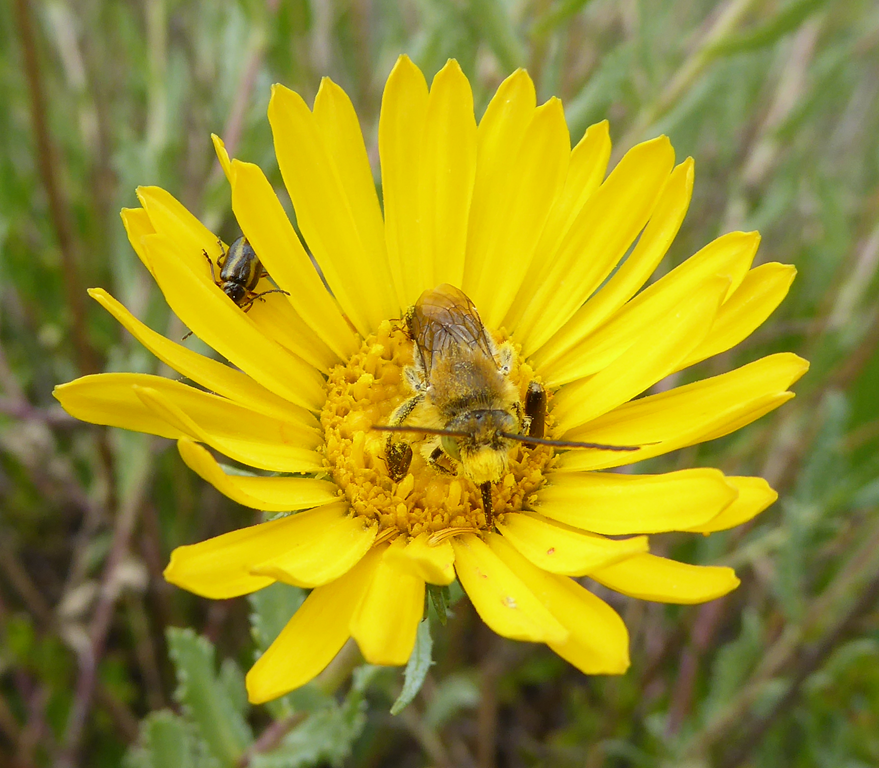
    And pretty flowers covered in bugs.

    image

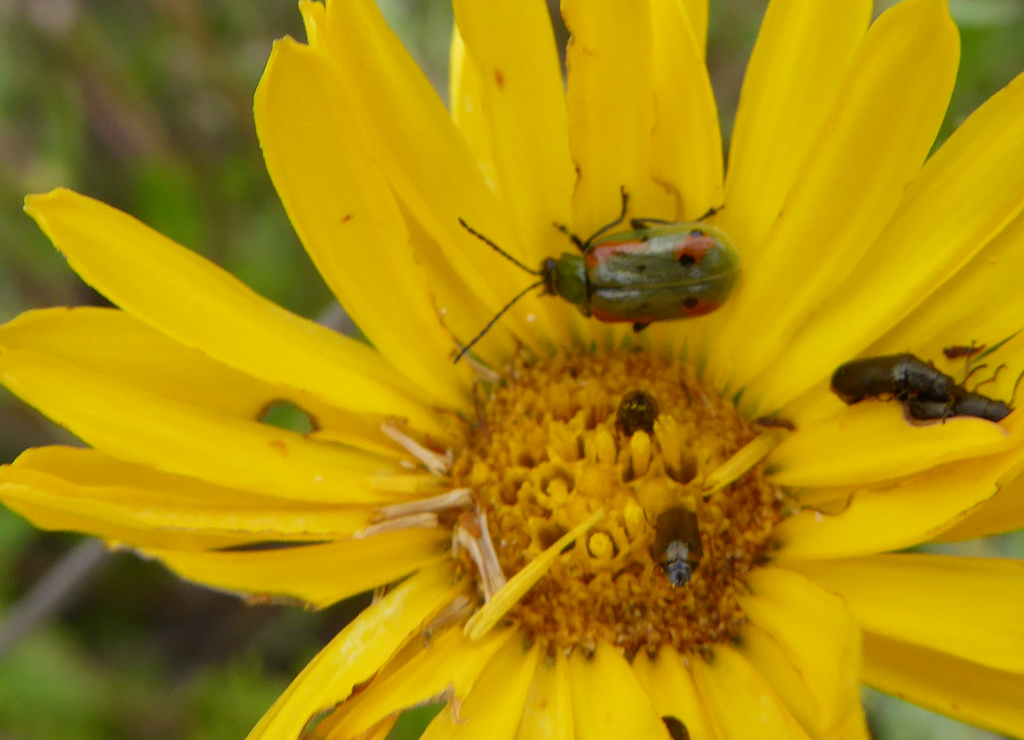
    Lots of bugs.

    image

    Even colourful bugs.

    image

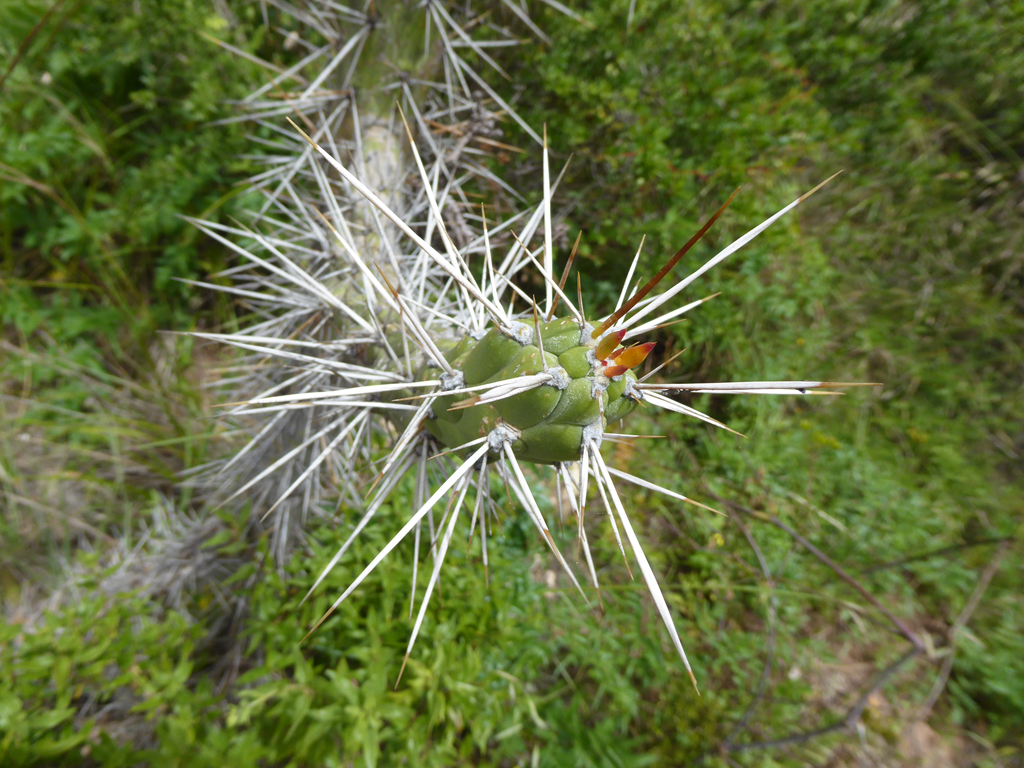
    It seemed to green and wet for cactus, but there were still some.

    image

    The smallest one has only two levels.

    image

    The largest one is 30m deep, 180m across and has 12 levels.

    image


  • Maras Salt mines

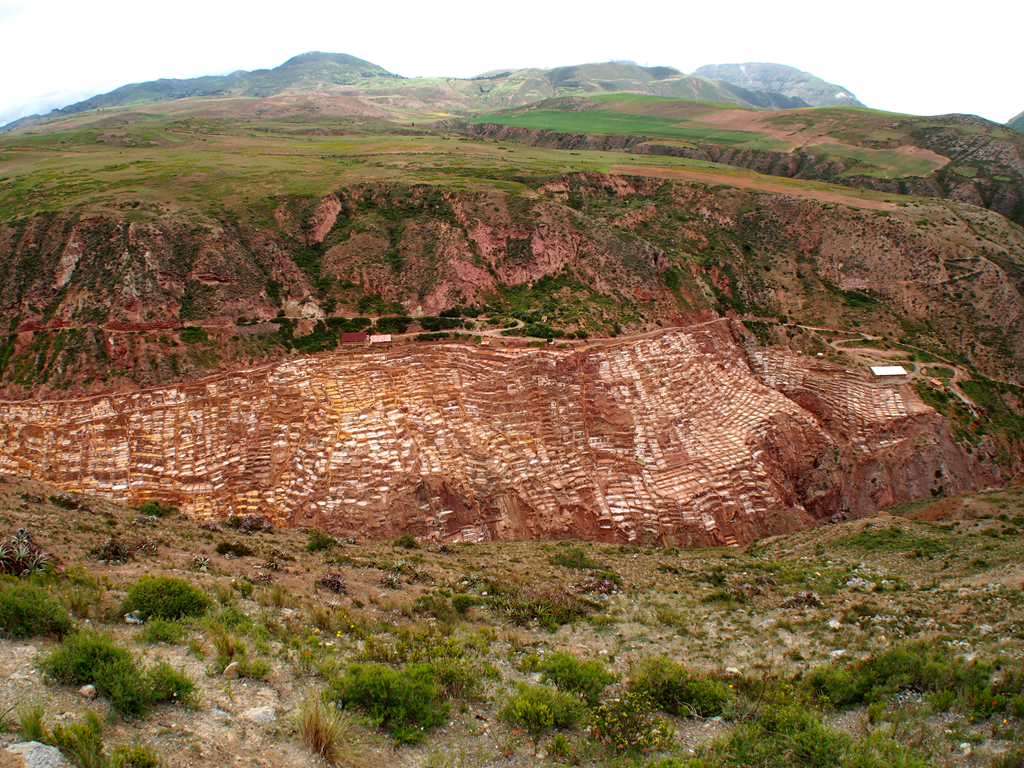
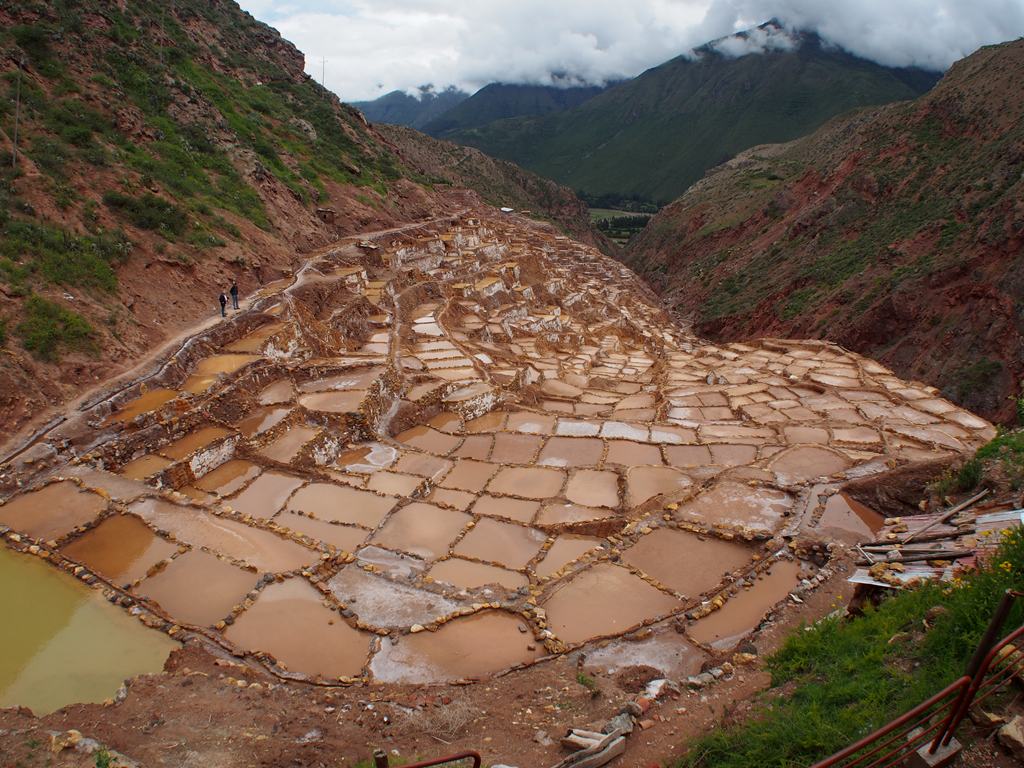
    The Maras salt mines are located in a beautiful valley.

    image

    The terraced pools line a whole side of the valley.

    image

    Since it was the rainy season they weren’t being worked. They make only $8 for the 50kg of salt they get from each pond, which is not worthwhile while they can farm.

    image

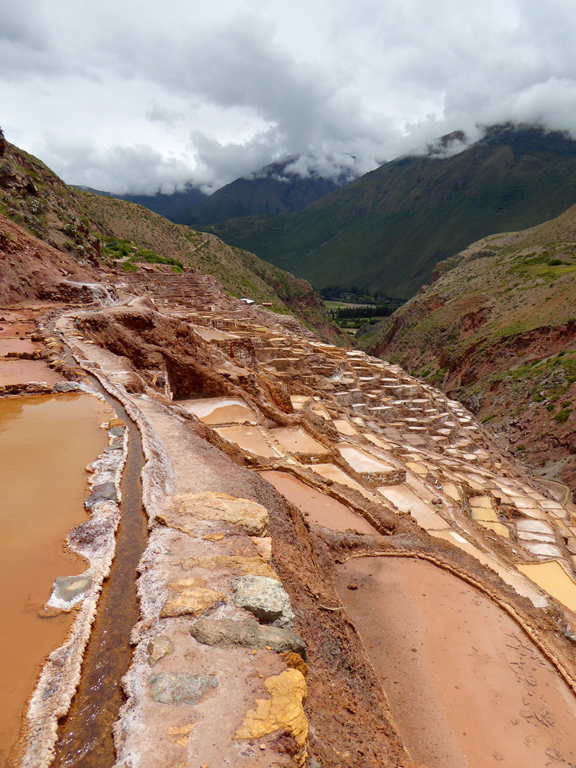
    The water runs through this big channel, and then cascades down into small collecting pools. They channel to fill them is blocked off with clay when they are full.

    image

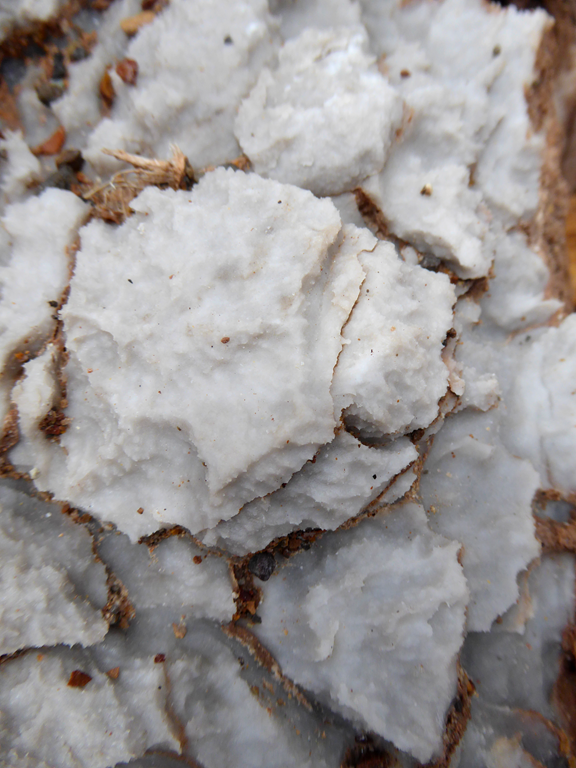
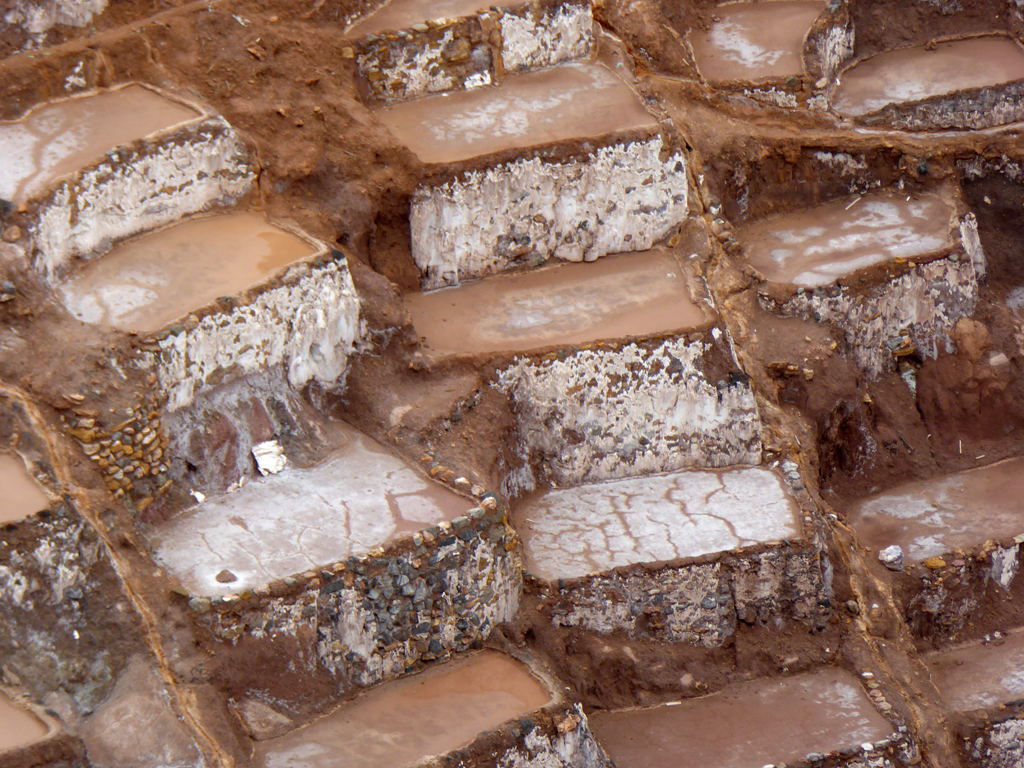
    Normally it only takes about 3 days for the pool to dry. Then it is refilled and the process is repeated until they have a layer of salt 10cm thick. The top layer is iodized and sold for food. The middle layer is used for animal feed. The lowest layer, which absorbs minerals from the clay, is used for cosmetics. 

    image

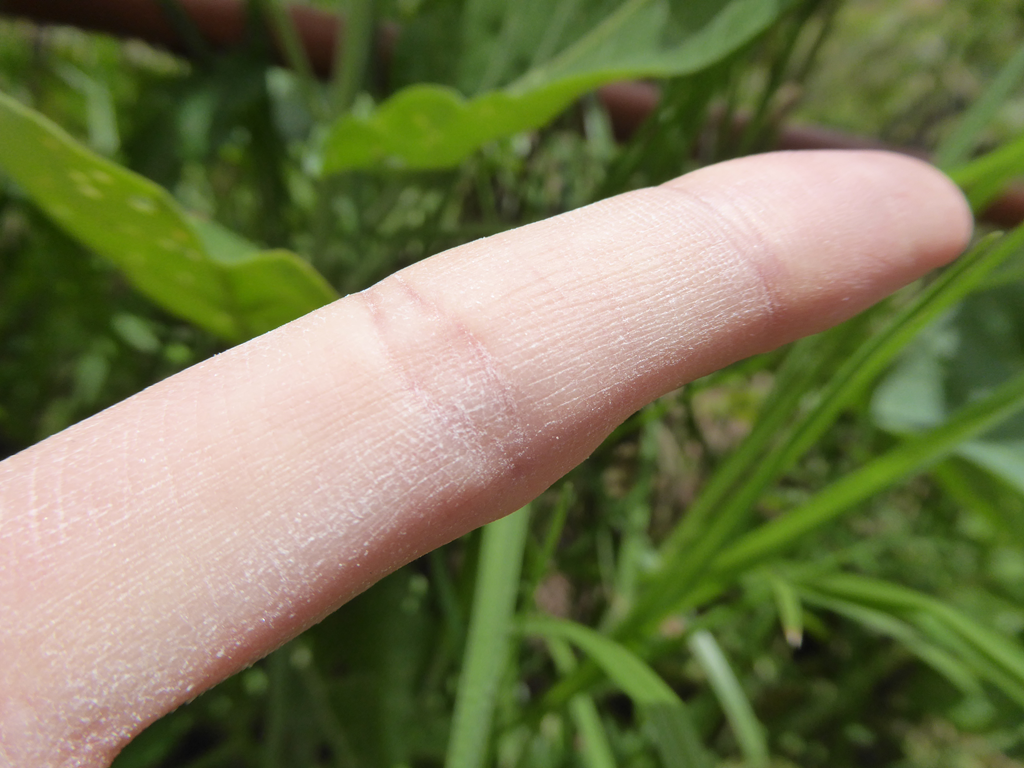
    The water in the canal tastes really salty and leaves a covering of salt on your finger when it dries.

    image

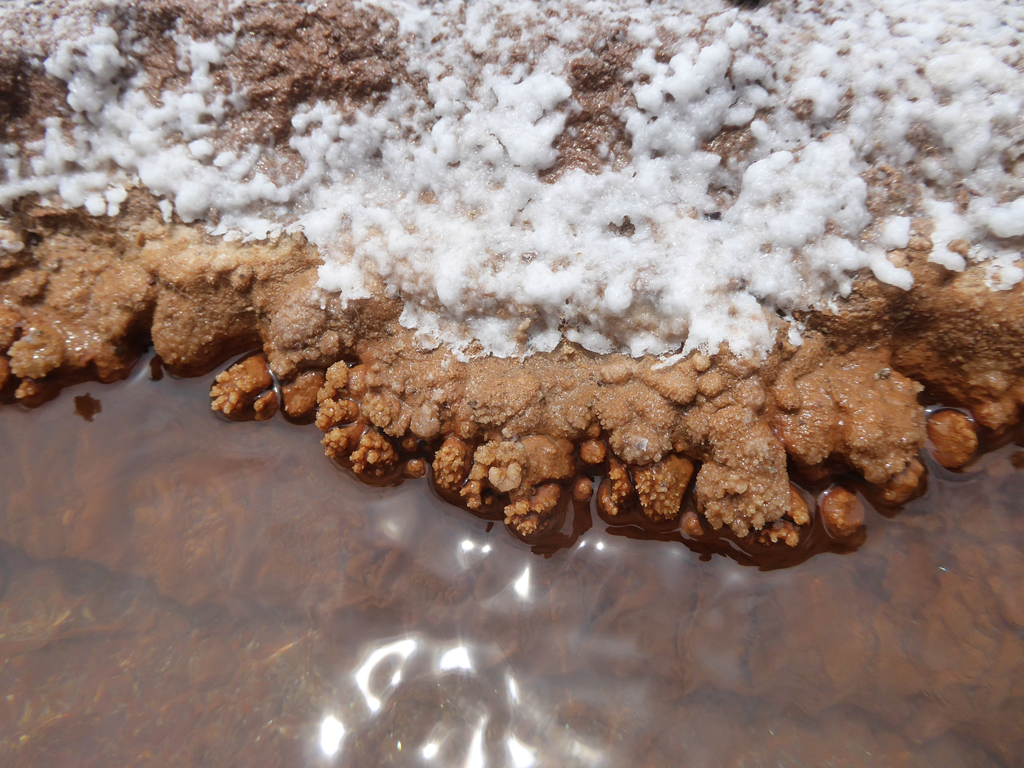
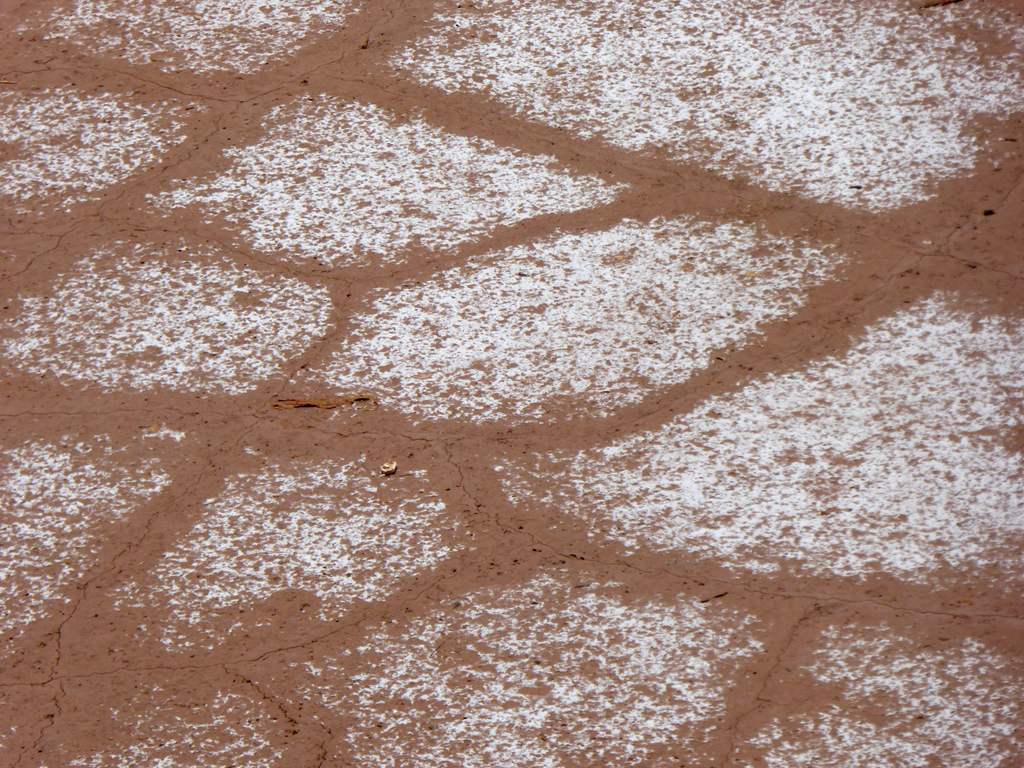
    The soil next to the canal is covered in crystallized salt.

    image

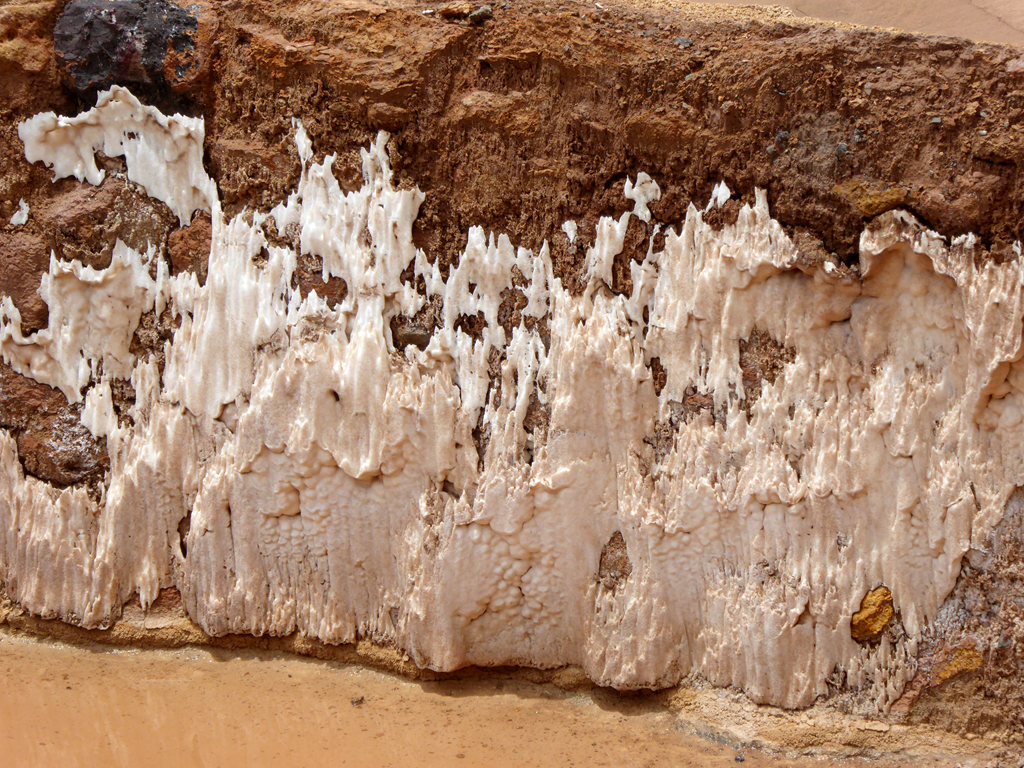
    Actually everything around is covered in salt.

    image

    The walls are covered in salt.

    image

    As the bottoms of the ponds dry out the clay cracks.

    image