• Category Archives Uncategorized
  • Chinchero

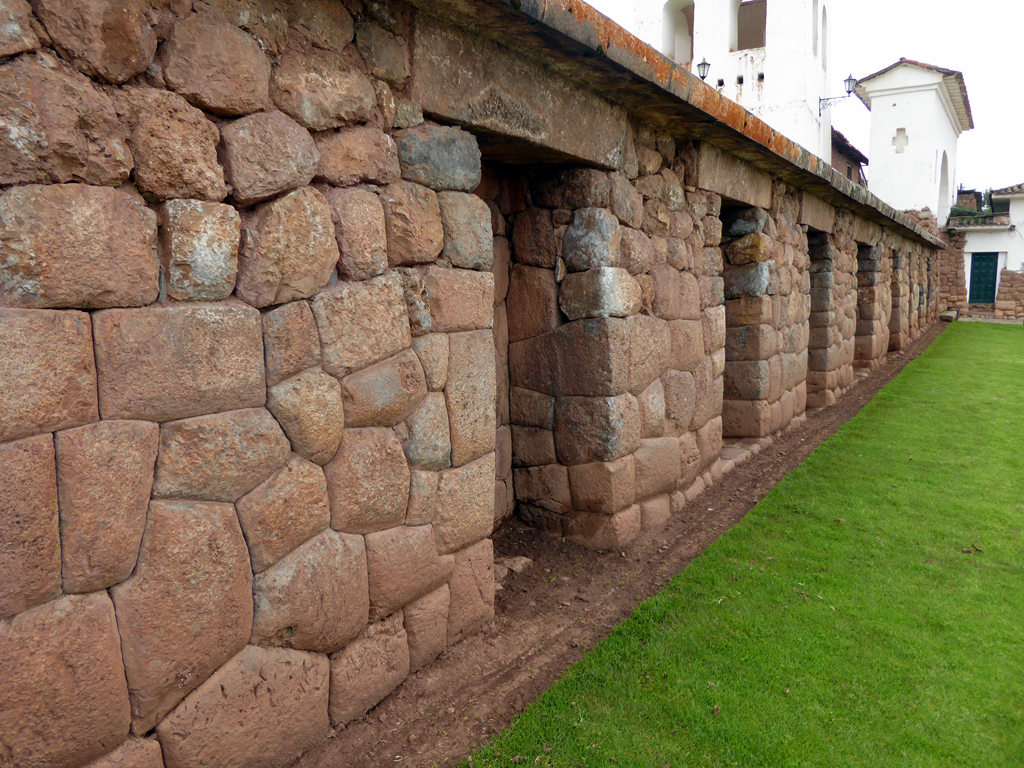
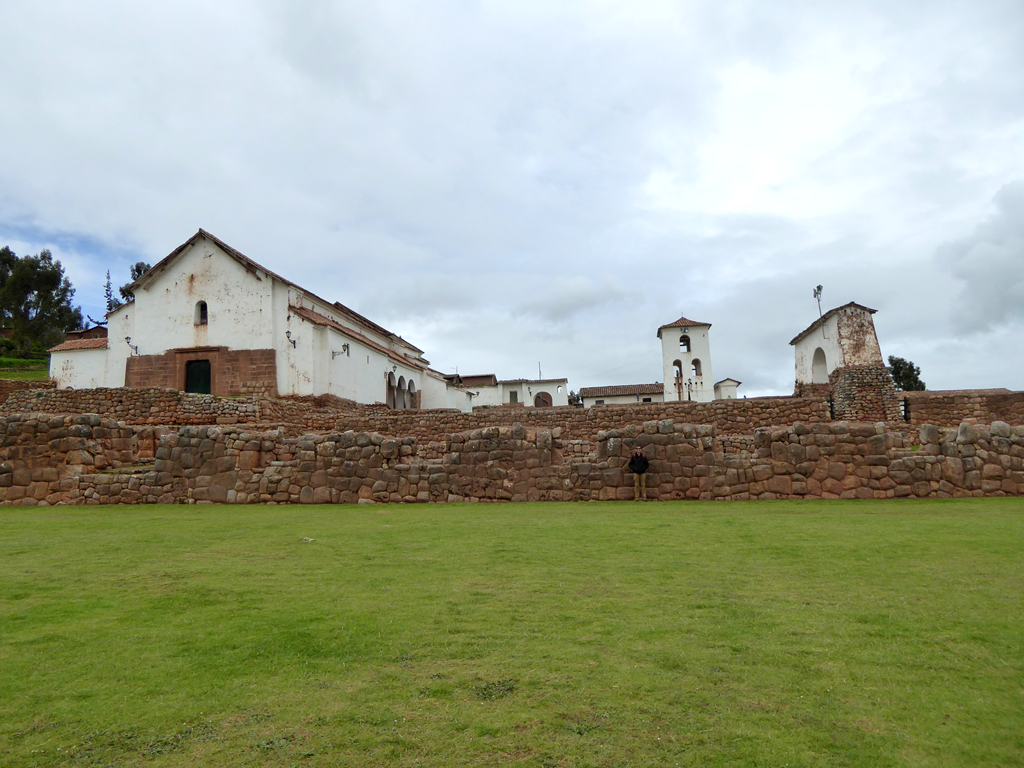
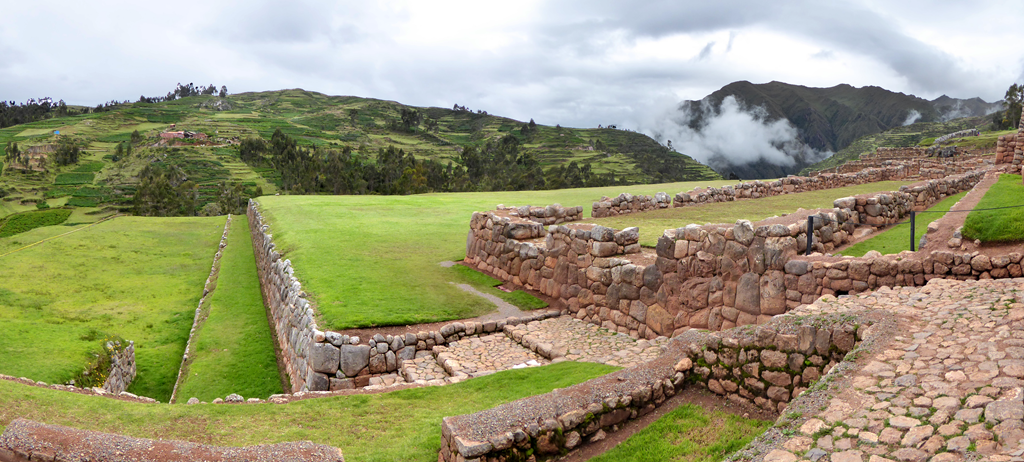
    Today we visited Chinchero which was a palace or temple that still has the Incan foundations.

    image

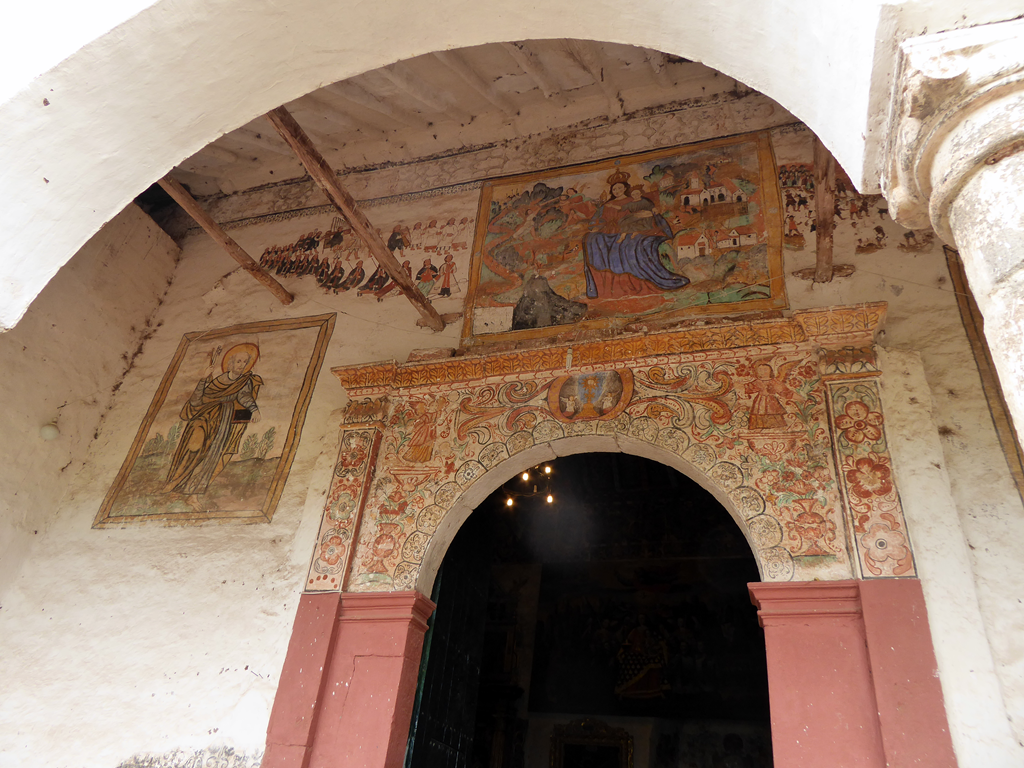
    But the top is now all a Spanish church.

    image

    It was a pretty nice church and had the entire roof painted including the cross beams. They were preparing for mass. The services here are in Chechya.

    image

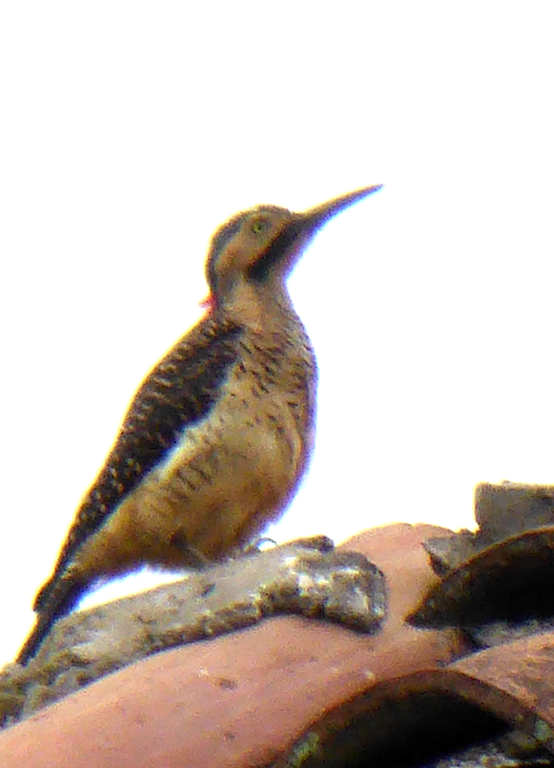
    There was a noisy bird sitting on top of the bell tower.

    image

    There is an amazing view on one side.

    image


  • Juliaca

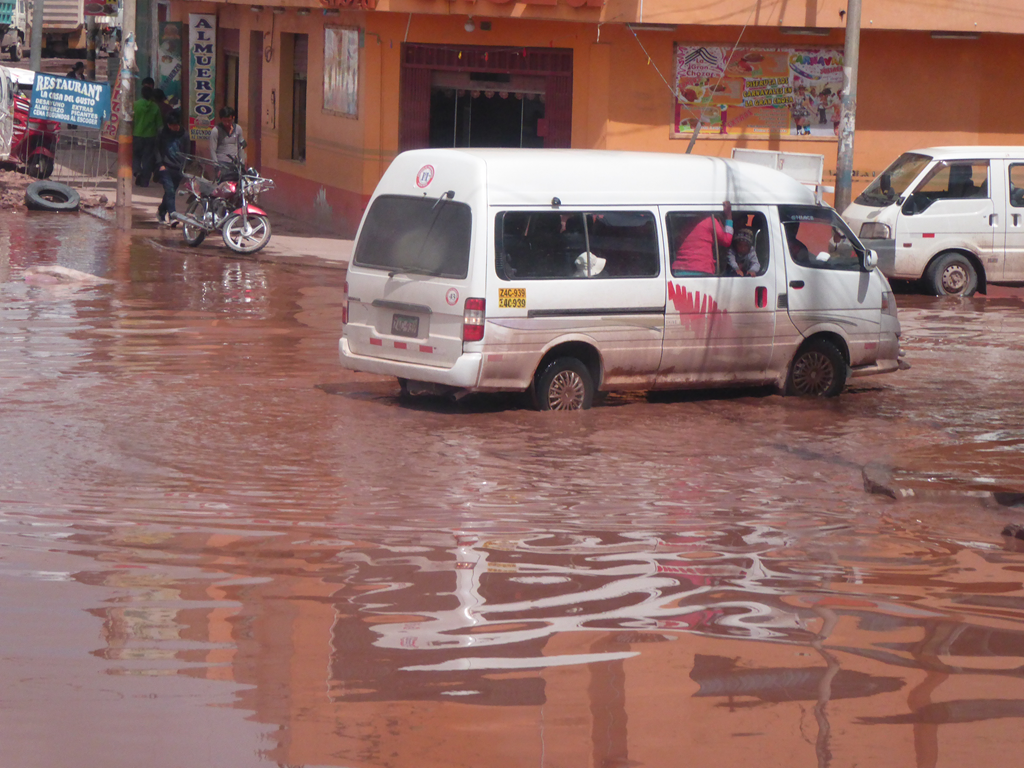
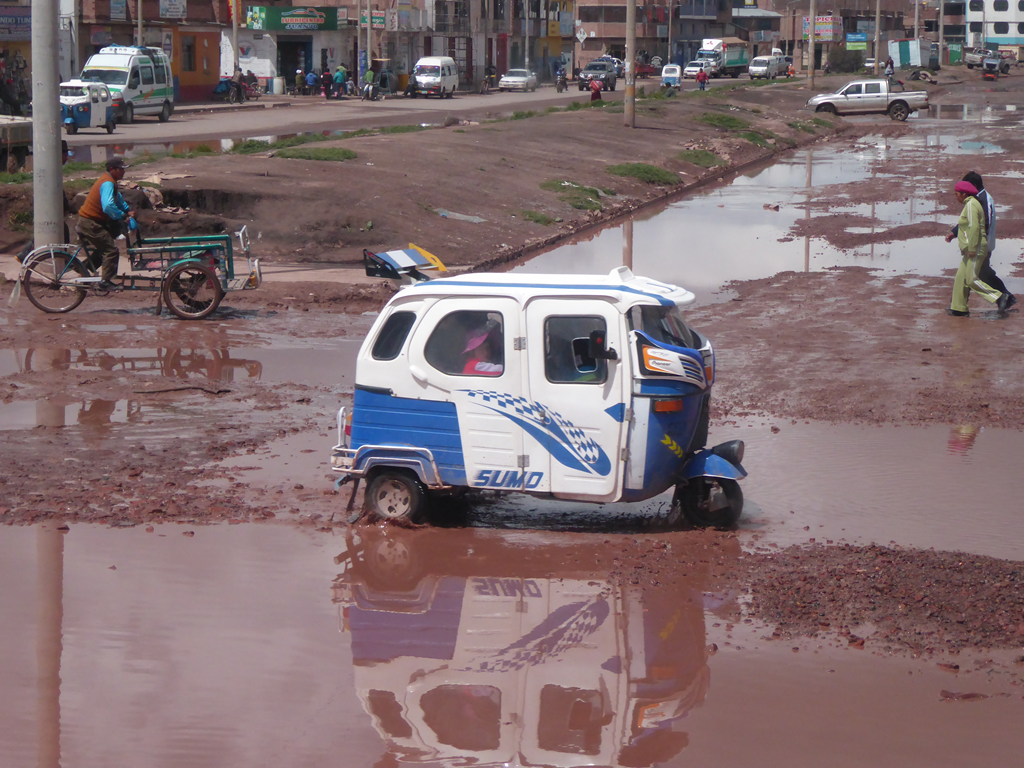
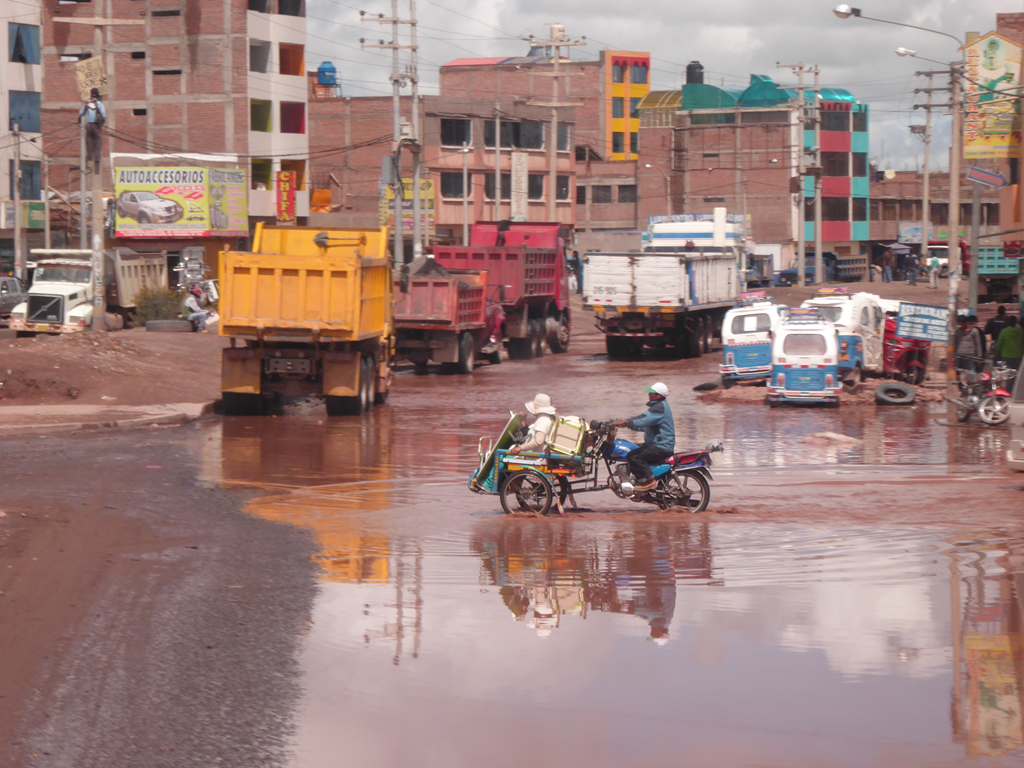
    We were not supposed to spend any time in Juliaca, but we wound up spending over an hour there admiring their potholes.

    image

    They were impressive even by Edmonton standards.

    image

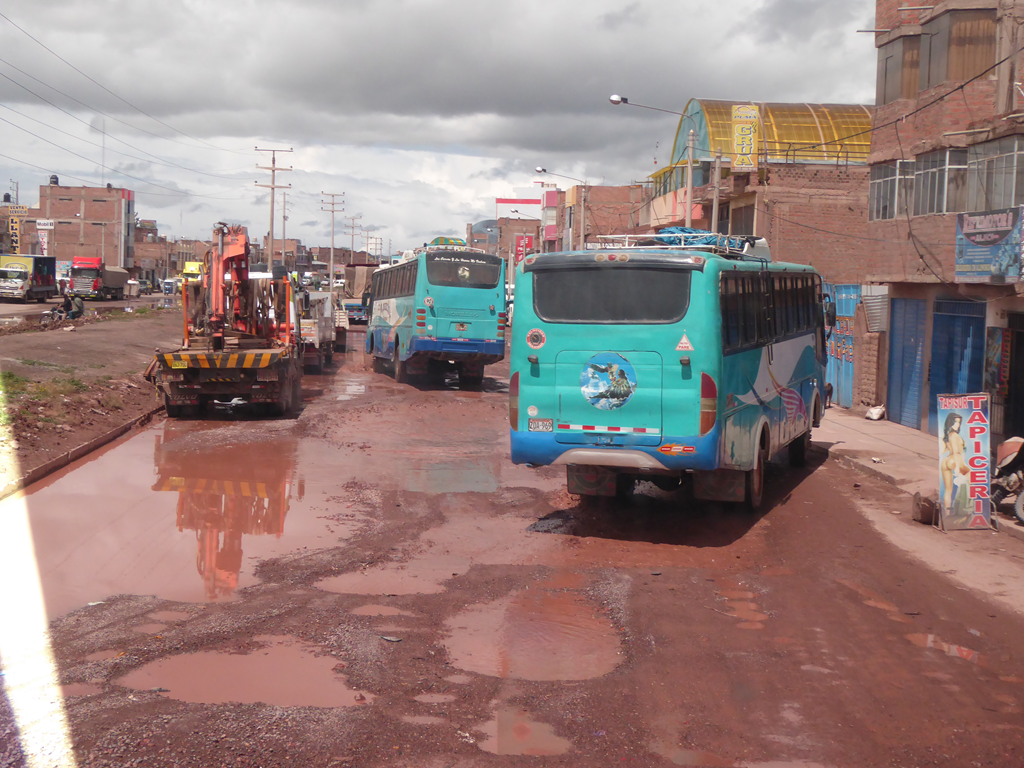
    Our double decker bus travelled at an average speed of 4km/h in a zigzag pattern.

    image

    Here is a video of our progress. After the first cough the camera is braced against the bus, so all of the sudden jerks are the wheels settling into potholes.

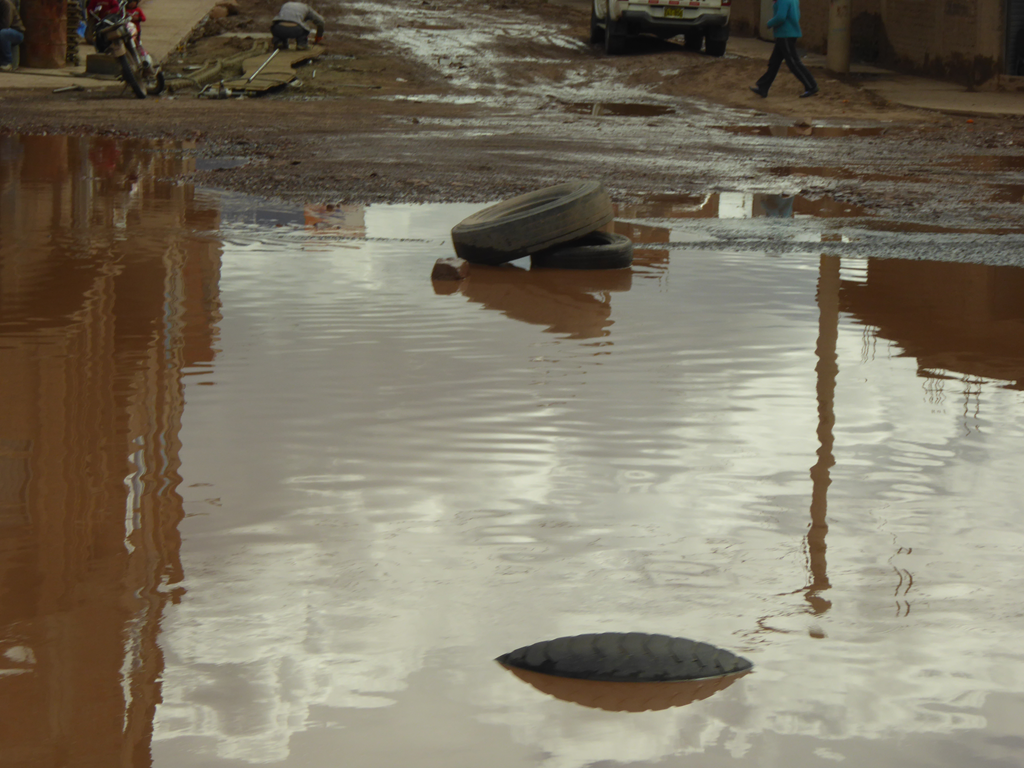
    We got stuck twice. There were tires everywhere in the middle of the road. I’m not sure if they were being used to mark the worst parts, or if they fell off and just got left where they were.

    image

    The locals seemed to be having surprisingly little trouble.

    image

    I guess being lightweight helps even if you have tiny wheels.

    image

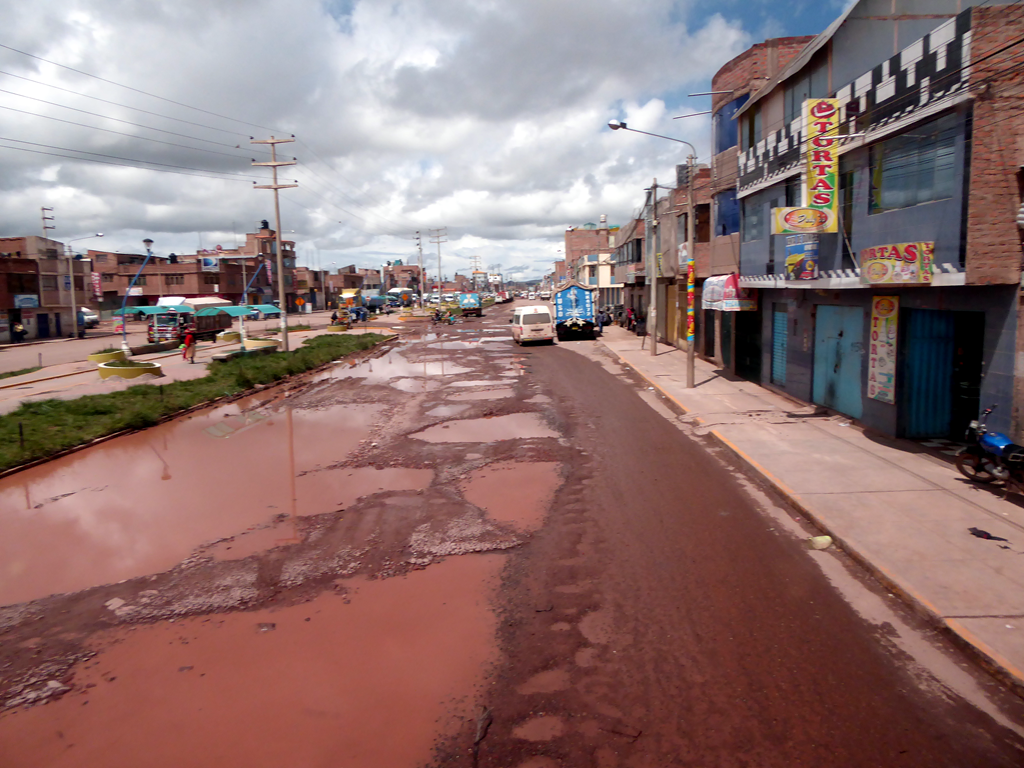
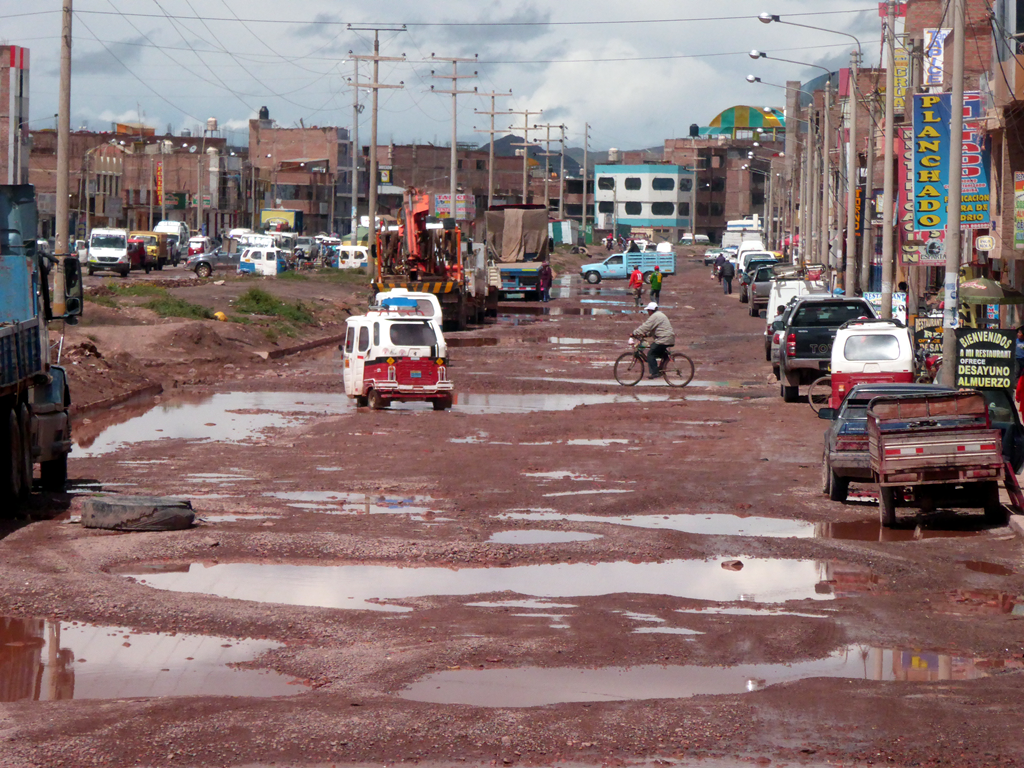
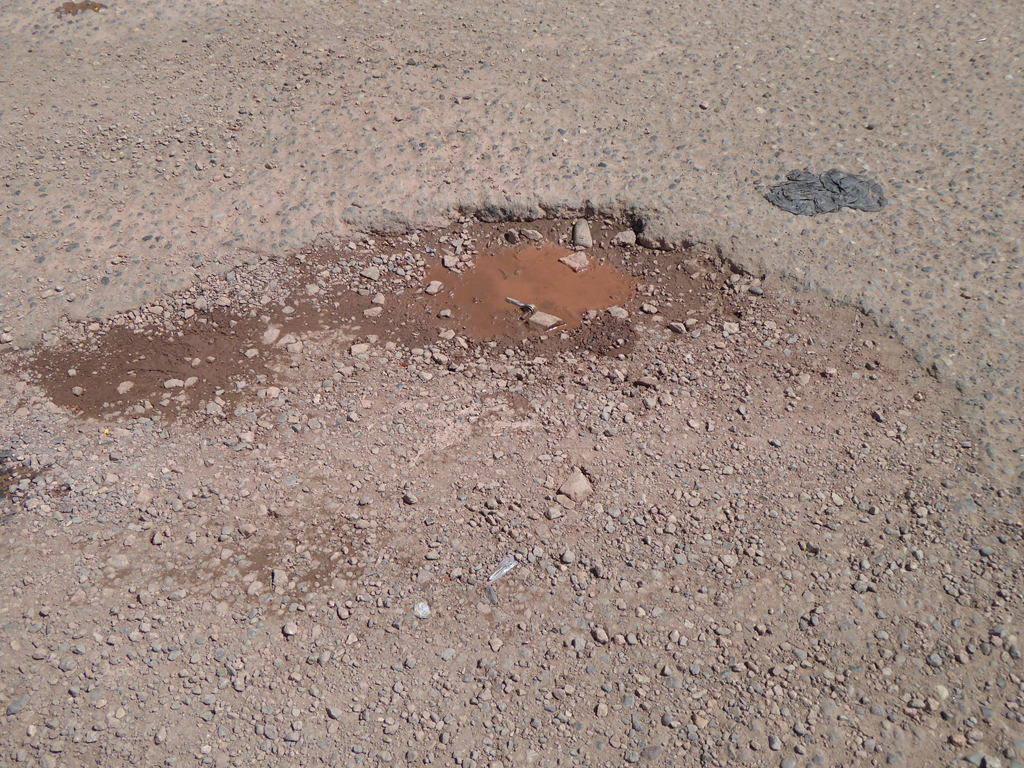
    Believe it or not, this is a paved asphalt road, with full curb, gutter and storm sewer.

    image

    The red pebbles making the mud seem to be the result of repeated failed attempts to patch the holes.

    image


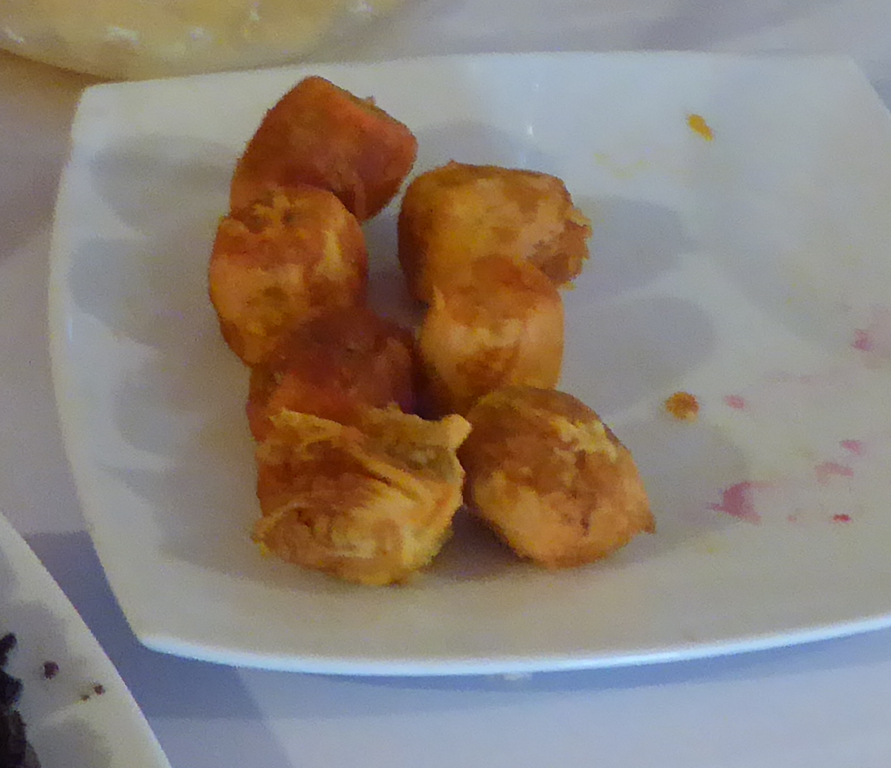
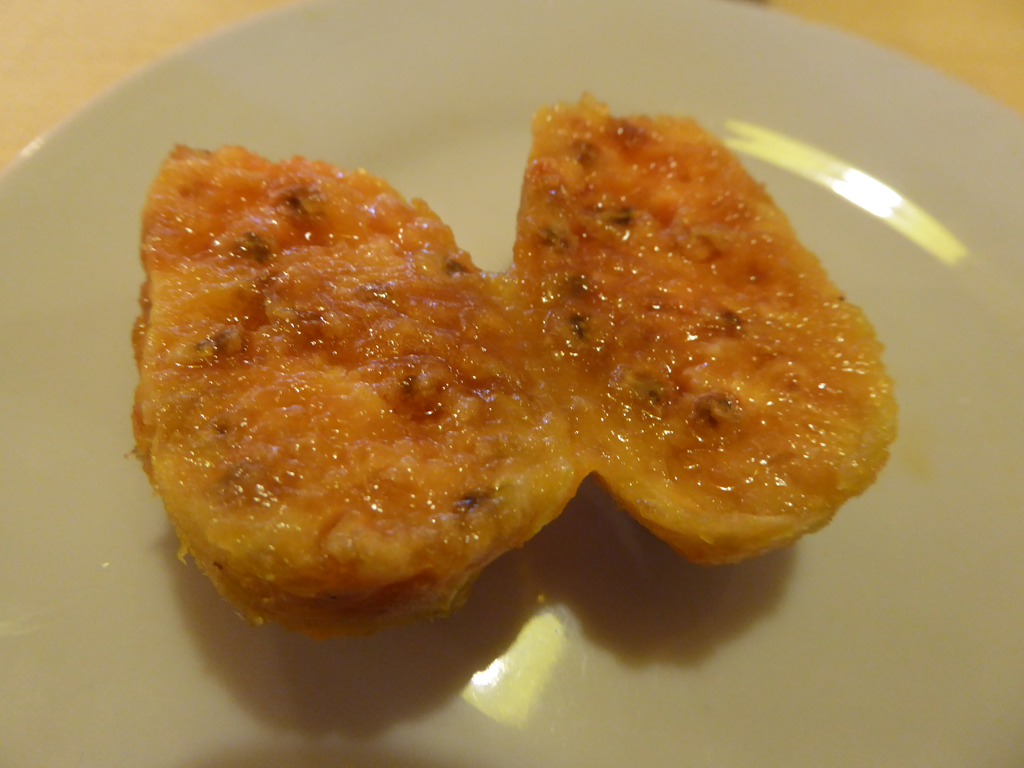
  • Prickly Pear Cactus

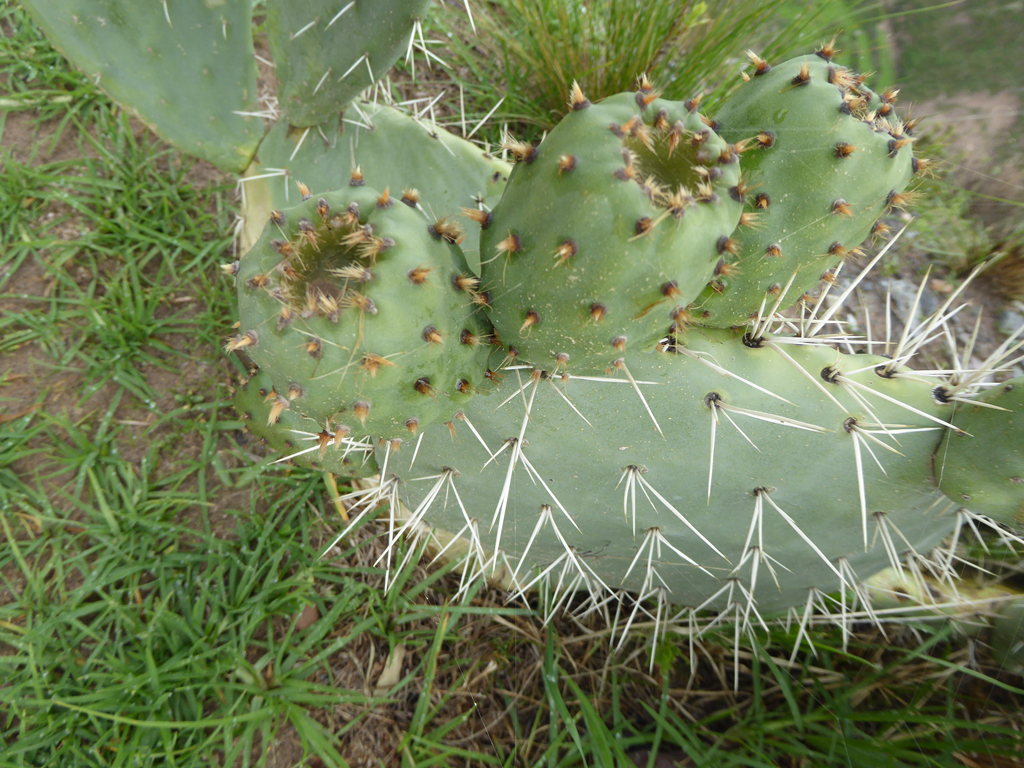
    In the Chivay region the prickly pear cactus is farmed. Partially for its fruit.

    image

    This is the fruit pealed for eating.

    image

    Here it is cut open. It tastes kind of melony, but with lots of seeds.

    image

    But they also farm them because they attract bugs, which are ground up and used to dye clothing.


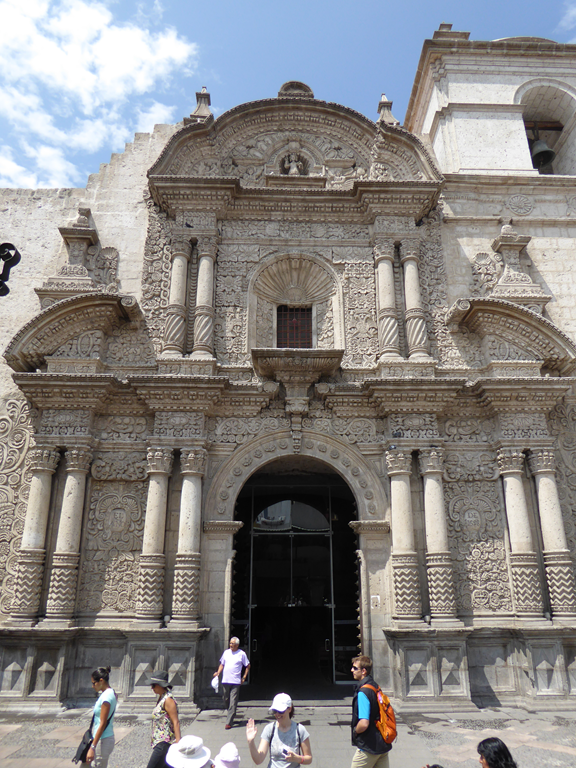
  • Arequipa Church

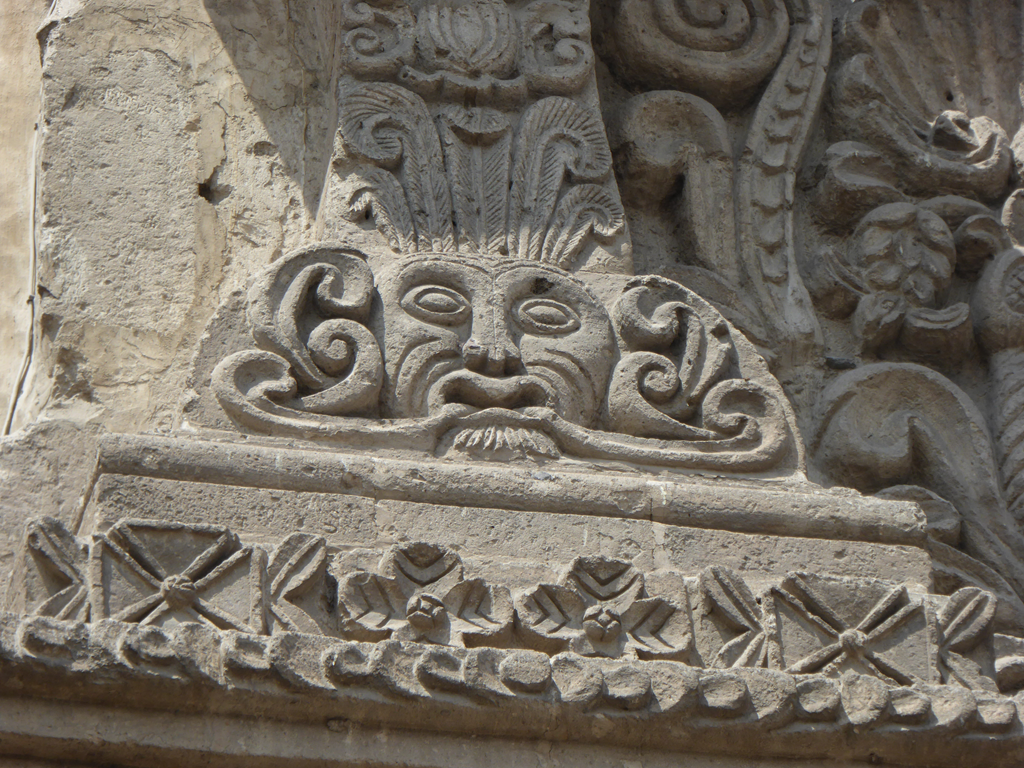
    The church is built out of sillar volcanic stone.

    image

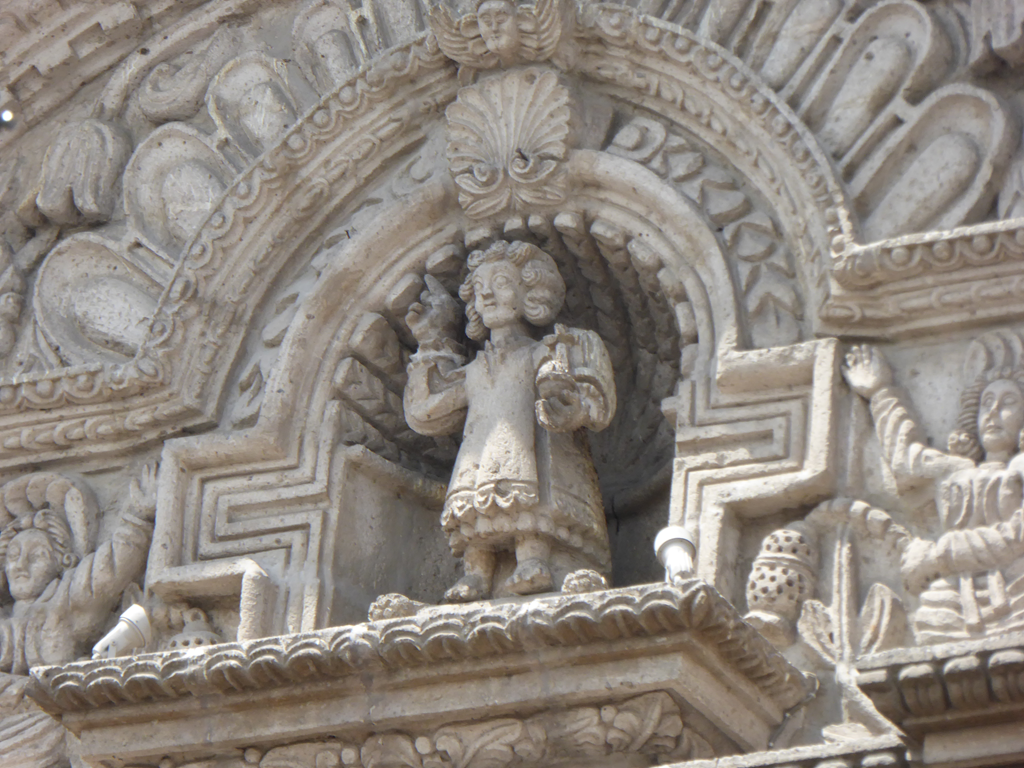
    The stone is very soft and easy to carve.

    image

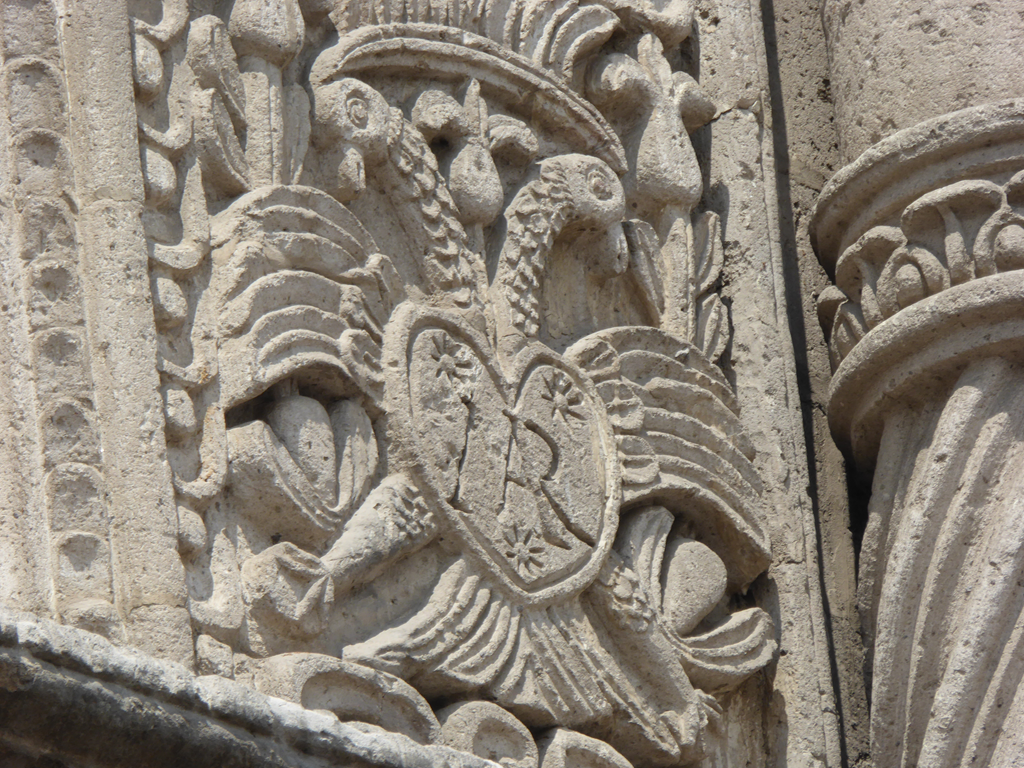
    This church had definite Peruvian touches

    image

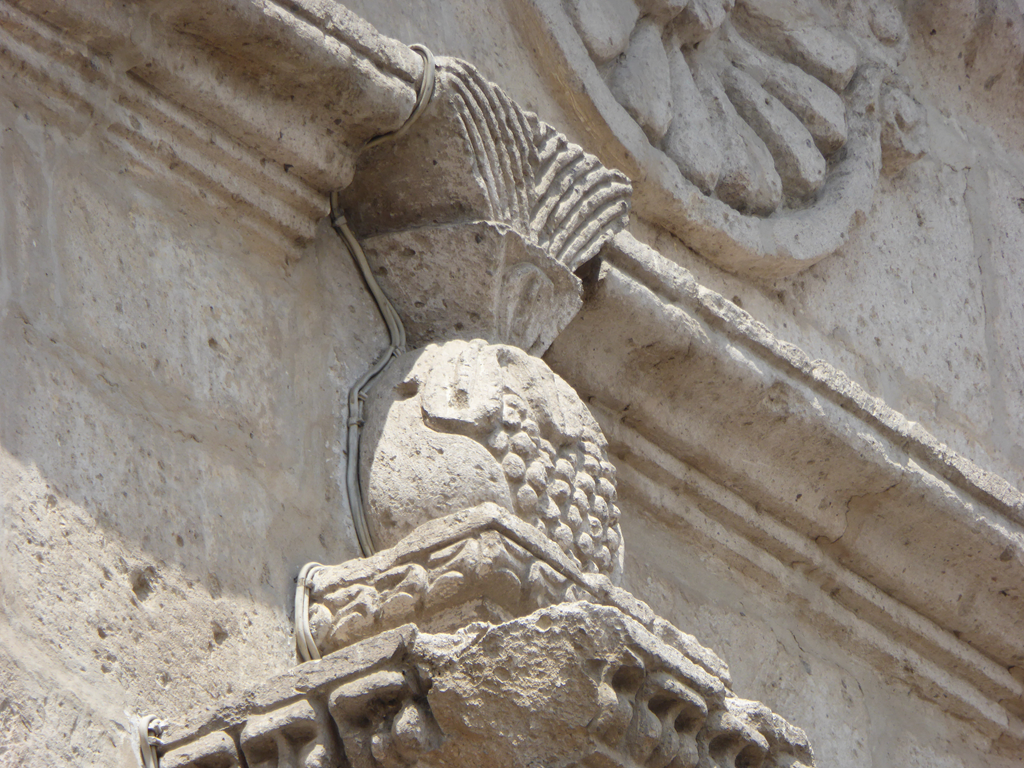
    Including pineapples.

    image

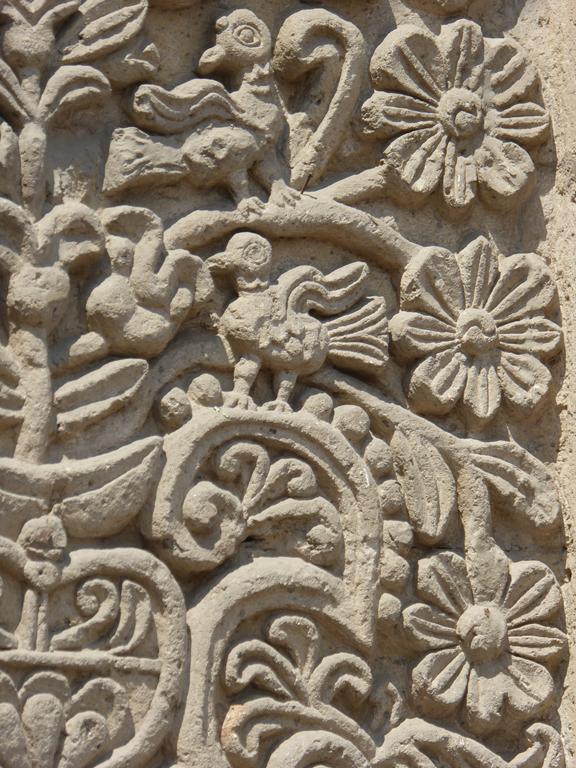
    And other small birds.

    image

    I’m not sure what type of birds these were to represent.

    image

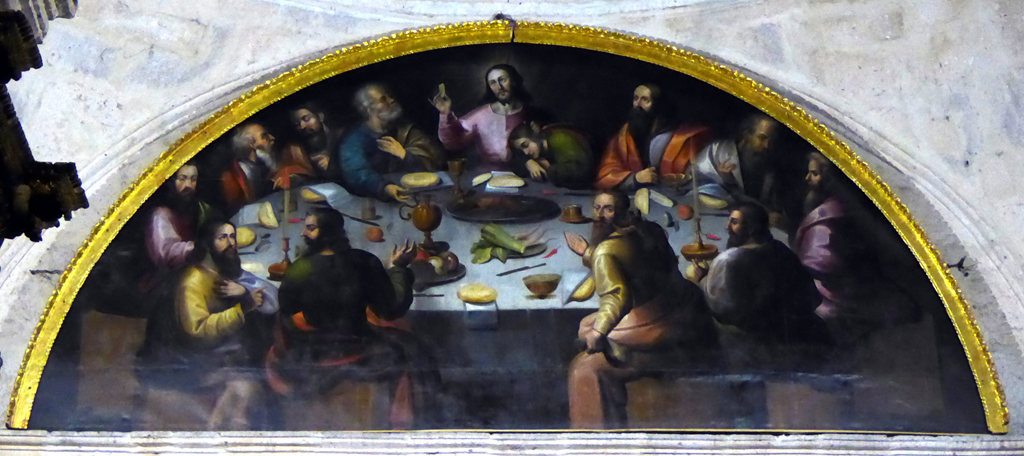
    There was another last supper featuring guinea pig and corn, but the painting isn’t as nice as the one in Lima.

    image

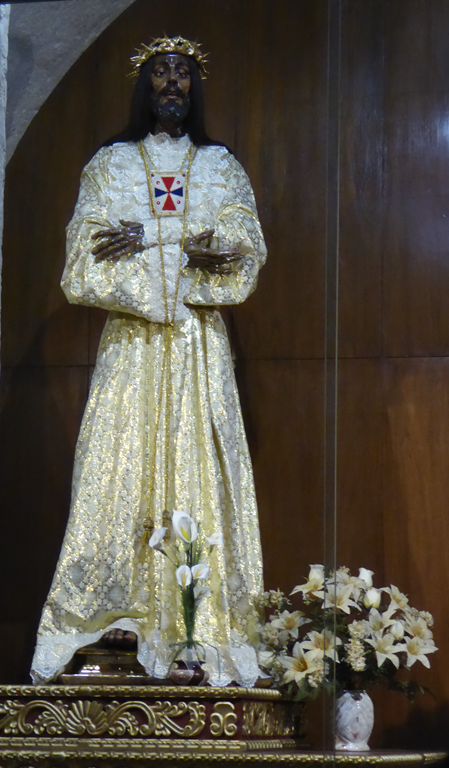
    This church had a Jesus Cautivo statue.

    image


  • Colca Canyon

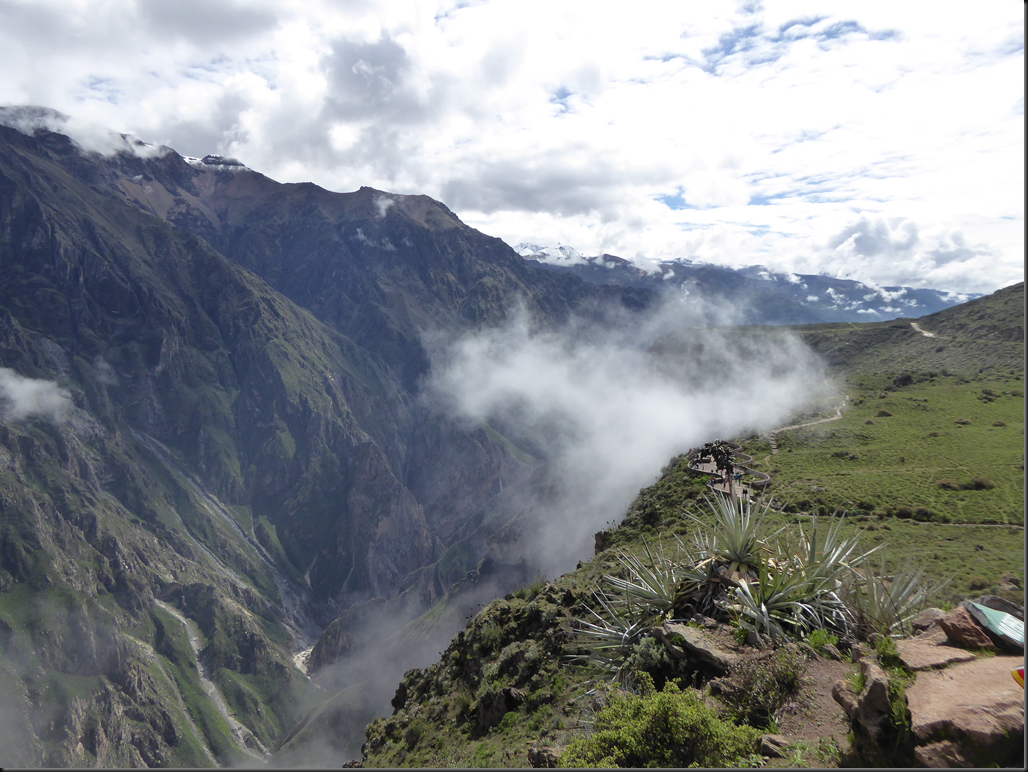
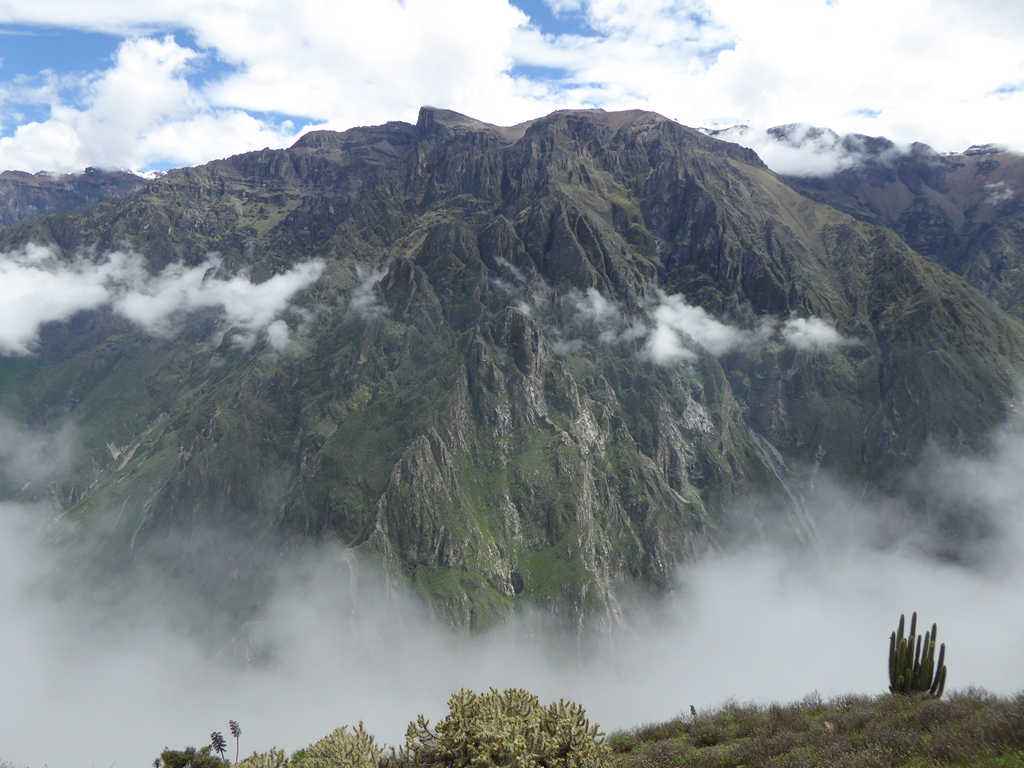
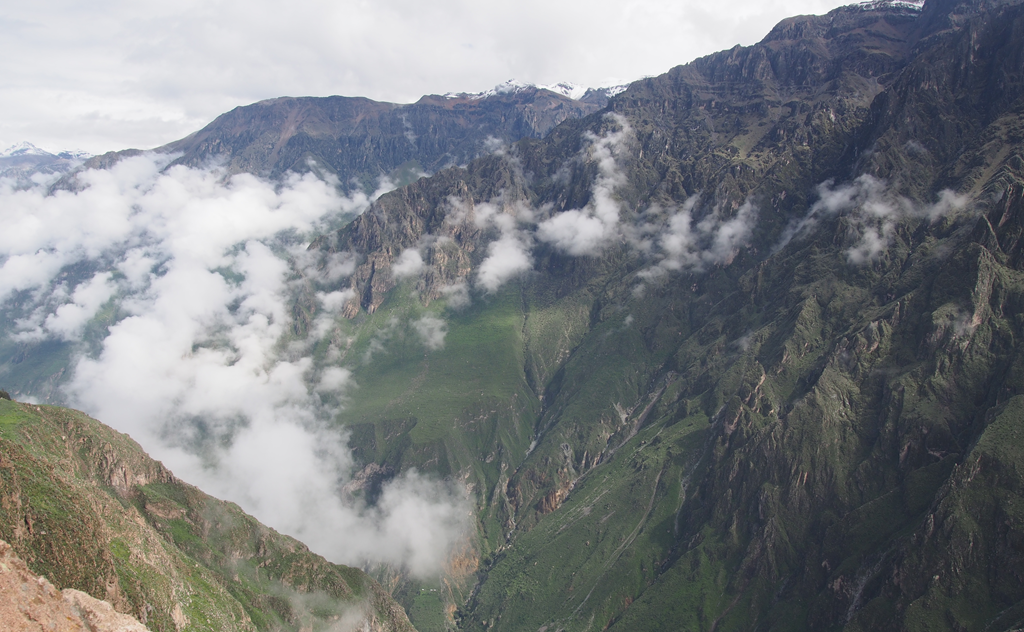
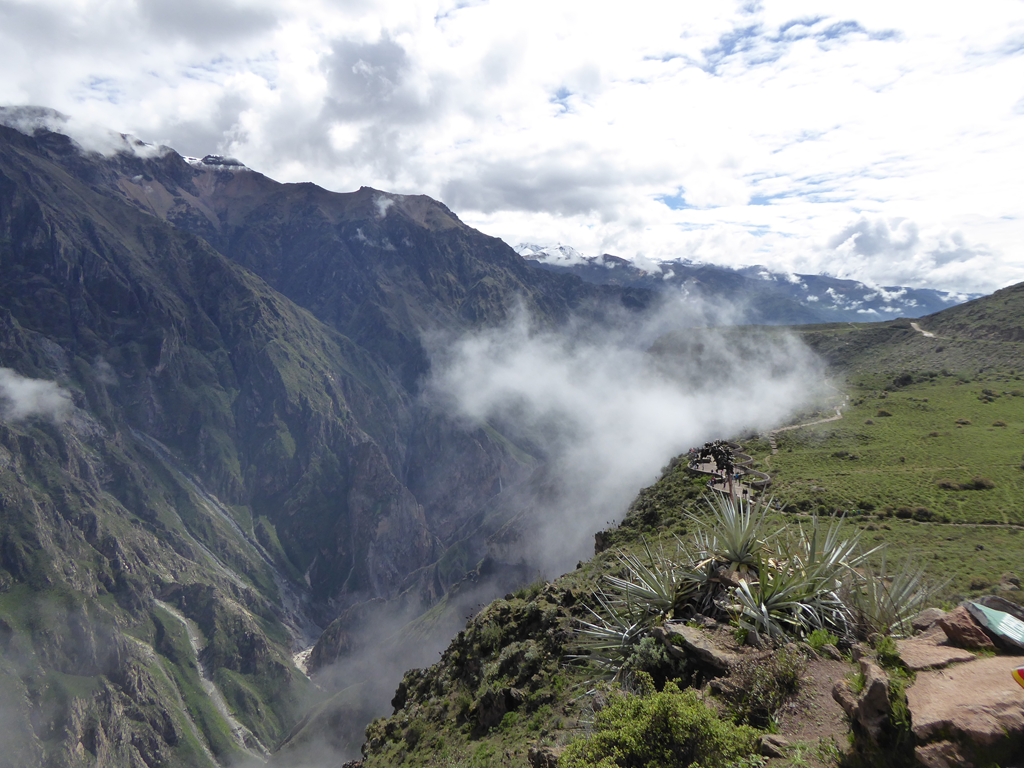
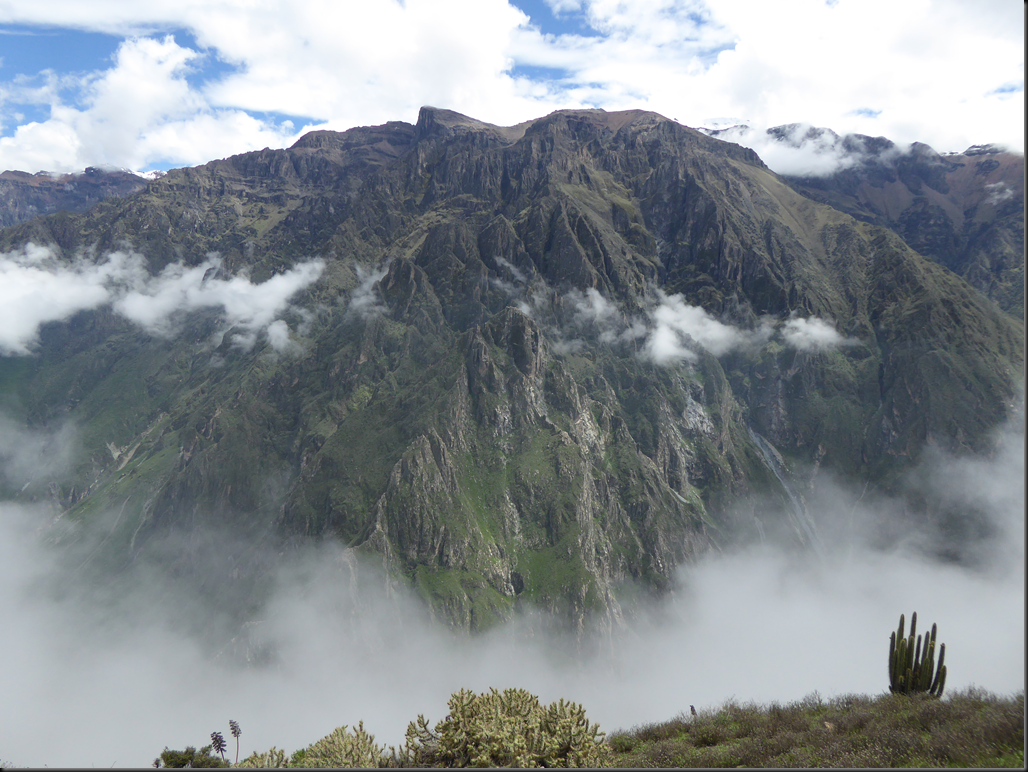
    This morning we went to Colca Canyon.
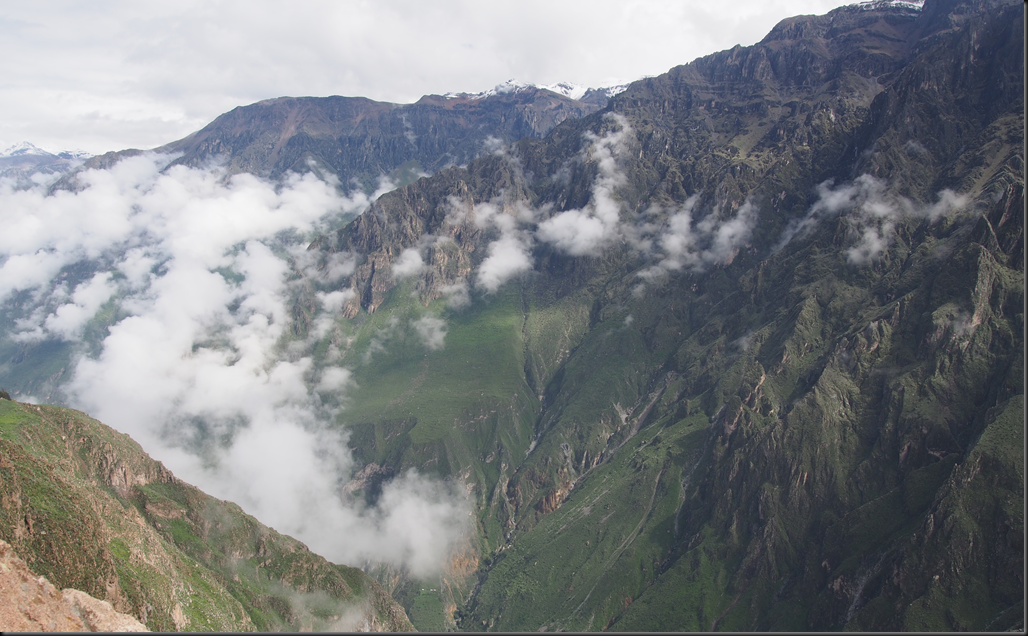
    image

    image

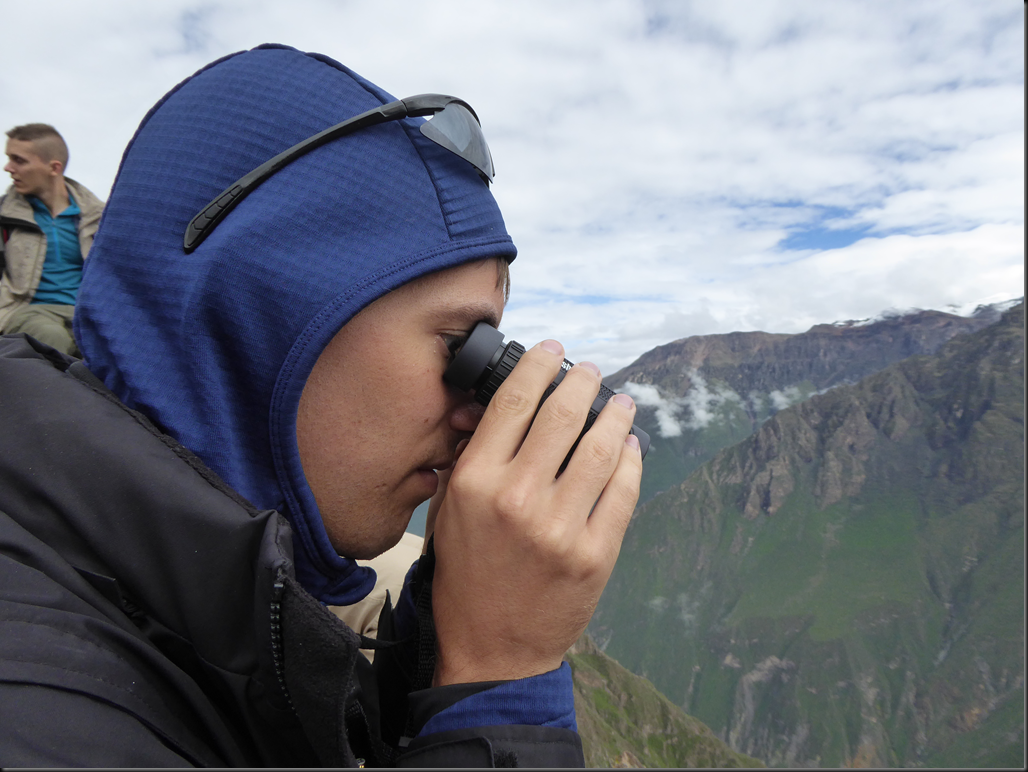
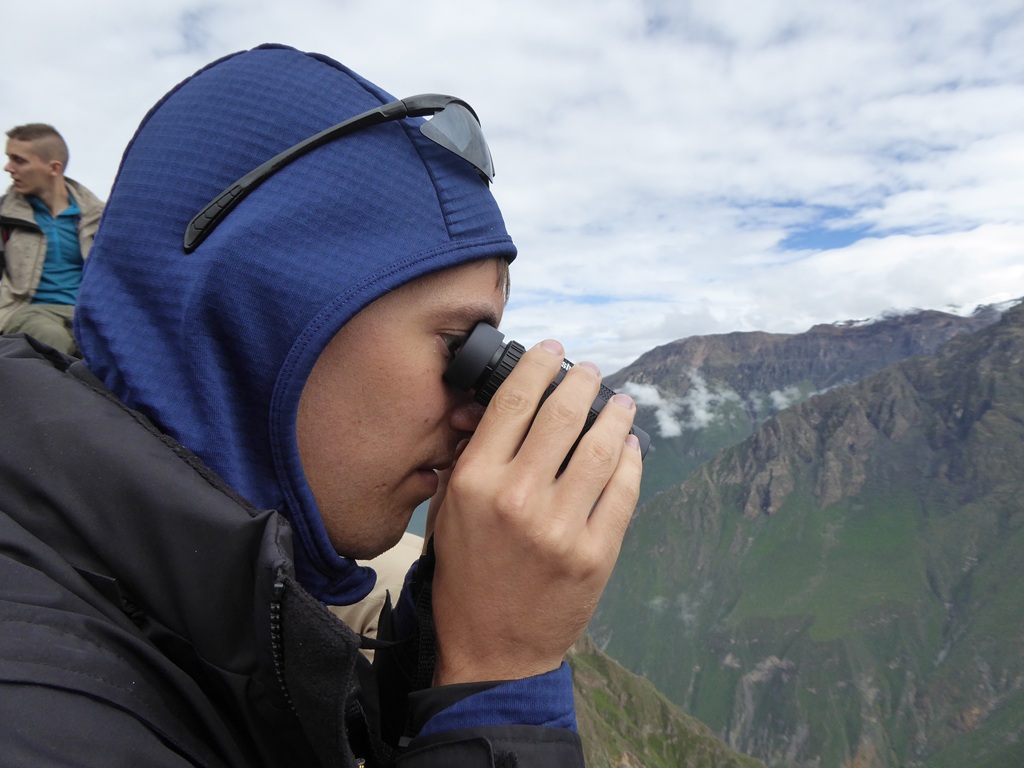
    To look for condors.

    image

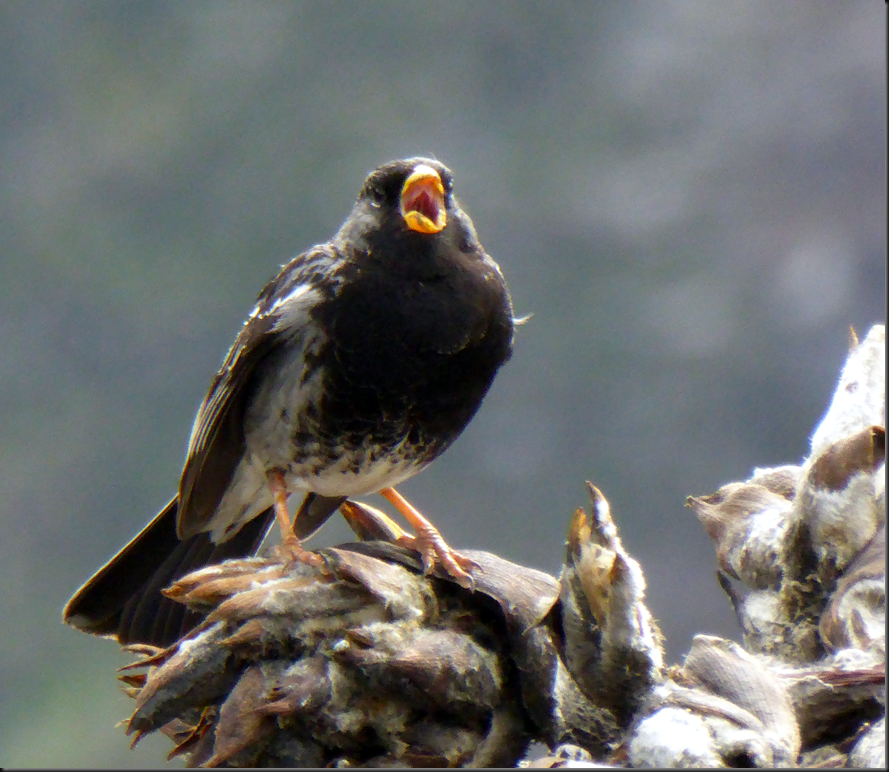
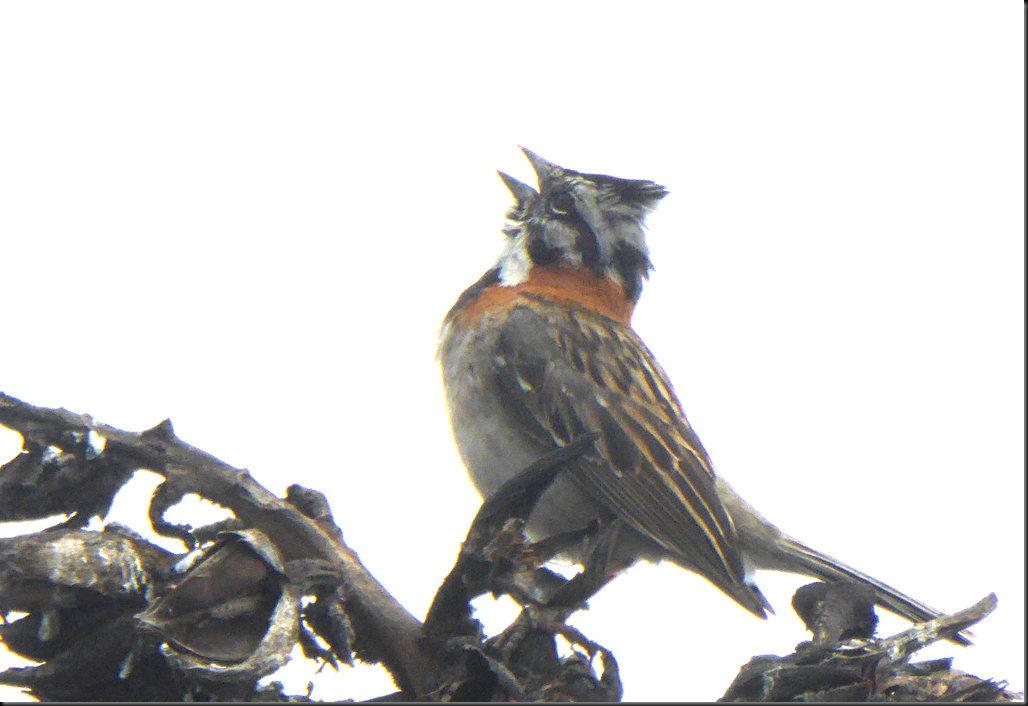
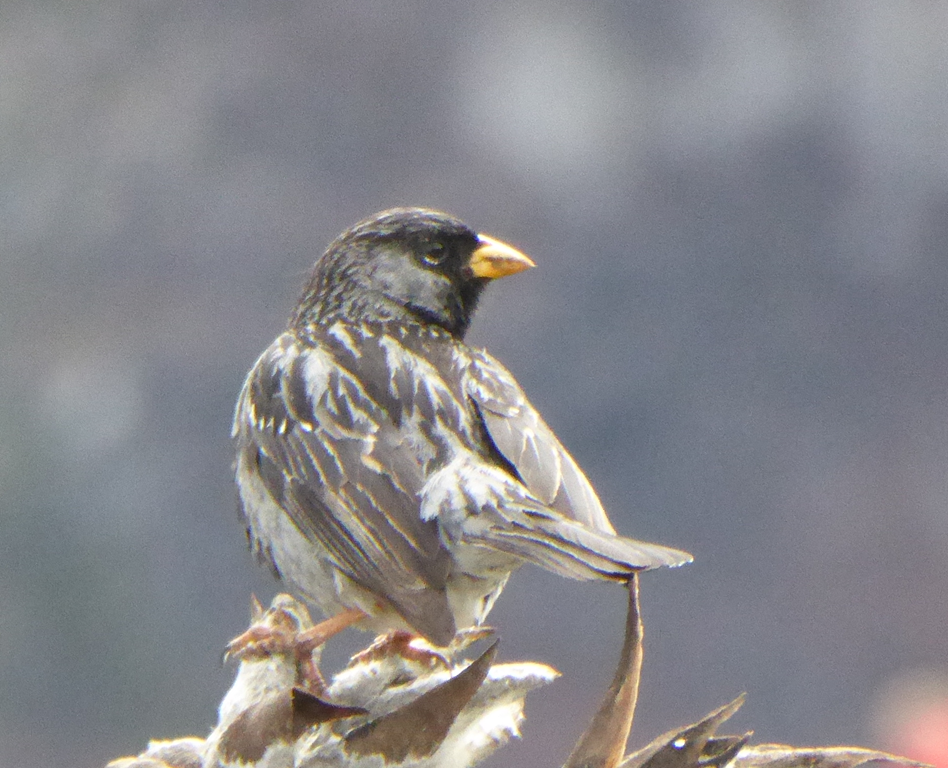
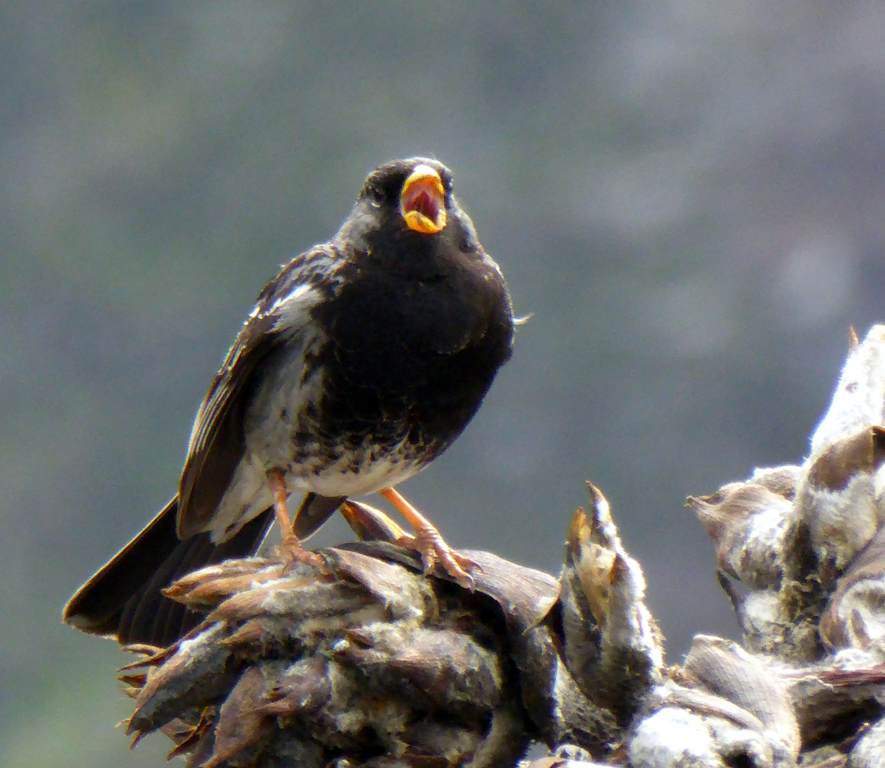
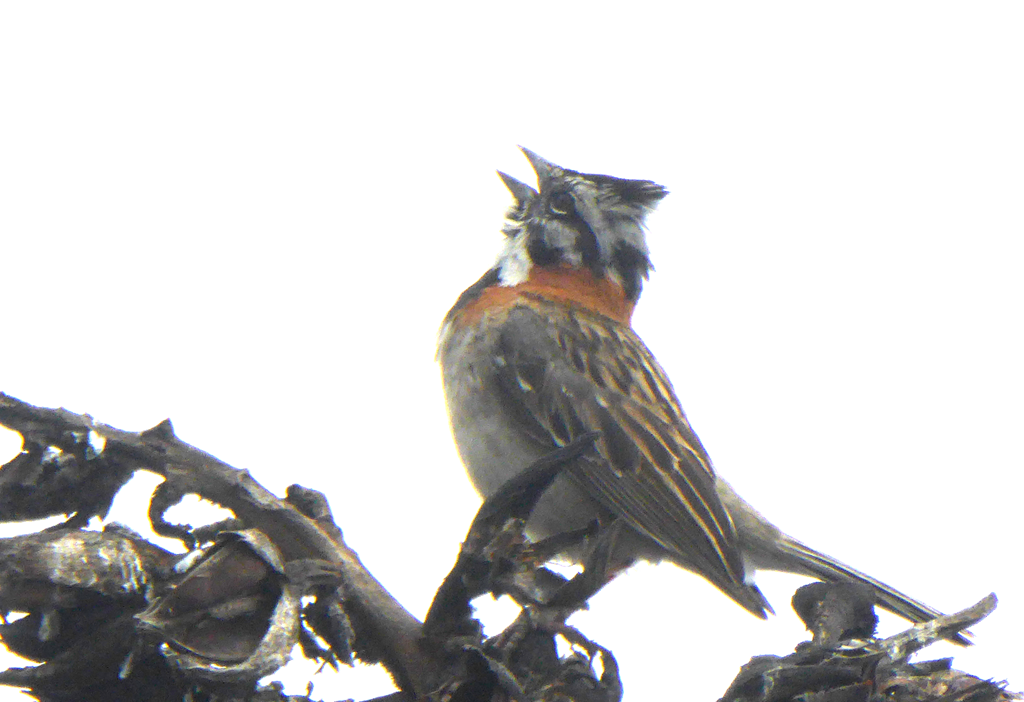
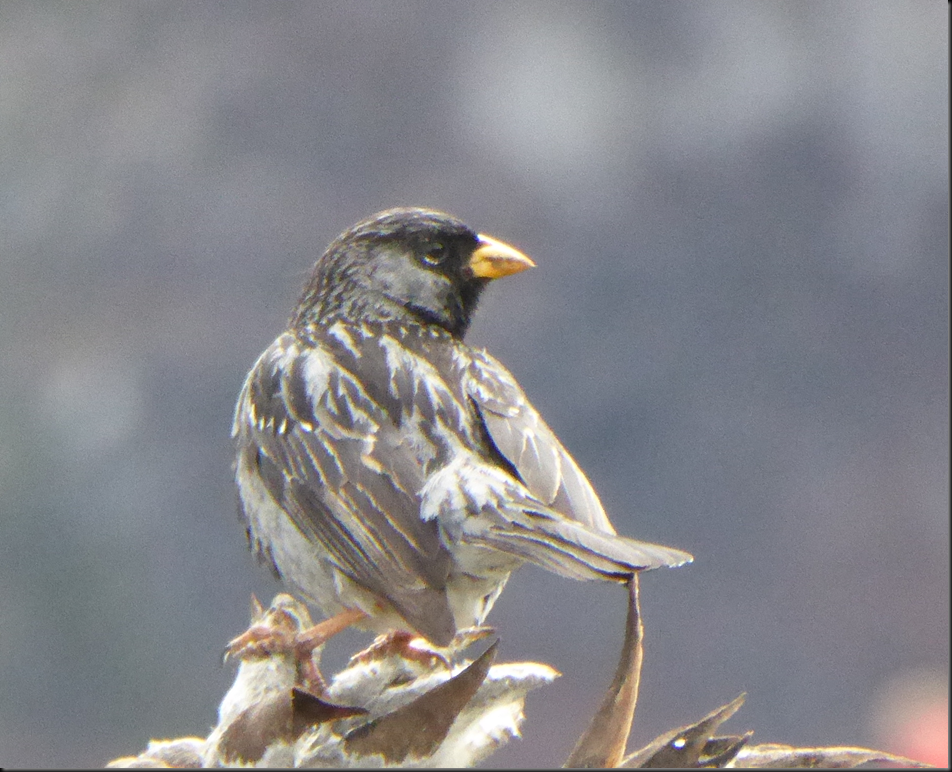
    We saw lots of other birds while waiting.
    image


    And heard even more.

    image

    image

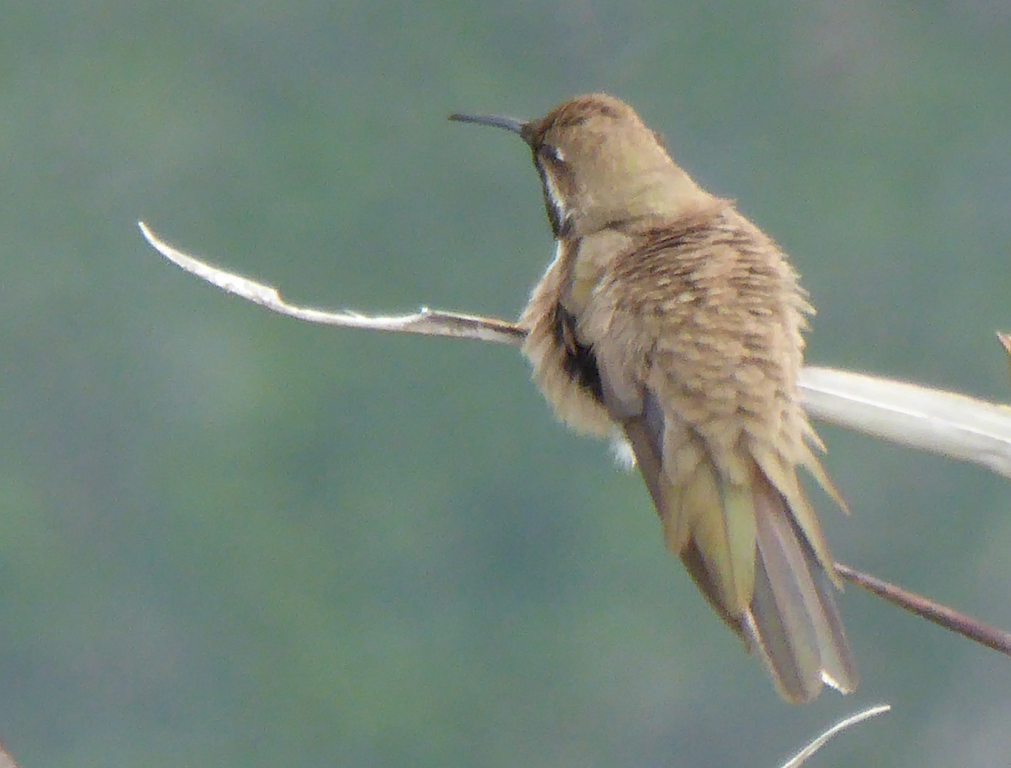
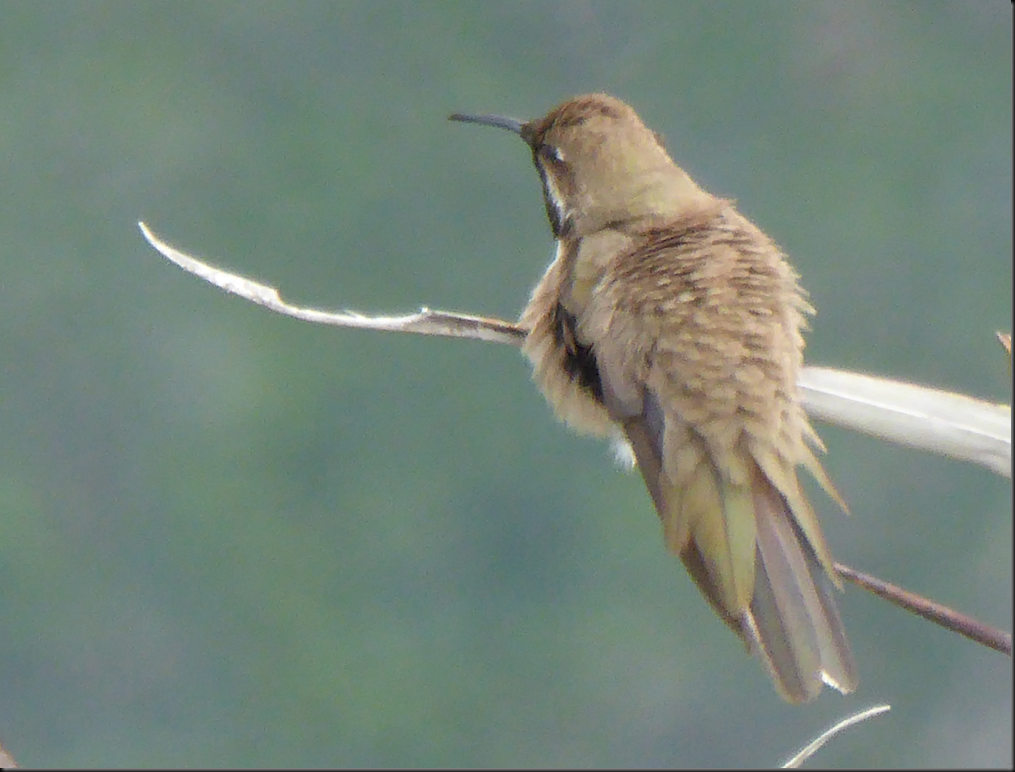
    There were big hummingbirds. Apparently they can grow up to 20cm here!
    image

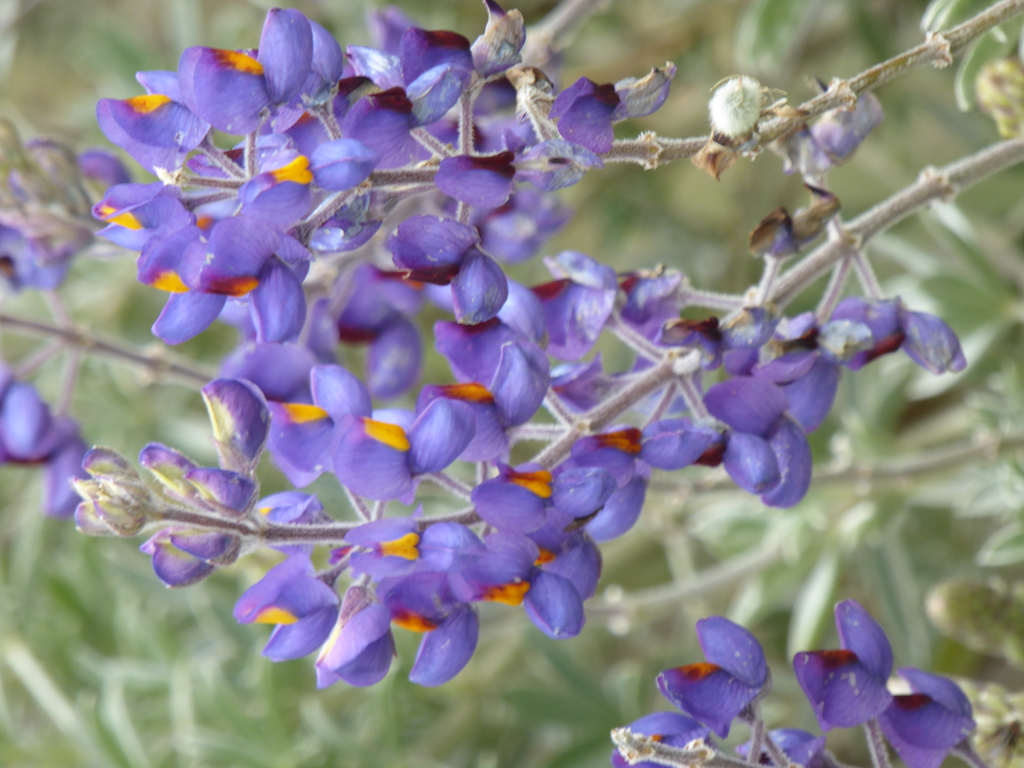
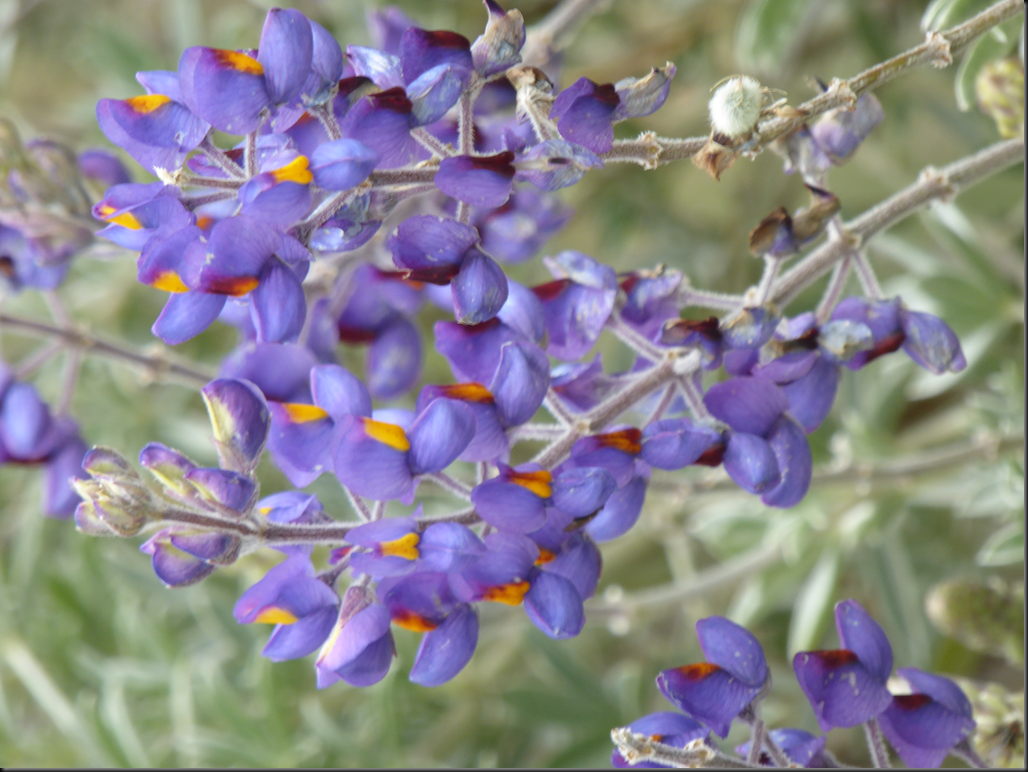
    They drink the nectar from these purple flowers.
    image

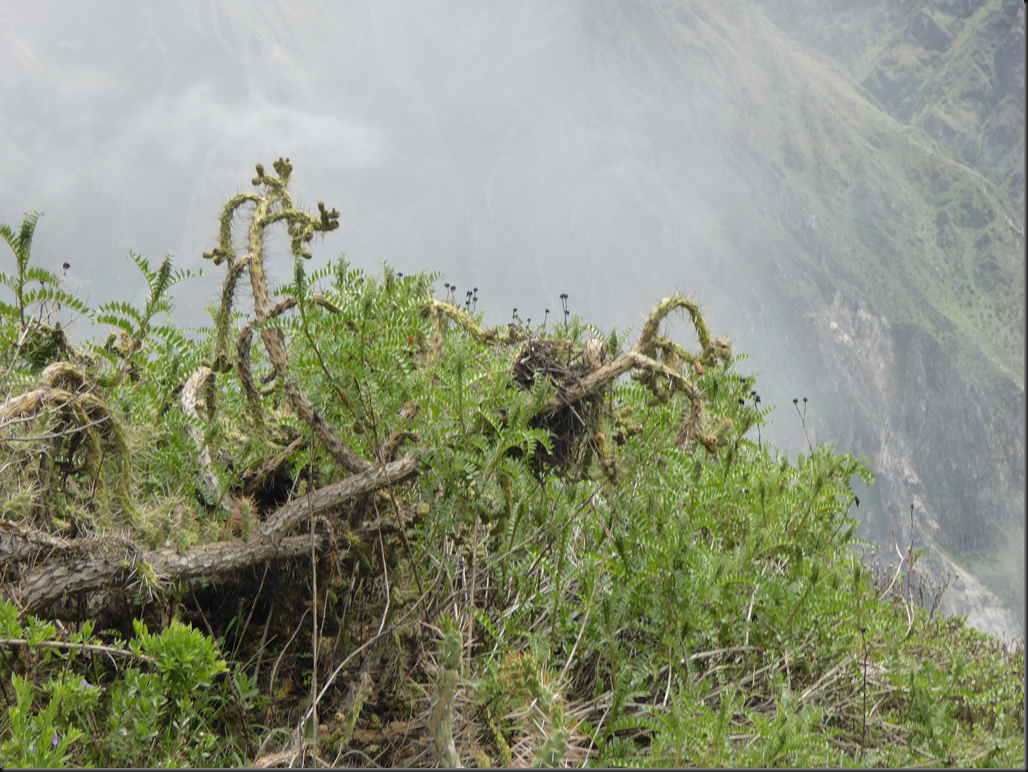
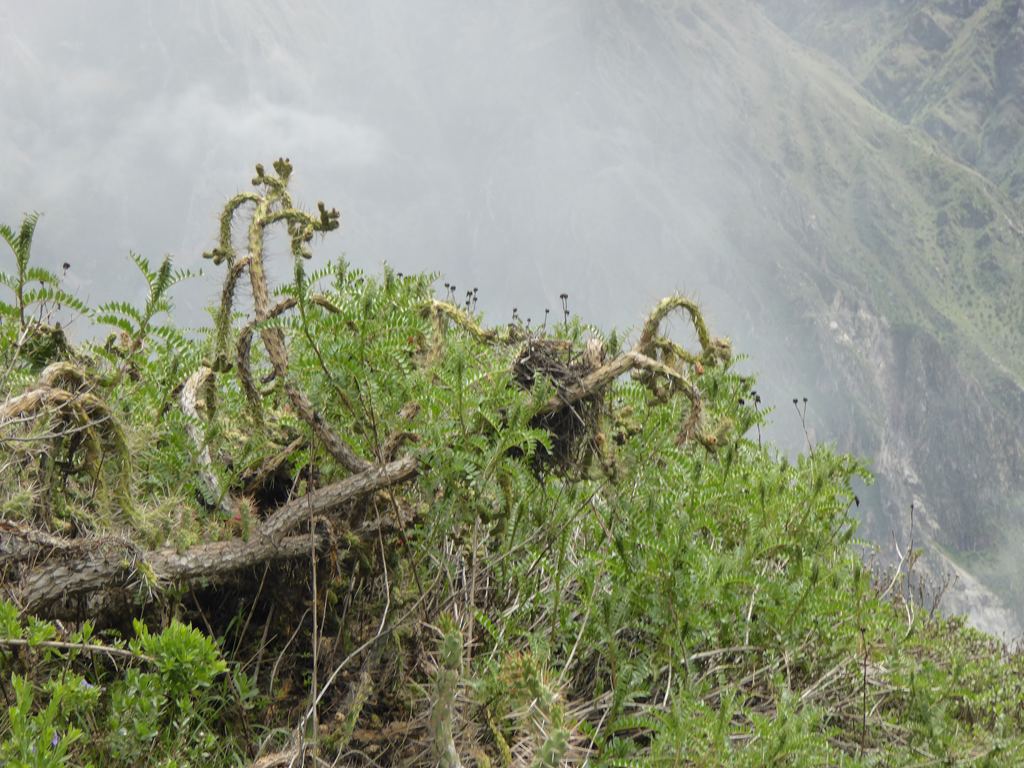
    These are their nests.

    image

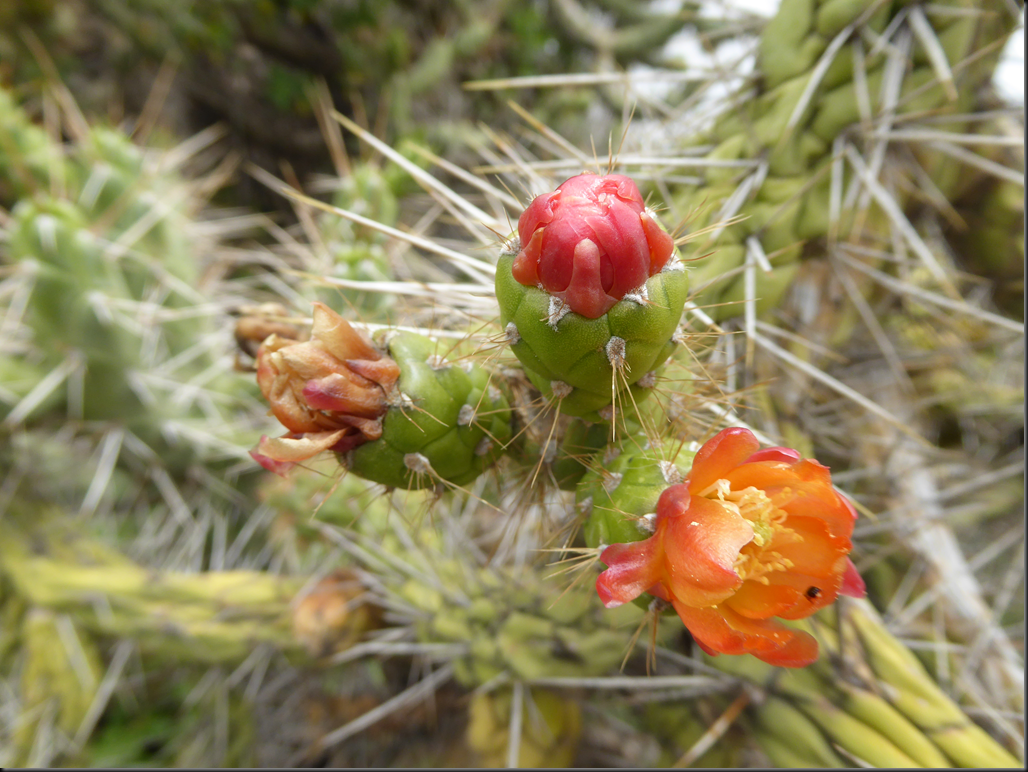
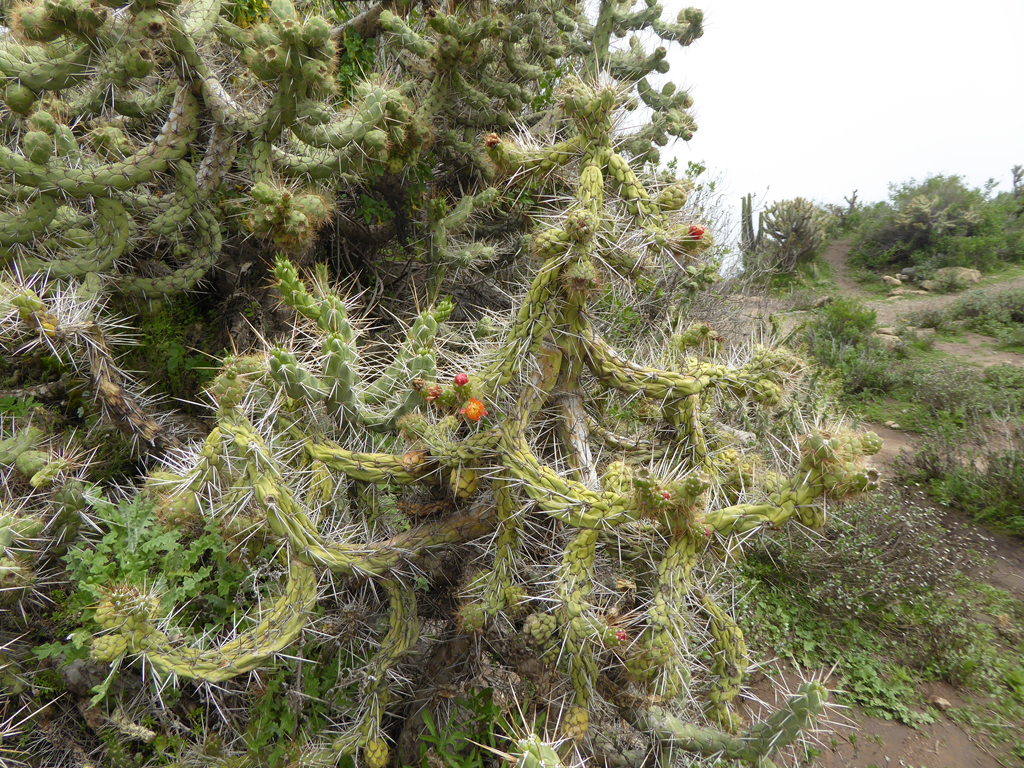
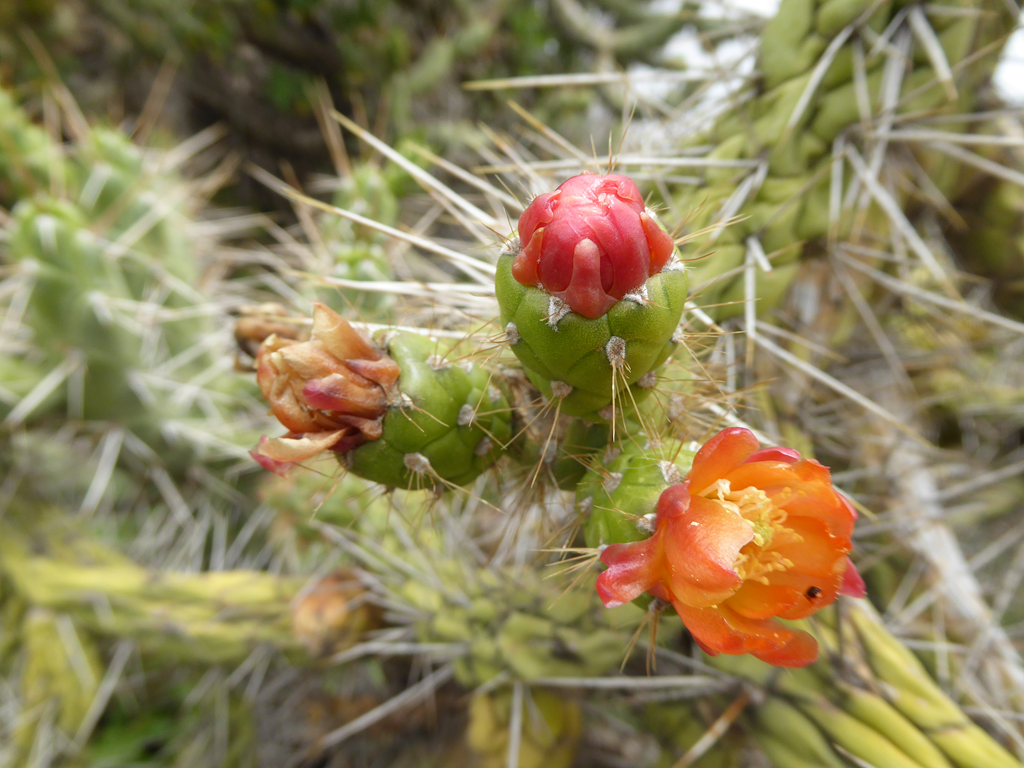
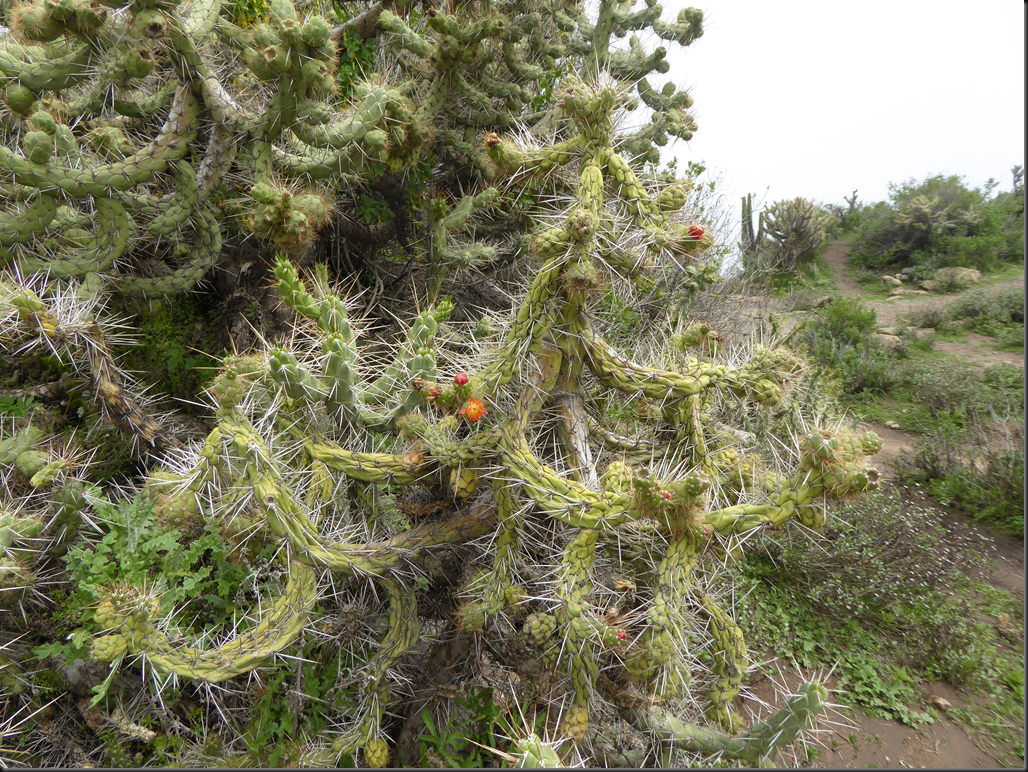
    The cactuses they nest in are think and brambled.
    image

    But their flowers are very pretty.

    image

    There were also funky bugs.

    image_thumb3[1]

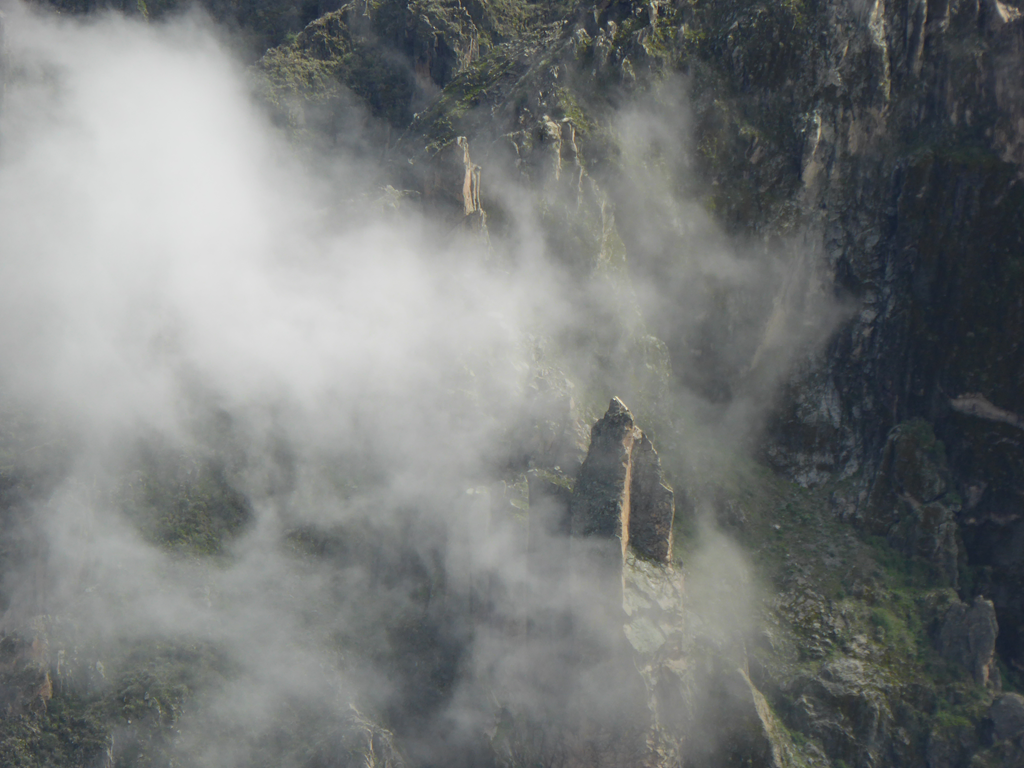
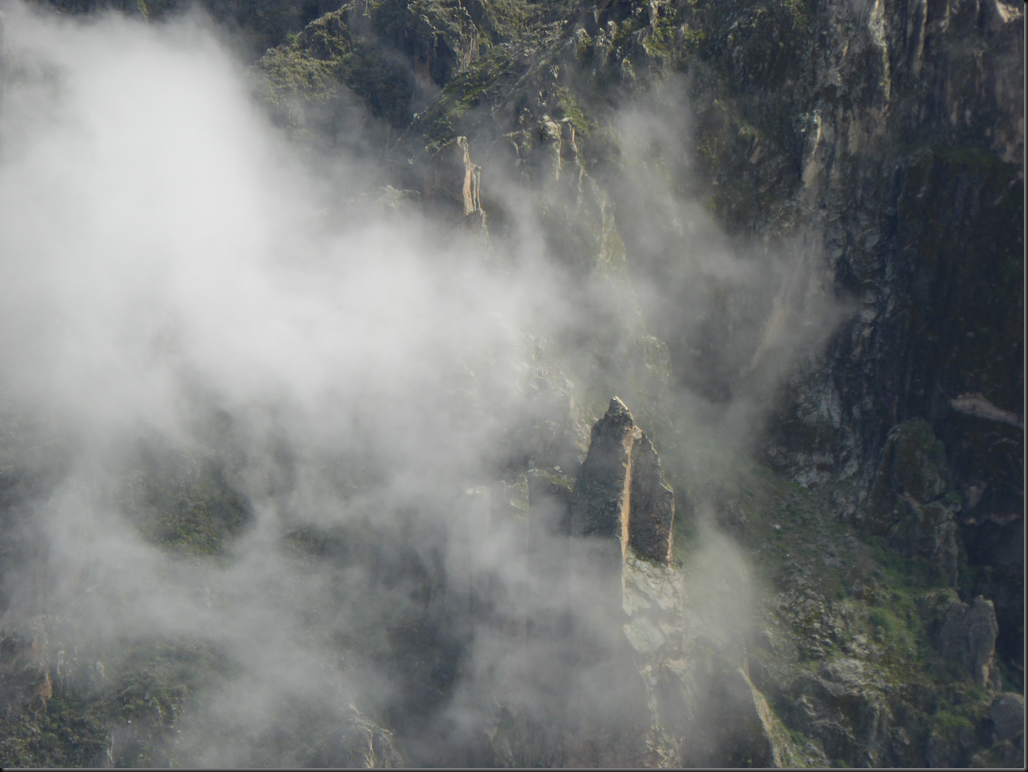
    About 9:15 AM clouds started to form in the canyon.
    image

    Then it started rising upward.

    image

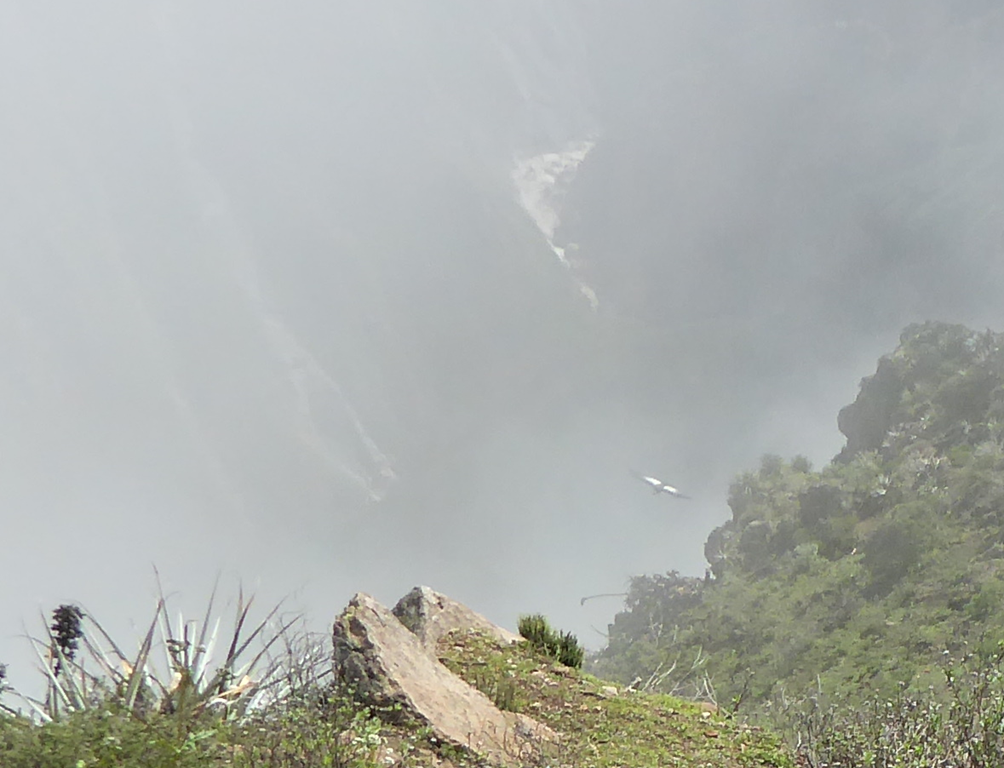
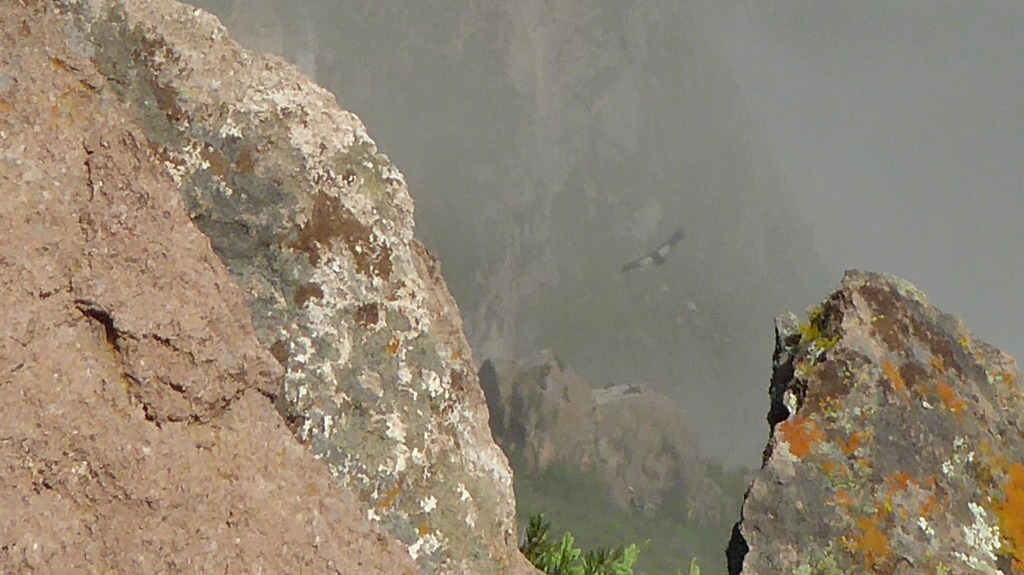
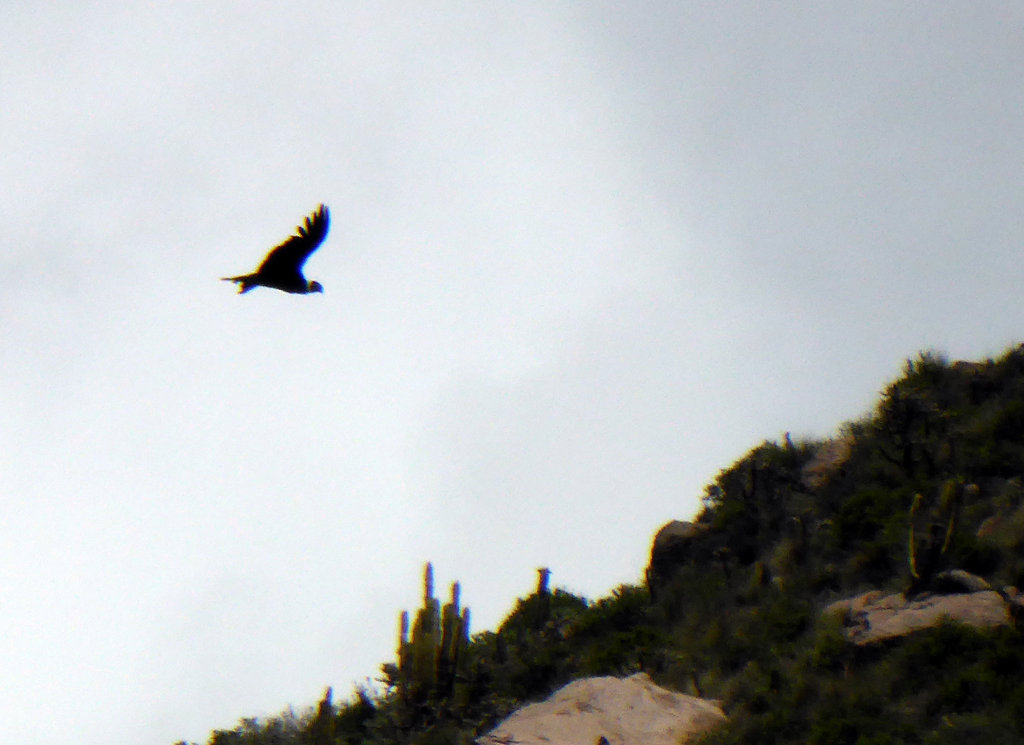
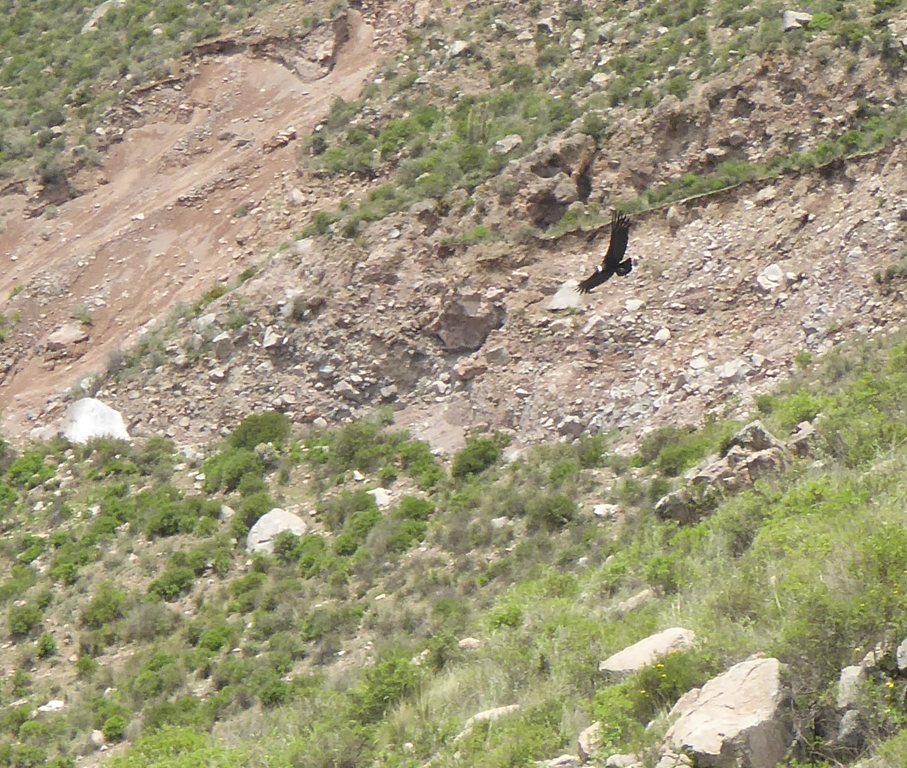
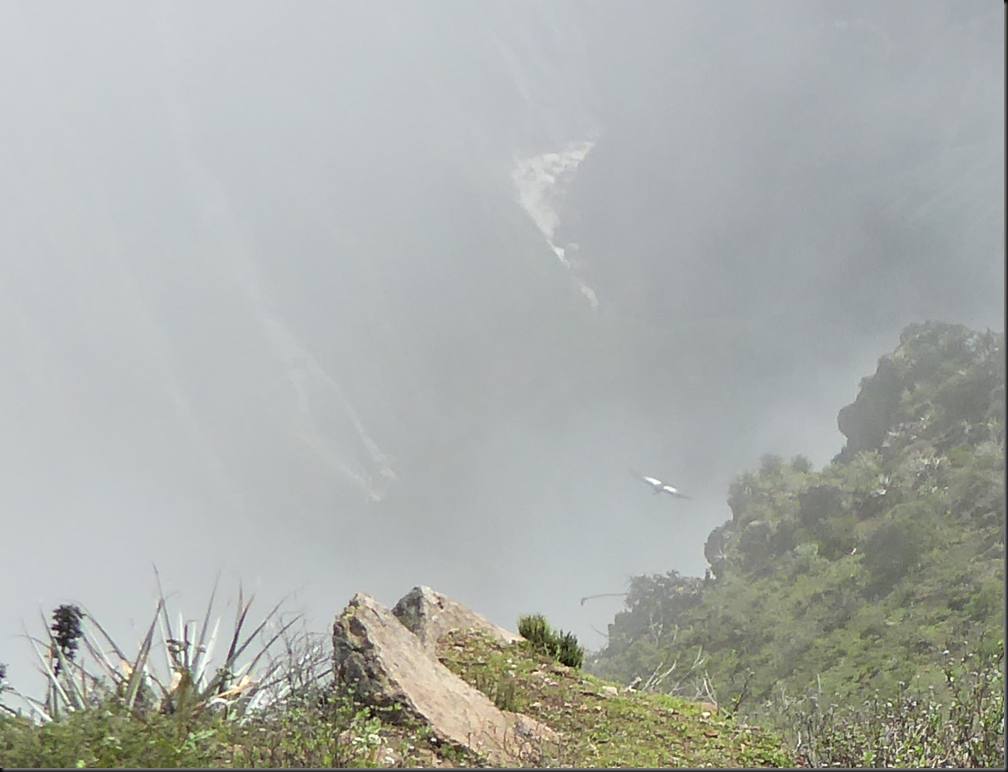
    It is these updrafts that the condors ride. They nest high in the cliffs, then glide slowly in circles as the drafts take them upward. This saves energy because they don’t have to flap their giant wings.
    image

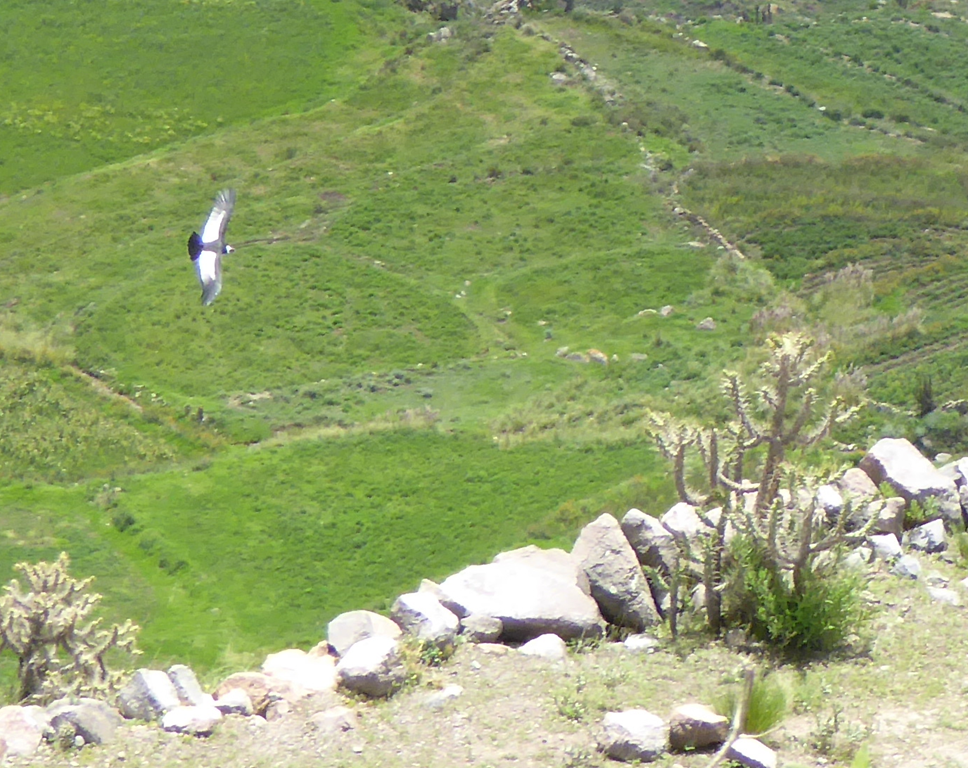
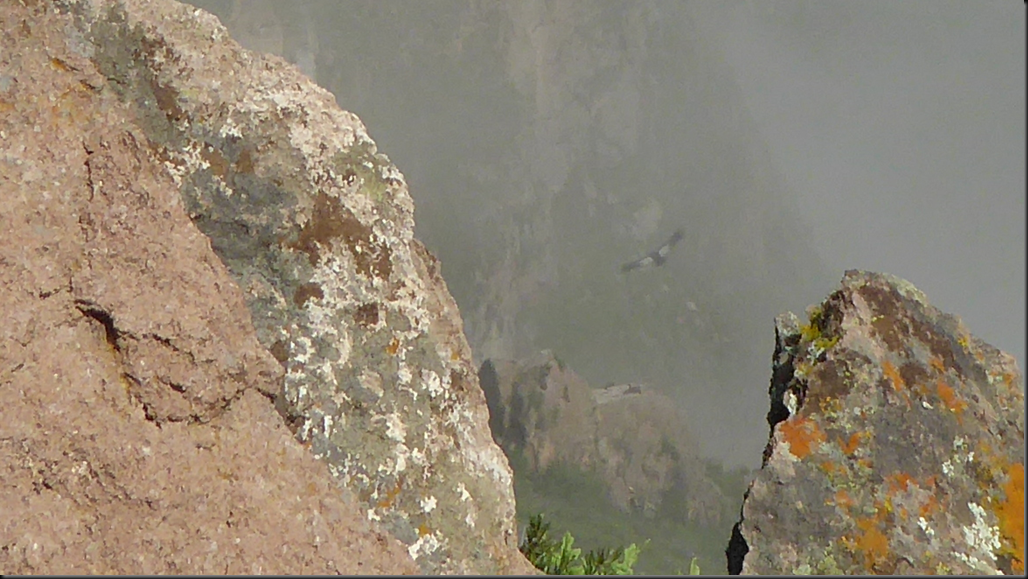
    Condors are the world’s second largest bird by wingspan, averaging about 3m.
    image

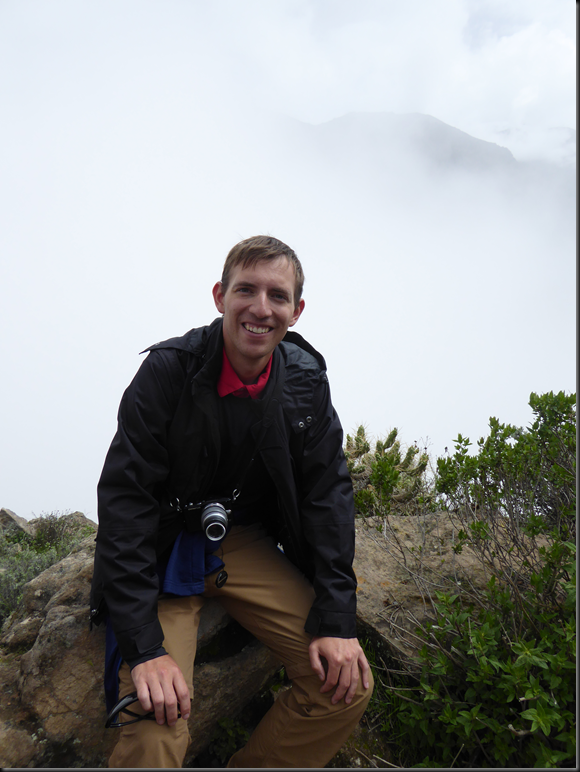
    At this viewpoint, you could barely see anything through the crowd. But then two large condors flew right past us. We did not have the camera out.
    image

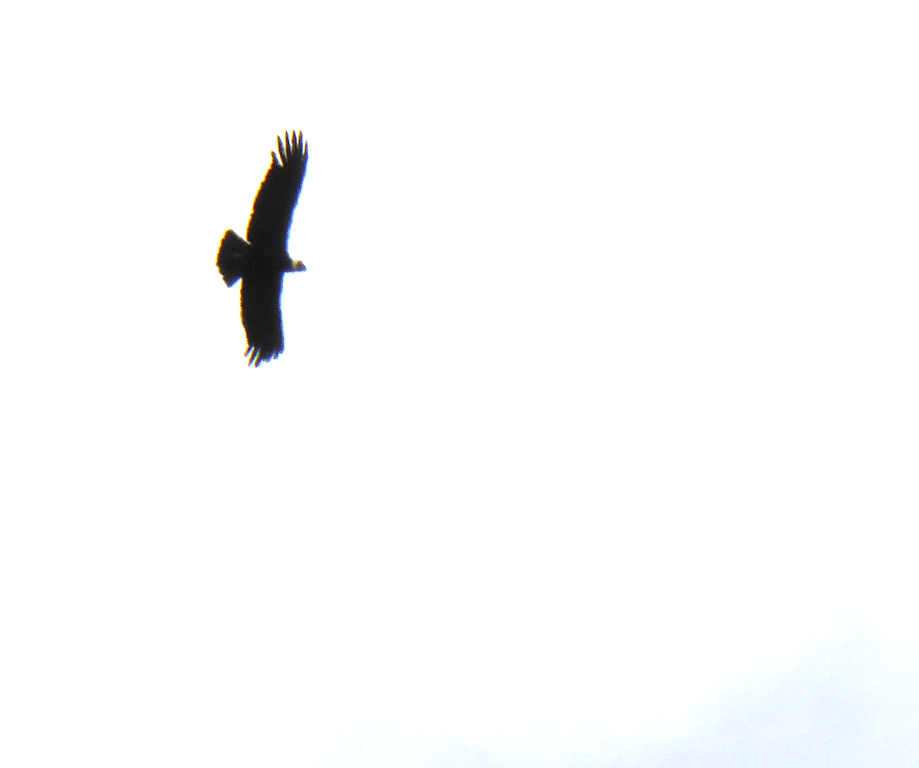
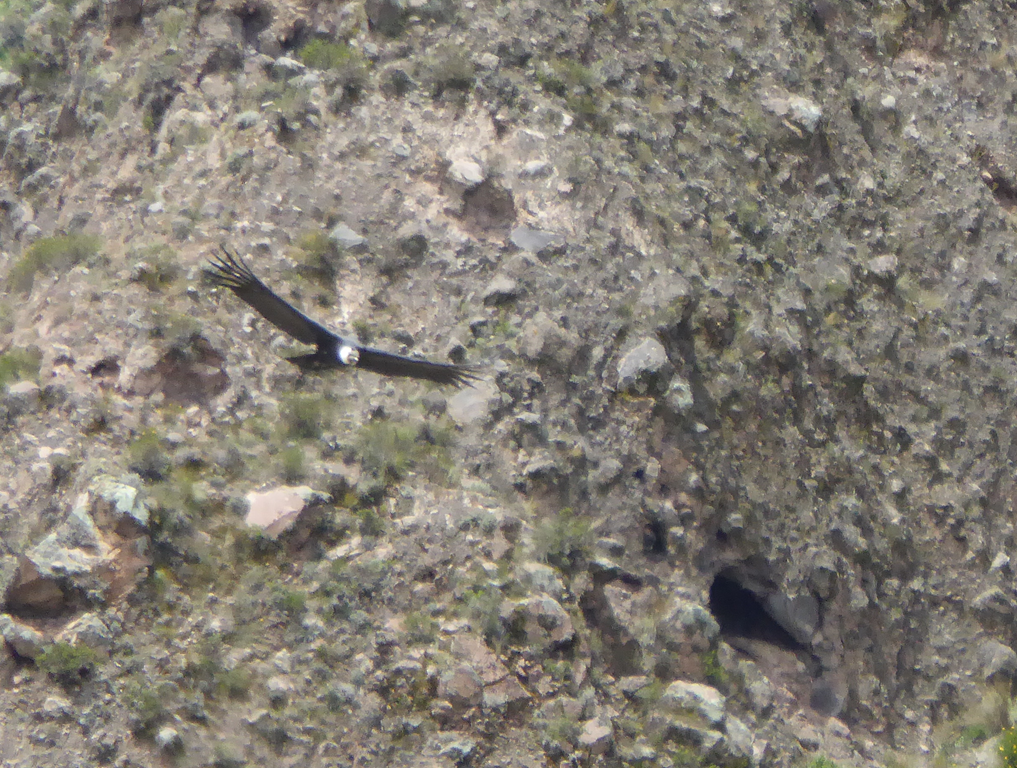
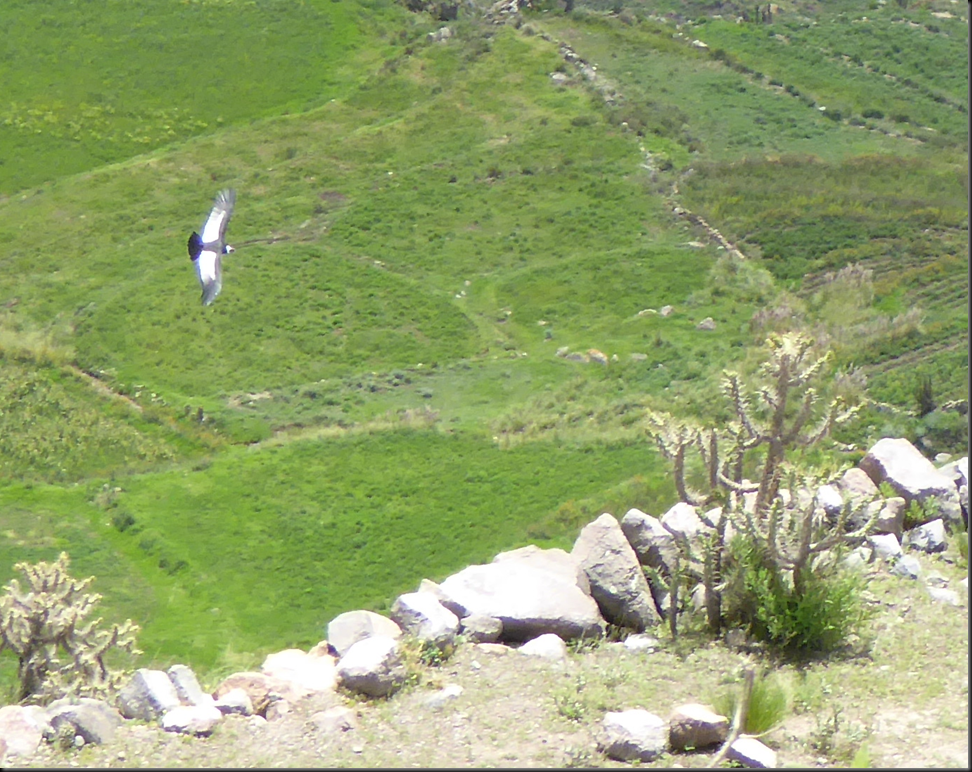
    The white patches on the wings don’t appear until they are adults. This one is probably a male because they are very prominent.
    image

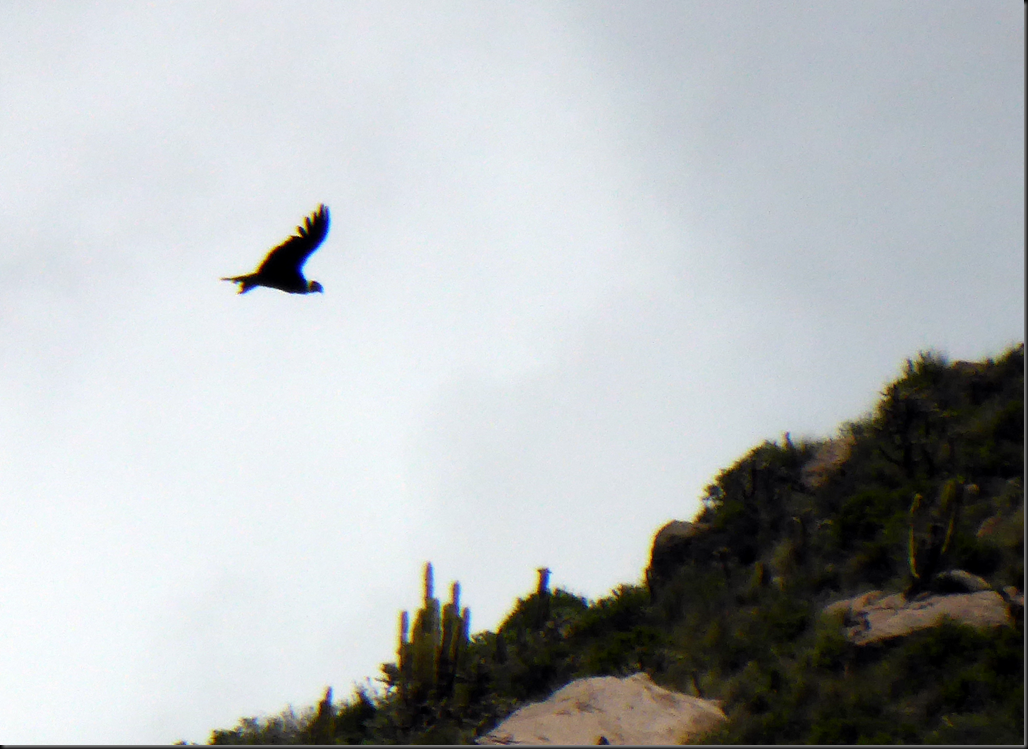
    You can also tell he is a male because he has a comb on the back of his head.
    image

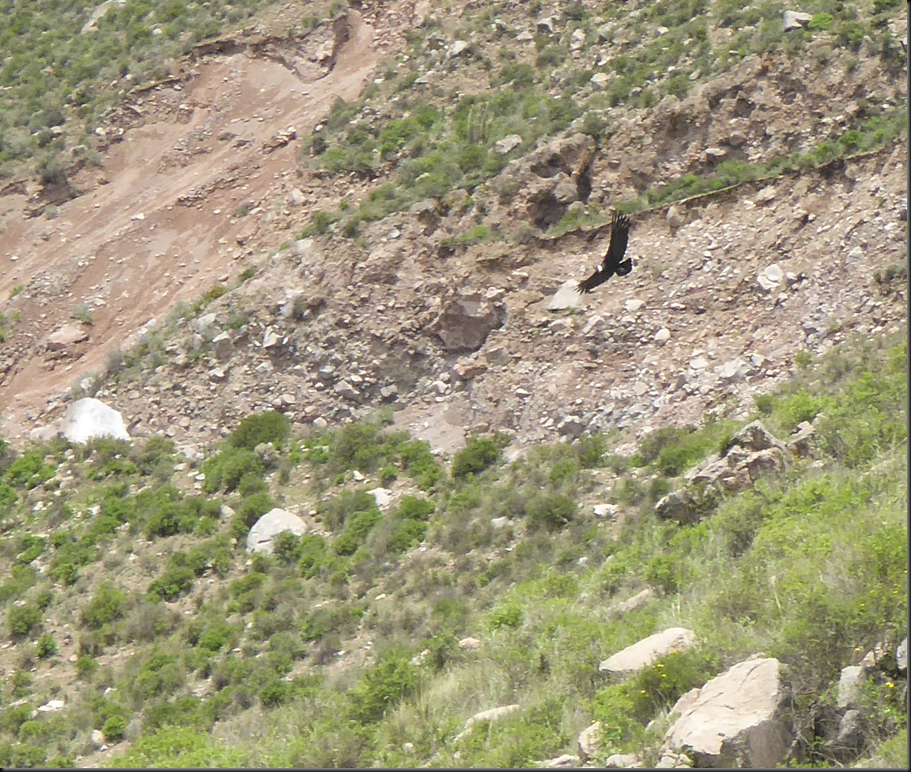
    The heads are bald and quite ugly looking, so it’s OK we didn’t get a picture up close.
    image

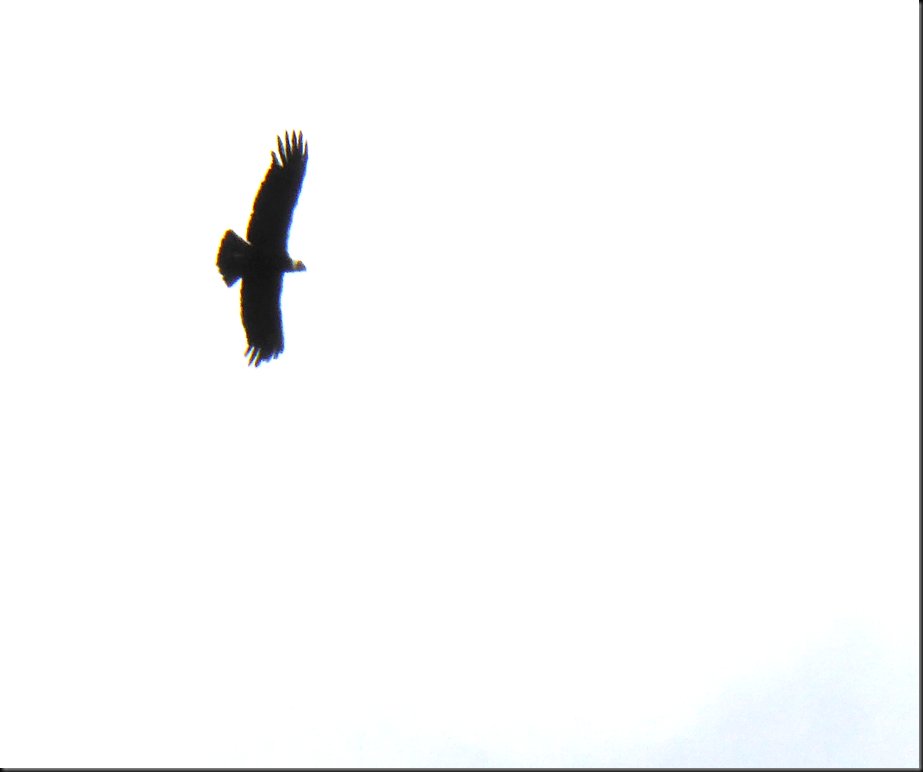
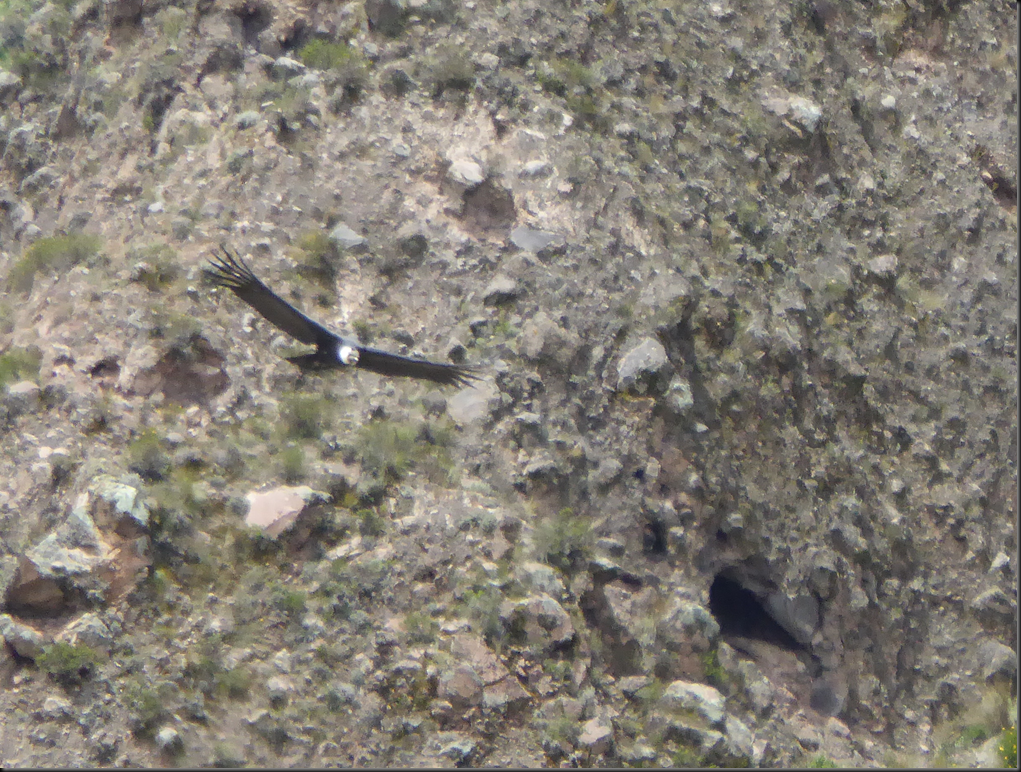
    They are very popular as a symbol, and are on the coat of arms of Ecuador, Chile, Columbia, Bolivia and Peru.
    image

    This is because they look very majestic flying (and not flapping) and because they mate for life.
    image