• Category Archives Uncategorized
  • The Route to the Colca Canyon

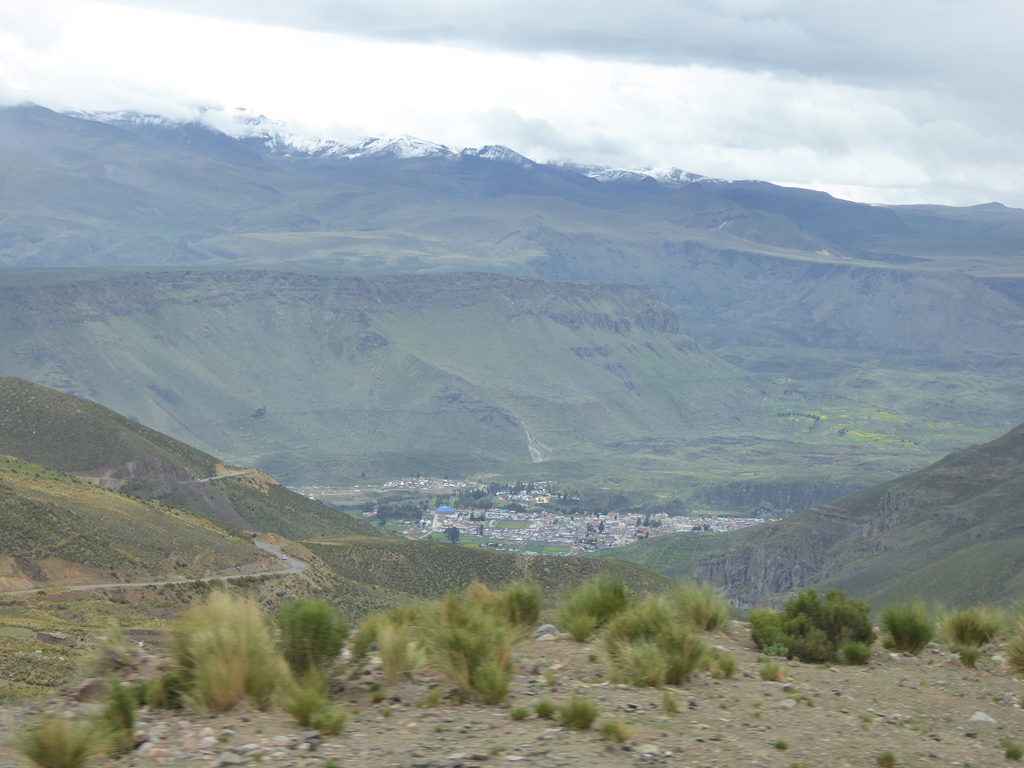
    This is the town of Chivay in the mountains and where we stayed for a night.

    image

    It has 8000 people, all farmers. (Though there is a growing tourism industry for the Colca canyon).

    image

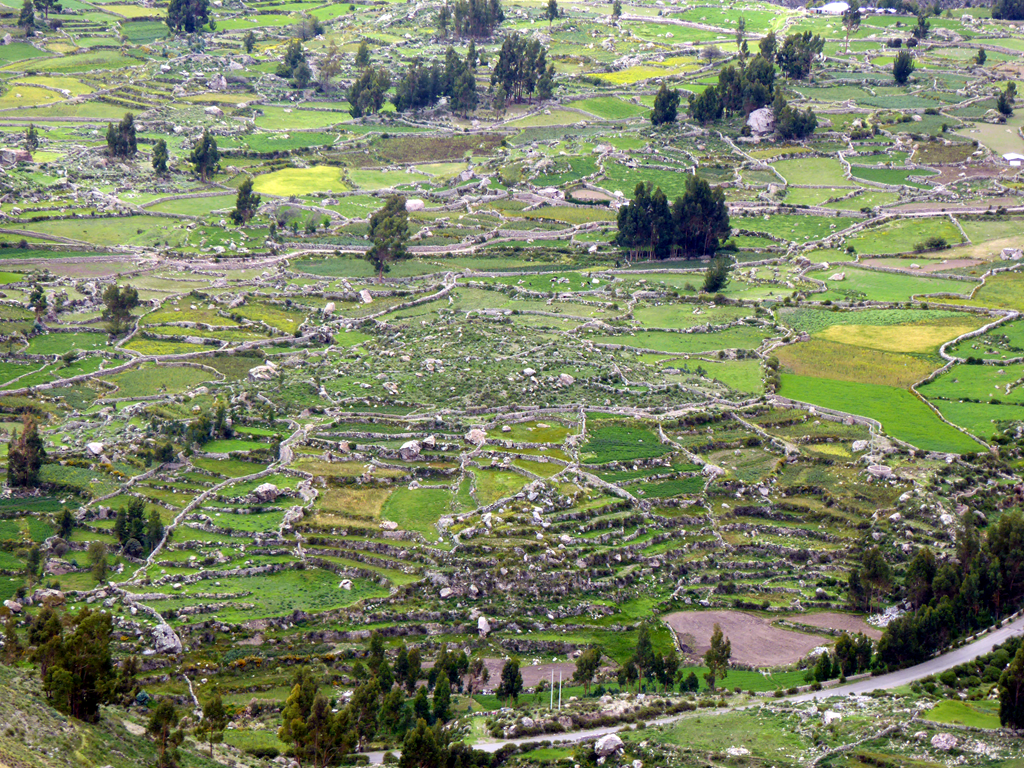
    The farms (and walls) are over 600 years old.

    image

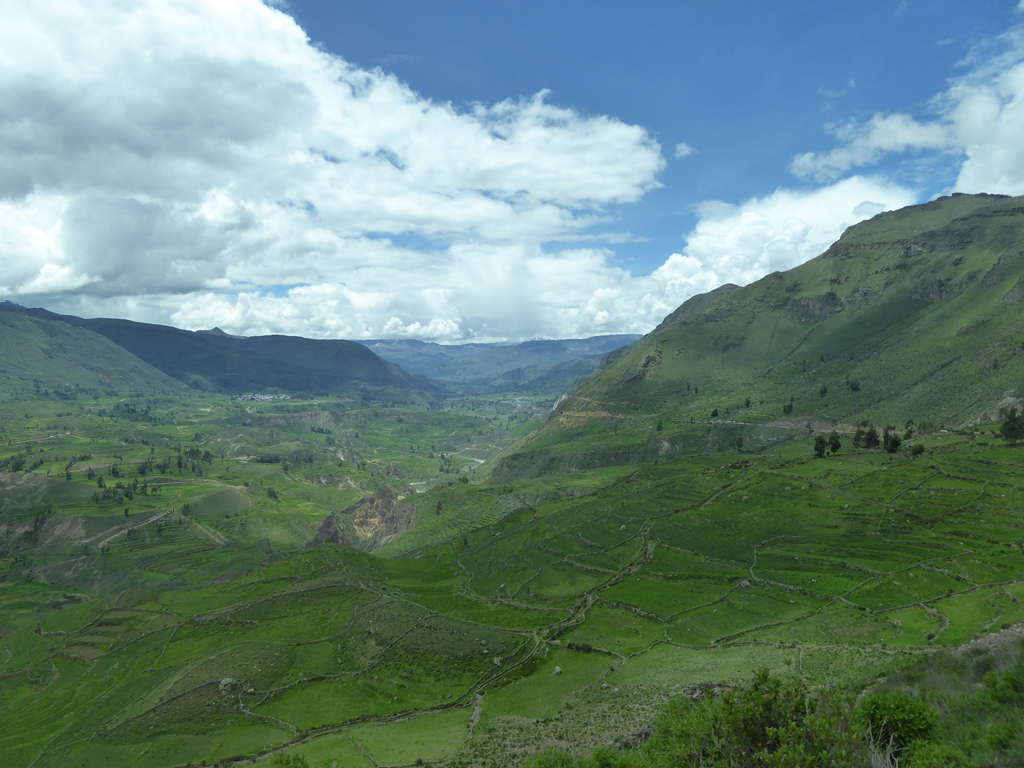
    Everywhere you looked there were terraces.

    image

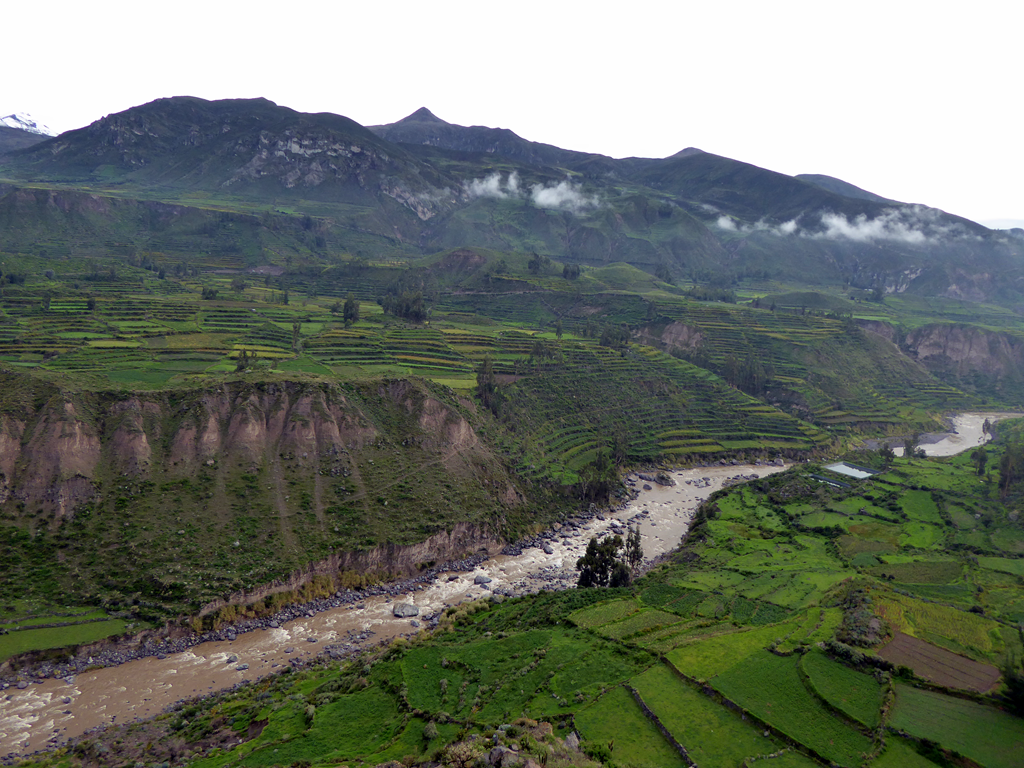
    Since we were here in the rainy season everything was still green and growing.

    image

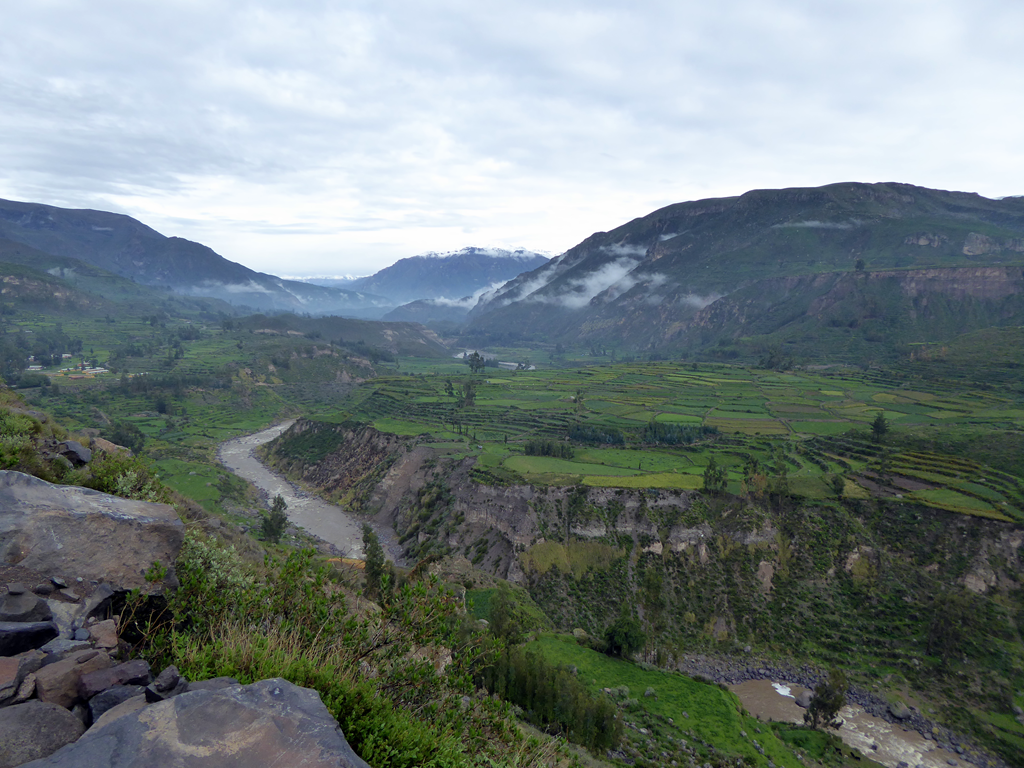
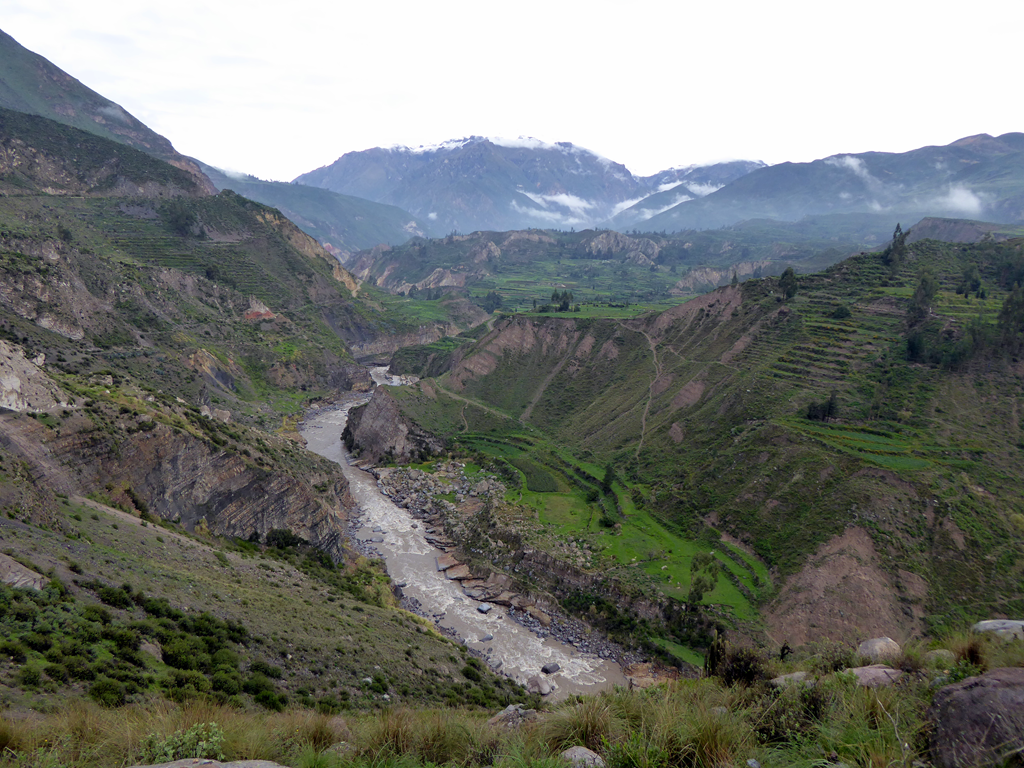
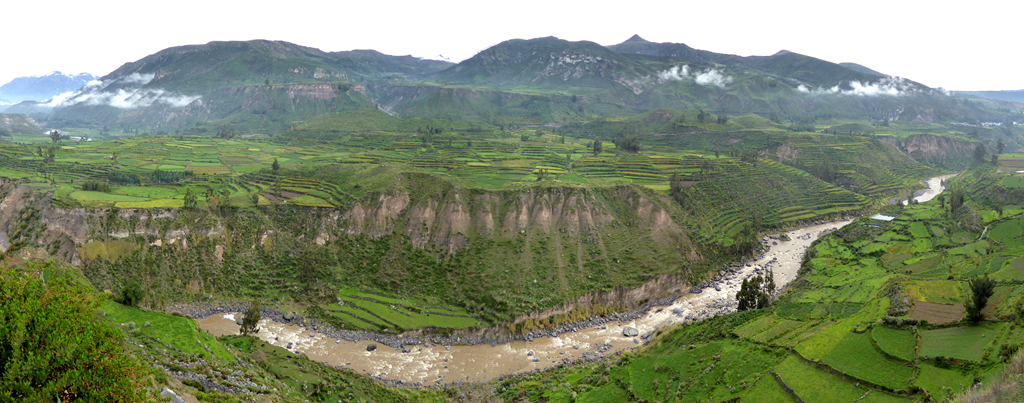
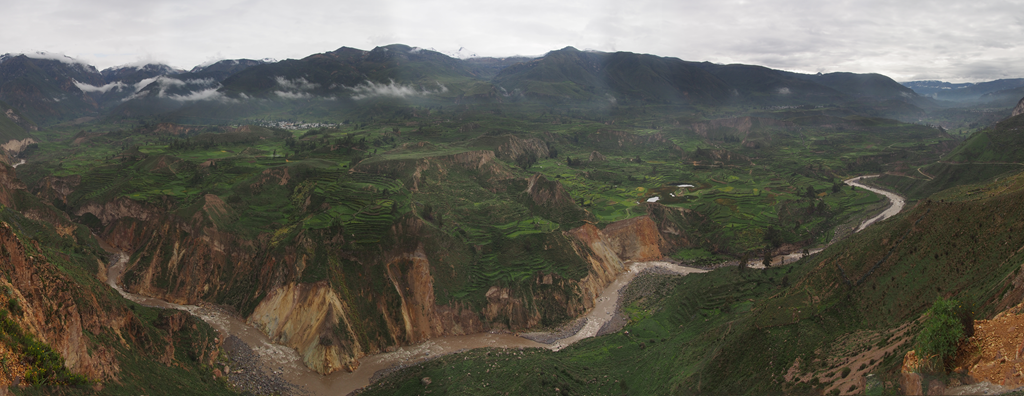
    We had many stops along the way to check out the canyon as the river wound through area.

    image

    The whole valley is quite deep so the views were spectacular.

    image

    The Colca canyon is one of the deepest canyons but the sides are much more gradually slopped as opposed to the grand canyon which have very vertical sides. This is partially due to the seismic activity in the area which regularly causes rockslides and workers were clearing the road from some debris that had fallen recently.

    image


  • Highest Point

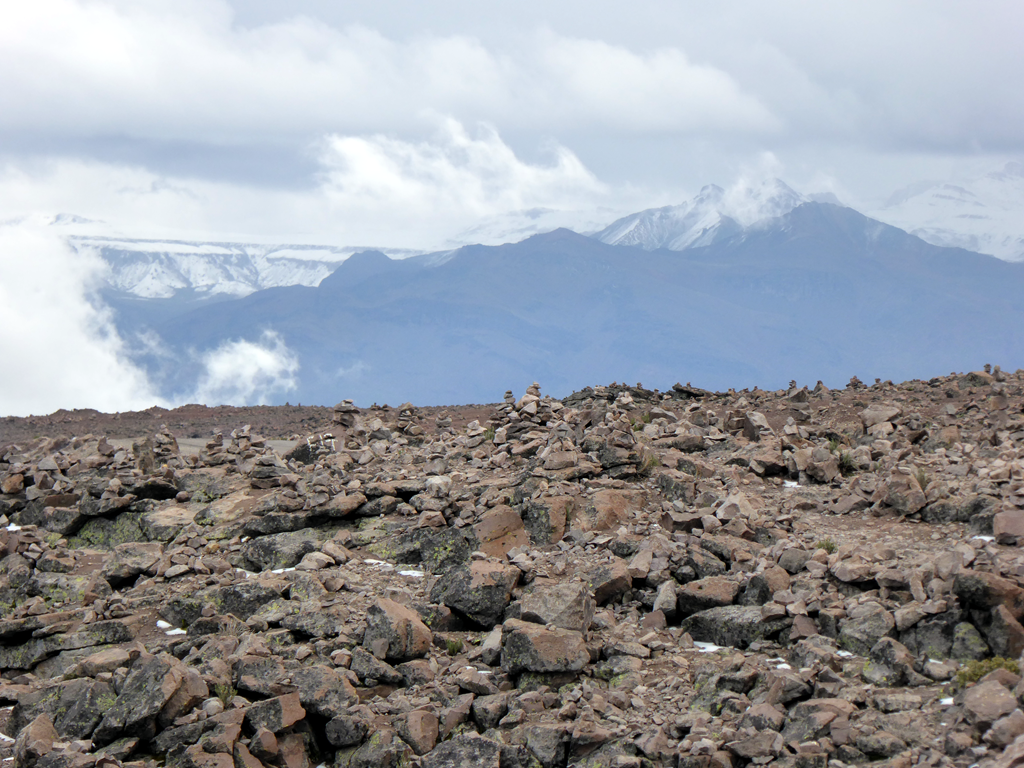
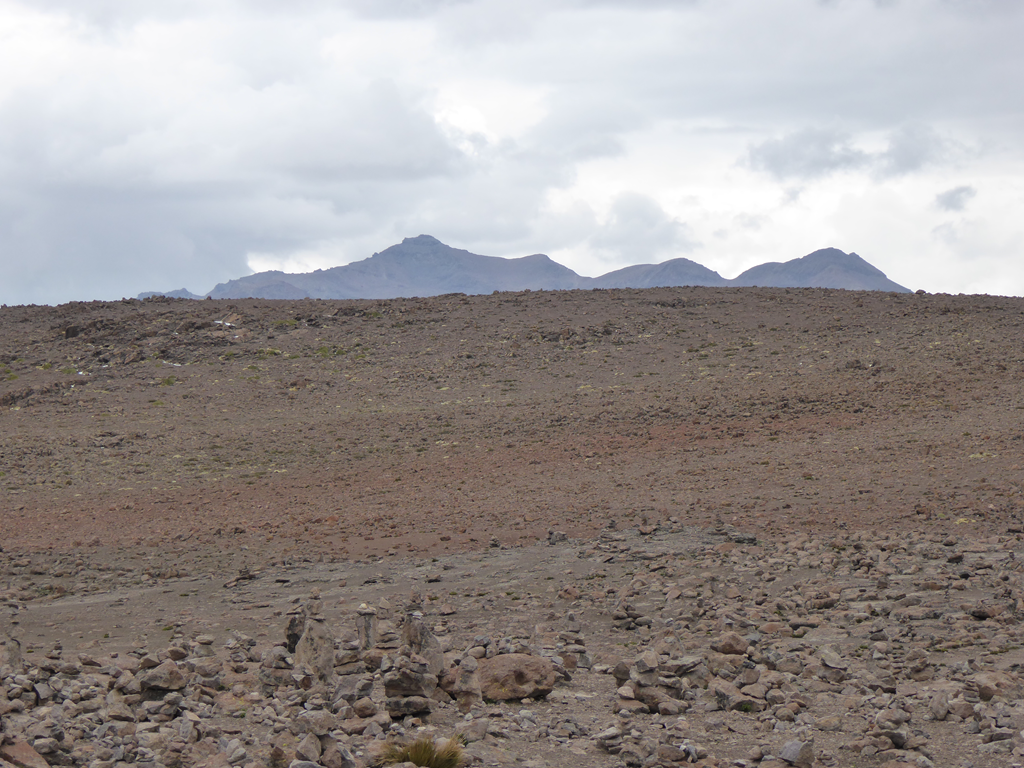
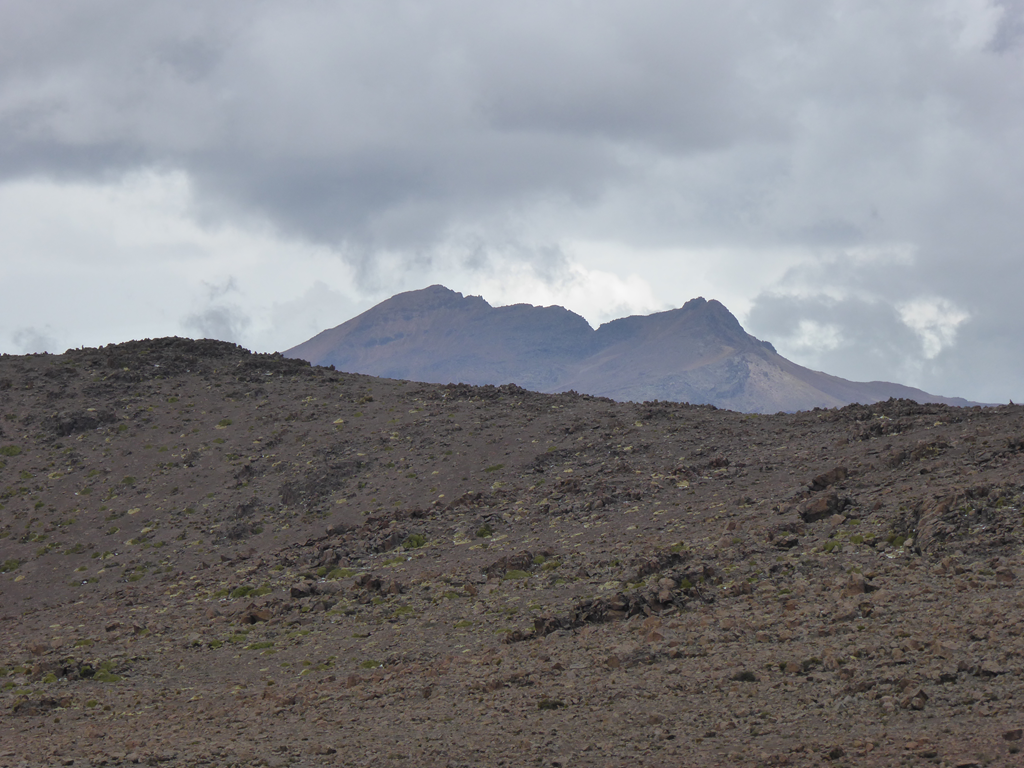
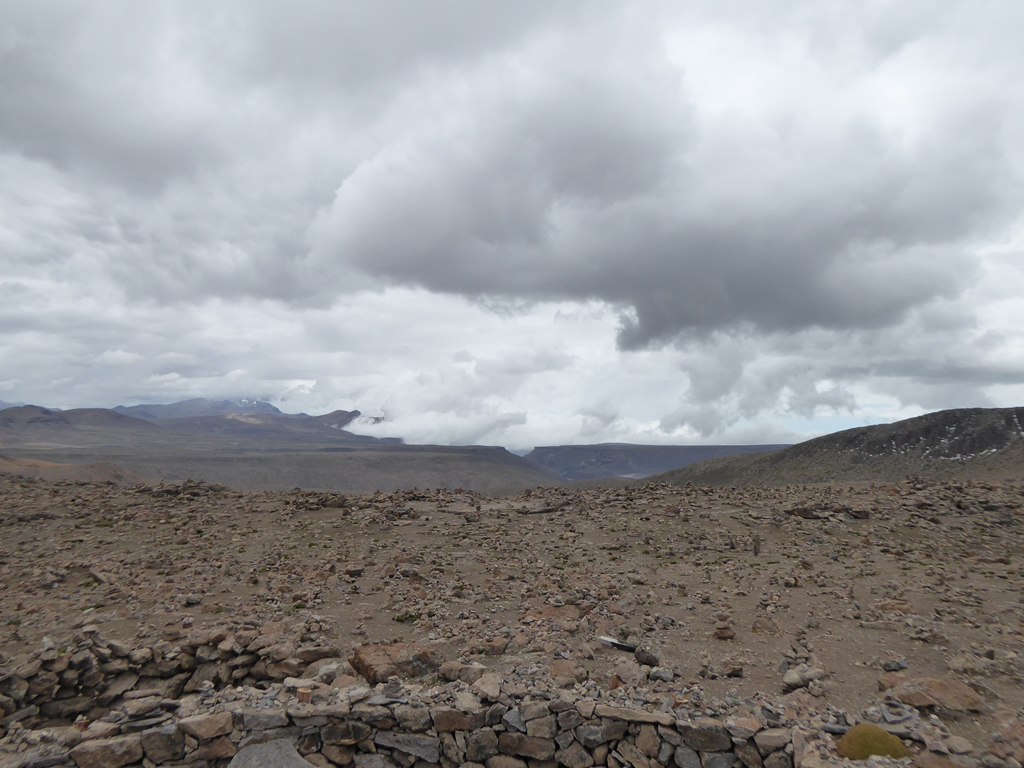
    This is the highest point we are likely to reach on our trip, at 4910m above sea level. It is over 500m higher than the highest point in the rockies, and 741m higher than Mauna Loa, our previous highest point. From here you can see several even higher points.

    This is Vulcan Hualca Hualca, which is 6025m.

    image

    This is Vulcan Sabancayo, at 5976m.

    image

    This is Volcan Ampato, at 6288m.

    image

    This would be Volcan Chachani, at 6075m.

    image

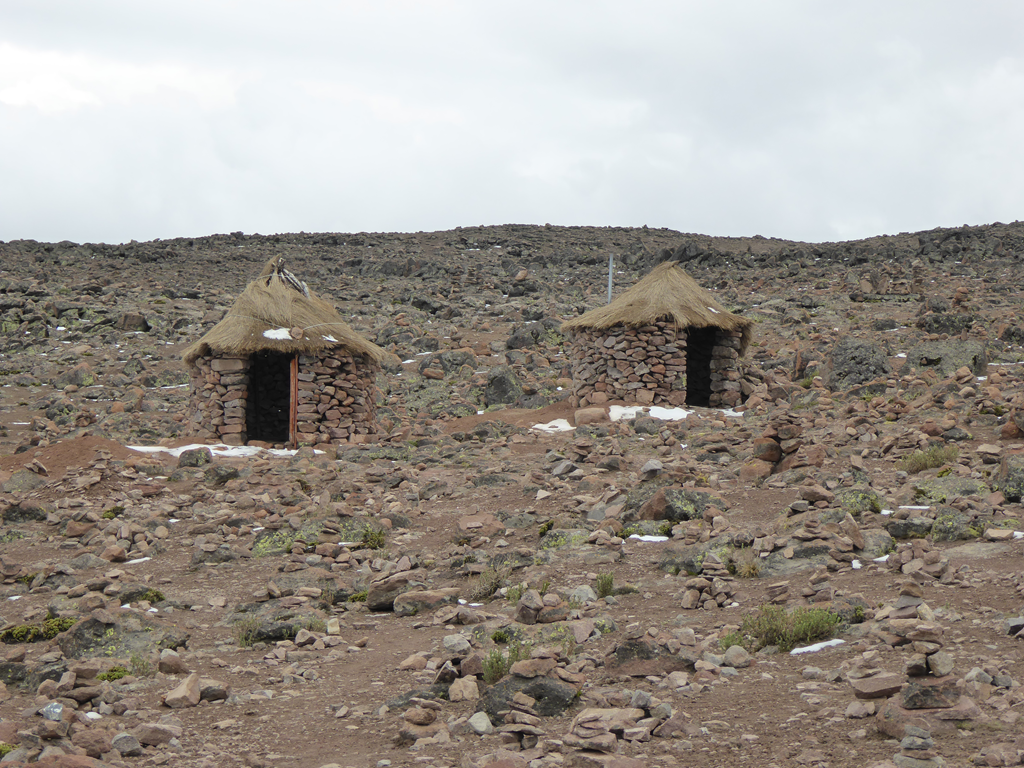
    These are the highest washrooms in Peru, at 4915m. They have no doors, and the toilet is just a hole in the ground.

    image

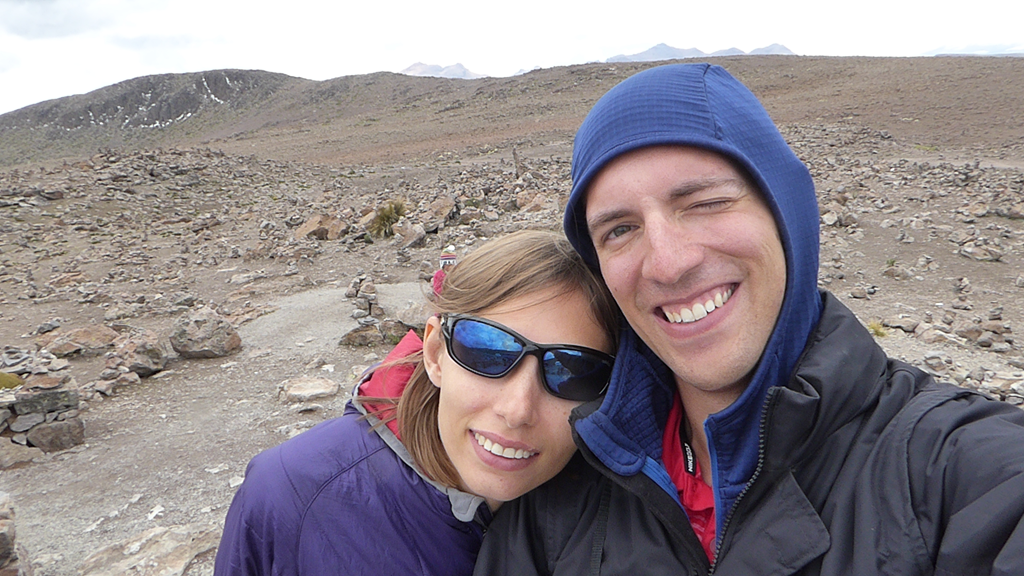
    This is Kerri and Matt, at 4912m.

    image


  • Pisco Sours

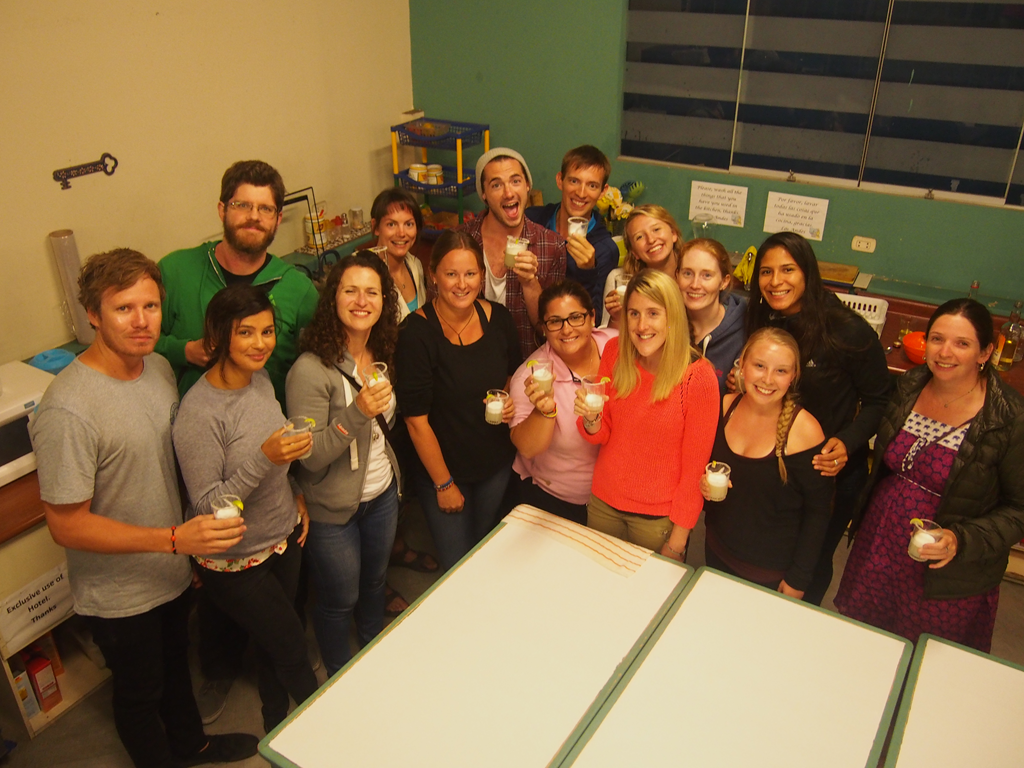
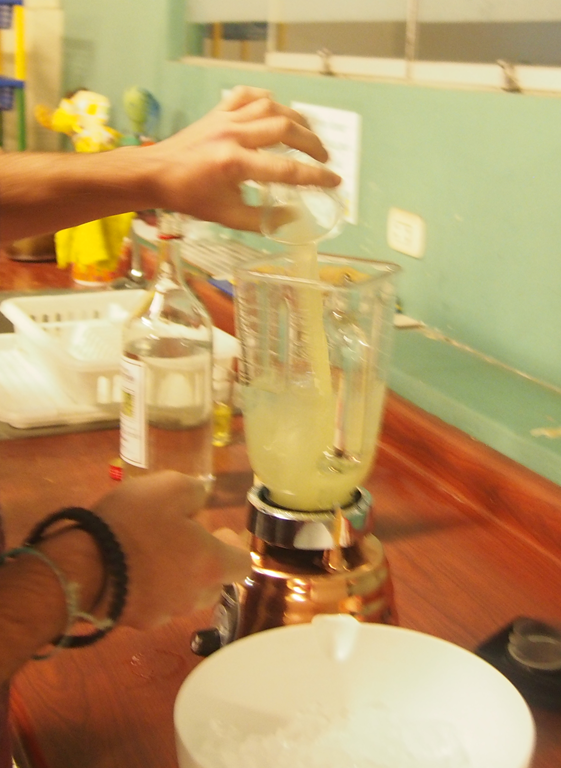
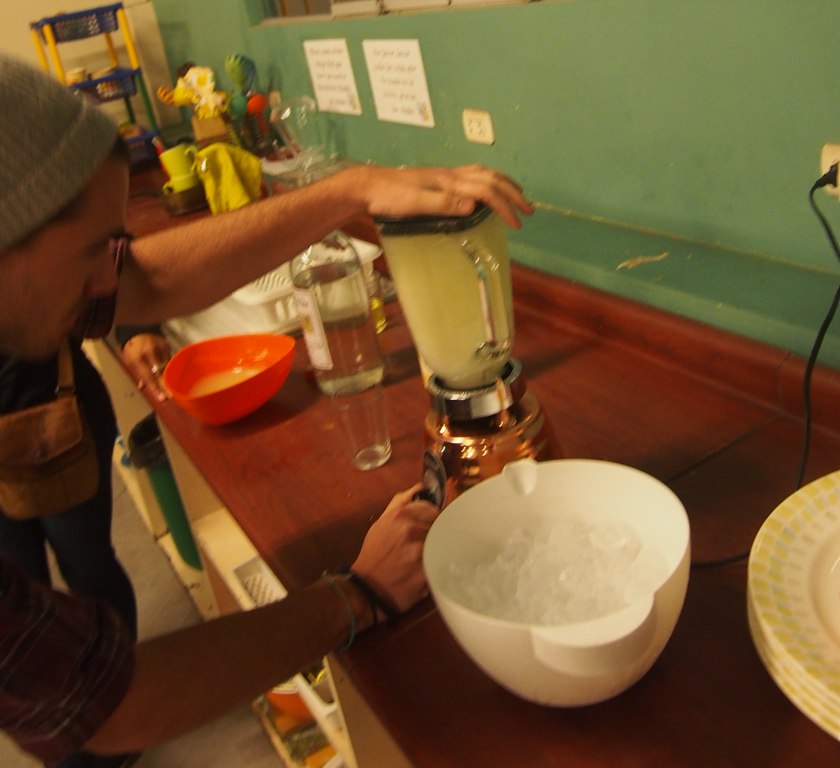
    This evening our group leader Carol taught us to make Pisco Sours.

    image

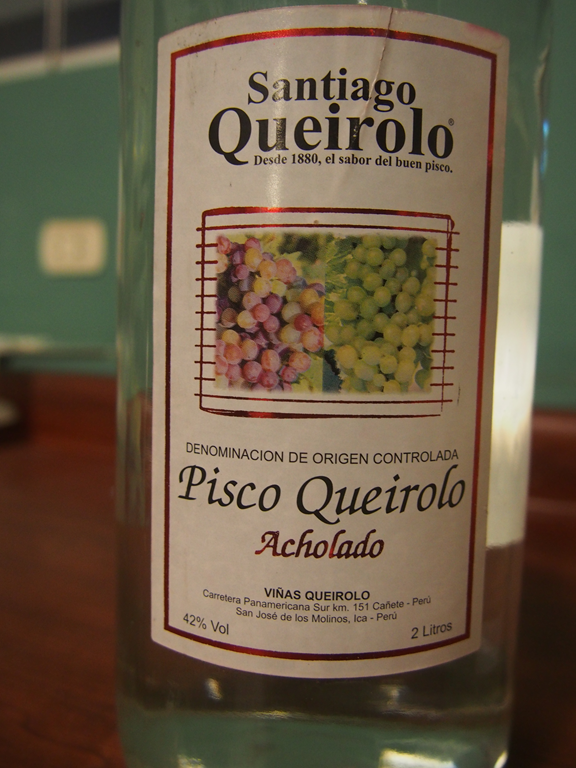
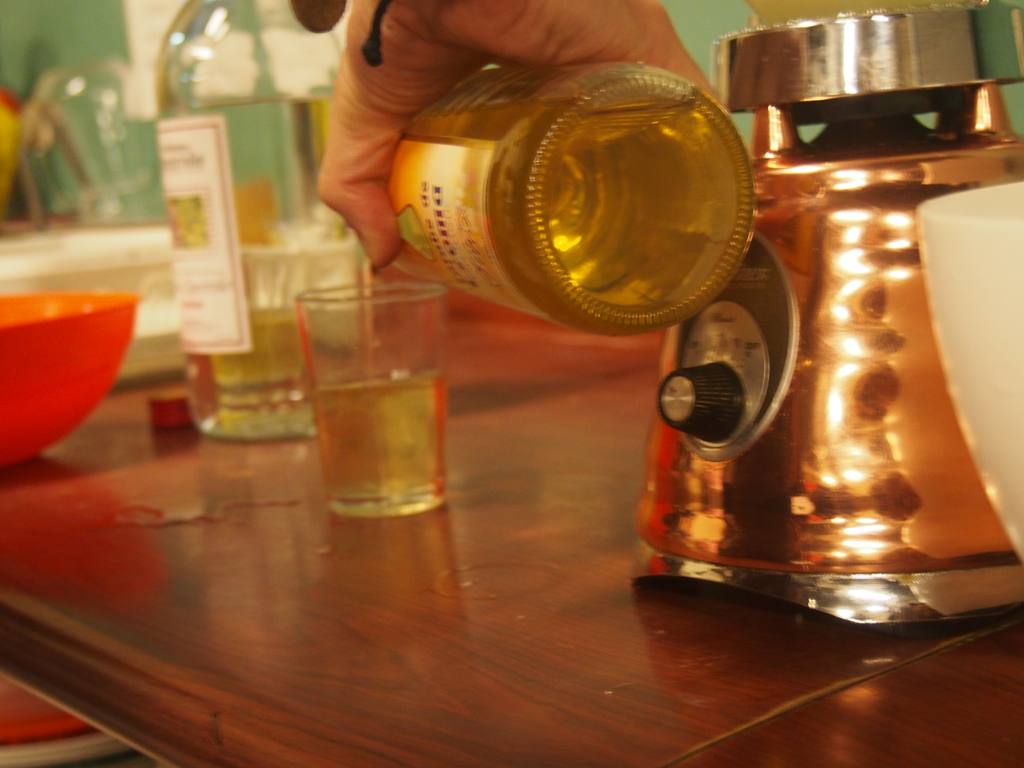
    Pisco is a type of white brandy. Grape wine is distilled to 42% alcohol. Pisco acholado is the best type to use for Pisco Sours, it is made from a blend of different types of grape. We used a 2L bottle but had 500mL left over.

    image

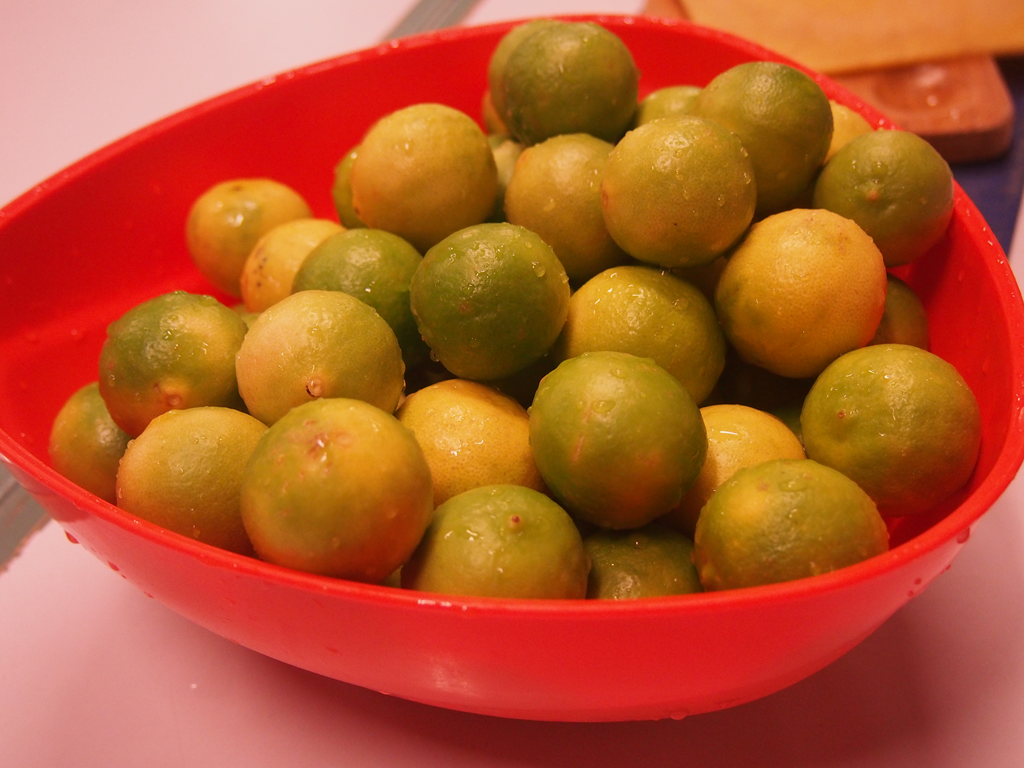
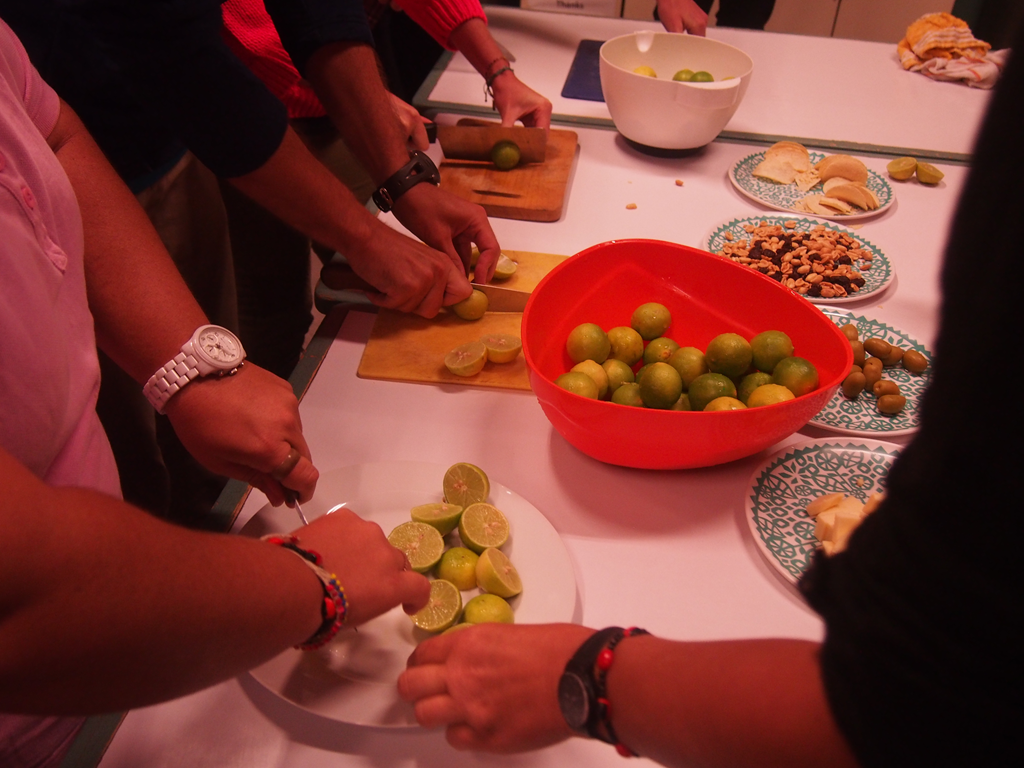
    We bought 3kg of limes for $4.80 at the local market.

    image

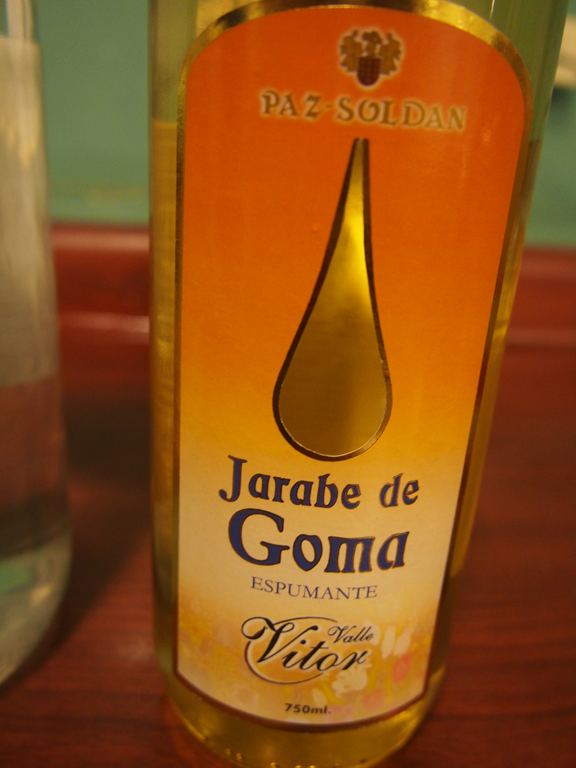
    750mL Jarabe de Goma (sugar syrup)

    image

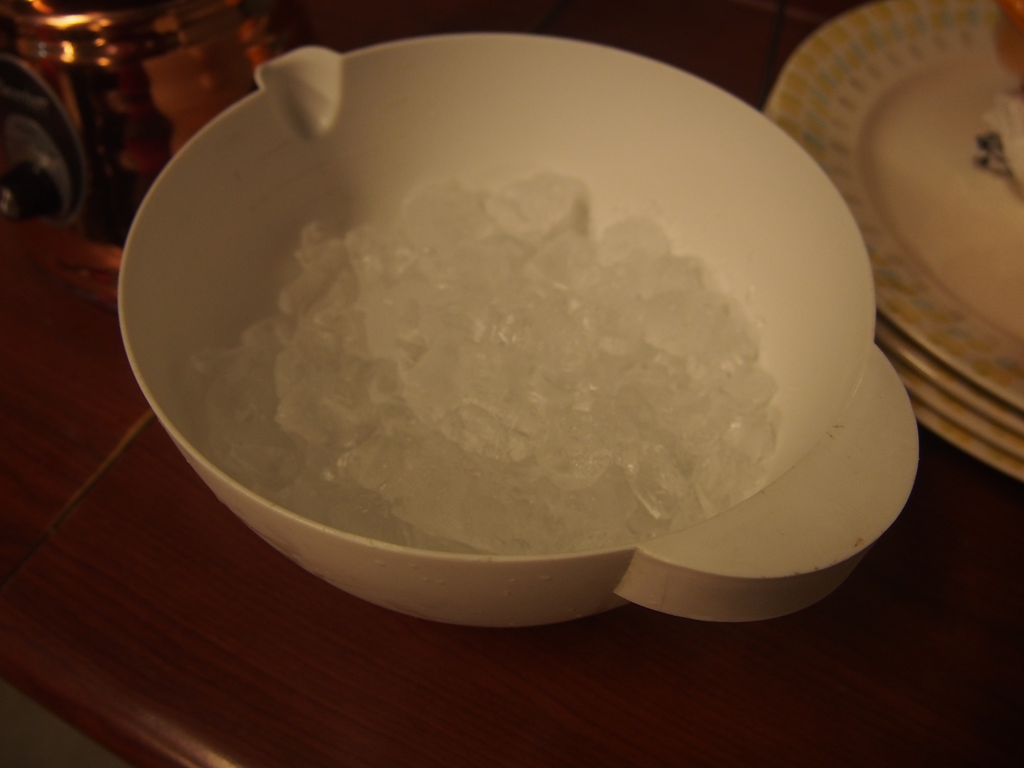
    1.5L of ice cubes

    image

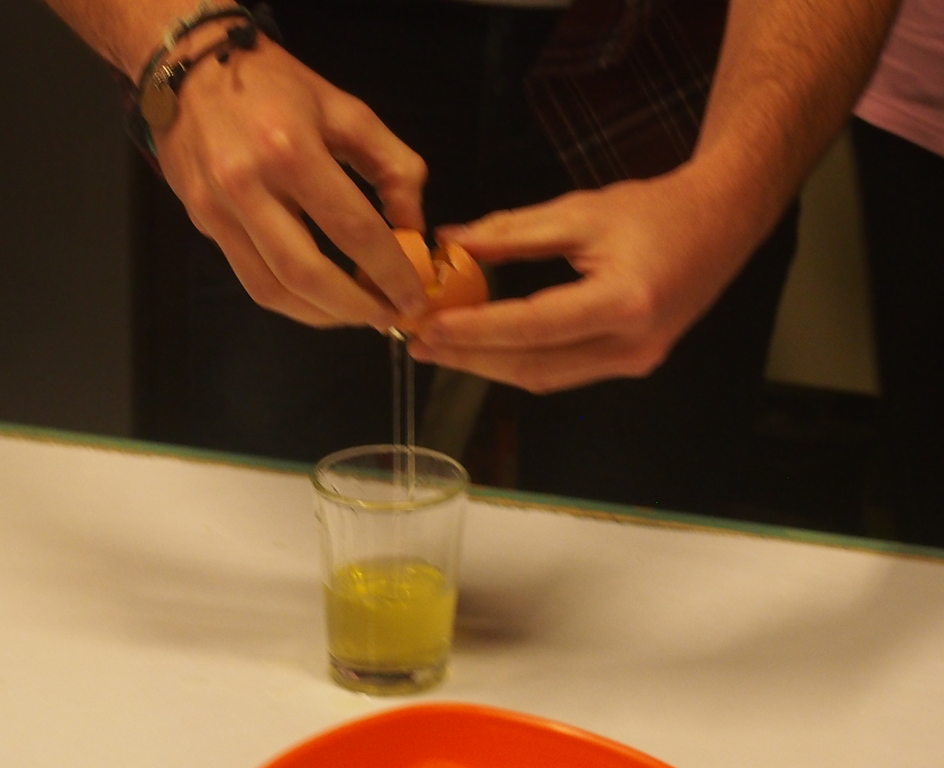
    2 egg whites.

    image

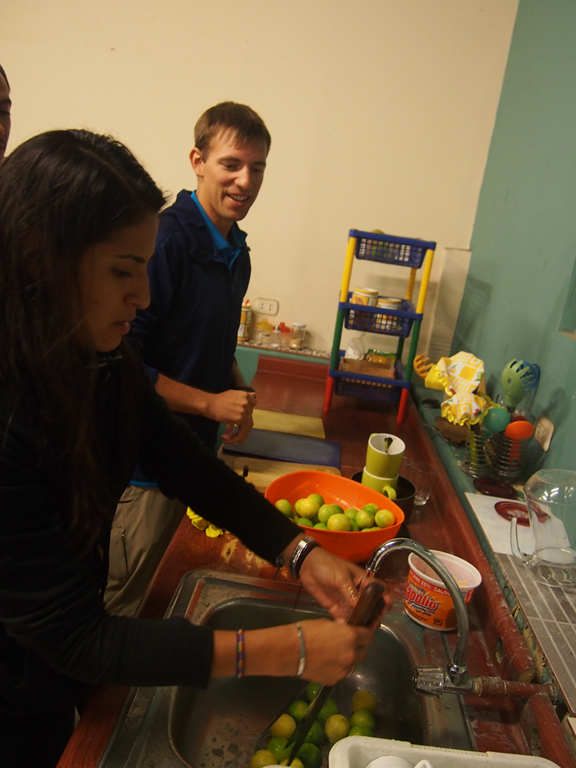
    Wash the limes.

    image

    Slice them in half.

    image

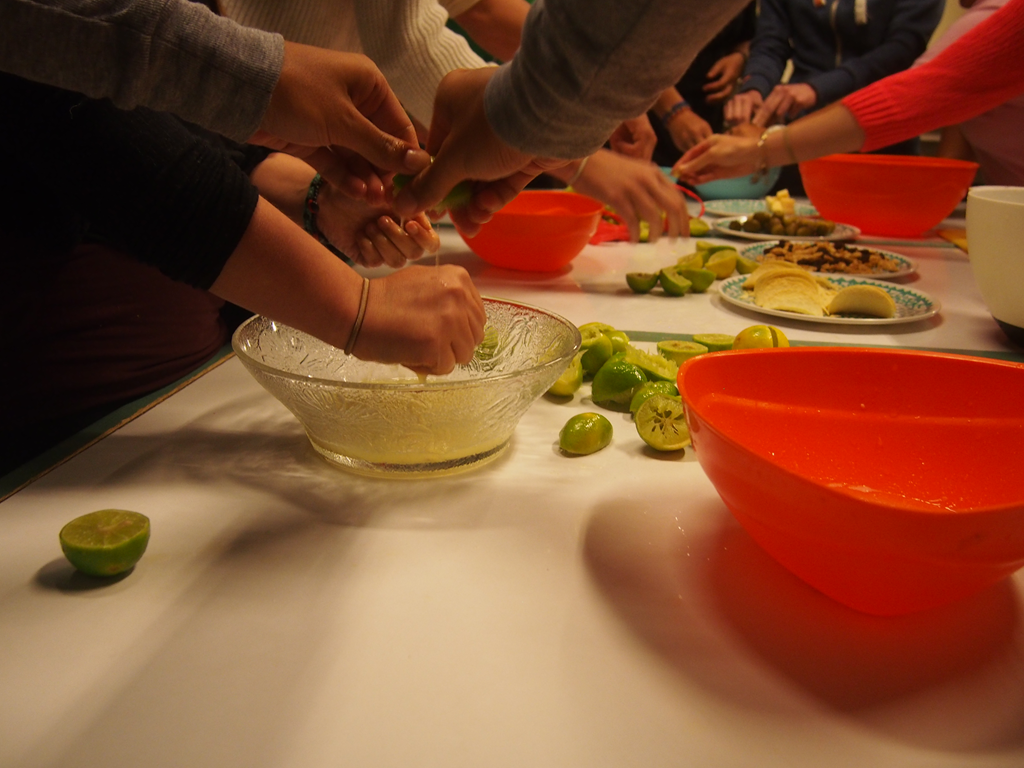
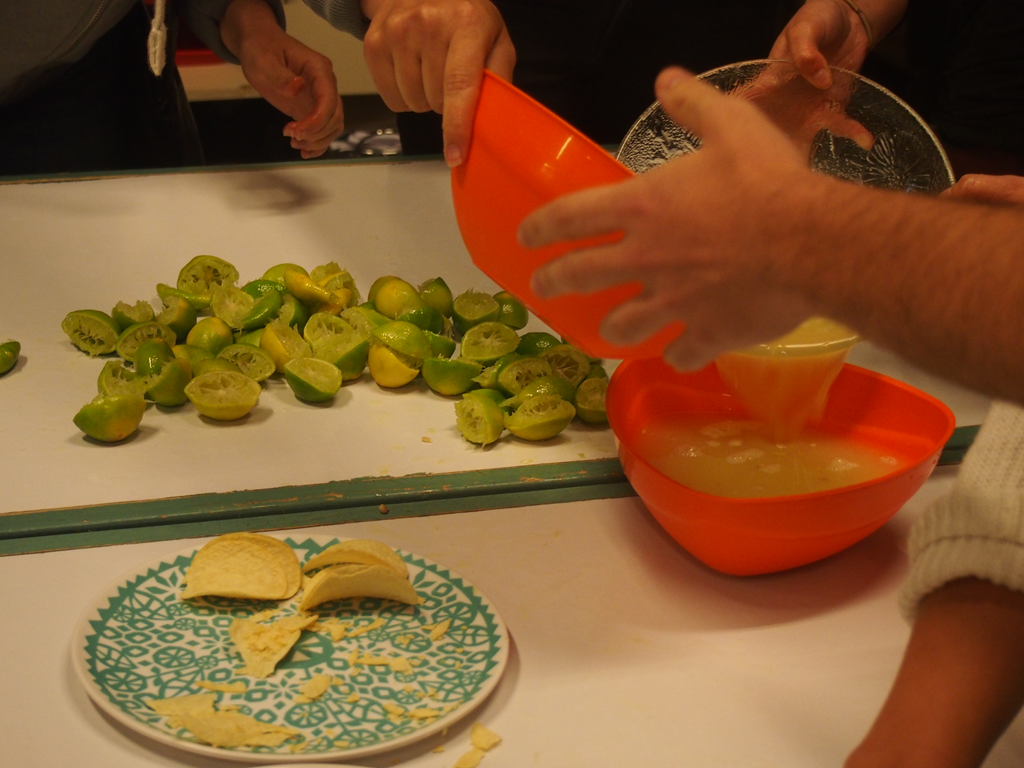
    Squeeze the juice into a bowl.

    image

    Do not squeeze too aggressively because you don’t want the bitterness from the peel.

    image

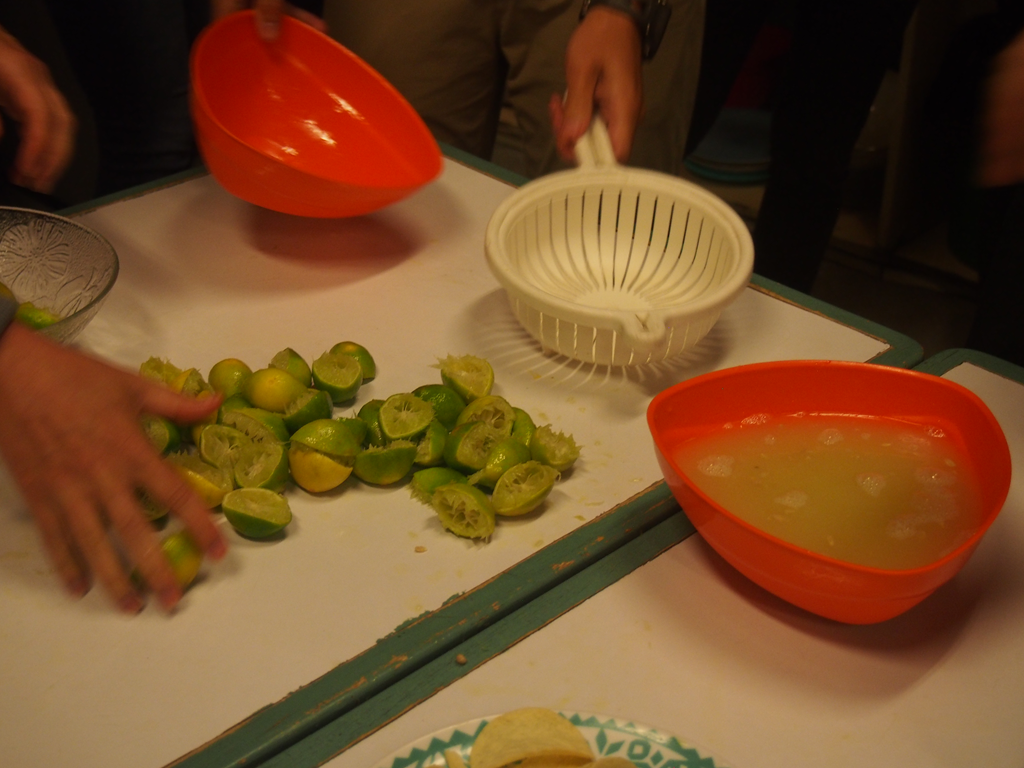
    Strain the lime juice.

    image

    Into a blender pour 3 parts pisco, 2 parts lime juice, 1 part syrup.

    image

    Blend for 10 seconds.

    image

    Taste. Add more syrup if necessary .

    image

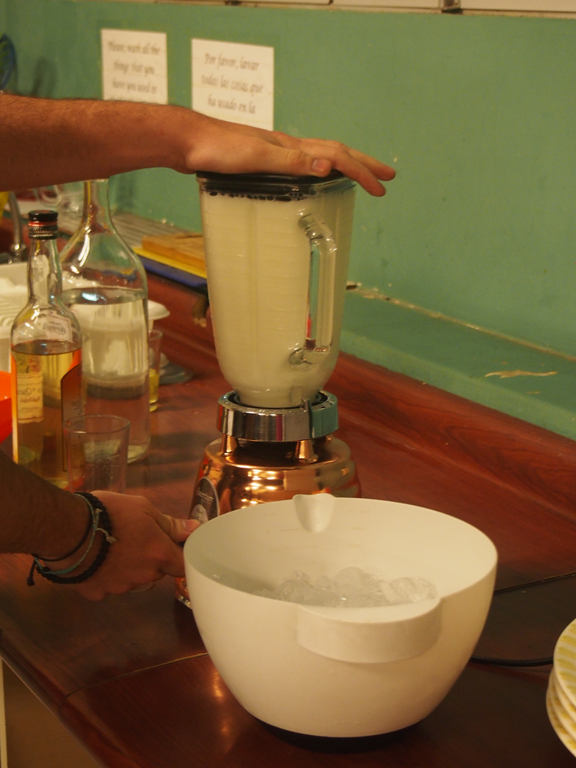
    Add ice and a small amount of egg white and blend.

    image

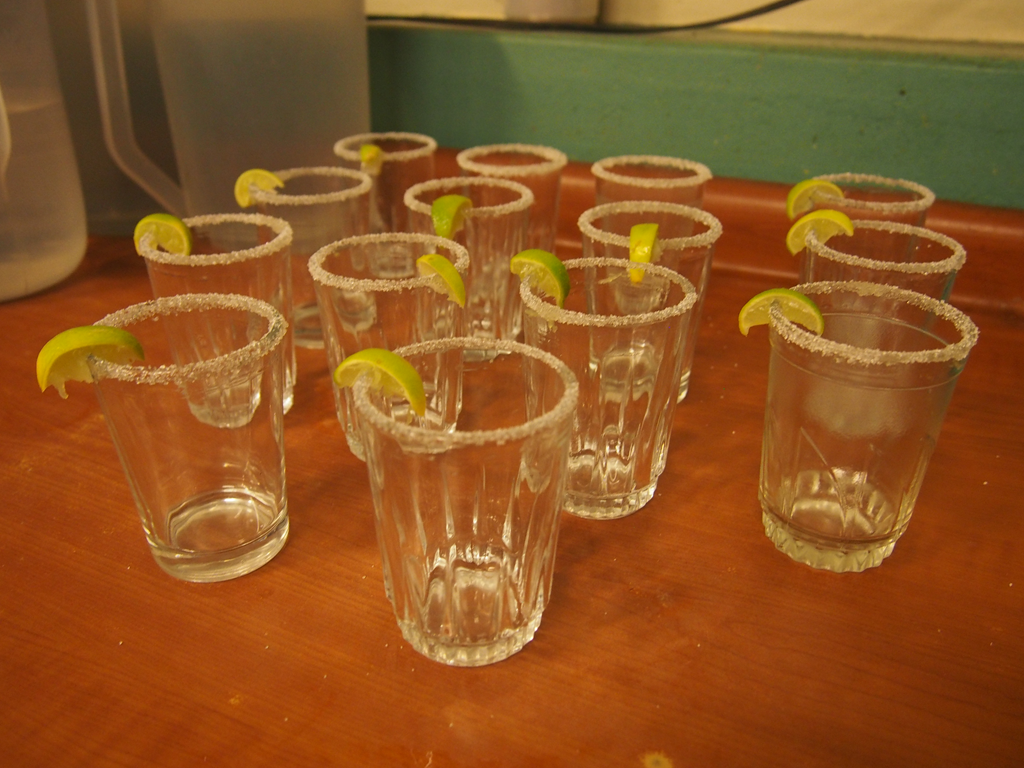
    Pour into glasses. We garnished the glasses with sugar and lime slices.

    image

    Before drinking you have to do the traditional toast.

    Hold glass up high: Arriba!

    Hold glass low: A bajo!

    Hold glass in the middle: A centro!

    Drink: Al dentro!


  • Arequipa Market

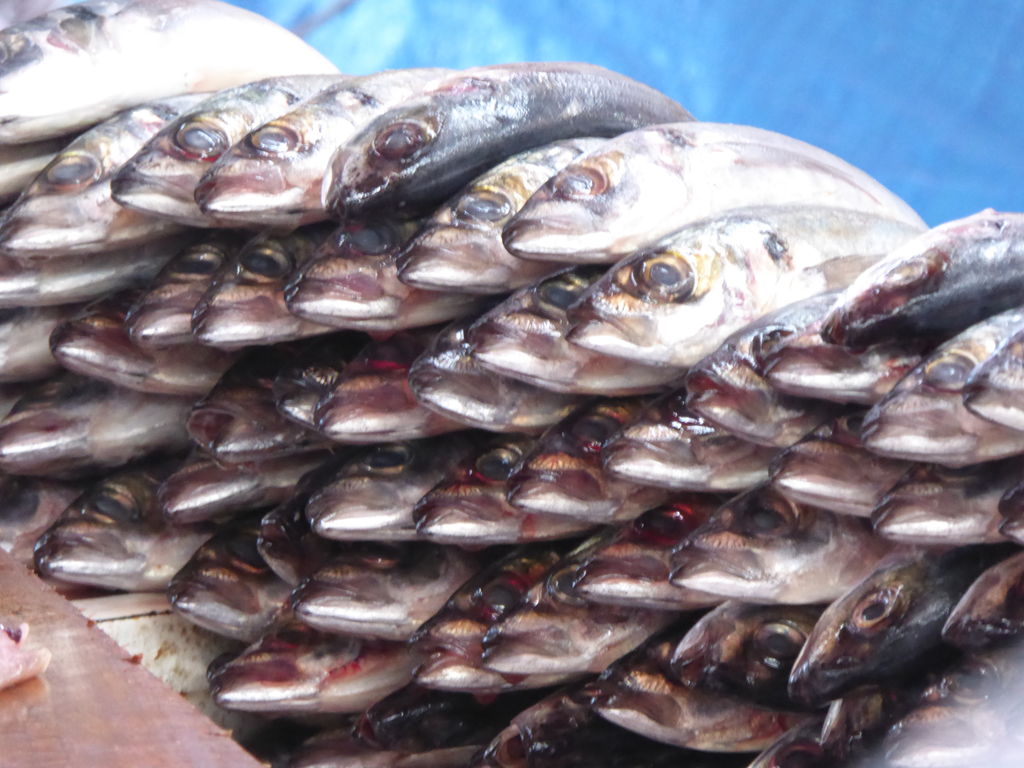
    As a part of our orientation and walking tour we went to the market. It was very organized into different areas. Those for fish.

    image

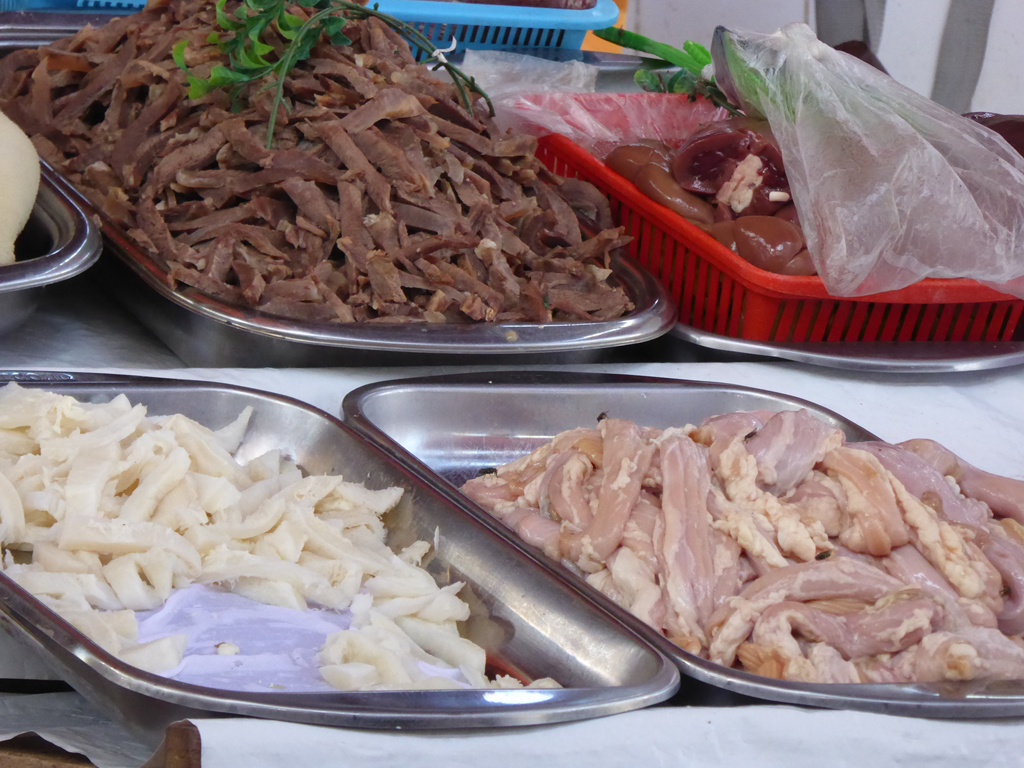
    The area for organ meats.

    image

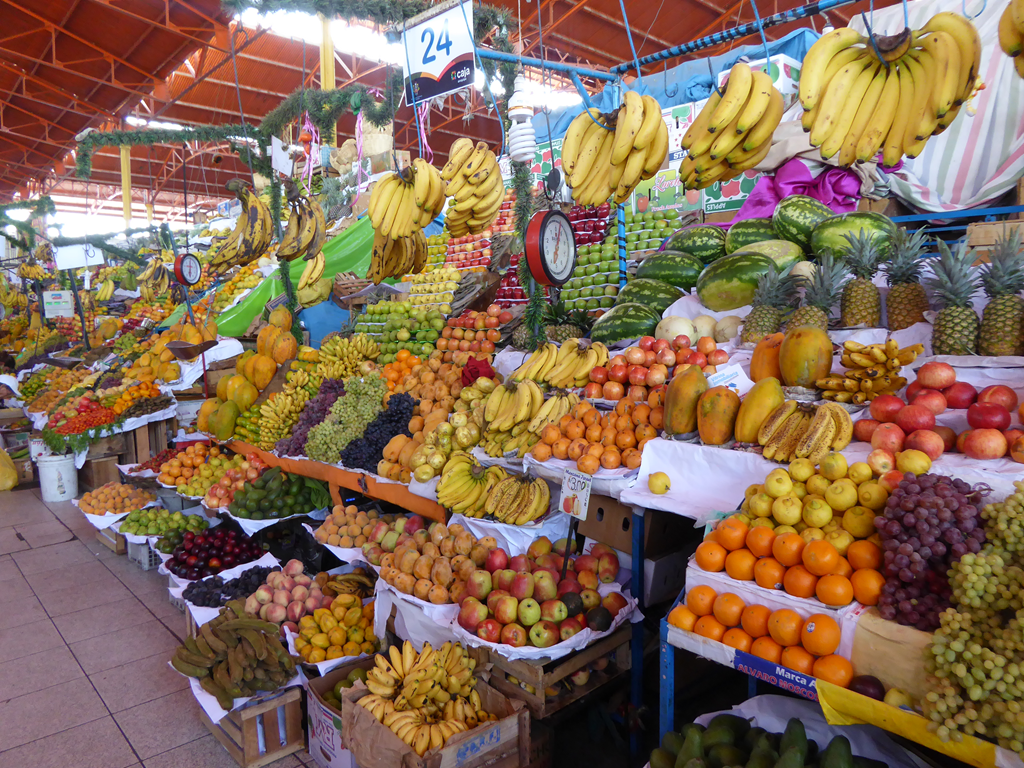
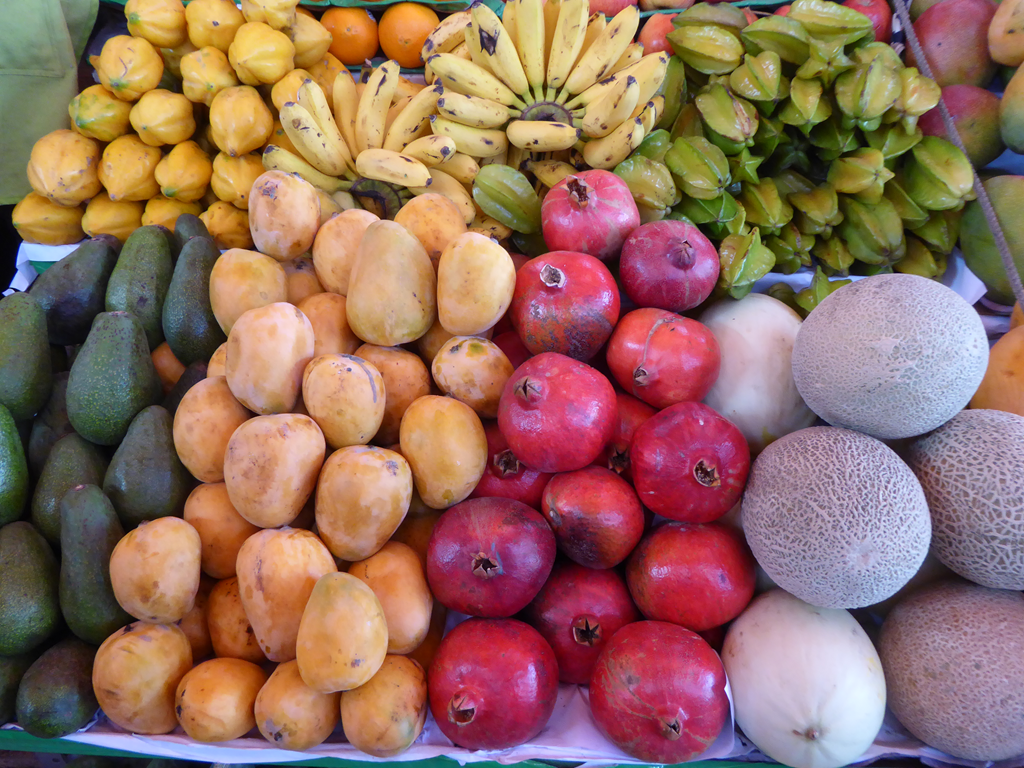
    The beautiful area for fruits. They also were the nicest looking fruits we had seen so far. The pomegranates needed to be eaten but we kept it to just buying one to eat that night.

    image

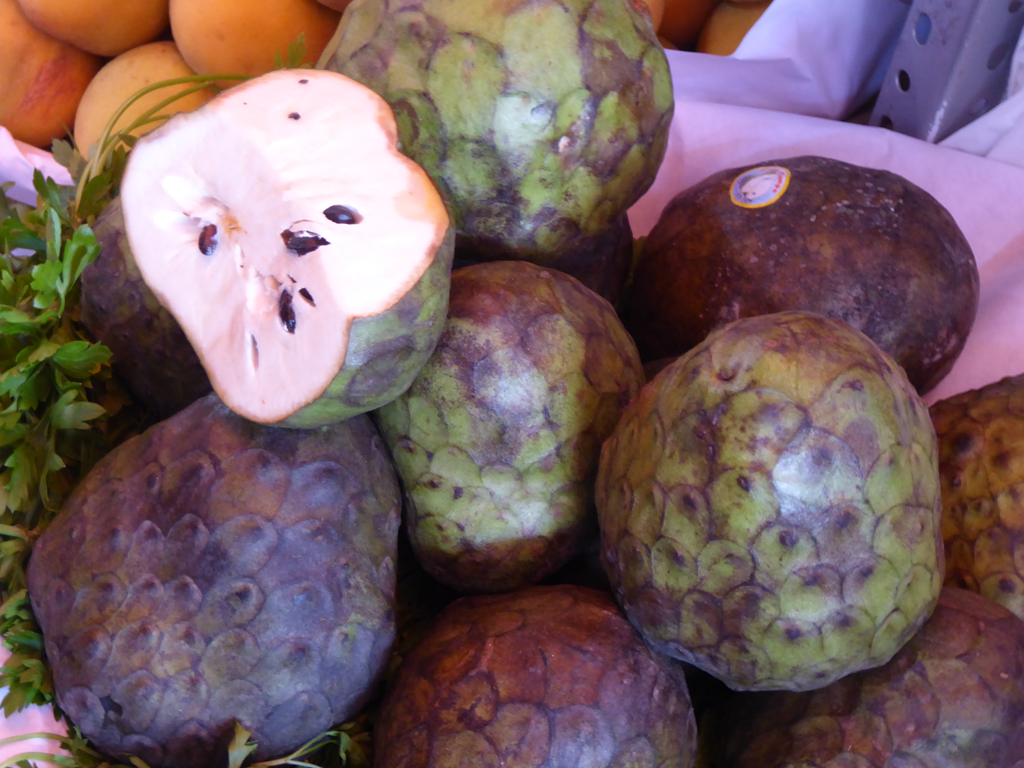
    This was a fruit from the coast valley called chirimoya, but didn’t have any so no idea what it tastes like.

    image

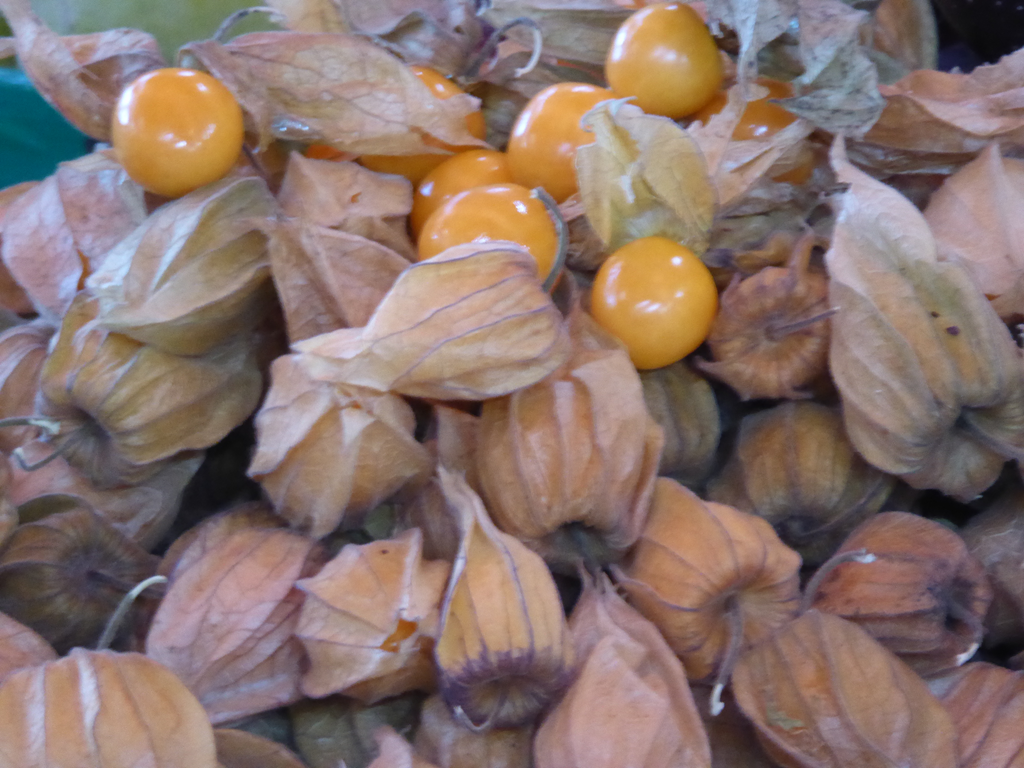
    They had lots of aguaymanto.

    image

    And the rest but these ones are much easier to identify as most of these are at home.

    image

    In Peru they have a few types of potatoes. The Inkas actually cultivated over 100 varieties, there were quite a few available here.

    image

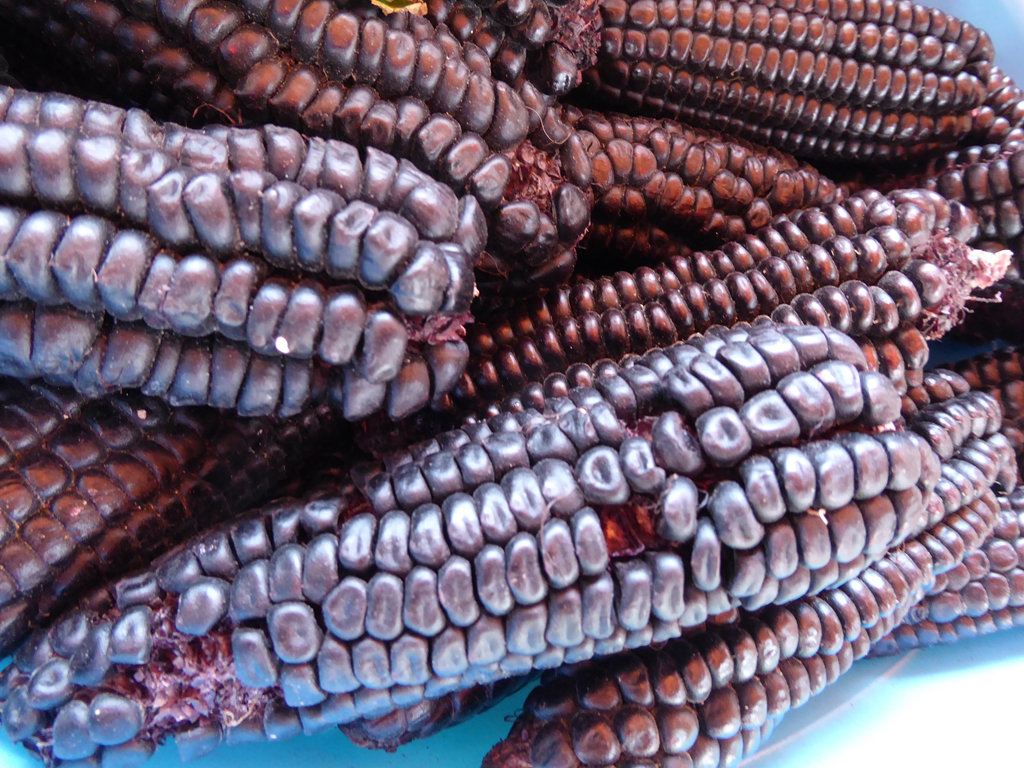
    They also have lots of types of corn, including the purple corn which is used for juice.

    image

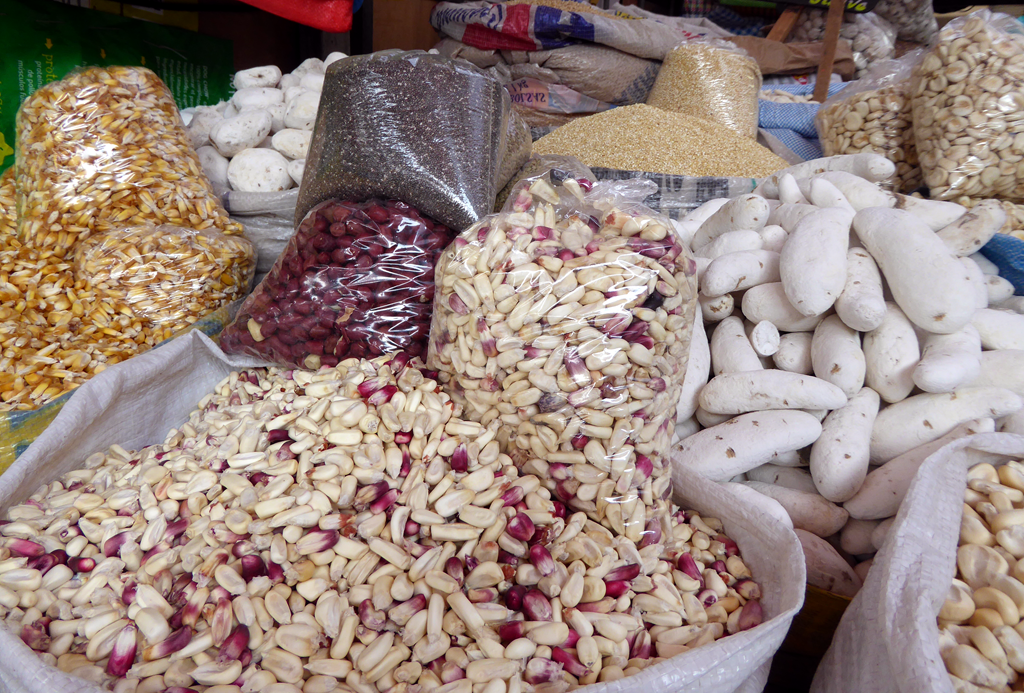
    There were other types of corn and grains available.

    image

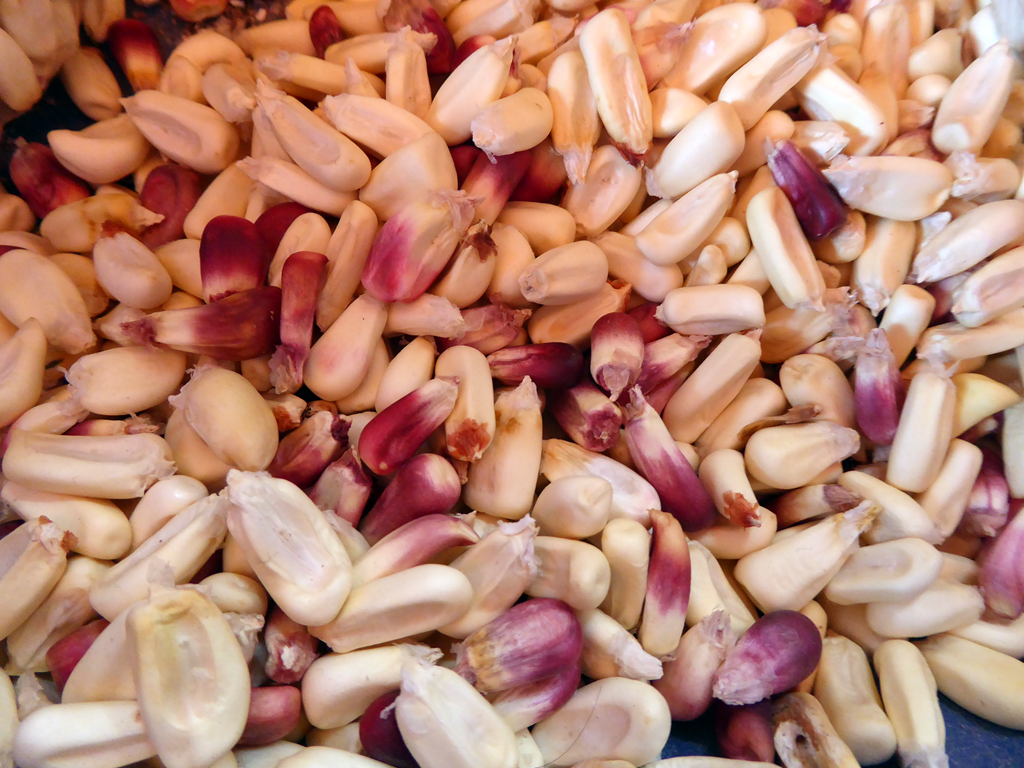
    Some kernels were more purple than others.

    image

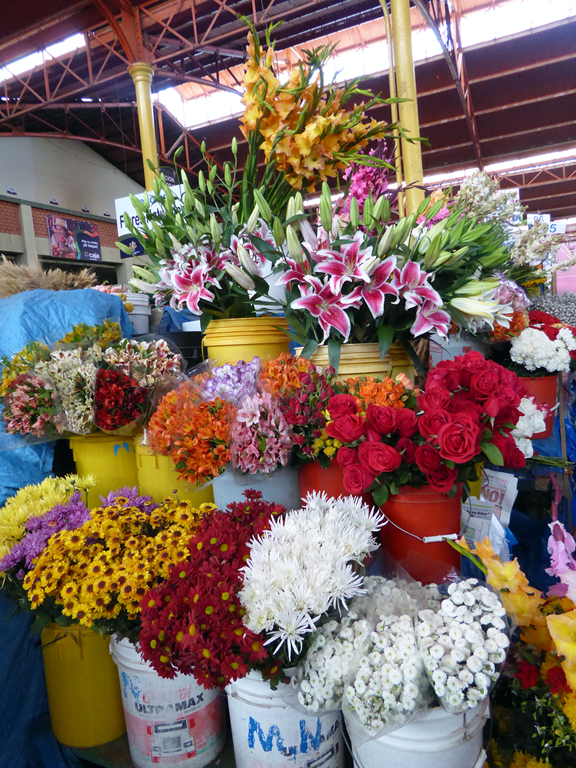
    There was also a section where flowers were sold.

    image

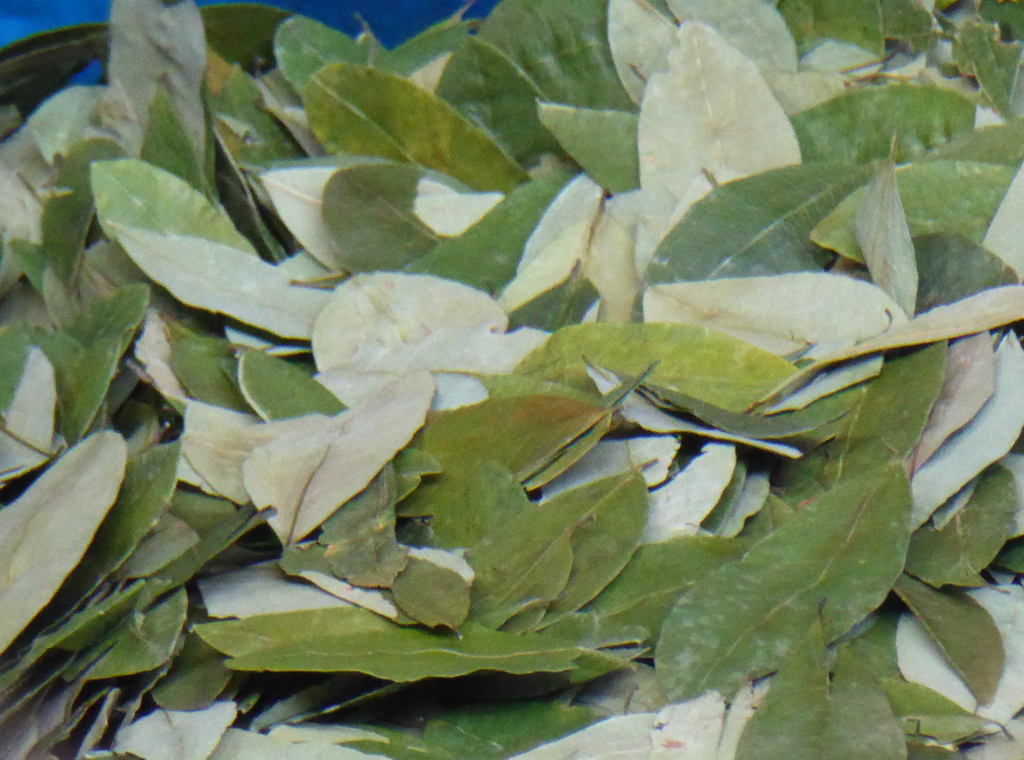
    These are coca leaves. Locally they are chewed with a bit of an alkaline substance to release a small dose of cocaine, which acts as a stimulant and is supposed to relieve altitude sickness. They are also sometimes used to make tea. Internationally they are illegal, because they are used to make cocaine.

    image

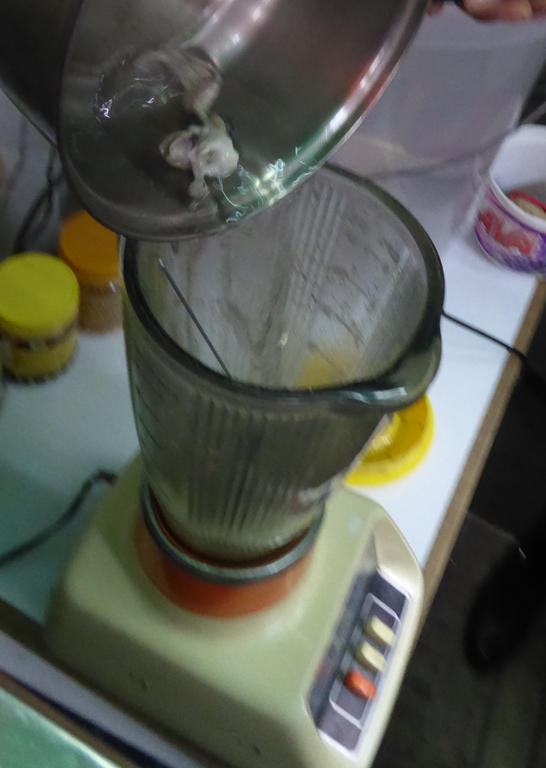
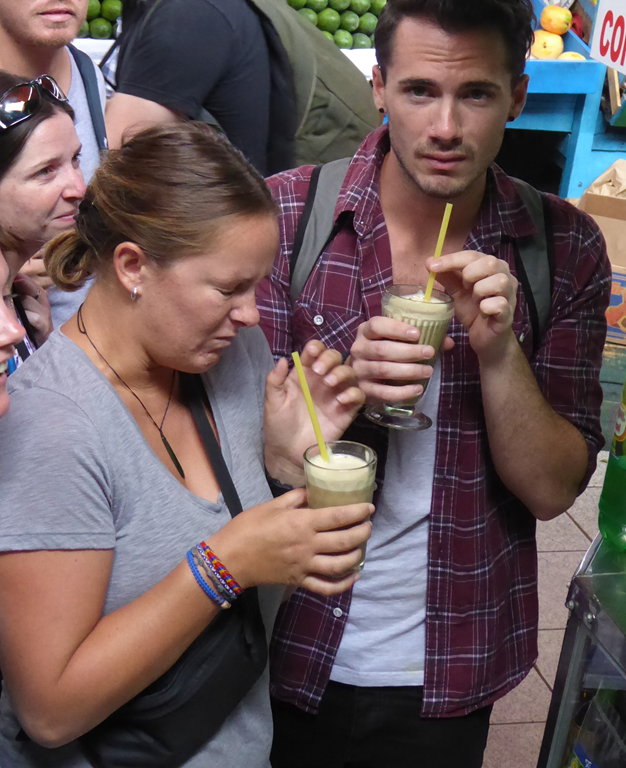
    Some members of our group tried frog juice. It involves putting a boiled frog in a blender.

    image

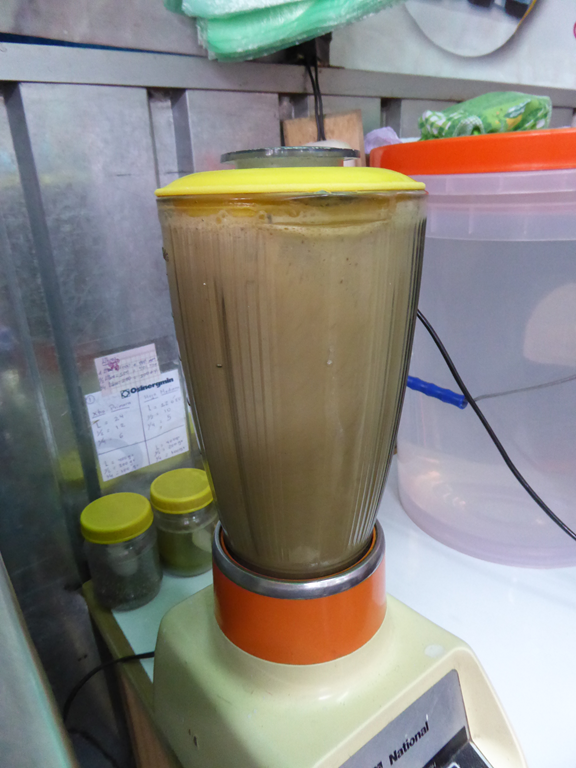
    With soy milk, chia, and miscellaneous powders purported to cure things.

    image

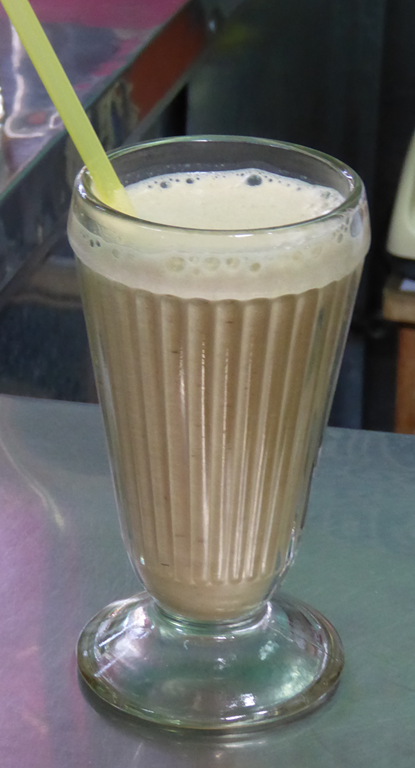
    To make a disgusting looking drink.

    image

    Those that did try it did not seem thrilled. They described it as tasting like a warm milkshake, or a protein shake. Possibly due to the graininess of the seeds, or perhaps the ground bones of the frog.

    image

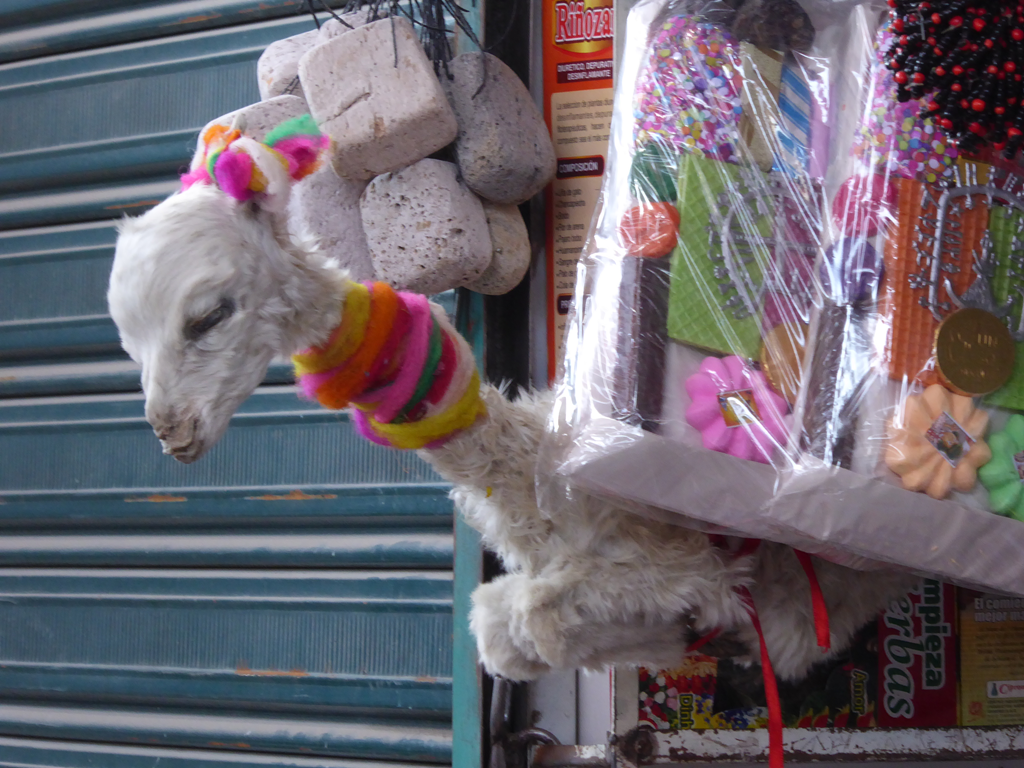
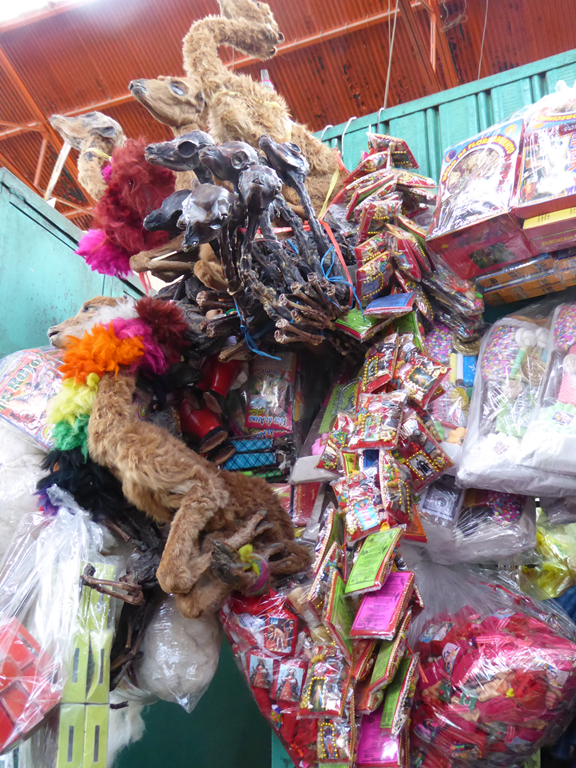
    The last section of the market was the witches market, which contained a collection of decorated llama fetuses.

    image

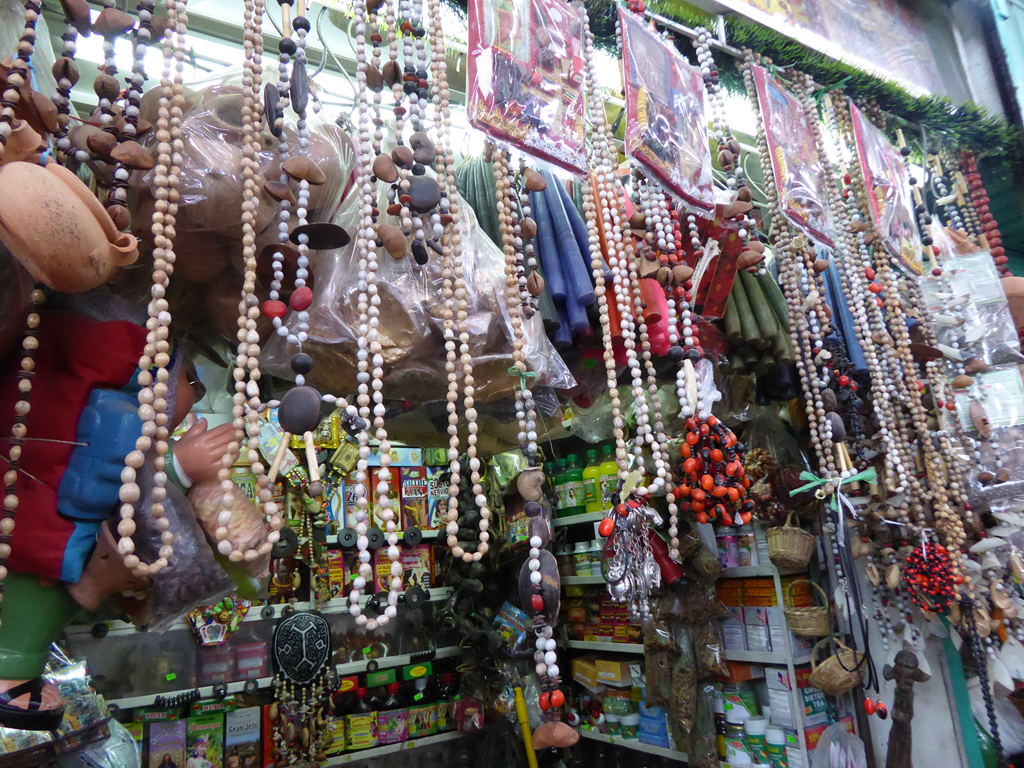
    Necklaces and bracelets.

    image

    Llama fetus skeletons.

    image

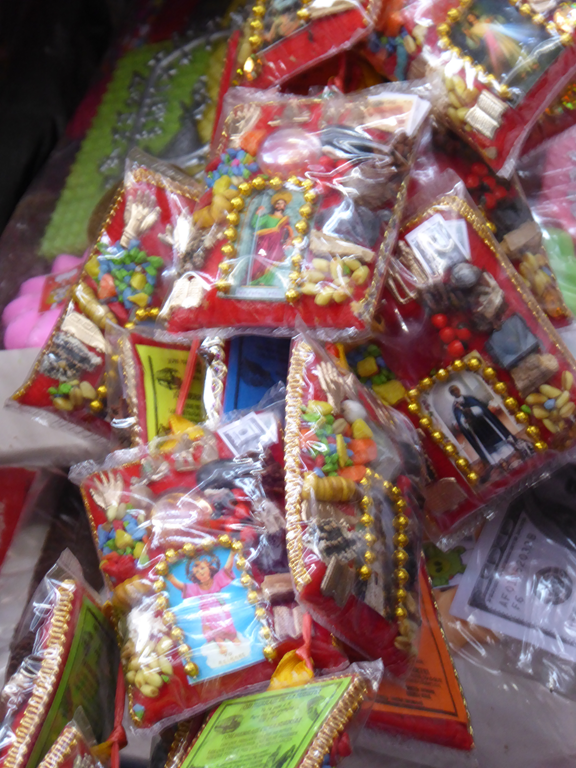
    Little bags of random Catholic paraphernalia.

    image

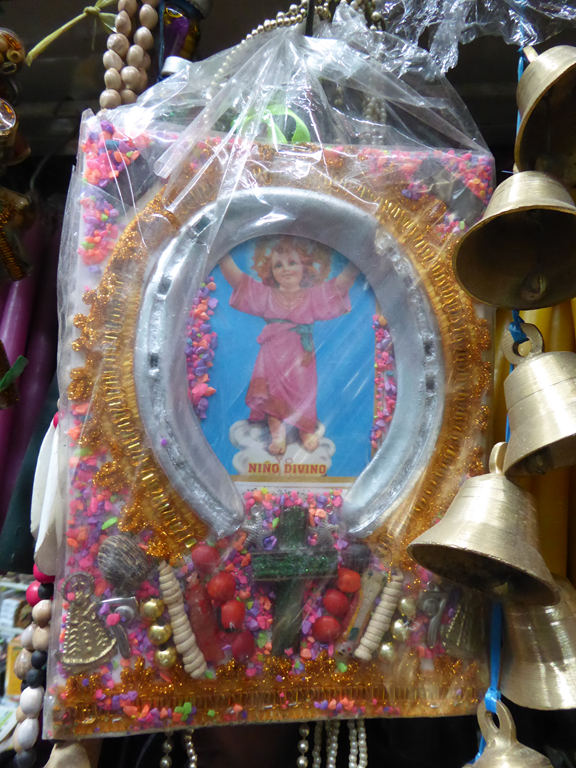
    Big bags of random Catholic paraphernalia.

    image

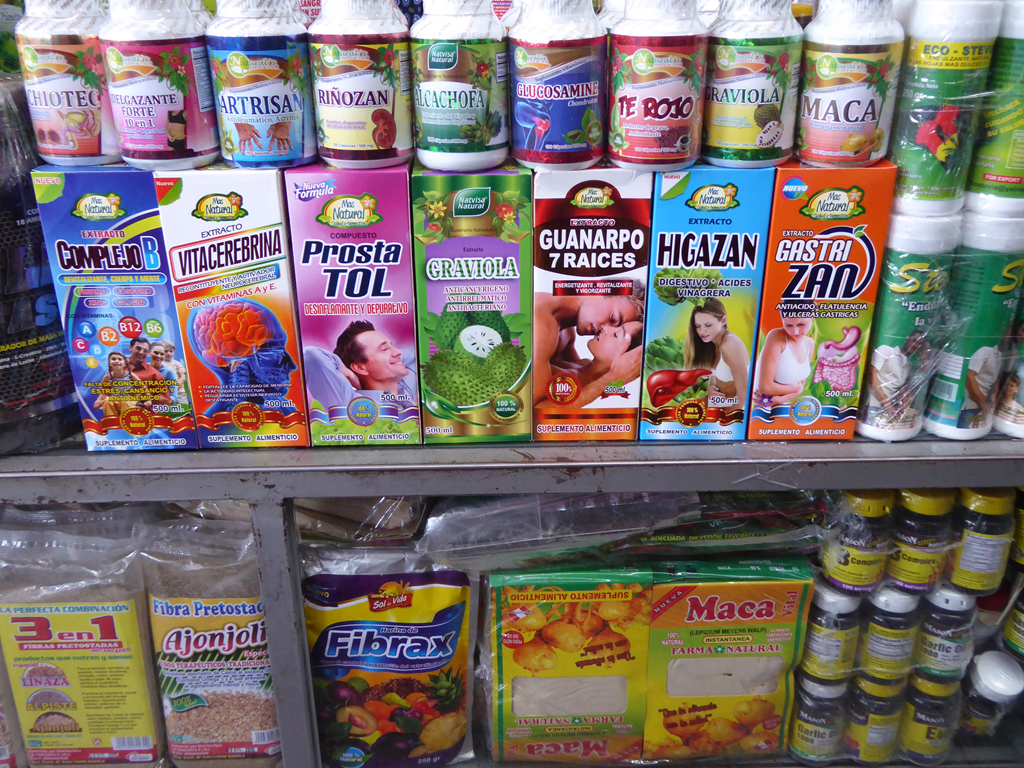
    And herbal supplements. Yes, all at the same tiny little booth.

    image

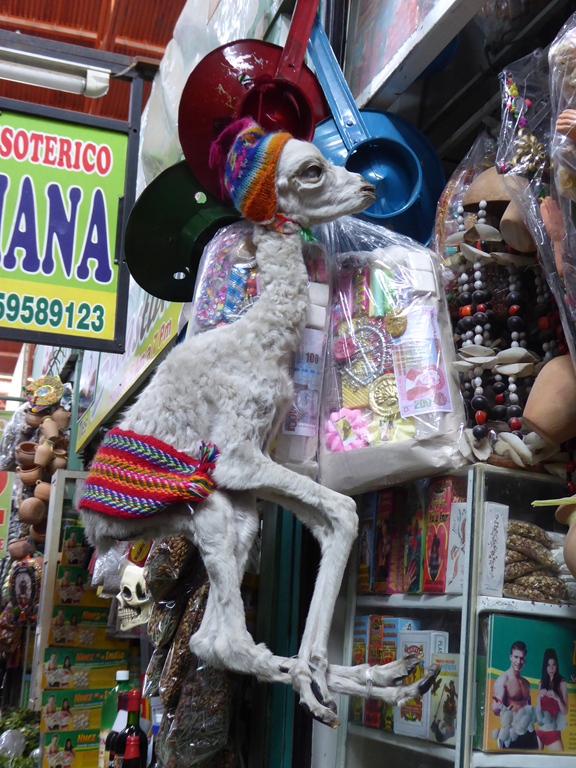
    This llama fetus got a diaper for some reason.

    image


  • Nazca Lines

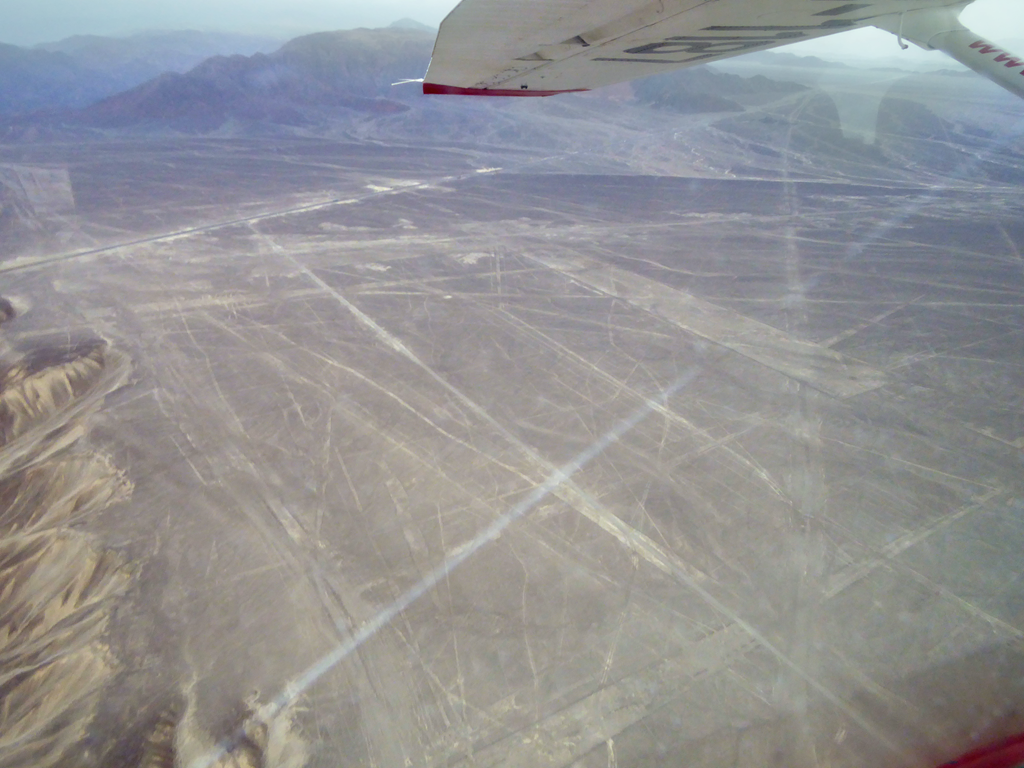
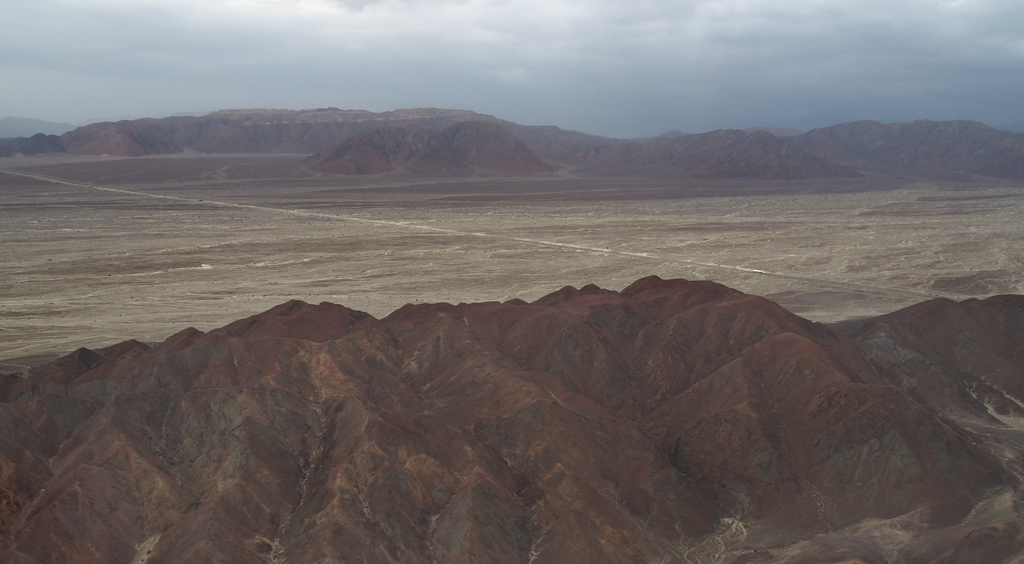
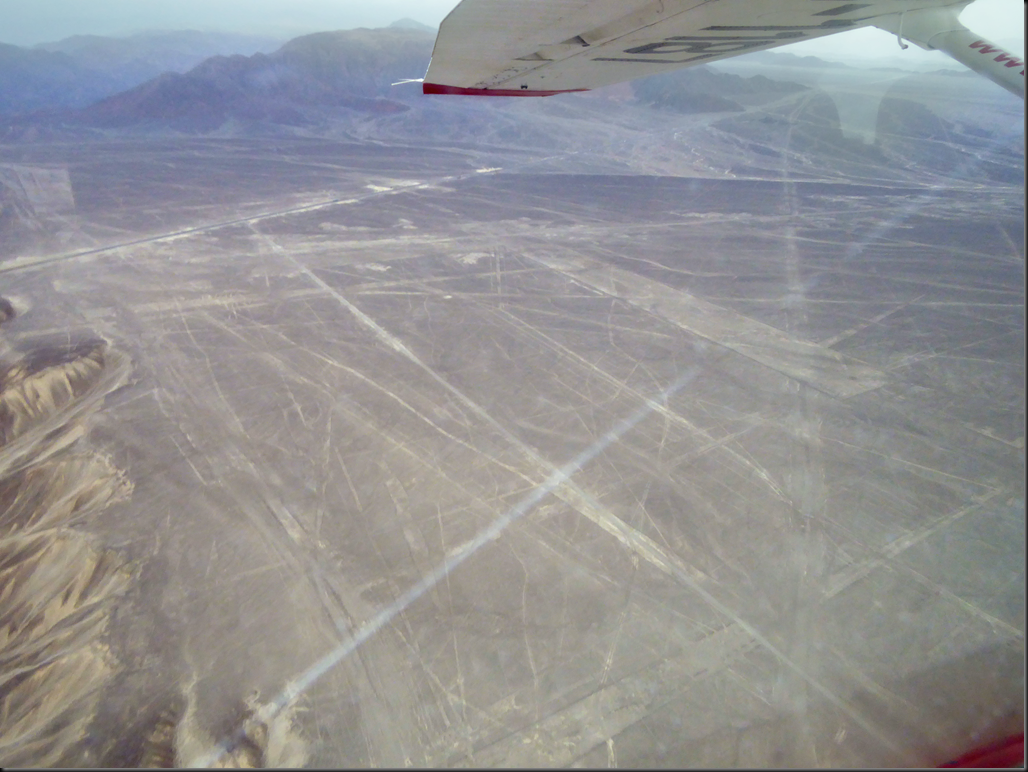
    The lines are found on a desert plateau that stretches more than 80km near the foothills of the Andes. They were made by the Nazca culture between 400 and 650 CE.
    image

    Most of the lines are on the flat desert ground.
    image

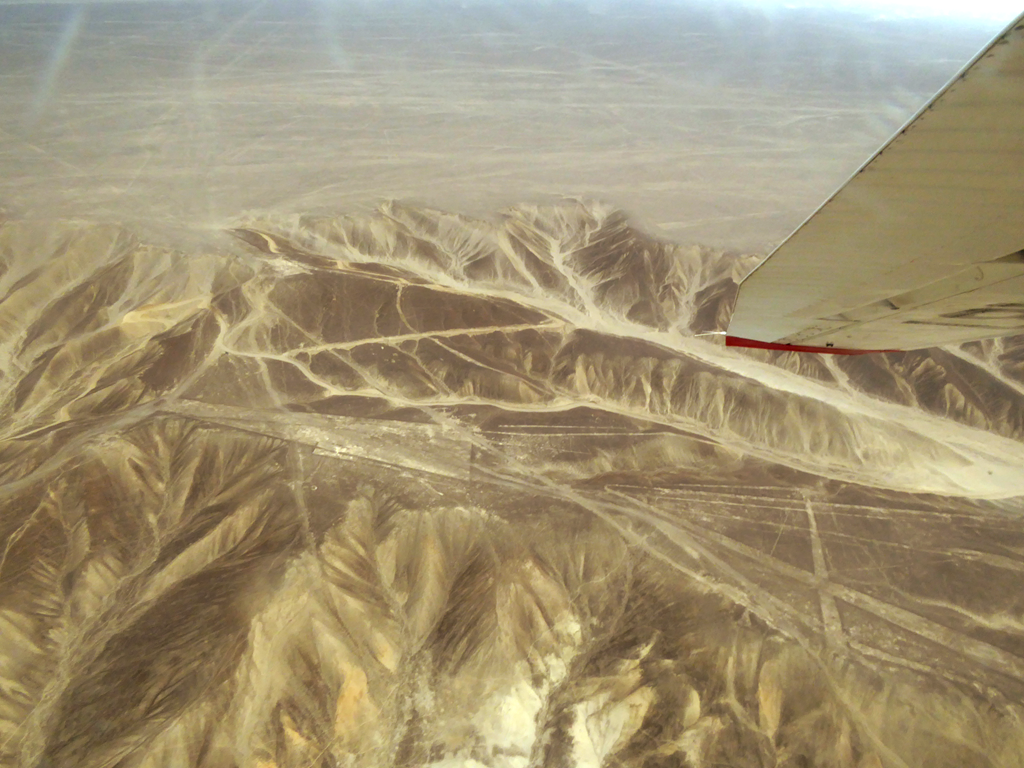
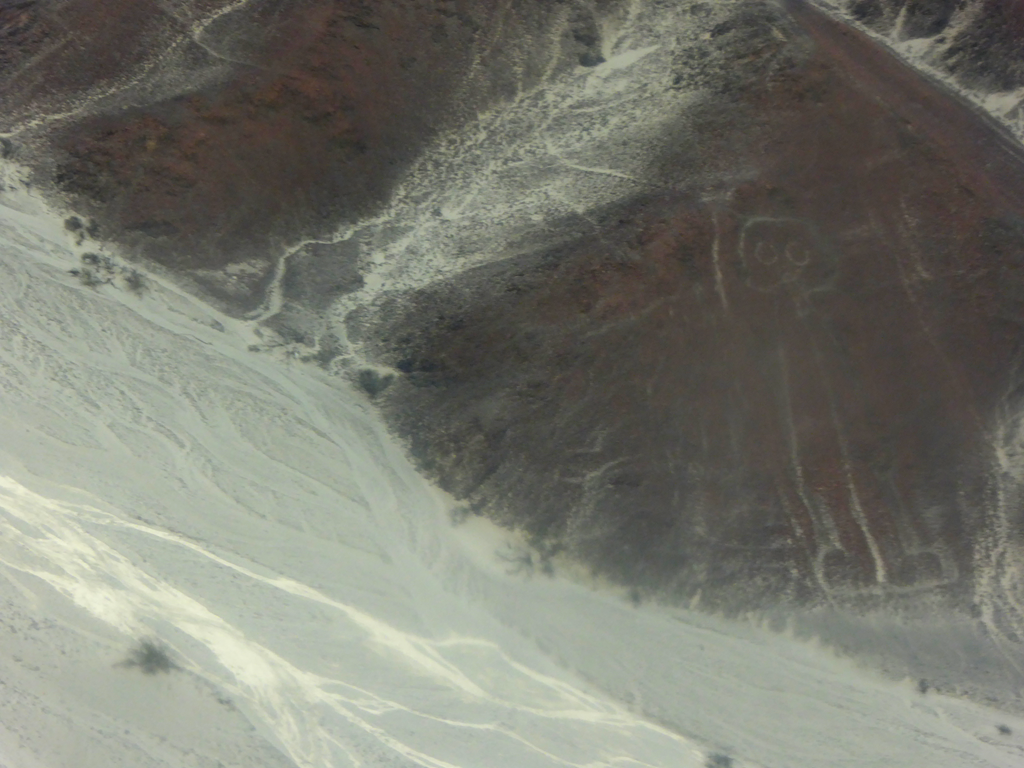
    But some are on the mountains.

    image

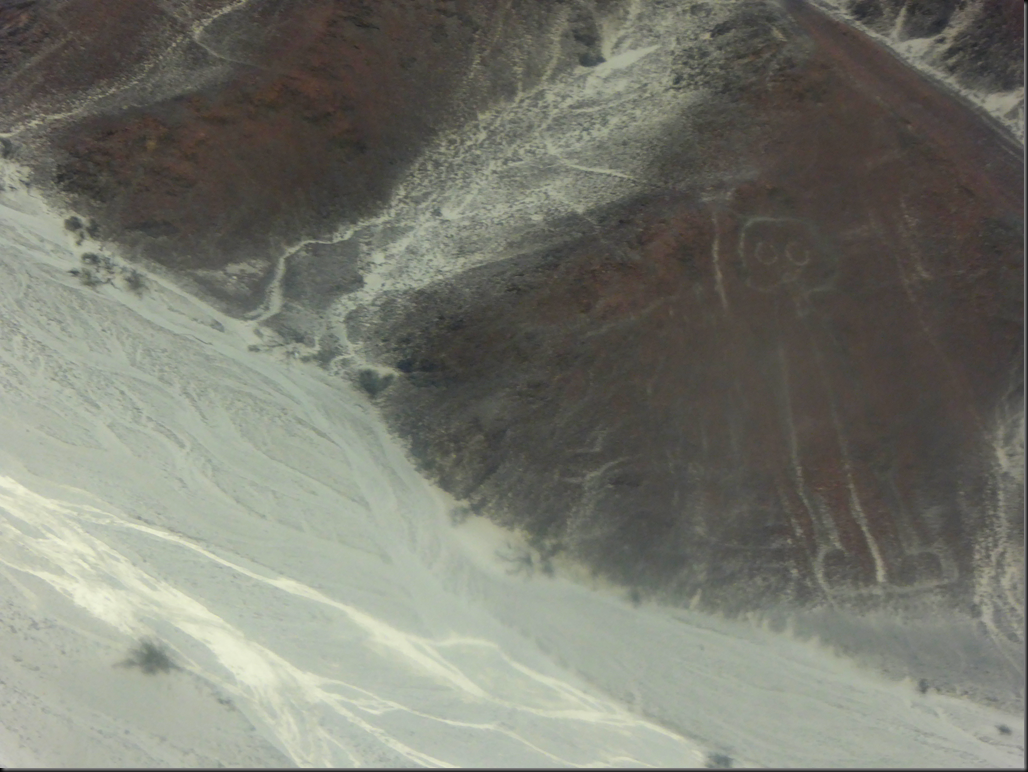
    And some are even half vertical so they could likely be seen from the ground.
    image

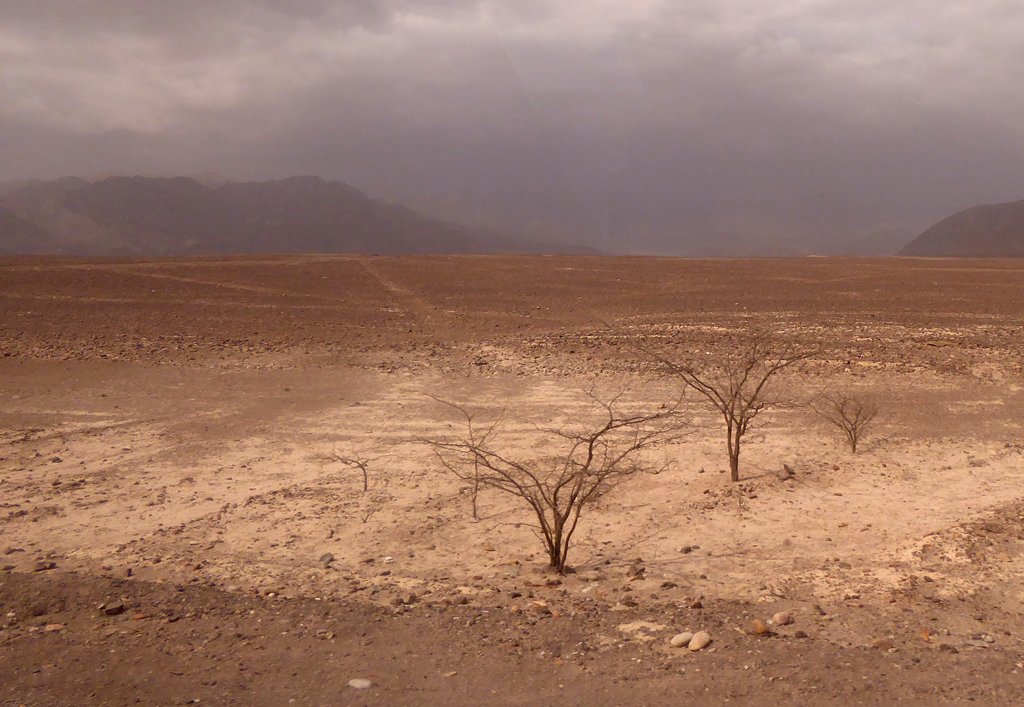
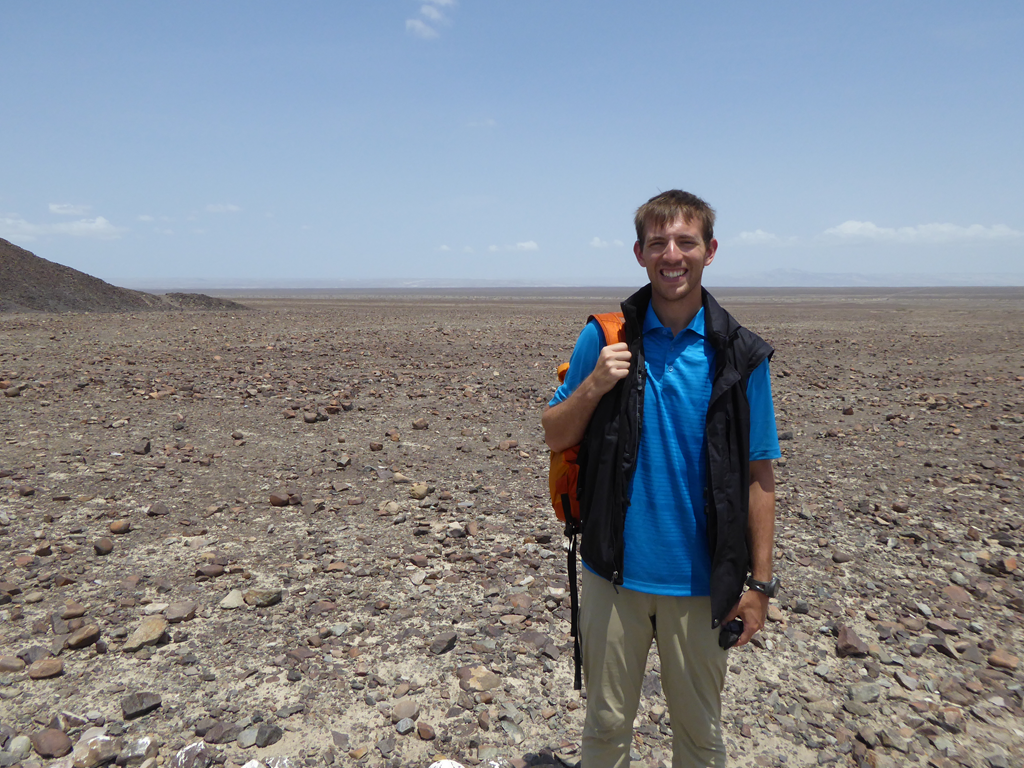
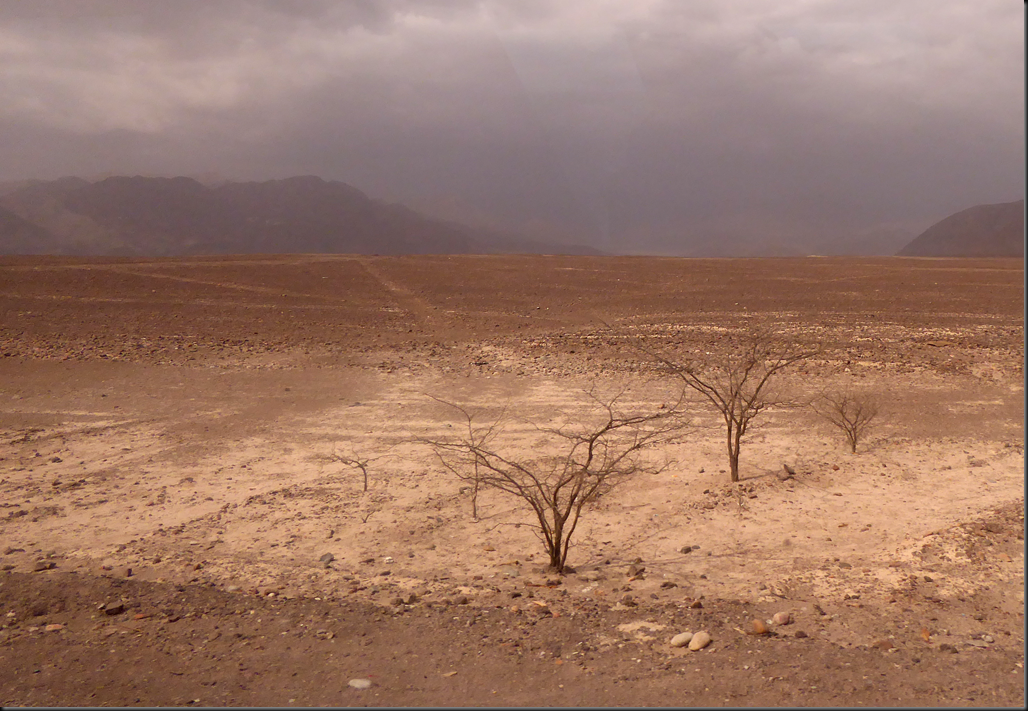
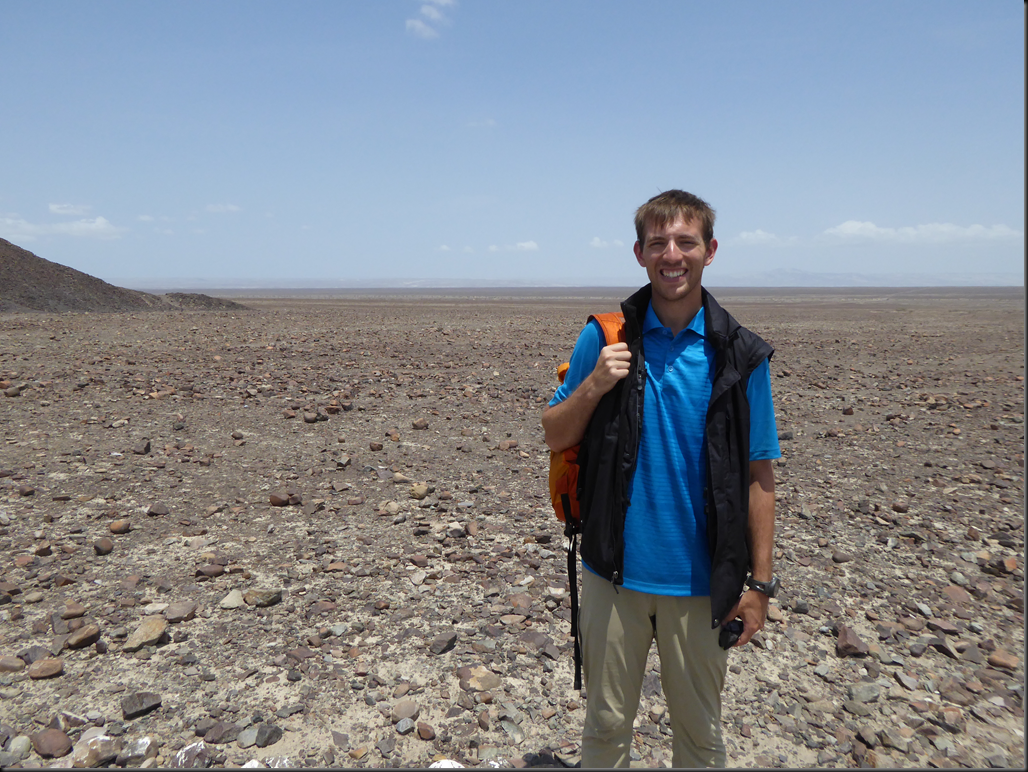
    The plateau  is covered with a thin layer of dark reddish iron rich stones and sand. The big stones are grapefruit sized.
    image

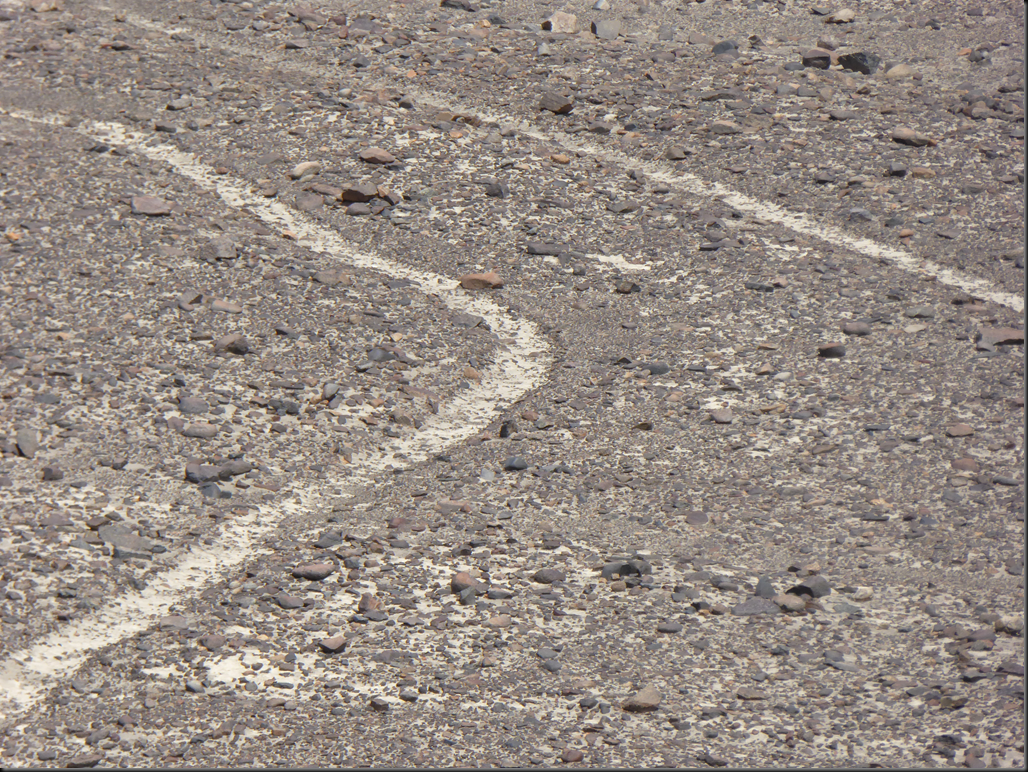
    Underneath is fine, pale sand. The lines were formed by disturbing the top reddish layer to expose the pale layer underneath. Most of the lines are between 10cm and 15cm deep.
    image

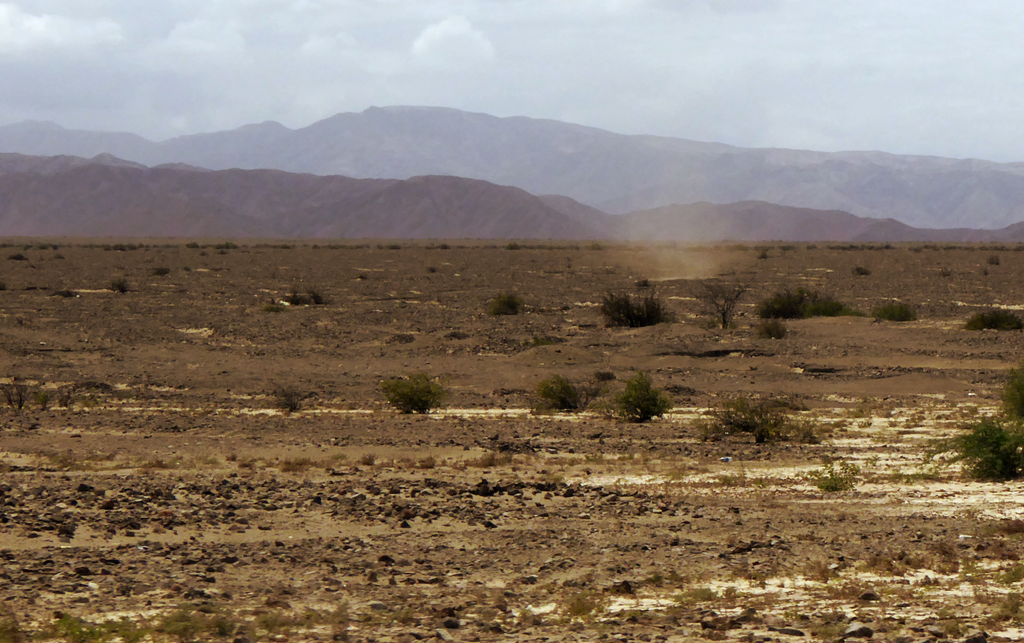
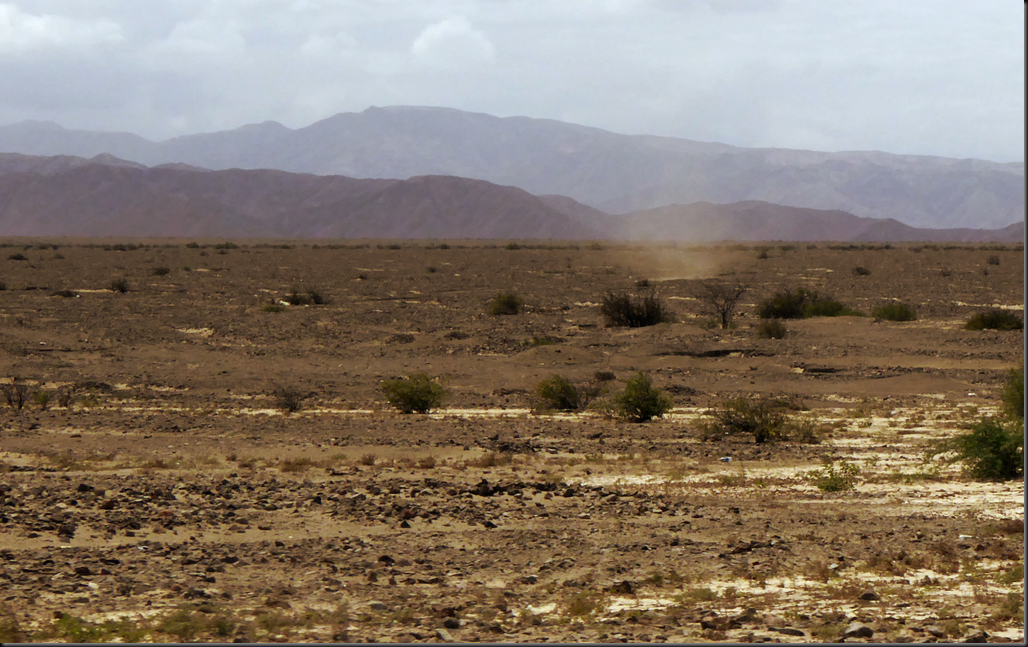
    The desert is one of the driest on earth, which has preserved the lines for 1500 years. There is wind, which often forms these little dust devils, but that mostly seems to clean the light dust off of the heavier dark stones.
    image

    They also had a bunch of help in the last century from a mathematician named Maria Reiche. She wrote “the wind has obscured them by filling them with small dark pebbles from the surrounding surface like grain, making them difficult to detect from the air. To make them more accessible for viewing I cleaned them with a broom, one broom after another throughout the years. I went through so many brooms rumours circulated that I might be a witch!”

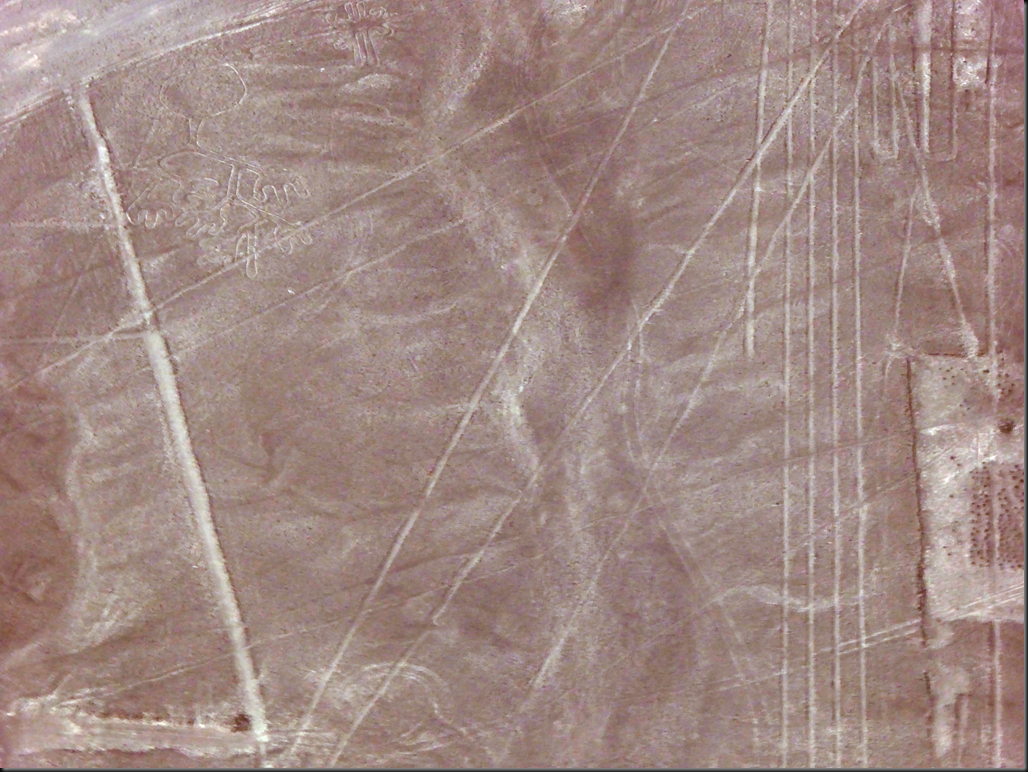
    Some of the lines are 9km long, but the animal figures are much smaller. Some are only 4m across.
    image

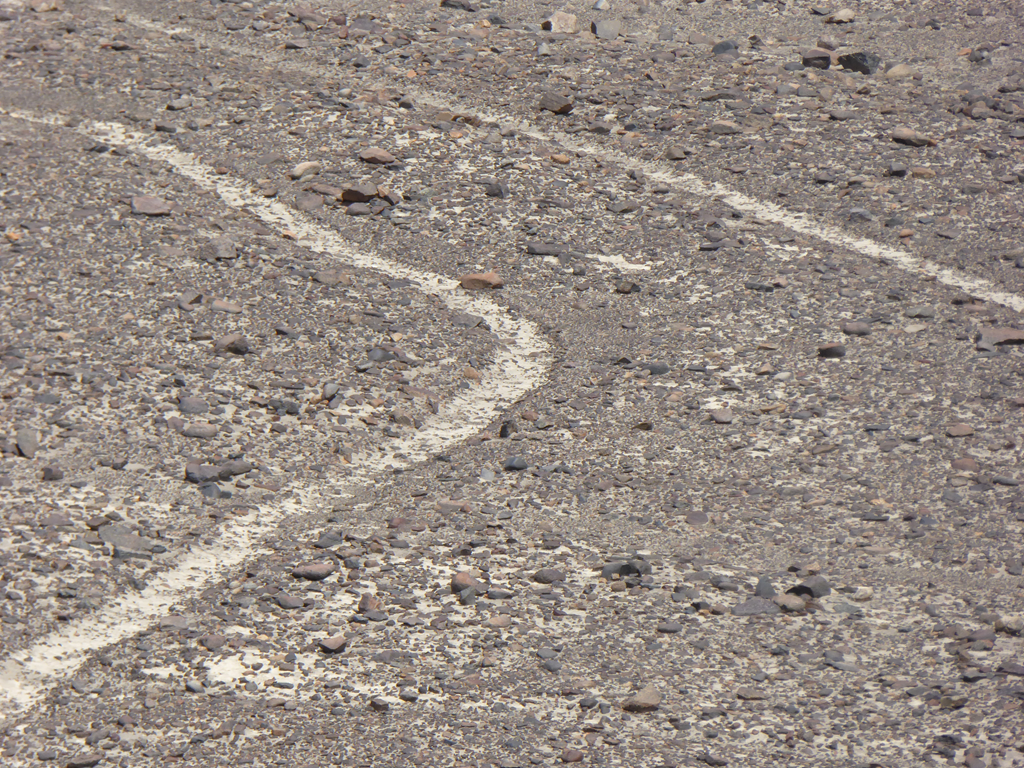
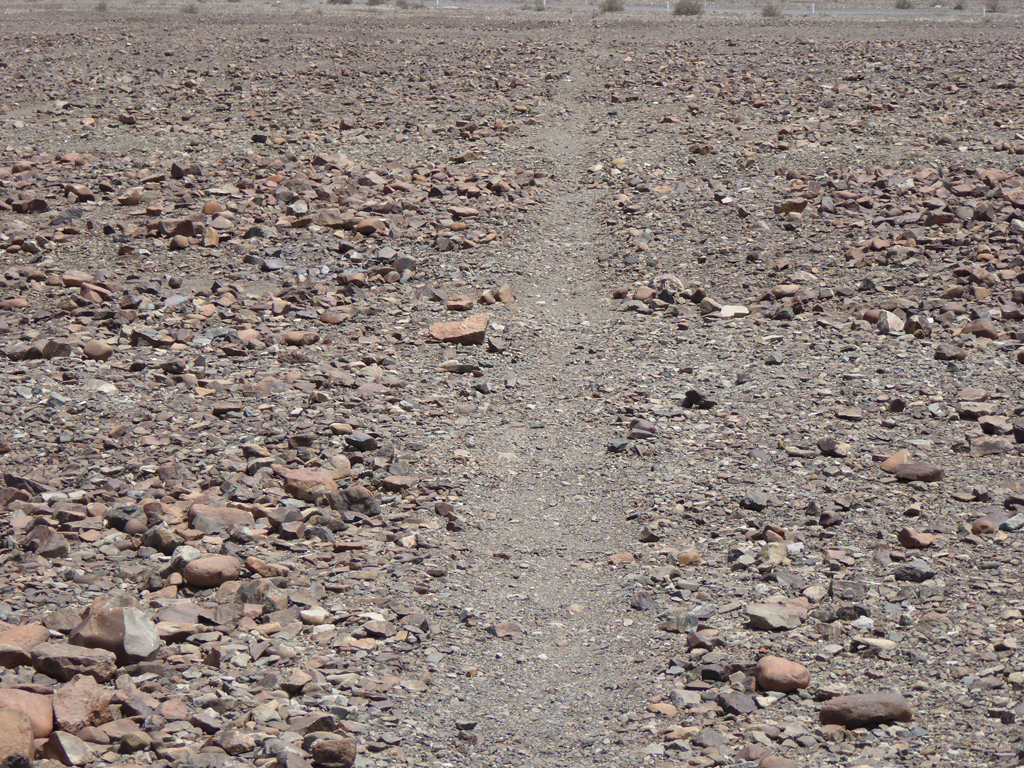
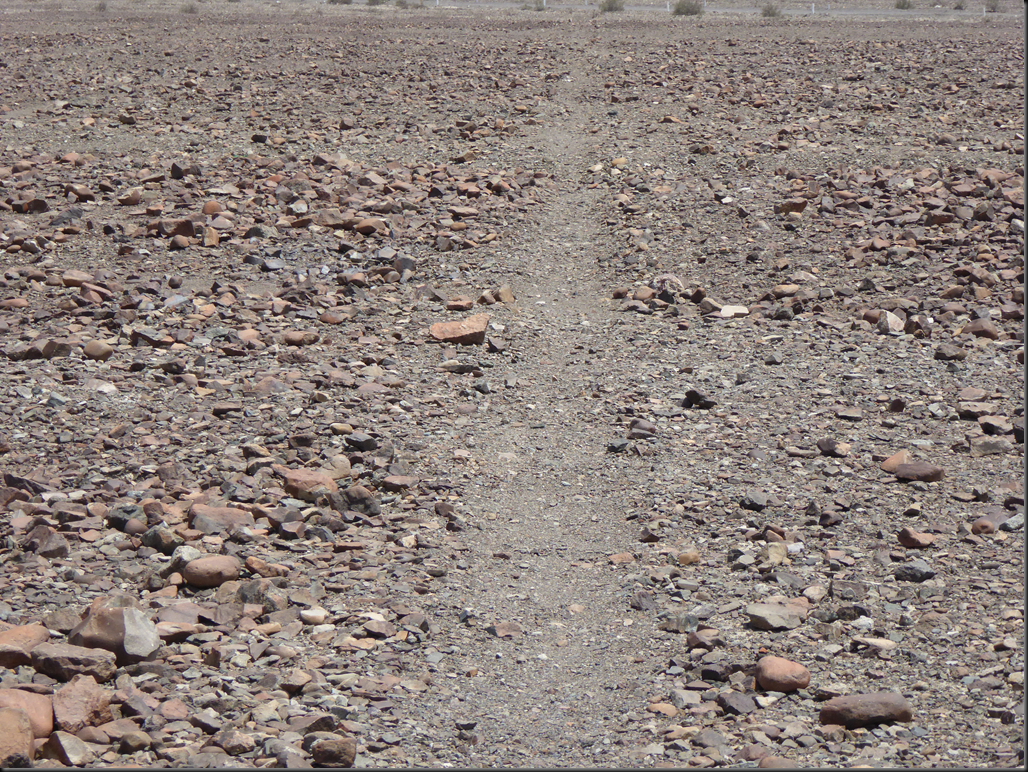
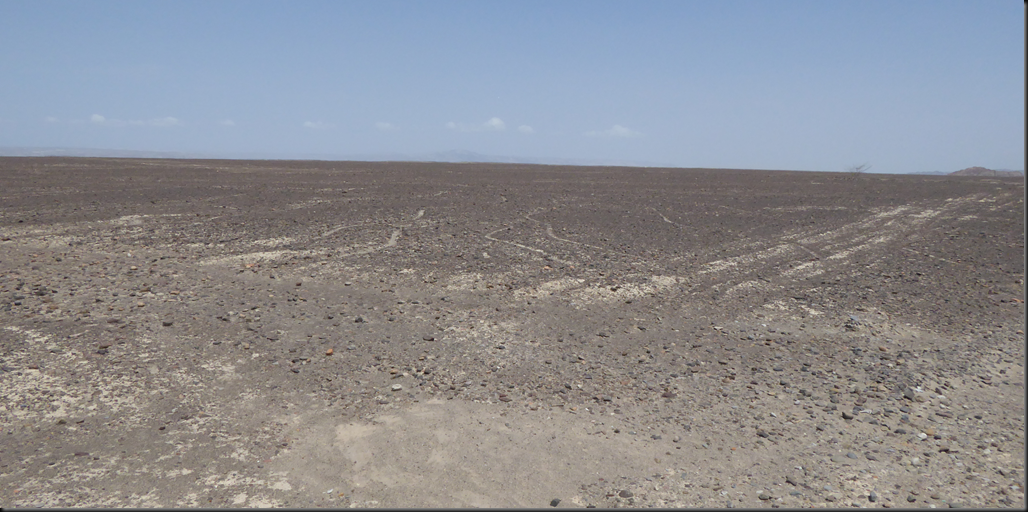
    The lines can barely be seen from the ground. If you are right in front of one, it looks like a path.
    image

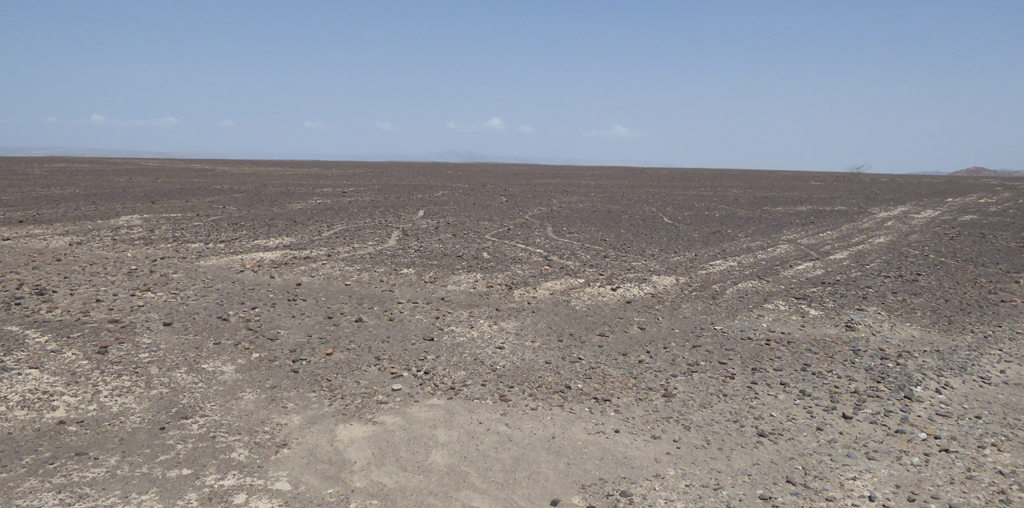
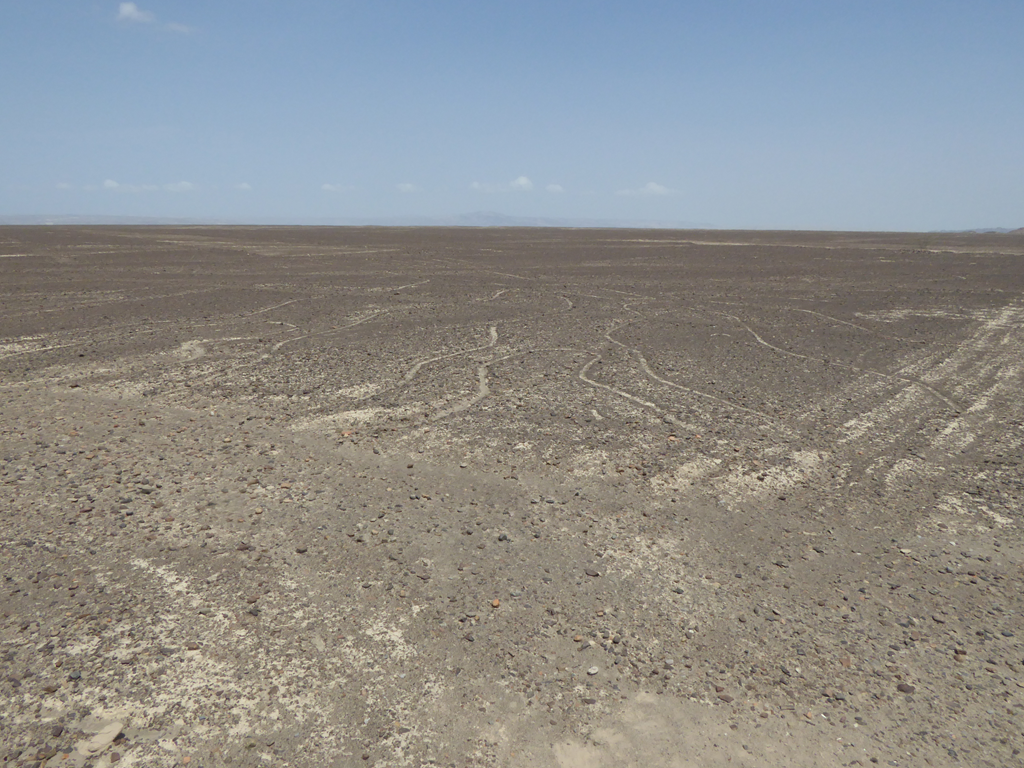
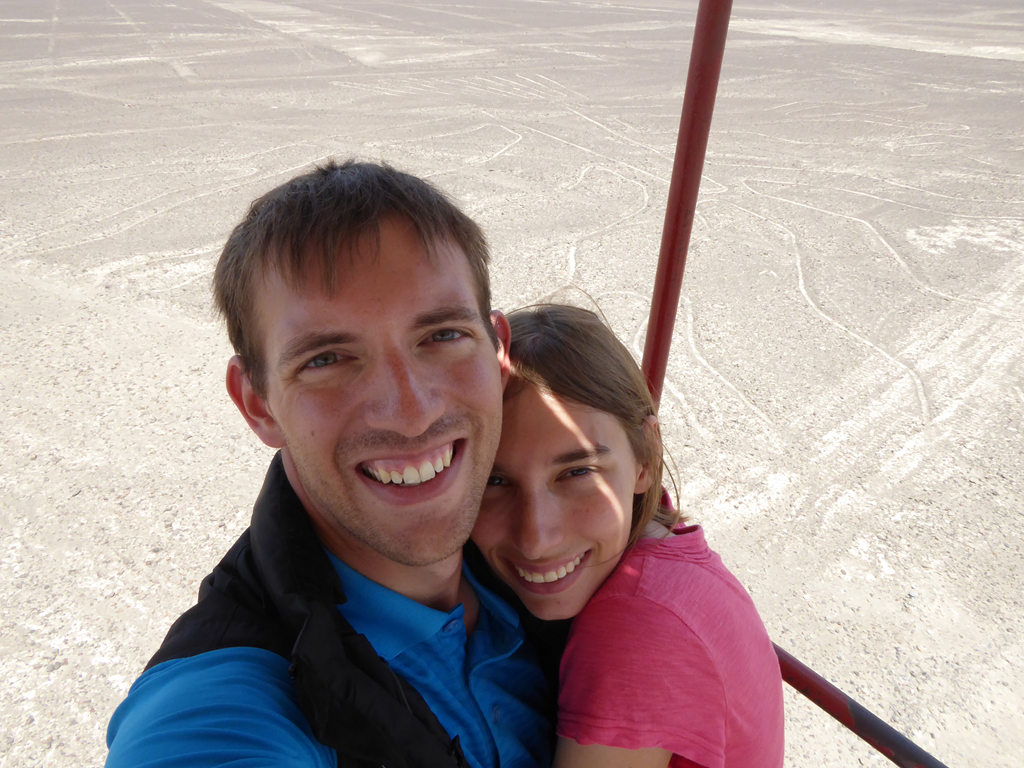
    But you don’t have to get very high up to see them. From about 6 feet in the air (11 feet including our height) you can tell they are there.
    image

    And by 16 feet in the air you can clearly make out the shape.

    image

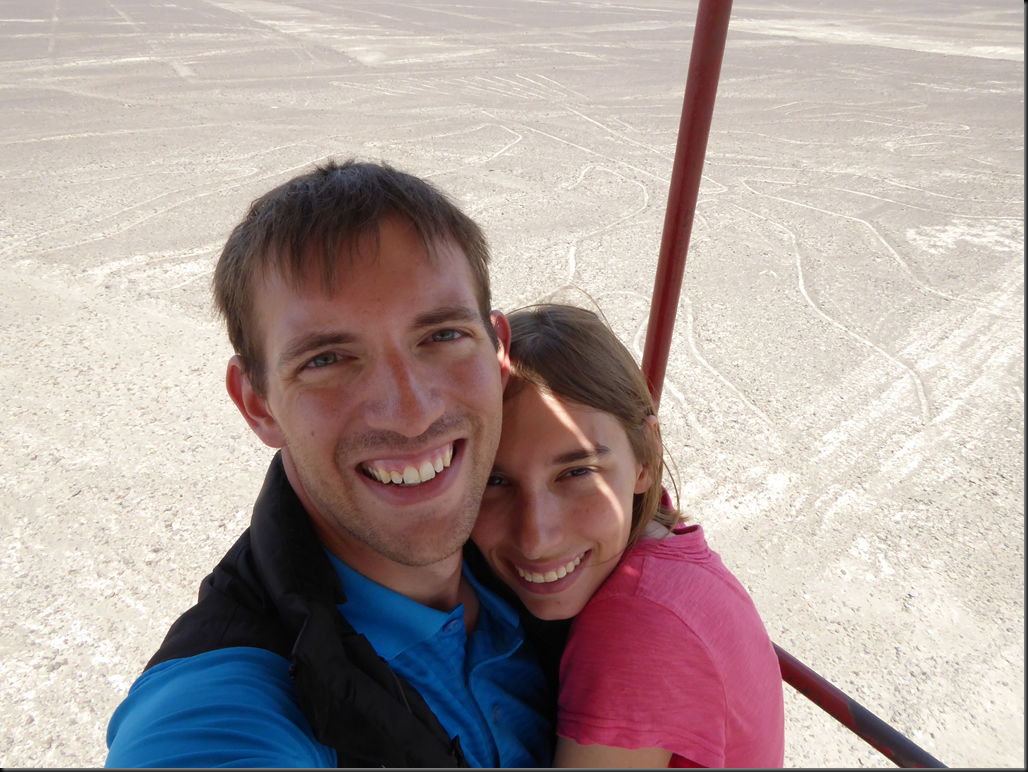
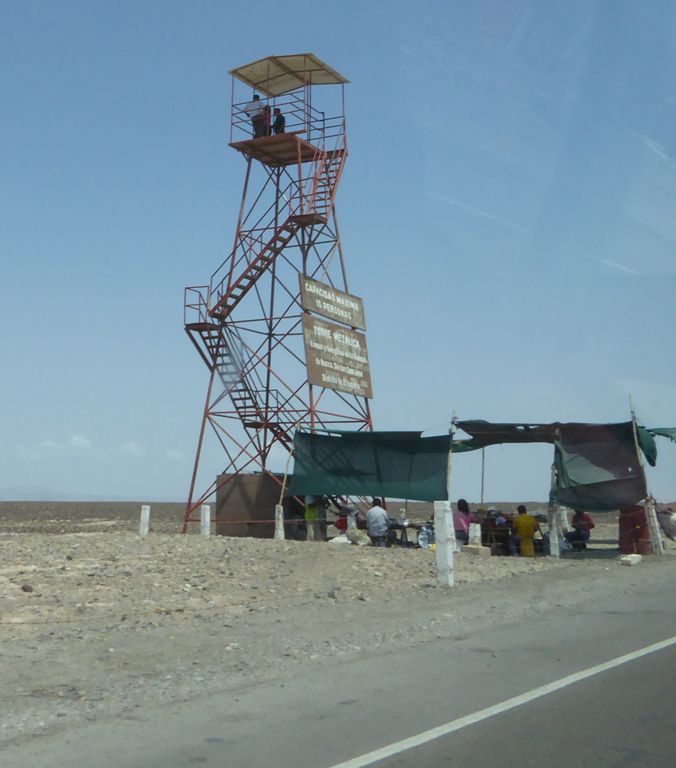
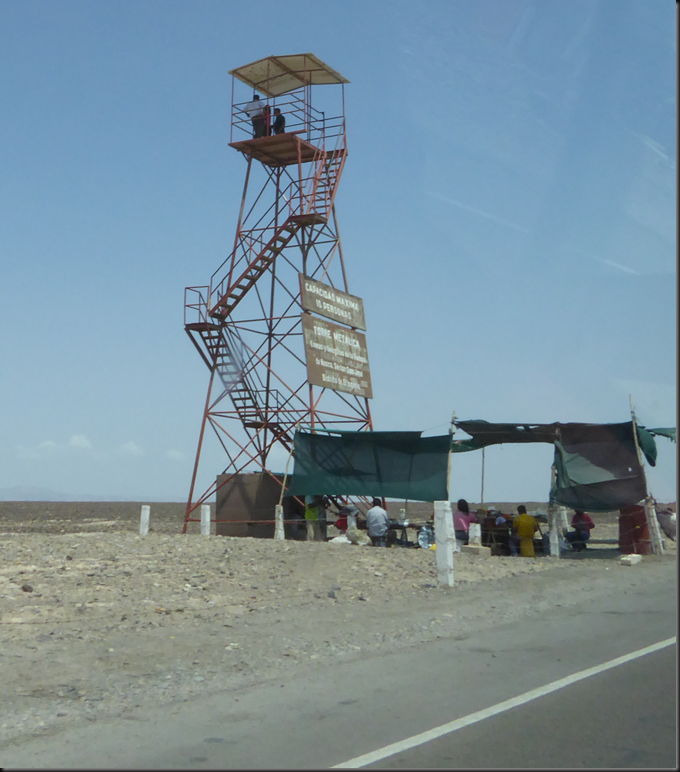
    From the top of this viewing platform you can see two of them.
    image

    image

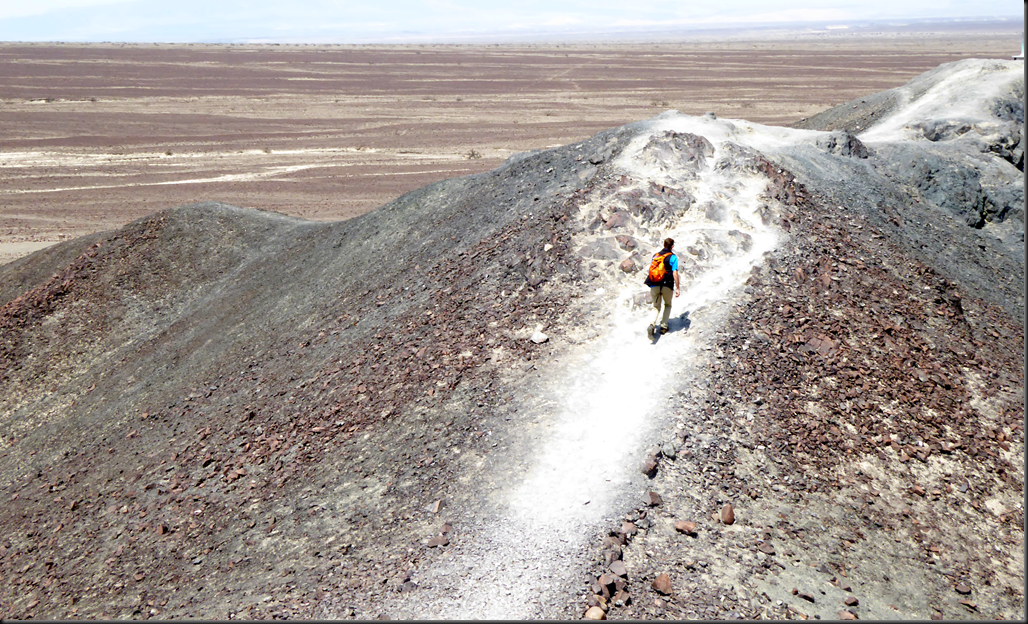
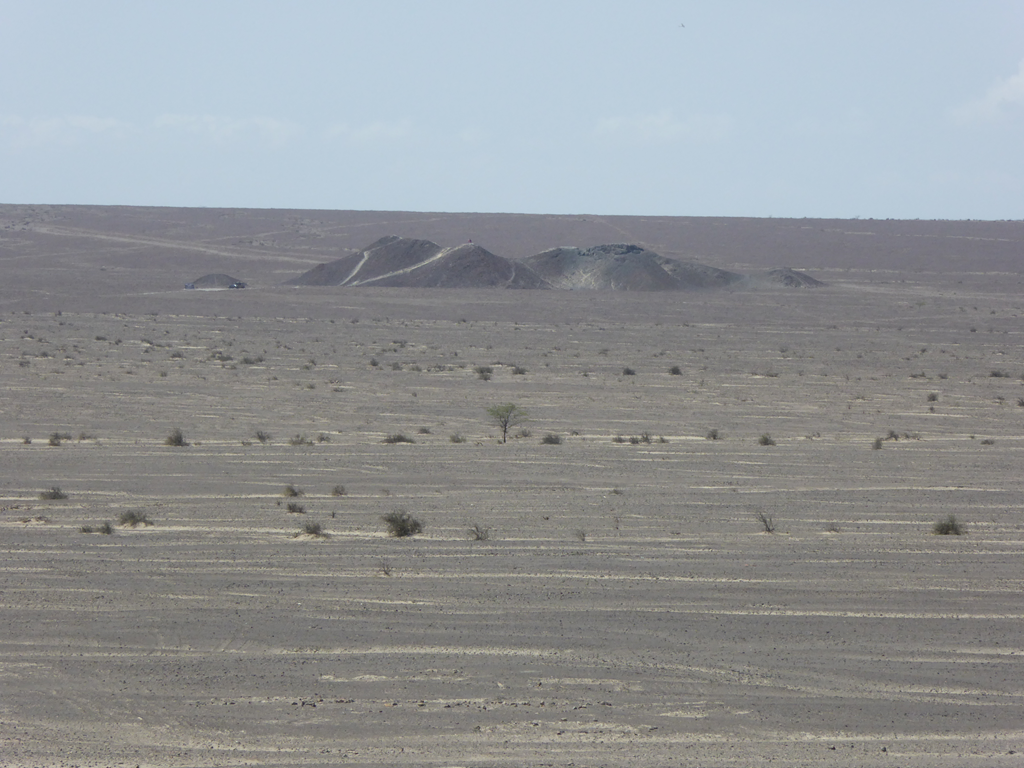
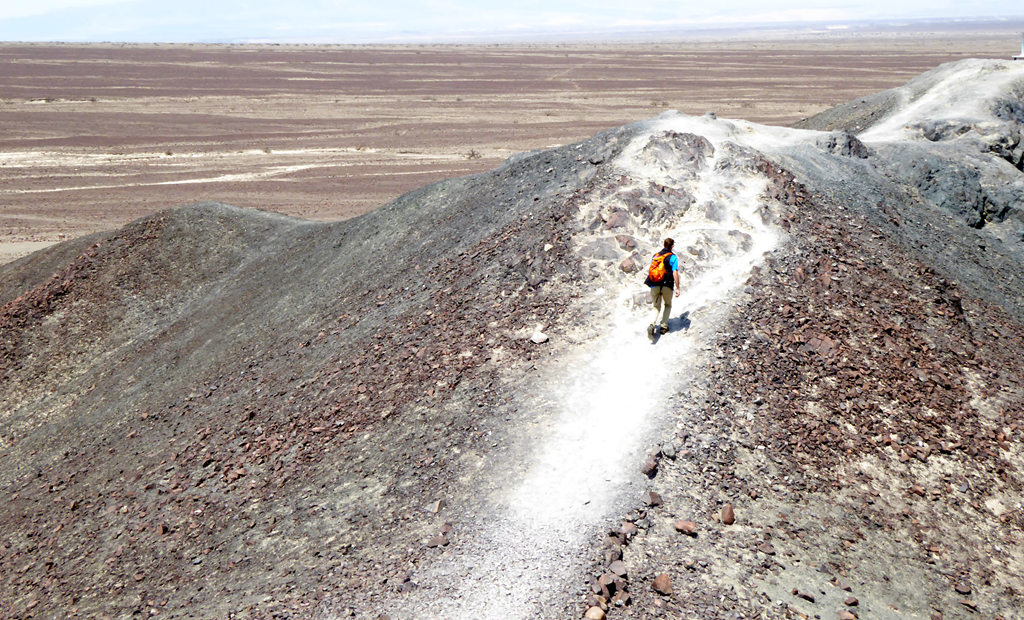
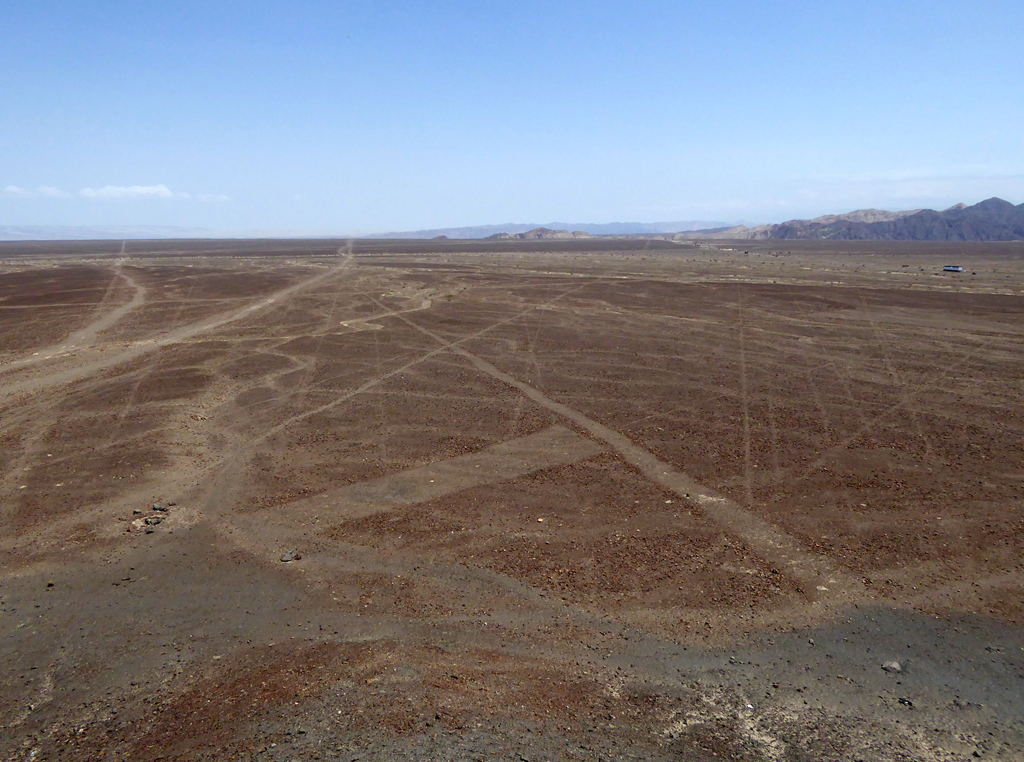
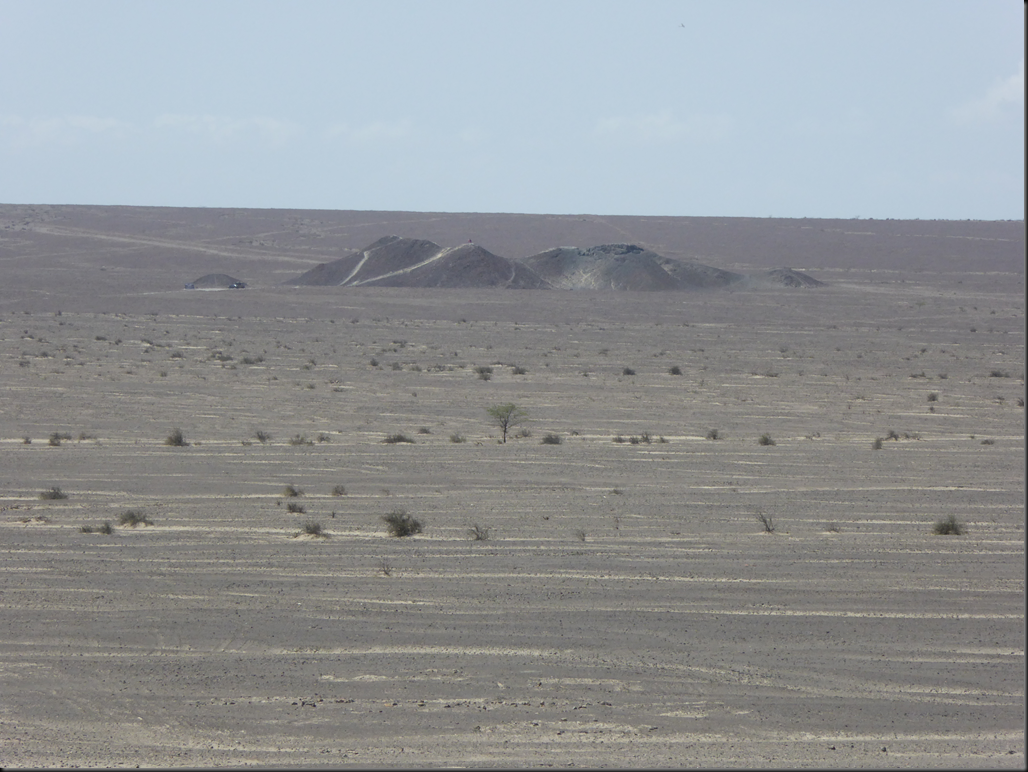
    You can also see several of the geometric shapes from this natural hill, but there are no animal shaped ones nearby.
    image

    It takes about 5 minutes to climb.

    image

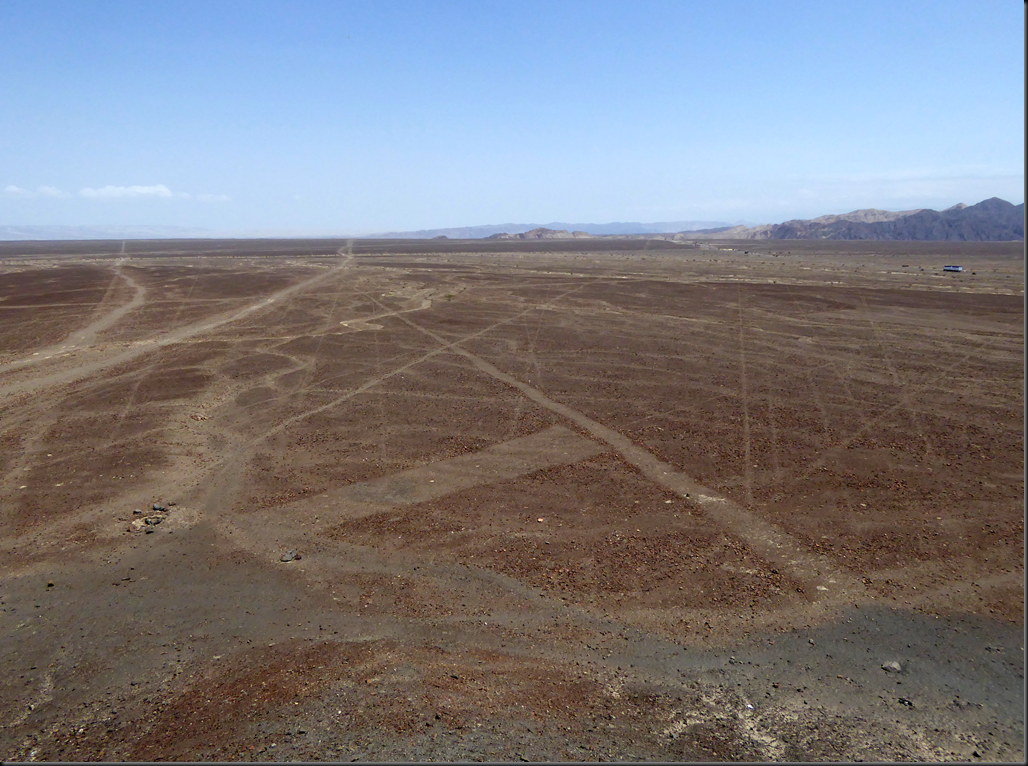
    And this is the view:

    image

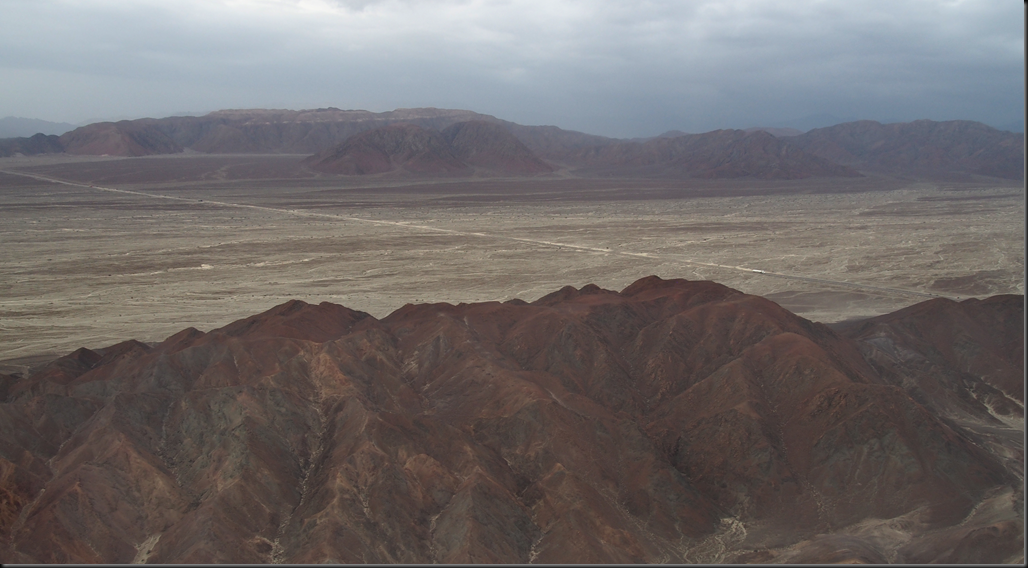
    You can see most of them from the foothills, but it seems because some of the glyphs are on the mountains you don’t seem to be able to climb them anymore.
    image

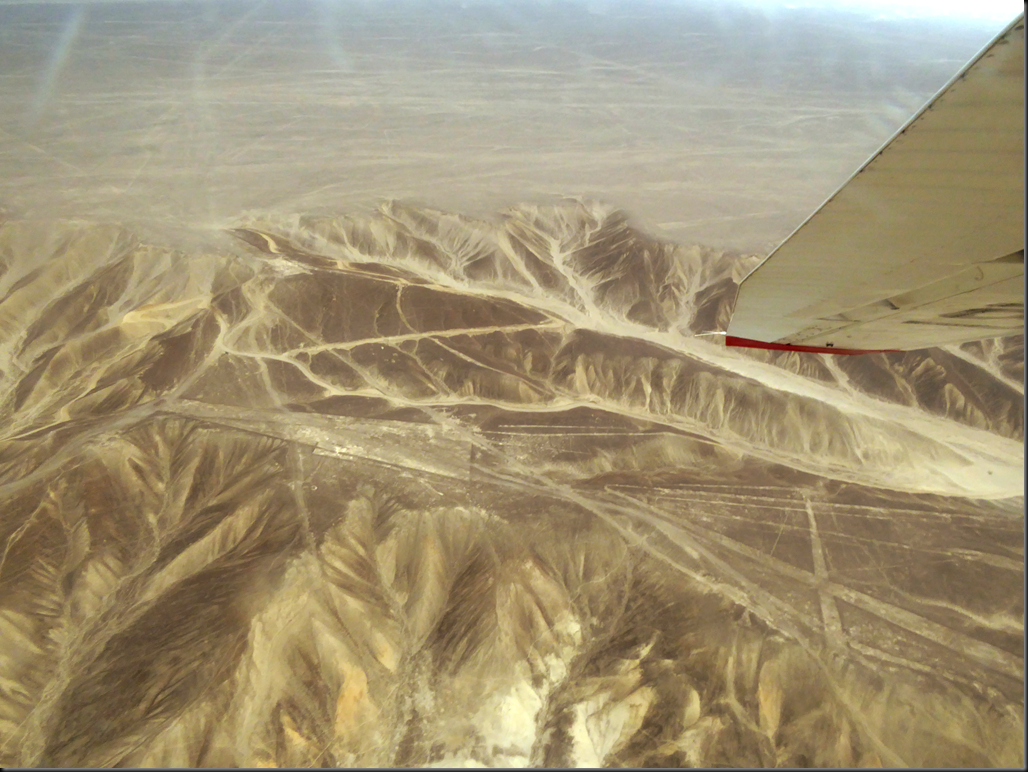
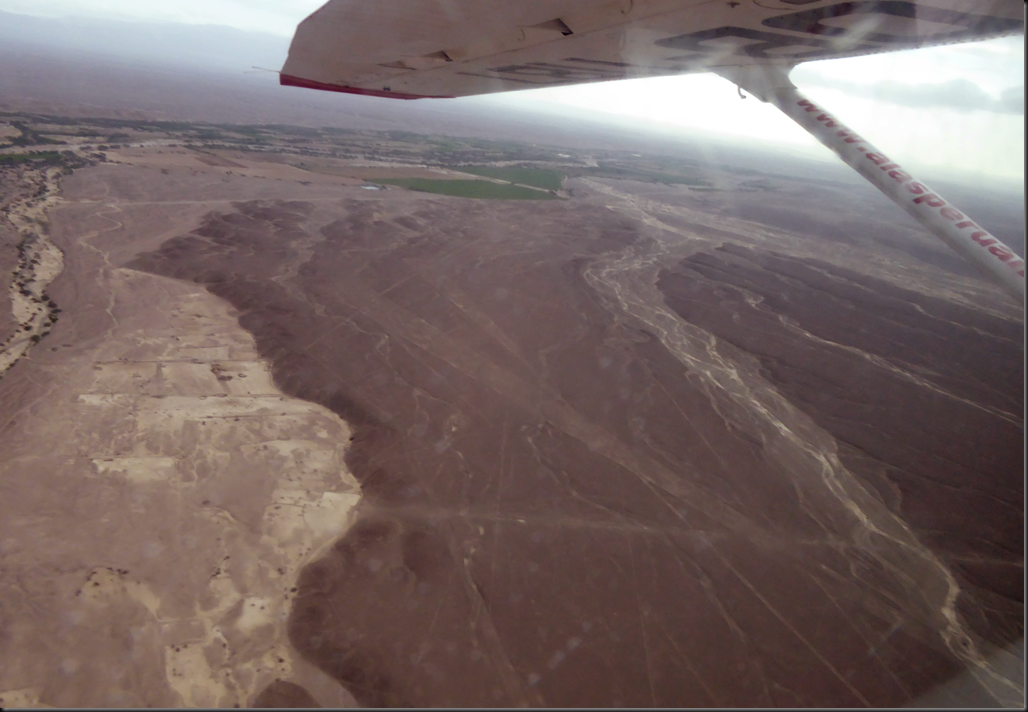
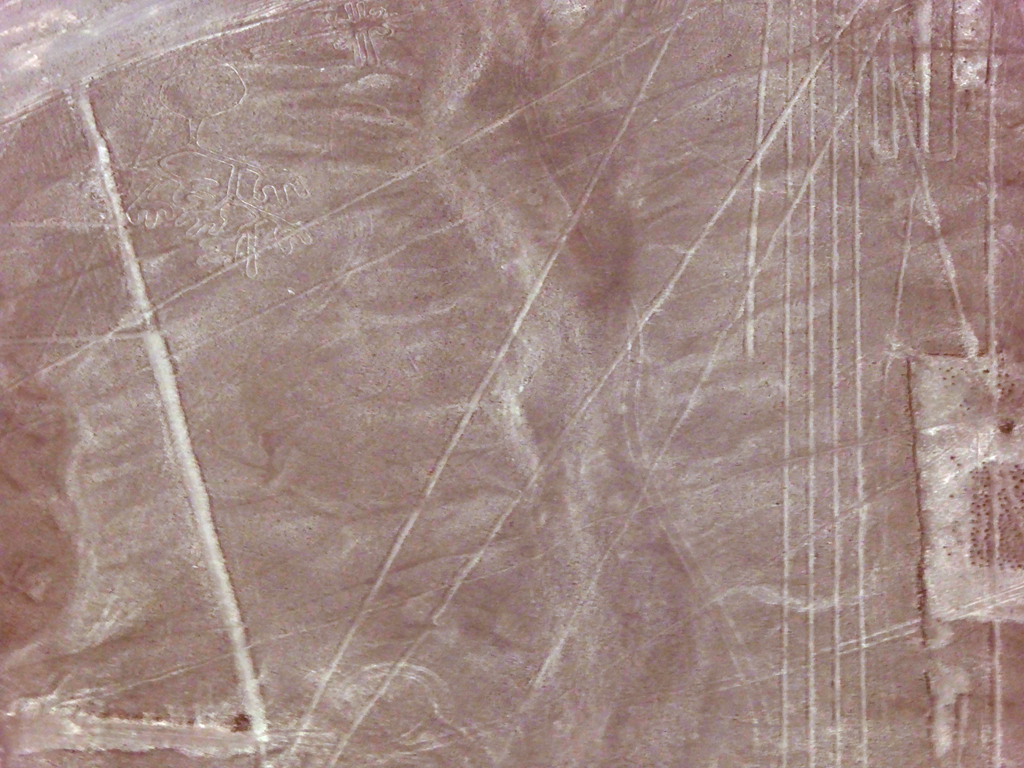
    But they are best seen from the air.

    image

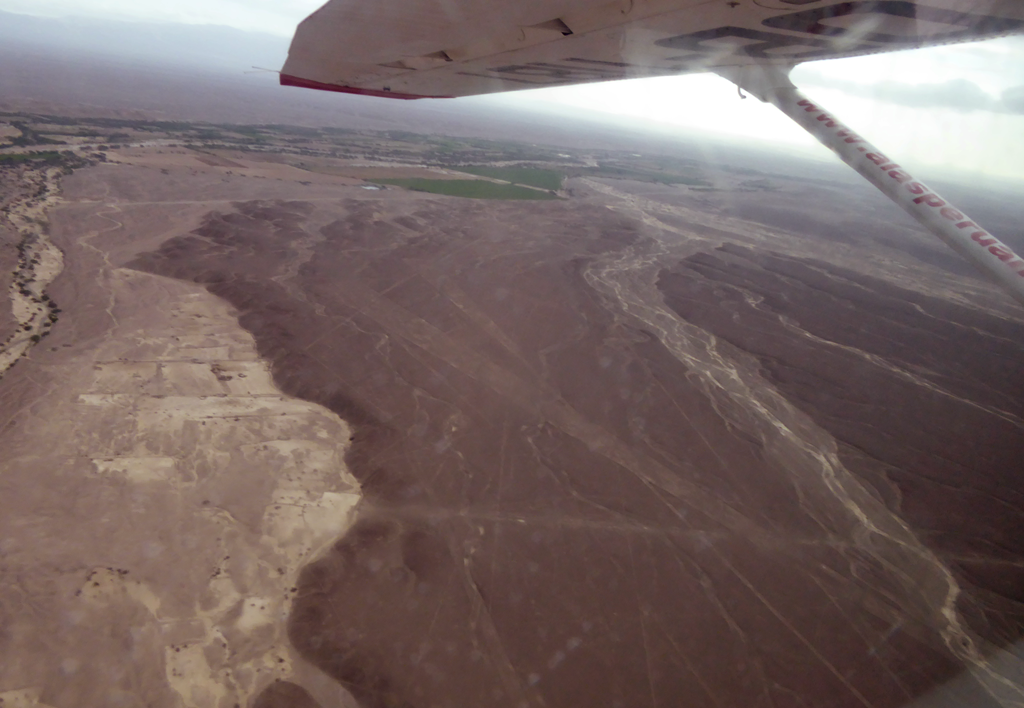
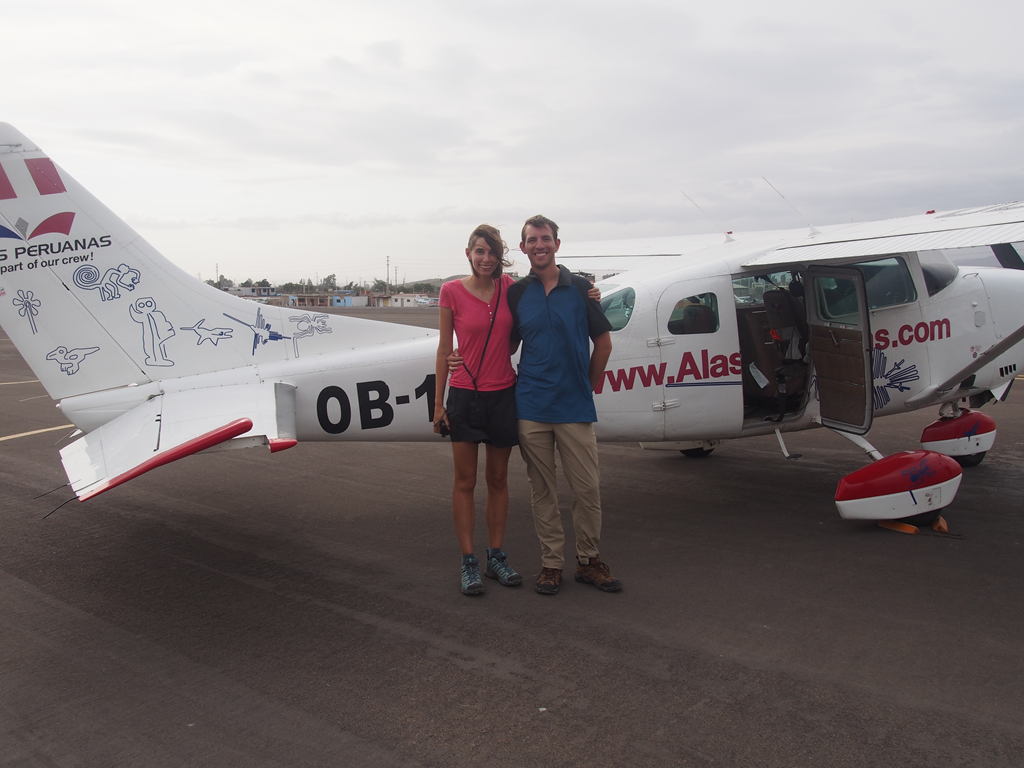
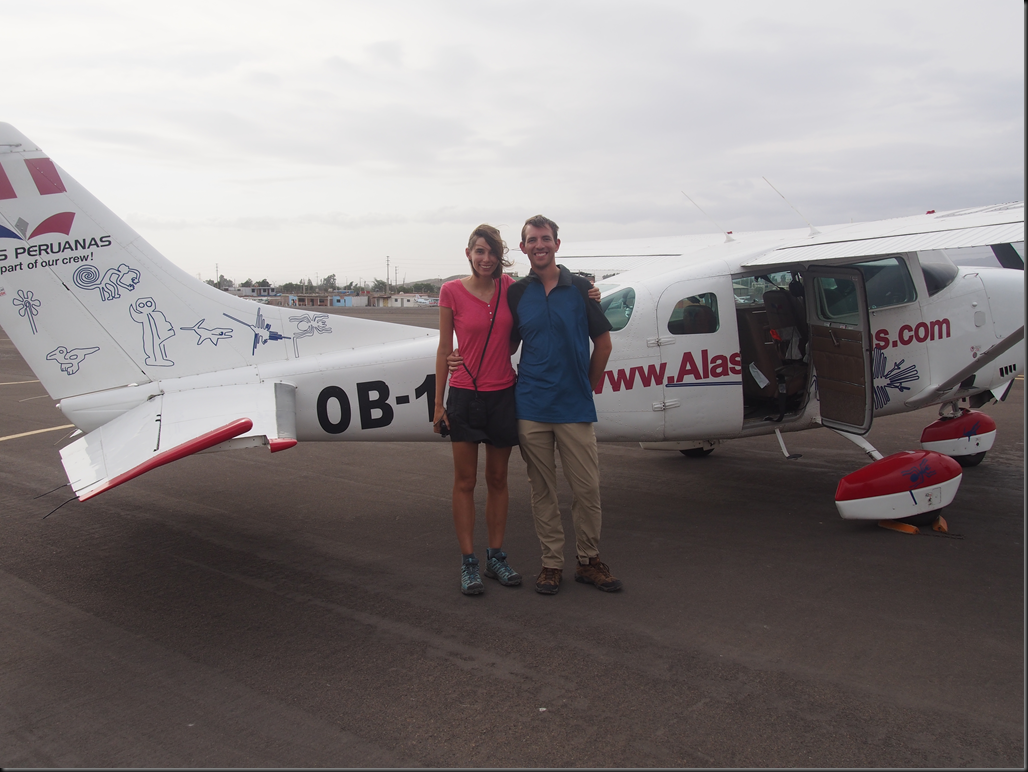
    So we took a flight in a small airplane over the desert.
    image

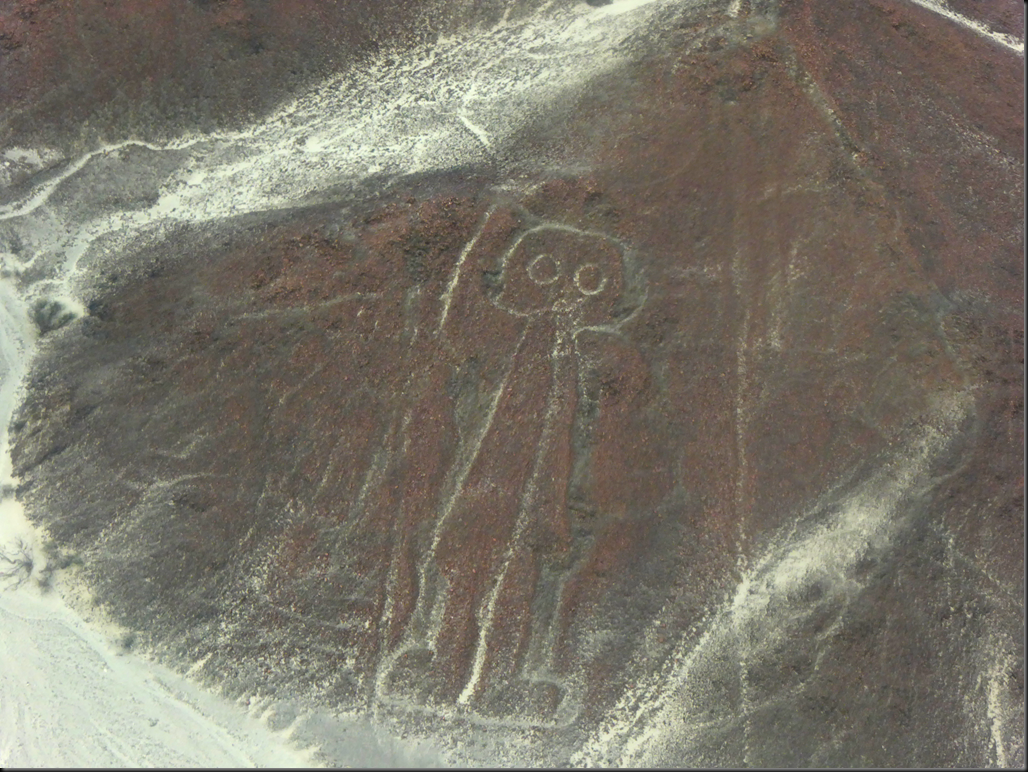
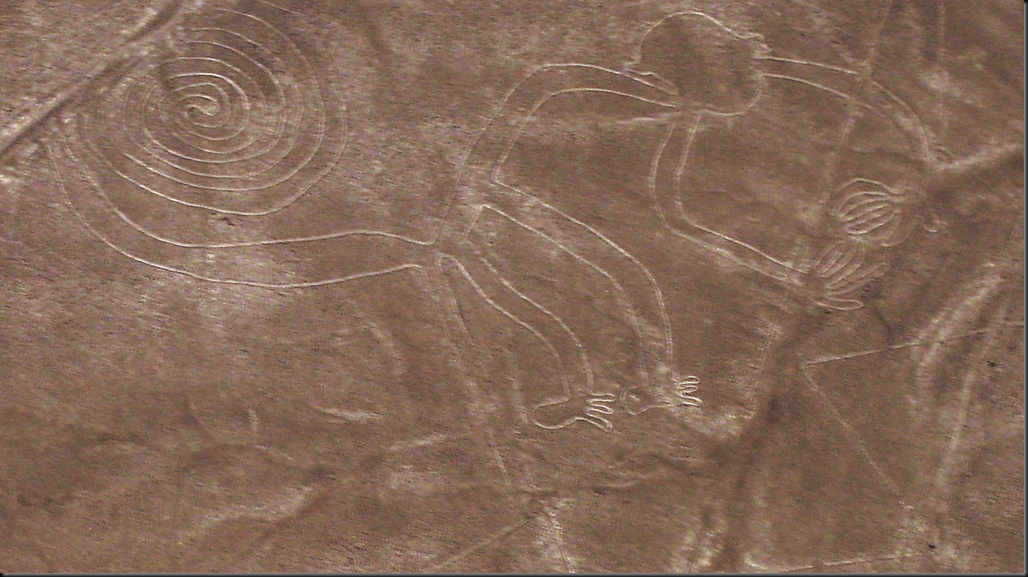
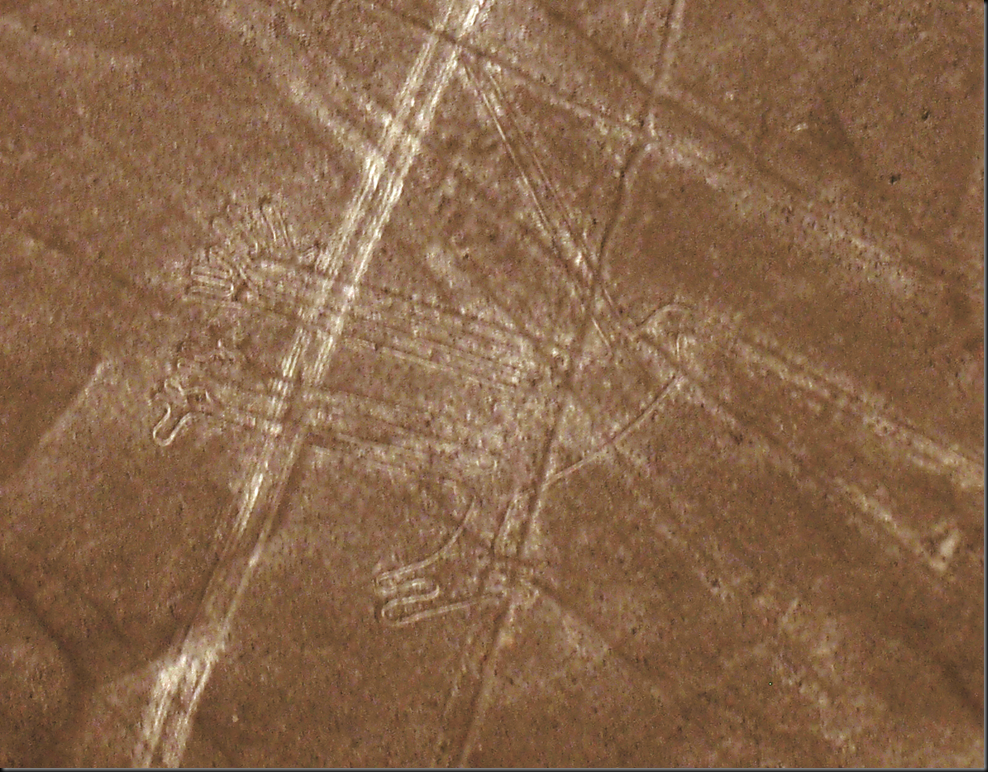
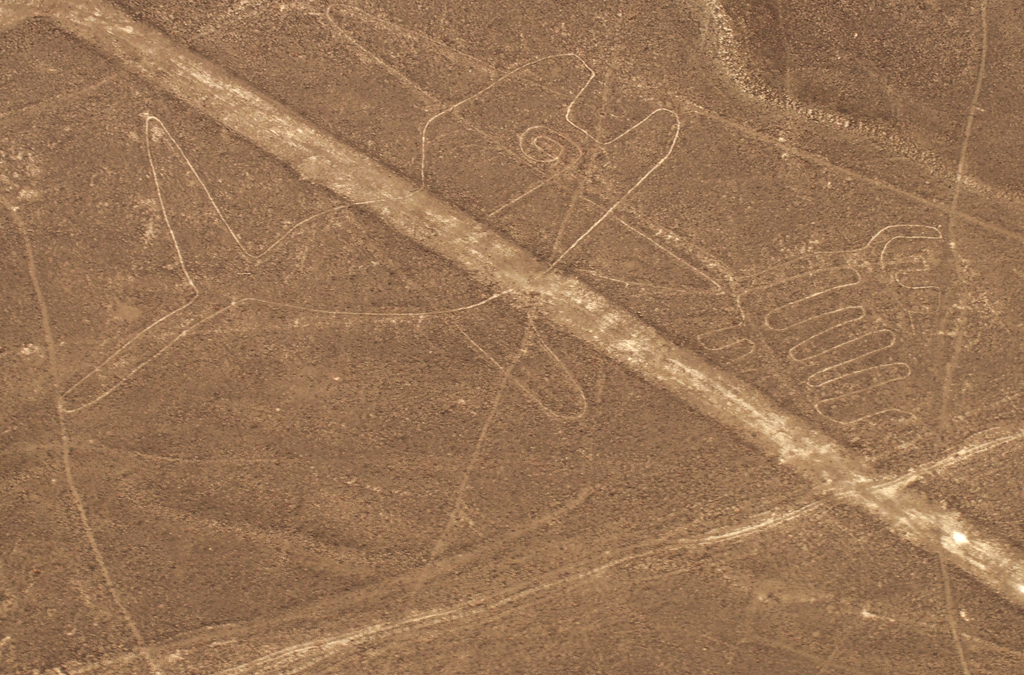
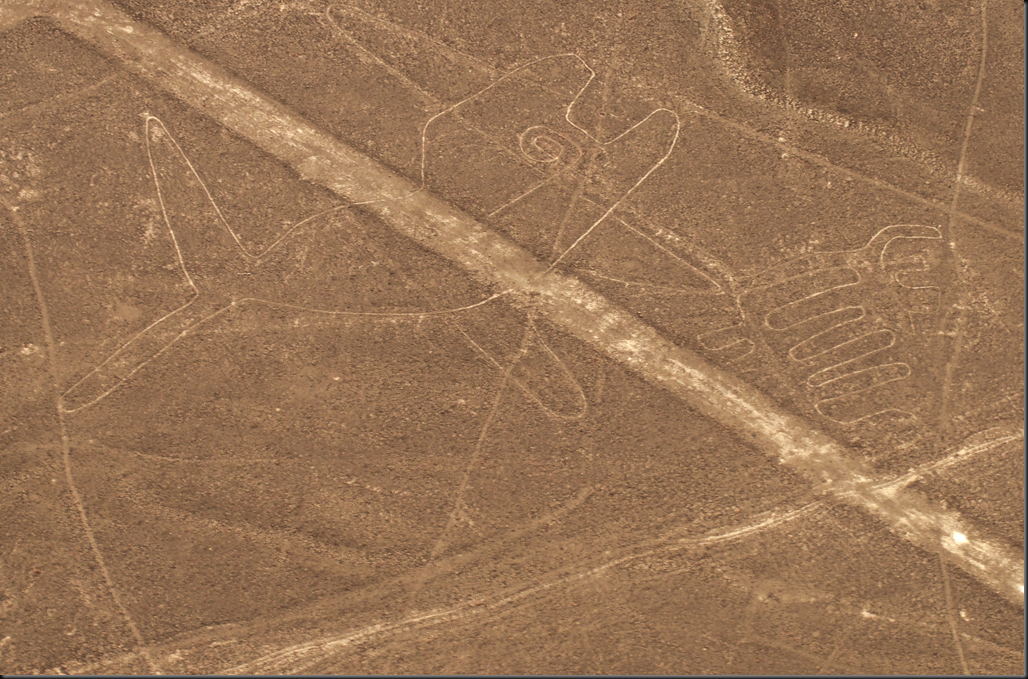
    The popular figures have names. The Nazca had no written language and we don’t know much about them, so they were named by people who saw them flying over. Many have multiple names because people can’t agree what they look like. This is the whale/orca (65m).
    image

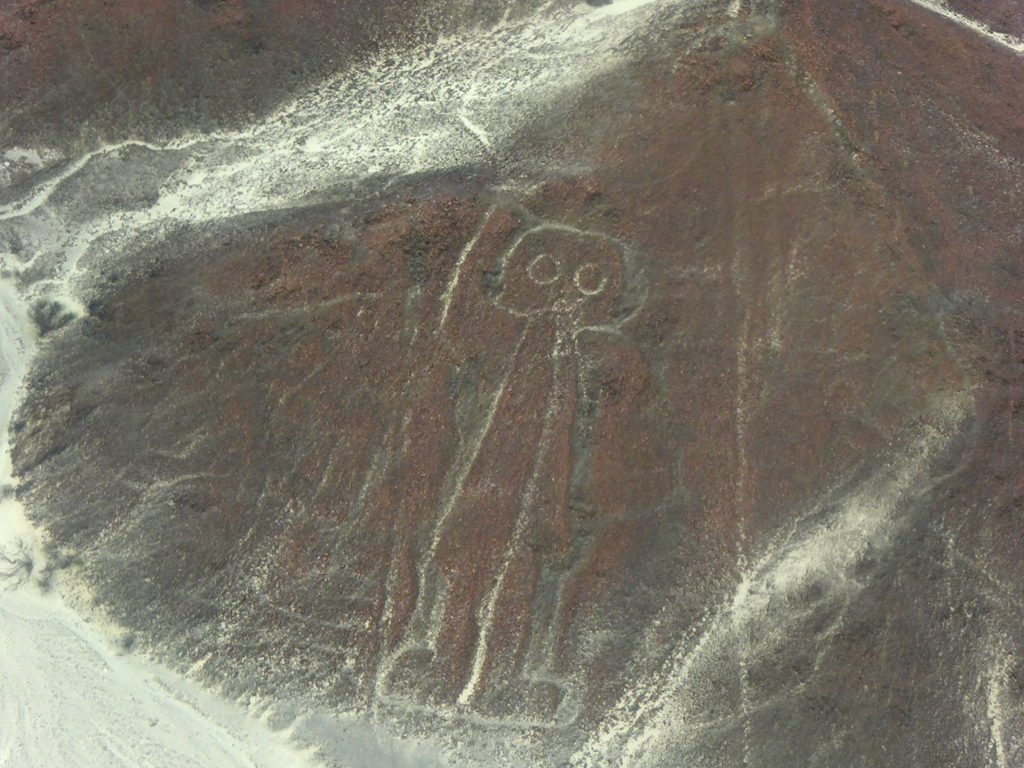
    The owlman/astronaut (35m)

    image

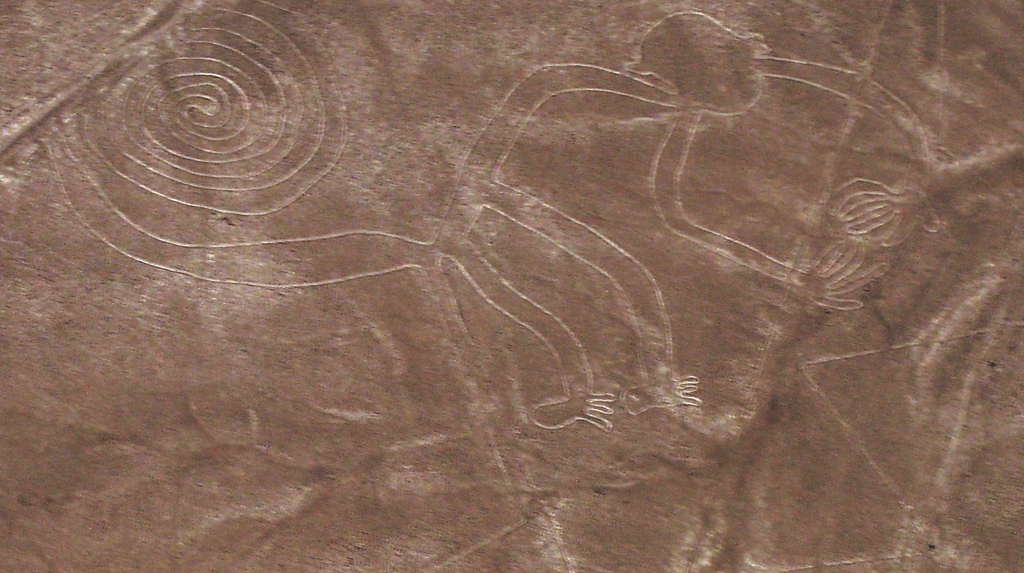
    The monkey (93 m by 58 m)

    image

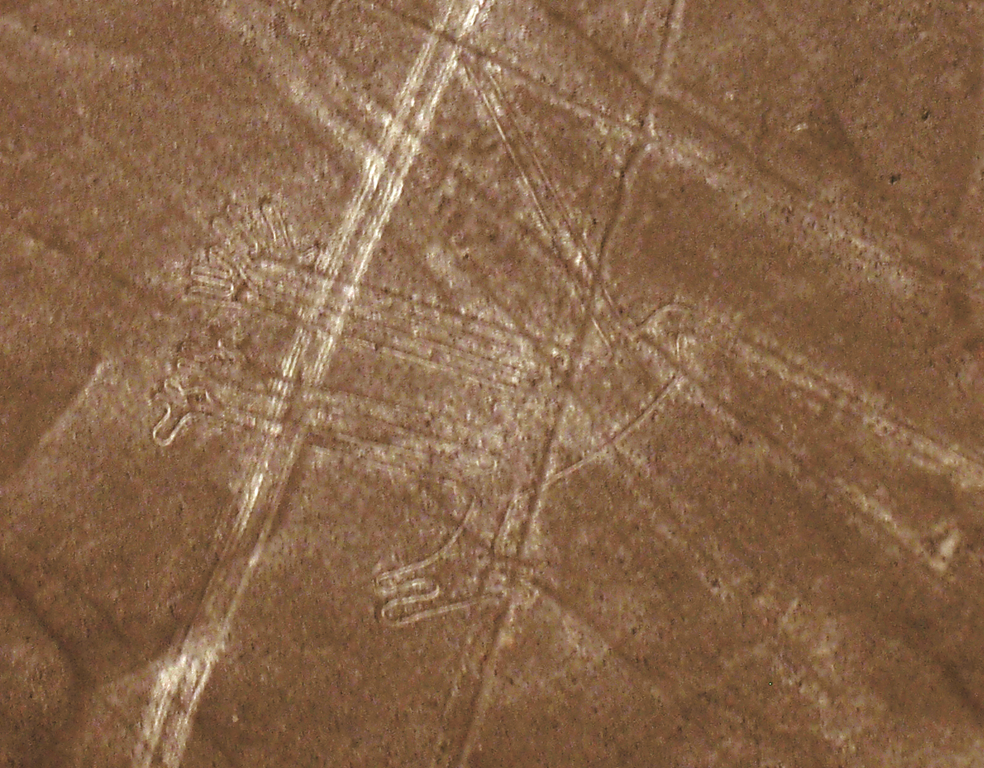
    The dog (53m)

    image

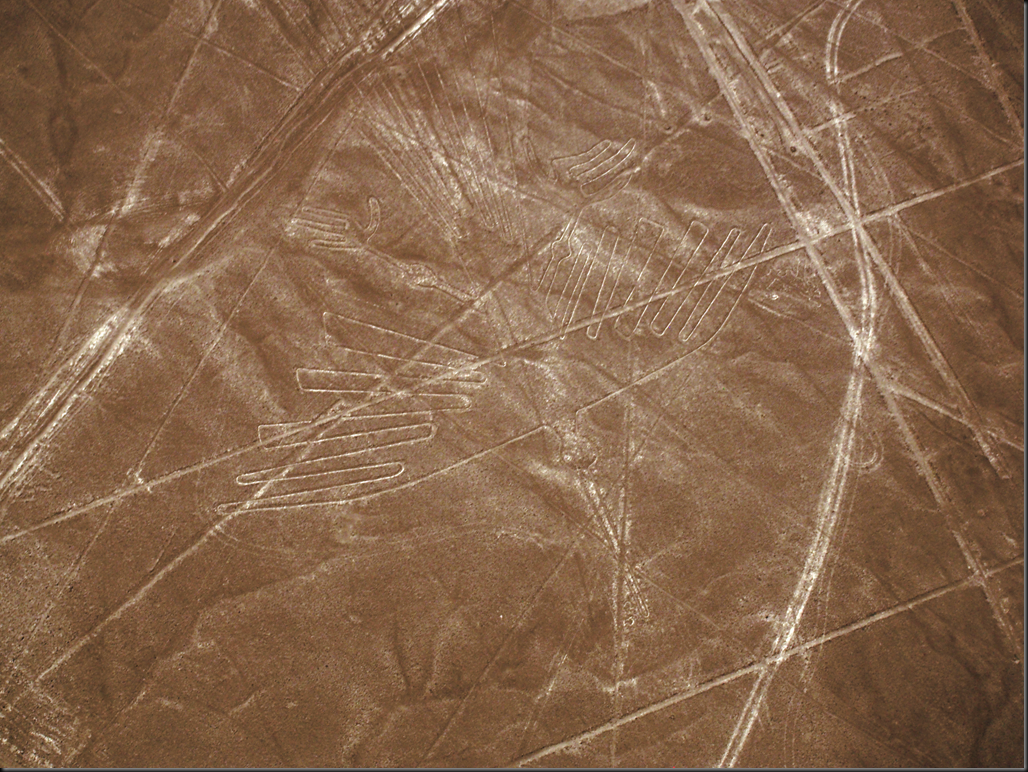
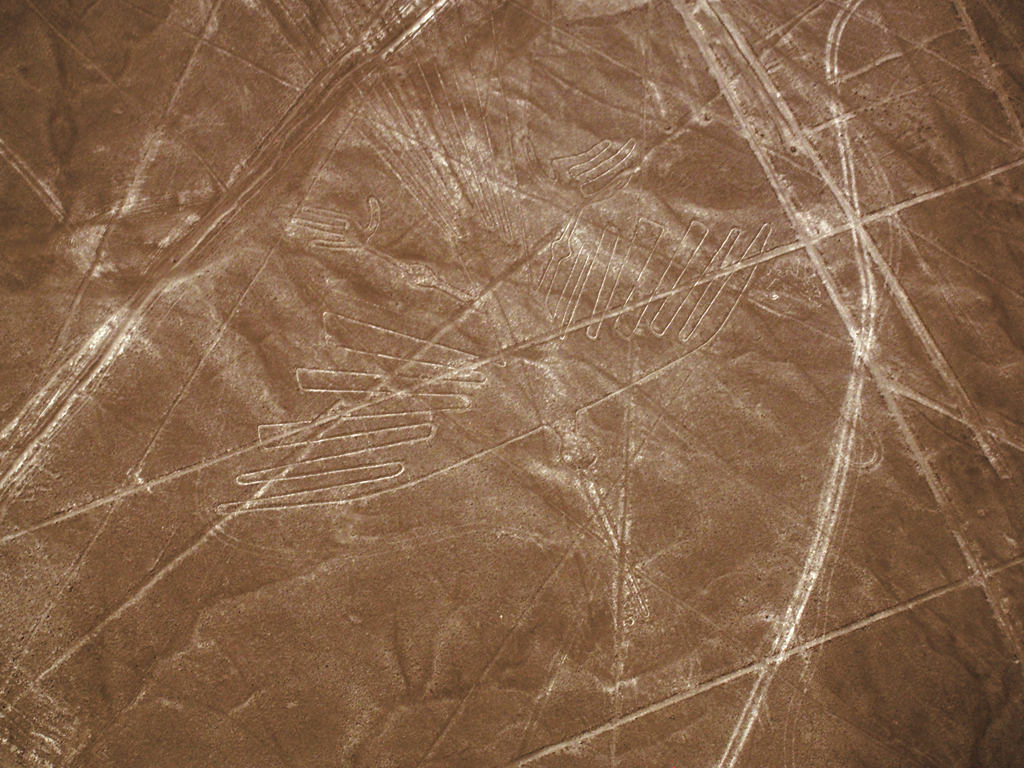
    The condor (134 m)

    image

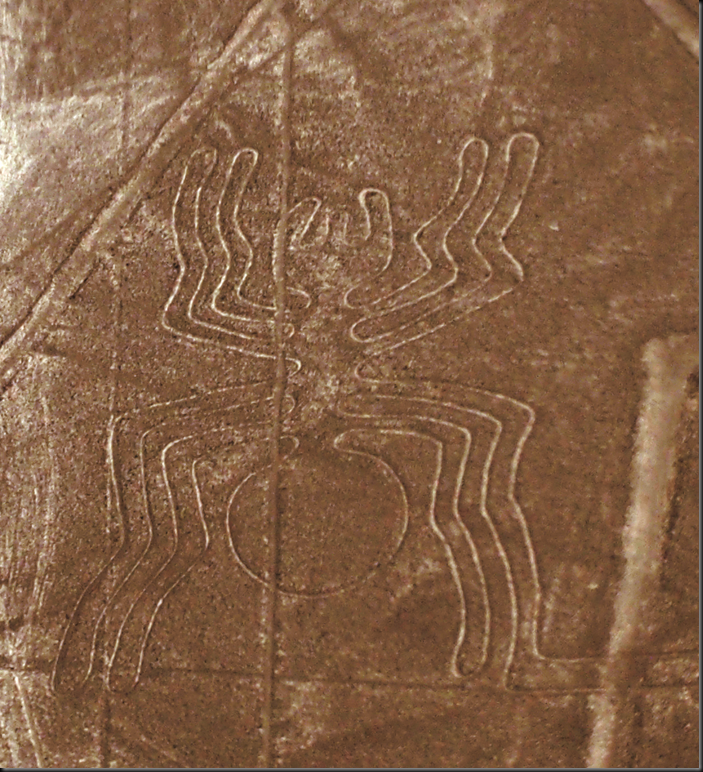
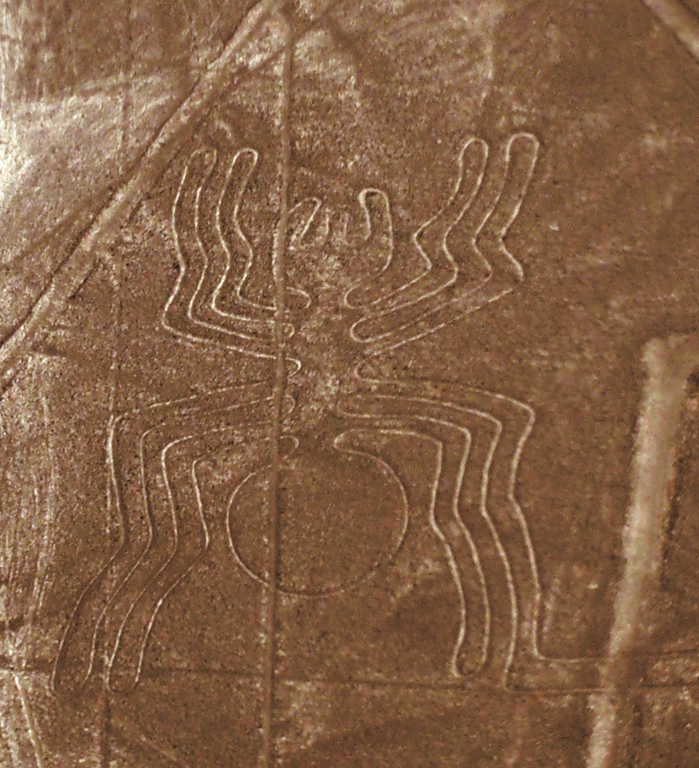
    The spider (46m)

    image

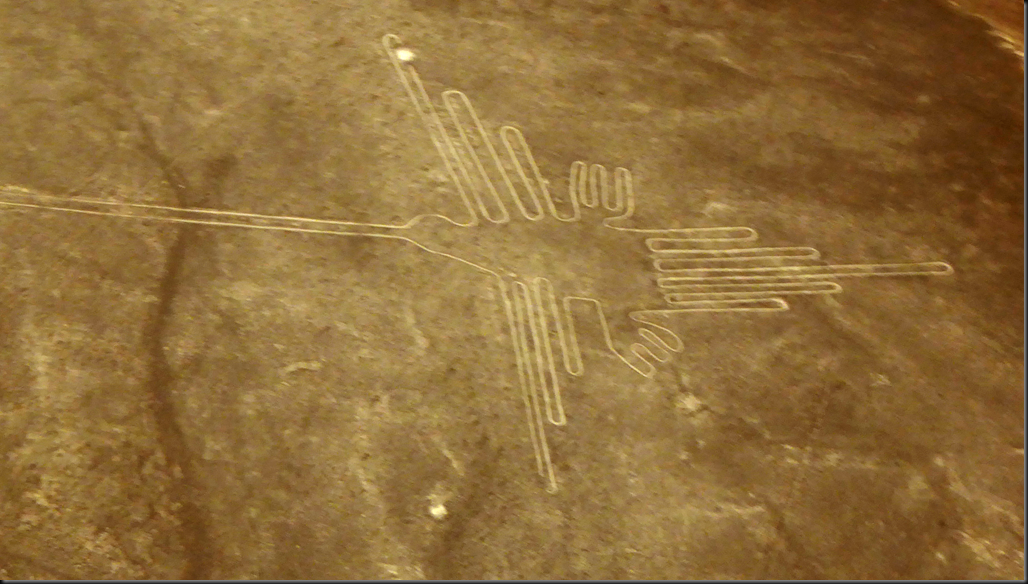
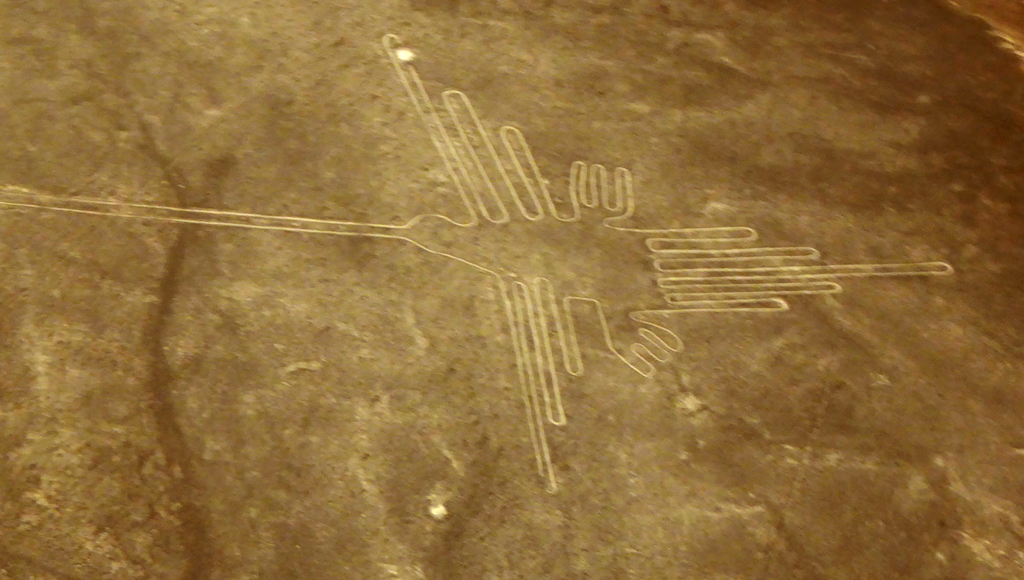
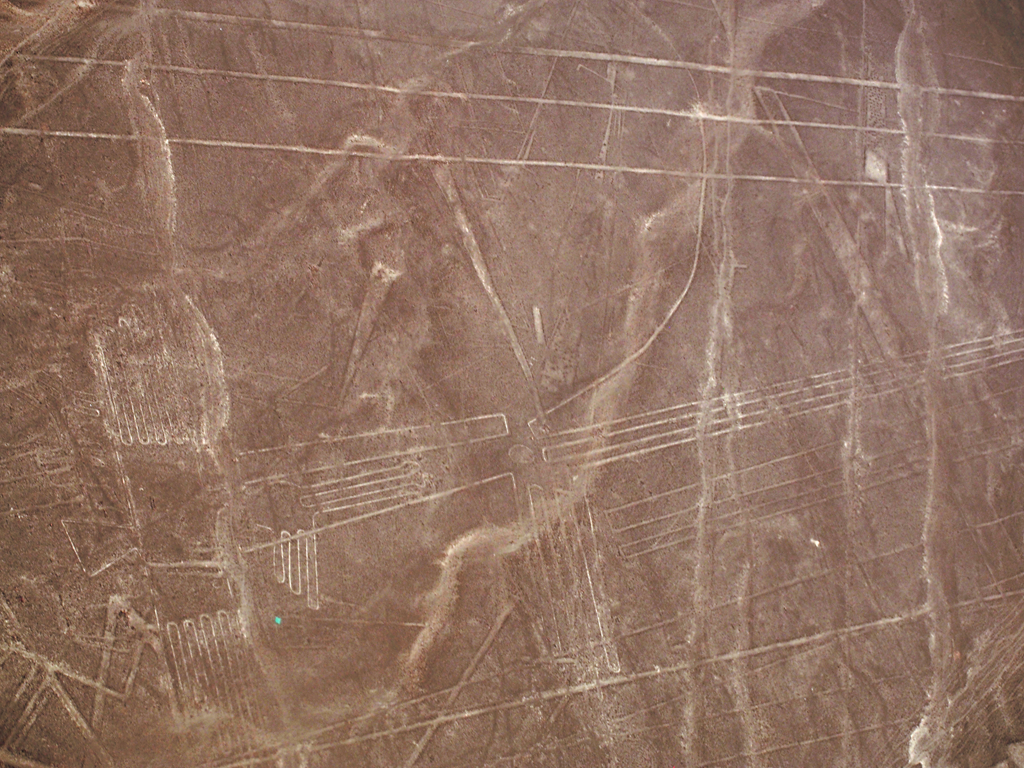
    The hummingbird (93 m long)

    image

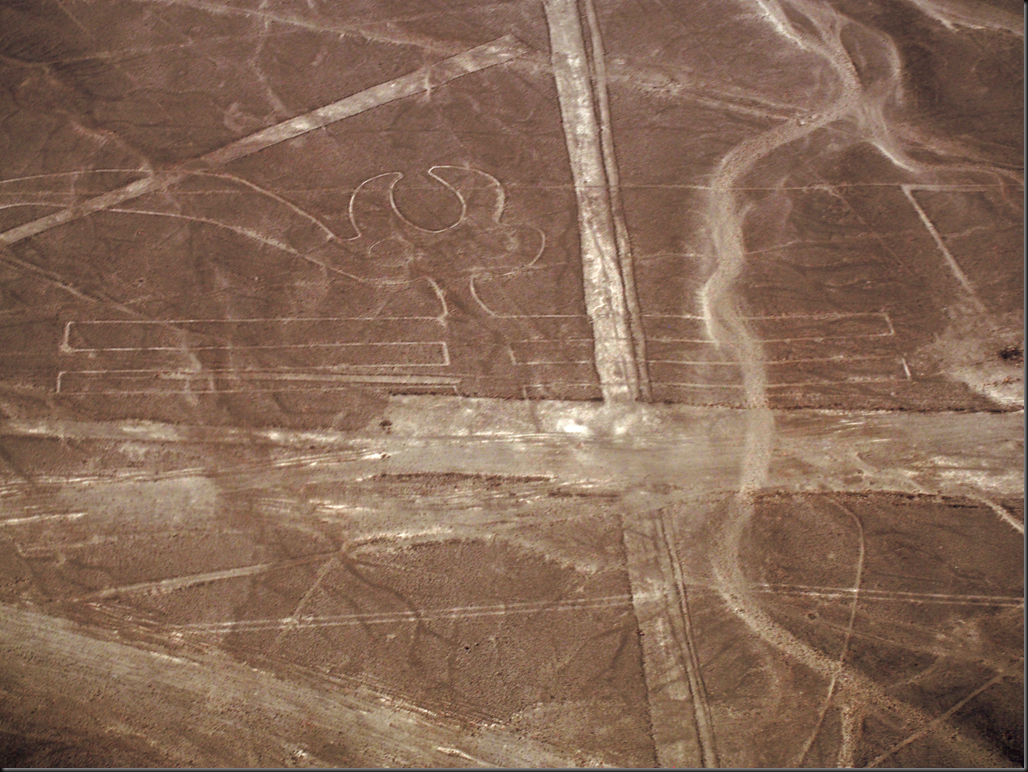
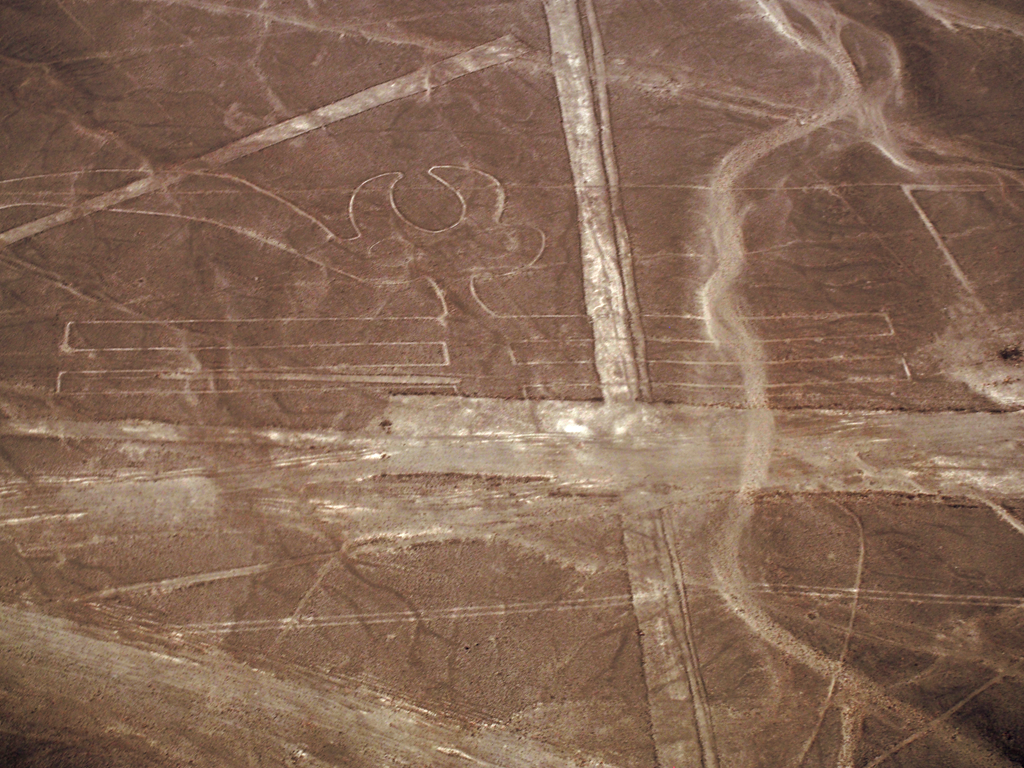
    The parrot (230m)

    image

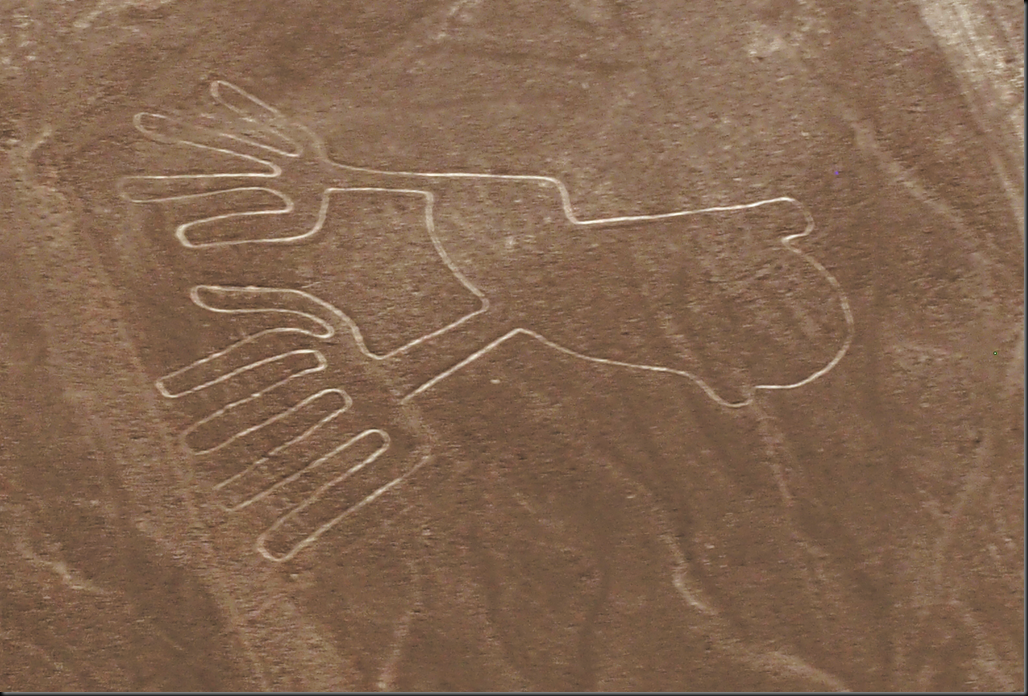
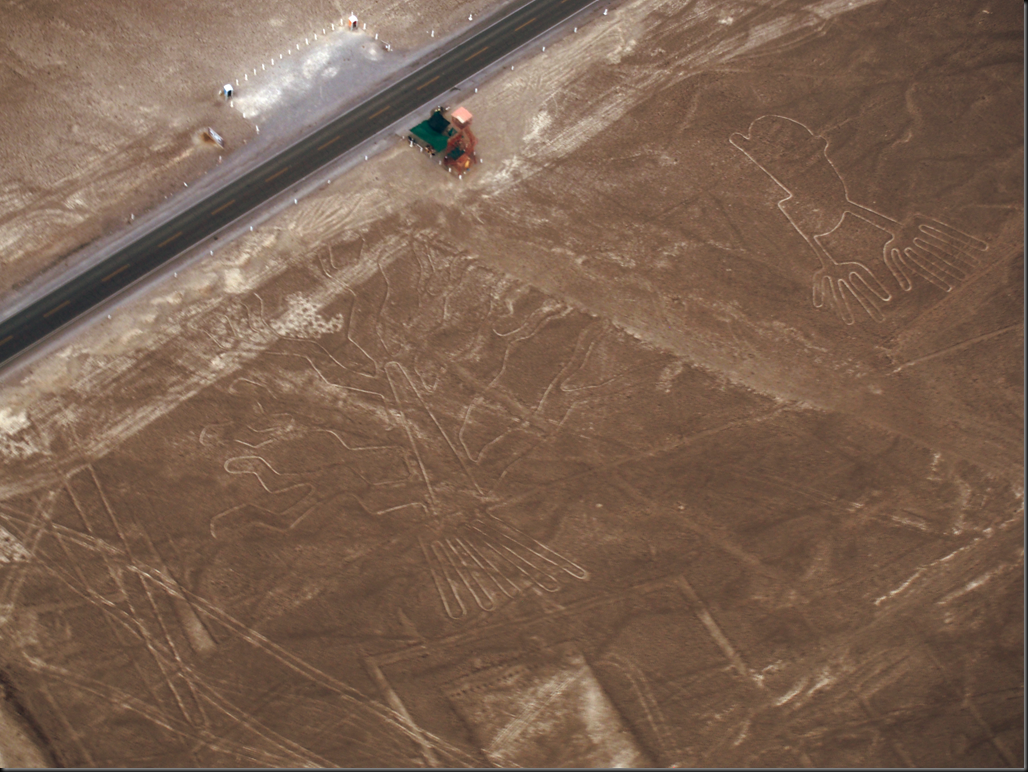
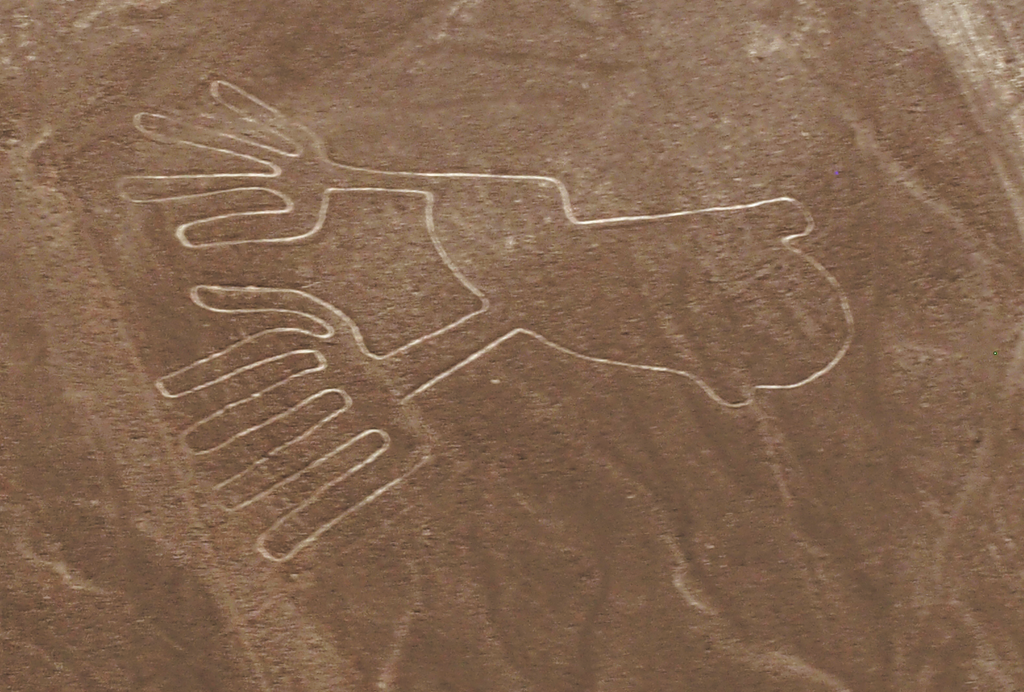
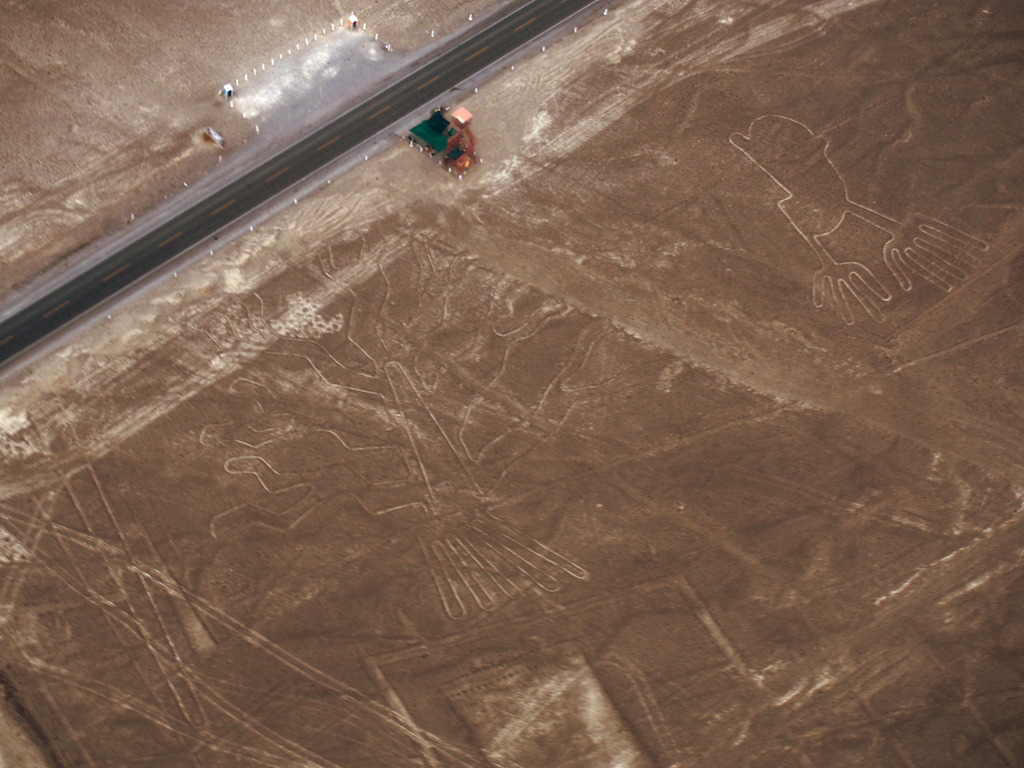
    The hands/the frog (50m)

    image

    and the tree (70m).

    image

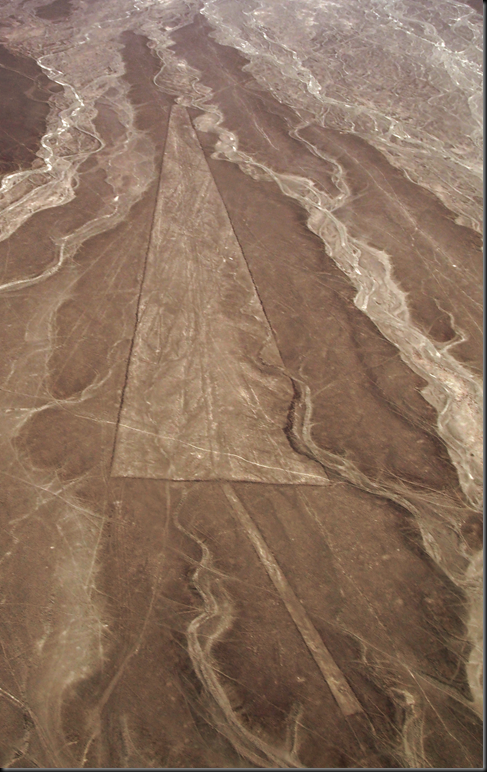
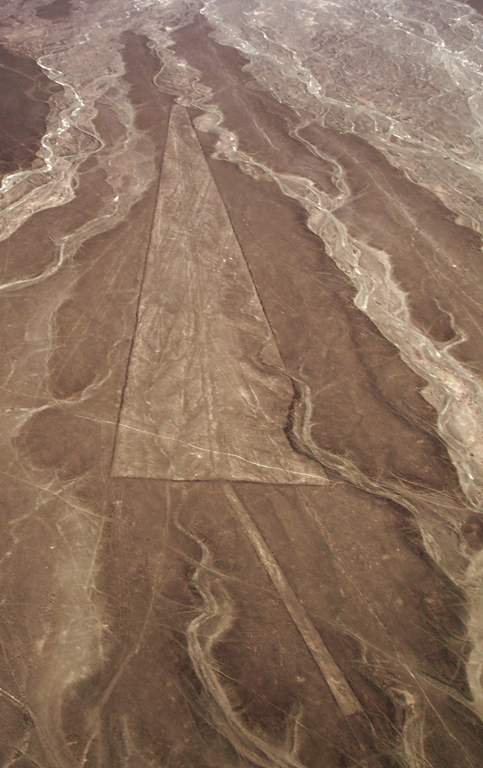
    A triangle. (There are many.)

    image

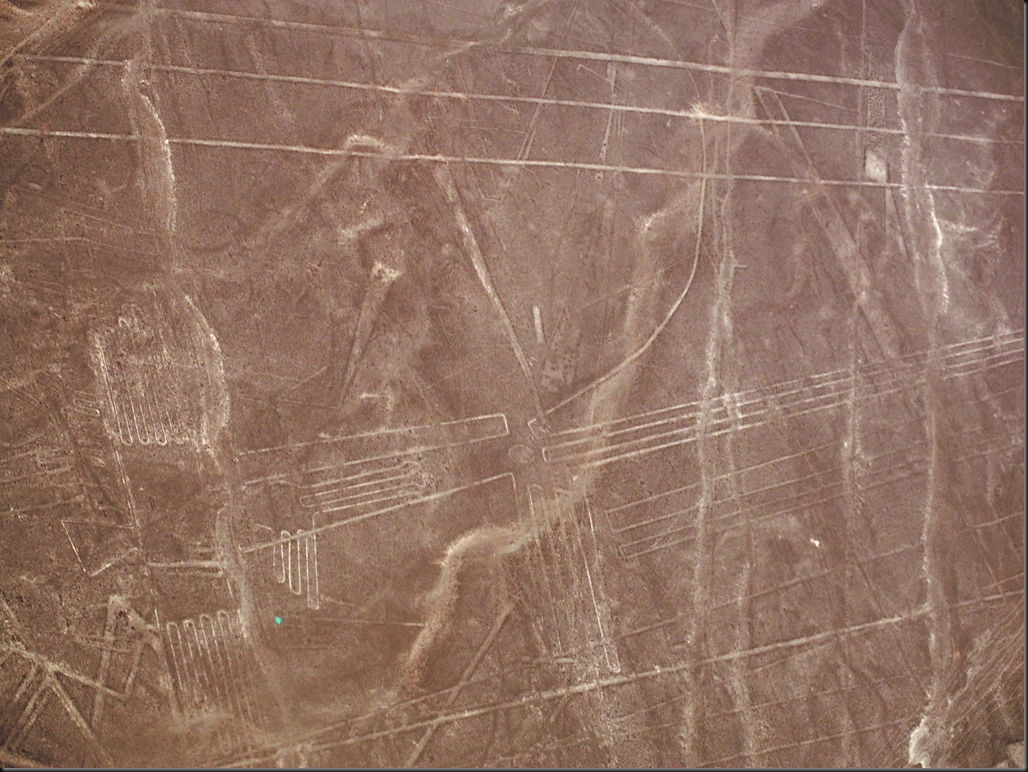
    There are also a lot of random ones that aren’t very popular so it’s hard to find names and sizes for them.
    image

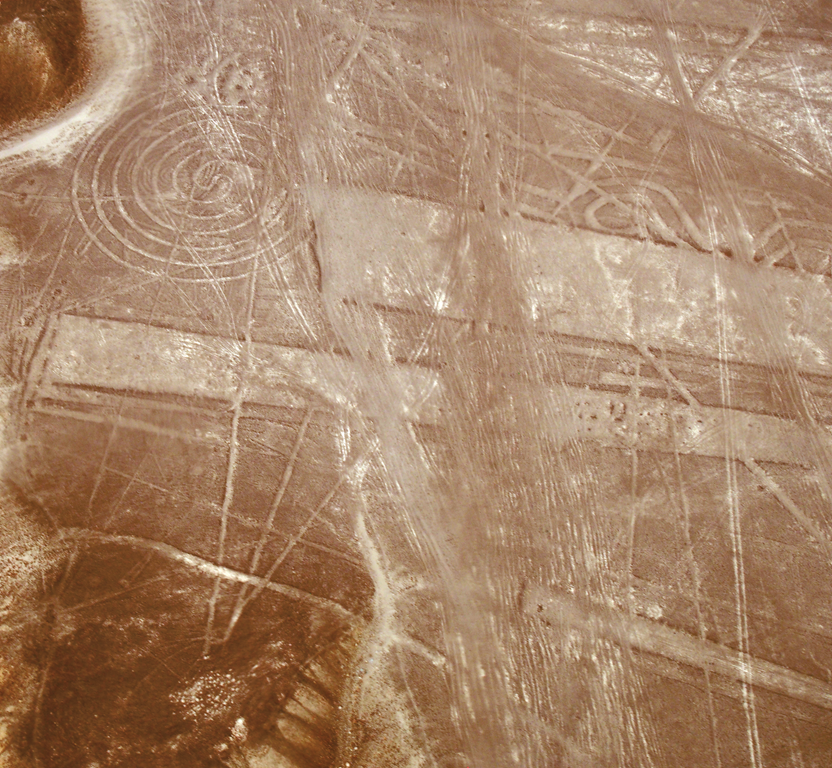
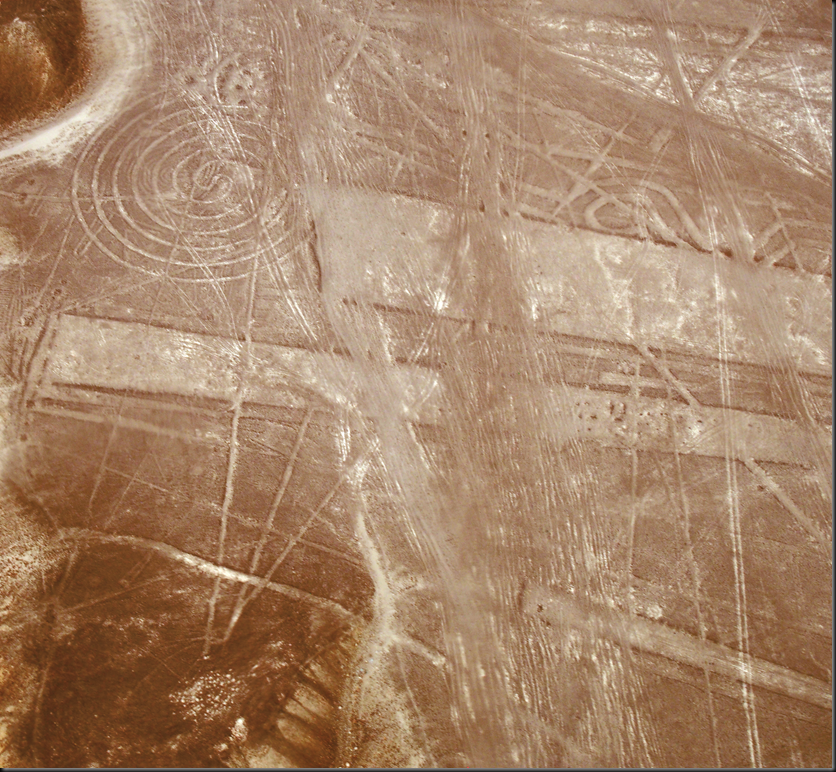
    And random patches of lines and spirals and trapezoids, some of which have been wrecked by vehicles.
    image