• Category Archives Uncategorized
  • Islas Ballestas

    This morning Kerri took a boat tour to Islas Ballestas.
    image

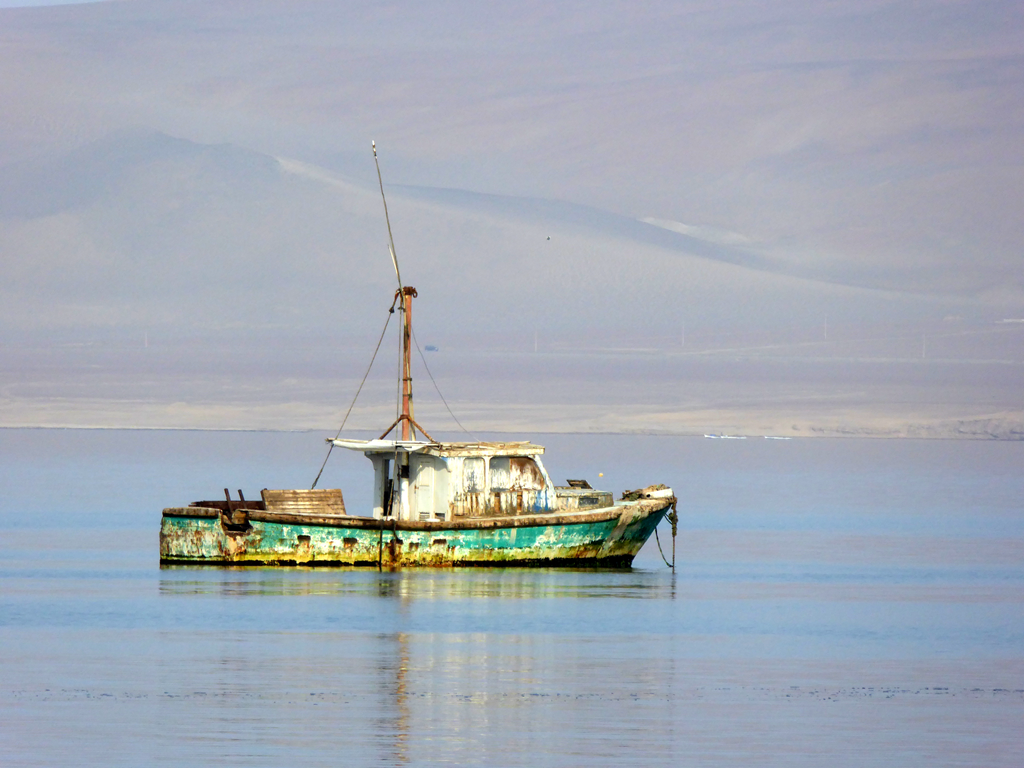
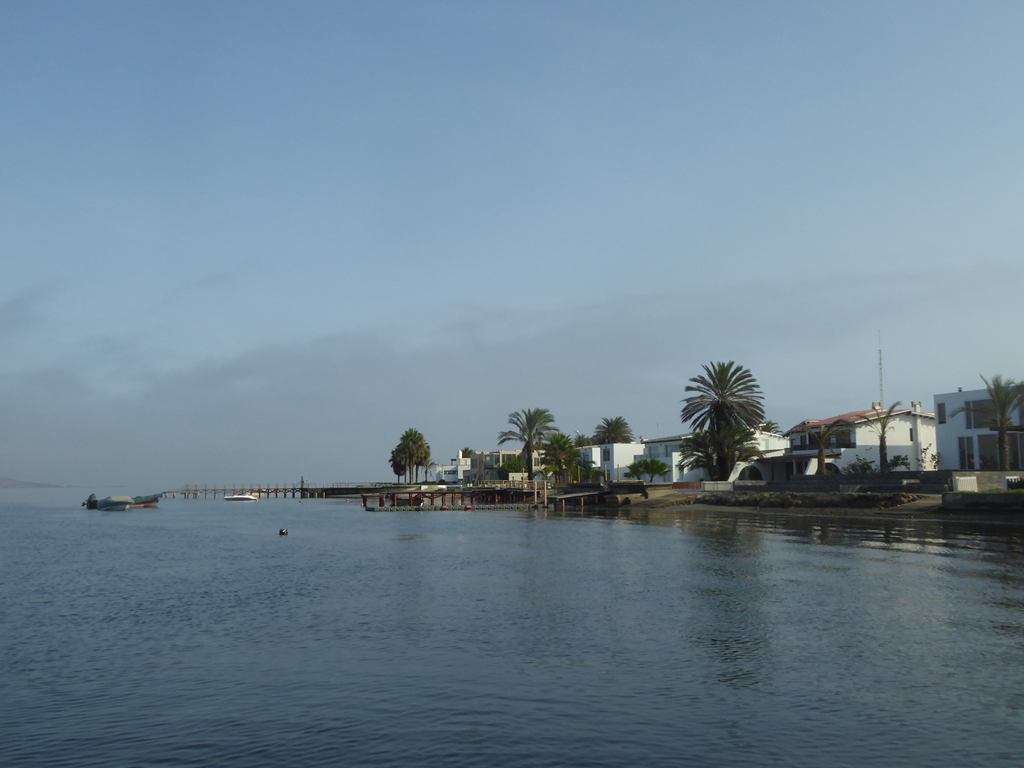
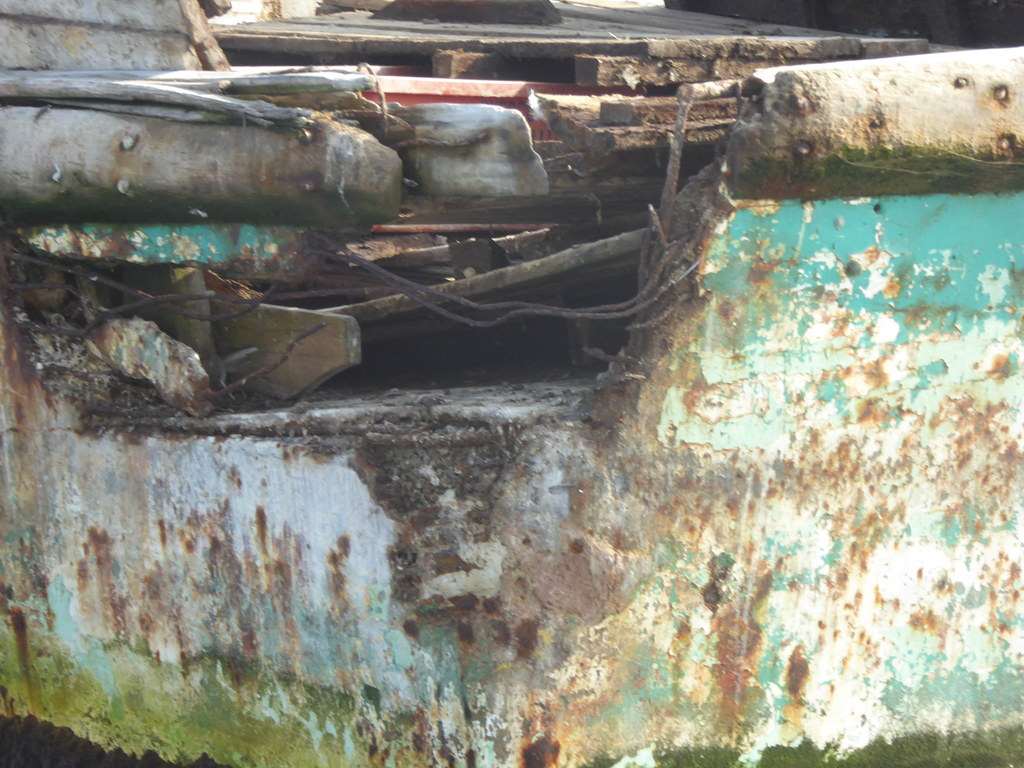
    In the harbour was a concrete boat.

    image

    It’s not very fuel efficient, so it has been left in the harbour with the rebar slowly rusting away.
    image

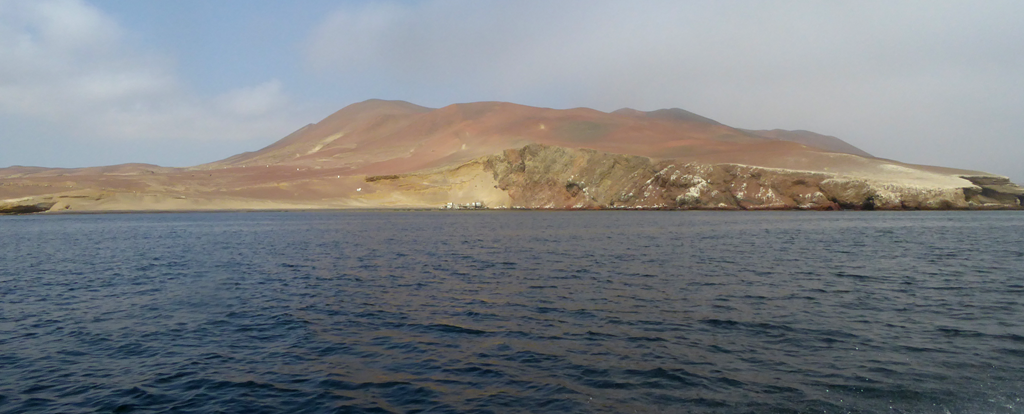
    The islands were pretty colours and had no vegetation
    image

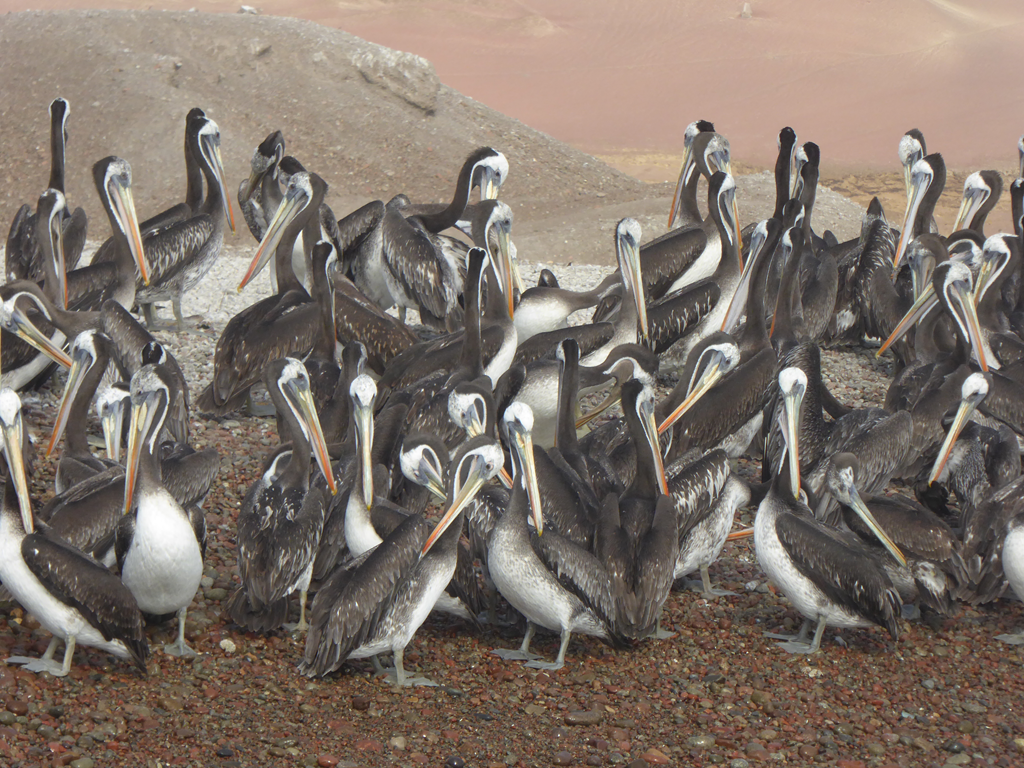
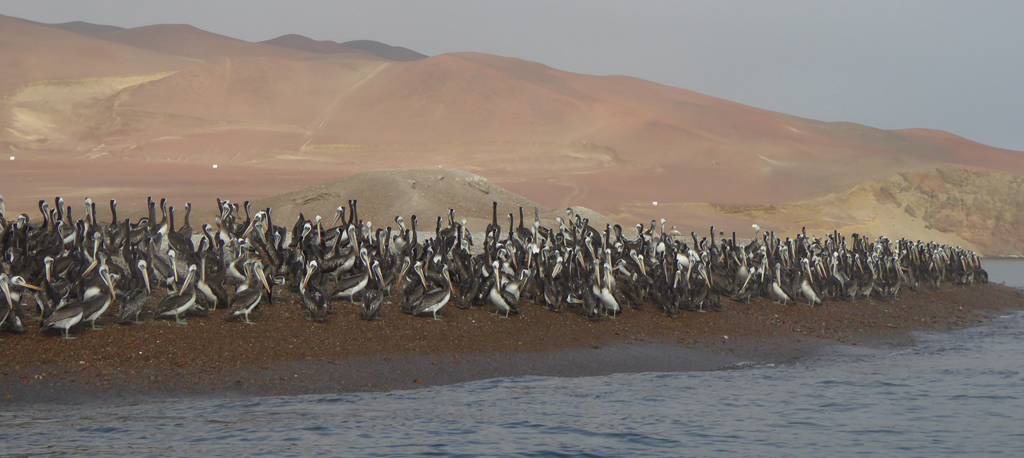
    This island was covered in hundreds of Peruvian Pelicans.
    image

    They seemed very crowded.

    image

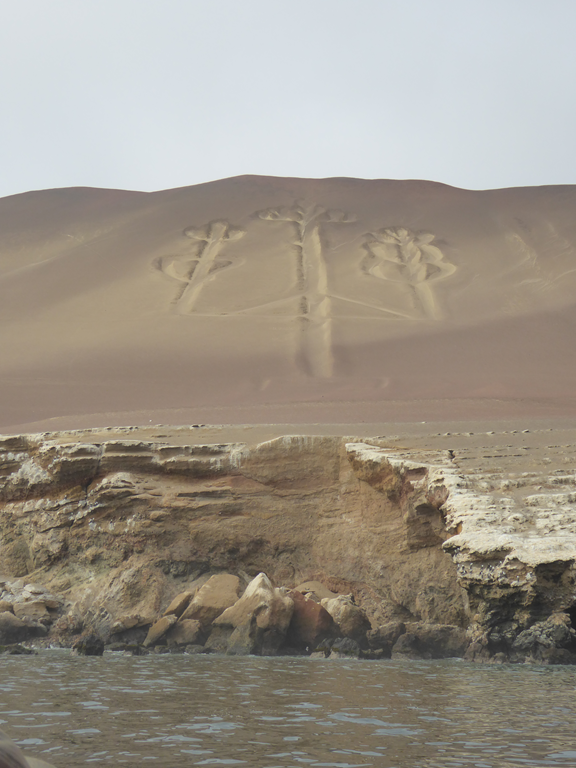
    There is a strange symbol carved into one of the mountains. It has been there for at least 100 years. Some people think it is a pirate’s treasure map. A lot of other people have made up other ideas, most of which seem highly improbable and are based on no evidence. Kerri thinks the pirates were sandboarding.
    image

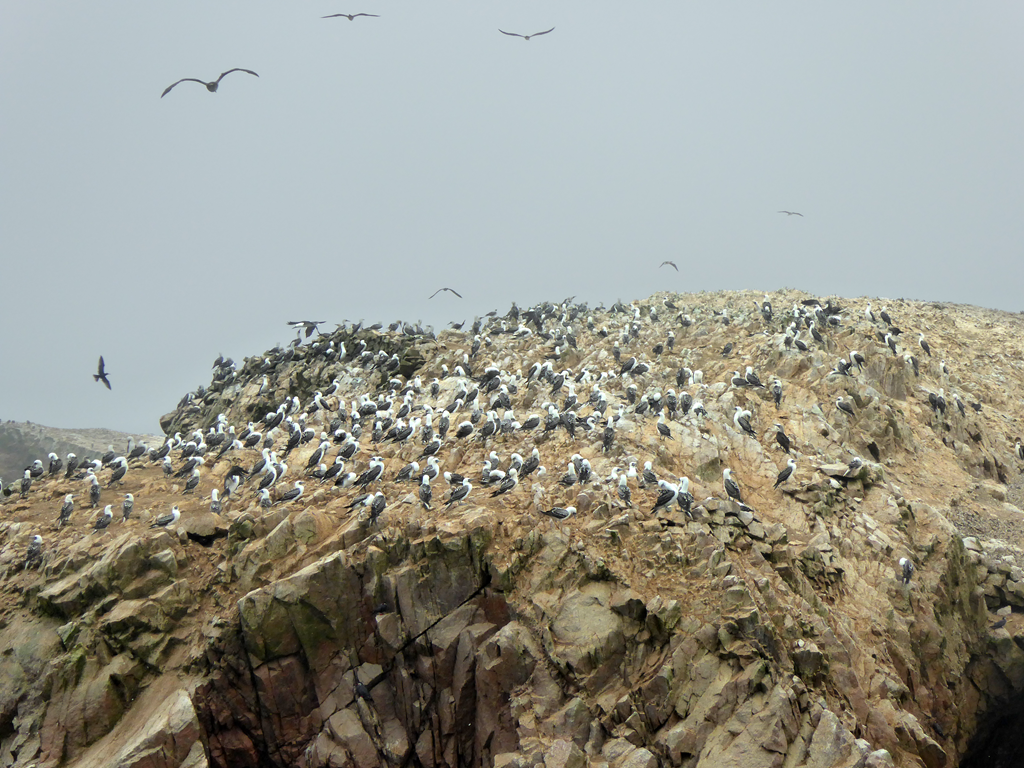
    There were tons of Peruvian boobies on the other islands.
    image

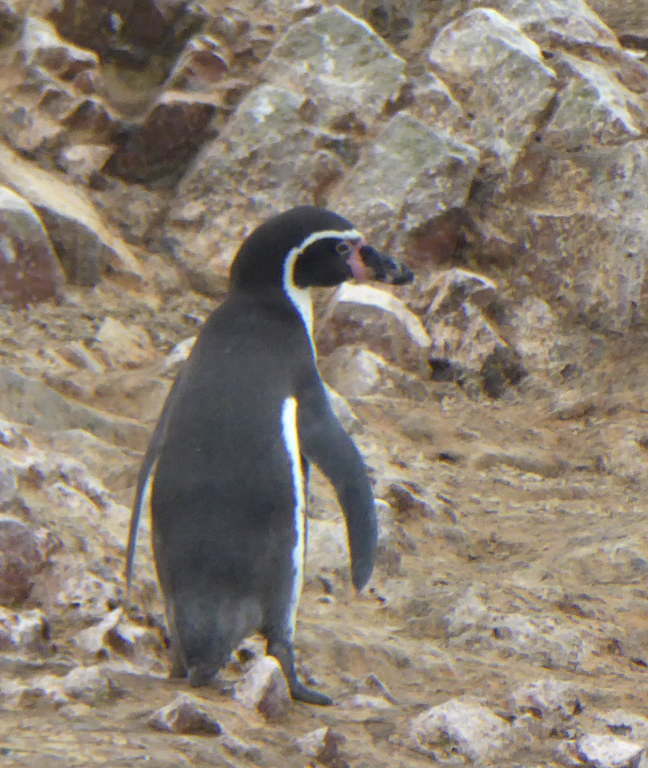
    There were also a couple of Humboldt penguins, a close relative of the galapagos penguins.
    image

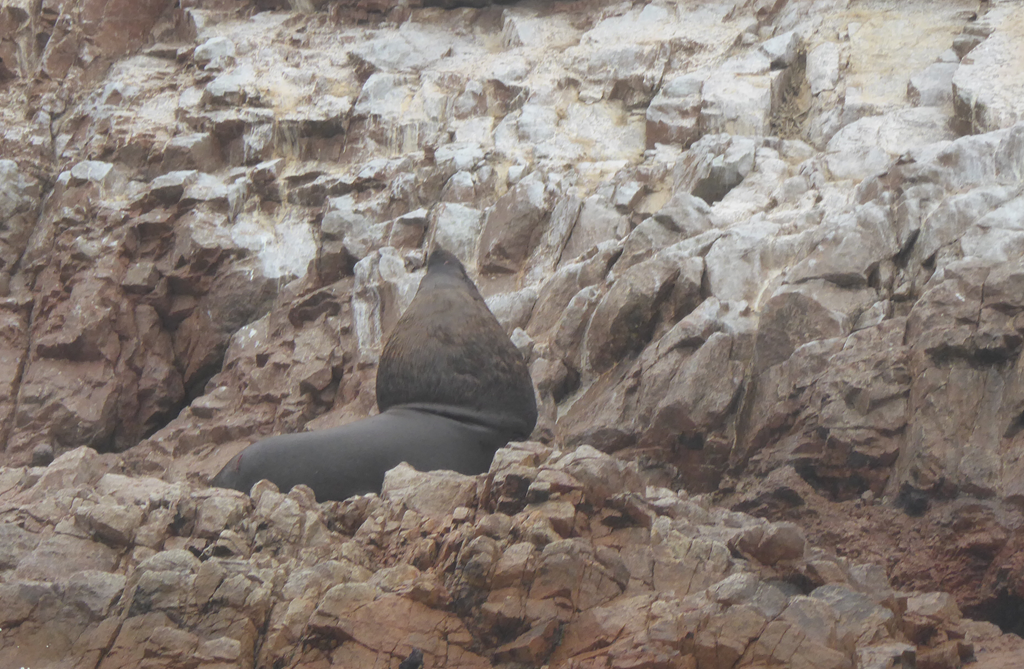
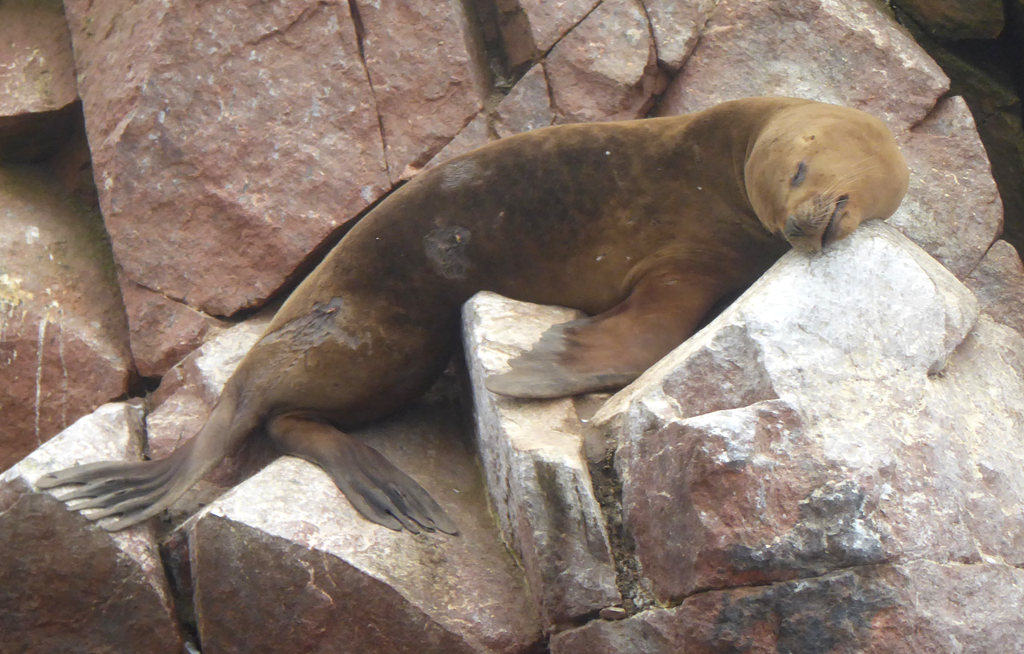
    The sea lions are much bigger than the ones in the Galapagos.
    image

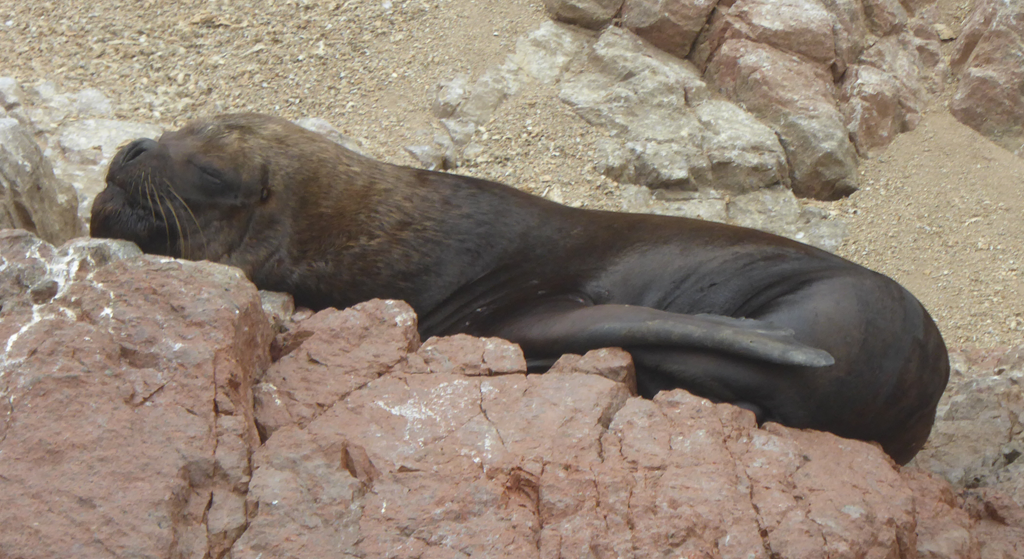
    The males actually kind of look like lions.
    image

    The females look more like the galapagos sea lions.
    image

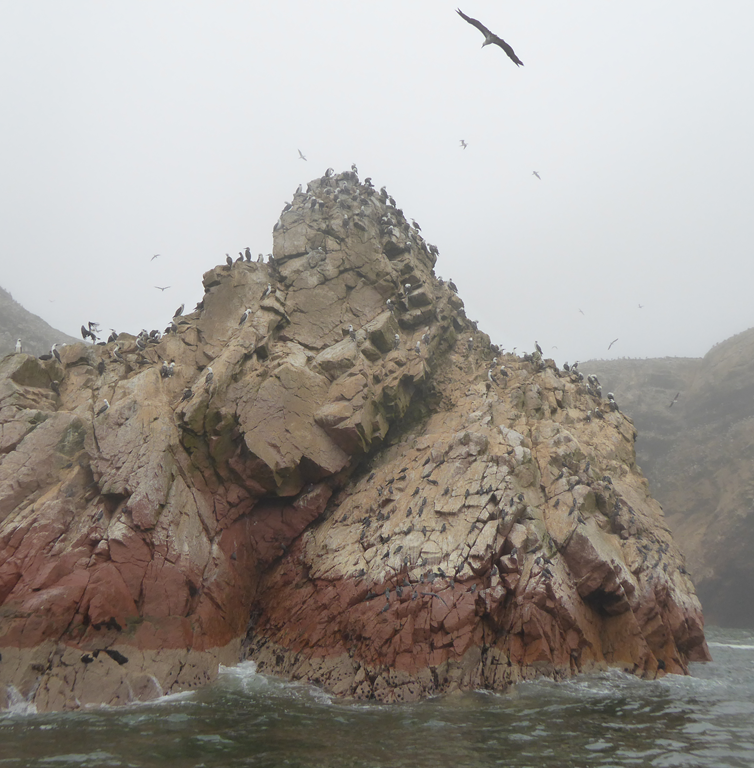
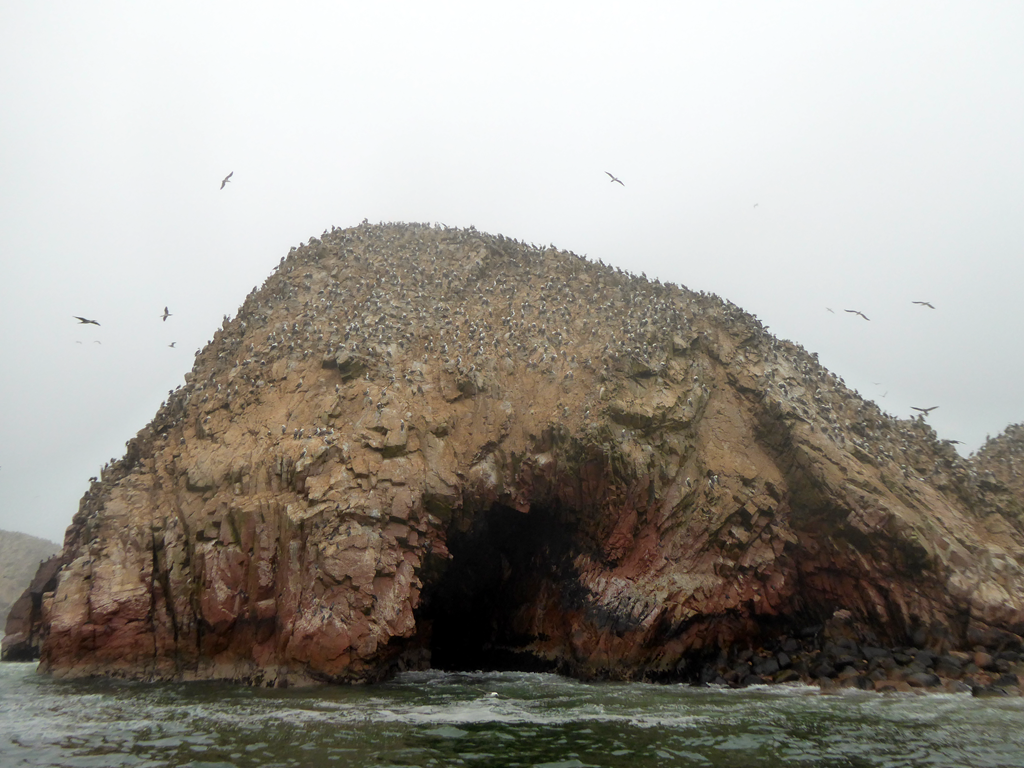
    The boobies covered almost every surface.
    image

    I don’t know where they even nest, there didn’t seem to be any room.
    image

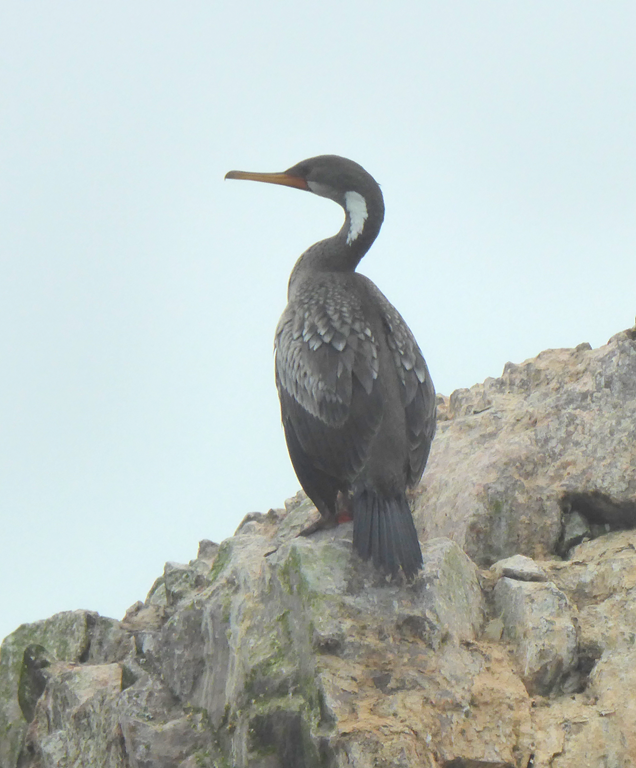
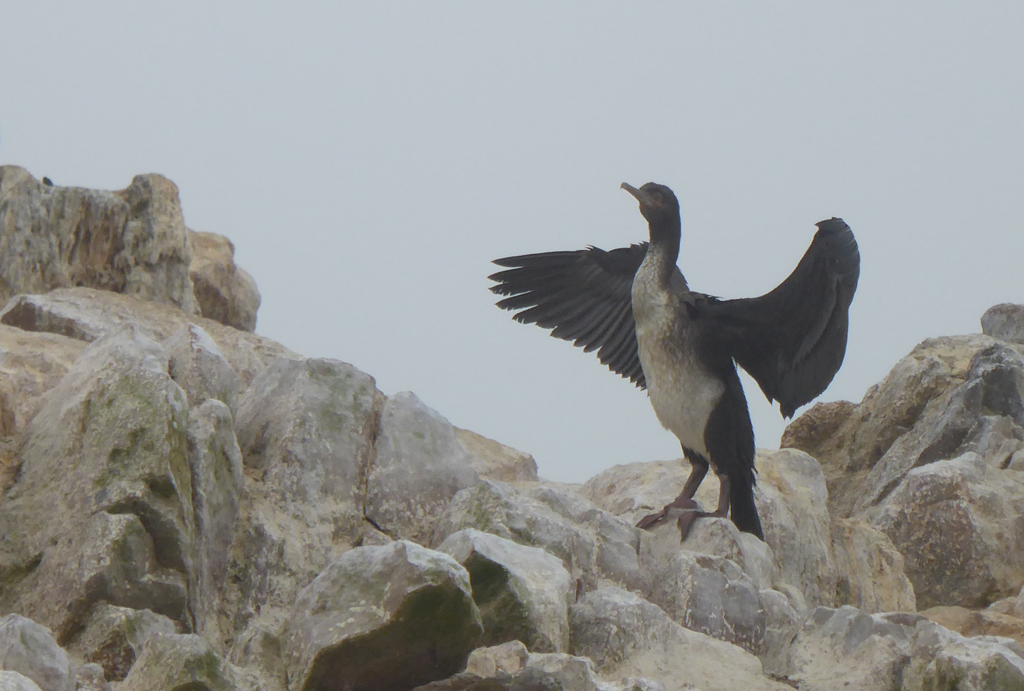
    There were also a few guanay cormorants.
    image

    They look a lot like the flightless cormorants until they spread their wings, and you see that they have real wings for flying.
    image

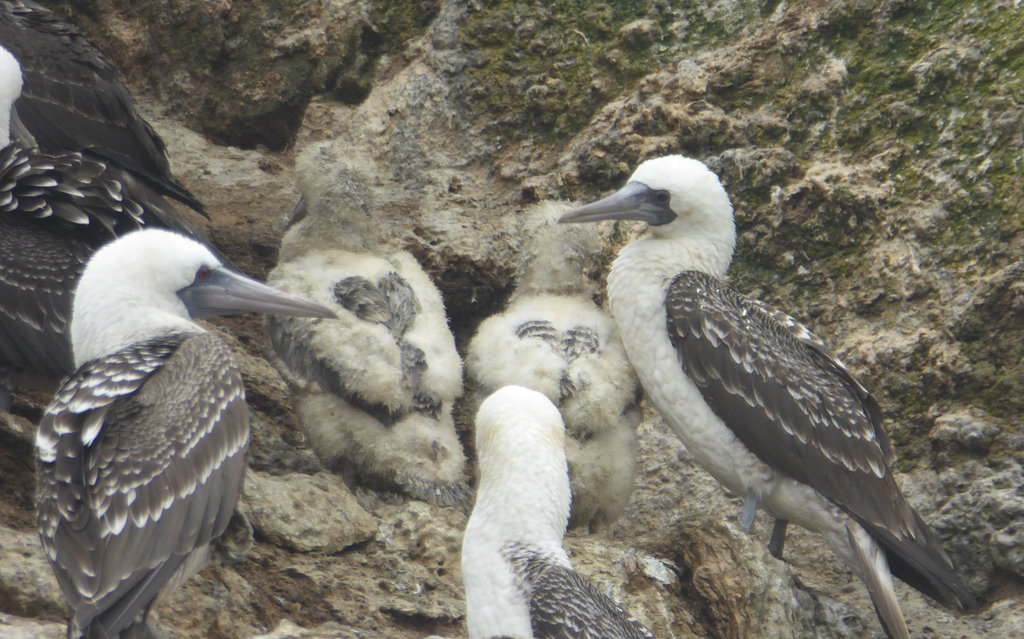
    There were only a couple of baby boobies, and they weren’t even that cute.
    image


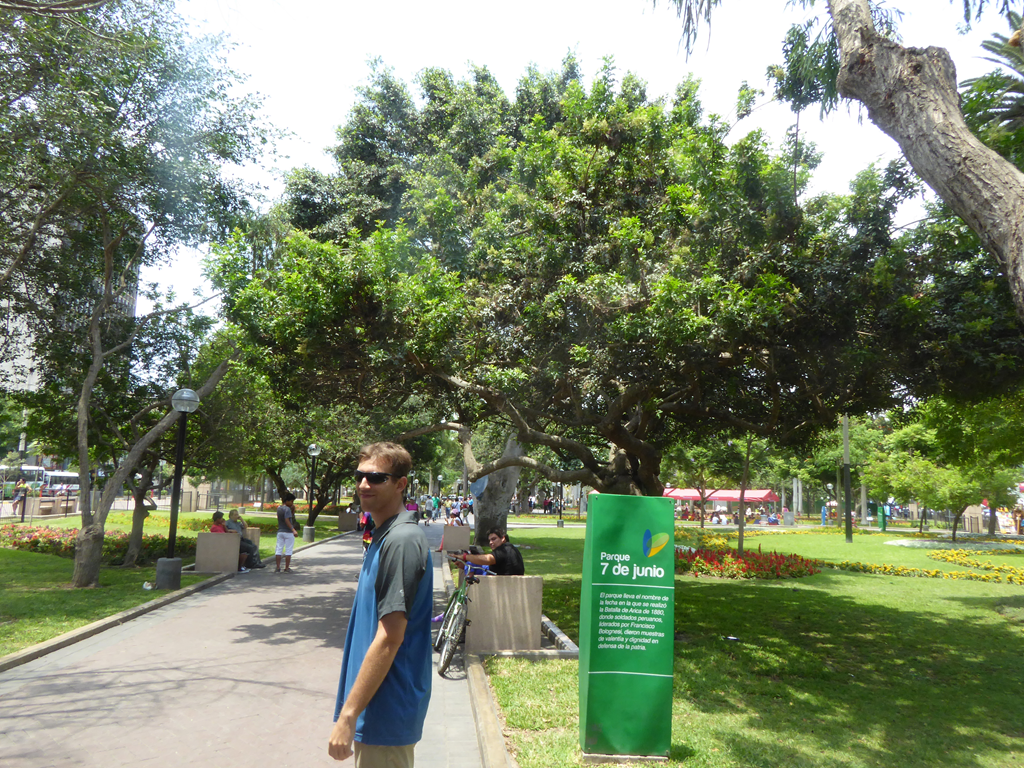
  • Kennedy Park

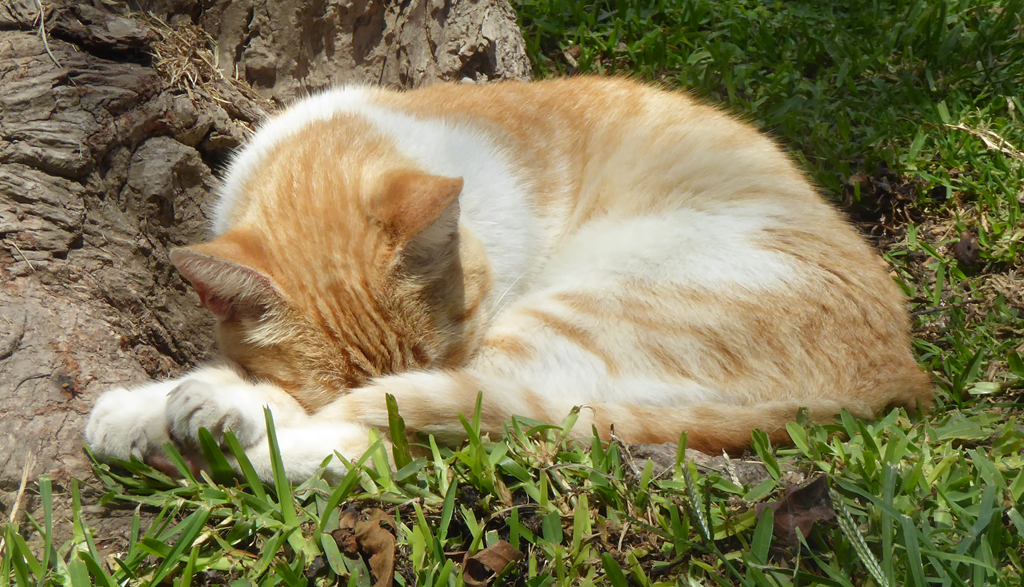
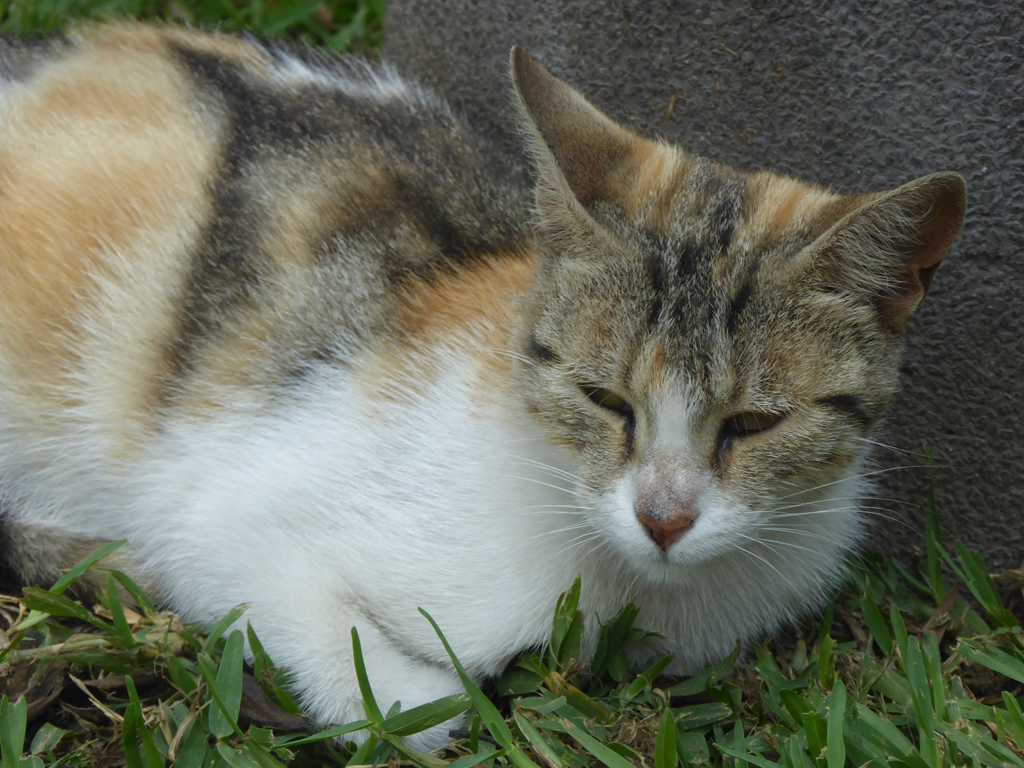
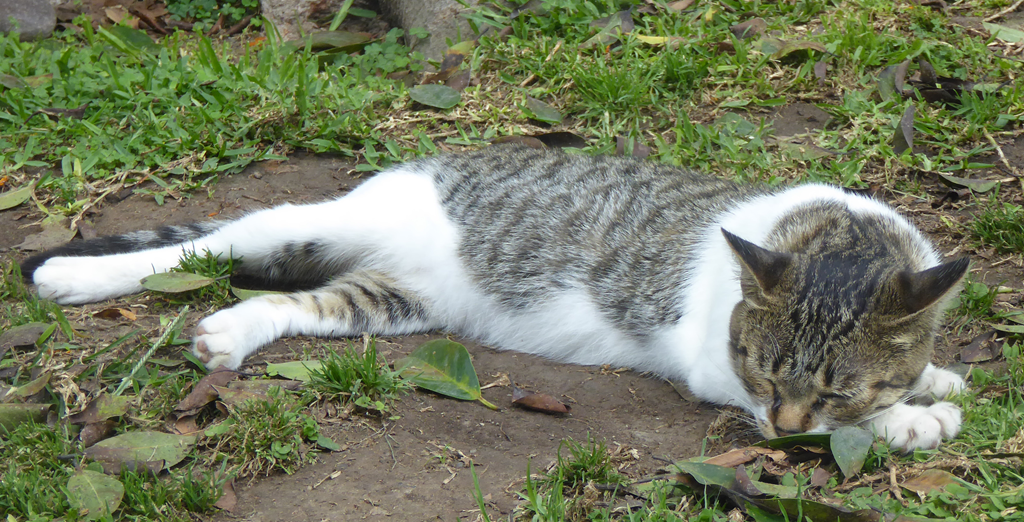
    We walked through a park with a lot of sleeping cats.

    image

    Matt was grumpy and did not want to spend any time looking at cats.

    image

    The park is full of cats because people who don’t want their housecats bring them to the park and abandon them.

    image

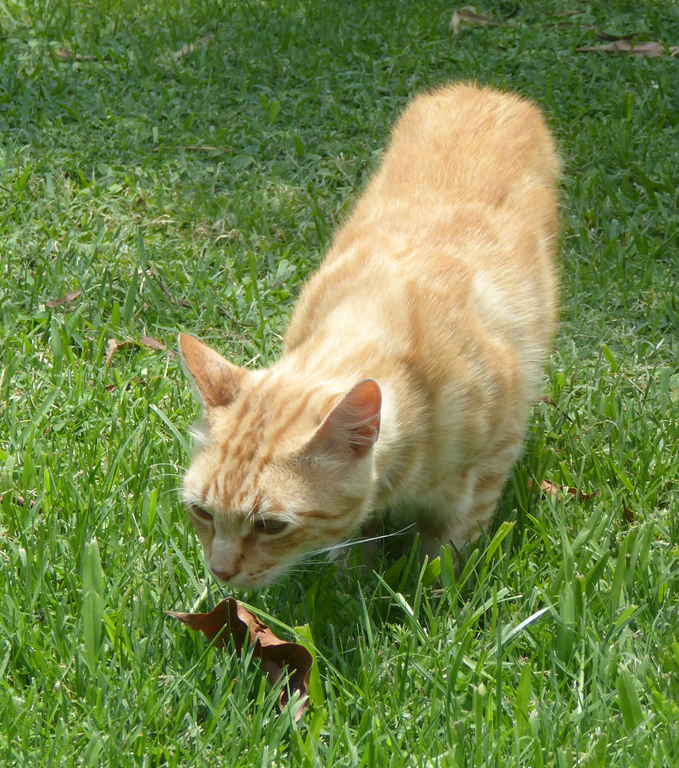
    A crazy cat lady feeds the cats in the park.

    image

    Which is good because they are not very good hunters.

    image


  • Hauca Pucllana

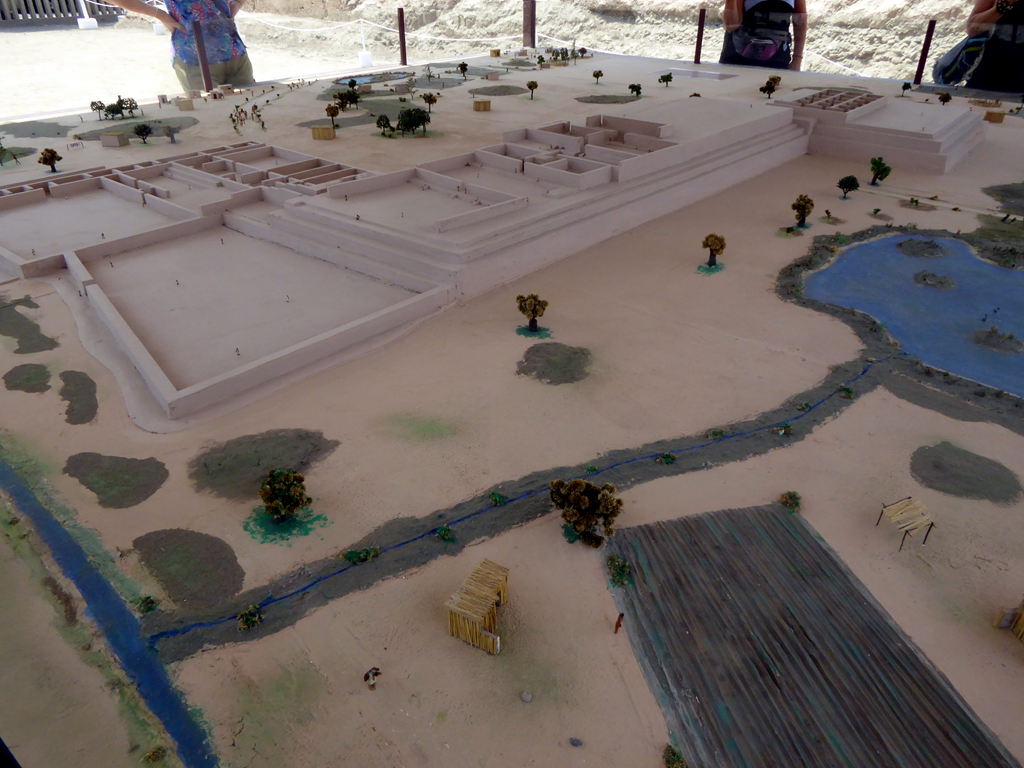
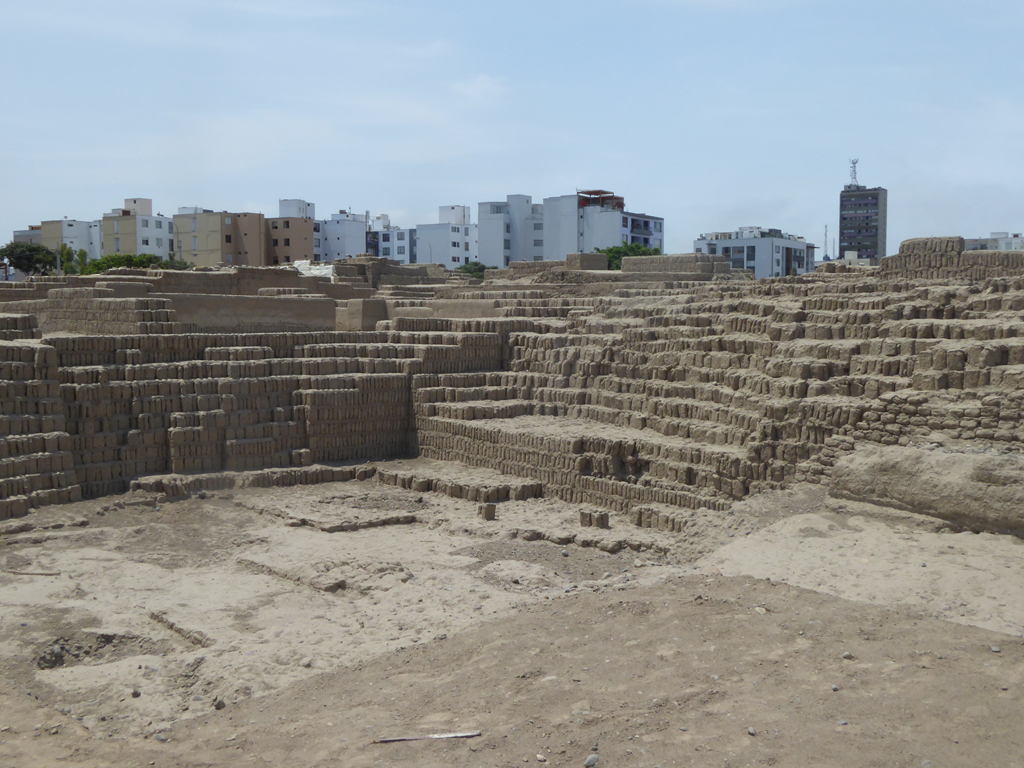
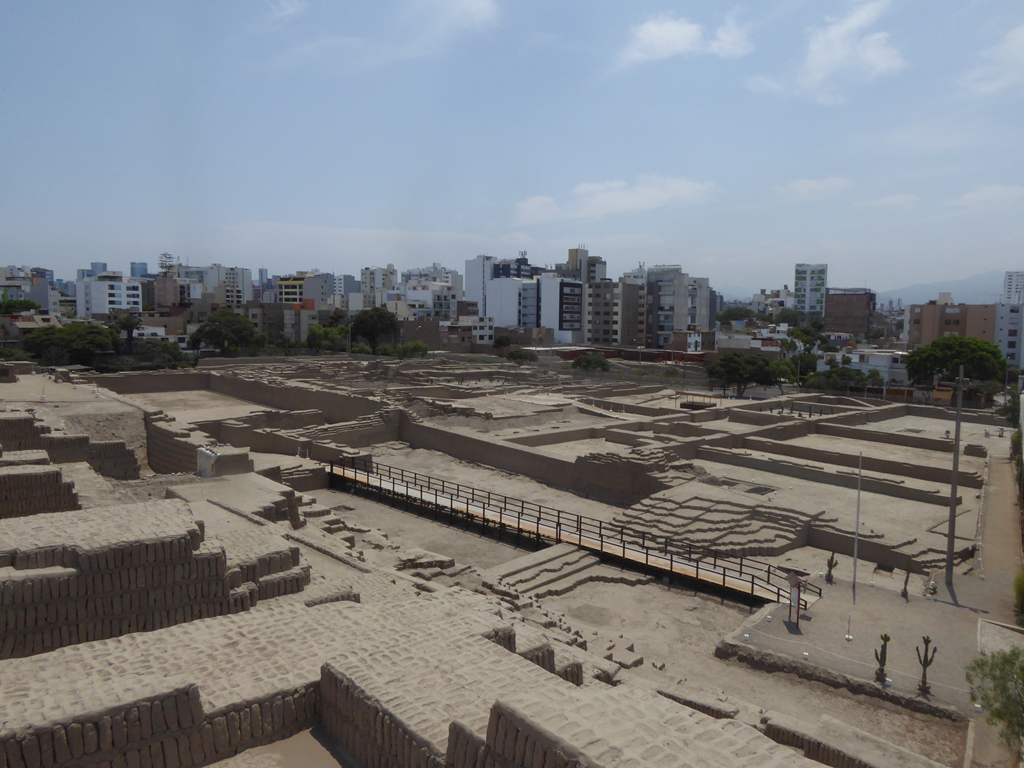
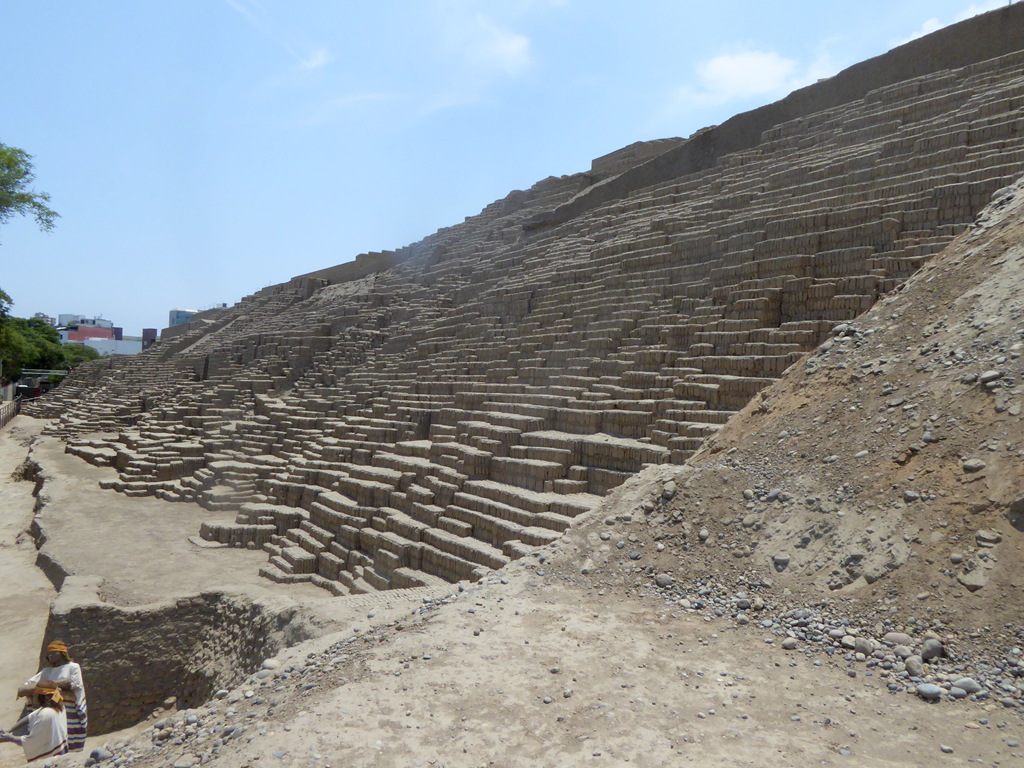
    This site consisted of another adobe pyramid, with seven levels, in a large square. It was built by the Lima culture between 400 and 700 CE.
    image

    The site is located in the middle of Lima.

    image

    Lima is the capital city of Peru and home to over 7 million people.

    image

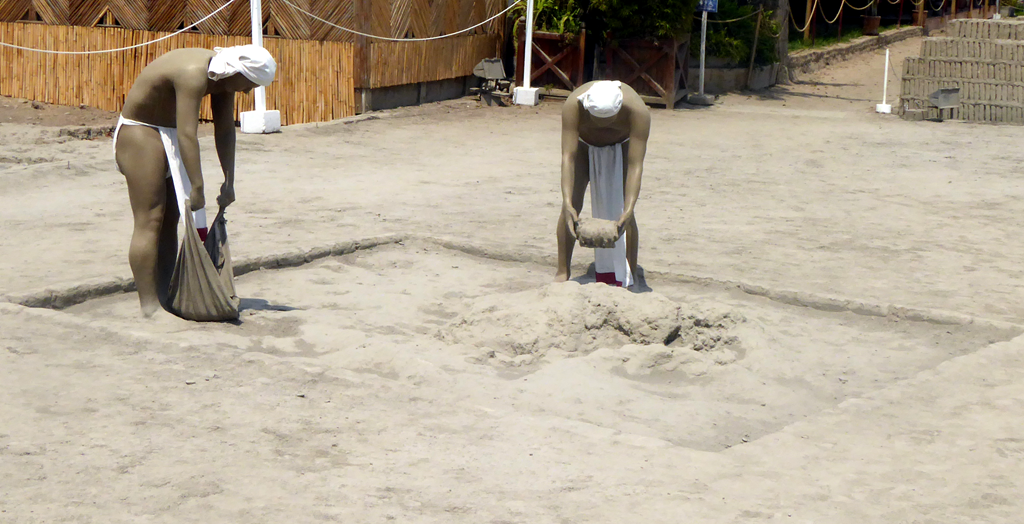
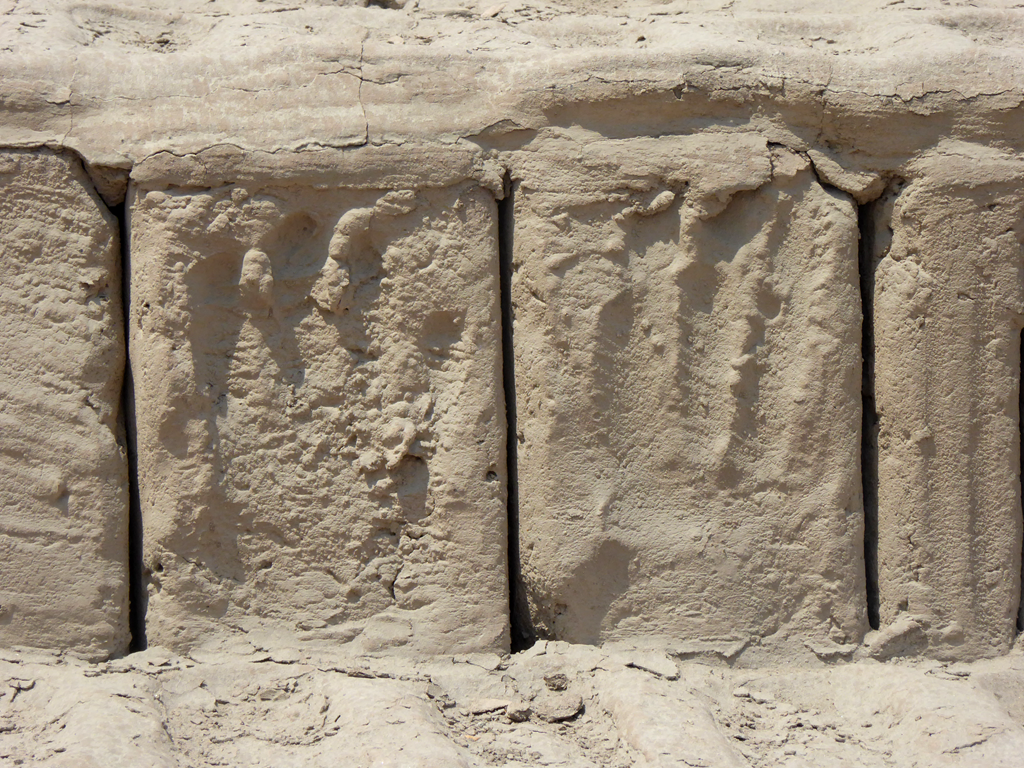
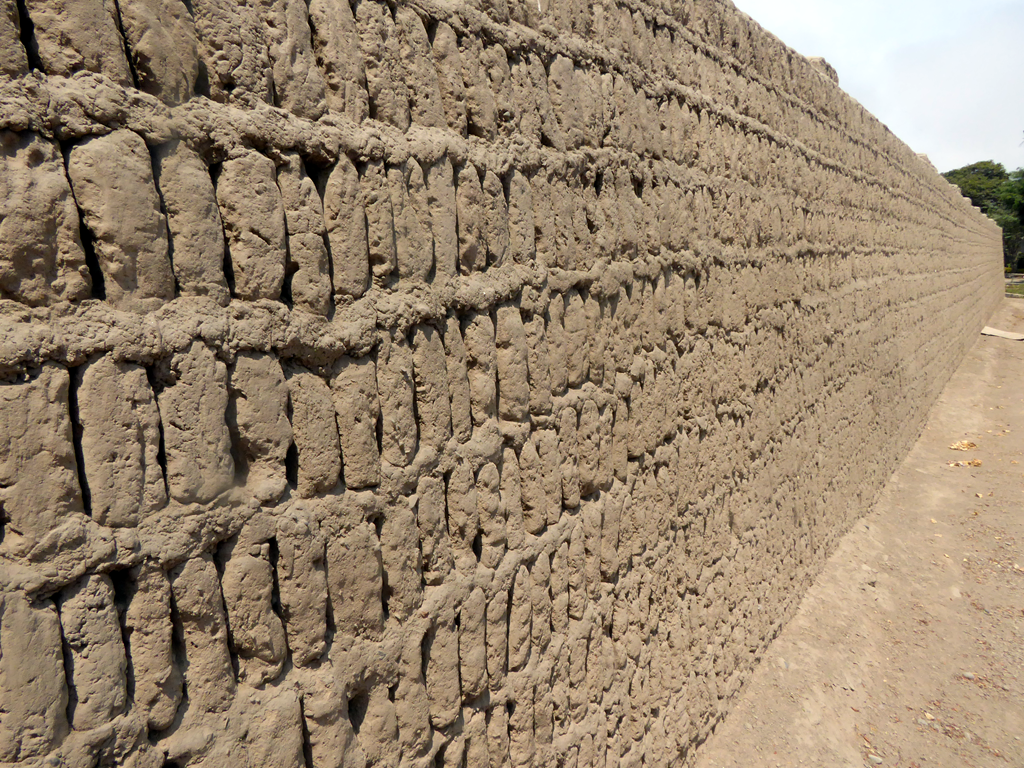
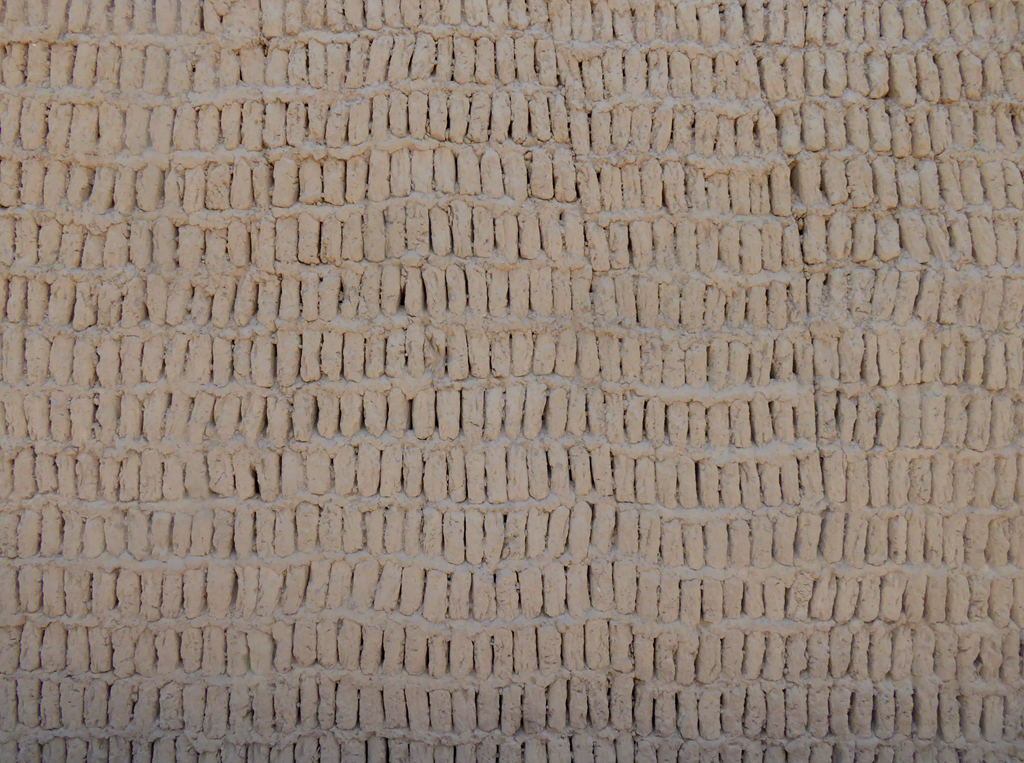
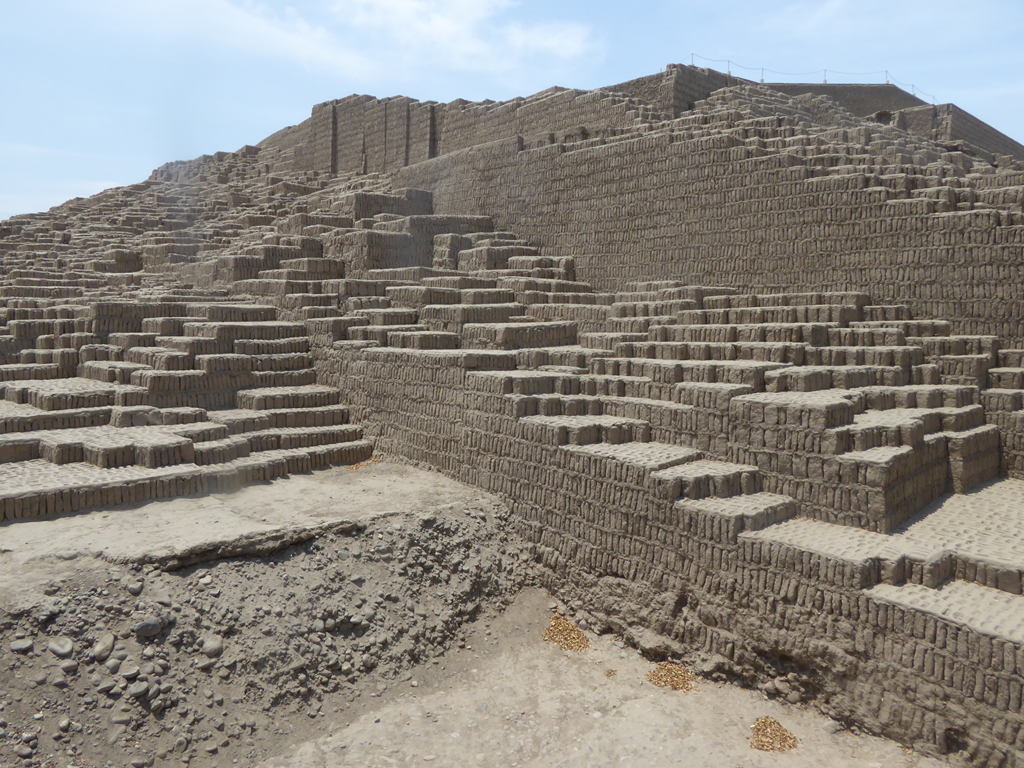
    The mud bricks were all formed by hand and dried in the sun.

    image

    Which means that these are the handprints of someone who lived 1500 years ago.

    image

    This pyramid was constructed with the bricks positioned vertically, with mortar at the top and bottom and small spaces in between the brick. This made the pyramid more earthquake resistant.

    image

    The walls were built in small trapezoidal sections instead of square edges to make it more stable.

    image

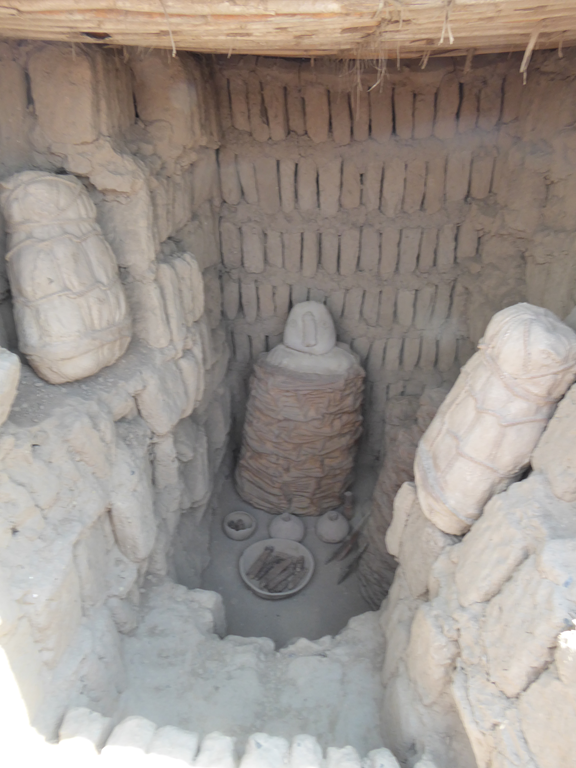
    The temple was reused by the later Wairani people to bury some important people. This is a recreation of one of their tombs in the top of the temple.

    image

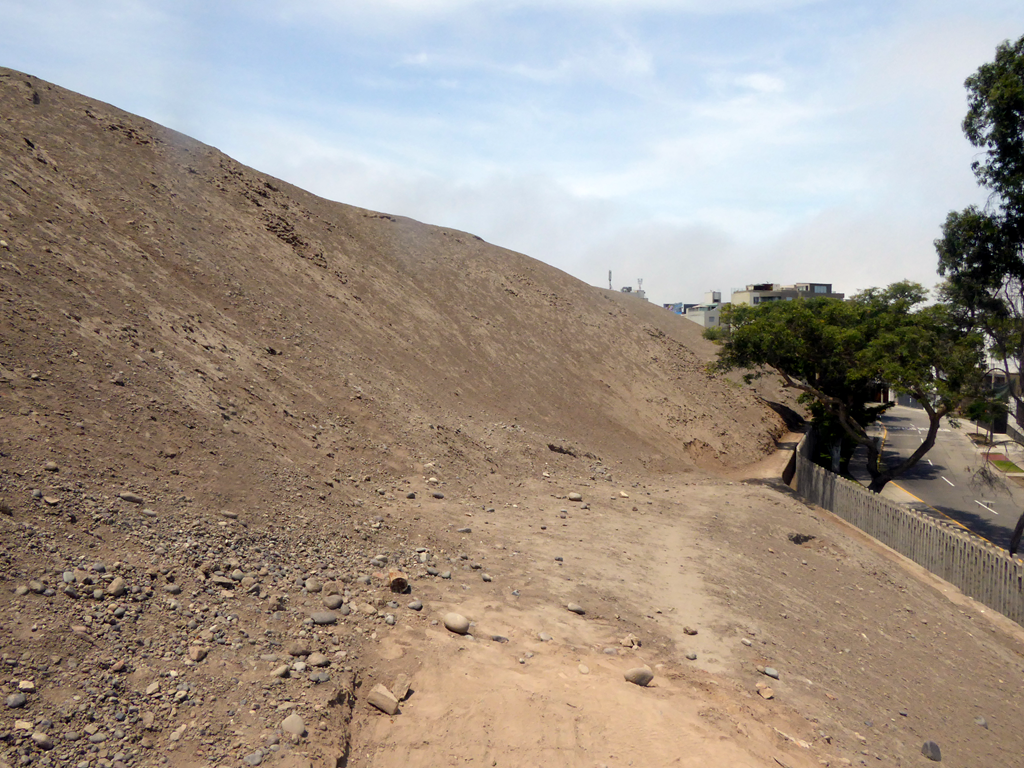
    A large part of the pyramid still has not been excavated, and just looks like a big dirt hill in the middle of the city.

    image

    The transition to the excavated bricks on the other side looks funny.

    image

    The pyramid had a lot of bricks.

    image


  • Monastery of San Francisco

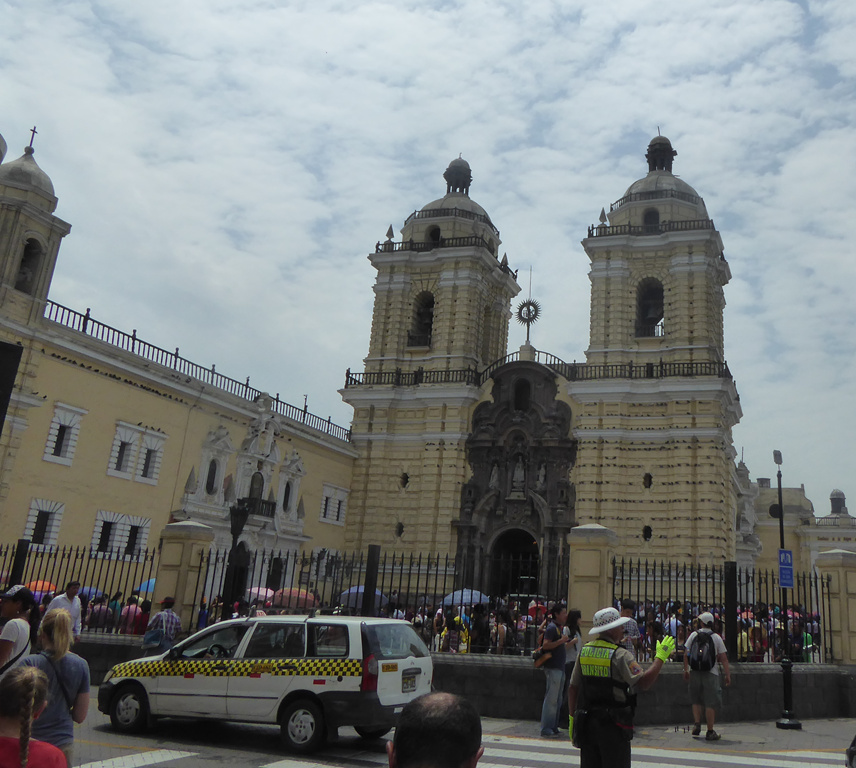
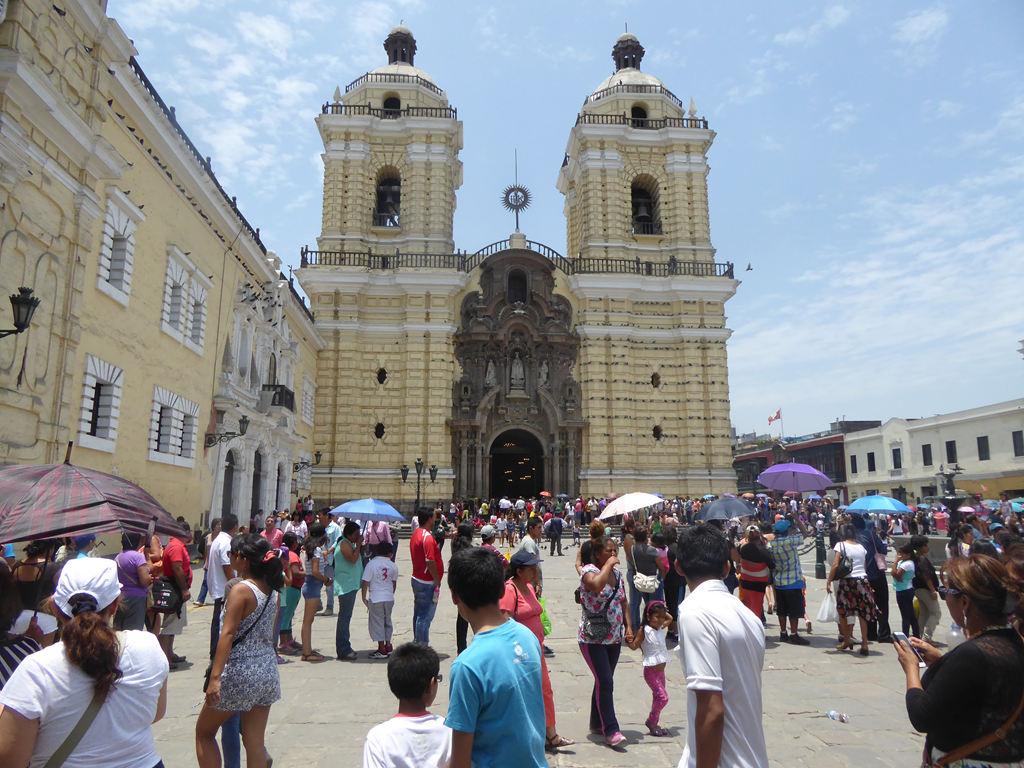
    The San Francisco church is very popular.

    image

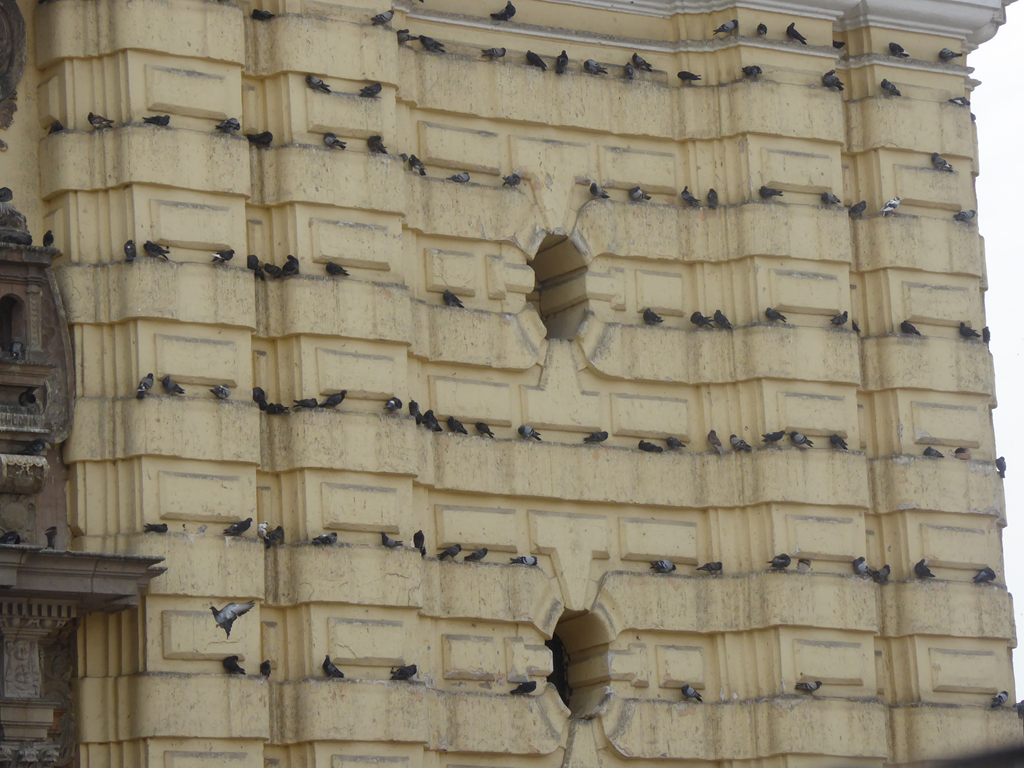
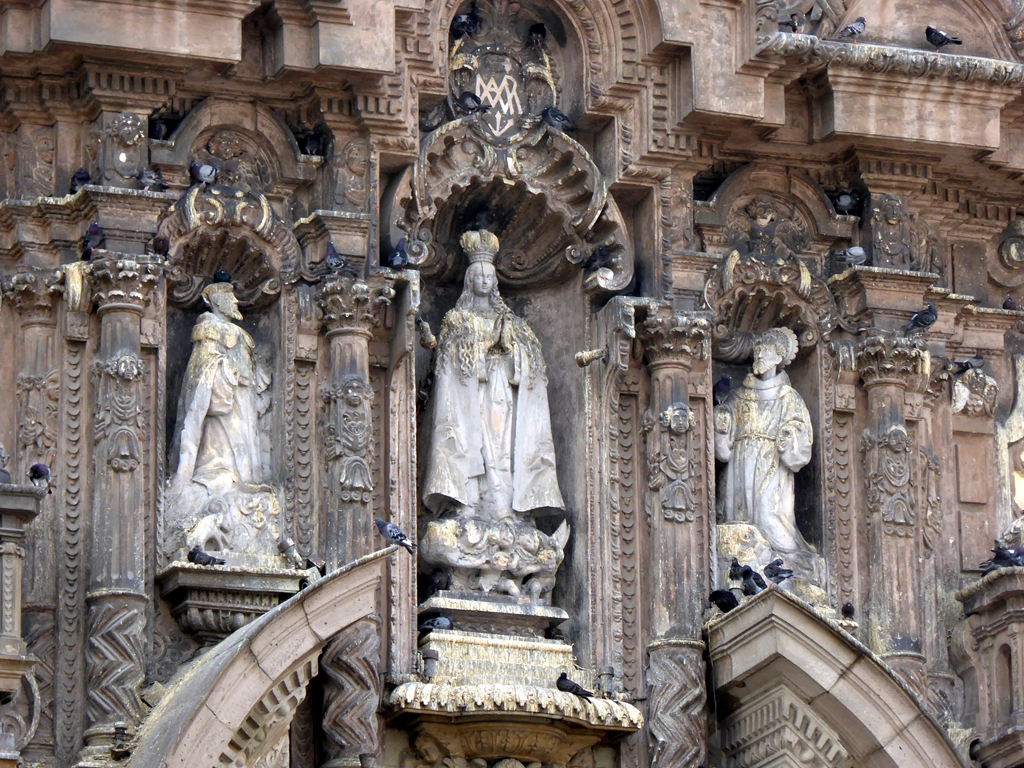
    And not just with pigeons, although that’s what all of the black lines are.

    image

    They covered every available surface.

    image

    The church and monastery were built between 1673 and 1774. The church honours St. Jude, who is very popular, and on the 28th of each month people line up to petition him for miracles. Because we were there on the 28th the line zigzagged across the entire courtyard, so we did not go inside the church.

    image

    However we did go inside the monastery, which has been converted into a museum. Pictures were not allowed inside, so these are taken from random rule breakers on the internet.

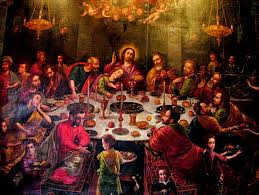
    This is the last supper painting. Instead of European food it features the apostles eating guinea pig, potatoes and chilis. And in Jesus’s hand that might be an empanada.

    image

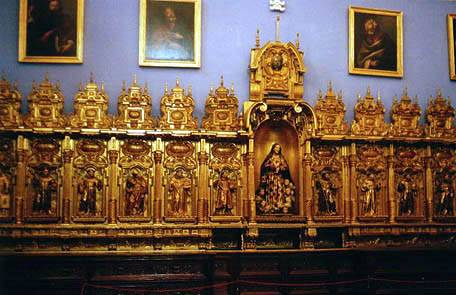
    In the large spot below there used to be a statue of the Virgin Mary. But somewhere along the way they decided she shouldn’t have the central spot, so they replaced the head and hands of the statue. But only the head and hands. So it now features Jesus, wearing a flowered dress.

    image

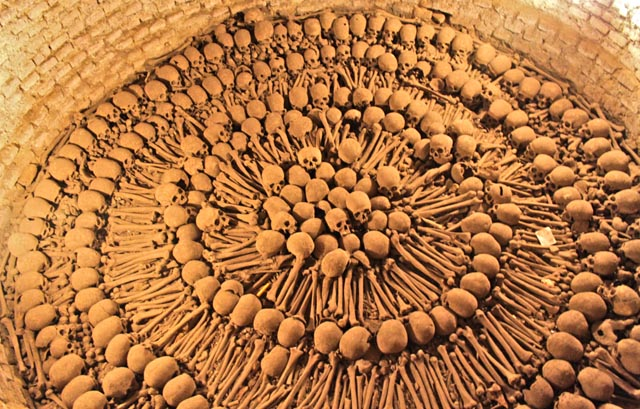
    We also visited the catacombs, which were used until 1943 and contain about 25,000 bodies. Many of the bones are artistically arranged.

    image


  • Chan Chan

    Today we visited Chan Chan, the remains of a large city of the Chimu people.

    image

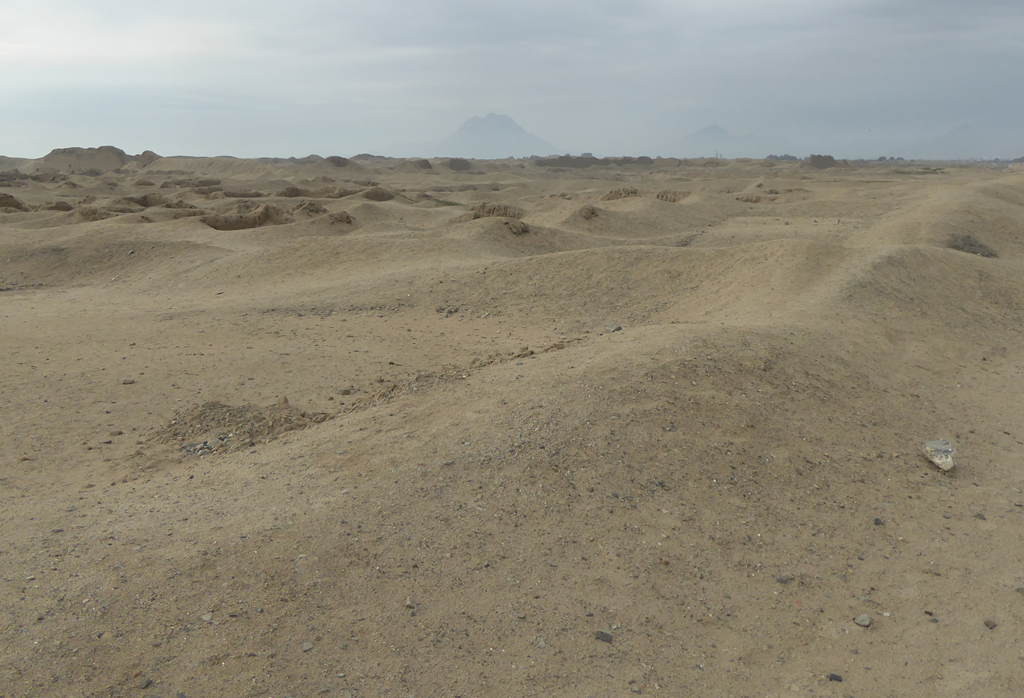
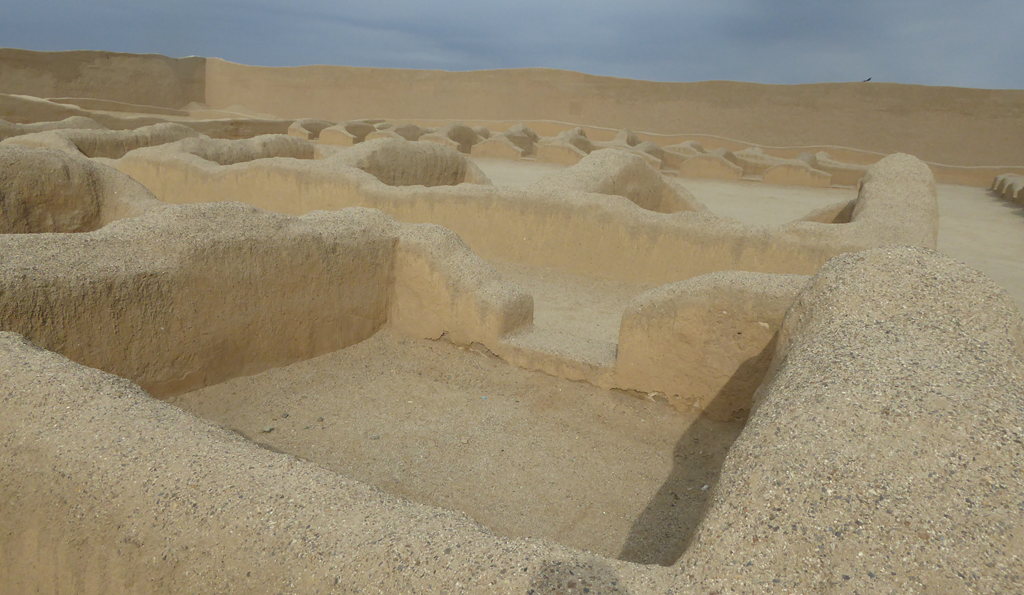
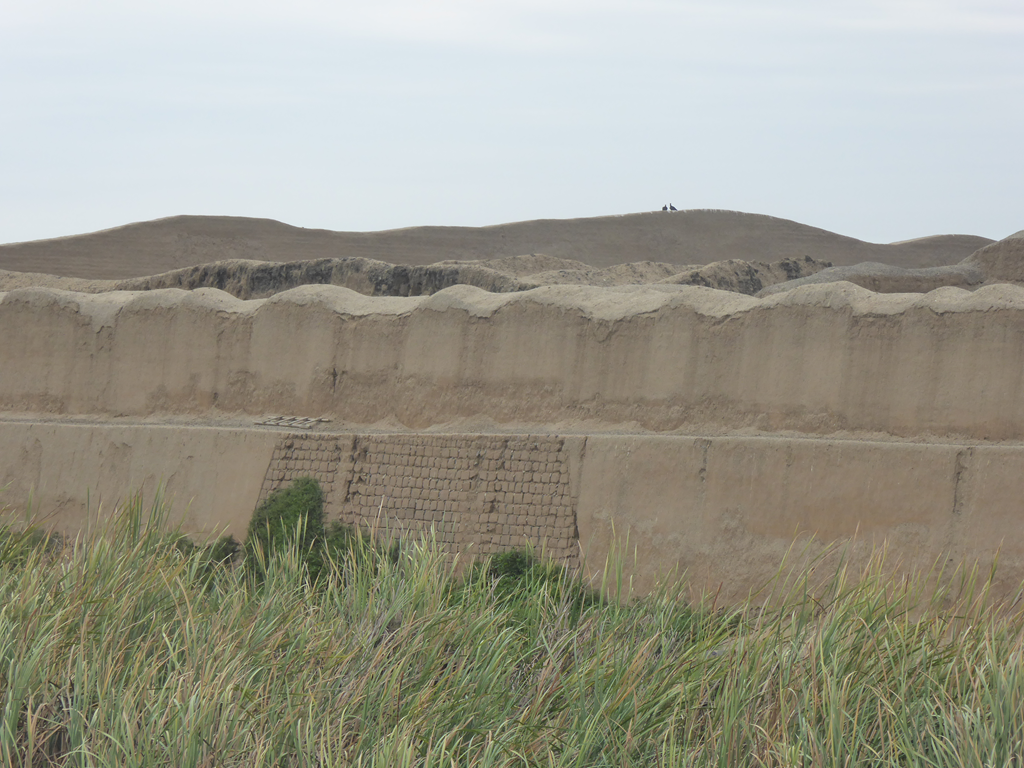
    In the 15th century Chan Chan was a 20 square  kilometer mudbrick city. Now it looks like small bumps in the desert.

    image

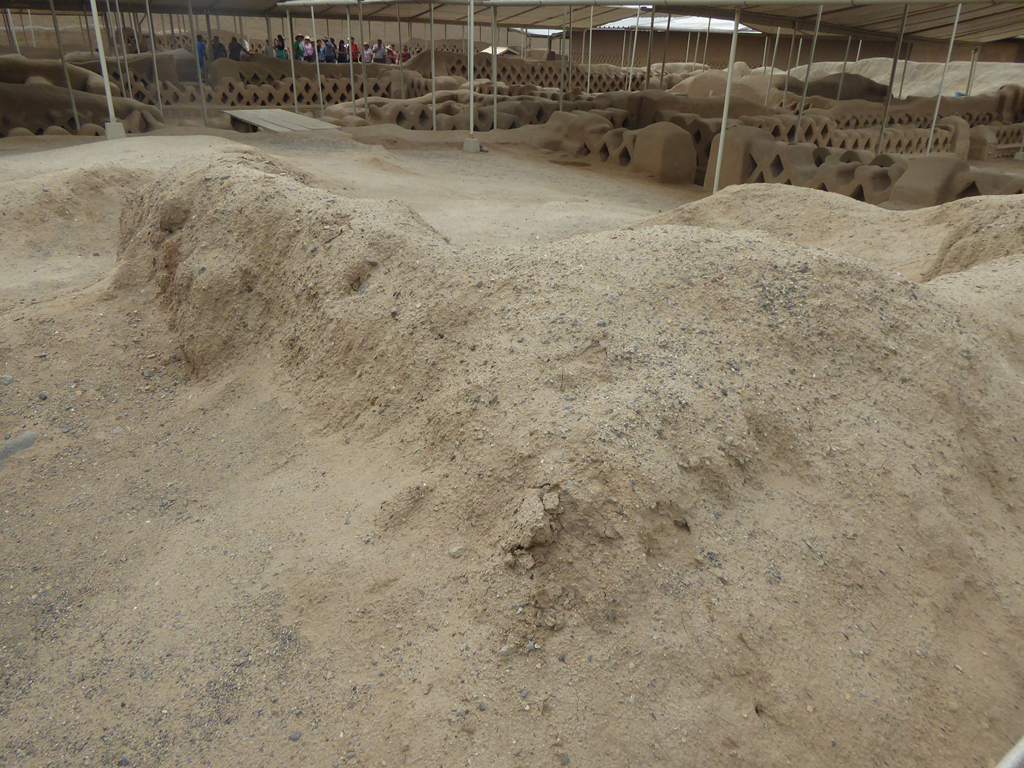
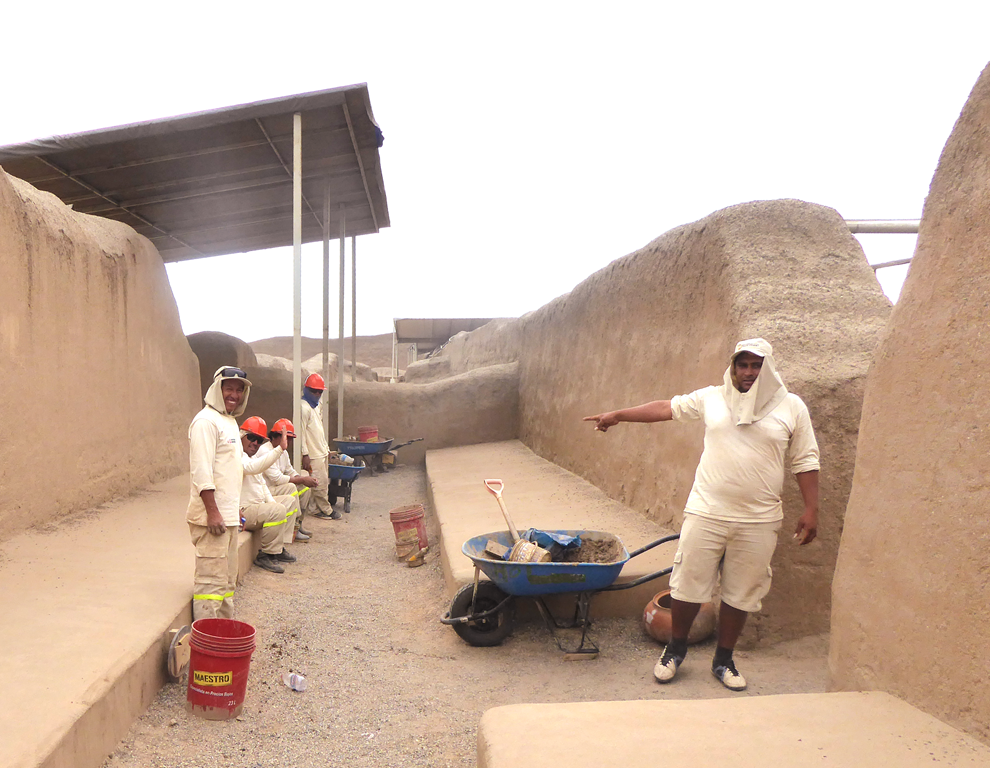
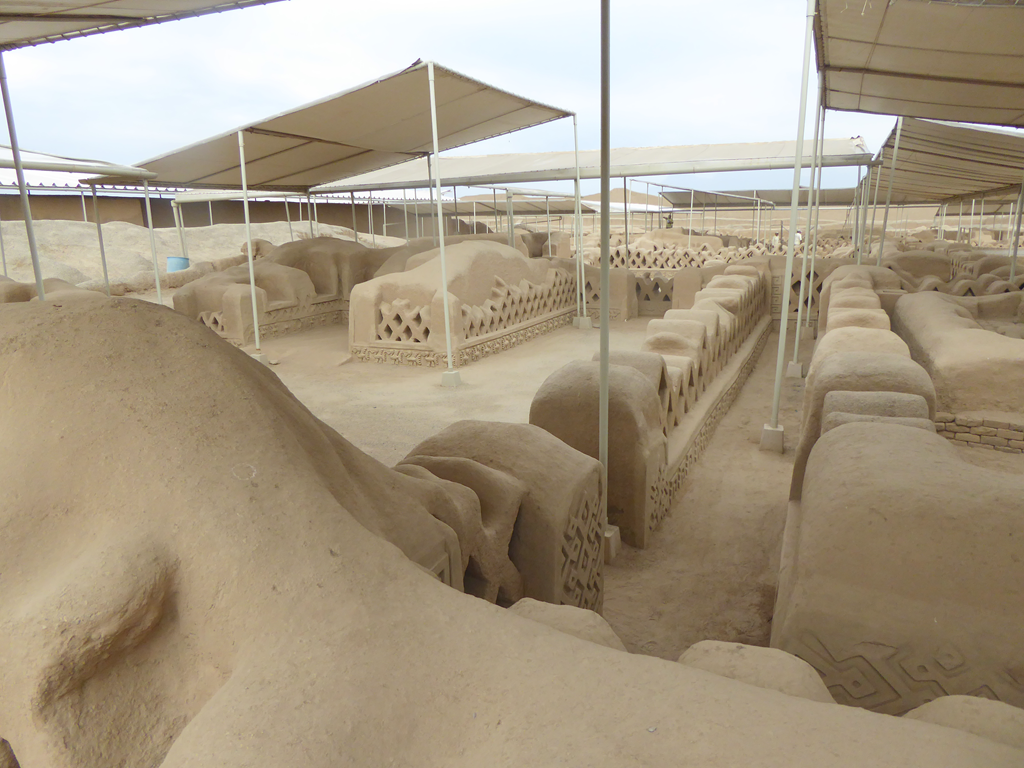
    The archaeologists are working on excavating these piles of dirt and reconstructing one of the main palaces.

    image

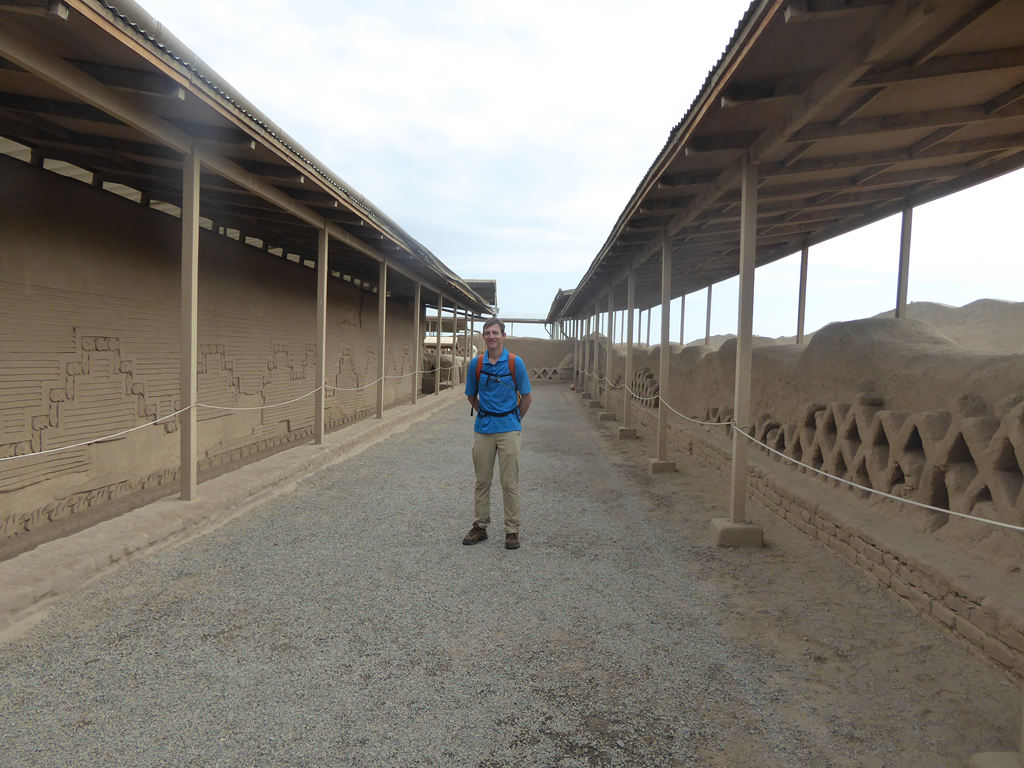
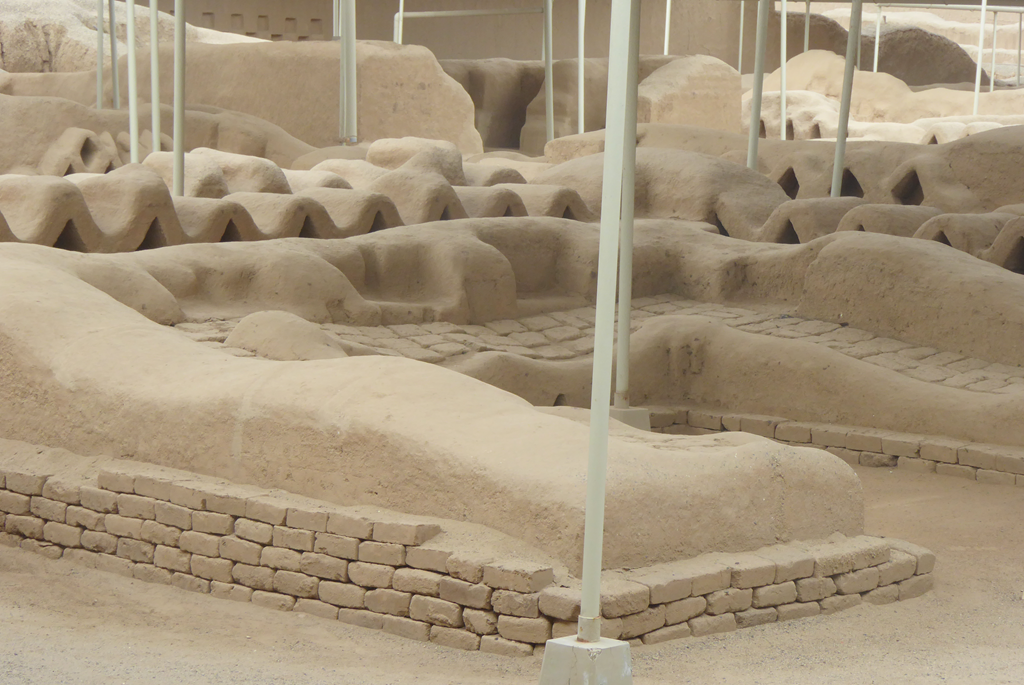
    The palace contains many rooms. These little undecorated ones were likely used for storage.

    image

    The reconstruction and preservation efforts are still underway.

    image

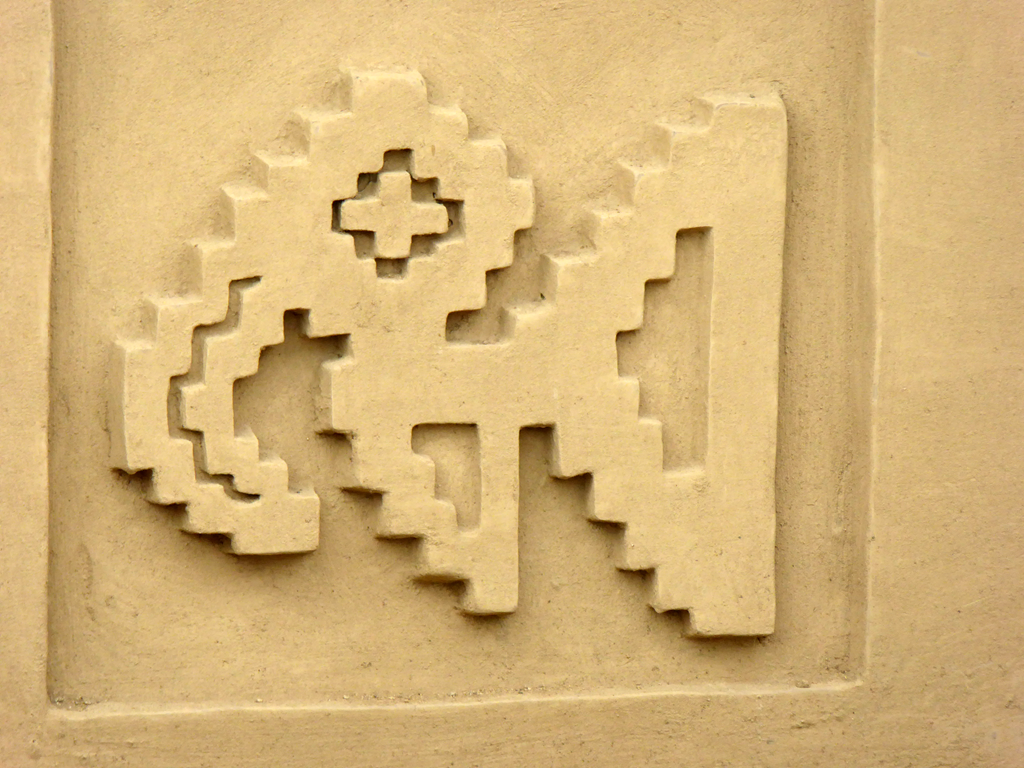
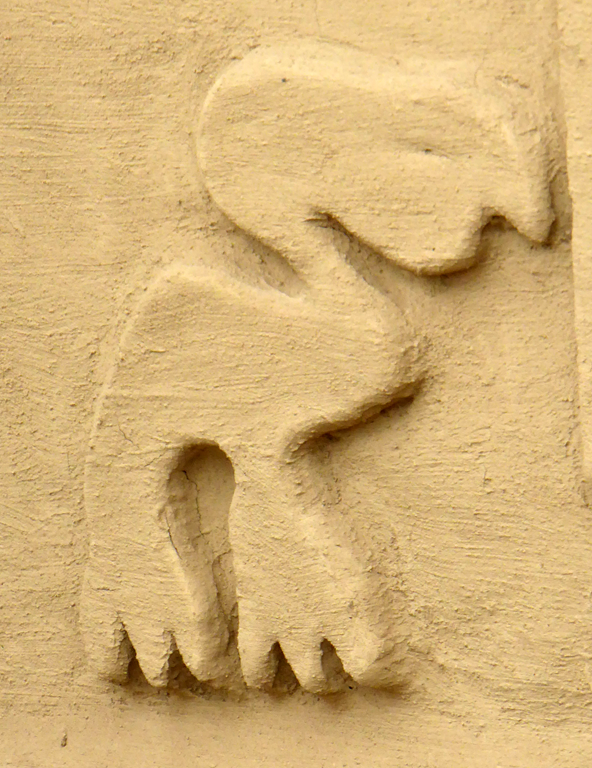
    Many of the rooms were decorated with little animals. This one likely represents a sea lion.

    image

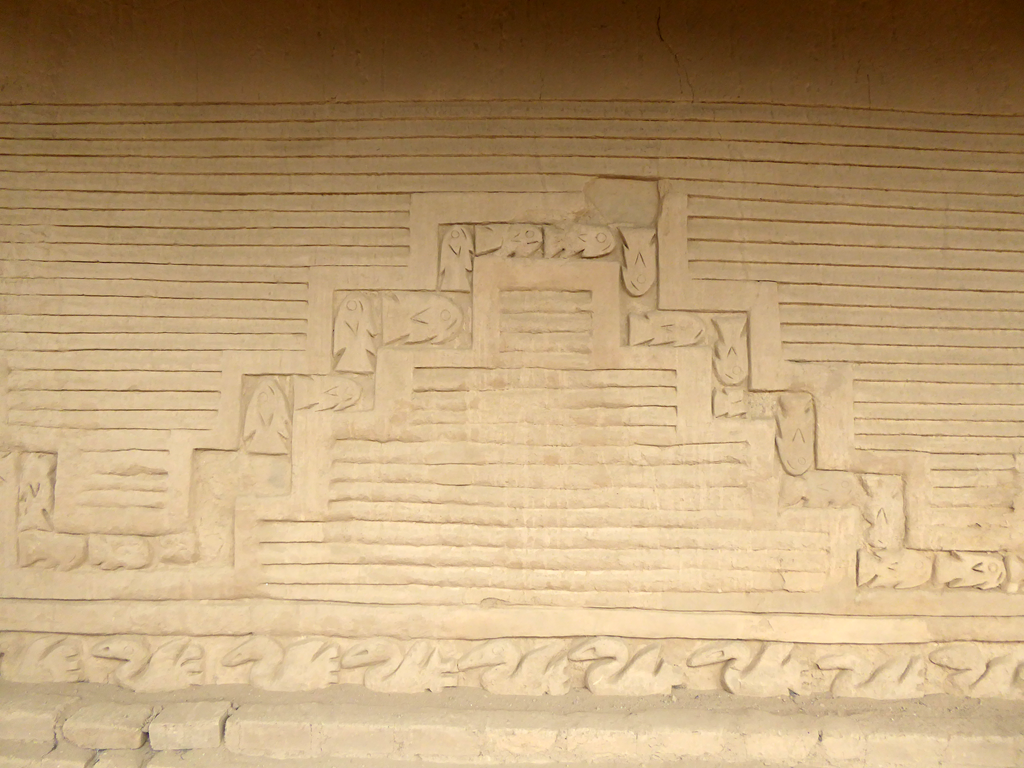
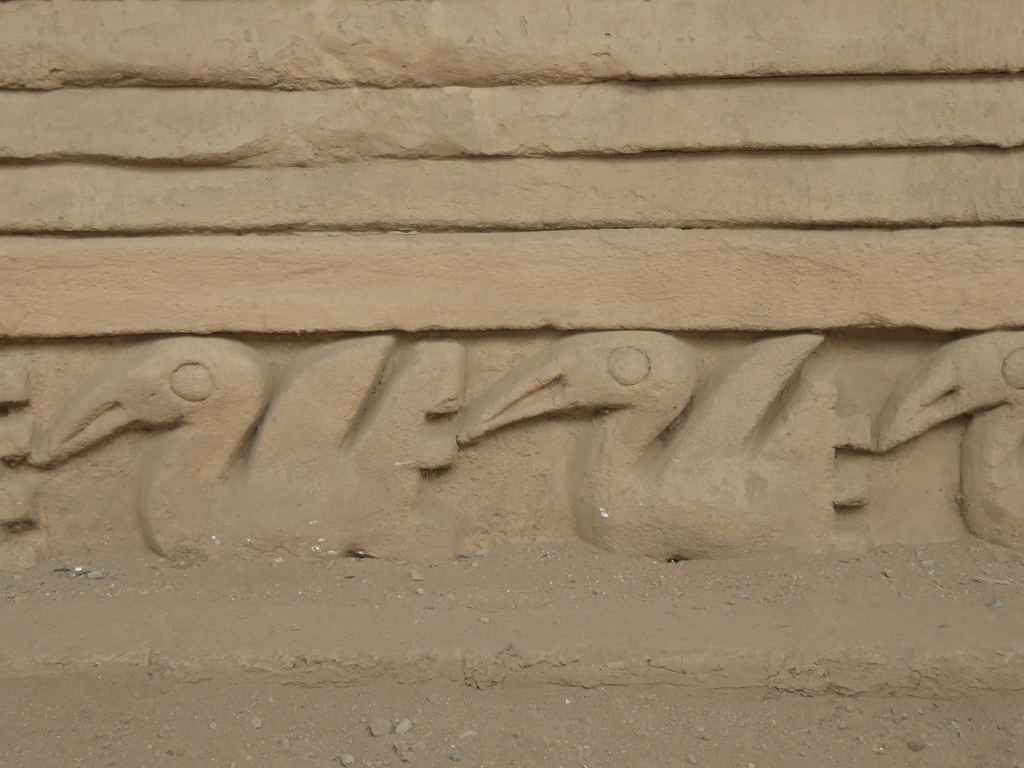
    This wall was covered in fish and pelicans.

    image

    image

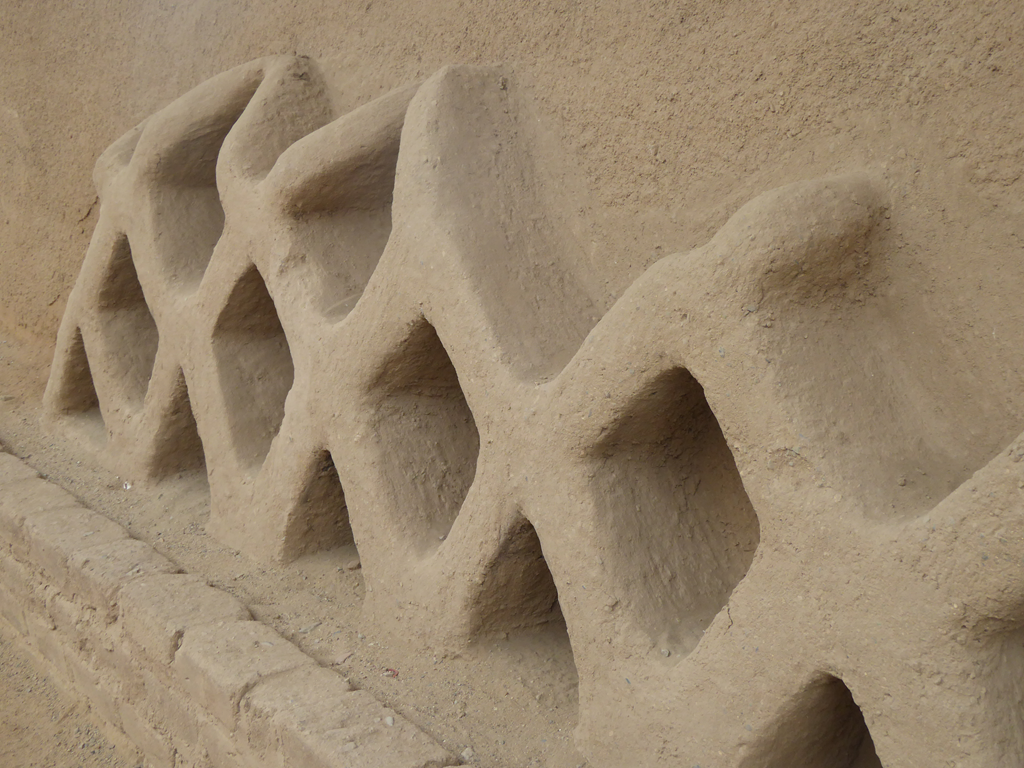
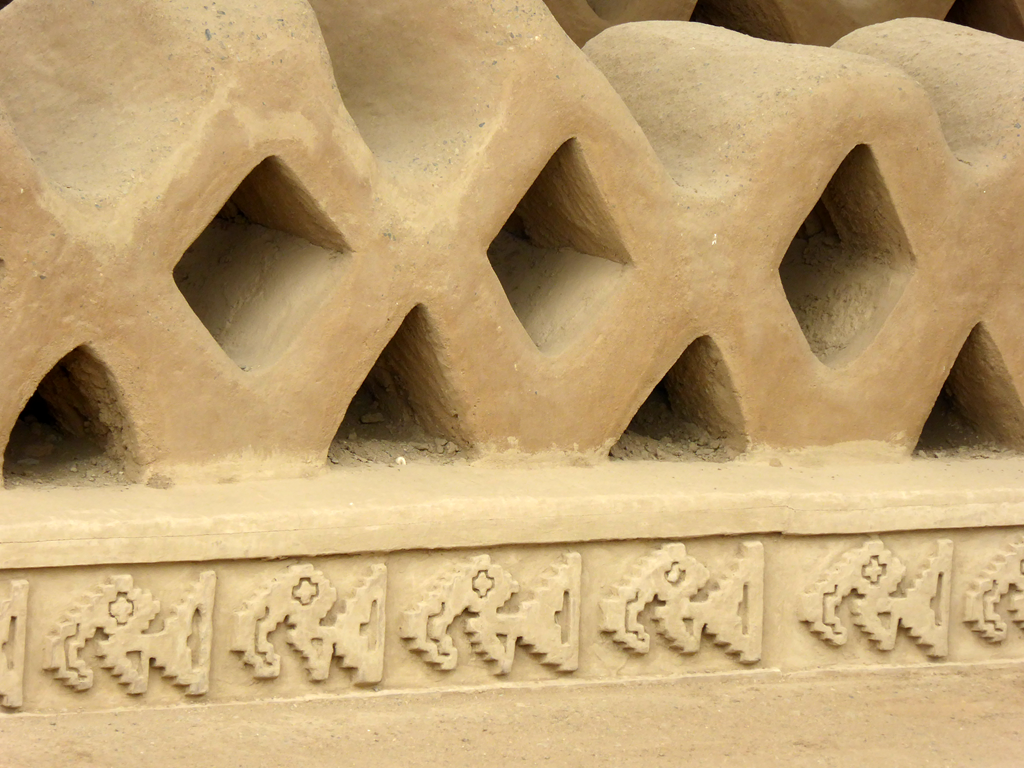
    Many walls were covered with this deep diamond pattern.

    image

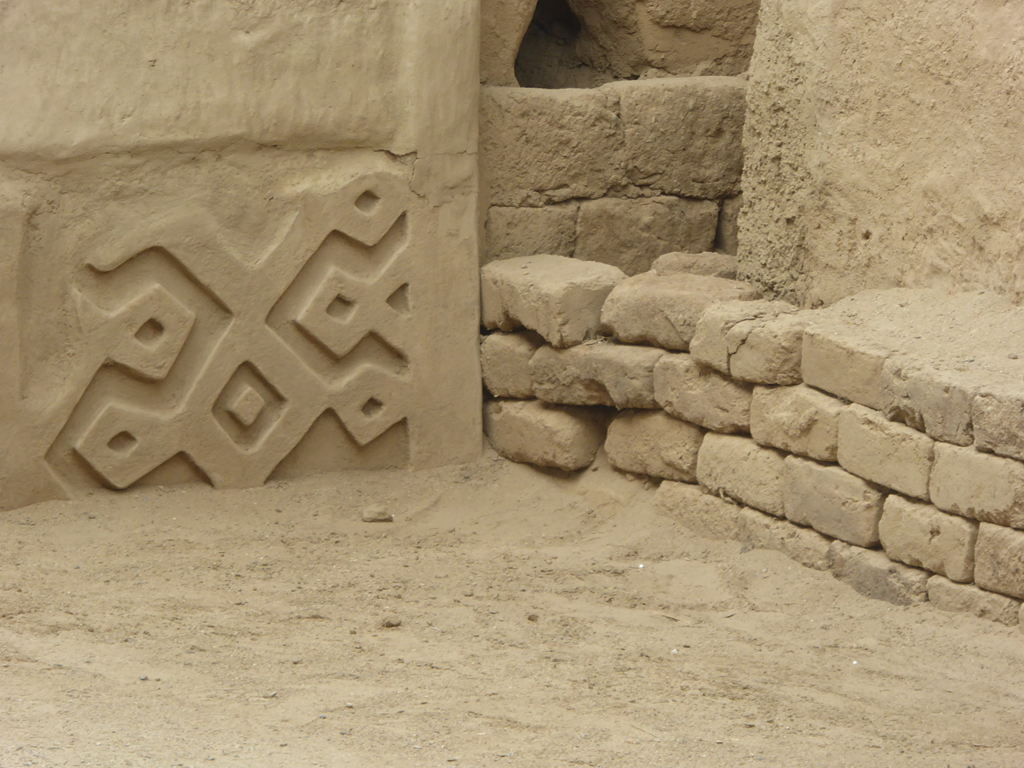
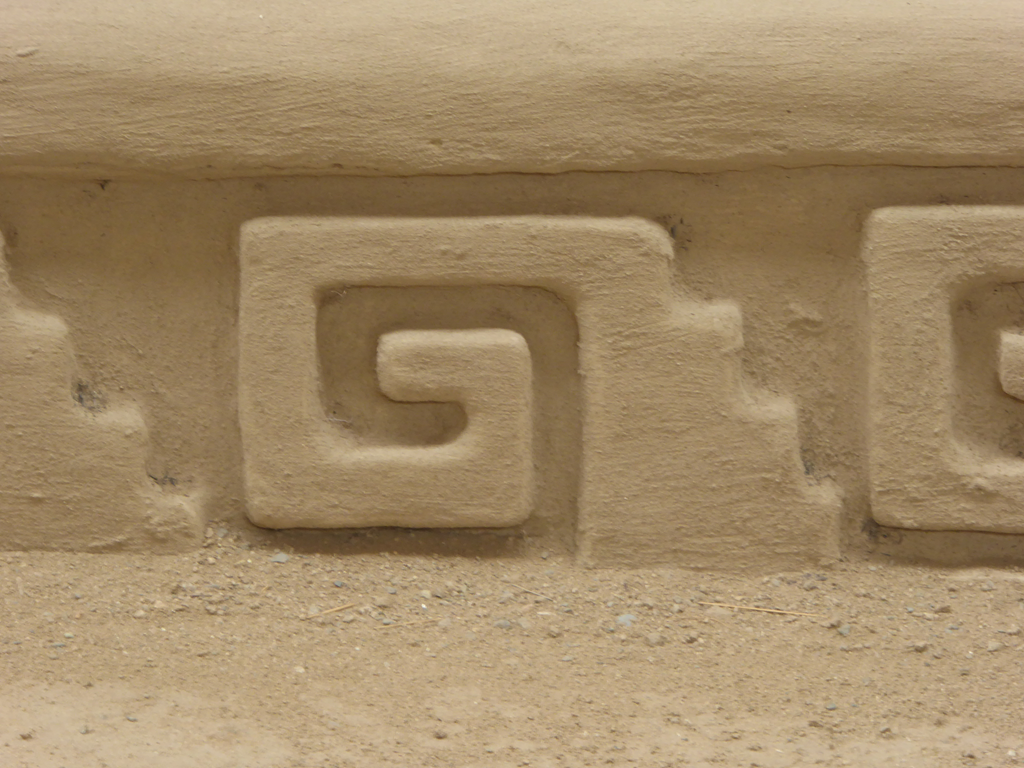
    This was another pattern found on some walls.

    image

    Most of these walls are restored, and sealed on top with a hard waterproof covering as well as having tarps added overtop. It was difficult to tell which parts were original and which were recreated.

    image

    For the most part they probably know the basic floorplan, and a few of the symbols that make the pattern, but have filled in the gaps in the reconstruction.

    image

    Many of the symbols are very blocky, like a really low resolution graphic.

    image

    But others have smooth edges.

    image

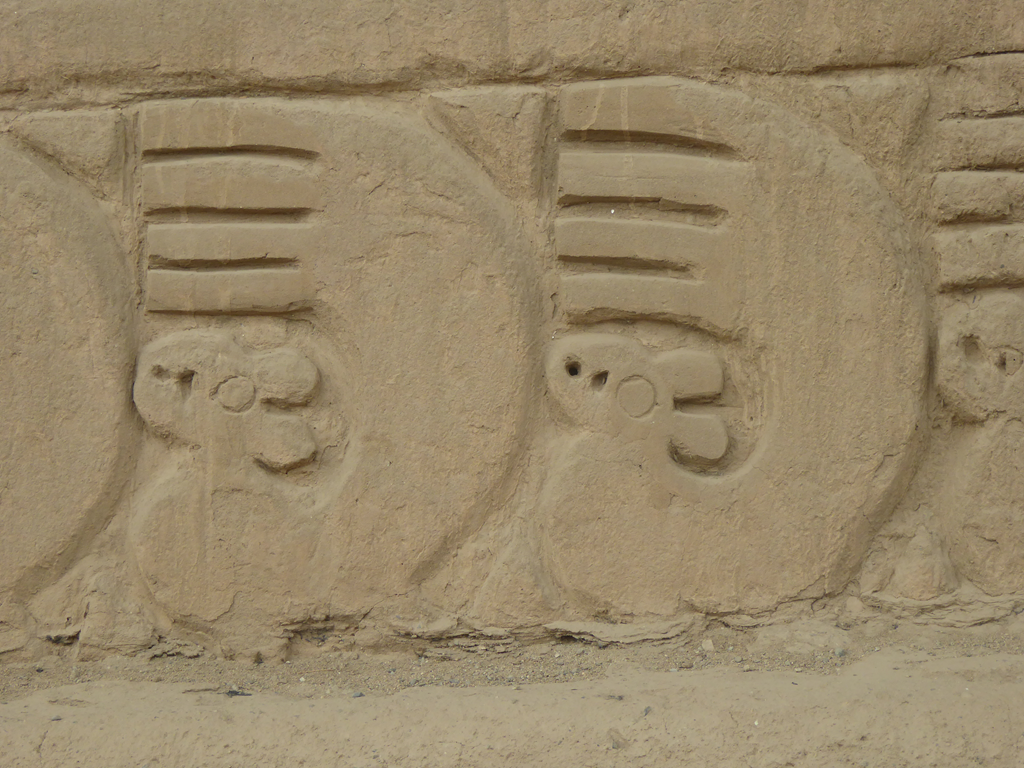
    Some you can’t tell what animal they represent, if they represent an animal at all.

    image

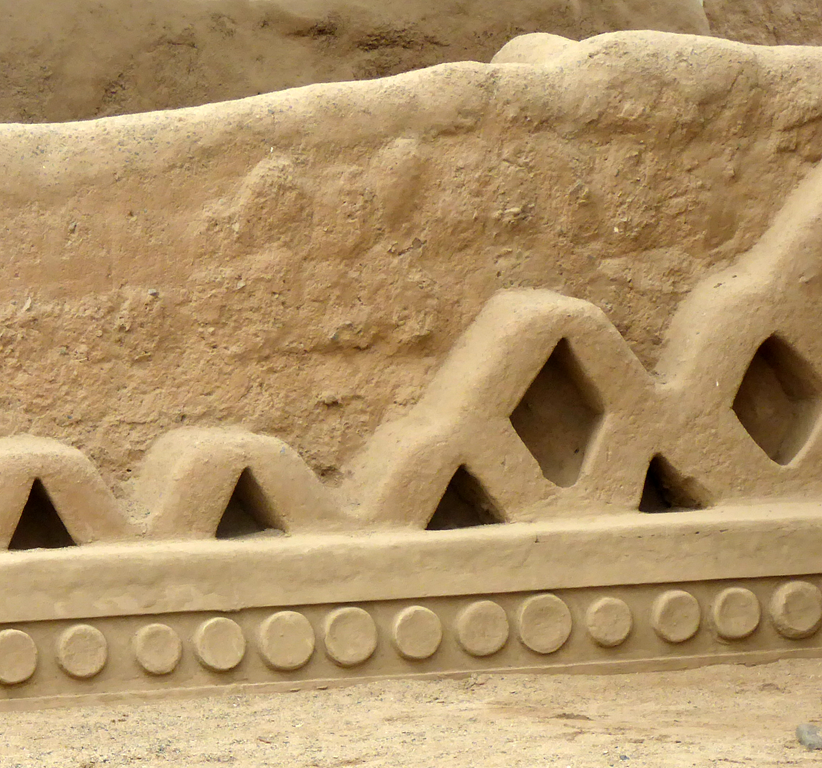
    The dots on the bottom of this one seemed oddly irregular in size.

    image

    Most of the walls are very low because there was not much left after over 500 years of desert wind.

    image

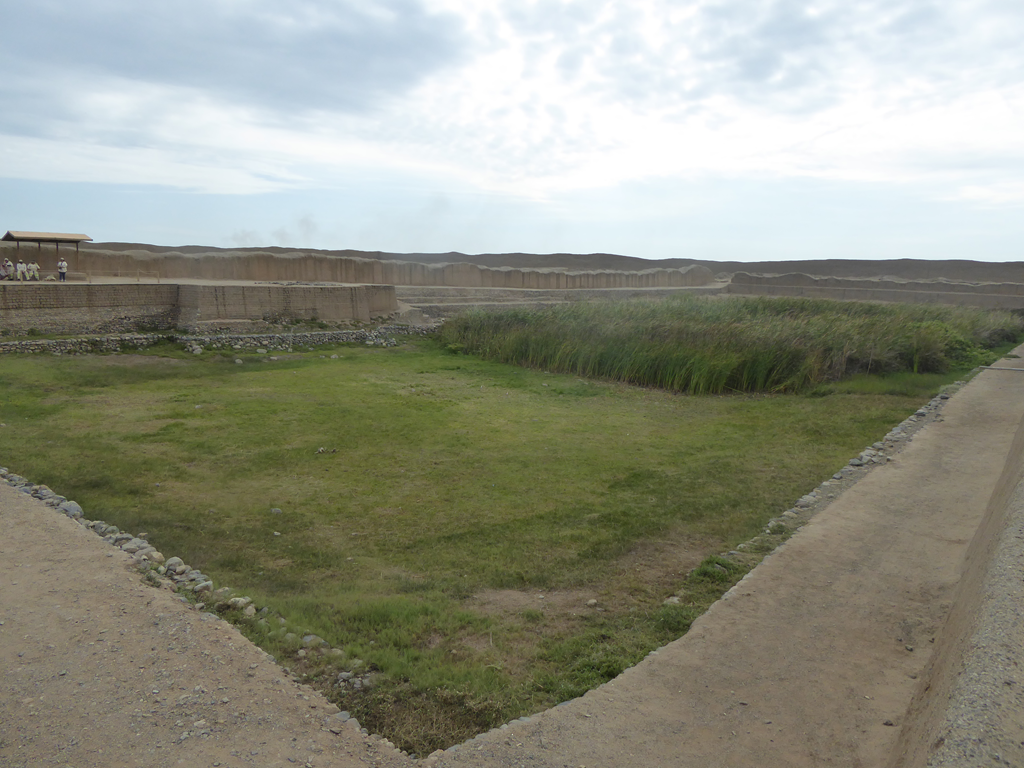
    This is a reservoir they formed inside.

    image

    The water would not have been suitable for drinking, so they think they used it for ceremonial purposes.

    image

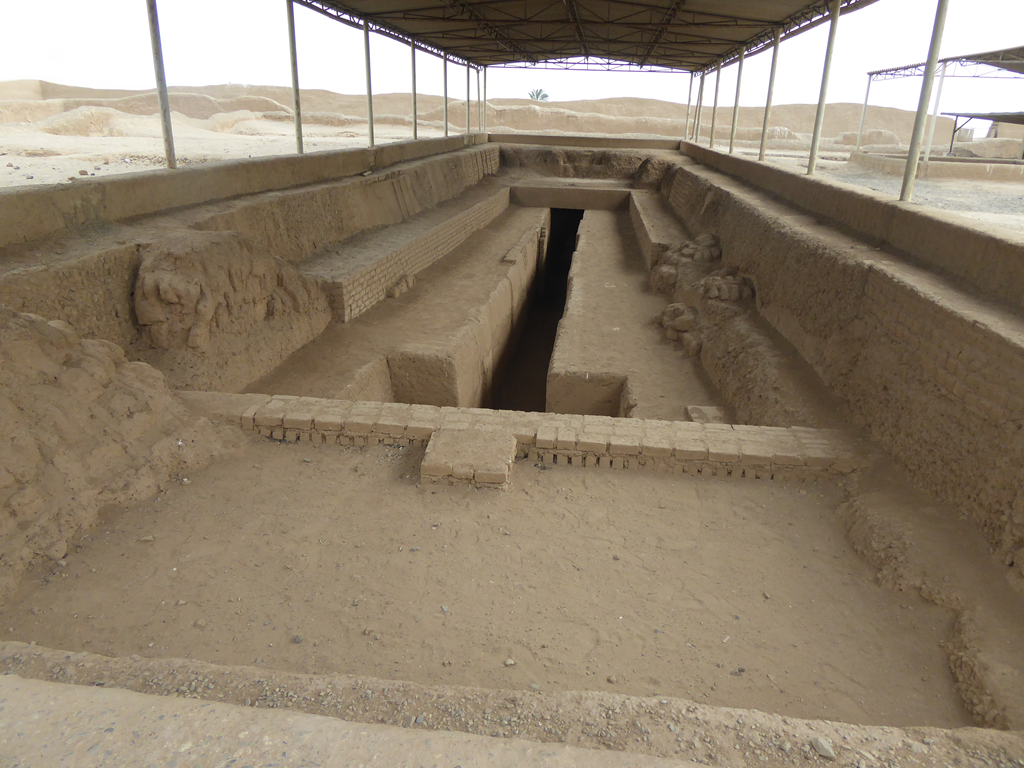
    This is the entrance to the large tomb. Most of the contents were looted by grave robbers.

    image